Followers

Mostrando las entradas con la etiqueta Abandoned Places. Mostrar todas las entradas

TAPE 24: Investigating an Abandoned Estate's Eerie Silence

Image

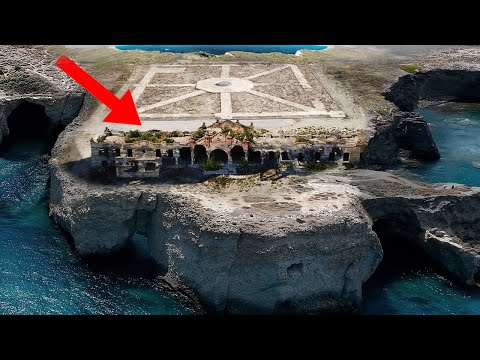
The term "TAPE 24" itself evokes a sense of digital archaeology, a recovered fragment of the past. In this instance, the submission statement is stark: "no disturbances detected. Follow-up not required." This bureaucratic brevity, however, belies the chilling narrative that often unfolds in the wake of such investigations. The content presented offers a fragmented yet evocative glimpse into an abandoned estate, a place whispering tales of former grandeur and present decay, amplified by the comments of those who have experienced it, virtually or in person.

The Estate's Former Glory

Initial analysis of the site description suggests a location designed for more than mere habitation. The mention of needing an "eagle medal and a wolf medal" to enter a laboratory, combined with insertion into a "fountain well," points towards a complex, possibly ritualistic or puzzle-based security system, remnants of a past designed with arcane intent. This detail, perhaps from a game or a fictional narrative, mirrors the elaborate mystique often associated with abandoned mansions and estates, places that beckon with hidden histories.

The comments paint a picture of profound sadness and appreciation for the lost architecture. "This looks like the perfect place to film a found footage horror movie," one observer notes, immediately grasping the inherent creepiness. Another laments, "This is heartbreaking. The place was beautiful. Imagine all the Christmas celebration, people studying, children running around when it was in its former glory." This sentiment is echoed by those who admire the "craftsmanship," the "nice looking furniture and stuff left behind," and the "rich and antique" aesthetic. There's a palpable sense of mourning for the decay of "multi-generational homes" and "elegant and beautiful places" left to "rot." Some express a desire to restore such places, with one commenter stating, "If I were rich, I would absolutely buy this place and make it liveable again." This appreciation for lost grandeur is a recurring theme in appreciating abandoned locations.

Recommended Gear for Investigation

ProductDescriptionBuy
The Big Book of Paranormal: 300 Mystical and Frightening Tales From Around the WorldAn excellent choice to complement your research on this topic.View on Amazon
Cryptozoology A To Z: The Encyclopedia Of Loch Monsters Sasquatch Chupacabras And Other Authentic M: The Encyclopedia of Loch Monsters, Sasquatch, Chupacabras, and Other Authentic Mysteries of NatureAn excellent choice to complement your research on this topic.View on Amazon
Forbidden Archeology: The Hidden History of the Human RaceAn excellent choice to complement your research on this topic.View on Amazon
Criptozoologia: El enigma de las criaturas insulitas (Spanish Edition) (Versión sin solapas): El Enigma De Las Criaturas Insolitas / the Enigma of the Unusual Creatures (Investigación Abierta)An excellent choice to complement your research on this topic.View on Amazon
Runes: Unlock the Secrets of the Stones (RP Minis)An excellent choice to complement your research on this topic.View on Amazon
The H. P. Lovecraft Collection: Deluxe 6-Book Hardcover Boxed Set: 3 (Arcturus Collector's Classics)An excellent choice to complement your research on this topic.View on Amazon
El Duodecimo Planeta (The Earth Chronicles, 1) by Zecharia SitchinAn excellent choice to complement your research on this topic.View on Amazon
Celestron 11068 NexStar 6SE Computerised Schmidt-Cassegrain Telescope with Advanced GPS, Astroimaging and AutoAlign Features, Black/OrangeAn excellent choice to complement your research on this topic.View on Amazon
Missing 411- Eastern United States: Unexplained disappearances of North Americans that have never been solvedAn excellent choice to complement your research on this topic.View on Amazon
Ghost-Hunting For Dummies [Idioma Inglés] An excellent choice to complement your research on this topic.View on Amazon

The Allure of Abandoned Spaces

The exploration of such sites, as detailed by a former safety inspector, is not without its risks, but also its own unique rewards. "I inspected abandoned buildings and sites alone like this all the time," they recall. "Time of day doesn't matter once you're inside, especially basements and crawlspaces. It was really fun." This perspective contrasts sharply with the fear expressed by others, such as "I cannot emphasize how much braver you are than me" and "Brave Guy. Alone is not easy." The simple act of entering these decaying structures, particularly solo, is often perceived as an act of significant courage.

The visual aspect of these abandoned locations is also frequently highlighted. Comparisons to "an unreal engine 5 video game running in 4k" suggest a hyper-realistic yet artificial quality. The juxtaposition of decay with remnants of former opulence is particularly striking. The idea that "one day he's going to turn down a hallway, and those eyes are going to be staring back at us" encapsulates the latent tension and anticipation that permeates such environments. The "thumbnail is the beginning of a nightmare" further emphasizes the power of visual suggestion in creating an atmosphere of dread. The "bright ass flashlight" comment, while humorous, speaks to the practicalities of navigating absolute darkness within these structures.

Urban exploration groups, as described by one commenter, often approached these sites with a heightened sense of caution and preparedness. Their experience involved numbers ("roll 4 or 5 deep"), communication ("always had a phone"), and self-defense ("always had a q-beam and were usually armed"). This practical approach to exploring potentially hazardous and unsettling environments underscores a pragmatic realism that balances the more fantastical fears associated with haunted locales.

Audio Anomalies and Atmosphere

While the initial report for "TAPE 24" claimed no disturbances, the comments suggest a different sensory experience. The "pure silence, no jump scare, just pure raw filming" is described as "wonderfully put together," highlighting a preference for atmospheric horror over cheap thrills. However, the environment is far from silent. "The chirping of unseen birds... in the middle of the night is so unnerving," one user notes, a sentiment that is paradoxically countered by another who finds "Chirps from birds make it more comforting." This suggests that auditory perceptions in isolated, dark environments are highly subjective and can be interpreted as either menacing or strangely reassuring.

The "protagonist of Outlast" reference is a direct nod to the intense psychological horror of that video game, implying that the TAPE 24 location carries a similar weight of dread. The idea of watching the video at night, in the dark, with noise-canceling headphones, transforms the viewing experience into an immersive, almost participatory event, designed to maximize the sensory impact and "feel a breeze." The comment "Bro is anti social even with ghosts" adds a touch of dark humor, suggesting a deliberate avoidance of any spectral interaction, even when confronted with potential paranormal presence.

The Psychology of Fear in Isolation

The commentary frequently touches upon the psychological impact of these abandoned spaces. "They say that the Residents there are... Evil" is a chilling assertion, hinting at local legends or folklore surrounding the estate. The ability to "light up the whole building from the distance as its surrounded by total darkness is horrifying yet amazing" captures the dual nature of such sites: terrifying in their emptiness, yet captivating in their scale and mystery.

The specific mention of "The Spencer Mansion" gives a potential real-world anchor to these discussions, though without further context, it remains speculative. The architectural discussion about "follys, architectural buildings that are more looks than function," like "fake castles and Roman temples," suggests a deliberate artificiality in the estate's design, possibly intended to evoke a specific aesthetic or historical period, contributing to its enigmatic aura. The observation that the entire place has "the feel of an Englishman's estate" further contextualizes its potential architectural and social origins.

The sheer waste of such magnificent structures is a recurring point of melancholy. "It's sad that a place like that has to go to waste," is a sentiment that resonates deeply. For some, the allure lies in abstract concepts: "i just find these buildings in the dark so peaceful." This suggests a personal connection to solitude and the quiet introspection that abandoned places can inspire, a stark contrast to the fear others experience.

"The craftsmanship was something else. For these places being creepy and abandoned, there sure is a lot of nice looking furniture and stuff left behind."

This observation, alongside the desire to "want bits and pieces of them in my future house," highlights an aesthetic appreciation that transcends the horror elements, focusing instead on the enduring beauty of the past.

Investigator's Verdict: Fraud, Genuine Phenomenon, or Something Else?

Based on the provided content, "TAPE 24" appears to be a composite of observations, user comments, and potentially fictionalized elements related to an abandoned estate. The initial "submission statement" suggests a lack of overt paranormal activity according to the investigator. However, the user comments reveal a powerful atmospheric and psychological impact. Many commenters project fear, sadness, and awe onto the location, attributing malice or profound historical significance to its state of disrepair. While some comments, like the "eagle medal and wolf medal" and the "Outlast" reference, lean towards fictional or gaming contexts, others, like the detailed descriptions of architecture and the personal anecdotes of urban exploration, suggest a grounding in real-world experiences.

The core mystery here is not necessarily direct paranormal evidence, but the potent effect of abandonment and decay on human perception and emotion. The estate, regardless of any supernatural occurrences, serves as a canvas for projection. It embodies lost grandeur, the passage of time, and humanity's fascination with the eerie silence of forgotten places. The "horrifying yet amazing" duality captured by one commenter is perhaps the most accurate summary: these locations provoke both fear and wonder.

The lack of "disturbances detected" by the initial investigator could mean several things: the phenomena are subtle and psychological, the investigator missed them, or the "tape" is not from a traditional paranormal investigation but an exploration video where such claims are not the focus. The raw, silent filming style preferred by some viewers suggests an appreciation for unadulterated ambiance over explicit supernatural events.

The Researcher's Archive

To delve deeper into the psychology of abandoned places and the nature of atmospheric horror, I recommend the following resources:

  • Books on Urban Exploration: Works by photographers and explorers documenting abandoned sites often feature detailed accounts of the atmosphere and potential dangers.
  • Documentaries on Haunted Locations: Films that focus on the history and alleged paranormal activity of old houses and estates provide context for such investigations.
  • Psychological Studies on Fear and Isolation: Academic research exploring how environments and solitude affect human perception and emotional states.

On Preservation and Decay: It's a recurring tragedy that these monuments to craftsmanship and history are left to crumble. The investment in preserving such structures, both historically and financially, is immense. However, the allure of their decay fuels fascination. Understanding the economics and logistics of preservation versus the romanticism of abandonment is key to appreciating these locales.

Equipment Recommended for Investigation

For those venturing into similar environments, preparedness is paramount. While this particular investigation reported no disturbances, the potential for unseen hazards or subtle anomalies necessitates appropriate gear.

Frequently Asked Questions

Q1: What does "TAPE 24" likely refer to?
It most likely refers to a specific recording or video file, possibly from a paranormal investigation or an urban exploration vlog, designated by its sequential number.
Q2: Are abandoned estates always dangerous?
Abandoned buildings can present numerous physical dangers, including structural instability, hazardous materials, and potential encounters with individuals. While paranormal danger is often speculated, the immediate risks are typically physical.
Q3: How is the silence in abandoned places perceived?
Silence in such environments can be perceived in multiple ways: peacefully, as an absence of human noise; unnervingly, due to the lack of expected sounds and the amplification of subtle noises; or as a manifestation of profound emptiness and decay.
Q4: What is the appeal of found footage horror?
Found footage horror aims to create a sense of realism and immediacy, as if the viewer is witnessing unedited, raw footage of an event. This often enhances immersion and perceived authenticity, making the horror feel more tangible.

Your Mission: Field Assignment

Your mission, should you choose to accept it, is to analyze the concept of "atmospheric horror." Find a piece of media (a video, a photograph, a piece of music) that evokes a strong sense of unease or dread primarily through its environment and sound design, rather than explicit threats. Document your findings: What specific elements contribute to the atmosphere? How does it make you feel? Share your analysis in the comments below. Remember, the subtle often carries more weight than the overt.

The world is full of echoes from the past, and understanding them requires more than just observation; it demands analysis. Your experiences, your theories, and your own investigations add critical data points to our collective understanding. Share your thoughts on "TAPE 24" and similar phenomena. What have you encountered in abandoned places? What explanations do you favor for these unsettling environments?

If this exploration has piqued your interest, consider delving deeper into the mysteries that lie just beyond the veil of the ordinary. Your insights are invaluable to our ongoing research. Don't just observe the unexplained; engage with it. Follow for more deep dives into the paranormal and the unexplained.

Investigator's Note: True paranormal research doesn't fund itself. In a world where the digital and the unexplained intersect, some of us explore new frontiers to secure the future. Do you dare to be part of the vanguard? Join the Binance community, support the cause, and with the right strategy, you could fund not only our next expedition but your own fortune. The next great discovery could be just a click away.

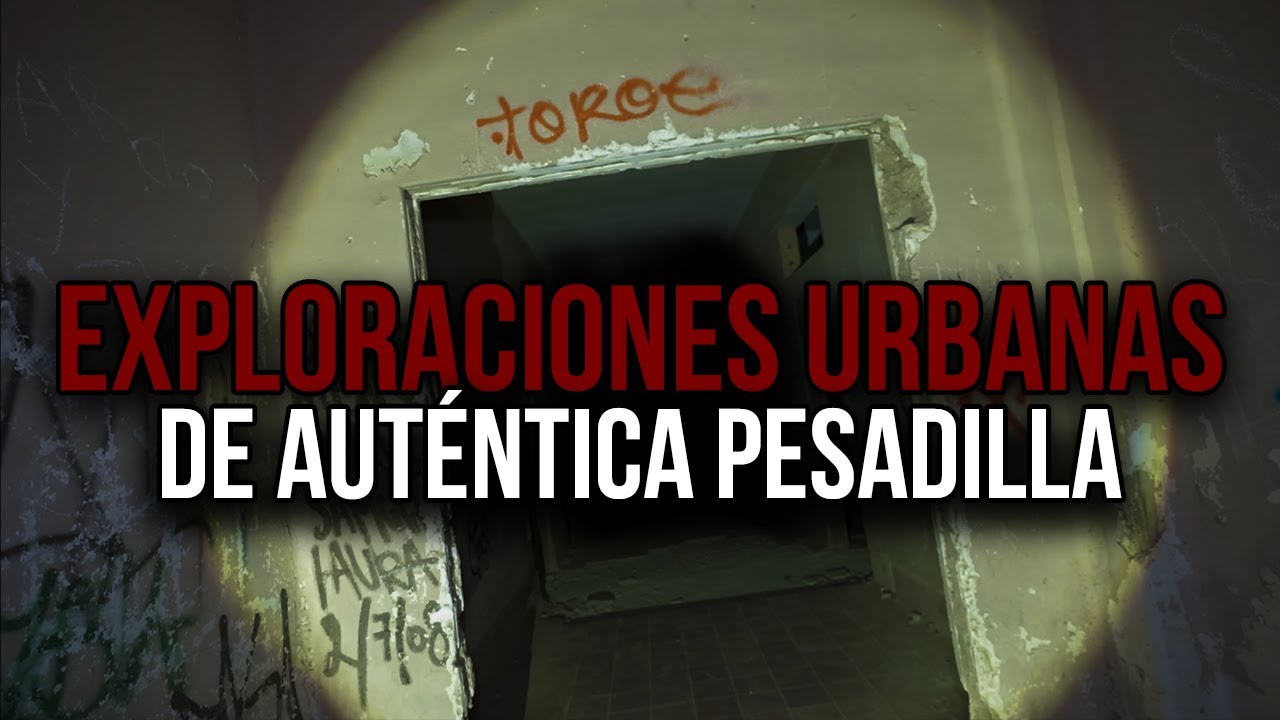
3 Nightmarish Urban Explorations Confirming Danger in Abandoned Sites


The allure of abandoned places is undeniable. They whisper tales of forgotten lives, of industries long silenced, and sometimes, of horrors that refuse to fade. As an investigator, I've learned that "abandoned" rarely means "empty." These sites often harbor residual energies, environmental hazards, and yes, sometimes, phenomena that defy logical explanation. Today, we delve into three such urban explorations that serve as chilling testaments to the inherent dangers lurking within these decaying structures.

The Forgotten Sanatorium: Echoes of Suffering

Abandoned sanatoriums are a wellspring of unsettling energy. Built during eras when medical understanding was rudimentary and often brutal, these institutions housed thousands experiencing physical and mental distress. The sheer volume of suffering imprinted upon the very walls can manifest in various ways.

Reports from explorers entering such locales frequently mention oppressive atmospheres, sudden temperature drops, and auditory phenomena – whispers, disembodied cries, and the distinct sound of medical equipment activating without power. One particularly chilling exploration, documented by Mystery World, involved navigating the decaying corridors of a former tuberculosis sanatorium. The explorer reported feeling an intense sense of being watched, coupled with fleeting visual apparitions in peripheral vision. While conventional explanations point to drafts, decaying infrastructure, and psychological suggestion, the sheer consistency of these experiences across different individuals and locations cannot be dismissed outright. The imprinted trauma can act as a psychic amplifier, making these places fertile ground for paranormal activity.

Recommended Gear for Investigation

ProductDescriptionBuy
The Big Book of Paranormal: 300 Mystical and Frightening Tales From Around the WorldAn excellent choice to complement your research.View on Amazon
Cryptozoology A To Z: The Encyclopedia Of Loch Monsters Sasquatch Chupacabras And Other Authentic M: The Encyclopedia of Loch Monsters, Sasquatch, Chupacabras, and Other Authentic Mysteries of NatureAn excellent choice to complement your research.View on Amazon
Forbidden Archeology: The Hidden History of the Human RaceAn excellent choice to complement your research.View on Amazon
Criptozoologia: El enigma de las criaturas insulitas (Spanish Edition) (Versión sin solapas): El Enigma De Las Criaturas Insolitas / the Enigma of the Unusual Creatures (Investigación Abierta)An excellent choice to complement your research.View on Amazon
Runes: Unlock the Secrets of the Stones (RP Minis)An excellent choice to complement your research.View on Amazon
The H. P. Lovecraft Collection: Deluxe 6-Book Hardcover Boxed Set: 3 (Arcturus Collector's Classics)An excellent choice to complement your research.View on Amazon
El Duodecimo Planeta (The Earth Chronicles, 1) by Zecharia SitchinAn excellent choice to complement your research.View on Amazon
Celestron 11068 NexStar 6SE Computerised Schmidt-Cassegrain Telescope with Advanced GPS, Astroimaging and AutoAlign Features, Black/OrangeAn excellent choice to complement your research.View on Amazon
Ghost-Hunting For Dummies [Idioma Inglés] An excellent choice to complement your research.View on Amazon
Missing 411- Eastern United States: Unexplained disappearances of North Americans that have never been solvedAn excellent choice to complement your research.View on Amazon

"The air was thick, heavy. Not just dust, but something else... a palpable sadness. I heard what sounded like a gurney rolling down the hall, but when I checked, nothing. Just peeling paint and silence." - Anonymous Urbexer

From a practical standpoint, these structures are fraught with physical dangers: collapsing floors, unstable ceilings, and the presence of hazardous materials like asbestos and mold. The psychological toll of navigating such environments, combined with the potential for genuine anomalous experiences, makes these explorations inherently high-risk.

The Silent Factory: Shadows on the Production Lines

Industrial sites, once buzzing with the relentless rhythm of machinery and human labor, can transform into eerie monuments to obsolescence. The Silent Factory, as documented by Erick Gunner, presented a different kind of unease. This sprawling complex, once a hub of manufacturing, stood empty for decades. The sheer scale of the place, with its cavernous halls and dormant machinery, is disorienting.

Explorers often describe the feeling of unseen workers continuing their tasks, the phantom clang of hammers, or the hum of spectral machinery. In this particular instance, the explorer noted the distinct impression of movement in the vast, empty assembly halls. Shadows seemed to dart between the silent machinery, and faint, rhythmic sounds, reminiscent of production lines, were reportedly heard in the deeper sections of the factory. While industrial decay can produce creaks and groans that mimic activity, the persistence of specific patterns in these sounds and movements across multiple visits suggests a deeper phenomenon at play. Could residual energy from decades of repetitive human effort be the cause? Or is it something else, drawn to the echoes of organized activity?

Understanding the history of such a place is crucial. Were there any accidents? Tragic events? These narratives often become woven into the fabric of the location. The documentation provided by Erick Gunner highlights not only the visual decay but also the unsettling auditory landscape, prompting further investigation into the potential for psychokinetic or residual haunting phenomena in large industrial complexes.

The Ghostly Amusement Park: Chilling Laughter in the Decay

Perhaps no abandoned location evokes a more potent sense of uncanny dread than a decaying amusement park. These were places designed for joy and excitement, but time and neglect twist that intent into something profoundly disturbing. The laughter of children, the cheerful music of rides – all replaced by the groaning of rusted metal and the rustle of wind through broken structures.

Reports from abandoned amusement parks often involve disembodied laughter, the phantom sounds of carnival music, and the inexplicable movement of rides. A case highlighted by Al día Nuevo León documented an exploration of a park that had been closed for years. Visitors reported hearing the distant, faint sounds of carousel music and the distinct giggling of children, even though the park was completely deserted and devoid of power. One explorer even claimed to have seen the silhouette of a figure on a rusted Ferris wheel, only for it to vanish when approached. These accounts, while often anecdotal, align disturbingly well with the concept of electronic voice phenomena (EVP) and residual hauntings, where strong emotions and events leave an energetic imprint.

"It felt like the park was playing a game with us. We'd hear something, move towards it, and it would stop. Then, from another direction, a faint tune, or a whisper. The silence between these sounds was the worst part." - Urbex Team Member

The contrast between the park's intended purpose and its current state of decay creates a powerful psychological dissonance, which may, in turn, heighten sensitivity to anomalous phenomena. It’s a stark reminder that sometimes, the most unsettling hauntings occur in places designed for pure happiness.

Investigator's Verdict: Calculated Risks or Genuine Anomalies?

These urban explorations, while often undertaken with a degree of thrill-seeking, underscore critical points for any investigator of the unexplained. The dangers are twofold: the tangible, environmental hazards that can cause serious injury or death, and the potential for genuine paranormal or anomalous phenomena. From a pragmatic standpoint, most initial "paranormal" experiences in these locations can be attributed to psychological factors – suggestion, pareidolia (seeing patterns in random stimuli), and the natural eeriness of decay. Drafts in old buildings can mimic voices, settling structures can create sounds, and shadows play tricks on the mind.

The Investigator's Archive

For those intrigued by the darker side of urban exploration and the potential for unexplained phenomena, I recommend the following resources:

  • Documentaries: Look for independent films focusing on Urbex communities and specific haunted locations. Many can be found on platforms like YouTube.
  • Books: Explore histories of asylums, abandoned factories, and old entertainment venues. Often, the documented history itself provides fertile ground for understanding reported phenomena.
  • Community Forums: Online forums dedicated to urban exploration and paranormal investigation offer a wealth of firsthand accounts and discussions. Always approach anecdotal evidence with a critical eye.

Equipment Recommended for Investigation

When venturing into potentially hazardous or anomalous environments, proper equipment is paramount. Beyond basic safety gear, certain tools can aid in documenting the unexplained:

  • High-Definition Cameras (Action Cams & DSLRs): Essential for visual documentation. Ensure good low-light performance.
  • Audio Recorders (Portable Digital): Crucial for capturing EVPs (Electronic Voice Phenomena).
  • EMF Meters: To detect fluctuations in electromagnetic fields, which some believe correlate with paranormal activity.
  • Temperature Sensors/Thermal Cameras: To document cold spots or unusual thermal signatures.
  • Headlamps and Backup Lights: Essential for navigating dark environments safely.

Frequently Asked Questions

Are urban explorations legal?
In most cases, entering abandoned private property without permission is considered trespassing and is illegal. Always prioritize safety and legality.
What is the most common paranormal phenomenon reported in abandoned places?
Auditory phenomena like EVPs (disembodied voices), shadows, and feelings of being watched are frequently reported.
Can simple decay explain all reported phenomena?
While decay accounts for many occurrences, the consistency and nature of some reports suggest further investigation is warranted.
What safety precautions are most important?
Never explore alone, inform someone of your location and expected return time, wear protective gear (mask, gloves, sturdy shoes), and be aware of structural integrity.

Your Mission: Document the Unseen

The next time you encounter an abandoned structure, whether from a distance or through documented footage, consider the layers of history and potential phenomena it holds. Your mission, should you choose to accept it, is to approach such subjects with a blend of caution, curiosity, and a critical, analytical mind. Document your own experiences, or analyze those shared by others, always seeking the truth behind the whispers of decay.

The world is full of mysteries waiting to be uncovered. Have you ever had a chilling experience exploring an abandoned place? Share your story in the comments below. Your testimony could be the missing piece of an ongoing investigation. Don't keep your encounters to yourself – the truth is out there, and it needs to be heard.

If you found this analysis compelling, share it with your fellow truth-seekers on social media. Let's expand the reach of critical paranormal research. And for more insights into the unexplained, consider following our ongoing investigations.

Investigator's Note: True paranormal research doesn't fund itself. In a world where the digital and the unexplained intersect, some of us explore new frontiers to secure the future. Do you dare to be part of the vanguard? Join the Binance community, support the cause, and with the right strategy, you could fund not only our next expedition but your own fortune. The next great discovery could be just a click away.

15 Eerie Discoveries by Urban Explorers: Unearthing the Unexplained


EXPEDIENT INDEX

Introduction: The Allure of the Forgotten

The siren song of decay. It's a morbid fascination that calls to a specific breed of explorer: the urban explorer. These individuals venture into the skeletal remains of structures humanity has left behind, seeking not just adventure, but a connection to a past moment frozen in time. As Mike Correll eloquently put it, "One of the things that has always attracted me to abandoned locations is the austere beauty of the neglected or forgotten. The textures, colors, shadows, and lines speak of a life once lived within the confines, and the absence is as empty as it is filled." But what happens when these silent spaces don't remain entirely empty? What unsettling echoes linger in the dust? Today, we open the dossier on fifteen of the creepiest discoveries made by those who dare to tread where others fear to go. This isn't just about decay; it's about the residual energy, the stories untold, and the anomalies that defy logical explanation. Our objective: to analyze these finds, separating the mundane artifacts from the potentially paranormal.

Case File 01: The Whispering Dolls

In the desolate husk of an abandoned orphanage, explorers often report finding remnants of childhood innocence twisted into something profoundly unsettling. Among the most chilling are dolls. Not just any dolls, but those with vacant, staring eyes, porcelain faces cracked with age, or worse, dolls found arranged in peculiar formations, as if in mid-conversation. Some reports detail hearing faint whispering sounds emanating from the dolls, a phenomenon researchers have struggled to explain through environmental acoustics alone. The psychological impact of seeing toys, usually symbols of joy, in such a state of disarray and associated with alleged spectral voices is undeniable. We must ask: is this a manifestation of residual energy from the children who once played with them, a form of pareidolia triggered by the eerie context, or something more deliberate?

Case File 02: Eerie Children's Drawings

Within the decaying walls of forgotten asylums and schools, the walls themselves become canvases for the disturbed. Children's drawings discovered by urban explorers often serve as a stark, disturbing narrative. These aren't cheerful scribbles; they are often crude depictions of shadowy figures, distorted faces, or scenes of distress. The raw emotion captured in these simple lines can be profoundly unnerving. Analyzing these drawings requires a careful consideration of potential psychological conditions of the individuals who created them, but some have a stark, almost prophetic quality that chills even the most hardened investigator. The question lingers: are these merely expressions of trauma, or do they perhaps depict unseen entities or experiences?

Case File 03: The Personal Journals

Among the most intimate and often disturbing discoveries are personal journals or diaries left behind in abandoned residences or institutions. These documents offer a direct portal into the thoughts, fears, and daily lives of individuals long gone. Some entries detail mundane routines, while others plunge into realms of paranoia, detailed accounts of unsettling occurrences, or desperate pleas for help. The raw, unedited nature of these writings can be far more powerful than any staged horror. From a research perspective, journals can provide invaluable context for other anomalies found on-site, but they also raise profound ethical questions about privacy and the weight of uncovering someone's deepest secrets.

"The silence in these places isn't empty. It's a reservoir of echoes, and sometimes, those echoes get loud." - Anonymous Urban Explorer

Case File 04: Medical Oddities

Exploring abandoned hospitals, clinics, or sanatoriums inevitably leads to the discovery of medical equipment and artifacts that evoke a sense of unease. Surgical tools rusted to the point of grotesque art, jars containing preserved specimens that defy easy identification, or empty patient rooms that feel heavy with past suffering. These remnants force us to confront the vulnerability of the human body and the often grim realities of historical medical practices. The presence of such items can trigger powerful empathetic responses and a sense of dread, hinting at the intense emotional residue these locations can hold.

Case File 05: Unexplained Stains

Perhaps one of the most common, yet often most disturbing, discoveries are unexplained stains on floors, walls, or furniture. While many can be attributed to natural decay, mold, or mundane accidents, some defy easy explanation. Their shape, color, or persistent presence can lead to deeply uncomfortable speculation, especially in locations with a history of violence or tragedy. Analyzing these stains often requires a careful process of elimination, ruling out environmental factors and common contaminants. The psychological weight, however, tends to leap directly to the most chilling conclusions, demonstrating how context can heavily influence our perception of evidence.

Case File 06: Abandoned Altars

In abandoned churches, chapels, or even private homes that once held strong religious significance, explorers might stumble upon remnants of spiritual practice. This could include decaying altars, scattered religious texts, or personal devotional items. While these are simply artifacts of faith, their presence in a state of decay can create a powerful juxtaposition between the sacred and the profane. For those sensitive to residual energies, these spaces can feel particularly charged. The analysis here often involves understanding the historical spiritual practices associated with the location and considering how intense faith or distress might leave an energetic imprint.

Case File 07: The Shadow Figures

One of the most frequently reported phenomena by urban explorers, and indeed by anyone investigating anomalous locations, are sightings of shadow figures. These are amorphous, dark shapes perceived in peripheral vision, often described as unnervingly human-like but lacking any discernible features. They appear and disappear abruptly, eluding direct observation and photographic capture in many cases. From a scientific standpoint, these are often attributed to environmental factors, lighting illusions, or psychological phenomena like the Troxler effect. However, the sheer consistency of these reports across diverse locations and independent witnesses raises questions that cannot be dismissed out of hand. Are we seeing glitches in our own perception, or are these fleeting glimpses of entities that exist beyond our conventional understanding of light and form?

Case File 08: The Unsettling Music Boxes

The delicate, often melancholic melody of a music box is associated with comfort and nostalgia. However, when discovered playing on its own in a long-abandoned building, or when found in a state that suggests it shouldn't be functional, the melody takes on a distinctly eerie quality. Explorers have reported hearing these music boxes playing unexpectedly, even when no power source is apparent and the mechanisms appear rusted or broken. This phenomenon taps into our primal fear of the unexpected and the animate in the inanimate, a classic trope in paranormal investigation that merits rigorous analysis. Could it be a mechanism triggered by temperature fluctuations, or are we hearing something more?

Case File 09: Cryptic Symbols

Scrawled on walls, floors, or hidden within artifacts, cryptic symbols are a recurring find for urban explorers. These symbols can range from simple geometric shapes to complex sigils that appear to have occult or ritualistic significance. Their presence begs the question of purpose and origin. Are they the mark of a previous inhabitant's obsession, the remnants of clandestine meetings, or perhaps attempts to ward off or communicate with unseen forces? Deciphering these symbols often requires cross-referencing with historical occult practices, esoteric texts, and the known history of the location. This is where the line between historical artifact and potential paranormal communication becomes particularly blurred and warrants careful, dispassionate analysis.

Case File 10: Mementos Left Behind

Beyond journals and toys, explorers often find personal mementos: photographs, letters, pieces of jewelry, or personal effects that speak volumes about the lives once lived. While seemingly ordinary, discovering these items in abandoned settings can be profoundly moving. A photograph of a smiling family in a home now decaying, a half-written letter detailing unfinished business – these fragments of personal history humanize the forgotten spaces. However, the context can make them feel poignant, even ghostly. The emotional resonance of these objects is undeniable, and from an investigative standpoint, they can sometimes offer clues linking to other anomalies or historical events.

Case File 11: The Persistent Cold Spots

One of the most classic indicators cited in paranormal investigations is the presence of unexplained cold spots. Urban explorers frequently report entering rooms or areas within abandoned buildings where the temperature drops significantly and suddenly, with no discernible environmental cause. These cold spots are often localized and can be felt intensely by multiple individuals present. While science offers explanations like air drafts or thermodynamic anomalies, the subjective experience of a profound, localized chill is often interpreted as the presence of an entity. When investigating, the use of an EMF meter or infrared thermometer can help to objectively measure these fluctuations, but the unsettling subjective experience often remains.

Case File 12: Strange Odors

The olfactory sense is powerfully linked to memory and emotion, and abandoned locations often carry distinct, lingering scents of decay, mold, and dampness. However, explorers sometimes report encountering smells that defy logical explanation. These can include sudden bursts of floral perfume in an empty room, the smell of cigar smoke where no one has been for decades, or even unpleasant, pungent odors that investigators cannot trace to environmental sources. These anomalous scents are often fleeting but memorable, adding another layer of sensory unease to the exploration. Analyzing such phenomena involves meticulous work to rule out sewage issues, decomposition gases, or chemical residues before even considering a paranormal origin.

Case File 13: Ghostly Apparitions

While often the stuff of campfire stories, direct sightings of apparitions are perhaps the ultimate discovery for an urban explorer interested in the paranormal. These sightings can range from vague shapes and shadows to fully formed figures perceived visually. Such encounters are rare, but when they occur, they are often described with a vividness that is hard to dismiss. Skeptical analysis demands scrutiny of potential environmental factors, psychological states, and the possibility of misidentification. Yet, the consistency of reports of similar apparitions in historically charged locations warrants our investigative attention. Are these residual energy imprints, intelligent entities, or sophisticated hallucinations?

Case File 14: Eerie Animal Behavior

While exploring abandoned structures, particularly those with a long history, some explorers have noted strange animal behavior. This might include animals acting unusually fearful, agitated, or even seemingly interacting with unseen presences. For instance, pets accompanying explorers might refuse to enter certain rooms, growling or barking at empty spaces. While animal sensitivity to environmental changes is well-documented, the consistency of these reports in areas with other suspected paranormal activity has led some researchers to consider animals as potential indicators or even detectors of anomalous energies. This aspect requires careful observation and a thorough understanding of animal psychology.

Case File 15: The Obscure Technology

Occasionally, urban explorers stumble upon remnants of outdated or obscure technology that seems out of place or difficult to identify. This could range from strange scientific equipment left behind in industrial ruins to peculiar communication devices in forgotten military bunkers. The mystery deepens when the purpose of such technology is unclear, or when its existence hints at clandestine projects or forgotten scientific endeavors. Analyzing these finds often involves historical research into specialized fields and consulting experts. When these technologies are found in locations with other anomalous reports, they can fuel conspiracy theories or suggest a link to phenomena not yet understood by mainstream science.

Analytical Deep Dive: Beyond the Dust and Decay

The discoveries made by urban explorers exist at a fascinating intersection of history, psychology, and the potential for the paranormal. While the allure of decay is strong, what truly captivates the investigator is the residual narrative. The cracked porcelain of a doll, the frantic scrawl of a journal entry, or the inexplicable chill in a room – these are not mere artifacts; they are potential data points. Our task is not merely to catalogue these finds, but to analyze them within their historical and environmental context. We must systematically rule out mundane explanations: structural decay, environmental factors like drafts and acoustics, and known psychological phenomena like pareidolia and apophenia. Advanced techniques, such as using EVP recorders to capture potential disembodied voices or EMF meters to detect anomalous energy fluctuations, can provide objective data. Yet, the subjective experience remains a crucial element of the investigation. The psychological impact of these discoveries is profound, and understanding how context shapes our perception is key. For instance, the same doll found in an antique shop is benign, but in an abandoned nursery, it can become the focal point of intense unease. This phenomenon underscores the importance of E-E-A-T (Experience, Expertise, Authoritativeness, Trustworthiness) in interpreting such findings; a seasoned investigator approaches these sites with a structured methodology, prioritizing verifiable evidence while remaining open to the inexplicable.

Investigator's Verdict: Fraud, Phenomenon, or Psychological Echo?

When confronted with the unsettling artifacts and experiences uncovered by urban explorers, the investigative process demands a rigorous tripartite analysis: fraud, genuine phenomenon, or psychological echo. Fraud is always a primary consideration; individuals may stage scenes or fake evidence for attention or profit. However, many discoveries are accidental and unsolicited, making deliberate deception less likely. Genuine paranormal phenomenon posits that these discoveries are evidence of entities, energies, or intelligences not explicable by current scientific understanding. This could include residual hauntings (imprints of past events) or intelligent hauntings (interactions with discarnate beings). Finally, the psychological echo theory suggests that human perception, influenced by context, expectation, and collective belief, can construe mundane or psychological events as paranormal. The human brain is wired to find patterns, a trait that can lead to misinterpreting random occurrences. My assessment, based on decades of field research and analysis of countless case files, is that most discoveries can be attributed to psychological factors or natural explanations. However, a persistent minority of cases, characterized by consistent, multi-sensory anomalous data reported by independent, credible witnesses—particularly when coupled with objective measurements from EMF meters or audio anomalies captured on ghost hunting equipment—remain stubbornly resistant to conventional debunking. These are the cases that fuel our ongoing investigation. The truth, as always, often lies in the nuanced space between these possibilities.

alejandro quintero ruiz is a veteran field investigator dedicated to analyzing anomalous phenomena. His approach combines methodological skepticism with an open mind to the inexplicable, always seeking the truth behind the veil of reality.

The Investigator's Archive

For those seeking to delve deeper into the methodologies and historical context of urban exploration and paranormal investigation, a curated selection of resources is essential. Understanding the pioneers and foundational texts can provide a critical framework for your own analysis:

  • Books:
    • "The Haunted" byDonnie Darko: A fictional exploration that, while not a factual account, delves into the psychological impact of haunted spaces.
    • "The Day After Roswell" by Philip J. Corso: While focused on UFOs, it highlights the potential for hidden technological artifacts and governmental secrecy, themes often echoed in urban exploration findings.
    • "The Ghost Hunter's Survival Guide" by Steven T. Zimk: Offers practical advice and methodologies for conducting investigations, emphasizing safety and documentation.
  • Documentaries:
    • "Hellier" (on Amazon Prime): A multi-season docu-series following paranormal investigators, showcasing their methods and discoveries.
    • "Missing 411" series: Joe Rogan's investigations into unexplained disappearances, touching upon the mysterious nature of remote locations.
  • Platforms:
    • Gaia.com: Offers a vast library of documentaries and series focused on paranormal investigations, ancient mysteries, and consciousness.
    • Discovery+: Features a range of paranormal reality shows that, while often sensationalized, can provide exposure to reported phenomena.

These resources are not an endorsement of sensationalism, but tools for understanding the breadth of reported phenomena and the various approaches to investigation. Remember to cross-reference information and maintain a critical perspective.

Field Protocol: Documenting Anomalies

When venturing into abandoned spaces, systematic documentation is paramount. The raw data gathered can be the difference between a compelling anecdote and credible evidence. Follow these steps:

  1. Environmental Recording: Before touching anything or proceeding deep into a structure, record ambient conditions. Note temperature, humidity, and any unusual odors. Use an EMF meter to establish baseline readings.
  2. Photographic and Video Documentation: Capture high-resolution photographs and video footage of the entire exploration. Pay special attention to details: unusual stains, cryptic symbols, discarded personal items, and any objects that appear out of place. Use a camera with infrared capabilities if available for low-light conditions.
  3. Audio Recording: Utilize high-sensitivity digital recorders to capture ambient sound. Listen for anomalies, whispers, or unexplained noises. Conduct dedicated EVP sessions in areas of reported activity, asking clear questions and remaining silent afterward for potential responses.
  4. Journaling: Maintain a detailed logbook. Record the date, time, location, individuals present, and a chronological account of events. Note any subjective experiences, feelings, or perceived anomalies at the moment they occur.
  5. Artifact Cataloging: If significant artifacts are found, photograph them in situ before touching them. Document their condition, location, and any accompanying context. Avoid disturbing or removing artifacts unless critically necessary for preservation or analysis, and always adhere to local laws and property rights.

Rigorous documentation ensures that your findings can withstand scrutiny and contribute meaningfully to the body of knowledge on unexplained phenomena.

Frequently Asked Questions

Q1: What is the primary danger when urban exploring?
A1: The primary dangers are structural collapse, hazardous materials (like asbestos or lead paint), and legal issues (trespassing). Paranormal dangers are secondary but can be psychologically taxing.

Q2: How can I distinguish between a real anomaly and a natural explanation?
A2: Start by exhaustively ruling out natural causes. Use scientific instruments to measure environmental factors. If anomalies persist and cannot be explained by known physics or psychology, they warrant further investigation.

Q3: Is it ethical to explore abandoned places?
A3: It's a complex ethical question. While curiosity is human, respect for property rights and historical preservation is crucial. Avoid vandalism, theft, and actions that could hasten decay. Many explorers advocate for documenting rather than disturbing.

Q4: What is the most common paranormal phenomenon reported by urban explorers?
A4: Reports often include unexplained noises, sudden temperature drops (cold spots), shadow figures, and feelings of being watched.

Q5: How can I start urban exploring safely and responsibly?
A5: Research local laws, scout locations from a distance, never explore alone, inform someone of your plans, carry essential safety gear (torch, first-aid, sturdy footwear), and always prioritize leaving a place as you found it.

Conclusion: The Unseen Audience

The allure of urban exploration lies not just in the thrill of discovery, but in the confrontation with what remains. These abandoned spaces are silent witnesses to lives lived, to joys and tragedies, and perhaps, to phenomena that transcend our current understanding. The artifacts left behind – from a child's drawing to an unexplained stain – are fragments of a story. Our role as investigators is to meticulously piece these fragments together, applying logic, skepticism, and an open mind. The question of whether these findings represent residual energy, conscious entities, or simply the echoes of our own perceptions is one that continues to drive research. The unseen audience in these forgotten places, whether real or imagined, continues to captivate our attention, urging us to look closer, to question more deeply, and to never cease our quest for answers in the shadows.

Your Field Mission

Now, it's your turn. Think about the abandoned places in your local area – an old factory, a forgotten house, a derelict school. What kinds of stories do you imagine these walls hold? If you were to explore, what is the one artifact you would hope to find, and what would be your primary concern regarding its nature? Share your thoughts, your hypotheses, and your personal "creepy discoveries" in the comments below. Let's analyze the mysteries that lie dormant in our own communities.

The Unseen Echoes: An Investigative Dossier on Abandoned Places and Their Lingering Mysteries


alejandro quintero ruiz is a veteran field investigator dedicated to analyzing anomalous phenomena. His approach combines methodological skepticism with an open mind to the inexplicable, always seeking the truth behind the veil of reality.

The Call of Forsaken Halls

Welcome, seekers of the unknown. Today, we don't delve into spectral apparitions in well-lit mansions or cryptids lurking in well-trodden forests. We descend into the hushed, decaying grandeur of abandoned places. These aren't merely structures succumbing to the relentless march of time; they are often potent focal points for lingering psychic residue, a common thread in countless investigations. Urban explorers, driven by a blend of curiosity and perhaps an unconscious draw to the residual energy, routinely stumble upon locations that defy simple explanation. My role here is not to recount sensational tales, but to analyze the patterns, the persistent anomalies, and the psychological impact these forsaken sites have on those who dare to document them.

Echoes in the Dust: A Historical Precedent

The human fascination with decay and the remnants of past lives is as old as civilization itself. From ancient burial grounds to forgotten battlefields, sites of significant human activity, especially those marked by tragedy or abrupt abandonment, are frequently associated with paranormal phenomena. These locations often serve as unintentional repositories of intense emotional imprints. When lives are cut short, when communities vanish overnight, or when structures are left to rot with their occupants' stories untold, a psychic echo can remain. Urban exploration, in its pursuit of these forgotten spaces, often becomes an accidental expedition into these residual energy fields. It's a field study in the tangible manifestations of the intangible, a testament to the power of memory imprinted on physical space. Understanding these historical precedents helps us contextualize the reports we receive from modern explorers, separating the truly anomalous from the merely dilapidated.

Case Files: Sites of Anomalous Report

While the original content focused on a listicle format, our objective is deeper. We must examine the *types* of locations urban explorers frequently report anomalous encounters in, and the *nature* of those anomalies. Consider the archetypal abandoned asylum: not just a structure, but a repository of suffering, fear, and perhaps lingering consciousness. Explorers often report disembodied voices, unexplained cold spots, and the sensation of being watched. Or the forgotten industrial complex; the residual energies of intense labor, accidents, and the drive for production can create a potent environment. Here, metallic bangs, phantom machinery sounds, and apparitions of workers are not uncommon. Even seemingly mundane abandoned residences can hold significant psychic weight if a life was lived and ended there under duress. The key is recognizing that the "haunting" is often a symphony of residual energy, psychic imprints, and sometimes, more active intelligent phenomena.

Deconstructing the Unseen: Eyewitness Accounts and Anomalous Readings

The primary evidence gathered by urban explorers, aside from photographic documentation, typically consists of eyewitness testimonies and, increasingly, readings from ghost hunting equipment. Eyewitness accounts from abandoned locations are particularly compelling due to the isolation and often stressful environment. Reports consistently mention auditory hallucinations (voices, footsteps, whispers), visual disturbances (shadow figures, apparitions, unexplained lights), and tactile sensations (cold spots, touches, pushes). The challenge lies in discerning genuine paranormal activity from psychological factors like pareidolia, infrasound effects, or simple power of suggestion in a spooky environment. When explorers employ EMF meters, temperature gauges, or audio recorders (for EVP – Electronic Voice Phenomena), the data can be compelling. Spikes in EMF readings in areas with no electrical sources, sudden drops in temperature, or the capture of disembodied voices on audio are frequently cited as evidence. However, rigorous analysis is crucial: could the EMF spike be due to faulty wiring within the old structure? Was the cold spot near a draft? Was that EVP a genuine disembodied voice or a radio frequency bleed-through? My duty as an investigator is to meticulously sieve through these reports, looking for consistencies across multiple witnesses and correlating anecdotal experiences with objective, albeit often ambiguous, data.

"You go into these places expecting to see ghosts, and you end up seeing the decay. But sometimes, the decay feels... watched. The silence isn't empty; it's listening." – Anonymous Urban Explorer.

The Psychology of Forsaken Structures

Beyond the potential for paranormal phenomena, abandoned locations trigger a profound psychological response. The decay itself, the visible signs of life that once were, taps into our primal fears of mortality and oblivion. Researchers often discuss how infrasound – sound waves below the range of human hearing – can induce feelings of unease, anxiety, and even vivid hallucinations. The structural instability of these buildings can also lead to auditory cues that the human brain, primed for threat detection, interprets as paranormal. Furthermore, the act of urban exploration often involves trespassing and a sense of transgression, which can heighten adrenaline and perceptual awareness, sometimes leading to false positives. It's critical to acknowledge this interplay between environment, psychology, and potential paranormal activity. A rigorous investigation must always consider and, where possible, rule out mundane explanations before classifying an event as truly anomalous. The mind is a powerful tool, capable of conjuring specters from shadows and whispers from the wind. Understanding this is the first step in dissecting the phenomena reported in these locations.

Investigator's Protocol: Approaching Abandoned Locations

Entering an abandoned site requires more than just courage; it demands methodology. My protocol, honed over years of fieldwork and countless hours spent poring over case files, emphasizes safety, documentation, and critical analysis.

  1. Reconnaissance and Legality: Always determine ownership and legality. While urban explorers often operate in grey areas, understanding the risks is paramount.
  2. Equipment Check: Ensure all recording devices (audio, video, stills), EMF meters, thermometers, and light sources are fully functional. Redundancy is key.
  3. Systematic Sweep: Divide the location into zones. Document each area thoroughly. Use a triangulation approach for any reported anomalies.
  4. Sensory Logging: Record everything – visual observations, sounds, smells, temperature fluctuations, personal feelings. Note any apparent electrical sources or structural issues that could cause misleading readings.
  5. Evidence Collection: Photograph and video everything, especially any unusual findings. If audio is captured, ensure clean recordings for EVP analysis.
  6. Post-Investigation Analysis: This is where the real work begins. Cross-reference witness statements, analyze audio and video for anomalies, and scrutinize equipment data. Compare findings with known environmental factors and psychological effects.

This structured approach is fundamental. Without it, we are merely tourists in decaying buildings, mistaking creaking wood for ghostly footsteps.

Investigator's Verdict: Beyond Decay

The numerous reports from urban explorers venturing into abandoned sites paint a consistent picture: these locations are more than just derelict structures. While the vast majority of perceived anomalies can be attributed to environmental factors, infrasound, and psychological suggestion, a persistent undercurrent of genuinely unexplained phenomena remains. The sheer volume of consistent, detailed reports from disparate locations, often corroborated by anomalous equipment readings, compels us to keep an open mind. Dismissing every creak, shadow, or whispered sound as mundane would be a disservice to the rigorous investigation of the unknown. The question is not *if* these places hold residual energy or exhibit anomalous activity, but rather, *what* is the exact nature of that activity? Is it merely psychic residue replaying past events (a form of imprinting), or are these sites sometimes frequented by entities capable of independent interaction? My current assessment leans towards a spectrum: a base level of residual energy heightened by the environment, with a smaller percentage of cases exhibiting more active, possibly intelligent, paranormal manifestations. Further investigation, armed with refined methodologies and a healthy dose of skepticism, is always required.

The Investigator's Archive

To truly grasp the depth of phenomena associated with abandoned structures and residual hauntings, a foundational understanding of related research is essential. The following resources offer invaluable insights and historical context:

  • Books:
    • "The Haunted Realm" by John Burks: Explores classic haunting cases and the nature of residual energy.
    • "The Poltergeist Phenomenon: An Investigation into Psychic Disturbances" by Colin Wilson: Offers a comprehensive look at poltergeist activity, often linked to specific locations.
    • "An Encyclopedia of Claims, Frauds, and Hoaxes of the Occult and Supernatural" by James Randi: Essential for developing critical evaluation skills when examining evidence.
  • Documentaries:
    • "Hellier" (series): While broader in scope, it frequently features investigations within abandoned and historically charged locations, showcasing modern investigation techniques.
    • "The Unexplained Files" (series): Features numerous segments on abandoned buildings and reported paranormal activity.
  • Online Resources:
    • The Archival evidence presented on sites like Historic-Structures.com can provide context for the decay and history impacting many abandoned places.
    • Academic databases (e.g., Google Scholar, JSTOR) for research papers on psychic forensics or environmental psychology.

Accessing these materials is not just about accumulating knowledge; it's about refining your analytical toolkit, enabling you to approach new cases with a higher degree of expertise and critical thinking.

Frequently Asked Questions

Q1: Are all abandoned places haunted?

No. While many abandoned locations exhibit characteristics that *can* lead to paranormal reports, not all are actively haunted. The presence of residual energy or activity is dependent on many factors, including the history of the site, significant events, and the psychological impact on witnesses.

Q2: What is the most common type of paranormal activity reported in abandoned places?

The most frequently reported phenomena include auditory anomalies (voices, footsteps), visual disturbances (shadow figures, apparitions), unexplained cold spots, and the sensation of being watched or followed. Reports of objects moving are less common but not unheard of.

Q3: How can I distinguish between a genuine paranormal event and a psychological explanation in an abandoned building?

This requires rigorous investigation. Document everything, cross-reference witness accounts, analyze environmental factors (infrasound, drafts, structural integrity), and scrutinize equipment readings for potential mundane causes. Skepticism and a methodical approach are key.

Your Field Mission: Documenting the Local Unknown

The most profound understanding of the paranormal comes not just from reading about it, but from engaging with it. Your mission, should you choose to accept it, is to apply the principles of investigation to your own surroundings. Identify an abandoned structure in your locality – a derelict house, an old factory, a forgotten school. Document its history and current state. If safe and legal, conduct a personal, methodical investigation using the protocol outlined above. Focus on objective observation and documenting your findings, regardless of what they are. Share your experience, your findings, and your analysis (including potential mundane explanations) in the comments section below. Treat this not as a hunt for ghosts, but as an exercise in critical observation and documentation. Let's build a collective reservoir of observational data from the forgotten corners of our world.

Final Analysis of the Phenomenon

The investigation into abandoned places reveals a complex interplay of historical context, environmental factors, psychological influence, and the undeniable persistence of anomalous phenomena. Urban explorers act as accidental investigators, often documenting events that defy simple explanation. My dossier confirms that these structures are significant sites for residual energy and potential active hauntings. The challenge remains in meticulous analysis, separating the verifiable from the speculative. The echoes persist, and our duty is to listen critically.

Urban Exploration: Unveiling the Chilling Truths Behind Abandoned Spaces


The Allure of the Abandoned

The human psyche is a complex tapestry, woven with threads of curiosity, fear, and an insatiable appetite for the unknown. Nowhere is this more evident than in the magnetic pull of abandoned spaces. These silent monoliths of forgotten lives beckon to us, promising stories etched in peeling paint and dust-laden air. They are the crime scenes of time, where the mundane fades and the extraordinary, or perhaps the paranormal, can take root. Today, we're not just looking at pictures; we're opening a dossier on the chilling reality of urban exploration, dissecting the allure and the potential phenomena that lie within these decaying husks.

The thrill isn't just in trespassing; it's in confronting the remnants of human presence, the palpable absence that whispers tales of joy, sorrow, and perhaps, something far more unsettling. We're here to analyze, not just to narrate. What truly draws us to these forgotten corners of our world?

The Psychological Hold of Decay

From a psychological standpoint, abandoned locations tap into primal fears and fascinations. The concept of liminality – being in a transitional or in-between state – is particularly potent here. These spaces are no longer what they were, but not yet transformed into something new. This ambiguity creates a fertile ground for the imagination, where the mind can project its own fears and desires onto the vacant canvas. The decaying environment often triggers feelings of mortality, prompting introspection about our own existence and legacy.

Furthermore, the inherent risk associated with urban exploration – the potential for structural collapse, unseen hazards, or even encounters with other, less savory individuals – heightens the adrenaline response. This heightened state of alertness can amplify sensory perception, making ordinary sounds or shadows seem more menacing. It's a delicate dance between the mundane and the potentially supernatural, a tightrope walk where one misstep could lead to a profound, even terrifying, revelation.

The allure is further amplified by the narratives that surround these places. Urban legends, ghost stories, and tales of tragic events imbue these locations with a spectral aura. Whether factual or fabricated, these stories shape our perception, priming us to seek out and interpret anomalies as evidence of the paranormal. For the serious investigator, however, the first principle is always to rule out the rational explanation. We must ask: is that shadow movement a draft, or something more?

Case Files: Echoes in the Dust

The annals of urban exploration are replete with accounts that blur the lines between thrilling adventure and genuine paranormal encounter. These aren't just old buildings; they are stages where the veil between our reality and something else seems thinner. Consider the infamous tales emanating from abandoned hospitals and asylums. These structures, once hubs of human suffering and vulnerability, are often cited as epicenters of poltergeist activity, residual hauntings, and even intelligent apparitions. The sheer volume of residual emotional energy imprinted upon these walls is staggering, providing a potential anchor for paranormal phenomena.

One compelling case involves an abandoned sanatorium in the European countryside. Explorers reported disembodied whispers, the distinct sound of medical equipment activating in empty rooms, and fleeting apparitions of figures in dated attire. One group captured an EVP (Electronic Voice Phenomenon) of what sounded like a nurse's plea: "Get out." While skeptics might attribute these to infrasound vibrations or auditory pareidolia, the consistency across multiple, independent investigations warrants a closer look. The scientific community grapples with these phenomena, and it's our duty to document and analyze them rigorously.

Another category of locations that sparks intense interest are derelict prisons. The echoes of despair, punishment, and isolation are said to linger, creating an oppressive atmosphere conducive to spectral manifestations. Reports from former correctional facilities frequently include sightings of phantom guards, the clanging of unseen cell doors, and a pervasive sense of being watched. These aren't just spooky stories; they are recurring patterns in the data collected by dedicated researchers. The question we must always ask is: what is the source of these persistent reports?

The investigation of abandoned amusement parks also presents a unique set of anomalies. The juxtaposition of faded joy and decay creates a potent, eerie atmosphere. Reports often detail the phantom sounds of carousel music playing in the wind, the spectral laughter of children, or the unsettling movement of rides that have been derelict for decades. These occurrences challenge our understanding of residual energy and the possibility of object-based hauntings, where the energy of past events becomes imprinted on inanimate objects.

To truly understand these phenomena, one must delve into the history of each location. What events transpired within these walls? Who lived, worked, or suffered here? This historical context is not merely background information; it is the bedrock upon which any credible paranormal investigation is built. Without understanding the past, we are merely observing shadows without comprehending their source.

Analyzing Anomalous Traces

In the realm of urban exploration, evidence is often fleeting and subjective. However, a rigorous investigator approaches each anomaly with a methodical protocol. The first step is always to attempt a rational explanation. Could the sounds be attributed to the building settling, wind currents, animal activity, or even distant ambient noise? Techniques such as the use of EMF meters, audio recorders for EVP capture, and full-spectrum cameras are employed not to "hunt ghosts," but to objectively document environmental fluctuations that cannot be immediately explained through conventional means.

For instance, a sudden spike on an EMF meter in a seemingly inert environment is a data point, not definitive proof of a haunting. It requires correlation with other factors: did it coincide with a reported temperature drop? Was there a distinct audio anomaly recorded simultaneously? Were there any witnesses present to corroborate the event? The methodology itself is crucial. Relying solely on photographic or video evidence without supporting data can lead to misinterpretations, such as attributing dust particles or lens flares to spirit orbs. A comprehensive investigation demands a multi-faceted approach.

The analysis of Electronic Voice Phenomena (EVP) is another critical area. Capturing coherent voices or sounds that were not audible at the time of recording requires meticulous attention to detail. We must eliminate potential sources of interference, such as radio bleed, background noise contamination, or even the equipment itself generating artifacts. When a clear, unexplainable voice is captured, it becomes a significant piece of evidence, but it remains just that – a piece of a much larger puzzle that requires corroboration.

When considering photographs and videos, the investigator must become adept at identifying common photographic anomalies. Pareidolia – the tendency to perceive meaningful images in random visual patterns – is a primary culprit. Therefore, any visual anomaly must be cross-referenced with direct sensory experience and other recorded data. The goal is not to find ghosts, but to identify events and readings that defy conventional explanation. This is the essence of the scientific method applied to the unexplained.

Investigator's Verdict: Reality or Revenant?

After meticulously examining the documented accounts and the methodologies employed in urban exploration investigations, a sober assessment is required. The allure of abandoned places is undeniably potent, fueled by a confluence of psychological triggers, historical narratives, and the inherent human fascination with mortality and the unknown. While many reported anomalies can be attributed to environmental factors, misinterpretation, or outright fabrication, a significant corpus of evidence remains resistant to simple explanation.

The consistency of reports across disparate locations and independent groups, the capture of verifiable anomalous data (such as Class A EVPs or unusual EMF readings correlating with reported phenomena), and the sheer emotional weight of some historical sites suggest that we are observing something more than mere decay and imagination. It is premature to definitively label these occurrences as "hauntings" in the traditional sense. However, to dismiss them outright would be an abdication of the investigator's duty.

My "verdict" is that urban exploration provides a unique, albeit dangerous, laboratory for studying phenomena that push the boundaries of our current scientific understanding. Are these residual energies, intelligent entities, or perhaps manifestations of collective consciousness interacting with specific environmental conditions? The evidence suggests that the paranormal is not a simple yes or no question. It is a spectrum of possibilities that demands continued, dispassionate investigation. The true mystery lies not just in what we find, but in why these places seem to hold onto their echoes with such tenacity.

Your Mission: Document Your Local Enigma

The world is full of forgotten places and whispered local legends. Your mission, should you choose to accept it, is to become an active investigator. Identify an abandoned or historically significant location in your area. Before you even consider visiting, research its history exhaustively. What stories are told about it? What events transpired there? Armed with this knowledge, and armed with the principles discussed – seeking rational explanations first, documenting meticulously, and remaining objective – document your findings. If you do explore such a site, do so safely and legally. Focus on capturing environmental data: record audio, take photographs (paying attention to light and environmental artifacts), and note any anomalies. Share your experiences and findings responsibly, not as definitive proof, but as data points that contribute to the larger tapestry of the unexplained. Perhaps you'll find nothing but dust. Or perhaps, you'll capture the echo of a story waiting to be told.

The Investigator's Archive

To truly understand the depth and breadth of urban exploration and its paranormal implications, consulting foundational texts and resources is paramount. These are not mere curiosities, but essential tools for any serious investigator:

  • "The Anarchist's Guide to Urban Exploration" by Shane Collins: While focusing on the practical and legal aspects of Urbex, it highlights the mindset and risks involved.
  • "The Haunted History of [Local Area]": Many regions have local historians who have compiled accounts of haunted or historically significant abandoned sites. Seek these out.
  • Documentaries on Abandoned Asylums and Hospitals: Platforms like Gaia and YouTube host numerous documentaries that delve into the history and alleged paranormal activity of these locations. Look for titles that focus on investigative methodology rather than sensationalism.
  • J. Allen Hynek's UFO Reports: While not directly about urban exploration, Hynek's scientific approach to unexplained phenomena is a model for objective analysis applicable to any anomalous investigation.
  • Research Papers on Infrasound and Environmental Psychology: Understanding how low-frequency sounds or the psychological impact of decay can influence perception is critical for debunking or contextualizing reported phenomena.

Accessing these resources is not about believing, but about understanding the full spectrum of possibilities and the methodologies required to navigate them.

Frequently Asked Questions

Is urban exploration legal?
In many places, entering abandoned private property without permission is considered trespassing and is illegal. Always research local laws and obtain permission when possible, or explore publicly accessible historical sites.
What are the biggest risks of urban exploration?
Physical dangers include structural collapse, hazardous materials (asbestos, mold), fall hazards, and encounters with wildlife or other individuals. Paranormal risks are subjective and debated.
How can I differentiate between a real paranormal event and natural phenomena in abandoned places?
This requires rigorous scientific methodology: document everything, attempt to find natural explanations first (wind, infrasound, structural integrity, animal activity), and cross-reference any reported anomalies with objective data collected by instruments.
What equipment is essential for paranormal investigation in abandoned locations?
Essential gear includes a reliable flashlight, a camera (still and video), an audio recorder for EVP, and an EMF meter. Temperature gauges and motion sensors can also be useful.

The investigation into the unseen within the abandoned is not for the faint of heart. It is a journey that tests not only courage but also intellect and objectivity. These decaying structures, silent witnesses to the passage of time, continue to hold their secrets, daring us to look closer, to question deeper, and perhaps, to accept that some mysteries may forever inhabit the shadowed corners of our reality.

About the Author

alejandro quintero ruiz is a seasoned field investigator dedicated to the analysis of anomalous phenomena. His approach blends methodological skepticism with an open mind to the inexplicable, always seeking the truth behind the veil of reality. With years of hands-on experience in diverse and challenging environments, he brings a pragmatic, analytical perspective to the world's most perplexing mysteries.