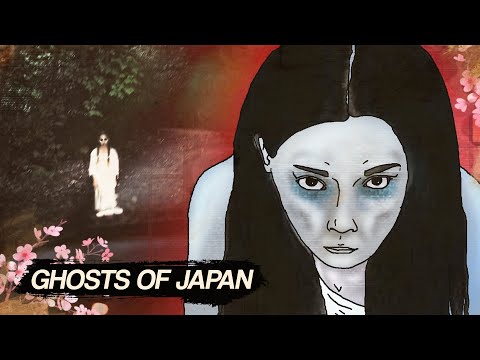
Step into the eerie and fascinating world of Japanese demonology, where folklore, religion, and mythology blend into a complex tapestry of supernatural beings. This exploration delves into iconic yōkai like the shape-shifting kitsune, the vengeful onryō, the grotesque oni, and countless lesser-known spirits that haunt forests, rivers, and households. We will examine how Shinto and Buddhist beliefs shaped the nature of demons in Japan, and how these creatures reflected societal fears, moral lessons, and the mysteries of the natural world. Prepare for a chilling journey through the shadows of Japanese culture.
EXPEDIENT INDEX
0. Introduction and Welcome
Welcome, investigators, to a deep exploration into the shadowed corners of Japanese folklore. The concept of the "demonic" in Japan is not a monolithic entity but a complex weave of spiritual beliefs, ancient myths, and societal anxieties. This investigation aims to unravel that tapestry, examining the beings that populate the liminal spaces between the human and the supernatural. Information has been meticulously sourced from a range of reputable resources, including Wikipedia, Project Gutenberg, JSTOR, and various primary and secondary historical texts. All presented information is congruent with archaeological and historical evidence available at the time of this analysis.
1. Kami, Spirits, and the “Demonic”
At the heart of Japanese spirituality lies Shinto, an animistic faith that recognizes kami – divine spirits or essences – residing in all things: mountains, rivers, trees, and even abstract concepts. This indigenous belief system provides a foundation for understanding the supernatural landscape. Unlike the Abrahamic concept of a singular, inherently evil Satan, the Japanese spiritual worldview is more nuanced. What might be termed "demonic" in Western contexts often falls under the broader umbrella of spirits, some benevolent, some malevolent, and many simply alien or capricious. The term yakubutsu (literally "evil things" or "demonic substances") can refer to anything from harmful influences to specific monstrous entities. The distinction is often blurred, reflecting a culture that views the spiritual and the material as deeply interconnected.
Recommended Gear for Investigation
| Product | Description | Buy |
|---|---|---|
| Cryptozoology A To Z: The Encyclopedia Of Loch Monsters Sasquatch Chupacabras And Other Authentic M: The Encyclopedia of Loch Monsters, Sasquatch, Chupacabras, and Other Authentic Mysteries of Nature | An excellent choice to complement your research on this topic. | View on Amazon |
| The Big Book of Paranormal: 300 Mystical and Frightening Tales From Around the World | An excellent choice to complement your research on this topic. | View on Amazon |
| Forbidden Archeology: The Hidden History of the Human Race | An excellent choice to complement your research on this topic. | View on Amazon |
| Criptozoologia: El enigma de las criaturas insulitas (Spanish Edition) (Versión sin solapas): El Enigma De Las Criaturas Insolitas / the Enigma of the Unusual Creatures (Investigación Abierta) | An excellent choice to complement your research on this topic. | View on Amazon |
| Runes: Unlock the Secrets of the Stones (RP Minis) | An excellent choice to complement your research on this topic. | View on Amazon |
| The H. P. Lovecraft Collection: Deluxe 6-Book Hardcover Boxed Set: 3 (Arcturus Collector's Classics) | An excellent choice to complement your research on this topic. | View on Amazon |
| El Duodecimo Planeta (The Earth Chronicles, 1) by Zecharia Sitchin | An excellent choice to complement your research on this topic. | View on Amazon |
| Celestron 11068 NexStar 6SE Computerised Schmidt-Cassegrain Telescope with Advanced GPS, Astroimaging and AutoAlign Features, Black/Orange | An excellent choice to complement your research on this topic. | View on Amazon |
| Ghost-Hunting For Dummies [Idioma Inglés] | An excellent choice to complement your research on this topic. | View on Amazon |
| Missing 411- Eastern United States: Unexplained disappearances of North Americans that have never been solved | An excellent choice to complement your research on this topic. | View on Amazon |
The term yakubutsu can encompass a wide range of phenomena, from natural disasters attributed to displeased spirits to specific creatures depicted in folklore. This fluidity allows for a broader interpretation of what constitutes "demonic," often tied to concepts of impurity (kegare) or transgression against the natural or social order. As one commentator noted, "I've started to notice that 'purity' in the Shinto tradition can often mean 'simplicity'. You're not just 'purifying' nature, but 'simplifying' it to a sort of ideal state." This concept of simplification, a return to an essential, unadulterated form, is crucial in understanding purification rituals.
2. Ancient Mythology
Japan's rich mythological past provides fertile ground for the genesis of its demonic figures. Early myths, recorded in texts like the Kojiki and Nihon Shoki, describe a world populated by powerful deities, mischievous spirits, and primal forces. The introduction of Buddhism from the continent further influenced this cosmology, integrating its own pantheon of deities, demons (kishin), and hellish realms. These imported concepts often blended with existing Shinto beliefs, creating unique syncretic figures and narratives. The "eight million" kami (八百万, yaoyorozu no kami) isn't a literal count but a figurative expression signifying countless deities. As a keen observer pointed out, "the characters used are 八百万 which directly translate to 'eight million' but are literally meant to be read as 'a myriad'. So no, not eight million, the saying just meant that there's a myriad of gods, or countless gods." This vast spiritual ecosystem allows for a diverse range of encounters with the supernatural.
3. Vengeful Spirits and Onryō
Among the most feared entities in Japanese folklore are the onryō – spirits of the dead who return to exact vengeance upon the living. These are typically individuals who suffered a terrible injustice, betrayal, unnatural death, or died with strong lingering emotions like hatred or jealousy. Their unresolved anguish binds them to the mortal world, manifesting as curses, hauntings, and misfortune for those they deem responsible, or even innocent bystanders. The power of an onryō is immense, capable of affecting weather, causing illness, and driving people to madness. Belief in onryō served as a cultural mechanism to address societal grievances and the fear of unresolved trauma.
The archetype of the vengeful spirit, the onryō, is deeply ingrained in Japanese culture, serving as a potent cautionary tale and a reflection of unresolved societal conflicts. The raw emotion and lingering resentments that fuel these apparitions make them particularly terrifying subjects of folklore.
4. The Oni
Oni are perhaps the most iconic and visually striking of Japanese demonic figures. Typically depicted as monstrous ogres or trolls, they are often characterized by their fearsome appearance: red or blue skin, multiple horns, wild hair, and wielding iron clubs (kanabō). While usually portrayed as malevolent, forces of chaos and embodiments of evil, their role can sometimes be more complex, occasionally serving as guardians or even fulfilling a necessary, albeit brutal, function within certain myths or rituals. In some traditions, they are associated with Buddhism, serving as torturers in the underworld or as symbols of the obstacles to enlightenment. They represent brute strength, primal urges, and the destructive aspects of nature and human passion.
5. Yōkai
Yōkai (supernatural beings, spirits, or monsters) is a broad category encompassing a vast array of creatures, from the seemingly benign to the terrifyingly malevolent. This category includes shape-shifters like the kitsune (fox spirits) and tanuki (raccoon dogs), water imps like the kappa, and countless other beings that inhabit forests, mountains, rivers, and even the human world. Yōkai often embody natural phenomena, serve as moral exemplars (or warnings), or simply represent the inexplicable oddities of life. Their stories reflect a deep respect for and fear of the natural world, as well as the human tendency to anthropomorphize the unknown. The sheer diversity of yōkai speaks to the richness and depth of Japanese folklore. Investigations into these entities often reveal them to be reflections of societal anxieties and cultural values.
Many listeners find solace and engagement in these explorations. As one viewer commented, "I feel like I'm in a cozy parlor on a rainy day while a kindly professor in a 3 piece suit tells me all about his life's work." This sentiment highlights the appeal of a well-narrated, in-depth look into fascinating subjects, providing a sense of comfort and intellectual stimulation. The preference for human-voiced content, noted by several users ("Having to put human voiced is wild. Thank you for not using AI though!" and "Im here because of the human voice im not going to lie to you thank you so much"), underscores a desire for authentic connection and a rejection of potentially soulless AI-generated content.
6. Rituals and Remedies
In tandem with the belief in spirits and demons, Japanese culture developed elaborate systems of rituals and remedies to ward off malevolent influences, appease angry spirits, and restore balance. Shinto purification rites (oharai), Buddhist incantations, and folk practices involving amulets (ofuda), charms, and specific ceremonies are all part of this protective framework. These practices are not merely superstitious; they represent a proactive engagement with the spiritual world, acknowledging its power and seeking to navigate its complexities safely. The concept of kegare (impurity or defilement) is central to many of these rituals, aiming to cleanse individuals and spaces of negative energies. Such practices often involve symbolic actions, prayers, and the use of specific materials believed to possess purifying properties.
The efficacy of these rituals often lies in their psychological impact, providing a sense of control and agency in the face of the unknown. As one listener shared, "This did actually clear up some things. I've started to notice that 'purity' in the Shinto tradition can often mean 'simplicity'. You're not just 'purifying' nature, but 'simplifying' it to a sort of ideal state." This observation points to the deeper philosophical underpinnings of these practices.
7. Edo to Modern Times
The Edo period (1603-1868) saw a flourishing of Japanese popular culture, including a surge in woodblock prints (ukiyo-e) that often depicted goblins, ghosts, and other supernatural beings. This era solidified many of the visual representations of yōkai and oni that persist today. As Japan modernized and opened to the West, traditional beliefs regarding demons and spirits faced challenges from scientific rationalism. However, these folkloric elements never truly disappeared. They continued to thrive in literature, theatre, art, and eventually, in modern media like manga, anime, and video games. Today, Japanese demonology remains a vibrant aspect of cultural identity, both domestically and internationally, captivating audiences with its unique blend of the terrifying and the whimsical. The enduring popularity of these ancient tales demonstrates their timeless resonance, offering insights into the human psyche and the universal fascination with the unexplained.
Numerous listeners find these historical deep-dives both informative and deeply relaxing. One user described their experience: "I had the best night this past evening. I went to sleep, happily listening to your 9 hour deep-dive on the medieval times. When i woke (around 6 hours in) you were discussing what it was like in medieval taverns... I was so enthralled with your story, I continued listening all the way until I arrived at work." This level of engagement highlights the power of well-researched, compelling historical narration. Similarly, another listener shared, "I work on the morning show at a radio station in the Midwest and during our first hour on the air, i discussed your channel... My co-host called me a 'weirdo' for listening to this to fall asleep, but several of our listeners called in and took my side." Such anecdotes emphasize the broad appeal and the positive impact these narrative explorations have on the audience, blurring the lines between entertainment, education, and personal well-being.
The desire for authentic, human-voiced content is a recurring theme. "You had me sold on human voiced," and "Thank you for this excellent presentation and for no ads," are common sentiments. This preference contrasts sharply with the proliferation of AI-generated content, suggesting a strong market for genuine human connection in media. One user perfectly captured this: "How tragic that human voiced is an actually good marketing strategy. It’s this generation’s Organic id bet." This pragmatic observation points to a shift in audience preference towards content that feels more personal and less manufactured.
The enduring fascination with Japanese demonology lies in its ability to reflect universal human experiences—fear, desire, justice, and the inexorable power of nature—through a unique cultural lens. These narratives are not merely tales of monsters, but complex explorations of morality, spirituality, and the human condition.
This in-depth look into ancient myths and spirits resonates deeply, providing not just information but a unique form of relaxation. Many listeners report using these videos to unwind after long, arduous days. "This is how I think the voice of the weapons dealer in Resident Evil 4 would read bedtime stories. I love it. Props bro. This is much needed for relaxation after working 12-hour days outside in the blistering Summer heat. Thank you for being awesome," one user commented. Others simply appreciate the lack of interruptions: "It's 11:52 Thank you so much for the ad free history. It really helps me turn off my brain and delve into things I didn't know I'd be interested in." The sentiment is echoed across time zones and continents, from Canada at 11:22 PM to Australia at 10 PM, and Ireland at 1:45 AM, all appreciating the non-intrusive, engaging presentation.
The depth of research and presentation quality is consistently praised. "I usually don't listen to ASMR channels, but the depth that you went into with the Japanese demonology is great," one subscriber noted, indicating a growing appreciation for the educational value combined with the calming delivery. Another user, finding themselves in a difficult personal situation, expressed their hope: "I'm in pretty bad shape this evening and have been experiencing a lot of pain. I hope this puts me out for a while." This highlights the therapeutic potential of such content for listeners seeking respite.
The global appeal is evident, with messages coming from diverse locations. At 7 PM in NW Georgia, USA, and during a 2:45 PM drive on Route 80 in Ohio, listeners are finding value. "I absolutely love your videos and how you talk. It's enjoyable," reads one comment, while another from Nova Scotia wishes goodnight at 10:15 PM. From Australia watching at 10 PM, the sentiment is clear: "these videos help me sleep SO much." The appreciation extends to special occasions too: "Marvelous, as always. A video on aborigine and Australian demonology or spirituality/mythology is in order. Excellent drop on my birthday, you're the only of my favorite YouTubers to drop a video on my birthday, thank you sir as always!" This shows a deep personal connection audiences feel with the creator's work.
Beyond relaxation, the content sparks genuine curiosity and learning. "That's amazing work mate, I listened to it sleep but your explanation and sources are so well I am listening to it again to learn more. Thank you," one listener reported. Some are even looking for more geographically diverse topics: "Oooooo. I want Japanese, Filipino, Korean ghost stories read by you! And some Filipino history, too. Really interesting place, really good folks mostly." This indicates a hunger for more explorations into global folklore and history presented in this unique, engaging style.
Equipment Recommended for Investigation
For those inspired to delve deeper into the study of folklore and history, having the right tools can enhance the experience. Whether it's for research, note-taking, or simply creating a conducive atmosphere for learning and relaxation, certain equipment can be invaluable. Consider equipping yourself with reliable recording devices for capturing ambient sounds or your own thoughts, high-quality headphones for immersive listening, and comfortable, ergonomic setups for extended study sessions. Accessible digital resources and well-organized notes are also critical for serious investigative work.
The Investigator's Archive
To further your research into the esoteric and the historical, consulting a curated selection of works is essential. For those interested in Japanese demonology and folklore, foundational texts often include collections of myths, academic studies on Shinto and Buddhism, and analyses of popular culture phenomena. Exploring resources that bridge academic rigor with accessible narrative can provide a comprehensive understanding of the subject matter. These resources often form the bedrock of serious paranormal and historical investigations.
Protocol: How to Approach Folklore Research
- Identify Your Subject: Clearly define the specific myth, creature, or historical period you wish to investigate.
- Source Verification: Gather information from reputable sources such as academic journals, historical archives, established folklore collections, and scholarly books. Cross-reference information to ensure accuracy.
- Contextual Analysis: Understand the socio-historical, cultural, and religious context in which the folklore emerged. What societal fears, beliefs, or events might have influenced these narratives?
- Examine Visual and Textual Evidence: Analyze depictions in art, literature, and other media. Consider how these representations have evolved over time.
- Compare and Contrast: If applicable, compare the folklore of one culture with another to identify universal themes or unique characteristics.
- Formulate Hypotheses: Based on your research, develop theories about the origins, meanings, and cultural significance of the folklore.
- Document Findings: Maintain detailed notes, citing all sources properly. This forms the basis of your investigative report.
Frequently Asked Questions
Q1: What is the primary difference between Japanese demons (oni, yōkai) and Western demons?
Unlike the often singular, inherently evil figure of Western demonology, Japanese "demons" (like oni and yōkai) represent a broader spectrum of supernatural beings. They can be malevolent, mischievous, neutral, or even benevolent, often tied to natural phenomena, specific grievances, or embodying abstract concepts rather than an absolute force of evil.
Q2: How did Shinto and Buddhism influence the concept of demons in Japan?
Shinto's belief in numerous spirits (kami) created a spiritual landscape where various entities could exist. Buddhism introduced its own cosmology, including wrathful deities and demons (kishin), often integrating with or adapting existing Shinto beliefs. This syncretism resulted in a complex and diverse pantheon of supernatural beings.
Q3: Are Japanese demon stories just folklore, or do they have deeper meanings?
Japanese demon stories are rich with deeper meanings. They often served as cautionary tales, explained natural phenomena, reflected societal anxieties and moral codes, and provided catharsis for unresolved emotions like grief or injustice. They offer profound insights into Japanese cultural values and historical contexts.
Q4: How can one distinguish between a vengeful spirit (Onryō) and other types of yōkai?
Onryō are specifically the spirits of the deceased who return due to intense, unresolved emotions, usually seeking vengeance. Most yōkai are a broader category of supernatural beings that may or may not be related to human spirits, encompassing nature spirits, mythical creatures, and other phenomena.
Your Mission: Field Observation
While observing physical manifestations of folklore is often impossible, your mission is to become an attentive observer of cultural narratives. Seek out local legends in your area, investigate their historical context, and consider how they reflect the community's unique history and anxieties. Document your findings and share them. Understanding the folklore around us is the first step to deciphering the unexplained.
Your support is crucial for continuing these deep-dive investigations. If you found this exploration of Japanese demonology enlightening, please consider sharing this article on your social media channels. Your engagement helps boost visibility and introduce more people to the fascinating world of unexplained phenomena and historical folklore. Don't forget to leave a comment below detailing your own experiences or thoughts on the subject – your insights contribute to our collective understanding.
Investigator's Note: True paranormal research doesn't fund itself. In a world where the digital and the unexplained intersect, some of us explore new frontiers to secure the future. Do you dare to be part of the vanguard? Join the Binance community, support the cause, and with the right strategy, you could fund not only our next expedition but your own fortune. The next great discovery could be just a click away.