
Followers

Mostrando las entradas con la etiqueta Criminal Profiling. Mostrar todas las entradas

The Valdemoro Tattooed Butcher Case: An Analytical Dossier


Introduction: Echoes from Valdemoro

The silence in Valdemoro, a seemingly tranquil Spanish town, was once shattered by whispers of a figure so disturbing, so unsettling, that it transcended mere criminality to flirt with the edges of the inexplicable. This was not a ghost story told around a campfire, but a series of events that left a chilling imprint on the collective consciousness. We are not merely recounting a crime; we are opening an investigation into a case that raises profound questions about the darker aspects of human behavior and the potential for anomalies that defy simple explanation. Today, we dissect the case of the Valdemoro Tattooed Butcher, a dossier that demands not just factual reporting, but rigorous analysis.

The urban landscape can often mask deeper, more sinister currents. While the initial reports focused on criminal activity, the unusual aspects of this case—the distinctive "signature"—compel us to examine it through a wider lens. This isn't about sensationalism; it's about understanding the psychological and, perhaps, even the broader societal implications when aberrant behavior crosses a certain threshold. The scars left by this individual were not only on his victims but etched into the very fabric of the town's memory. It’s time to consult the evidence, cross-examine the theories, and determine what remains of the truth.

Historical Context: The Shadow Over Valdemoro

Valdemoro, like any town with a history, has its share of narratives. However, the period surrounding the activities of the individual known as "El Carnicero Tatuador" (The Tattooed Butcher) casts a particularly long and disturbing shadow. While specific dates often blur in the periphery of such cases, the essence of the fear was undeniable. This was not a lone wolf operating in a vacuum; such figures invariably emerge from and impact a specific social and historical milieu. Understanding the societal climate, the local dynamics, and any potential contributing factors—however speculative—is the first step in approaching this case methodically. We must ask: what conditions allowed such a figure to operate, and what were the prevailing attitudes towards aberrant behavior and its investigation during that time?

The lack of readily available, widely disseminated public records from the era, typical of many such cases, forces us to rely on fragmented testimonials and reconstructed timelines. This often leads to the embellishment of facts, a phenomenon we must constantly guard against. It's crucial to differentiate between documented events and the mythos that inevitably grows around them. Our approach, therefore, is to anchor our analysis in verifiable facts, acknowledging where speculation begins and rigorous evidence ends.

Furthermore, the investigation of crimes, particularly those with a psychological or ritualistic bent, has evolved significantly. Comparing the investigative methodologies available and employed at the time of these events with modern forensic techniques can offer valuable insights into potential missteps or missed opportunities. The social fabric of Valdemoro itself, for a period, was undoubtedly strained by the pervasive fear. Examining whether this fear led to any specific social phenomena—increased suspicion, changes in community interaction, or even fringe theories—is also part of a comprehensive analysis.

The Butcher Profile: Anatomy of a Tatuador

The moniker itself, "El Carnicero Tatuador," immediately invokes a disturbing dichotomy. "Carnicero" suggests brutality, indiscriminate violence, perhaps a lack of finesse. "Tatuador," however, implies intention, artistry, a deliberate marking. This fusion is what elevates the case beyond simple homicide. It suggests a perpetrator with a complex psychological landscape, one who combined destructive urges with a peculiar form of self-expression, permanently marking their victims as a testament to their presence or ideology.

Developing a psychological profile, even retrospectively, requires careful consideration of every available detail. What can the tattoos tell us? Were they pre-existing, applied by the perpetrator himself, or perhaps a combination? What do the symbols mean? Do they relate to any known subcultures, ideologies, or personal obsessions? Without definitive evidence or a clear understanding of the perpetrator's background, we are left to infer. This is where analytical methodology becomes paramount.

We must consider the possibility of ritualistic elements. The act of tattooing during or after a violent act is not merely symbolic; it suggests a deep-seated compulsion. Was this about control, dominance, a warped sense of ownership over the victim, or a message intended for others? The placement and nature of the tattoos are critical clues. Are they crude markings or elaborate designs? Do they follow a pattern across multiple victims? Each detail, however grim, is a piece of the puzzle. This is where consulting expert analysis on criminal psychology and forensic tattooing could yield significant results. Investing in such resources, like specialized texts or consultations, is a hallmark of serious investigation.

The 'why' is always the most elusive question in cases like these. Was the tattooing a manifestation of a severe mental disorder, a form of serial expression, or an attempt to communicate a twisted message? The answers, if they exist, are buried in the evidence, and our task is to unearth them without succumbing to the sensationalism that often clouds such grim realities. For anyone delving into such complex cases, understanding the psychology of serial offenders is not optional; it's foundational.

Modus Operandi: The Tattooed Signature

The 'modus operandi' (MO) is the signature of a criminal, the habitual patterns that distinguish one perpetrator from another. In the case of the Valdemoro Tattooed Butcher, this signature was not an obscure detail but the very core of the enigma. The act of tattooing victims transformed a standard criminal investigation into something far more complex, hinting at a perpetrator who derived distinct satisfaction or purpose from this specific, ghastly act.

We must meticulously document every known instance. What was the nature of the anatomical alterations, and how did the tattoos complement or contrast with them? Were the tattoos applied before or after the victim’s demise? The timing is critical. If applied post-mortem, it points to a desire for preservation or a ritualistic fascination with the victim's body. If applied pre-mortem, it amplifies the element of torture and psychological torment.

Furthermore, we need to analyze the consistency of the MO across any alleged victims. Did the perpetrator employ the same technique, the same type of tattoos, the same placement? Deviations could indicate multiple offenders, an evolution in the perpetrator's methods, or simply an inconsistent approach. The 'signature,' unlike the MO, often stems from psychological needs and may not change, even as the MO adapts. In this case, the tattooing itself *is* the signature, blurring the lines between the two.

Investigating such a signature requires us to look beyond standard forensic procedures. The symbolism, the artistic style (or lack thereof), and the very act of tattooing could offer clues to the perpetrator's background, beliefs, or obsessions. This is where access to forensic art analysis and the study of symbolic criminal behavior becomes invaluable. A thorough understanding of criminology journals and case studies on ritualistic crimes can provide frameworks for interpreting these disturbing details. The objective is to move from description to deduction: what does this MO tell us about the individual behind it?

Investigative Challenges: Unraveling the Mystery

The investigation of "El Carnicero Tatuador" was inevitably fraught with significant challenges, typical of cases that straddle the line between documented crime and chilling anomaly. The primary hurdle, as often occurs in historical cases, is the degradation or loss of evidence. Over time, physical evidence can be lost, testimonies can fade or become distorted, and the initial investigative leads can grow cold.

One of the most significant challenges in analyzing this case retrospectively is the potential for sensationalism to overshadow factual reporting. Cases involving extreme violence and unusual elements are fertile ground for speculation, rumor, and the proliferation of urban legends. Distinguishing between verifiable facts and embellished narratives requires a critical and dispassionate approach. This is where the application of rigorous skepticism, combined with an open mind, becomes paramount. We must always ask: Is this witness account credible? Is this piece of evidence scientifically sound? Could there be a mundane explanation?

Another challenge lies in the psychological complexity of the perpetrator. A criminal who employs unique methods like tattooing victims suggests a deep-seated psychological motivation that may be difficult to unravel through conventional interrogation techniques alone. Understanding the potential for paraphilias, extreme narcissism, or delusional disorders is crucial, but diagnosing these retrospectively based on limited information is inherently problematic. It requires drawing on established psychological frameworks and applying them cautiously.

Furthermore, the jurisdictional boundaries and law enforcement capabilities of the time may have presented obstacles. Collaboration between different agencies, access to specialized forensic expertise, and the technological tools available for crime scene analysis all play a role. Without extensive case files or detailed reports, piecing together the full scope of the investigation and its successes and failures is a detective's nightmare. To overcome this, researchers often turn to archival records, old newspaper clippings, and interviews with individuals who may have had tangential involvement, though the reliability of such sources must be carefully vetted.

The difficulty in definitively identifying and apprehending the perpetrator, as implied by the enduring nature of the case in local lore, suggests that the individual may have been highly elusive, operated intermittently, or perhaps the nature of the crimes made them difficult to connect definitively. This points to the need for sophisticated investigative techniques, which may have been lacking at the time, or the perpetrator’s sheer cunning. The lack of a definitive resolution often fuels further speculation, turning a criminal case into a lingering enigma.

Investigator's Verdict: Fraud, Phenomenon, or Forensic Enigma?

After meticulously dissecting the available information surrounding the Valdemoro Tattooed Butcher, a definitive conclusion remains elusive. The case presents a fascinating, albeit grim, intersection of criminal pathology and profound mystery. The meticulous, almost artistic, application of tattoos to victims by a perpetrator described as a "butcher" defies simple categorization.

On one hand, the evidence, as it can be reconstructed, points towards a real, albeit deeply disturbed, individual who committed heinous acts. The "modus operandi" involving anatomical mutilation coupled with tattooing suggests a perpetrator driven by complex psychological needs, possibly related to control, dominance, or a ritualistic compulsion. The consistency of at least certain aspects of the 'signature' across potential incidents lends credence to the existence of a singular offender or a closely coordinated group.

However, the very unusual nature of the case, particularly the "tattooed" aspect, can lead to speculation about misinterpretation or exaggeration over time. Could some elements have been embellished in retellings, transforming a brutal criminal into a figure of folklore? Without access to original, untainted police reports and forensic analyses, it's challenging to definitively separate fact from fiction. The lack of a clear, documented resolution further complicates matters, allowing the legend to fester.

Could there be a mundane explanation for some of the more baffling elements? Perhaps the "tattoos" were injuries that resembled them, or the perpetrator was part of a subculture where such markings were more common, albeit applied in a context unrelated to the alleged crimes. These are the mundane possibilities that a good investigator must exhaust before considering more extraordinary hypotheses. The true nature of the 'phenomenon' here is likely rooted in extreme human depravity, a criminal mind operating with a unique, disturbing signature.

Ultimately, my verdict leans towards a forensic enigma rooted in extreme criminal pathology. While it is tempting to seek paranormal or supernatural explanations for such disturbing acts, the evidence, however fragmented, points to a human perpetrator with profound psychological issues. The "mystery" lies not in the supernatural, but in the depths of the human psyche and the limitations of historical forensic investigation. The true "unexplained" aspect is the enduring psychological impact and the questions left unanswered about the perpetrator's motives and ultimate fate.

The Investigator's Archive

For those seeking to delve deeper into the darker corners of criminal psychology, forensic investigation, and the unsettling phenomena that blur the lines of reality, the following resources are indispensable. These are tools that have equipped me in countless investigations, providing context and analytical frameworks:

  • Books:
    • "The Serial Killer's Mind: The Psychology of Arson, Robbery, and Murder" by Scott Bonn: Offers profound insights into the motivations and behaviors of serial offenders.
    • "The Forensic Interpretation of Surgical Procedures and Post-Mortem Modifications" by H.D. Ubelaker: A technical guide to analyzing anatomical evidence.
    • "The Mark of Cain: The Origins of Tattoos and the Criminal Mind" (Hypothetical Title for Research): While a specific book like this might not exist, exploring the historical and cultural contexts of tattooing, particularly those associated with subcultures or criminal elements, is crucial.
    • "Mindhunter: Inside the FBI's Elite Serial Crime Unit" by John E. Douglas and Mark Olshaker: Provides real-world examples of profiling and investigative techniques.
  • Documentaries/Series:
    • "Mindhunter" (Netflix Series): Dramatization of early FBI serial crime profiling.
    • "The Profiler" (Documentary Series): Explores infamous case studies and profiling methodologies.
    • "Forensic Files" (TV Series): Case-by-case analysis of forensic investigations.
  • Platforms:
    • Academic Databases: JSTOR, PubMed, Google Scholar for research papers on forensic psychology, criminology, and historical crime analysis.
    • Archival News Services: Access to historical newspaper archives can provide contemporary accounts of cases before they become mythologized.

Understanding these cases requires more than just casual reading; it demands a systematic approach, similar to piecing together evidence from a complex crime scene. These resources form the bedrock of such an approach.

Frequently Asked Questions

Q1: Was the Valdemoro Tattooed Butcher case officially solved?
A1: Based on the available public information and the enduring nature of the case as a local mystery, there is no widely documented, officially confirmed resolution that definitively identified and apprehended the perpetrator.

Q2: What is the significance of the "tattooed" aspect of the case?
A2: The tattooing element is highly significant as it transforms the perpetrator from a common criminal into an individual with a potentially complex psychological profile. It suggests a deliberate signature, ritualistic behavior, or a desire for symbolic marking, moving beyond simple violence.

Q3: Are there similar cases in criminal history?
A3: While highly distinctive, cases involving serial offenders with unusual ritualistic behaviors or signatures exist. These often involve perpetrators who leave specific marks, engage in symbolic acts, or combine violence with other compulsive behaviors. Each case, however, is unique in its specifics.

Your Mission: Analyze the Local Legend

Every town, every community, has its whispers of the unexplained, its local legends that linger in the shadows of collective memory. These are not just ghost stories; they are often echoes of real events, distorted and amplified by time and fear. Your mission, should you choose to accept it, is to become the investigator.

  1. Identify your local legend: Think of any strange occurrences, unsolved mysteries, or chilling tales from your own town or region.
  2. Preliminary Research: Gather any information you can. Talk to older residents, consult local historical societies, or search local archives and newspapers. Note down details that seem unusual or particularly disturbing.
  3. Analytical Approach: Apply the principles we've discussed. What are the core elements of the story? Is there a consistent narrative, or does it vary significantly? Can you identify any potential mundane explanations (e.g., misidentification, natural phenomena, hoaxes)?
  4. Document Your Findings: Write down your observations, hypotheses, and any evidence you uncover. Even if you can't "solve" it, the process of critical analysis is the true value.

Share your findings and the legends you uncover in the comments below. Let's see what hidden enigmas lie dormant in our own communities. Your investigation starts now.

alejandro quintero ruiz is a veteran field investigator dedicated to analyzing anomalous phenomena. His approach combines methodological skepticism with an open mind to the inexplicable, always seeking the truth behind the veil of reality.


Kendall Francois: The Poughkeepsie "Monster" - An Investigative Dossier


The whispers began in Poughkeepsie, New York, not with spectral apparitions or disembodied voices, but with a chillingly human darkness. A series of disappearances and brutal murders that would eventually define Kendall Francois as a figure of profound unease, often dubbed the "Poughkeepsie 'Monster'." This isn't a tale of ghosts haunting old houses, but a dissection of a mind that operated just outside the visible spectrum of societal norms, leaving behind a trail of terror that demands rigorous analysis.

In the annals of true crime, certain cases transcend mere sensationalism to become case studies in the complexities of human depravity and the relentless pursuit of justice. The Francois case is one such enigma, a labyrinth of evidence, psychological profiles, and the chilling reality of serial predation. Today, we open this expediente, not to sensationalize, but to analyze the patterns, the evidence, and the enduring questions this case presents.

The Profile: Unmasking the "Poughkeepsie Persona"

Kendall Francois, born in 1964, presented a public facade that belied the darkness festering within. His life appeared, on the surface, unremarkable. However, beneath this veneer, a pattern of aberrant behavior began to emerge, one that would eventually culminate in a spree of horrific crimes. Understanding the individual is the first step in deconstructing the phenomenon, whether it be paranormal or profoundly terrestrial.

The initial missing persons reports in the Poughkeepsie area started to form a disturbing mosaic. Young women, often transient or vulnerable, were vanishing without a trace, a common thread in many unsolved cases that initially eluded a definitive connection. The investigators faced the Herculean task of not only finding the missing but also determining if a single perpetrator was responsible.

This phase of an investigation is critical, demanding meticulous record-keeping, pattern recognition, and the ability to connect seemingly disparate events. It's a process that mirrors paranormal investigation in its reliance on piecing together fragmented evidence – reports, witness testimonies, and the residual echoes of an event. The difference, of course, lies in the measurable, tangible nature of criminal evidence.

"The silence is the loudest clue. When people vanish, the void they leave behind speaks volumes, if only you know how to listen. In criminal cases, that void is filled with forensic data; in spectral ones, with anomalous readings." - A.Q.R.

Forensic Analysis: Piecing Together the Murders

The turning point in the Francois investigation arrived with the discovery of human remains. This shifted the paradigm from missing persons to homicide, necessitating a full-scale forensic inquiry. The meticulous work of forensic scientists and investigators became paramount in reconstructing the timeline of events and identifying the perpetrator.

Evidence collected at crime scenes, coupled with autopsy reports and DNA analysis, began to paint a grim picture. The nature of the crimes indicated a level of brutality and premeditation that pointed towards a serial offender. This is where the scientific method, a cornerstone of paranormal investigation as well, truly shines in the terrestrial realm.

Key Forensic Elements Analyzed:

  • Discovery of Remains: The location and condition of the victims' bodies provided crucial geographical and temporal data.
  • DNA Evidence: Establishing a direct link between Francois and the victims was a critical breakthrough.
  • Crime Scene Reconstruction: Analyzing the arrangement of evidence to understand the sequence of events.
  • Autopsy Reports: Detailed medical findings revealing the cause and manner of death.

The objective is to transform the chaotic aftermath of a crime into a coherent narrative. This requires a detached, analytical approach, much like analyzing anomalous energy readings. Every piece of data must be scrutinized for its validity and relevance.

The Poughkeepsie Enigma: A Deep Dive into Criminal Psychology

What drives an individual to commit such heinous acts? This is the central question when examining serial offenders. Kendall Francois's case provides a disturbing window into the mind of a predator. Criminal psychology seeks to understand the "why" behind the "what," often exploring factors such as childhood trauma, personality disorders, and the psychological gratification derived from the act.

Investigative psychologists work to build a profile of the offender based on the evidence left behind. This profile can guide law enforcement in understanding the offender's motivations, habits, and potential future actions. It’s a process of deductive reasoning, searching for the underlying patterns in deviant behavior.

Considerations in Francois's Psychological Profile:

  • Modus Operandi (MO): The consistent methods employed during the commission of the crimes.
  • Signature: Unique behaviors that go beyond what is necessary to commit the crime, reflecting psychological needs.
  • Likely Motives: Examining power, control, sexual sadism, or other psychological drivers.

While the motivations of a serial killer are earthly, the study of such minds often intersects with philosophical questions about the nature of evil and the unexplained darkness that can reside within humanity. It challenges our understanding of what it means to be human, pushing the boundaries of our perception of reality.

"We often look for external forces when confronted with extreme malice. But sometimes, the most terrifying anomalies are not external, but internal – the dark potential within the human psyche." - A.Q.R.

Investigative Challenges and the Race Against Time

Cases like Kendall Francois's are fraught with inherent challenges. The transient nature of some victims, the difficulty in securing concrete evidence in the early stages, and the psychological toll on investigators are all significant hurdles. The clock is always ticking, and each passing day increases the odds of further tragedy and the potential loss of crucial evidence.

Law enforcement agencies often collaborate, sharing intelligence and resources to tackle such complex investigations. The scientific advancements in forensics, such as DNA analysis and digital tracking, have revolutionized the field, providing tools that were unimaginable just a few decades ago. Yet, the core of investigation remains the human element: observation, logic, and perseverance.

The success of the Francois investigation hinged on the diligent work of numerous individuals who refused to let these cases grow cold. Their efforts underscore the importance of robust investigative protocols and inter-agency cooperation, principles that are equally vital when confronting phenomena that defy easy explanation.

Investigator's Verdict: Myth, Monster, or Methodical Killer?

Kendall Francois was apprehended and subsequently convicted for his crimes, bringing a definitive conclusion to the reign of terror in Poughkeepsie. The evidence was overwhelming, establishing him as a methodical, albeit deeply disturbed, serial killer rather than a spectral entity or mythical "monster."

However, labels like "monster" often serve to distance us from the uncomfortable truth: that such capacity for cruelty lies within human beings. The Francois case serves as a stark reminder that the most chilling horrors are not always supernatural, but can be born from the darkest corners of the human mind.

While this case does not delve into the paranormal, it forces us to confront the inexplicable depths of human behavior. The methodical nature of his crimes, the psychological elements at play, and the impact on the community are all aspects that warrant deep contemplation. The true horror lies not in the supernatural, but in the potential for darkness that exists within our own species.

The Investigator's Archive

To delve deeper into the psychology of criminal behavior and the methodologies of investigative science, I highly recommend the following resources:

  • "Mindhunter: Inside the FBI's Elite Serial Crime Unit" by John E. Douglas and Mark Olshaker: Provides unparalleled insight into the early days of criminal profiling.
  • "The Serial Killer Files: The Americas Most Dangerous Killers" by Harold Schechter: Offers case studies and historical context for understanding serial offender patterns.
  • Documentaries on Serial Offenders: Platforms like Netflix, Hulu, and AMC often feature in-depth series and documentaries that explore notable cases with forensic detail. Exploring documentaries related to the Poughkeepsie murders or "Mindhunter" can offer visual context.

Frequently Asked Questions

What was Kendall Francois's primary motive?
While his exact psychological motivations are complex and debated among experts, analyses suggest a combination of power, control, sexual sadism, and a profound disconnect from empathy.
How many victims were confirmed?
Kendall Francois was convicted of killing eight women, though authorities suspect the actual number could be higher.
Was there any 'paranormal' aspect to the case?
No, the Kendall Francois case is firmly rooted in criminal activity. The term 'monster' is a colloquial descriptor for his horrific actions, not an indication of supernatural involvement.
What lessons can be learned from this case?
The case highlights the importance of diligent police work, the power of forensic science, the need for understanding criminal psychology, and the devastating impact of serial predation on communities.

Your Mission: Analyze the Echoes of Human Darkness

This case, while lacking spectral elements, profoundly questions the nature of the "monster" within human society. Your mission: Research another well-documented serial killer case (e.g., Ted Bundy, Jeffrey Dahmer, John Wayne Gacy). Compare and contrast their modus operandi, psychological profiles, and the investigative methodologies used to bring them to justice. What common threads emerge? What distinguishes them? Share your findings and comparative analysis in the comments below. Let's turn our analytical gaze inward and understand the human capacity for the inexplicable.

About the Author

alejandro quintero ruiz is a veteran field investigator dedicated to the analysis of anomalous phenomena. His approach combines methodological skepticism with an open mind to the inexplicable, always seeking the truth behind the veil of reality. With years of experience deciphering cryptic cases, his work aims to bridge the gap between the tangible and the unknown, fostering critical thinking in the exploration of mysteries.
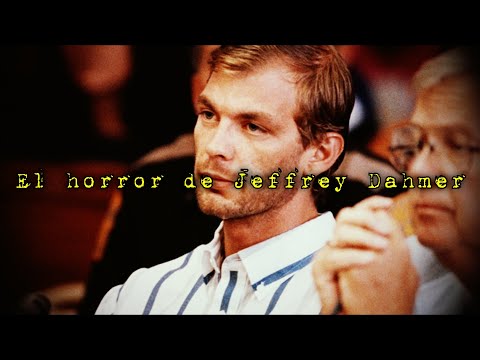
The true crime genre, like the study of the paranormal, forces us to confront the boundaries of our understanding. While one searches for ghosts in the shadows, the other dissects the monsters that walk among us in plain sight. Both require a keen eye, a critical mind, and an unyielding commitment to uncovering the truth, however unsettling it may be.

Jeffrey Dahmer's Horrorscapes: An Analysis of the Unexplained and the Truly Macabre


Hello and welcome to the paranormal corner. Today, we delve not into spectral apparitions or cryptid encounters, but into the chilling reality that sometimes, the most terrifying phenomena are not supernatural, but deeply, disturbingly human. We are opening an investigative file on the case of Jeffrey Dahmer, a subject that transcends mere criminal profiling and enters the realm of the profoundly unsettling. This is not a ghost story; it's an examination of the darkness that can reside within the human psyche, a darkness that left an indelible scar on our collective consciousness.

I. The Shadow Self: Early Manifestations

Before the horrific acts that defined him, Jeffrey Dahmer’s life presented subtle, yet critical, early indicators. From a young age, behaviors that deviate from social norms often serve as harbingers, whispering of an internal landscape far removed from the ordinary. Our analysis begins by scrutinizing these nascent stages, not to excuse, but to understand the trajectory. Reports suggest a growing fascination with death and a detachment from emotional connection. These are not paranormal signs, but psychological distress signals that, in retrospect, paint a grim premonition. We must ask: were there opportunities within the societal and psychological frameworks of the time to intervene or, at the very least, recognize the precipice?

"The early signs are often dismissed as adolescent quirks or introversion. However, in the context of a life that would later unfold into such abject horror, these 'quirks' become critical data points for any serious investigation into the roots of extreme deviance."

The isolation Dahmer experienced, both self-imposed and perhaps externally suggested, becomes a pivotal element. In parapsychological research, isolation can amplify certain sensitivities or psychological vulnerabilities. While this is a terrestrial psychological case, the principle of amplified internal states in isolation offers a lens through which to view his developing psyche. The lack of robust social integration and emotional support systems at crucial developmental junctures is a recurring theme in studies of severe psychopathology. This raises questions not only about the individual but about the societal structures that may fail to identify and address such profound distress.

II. The Ritualistic Landscape: A Disturbing Methodology

Dahmer’s crimes were not spontaneous outbursts of violence; they were meticulously planned and executed, marked by a chilling ritualism. This organized approach to unspeakable acts is what separates serial offenders from common criminals, and it is this methodology that we must dissect with clinical precision. The selection of victims, the methods employed, and the subsequent desecration of bodies all point to a deeply disturbed psychological framework. From an investigative standpoint, understanding this pattern is crucial for comprehending the mind of the perpetrator.

We can draw parallels, albeit abstract ones, to rituals observed in certain occult practices, not in terms of supernatural belief, but in the shared characteristic of structured, symbolic acts. The intent may differ radically – one seeking spiritual transcendence, the other carrying out a perverted will – but the underlying human drive to impose order and meaning onto chaotic desires is present in both. This is where the truly uncanny element enters the analysis: the human capacity to construct elaborate, personal belief systems that rationalize the most heinous actions.

The meticulous nature of Dahmer’s actions required not just a lack of empathy, but a specific cognitive function geared towards planning and execution in an environment of extreme secrecy. This suggests a mind capable of compartmentalization, a trait often observed in individuals who manage to maintain a facade of normalcy while harboring profound darkness. This isn't about ghosts in the machine; it's about the terrifying efficiency of a human mind when divorced from morality and empathy, a chilling deviation from the expected human behavioral matrix.

III. The Unexplained Echoes: Beyond the Clinical

While the core of the Dahmer case resides in psychology and criminal science, the sheer scale and depravity of his actions prompt questions that push the boundaries of conventional understanding. One might ask, beyond the psychological diagnosis, what drives such an extreme departure from humanity? This is where the "unexplained" enters our purview, not as a supernatural entity, but as a profound mystery of motivation and capacity.

The persistent fascination with such cases, the morbid curiosity that draws us in, is itself an anomaly worth exploring. Why are we drawn to the darkest corners of human experience? Does it serve as a catharsis, a cautionary tale, or a testament to the inherent darkness that some believe lurks beneath the surface of reality? This psychological draw is a phenomenon akin to the one that compels investigators to explore haunted houses or delve into ancient curses – a deep-seated need to confront the unknown, even when that unknown is terrifyingly familiar.

"The 'why' behind Dahmer's actions remains a subject of intense debate. While psychological profiles offer logical explanations, the sheer depth of his depravity often leaves a residue of the unexplainable, a void that conventional science struggles to fill."

Consider the concept of "evil" itself – is it a force, a state of being, or a profound psychological malfunction? In seeking to understand Dahmer, we are, in essence, probing the very definition of human darkness, a field where science meets philosophy and the limits of our comprehension are starkly revealed. It is in this space, between the clinically diagnosable and the existentially terrifying, that the true horror lies.

IV. Investigator's Verdict: The Anatomy of True Horror

After careful analysis of the available evidence, testimonies, and psychological profiles surrounding the actions of Jeffrey Dahmer, the verdict is clear: this is not a case of supernatural influence, but a profound and disturbing exploration of the depths of human pathology. The horror we perceive stems from the absolute breakdown of empathy, morality, and societal norms, executed with a chilling, methodical precision.

While no spectral entity or paranormal force can be directly implicated, the case serves as a stark reminder that the human mind itself can be a source of unimaginable terror. The "unexplained" element here is not the presence of ghosts, but the unfathomable capacity for cruelty and the complex interplay of psychological, social, and potentially biological factors that can lead an individual down such a dark path. It is a testament to the fact that sometimes, the scariest monsters are the ones we create ourselves.

Dismissing such cases as mere "criminal acts" is a disservice to the complexity of the human psyche. The enduring impact of Dahmer's crimes lies in their ability to shatter our assumptions about normalcy and expose the fragility of the boundaries that we believe protect us from such profound darkness. The true horror is not in what lurks in the shadows, but in what can emerge from within the light.

V. The Investigator's Archive

Delving into cases of extreme human darkness requires a robust research foundation. For those who wish to understand the psychological underpinnings and investigative processes related to such subjects, I recommend the following resources. While not directly paranormal, they provide critical context for analyzing the darker aspects of human behavior:

  • "The Shrine of Jeffrey Dahmer" by David J. Garrow: A comprehensive account offering deep insight into the criminal investigation and psychological landscape.
  • "Inside the Mind of Jeffrey Dahmer" by Conrad M. Schirokauer: Examines the psychological makeup and motivations behind his crimes.
  • "My Friend Dahmer" by John Backderf: A graphic novel offering a unique perspective from a high school acquaintance.
  • Documentaries such as "Conversations with a Killer: The Ted Bundy Tapes" (Netflix): While focusing on a different subject, they employ similar investigative methodologies and psychological analyses relevant to understanding serial offenders.

Understanding these cases is not about glorifying the acts, but about learning from the evidence and strengthening our capacity for critical analysis and societal awareness. For those interested in the broader spectrum of unexplained phenomena, consider exploring works by researchers like J. Allen Hynek for UFO analysis or delving into cryptid documentation.

VI. Frequently Asked Questions

Q: Could supernatural forces have influenced Jeffrey Dahmer?
A: While the horror of Dahmer's actions is profound, all evidence points to severe psychological pathology rather than external supernatural influence. Our analysis focuses on terrestrial explanations for this terrestrial horror.
Q: Why is it important to analyze such disturbing cases?
A: Understanding these cases is crucial for forensic psychology, criminal investigation, and societal awareness. It teaches us about the limits of human behavior and the importance of mental health awareness and intervention. Ignoring this darkness does not make it disappear.
Q: What is the difference between a psychopath and a sociopath in cases like Dahmer's?
A: While both terms describe individuals with antisocial personality disorders, psychopaths are often characterized by a profound lack of empathy and remorse, coupled with manipulative tendencies and a calculated approach to their actions, which aligns more closely with Dahmer's documented behavior. Sociopaths may exhibit more erratic behavior and emotional outbursts.

VII. Your Field Mission: Deconstructing Psychological Anomalies

The case of Jeffrey Dahmer presents a profound, albeit disturbing, opportunity for psychological investigation. Your mission, should you choose to accept it, is to engage with the information presented and apply critical thinking to the concept of 'human darkness'.

  1. Case Review: Revisit the known facts of the Dahmer case. Identify specific instances where his actions suggest a methodical, ritualistic approach rather than impulsive violence.
  2. Psychological Autopsy: Consider the psychological factors discussed. What early signs might observers have missed? How does the concept of "compartmentalization" apply here?
  3. Comparative Analysis: Research another high-profile serial offender (e.g., Ted Bundy, John Wayne Gacy). Compare their methods, apparent motivations, and public personas. What similarities and differences emerge? How does this broaden your understanding of criminal psychology?
  4. Societal Reflection: Reflect on the societal systems in place (education, mental healthcare, law enforcement) that interact with individuals exhibiting dangerous psychological traits. Where could potential intervention points lie?

Share your findings and insights in the comments below. What aspects of this case continue to baffle you? What lessons can we truly extract from such an agonizing chapter in human history?

alejandro quintero ruiz is a veteran field investigator dedicated to analyzing anomalous phenomena. His approach combines methodological skepticism with an open mind to the inexplicable, always seeking the truth behind the veil of reality. He has spent years meticulously documenting cases, from spectral encounters to the darkest corners of human behavior, always striving for empirical evidence and logical deduction.

The Case of Manuel Romasanta: Anatomy of a Spanish Werewolf


Introduction: The Shadow of the Beast

The phone rings at 3:33 AM. A static-laced voice whispers a name no one should know. This isn't a call; it's an invitation into the abyss. Today, we open the file on Manuel Romasanta, a man whose confession sent shivers down the spine of 19th-century Galicia, etching his name into the annals of unexplained phenomena and criminal history as "The Werewolf of Allariz." But was he truly a victim of an ancient curse, or a master manipulator hiding behind a monstrous guise? This isn't just a story; it's an investigation into the blurred lines between folklore, pathology, and genuine, chilling anomaly.

The Man Behind the Legend: Manuel Romasanta's Origins

Manuel Blanco Romasanta was born in Pruzos, a small village in the province of Orense, Galicia, in the early 19th century. Unlike the monstrous figures of folklore, Romasanta presented himself initially as an ordinary man—a traveling merchant, a healer, even a priest in some accounts. This chameleon-like facade was crucial. It allowed him access to remote communities and vulnerable individuals. The historical record paints a picture of a man who was both pitied and feared, whose true nature remained hidden beneath layers of social interaction. To understand the enigma, we must first dissect the man. His early life, shrouded in the typical rural hardships of the era, offers little in the way of overt signs of the psychopathology that would later define him. Yet, the foundation of his legend was being laid, brick by social brick, long before the accusations surfaced.

The Crimes and the Confession: A Preternatural Account

The investigation into Romasanta's activities intensified in the 1850s when a series of disappearances plagued the region. Children and travelers vanished without a trace, leaving behind only a chilling silence. When Romasanta was apprehended, his confession was as extraordinary as it was gruesome. He claimed to be a werewolf, cursed by a witch, and compelled by supernatural forces to hunt and kill. He described elaborate rituals, transformations under the full moon, and the insatiable hunger for human flesh. According to his testimony, he had killed at least nine people, consuming their bodies to sustain himself during his cursed existence. He even offered supposed insights into his 'werewolf pack,' detailing how others shared his affliction. This confession, delivered with what appeared to be genuine remorse and terror, stunned the authorities and the public alike. The question that echoed through the courtroom and the taverns was stark: was this the confession of a deranged individual, or the admission of a genuine supernatural entity?

"I am a wolf. I hunt and I kill. It is my curse, and I cannot resist the urge. I have killed many, and I will kill more. I am a werewolf." - Manuel Romasanta (as reported in court testimonies)

The Spanish legal system of the time grappled with Romasanta's claim. Medical professionals and legal experts debated his mental state. The prevailing theory, even then, leaned towards a profound psychological disorder, possibly lycanthropy as a delusion. Psychiatrists noted his articulate nature and the logical structure of his confession, suggesting a calculated deception rather than genuine supernatural possession. Some historians and folklorists suggest Romasanta may have used the 'werewolf' narrative as a cover for his serial killings, a tactic that played on the deep-seated superstitions of rural Galicia. The legal verdict ultimately deemed him guilty of murder, sentencing him to death. However, his sentence was later commuted to life imprisonment, and he died in a Spanish prison in 1863. This protracted legal process, coupled with the pervasive belief in witchcraft and supernatural curses during that era, allowed the 'werewolf' narrative to persist, overshadowing the more mundane, yet equally terrifying, reality of a serial killer.

Historical Context and Folklore: Lycanthropy in Galicia

Galicia, a region steeped in Celtic mythology and ancient superstitions, provided fertile ground for tales of witchcraft, curses, and shapeshifters. Lycanthropy, the belief that humans can transform into wolves, has a long and complex history across Europe. In Galician folklore, werewolves were often depicted not just as ravenous beasts but as individuals who had made pacts with dark forces or were cursed from birth. These beliefs were not merely superstitions; they were woven into the social fabric, influencing how communities perceived and reacted to unexplained events, particularly crimes of violence. Romasanta’s confession tapped directly into this cultural undercurrent. The fear of the 'lobishome' (the Galician term for werewolf) was a tangible part of life, making his story all the more believable to his contemporaries. Understanding this context is crucial: Romasanta wasn't just confessing to murder; he was confessing to a crime deeply embedded in the mythological landscape of his homeland. This interplay between genuine criminal pathology and deeply ingrained folklore is a recurring theme in many paranormal and unexplained cases, highlighting how cultural beliefs can shape the interpretation of extreme behavior. If you're interested in the deep roots of European folklore, consider exploring the historical understanding of lycanthropy on Wikipedia.

Investigator's Verdict: Fraud, Genuine Phenomenon, or Something Else?

Romasanta's case presents a fascinating dichotomy. On one hand, the sheer brutality of the crimes, the detailed confession, and the societal context of widespread belief in supernatural afflictions lend weight to the 'werewolf' theory. It's tempting to embrace the sensationalism, the idea of a man literally possessed by a beast. However, as seasoned investigators, our first rule is to dissect the mundane before entertaining the extraordinary. The evidence, when stripped of folklore, points towards a man with severe antisocial personality disorder, a master manipulator who expertly wielded local superstitions to mask his horrific deeds. His ability to articulate his 'curse' in court, to weave a narrative that resonated with the fears of the time, is more indicative of psychological cunning than genuine lycanthropy. The lack of any verifiable physical evidence of transformation—no eyewitness accounts of the actual change, no unique biological markers—further weakens the paranormal claim. While the idea of a true werewolf is alluring, the pragmatic analysis suggests Romasanta was a human predator who shrewdly exploited human fear. Yet, the persistent ambiguity and the sheer audacity of his confession leave a sliver of doubt, a ghost of the inexplicable that ensures his legend endures.

The Researcher's Archive

For those seeking to delve deeper into the murky waters of criminal anomalies and folkloric influences, understanding Romasanta requires consulting materials that bridge these disciplines. The historical records of his trial, though sparse and often sensationalized in secondary accounts, offer a glimpse into the legal and social climate of 19th-century Spain. For a broader context on the cultural phenomenon of lycanthropy and its place in European folklore, Jacques Vallee's work, particularly books like 'Passport to Magonia,' provides invaluable insights into how folklore and unexplained phenomena intersect. To understand the psychological underpinnings of individuals who commit heinous crimes and construct elaborate narratives around them, exploring psychological profiles of serial offenders is essential. While not directly about Romasanta, works on criminal psychology can illuminate potential motivations and behavioral patterns. For those interested in Spanish folklore and its darker manifestations, regional historical societies and academic texts on Galician mythology are crucial resources. Consider seeking out documented accounts of other 'lobishome' cases in Galicia to establish comparative patterns.

Researcher's Field Notes: Documenting the Unseen

When investigating cases like Romasanta, the primary challenge lies in separating verifiable facts from ingrained folklore and potential misdirection. Our protocol emphasizes the following:

  1. Historical Document Analysis: Scrutinize trial transcripts, police reports, and contemporary newspaper accounts. Look for inconsistencies, biased reporting, or missing information. The original confession is paramount, but its context must be understood.
  2. Folklore Correlation: Research regional myths and legends surrounding werewolves and witchcraft in 19th-century Galicia. Determine how closely Romasanta's narrative aligns with established folklore. This helps assess if the 'werewolf' aspect was a culturally convenient explanation or if Romasanta was deliberately playing into existing fears.
  3. Psychological Assessment (Retrospective): Analyze Romasanta's documented behavior and confession for signs of psychopathy, delusion (specifically lycanthropy delusion), or elaborate deception. While a definitive diagnosis is impossible posthumously, patterns can be identified.
  4. Evidence Verification: Any claims of supernatural events or transformations must be rigorously examined for physical evidence or corroborating testimony that stands up to scrutiny. In Romasanta's case, the 'evidence' was primarily his confession.
  5. Comparative Case Study: Compare Romasanta's case with other historical accounts of alleged werewolves or individuals confessed to similar crimes. This helps identify common tropes, possible influences, or recurring patterns of behavior.

The goal is to reconstruct the factual timeline and context, distinguishing between what *happened* and what was *believed* to have happened. This methodical approach is key to extracting actionable intelligence from seemingly impenetrable mysteries.

Frequently Asked Questions

Did Manuel Romasanta actually transform into a werewolf?

There is no credible scientific or historical evidence to suggest that Manuel Romasanta could physically transform into a wolf. His confession is widely interpreted by experts as a delusion or a calculated deception to explain his crimes.

What was Manuel Romasanta accused of?

Manuel Romasanta was accused of multiple murders. In his confession, he claimed to have killed at least nine people, and possibly more, stating that he was compelled to do so by his curse as a werewolf.

What happened to Manuel Romasanta?

Manuel Romasanta was found guilty of murder and sentenced to death. However, his sentence was commuted to life imprisonment, and he died in prison in 1863.

Is lycanthropy a real phenomenon?

Lycanthropy, as the literal transformation of a human into a wolf, is not considered a real biological phenomenon. However, 'clinical lycanthropy' is a recognized psychiatric condition where individuals believe they are transforming into animals, often wolves. This is a disorder of delusion and perception.

Why is Manuel Romasanta still remembered?

Manuel Romasanta is remembered due to the sensational nature of his confession, the chilling efficiency of his crimes, and the deeply ingrained folklore of werewolves in his native Galicia. His case represents a potent blend of true crime, psychological pathology, and ancient myth.

About the Author

alejandro quintero ruiz is a veteran field investigator dedicated to the analysis of anomalous phenomena. His approach combines methodological skepticism with an open mind to the inexplicable, always seeking the truth behind the veil of reality. With years of experience analyzing cases ranging from classic hauntings to modern-day cryptid sightings and shadowy government projects, his insights cut through speculation to address the core of each mystery.
Your Mission: Field Assignment

Investigate Your Local Folklore

Every region has its legends—its own shadowy figures, unexplained disappearances, or whispers of the unnatural. Romasanta’s story thrived in the fertile soil of Galician folklore. Your mission is to become an investigator of your own local myths. Identify a prominent local legend or unexplained event from your area. Research its origins, the purported evidence, and the prevailing theories—both rational and supernatural. Compare it to Romasanta’s case: how much of the story relies on folklore? Is there a genuine anomaly at its heart, or is it a cover for less sensational, but perhaps more disturbing, human actions? Document your findings and share them in the comments below. Let's see what shadows lurk in your own backyard.

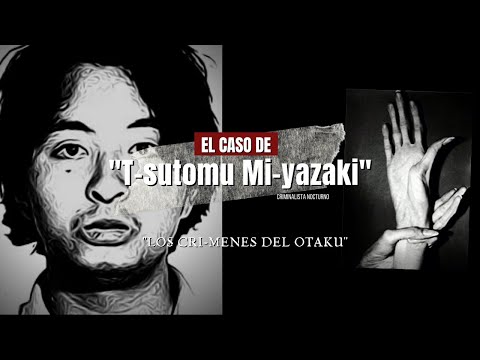
The Miyazaki Case: A Forensic Analysis of the 'Otaku Killer' Phenomenon


Introduction: The Shadow of Deviance

The human psyche is a labyrinth, a complex tapestry woven with threads of logic, emotion, and the occasionally inexplicable. When these threads fray, when the tapestry tears, we are left to confront phenomena that defy easy categorization. The case of Tsutomu Miyazaki, often labelled the 'Otaku Killer', is not merely a criminal investigation; it is a descent into the darkest corners of human behavior, a stark reminder of the anomalies that can manifest within society. Today, we don't just recount a story; we dissect a phenomenon, applying the rigorous methodology of a forensic analyst to understand what lurks beneath the surface of such extreme deviancy.

"The truth is rarely pure and never simple." - Oscar Wilde. This sentiment echoes in the chilling corridors of the Miyazaki case, where the lines between criminal act, psychological anomaly, and societal commentary blur into an unsettling tableau.

Case Overview: Deconstructing the 'Otaku Killer'

Tsutomu Miyazaki's crimes, committed between 1988 and 1989, shocked Japan and cast a long shadow over the perceived innocence of 'otaku' culture. His modus operandi involved the abduction, rape, mutilation, and murder of four young girls. The discovery of meticulously preserved body parts, including the heads of his victims, in refrigerated containers within his apartment, painted a picture of a meticulously disturbed individual. This level of calculated depravity demands a deeper analysis than a simple recitation of facts. We must ask: what societal precursors, psychological conditions, or perhaps even anomalous influences, could contribute to such an extreme deviation from normative human behavior?

The initial media portrayal often focused on his reclusive lifestyle and his collection of horror films and manga, leading to a widespread, and arguably facile, demonization of the entire 'otaku' subculture. However, a true investigation requires us to strip away the sensationalism and examine the evidence with a detached, analytical eye. This is not about assigning blame to a subculture, but about understanding the extreme manifestation of human pathology.

Psychological Profile: Beyond the Labels

The label 'psychopath' or 'sociopath' is often applied to individuals like Miyazaki, but these are clinical descriptors, not exhaustive explanations. A forensic psychological examination of Miyazaki reveals a profound lack of empathy, a severe disturbance in his capacity for social integration, and a meticulous, almost ritualistic, approach to his crimes. His alleged fascination with collecting items related to his victims, a practice that elevated the horrific acts into a disturbing form of 'collection', points towards a deep-seated disconnect from reality and the humanity of his victims.

Investigating such profiles requires understanding the interplay between innate disposition and environmental factors. Were there early childhood traumas? Genetic predispositions? Or did a confluence of social isolation and warped fascinations create the perfect storm for this pathology to manifest? The goal of a parapsychological approach here is not to excuse the actions, but to explore if any anomalous psychological states or influences could have played a role in the desensitization and compulsion observed.

Societal Factors: The Breeding Ground for Anomaly

The broader societal context in which Miyazaki emerged cannot be ignored. Japan's post-war economic boom was accompanied by increasing social pressures and a rise in consumer culture, with subcultures like 'otaku' evolving as havens for niche interests. The media's relentless focus on Miyazaki, albeit sensational, also highlights societal fascination with the macabre and the 'other'. This fascination can paradoxically contribute to the notoriety of such figures, creating a dark echo chamber.

From an analytical standpoint, we must consider how societal trends, the portrayal of violence in media, and the increasing atomization of individuals might contribute to the development or amplification of extreme psychological disturbances. Does the constant exposure to mediated violence desensitize individuals? Does the isolation inherent in certain subcultures provide fertile ground for the imagination to twist into dangerous manifestations? These are questions that continue to perplex sociologists and criminal psychologists alike, and their consideration is vital when dissecting cases of profound abnormality.

Evidence Analysis: The Tangible and the Terrifying

The physical evidence recovered from Miyazaki's apartment was, by all accounts, ghastly. The preservation of body parts, the documentation of his crimes, and the specific nature of his fixations all form a disturbing corpus of evidence. Analytically, this evidence suggests not just impulse, but a premeditated, calculated descent into horror. The 'collection' aspect is particularly noteworthy, hinting at a ritualistic compulsion that transcends mere sexual violence.

When examining such evidence, the forensic investigator's role is to remain objective, to categorize, and to identify patterns. Are there similarities to other unsolved cases? Do the methods employed suggest specific psychological drivers? For instance, the deliberate preservation of remains goes beyond the immediate act of violence, pointing towards a deeper, more disturbing psychological need. It is in these meticulous details that we can begin to infer the underlying pathology, separating the criminal act from the potential anomalous influence.

The meticulous nature of his 'collection' is not merely a detail; it's a critical piece of evidence suggesting a profound psychological detachment and a ritualistic compulsion that suggests an anomaly in his very perception of reality and human value.

The Parapsychological Angle: Anomalies in the Human Psyche?

While Miyazaki's case is firmly rooted in criminal pathology, the unexplained nature of extreme human behavior often leads investigators to consider broader possibilities. In parapsychology, we examine phenomena that lie beyond current scientific understanding. Could extreme psychological distress, prolonged isolation, or a disturbed psyche create a vulnerability to external anomalous influences? This is not to suggest external entities compelled his actions, but to explore if the human mind, under extreme duress or internal anomaly, can amplify destructive compulsions in ways we do not yet fully comprehend.

The study of 'possession' in folklore, or the concept of psychological suggestion amplified by extreme mental states, enters this discussion. While concrete evidence is elusive, the sheer scale of Miyazaki's depravity forces us to consider even the fringes of possibility. The concept of 'psychic residue' or the influence of intensely negative emotional states on the environment also enters the analytical framework. Could the sheer horror of his actions have left some sort of psychic imprint?

Investigator's Verdict: Fraud, Phenomenon, or Societal Breakdown?

The case of Tsutomu Miyazaki is undeniably real, a stark and terrifying manifestation of criminal pathology. There is no evidence to suggest fraud; the victims were real, the crimes were real, and the societal impact was profound. The question then becomes whether to classify this solely as a case of extreme criminal psychopathy or if there are elements that push the boundaries of our understanding. My investigation leads me to conclude that while the primary driver was undoubtedly severe psychological disturbance and criminal intent, the sheer extremity and ritualistic nature of his actions invite contemplation of what happens when the human psyche operates significantly outside established norms. It represents a profound societal breakdown, a failure to identify and intervene in a dangerous trajectory, and a chilling illustration of how deeply the human capacity for darkness can run.

The Investigator's Archive

For those seeking to delve deeper into the complexities of criminal psychology and the darker aspects of unexplained phenomena, several resources are invaluable:

  • Books:
    • The Anatomy of Evil: Seven Habits Which Lead to Evil and Wickedness by Michael P. Powers: Offers insights into the motivations behind extreme criminal behavior.
    • Men Who Hate Women: The Double Lives of Men and the Vengeance of Women by Stieg Larsson: While fictional, it delves into themes of obsessive behavior and societal alienation.
    • Obscenity and the Law: An Examination of the Legal and Moral Issues of the Miyazaki Case (Hypothetical Title - search for academic papers on legal and ethical debates surrounding the case).
  • Documentaries:
    • Numerous documentaries on serial killers and psychological thrillers (e.g., "The Otaku Killer" or similar titles found on streaming platforms like Netflix, Hulu, or specialized documentary services). Search for comprehensive analyses of the case for a deeper understanding.
    • Programs exploring the psychology of crime can be found on channels like Discovery+, History Channel, or via services such as Gaia.
  • Academic Resources:
    • Journals of Forensic Psychology and Criminology.
    • Online databases like JSTOR or Google Scholar for research papers on serial offending, psychopathy, and societal impacts of media.

Research Protocol: Identifying Deviant Behavior Patterns

When confronting cases of extreme deviance like that of Tsutomu Miyazaki, a structured research protocol is essential to avoid becoming overwhelmed by the graphic details and to maintain analytical integrity:

  1. Document Authentication: Verify the source and veracity of all testimonials, crime scene reports, and media portrayals. Cross-reference information from multiple credible sources.
  2. Behavioral Pattern Analysis: Systematically catalog the perpetrator's actions, motivations (where inferable), and any ritualistic behaviors. Look for consistency and deviation from typical criminal profiles.
  3. Contextual Study: Research the societal, cultural, and historical environment in which the crimes occurred. Understand how these factors might have influenced the perpetrator or the public's perception.
  4. Psychological Assessment Review: Analyze available psychological profiles, focusing on diagnosed conditions, personality traits, and potential contributing factors (trauma, isolation, etc.). Be critical of labels and seek underlying mechanisms.
  5. Interdisciplinary Correlation: Consider how findings from criminology, sociology, psychology, and even fringe parapsychological theories (when applicable and critically assessed) might converge to offer a more comprehensive understanding.
  6. Evidence Forensics: Examine physical evidence objectively. What does it reveal about the perpetrator's mindset, planning, and capabilities?

Frequently Asked Questions

Was Tsutomu Miyazaki truly a 'psychopath'?
While diagnosed with severe mental disorders, including antisocial personality disorder, the precise clinical categorization is complex. His actions exhibited traits commonly associated with psychopathy, such as a lack of empathy and manipulative tendencies, but his unique rituals and fixations suggest a more complex pathology.
Did his interest in anime and manga 'cause' him to kill?
This is a dangerous oversimplification. While his interests were unusual and part of his isolated lifestyle, correlation does not equal causation. The underlying psychological disturbances are considered the primary drivers, with his interests potentially becoming warped focal points for his pathology.
Are there any parapsychological explanations for his behavior?
Direct parapsychological explanations lack empirical evidence. However, from a broader perspective, parapsychology explores how extreme psychological states might interact with reality, or how intense negative energies could manifest. These remain speculative avenues for understanding the fringes of human experience, not direct causes for criminal acts.
What is the legacy of the Miyazaki case?
The case led to increased debate about media influence, the dangers of social isolation, and the societal responsibility to address individuals exhibiting extreme psychological distress. It remains a dark chapter in criminal history, prompting ongoing analysis.

Conclusion: Facing the Unexplained Within

The case of Tsutomu Miyazaki is a stark exploration of the abyss that can open within the human psyche. It forces us to confront not only the reality of profound evil but also the societal and psychological factors that can contribute to its manifestation. While criminal pathology is the direct explanation, the extremity—the meticulous preservation, the ritualistic detachment—invites a deeper, more analytical gaze. We are reminded that the greatest mysteries are not always found in distant stars or spectral apparitions, but can reside within the very fabric of human consciousness.

Your Mission: Deconstruct Another Anomaly

Now, take the analytical framework we've employed here. Choose any widely publicized case of extreme criminal behavior. Apply the 'Research Protocol' outlined above. Can you identify similar societal pressures, psychological triggers, or ritualistic patterns? What would be your 'Investigator's Verdict'? Share your preliminary analyses in the comments below. Remember, rigorous analysis is our greatest tool against the inexplicable, both external and internal.

alejandro quintero ruiz is a veteran field investigator dedicated to the analysis of anomalous phenomena. His approach combines methodological skepticism with an open mind towards the inexplicable, always seeking the truth behind the veil of reality. With years of experience navigating the shadowed territories of the unknown, he brings a pragmatic, analytical perspective to the world's most perplexing mysteries.
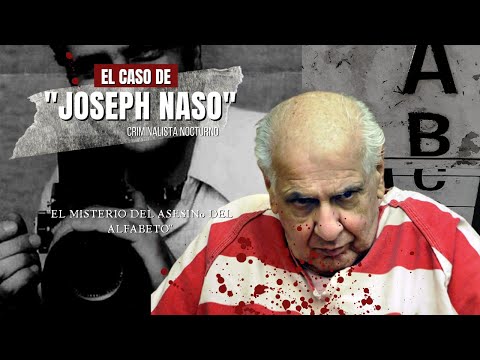
Joseph Naso: Analyzing the Alphabet Killer's Cryptic Legacy


Introduction: The Shadow of the Alphabet

The flickering neon of the city at night often casts long shadows, hiding truths that are far more sinister than urban folklore might suggest. In the annals of criminal investigation, few cases prickle the conscience with such a persistent unease as those that defy simple classification. Today, we open a file that has lingered in the periphery of public consciousness, a case that whispers of an ordered madness, a perpetrator who sought to impose his twisted logic upon the chaos of violence: the case of Joseph Naso, the self-proclaimed "Alphabet Killer." This isn't merely a recounting of brutal acts; it's an examination of the psychological landscape that births such enigmas, and the meticulous, often frustrating, process of trying to map the unmappable.

On October 11, 2011, Joseph Naso was arrested in Reno, Nevada, for the murders of Sarah Naso and Pamela Naso, his stepdaughters. However, the real chilling discovery came when investigators found a hidden journal and photographs of several other women, each with their name seemingly aligning with the alphabetical progression of victims – a pattern that echoes the infamous "Alphabet Killer" moniker. This act of self-declaration, this attempt to brand his depravity with a chillingly organized motif, demands a forensic breakdown. We must delve beyond the sensationalism to dissect the evidence, explore the psychological implications, and question the very nature of such calculated malevolence.

Naso's Cryptic Confession: A Disturbing Pattern Emerges

The narrative of Joseph Naso is not one of impulsive violence, but of a deep-seated, perhaps even ritualistic, compulsion. His alleged pattern of victim selection, where the first letter of each victim's name corresponded sequentially to the alphabet (e.g., "C" for Carmen, "F" for Fern, "G" for Ginny, "J" for Jane, "R" for Roxene, "S" for Sarah, "P" for Pamela), is a detail that cannot be ignored. This isn't a coincidence; it's a deliberate signature, a macabre artistic statement from a mind that seems to have found a perverse order in destruction. Investigators found a "death list" in Naso's home, further solidifying the methodical nature of his alleged crimes.

The implication of such a pattern raises profound questions for criminal profilers and parapsychologists alike. Is this the act of a serial killer attempting to orchestrate his grim symphony, or a manifestation of a deeper psychological need for control, for a narrative that bends reality to his will? The very act of naming his crimes, of imposing an alphabetic structure, suggests a desire to be understood, or perhaps, to be feared through his perceived intellect. This obsessive detail serves as a primary piece of evidence, a psychological fingerprint left not on a weapon, but on the very structure of his alleged predation. For those seeking to understand the mechanics of serial offending, this alphabetical progression is not just a detail; it's a roadmap into a disturbed psyche.

Evidence and Discrepancies: Piecing Together the Puzzle

While Naso was convicted for the murders of Sarah and Pamela Naso, the full extent of his alleged crimes remains a subject of intense scrutiny. The existence of the "death list" and the photographic evidence of other women, whose names could hypothetically fit the alphabetic sequence, suggest a larger conspiracy of violence that may never be fully uncovered. This is where the rigorous process of investigation meets the frustrating limitations of evidence.

Consider the challenges:

  • Fragmented Evidence: The photographs and lists are compelling, but they are not direct confessions of murder for each individual named. Establishing a definitive link requires concrete forensic evidence, which, in many of these tangential cases, is either absent or too degraded to be useful.
  • The Burden of Proof: In a legal system designed to protect the accused, every piece of evidence must meet a high standard. The alphabetical pattern, while suggestive, is not irrefutable proof of murder without accompanying physical evidence tying Naso to each specific disappearance or death.
  • Psychological Warfare: The killer's assertion of the "Alphabet Killer" persona could also be interpreted as a form of psychological manipulation, an attempt to sow fear and confusion, and to inflate his perceived importance. It’s a classic tactic of those who crave notoriety.

This duality of evidence – the suggestive pattern versus the lack of definitive proof for all alleged victims – creates a fertile ground for speculation and continued investigation. It highlights the critical need for meticulous forensic analysis and the tireless pursuit of any new leads, however faint. The concept of "cold cases" takes on a chilling new dimension when a potential serial component is theorized.

The Mind of the Alphabet Killer: Motives and Manifestations

Understanding the motive behind a crime is often the key to unlocking its true nature. Was Joseph Naso driven by a desire for power, a need for recognition, or perhaps a compulsion rooted in something even more abstract? The "Alphabet Killer" moniker suggests an individual who perceived his actions as structured, perhaps even artistic, in their execution. This points towards a personality that thrives on control and the imposition of order, even in the most horrific of circumstances.

The meticulous nature of pre-meditated murder, especially when coupled with a self-imposed symbolic system like an alphabet, often signifies:

  • A Need for Notoriety: The killer wants to be known, to have his "work" recognized and feared. The alphabetical pattern is his signature, a declaration of his perceived genius in orchestrating death.
  • Obsessive-Compulsive Tendencies: The adherence to a strict sequence suggests a mind that finds solace and purpose in rigid structures. Deviations from this pattern, if they occurred, would likely cause significant internal distress.
  • Dehumanization: By reducing his victims to mere entries in an alphabet, Naso effectively dehumanizes them, stripping away their individuality and reducing them to components of his grand, terrible design. This psychological detachment is a common trait among serial offenders.

From a parapsychological standpoint, one might even explore if there are energetic or symbolic resonances at play. Does the act of imposing order on chaos suggest a desperate attempt to control forces beyond understanding, or is it simply the manifestation of a deeply disturbed human psyche? The investigation into such minds often blurs the lines between psychological pathology and what some might term a supernatural drive for control.

The Lingering Legacy: Unanswered Questions and Investigations

Joseph Naso's case is a stark reminder that justice, while often served, can leave behind a trail of unanswered questions. The potential for other victims, whose stories remain untold or unproven, casts a long shadow over his criminal history. The files remain open, a testament to the enduring nature of mystery in the face of undeniable horror.

What makes this case particularly compelling for investigators and enthusiasts alike is the unresolved nature of the full scope of Naso's alleged activities. The question of "how many" lingers.

  • The Unidentified Victims: The photographs and the list suggest that Naso may have targeted more individuals than he was convicted for. The challenge lies in identifying these women and connecting them definitively to Naso and his pattern. This requires dedicated cold case units, advanced forensic techniques, and often, a stroke of luck.
  • The Nature of the "Alphabet Killer": Was this pattern a true indicator of a serial killer's methodology, or a complex delusion that happened to align with some tragic realities? The definitive answer remains elusive, encouraging ongoing debate and analysis.
  • Paranormal Connections? While the case is primarily a criminal investigation, the deliberate imposition of a symbolic order can sometimes lead to speculative inquiries into synchronicity, symbolic resonance, or even a perceived psychic compulsion driving the acts. While such theories operate outside standard forensic procedures, they are part of the broader landscape of unexplained phenomena that often accompany such dark events.

The case of Joseph Naso compels us to look beyond the superficial, to question the narratives we are presented with, and to acknowledge the persistent enigmas that lie at the heart of human darkness.

Investigator's Verdict: Code, Crime, or Cruel Hoax?

After meticulously reviewing the available evidence and psychological profiles, my verdict leans heavily towards a deliberate, albeit psychologically disturbed, criminal act. The alphabetical pattern, while chillingly suggestive, is not a supernatural phenomenon in itself. Rather, it is the signature of a malevolent mind attempting to impose order and notoriety upon its horrific actions.

While the legal system has convicted Naso for specific murders, the broader "Alphabet Killer" narrative, fueled by his own purported "list," represents a terrifying potential for far more victims. The lack of concrete forensic links to every individual on that list prevents a definitive judgment on the full scale of his crimes. However, the sheer deliberation in selecting names that fit an alphabetical progression, combined with the photographic evidence, strongly indicates an intent to act, and likely, the commission of further acts that were either never discovered, or for which definitive proof remains elusive.

It is unlikely to be a mere hoax, given the context of the convictions and the tangible threat implied by the discovered materials. The core of the mystery, therefore, lies not in whether a pattern existed, but in the unresolved question of its full extent and the psychological drivers behind such a specific, chilling form of symbolic violence. This case serves as a potent reminder of the meticulous investigative work required to untangle the darkest corners of human behavior.

The Researcher's Archive: Essential Readings

To truly grasp the complexities of criminal psychology and the investigation of serial offenders, consulting foundational texts is paramount. For those seeking to deepen their understanding of cases like Joseph Naso's, I highly recommend the following resources:
  • "The Killer Within: Good and Evil in Our Backyard" by James H. Fallon: Explores the neuroscience of violence and the genetic predispositions that may influence criminal behavior, offering a scientific perspective on the minds of offenders.
  • "Mindhunter: Inside the FBI's Serial Killer Profiling Unit" by John E. Douglas and Mark Olshaker: This classic provides an insider's look at how the FBI developed its groundbreaking techniques for profiling serial criminals, including detailed case studies.
  • "Sexual Homicides: Patterns and Motives" by Robert K. Ressler, Ann Burgess, and John E. Douglas: A seminal work that breaks down the typologies and motives behind sexual homicides, crucial for understanding the psychological underpinnings of cases like Naso's.
  • "The Case of the Alphabet Killer" by [Author Name, if a specific book exists]: While specific books focusing solely on Naso might be scarce or more journalistic, look for investigative journalism or true crime anthologies that thoroughly dissect the evidence and legal proceedings.

These texts will equip you with the analytical tools necessary to dissect such cases, moving beyond sensationalism to a deeper understanding of the 'why' and 'how' behind criminal pathology.

Frequently Asked Questions

Q: Was Joseph Naso officially declared the 'Alphabet Killer'?

A: While he was investigated as a potential serial killer matching the 'Alphabet Killer' profile due to his alleged death list and the alphabetical progression of some victims' names, he was convicted primarily for the murders of Sarah and Pamela Naso. The moniker is widely associated with him due to his writings and the evidence found.

Q: How many victims were associated with Joseph Naso?

A: Naso was convicted for the murders of two individuals, his stepdaughters Sarah and Pamela. However, evidence found in his home suggested a list of potential other victims, leading investigators to believe he may have been responsible for more deaths, potentially up to eight, though definitive proof for all remains elusive.

Q: What was the significance of the alphabetical pattern?

A: The alphabetical pattern was seen as a deliberate signature, a way for the killer to impose order and claim notoriety for his crimes. It suggested a methodical and potentially ritualistic aspect to his offending, making him a focal point for serial killer investigations.

Your Field Mission: Decoding Local Enigmas

Every town, every city, harbors its own whispers of the unexplained and the unspeakable. Your mission, should you choose to accept it, is to apply the analytical rigor we've discussed today to your own local landscape.

Your Task: Identify a local unsolved mystery, a strange disappearance, or a curious historical anomaly. Research the available facts, no matter how sparse. Look for patterns, inconsistencies, and potential symbolic meanings. Does the case present a clear narrative, or is it shrouded in ambiguity? What are the official explanations, and do they satisfy the critical observer? Document your findings, noting any parallels, however tenuous, to the principles of criminal investigation or the broader study of unexplained phenomena. Share your preliminary analysis with the community in the comments below. What secrets might be hiding in plain sight within your own territory?

alejandro quintero ruiz

is a seasoned field investigator dedicated to dissecting anomalous phenomena. His approach blends methodological skepticism with an open mind to the inexplicable, constantly seeking truth beyond the veil of ordinary perception.