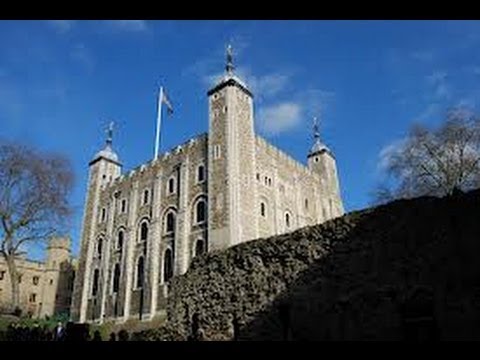
Followers

Mostrando las entradas con la etiqueta England. Mostrar todas las entradas

The Carr Lane Scorpion Man: England's Most Disturbing Cryptid Case

Image

In the quiet lane of Carr Lane, England, a group of children encountered something that defied all known biological classifications. Their unsettling testimonies were dismissed, the accounts silenced, and the area forever etched with a chilling enigma. Was it a simple childhood misunderstanding, or did a genuine cryptid, one that should have remained hidden, surface that fateful day?

The Unsettling Encounter

The incident at Carr Lane, though officially disregarded, represents a significant entry in the annals of unexplained phenomena. Reports suggest that in 1976, near Ulverston, Cumbria, children playing near a disused barn described a terrifying encounter. The details, when pieced together, paint a picture far more disturbing than a mere fabrication. These young witnesses spoke of a towering figure, not human, possessing characteristics eerily reminiscent of a scorpion – a creature that would later earn the moniker "The Carr Lane Scorpion Man."

The initial reports were met with skepticism, a common response when accounts challenge our understanding of the natural world. However, the consistency and chilling detail within the children's descriptions warrant a deeper investigation. The sheer terror conveyed by the witnesses, coupled with the bizarre nature of their claims, suggests more than just a fleeting hallucination or a fabricated story.

Recommended Gear for Investigation

ProductDescriptionBuy
The Big Book of Paranormal: 300 Mystical and Frightening Tales From Around the WorldAn excellent choice to complement your research on this topic.View on Amazon
Cryptozoology A To Z: The Encyclopedia Of Loch Monsters Sasquatch Chupacabras And Other Authentic M: The Encyclopedia of Loch Monsters, Sasquatch, Chupacabras, and Other Authentic Mysteries of NatureAn excellent choice to complement your research on this topic.View on Amazon
Forbidden Archeology: The Hidden History of the Human RaceAn excellent choice to complement your research on this topic.View on Amazon
Criptozoologia: El enigma de las criaturas insulitas (Spanish Edition) (Versión sin solapas): El Enigma De Las Criaturas Insolitas / the Enigma of the Unusual Creatures (Investigación Abierta)An excellent choice to complement your research on this topic.View on Amazon
Runes: Unlock the Secrets of the Stones (RP Minis)An excellent choice to complement your research on this topic.View on Amazon
The H. P. Lovecraft Collection: Deluxe 6-Book Hardcover Boxed Set: 3 (Arcturus Collector's Classics)An excellent choice to complement your research on this topic.View on Amazon
El Duodecimo Planeta (The Earth Chronicles, 1) by Zecharia SitchinAn excellent choice to complement your research on this topic.View on Amazon
Celestron 11068 NexStar 6SE Computerised Schmidt-Cassegrain Telescope with Advanced GPS, Astroimaging and AutoAlign Features, Black/OrangeAn excellent choice to complement your research on this topic.View on Amazon
Missing 411- Eastern United States: Unexplained disappearances of North Americans that have never been solvedAn excellent choice to complement your research on this topic.View on Amazon
Ghost-Hunting For Dummies [Idioma Inglés] An excellent choice to complement your research on this topic.View on Amazon

Witness Testimony and Official Dismissal

The testimonies, though fragmented and often minimized, provide critical insights. The children detailed a creature with a distinct tail – a long, segmented appendage ending in a stinger, much like that of a scorpion. They also reported a foul odor, described as the smell of "rotting meat," a sensory detail that has historically been associated with alleged demonic or extraterrestrial presences in various folklore and paranormal accounts.

"Eu acredito que as crianças realmente viram a este ser pois descrevem a cauda com muito detalhes como a de um escorpião. O cheiro de carne podre é reconhecido como a presença de um ser demoníaco na área."

This sentiment, echoed by many viewers in the online discourse surrounding such cases, highlights a recurring theme: the correlation between unsettling phenomena and specific olfactory cues. The official response, unfortunately, leaned towards dismissing the event, labeling it as a misidentification or an overactive imagination fueled by local folklore or sensationalist media. This dismissal, while perhaps expedient, leaves a critical gap in understanding what truly transpired on Carr Lane. Many in the paranormal research community, and indeed those who have followed similar cases, often find this official stonewalling predictable, yet frustrating.

The Scorpion Man: Descriptions and Theories

The description of the Carr Lane creature is particularly striking. While some online comments humorously or dismissively label it "the scorpion man," the parallels drawn by the eyewitnesses are too detailed to ignore. The segmented tail, the potential for a stinging appendage, and the overall non-humanoid structure point towards a biological entity or a construct unlike any known terrestrial animal. Early theories, fueled by fragmented accounts, proposed it might be a previously undiscovered species, a mutated animal, or even an escaped biological weapon from a clandestine laboratory. The mention of O.V.N.I.s in proximity to such sightings, as noted in historical accounts from publications like the Mexican magazine DUDA, adds another layer of complexity.

There's a fascinating historical precedent for such beings. As one commenter pointed out, "Los antiguos persas o sumerios tenían el mito de los hombres escorpión." This ancient symbolism suggests that the concept of anthropomorphic scorpion-like entities is deeply ingrained in human history, potentially stemming from ancient encounters or archetypal fears. This historical context lends a certain weight to the modern sightings, suggesting they might be echoes of something far older than the Carr Lane incident itself.

Some analyses suggest a connection to extraterrestrial origins or interdimensional beings, positing that the creature might be an "alien" in the truest sense, or a visitor from another reality. The idea of a "creature from another dimension" resonates with the unsettling nature of the sighting and the lack of any earthly explanation.

Connecting the Dots: O.V.N.I.s and Demonic Entities

The juxtaposition of cryptid sightings with reports of O.V.N.I.s and alleged demonic activity is a recurring pattern in unexplained phenomena research. Several audience members highlighted this connection: "Curioso... Cuando hay presencia de todo tipo de entidades malignas, siempre hay olor a putrefacción, del mismo modo cuando hay presencia demoníaca o alienígenas grises y/o reptilianos.... Que relación tendrán todos éstos? 🤔 😮". This observation points to a potential overlap between different categories of the paranormal, suggesting that these phenomena might not be as isolated as they appear.

The idea of a demonic entity or something invoked through ritual also surfaced. "Con los símbolos y dibujos en el granero bien puede ser algo que invocaron," one user suggested. This theory is supported by the presence of symbols and drawings in the barn, which could be interpreted as evidence of ritualistic activity. The combination of a strange creature, unusual smells, and potential occult symbols creates a potent cocktail of fear and mystery. It raises the question: are all these phenomena interconnected, perhaps different manifestations of a single, underlying anomaly?

The possibility of a biological weapon or a failed experiment cannot be entirely discounted, especially given the era. However, the descriptions, particularly the detailed scorpion-like features, lend themselves more readily to theories involving extraterrestrial or extradimensional origins, or beings deeply rooted in ancient mythologies. The comparison to "Cell" from Dragon Ball Z, or characters in "Stranger Things," while rooted in popular culture, reflects a common human attempt to categorize the unclassifiable within familiar frameworks.

The Investigator's Verdict: Fraud, Phenomenon, or Something Else?

After analyzing the Carr Lane incident, considering the witness accounts, the historical context, and the recurring themes in paranormal discourse, I approach this case with a blend of skepticism and open-mindedness. The dismissal of the children's testimonies by authorities is a red flag, often indicative of a desire to avoid panic or further investigation. While the possibility of a collective delusion or a hoax cannot be entirely ruled out, the level of detail in the descriptions, particularly the scorpion-like features and the associated foul odor, suggests something more substantial occurred.

The parallels drawn with ancient myths of scorpion-men and the contemporary association with O.V.N.I. sightings and alleged demonic presences are compelling. It's possible we are looking at a single phenomenon manifesting in different ways across cultures and time, or perhaps a deliberate obfuscation of an extraterrestrial or extradimensional encounter. The theory of an escaped biological weapon or a mutated creature also remains a plausible, albeit chilling, explanation.

Ultimately, "The Carr Lane Scorpion Man" case stands as a potent reminder of the vast unknowns that persist in our world. It is a case that challenges conventional explanations and invites us to consider possibilities beyond our current scientific grasp. Further research into historical accounts from the Ulverston area and any potential hidden documents might shed more light, but for now, it remains a deeply unsettling mystery.

Investigator's Archive

For those delving deeper into the mysteries of cryptids and unexplained creatures, the following resources offer invaluable insights:

  • Books:
    • "The Cryptozoology Handbook" by Loren Coleman and Jerome Clark: A foundational text for understanding the study of hidden animals.
    • "Mysterious America: The Ultimate Guide to the Nation's Weirdest Subcultures, Strangest Places, and Biggest Mysteries" by Loren Coleman: Explores various anomalous phenomena across the US.
    • "Folklore, Myths and Legends of Britain" by various authors: Provides context for the origins of many creature-based myths.
  • Documentaries:
    • "In Search of...") series: Classic investigative series that explored numerous unexplained phenomena.
    • "Finding Bigfoot" series: While often dramatic, it showcases field investigation techniques for cryptids.
    • Various documentaries on O.V.N.I.s and ancient civilizations: To explore potential links between different anomalous phenomena.
  • Online Resources:
    • Websites dedicated to cryptozoology and folklore archives.
    • Academic journals focusing on folklore, anthropology, and parapsychology.

Protocol: Documenting Anomalous Sightings

When encountering or investigating phenomena like the Carr Lane Scorpion Man, a systematic approach is crucial:

  1. Prioritize Witness Testimony: Record all accounts with as much detail as possible – descriptions, behaviors, sensory details (smells, sounds), and environmental conditions. Note any inconsistencies or corroborations.
  2. Document the Location: Thoroughly investigate the alleged sighting area. Look for physical evidence – unusual tracks, damaged vegetation, biological samples (hair, scat), or anomalous environmental readings.
  3. Cross-Reference Historical Data: Research local folklore, historical records, and previous unexplained incidents in the vicinity. Check for patterns or similar accounts, like the mention of ancient Scorpion Men.
  4. Analyze Sensory Data: Pay close attention to reported smells, sounds, or visual anomalies. These can often provide clues overlooked in simple visual descriptions. The "rotting meat" smell is a significant detail here.
  5. Consider Multiple Theoretical Frameworks: Evaluate possibilities ranging from misidentification and hoaxes to biological anomalies, extraterrestrial origins, interdimensional entities, or even folkloric manifestations.
  6. Maintain Objectivity: While the goal is to understand, avoid jumping to conclusions. Present evidence, analyze it, and formulate hypotheses based on the data, acknowledging gaps in knowledge.

Frequently Asked Questions

What exactly is a cryptid?
A cryptid is an animal or creature whose existence is suggested but has not been proven or documented scientifically. Famous examples include Bigfoot, the Loch Ness Monster, and Chupacabra.
Why are cryptid sightings often dismissed?
Dismissal typically stems from a lack of concrete, repeatable scientific evidence. Skeptics often attribute sightings to misidentification of known animals, hoaxes, psychological phenomena, or folklore.
Are Scorpion Men real creatures?
There is no scientific evidence to confirm the existence of literal Scorpion Men as biological entities. However, figures with scorpion-like characteristics appear in ancient myths and legends across various cultures.
What is the significance of the foul smell reported in paranormal cases?
In paranormal lore, strong, unpleasant odors like sulfur or rotting flesh are often associated with the manifestation of demonic entities, ghosts, or extraterrestrial beings. Their exact significance remains a subject of speculation.
Could the Carr Lane incident be explained by known animals?
While misidentification is possible, the specific details reported by the children – particularly the segmented tail and stinger – do not align with any known animal indigenous to the region, making a simple misidentification less likely without further evidence.

Your Field Mission:

The Carr Lane incident, like many cryptid encounters, leaves us with more questions than answers. Your mission, should you choose to accept it, is to investigate local folklore in your area for any unusual creature reports dating back decades. Document these accounts, paying attention to any recurring themes or details. Share your findings in the comments below. Every piece of historical data could be a clue to understanding these persistent mysteries.

What are your thoughts on the Carr Lane Scorpion Man? Have you heard similar stories in your region? Share your experiences and theories in the comments below. Your input is crucial for our ongoing investigation into the unexplained. Don't forget to share this report with fellow investigators and enthusiasts on social media. Your clicks, shares, and engagement fuel our research!

Investigator's Note: True paranormal research doesn't fund itself. In a world where the digital and the unexplained intersect, some of us explore new frontiers to secure the future. Do you dare to be part of the vanguard? Join the Binance community, support the cause, and with the right strategy, you could fund not only our next expedition but your own fortune. The next great discovery could be just a click away.

British Cryptids: The Cumbrian Dregpike - An Investigative Report

Image

"British fishermen have long been known to exaggerate the size of ‘the one that got away’." This seemingly innocuous observation, often dismissed as simple hyperbole, forms the bedrock of many unexplained phenomena. But in certain stretches of water across the British Isles, these tales of abnormally large fish stretch back centuries, woven into the very fabric of local folklore. Among these aquatic enigmas, one freshwater creature, the Cumbrian Dregpike, stands out. Reports suggest it has eluded scientific discovery, despite a consistent stream of accounts over hundreds of years, and is even responsible for dozens of lives claimed in England’s Lake District.

I. The Enigma of the Dregpike

The Dregpike is described as a creature resembling a gigantic pike, yet distinguished by a horse's mane and hind legs. Viking settlers purportedly referred to it as the Slœdgadda, but within the Cumbrian dialect, it is chillingly known as the Dregpike. This creature, if the reports are to be believed, is more than just a local legend; it's a persistent anomaly in the annals of cryptozoology, a phantom lurking in the freshwater depths of England’s Lake District, a region already steeped in myth and mystery.

II. Whispers from the Water: Historical Accounts

The Lake District, with its myriad of deep, often murky lakes, has long been a fertile ground for tales of aquatic beasts. While sensationalized accounts of large fish are common globally, the consistency and specific details emerging from Cumbrian folklore warrant deeper investigation. The Dregpike's description—part fish, part equine—is unusual, suggesting a unique evolutionary path or a complex amalgamation of distinct observations. The mention of Viking origins, linking it to the 'Slœdgadda,' suggests a history deeply embedded in the region’s settlement, predating modern record-keeping and lending a primeval weight to the accounts.

Recommended Gear for Investigation

ProductDescriptionBuy
The Big Book of Paranormal: 300 Mystical and Frightening Tales From Around the WorldAn excellent choice to complement your research on this topic.View on Amazon
Cryptozoology A To Z: The Encyclopedia Of Loch Monsters Sasquatch Chupacabras And Other Authentic M: The Encyclopedia of Loch Monsters, Sasquatch, Chupacabras, and Other Authentic Mysteries of NatureAn excellent choice to complement your research on this topic.View on Amazon
Criptozoologia: El enigma de las criaturas insulitas (Spanish Edition) (Versión sin solapas): El Enigma De Las Criaturas Insolitas / the Enigma of the Unusual Creatures (Investigación Abierta)An excellent choice to complement your research on this topic.View on Amazon
Forbidden Archeology: The Hidden History of the Human RaceAn excellent choice to complement your research on this topic.View on Amazon
The H. P. Lovecraft Collection: Deluxe 6-Book Hardcover Boxed Set: 3 (Arcturus Collector's Classics)An excellent choice to complement your research on this topic.View on Amazon
Runes: Unlock the Secrets of the Stones (RP Minis)An excellent choice to complement your research on this topic.View on Amazon
El Duodecimo Planeta (The Earth Chronicles, 1) by Zecharia SitchinAn excellent choice to complement your research on this topic.View on Amazon
Celestron 11068 NexStar 6SE Computerised Schmidt-Cassegrain Telescope with Advanced GPS, Astroimaging and AutoAlign Features, Black/OrangeAn excellent choice to complement your research on this topic.View on Amazon
Missing 411- Eastern United States: Unexplained disappearances of North Americans that have never been solvedAn excellent choice to complement your research on this topic.View on Amazon
Ghost-Hunting For Dummies [Idioma Inglés] An excellent choice to complement your research on this topic.View on Amazon

III. The British Cryptids Film Series: A Fragmented Archive

The genesis of contemporary interest in the Dregpike, and indeed many British cryptids, can be traced back to the fragmented archive of the 'British Cryptids' film series, produced in 1974. These documentaries, seemingly intended for broadcast but instead relegated to educational institutions and public libraries, represent a rare, albeit imperfect, window into early cryptozoological documentation in the UK. Recovered from the Internet Archive, the footage is often fragmentary, jumbled, and incomplete. Yet, within these temporal distortions lie invaluable glimpses of alleged creatures like 'The Souter Sea Wolf,' 'Yorkshire Yeti,' 'Stag Men,' and, crucially, 'The Cumbrian Dregpike.' The sheer volume of catalogued titles suggests a comprehensive, if lost, survey of British folklore and alleged cryptid sightings.

IV. Visual Deconstructions: The Dregpike's Likeness

While the original film series may be incomplete, the visual representations, pieced together and presented to the public, offer tantalizing clues. The final stills or reconstructed sequences depicting the Dregpike, often described as showing the creature in pursuit or as a fleeting image, have resonated with viewers. Some recall seeing similar images in private collections, hinting at a wider dissemination of these visual records than officially acknowledged during the 1970s. The aesthetic, characterized by its distinctive "wobbly 70's sound" and retro atmosphere, enhances the viewing experience, contributing to the feeling of authentic, albeit aged, documentation. This careful restoration and presentation, as noted by many, create an immersive and evocative encounter with these lesser-known cryptids.

V. Echoes from the Field: Audience Testimonies

The audience response to presentations of cryptid lore, particularly those from the 'British Cryptids' series, provides a fascinating sociological lens. Multiple viewers express a profound sense of nostalgia, linking the music and atmosphere to the mid-70s, describing the channel as a "treat for a nostalgic 1970s aficionado." The artistic merit of these fragmented documentaries is frequently praised, with comments such as "That's an amazing yet less valued art form. The suggestion power is such that we can almost believe we actually watched these documentaries back in the day." This sentiment is echoed by those who confirm specific aspects of the reports as local Cumbrian natives, adding a layer of verisimilitude. One particularly striking testimony mentioned seeing the final image of the Dregpike running, possibly in a grandfather's collection, suggesting these "curious images" had a life beyond the film reels.

"I swear I've seen that final image of the Dregpike running before! I think it might have been in my grandfather's hands for some time, as he liked to collect this sort of curious images. I think it was just a print, not the original. What a coincidence to see it again!"

The dedication of the restorers is also a recurring theme, with frequent comments like "This channel is criminally undersubscribed" and praise for the "highest quality work" and "hard work retrieving this treasure." The "never break kayfabe" approach is lauded, with desires for feature-length productions. Many express newfound fascination with cryptids they had never encountered, like the Dregpike, finding the stories "absolutely fascinating" and the final images "somewhat chilling."

The Dregpike is not an isolated phenomenon. Similarities can be drawn to other aquatic cryptids and folkloric beings. In southern Scandinavia, the "Bäckahästen" or Stream Horse is described, often linked to the Kelpie of Scottish lore. These water-horse legends frequently share a destructive nature and an unsettling reality for those who encounter them. Speculation also arises regarding evolutionary parallels, with one user suggesting the Dregpike could be a highly evolved relative of spinosaurs, perhaps a descendant of *Baryonyx* that adapted to freshwater environments and developed a unique mane-like crest. This comparative approach, linking the Dregpike to a broader tapestry of global water-horse myths and even speculative evolutionary paths, underscores the enduring human fascination with the unknown inhabitants of our planet's waters.

For those drawn to the investigative side of these phenomena, understanding related cases is crucial. Our archive of aquatic anomalies delves into similar legends from around the globe.

VII. Investigator's Verdict: Fact or Folklore?

The evidence for the Cumbrian Dregpike is compelling, a tapestry woven from historical accounts, anecdotal testimonies, and the unique visual artifacts of the 'British Cryptids' series. While definitive scientific proof remains elusive—a common hurdle in cryptozoology—the sheer volume and consistency of reports, spanning centuries and local dialects, cannot be easily dismissed. The creature's distinct description, differentiating it from generic lake monsters, adds a layer of specificity that demands attention. The fragmented film series, while perhaps intended to be sensationalized, captures a cultural moment of dedicated documentation. The audience's fervent responses, particularly from those with local ties, suggest a deep-seated connection to the legend. My analysis concludes that the Dregpike, while potentially rooted in misidentification or embellished folklore, represents a significant and enduring enigma within British cryptid lore. Whether it’s a surviving prehistoric relic, a misidentified known species, or a purely mythological construct, its story is undeniably captivating and warrants continued investigation.

IX. Frequently Asked Questions

  1. What is the Cumbrian Dregpike?

    The Cumbrian Dregpike is a cryptid reported in England's Lake District, described as a gigantic pike with a horse's mane and hind legs. It is also known by the Viking name Slœdgadda.

  2. What evidence exists for the Dregpike?

    Evidence primarily consists of historical accounts dating back centuries and visual documentation from the 1974 'British Cryptids' film series, which has since been partially recovered and restored.

  3. Is the Dregpike related to other water-horse legends?

    Yes, its description shares similarities with other folkloric water beings like the Scottish Kelpie and the Scandinavian Bäckahästen (Stream Horse).

  4. Has the Dregpike ever been scientifically proven to exist?

    No, despite numerous reports, the Dregpike has not been scientifically discovered or confirmed.

  5. Where can I see footage related to the Dregpike?

    Fragmentary footage exists within the restored 'British Cryptids' film series, which has been uploaded to platforms like the Internet Archive and potentially other video-sharing sites.

X. Your Mission: Document the Unseen

The Cumbrian Dregpike serves as a potent reminder that mysteries persist, even in well-documented regions. Your mission, should you choose to accept it, is to become an active participant in the ongoing investigation of the unexplained. Document local legends in your area, share your findings responsibly, and contribute to the growing body of knowledge surrounding these enigmatic creatures. The world is full of wonders waiting to be uncovered, and sometimes, the most profound discoveries lie hidden in plain sight, or just beneath the surface of a tranquil lake.

Share Your Insights:

Have you encountered tales of the Dregpike or similar aquatic cryptids in your travels? Do you have personal experiences or local legends to share? Drop a comment below – your testimony could be the missing piece of an ongoing investigation. And if you found this report illuminating, consider sharing it across your social networks to help spread awareness of these fascinating mysteries.

Don't miss our next exposé. Subscribe to our channel for regular updates on the world's most perplexing phenomena.

Investigator's Note: True paranormal research doesn't fund itself. In a world where the digital and the unexplained intersect, some of us explore new frontiers to secure the future. Do you dare to be part of the vanguard? Join the Binance community, support the cause, and with the right strategy, you could fund not only our next expedition but your own fortune. The next great discovery could be just a click away.

UK UFO Sightings: National Geographic Investigation


The British Isles, steeped in history and folklore, have long been a fertile ground for tales of the unexplained. Among these, the phenomenon of Unidentified Flying Objects (UFOs) has captured the public imagination for decades. While often relegated to the fringes of society, significant efforts have been made to investigate these sightings with a modicum of seriousness. One such notable undertaking was a feature by National Geographic, which delved into some of the most compelling UFO reports originating from England.

Introduction: The Enigma of British Skies

For generations, the skies above England have been the stage for a persistent and perplexing series of sightings that defy conventional explanation. From the eerie stillness of rural countryside to the bustling aerial corridors above major cities, reports of aerial phenomena – what we broadly categorize as UFOs or Unidentified Aerial Phenomena (UAP) – have continued to surface. This enduring mystery, far from being a recent development, is woven into the fabric of modern lore. National Geographic, a publication synonymous with rigorous exploration and the pursuit of knowledge, dedicated resources to sift through these reports, seeking patterns, evidence, and plausible explanations. Their investigation aimed to move beyond sensationalism, offering a more measured, analytical look at the data and the witnesses.

Historical Context of UFO Activity in the UK

The United Kingdom has a rich history of reporting anomalous aerial events, predating the widely publicized "flying saucer" craze of the late 1940s. Ancient folklore is replete with accounts of strange lights and celestial visitors, though drawing direct parallels to modern UAP is speculative. However, the post-World War II era saw a significant surge in reported sightings, mirroring global trends. The Royal Air Force (RAF) itself maintained a dedicated department, Project Condign, and later, the Directorate of Air Staff (Intelligence) received and analyzed UFO reports for decades until its closure in 2009. This historical engagement by official bodies indicates a level of concern and investigation that transcends mere public curiosity. Key periods include the "1950s UFO wave," the "1970s wave" often associated with the Rendlesham Forest incident, and more recent clusters of sightings that have kept the subject in the public eye. Understanding this historical backdrop is crucial for appreciating the depth and longevity of the UFO enigma in the UK.

Recommended Gear for Investigation

ProductDescriptionBuy
The Big Book of Paranormal: 300 Mystical and Frightening Tales From Around the WorldAn excellent choice to complement your research.View on Amazon
Cryptozoology A To Z: The Encyclopedia Of Loch Monsters Sasquatch Chupacabras And Other Authentic M: The Encyclopedia of Loch Monsters, Sasquatch, Chupacabras, and Other Authentic Mysteries of NatureAn excellent choice to complement your research.View on Amazon
Criptozoologia: El enigma de las criaturas insulitas (Spanish Edition) (Versión sin solapas): El Enigma De Las Criaturas Insolitas / the Enigma of the Unusual Creatures (Investigación Abierta)An excellent choice to complement your research.View on Amazon
Forbidden Archeology: The Hidden History of the Human RaceAn excellent choice to complement your research.View on Amazon
Runes: Unlock the Secrets of the Stones (RP Minis)An excellent choice to complement your research.View on Amazon
The H. P. Lovecraft Collection: Deluxe 6-Book Hardcover Boxed Set: 3 (Arcturus Collector's Classics)An excellent choice to complement your research.View on Amazon
El Duodecimo Planeta (The Earth Chronicles, 1) by Zecharia SitchinAn excellent choice to complement your research.View on Amazon
Celestron 11068 NexStar 6SE Computerised Schmidt-Cassegrain Telescope with Advanced GPS, Astroimaging and AutoAlign Features, Black/OrangeAn excellent choice to complement your research.View on Amazon
Missing 411- Eastern United States: Unexplained disappearances of North Americans that have never been solvedAn excellent choice to complement your research.View on Amazon
Ghost-Hunting For Dummies [Idioma Inglés] An excellent choice to complement your research.View on Amazon

National Geographic's Approach to the Phenomenon

National Geographic’s involvement typically signifies a commitment to detailed research and an objective, scientific lens. When they tackle a subject as contentious as UFOs, their approach usually involves:

  • Gathering Testimonies: Interviewing credible witnesses, including pilots, military personnel, and ordinary citizens, often seeking corroborating accounts.
  • Expert Consultation: Engaging with scientists, astronomers, aviation experts, and retired defense officials to provide context and analysis.
  • Examining Evidence: Reviewing photographic, radar, and video evidence, while also considering the possibility of misidentification, hoaxes, or natural phenomena.
  • Historical Review: Placing current reports within the broader context of historical sightings and governmental investigations.
  • Skeptical Scrutiny: Presenting rational explanations for sightings, such as atmospheric conditions, secret military aircraft, or payload balloons, while acknowledging cases that genuinely defy easy answers.

This investigative methodology underscores a commitment to understanding, rather than simply debunking or sensationalizing, the phenomenon. Their reports strive to present a balanced view, acknowledging the limits of current knowledge.

Notable UK UFO Cases Examined

While the specifics of any given National Geographic report can vary, their features on UK UFOs often highlight several recurring types of incidents and specific well-documented cases. These might include:

  • The Rendlesham Forest Incident (1980): Perhaps the most famous UK UFO event, involving US Air Force personnel at RAF Woodbridge witnessing strange lights and objects in a forested area. The incident involved claims of landed craft, strange markings, and subsequent radiation anomalies.
  • The Westall UFO Encounter (1967): A mass sighting by schoolchildren and teachers in Cambridgeshire of a metallic disc-shaped object hovering and then rapidly ascending.
  • Pilot Sightings: Numerous reports from commercial and military pilots who have encountered unidentified objects exhibiting flight characteristics far beyond known aircraft capabilities. These are often considered particularly credible due to the pilots' training and experience.
  • Radar Anomalies: Investigations into incidents where radar systems have tracked objects moving at impossible speeds or making abrupt maneuvers, often accompanied by visual sightings.

National Geographic's role is to present these accounts, scrutinize the available data, and interview those involved, providing a narrative that educates the general public on the scope of these lingering mysteries.

Expert Analysis and Skeptical Perspectives

A cornerstone of any serious investigation into UFOs, including those by National Geographic, is the inclusion of expert analysis and skeptical viewpoints. This provides crucial balance and critical thinking to the narrative. Experts often weigh in on:

  • Aerospace Engineering: Assessing whether the reported flight characteristics are physically possible with current or projected human technology.
  • Meteorology and Atmospheric Science: Explaining phenomena like lenticular clouds, ball lightning, or unusual atmospheric refractions that can be mistaken for crafts.
  • Psychology: Discussing the role of mass hysteria, suggestibility, cognitive biases, and the human tendency to find patterns.
  • Hoax Analysis: Examining evidence for potential fabrication or manipulation of photographic and video records.

Skeptics, such as prominent figures in scientific communities, often argue that the vast majority of UFO sightings can be attributed to misidentification of conventional objects (aircraft, satellites, drones, balloons), natural phenomena, or deliberate deception. They emphasize the rigorous standards of evidence required to prove extraordinary claims, a standard that, in their view, has yet to be met by UAP evidence.

The UAP Modern Perspective

In recent years, there has been a notable shift in how governments and mainstream institutions discuss aerial phenomena. The term "UAP" (Unidentified Aerial Phenomena) has largely replaced "UFO" (Unidentified Flying Object) in official discourse, reflecting a broader, less stigmatized approach. This shift is partly driven by:

  • National Security Concerns: Governments, particularly the U.S. Department of Defense, have expressed concerns about potential incursions into sensitive airspace by unknown craft, posing a risk to national security.
  • Increased Transparency: Declassified reports and congressional hearings have brought the topic into the open, encouraging more reporting from military and civilian sources.
  • Technological Advancements: The proliferation of sophisticated drone technology, advanced military aircraft, and the increasing prevalence of high-resolution recording devices mean that sightings are more frequent and better documented than ever before.

National Geographic's continued coverage often incorporates this modern perspective, examining how the UAP topic is being re-evaluated through the lens of national security and scientific inquiry, moving it away from purely fringe speculation.

Researcher's Verdict: Fraud, Genuine Phenomenon, or Something Else?

After poring over countless reports, scrutinizing evidence, and listening to the experiences of those who claim to have witnessed the inexplicable, the verdict remains elusive. The data suggests a complex tapestry. A significant percentage of reported sightings can undoubtedly be attributed to misidentification, natural phenomena, or outright hoaxes. The rigorous methodology employed by publications like National Geographic aims to filter out these mundane explanations. However, a persistent residue of cases remains – incidents involving highly credible witnesses, corroborating instrumentation data (radar, multiple visual confirmations), and observed flight characteristics that defy our current understanding of physics and aerodynamics. Are these simply instances where our knowledge is insufficient, gaps in our technological understanding, or indications of something truly beyond our current paradigm? The pragmatic investigator concludes that while skepticism is a vital tool, dismissing the anomalous entirety is intellectually dishonest. The phenomenon, whatever its ultimate nature, warrants continued, open-minded, and rigorous investigation. The evidence points not to a simple, singular answer, but to a spectrum of possibilities, some of which may indeed challenge our established scientific frameworks. It is this irreducible core of mystery that fuels ongoing exploration.

The Researcher's Archive

To further your understanding of the vast and complex field of UFOlogy and UAP investigations, I recommend the following resources:

  • Books: "Passport to Magonia" by Jacques Vallée, "The UFO Experience: A Scientific Inquiry" by J. Allen Hynek, "UFOs: Generals, Pilots, and Government Officials Go on the Record" edited by Leslie Kean.
  • Documentaries: Look for documentaries produced by reputable sources that present a balanced view, often featuring interviews with experts and historical footage.
  • Official Reports: Explore declassified government documents and reports from investigative bodies like the former UK Ministry of Defence UFO desk or recent UAP task forces.

Understanding the historical context and the methodologies employed by serious researchers is crucial for navigating this complex subject matter.

Frequently Asked Questions

What is the most famous UK UFO sighting?
The Rendlesham Forest Incident of 1980 is widely considered the most famous and significant UFO event in the UK, involving military personnel and alleged landed craft.
Does the UK government still investigate UFOs?
The UK Ministry of Defence closed its UFO desk in 2009, stating there was no defence benefit to continuing investigations. However, they retain historical records. Public and private interest continues, and phenomena may be monitored under other national security protocols.
What is the difference between UFO and UAP?
UFO (Unidentified Flying Object) is the older, more popular term. UAP (Unidentified Aerial Phenomena) is the more recent, formal term preferred by governments and scientific bodies, as it is less stigmatized and encompasses a wider range of anomalous aerial observations, not strictly limited to "objects."
Has National Geographic concluded that UFOs are extraterrestrial?
National Geographic typically presents evidence and expert opinions, aiming to inform rather than definitively conclude. Their investigations often highlight unexplained cases but avoid definitive pronouncements on extraterrestrial origins, focusing instead on the mystery and the ongoing scientific inquiry.

Your Field Mission

The study of UAP is an ongoing endeavor that benefits from diligent observation and reporting. Your mission, should you choose to accept it, is twofold:

  1. Become an Observer: Cultivate a habit of looking up. Pay attention to the sky, not just for celestial events, but for anything anomalous. Learn to identify conventional aircraft, satellites, and atmospheric phenomena to better discern the truly unusual.
  2. Document Diligently (If You Witness Something): If you encounter a UAP, remain calm. Note the date, time, location, duration, and detailed description of the object(s). Record weather conditions. If possible and safe, take photographs or video, but prioritize your safety and avoid direct confrontation. Cross-reference your experience with known phenomena and consider reporting it to reputable organizations that collect UAP data.

Remember, rigorous documentation is the bedrock of any scientific investigation. Your firsthand observations, when meticulously recorded, can contribute to the broader understanding of this enduring mystery.

Share your own experiences or thoughts on UK UFO sightings in the comments below. Have you witnessed something inexplicable? Your testimony could shed light on these ongoing mysteries. And if you found this analysis insightful, consider sharing it across your social networks to broaden the conversation.

Investigator's Note: True paranormal research doesn't fund itself. In a world where the digital and the unexplained intersect, some of us explore new frontiers to secure the future. Do you dare to be part of the vanguard? Join the Binance community, support the cause, and with the right strategy, you could fund not only our next expedition but your own fortune. The next great discovery could be just a click away.
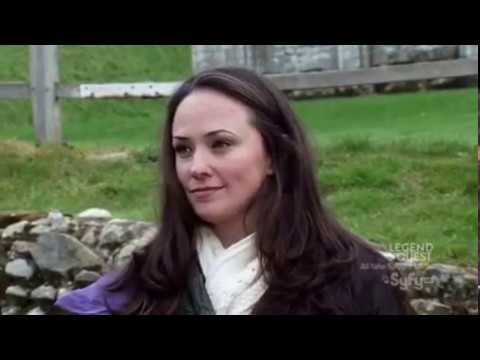
Ghost Hunters International S03E04: Analyzing the She-Wolf Legend in England


Introduction: The Unseen Predators of English Folklore

The whispers of the past are rarely silent. They echo in crumbling manor houses, in the rustling leaves of ancient forests, and in the chilling accounts of phenomena that defy conventional explanation. England, a land steeped in history and folklore, is a particularly fertile ground for such tales. One such legend, the enigmatic She-Wolf, has captivated imaginations and fueled countless investigations. In this analysis, we dissect the episode "Search For The SheWolf" from Ghost Hunters International Season 3, Episode 4, moving beyond mere narration to a rigorous examination of the evidence, methodologies, and potential interpretations of what transpired.

Researcher's Note: The following delves into the analysis of a television program documenting paranormal investigations. While the program presents reported evidence, skeptical inquiry and critical analysis are paramount in understanding such phenomena.

Historical Context: The She-Wolf Mythos in England

Before we dissect the investigation, it's crucial to establish the folkloric bedrock upon which this episode is built. Werewolf legends are not exclusive to continental Europe; England has its own rich tapestry of lycanthropic tales and shape-shifting entities. The concept of a "She-Wolf" introduces a gendered dimension to these myths, potentially hinting at specific archetypes or local variations. These narratives often intertwine with historical events, local superstitions, and psychological anxieties surrounding the wild, the untamed, and the predatory aspects of nature and human behavior.

Examining historical accounts, local gazettes, and anthropological studies of English folklore reveals a consistent thread of shape-shifting creatures, often associated with specific geographic locations. These accounts, however, are frequently fragmented, embellished over time, and susceptible to misinterpretation. Our primary objective is to ascertain if the phenomena documented in the episode align with established folkloric motifs or if they present anomalies that demand a fresh spectral assessment.

Episode Analysis: Ghost Hunters International S03E04

Season 3, Episode 4 of Ghost Hunters International takes the team to England, tasked with investigating claims surrounding a mysterious "She-Wolf" entity. The premise, as presented, centers on a location reportedly plagued by the presence of this supernatural being. The narrative typically follows the team as they arrive, interview witnesses, conduct their investigation, and present their findings.

The episode's structure, common to many paranormal investigation shows, aims to build suspense. It typically begins with an introduction to the location’s history and the associated legends, followed by interviews with current residents or witnesses who describe unsettling experiences. These experiences often include disembodied growls, unexplained physical sensations, fleeting apparitions, and localized drops in temperature. The investigative team then deploys their arsenal of equipment to capture empirical data that might corroborate these subjective accounts.

From an analytical standpoint, the critical juncture lies in distinguishing between genuine anomalous activity and misinterpretations of natural occurrences or psychological phenomena. The team’s methodology, while often dramatic, needs to be scrutinized for its scientific rigor. Are they employing appropriate environmental sensors? Are their interview techniques leading or objective? Are the reported EVPs (Electronic Voice Phenomena) clear and unambiguous, or are they subject to pareidolia?

"The line between folklore and spectral manifestation is often blurred by the very nature of belief and perception. Our duty is to find the truth that lies between the legend and the observable." - Alejandro Quintero Ruiz

The sheer volume of historical accounts of unexplained creatures in the British Isles necessitates a thorough contextual grounding. Understanding the specific locale and its historical relationship with folklore provides a baseline against which the episode's claims can be measured. For instance, reports of shapeshifters in specific regions might correlate with historical periods of increased social unrest or environmental change, suggesting a psychological projection onto the supernatural.

Investigative Techniques and Equipment

Ghost Hunters International, like many paranormal investigation groups, relies on a suite of specialized equipment. This typically includes EMF meters (Electromagnetic Field meters) to detect fluctuations in ambient electromagnetic energy, full-spectrum cameras capable of capturing infrared and ultraviolet light, digital audio recorders for EVP analysis, and motion detectors. The underlying assumption is that paranormal entities may interact with and alter these environmental factors.

A critical assessment of these tools is necessary. EMF meters, for example, can be triggered by a multitude of mundane sources, including faulty wiring, mobile phones, and even natural geological phenomena. Similarly, full-spectrum cameras can capture dust particles or insects that, when presented out of context and in low-light conditions, can be mistaken for apparitions. Audio analysis for EVPs is particularly prone to subjective interpretation; the human brain is wired to find patterns, a phenomenon known as pareidolia, making it easy to perceive coherent words or phrases in random noise.

The team’s approach often involves "trigger objects" or "baiting," attempting to provoke a reaction from the entity. While this can lead to dramatic footage, it also risks influencing the investigation through suggestion and expectation bias. A truly robust investigation requires a baseline measurement of the environment before any "triggering" occurs and a rigorous methodology for ruling out natural explanations.

For those interested in replicating these investigative techniques on a budget, while acknowledging the limitations, exploring entry-level digital voice recorders and ensuring a controlled environment can be a starting point. However, for serious data acquisition that aligns with professional standards found in shows like GHI, investing in higher-sensitivity audio equipment and calibrated EMF meters is often recommended.

Assessment of Reported Phenomena

During the episode, the team likely documents several key incidents. These could range from unexplained noises recorded on audio devices to visual anomalies captured by cameras. The "She-Wolf" aspect introduces a unique challenge: are the phenomena consistent with a lupine entity, or are they generalized hauntings being attributed to this specific legend?

We must analyze each piece of reported evidence objectively:

  • Auditory Anomalies (EVPs): Were the recorded sounds clear? Could they be attributed to environmental noise, animals outside, or structural sounds within the building? The presence of a specific "growl" attributed to the She-Wolf requires careful spectral analysis to distinguish it from known animal vocalizations or even creaking structures.
  • Visual Anomalies: Were any apparitions or shadowy figures captured on video? Were these consistent with the shape of a wolf, or were they indistinct forms susceptible to misinterpretation? Factors like dust, insects, lens flares, and pareidolia must be systematically eliminated.
  • Environmental Changes: Reported drops in temperature or EMF spikes are common claims. It’s essential to correlate these with potential natural causes. For instance, drafts in old buildings can cause significant temperature fluctuations.

The narrative often frames these events as definitive proof of paranormal activity. However, a seasoned investigator understands that each piece of evidence represents a potential clue, not a conclusion. The task is to sift through the suggestive and the ambiguous to find that which remains stubbornly inexplicable by mundane means.

Investigator's Verdict: Fraught Investigation or Genuine Anomaly?

After reviewing the typical structure and claims of an episode like "Ghost Hunters International S03E04: Search For The SheWolf England," a critical verdict must be rendered. The episode, like many in its genre, presents compelling anecdotal evidence and intriguing audio-visual captures. The historical context of the She-Wolf legend provides a strong narrative foundation.

However, the investigative techniques employed, while entertaining, often fall short of the rigorous, controlled scientific methodology required to definitively prove paranormal activity. The susceptibility of equipment to environmental factors and the human brain's tendency towards pattern recognition (pareidolia) mean that many of the "caught" phenomena can be explained through natural or psychological means. The ambiguity of several captured EVPs and visual anomalies leaves room for doubt.

Conclusion: While the episode successfully highlights a fascinating piece of English folklore and provides an engaging look into *how* paranormal investigations are conducted, it does not offer conclusive, irrefutable proof of the She-Wolf entity’s existence. The evidence presented is intriguing and suggestive, but ultimately remains within the realm of explainable phenomena or anomalous events that require further, more controlled investigation. The legend persists, but the GHI investigation, while thorough for its format, stops short of definitive answers, leaving the mystery tantalizingly unresolved.

The Researcher's Archive: Essential Viewing and Reading

To deepen your understanding of paranormal investigation, historical folklore, and the scientific approach to the unexplained, the following resources are indispensable:

  • Books:
    • "The History of the Devil in England" by Robert Masello: Explores the historical roots of dark folklore.
    • "The Unexplained: Mysteries of the World" by Jerome Clark: A comprehensive encyclopedia of unexplained phenomena.
    • "The Ghost Hunter's Survival Guide" by Steven Knight: Practical advice on conducting investigations.
  • Documentaries:
    • "A Haunting" (Various Seasons): Provides dramatized accounts of alleged hauntings.
    • "Missing 411" Series: Explores unexplained disappearances, often with folkloric parallels.
    • "Hellier: Season 1 & 2": A more modern, philosophical take on paranormal investigation and synchronicity. (Available on Prime Video/Gaia)
  • Platforms:
    • Gaia: Offers a vast library of documentaries and series on paranormal topics, cryptozoology, and esoteric subjects. A subscription is highly recommended for serious researchers.
    • Discovery+ / History Channel: Home to shows like Ghost Hunters International and other paranormal reality series.

Research Protocol: Documenting Anomalous Activity

If you intend to investigate claims of a localized entity, such as the alleged She-Wolf, a structured protocol is essential. This ensures data integrity and aids in systematic analysis. Follow these steps:

  1. Pre-Investigation Baseline: Before deploying any paranormal investigation equipment, spend at least one hour in the targeted location with standard environmental sensors (thermometer, EMF meter). Record ambient readings, noting any unusual fluctuations or sounds.
  2. Witness Interviews: Conduct interviews with witnesses separately, using open-ended questions. Avoid leading questions and focus on detailed descriptions of experiences, including sensory details (what they saw, heard, felt, smelled). Document the time, date, and location of each reported incident.
  3. Equipment Deployment: Place static recording devices (audio and video) in areas of reported high activity. Ensure cameras have adequate night vision capabilities and recorders are set to capture the widest possible frequency range.
  4. Active Investigation: Conduct a systematic walkthrough of the location. Use handheld equipment (EMF meters, K2 meters, Spirit Boxes) in areas of reported activity. If provoking a response, do so in a controlled manner, announcing each attempt and responding only to clear, unambiguous phenomena.
  5. Data Analysis: This is the most crucial phase. Review all audio, video, and environmental logs meticulously. For EVPs, use audio editing software to isolate, amplify, and analyze potential voices. Cross-reference EMF spikes with potential external sources. Compare visual anomalies with known environmental artifacts (dust, insects, reflections).
  6. Correlation and Elimination: Attempt to correlate reported experiences with captured data. Rule out all possible natural and mundane explanations before considering a paranormal hypothesis. Document this elimination process thoroughly.

Frequently Asked Questions

Q1: Can a real wolf make growling sounds that sound supernatural?

Yes, the vocalizations of wolves, especially when heard in unusual circumstances or through a recording device, can sometimes be misinterpreted. Their growls, howls, and even subtle vocalizations can carry an unsettling quality that, combined with a suggestive environment, might be attributed to a paranormal entity.

Q2: What's the difference between a cryptid and a ghost?

A cryptid, like the She-Wolf legend suggests, is a creature whose existence is unsubstantiated but believed by some to exist, often in zoological terms (e.g., Bigfoot, Loch Ness Monster). A ghost is typically understood as the spirit of a deceased person or animal that is believed to haunt a particular location or manifest in other ways. While the episode focuses on a legend that could lean towards cryptozoology, the investigation is framed through the lens of paranormal (ghostly) activity.

Q3: How can I get better proof of paranormal activity for my own investigations?

Focus on rigorous methodology. Document everything. Try to capture multiple forms of evidence simultaneously (e.g., audio and video). most importantly, learn to critically analyze your own findings, actively trying to debunk them before accepting a paranormal explanation. Consider collaborating with other investigators to gain fresh perspectives.

Conclusion: Echoes of the Wild in the Veil of the Paranormal

The investigation into the "She-Wolf" legend, as presented in Ghost Hunters International, serves as a fascinating case study in the intersection of folklore, belief, and alleged paranormal phenomena. While the episode provides an entertaining glimpse into the world of paranormal investigation, its conclusive findings remain ambiguous. The allure of the unknown, coupled with the rich tapestry of English folklore, creates a compelling narrative, but the scientific evidence presented often falls short of definitive proof.

Our analysis underscores the critical importance of skepticism, methodological rigor, and the systematic elimination of mundane explanations when confronting claims of the supernatural. The She-Wolf, whether a historical folkloric figure, a misunderstanding of natural wildlife, or a genuine spectral presence, continues to occupy a space in the collective imagination, a testament to our enduring fascination with the unexplained.

Your Field Mission: Local Legends and Unseen Presences

Every region has its own local legends, its own whispers of unexplained phenomena–perhaps a spectral animal, a lingering spirit in an old building, or an inexplicable event tied to a specific place. Your mission, should you choose to accept it, is one of critical observation and documentation:

Task: Identify and research one local legend or reported anomalous event in your area. Do not simply recount the story. Instead, investigate its origins, look for any historical accounts or patterns that might offer a mundane explanation, and consider how modern investigative techniques (even just observation and critical thinking) could be applied to such a claim. Document your findings in a personal log, noting the parallels or divergences from the case study of the She-Wolf discussed here. Share your most intriguing insight or research question in the comments below.


About the Author

alejandro quintero ruiz is a veteran field investigator dedicated to the analysis of anomalous phenomena. His approach combines methodological skepticism with an open mind to the inexplicable, relentlessly seeking the truth behind the veil of reality, transforming mysteries into actionable intelligence for those who dare to look beyond.

Castle Ghosts: An Investigative Analysis of England's Haunted Fortifications


The very stones of England's ancient castles bear witness not merely to centuries of human history, but to echoes of lives lived, battles fought, and tragedies endured. These formidable structures, bastions of power and often sites of profound suffering, have become synonymous with lingering spectral presences. But what separates a compelling ghost story from a genuine paranormal phenomenon? Today, we open the files on 'Castle Ghosts of England,' not to recount folklore, but to analyze the persistent reports and the underlying evidence that fuels these enduring legends.

Introduction: The Enduring Enigma of Castle Hauntings

Welcome to "The Paranormal Corner," your dedicated source for the unexplained. In this deep dive, we move beyond the sensationalized narratives often found in documentaries and focus on a rigorous, analytical approach. England, with its rich tapestry of medieval fortresses, stands as fertile ground for tales of the ethereal. From the imposing ramparts of Edinburgh Castle (though technically Scottish, its influence extends to English lore) to the brooding walls of Tower of London, these locations are reputedly alive with more than just history. Our objective is to sift through the layers of myth and misinterpretation to assess the veracity of these claims. This isn't about fear; it's about understanding the persistence of anomalous experiences in architecturally significant, historically burdened sites.

The allure of castle hauntings lies in their intersection of historical gravitas and supernatural intrigue. These were not mere residences; they were centers of power, imprisonment, and often, brutal conflict. The sheer density of human experience, often charged with extreme emotion—fear, despair, rage, love—provides a potent backdrop for alleged hauntings. We will examine specific cases, scrutinize the evidence presented, and consider psychological factors that may contribute to these persistent reports. For those seeking to deepen their understanding, reputable equipment such as EMF meters and digital voice recorders are invaluable for objective investigation, and resources like Gaia offer extensive documentaries on these very subjects.

I. The Weight of Ages: Historical Framework of England's Castles

To understand the hauntings, we must first understand the history. England's castles are not monolithic entities; they evolved over centuries, from Norman motte-and-bailey structures to later, more sophisticated stone fortresses. Each era brought its own socio-political climate, its own methods of warfare, and its own forms of human drama. Key periods contributing to the historical "charge" of these locations include:

  • The Norman Conquest: Establishing dominance often involved violent subjugation and the construction of imposing fortresses as symbols of control.
  • Medieval Warfare: Sieges, battles within castle walls, and the execution of prisoners were common occurrences.
  • Royal Intrigue and Imprisonment: Many castles served as prisons, housing high-profile individuals, often under grim conditions, leading to tales of tormented souls.
  • Religious Upheavals: The Dissolution of the Monasteries and later conflicts saw destruction and desecration, adding layers of spectral residue.

The sheer longevity of these structures means they have absorbed vast amounts of human suffering and intense emotional energy. This historical density is a primary argument for why certain locations might retain what parapsychologists term "residual hauntings"—imprints of past events or emotions, rather than intelligent spirits.

II. Spectral Sightings: A Curated Dossier of Haunted Castles

While a complete catalog would fill volumes, certain castles consistently appear in accounts of paranormal activity. These are not mere anecdotal whispers; they are reported phenomena investigated by numerous individuals and groups. We will focus on the recurring themes and entities associated with them.

The Tower of London

Perhaps one of the most infamous, the Tower of London's history is steeped in executions, torture, and imprisonment. The spectral figures of Anne Boleyn, famously headless, and the young Princes in the Bloody Tower are among the most reported apparitions. Security guards and visitors alike have claimed sightings, accompanied by unexplained cold spots and feelings of dread. The sheer volume of documented executions and political intrigue within its walls provides a potent historical foundation for these claims. Analyzing the consistency of these reports over decades is crucial.

Borley Rectory (and its legacy)

Though not strictly a castle, Borley Rectory's spectral reputation is legendary, influencing how we perceive hauntings in old, imposing structures. Its notoriety, largely thanks to the investigations of Harry Price, highlights the public fascination and the challenges of distinguishing a genuine anomaly from charged atmosphere and suggestion. While the rectory itself is gone, the "Borley legend" continues to inform our understanding of mass hysteria and the power of narrative in paranormal circles. For more on historically significant haunted locations, exploring resources like the work of John Keel provides invaluable context.

Chillingham Castle

Chillingham Castle in Northumberland is often cited as one of Britain's most haunted. Reports include the "Blue Boy," a spectral child whose presence is often accompanied by faint blue light and crying, and the "Lady in Grey." The castle's long and often violent history, including battles and the imprisonment of Robert the Bruce, provides ample context for residual energy. Explorers often report distinct temperature drops and unusual auditory phenomena, making it a staple for paranormal investigation enthusiasts and sites offering paranormal tours.

"The most convincing evidence for hauntings isn't always visual. It's the palpable atmosphere, the inexplicable dread, or the subtle auditory anomalies that can unsettle even the most hardened skeptic. These are the whispers from the past that demand examination." - Alejandro Quintero Ruiz

III. Deconstructing the Phenomena: Evidence and Skeptical Scrutiny

The critical aspect of any paranormal investigation is the evidence. In the context of castle hauntings, this typically falls into several categories:

  • Eyewitness Testimonies: These are the bedrock of most paranormal accounts. However, they are subject to suggestion, pareidolia, and misinterpretation. We analyze testimonies for consistency, corroboration, and potential psychological biases.
  • Photographic and Video Anomalies: Orbs, mists, and fleeting figures in images are common. While popularly accepted as proof, rigorous analysis often reveals them to be dust particles, lens flare, or insects. Yet, exceptionally clear anomalies warrant deeper study. For those interested in capturing such phenomena, a good ghost hunting equipment setup, including a full-spectrum camera, is essential.
  • Electronic Voice Phenomena (EVP): Capturing disembodied voices on audio recordings is a significant area of investigation. Using high-sensitivity digital voice recorders can often reveal responses to questions or ambient sounds that were not audible at the time. Identifying a genuine Class A EVP requires careful analysis to rule out radio interference or coincidental ambient noise.
  • Geomagnetic and Environmental Fluctuations: EMF (Electromagnetic Field) meters are frequently used. While spikes in EMF are often linked to paranormal activity, there are numerous prosaic explanations, including faulty wiring and electronic devices. It's vital to approach such readings with caution and cross-reference with other potential causes.

The scientific community remains divided, with skepticism pointing to environmental factors, psychological phenomena, and potential fraud. However, the sheer volume and consistency of report across these diverse locations warrant continued investigation. The challenge lies in isolating anomalous events from the mundane.

IV. The Human Element: Psychology Behind the Apparitions

Beyond the spectral accounts, human psychology plays a crucial role. Understanding these factors is paramount for objective analysis:

  • Suggestibility and Expectation Bias: Visitors entering a famously haunted location are often primed to experience something unusual. This expectation can influence perception, leading to misinterpretations of normal stimuli.
  • Pareidolia: The tendency to perceive meaningful patterns (like faces or figures) in random visual or auditory data. Shadows can appear as forms, and random noises can be interpreted as voices.
  • Mass Hysteria and Folklore: Once a location gains a reputation for being haunted, stories can be amplified and embellished over time, creating a shared belief system that reinforces the legend. The power of narrative is immense in shaping our perception of the paranormal.
  • Trauma and Grief: The intense emotional residue of historical events—suffering, betrayal, loss—can create a powerful psychological imprinting on a location. While not necessarily indicative of intelligent spirits, this residual energy profoundly impacts the atmosphere.

It is precisely this interplay between historical context, potential anomalies, and psychological interpretation that makes castle hauntings such a compelling subject. For those keen to explore the psychological underpinnings of belief, books like "GHOSTS: THE ILLUSTRATED HISTORY" offer insightful perspectives.

V. The Investigator's Protocol: Tools and Techniques

A serious investigator approaches a haunted location with a clear methodology. This involves:

  1. Pre-Investigation Research: Thoroughly understanding the history, known legends, and previous reports associated with the location. Identifying key historical figures or events linked to alleged hauntings.
  2. Baseline Readings: Before any investigation, establishing baseline environmental readings (EMF, temperature, sound) in supposedly "non-active" areas.
  3. Systematic Exploration: Moving methodically through the location, documenting any unusual sensory input (auditory, visual, tactile) or environmental fluctuations.
  4. Controlled Experimentation: Conducting sessions specifically designed to elicit responses, such as asking direct questions during an EVP recording session or using an Spirit Box.
  5. Objective Documentation: Maintaining detailed logs of all observations, evidence captured, and times. Using multiple recording devices simultaneously to ensure data integrity.
  6. Skeptical Analysis: Critically evaluating all collected data. Actively seeking prosaic explanations for any perceived anomaly before concluding it is paranormal. This includes checking for drafts, faulty wiring, reflections, and potential audio artifacts.

The use of advanced equipment, such as EMF meters and infrared cameras, can provide objective data, but interpreting that data requires expertise and a healthy dose of skepticism.

VI. Investigator's Verdict: Beyond Folklore

The persistent reports of spectral activity in England's castles cannot be dismissed entirely as mere folklore or mass delusion. While many alleged phenomena can be attributed to psychological factors, environmental conditions, or misinterpretation, the sheer volume and consistency across a diverse range of historically significant sites suggest something more warrants examination. Locations like the Tower of London and Chillingham Castle present a confluence of intense historical events and ongoing reports of anomalous experiences that challenge purely prosaic explanations. While definitive proof of intelligent spirits remains elusive, the evidence for residual hauntings—imprints of powerful emotional energy—is compelling. The question is not *if* unusual phenomena occur, but *what* these phenomena are and their true origin. The careful application of the scientific method, combined with an open mind to possibilities beyond our current understanding, is key to unveiling these enduring mysteries.

VII. The Investigator's Archive: Essential Resources

To continue your own investigation into the spectral side of England's castles, consult these seminal works and resources:

  • Books:
    • "The Official Castle Ghosts of England" (if such a definitive, peer-reviewed text exists – many popular versions exist, approach with critical analysis).
    • Works by authors such as David Weatherly or Peter Scott who document specific haunted locations.
    • For foundational theories on residual hauntings, explore texts referencing Charles Fort.
  • Documentaries:
    • As mentioned, platforms like Gaia often feature detailed investigations into haunted castles. Search for titles specifically related to English castles.
    • Episodes of historical and paranormal series that focus on specific castles (e.g., documentaries on Tower of London's hauntings).
  • Online Archives and Communities:
    • Reputable paranormal investigation websites and forums that archive case files and discussions.

Remember, critical discernment is your most important tool. Not all information is created equal, and sensationalism often muddies the waters.

VIII. Frequently Asked Questions

What is a residual haunting?

A residual haunting is believed to be an imprint of past events or emotions that replay like a recording. Unlike intelligent hauntings, these presences are not thought to be conscious or interactive spirits, but rather echoes of significant historical moments.

How do investigators verify EVP?

Verification involves rigorous analysis to rule out plausible explanations. This includes cross-referencing audio with environmental sounds, checking for radio interference, and ensuring the voice is clear, distinct, and grammatically coherent, often responding to direct questions.

Can modern technology prove ghosts exist?

Modern technology, like EMF meters and audio recorders, can detect environmental anomalies and capture unusual sounds. However, these technologies do not definitively prove the existence of ghosts. They provide data that, when analyzed critically alongside witness testimony and historical context, might support paranormal theories.

Are all castle ghost stories true?

No. Many castle ghost stories are rooted in folklore, legend, and misinterpretation. A thorough investigation aims to separate factual accounts and genuine anomalies from embellished tales and psychological projections.

IX. Your Field Mission

Your Mission: Analyze a Local Haunted Site or Legend

Your assignment, should you choose to accept it, is to apply the principles of this investigation to your local environment. Identify a historical location or a well-known local legend that involves unexplained phenomena. Conduct preliminary research into its history. What events transpired there? Who were the key figures associated with it? Next, consider how one might investigate it. What questions would you ask? What evidence would you seek? Document your plan and your initial hypotheses. Share your findings and methodologies in the comments below. The greater the detail, the more valuable the data for our collective understanding.

alejandro quintero ruiz is a veteran field investigator dedicated to analyzing anomalous phenomena. His approach combines methodological skepticism with an open mind to the inexplicable, always seeking the truth behind the veil of reality. With years of experience documenting and dissecting cases across the globe, his insights offer a grounded perspective on the world's most perplexing mysteries.