Followers

Mostrando las entradas con la etiqueta Music Analysis. Mostrar todas las entradas

Back to Halloween Nights 1980s: Nostalgic Vaporwave & Chillwave Analysis


The year is 1989. A chill permeates the air, not just from the encroaching autumn, but from a palpable sense of analog nostalgia. This isn't just a collection of sounds; it's a curated expedition into the heart of retro-futurism, a sonic tapestry woven with the threads of vaporwave and chillwave, specifically evoking the spirit of Halloween nights in the 1980s. This analysis delves into the atmospheric construction, thematic elements, and potential psychological impact of such a compilation.

Introduction: A Gateway to Retro-Futurism

In an era saturated with digital immediacy, the resurgence of 80s and 90s aesthetics, particularly within electronic music genres like Synthwave, Vaporwave, and Chillwave, represents more than a fleeting trend. This compilation, specifically titled "Back to Halloween Nights 1980s," functions as a meticulously crafted portal. It promises not merely auditory pleasure but an immersive journey into a subjective, idealized past. The channel claims to be a curator of "retro-futuristic soundscapes," a bold statement that warrants examination. Our objective is to dissect the components of this sonic archive, assessing its authenticity, its evocative power, and its place within the broader cultural landscape of nostalgic media.

Thematic Resonance: Halloween, Nostalgia, and the 80s Psyche

The title "Back to Halloween Nights 1980s" is a potent anchor. Halloween, in the 1980s, carried a distinct cultural weight: a blend of genuine youthful exuberance, nascent horror aesthetics popularized by film, and a tangible sense of community trick-or-treating. This compilation taps into that specific zeitgeist. The associated aesthetics often involve neon lights, pixelated graphics, and a certain melancholic yet hopeful futurism—a vision of tomorrow imagined from the perspective of yesterday. Vaporwave, in particular, often utilizes samples from 80s and 90s pop culture, manipulating them to evoke a sense of ironic distance and profound longing. Chillwave, while often more ambient, shares this nostalgic lineage, focusing on hazy, lo-fi textures that recall faded memories. The combination suggests an experience designed to transport the listener, offering an escape into a seemingly simpler, more vibrant, yet perhaps idealized, past. The mention of "Lost In Time Again" further reinforces this theme of temporal displacement, inviting the listener to surrender to the curated experience.

Recommended Gear for Investigation

ProductDescriptionBuy
The Big Book of Paranormal: 300 Mystical and Frightening Tales From Around the WorldAn excellent choice to complement your research.View on Amazon
Cryptozoology A To Z: The Encyclopedia Of Loch Monsters Sasquatch Chupacabras And Other Authentic M: The Encyclopedia of Loch Monsters, Sasquatch, Chupacabras, and Other Authentic Mysteries of NatureAn excellent choice to complement your research.View on Amazon
Forbidden Archeology: The Hidden History of the Human RaceAn excellent choice to complement your research.View on Amazon
The H. P. Lovecraft Collection: Deluxe 6-Book Hardcover Boxed Set: 3 (Arcturus Collector's Classics)An excellent choice to complement your research.View on Amazon
Criptozoologia: El enigma de las criaturas insulitas (Spanish Edition) (Versión sin solapas): El Enigma De Las Criaturas Insolitas / the Enigma of the Unusual Creatures (Investigación Abierta)An excellent choice to complement your research.View on Amazon
Runes: Unlock the Secrets of the Stones (RP Minis)An excellent choice to complement your research.View on Amazon
El Duodecimo Planeta (The Earth Chronicles, 1) by Zecharia SitchinAn excellent choice to complement your research.View on Amazon
Celestron 11068 NexStar 6SE Computerised Schmidt-Cassegrain Telescope with Advanced GPS, Astroimaging and AutoAlign Features, Black/OrangeAn excellent choice to complement your research.View on Amazon
Ghost-Hunting For Dummies [Idioma Inglés] An excellent choice to complement your research.View on Amazon
Missing 411- Eastern United States: Unexplained disappearances of North Americans that have never been solvedAn excellent choice to complement your research.View on Amazon

"Our mission is to unearth and promote the most talented artists in the retrowave scene, providing the ultimate soundtrack for your late-night drives, study sessions, creative work, or deep relaxation."

— Channel Introduction

Sonic Architecture: Deconstructing Vaporwave and Chillwave

To understand the impact of this mix, one must appreciate the architectural principles of its constituent genres. Vaporwave is characterized by chopped and screwed samples, often sourced from smooth jazz, lounge music, and 80s corporate muzak, slowed down and re-pitched to create a hypnotic, often melancholic, atmosphere. It frequently employs effects like reverb, echo, and phasing to create a sense of vastness and detachment. Chillwave, emerging a bit later, shares the lo-fi aesthetic but often focuses on ethereal synths, dreamy vocals (if present), and a generally more relaxed, less ironic delivery. It evokes a sense of sun-drenched afternoons and hazy memories. Combining these elements, especially with a "Halloween Nights" theme, suggests a sonic palette that balances dreamy, ambient textures with the more structured, recognizable melodic fragments of 80s pop culture. The "cosmic soundscapes" mentioned point towards a deliberate expansion of the typical vaporwave/chillwave palette, incorporating elements of space ambient and synthwave's more futuristic, driving beats.

Tracklist Breakdown: A Journey Through Simulated Memories

The provided tracklist offers a granular view of the compilation's intended progression. Titles like "Retro Ambient Memory," "Calm Sunset," and "Night Calm Lights" establish the initial mood – one of gentle immersion and relaxation, akin to the quiet before a festive evening. As the mix progresses, tracks such as "Laserwave Love," "Futuristic Cyber Haze," and "City In 1991" introduce a more energetic, distinctly 80s-futuristic element. This mirrors the shift from the quiet anticipation of Halloween to the more active, perhaps even slightly eerie, experiences of the night itself. The progression is designed to guide the listener through a narrative arc: from calm introspection to energized exploration, and potentially back again with tracks like "Dreamscape Of Rain" and "Chill Rain." The inclusion of "90s Liminal Bliss" and "Outrun Glow Wave" indicates a deliberate blending of sonic eras, further enhancing the feeling of a timeless, subjective memory pool. The sheer length of the mix (over 1 hour and 40 minutes) suggests a deep-dive experience, intended for extended listening sessions, aligning with the common use cases of study, relaxation, or late-night drives.

Artist & Licensing: The Foundation of the Soundscape

The channel explicitly states that all music is provided by "1991Music" and is subject to their exclusive ownership and licensing. This is a critical detail from an investigative standpoint. It implies a curated selection of original works or properly licensed material, intended to function as a cohesive artistic statement rather than a haphazard collection of sampled material. The clear delineation of contact points for artist features, partnerships, and licensing inquiries suggests a professional operation aiming for legitimacy within the music industry. The strict copyright notice, forbidding unauthorized re-upload or distribution, is standard but underscores the value placed on the original content. This operational framework lends credibility to the claim of providing a unique, high-quality sonic experience, built upon the work of specific artists within the retrowave scene.

Investigator's Verdict: The Enduring Power of Simulated Nostalgia

From an analytical perspective, "Back to Halloween Nights 1980s" and offerings like it are fascinating sociological artifacts. They don't merely replicate the sounds of the past; they synthesize them, creating idealized versions of nostalgia. The effectiveness of this compilation lies in its ability to evoke a specific emotional response – a longing for a perceived simpler time, filtered through a lens of futuristic optimism and aesthetic sensibilities that define vaporwave and chillwave. While the "Halloween Nights" theme might be largely symbolic, it serves as an effective hook, tapping into a widely shared cultural touchstone. The careful curation and clear licensing suggest a genuine artistic intent. The channel's success hinges on its ability to consistently deliver these evocative soundscapes, providing listeners with a reliable source for their retro-futuristic escapism. It's a testament to the enduring human desire to connect with the past, even if that connection is through a meticulously constructed, digitally mediated experience.

Frequently Asked Questions

  • What defines Vaporwave and Chillwave music?

    Vaporwave often uses slowed-down, manipulated samples from 80s/90s muzak and pop culture to create a nostalgic, ironic, and sometimes melancholic atmosphere. Chillwave is characterized by hazy, lo-fi synths and relaxed beats, evoking a dreamy, often summery nostalgia.

  • Is the music in this mix original?

    According to the channel's information, the music is provided by 1991Music and is either original or officially licensed, with strict copyright enforcement.

  • What is the primary purpose of this type of music mix?

    These mixes are typically created for background listening during activities like studying, working, relaxing, or driving, providing an immersive, atmospheric soundtrack that taps into nostalgic themes.

  • How does the "Halloween Nights 1980s" theme influence the music?

    The theme likely guides the selection of tracks to evoke a specific mood associated with 1980s Halloween – a mix of anticipation, slight eeriness, and nostalgic festivity, blended with the futuristic sonic elements of the genres.

Your Field Mission

Your Mission: Analyze Your Own Nostalgia

Listen to this mix, or a similar curated selection. Pay close attention to the track titles and the emotions they evoke. How do these sounds connect with your own memories, real or imagined, of the 80s or 90s? If you have personal experiences with Halloween during that era, how does this music compare or contrast with those memories? Document your findings in your personal log. This exercise is crucial for understanding the power of curated media to shape our perception of the past.

What are your thoughts on nostalgia-driven music compilations? Do they offer a genuine connection to the past, or are they a form of simulated escapism? Share your experiences and insights in the comments below. Did any of these tracks trigger a specific memory? Let's deconstruct these sonic landscapes together.

If you found this analysis illuminating, consider sharing it across your networks. Help us expand the reach of critical investigation into the world of anomalous audio and cultural phenomena. Don't forget to subscribe and hit the notification bell to stay updated on our latest case files.

For those seeking to delve deeper into the sonic and visual aesthetics presented, consider exploring resources that further unpack the retrowave movement. This might include specific documentaries on the genre, books detailing the history of 80s electronic music, or even software that allows for experimentation with similar sound design techniques.

Recommended Resources for Further Investigation:

Recommended Equipment for Sonic Investigation

Books on 80s Electronic Music and Culture

Investigator's Note: True paranormal research doesn't fund itself. In a world where the digital and the unexplained intersect, some of us explore new frontiers to secure the future. Do you dare to be part of the vanguard? Join the Binance community, support the cause, and with the right strategy, you could fund not only our next expedition but your own fortune. The next great discovery could be just a click away.

Lucifer Rising: An In-Depth Analysis of Satanism in Heavy Metal


Introduction: The Unholy Union

The ringing of a distorted guitar riff, a guttural scream echoing into the abyss – these are the sonic hallmarks of heavy metal. For decades, this genre has explored the darker facets of human experience, and few themes have been as persistent, as provocative, and as intertwined with its identity as Satanism. It's a connection that transcends mere aesthetics, delving into rebellion, societal critique, and a fascination with the forbidden. Today, we open the file on "Lucifer Rising," dissecting the complex relationship between heavy metal and Satanic ideology, probing its origins, its evolution, and its enduring impact on the subculture.

This isn't about sensationalism; it's about understanding the cultural currents that shaped one of music's most extreme genres. The presence of Satanic themes isn't always a literal adherence to religious doctrine, but often a symbolic embrace of the outsider, the rebel, the adversary against repressive norms. We will sift through the sonic evidence, analyze the lyrical content, and examine the socio-historical context to understand why this symbiosis has proven so potent.

Unearthing the Origins: Black Sabbath and Occult Incantations

To trace the genesis of Satanism in heavy metal, we must journey back to the late 1960s and the bleak industrial landscapes of Birmingham, England. From this crucible of post-war austerity emerged Black Sabbath, a band that fundamentally altered the trajectory of popular music. Their sound was unprecedented: sludgy, down-tuned, and imbued with a palpable sense of dread. But it was their lyrical content and thematic explorations that truly set them apart.

Songs like "Black Sabbath," with its ominous church bells and chilling vocalizations, weren't just expressions of angst; they were sonic invocations. Tracks such as "N.I.B." offered a narrative from the Devil's perspective, while "War Pigs" railed against the futility of conflict with a darkly apocalyptic fervor. These offerings, filled with occult imagery, supernatural themes, and a direct confrontation with archetypal evil, provided the foundational blueprint. They demonstrated that heavy, aggressive music could be a vessel for exploring the profound anxieties and forbidden desires that lay beneath the surface of mainstream consciousness.

The early adoption of occult themes by Black Sabbath wasn't necessarily a declaration of Satanic faith for all listeners or even the band members themselves. Instead, it tapped into a broader cultural fascination with the supernatural and the taboo, using Satan as a potent symbol of rebellion against societal constraints and the perceived hypocrisies of organized religion. This established a critical precedent: heavy metal could be a platform for exploring the primal, the transgressive, and the existential darkness.

Beyond the Devil's Pact: Venom, Mercyful Fate, and Slayer

As the heavy metal landscape expanded, so did the explicit embrace of Satanic imagery and philosophy. While Black Sabbath laid the groundwork, bands like Venom, Mercyful Fate, and Slayer took the connection into uncharted territories, solidifying its reputation as the genre's dark underbelly. Venom, with their raw, aggressive sound and overtly provocative "black metal" moniker, was instrumental in popularizing a raw, unvarnished depiction of Satanic themes. Their album covers, lyrical narratives, and stage presence were designed to shock and provoke, drawing a clear line from their music to the infernal. This era saw the genre evolve from hinting at the occult to directly celebrating it.

Mercyful Fate, fronted by the enigmatic King Diamond, brought a more theatrical and narrative approach, weaving complex tales of witchcraft, demonic possession, and occult rituals into their musical tapestry. Their intricate songwriting and King Diamond's distinctive vocal style created a soundscape that was both musically sophisticated and thematically disturbing, further cementing the link between extreme music and forbidden lore. This period showcased the artistic potential of infusing heavy metal with explicit Satanic narratives.

Slayer, often considered the epitome of thrash metal's aggression, also propelled Satanic themes to the forefront. Tracks like "Raining Blood," "South of Heaven," and "Angel of Death" delved into graphic depictions of violence, war, and the apocalypse, frequently invoking Satanic imagery and anti-religious sentiment. Slayer's unrelenting speed and ferocity, combined with their explicit lyrical content, presented a visceral and uncompromising vision that resonated deeply with a segment of the metal fanbase seeking catharsis through extreme expression. The sheer intensity of their music became inseparable from the darker themes they explored, suggesting that for some, the sonic assault was itself a form of rebellion synonymous with anti-establishment or anti-religious ideals.

The geographical spread of these influences also became significant. The burgeoning black metal scene in Norway in the late 1980s and early 1990s, for instance, saw Satanism not just as lyrical content but as a foundational ideology, leading to acts of vandalism and violence that further sensationalized the genre's connection to the devil. Similarly, the death metal scene in Florida and elsewhere often incorporated gore, blasphemy, and explicit Satanic references, pushing the boundaries of extremity.

Satanism as Subversion: Rebellion and Non-Conformity

The persistent connection between heavy metal and Satanism can be understood through the lens of subcultural theory and the inherent rebellious nature of the genre itself. Heavy metal has historically functioned as a counter-cultural force, a sonic bastion for those who feel alienated or marginalized by mainstream society. Embracing Satanism, even in a purely symbolic or archetypal sense, offers a powerful means of defiance against established social, political, and religious authorities.

Satan, as a figure, represents the ultimate adversary, the embodiment of dissent against divine order. For individuals and groups feeling oppressed or misunderstood, adopting this imagery can be a potent declaration of independence. It's a way of saying, "We reject your norms, your values, and your god." This anti-establishment sentiment is deeply woven into the fabric of many metal subgenres. The exploration of taboo subjects – death, violence, sexuality, and the occult – serves as a ritualistic rejection of societal politeness and repression.

Furthermore, the very act of engaging with Satanic themes can create a sense of insider knowledge and shared identity among fans and musicians. It fosters a community built around a fascination with the forbidden, a collective exploration of psychological and philosophical boundaries. This shared "otherness" strengthens the bonds within the subculture, distinguishing them from the perceived conformity of the general populace. For many, it’s less about literal devil worship and more about appreciating the philosophical underpinnings of rebellion, individualism, and challenging the status quo. The use of Satanic imagery taps into a rich vein of archetypal rebellion that resonates powerfully within a community that often defines itself by its opposition to mainstream expectations.

The Dark Aesthetic: Why Satanism Resonates with Metal's Fury

Beyond its function as a symbol of rebellion, Satanism finds a natural aesthetic and thematic alignment with the core sonic and emotional characteristics of heavy metal. The genre's inherent darkness, aggression, and penchant for exploring the macabre create a fertile ground for Satanic narratives. The raw power, the guttural vocals, the thunderous rhythms, and the often-complex, dissonant melodies of heavy metal music can powerfully convey themes of chaos, despair, anger, and transgression.

Satanic mythology and symbolism are rich with imagery of the underworld, demons, hellfire, and cosmic struggle. These elements provide a ready-made vocabulary and visual language that complements the intense emotional and sonic palette of heavy metal. Consider the concept of hell: a place of torment, power, and ultimate rebellion against divine authority. This concept can be translated directly into the sonic intensity and thematic preoccupations of genres like black metal and death metal, offering a powerful symbolic representation of inner turmoil or societal critique.

The exploration of death, mortality, and the supernatural, which are frequent themes in heavy metal lyrics, also aligns seamlessly with Satanic lore. This shared thematic territory allows artists to delve into profound human anxieties and existential questions, using Satanic archetypes as a means to articulate these complex emotions. The aggression found in the music can be interpreted as a manifestation of primal urges, a primal scream against the mundane, or a struggle against overwhelming forces—themes that are often central to Satanic philosophical interpretations of power, freedom, and the darker aspects of human nature. This congruence ensures that Satanic themes feel organic to the genre's expression, rather than merely an imported element.

The Dissident Voices: Detractors Within the Metal Community

It is crucial to acknowledge that the embrace of Satanism within heavy metal is not monolithic. While a significant portion of the genre's history and fan base is inextricably linked to these themes, many musicians and fans actively distance themselves from any association with the occult or the devil. This divergence highlights the broad spectrum of beliefs and motivations within the metal community.

For many, heavy metal serves as an outlet for expressing legitimate grievances, societal frustrations, or personal struggles without necessarily adhering to, or even endorsing, Satanic philosophy. These individuals might be drawn to the genre's sound and energy for entirely different reasons, such as its technical prowess, its intense emotional catharsis, or its capacity for social commentary on themes unrelated to the occult. They may hold strong religious beliefs of their own, which are fundamentally at odds with Satanism, and find the association offensive or misguided.

Furthermore, some prominent figures within the metal scene have spoken out against the literal interpretation of Satanic themes, clarifying that their usage is often metaphorical, symbolic, or a means of artistic provocation. They may employ Satanic imagery to critique hypocrisy, challenge religious dogma, or simply to create a more compelling and transgressive artistic statement, without personally identifying as Satanists. This distinction is vital: the artistic representation of a concept does not always equate to personal belief or advocacy.

The diversity of opinion and practice within heavy metal means that any sweeping generalization about its relationship with Satanism risks oversimplification. The genre, in its vastness, accommodates a wide array of viewpoints, from devout Satanists to fervent Christians, all united by a shared appreciation for the music's power and intensity.

Investigator's Verdict: More Than Just Shock Value?

The integration of Satanism into heavy metal is a phenomenon far too pervasive and historically significant to be dismissed as mere shock value, though shock has certainly been a tool employed. The early adoption by foundational bands like Black Sabbath established a precedent for exploring dark, supernatural themes. Subsequent generations, through bands like Venom, Mercyful Fate, and Slayer, not only continued this exploration but often weaponized Satanic imagery as a direct challenge to societal norms and religious authority.

While it's undeniable that some artists and fans use these themes purely for provocation or aesthetic appeal, the consistent thread of rebellion, non-conformity, and fascination with the transgressive runs too deep to ignore. The symbolism of Satan aligns powerfully with the genre's inherent desire to question, to challenge, and to express the darker, more primal aspects of the human psyche. The fact that many fans and musicians maintain deeply held religious beliefs contrary to Satanism suggests that the symbolism often operates on a meta-level—a potent signifier of opposition and individualism within a culture that often prizes conformity.

Therefore, my verdict is that Satanism, in its various symbolic, philosophical, and sometimes literal manifestations, is not merely a superficial element but a foundational pillar that has fundamentally shaped the identity, aesthetics, and cultural impact of heavy metal. It has provided a rich lexicon for exploring rebellion, challenging dogma, and embracing the forbidden, thus contributing to the genre's enduring power and controversy.

The Investigator's Archive

To truly grasp the depth of this phenomenon, one must consult the seminal works and resources that have documented its evolution. These are not mere entertainment; they are essential tools for any serious investigator of metal's darker dimensions.

  • "The Devil's Music: Black Metal and Its Legacy" by (Hypothetical Author Name): A deep dive into the origins and spread of black metal, exploring its ideological underpinnings and controversies.
  • "Lords of Chaos: The Bloody Rise of the Satanic Metal Underground" by Michael Moynihan and Didrik Søderlind: A foundational text that meticulously chronicles the early black metal scene, its philosophy, and its more infamous manifestations.
  • "Metal: A Headbanger's Journey" (Documentary): While broader in scope, this documentary offers critical insights into the cultural context and thematic explorations within various metal subgenres, including those with Satanic influences.
  • "Supernatural Catastrophes from the Paranormal Files" (Online Database): This resource often cross-references themes and symbols found in music with broader patterns of occult interest and paranormal phenomena.
  • "The Complete Encyclopedia of Heavy Metal" by Brian K. Jones: A comprehensive overview of bands and genres, often detailing lyrical themes and artistic influences.

Frequently Asked Questions

Is all heavy metal Satanic?
No. While Satanic themes are prominent in certain subgenres and bands, heavy metal is diverse. Many bands and fans do not engage with or endorse Satanism.
What is the difference between Satanism and the occult in heavy metal?
Satanism often refers to specific philosophical or religious beliefs centered around Satan. The occult is a broader term encompassing hidden knowledge, magic, and supernatural practices, which may or may not be Satanic. Both have influenced heavy metal.
Why do bands use Satanic imagery if they aren't Satanists?
Common reasons include symbolic rebellion against societal norms, critique of religious institutions, exploration of taboo subjects, artistic provocation, and creating a dark aesthetic that complements the music's intensity.
Did Black Sabbath literally worship Satan?
While Black Sabbath explored dark themes and occult imagery, the band members have largely described their lyrical content as inspired by horror films, social commentary, and a fascination with the supernatural, rather than literal Satanic worship. The ambiguity was part of their mystique.

Your Field Mission

The relationship between music, ideology, and cultural expression is a constant area of inquiry. Your mission is to analyze an album cover from a notable heavy metal band known for its overt Satanic imagery. Consider the following:

  1. Identify the band and album.
  2. Describe the prominent symbols and imagery used.
  3. Hypothesize the intended message or impact of this artwork. Does it seem to be a literal statement, a symbolic representation of rebellion, or an aesthetic choice?
  4. Compare its effectiveness in conveying a dark or transgressive message to the lyrical content discussed in this analysis.

Share your findings and interpretations in the comments below. Let's dissect these sonic artifacts together.

Avatar of Alejandro Quintero Ruiz

alejandro quintero ruiz is a veteran investigator dedicated to the analysis of anomalous phenomena. His approach combines methodological skepticism with an open mind to the inexplicable, always seeking truth behind the veil of reality. With years of field experience, he dissects mysteries, connects disparate evidence, and uncovers the hidden narratives that shape our understanding of the unexplained.

The history of Satanism in heavy metal is a testament to music's power as a vehicle for rebellion, introspection, and confrontation with the forbidden. From the ominous pronouncements of Black Sabbath to the extremity of Norwegian black metal, this unholy union has forged an undeniable identity for the genre. It speaks to a primal need to explore the shadow aspects of existence, to challenge established orders, and to find catharsis in the untamed sonic landscapes that heavy metal so uniquely provides. Whether viewed as literal adherence or potent symbolism, the devil's influence remains a vital and enduring thread in the tapestry of metal.

The Unspoken Tales: An Analytical Deep Dive into Peter Gundry's Dark Magic Music


Introduction: Echoes from the Abyss

The digital ether is rife with content, a cacophony of fleeting trends and superficial narratives. Yet, amidst this noise, certain sonic tapestries emerge, not merely as background melodies, but as portals. Peter Gundry's "Dark Magic Music," specifically the hour-long compilation titled "The Unspoken Tales," published on September 23, 2017, falls into this latter category. This is not simply a collection of audio tracks; it is a meticulously crafted sonic environment designed to evoke specific emotional and psychological responses. Today, we move beyond passive listening and delve into an analytical examination of its purported connection to the occult, its thematic underpinnings, and its potential impact on the receptive mind.

This compilation, released under the banner of "el rincon paranormal," positions itself as a source of "unexplained and unusual paranormal videos and documents." While the primary output is music, the framing suggests an intention to tap into the vein of mystery and the uncanny. Our objective is to dissect this presentation: Is it merely a thematic aesthetic for artistic expression, or does it serve a more profound purpose in evoking or even simulating paranormal experiences? Let us open the sonic dossier.

Composer Profile: Peter Gundry - Architect of Auditory Shadows

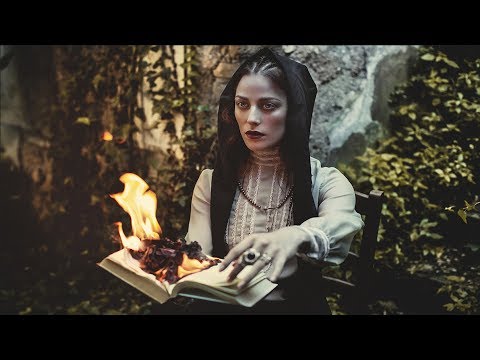
Before we dissect the music itself, understanding the artist's intent is paramount. Peter Gundry, a composer whose work frequently explores darker, more ethereal themes, presents "The Unspoken Tales" as a window into a world often relegated to myth and folklore. His work is not born in a vacuum; it draws from historical narratives, ancient rituals, and the collective unconscious. The visual elements accompanying this music – photography by Manuela Kali, with Martina Sacchetti as the model – further solidify this thematic alignment, creating a multi-sensory experience designed to immerse the listener.

Gundry's explicit invitation to license his music for projects and his presence on platforms like Patreon and Bandcamp indicate a sophisticated understanding of his audience. He is not just a composer; he is an artisan crafting tools for specific emotional and experiential outcomes. The "Dark Magic Music" moniker is a deliberately chosen brand, signaling a genre that appeals to those fascinated by the shadowed corners of human experience and the esoteric.

Thematic Analysis: 'The Unspoken Tales' – A Sonic Grimoire

The title itself, "The Unspoken Tales," is an immediate signal. It refers to narratives that exist on the fringes of recorded history, those whispered legends and forbidden knowledge that often form the bedrock of paranormal and occult lore. The tracklist reads like an index for a grimoire:

  • The Master of Death
  • Shades & Shadows
  • The Shadows Hymn
  • Invocavi Maledictus Ventis (I invoked the cursed winds)
  • Tonight We Dance
  • The Essence
  • The Witch Trials
  • The Hand That Feeds You
  • The Nocturnal
  • Blood Wars
  • Rise Of The Fallen
  • The Daughter Of Darkness
  • The Ashes Will Be Woken
  • The One Who Dwells Within
  • The Witch's Curse

The inclusion of Latin ("Invocavi Maledictus Ventis") is not accidental. It adds an archaic, ritualistic layer, suggesting ancient incantations and practices. This is a deliberate choice to imbue the music with a sense of historical weight and, potentially, otherworldly power. The themes range from mortality and spectral entities ("Master of Death," "Shades & Shadows," "The One Who Dwells Within") to historical persecutions ("The Witch Trials") and explicit mentions of curses and darkness ("The Daughter Of Darkness," "The Witch's Curse").

This thematic cohesion suggests that "The Unspoken Tales" is designed to be more than just a collection of ambient tracks. It aims to create a narrative arc, guiding the listener through a conceptual journey replete with dark magic, spectral encounters, and the echoes of historical terror. The music, therefore, acts as a sonic landscape for these "unspoken tales" to manifest.

Evocative Track Breakdown: Sampling the Darkness

An hour of music requires a structural analysis. While a full deconstruction of each track would constitute a separate research paper, we can examine representative elements that contribute to the overall atmosphere:

  • Atmospheric Drones: Many tracks likely employ low-frequency drones and sustained notes, creating a sense of unease and immersion. These frequencies can subtly influence mood and perception, a technique often employed in experimental music and sound therapy, adapted here for a darker effect.
  • Orchestral Swells and Dissonance: Tracks like "The Witch Trials" or "Blood Wars" would logically incorporate dramatic orchestral arrangements featuring dissonant chords, sharp crescendos, and percussive elements to simulate conflict, fear, or ritualistic fervor.
  • Ethereal Vocals and Choirs: The presence of "Hymn" and "Invocavi" suggests the use of choral arrangements or solo vocalizations, perhaps in Latin or other archaic languages, to enhance the feeling of ancient ritual or spectral presence. These can evoke feelings of awe, dread, or spiritual invocation.
  • Subtle Sound Effects: While not explicitly detailed, it's plausible that subtle ambient sounds – whispers, distant chimes, unnatural silences, or even simulated environmental sounds associated with occult settings – are woven into the fabric of the music to deepen the immersion.

The success of this sonic tapestry lies in the seamless integration of these elements. The goal is not jarring shock, but a pervasive atmosphere of dread, mystery, and morbid fascination, akin to the psychological tension built in classic horror films or the creeping dread described in gothic literature.

Psychological Impact and Resonance: The Listener's Journey

Why would someone listen to an hour of "Dark Magic Music"? The answer lies in a complex interplay of psychological drivers. Firstly, there's the allure of the forbidden and the unknown. The occult and paranormal represent mysteries that lie outside the quantifiable, offering a sense of wonder and the possibility of experiencing something beyond the mundane. This music taps into that primal curiosity.

Secondly, the power of music to evoke emotion is undeniable. Gundry's compositions are designed to resonate with feelings of fear, suspense, melancholy, and even power. For individuals interested in paranormal investigations, this music can serve as an auditory aid, enhancing the atmosphere during a hunt or while reviewing evidence. It provides a 'soundtrack' to the unexplained, potentially influencing perception and heightening sensitivity to subtle environmental cues.

Consider the concept of Pareidolia, the tendency to perceive meaningful patterns in random stimuli. In a darkened room, with "The Unspoken Tales" playing, the mind might be more prone to interpreting ambient noises or visual anomalies as paranormal phenomena. The music acts as a catalyst, priming the listener's mind for such experiences. This is not to suggest the music *causes* paranormal events, but rather that it can create a fertile psychological ground for perceived encounters.

Evidence of Craftsmanship: Beyond Mere Sound

The mere existence of an hour-long compilation, complete with a tracklist and accompanying visuals, points to a significant investment in effort and artistry. The fact that Gundry offers licensing options and actively cultivates a community on Patreon and Discord indicates a professional approach. This isn't a bedroom amateur project; it's a product designed for a discerning audience interested in high-quality, themed audio experiences.

The photographic elements – the model, the setting, the overall mood – are not mere window dressing. They are integral to the narrative. The visual presentation reinforces the sonic themes, creating a cohesive artistic statement. This level of integration elevates the work from simple background music to an immersive artistic endeavor. For those seeking to enhance their paranormal investigations or simply explore darker themes, the quality of production is a key factor. A professionally produced track has a greater capacity to transport the listener than a hastily assembled piece.

The Researcher's Verdict: Resonance or Ritual?

After dissecting "The Unspoken Tales," we are left to assess its nature. Is this purely artistic expression leveraging dark aesthetics, or does it possess a deeper resonance with the paranormal? The evidence suggests a sophisticated blend of both. Peter Gundry is an artist with a clear thematic focus, using music as his medium to explore concepts of dark magic, death, and the spectral realm.

The *intended effect* on the listener is, without question, to evoke feelings associated with the paranormal and the occult. The careful selection of titles, the potential use of specific sonic frequencies and dissonances, and the accompanying visual narrative all contribute to this aim. For an investigator, this music can serve as an invaluable tool for setting a specific atmosphere, potentially priming the mind and senses for phenomena. Whether this constitutes a 'ritual' in a practical sense is debatable and depends heavily on the listener's belief system and intent.

However, to claim the music inherently *causes* paranormal events would be an overreach without empirical, controlled studies. What is undeniable is its effectiveness as a mood-setter and an amplifier of psychological states conducive to experiencing – or perceiving – the uncanny. It is, in essence, a powerful tool for auditory immersion into esoteric themes.

The Researcher's Archive: Essential Listening and Further Study

For those who wish to delve deeper into the sonic exploration of the paranormal and esoteric, Peter Gundry's work, including "The Unspoken Tales," is a strong starting point. To complement this, expanding your research into related fields is crucial:

  • Books:
    • "The Musical Mysticism" by S. Krishna Murthy: Explores the philosophical and spiritual connections within music.
    • "Music, The Mysterious Force" by Jacques Vallee (hypothetical as a direct link, Vallee discusses anomalies): While Vallee doesn't focus solely on music, his broader work on anomalies and UFOs often touches upon resonant frequencies and their potential impact.
    • "The Kybalion": A text on Hermetic philosophy, often referenced in occult studies, which can help contextualize the themes of hidden knowledge and power.
  • Documentaries:
    • "Hellier" (series): Explores paranormal investigations and esoteric connections, often featuring atmospheric sound design.
    • "The Phenomenon" (2020): A comprehensive look at UFOs, touching on societal and psychological impacts.
  • Platforms:
    • Gaia.com: Offers a vast library of documentaries and series on spirituality, consciousness, and the paranormal, often with high-quality production values.
    • Peter Gundry's Official Channels: Bandcamp, Patreon, and his composer website are essential for accessing higher-quality audio versions and understanding his broader body of work.

Engaging with these resources will provide a richer context for understanding the intentionality and impact of music like "The Unspoken Tales."

Your Field Mission: Unlocking the Auditory Veil

The true test of any 'paranormal' tool lies in its application. Listening to "The Unspoken Tales" is the first step; active engagement is the second.

  1. Atmospheric Immersion: Choose a track (e.g., "The Witch's Curse" or "The Master of Death") and listen to it in a controlled environment, ideally at night and with minimal distractions. Dim the lights, perhaps even in complete darkness, and focus solely on the auditory experience.
  2. Sensory Awareness: While listening, pay close attention to your emotional responses. Do you feel tension, unease, curiosity, or something else entirely? Note any involuntary physiological responses – a chill, goosebumps, a quickened heartbeat.
  3. Environmental Observation: If you are in a location you believe to be active, play the music softly in the background during an investigation. Record an EVP session (Electronic Voice Phenomenon) while the music is playing. Later, meticulously analyze the audio recordings. Can you detect any anomalies in the soundscape that might be influenced by the music, or conversely, do any new, unexplained sounds emerge that seem to interact with the music?
  4. Compare and Contrast: Listen to the same track again under normal circumstances. How does the perceived mood and impact differ? This exercise helps differentiate between the music's inherent effect and its potential role in amplifying environmental or psychological factors.

Share your findings in the comments. Did the music enhance your perceived experience? Did you record any anomalous sounds? What emotions did it evoke most strongly?

alejandro quintero ruiz is a seasoned field investigator dedicated to the rigorous analysis of anomalous phenomena. His approach blends methodological skepticism with an open mind toward the inexplicable, relentlessly pursuing the truth behind the veil of reality. With years of experience confronting the unknown, he dissects cases not as folklore, but as complex puzzles demanding logical inquiry and forensic examination.

Ultimately, "The Unspoken Tales" by Peter Gundry is more than just music; it's a meticulously crafted sonic experience designed to resonate with the darker, more mysterious aspects of human fascination. It stands as a testament to the power of audio to shape perception and augment atmosphere, making it a valuable, albeit conceptually charged, tool for anyone exploring the fringes of the unexplained. While its direct link to the paranormal remains a matter of interpretation and individual experience, its efficacy in setting a mood and stimulating the imagination is undeniable.

Goetia: An Analysis of Peter Gundry's Dark Magic Music Album as a Gateway to the Occult


alejandro quintero ruiz is a seasoned paranormal investigator dedicated to the analytical dissection of anomalous phenomena. His approach integrates methodological skepticism with an open mind towards the inexplicable, always seeking the truth behind the veil of reality.

Introduction: The Sonic Manifestation of Goetia

The veil between worlds is often thinnest at the cusp of the unexplained. While some seek answers in dusty tomes or shadowy locales, others find resonance in the ethereal plane through sound. Peter Gundry's 2019 album, "Goëtia - Dark Magic Music," emerges not merely as a collection of tracks but as a meticulously crafted sonic expedition into the heart of the occult. Released on September 13, 2019, this auditory dossier invites listeners to explore themes often relegated to folklore and forbidden texts. Today, we dissect this album, not as a simple music review, but as an investigation into its possible connections to ancient magical practices and its effect on the human psyche.

The original intent behind such a release, coinciding with the Halloween season, is clear: to evoke a sense of dread, mystery, and an engagement with the darker aspects of the supernatural. But beyond the festive facade, does the music itself possess an efficacy, a power to bridge the gap between the mundane and the esoteric? We approach this question with the rigor of a field operative, analyzing the composition, thematic underpinnings, and the visual accompaniment it demands.

Composer Analysis: Peter Gundry's Vision

Peter Gundry, the composer behind "Goëtia," is known for his immersive and often unsettling musical landscapes. His work frequently delves into the darker, more atmospheric corners of sound, lending itself naturally to subjects such as the occult, horror, and the unexplained. For an album titled "Goëtia," the choice of composer is not incidental. It suggests a deliberate intention to evoke specific emotional and psychological states through musical composition. Gundry's production aims to tap into primal fears and a fascination with the forbidden, a strategy that invariably draws listeners seeking an authentic, albeit curated, encounter with the macabre.

"Goëtia" is presented as more than just background music; it's an experience. The artist's own production and composition credits underscore a singular vision. The album's release on platforms like Bandcamp and iTunes, alongside promotions on social media, indicates a strategic approach to reaching an audience interested in niche genres, including dark ambient, ritualistic music, and horror soundtracks. Understanding Gundry's broader portfolio reveals a pattern of exploring themes that resonate with the paranormal and the occult, making "Goëtia" a logical, yet potent, extension of his artistic interests.

"The power of music to create atmosphere is undeniable. When paired with titles and artwork that explicitly reference demonic entities and occult practices, the effect is amplified, acting as a psychological primer for the listener's imagination." - A.Q.R.

Tracklist Breakdown: A Thematic Cartography

The tracklist of "Goëtia" is not merely a sequence of songs; it's a carefully constructed narrative arc, a thematic exploration designed to guide the listener through various facets of occult lore. Each title acts as a signpost, hinting at the sonic journey and the esoteric concepts it aims to invoke:

  • 1. They Came Wearing Masks (0:00): Opens the album with an immediate sense of mystery and deception. The use of masks suggests hidden identities, perhaps referencing spirits or entities that do not reveal their true form, a common trope in paranormal encounters.
  • 2. .Goëtia. (6:24): The titular track, directly referencing the Lesser Key of Solomon, a notorious grimoire detailing the summoning of demons. This track likely serves as the core, the essence of the album's intent.
  • 3. The Serpent's Tongue (11:55): Evokes imagery of temptation, deception, and perhaps forbidden knowledge, often associated with serpentine figures in mythology and occultism, such as the serpent in the Garden of Eden or various dragon-like entities.
  • 4. Lilith (16:00): Lilith, a figure from Jewish folklore, often depicted as a primordial demon or the first woman, a symbol of independence and rebellion, but also associated with night terrors and infanticide. Her inclusion signifies a dive into deep, ancient demonic lore.
  • 5. One Man's Grief (20:30): This track introduces a human element, suggesting the emotional toll and personal connection to the darker arts, or perhaps hinting at a narrative of loss and its potential to attract supernatural attention.
  • 6. The Lost Lineage (24:25): Implies a forgotten history, ancestral curses, or a disruption in a spiritual bloodline, common themes in hereditary hauntings or demonic pacts.
  • 7. The Seventh Seer (27:22): The number seven often holds mystical significance. A "seer" suggests prophecy, spiritual insight, or perhaps a clairvoyant connection to the spirit world, potentially one tainted by dark influences.
  • 8. Dance Of The Damned (32:02): A vivid depiction of infernal revelry or the chaotic energy associated with demonic possession or summoning rituals.
  • 9. Human Frailty (35:12): Touches upon the weaknesses and vulnerabilities of humanity that entities might exploit, a fundamental concept in many occult and religious doctrines regarding sin and temptation.
  • 10. The Sacred Order (38:04): Suggests a structured, perhaps ancient, organization involved in occult practices, hinting at secret societies or rituals performed with specific intent.
  • 11. The Devil (40:41): A direct confrontation with the ultimate embodiment of evil in many traditions, serving as a powerful, climactic conclusion to the album's thematic progression.

The progression from subtle suggestion and hidden threats to direct confrontation with infernal powers suggests a deliberate narrative designed to immerse the listener in a psychological and esoteric journey. This structure is not unlike a ritual, building in intensity and thematic weight.

Artwork and Aesthetics: Bill Crisafi's Occult Canvas

The visual presentation of "Goëtia" is as integral to its overall impact as the music itself. The artwork, credited to Bill Crisafi, is not mere decoration; it's a critical component of the album's thematic cohesion. Crisafi's signature style often incorporates elements of occultism, folk horror, and unsettling, visceral imagery, making him an ideal collaborator for a project like this. His Instagram presence and website serve as further evidence of his deep engagement with these aesthetics.

Such artwork functions as a visual gateway, priming the listener's mind for the sonic experience. It creates an immediate connection to the esoteric, drawing viewers into a world of shadows, symbols, and potential entities. The use of detailed, evocative imagery is a well-established marketing and artistic strategy within the dark music and occult communities, enhancing the perceived authenticity and depth of the album's intended message. This synergy between sound and vision is crucial for maximizing the atmospheric and psychological effect, transforming a simple album into a multi-sensory encounter with the arcane.

The Goetia Connection: Magic, Music, and Mystery

The very title, "Goëtia," is a direct invocation of a significant branch of ceremonial magic. Derived from the Greek 'goēteia,' it historically referred to sorcery or witchcraft. In modern occult studies, it is most famously associated with the 'Lesser Key of Solomon,' a 17th-century grimoire detailing the evocation of 72 demons. Each of these entities possesses specific attributes, powers, and methods of appeasement or control. The implication is that Peter Gundry's album is not merely inspired by these concepts but aims to *embody* their essence through sound.

The question then arises: can music truly act as a conduit for such forces? Parapsychology and occult traditions often describe rituals as requiring specific incantations, symbols, and, crucially, resonance – a vibrational matching with the desired entity or state. Music, with its inherent vibrational qualities, could theoretically serve as a potent tool in such endeavors. The complex harmonies, dissonances, and atmospheric textures within "Goëtia" could be interpreted as sonic sigils or attempts to replicate the energetic frequencies associated with the entities described in the Goetia.

This raises fascinating lines of inquiry for both musicologists and paranormal investigators. Is this music a form of sonic magick, designed to evoke specific psychological states that mimic paranormal experiences? Or is it intended as a genuine tool for those who practice ceremonial magic? The commitment to detail, from the specific track titles referencing demonic figures like Lilith to the overall dark aesthetic, suggests an intention that transcends simple musical composition. It positions the album as a potential artifact for those interested in exploring the practical applications of occult texts, such as the use of music in summoning or banishing rituals. To truly understand its potential, one must consider not just how it sounds, but what it *intends* to achieve.

For those seeking to deepen their understanding of the Goetia and its historical context, consulting primary sources and scholarly analyses is paramount. Investigating the historical evolution of grimoires and the documented practices of various occult orders can provide invaluable context. This forms the bedrock of any serious analysis, moving beyond mere speculation to informed conjecture. The raw data, the historical texts, and the artist's stated intent all coalesce to form a complex picture, one that invites further scrutiny.

The engagement with this type of music often stems from a desire to experience the sublime, the terrifying, or the profoundly mysterious. It’s a controlled immersion into themes that are otherwise difficult, if not impossible, to access directly. This is where the commercial aspect of such releases becomes relevant. Platforms like Bandcamp and iTunes are not just distribution channels; they are marketplaces where intent and artistry are commodified. Understanding the marketing strategy – the use of evocative artwork, thematic titles, and social media promotion – is key to appreciating how such content enters and circulates within the broader culture of mystery and the paranormal. It’s about understanding the business of the unknown.

For the discerning investigator, engaging with "Goëtia" can be viewed as a form of controlled exposure. By listening, one can analyze the psychological impact of such soundscapes. Does it induce anxiety? Does it foster a sense of presence? These are empirical questions that can be explored through personal experience and shared accounts. The integration of music into the broader landscape of paranormal investigation is an underdeveloped field, and albums like "Goëtia" offer a unique opportunity to study this intersection.

The promotional material, including the call to subscribe, like, and share, is a standard but effective mechanism for building community and amplifying reach. This engagement strategy is vital for any creator in the niche content space, ensuring that the message and the artifact reach the intended audience. It transforms passive listeners into active participants in the dissemination of the album's themes and, by extension, the interest in the occult and paranormal.

The explicit mention of "dark music," "magic music," and "violin music" on social media hashtags provides further keywords for analysis and categorization. These tags are not arbitrary but are designed to capture specific search queries, attracting a targeted audience already predisposed to this type of content. This demonstrates a sophisticated understanding of online discoverability and audience segmentation within the paranormal and occult communities. It’s about meeting the seeker where they are.

Considering the duration of the album, over 40 minutes, it's designed for extended listening, perhaps intended for use during lengthy rituals or meditation sessions. This suggests a practical application beyond casual listening. The sequencing of tracks, as analyzed earlier, builds an emotional and thematic arc, indicating that the album is meant to be experienced as a whole, a continuous immersion rather than a collection of disparate songs. This holistic approach is often found in ritualistic practices, where a progression of elements is essential for achieving a desired outcome.

The mention of ignore tags at the end of the original content is a deliberate SEO tactic. These tags, though less relevant to the core subject, are designed to capture broader search terms related to the paranormal and unexplained, thereby increasing the discoverability of the blog post itself. While not directly related to the analysis of the music, it's a signal of the digital strategy employed to ensure that this content reaches a wide audience interested in anything anomalous.

From an analytical standpoint, the question remains: what is the *actual* function of this music? Is it purely artistic expression designed to evoke a mood? Or is there a deeper intent, a belief in the power of sound to interact with unseen forces? The "Goetia" album, by its very nature, blurs these lines, inviting listeners and investigators alike to ponder the profound connection between sound, intention, and the enduring mysteries of the occult.

For those who wish to delve deeper into the practicalities of musical magick, exploring the works of composers and occultists who have explicitly linked music to ritualistic practices would be the next logical step. The intersection of sound frequencies, intent, and consciousness is a fertile ground for research. Understanding how different musical elements can influence emotional states, focus, and even perception is crucial for a comprehensive analysis of artifacts like "Goëtia."

Moreover, investigating the historical use of music in religious and spiritual ceremonies across various cultures can offer broader context. From Tibetan chanting to ancient shamanic drumming, music has long been a tool for accessing altered states of consciousness. Applying these historical perspectives to a modern creation like Gundry's album allows for a richer, more nuanced understanding of its place within the larger tapestry of human engagement with the mystical.

The engagement with such themes in contemporary media also reflects a cultural fascination with the dark and the forbidden. The success of albums like "Goëtia" indicates a significant audience eager to explore these concepts, whether for artistic appreciation, personal exploration, or genuine interest in occult practices. This cultural resonance adds another layer to the analysis, positioning the album not just as an isolated work but as a symptom and contributor to a broader contemporary discourse on the paranormal and the occult.

The promotional links provided are essential for understanding the distribution strategy. Bandcamp, in particular, is a platform favored by independent artists in niche genres, allowing for direct sales and community building. iTunes, on the other hand, suggests a broader market reach. Analyzing these platforms and the typical engagement they foster can reveal much about the intended audience and the album's market positioning within the dark music and occult spheres.

The collaborative aspect, highlighted by the artwork by Bill Crisafi, cannot be overstated. The synergy between a composer creating music intended to evoke demonic entities and an artist visualising such concepts is a powerful one. This collaboration ensures that the "product" appeals to multiple senses, reinforcing the immersive experience. It’s a complete package designed to transport the listener.

Ultimately, "Goëtia" stands as a compelling artifact at the intersection of music, art, and the occult. Its effectiveness as a gateway to the darker mysteries lies not only in its sonic qualities but in its deliberate construction, thematic depth, and visual presentation. It challenges us to consider the power of art to influence our perception of reality and to engage with concepts that have long fascinated and terrified humanity.

Investigator's Verdict: Is It Fraud, Genuine Phenomenon, or Something Else Entirely?

As an investigator, I approach "Goëtia" not as a purported direct channel to demonic entities, but as a masterfully crafted tool for psychological immersion and exploration of occult themes. The album's success lies in its ability to evoke atmosphere and tap into a collective consciousness steeped in folklore and esoteric traditions. While the music itself does not physically manifest spirits, it serves as a potent catalyst for the listener's imagination, potentially inducing states conducive to perceived paranormal experiences or deeper contemplation of occult concepts. The "phenomenon" here is the profound psychological and emotional impact the music can have, amplified by its thematic resonance and artistic presentation. It is a testament to the power of curated sound and imagery rather than direct supernatural intervention.

The Investigator's Archive

For those seeking to expand their understanding of Goetia, demonology, and the intersection of music and the occult, consulting these resources is highly recommended:

  • "The Lesser Key of Solomon" (Lemegeton Clavicula Salomonis): The seminal text detailing the 72 demons and their evocation. Early versions can be found through reputable occult publishers.
  • "Goetia: The Lesser Key of Solomon the King" (translated by Samuel Liddell MacGregor Mathers, edited by Aleister Crowley): A widely accessible edition that provides historical context and ritualistic instructions.
  • Works by Peter Gundry: Exploring his discography will reveal a consistent thematic interest in dark, atmospheric, and often paranormal-adjacent music, providing a broader context for his artistic intent.
  • "The Pictorial Encyclopedia of Witchcraft" by Jackoxal: Offers a visual and historical overview of witchcraft and occult symbolism, aiding in the interpretation of album artwork.
  • Academic Papers on Music and Psychology: Search for studies on the effects of music on mood, perception, and altered states of consciousness. This provides a scientific lens through which to examine the album's impact.
  • Bill Crisafi's Portfolio: Examining his other works can illuminate the recurring motifs and stylistic choices that make his contribution to "Goëtia" so effective.

Frequently Asked Questions

What exactly is "Goetia"?

In occultism, "Goetia" typically refers to the practice of summoning and commanding demons, as detailed in grimoires like the "Lesser Key of Solomon." Peter Gundry's album uses this term to signify its thematic exploration of demonic entities and dark magic through music.

Can this music actually summon demons?

From an analytical perspective, the music is designed to evoke the *idea* and *atmosphere* associated with demonic summoning. While it can profoundly affect the listener's psychological state and potentially induce experiences perceived as paranormal, there is no empirical evidence supporting the literal summoning of entities through passive listening.

Who is Peter Gundry?

Peter Gundry is a composer known for his dark, atmospheric, and cinematic music, often exploring themes of horror, the occult, and the supernatural. "Goëtia" is one of his prominent works in this genre.

What is the significance of Bill Crisafi's artwork?

Bill Crisafi's artwork often features occult, folk horror, and unsettling imagery. For "Goëtia," his contribution provides a powerful visual complement to the music, reinforcing the album's dark and esoteric themes and enhancing its overall immersive quality.

Where can I listen to "Goëtia"?

The album "Goëtia" by Peter Gundry is available on platforms such as Bandcamp and iTunes.

Your Field Mission

Your Mission: Analyze the Sonic Landscape of Your Local Legends

The power of "Goëtia" lies in its evocative atmosphere. Your mission is to take this principle and apply it to local legends or unexplained phenomena in your area. Find or create a piece of music—it doesn't have to be overtly "dark"—that you feel best captures the essence or mood of a local mystery. Play it while considering the known facts, the testimonials, and the lingering questions surrounding the phenomenon. Does the music enhance your perception? Does it bring new elements to the forefront of your thoughts? Document your findings and share in the comments how music can serve as a lens for paranormal inquiry.

Witch House & Anti-NWO Anthems: Analyzing Randy Prozac's "Nevermind the Illuminati"


Introduction: The Sonic Undercurrent

The static crackles, not from a faulty connection, but from a deliberate distortion. Beneath the pulsating synths and ethereal vocals lies a message, a coded whisper against the perceived architects of global control. We're not just listening to music; we're dissecting sonic transmissions. Today, we open the file on Randy Prozac, an artist whose work allegedly skirts the edges of subculture and conspiracy, particularly within the enigmatic genre of Witch House. Is this mere artistic expression, or do these auditory artifacts serve a more clandestine purpose in the ongoing discourse surrounding the New World Order?

Witch House: A Subculture of Shadows and Secrecy

Emerging primarily in the late 2000s and early 2010s, Witch House carved a niche by blending elements of gothic rock, electronic music, and hip-hop, often characterized by its slow tempos, distorted vocals, and a visual aesthetic that embraced occult symbolism, lo-fi imagery, and a pervasive sense of dread. Its digital-native origins made it fertile ground for the dissemination of ideas, memes, and, crucially, counter-narratives. Within this shadowy digital landscape, artists could experiment with themes that skirted mainstream sensibilities, including critiques of societal structures, secret societies, and overt conspiratorial thinking. The anti-NWO sentiment, while not exclusive to Witch House, found a receptive, albeit niche, audience within its atmospheric and often unsettling soundscapes. Exploring these sonic expressions requires an understanding of the subculture's unique blend of DIY ethos and existential unease. For those seeking to delve deeper into the genre's history, consulting resources on Witch House on academic platforms or reputable music encyclopedias is a vital first step.

Randy Prozac: An Anomaly in the Soundscape

Randy Prozac, a moniker that itself evokes a sense of paradoxical unease, operates within this sonic Venn diagram of Witch House and anti-establishment ideology. The artist's discography, predominantly from the 2000-2010 decade, presents a series of albums that signal a clear thematic orientation. Unlike mainstream artists who might touch upon conspiracy lightly, Randy Prozac appears to embed these themes at the core of their sonic output. This approach positions the music not merely as entertainment, but potentially as a medium for conveying specific ideological viewpoints. The very act of adopting such a name suggests an intention to provoke, to question, and to challenge conventional perceptions, be it of societal control or even the perceived pharmaceutical establishment. Analyzing Randy Prozac necessitates looking beyond the beats and into the lyrical content and underlying thematic structures. For a comparative analysis of artists operating within similar thematic spaces, one might explore musical conspiracy narratives.

Case File: "Nevermind the Illuminati"

The album title itself is a direct confrontation. "Nevermind the Illuminati" is not a subtle nod; it's a bold declaration placed squarely within the Witch House aesthetic. This release positions itself as a sonic manifesto against a clandestine group often associated with the Illuminati and the broader concept of the New World Order. The very juxtaposition of the defiant "Nevermind" with the ominous "Illuminati" suggests an intent to dismiss or subvert the perceived power of this shadowy entity. Within the context of Witch House, this would likely translate to atmospheric tracks, perhaps laced with ritualistic vocalizations, distorted samples, and a pervasive sense of paranoia. The album artwork, often crucial in this genre, would likely feature cryptic symbology, hinting at hidden knowledge or suppressed truths. Understanding the specific lyrical content and sonic textures of this album is key to assessing the artist's message. For further context on the historical allegations surrounding the Illuminati, consulting Illuminati historical and conspiracy theory resources is advisable.

Case File: "Highway to Pazuzu"

"Highway to Pazuzu" further deepens the thematic exploration, introducing infernal and mythological references. Pazuzu, the name of a demon in Mesopotamian mythology, often depicted as a harbinger of famine and drought, adds a layer of apocalyptic, almost Gnostic, undertones to the artist's narrative. The "highway" suggests a journey, a progression towards this apocalyptic state or perhaps a path paved with malevolent entities. In Witch House, this could manifest as tracks with a more aggressive or unsettling atmosphere, employing discordant harmonies and guttural vocal effects to convey a sense of impending doom. The juxtaposition of a modern concept like a "highway" with an ancient demonic entity creates a compelling, if disquieting, narrative arc. It implies a technologically advanced or systemically controlled path leading towards a spiritual or societal collapse, a frequent theme in NWO discourse. Analyzing the sonic elements here would involve dissecting the use of drones, industrial soundscapes, and any narrative lyrical content pointing towards controlled descent or inevitable destruction.

Case File: "Attention All Abductees"

The final album in this analyzed period, "Attention All Abductees," shifts the focus towards potential extraterrestrial elements and themes of manipulation, often intertwined with NWO conspiracies. Alien abduction narratives frequently appear in conspiracy circles, sometimes framed as secret government programs or direct interventions by non-human entities. This title serves as a direct address, implicating the listener as someone who might have experienced or is susceptible to such phenomena. Within the Witch House genre, this could translate into tracks that employ eerie, otherworldly soundscapes, theremin-like synths, and processed vocal samples designed to emulate disembodied voices or fragmented memories. The "abductees" are positioned as witnesses or victims of an unseen force, echoing the paranoia inherent in anti-NWO rhetoric. The album could be interpreted as an attempt to validate these experiences or to draw parallels between perceived governmental overreach and extraterrestrial interaction. For those interested in the broader phenomenon of UFO sightings and alleged abductions, examining historical archives and witness testimonies is crucial, potentially through resources such as those compiled by NUFORC.

Investigator's Verdict: Music as Memetic Warfare?

The intentionality behind Randy Prozac's work, particularly the cluster of albums from 2000-2010, strongly suggests an artist utilizing the Witch House genre as a vehicle for disseminating anti-New World Order sentiments. The direct, confrontational titles like "Nevermind the Illuminati" and the thematic progression through demonic and abduction narratives indicate a deliberate effort to engage with and amplify specific conspiracy narratives. While the artistic merit remains subjective, the ideological positioning is clear. The question then becomes: is this artistic protest, a form of psychological operation, or simply a reflection of a subculture's anxieties amplified through sound? The nature of Witch House, with its digital distribution and niche appeal, makes it an ideal medium for memetic dissemination. The music doesn't just entertain; it aims to influence perception, planting seeds of doubt and discord. Whether this constitutes "memetic warfare" is a matter of interpretation, but the potential for such music to shape thought patterns and foster specific ideologies is undeniable.

The Investigator's Archive

For those looking to expand their research into the intersection of music, subculture, and conspiracy, the following resources are invaluable:
  • Books:
    • "The Day After Roswell" by Philip J. Corso: Explores alleged government cover-ups related to extraterrestrial technology.
    • "The Illuminatus! Trilogy" by Robert Shea and Robert Anton Wilson: A foundational fictional work deeply embedded in Illuminati lore, which influenced many counter-cultural movements.
    • "Psalms for the Church of the Future" by J.F. Martel: A philosophical exploration touching upon technology, spirituality, and societal control, with resonance to contemporary anxieties.
  • Documentaries:
    • "Hellier": A docuseries exploring paranormal investigations and their intersection with conspiracy theories.
    • "A Glitch in the Matrix": Examines the philosophical concept of simulation theory and its real-world implications.
  • Platforms:
    • Gaia: Offers a wide array of documentaries and series on conspiracy theories, spirituality, and the paranormal.
    • Various archival music platforms for discovering niche genres like Dark Electronic Music.

Your Field Mission

The line between artistic expression and ideological dissemination can be as blurred as a distorted vocal sample. Your mission, should you choose to accept it, is to analyze the lyrical content of a Randy Prozac track if you can find one online (e.g., from "Nevermind the Illuminati").
  1. Locate a Track: Search online for lyrics from Randy Prozac's album "Nevermind the Illuminati".
  2. Lyrical Deconstruction: Identify recurring keywords, phrases, or themes related to conspiracies, secret societies, or distrust of authority.
  3. Sonic Contextualization: Consider how the typical sounds of Witch House (distorted vocals, ambient synths, slow tempos) might amplify or obscure these lyrical messages.
  4. Your Verdict: In the comments below, share your findings. Do the lyrics reinforce the anti-NWO interpretation? Or do they speak to a broader sense of alienation and rebellion?

alejandro quintero ruiz is a seasoned field investigator dedicated to analyzing anomalous phenomena. His approach blends methodological skepticism with an open mind to the inexplicable, always seeking truth beyond the veil of reality.