Followers

Mostrando las entradas con la etiqueta bob lazar. Mostrar todas las entradas

Bob Lazar y el Enigma de la Esfera de Buga: Un Análisis sin Precedentes

Image

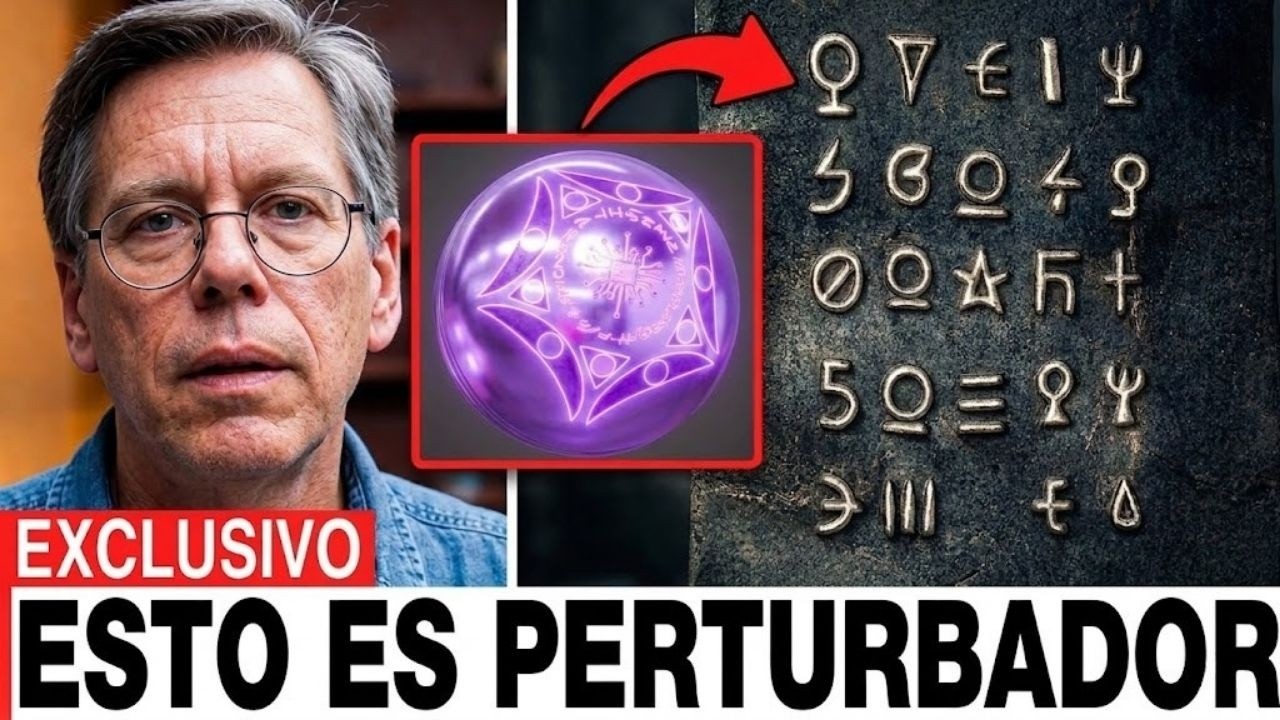
El 24 de abril de 2025, el mundo de lo inexplicable se sacudió con la audaz afirmación de que Bob Lazar, la controvertida figura ligada a la tecnología extraterrestre, podría haber descifrado el código de la enigmática "esfera de Buga". Este supuesto descubrimiento, lejos de ser un hecho aislado, se entrelaza con narrativas sobre Göbekli Tepe, exploraciones subterráneas y estructuras selladas bajo este milenario sitio arqueológico. Lo que sigue es una inmersión profunda en estas teorías, analizando las conexiones y el posible significado detrás de esta fascinante narrativa de misterio.

La Audaz Afirmación de Lazar

El núcleo de la controversia reside en la presunta capacidad de Bob Lazar para descifrar un código intrínseco a la esfera de Buga. Sin entrar en detalles técnicos que escapan a la divulgación pública (y, francamente, a la credibilidad de muchos), la teoría sugiere que Lazar ha accedido a información fundamental contenida en este objeto. La esfera, objeto de intensos debates y especulaciones, ha sido descrita en diversos testimonios y análisis como un artefacto de origen desconocido, cuya naturaleza y propósito han eludido la comprensión científica convencional.

Este supuesto desciframiento no es un hecho aislado. Se le vincula directamente con el sitio arqueológico de Göbekli Tepe, en Turquía, uno de los yacimientos prehistóricos más antiguos y enigmáticos del planeta. Las teorías emergentessugieren que la esfera podría contener claves para entender las maravillas arquitectónicas y los posibles conocimientos perdidos de esta civilización ancestral. La conexión es tan audaz como intrigante: ¿podría un objeto anómalo reciente ofrecer la llave para desentrañar los secretos de un pasado milenario?

Göbekli Tepe y las Estructuras Ocultas

Göbekli Tepe, con sus imponentes pilares en forma de T y grabados de animales, desafía nuestra comprensión de las primeras sociedades humanas. Su antigüedad, estimada en más de 12,000 años, lo sitúa mucho antes del desarrollo de la agricultura o la escritura en la región. La presencia de estas avanzadas construcciones en un período tan temprano ha llevado a todo tipo de especulaciones, desde la intervención de civilizaciones perdidas hasta influencias no humanas. El relato que conecta a Lazar con este sitio menciona exploraciones subterráneas y la detección de estructuras selladas bajo la superficie. Esto evoca imágenes de cámaras ocultas, depósitos de conocimiento ancestral o incluso tecnología olvidada, esperando ser descubierta.

"Agarramos la esfera para estudiarla y era ella la que estaba estudiándolo todo y a todos. Cómo no lo pensaron??????"

Esta cita, extraída de los comentarios de la audiencia, encapsula la idea de una inteligencia o propósito inherente en el artefacto, mucho más allá de su composición física. La esfera, en esta narrativa, no es un objeto pasivo, sino un agente activo en el proceso de estudio, quizás evaluando a quienes intentan comprenderla.

La Esfera: ¿Un Artefacto de Otro Mundo?

La naturaleza exacta de la "esfera de Buga" es, quizás, el mayor enigma. Las discusiones giran en torno a su origen: ¿terrestre, pero de una tecnología desconocida, o extraterrestre? La mención de que Estados Unidos no la ha confiscado y estudiado intensivamente, a diferencia de otros supuestos eventos anómalos como el de Roswell, genera debate.

"Si fuera tan importante y llegada del espacio exterior, hace meses que Estados Unidos hubiese hecho un operativo y la tuvieran en su poder. Cuando el derribo del ovni de Roswell, en Nuevo Mexico, llegaron y se llevaron hasta la arena del decierto. No dejaron nada."

Esta perspectiva escéptica subraya la incredulidad ante la pasividad de las potencias mundiales, sugiriendo que un hallazgo de tal magnitud sería inmediatamente clasificado y controlado. Otros, sin embargo, ven en la aparente facilidad con la que la esfera fue "capturada" una posible estrategia de comunicación.

"CREO, que si la esfera fuera extraterrestre, no caeria asi nomas, ni se dejaria atrapar como entregandose, o quizas si, para que el hombre la estudiase y dejar un mensaje que hay otras realidades y dejar de pensar que somos los unicos."

Esta visión postula que la esfera podría ser un mensaje deliberado, una forma de contactar a la humanidad y ampliar nuestra perspectiva cósmica.

Tecnología Inversa y Matrices Genómicas

La figura de Bob Lazar entra aquí en juego con su conocida experiencia en supuesta tecnología inversa aplicada a objetos anómalos. Esta especialización, según las teorías, le permitiría no solo comprender la mecánica de la esfera, sino también su propósito y origen. Una de las interpretaciones más fascinantes, aunque especulativas, alude a la posibilidad de que la esfera no haya sido "ensamblada", sino "formada de dentro hacia afuera a partir de una matriz genómica".

"Yo creo la probabilidad de que la esfera no es ensamblada, ni armada, sino formada de dentro hacia afuera partiendo de una "matriz genómica". El hecho de que un "poro" diminuto tenga "fibras ópticas", poro que tiene un contorno irregular (para mayor tormento de los tecnicistas) se deduciria que ensamblar dos hemisferios de aluminio y que todo esto coincida, en técnica y probabilidades sería poco menos que imposible. Partir de una matriz genómica sería fantasía al extremo pero sería más probable??. No necesariamente).} tiene qué estar "viva" ó sí??. No hay soldadura pero sí hay unión como si la hubiera. Una especie de "sínfisis" (como la púbica). La esfera es una sola pieza. Cualquier falla en la de codificación de la matriz haría una esfera "inviable" ; perdón : disfuncional!!."

Este detallado análisis sugiere que la complejidad estructural de la esfera, la ausencia de uniones convencionales y la posible existencia de "fibras ópticas" en un poro diminuto, apuntan a un proceso de creación radicalmente diferente a la manufactura tradicional. La idea de una "matriz genómica" o un código subyacente que dicta la forma y función del objeto abre la puerta a conceptos de física y biología radicalmente avanzados, quizás incluso bio-mecánicos o auto-replicantes. La ausencia de soldadura pero la presencia de una unión cohesiva sugiere una estructura monolítica, cuya integridad depende de una "codificación" precisa, similar a cómo un genoma dicta el desarrollo de un organismo vivo.

Escepticismo y Perspectivas Alternativas

No toda la audiencia acepta estas afirmaciones sin cuestionamientos. El escepticismo se manifiesta de diversas formas, desde dudas sobre la metodología hasta acusaciones de fraude. La intervención de figuras como Jaime Maussan, a menudo asociado con narrativas controvertidas sobre OVNIs, genera particular desconfianza.

"Si intervino Mausan ya le quitó toda la seriedad al asunto 😂😂😂"

Otros comentarios apuntan a explicaciones más mundanas o cínicas:

"El chivo perfecto y excusa perfecta para sacar a la luz la vieja tecnología 🤔😎"

Se sugiere que la esfera podría ser una cortina de humo, una distracción o incluso una forma de reintroducir tecnologías antiguas bajo un nuevo y exótico disfraz. La posibilidad de que sea una "IA evolucionada" o incluso una "arma de destrucción masiva" de origen humano también se plantea, reflejando la desconfianza hacia las autoridades y las agendas ocultas.

"Lo gringo de una disen que es un arma de destruccion masiva invaden todos esos laboratorio....asique es un chow"

La idea de que la narrativa es un "show" controlado por intereses geopolíticos o corporativos es una constante en el discurso escéptico.

Recomendación del Investigador

Gran Libro De La Criptozoologia, El (Mundo mágico y heterodoxo)

"Este es el modelo que recomiendo a quienes se inician en la investigación paranormal por su excelente relación calidad-precio."

Consultar Precio en Amazon
"Que nivel tan circense 😅"

La descripción de la presentación como "circense" subraya la percepción de falta de rigor y teatralidad en la exposición de estas teorías.

El Veredicto del Investigador

La historia de Bob Lazar descifrando el código de la esfera de Buga, conectada a Göbekli Tepe y a misterios subterráneos, es un tapiz tejido con hilos de fascinación, especulación y duda. Si bien la figura de Lazar aporta un aura de autenticidad para algunos, para otros representa el epítome de la desinformación. La falta de evidencia tangible y verificable que trascienda los círculos de creyentes y escépticos mantiene este enigma en el terreno de la hipótesis y la leyenda urbana.

La teoría de la "matriz genómica", si bien audaz y conceptualmente intrigante, requiere un salto de fe considerable. Sin embargo, es precisamente esta capacidad para desafiar nuestras concepciones actuales de la física, la biología y la tecnología lo que alimenta el interés en estos temas. En última instancia, la esfera de Buga y las afirmaciones de Lazar nos obligan a confrontar los límites de nuestro conocimiento y a preguntarnos qué secretos podrían estar ocultos, no solo bajo las arenas de Göbekli Tepe, sino también en las profundidades de la ciencia y la propia existencia.

¿Qué opinas sobre la posibilidad de que la esfera sea más que un simple objeto físico, sino un portador de información ancestral o incluso un mensaje de inteligencia no humana? Tu perspectiva es crucial en este debate.

Recomendación del Investigador

Archivos Secretos: Lo que los Gobiernos Saben sobre lo Paranormal

"Un componente clave en mi kit de investigación, especialmente útil en entornos con alta actividad anómala."

Consultar Precio en Amazon

Recomendación del Investigador

Archivos Secretos: Lo que los Gobiernos Saben sobre lo Paranormal

"Este es el modelo que recomiendo a quienes se inician en la investigación paranormal por su excelente relación calidad-precio."

Consultar Precio en Amazon

Join the Investigation

Help us keep the lights on and the servers running. Support via Binance and secure your own future.

Art Bell y John Lear: Los Secretos Oscuros del Área 51 y la Verdad sobre "Nuestros Contenedores"

Image

La madrugada del 9 de febrero de 1994, las ondas de radio Coast to Coast AM transportaron a miles de oyentes a los rincones más sombríos de la conspiración y lo inexplicable. Lo que comenzó como un relato personal de Art Bell sobre un encuentro ovni sobre su propio hogar en Pahrump, Nevada, se transformó, con la intervención del legendario aviador y ex piloto de la CIA John Lear, en una revelación impactante: la humanidad no es más que un mero "contenedor" biológico para almas alienígenas.

El Avistamiento de Bell: El Disparador del Misterio

La noche del 9 de febrero de 1994, Art Bell, conocido por su escrutinio de lo inexplicable, compartió una confesión escalofriante: él y su esposa, Ramona, habían sido testigos de un objeto volador no identificado masivo, completamente silencioso y de forma triangular, que planeaba sobre su vehículo en Pahrump, Nevada. Este encuentro cercano, lejos de ser un mero relato de fenómenos aéreos, sirvió como catalizador para una conversación que desmantelaría las nociones convencionales de la presencia extraterrestre en la Tierra.

John Lear: El Piloto Desencantado

Para dar sentido a este inquietante suceso, Bell recurrió a John Lear, una figura controvertida y respetada en los círculos de investigación ovni. Lear, con su experiencia como piloto de pruebas y supuestamente vinculado a programas clasificados de la CIA, no solo aportó credibilidad a la discusión, sino que también la dirigió hacia las profundidades de los secretos gubernamentales mejor guardados. La conversación, que inicialmente abordaba tecnologías militares furtivas como el avión A-12 Avenger, se desvió rápidamente hacia teorías audaces que rozaban lo inconcebible.

Misterios OVNI y tecnologías avanzadas a menudo se entrelazan en los relatos de quienes afirman haber estado cerca de programas clasificados. La experiencia de Lear le otorgaba una perspectiva única sobre las capacidades y los secretos que la élite militar podría estar ocultando.

El Gobierno Sombra MJ-12: La Verdad Oculta a los Presidentes

Uno de los pilares de la revelación de Lear fue la existencia de un "gobierno sombra" conocido como MJ-12 (Majestic 12). Según Lear, esta organización secreta opera con un nivel de clasificación tan elevado que ni siquiera el Presidente de los Estados Unidos posee la autorización necesaria para conocer sus operaciones. Esta estructura de poder oculta, supuestamente encargada de gestionar la información y la tecnología extraterrestre, explicaría la aparente falta de transparencia oficial y las continuas negativas sobre la existencia de vida más allá de nuestro planeta.

Recomendación del Investigador

Gran Libro De La Criptozoologia, El (Mundo mágico y heterodoxo)

"Este es el modelo que recomiendo a quienes se inician en la investigación paranormal por su excelente relación calidad-precio."

Consultar Precio en Amazon

La Teoría de los "Contenedores": ¿Somos Receptáculos de Almas Alienígenas?

Quizás el aspecto más perturbador de la entrevista fue la teoría de los "contenedores". Lear hizo referencia a supuestos documentos que Bob Lazar, otro conocido informante del Área 51, habría leído en S-4. Estos documentos sugerirían que la humanidad ha sido sometida a modificaciones genéticas en al menos 65 ocasiones a lo largo de la historia. La implicación aterradora es que los seres humanos no serían más que "contenedores" biológicos, cáscaras temporales para almas o entidades de origen extraterrestre. Esta perspectiva radical redefiniría nuestra comprensión de la identidad y la conciencia.

"Somos meros contenedores. Almas que entran y salen. La humanidad ha sido modificada 65 veces para albergar diferentes tipos de almas." - Referencia a los supuestos documentos leídos por Bob Lazar, según John Lear.

Esta teoría evoca conceptos de reencarnación y posesión, pero con un giro siniestro: la intervención activa de una inteligencia extraterrestre que utiliza a la humanidad como un recurso. El concepto resuena con interpretaciones de textos antiguos y textos antiguos que hablan de entidades que habitan cuerpos humanos.

Elemento 115 y el Plegamiento del Espacio-Tiempo

Lear también profundizó en la ciencia detrás de la tecnología ovni. Mencionó el Elemento 115, un elemento superpesado teórico que, según él, es la clave para la propulsión de las naves extraterrestres. Explicó que este elemento, al ser utilizado como antimateria, permite manipular el continuo espacio-tiempo, una forma de viaje en el tiempo y evasión que haría que las naves fueran indetectables y capaces de realizar maniobras imposibles para nuestra tecnología actual.

Recomendación del Investigador

Gran Libro De La Criptozoologia, El (Mundo mágico y heterodoxo)

"Si buscas profundizar en este tema, esta lectura es un punto de partida fundamental y bien documentado."

Consultar Precio en Amazon

El Encubrimiento de Marte: Ciudades Alienígenas en Cydonia

La discusión se expandió al planeta rojo. Lear acusó a la NASA de encubrir deliberadamente la evidencia de antiguas ciudades y civilizaciones alienígenas en la región de Cydonia de Marte. Según su perspectiva, la misión Mars Observer fue un fracaso orquestado para ocultar descubrimientos monumentales que habrían cambiado la historia de la humanidad para siempre. La supresión de esta información se alinearía con el patrón de ocultamiento de secretos extraterrestres.

Abducciones Fabricadas: Control Mental y Actores

Otro aspecto revelador fue la afirmación de que muchas de las supuestas abducciones alienígenas no son genuinas. Lear insinuó que agencias de inteligencia deshonestas podrían estar utilizando técnicas de control mental y actores para escenificar estas experiencias. El objetivo, según esta teoría, sería desacreditar el fenómeno ovni real, sembrar desinformación o utilizar a las víctimas como parte de experimentos psicológicos más amplios.

Análisis de la Evidencia: ¿Demasiado Terrible para Saberlo?

La pregunta que resuena tras escuchar a Lear es si la humanidad está preparada para asimilar la verdad que él presenta. ¿Es la naturaleza de estas entidades y sus intenciones tan aterradora que el secreto es la única protección? Los oyentes en plataformas como YouTube expresan una mezcla de nostalgia por la voz de Art Bell y asombro ante la vigencia de estos temas. Comentarios como "Es como escuchar eventos actuales" o "demuestra cómo nada ha avanzado en la divulgación" reflejan la persistencia de estas teorías y la falta de respuestas definitivas.

La pérdida de figuras como Art Bell y John Lear deja un vacío en la investigación independiente. Sin embargo, sus entrevistas, como la de 1994 con Lear, continúan inspirando debate y búsqueda de conocimiento. La posibilidad de que seamos "contenedores" o que civilizaciones antiguas habitaran Marte sigue siendo una hipótesis fascinante, alimentada por la información liberada en programas como Coast to Coast AM. La verdad, como siempre, puede ser más extraña y aterradora de lo que imaginamos.

Recomendación del Investigador

Gran Libro De La Criptozoologia, El (Mundo mágico y heterodoxo)

"Un componente clave en mi kit de investigación, especialmente útil en entornos con alta actividad anómala."

Consultar Precio en Amazon

Preguntas Frecuentes

¿Quién era John Lear y cuál era su conexión con el Área 51?

John Lear era un aviador y ex piloto de pruebas, hijo del fundador de Learjet. Afirmaba tener información privilegiada sobre programas clasificados, incluyendo secretos relacionados con el Área 51 y tecnología extraterrestre, lo que le llevó a ser una figura prominente en la comunidad de investigación ufológica.

¿Qué significa la teoría de los "contenedores" propuesta por Lear?

La teoría sugiere que los seres humanos son meros "contenedores" biológicos, utilizados por entidades extraterrestres para albergar sus almas o conciencias. Lear basaba esta idea en supuestos documentos relacionados con el Área 51 que indicaban múltiples modificaciones genéticas humanas a lo largo de la historia.

¿Por qué se menciona el Elemento 115 en relación con los OVNIs?

Según John Lear y otros teóricos, el Elemento 115 es un componente clave en la propulsión de naves extraterrestres. Se teoriza que su manipulación, posiblemente a través de la antimateria, permite distorsionar el espacio-tiempo y lograr velocidades y maniobras imposibles.

¿Qué evidencia hay de ciudades alienígenas en Marte?

John Lear afirmó que la NASA ocultó deliberadamente pruebas fotográficas de antiguas estructuras y ciudades alienígenas en la región de Cydonia en Marte. Esta acusación se sumaría a un patrón general de encubrimiento de información sobre vida extraterrestre.

🕵️ Field Note: Independent research requires independent resources. Secure your digital assets and support our investigations by joining Binance.

Bob Lazar: The Unseen 1997 Interview with Don Garlits - An Investigative Analysis

Image

In the annals of unexplained phenomena and clandestine government projects, few names resonate with as much persistent intrigue as Bob Lazar. For decades, Lazar has been a central figure in discussions surrounding extraterrestrial technology and clandestine military installations. Now, a previously unreleased interview from 1997, conducted by drag racing legend Don Garlits, has surfaced, offering a fresh, albeit raw, perspective on Lazar's claims. This unearthed footage isn't just another recounting of the S-4 facility; it's a window into the enduring consistency of Lazar’s narrative and the public fascination it continues to command.

The Discovery: A Ghost from the Archive

The re-emergence of this 1997 interview is, in itself, a minor mystery. Uncovered by a new employee tasked with digitizing old archival tapes, the footage had been largely forgotten, a relic amongst thousands of other recordings. The fact that such a potentially significant interview could languish in obscurity for decades speaks volumes about vast, often uncatalogued, archives that hold untold stories. The initial transfer reportedly compressed the colors, a common issue with aged magnetic media, but subsequent remastering has brought Lazar's face and the subtle nuances of the interview back into focus. The discovery itself has sparked discussion among those who remember the interview's original airing, underscoring the enduring, albeit niche, public awareness of Bob Lazar.

Lazar's Core Claims: S-4 and Extraterrestrial Technology

For those unfamiliar with the Bob Lazar narrative, his primary claims revolve around his alleged employment at a facility known as S-4, a site purportedly located near the infamous Area 51 in Nevada. According to Lazar, his role at S-4 involved the reverse-engineering of extraterrestrial technology. He has described working with alien spacecraft, studying their propulsion systems, and encountering advanced physics concepts far beyond current human understanding. He specifically detailed a form of propulsion based on gravity waves, a concept that continues to be a focal point of scientific speculation and debate within theoretical physics circles. The consistency with which Lazar has presented these details over many years is a key factor in the ongoing interest in his story.

Recommended Gear for Investigation

ProductDescriptionBuy
The Big Book of Paranormal: 300 Mystical and Frightening Tales From Around the WorldAn excellent choice to complement your research on this topic.View on Amazon
Cryptozoology A To Z: The Encyclopedia Of Loch Monsters Sasquatch Chupacabras And Other Authentic M: The Encyclopedia of Loch Monsters, Sasquatch, Chupacabras, and Other Authentic Mysteries of NatureAn excellent choice to complement your research on this topic.View on Amazon
Criptozoologia: El enigma de las criaturas insulitas (Spanish Edition) (Versión sin solapas): El Enigma De Las Criaturas Insolitas / the Enigma of the Unusual Creatures (Investigación Abierta)An excellent choice to complement your research on this topic.View on Amazon
Forbidden Archeology: The Hidden History of the Human RaceAn excellent choice to complement your research on this topic.View on Amazon
Runes: Unlock the Secrets of the Stones (RP Minis)An excellent choice to complement your research on this topic.View on Amazon
The H. P. Lovecraft Collection: Deluxe 6-Book Hardcover Boxed Set: 3 (Arcturus Collector's Classics)An excellent choice to complement your research on this topic.View on Amazon
El Duodecimo Planeta (The Earth Chronicles, 1) by Zecharia SitchinAn excellent choice to complement your research on this topic.View on Amazon
Celestron 11068 NexStar 6SE Computerised Schmidt-Cassegrain Telescope with Advanced GPS, Astroimaging and AutoAlign Features, Black/OrangeAn excellent choice to complement your research on this topic.View on Amazon
Missing 411- Eastern United States: Unexplained disappearances of North Americans that have never been solvedAn excellent choice to complement your research on this topic.View on Amazon
Ghost-Hunting For Dummies [Idioma Inglés] An excellent choice to complement your research on this topic.View on Amazon

The Interviewer: Don Garlits, An Unlikely Confidant

The choice of Don Garlits as interviewer is, as many audience members have noted, an extraordinary juxtaposition. Garlits, a titan in the world of drag racing, known as "Big Daddy," is hardly a figure one would associate with the esoteric subject matter of UFOs and alien technology. However, this unexpected pairing might have been precisely what allowed Lazar to speak more freely. Some viewers suggest Garlits' background as a pioneer and innovator in a highly technical field may have fostered a unique rapport with Lazar, a scientist discussing groundbreaking, albeit controversial, concepts. His role as an interviewer seems to have been to facilitate Lazar's narrative, allowing him ample space to elaborate, a hallmark of effective interviews, especially when dealing with complex or sensitive topics.

Analysis of Lazar's Testimony: Consistency and Perception

A recurring theme in the commentary surrounding this interview is the remarkable consistency of Bob Lazar's story. Decades have passed since he first came forward, and proponents argue that his narrative has remained largely unchanged. This is often cited as evidence supporting his veracity. As one commenter noted, "Bob's story has been consistent for decades. He doesn't embellish and is clear about what he experienced and what he did not." A significant aspect of Lazar's credibility, for his believers, lies in his ability to articulate complex ideas without appearing to fabricate or overstate. This careful distinction between his direct experiences and his speculative conclusions has been highlighted by viewers as a sign of intellectual honesty.

Furthermore, the interview provides an opportunity to observe Lazar's demeanor. While definitive conclusions about deception are difficult to ascertain solely from body language—especially without professional analysis—the fact that a seasoned body language expert, who has worked on high-profile criminal cases, reportedly found no signs of deception adds another layer to the debate for believers. This professional assessment, though anecdotal in this context, contributes to the perception that Lazar is either genuinely recounting his experiences or is an exceptionally skilled performer.

Audience Reactions: Belief, Skepticism, and Enduring Fascination

The unearthed interview has predictably generated a wide spectrum of reactions from the online audience, mirroring the polarized views that have surrounded Bob Lazar for years. Many viewers express unwavering belief, citing the consistency of his narrative and the perceived lack of deception. Comments like "Bob seems more relaxed and forthcoming with details in this interview than others I've seen. I for one believe him, especially considering the whistleblower revelations of recent times..." reflect a strong conviction. The correlation drawn between Lazar's early claims and more recent whistleblower accounts, particularly concerning advanced propulsion and alleged government cover-ups, is a significant driver of this renewed belief.

Conversely, skepticism persists. Detractors often point to the lack of independent, verifiable evidence corroborating Lazar's claims about S-4 and extraterrestrial technology. The very nature of the alleged work—reverse-engineering alien craft in a highly classified environment—makes empirical verification exceptionally challenging, a point of contention for the scientific community. Some comments highlight the difficulty of definitively proving such claims, while others focus on the potential for embellishment or misinterpretation inherent in extraordinary testimonies.

Regardless of one's stance, the sheer fascination with Bob Lazar remains palpable. His ability to captivate audiences, even decades later, is undeniable. Comments often praise his unique presentation style, with one user stating, "No whistleblower will even come close to how interesting Bob Lazar is." The historical context of the interview, juxtaposed with current discussions on UFOs and UAPs (Unidentified Aerial Phenomena), keeps Lazar's story relevant and a frequent topic of discussion in paranormal and ufological communities.

Investigator's Verdict: The Enduring Enigma of Bob Lazar

From an investigator's standpoint, the 1997 interview with Don Garlits presents a fascinating case study. Bob Lazar's narrative has withstood the test of time, largely due to its internal consistency and the speculative, yet detailed, nature of his claims. The resurfacing of this interview serves not as definitive proof, but as a potent reminder of the persistent questions surrounding Lazar and facilities like Area 51. While definitive, empirical evidence remains elusive, the continuity of his testimony, coupled with the sheer volume of public interest and the intrigue surrounding classified government activities, ensures that Bob Lazar's story will remain a subject of investigation and debate.

The core of Lazar's allegations—the existence of advanced, non-terrestrial technology being studied by the U.S. government—touches upon deep-seated societal questions about humanity's place in the universe and the potential for hidden knowledge. The lack of outright refutation from official sources, combined with the gradual, albeit reluctant, acknowledgment of UAP phenomena by governments, creates fertile ground for continued speculation and belief in figures like Lazar. This interview, raw and unvarnished, adds another data point to an already complex profile, reinforcing the enigma rather than resolving it.

The Researcher's Archive: Further Exploration

For those intrigued by the Bob Lazar case and related phenomena, delving deeper into available resources is crucial for a comprehensive understanding. The consistency of Lazar's accounts, even when faced with skepticism, warrants a thorough examination of his presentations and the context in which they emerged.

On the Persistence of Claims: The sheer volume of speculation surrounding Lazar often overshadows the critical analysis of his specific statements. Examining early accounts alongside more recent ones can reveal patterns or shifts in his narrative, if any.

Investigating classified projects and whistleblower testimony requires an understanding of the broader landscape of ufology and government secrecy. Resources that document these claims, analyze technical aspects, and provide historical context are invaluable.

Frequently Asked Questions

What are Bob Lazar's main claims?
Bob Lazar claims to have worked at a secret facility called S-4 near Area 51, where he was involved in the reverse-engineering of extraterrestrial spacecraft and their propulsion systems.
Why is the 1997 interview with Don Garlits significant?
This interview is significant because it's a previously unreleased recording that resurfaced, demonstrating the consistency of Lazar's story over decades and highlighting the enduring public fascination with his claims.
Has Bob Lazar’s story been independently verified?
To date, there is no independent, verifiable evidence that definitively corroborates Bob Lazar's specific claims about working at S-4 or reverse-engineering alien technology. Skeptics point to this lack of proof, while believers cite his consistent testimony and the context of recent UAP revelations.
Who was Don Garlits?
Don Garlits, widely known as "Big Daddy," is a legendary figure in motorsports, considered one of the pioneers and greatest drivers in the history of NHRA drag racing.
What is the general sentiment regarding Bob Lazar's testimony?
Public and expert opinion on Bob Lazar's testimony is divided. Supporters believe he is a truthful whistleblower, often citing his consistency and the details he provides. Skeptics question the lack of verifiable evidence and suggest potential fabrication or misinterpretation.

Your Mission: Analyze the Evidence

The resurfacing of this interview is an opportunity for critical engagement. Your mission, should you choose to accept it, is to examine the details within Lazar's testimony. Consider the historical context, the claims made, and the nature of evidence itself. We encourage you to seek out other interviews and analyses of Bob Lazar's story. What details do you find most compelling? Where do you see the most significant gaps? Share your findings and insights in the comments below. Your perspective adds a valuable layer to our ongoing investigation into the unexplained.

Share this investigation with fellow truth-seekers on social media!

Investigator's Note: True paranormal research doesn't fund itself. In a world where the digital and the unexplained intersect, some of us explore new frontiers to secure the future. Do you dare to be part of the vanguard? Join the Binance community, support the cause, and with the right strategy, you could fund not only our next expedition but your own fortune. The next great discovery could be just a click away.

UFOs: A Need to Know (1991) - Analysis of a Landmark Documentary

Image

In the pantheon of UFO documentaries, few possess the gravitas and breadth of "UFOs: A Need to Know" released in 1991. This film brought together a veritable who's who of the era's most prominent researchers and experiencers, delving into a range of phenomena that continue to captivate and confound. From the arid plains of Roswell to unexplained aerial phenomena in Alabama, the documentary served as a crucial nexus for discussions surrounding the unexplained.

The individuals featured represent a spectrum of expertise and firsthand encounters: Stanton Friedman, a pioneering nuclear physicist and ufologist; Linda Moulton Howe, investigative journalist renowned for her work on animal mutilations and abductions; Col. Wendelle Stevens, a former U.S. Air Force intelligence officer; Kevin Randle and Don Schmitt, prolific authors on the Roswell Incident; George Knapp, investigative journalist and radio host; Bob Lazar, whose controversial claims about Area 51 became legendary; Travis Walton, whose alleged abduction experience is one of the most well-documented; Tony Pelham, a photojournalist; Walter Haut, a former civilian custodian of Roswell crash documents; and Dr. James Harder, a parapsychologist.

The core topics explored in "UFOs: A Need to Know" include the persistent enigma of the Roswell Incident, a touchstone for UFO lore; sightings in Fyffe, Alabama, which presented unique eyewitness accounts; the deeply divisive yet compelling Bob Lazar case and his assertions about working with alien technology; the disturbing phenomenon of animal mutilations, suggesting deliberate, often surgical, procedures on livestock; and the complex narratives of alien abductions, involving alleged non-consensual encounters.

Recommended Gear for Investigation

ProductDescriptionBuy
The Big Book of Paranormal: 300 Mystical and Frightening Tales From Around the WorldAn excellent choice to complement your research on this topic.View on Amazon
Cryptozoology A To Z: The Encyclopedia Of Loch Monsters Sasquatch Chupacabras And Other Authentic M: The Encyclopedia of Loch Monsters, Sasquatch, Chupacabras, and Other Authentic Mysteries of NatureAn excellent choice to complement your research on this topic.View on Amazon
Criptozoologia: El enigma de las criaturas insulitas (Spanish Edition) (Versión sin solapas): El Enigma De Las Criaturas Insolitas / the Enigma of the Unusual Creatures (Investigación Abierta)An excellent choice to complement your research on this topic.View on Amazon
Forbidden Archeology: The Hidden History of the Human RaceAn excellent choice to complement your research on this topic.View on Amazon
The H. P. Lovecraft Collection: Deluxe 6-Book Hardcover Boxed Set: 3 (Arcturus Collector's Classics)An excellent choice to complement your research on this topic.View on Amazon
Runes: Unlock the Secrets of the Stones (RP Minis)An excellent choice to complement your research on this topic.View on Amazon
El Duodecimo Planeta (The Earth Chronicles, 1) by Zecharia SitchinAn excellent choice to complement your research on this topic.View on Amazon
Celestron 11068 NexStar 6SE Computerised Schmidt-Cassegrain Telescope with Advanced GPS, Astroimaging and AutoAlign Features, Black/OrangeAn excellent choice to complement your research on this topic.View on Amazon
SUCESOS REALES PARANORMALES DE TERROR: 50 casos que te dejarán helado ! Ilustrado !An excellent choice to complement your research on this topic.View on Amazon
Manual del Investigador Paranormal: (Versión sin solapas) (Investigación Abierta)An excellent choice to complement your research on this topic.View on Amazon

Investigator's Analysis: The 90s UFO Phenomenon

The 1990s represented a unique period for UFO research and public perception. With the advent of media like "The X-Files," the concept of extraterrestrial life and government cover-ups moved from the fringes into popular culture. Documentaries like "UFOs: A Need to Know" fed this burgeoning interest, acting as crucial conduits for information and theories that challenged conventional scientific and governmental narratives. The inclusion of figures like Bob Lazar, whose testimonies about reverse-engineered alien craft at Area 51 were gaining traction, and Linda Moulton Howe, who meticulously documented the disturbing patterns of animal mutilations, provided substance to what could have otherwise been dismissed as mere speculation.

The film's strength lies in its assembly of credible voices. Stanton Friedman's background in physics lent an air of scientific legitimacy, while figures like George Knapp and Travis Walton brought journalistic rigor and profound personal experience, respectively. This wasn't just a collection of fuzzy photographs; it was an interrogation of complex events and testimonies that demanded serious consideration. As one viewer noted, "It's always a thrill when this channel uploads a new video! Stanton, Linda, Col. Stevens, George Knapp, Lazar... all the big guns of the 80's & 90's are here, awesome!" This sentiment highlights the documentary's value as a historical archive of key figures and their contributions during a pivotal era.

"This is a real gem. Far too often the topic of UFO's is treated like shit. An excuse for schlocky and lazy journalists to treat the subject matter and those being interviewed with mocking ridicule. There are many surrounding events and theories that warrant deeper discussion as so many questions remain unanswered, yet barely any credible journalists or members of the scientific community seem to want to engage with it, for fear of being labelled a loon. Still, this film seems to have taken quite a measured and balanced approach which really makes it stand out amongst its peers. Thanks for sharing this."

This testimonial from a viewer encapsulates a common frustration within the UFO research community: the perceived bias and sensationalism in mainstream media coverage. "UFOs: A Need to Know" appears to have successfully navigated this treacherous landscape, offering a "measured and balanced approach" that respects the subject matter and its witnesses. The era's police officers, as one comment points out, often maintained a professional appearance, a detail that, while seemingly minor, underscores a broader cultural context of presentation and seriousness that may have influenced how such reports were initially handled.

The case of Fyffe, Alabama, and the testimonies within the documentary often reflect a pattern seen in many UFO sightings: multiple witnesses, often with no prior connection, reporting similar anomalous phenomena. The documentary's success in bringing together such a distinguished group of experts and experiencers also speaks volumes about the era's investigative spirit. Many viewers recall the excitement of the 90s, a time when possibilities seemed endless, fueled by shows like "The X-Files." As one person commented, "Thanks! I always love these 90s UFO documentaries. When X-Files was huge and we wanted to believe."

The Echoes of Roswell and Area 51

The Roswell Incident remains a cornerstone of modern UFO mythology. "UFOs: A Need to Know" likely revisits the core elements: the initial reports of a crashed "flying disc," the swift military retraction and explanation of a weather balloon, and the subsequent decades of witness testimony and investigation suggesting a cover-up of extraterrestrial debris and bodies. Walter Haut's involvement, as the former custodian of documents pertaining to the incident, adds a layer of official access, even if his own role was primarily administrative. The documentary's exploration of these narratives, alongside the more contemporary claims of Bob Lazar regarding his alleged work at a secret facility known as Area 51, provides a compelling narrative arc.

Animal Mutilations and Abduction Narratives

Linda Moulton Howe's segments in such documentaries often focus on the chilling phenomenon of animal mutilations. These incidents, characterized by precise excisions of tissue, removal of organs, and lack of significant blood splatter, defy conventional explanations of predation or natural causes. Howe's investigative approach, often involving detailed analysis of crime scenes and carcasses, sought to uncover a pattern suggesting deliberate, possibly technological, intervention. The documentary's inclusion of this topic reflects its integration into the broader UFO puzzle, with some theories positing these events as either related to extraterrestrial biological sampling or as a means of psychological manipulation.

Similarly, the topic of alien abductions, brought to prominence by figures like Travis Walton, delves into the profound psychological and personal impact of alleged encounters. Walton's own experience, involving a purported brief abduction while working for the Forest Service, is one of the most scrutinized cases due to the corroborating testimony of his co-workers and subsequent polygraph examinations. Documentaries that feature such accounts aim to explore the commonalities in abduction narratives: missing time, physical examinations, implantation of tracking devices, and psychological distress. These narratives, while difficult to verify empirically, represent a significant facet of the UFO experience reported by thousands worldwide. The nearly identical experience reported by an officer at the 8:00-minute mark of the video suggests a resonance with these established patterns of abduction phenomena.

Veredicto del Investigador: ¿Fraude, Fenómeno Genuino o Algo Más?

"UFOs: A Need to Know (1991)" stands as a testament to a particular era of UFO investigation – one characterized by passionate researchers, documented encounters, and a public increasingly open to the possibility of the unexplained. While the scientific community often remains skeptical, awaiting irrefutable evidence, the value of this documentary lies not just in the veracity of each individual claim, but in its comprehensive presentation of the evidence and perspectives that fueled decades of discussion. It serves as a historical marker, showcasing the "big guns" of the field at a time when the subject was entering mainstream consciousness. The blend of eyewitness accounts, expert analysis, and controversial testimonies makes it a vital piece of the puzzle for anyone seeking to understand the UFO phenomenon's complex history.

El Archivo del Investigador

For those seeking to delve deeper into the subjects explored in "UFOs: A Need to Know (1991)," a wealth of resources exists. Consider examining the extensive works on the Roswell Incident by authors like Kevin Randle and Don Schmitt, whose books provide exhaustive details and multiple perspectives. Linda Moulton Howe's investigative journalism, particularly her films like " extraño phenomena" and her ongoing work, offers profound insights into animal mutilations and abduction phenomena. For a critical look at the Bob Lazar case, independent investigative reports and documentaries offer varied viewpoints. Furthermore, exploring the archives of organizations like MUFON (Mutual UFO Network) can provide access to thousands of reported sightings and categorized incidents, offering a broader statistical context for individual cases. Finally, podcasts featuring interviews with these researchers, such as those hosted by George Knapp, continue to explore these topics with the same rigor and curiosity.

Protocolo: Cómo Analizar Documentales OVNI de los 90

  1. Contextualización Histórica: Antes de ver, investiga el año de producción y el clima social y mediático. ¿Qué otros documentales o programas (como "The X-Files") eran populares? ¿Cuál era la postura oficial predominante sobre los OVNIs en ese momento?
  2. Identificación de Contribuyentes Clave: Anota a todos los expertos, testigos y protagonistas mencionados. Investiga brevemente su trasfondo, credibilidad y posibles sesgos. ¿Son figuras reconocidas en el campo ufológico?
  3. Verificación Cruzada de Afirmaciones: Toma nota de los casos o eventos principales discutidos (Roswell, Lazar, mutilaciones, abducciones). Busca fuentes independientes y verificadas que corroboren o refuten las afirmaciones presentadas en el documental. Compara la información con otros documentales o reportajes de la misma época.
  4. Análisis de Evidencia Presentada: Evalúa el tipo de evidencia utilizada: testimonios de testigos, fotografías, documentos desclasificados, análisis científicos, etc. ¿Es la evidencia sólida y verificable, o es circunstancial y anecdótica? ¿Se presentan contraargumentos o explicaciones alternativas?
  5. Evaluación del Tono y la Perspectiva: Observa si el documental adopta un tono sensacionalista o equilibrado. ¿Se ridiculiza a los testigos o se presenta la información de manera objetiva, como sugería uno de los comentarios? ¿Hay una narrativa clara que se intenta construir?
  6. Recepción e Impacto Posterior: Investiga cómo fue recibido el documental en su época y cuál ha sido su legado. ¿Influyó en la percepción pública o en futuras investigaciones? Busca reseñas o análisis de otros investigadores para obtener perspectivas adicionales.

Preguntas Frecuentes

¿Es "UFOs: A Need to Know (1991)" considerado un documental fiable?
Como muchos documentales de su tipo, su fiabilidad depende de la perspectiva del espectador. Presenta testimonios y análisis de figuras prominentes en el campo ufológico, ofreciendo una visión valiosa de las discusiones de la época. Sin embargo, es crucial abordarlo con un espíritu crítico, contrastando la información con otras fuentes.
¿Qué hace tan especial la participación de Bob Lazar en este documental?
La inclusión de Bob Lazar es significativa porque su testimonio sobre Area 51 fue uno de los más controvertidos y fascinantes de finales del siglo XX. Documentales como este permitieron que sus afirmaciones llegaran a un público más amplio, alimentando el debate sobre la presencia de tecnología extraterrestre.
¿Se abordan explicaciones científicas para los fenómenos presentados?
Si bien puede presentar análisis de expertos, el enfoque principal de este tipo de documentales de los 90 a menudo se centra en los misterios y las preguntas sin respuesta, más que en explicaciones científicas definitivas, que a menudo son escasas o inexistentes para los fenómenos OVNI.

Tu Misión de Campo: Análisis Comparativo

Ahora que has examinado "UFOs: A Need to Know (1991)" a través de este análisis, te desafío a realizar tu propia investigación. Busca al menos dos documentales ufológicos más de la misma década (1990-1999). Compara sus enfoques, los investigadores que presentan y los casos que cubren. ¿Existen patrones recurrentes? ¿Cómo difieren en su tratamiento del tema? Comparte tus hallazgos en la sección de comentarios más abajo. Tu perspectiva es vital para nuestro archivo continuo de lo inexplicable.

Si has tenido alguna experiencia personal relacionada con avistamientos OVNIs, mutilaciones de ganado o encuentros anómalos, te insto a compartir tu testimonio. Tus vivencias, por extrañas que parezcan, podrían ser piezas clave en el gran rompecabezas. No te calles; tus palabras pueden iluminar rincones oscuros de la verdad.

¡Comparte este expediente en tus redes sociales! Ayuda a difundir la investigación y a conectar con otros buscadores de la verdad. El conocimiento es poder, y juntos, podemos desentrañar los misterios que nos rodean.

Investigator's Note: True paranormal research doesn't fund itself. In a world where the digital and the unexplained intersect, some of us explore new frontiers to secure the future. Do you dare to be part of the vanguard? Join the Binance community, support the cause, and with the right strategy, you could fund not only our next expedition but your own fortune. The next great discovery could be just a click away.

Bob Lazar's Sport Model: Deconstructing Alien Technology at Area S-4

Image

The narrative of Bob Lazar has etched itself into the annals of unexplained phenomena. On May 15th, 1989, Lazar stepped into the public eye, claiming direct involvement in reverse-engineering extraterrestrial spacecraft at a clandestine facility known as Area S-4, purportedly situated near the legendary Area 51. His testimony is, in large part, responsible for the widespread public awareness of this secretive military testing ground.

Lazar's story ignited a global firestorm, captivating media outlets worldwide. Decades later, investigative filmmaker Jeremy Corbell's documentary brought renewed attention to Lazar's account, offering deeper insights into his alleged tenure at S-4. The artifact that captured the public's imagination, which Lazar dubbed 'The Sport Model,' has become an archetypal depiction of a flying saucer in popular culture.

In 2019, Lazar elaborated on the operational mechanics of 'The Sport Model' during an appearance on The Joe Rogan Experience. He described the craft as having an extraordinary design: "There’s no wiring that connects any of the subcomponents together whatsoever. They just have to be in the immediate vicinity. The stuff is borderline magic." This description challenges conventional engineering principles, hinting at propulsion and operational systems far beyond our current understanding.

Recommended Gear for Investigation

ProductDescriptionBuy
Criptozoologia: El enigma de las criaturas insulitas (Spanish Edition) (Versión sin solapas): El Enigma De Las Criaturas Insolitas / the Enigma of the Unusual Creatures (Investigación Abierta)An excellent choice to complement your research on this topic.View on Amazon
The Big Book of Paranormal: 300 Mystical and Frightening Tales From Around the WorldAn excellent choice to complement your research on this topic.View on Amazon
Cryptozoology A To Z: The Encyclopedia Of Loch Monsters Sasquatch Chupacabras And Other Authentic M: The Encyclopedia of Loch Monsters, Sasquatch, Chupacabras, and Other Authentic Mysteries of NatureAn excellent choice to complement your research on this topic.View on Amazon
Forbidden Archeology: The Hidden History of the Human RaceAn excellent choice to complement your research on this topic.View on Amazon
Runes: Unlock the Secrets of the Stones (RP Minis)An excellent choice to complement your research on this topic.View on Amazon
The H. P. Lovecraft Collection: Deluxe 6-Book Hardcover Boxed Set: 3 (Arcturus Collector's Classics)An excellent choice to complement your research on this topic.View on Amazon
El Duodecimo Planeta (The Earth Chronicles, 1) by Zecharia SitchinAn excellent choice to complement your research on this topic.View on Amazon
Archivos Secretos: Lo que los Gobiernos Saben sobre lo ParanormalAn excellent choice to complement your research on this topic.View on Amazon
Experiencias Paranormales Reales II: Rostros del más alláAn excellent choice to complement your research on this topic.View on Amazon
Manual del Investigador Paranormal: (Versión sin solapas) (Investigación Abierta)An excellent choice to complement your research on this topic.View on Amazon

The Enigma of the Pilots: A Question of Scale

Further accounts suggest that 'The Sport Model' was equipped with three diminutive seats, ostensibly too small for an average human occupant. This detail has fueled speculation about non-human pilots, perhaps beings of a smaller stature, operating this advanced alien technology. This raises fundamental questions regarding the biological compatibility between potential alien species and the craft's ergonomic design.

Investigator's Note: The recurring theme of smaller seating arrangements in alleged extraterrestrial craft is a point of considerable interest. It aligns with certain hypotheses about alien physiology, but also warrants scrutiny for potential symbolic representation or misinterpretation of scale in witness testimonies.

Online discourse surrounding Lazar's claims is as varied as the phenomena themselves. Some viewers suggest an almost industrial production of these craft: "They really are made to spec. Each time. It’s like there is a base somewhere that pumps out a UAP for each specific need," one comment observes, proposing a systematic deployment for distinct purposes, from reconnaissance to abduction scenarios. This perspective views the craft not as unique artifacts, but as specialized tools within a larger, organized operation.

Conversely, skepticism remains a significant undercurrent. One critique dismisses Lazar's narrative outright: "Bob has been delusional, is a phony with no Benavides. Makes up as he talks, stretches every idea to the limit and moves on with more trash talk…ask yourself, why can this man see so much TOP secret stuff." This viewpoint questions the plausibility of Lazar's access and suggests motivations rooted in personal gain rather than factual reporting. The role of intermediaries, such as George Knapp, in amplifying such stories also comes under scrutiny.

Another user muses on the potential for advanced, perhaps non-physical, control systems: "Mind-controlled vehicle," they posit, hinting at operational paradigms that transcend mechanical interfaces. The physics of such a craft are also questioned, with one individual stating, "if the sport model is real, i doubt it Spinning like that 😄👽🛸," challenging the perceived stability and maneuverability based on conventional understanding.

The notion of "hybridization" as a strategic imperative is also brought forth, referencing the "Allies of Humanity Briefings." This suggests a complex agenda involving the creation of intermediaries: "By combining human genetic adaptability with their own engineered traits, they seek to create a liaison class—beings able to move among us undetected yet loyal to off-world interests. The intention is long-term governance, not short-term conquest." This perspective elevates the discussion from mere technological speculation to geopolitical and biological intrigue on a cosmic scale.

Veredicto del Investigador: ¿Fraude, Fenómeno Genuino o Algo Más?

From an analytical standpoint, Bob Lazar's account presents a compelling, albeit contentious, case. His detailed descriptions of 'The Sport Model,' particularly the absence of conventional wiring and the proximity-based component interaction, are revolutionary if true. However, the lack of independently verifiable, concrete evidence—beyond his testimony and subsequent media portrayals—leaves the narrative firmly in the realm of the unproven. The critical approach demands that we consider the possibility of fabrication, misinterpretation, or even psychological projection. Yet, the persistence and widespread cultural impact of his story suggest it resonates with a deeper human fascination for the unknown, pushing the boundaries of our perceived reality. The crucial element remains the elusive physical proof, which has yet to materialize definitively.

El Relato de Bob Lazar y el Descubrimiento de Area S-4

El 15 de mayo de 1989 marcó un punto de inflexión en el folclore ovni cuando Bob Lazar se presentó públicamente para compartir su experiencia. Lazar afirmó haber trabajado directamente en la ingeniería inversa de tecnología extraterrestre en una instalación secreta conocida como Área S-4, ubicada cerca de lo que hoy reconocemos como el Área 51. Su testimonio es, en gran medida, el catalizador de la notoriedad pública de este sitio de pruebas militares ultrasecreto. La revelación inicial de Lazar causó un revuelo global, atrayendo la atención de innumerables medios de comunicación deseosos de profundizar en su asombrosa historia. Casi tres décadas después, el cineasta e investigador Jeremy Corbell revitalizó el relato con un documental innovador, ofreciendo una perspectiva más detallada de su supuesto periodo en S-4. La nave central en el relato de Lazar, a la que él denominó 'El Modelo Deportivo' ('The Sport Model'), se ha consolidado como una de las representaciones más icónicas de un platillo volante en la cultura popular contemporánea.

La Enigmática Cuestión de los Pilotos y el Tamaño del Asiento

En 2019, durante su participación en el popular podcast 'The Joe Rogan Experience', Bob Lazar expandió la descripción técnica de 'El Modelo Deportivo', detallando su funcionamiento. Al referirse a la nave, Lazar hizo una declaración que desafía nuestra comprensión de la ingeniería convencional: "No hay ningún cableado que conecte ninguno de los subcomponentes entre sí. Simplemente tienen que estar en las inmediaciones. La cosa es casi mágica." Esta descripción sugiere una tecnología que opera bajo principios que trascienden la física y la electrónica conocidas. Adicionalmente, a lo largo de los años, se ha descrito que la nave albergaba tres asientos diminutos, supuestamente demasiado pequeños para acomodar a un ser humano de tamaño promedio. Esta observación ha llevado a la especulación de que seres avanzados, de menor estatura que los humanos, eran los pilotos de esta tecnología extraterrestre. Esta disparidad de escala plantea cuestiones fascinantes sobre la antropometría de las posibles especies alienígenas y su adaptación a los vehículos que pilotan, un tema recurrente en la criptozoología y la ufología.

Análisis de la Discusión Pública: Entre la Fascinación y el Escepticismo

El discurso en línea sobre las afirmaciones de Lazar refleja la polarización inherente a temas tan extraordinarios. Un comentario sugiere una perspectiva casi industrializada sobre la producción de estas naves: "Realmente están hechos a medida. Cada vez. Es como si hubiera una base en algún lugar que produce un UAP para cada necesidad específica", propone un usuario, visualizando un despliegue sistemático de naves para propósitos distintos, desde vehículos de reconocimiento hasta naves diseñadas para abducciones. Esta visión considera las naves como herramientas especializadas dentro de una operación a gran escala, más que como artefactos únicos.

Observación del Investigador: La idea de una "producción en masa" de UAPs, como si fueran unidades estandarizadas para tareas específicas, es una extrapolación intrigante de los testimonios. Si bien carece de pruebas directas, resuena con la necesidad humana de encontrar patrones y sistemas lógicos en lo aparentemente caótico e inexplicable. Es una hipótesis que debemos mantener en consideración mientras desentrañamos el misterio de los fenómenos anómalos.

En el otro extremo del espectro, el escepticismo es palpable. Una crítica directa desestima la narrativa de Lazar: "Bob ha estado delirando, es un farsante sin pruebas. Se inventa las cosas a medida que habla, estira cada idea hasta el límite y sigue con más charlatanería... pregúntense, ¿por qué este hombre puede ver tantas cosas TOP secret?", cuestiona un detractor, poniendo en duda la credibilidad de Lazar y sugiriendo motivaciones personales como la fama o el beneficio económico. La intervención de figuras como George Knapp, que ha informado sobre el caso, también es vista con recelo por algunos observadores.

La especulación sobre los métodos de control de las naves también emerge: "Vehículo controlado por la mente", sugiere un usuario, aludiendo a paradigmas operativos que van más allá de las interfaces mecánicas convencionales. La física de tales naves genera interrogantes, como lo señala un individuo que duda de la maniobrabilidad: "si el modelo deportivo es real, dudo que gire así 😄👽🛸". La discusión se amplía incluso a teorías geopolíticas y biológicas complejas, como la referencia a los "Informes de los Aliados de la Humanidad", que postulan una estrategia de "hibridación": "Al combinar la adaptabilidad genética humana con sus propios rasgos diseñados, buscan crear una clase de enlace, seres capaces de moverse entre nosotros sin ser detectados pero leales a intereses extraterrestres. La intención es la gobernanza a largo plazo, no la conquista a corto plazo." Esta visión trasciende la mera especulación tecnológica para adentrarse en un posible esquema de influencia y control cósmico.

Equipo Recomendado para la Investigación

Para aquellos interesados en investigar fenómenos anómalos o simplemente en equiparse para entender mejor estos misterios, contar con la tecnología adecuada es fundamental. Desde grabadoras de audio para capturar posibles psicofonías hasta cámaras especializadas, el equipo puede ser una herramienta valiosa.

Libros Recomendados

Si deseas profundizar en las complejidades de la tecnología extraterrestre y las historias de quienes afirman haberla encontrado, existen recursos que vale la pena explorar:

  1. 'UFOs: Generals, Pilots, and Government Officials Go On The Record' por Leslie Kean: Ofrece testimonios de primera mano de personalidades con credenciales sólidas.
  2. 'The Day After Roswell' por Philip J. Corso: Detalla supuestos programas de retroingeniería y la difusión de tecnología alienígena.
  3. 'Area 51: An Uncensored History of America's Top Secret... por Annie Jacobsen: Proporciona un contexto histórico y especulativo sobre las operaciones en el Área 51.

Preguntas Frecuentes

¿Quién es Bob Lazar y por qué es famoso?
Bob Lazar es conocido por afirmar haber trabajado en ingeniería inversa de naves extraterrestres en una instalación secreta cerca del Área 51. Su relato sobre 'El Modelo Deportivo' ha influido significativamente en la cultura popular.
¿Qué es 'El Modelo Deportivo'?
'El Modelo Deportivo' es el nombre que Bob Lazar dio a una de las naves extraterrestres que supuestamente estudió en el Área S-4. Se describe como un platillo volante con características tecnológicas avanzadas y únicas.
¿Existe evidencia física que respalde la historia de Bob Lazar?
Hasta la fecha, no se ha presentado evidencia física concluyente e independiente que respalde de manera irrefutable las afirmaciones de Bob Lazar. Gran parte de la evidencia son sus testimonios y relatos de testigos.
¿Por qué se especula sobre pilotos no humanos para 'El Modelo Deportivo'?
La especulación se basa en la descripción de Lazar de asientos muy pequeños en la nave, sugiriendo que no estaban diseñados para ocupantes humanos de tamaño promedio, sino para seres de menor estatura.

Tu Misión: El Análisis Crítico

La historia de Bob Lazar y 'El Modelo Deportivo' es un fascinante estudio de caso en la intersección de tecnología, testimonio personal y escepticismo público. Tu misión, como investigador de lo inexplicable, es analizar la información de manera crítica. Considera la plausibilidad de las afirmaciones, la coherencia de los testimonios y la ausencia de pruebas irrefutables. ¿Estamos ante un visionario o un embaucador? ¿O la verdad reside en un territorio más complejo y matizado entre ambos extremos? Comparte tus conclusiones y tus propias experiencias o teorías en la sección de comentarios.

¡Tu perspectiva es crucial para desentrañar estos misterios!

¡Comparte este expediente en tus redes sociales para que otros puedan unirse a la investigación!

Investigator's Note: True paranormal research doesn't fund itself. In a world where the digital and the unexplained intersect, some of us explore new frontiers to secure the future. Do you dare to be part of the vanguard? Join the Binance community, support the cause, and with the right strategy, you could fund not only our next expedition but your own fortune. The next great discovery could be just a click away.

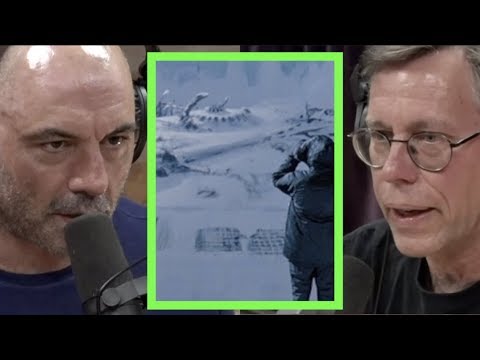
Bob Lazar on JRE: UFOs as Archaeological Finds?

Image

The allure of Area 51 and the enigmatic figure of Bob Lazar have long captivated the public imagination. In episode #1315 of The Joe Rogan Experience, Lazar revisited some of his most astonishing claims, with a particular focus on the nature of UFOs. While the core of the discussion often revolves around advanced propulsion and extraterrestrial technology, new insights suggest a radical reinterpretation: that these craft might not just be vehicles, but artifacts of an ancient, lost civilization, akin to archaeological discoveries.

This perspective shifts the conversation from mere alien encounters to a deeper historical and anthropological mystery. If Lazar's assertions hold weight, then the study of UFOs could be less about first contact and more about uncovering pre-human history on Earth, or perhaps evidence of interstellar archaeological endeavors. The implications are staggering, potentially rewriting our understanding of history, technology, and our place in the cosmos.

Introduction: The Lazar Hypothesis Revisited

Bob Lazar's initial claims in the late 1980s regarding his alleged work at a secret facility near Groom Lake, Nevada, colloquially known as Area 51, ignited a firestorm of speculation and intrigue. He detailed his purported involvement in studying and rétro-engineering extraterrestrial technology. These accounts, while sensational, have often been met with significant skepticism from mainstream scientific and governmental bodies. However, the enduring fascination with Lazar's narrative suggests a persistent undercurrent of belief and curiosity.

Recommended Gear for Investigation

ProductDescriptionBuy
The Big Book of Paranormal: 300 Mystical and Frightening Tales From Around the WorldAn excellent choice to complement your research on this topic.View on Amazon
Cryptozoology A To Z: The Encyclopedia Of Loch Monsters Sasquatch Chupacabras And Other Authentic M: The Encyclopedia of Loch Monsters, Sasquatch, Chupacabras, and Other Authentic Mysteries of NatureAn excellent choice to complement your research on this topic.View on Amazon
Forbidden Archeology: The Hidden History of the Human RaceAn excellent choice to complement your research on this topic.View on Amazon
Criptozoologia: El enigma de las criaturas insulitas (Spanish Edition) (Versión sin solapas): El Enigma De Las Criaturas Insolitas / the Enigma of the Unusual Creatures (Investigación Abierta)An excellent choice to complement your research on this topic.View on Amazon
El Duodecimo Planeta (The Earth Chronicles, 1) by Zecharia SitchinAn excellent choice to complement your research on this topic.View on Amazon
The H. P. Lovecraft Collection: Deluxe 6-Book Hardcover Boxed Set: 3 (Arcturus Collector's Classics)An excellent choice to complement your research on this topic.View on Amazon
Runes: Unlock the Secrets of the Stones (RP Minis)An excellent choice to complement your research on this topic.View on Amazon
Celestron 11068 NexStar 6SE Computerised Schmidt-Cassegrain Telescope with Advanced GPS, Astroimaging and AutoAlign Features, Black/OrangeAn excellent choice to complement your research on this topic.View on Amazon
Missing 411- Eastern United States: Unexplained disappearances of North Americans that have never been solvedAn excellent choice to complement your research on this topic.View on Amazon
Ghost-Hunting For Dummies [Idioma Inglés] An excellent choice to complement your research on this topic.View on Amazon

The recent appearance on The Joe Rogan Experience (JRE #1315) provided a platform for Lazar to reiterate and potentially expand upon his controversial assertions. While many discussions tend to focus on the technical specifications of alien craft or government cover-ups, the suggestion that these UFOs might be more akin to archaeological finds opens a fresh avenue of inquiry. This transforms the narrative from one of contemporary alien visitation to one that touches upon deep, undiscovered human or even pre-human history.

Beyond the Spaceship: UFOs as Ancient Artifacts

The core of the argument, as presented through Lazar's perspective, posits that the "UFOs" he claims to have studied were not necessarily contemporary alien vessels in the conventional sense. Instead, the concept of them being "archaeological findings" implies they are remnants, artifacts from a civilization far older than our own, or perhaps even not terrestrial in origin but deposited on Earth eons ago. This interpretation aligns with certain fringe theories suggesting ancient astronauts or lost advanced civilizations.

If these objects are indeed ancient artifacts, their recovery and study would fall more under the purview of archaeology and paleontology than traditional ufology. This suggests that the technology observed might predate current human understanding by millennia, if not more. The implications are profound: our planet may hold silent witnesses to technological capabilities that dwarf our own, remnants of a past we have yet to uncover or comprehend. This theoretical framework demands a re-evaluation of anomalous aerial phenomena, moving beyond simple "sightings" to consider them as potential clues to a vast, hidden history.

The Anecdotal Evidence and Public Perception

The original content provided a fascinating, albeit unconventional, glimpse into public reactions and commentary surrounding the JRE episode featuring Bob Lazar and Jeremy Corbell. While not directly discussing the "archaeological" aspect of UFOs, these comments reveal a significant portion of the audience's engagement with the narrative. Much of the humor centers on Corbell's delivery, often described as verbose and unnecessarily circuitous—a stark contrast to Lazar's core, often startling, claims.

"Bearded guy is like reading the terms and conditions out loud."

This sentiment, echoed across numerous comments, highlights a common frustration with explanations that are perceived as convoluted or evasive. When Lazar makes a point that sparks curiosity, the intervention of Corbell (the "bearded guy") often seems to diffuse or obscure the clarity, leading to a sense of anti-climax. This dynamic, while humorous to many viewers, also speaks to how information, even potentially groundbreaking information, can be hindered by its presentation.

"Bob Lazar: *peaks my interest* Bearded Guy: *unpeaks it*"

The audience's reaction underscores the critical importance of clear communication in presenting extraordinary claims. The desire for directness and transparency is palpable. Viewers are drawn to the mystery Lazar presents, but the way the narrative is framed and delivered significantly impacts their reception. The prevalence of these "bearded guy" comments across years of discussion might even suggest a meta-commentary on how complex or sensitive topics are often handled in the public sphere, a mix of genuine attempts at explanation and perhaps unintentional obfuscation.

The Corbell Factor: Clarifying the Unclear

Jeremy Corbell, referred to in the commentary as the "bearded guy," plays a significant role in how Bob Lazar's claims are presented to the public. The extensive commentary from the audience on Corbell's speaking style – his tendency towards lengthy, often convoluted explanations, his use of mixed metaphors, and his perceived vagueness – is a recurring theme. This isn't merely a critique of conversational style; it directly impacts the effectiveness of conveying potentially revolutionary information.

When Lazar introduces a concept as intriguing as UFOs being archaeological findings, the delivery of that concept is paramount. Corbell's style, as perceived by the audience, often seems to detract from the impact of Lazar's statements. Phrases like "To cut a short story long" or attempts to be "very clear" that result in confusion highlight this disconnect.

"Had a guy on my team like this. He also consistently used mixed metaphors, like 'you can lead a horse to water, but a stitch in time saves nine.'"

This observational humor points to a broader issue in communication: the difference between speaking and effectively conveying information. For proponents of controversial theories like Lazar's, clarity is not just beneficial; it's crucial for credibility. The audience's consistent focus on Corbell's delivery suggests that while the subject matter—Lazar's claims—is inherently interesting, the presentation method may be inadvertently undermining its reception. It's akin to having a groundbreaking scientific discovery explained through a series of riddles.

Skepticism and Scientific Scrutiny

From a rigorous scientific standpoint, Bob Lazar's claims remain unverified and largely unsubstantiated by independent, concrete evidence. Skeptics often point to inconsistencies in his accounts, a lack of corroborating witnesses in positions of authority, and the absence of any tangible proof, such as declassified documents or physical artifacts, that directly supports his assertions about reverse-engineering alien technology at Area 51.

The interpretation of UFOs as "archaeological findings" introduces an additional layer of complexity that would require extraordinary evidence. While the idea is intriguing, it necessitates a paradigm shift in our understanding of history and archaeology. Without physical evidence—a craft fragment with anomalous isotopic ratios, ancient texts describing such objects, or geological data indicating non-terrestrial deposition—the hypothesis remains speculative. Mainstream scientific bodies require reproducible results and verifiable data, elements that have historically been absent from Lazar's narrative.

Despite the lack of formal scientific validation, the persistence of these ideas in popular culture, fueled by discussions like those on The Joe Rogan Experience, demonstrates a cultural appetite for the unexplained. This appetite, however, should not be mistaken for empirical proof. The challenge for proponents of such theories lies in bridging the gap between anecdotal accounts and testable, empirical evidence that can withstand scientific scrutiny. This is a hurdle that Lazar's "archaeological" interpretation of UFOs has yet to overcome.

Broader Implications for History and Anthropology

Should Lazar's revised hypothesis about UFOs being archaeological artifacts gain traction, the implications for our understanding of history and anthropology would be revolutionary. It suggests that our current historical timelines and understanding of technological development might be critically incomplete. If ancient, advanced civilizations either inhabited Earth or left behind their technological remnants, then much of what we consider foundational to human history would need re-examination.

This perspective could potentially tie into other fringe theories, such as the existence of ancient astronaut visitors or the remnants of a highly advanced precursor civilization predating recorded history. The study of these alleged artifacts would demand new methodologies, perhaps integrating traditional archaeological techniques with advanced materials science and physics, looking for evidence of non-human or hyper-advanced terrestrial origins.

Furthermore, it raises profound questions about the nature of intelligence and civilization in the universe. Are we witnessing evidence of an interstellar archaeological effort, with alien civilizations cataloging or leaving behind relics on planets like Earth? Or are we uncovering evidence of a forgotten chapter of Earth's own past? Either scenario forces humanity to confront the possibility that our current understanding of our own origins and history is merely scratching the surface. This level of dedication requires not only time and intellectual rigor but also a solid foundation of resources. Securing our future is part of preparing for any eventuality, and in today's world, that includes exploring the frontiers of the digital ecosystem.

Investigator's Toolkit: Essential Gear

Exploring phenomena like those discussed by Bob Lazar requires a methodical approach and the right equipment. Whether investigating alleged crash sites, anomalous signals, or historical accounts, a well-equipped investigator is essential. While Lazar's claims are largely anecdotal, the principles of diligent investigation remain universal.

For those inspired to delve into the unexplained, consider the following categories of equipment:

  • Audio Recording Devices: High-sensitivity digital recorders are crucial for capturing potential Electronic Voice Phenomena (EVP). Look for devices with external microphone jacks for enhanced quality.
  • Cameras: Full-spectrum cameras can capture light beyond the visible spectrum, potentially revealing anomalies not seen by the naked eye. High-resolution still cameras and video recorders are standard.
  • EMF Meters: Electromagnetic Field meters are used to detect fluctuations in electromagnetic energy, which some believe are associated with paranormal activity.
  • Geological Tools: If investigating purported crash sites or areas of anomalous geological activity, tools like metal detectors, ground-penetrating radar (if resources allow), and sample collection kits might be necessary.
  • Data Analysis Software: Tools for analyzing audio spectrographs, image enhancements, and correlating data points are vital for rigorous investigation.

Remember, technology is only as good as the investigator wielding it. Critical thinking, objective analysis, and a commitment to the scientific method (even when dealing with the unscientific) are the most important tools in any investigator's arsenal.

Frequently Asked Questions

  1. What is Bob Lazar's main claim regarding UFOs?

    Bob Lazar's primary claim is that he worked at a secret facility near Area 51, where he was involved in the study and reverse-engineering of extraterrestrial craft. His recent discussions suggest a reinterpretation of these craft as potential archaeological artifacts.

  2. What does it mean to call UFOs "archaeological findings"?

    This suggests that the objects are not necessarily contemporary alien vehicles but remnants or artifacts from a vastly ancient civilization, possibly pre-human or alien in origin, that have been discovered on or near Earth.

  3. Why is Jeremy Corbell often mentioned in relation to Bob Lazar's claims?

    Jeremy Corbell is a filmmaker and investigator who has frequently interviewed or collaborated with Bob Lazar. Audience commentary on their appearances together often focuses on Corbell's distinctive, sometimes convoluted, communication style.

  4. What is the scientific stance on Bob Lazar's claims?

    The mainstream scientific community largely regards Lazar's claims with skepticism due to a lack of verifiable, independent evidence. His accounts have not been substantiated by empirical data or corroborating official documentation.

  5. How can one investigate claims like these more rigorously?

    Rigorous investigation involves seeking verifiable evidence, cross-referencing accounts, analyzing physical data (if available), and applying critical thinking to distinguish between speculation and fact. Utilizing appropriate technology for data collection is also key.

Investigator's Verdict: A Theory Worth Exploring?

Bob Lazar's assertion that UFOs could be viewed as archaeological findings presents a compelling, albeit highly speculative, re-framing of the ongoing mystery. It moves the conversation beyond simple "alien sighting" narratives into the realm of deep history and potential lost civilizations. While the lack of concrete, verifiable evidence remains a significant barrier to scientific acceptance, the hypothesis invites us to consider anomalous aerial phenomena not just as contemporary intrusions, but as potential echoes from a forgotten past.

The commentary surrounding his appearances, particularly the humorous critiques of the presentation style, highlights the challenge of communicating extraordinary claims. Clarity, consistency, and verifiable data are the bedrock of any investigation, whether it concerns alleged government secrets or potential ancient artifacts from the stars.

Your Field Mission:

Next time you encounter information regarding unusual aerial phenomena or historical anomalies, practice critical analysis. Ask yourself: What is the source? What evidence is presented? Is the evidence verifiable? Does the interpretation rely on speculation or fact? Share your own insights or experiences in the comments below. Your perspective is a valuable piece of the larger puzzle.

Share this investigation with fellow truth-seekers on social media. Your clicks and shares fuel our continued exploration into the unexplained.

Investigator's Note: True paranormal research doesn't fund itself. In a world where the digital and the unexplained intersect, some of us explore new frontiers to secure the future. Do you dare to be part of the vanguard? Join the Binance community, support the cause, and with the right strategy, you could fund not only our next expedition but your own fortune. The next great discovery could be just a click away.