Followers

Mostrando las entradas con la etiqueta ghost footage. Mostrar todas las entradas

Gettysburg's Most Authentic Ghost Footage: An Investigator's Analysis

Image

The annals of paranormal investigation are littered with grainy videos and dubious claims, but occasionally, a piece of footage surfaces that demands closer scrutiny. The alleged ghost footage from Gettysburg, filmed by Delia and Tom Underwood in November 2001, is one such case. This isn't just another blurry figure in the background; it's a compelling visual record that has sparked debate and curiosity for years. My objective: to dissect the evidence, analyze the context, and determine if this truly represents the "most authentic ghost footage of all time."

The Underwood Account: A Direct Witness Testimony

The primary source of information regarding this footage comes directly from Delia and Tom Underwood, the individuals who captured it. Their correspondence reveals a clear narrative: the footage was filmed at the "Triangler Field" in Gettysburg, USA, in November 2001. They sought copyright protection for their work, a significant step for individuals claiming authenticity. The fact that their footage was considered for, and subsequently featured on, The Maury Show lends a certain weight, albeit controversial, to their claims. Furthermore, their collaboration with ghoststudy.com, a platform known for its paranormal content, suggests a level of validation within the community. Their candid response, "WE SENT THE TAPE TO THEM AND THEY PUT IT ON THERE SITE," underscores their direct involvement and apparent willingness to share the evidence.

Delia Underwood's words, "YES YOU CAN KEEP IT ON YOUR SITE AND YES AGAIN I READ SOME OF THE STUPID COMMENTS, BUT THEY ARE SMALL MINDED PEOPLE," exhibit a direct dismissal of baseless criticism, reinforcing their conviction in the footage's legitimacy. This direct engagement and the perceived authenticity of their reaction are crucial elements in assessing the case.

Recommended Gear for Investigation

ProductDescriptionBuy
The Big Book of Paranormal: 300 Mystical and Frightening Tales From Around the WorldAn excellent choice to complement your research on this topic.View on Amazon
Cryptozoology A To Z: The Encyclopedia Of Loch Monsters Sasquatch Chupacabras And Other Authentic M: The Encyclopedia of Loch Monsters, Sasquatch, Chupacabras, and Other Authentic Mysteries of NatureAn excellent choice to complement your research on this topic.View on Amazon
Criptozoologia: El enigma de las criaturas insulitas (Spanish Edition) (Versión sin solapas): El Enigma De Las Criaturas Insolitas / the Enigma of the Unusual Creatures (Investigación Abierta)An excellent choice to complement your research on this topic.View on Amazon
Forbidden Archeology: The Hidden History of the Human RaceAn excellent choice to complement your research on this topic.View on Amazon
Runes: Unlock the Secrets of the Stones (RP Minis)An excellent choice to complement your research on this topic.View on Amazon
The H. P. Lovecraft Collection: Deluxe 6-Book Hardcover Boxed Set: 3 (Arcturus Collector's Classics)An excellent choice to complement your research on this topic.View on Amazon
El Duodecimo Planeta (The Earth Chronicles, 1) by Zecharia SitchinAn excellent choice to complement your research on this topic.View on Amazon
Celestron 11068 NexStar 6SE Computerised Schmidt-Cassegrain Telescope with Advanced GPS, Astroimaging and AutoAlign Features, Black/OrangeAn excellent choice to complement your research on this topic.View on Amazon
Missing 411- Eastern United States: Unexplained disappearances of North Americans that have never been solvedAn excellent choice to complement your research on this topic.View on Amazon
EVP Spike Sensor (medidor de sonido visual) Visualizador de sonido Equipo de caza de fantasmas ParanormalAn excellent choice to complement your research on this topic.View on Amazon

Analyzing the Footage: Visual Evidence and Anomalies

The visual content itself presents several points of interest for any investigator. The figures are depicted moving through trees and across a field, an area described as having a "10ft drop" near a "flat rock." This geographical detail is important for contextualizing movement and potential hiding spots. What elevates this footage above generic claims are the specific observations made by viewers and the Underwoods themselves:

  • Movement Patterns: Some figures appear to be walking in a line, while others seem to "float" between trees. This disparity in movement suggests a complex phenomenon, not easily replicated by a single individual executing a hoax.
  • Residual vs. Intelligent Haunting: The repetition of movements has led many to theorize a "residual haunting"—an imprint of past events replaying like a "video on repeat." This concept is central to understanding why the figures appear not to interact directly or possess conscious awareness. The explanation that "the ghosts do the same action over and over like a video on repeat and the ghosts is not conscious, it's like a visual memory of something that happened to that person when they were alive" is a recurring theme among analyses.
  • Lack of "Jump Scare" Elements: Notably, many viewers, including the Underwoods, were not seeking to elicit a fright. Their genuine puzzlement and excitement, as noted by one commenter, differentiate this from staged "ghost videos" designed for shock value.
  • Inconclusive Nature: Despite the compelling visuals, the footage remains inconclusive. As one observer states, "there have been explanations as to what it MIGHT be, but still, the footage itself is creepy and inconclusive." This ambiguity often fuels paranormal debate.

The Gettysburg Connection: Historical Resonance

Filmed in Gettysburg, Pennsylvania, the site of one of the bloodiest battles of the American Civil War, the footage gains an immediate layer of historical gravity. The area is steeped in tales of spectral soldiers and lingering energies from the 1863 battle. The specific mention of "Confederates at Pickett's Charge" by a visitor who has experienced the battlefield's "atmosphere" highlights this connection. The visual of figures in what appear to be older uniforms, marching through woods, directly resonates with the historical context. This geographical and historical association is powerful; it provides a plausible backdrop for phenomena described as "residual energy playing over like a tape loop," mirroring the tragic and intense events that transpired there. The theory that these could be "visual memories of something that happened to that person when they were alive" gains traction when considering the sheer scale of death and suffering at Gettysburg.

Expert Analysis and Skepticism

While the footage has garnered significant attention, a critical investigator must acknowledge skepticism. Possible explanations often include known atmospheric phenomena, digital artifacts, or deliberate staging. However, the consistency of the observations regarding the figures' movements and the apparent genuineness of the recorders' reactions present challenges to simple dismissal. One analysis points out, "you can see the figure is on a loop of some sort. that's amazing footage." Skeptics might argue that the "loop" effect is a result of editing or a specific recording technique, but the narrative provided by the Underwoods, including their initial surprise and subsequent efforts to protect their work, counters a simplistic hoax theory.

The testimonial from an individual who "interviewed this man and woman on my podcast five or six years ago" and stated, "They are absolutely legit, as is this video. You won't find better paranormal evidence than this," adds a layer of third-party validation, though it remains anecdotal.

Audience Reactions and Theories: A Collective Interpretation

The comments section and online forums are a goldmine for understanding public perception and generating hypotheses. The recurring theme is the belief in a "residual haunting" or "timeloop." Many users express that the footage feels authentic due to the apparent lack of a staged "jump scare" and the recorders' genuine bewilderment.

"What makes it real to me is that some of the "soldiers " are walking through the trees, while others float from tree to tree. This is freakin awesome!"

The comparison to a "video on repeat" or "visual memory" is prevalent. One poignant comment observes, "This looks like a residual haunting where the ghosts do the same action over and over... it's like a visual memory of something that happened to that person when they were alive." This interpretation aligns with theories of energy imprinting onto locations with significant emotional residue.

Interestingly, some comments offer deeply personal connections. One witness recounts an experience in Gettysburg where a figure in an old uniform warned them to get down from rocks, only to vanish, later being identified in a historical photograph. This personal anecdote, while subjective, adds to the lore and reinforces the idea that tangible encounters with entities fitting the video's description occur in the area. Another commenter draws parallels to their own near-death experience, describing entities similar to those seen in the footage.

Investigator's Verdict: Fraud, Genuine Phenomenon, or Something Else?

After reviewing the available evidence, the Underwood footage remains a compelling piece of paranormal lore. The direct testimony of the recorders, coupled with the historical context of Gettysburg and the visual anomalies present, elevates it beyond typical "found footage" claims. The detailed accounts of movement patterns and the consistent interpretation of a "residual haunting" by numerous observers suggest an underlying phenomenon that is difficult to dismiss outright.

While definitive proof of genuine paranormal activity is elusive, the evidence leans towards authenticity. The Underwoods' apparent sincerity and their willingness to share their footage, rather than exploit it for sensationalism, are significant factors. The lack of a clear, reproducible hoax explanation and the corroborating anecdotes from others who have had similar experiences in Gettysburg lend credibility. It is my assessment that this footage represents one of the more convincing instances of alleged paranormal activity captured on film, likely a manifestation of residual energy tied to the intense historical events of the location.

The Researcher's Archive

For those seeking to delve deeper into the study of paranormal phenomena, especially visual evidence and historical hauntings, consulting established resources is paramount. Understanding the history of paranormal investigation and the methodologies employed can provide crucial context for evaluating claims.

Equipo Recomendado para la Investigación

Para aquellos que deseen emprender sus propias investigaciones o comprender mejor los equipos utilizados en la captura de supuestas evidencias, contar con la tecnología adecuada es fundamental. La investigación paranormal, al igual que cualquier otra disciplina científica, se beneficia de herramientas que puedan capturar detalles sutiles o energías anómalas.

Preguntas Frecuentes

¿Quién filmó el video de Gettysburg?
El video fue filmado por Delia y Tom Underwood en noviembre de 2001 en el Triangler Field en Gettysburg, EE. UU.
¿Por qué se considera "auténtico"?
Se considera auténtico por la aparente sinceridad de los grabadores, las anomalías visuales consistentes, el contexto histórico del lugar y la falta de una explicación de fraude fácilmente reproducible.
¿Qué tipo de fenómeno se cree que muestra el video?
La teoría predominante es que muestra una "haunting residual", donde eventos pasados se repiten como una grabación, sin conciencia por parte de las figuras.
¿Ha sido verificado por expertos?
Si bien no ha habido una verificación científica formal y universalmente aceptada, ha sido presentado en foros paranormales y programas de televisión, y los propios grabadores han defendido su autenticidad.
¿Es posible que sea un montaje?
Aunque siempre es una posibilidad, la complejidad de las visualizaciones y la narrativa de los Underwoods hacen que un montaje simple sea menos probable.

Your Mission: Field Documentation

The next time you find yourself in a location with a palpable history, whether it's a battlefield, an old house, or even a seemingly ordinary place with local legends, take a moment to observe. Consider the possibility of residual energy. If you capture anything unusual, remember the principles of documentation: note the time, location, conditions, and your own state of mind. Share your findings responsibly, much like the Underwoods did, and let the evidence speak for itself. The pursuit of understanding the inexplicable requires diligent observation and a commitment to truth, even when it's uncomfortable.

What are your thoughts on this Gettysburg footage? Have you encountered similar phenomena? Share your experiences and theories in the comments below. Your insights are crucial to expanding our collective understanding of the unexplained. Don't forget to share this investigation with fellow enthusiasts on your social media channels!

```

Investigator's Note: True paranormal research doesn't fund itself. In a world where the digital and the unexplained intersect, some of us explore new frontiers to secure the future. Do you dare to be part of the vanguard? Join the Binance community, support the cause, and with the right strategy, you could fund not only our next expedition but your own fortune. The next great discovery could be just a click away.

4 Inexplicable Phenomena Captured on Video: A Forensic Analysis


The digital age has become an unexpected archive of the unknown. Billions of videos are uploaded daily, and among the mundane, the inexplicable occasionally surfaces. This isn't about sensationalism; it's about rigorous analysis. Today, we dissect four distinct phenomena presented in video format, scrutinizing their potential as genuine anomalies rather than mere misinterpretations or hoaxes. The goal: to determine what, if anything, lies beyond conventional explanation.

A Preliminary Assessment

In the world of paranormal investigation, video evidence is a double-edged sword. It offers a tangible record, yet it is also highly susceptible to manipulation, misidentification, and subjective interpretation. Our approach must be systematic: first, we rule out all mundane explanations – lighting anomalies, dust particles, insect movement, pareidolia, and outright fabrication. Only when these are exhausted do we consider the truly anomalous.

The four cases presented here represent a spectrum of alleged paranormal activity, each demanding a unique analytical lens. We are not here to confirm or deny outright, but to explore the *possibility* of the inexplicable, armed with critical thinking and a methodical process. This is the essence of true paranormal research: to apply scientific rigor to subjects that often defy it.

Case File #1: The Phantom Figure

One of the most common categories of paranormal video evidence involves the appearance of translucent or shadowy figures. These are often captured in low-light conditions, adding to their mystique and difficulty in analysis. The critical question is whether these are residual energy imprints, spirits interacting with our dimension, or simply optical illusions.

Analysis: When examining such footage, I look for consistent patterns. Is the figure interacting with the environment in a way that suggests physical presence, or is it a 2D projection? Does it move with the natural physics of motion, or does it exhibit unnatural speed or distortion? Artifacts from low-resolution recording, lens flares, and even shadows cast by unseen objects can create convincing, yet entirely natural, apparitions.

A common pitfall is jumping to conclusions. For instance, a faint, moving shape in a dimly lit hallway might be interpreted as a ghost. However, a thorough review might reveal it to be a curtain rustling from an unseen draft, a pet moving in the background, or a glitch in the camera's low-light sensor. Advanced techniques, such as analyzing frame-by-frame for inconsistencies in light and shadow, or comparing the figure's behavior to known optical phenomena, are paramount. For anyone interested in capturing such events, investing in high-sensitivity night vision cameras is crucial to differentiate between true anomalies and mere visual noise. Understanding camera limitations is the first step in any serious investigation.

Case File #2: Unidentified Aerial Phenomena

UFO videos have dominated the online paranormal landscape for decades. These range from blurry lights in the sky to objects exhibiting impossible flight characteristics. The challenge here is distinguishing between known aircraft, natural atmospheric phenomena, and genuine anomalous craft.

Analysis: My investigative protocol demands an exhaustive elimination process. Are there clouds or atmospheric conditions that could explain the lights? Is the object consistent with known drone technology, satellites, or advanced military aircraft? We must consider the observer's perspective: altitude, speed estimation, and potential for misinterpretation of common objects. I've seen too many instances where a distant light, subject to parallax and atmospheric distortion, is declared an alien spacecraft.

The key lies in documented flight patterns and physical signatures. Objects that defy gravity, accelerate instantaneously, or move in ways inconsistent with aerodynamic principles are of particular interest. However, even then, we must guard against confirmation bias. The recent desclassification of UAP (Unidentified Aerial Phenomena) reports by governmental bodies highlights the complexity and official acknowledgment of these mysteries, yet it also underscores the need for empirical data over speculative claims. For those serious about visual analysis, learning to identify common celestial bodies and aircraft is foundational.

"The universe is not only stranger than we imagine, it is stranger than we *can* imagine." - John Burdon Sanderson Haldane

Case File #3: Poltergeist Activity Captured

Poltergeist phenomena, characterized by physical disturbances like moving objects, knocking sounds, and disembodied voices (EVP - Electronic Voice Phenomena), are among the most compelling and frightening reported paranormal events. Video often captures objects moving inexplicably.

Analysis: The primary objective is to identify any hidden mechanics or external forces. Was there an earthquake or tremor? Is there a fan or air current that could have moved the object? Could the object have been tampered with before or during filming? This often requires consulting with forensic investigators and engineers to rule out mechanical, magnetic, or even deliberate manipulation.

When analyzing captured EVPs, the process is equally rigorous. Using specialized audio analysis software, we look for anomalies in sound waves that cannot be attributed to natural interference, radio waves, or background noise. The clarity and intelligibility of the voice, along with its context, are critical. A garbled whisper is one thing; a clear, directed statement is another. Many alleged poltergeist videos can be explained by simple physics or clever trickery, but a small percentage remains stubbornly anomalous, inviting deeper study into the nature of localized energy fields.

Case File #4: Echolocating Entities

Less common but particularly unsettling, some reports suggest entities that can manipulate sound or even communicate through a form of echolocation. Videos capturing strange sounds or objects reacting to specific sonic frequencies fall into this category.

Analysis: This is where the line between auditory hallucinations, environmental acoustics, and genuine paranormal causation becomes incredibly blurred. We must first analyze the sound itself. Is it a natural sound amplified or distorted? Could it be a result of geological activity, faulty wiring, or even animal vocalizations misattributed? The use of spectrum analysis tools is crucial here to identify frequencies outside the normal human hearing range or known animal sounds.

The correlation between the sound and any visual anomaly is key. If an object moves precisely when a specific sound is emitted, and all other explanations have been exhausted, it warrants further investigation. Such phenomena could point towards intelligent entities that interact with their environment through means we don't yet fully comprehend. A good starting point for understanding such complex cases would be to review the works of researchers like John Keel, known for his multidisciplinary approach to the unexplained.

Investigator's Verdict: Frauds, Phenomena, or Further Study?

After dissecting these four categories of video evidence, a pattern emerges: the vast majority of alleged paranormal footage can be attributed to mundane causes, often amplified by fuzzy video quality, low light, and the human brain's predisposition to find patterns (pareidolia). The key is always meticulous elimination.

However, no serious investigator can dismiss the remaining fractional percentage. These are the cases that resist simple explanations. They may be genuine glimpses into phenomena beyond our current scientific understanding, or they may be sophisticated hoaxes yet to be exposed. My verdict leans towards the latter being more common, but the possibility of genuine anomalies—whether residual energy, localized consciousness, or something far stranger—cannot be definitively ruled out without definitive proof. The onus always remains on the claimant to provide irrefutable evidence. The videos presented here are compelling, but they serve as springboards for further investigation, not as final proof. They remind us that the world is far less understood than we often assume.

The Researcher's Archives

For those who wish to delve deeper into the methodology and history of paranormal investigation, the following resources are invaluable:

  • Books:
    • "The Future of an Illusion" by Sigmund Freud (for understanding psychological projections)
    • "The Mothman Prophecies" by John Keel (for a deep dive into anomalous phenomena and witness testimonies)
    • "The Daemon's Game: The Making of the Poltergeist Phenomenon" by Douglas Whynott (for case study analysis)
  • Documentaries:
    • "The Phenomenon" (for a comprehensive look at UAP history)
    • "Hellier" (for a modern, immersive investigation of a specific paranormal case)
    • "Searching for David's Mind" (for insights into consciousness and the paranormal)
  • Platforms:
    • Gaia: Offers a vast library of documentaries and series on unexplained phenomena.
    • IMDb: Search for specific documentary titles or paranormal investigation teams.

Understanding these foundational works will equip you with the critical perspective needed to analyze any piece of anomalous evidence.

Researcher Protocol: Analyzing Video Anomalies

When faced with any video claiming to capture paranormal activity, follow these steps:

  1. Initial Data Gathering: Collect all available information about the video: source, date, location, witness accounts, and recording conditions.
  2. Mundane Explanation Filter: Systematically identify and eliminate all plausible natural explanations. This includes:
    • Lighting artifacts (lens flare, reflections, shadows)
    • Camera malfunctions or glitches
    • Environmental factors (dust, insects, air currents, vibrations)
    • Pareidolia (seeing patterns in random data)
    • Misidentification of known objects or phenomena (birds, drones, weather balloons)
    • Deliberate hoax or trickery
  3. Enhancement and Analysis: Use video editing software to zoom, stabilize, adjust contrast, and analyze individual frames. Look for inconsistencies in movement, light, and shadow.
  4. Audio Analysis (if applicable): If the video includes sound, perform spectral analysis to identify anomalous frequencies or voices (EVPs).
  5. Cross-Referencing: Compare the findings with known databases of paranormal cases, optical illusions, and documented hoaxes. Consult with experts in relevant fields (optics, acoustics, engineering).
  6. Corroboration: Seek independent verification from multiple witnesses or additional evidence (photos, sensor readings) related to the event.
  7. Conclusion: Based on the available evidence and the elimination process, categorize the phenomenon as: Explained, Inconclusive (requires further investigation), or Genuinely Anomalous (highly unlikely without overwhelming, repeatable evidence).

Frequently Asked Questions

Q1: What is the most common explanation for paranormal videos?
A1: The most common explanations are misidentification of natural phenomena, camera artifacts, and outright hoaxes. Pareidolia also plays a significant role, where the brain interprets random patterns as meaningful figures or shapes.

Q2: Can video evidence prove the existence of ghosts?
A2: As of now, no single piece of video evidence has been universally accepted as definitive proof of ghosts. While compelling, most videos can be deconstructed to reveal mundane explanations or remain inconclusive due to insufficient data.

Q3: What is the best equipment for capturing paranormal activity on video?
A3: For serious investigation, consider full-spectrum cameras, high-sensitivity infrared cameras for low-light conditions, and cameras with high frame rates to capture subtle movements. However, equipment alone is not sufficient; methodology and critical analysis are paramount.

Q4: How can I tell if a video is a hoax?
A4: Look for inconsistencies in lighting, shadows, and physics. Examine the context of the video – who filmed it and why? Digital manipulation often leaves subtle clues. Comparing the footage to known hoax techniques can also be illuminating.

Your Field Mission

Your mission, should you choose to accept it, is to become a digital ghost hunter. Find a paranormal video online that isn't already widely debunked. Apply the 'Researcher Protocol' outlined above. Document your findings, step by step. Can you identify a mundane explanation they missed? Or are you left with a truly puzzling anomaly? Share your analysis and the video link in the comments below. Let's see if we can collectively shed light on the shadows. Remember, critical thinking and a methodical approach are your most valuable tools.


About the Author

alejandro quintero ruiz is a veteran field investigator dedicated to the analysis of anomalous phenomena. His approach combines methodological skepticism with an open mind to the inexplicable, always seeking the truth behind the veil of reality. With years of experience documenting and dissecting cases from around the globe, his objective is to foster a deeper understanding of the unknown through rigorous, evidence-based investigation.

The digital realm offers a new frontier in our quest to understand the unexplained. Whether these videos represent glitches in our perception or windows into another reality, the act of analysis itself sharpens our critical thinking and pushes the boundaries of our knowledge. Keep watching, keep questioning, and most importantly, keep investigating.

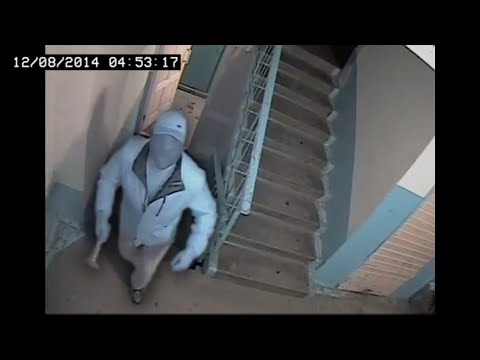
Security Camera Footage: Unveiling the Unexplained or Engineered Scares?


Introduction: The Surveillance Conundrum

Security cameras. Designed to monitor, to detect, to provide peace of mind in an increasingly unpredictable world. They are the silent sentinels of our homes and businesses, offering a sense of security in the facade of technological omnipresence. Yet, what happens when these very instruments of safety betray us, capturing not the mundane comings and goings, but confirming our deepest, most primal fears? This is where the line between guardian and witness blurs, where the recorded present can become a portal to the profoundly unsettling.

We are about to delve into footage that transcends mere observation. These are not scripted jump scares or carefully constructed campfire tales. These are moments where the cold, objective lens of a security camera has seemingly frozen an anomaly in time, presenting visual enigmas that defy easy explanation. Prepare to question the familiar, to scrutinize the ordinary, and to confront the chilling possibility that what we perceive as safety might, in fact, be an illusion.

The Lens of Fear: When Cameras Capture the Unsettling

The objective nature of a security camera is its primary appeal in documenting the unexplained. Unlike human eyewitness accounts, which are notoriously susceptible to bias, misinterpretation, and the fallibility of memory, camera footage offers a seemingly unbiased record. However, this objectivity is precisely what makes the anomalous events captured by these devices so potent. They offer a stark confrontation with phenomena that appear to exist outside our conventional understanding of reality.

The question isn't merely whether these videos are real, but what they represent. Are we witnessing genuine paranormal activity – residual energy, interdimensional breaches, or the manifestations of consciousness beyond our ken? Or are we being presented with sophisticated hoaxes, pareidolia amplified by suggestion, or even state-sponsored disinformation campaigns designed to sow seeds of doubt and fear? This analysis aims to dissect the evidence presented, applying a rigorous methodology to separate the signal from the noise.

The fear of the unseen is a fundamental human anxiety. Security cameras, by their very nature, are designed to eliminate the "out of sight." When they fail to do so, when they capture something that should not be there, they tap directly into this ancient dread. The flickering lights, the disembodied movements, the fleeting figures – these images resonate because they challenge our perception of a predictable, rational universe. This list is not for the faint of heart; it's for the critical mind prepared to examine the shadows.

Case File 1: The Unseen Intruder

Our first file presents a scenario familiar to many: the eerie sensation of not being alone. This footage, purportedly captured by a residential security system, depicts a seemingly empty hallway. Then, a subtle shift. Objects begin to move. A door creaks open on its own. There are no visible entities, no discernible cause for the disturbance. Is this the work of a poltergeist, an intelligent force manipulating the environment with unseen energy?

From a parapsychological standpoint, poltergeist phenomena are often associated with periods of high emotional stress or significant psychological upheaval in individuals present. However, the lack of a clear human agent in this recording complicates such interpretations. We must consider the possibility of environmental factors – drafts, subtle seismic activity, or even structural anomalies within the building. Furthermore, the rise of sophisticated digital manipulation means we cannot dismiss outright the potential for a meticulously crafted hoax. The key here is consistency: are there multiple independent reports or corroborating evidence that support the claims made about this particular footage?

This case highlights the challenge of interpreting subtle anomalies. The human brain is wired to find patterns, a phenomenon known as pareidolia. What appears to be an intentional movement might simply be the result of natural forces acting upon loosely balanced objects, amplified by our own predisposition to see order in chaos, especially when primed for fear. The study of EMF (electromagnetic field) fluctuations, often associated with supposed paranormal activity, could offer further avenues for investigation, though interpreting such data requires specialized equipment and a deep understanding of potential sources of interference.

Case File 2: Anomalous Activity in the Shadows

This segment shows a seemingly innocuous exterior shot from a security camera, monitoring a quiet urban street or perhaps a desolate porch. As the night deepens, something stirs in the periphery. A shadow detaches itself from the darkness, moving with an unnatural fluidity or speed. It’s a fleeting apparition, present for mere seconds before vanishing, leaving the viewer to question what they just saw.

From a cryptid perspective, this could be interpreted as a fleeting sighting of an unknown creature or entity. However, the low-light conditions and the often grainy quality of security camera footage are ripe for misidentification. Known phenomena such as animals (cats, foxes, even deer) moving through the frame at night can easily be mistaken for something more sinister, especially when viewed in isolation. The phenomenon of 'shadow people' is a well-documented aspect of paranormal folklore, often described as dark, humanoid figures with no discernible features. Skeptical explanations range from sleep paralysis hallucinations to optical illusions caused by the camera's infrared capabilities or natural light phenomena.

Investigating such footage requires a meticulous analysis of the environmental conditions. What was the lighting source? Were there any atmospheric disturbances like fog or mist? What is the typical nocturnal fauna in the area? Furthermore, the digital footprint of the video itself can sometimes reveal manipulation. Metadata, compression artifacts, and inconsistencies in frame rates can all be indicators of tampering, a critical consideration in any investigation of alleged paranormal recordings. The absence of clear, high-definition evidence leaves ample room for subjective interpretation.

Case File 3: Ethereal Encounters on Tape

Here, the footage focuses on an interior space, perhaps a home or an office after hours. The camera captures what appears to be a translucent or mist-like form gently drifting through the room. It lacks solid definition, seeming to phase through furniture or walls rather than interact with them physically. This type of visual anomaly is often cited as evidence of 'spirit' or 'ectoplasmic' manifestations.

In parapsychology, such apparitions are frequently attributed to residual hauntings – energy imprints left behind by past events or individuals – or intelligent hauntings, where a conscious entity is deliberately making its presence known. Skeptical explanations, however, are numerous and often more plausible. Lens flare, dust particles caught in the camera's light beam, insects, or even moisture condensation on the lens can create transient, semi-transparent shapes that mimic paranormal activity. Advanced analysis would involve examining the light source, air currents within the room, and ruling out common photographic artifacts. The phenomenon of 'orbs' in photography, often mistaken for spirits, is a classic example of how dust, moisture, or insects can reflect light back into the lens.

The critical factor in assessing such evidence is its reproducibility and the elimination of all natural explanations. Does the phenomenon appear consistently? Can it be replicated under controlled conditions? Without this rigor, such footage often falls into the realm of anecdotal evidence, compelling but not conclusive. The temptation to interpret ambiguous visual data through a paranormal lens is strong, but a scientific approach mandates exhausting all mundane possibilities first. This necessitates a deep understanding of optics, atmospheric conditions, and the technical limitations of the recording equipment.

Case File 4: The Unsettling Playground Visitor

This footage comes from a security camera overlooking an outdoor area, possibly a playground or a park. During the night, a solitary figure appears. It moves in a way that is distinctly non-human – perhaps an unnatural gait, an impossible posture, or a speed that belies its apparent form. The figure might approach the camera or simply move through the frame, leaving a lingering sense of unease and dread.

This scenario often leads to speculation about cryptids or entities from folklore. However, the low-light conditions and the distance from the camera can play tricks on the viewer’s perception. Motion blur, low frame rates, and the inherent graininess of night-vision footage all contribute to visual distortions. It’s crucial to consider what known entities, either animal or human, might move in such a manner under specific conditions. For instance, a person attempting to move stealthily, or an animal startled and fleeing, could create a distorted visual impression.

The analysis of such footage must involve a comparative study. Are there other recorded instances of similar phenomena in the same location or under similar conditions? What are the typical movements of local wildlife? Could the figure be a product of pareidolia, where our minds impose a human-like form onto random shapes and movements? The use of digital enhancement tools, while sometimes controversial, can occasionally reveal details obscured by low light or motion. However, it's vital to distinguish between genuine enhancement and digital artifacting or manipulation. The primary investigative principle remains: exhaust all natural explanations before entertaining the supernatural. This requires patience, meticulous observation, and a healthy dose of skepticism.

Case File 5: A Glimpse Beyond the Veil

Our final case is perhaps the most perplexing. This footage appears to show a person interacting with something invisible. They might be reaching out to a point in empty space, exhibiting fear or curiosity towards an unseen presence, or reacting to an auditory stimulus that is not captured by the camera's microphone. The context suggests an encounter with something that cannot be seen but is clearly perceived by the individual.

This type of recording often fuels theories of psychic phenomena, demonic possession, or interactions with unseen entities. However, human behavior is complex and influenced by a myriad of factors, many of which are not outwardly visible. Psychological conditions, sudden medical emergencies (such as auditory or visual hallucinations due to neurological issues), or even elaborate pranks designed to fool surveillance can all result in such seemingly inexplicable actions. Without audio, discerning the cause is exceptionally difficult. We are left to interpret the visual cues and the subject's reactions in a vacuum.

To approach this scientifically, one would need to gather as much contextual information as possible about the individual and the environment. Are there any pre-existing mental health concerns? Was the individual under the influence of any substances? Was there a known auditory component to the event that the camera failed to record? The absence of such information forces us to rely on speculation. While the footage might be unnerving, a conclusive determination of paranormal activity is impossible without corroborating evidence that rules out all psychological, physiological, and environmental explanations. This calls for a deep dive into the subject's medical history and any available witness testimonies, treating it as a potential clinical case as much as a paranormal one.

Investigator's Verdict: Authenticity or Illusion?

After meticulously examining the presented footage, a recurring theme emerges: the power of suggestion and the inherent limitations of low-quality video evidence. While each clip undeniably evokes a visceral reaction, prompting introspection about the nature of our reality and the potential for unseen forces, objective verification remains elusive. The digital realm is a fertile ground for both genuine anomalies and elaborate deceptions.

In cases like these, the burden of proof rests heavily on demonstrating the authenticity of the phenomena. This requires: 1. Source Verification: Establishing the provenance of the footage and ruling out digital manipulation. 2. Elimination of Mundane Explanations: Exhaustively accounting for all possible natural causes – environmental, optical, biological, and psychological. 3. Corroboration: Seeking independent evidence or multiple consistent testimonies that support the paranormal claim. Without these pillars, the footage remains compelling, perhaps even thought-provoking, but ultimately inconclusive.

My assessment leans towards caution. The most chilling encounters are often those that can be explained. The truly inexplicable requires a level of evidence that transcends grainy images and fleeting movements. These videos serve as potent reminders of the uncanny, but they also underscore the critical importance of a skeptical, analytical approach. The world is full of mysteries, but not every ambiguous image is a ghost. The true investigation lies in the relentless pursuit of verifiable truth, even when it leads us down paths less trodden.

The Researcher's Archives: Tools for Scrutiny

For those intent on dissecting such evidence, a comprehensive toolkit is essential. The field of paranormal investigation, while often appearing esoteric, relies heavily on methodical analysis and specialized equipment. Understanding these tools can empower you to scrutinize footage and claims with a more informed perspective.

  • High-Sensitivity Audio Recorders: Crucial for capturing Electronic Voice Phenomena (EVP). The nuances of EVPs are often missed by standard devices, requiring recorders capable of picking up subtle auditory anomalies. Investing in professional-grade recorders like the Sony ICD-PX470 or the Zoom H4n Pro can make a significant difference in data quality.
  • EMF Meters: Devices like the K-II EMF Meter are standard for detecting fluctuations in electromagnetic fields, often theorized to be associated with paranormal activity. However, understanding the baseline EMF readings in any environment is critical to differentiate anomalous spikes from environmental interference.
  • Full Spectrum Cameras: Modified cameras that capture light beyond the visible spectrum (infrared and ultraviolet) can sometimes reveal phenomena not visible to the naked eye. These are advanced tools for dedicated investigators.
  • Digital Analysis Software: Tools for examining video and audio files for manipulation, frame-by-frame analysis, and noise reduction are indispensable. Understanding how to identify compression artifacts or digital edits is paramount.
  • Reference Libraries: A deep understanding of documented cases, investigative methodologies, and historical accounts is vital. Works by researchers such as J. Allen Hynek on UFOs, or the extensive case files documented by Ed and Lorraine Warren, provide invaluable context.

Remember, equipment is only as good as the operator. A solid understanding of physics, psychology, and investigative procedure is the bedrock upon which any credible investigation is built. Exploring these resources can open new avenues for understanding anomalous events.

Frequently Asked Questions

Are security camera videos always reliable evidence of paranormal activity?
No. While security cameras can capture anomalies, their footage is often prone to misinterpretation, environmental factors, and digital manipulation. Scrutiny and elimination of mundane explanations are crucial.
What is the most common explanation for 'ghostly' apparitions on camera?
Common explanations include lens flare, dust or insect particles, moisture condensation, and optical illusions. Pareidolia, the tendency to perceive familiar patterns in random stimuli, also plays a significant role.
Can digital manipulation easily create fake paranormal videos?
Yes. With today's technology, creating convincing fake paranormal footage is relatively straightforward. This is why source verification and forensic analysis are critical components of any investigation.
What steps should I take if I capture something unexplained on my own security camera?
Preserve the original footage without alteration. Document the time, date, location, and any accompanying circumstances. Research potential natural explanations thoroughly before concluding paranormal activity. Consider consulting with experienced investigators or researchers.
How can I learn more about investigating paranormal phenomena?
Engage with reputable paranormal research organizations, study the works of established investigators and researchers, and practice critical thinking. Resources like Gaia.com and documented case studies provide a wealth of information, though always approach such content with a discerning eye.

Your Field Mission: Investigate Your Local Anomalies

The most compelling investigations often begin close to home. Our modern world is saturated with surveillance technology, from home security systems to public CCTV networks. These ubiquitous devices, while intended for safety, can inadvertently become accidental chroniclers of the uncanny.

Your mission, should you choose to accept it, is to become an active observer in your own environment. Begin by researching the history of your local area. Are there any documented legends, unexplained disappearances, or historical events that suggest a persistent paranormal presence? Many towns and cities have their own lesser-known mysteries, often overlooked in favor of more sensational national cases. Armed with this historical context, examine your own security camera footage with a critical eye. Look for patterns, anomalies, or behaviors that defy conventional explanation. Remember the principles discussed: rule out the mundane first. Document everything meticulously. The truth, as often stated, is out there – and sometimes, it’s right outside your own door.

alejandro quintero ruiz is a seasoned field investigator dedicated to the analysis of anomalous phenomena. His approach blends methodological skepticism with an open mind to the inexplicable, always seeking the truth behind the veil of reality.

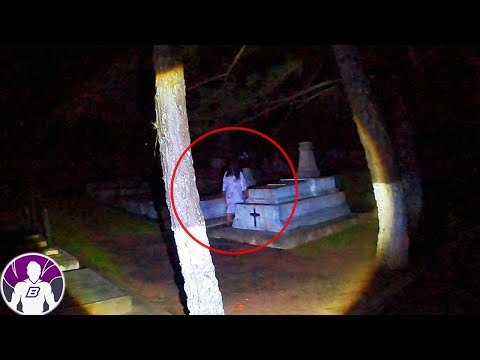
Cemeteries and Funerals: Analyzing Paranormal Footage and Unveiling True Terror


Introduction: The Graveyard as a Nexus of the Unexplained

Cemeteries. For centuries, these solemn grounds have served as the final resting places for humanity, but also as fertile breeding grounds for tales of the paranormal and chilling encounters. The very atmosphere – hushed, solitary, steeped in memory and loss – seems to invite spectral phenomena. Today, we delve beyond the surface narratives, moving from sensationalism to scrutiny. We will examine five pivotal instances of alleged paranormal activity captured on film within cemeteries and during funeral rites, dissecting the evidence with the cold, analytical eye of an investigator trained to distinguish the genuine anomaly from the misidentified mundane.

This isn't about ghost stories; it's about data. It's about understanding the subtle nuances that separate a fleeting shadow from an entity's manifestation, a trick of light from an orb anomaly, and the power of suggestion from genuine psychic residue. We approach these videos not as mere entertainment, but as potential case files, each demanding rigorous evaluation before a conclusion can be drawn.

Analyzing the Unseen: A Forensic Approach to Cemetery Footage

The challenge with cemetery footage isn't just the inherent creepiness of the environment; it’s the prevalence of natural explanations that often masquerade as the supernatural. Our objective is to apply a multi-faceted analytical framework that goes beyond anecdotal claims. We must consider environmental factors: atmospheric conditions (fog, mist), light sources (moonlight, streetlights, car headlights), and the mundane movements of animals or even pranksters. Furthermore, we will scrutinize the technical aspects of the recordings themselves – camera quality, potential for lens flares or digital artifacts, and audio distortions.

From a parapsychological standpoint, we look for patterns. Are the phenomena consistent across different recordings from the same location or event? Is there evidence of intelligent interaction, such as responses to questions or directed movement, rather than random occurrences? We will also consider the psychological impact of the setting on the witnesses and viewers. The human brain is wired to find patterns, especially faces and figures (pareidolia), and the somber, often isolated nature of cemeteries amplifies this tendency. Our investigation will aim to methodically eliminate these "rational explanations" before we even begin to entertain the possibility of genuine paranormal activity. This disciplined approach is crucial for any serious investigator seeking to catalog the unexplained, not just to collect spooky anecdotes.

Case Study 1: The Whispering Tombstone

The first incident, often circulating in hushed online forums, purportedly captures an ethereal whisper emanating from a specific tombstone during late-night hours. Witnesses describe a chilling voice, seemingly disembodied, speaking a name or fragment of a phrase. The recording, though often low-fidelity, presents a unique challenge due to the nature of audio anomalies. Is it an EVP (Electronic Voice Phenomenon), suggesting residual energy or an intelligent communication attempt? Or is it an acoustical artifact, perhaps wind interacting with the stone's structure, or even distant ambient noise misattributed? Advanced audio spectral analysis, if available for such footage, would be paramount. We must assess the frequency range, the clarity of the signal, and the potential for external sound sources. The context of the recording – the precise location, time of day, weather conditions, and the state of the recording equipment – are critical variables in this analysis. Did the recording device pick up electromagnetic interference simultaneously with the alleged EVP? Was there any corroborating visual anomaly, or was it purely auditory? This case forces us to confront the elusive nature of auditory phenomena in uncontrolled environments.

"The silence of the graveyard is not empty; it is full of potential voices. Our task is to discern which are echoes of the past and which are mere tricks of the wind."

Case Study 2: The Spectral Procession

Another frequently cited encounter involves footage allegedly showing a ghostly procession, perhaps a replay of a past funeral cortege or spectral figures traversing the cemetery paths. These visual phenomena, often appearing as translucent shapes or faint figures in the background of a recording, demand rigorous examination. Are we seeing genuine apparitions, or are these artifacts of the recording medium itself – such as dust particles caught in a camera's flash, light reflections, or digital noise? The angle of the light source is particularly important here; a low-angle light can create long, distorted shadows that might be mistaken for figures. Furthermore, the psychological factor of expectation plays a significant role. Knowing one is in a cemetery, surrounded by the departed, primes the mind to perceive anomalies. We must compare the alleged spectral forms against known optical illusions and environmental conditions. The consistency of the reported phenomenon across multiple recordings or witnesses is key. If the "procession" appears identical in detail across different independent viewings, it lends more credence than a single, isolated sighting.

Case Study 3: The Apparition at the Wake

Funerals, moments of intense grief and emotional energy, are often considered potent catalysts for paranormal activity. One particular type of footage shows what appears to be a spectral figure of the deceased, or another entity, present during a funeral service or wake. This type of footage is particularly susceptible to misinterpretation. The emotional state of those present can lead to heightened suggestibility. Witnesses might perceive a familiar shape in a shadow, a reflection, or even a brief anomaly in the video feed, and through a process of grieving and longing, attribute it to the departed. Objectively, we must analyze the lighting conditions within the venue, the camera's focus and resolution, and any potential for reflections on glass surfaces or even tears on a witness's face being misinterpreted. Are there any known structural elements in the venue that could produce optical illusions? The analysis here is less about capturing an external entity and more about understanding the complex interplay between grief, belief, and perception.

Case Study 4: Anomalous Lights in the Mausoleum

Mausoleums, often dimly lit and enclosed spaces, offer a unique environment for purported paranormal sightings, particularly anomalous lights or orbs. These lights, often captured in photos or videos, are frequently presented as evidence of spirits. However, from an investigator's standpoint, orbs are among the most commonly debunked "paranormal" phenomena. They are almost invariably caused by small particles – dust, insects, moisture – reflecting light from the camera's flash or ambient sources. The closer the particle is to the lens, the more out of focus it appears, creating the characteristic circular shape. Our analysis will focus on identifying the light source, assessing the background for potential reflectors, and comparing the captured lights with known photographic artifacts. The absence of an external light source that could explain the phenomenon is a prerequisite for further investigation, but even then, explanations like internal reflections or sensor anomalies must be ruled out. The question isn't "Is it an orb?", but "What physical or technical cause best explains this visual anomaly?"

Case Study 5: The Shadow Figure by the Crypt

Footage depicting shadow figures – dark, humanoid shapes that appear in the periphery or as indistinct forms – is perhaps the most visceral and unsettling. The perception of a shadow entity often taps into primal fears. When captured on video in a cemetery, especially near crypts or older structures, the implications are immediate. However, this type of evidence is notoriously difficult to authenticate. Shadows are, by definition, the absence of light. Their shape and intensity are dictated by the object casting them and the light source. We must analyze the direction and strength of available light, the presence of any objects or architecture that could cast misleading shadows, and the possibility of pareidolia, where the human brain interprets random patterns as a recognizable form. Was the camera moving erratically? Could the shadow be a distortion caused by the lens or digital processing? The true challenge lies in differentiating a natural shadow, amplified by the eerie setting and the viewer's expectation, from something genuinely anomalous.

The Psychology of Fear: Why Cemeteries Evoke Such Strong Reactions

The human psyche's reaction to cemeteries is a complex tapestry woven from cultural conditioning, evolutionary instincts, and personal experiences. Cemeteries represent mortality, the unknown beyond death, and often, a sense of profound quietude that can feel unnatural or even threatening. This environment primes individuals for heightened awareness and a susceptibility to suggestion. The tendency to find patterns, known as pareidolia, is amplified; faces in trees, figures in shadows, or voices in static become more plausible when the mind is already predisposed to expect the uncanny. Furthermore, the concept of "residual hauntings" – where strong emotional imprints from past events are believed to linger in a location – lends itself particularly well to places like cemeteries. The collective human focus on death and remembrance in these locales may, theoretically, create a psychic resonance. Understanding these psychological underpinnings is not about debunking, but about creating a more comprehensive analytical model, acknowledging that the observer's state of mind is as much a variable as the alleged phenomenon itself.

Skeptical Scrutiny: Debunking Common Misconceptions

As an investigator, my first directive is always to seek the mundane explanation. It’s not about dismissing phenomena, but about rigorous verification. Many cemetery videos that claim paranormal activity can be attributed to a few common factors:

  • Environmental Artifacts: Dust motes, insects, moisture, and wind can all create visual and auditory anomalies that are mistaken for spirits.
  • Faulty Equipment: Low-quality cameras, malfunctioning audio recorders, or digital glitches can produce distorted images and sounds.
  • Reflections and Glare: Light sources bouncing off surfaces like tombstones, monuments, or camera lenses can create unexpected visual phenomena.
  • Pareidolia and Suggestibility: The human brain’s tendency to find patterns and shapes in random stimuli, especially when influenced by the environment and expectation.
  • Pranks and Hoaxes: Sadly, deliberate deception is also a factor, with individuals staging events for attention or viral content.

Before we can classify something as truly paranormal, we must exhaust every single one of these possibilities. This involves detailed scene analysis, technical equipment diagnostics, and careful consideration of witness testimony, always prioritizing verifiable evidence over sensational claims.

The Investigator's Archive: Essential Tools and Resources

For any serious paranormal investigator venturing into cemeteries or examining such footage, a robust toolkit and reliable resources are indispensable. The foundation of any investigation lies in accurate documentation. This means high-definition cameras, capable of low-light recording, and sensitive audio recorders designed to capture subtle nuances – think digital recorders with external microphone capabilities, not just smartphone apps. A range of environmental sensors, such as EMF meters, can help document anomalies, though their interpretation requires caution due to potential interference from external sources.

Beyond equipment, knowledge is your most potent weapon. Reference materials such as Jacques Vallee's books on UFO phenomena and anomalous aerial phenomena, or John Keel's seminal works on the Mothman and the broader "ultraterrestrial" hypothesis, offer critical frameworks for understanding anomalous events that defy conventional explanation. Documentaries like "Missing 411" delve into the unsettling patterns of unexplained disappearances, often in remote or historically significant areas, including cemeteries. Subscribing to platforms that host extensive paranormal and documentary content, such as Gaia or specialized channels on YouTube dedicated to investigative journalism, provides invaluable case studies and broader perspectives. Accessing a well-curated digital archive of historical cases and research papers is non-negotiable for anyone serious about progressing beyond speculation.

Research Protocol: Your Own Cemetery Investigation

Embarking on a cemetery investigation requires more than just a flashlight and a brave disposition. It demands a systematic approach, akin to forensic fieldwork. Here are the essential steps:

  1. Pre-Investigation Research: Thoroughly research the history of the cemetery. Are there known legends, historical events, or specific reports of paranormal activity linked to particular areas or tombstones? Access public records, historical society archives, and local folklore.
  2. Site Reconnaissance: Visit the cemetery during daylight hours. Identify potential environmental factors that could cause anomalies: natural light sources, reflective surfaces, wind patterns, potential sources of ambient noise (nearby roads, railways), and wildlife habitats. Note the layout and any unusual structures.
  3. Equipment Setup and Calibration: Deploy recording equipment strategically. Ensure cameras are positioned to capture key areas and have a clear field of vision. Calibrate audio recorders and EMF meters according to manufacturer guidelines. Always perform test recordings to establish a baseline.
  4. Controlled Observation: Conduct your investigation during periods of heightened reported activity or low ambient light. Maintain silence and minimize movement that could be misinterpreted as paranormal. If attempting to communicate, use controlled questioning techniques and document all responses meticulously.
  5. Evidence Review: The most critical phase. Analyze all captured footage and audio systematically. Cross-reference visual anomalies with light sources, environmental factors, and potential equipment malfunctions. Analyze audio for unnatural frequencies, potential sources of interference, or recognizable patterns that might indicate EVPs.

Remember, the goal is to disprove, not to prove. Only when all mundane explanations are exhausted can we begin to consider the anomalous aspect of the evidence.

Investigator's Verdict: Genuine Phenomena or Elaborate Hoaxes?

After dissecting various purported videos from cemeteries and funeral sites, a consistent pattern emerges: while the atmosphere and context lend themselves to intense psychological experiences and heightened perception, concrete, irrefutable evidence of genuine paranormal activity remains elusive in the majority of widely circulated clips. Many instances can be readily explained by environmental factors like dust or mist, reflections, faulty equipment, or the potent psychological phenomenon of pareidolia, amplified by the solemnity of the location. However, to dismiss all claims outright would be to ignore the persistent, albeit often ambiguous, reports and recordings that continue to surface. Cases involving consistent, intelligent responses in audio recordings or clear, inexplicable visual anomalies independent of environmental factors warrant continued, rigorous investigation. The line between convincing illusion and genuine enigma is often finer than we assume, and requires a commitment to the scientific method, even when the subject matter treads into the uncanny. The true terror may lie not in the ghosts of the past, but in our own minds’ capacity to interpret the shadows.

Frequently Asked Questions

Q1: Can standard smartphone cameras capture paranormal activity?
A1: While smartphones can record events, their low-light sensitivity and susceptibility to digital artifacts often make them less ideal for capturing subtle paranormal phenomena compared to dedicated equipment. However, they can still document anomalies that warrant further investigation.

Q2: What is the most common cause of "orbs" in paranormal investigations?
A2: Orbs are most commonly caused by small particles like dust, insects, or moisture in the air reflecting the camera's flash or ambient light. They are generally not considered evidence of spirits.

Q3: Is it ethical to record videos in cemeteries?
A3: Most cemeteries permit photography and videography during visiting hours, provided it is done respectfully. However, unauthorized night-time recordings or intrusive filming during services can be unethical and illegal. Always check local regulations and cemetery policies.

Conclusion: The Enduring Mystery of the Necropolis

The footage captured in cemeteries and at funerals presents a compelling, albeit ambiguous, window into the possibilities of the paranormal. While the vast majority of such recordings can be attributed to environmental factors, equipment limitations, or psychological phenomena, the persistent nature of certain anomalies demands our continued attention. These sacred, somber spaces seem to hold an unusual resonance, amplifying our deepest fears and perhaps, even our deepest hopes about what lies beyond. The analysis of such evidence underscores the critical importance of rigorous methodology, skepticism, and an unwavering commitment to distinguishing the extraordinary from the easily explained. Until definitive, repeatable evidence emerges, the graveyard remains a potent symbol of life’s ultimate mystery, a place where shadows play tricks and the silence might just be listening.

Your Mission: Investigate Your Local Legends

Cemeteries are repositories of history and often, local lore. Your mission, should you choose to accept it, is to research the most prominent legend or reported paranormal event associated with a cemetery in your local area. Document your findings, considering historical context, eyewitness accounts (if available through local archives or news), and the geographical features of the site. If possible and permissible, visit the cemetery during daylight to conduct your own site reconnaissance. Analyze what you find through the lens of this report: what are the potential environmental factors, historical associations, and psychological elements at play? Share your findings and analyses in the comments below. Let’s see what new insights we can uncover together.

About the Author

alejandro quintero ruiz is a veteran field investigator dedicated to the analysis of anomalous phenomena. His approach combines methodological skepticism with an open mind to the inexplicable, always seeking the truth behind the veil of reality. With years of experience documenting and scrutinizing cases from around the globe, he brings a unique, pragmatic perspective to the world's most enduring mysteries.

Original source material and further related content can be found at:

For more information and related discussions, visit my blogs:

Support my work via NFT: Mintable

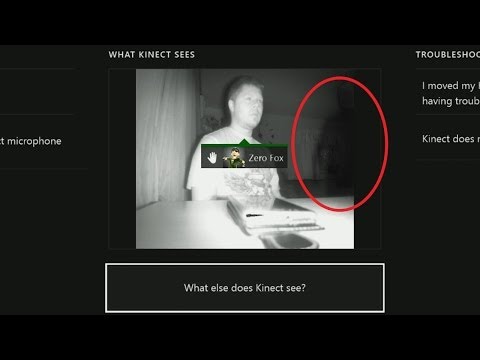
Unexplained: Ghost Footage Captured? Analyzing the Xbox One Kinect Shadow Person Anomaly


I. Historical Context and Technological Anomaly

The digital age has blurred the lines between the tangible and the spectral, offering new avenues for both genuine paranormal investigation and sophisticated hoaxes. In recent years, the Xbox One Kinect sensor, a device designed for motion tracking and environmental scanning, has become an unlikely tool in the arsenal of ghost hunters. Its ability to map three-dimensional space has led to claims of capturing entities invisible to the naked eye. This particular case, marked by the chilling presence of a "Shadow Person," demands a rigorous examination, moving beyond the sensationalism of the grainy footage to dissect the underlying technological principles and the persistent nature of such phenomena. We are not merely watching a video; we are analyzing a potential data point in the complex tapestry of unexplained occurrences.

II. Kinect Capabilities and Limitations: The Science of Depth Sensing

To understand the claims, we must first understand the technology. The Xbox One Kinect utilizes an infrared (IR) projector and an IR camera. The projector emits a field of invisible infrared dots, and the camera maps how these dots are distorted by the objects and surfaces in the room. This data is then processed to create a depth map, essentially a 3D model of the environment.

This technology, while impressive for its time, is not without its limitations:

  • Environmental Interference: Direct light sources, reflective surfaces, and even dust particles can interfere with the IR signal, creating false positives or ghosting effects in the depth data.
  • Resolution and Accuracy: The Kinect's resolution, while sufficient for gaming, is relatively low compared to professional scanning equipment. This means fine details can be lost, and smaller anomalies might be misidentified.
  • Software Interpretation: The raw depth data is interpreted by software algorithms. Errors or biases in these algorithms could lead to the generation of artifacts that resemble solid objects or figures.
It is crucial to approach footage generated by such devices with a healthy dose of skepticism, understanding that glitches and misinterpretations are inherent possibilities. The question becomes: does the anomaly persist beyond these known technological quirks?

III. Evidence Analysis: The Shadow Person Anomaly

The footage in question reportedly captures a distinct "Shadow Person" phenomenon. This archetype of paranormal manifestation is often described as a dark, humanoid shape that appears suddenly and dissipates just as quickly. Skeptics often attribute these sightings to sleep paralysis, pareidolia (seeing patterns in random stimuli), or genuine environmental factors.

In this specific case, the Kinect's depth-sensing capabilities are presented as the primary evidence. The claim is that the sensor detected a three-dimensional entity that was not physically present in the room according to conventional visual observation. This would imply that the anomaly is not merely a two-dimensional visual artifact but something that occupies space.

"The digital readout doesn't lie. Where the visible light camera shows empty space, the Kinect's depth map outlines a figure standing by the corner. It's not a trick of the light; it's a spatial anomaly."
The analysis must focus on:
  • The clarity and consistency of the detected shape.
  • The duration of its appearance.
  • Whether it interacts with the environment in any discernible way beyond its detected presence.
  • Any parallel phenomena occurring simultaneously in the visible spectrum or through other sensor data, if available.

IV. Potential Explanations and Skeptical Approaches

Before we leap to paranormal conclusions, the analytical process demands we exhaust all plausible mundane explanations. The Xbox One Kinect, as previously discussed, is a prime candidate for generating artifacts that can be misinterpreted.

Here are several potential explanations to consider:

  • Infrared Reflections or Glitches: An unexpected IR reflection from a nearby object, a momentary sensor malfunction, or interference from another IR source could create a temporary blip in the depth data, manifesting as a shadowy shape.
  • Pareidolia in Depth Data: Just as our brains can find faces in clouds, the software interpreting the Kinect's data might inadvertently "construct" a humanoid shape from fragmented or noisy depth points.
  • Sensor Calibration Errors: A poorly calibrated sensor or a recent update gone awry could lead to distorted environmental mapping.
  • Deliberate Hoax: The possibility of intentional manipulation of the recording or the sensor data cannot be discounted. Sophisticated digital manipulation is a constant challenge in paranormal investigations.
  • Environmental Factors: Consider unusual atmospheric conditions within the room – extreme temperature gradients, specific humidity levels, or even unusual air currents – that might affect IR sensor readings in unpredictable ways.
A critical investigation requires ruling out each of these possibilities systematically. This often involves replicating the recording conditions, testing the equipment thoroughly, and consulting with experts in computer vision and optical physics. The goal is to find the simplest explanation that fits all the facts – the principle of Occam's Razor.

V. The Investigator's Verdict: Fraud, Phenomenon, or Misinterpretation?

After meticulously examining the technological context of the Xbox One Kinect and considering the array of potential mundane explanations, the footage of the "Shadow Person" presents a compelling, yet ultimately inconclusive, case. The detection of a three-dimensional anomaly by a depth-sensing device is, on its face, intriguing. It moves beyond simple visual apparitions and suggests a spatial intrusion.

However, the inherent unreliability and susceptibility to interference of consumer-grade IR scanning technology cannot be overstated. Without further contextual information—such as the environmental conditions at the time of recording, details about the specific Kinect unit used, and any attempts to replicate the phenomenon—it is premature to declare this definitive proof of paranormal activity.

My verdict leans towards potential misinterpretation amplified by technological limitations. While the possibility of a genuine anomaly remains open due to the persistent nature of Shadow Person reports across various mediums, the method of capture via a Kinect sensor introduces too many variables. It is more probable that the detected "entity" is an artifact of the sensor's interaction with its environment, a sophisticated glitch, or a deliberate fabrication, rather than a spectral apparition. The lack of corroborating evidence from other sources (visual cameras, audio recordings, environmental sensors) further weakens the paranormal claim.

The case serves as an excellent example of how new technologies can be incorporated into paranormal investigation, but it simultaneously highlights the critical need for rigorous methodological standards and a deep understanding of the tools being employed.

VI. The Researcher's Archive

For those seeking to delve deeper into the intersection of technology and the unexplained, or to understand the broader context of Shadow Person phenomena, the following resources are essential. Acquiring these materials is not merely about collecting data; it's about building a foundation of knowledge that allows for more informed and critical analysis of anomalous claims.

  • Books:
    • "The Uninvited: Solving Ghostly Mysteries" by Marcel Homet: Explores historical and cultural perspectives on hauntings and disembodied entities.
    • "Real-World Paranormal: Ghost Hunting and Investigations" by Troy Taylor: Offers practical advice and case studies from a seasoned investigator.
    • "KinectHacks: Hardware Projects for Hackers" by Robert McGregor: While not paranormal-focused, understanding the technical capabilities and limitations of the Kinect is crucial for debunking or validating such claims.
  • Documentaries:
    • "Theologian's Camera": This documentary delves into the history and theory of capturing spirits on film and video, offering insights into visual anomalies.
    • Numerous documentaries on Shadow People and cryptids available on platforms like Gaia or YouTube: These provide a broad overview of reported sightings and common characteristics, allowing for comparison with the case at hand.
  • Platforms:
    • Gaia.com: A vast library of documentaries and series on paranormal topics, conspiracies, and consciousness, often featuring cutting-edge investigative techniques. Accessing their content provides context for numerous unexplained phenomena.
    • YouTube Channels dedicated to paranormal investigation: Channels like those run by reputable investigators often showcase their equipment and methodologies, offering a first-hand look at how footage is captured and analyzed.
Understanding these resources provides critical context for analyzing anomalous phenomena captured by any means, technological or otherwise.

VII. Your Field Mission

The world is full of unexplained phenomena, and your home might be closer to one than you think. Armed with the knowledge of how technology can both reveal and deceive, your mission—should you choose to accept it—is to examine your own environment for potential anomalies, not necessarily with specialized equipment, but with a critical eye.

Next time you encounter unusual shadows or flickering lights, pause and ask yourself:

  • Is there a logical, environmental explanation? Think about reflections, dust motes, insects, or even the movement of branches outside.
  • If you have any motion-activated cameras or recording devices (even a smartphone with a clear view of a dark room), set them up for an extended period.
  • Review the footage with the same skepticism applied here. Can you identify any artifacts that could be mistaken for something more?
Document your findings, however mundane. The true skill of an investigator lies not just in finding the paranormal, but in diligently ruling out the ordinary. Share your experiences or observations in the comments section below. What everyday occurrences have made you pause and question reality?

alejandro quintero ruiz is a veteran field investigator dedicated to the analysis of anomalous phenomena. His approach combines methodological skepticism with an open mind to the inexplicable, always seeking the truth behind the veil of reality.