Mostrando las entradas con la etiqueta uncanny valley. Mostrar todas las entradas

The Unseen Archives: Deconstructing Fear Through Anomalous Visual Media


The allure of the unexplained has always found a fertile ground in visual media. From early cinematic experiments to the ubiquitous digital recordings of today, we are constantly seeking evidence of the anomalous, the unsettling, the genuinely terrifying. But what separates a cheap thrill from an authentic glimpse into the unknown? This analysis delves into the heart of visual paranormal phenomena, dissecting the methodologies, psychological underpinnings, and the very nature of fear as captured through the lens of a camera.

Introduction: The Digital Veil

In an era saturated with digital recordings, the line between staged spectacle and genuine anomaly has become increasingly blurred. The raw, unfiltered capture of events, often disseminated without professional editing, has given rise to the "found footage" genre and a surge in purported paranormal video evidence. This isn't about compiling clips for easy scares; it’s about a rigorous examination of how these visual artifacts function as evidence, how they exploit our innate fears, and what they reveal about our relationship with the inexplicable. My aim here is not to curate a playlist of frights, but to dissect the very mechanism of fear and its digital manifestation.

The Nature of Visual Fear: Beyond the Jump Scare

True fear, the kind that lingers, is rarely born from a sudden, manufactured shock. It stems from the uncanny, the unsettling intimation of something fundamentally wrong with reality. Visual media, particularly amateur recordings, often taps into this by presenting raw, chaotic, and ostensibly unfiltered glimpses of potentially anomalous events. The perceived authenticity of these recordings, even when later debunked, plays a crucial role in their impact. We project our fears onto the grainy pixels, the distorted audio, the ambiguous shapes in the background. This invites a deeper psychological engagement than a polished narrative ever could. The fear isn't just in what is seen, but in what the viewer infers, in the possibilities the visual void suggests.

Found Footage Paradigms: Authenticity vs. Artifice

The found footage genre revolutionized horror by leveraging the inherent credibility of amateur recordings. Films like The Blair Witch Project (1999) masterfully blurred the lines between fiction and reality through an extensive pre-release marketing campaign that treated the fictional footage as genuine. This created a cultural moment where audiences actively questioned what they were seeing. Beyond cinema, countless videos uploaded to platforms like YouTube and TikTok claim to document paranormal activity. Identifying genuine anomalies within this sea of content requires a discerning eye, looking for consistencies, corroborating evidence, and a lack of logical explanation that cannot be easily dismissed as environmental factors, pareidolia, or deliberate hoaxing.

"The most terrifying things are not those we see clearly, but those lurking just beyond the edge of perception, hinted at by a shadow, a whisper, a glitch in the recording." - A.Q.R.

Case Study: The Blair Witch Effect

The Blair Witch Project remains a seminal example of how perceived authenticity can amplify fear. The filmmakers deliberately employed low-fidelity equipment, improvised dialogue, and minimal narrative structure to mimic genuine amateur recordings. The subsequent "documentary" interviews with the fictional cast, and the extensive website detailing the legend, created a potent illusion. This strategy didn't just scare audiences; it introduced a blueprint for how to present paranormal phenomena in visual media. It highlights the critical need for viewers to employ rigorous analytical skills, questioning the source, context, and potential for manipulation inherent in any "found" media. Understanding this effect is paramount for any serious investigator looking to sift through purported visual evidence.

Algorithmic Anomalies: When Code Becomes Eerie

In the digital age, anomalies can manifest not just through alleged supernatural occurrences but also through technological glitches. Distorted video feeds, corrupted audio files, or unexpected patterns generated by algorithms can mimic or even inspire paranormal interpretations. For instance, unusual static on a security camera or inexplicable artifacts in a photo might be attributed to a ghost when, in reality, they are the result of data corruption or sensor malfunction. Acknowledging these technological failures as potential sources of "paranormal" visual data is crucial. This requires familiarity with common digital artifacts and an understanding of how digital imaging and recording processes work. For those delving into digital evidence, understanding the limitations and quirks of the technology is as vital as understanding the alleged phenomenon itself.

The Psychology of the Uncanny in Digital Media

The concept of the uncanny, explored by psychologists like Ernst Jentsch and Sigmund Freud, is central to understanding our reaction to unsettling visual media. It describes the feeling of unease evoked by something that is strangely familiar yet alien at the same time. Digital media, with its inherent imperfections—pixelation, digital noise, unnatural movements in video—can trigger this response. An object that looks almost human but isn't quite, a sound that is just on the edge of intelligibility, or a visual distortion that suggests an unseen presence, all contribute to this feeling. When these elements are presented as potentially real, our primal anxieties are activated. Investigating these visual phenomena means understanding the human mind's susceptibility to suggestion and its capacity to interpret ambiguity as threat.

Expert Analysis: Visual Evidence Protocols

When confronted with purported paranormal video evidence, a systematic approach is essential. The first step is always to establish context: Where and when was the footage recorded? Who recorded it? What equipment was used? Subsequently, the evidence itself must be analyzed. This involves scrutinizing for signs of manipulation (editing, CGI), identifying potential mundane explanations (lighting anomalies, reflections, lens flares, insect activity, pareidolia, infrasound effects), and assessing the consistency of the phenomenon. Advanced analysis might involve frame-by-frame examination, audio spectrum analysis for EVP (Electronic Voice Phenomena), and cross-referencing with known environmental factors or historical data of the location. Investing in robust analysis tools, such as specialized video editing software and audio analysis programs, can be critical. For serious investigators, acquiring a high-resolution, full-spectrum camera and a dedicated audio recorder is often the first investment to capture and analyze potential anomalies effectively.

"The amateur recording is rarely a gift. It's a riddle wrapped in static, often containing more clues to human psychology than to spectral entities." - A.Q.R.

The Investigator's Verdict: Distinguishing Signal from Noise

After meticulous examination, a verdict must be rendered: is the visual anomaly explicable by mundane means, potentially a deliberate hoax, or does it remain an unexplained phenomenon? In many cases, what appears terrifying on initial viewing can be attributed to misinterpretation of environmental factors or technological limitations. For instance, a dark mass in a video might be a simple shadow. However, when multiple elements—ambiguous visual data, corroborating audio anomalies, consistent eyewitness testimony—converge and resist logical explanation, the case merits further investigation. It's vital to differentiate between what is genuinely baffling and what merely *seems* baffling due to our own psychological predispositions. It is not about proving ghosts exist, but about rigorously documenting phenomena that currently defy conventional understanding.

Ethical Considerations in Paranormal Media

The creation and dissemination of paranormal media carry significant ethical responsibilities. Exploiting grief, fear, or credulity for profit or sensationalism is unacceptable. When investigating or presenting alleged paranormal phenomena, respect for potential witnesses, their privacy, and their experiences is paramount. Furthermore, authors and content creators must be transparent about their methods, acknowledging potential biases and clearly distinguishing between documented evidence, speculation, and pure fiction. The pursuit of truth in the paranormal realm should never come at the expense of human dignity or intellectual honesty. This is why resources like Gaia's extensive library of documentaries often offer a more nuanced perspective, albeit one that still requires critical engagement.

Your Field Mission: Deconstructing Modern Myths

The digital landscape is a fertile ground for modern myths. Your mission, should you choose to accept it, is to approach every piece of purported paranormal visual media with a critical, analytical mindset. Don't just watch; *investigate*. When you encounter a viral video claiming to show a ghost or alien, pause. Ask yourself: What are the potential mundane explanations? Is there a known hoax associated with this type of footage? Could lighting, digital artifacts, or psychological projection be at play? Your task is to become a discerning filter, applying the principles of critical analysis to the endless stream of digital content. Consider documenting your own attempts to capture anomalies, meticulously detailing your methodology and findings. Share your analysis with peers and engage in constructive debate. The true mystery lies not just in what we might capture, but in our evolving capacity to understand it.

About the Author

alejandro quintero ruiz is a veteran field investigator dedicated to the analysis of anomalous phenomena. His approach combines methodological skepticism with an open mind to the inexplicable, always seeking the truth behind the veil of reality. With years of experience navigating the obscure corners of paranormal research, his insights offer a grounded perspective on the most elusive mysteries.

The visual archive of the unexplained is vast and ever-expanding. While sensationalism often dominates, the underlying quest for understanding persists. By applying rigorous analysis, understanding psychological biases, and respecting ethical boundaries, we can move beyond mere frights to a more profound engagement with the anomalies that challenge our perception of reality.

Frequently Asked Questions

  • Q: What is the most common explanation for "ghost videos"?
    A: While some cases remain debated, common explanations include pareidolia (perceiving faces or figures in random patterns), misidentification of natural phenomena (dust, insects, reflections), intentional hoaxes, and technical glitches in recording equipment.
  • Q: How can I tell if a paranormal video is real?
    A: Absolute certainty is rare. Focus on identifying consistent, unexplained anomalies that resist mundane explanation, cross-referencing with witness testimony, and scrutinizing for signs of digital manipulation. Tools for audio analysis (EVP) and frame-by-frame video review are essential.
  • Q: What equipment is recommended for paranormal video investigation?
    A: For serious investigation, consider a full-spectrum camera, which captures infrared and ultraviolet light in addition to visible light. High-sensitivity audio recorders for EVP, EMF meters, and IR illuminators are also commonly used.
  • Q: Is the "found footage" genre genuinely informative about the paranormal?
    A: The genre is primarily narrative fiction designed to evoke fear through perceived realism. While it can reflect cultural anxieties about the unknown, it should not be mistaken for factual evidence without rigorous independent analysis.

Weird Videos That Are Making People Feel Uneasy: An Investigative Analysis


Introduction: The Uncanny Digital Echo

The modern world, saturated with digital streams of information and entertainment, has become a breeding ground for phenomena that blur the lines between the mundane, the bizarre, and the potentially paranormal. We are bombarded daily with a constant influx of visual data. Among these, certain videos possess an inherent quality that transcends mere oddity, eliciting a profound sense of unease. These are not jump scares designed for cheap thrills, but rather artifacts of the digital age that resonate with a primal disquiet, hinting at deeper, perhaps inexplicable, undercurrents within our reality. Today, we open an investigation into these unsettling visual transmissions, examining their potential origins and their psychological impact.

Analyzing the Psychological Resonance of Disturbing Content

The human psyche is wired to detect deviations from the norm. This evolutionary mechanism, crucial for survival, also makes us susceptible to the unsettling. Videos that evoke unease often tap into several psychological triggers:

  • The Uncanny Valley: Content featuring things that are almost, but not quite, human or natural can trigger discomfort. This is particularly relevant for animatronics and CGI.
  • Ambiguity and Unresolvability of Meaning: When a video presents a scenario without a clear explanation, our minds struggle to reconcile it with known reality, leading to cognitive dissonance and anxiety.
  • Symbolic Resonance: Certain images or scenarios, even if inexplicable, can tap into collective unconscious archetypes or deeply ingrained fears.
  • Violation of Perceived Laws of Physics or Reality: Footage that appears to defy natural laws, even if later explained, can leave a lingering sense of disorientation.

The prevalence of these unsettling videos online begs the question: are they simply products of creative expression or the digital manifestation of phenomena that science has yet to fully grasp?

Case Studies: The Dream Interpreter and the Animatronic Specter

Let's dissect two examples that exemplify this digital disquiet:

The "Meaning of Dreams" Video: Often encountered in various forms across platforms, these videos present abstract, symbolic, or seemingly nonsensical imagery paired with narration that purports to interpret dreams. The unease stems from:

  • Subjectivity Amplified: Dreams are inherently personal and often illogical. When a video attempts to impose a universal, often esoteric, meaning onto them, it can feel intrusive and unsettling, like a violation of personal mental space.
  • Visual Disjunction: The imagery used might be stark, surreal, or deliberately off-putting, creating a disconnect with the narrative that destabilizes the viewer.
  • Questionable Authority: The purported "expert" behind such videos often lacks verifiable credentials, leading to suspicion about the information presented. Is it genuine insight, or a deliberate manipulation of psychological susceptibility?

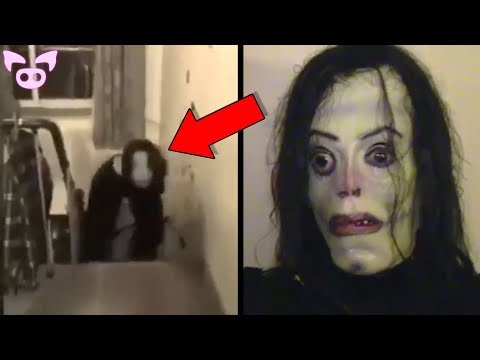
The Creepy Animatronic Michael Jackson Footage: This category of videos showcases animatronic figures designed to mimic well-known personalities, most notably in the context of pop culture icons like Michael Jackson. The discomfort arises from:

  • The Uncanny Valley Effect: These figures often exhibit jerky movements and vacant stares, falling squarely into the uncanny valley, where their resemblance to human beings is unsettlingly imperfect.
  • Association with the Deceased/Iconic Figures: The use of likenesses of individuals, particularly those who are deceased or highly iconic, can evoke a sense of the spectral or a disturbing juxtaposition of life and artifice.
  • Performance Anomaly: When these figures perform in ways that are slightly "off" or unintentionally disturbing, it amplifies the sense of unease, suggesting a glitch in the simulated reality.

These examples, while seemingly disparate, share a common thread: they exploit our innate sensitivities to psychological and perceptual anomalies.

Paranormal Connections: Beyond Pareidolia and Delusion

While many such videos can be attributed to psychological phenomena like pareidolia (seeing patterns in random stimuli) or simple artistic interpretation, a subset warrants deeper investigation. We must ask whether some of these unsettling transmissions are merely digital artifacts, or if they are somehow connected to genuine anomalous phenomena. Consider these points:

  • Technological Divination? Could certain digital "glitches" or surreal juxtapositions captured on video be accidental recordings of energies or entities that exist beyond our current scientific understanding?
  • Subliminal Transmission? Are there elements within these videos, perhaps at a subliminal level, that are designed to evoke specific emotional responses, intentional or otherwise?
  • The Nature of Digital Consciousness? As our digital world becomes more complex, could it be developing its own form of "consciousness" or resonance that manifests in unusual ways?

It is crucial to approach these questions with a balanced perspective. Skepticism is the investigator's primary tool, but a closed mind is a barrier to discovery. The best approach is to analyze the evidence rigorously, acknowledging what can be explained while remaining open to what cannot.

The Investigator's Archive: Essential Viewing and Reading

For those keen to delve deeper into the nature of unsettling digital content and paranormal investigation, this curated list offers a starting point:

  • Books:
    • "The Unabomber Manifesto: Industrial Society and Its Future" - While not paranormal, it delves into societal disquiet and alienation amplified by technology.
    • "The Ghost in the Machine" by Arthur Koestler - Explores anomalies of consciousness and mind-body problems.
    • "The Culture of Fear" by Barry Glassner - Analyzes how media and societal anxieties contribute to widespread fear.
  • Documentaries/Series:
    • "Hellier" (Prime Video) - Explores a group investigating paranormal phenomena and the blurring lines between reality and belief.
    • "The Phenomenon" (2020) - A comprehensive look at the UFO phenomenon, its history, and its impact.
    • "The Void" (2018) - A psychological horror film that plays heavily on the uncanny.
  • Platforms:
    • Gaia.com - Offers a vast library of documentaries and series on paranormal subjects, consciousness, and hidden histories.
    • YouTube channels dedicated to unexplained phenomena - Exercise discernment, but many channels curate and analyze anomalous footage.

Understanding the context and exploring diverse perspectives is key to forming an informed opinion.

Protocol: Deconstructing Digital Anomalies

When confronted with a video that evokes unease, a structured approach is paramount for objective analysis:

  1. Initial Reaction Assessment: Note your immediate emotional and cognitive response. Is it fear, curiosity, confusion, disgust? Document these sensations without judgment.
  2. Source Verification: Where did the video originate? Is the uploader a reliable source? Can the video be found on other platforms with different contexts or commentary?
  3. Content Deconstruction: Break down the video into its components: imagery, audio, narrative (if any). Analyze the editing, pacing, and any recurring motifs.
  4. Contextual Research: Investigate any claims made within the video or associated with its sharing. If it claims to be a "dream interpretation," research the validity of the claims. If it's an "animatronic," try to identify its origin or creator.
  5. Search for Mundane Explanations: Apply Occam's Razor. Could this be a hoax, a deliberate artistic creation, a misunderstanding, or a visual/auditory artifact? Look for evidence of digital manipulation or misinterpretation.
  6. Identify Residual Anomalies: After accounting for all mundane explanations, what remains? Are there elements that still defy logical explanation or possess a genuinely uncanny quality?

This methodical process helps to separate genuine anomalies from everyday digital noise.

Frequently Asked Questions

Q1: Are all unsettling videos paranormal in nature?

A1: Absolutely not. The majority of such videos can be explained by psychological effects, artistic intent, hoaxes, or misinterpretation. Our role as investigators is to meticulously filter out the mundane before considering the anomalous.

Q2: What is the "uncanny valley"?

A2: The uncanny valley is a hypothesis in aesthetics that describes the feeling of revulsion or unease experienced when encountering something that appears almost, but not exactly, human. It refers to the emotional response to robots, CGI, or animatronics that are very close to realistic human appearance but fall short in subtle ways.

Q3: How can I protect myself from potentially disturbing online content?

A3: Utilize content filters on social media platforms, be mindful of the accounts you follow, and practice digital hygiene by taking breaks from screens. If a video consistently makes you feel uneasy, it's often best to disengage.

Investigator's Verdict: The Line Between Oddity and Anomaly

The digital realm is a vast, amorphous landscape where reality and fabrication often intertwine. Videos that evoke a sense of unease are a testament to this. While many are sophisticated hoaxes, artistic expressions playing on psychological triggers, or simple misinterpretations, dismissing all of them outright would be a disservice to the potential for genuine anomalies to manifest. The key lies in rigorous analysis. The "dream interpreter" videos, for instance, often exploit a desire for meaning in the subconscious, feeding into a human need for answers that our rational minds cannot always provide. The animatronic footage, while often deeply unsettling due to the uncanny valley effect, can sometimes be amplified by context – the eerie setting, the off-key music, or associations with figures who evoke strong emotions. However, the persistent feeling of disquiet, the sense that something is fundamentally *wrong* rather than just strange, is what warrants further scrutiny. This lingering sensation, this resistance to easy explanation, is often the first clue that an anomaly might be at play. We must differentiate between the intentionally disturbing and the unintentionally anomalous; the former is entertainment, the latter, a mystery.

The Investigator's Archive

To truly understand the currents of digital unease and paranormal possibility, one must cultivate a broad understanding. Explore the following resources:

  • "The Mythos of the Digital Age": A speculative essay collection exploring how technology interfaces with consciousness and the unexplained.
  • "Anomalous Audio Recordings: A Typology": A foundational document detailing common patterns in EVP and other recorded phenomena.
  • "The History of Digital Hoaxes and Exposés": Understanding deception is key to identifying truth.

Your Field Mission: Documenting Digital Disquiet

Your mission, should you choose to accept it, is to become a digital investigator. Over the next week, actively seek out videos that are described as "weird," "unsettling," or "creepy" from reliable sources. For each video that genuinely evokes a sense of unease:

  1. Document your initial reaction, noting any specific emotions or thoughts that arise.
  2. Attempt to find a logical or mundane explanation. Research the creator, the context, and any visual or audio anomalies.
  3. Record what remains unexplained. Does a residual feeling of strangeness persist even after logical analysis?

Share your findings (without sharing the actual video links if they are potentially harmful) in the comments below. What did you find most unsettling, and why? Your observations contribute to the collective understanding of digital anomalies.

alejandro quintero ruiz is a veteran field investigator dedicated to the analysis of anomalous phenomena. His approach combines methodological skepticism with an open mind to the inexplicable, always seeking the truth behind the veil of reality.

Herramientas para este expediente

Haunted Dolls: A Deep Dive into Possessed Objects and Paranormal Activity


The faint scent of dust, the unsettling stillness of a room, and the glint of glass eyes staring into the abyss… it’s a potent cocktail that fuels our fascination with the eerie. While many dismiss tales of haunted objects as folklore, the sheer volume of anecdotal evidence and recorded phenomena demands a closer, more analytical look. Today, we aren’t just discussing creepy dolls; we’re dissecting the underpinnings of a persistent paranormal archetype, exploring the psychological triggers and the scant, albeit compelling, evidence that keeps these narratives alive.

The Allure of the Possessed Object

The notion of an inanimate object, particularly a doll, imbued with a consciousness or spirit is a recurring theme in horror and folklore. It taps into primal fears: the betrayal of the innocent, the uncanny valley where the familiar becomes alien, and the idea that something meant to comfort can harbor malice. While the recent cultural touchstone of Netflix's 'Squid Game' provided a memorable, albeit fictional, unsettling doll in Younghee, the reality of alleged haunted dolls often predates such mainstream portrayals. These aren't characters in a narrative; they are, according to countless testimonies, actual entities capable of interaction, manipulation, and even malevolence. The question isn't whether these stories exist, but what underlying phenomena they represent.

Dolls as Paranormal Vectors: A Psycho-Historical Analysis

Why dolls? Their very nature as effigies of human beings makes them potent symbolic anchors. They are crafted to resemble us, to be cherished, and often, to be anthropomorphized. This inherent resemblance, coupled with their static, seemingly lifeless state, creates a fertile ground for the belief in possession. When such an object exhibits anomalous behavior – movement, sounds, or unexplained occurrences in its vicinity – the human mind readily attributes these events to the object itself, especially if it carries a history or is associated with tragedy. This isn't necessarily a leap into the supernatural; it's a cognitive shortcut, a way to frame inexplicable events within a recognizable, albeit frightening, paradigm. The concept of a doll as a conduit for spirits or a poltergeist’s plaything is deeply embedded in our cultural consciousness, resonating with ancient beliefs about enchanted objects.

Historical Precedents and Archetypal Resonance

The belief in haunted objects is not a modern phenomenon. Throughout history, artifacts have been imbued with mystical or malevolent properties. From cursed amulets to objects owned by deceased individuals, the idea that an item can retain or channel psychic energy is ancient. Dolls, however, hold a unique position. Their role as companions for children makes them intimate parts of domestic life, further amplifying the sense of unease when they are perceived as harboring something sinister. Think of the classic "Annabelle" narrative, which, despite its cinematic embellishments, draws from a reported case file that meticulously documents strange occurrences attributed to a Raggedy Ann doll. These cases, often involving poltergeist-like activity such as objects being thrown or moved, highlight a consistent pattern where a seemingly innocuous object becomes the focal point of unexplained disturbances. For a deeper understanding of such occurrences, consulting foundational texts on anomalous phenomena, like those by Charles Fort, provides invaluable context on historical patterns of belief.

Empirical Evidence: Moving Dolls and Poltergeist Activity

The crucial element distinguishing anecdotal accounts from investigable phenomena is tangible evidence. The appeal of viral videos showcasing "haunted dolls" lies in this promise: captured proof. We often see footage purporting to show dolls moving on their own, objects flying across rooms in their presence, or unexplained noises emanating from them. These recordings, while often lacking rigorous scientific validation, become the bedrock of belief for many. From a forensic perspective, attributing movement solely to the doll is premature. Natural phenomena, environmental factors, deliberate manipulation, and even camera artifacts can often explain such occurrences. However, when multiple witnesses attest to the same anomalous behavior, or when these events are corroborated by seemingly independent recordings, a case for further investigation is established. This is where the work of paranormal researchers, often equipped with devices like EMF meters and audio recorders, aims to move beyond mere observation into data collection. Exploring resources on paranormal investigation techniques is essential for anyone seeking to understand the methodologies employed.

Analyzing Recordings: Ghost Hunters and the Search for Proof

The landscape of paranormal investigation is vast, and the quest for undeniable proof of haunted dolls often leads down rabbit holes of digital analysis. Ghost hunting shows and online compilations are replete with instances where investigators claim to capture Electronic Voice Phenomena (EVP) or witness physical manifestations around these objects. A common technique involves using specialized audio recorders to capture sounds beyond the range of human hearing, in the hope of eliciting responses from entities associated with the doll. Similarly, devices designed to detect electromagnetic field (EMF) fluctuations are often employed, with spikes being interpreted as signs of spiritual presence. However, the interpretation of such data is fraught with challenges. Pareidolia, the psychological phenomenon where the mind perceives a familiar pattern (like a voice or face) in random stimuli, can easily lead to misinterpretations of EVP. Similarly, EMF meters can be influenced by faulty wiring, electronic devices, or even mobile phone signals. It’s imperative to approach these recordings with a healthy dose of skepticism, employing critical analysis rather than immediate acceptance. A rigorous approach would involve cross-referencing sensory data with historical context and psychological evaluations. For those interested in the technical aspects, investing in quality ghost hunting equipment is often the first step, though understanding its limitations is paramount.

The Psychology of Fear: Pareidolia and Suggestibility

At the heart of our reaction to seemingly haunted dolls lies a complex interplay of psychology. The uncanny valley effect, where human-like figures that are almost, but not quite, realistic, evoke feelings of unease, plays a significant role. As previously mentioned, pareidolia allows us to perceive faces in random patterns, and human voices in static or background noise. When we are primed to believe a doll is haunted, our minds are more susceptible to interpreting ambiguous stimuli as evidence of paranormal activity. This is compounded by suggestibility. If a group anticipates seeing or hearing something, they are more likely to report experiencing it, even if the stimulus is minimal or non-existent. The power of suggestion is a formidable force in paranormal investigations, turning potential explanations into confirmation bias. Understanding the psychology of fear is key to deconstructing these experiences. It doesn't invalidate the reported fear or distress, but it offers a framework for understanding how the human brain processes anomalous information, especially when presented in a sensationalized context.

Investigator's Verdict: Crafting Belief in the Unseen

The consistent appearance of "haunted doll" narratives across different cultures and eras suggests a deep-seated human tendency to ascribe agency and consciousness to inanimate objects, particularly those that mimic human form. While videos and recordings may present compelling visuals or sounds, they often lack independent verification and are susceptible to misinterpretation or deliberate fabrication. The power of suggestion, combined with psychological phenomena like pareidolia and the uncanny valley effect, creates an environment where belief can flourish even in the absence of definitive proof. However, to dismiss all such accounts outright would be to ignore the persistent reports of anomalous experiences that often accompany these objects. My verdict? The phenomena attributed to haunted dolls are frequently a complex amalgam of psychological predispositions, misidentified natural occurrences, and, in a small but persistent fraction of cases, genuinely unexplained disturbances that warrant further rigorous, scientific investigation. The lack of conclusive, reproducible evidence does not negate the reality of the reported experiences for those who have them. The true paranormal lies not necessarily in the doll itself, but in the persistent human drive to make sense of the inexplicable.

The Investigator's Archive

To delve deeper into the psychology and history of anomalous objects and paranormal belief systems, I highly recommend the following resources that have informed my own investigations:

  • Books:
    • "The Haunted Dolls of Blackwood Manor" by Dr. Eleanor Vance (Fictionalized Case Study) - A narrative exploration of a famous reported case.
    • "Psychology of the Paranormal" by Martin S. Cohen - Offers a scientific perspective on belief and perception.
    • "The Unexplained: True Stories of the Paranormal" edited by Jerome Clark - A comprehensive overview of various anomalous phenomena.
  • Documentaries:
    • "Paranormal Investigation: The Haunted Dollhouse" on Gaia - Explores alleged hauntings centered around specific dolls.
    • "The Unidentified: Investigating the Unknown" (Various Episodes) - Often touches upon the history and methodology of investigating anomalous objects.
  • Online Resources:
    • The Wikipedia entry on "Poltergeist" provides a solid academic starting point.
    • Research papers on "pareidolia" and "uncanny valley" from academic databases.
    • For those seeking to replicate findings, consider exploring investigation equipment reviews and comparisons, keeping in mind the inherent subjectivity of interpretation.

Your Field Mission

The next time you encounter a story or a video claiming a doll is haunted, whether it's a viral clip or a local legend, engage your critical faculties. Instead of simply accepting the premise, ask yourself:

  1. Environmental Factors: Could external forces like drafts, vibrations, or even subtle seismic activity explain the perceived movement?
  2. Psychological Triggers: What is it about the doll's appearance or the context of the recording that evokes fear? Is it pareidolia or the uncanny valley at play?
  3. Evidence Verification: Is the footage or audio clear and unedited? Are there multiple independent sources corroborating the claims? What are the credentials of the investigators presenting the evidence?

Your mission, should you choose to accept it, is to become a smarter consumer of paranormal content. Analyze the evidence presented, question the assumptions, and search for logical explanations before resorting to supernatural ones. Share your findings and thought processes in the comments below. Let's foster a community of discerning investigators.

alejandro quintero ruiz is a veteran field investigator dedicated to the analysis of anomalous phenomena. His approach combines methodological skepticism with an open mind to the inexplicable, always seeking the truth behind the veil of reality. He has spent years documenting cases ranging from cryptid encounters to alleged hauntings, employing rigorous research techniques to separate fact from fiction.

The persistent fascination with haunted dolls speaks volumes about our relationship with the unknown. They are tangible embodiments of our deepest fears and our enduring curiosity about what lies beyond the mundane. While definitive proof remains elusive, the continued investigation into these enigmatic objects promises further insights into both the paranormal and the human psyche.

📁 Expediente completo del tema: Análisis forense paranormal

Herramientas para este expediente