Followers

Mostrando las entradas con la etiqueta Cryptozoology. Mostrar todas las entradas

Werewolf Sightings: Folklore or Future Threat?

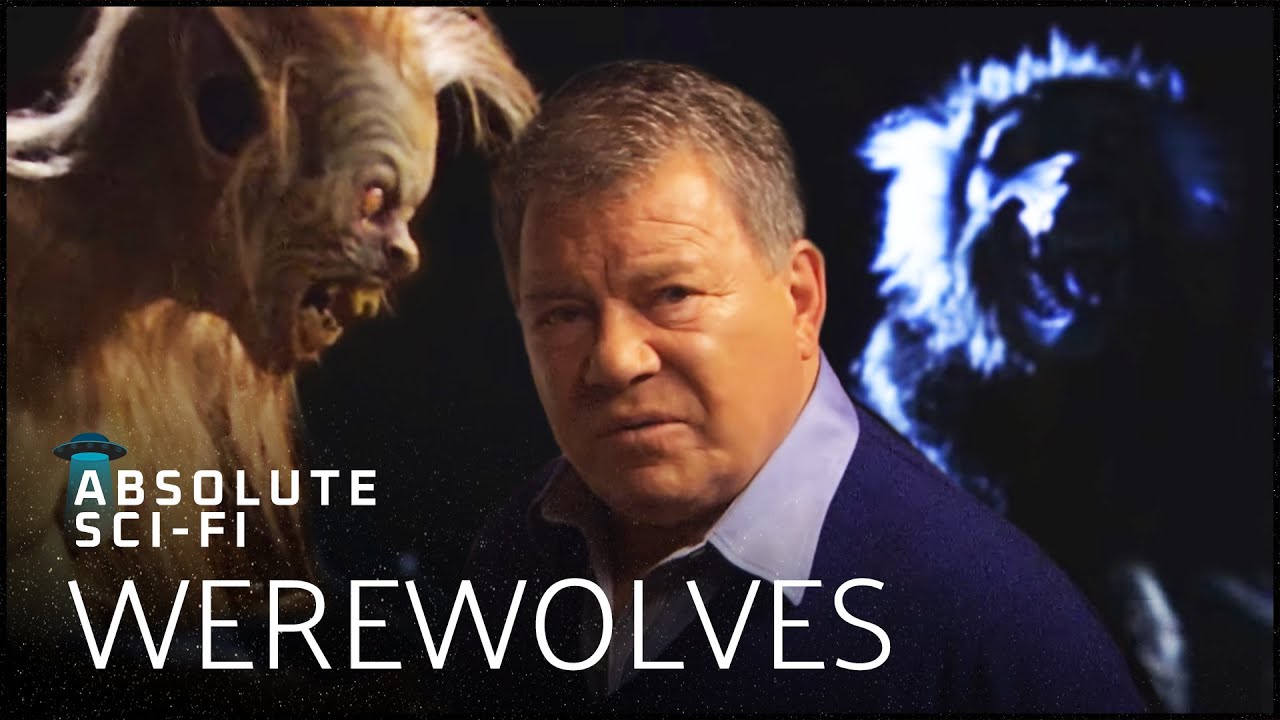
Miniatura del video: Are Werewolves Real? | William Shatner's Weird Or What | Absolute Sci-Fi

The chilling howl echoing through the Wisconsin woods at midnight, the glint of predatory eyes in the darkness—these are images etched into our collective nightmares. But what if these aren't just campfire tales? What if they are echoes of something ancient, something real, lurking just beyond the veil of our perceived reality? William Shatner, a man whose own journey through the cosmos and into the bizarre has prepared him for such revelations, delves into encounters with creatures that defy easy explanation. We're not just talking about spooky stories; we're talking about eyewitness accounts that have haunted communities for decades. The scientific community may dismiss them, but the sheer volume of consistent testimony demands investigation. This isn't about believing in fairy tales; it's about confronting the possibility that our understanding of the natural world is profoundly incomplete.

📖 16 min de lectura
⬡ Expediente de Investigación Confidencial
Nº DE EXPEDIENTE EXP-GEN-2026-007
INVESTIGADOR Alejandro Quintero Ruiz
CONTACTO rinconparanormal@gmail.com
AFILIACIÓN Cha0smagick Labs División de Investigación Paranormal
CLASIFICACIÓN Werewolf Legends
ESTADO En Investigación
FECHA DE APERTURA 2026-08-16
TOOL 🔧 Eerie Roads: Caminos Misteriosos ⭐ PRIORIDAD | Google Play — private GPS navigator with no trackers for urban exploration with dark offline maps
RELACIONADOS 📂 Archivo de Werewolf Legends | 🔬 Laboratorio Central

CASE FILE INDEX

The Jersey Devil: A Winged Menace in New Jersey

Our journey into the uncanny begins in the Pine Barrens of New Jersey, a region steeped in a legend as old as the colonies themselves: the Jersey Devil. For centuries, tales have circulated of a terrifying creature, a \u201cwinged beast\u201d with a horse-like head, the cloven hooves of a goat, and leathery wings that cast a shadow of dread. In the early 20th century, specifically around January 1909, a series of sightings gripped the area, causing widespread panic. Residents reported seeing the creature, hearing its unearthly screams, and finding strange tracks. Children were kept home from school, businesses shuttered, and even law enforcement seemed baffled. William Shatner, in his inimitable style, explores these accounts, not just as folklore, but as potential evidence of an unknown entity. The consistency of descriptions—the wings, the hooves, the terrifying visage—across different witnesses, many of whom were initially skeptical, is what lends a chilling weight to the legend. Could this be a misidentified animal, a mass hallucination, or something far more… anomalous? The sheer terror experienced by those who claimed to see it suggests an encounter that transcended mere imagination.

Reptilian Rise: The South Carolina Lizard Creature

Shifting our gaze southward, we encounter another enigma that defies simple categorization: the giant lizard creature reported in South Carolina. These accounts often describe a bipedal reptilian entity, sometimes with glowing red eyes, moving with unnatural speed and strength. One notable period of sightings occurred in the summer of 1988, particularly around the town of Bishopville. Local residents reported encounters with a creature that seemed to emerge from the swamps, a terrifying figure that left behind impressions of its massive, three-toed feet. The descriptions paint a picture of a creature far larger and more menacing than any known indigenous animal. Shatner's investigation probes whether these sightings could be linked to theories of subterranean worlds, where unknown reptilian species might exist, occasionally surfacing to interact with our reality. The idea of 'reptoids' or lizard people has long been a staple of fringe theories, but when multiple witnesses, independently of each other, describe similar features—scales, claws, a predatory stance—it compels us to ask: Are we truly alone in the biodiversity of this planet? The fear generated by these encounters suggests a primal recognition of a formidable, unknown predator.

Wisconsin's Wolf-Headed Beast: A True Werewolf?

Perhaps the most iconic of the man-beast legends is the werewolf, and the 'Weird or What?' episode brings us to Wisconsin for a chilling account of a creature that fits the description disturbingly well. Picture this: a country road, late at night, and suddenly, a hulking beast blocks the path. Witnesses describe a massive entity, not quite a wolf, not quite a dog, but something horrifyingly in between—a wolf's head atop a large, hairy, canine body. The description, as one commentator noted, sounds uncannily like a werewolf. William Shatner's exploration here moves beyond simple folklore, questioning if these sightings could represent a genuine biological anomaly or a creature that straddles the line between myth and reality. The detailed description provided by witnesses, such as a 'wolf head on a husky, hairy body,' is precisely the kind of specific, yet slightly hesitant, testimony that often accompanies genuine encounters with the unexplained. It avoids the cliché of simply saying 'werewolf,' suggesting the observer was genuinely trying to articulate a bewildering experience. This isn't just a story; it's a potential glimpse into a cryptid that has eluded scientific classification for centuries.

Shatner's Scientific Lens: Separating Myth from Reality

What sets 'Weird or What?' apart is its commitment to examining these phenomena through a lens of scientific inquiry, however unconventional. William Shatner, known for his rational approach even when discussing the irrational, doesn't simply present the tales; he seeks explanations. The series aims to dissect the supernatural and unexplained, applying scientific theories to understand events that defy conventional logic. This involves looking at potential misidentifications, environmental factors, and psychological phenomena. For instance, could the Jersey Devil sightings be attributed to unusual atmospheric conditions or misinterpretations of known wildlife? Could the reptilian creatures be explained by rare genetic mutations in local fauna or even elaborate hoaxes? Shatner's narration guides the viewer through these possibilities, acknowledging the skepticism while still respecting the experiences of those who claim to have witnessed these 'man-beasts.' His approach is crucial: to investigate without immediate dismissal, to explore the 'weird' with a curious, analytical mind. This methodical breakdown is what allows the show to maintain credibility, even when delving into the most outlandish claims.

The Psychology of Fear: Pareidolia and Folklore

A significant part of understanding unexplained sightings lies in the realm of psychology. Phenomena like pareidolia—the tendency to perceive a specific, often meaningful, image in a random or ambiguous visual pattern—can play a substantial role. Seeing a familiar shape in the clouds, a face in a piece of toast, or, perhaps, a monstrous creature in the shadows of a dark forest. William Shatner acknowledges this, exploring how our brains are wired to find patterns, especially when fear or expectation is involved. Folklore itself acts as a powerful psychological framework. Ancient myths of werewolves, demons, and monstrous beings provide ready-made explanations for terrifying or unusual experiences. When someone encounters something strange in a remote area, their mind might instinctively overlay the existing cultural narrative onto the event, leading to descriptions that align with established legends. The commentary from viewers, such as the observation about deniers' explanations being more outrageous than the original story, highlights this tension. It suggests that sometimes, the conventional explanations, while scientifically sound, fail to adequately capture the profound impact of the reported experience.

Cryptozoology's Frontier: The Search for Unknown Animals

The creatures discussed—the Jersey Devil, the South Carolina lizard, the Wisconsin wolf-beast—fall squarely within the domain of cryptozoology. This field, dedicated to the study of hidden or unknown animals (cryptids), operates on the fringes of conventional zoology. While often dismissed, cryptozoology has, on rare occasions, led to the discovery of previously unknown species, such as the okapi and the giant squid. The allure of cryptozoology lies in the possibility that undiscovered life forms exist, perhaps in remote wildernesses, deep oceans, or even, as some theories suggest, in subterranean realms. William Shatner's exploration implicitly touches upon this quest. Are these 'man-beasts' simply undiscovered species, perhaps with unusual characteristics or evolutionary paths? Or do they represent something else entirely—entities that defy biological classification? The 'Weird or What?' series encourages viewers to consider the vastness of the unknown, to ponder the gaps in our scientific understanding. It challenges the notion that we have cataloged all life on Earth, suggesting that mysteries persist, waiting to be uncovered.

Notable Cryptid Sightings Explored
Jersey Devil: Described as a winged creature with a horse-like head and goat hooves, reportedly sighted in New Jersey's Pine Barrens, notably around January 1909.
South Carolina Lizard Man: A bipedal reptilian entity, often described with red eyes and immense strength, sighted in areas like Bishopville during the summer of 1988.
Wisconsin Wolf Beast: A creature with a wolf's head on a large, hairy canine body, encountered on a country road at night, evoking classic werewolf imagery.
General Werewolf Legends: Throughout history, numerous accounts of humans transforming into wolves or wolf-like creatures have persisted across various cultures.

Historical Accounts: Werewolf Legends Through the Ages

The concept of the werewolf is far from new; it is deeply embedded in human history and mythology. Ancient Greek and Roman texts, such as those by Petronius in his 'Satyricon' (circa 1st century AD), describe individuals transforming into wolves. Medieval Europe was rife with werewolf trials and accusations, often intertwined with witchcraft and demonic possession. These weren't just isolated incidents; they were part of a cultural tapestry where the fear of transformation and the wild was palpable. The descriptions varied, but the core elements—human losing control, taking on lupine characteristics, and exhibiting predatory behavior—remained consistent. William Shatner's series taps into this historical depth, suggesting that these aren't recent fabrications but echoes of ancient fears and perhaps, ancient truths. The persistence of these legends across centuries and diverse cultures points to a powerful archetype, one that resonates with fundamental human anxieties about our own nature and the predatory forces, both external and internal, that surround us. The sheer longevity of the werewolf myth suggests it's more than just a story; it's a primal fear given form.

The Biological Impossibility vs. Eyewitness Testimony

From a strictly biological standpoint, the transformation of a human into a wolf—or any creature—is considered impossible. The genetic, physiological, and anatomical changes required are staggering and defy all known principles of biology. This is where the conflict arises: the apparent impossibility of the phenomenon clashes with the compelling nature of eyewitness testimony. People, like those Shatner interviews, recount experiences with a sincerity that is hard to dismiss. They describe details—the texture of fur, the sound of claws on pavement, the unnatural gait—that suggest a tangible encounter. How do we reconcile this? One avenue is to explore conditions like clinical lycanthropy, a rare psychological disorder where individuals believe they can transform, or have transformed, into animals. Another is to consider genetic anomalies or rare diseases that might cause physical deformities or unusual behaviors, leading to misidentification. However, the sheer scale and specific descriptions of some cryptids, like the large size and distinct features of the Wisconsin beast, push the boundaries of these conventional explanations. The series forces us to confront the limitations of our current scientific understanding when faced with persistent, credible reports.

Future Implications: What If They Are Real?

The most profound question raised by the exploration of man-beasts and cryptids is simple yet staggering: What if they are real? If creatures like the Jersey Devil, reptilian entities, or actual werewolves exist, it fundamentally alters our perception of the world. It implies that our scientific models are incomplete, that unknown ecosystems or even dimensions might coexist with our own. The implications are vast, ranging from ecological and biological reassessments to potential security concerns. The documentary segment, by presenting these accounts and asking these questions, serves as a catalyst for thought. It encourages us to remain open-minded, to question the boundaries of the known, and to consider that the 'weird' might be more prevalent than we assume. As William Shatner guides us through these unsettling possibilities, he invites us to consider a universe far stranger and more complex than we typically allow ourselves to imagine. The question isn't just 'Are they real?', but 'What does it mean for us if they are?'

  1. Historical Roots: The werewolf myth is ancient, appearing in texts from classical antiquity and persisting through medieval folklore and witch trials.
  2. Psychological Factors: Pareidolia and the power of suggestion can lead individuals to perceive familiar patterns or legendary creatures in ambiguous stimuli.
  3. Cryptozoological Interest: The study of hidden animals (cryptids) provides a framework for investigating creatures like the Jersey Devil and the Wisconsin Wolf Beast.
  4. Biological Challenges: The concept of human-to-animal transformation presents significant biological impossibilities according to current scientific understanding.
  5. Eyewitness Credibility: Despite biological hurdles, consistent and detailed eyewitness accounts challenge conventional explanations and warrant serious consideration.

Frequently Asked Questions

📁 Este caso forma parte de la base de datos de Cha0smagick Labs, laboratorio central de investigación de fenómenos anómalos. Para consultar investigaciones relacionadas, visite nuestro archivo de Werewolf Legends. Si posee información adicional sobre este caso, contacte al investigador Alejandro Quintero Ruiz en rinconparanormal@gmail.com.

P: Are werewolves real and how to become one?

R: The existence of werewolves remains firmly in the realm of folklore and myth. There is no scientific evidence to support their reality or any known method for becoming one. Legends often describe rituals or curses, but these are purely fictional.

P: Are werewolves real yes or no?

R: No, there is no credible scientific or historical evidence to confirm that werewolves are real. They are considered mythical creatures originating from ancient folklore and urban legends.

P: Are werewolves real reddit?

R: Discussions about werewolves are prevalent on Reddit, with users sharing folklore, personal anecdotes, and fictional stories. However, these discussions reflect interest in mythology and cryptozoology, not factual evidence of their existence.

P: Are werewolves real animals?

R: Werewolves, as depicted in mythology—humans transforming into wolf-like creatures—are not recognized as real animals by zoology or biology. The closest real-world phenomena might be rare genetic conditions or psychological disorders.

P: Are werewolves real in real life?

R: In real life, werewolves are considered mythical beings. While historical accounts and eyewitness testimonies exist, they are often attributed to misidentification, folklore, or psychological phenomena rather than actual shape-shifting creatures.

P: Are werewolves real or fake?

R: Werewolves are overwhelmingly considered fake in a literal sense. The concept originates from ancient myths, legends, and cautionary tales, lacking any verifiable proof of their existence as actual transforming beings.

P: Are werewolves real in Islam?

R: In Islam, the concept of werewolves as transforming humans is generally not accepted as factual. Islamic teachings focus on Jinn and humans as distinct creations, and while Jinn can take various forms, human-to-wolf transformation is not a standard belief.

P: Are werewolves real in America?

R: While there are numerous local legends and folklore about werewolf-like creatures across America, similar to those found globally, there is no concrete evidence to suggest they are real beings in the United States.

P: Are werewolves real in the Bible?

R: The Bible does not explicitly mention werewolves. However, some interpretations suggest passages might allude to transformations or demonic influences that could be metaphorically linked to such legends, though this is not a direct confirmation.

P: Are werewolves real in 2025?

R: The reality of werewolves is not tied to a specific year. As of 2025, just as in previous eras, there is no scientific evidence to support their existence. They remain figures of myth and legend.

Bibliography

Absolute Sci-Fi. (2026, August 16). *Are Werewolves Real? | William Shatner's Weird Or What | Absolute Sci-Fi* [Video]. YouTube. https://www.youtube.com/watch?v=nApjNwtekvE

Shatner, W. (Host). (2026). *Weird or What?* [Television series]. Absolute Sci-Fi.

Thompson, C. J. S. (1920). *The Mystery and Lore of Monsters*. Senate Press. (Specific editions and page numbers may vary).

Conclusion

Petronius. (n.d.). *Satyricon*. (Various translators and editions available).

Investigator's Verdict

The evidence presented, from the historical accounts of werewolves to the specific, unsettling descriptions of the Jersey Devil and the Wisconsin wolf-beast, paints a compelling picture. While science demands irrefutable proof, the sheer volume and consistency of eyewitness testimony across different eras and locations cannot be entirely dismissed as mere folklore or psychological anomaly. William Shatner's approach in 'Weird or What?' is commendable for its attempt to bridge the gap between the unexplained and rational inquiry. However, the persistent question remains: are these merely elaborate myths born from our deepest fears, or are they distorted glimpses of a reality we are not yet equipped to fully comprehend? The possibility of undiscovered species, or even entities that operate outside our known biological laws, cannot be entirely ruled out. The human mind's capacity for both deception and profound perception makes definitive conclusions elusive.

Now, I ask you, the reader: Faced with these accounts, do you lean towards the comforting certainty of myth, or do you feel the unsettling pull of the unknown, the possibility that something ancient and wild still roams the fringes of our world?

About the Author

Alejandro Quintero Ruiz is a seasoned investigative journalist with over two decades of experience delving into the paranormal. Affiliated with Cha0smagick Labs, his work focuses on declassified archives, psychophonic recordings, and the documentary verification of unexplained phenomena. His relentless pursuit of truth has led him to uncover hidden narratives within the world's most perplexing mysteries.

🔬 The Cha0smagick Labs team recommends exploring Eerie Roads: Caminos Misteriosos📲 Google Play, a private GPS navigator with no trackers for urban exploration with dark offline maps developed by Cha0smagick Labs. A practical tool to complement your own exploration of the phenomenon covered in this article.

Your theory could change this case file

If you have experienced something similar, or believe this investigation leaves loose ends, tell me below. The best reader contributions have reopened closed cases.

💬 Leave a comment

Share this case file

If this case unsettled you, someone else needs to read it.

Bodette Video Champ: Analysis of Lake Champlain Monster Footage


# The Bodette Video: Unexplained Phenomena or Misidentification?

Introducción

El Lago Champlain, una masa de agua que se extiende a lo largo de la frontera entre Nueva York y Vermont, ha sido durante mucho tiempo el escenario de misterios inexplicables. Entre las leyendas más persistentes, la del "Champ", una criatura lacustre similar al monstruo del lago Ness, ha capturado la imaginación popular. Uno de los fragmentos de evidencia más discutidos en relación con esta entidad es el llamado "Bodette Video". Grabado desde una embarcación, este metraje, una vez mejorado, ha generado un intenso debate sobre lo que realmente se oculta en las profundidades del lago. Como investigador, mi deber es mirar más allá del sensacionalismo y analizar la evidencia con un ojo crítico, buscando explicaciones racionales o, si fallan, abrazando lo desconocido.

Análisis del Bodette Video

El metraje original, a menudo percibido como granulado y ambiguo, ha sido sometido a procesos de mejora y estabilización digital. Estas técnicas buscan realzar detalles que podrían pasar desapercibidos en la versión cruda. Las mejoras revelan una figura que, según algunos observadores, posee características distintivas, incluyendo la apertura de una boca. La perspectiva, tomada desde un barco, añade una capa de complejidad al análisis, ya que la posición de la cámara y la distancia al sujeto pueden distorsionar la percepción.

La manipulación digital, si bien puede aclarar ciertos aspectos, también puede introducir artefactos o exagerar características mínimas, llevando a interpretaciones erróneas. Una evaluación objetiva requiere considerar tanto la posibilidad de una criatura anómala como la de una identificación errónea de fauna conocida, o incluso un engaño deliberado.

El Contexto de Champ

La leyenda de Champ es un elemento cultural arraigado en la región del Lago Champlain. A lo largo de los años, ha habido numerosos avistamientos reportados, descripciones de objetos anómalos y hasta supuestas fotografías. Sin embargo, la falta de evidencia concluyente ha mantenido a Champ en el ámbito de lo folclórico y lo especulativo. El Bodette Video, al ser uno de los pocos registros visuales de supuesta alta calidad, se convierte en un punto focal para los defensores de la existencia de la criatura.

La comparación con otros casos de críptidos lacustres, como el famoso monstruo del lago Ness, es inevitable. Las similitudes en las descripciones y la naturaleza esquiva de estas supuestas criaturas alimentan la hipótesis de una familia de animales prehistóricos o desconocidos que habitan en los grandes cuerpos de agua dulce del mundo.

Evidencia Anómala o Identificación Errónea?

Los análisis detallados del Bodette Video, especialmente tras su mejora, han generado interpretaciones encontradas. Algunas de las observaciones más intrigantes incluyen:

  • Apertura de la boca: La mejora digital ha permitido a algunos espectadores percibir claramente cómo la criatura abre la boca.
  • Detalles craneales: Se han reportado la visibilidad de crestas orbitales cuando la criatura gira la cabeza, sugiriendo una estructura anatómica compleja más allá de una simple aleta o tronco.
  • Comportamiento alimentario: Rumores persistentes, basados en relatos de quienes afirman haber visto el metraje completo, sugieren que el video muestra a la criatura cazando y comiendo peces.

Sin embargo, el escepticismo es un componente esencial de la investigación paranormal. Alternativamente, las características observadas podrían ser explicadas por:

  • Identificación errónea de fauna conocida: Grandes esturiones, peces de gran tamaño o incluso grupos de peces nadando en formación podrían ser malinterpretados bajo condiciones de poca visibilidad y con movimiento. La presencia de esturiones de gran tamaño en el Lago Champlain, algunos superando los 300 libras y los 150 años de edad, es un hecho conocido.
  • Artefactos de la mejora digital: Los procesos de estabilización y realce pueden crear ilusiones ópticas o exagerar detalles inexistentes en el metraje original.
  • Engaño: La posibilidad de que el video sea una falsificación fabricada para generar interés o notoriedad nunca debe ser descartada sin una investigación exhaustiva.

La discusión se amplifica con menciones a dientes de anguila de tamaño colosal encontrados en el área de Loch Ness, sugiriendo que criaturas de proporciones masivas podrían existir en entornos acuáticos similares, aunque la conexión directa con el Bodette Video requeriría una evidencia más sólida.

Perspectivas de la Comunidad

Las reacciones al Bodette Video son tan variadas como las interpretaciones de su contenido. Mientras algunos quedan asombrados por las supuestas revelaciones del metraje mejorado, atribuyendo la evidencia a una criatura anómala y especulando sobre patrones migratorios de animales desconocidos, otros son menos convencidos. Varios comentaristas expresan dificultad para discernir claramente las características mencionadas, atribuyendo lo visto a grandes anguilas o tortugas.

La experiencia personal de los observadores también juega un papel crucial. Un residente a largo plazo del Lago Champlain, a pesar de pasar años buscando a "Champ" y haber tenido un encuentro cercano con un Sasquatch, admite no haber visto nada en el video que lo convenza. Esta perspectiva ancla el debate en la realidad subjetiva de la percepción.

La mención de la existencia de vídeos más completos, que supuestamente mostrarían a la criatura interactuando con su entorno, añade una capa de misterio y frustración, ya que la liberación de este material podría resolver muchas dudas.

"Holy cow! WTH is that thing? The enhancement completely rewrites everything that's been said about this footage! You can see orbital ridges when it turns its head. Loch Ness has nothing on Champ, this enhancement along with the echolocation evidence DEFINITELY indicates some anomalous animal frequents there. I'm beginning to wonder if these animals are migratory like salmon and return to fresh water and then go back out to sea again after having mated. That would make sense with the frequency of the sightings being in the spring-summer months, late June to early July especially. Great work." — Comentario de un espectador sobre la versión mejorada del video.

Veredicto del Investigador

El Bodette Video, incluso mejorado, se mantiene en la frontera entre la evidencia convincente y la identificación errónea. La presencia de características interpretables como "anómalas" es innegable en las versiones procesadas. Sin embargo, la falta de un consenso claro, la posibilidad de artefactos digitales y la existencia de explicaciones más mundanas, como la presencia de grandes esturiones, impiden una conclusión definitiva.

La evidencia de supuestas crestas orbitales y la apertura de la boca son puntos que merecen una investigación más profunda, idealmente con acceso al metraje completo y a los datos de procesamiento utilizados. Hasta que esa evidencia no esté disponible y sea verificada independientemente, el Bodette Video debe ser catalogado como un caso intrigante, pero no concluyente, dentro del expediente de Champ. La posibilidad de una criatura desconocida en el Lago Champlain sigue siendo una hipótesis plausible, pero el Bodette Video por sí solo no es suficiente para confirmarla.

El Archivo del Investigador

Para aquellos que deseen profundizar en el enigmático mundo de los críptidos lacustres y las investigaciones paranormales, recomiendo los siguientes recursos:

  • Libros: "The Lake Champlain Monster" de Arthur Miller, "In Search of Lake Monsters" de Karl Shuker.
  • Documentales: "MonsterQuest: Lake Champlain Monster" (History Channel), "Searching for the Loch Ness Monster" (varias producciones).
  • Plataformas: Foros dedicados a la criptozoología y sitios web de investigación paranormal de buena reputación.

Preguntas Frecuentes

  • ¿Qué es el Bodette Video?
Es un fragmento de video grabado en el Lago Champlain que supuestamente muestra a la criatura local conocida como "Champ". Ha sido mejorado digitalmente para realzar detalles.
  • ¿Se ha confirmado la existencia de "Champ"?
No. A pesar de numerosos avistamientos y la existencia de videos como el de Bodette, no hay evidencia científica concluyente que confirme la existencia de "Champ".
  • ¿Qué otras explicaciones existen para las imágenes del video?
Las explicaciones incluyen la identificación errónea de fauna conocida como esturiones o grupos de peces, artefactos de la mejora digital o, en algunos casos, la posibilidad de un engaño.
  • ¿Existe el metraje completo del video de Bodette?
Existen informes y rumores sobre la existencia de una versión más larga del video, pero no ha sido lanzada públicamente ni verificada de manera independiente.

Sobre el Autor

Alejandro Quintero Ruiz es un veterano investigador de campo con más de dos décadas de experiencia desentrañando los misterios más esquivos de nuestro mundo. Con un enfoque pragmático y analítico, ha documentado innumerables casos de fenómenos anómalos, desde avistamientos de OVNIs y encuentros con críptidos hasta fenómenos poltergeist y teorías de conspiración. Su metodología rigurosa combina la recopilación de evidencia de campo, el análisis forense de datos y la consulta con expertos en diversas disciplinas. Alejandro es conocido por su estilo directo y su dedicación inquebrantable a la búsqueda de la verdad, sin importar cuán oculta o incómoda pueda ser. Su trabajo busca no solo documentar lo inexplicable, sino también proporcionar un marco de investigación creíble y accesible para el público.

Tu Misión: El Desafío del Investigador

La próxima vez que te encuentres frente a una imagen o video ambiguo, recuerda el Bodette Video. Cuestiona la primera impresión. Busca explicaciones alternativas. ¿Podría ser un pez grande, una formación rocosa inusual, o un fenómeno natural mal interpretado? Tu capacidad para analizar críticamente la evidencia es tu herramienta más valiosa.

Comparte tus propias experiencias o interpretaciones sobre el Bodette Video o avistamientos de "Champ" en los comentarios. Si este análisis te ha parecido revelador, ayúdanos a difundir la investigación compartiéndolo en tus redes sociales.

Turkey - Pictures of Lake Monster


# Lake Van Monster: Analysis of Eyewitness Accounts, Photographic Evidence, and Cryptozoological Significance

Introduction: The Enigma of Lake Van

The vast, often turbulent waters of Lake Van in Eastern Turkey have long been a subject of folklore and speculation. While the region is renowned for its historical significance and stunning landscapes, it also holds a darker, more mysterious secret: tales of a creature lurking in its depths. Are these mere flights of fancy, or could they be echoes of a genuine, undiscovered species? This report delves into the available evidence surrounding the so-called "Lake Van Monster," examining photographic records, eyewitness accounts, and the broader implications for cryptozoology. The objective: to sift through the grainy footage and fervent claims to ascertain the nature of this aquatic enigma.

Historical Context and Timeline of Sightings

Reports of an unidentified creature in Lake Van gained significant traction approximately two years prior to the amateur footage captured in 1997, placing its initial emergence into public consciousness around 1995. This timeline is crucial. Unlike phenomena that appear sporadically, the sustained reporting suggests a persistent presence or a cultural phenomenon that took root. The amateur pictures, though of poor quality, were significant because they offered visual data at a time when the alleged creature was gaining notoriety. This prompted further attempts by professional crews to document the organism, attempts that, according to available records, proved unsuccessful. The persistence of sightings, coupled with the failure of professional documentation, forms the primary narrative arc of the Lake Van monster phenomenon.

Analysis of Photographic and Video Evidence

The visual evidence presented from Lake Van is, by necessity, the cornerstone of any serious investigation. Descriptions from recent footage include:

  • 00:00 WS alleged monster swimming in water: A wide shot, offering a distant view of a long, dark shape moving through the water. The quality is low, making definitive identification impossible, but it aligns with typical descriptions of a large aquatic creature.
  • 00:06 MS head of alleged monster visible on waterline: A medium shot purportedly showing the creature's head. The clarity is limited, but it suggests an unusual profile.
  • 00:41 CU possibly the eye and top of head of alleged monster in water: A close-up shot that might reveal an eye and the upper part of the head. Such details, if genuine, could be critical for identifying the creature's biological characteristics.
  • 00:49 MS bit of alleged monster mainly submerged in water: A medium shot focusing on a submerged portion of the alleged entity, emphasizing its bulk and length.
  • 00:58 MS top of alleged monster's head in water: Another medium shot focusing on the head region.
  • 01:02 MS top of alleged monster's head on very shakey video: This description highlights a common issue in alleged monster footage: instability. Shaky video can obscure details and raise suspicions of manipulation, but it can also be indicative of genuine, spontaneous capture.
  • 01:06 PAN of alleged monster in water showing length: A panoramic view intended to showcase the creature's overall length, a key characteristic often attributed to lake monsters.

The recurring issue across these descriptions is the poor quality and distance of the shots. While some viewers claim this is the "best footage... I have ever seen," and "obviously a living, breathing creature," the reality is that such visuals are highly susceptible to misinterpretation. Natural phenomena such as logs, large fish, unusual wave patterns, or even a series of seals could, under specific lighting and distance conditions, be mistaken for a monster. The amateur nature of the footage, while potentially authenticating its spontaneity, also limits its scientific value. Attempts by professional crews to capture clearer images have yielded no definitive results, strengthening the argument for caution.

A commenter noted, "Destination Truth did an episode on the Lake Van monster and had thermal images on the surface and also recorded a large unidentified creature under their boat." This suggests that other, potentially more sophisticated investigations have occurred, adding layers to the mystery. However, without access to the specific findings of such expeditions, it remains speculative.

Eyewitness Testimonies: Governor and University Staff

Beyond the visual data, the phenomenon is bolstered by compelling eyewitness accounts from credible local figures. The Governor of Van himself is reported to have stated, "he has seen the monster." Such testimony from a high-ranking official lends significant weight to the claims, suggesting that the phenomenon is not merely confined to anecdotal reports from the general populace.

Furthermore, Professor Avni Ozturk of Van University offered a more scientifically grounded hypothesis: "that it's probably some sort of sea reptile living deep in the lake that surfaces occasionally." This suggestion by an academic introduces the possibility of an undiscovered species, perhaps a relict population of marine reptiles or a large, unknown fish. The idea of a creature adapted to deep, cold waters is consistent with the ecology of large lakes. Another witness, "monster hunter Unal Kozak," claims to have captured the footage after dedicated research and staking out the lake, convinced of its existence. His conviction, combined with the Governor’s statement and the Professor’s hypothesis, paints a picture of a phenomenon taken seriously by those in positions of authority and expertise within the region.

Cryptozoological Perspectives and Comparisons

The Lake Van Monster fits neatly into the broader category of lake monster cryptids, a classification that includes famous examples like the Loch Ness Monster. These accounts often share common characteristics: large, serpentine bodies, humps or fins, and an elusive nature. One commenter observed, "Looks similar to the cryptid, seen in Lough (Loch/Lake) Foyle (Ireland circa 2013)." This comparison with other, geographically distant sightings suggests either a shared archetype in cryptid folklore or, more speculatively, the existence of similar unknown species across various aquatic environments.

The estimate of "15 M long" provided in one transcript aligns with the scale of other prominent lake monsters. The claim that "There is a full mural on the church walls on the Akdamar island at the top of the lake! In other words, it really is a creature that lives in the lake. And it has reproduced since then!" is particularly intriguing. If ancient depictions of a creature matching the description exist, it could imply a long-standing presence in the lake, predating modern sightings. This would elevate the Lake Van Monster from a recent anomaly to a potentially ancient biological mystery.

However, skepticism is warranted. The human tendency to project familiar shapes onto ambiguous stimuli (pareidolia) or to embellish stories over time can create compelling, yet ultimately unfounded, legends. The lack of definitive biological evidence, such as skeletal remains, DNA samples, or clear, incontrovertible photographic/video evidence, leaves the Lake Van Monster firmly in the realm of the unproven.

Investigator's Verdict: Fraud, Genuine Phenomenon, or Something Else?

Based on the available evidence – grainy amateur footage, inconclusive professional attempts at documentation, and compelling but uncorroborated eyewitness accounts from local figures – the Lake Van Monster remains an enigma.

  • Fraud: While possible, the statements from the Governor and a university professor lend credibility, making a widespread hoax less likely, though individual hoaxes are always a consideration.
  • Genuine Phenomenon: The possibility of an unknown species, perhaps a large fish or marine reptile, cannot be entirely dismissed, especially given the lake's size and depth. Professor Ozturk's hypothesis is plausible within this framework.
  • Misidentification: This is the most scientifically probable explanation. Natural phenomena, such as unusual wave formations, floating debris, or large schools of fish, could be misinterpreted, especially under conditions of low visibility or during moments of heightened excitement. The repeated failure of professional crews to capture definitive evidence supports this.

The "interesting how you hear about and then see this footage, and then nothing more is really ever heard about this unknown creature again. Intriguing nonetheless," sentiment reflects the ephemeral nature of many such reports. Without further, robust evidence—clear sonar readings, genetic material, or unambiguous high-definition footage—the Lake Van Monster remains a compelling legend rather than a confirmed biological entity.

The Investigator's Archive: Recommended Resources

For those seeking to delve deeper into the fascinating world of aquatic cryptids and unexplained phenomena, the following resources are invaluable:
  • Books:
  • "The Field Guide to Lake Monsters" by Loren Coleman and Patrick Huyghe.
  • "In Search of Lake Monsters" by Paul Bartholomew.
  • Documentaries:
  • Investigate documentaries focused on specific lake monster cases, such as those exploring Loch Ness or the Okanagan Monster. Be critical of sensationalism and seek out those that present evidence rigorously.
  • Online Archives & Forums:
  • Websites dedicated to cryptozoology and paranormal research often host databases of sightings and analysis. Exercise caution and cross-reference information.
  • Academic databases for papers on unusual aquatic biology or regional folklore.

Investigating these legends requires a critical eye, a willingness to explore unconventional possibilities, and a commitment to verifying information wherever possible.

Frequently Asked Questions

  • Q1: When were the first reports of the Lake Van Monster?
A1: Reports gained significant attention around 1995, with notable amateur footage surfacing in 1997.
  • Q2: What kind of evidence exists for the Lake Van Monster?
A2: The primary evidence consists of grainy amateur photographs and video footage, alongside eyewitness testimonies from local figures, including the Governor of Van and a university professor.
  • Q3: Has there been any scientific investigation into the creature?
A3: While local academics have offered hypotheses, there is no widely documented, definitive scientific investigation that has confirmed the creature's existence. Professional camera crews have attempted to capture clearer footage without success.
  • Q4: How does the Lake Van Monster compare to other lake monsters?
A4: It shares characteristics with other lake monsters, such as large size and an elusive nature, leading to comparisons with cryptids like the Loch Ness Monster.

About the Author

alejandro quintero ruiz is a veteran investigator of the unexplained, with over two decades dedicated to field research across the globe. His pragmatic approach, honed by countless nights spent in desolate locations and hours poring over fragmented evidence, provides a unique lens through which to examine the world's most perplexing mysteries. From the shadowed corners of ufology to the murky depths of cryptozoology and the unsettling whispers of conspiracy theories, Quintero seeks not to debunk, but to understand. His work is driven by the conviction that while the unknown may often be frightening, it is through rigorous analysis and open inquiry that we edge closer to the truth, however elusive it may be. He believes every shadow hides a story, and every unexplained event deserves a thorough investigation.

Your Field Mission

The Lake Van Monster case, like so many others, highlights the challenges and allure of investigating the unknown. While the evidence presented is suggestive, it remains firmly in the realm of the unconfirmed.

Your Mission: Examine local news archives or folklore databases for any historical accounts or artistic depictions of creatures in Turkey predating the 1995 sightings. Does the legend have deeper roots? Share any findings in the comments below. The pursuit of truth is a collaborative effort.

--- CALL TO ACTION:

Have you encountered phenomena that defy easy explanation? Share your experiences and theories regarding the Lake Van Monster and other cryptids in the comments section. Your insights could be the missing piece of a larger puzzle. Don't forget to share this investigation on your social media platforms to spark discussion among fellow truth-seekers!