Followers

Mostrando las entradas con la etiqueta Investigator's Dossier. Mostrar todas las entradas

Cryptobotany's Terrifying Flora: An Investigator's Dossier

Image

The natural world, a tapestry woven with known species and evolutionary marvels, also harbors shadowed threads of the unknown. Beyond the familiar flora lies a clandestine discipline: Cryptobotany. This field delves into the whispered legends and unconfirmed reports of plant life that defy conventional biology, blurring the lines between myth and reality. Join me as we dissect the evidence, or lack thereof, surrounding some of the most unsettling botanical entities ever described.

Introduction: The Uncharted Terrors of Flora

Legends of man-eating plants are as old as storytelling itself, tales whispered around campfires and passed down through generations. While modern science has cataloged an astonishing array of botanical life, cryptobotany ventures into the fringes, investigating accounts of plants with predatory or otherwise anomalous characteristics that remain unverified by mainstream botany. My own investigation into these claims begins with a pragmatic lens, seeking verifiable data amidst sensational folklore.

1:03 The Yateveo - A Mythical Maneater?

One of the most persistent cryptobotanical legends centers around the "Yateveo," often described as a colossal, mobile carnivorous plant originating from South America. Accounts, some dating back centuries, depict a terrifying organism with vine-like tendrils capable of ensnaring and digesting large animals, even humans. However, rigorous field research and botanical expeditions have yet to yield a single specimen or irrefutable evidence to substantiate its existence. The descriptions often align with exaggerated interpretations of known carnivorous plants or pre-existing folklore.

Recommended Gear for Investigation

ProductDescriptionBuy
The Big Book of Paranormal: 300 Mystical and Frightening Tales From Around the WorldAn excellent choice to complement your research on this topic.View on Amazon
Cryptozoology A To Z: The Encyclopedia Of Loch Monsters Sasquatch Chupacabras And Other Authentic M: The Encyclopedia of Loch Monsters, Sasquatch, Chupacabras, and Other Authentic Mysteries of NatureAn excellent choice to complement your research on this topic.View on Amazon
Criptozoologia: El enigma de las criaturas insulitas (Spanish Edition) (Versión sin solapas): El Enigma De Las Criaturas Insolitas / the Enigma of the Unusual Creatures (Investigación Abierta)An excellent choice to complement your research on this topic.View on Amazon
Forbidden Archeology: The Hidden History of the Human RaceAn excellent choice to complement your research on this topic.View on Amazon
The H. P. Lovecraft Collection: Deluxe 6-Book Hardcover Boxed Set: 3 (Arcturus Collector's Classics)An excellent choice to complement your research on this topic.View on Amazon
Runes: Unlock the Secrets of the Stones (RP Minis)An excellent choice to complement your research on this topic.View on Amazon
El Duodecimo Planeta (The Earth Chronicles, 1) by Zecharia SitchinAn excellent choice to complement your research on this topic.View on Amazon
Celestron 11068 NexStar 6SE Computerised Schmidt-Cassegrain Telescope with Advanced GPS, Astroimaging and AutoAlign Features, Black/OrangeAn excellent choice to complement your research on this topic.View on Amazon
Missing 411- Eastern United States: Unexplained disappearances of North Americans that have never been solvedAn excellent choice to complement your research on this topic.View on Amazon
Ghost-Hunting For Dummies [Idioma Inglés] An excellent choice to complement your research on this topic.View on Amazon

1:18 Historical Accounts and the 1887 Volume

Delving into historical records is crucial in cryptobotany. James William Buel's 1887 book, "The Strange Countrys of the World," is frequently cited in discussions of cryptoflora. Buel documented various sensational claims, including descriptions that could be interpreted as large, predatory plants. While these accounts contribute to the mystique, it's essential to contextualize them within the era's journalistic standards, which often prioritized sensationalism over strict factual accuracy. We must ask: were these observations genuine encounters with unknown species, or romanticized retellings?

2:01 Duñak: The "Tree That Kills"

The "Duñak" is another entity that surfaces in cryptobotanical lore, purportedly found in remote regions. Descriptions vary, but often paint a picture of a tree that actively harms or consumes those who venture too close. Similar to the Yateveo, concrete evidence for the Duñak remains elusive. It is plausible that such legends arise from encounters with poisonous plants, or perhaps from the psychological impact of dense, unfamiliar forests where disorientation and fear can lead to misinterpretation of natural phenomena. The lack of specimens or photographic evidence forces us to consider these plants as folklore for now.

2:47 The Vampire Tree

The concept of a "Vampire Tree" evokes images of a parasitic or sanguivorous plant, feeding on the life force or blood of other organisms. While no documented flora exhibits vampiric traits in the literal sense, many parasitic plants derive nutrients from hosts, sometimes to their detriment. Cryptobotanical interpretations of these relationships often escalate the narrative, attributing malevolent intent and supernatural qualities to natural processes. This projection of human-like malice onto flora is a common theme in folklore and requires careful deconstruction.

2:56 Mr. Dustan and the Explored Tropics

Further historical research, such as accounts potentially referencing individuals like "Mr. Dustan" exploring tropical regions, often reveals narratives that are difficult to verify. These accounts might describe unusual plant behaviors or appearances, but without corroborating evidence from multiple sources or scientific expeditions, they remain anecdotal. The "explored tropics," while vast, have been subject to extensive study, making the discovery of a previously unknown, large, and actively predatory plant a statistically improbable event, though not impossible.

4:26 The Madagascar Carnivorous Tree: Fact or Fiction?

The idea of a giant carnivorous tree in Madagascar has captured the imagination for decades. Reports, often traced back to sensationalist publications from the late 19th and early 20th centuries, describe a massive plant with a pit-like maw capable of trapping and digesting large prey. However, systematic botanical surveys of Madagascar have never uncovered such a species. While the island is home to unique biodiversity, including pitcher plants, the notion of a meter-wide tree that devours animals remains firmly in the realm of cryptobotany and speculative fiction. The science behind plant digestion, while complex, involves chemical processes that are unlikely to scale to such a degree without significant biological adaptations not observed in known flora.

6:18 The South Pacific Death Flower

Legends of a "Death Flower" in the South Pacific speak of a plant whose very proximity can be fatal, or whose pollen induces a near-instantaneous demise. Such tales likely stem from a combination of factors: the existence of genuinely toxic plants found on Pacific islands, the tendency for explorers to encounter unknown diseases in exotic locales, and the inherent dangers of navigating remote, potentially hazardous environments. The romanticization of these natural threats can easily transform them into mythical, malevolent flora. Some online commenters, when discussing such legends, often bring up similar tales from their own regions, suggesting a cross-cultural tendency to personify natural dangers. For instance, one user noted, "Me recuerdan a algunos árboles y plantas descritos en los libros de Harry Potter," drawing a parallel to fictional dangerous flora, which highlights how ingrained these archetypes are in our collective consciousness.

6:44 Captain Arkwright's Encounters

Accounts attributed to figures like Captain Arkwright, detailing encounters with strange botanical specimens, add layers to the cryptobotanical narrative. These firsthand reports, while compelling, often lack the empirical rigor required for scientific validation. Without detailed specimen collection, photographic evidence, or multiple independent corroborations, such tales are best classified as anecdotal. The desire to believe in such wonders is strong, and many viewers express this fascination. One comment encapsulates this sentiment: "me encanta que explores y redactes a las criaturas mitologicas mas exoticas y misteriosas de nuestra historia," indicating a strong audience interest in the unknown and unusual.

7:08 The Brazilian Devil Tree

The "Brazilian Devil Tree" is another entry in the cryptobotanical bestiary, often depicted as a malevolent entity with supernatural ties. Such legends may be rooted in the unusual or terrifying appearance of certain real-world plants, or perhaps in indigenous folklore that imbues the natural world with spiritual significance. The scientific method, however, demands empirical evidence, which is consistently lacking for these sensational claims. It's worth noting that the fascination with such plants is shared by many. One viewer commented, "Aprendo más contigo que en la escuela :'0," underscoring the educational value some find in these explorations, even if the subjects lean towards the speculative.

8:07 Venus Flytrap: A Known Predator

While exploring hypothetical man-eating trees, it's essential to acknowledge the reality of carnivorous plants. The Venus flytrap (Dionaea muscipula) is a well-documented example of flora that actively captures and digests insects. Its mechanisms, while remarkable, are limited to small prey. Other well-known carnivorous plants like the Nepenthes and Sarracenia families operate on similar principles. These known species serve as a scientific baseline against which more extraordinary cryptobotanical claims can be measured. The very existence of these plants fuels the imagination, leading some to wonder about their potential evolutionary pathways.

Investigator's Verdict: Fraud, Genuine Phenomenon, or Something Else?

After sifting through historical accounts, folklore, and the scant purported evidence, the conclusion regarding most cryptobotanical "terrors" is clear: they reside almost entirely in the realm of myth and legend. The descriptions often echo sensationalist journalism of past eras or are elaborate embellishments of known botanical facts. While the possibility of undiscovered species always exists in vast, unexplored regions, the documented cases of colossal, mobile, man-eating plants lack the substantiating evidence required for scientific acceptance. Many comments reflect a healthy skepticism, like one user noting, "Realmente no creo que hayan existido esos gigantescos arboles carnívoros pero sí son dignos de estar en skull island je je. Buen video." This sentiment captures the essence of cryptobotany: exploring the boundaries of belief and the allure of the unknown, even when the evidence suggests a more mundane or fictional origin.

The Investigator's Archive

For those seeking to delve deeper into the documented world of botany and its more unusual aspects, I recommend the following resources:

  • "The Savage Garden: Cultivating Carnivorous Plants" by Peter D'Amato - A comprehensive guide to known carnivorous flora.
  • Reputable botanical journals and encyclopedias: For scientific accuracy regarding plant life.
  • Historical accounts of exploration: To understand the context of early reports on unusual flora, while maintaining critical analysis.

Frequently Asked Questions

What is Cryptobotany?
Cryptobotany is the study of plants that are rumored or believed to exist but have not been documented by mainstream science, often bordering on myth and legend.
Are there scientifically recognized man-eating plants?
While no large, mobile man-eating trees are scientifically recognized, numerous species of carnivorous plants exist that trap and digest insects and small animals.
What is the origin of legends about killer plants?
These legends likely stem from a combination of factors, including exaggerated accounts of real carnivorous plants, the existence of toxic flora, fear of unexplored wilderness, and the human tendency to personify natural dangers.
Could undiscovered plant species still exist?
Yes, particularly in remote and underexplored regions of the world, but the discovery of a large, predatory plant would be a significant scientific event requiring substantial evidence.

Your Field Mission: Documenting the Known

The allure of the unknown is powerful, but verifiable knowledge is the bedrock of understanding. Your mission, should you choose to accept it, is to explore the known world of botany. Visit a local botanical garden, research a specific carnivorous plant species, or even attempt to cultivate one. Document your findings, observe its behavior, and share your *verified* observations. True discovery often begins with a deep understanding of what is already before us.

What are your thoughts on these cryptobotanical legends? Have you encountered any local folklore about unusual plants? Share your experiences and theories in the comments below. Your insights are invaluable to our ongoing investigations. If you found this exploration illuminating, please share it across your social networks to help spread awareness of the unexplained!

Investigator's Note: True paranormal research doesn't fund itself. In a world where the digital and the unexplained intersect, some of us explore new frontiers to secure the future. Do you dare to be part of the vanguard? Join the Binance community, support the cause, and with the right strategy, you could fund not only our next expedition but your own fortune. The next great discovery could be just a click away.

The Best Cryptid Evidence: An Investigator's Analysis

Image

In the shadowy corners of our world, where the veil between the known and the unknown thins, lies the realm of cryptids. These elusive creatures, from the deep sea to forgotten mountain ranges, have long captured the human imagination. But beyond folklore and speculation, what tangible evidence exists? As an investigator, I delve into the most compelling cases, dissecting the claims and scrutinizing the proof, separating the exceptional from the erroneous. This dossier examines the strongest evidence presented for creatures that defy conventional zoology.

Introduction to Cryptid Evidence

The pursuit of cryptids is a testament to humanity's enduring curiosity about the unexplored. While many accounts are dismissed as misidentification or outright fabrication, a select few pieces of evidence warrant closer examination. These often include photographs, video footage, audio recordings, and eyewitness testimonies that, while not definitive proof, raise significant questions. The challenge, as always, lies in filtering the noise from the signal, the wishful thinking from the factual occurrence. Our current understanding of the natural world is constantly evolving, and it's complacent to assume we have cataloged every living organism. The sheer scale of unexplored territories, particularly our oceans, leaves ample room for the scientifically unknown.

The Challenge of Photographic and Video Proof

A common refrain in cryptid research is the frustrating lack of clear, irrefutable photographic or video evidence. As one observer astutely noted, "I always used to wonder 'Why can't they get a clear picture?' As a father - I can be 3 feet away from my kid - trying to keep still, with a small, light modern HD phone camera, and those pictures will be absolute trash. Imagine sighting something from an untold distance away, with a low quality camera, that is in active motion..... even if I were to use a cell phone today, for the most part, I can't even tell what a normal person looks like at certain distances when they are still." This sentiment highlights a critical aspect of evidence evaluation. Sighting an unknown entity, especially one that is likely elusive and potentially wary of human presence, under duress and with suboptimal equipment dramatically reduces the probability of capturing high-quality imagery. The adage "Pics or it didn't happen" is often countered by the reality of photographic limitations in high-stress, low-visibility scenarios.

Recommended Gear for Investigation

ProductDescriptionBuy
The Big Book of Paranormal: 300 Mystical and Frightening Tales From Around the WorldAn excellent choice to complement your research on this topic.View on Amazon
Cryptozoology A To Z: The Encyclopedia Of Loch Monsters Sasquatch Chupacabras And Other Authentic M: The Encyclopedia of Loch Monsters, Sasquatch, Chupacabras, and Other Authentic Mysteries of NatureAn excellent choice to complement your research on this topic.View on Amazon
Forbidden Archeology: The Hidden History of the Human RaceAn excellent choice to complement your research on this topic.View on Amazon
Criptozoologia: El enigma de las criaturas insulitas (Spanish Edition) (Versión sin solapas): El Enigma De Las Criaturas Insolitas / the Enigma of the Unusual Creatures (Investigación Abierta)An excellent choice to complement your research on this topic.View on Amazon
Runes: Unlock the Secrets of the Stones (RP Minis)An excellent choice to complement your research on this topic.View on Amazon
The H. P. Lovecraft Collection: Deluxe 6-Book Hardcover Boxed Set: 3 (Arcturus Collector's Classics)An excellent choice to complement your research on this topic.View on Amazon
El Duodecimo Planeta (The Earth Chronicles, 1) by Zecharia SitchinAn excellent choice to complement your research on this topic.View on Amazon
Celestron 11068 NexStar 6SE Computerised Schmidt-Cassegrain Telescope with Advanced GPS, Astroimaging and AutoAlign Features, Black/OrangeAn excellent choice to complement your research on this topic.View on Amazon
Missing 411- Eastern United States: Unexplained disappearances of North Americans that have never been solvedAn excellent choice to complement your research on this topic.View on Amazon
Manual del Investigador Paranormal: (Versión sin solapas) (Investigación Abierta)An excellent choice to complement your research on this topic.View on Amazon

Conversely, the very abundance of "pics" can be a red flag. The ease with which digital images and videos can be manipulated in the modern age means that clear, stunning visuals should be met with a degree of skepticism. The "first rule of filming Cryptids," as sarcastically pointed out, often seems to be "shake the camera as much as possible." This deliberate or unintentional obfuscation tactics can be used to mask hoaxes, but they can also be genuine artifacts of the sighting itself.

Case Study: The Honshu Wolf

The potential survival of the Honshu wolf (Canis lupus hodophilax) is a persistent topic in Japanese cryptozoology. While officially declared extinct in the early 20th century, anecdotal evidence and more recent reports suggest otherwise. Eyewitness accounts, such as the one described by Yagi-san, continue to fuel speculation. Notably, there are claims of more recent findings, including a faint howl recorded in 2018 by cameras placed in the Okuchichibu Mountains. While photographs are often cited as compelling, as one commenter noted, "I definitely believe the Honshu Wolf could still be out there, I mean those pics are too good to deny." However, the scientific community remains cautious. "Nice pictures, but without genetic testing we aren't any wiser," states another observer regarding the Chichibu Wolf, emphasizing the need for biological evidence to move beyond conjecture. The difficulty in locating them, despite their apparently restricted range compared to larger cryptids, underscores the challenges in even proving extant populations of known, rare species, let alone undiscovered ones.

Aquatic Enigmas: Goblin Sharks and Unidentified Marine Life

The ocean, representing over 70% of our planet's surface and remaining largely unexplored, is perhaps the most fertile ground for potential cryptid discoveries. The existence of bizarre deep-sea creatures like the Goblin Shark (Mitsukurina owstoni) serves as a potent reminder of the strange life forms that inhabit our planet's depths. The discovery of what could be a distinct, larger species of Goblin Shark has led to playful suggestions of naming them "Orc Sharks" or "Hobgoblin Sharks." As one commenter humorously put it, "since cryptids aren't just unknown species, but can also be outsized versions of known species, those huge Goblin sharks are definite evidence of cryptids."

The potential for undiscovered marine species is significant. Unlike terrestrial environments, where human presence is widespread, vast swathes of the ocean remain inaccessible. This makes water cryptids inherently more plausible. The mystery surrounding ephemeral or gelatinous unidentified marine organisms, sometimes referred to as "globsters," also presents a compelling area of study. The "Gwenith Penry‘s Blob" is cited as an example where photographic evidence, though baffling, remains intriguing. Discussions around organisms like siphonophores also highlight the complexity scientists face in classifying unusual marine finds, blurring the lines between known biological structures and potential new discoveries.

A particularly interesting case study is the "corkscrew thing," where the scarce visual data, limited to a few frames, prevents a conclusive identification. Understanding its movement could significantly narrow down possibilities, illustrating how even limited visual data, if analyzed correctly, can be scientifically valuable.

The Plausibility of Big Cat Sightings in the UK

Reports of large felines—panthers, cougars, and lynxes—have persisted for decades across the United Kingdom, regions where these animals are not native. The most common explanations involve escaped exotic pets or former zoo animals. Intriguingly, a live Puma was captured in Scotland in 1980, with no clear origin. This incident lends a degree of credence to the possibility of such animals establishing themselves in the wild. While debate continues on whether these sightings represent a sustained population or isolated incidents, the persistence of reports and the occasional verifiable capture support further investigation into this phenomenon. It raises questions about how well we truly know our local wildlife and the potential for introduced species to thrive.

Veredicto del Investigador: ¿Fraude, Fenómeno Genuino o Algo Más?

After dissecting numerous accounts and scrutinizing the available evidence—from shaky video footage of potential thylacines to debated photographs of wolves—the verdict remains complex. The human capacity for misidentification, combined with the sheer difficulty of capturing clear images of elusive creatures, means that definitive proof remains elusive for most cryptids. However, the persistence of certain reports, geographical consistencies, and the occasional pieces of evidence that defy easy explanation, like the UK's big cat sightings or the potential for undiscovered marine life, suggest that we should not dismiss the possibility of unknown species outright. The scientific method demands rigorous evidence, and much of what is presented falls short. Yet, the continued exploration of our planet, particularly its vast oceans, and the inherent limitations of observation, leave the door ajar for genuine discoveries. The most compelling documentation often pertains to truly unknown species, where the single snapshot or brief encounter is all that exists, precisely because the animal is so obscure and rare.

El Archivo del Investigador

For those seeking to deepen their understanding of cryptids and investigative techniques, several resources are invaluable:

  • Books: Explore works by renowned cryptozoologists and researchers. Consider titles that delve into specific cryptids or methodologies for evaluating evidence. For a broad overview, look into works by Bernard Heuvelmans or Loren Coleman.
  • Documentaries: Numerous documentaries explore cryptid sightings and investigations. Look for those that present a balanced view, examining evidence critically rather than relying solely on sensationalism.
  • Websites and Forums: Online communities and dedicated websites offer a wealth of information, discussions, and potential case studies. Be discerning, as quality varies.
  • Academic Journals: While rare, some biological and zoological journals may occasionally publish papers on anomalous animal sightings or population studies in remote areas that touch upon cryptid-related topics.
  • Museum Archives: Institutions like the British Museum have reportedly reviewed evidence, such as the 1991 Thylacine photo, deeming it "probably real," indicating that even established bodies engage with such evidence.

Protocolo: Análisis de Evidencia Fotográfica y Videográfica

  1. Contextualización: Determine the source of the image/video. When and where was it taken? Who took it, and what were the circumstances?
  2. Análisis de Calidad: Assess the image resolution, lighting, and clarity. Are there indications of manipulation or damage?
  3. Comparación con lo Conocido: If the subject is claimed to be a specific cryptid, compare its features to known animals, including variations in size, color, and anatomy. Check for known species that might be misidentified.
  4. Evaluación de Movimiento (Video): Analyze the gait, locomotion, and interaction with the environment. Does the movement align with known animal behaviors or physics?
  5. Anomalías y Consistencias: Look for unusual or inconsistent features that cannot be easily explained by known factors. Conversely, identify elements that align perfectly with known species, which might suggest mimicry or hoaxing.
  6. Digital Forensics: Employ software tools to check for signs of digital alteration, metadata analysis, and pixel-level examination.
  7. Testimonios Alineados: Corroborate the visual evidence with eyewitness accounts. Do the descriptions match what is seen?

Preguntas Frecuentes

¿Por qué es tan difícil obtener pruebas claras de los críptidos?
La dificultad radica en múltiples factores: la naturaleza esquiva de las criaturas, las condiciones de avistamiento a menudo desfavorables (distancia, poca luz, movimiento rápido), las limitaciones del equipo de grabación, y la tendencia a la manipulación digital de imágenes.
¿Son más creíbles las pruebas existentes de críptidos marinos?
Las pruebas de críptidos marinos a menudo se consideran más plausibles debido a la vasta extensión inexplorada de los océanos. La profundidad y el acceso limitado dificultan la catalogación completa de la vida marina, dejando un mayor margen para la existencia de especies desconocidas.
¿Cómo se distingue una fotografía de críptido genuina de un engaño?
El análisis riguroso es clave. Esto incluye la verificación de la fuente, el análisis de la calidad de la imagen, la comparación con animales conocidos, la búsqueda de inconsistencias anatómicas o de comportamiento, y el uso de herramientas forenses digitales. Los testimonios que coinciden son un factor adicional, pero no concluyente.
¿Qué papel juegan las teorías de conspiración en la evidencia de críptidos?
Las teorías de conspiración pueden complicar la evaluación de la evidencia al sugerir encubrimientos gubernamentales o científicos. Si bien es importante considerar todas las posibilidades, la investigación debe centrarse en la evidencia tangible y verificable, independientemente de las narrativas conspirativas.

Tu Misión: Campo de Investigación Personal

La próxima vez que te encuentres con una fotografía o un video que supuestamente muestra un críptido, aplícate este protocolo. No te conformes con la afirmación inicial; cuestiona, analiza y busca explicaciones alternativas. ¿Podría ser un animal conocido mal identificado? ¿Hay signos de manipulación digital? ¿El testimonio respalda la evidencia visual? Tu escepticismo informado es la herramienta más poderosa que posees.

No te conformes con la superficie. ¡Profundiza y comparte tus hallazgos!

  • ¿Has presenciado algo inexplicable? Comparte tu experiencia en los comentarios de abajo. Tu testimonio podría ser la pieza de un rompecabezas mayor.
  • ¿Esta investigación te ha abierto los ojos? Ayúdanos a expandir el conocimiento compartiendo este artículo en tus redes sociales.
  • Para más expedientes clasificados como este, asegúrate de seguir nuestro canal y suscribirte a nuestras notificaciones. ¡El misterio nunca duerme!

Investigator's Note: True paranormal research doesn't fund itself. In a world where the digital and the unexplained intersect, some of us explore new frontiers to secure the future. Do you dare to be part of the vanguard? Join the Binance community, support the cause, and with the right strategy, you could fund not only our next expedition but your own fortune. The next great discovery could be just a click away.
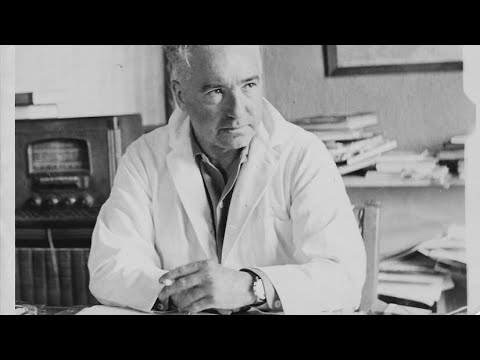
Wilhelm Reich's Orgone Energy: Heresy or Hidden Science? An Investigator's Dossier


Introduction: The Shadow of Orgone

The annals of unconventional science are rarely tidy. They are a tempest of brilliant insights clashing with entrenched dogma, often leaving behind figures who are simultaneously lauded as pioneers and condemned as charlatans. Wilhelm Reich, the controversial Austrian psychoanalyst and student of Freud, sits squarely in this tempest. His theories of "orgone energy" – a purported universal life force permeating all matter – continue to spark debate, attracting both fervent believers and staunch critics. Today, we open the classified file on Reich and his orgone, attempting to navigate the treacherous terrain between visionary hypothesis and scientific heresy.

This investigation isn't about sensationalism; it's about rigorous analysis. We dissect Reich's foundational concepts, examine his experimental apparatus, scrutinize the claims made for its efficacy, and confront the monumental pushback from the scientific establishment. The question remains: was Reich a madman peddling pseudoscience, or a visionary scientist glimpsing truths that Big Science refused to acknowledge? Let's delve into the evidence and draw our own conclusions, armed with critical thinking and an open, yet skeptical, mind.

Reich's Hypothesis: The Universal Life Force

At the heart of Wilhelm Reich's work lies the concept of orgone. Reich posited that orgone is a fundamental, massless, omnipresent energy that animates all living things and fills the universe. It is, in essence, the vital force of existence, the very "stuff" of life, consciousness, and emotion. He believed it to be the underlying principle behind phenomena that traditional science struggled to quantify, such as emotions, biological growth, and even cosmic radiation.

His initial explorations began with his psychoanalytic work. Reich observed what he termed "character armor" – the psychological defenses individuals erect. He theorized that these defenses manifested not just psychologically but also physically, as muscular tensions that blocked the natural flow of life energy within the body. This blocked energy, he argued, not only led to neuroses but also contributed to various physical ailments. He meticulously documented these observations, believing he had found a direct physiological basis for psychological distress.

Reich’s vision of orgone was ambitious. He proposed it was responsible for everything from the pulsatile expansion and contraction of the universe (cosmic orgone pulsation) to the fundamental drives of living organisms. He classified orgone energy into different types::

  • OR- (Orgone): The basic, life-positive energy.
  • OD- (Orgonite): Deadly orgone energy, which Reich believed was stagnant, harmful, and associated with decay and disease. He theorized that this deadly orgone was produced by technological processes and could be a factor in cancer and other degenerative diseases.
  • BGO- (Blue-Green Orgone): A hypothesized form of orgone associated with stellar phenomena.

This all-encompassing energy theory was a radical departure from the mechanistic and materialistic worldview dominant in mid-20th-century physics. It sought to bridge the gap between the physical and the psychological, proposing a unified field of vital energy. Naturally, such a sweeping hypothesis, unsupported by conventional measurement techniques, drew immediate and fierce opposition.

The Orgone Accumulator: Harnessing the Unseen

Developing his theories, Reich sought to find a way to detect and harness this elusive orgone energy. His most famous invention was the Orgone Accumulator, also known as the "Orgon Biometer" or "Cloudbuster" in its atmospheric manipulation form. This device was constructed from alternating layers of organic material (like cotton or wool, which Reich believed could absorb and retain orgone) and inorganic material (like metal, which he thought could reflect and concentrate it).

Reich claimed that these accumulators could collect ambient orgone energy from the atmosphere and concentrate it within a sealed box. He experimented extensively, using the device to treat patients suffering from various ailments, from cancer to arthritis. His logs detail purported improvements in vitality, mood, and even physiological symptoms. He developed sensitive meters, such as the Orgone Biometer, which he claimed could detect minute fluctuations in orgone energy, registering color changes or electrical potential shifts corresponding to the presence and intensity of orgasm.

The design and purported function of the accumulator were highly controversial. Critics argued vehemently that any perceived effects were attributable to psychological suggestion (the placebo effect), environmental factors, or misinterpretation of equipment readings. The lack of repeatable, verifiable results under controlled scientific conditions became the central point of contention. Yet, for Reich and his followers, the accumulator was not just a device; it was proof of a fundamental energy overlooked by mainstream science, a key to unlocking the secrets of life itself.

"The discovery of orgone energy is a direct refutation of the entire theory of the mechanistic explanation of life... It opens up a new understanding of the fundamental properties of matter and life." - Wilhelm Reich, as interpreted by his proponents.

Applications and Controversies: From Healing to Cloudbusting

The claims made for orgone energy and its accumulators were extraordinary, extending far beyond simple therapeutic applications. Reich became convinced that orgone also played a role in weather phenomena. This led to the development of the "Cloudbuster," a larger apparatus designed to manipulate atmospheric orgone.

The Cloudbuster was essentially a large orgone accumulator, often consisting of hollow metal pipes linked to a "DOR (Deadly Orgone) buster" unit designed to discharge harmful orgone away from the area. Reich claimed that by pointing the Cloudbuster at the sky and running it, he could influence weather patterns, dissipate clouds, and even induce rain. He presented numerous accounts and photographs as evidence of his success in creating rain during droughts and dispelling approaching storm clouds.

These atmospheric claims were met with even greater skepticism than his therapeutic applications. The scientific community largely dismissed them as anecdotal evidence, confirmation bias, or outright fabrication. The Food and Drug Administration (FDA) in the United States, which had initially engaged with Reich's work, eventually pursued legal action, leading to the infamous raid and burning of Reich's books and equipment in the late 1950s. This event cemented Reich's status as a "heretic" in the eyes of many, a victim of an oppressive scientific establishment unwilling to accept radical new paradigms.

The controversies surrounding orgone energy also included accusations of scientific fraud, misinterpretation of data, and even mental instability on Reich's part. His theories were so far outside the scientific mainstream that they were difficult, if not impossible, to test using standard methodologies. The very nature of orgone as a subtle energy, detectable only by his proprietary instruments and subjective experience, made it a prime target for dismissal.

To understand the full scope of the debate, one must consider the context of mid-20th-century physics and biology, which were rapidly advancing along strictly materialistic lines. Reich's vitalistic approach, his attempt to quantify a "life force," flew in the face of this progress. Yet, proponents argue that he was simply ahead of his time, anticipating concepts in fields like quantum biology and subtle energy research that are still being explored today.

Scientific Reception and Critique: The Heretic's Verdict

The scientific community's response to Wilhelm Reich's orgone theory can be characterized as overwhelmingly negative. The primary criticisms leveled against Reich's work fall into several critical categories:

  • Lack of Empirical Evidence: The most significant hurdle is the absence of reproducible, verifiable evidence for orgone energy. Reich's experiments and observations, while detailed, were not conducted under rigorous scientific controls that could eliminate confounding variables like the placebo effect, temperature fluctuations, or observer bias.
  • Unscientific Methodology: His instruments, such as the Orgone Biometer, were proprietary and their measurement principles defied established physics. Critics argued that any detected effects were likely artifacts of the equipment or the experimenter's interpretation rather than genuine energy readings.
  • Theoretical Inconsistencies: The concept of orgone energy as a fundamental, measurable force that could explain everything from biological processes to weather patterns contradicted established laws of thermodynamics and electromagnetism. The idea of "deadly orgone" (DOR) and its supposed effects on health and environment lacked any grounding in known physics.
  • Pseudoscience Labeling: Due to these fundamental issues, orgone theory has been widely classified as pseudoscience by the scientific establishment. It lacks falsifiability – the ability to be proven wrong – and relies on anecdotal evidence and subjective reports rather than objective data.

The legal battles with the FDA, culminating in the burning of his works, further solidified the perception of Reich as a pariah. The scientific authorities viewed his claims as not just incorrect, but dangerous, particularly those concerning medical treatments advanced by the orgone accumulators. His work was deemed to be preying on vulnerable individuals seeking cures.

However, it's crucial to acknowledge that even within critique, there are nuances. Some researchers, while dismissing orgone energy itself, acknowledge that Reich may have been an astute observer of psychosomatic phenomena or subtle energetic interactions that are not yet fully understood by conventional science. His work has inspired fringe research into bio-energetic fields and unconventional healing modalities, though these remain outside the scientific mainstream.

Field Investigator's Verdict: Between Pseudoscience and Unconventional Physics

After dissecting the considerable claims and fervent critiques surrounding Wilhelm Reich’s orgone energy, my verdict as an investigator leans towards the complex interplay between visionary, albeit flawed, speculation and an outright rejection of potentially overlooked phenomena. Scientifically, Reich's orgone theory as presented – a quantifiable, universal life force with direct therapeutic and atmospheric applications – remains firmly in the realm of pseudoscience. The absence of repeatable, objective, and independently verifiable evidence is a critical failing that disqualifies it from consideration within the established scientific framework.

The methodologies employed, the instruments developed, and the sweeping conclusions drawn all suffer from a lack of rigor that would be unacceptable in any peer-reviewed scientific discipline today. The claims of healing and weather manipulation, while captivating, lack the robust corroboration required to move beyond anecdote and personal belief. The FDA's condemnation, rooted in the perceived misuse of medical devices and unsubstantiated health claims, underscores these critical deficiencies.

However, to dismiss Reich entirely is to ignore the persistent human drive to understand subtle energies and the limitations of our current scientific paradigms. Many phenomena we now accept, from radio waves to quantum entanglement, were once considered fantastical or undetectable. Could orgone be a precursor concept, a flawed attempt to describe energies we are only now beginning to investigate with more sophisticated tools? It’s plausible that Reich was observing *something* – perhaps subtle bio-electrical fields, or perhaps he was an exceptionally gifted psychosomatic diagnostician whose insights were hampered by an incompatible theoretical model.

My approach is to apply the investigative principle: extraordinary claims require extraordinary evidence. While Reich's claims fall short of this bar, the historical context of his persecution and the enduring fascination with his ideas suggest a conversation worth continuing, albeit with extreme caution. We must differentiate between Reich's unproven theories and the possibility that there are energetic fields in nature that we do not yet fully comprehend. The "heresy" of orgone energy may serve as a potent reminder that the boundaries of science are not fixed, and that sometimes, pushing those boundaries – even if it leads down a dead-end path – is necessary for progress.

The legacy of orgone energy serves as a case study: the vital importance of rigorous methodology, the dangers of unsubstantiated medical claims, but also the persistent human quest for a unified understanding of life and energy. The true mystery lies not just in whether orgone exists, but in why Reich's ideas, despite their scientific shortcomings, continue to capture the imagination.

The Researcher's Archive

For those wishing to delve deeper into the enigmatic world of Wilhelm Reich and his theories, the following resources offer a starting point:

  • Books by Wilhelm Reich:
    • The Function of the Orgasm: Sex-Economy-Neurosis Revolution (1942) - Reich's seminal work detailing his early theories and research.
    • The Discovery of the Orgone, Vol. 1: Introduction to the Discovery of the Orgone Energy and the Vegetative Stagnation in Schizophrenia (1942) - A foundational text on orgone theory and its connection to psychological conditions.
    • The Cancer Biopathy: A New Understanding of Cancer, Its Causes, and Its Cure (1948) - Where Reich details his attempts to treat cancer using orgone accumulators.
    • Contact with Space: The Cloudbuster Program, etc. (1950s) - Documents his theories and experiments regarding atmospheric orgone energy.
  • Books analyzing Reich's work:
    • Wilhelm Reich: A Personal Biography by Ilse Ollendorff Reich - A look at Reich's life from his second wife's perspective.
    • The Life and Ideas of Wilhelm Reich by Edward James - A comprehensive overview of Reich's complex theories.
  • Academic Databases: Search scholarly databases like JSTOR, PubMed, or Google Scholar for historical analyses and critiques of Reich's work, often found in journals of history of science, psychology, or medicine. (e.g., A search for "Wilhelm Reich Orgone controversy" will yield numerous academic discussions.)

Accessing these materials is crucial for any serious investigator seeking to form an informed opinion on Reich's controversial legacy. Remember to approach them with a critical eye, distinguishing between Reich's own assertions and independent analyses.

Frequently Asked Questions (FAQ)

1. Is Orgone Energy a scientifically recognized phenomenon?
No, orgone energy is not recognized by mainstream science. It is widely considered a pseudoscience due to a lack of empirical evidence and repeatable experiments under controlled conditions.

2. What were the main criticisms against Wilhelm Reich's theories?
The primary criticisms include the lack of verifiable scientific evidence, unscientific methodologies and instruments, theoretical inconsistencies with known physics, and the prevalence of anecdotal evidence rather than robust data.

3. What was the Orgone Accumulator used for?
Wilhelm Reich claimed the Orgone Accumulator could collect and concentrate orgone energy, which he believed was a universal life force. He used it in an attempt to treat various physical and psychological ailments, including cancer.

4. Did Reich's theories have any modern influence?
While orgone theory itself is not accepted, Reich's work has influenced some fringe researchers in fields like bioenergetics, subtle energy, and alternative healing. His ideas also remain a subject of interest in discussions about unconventional science and historical scientific controversies.

5. What happened to Wilhelm Reich?
Wilhelm Reich was prosecuted by the U.S. Food and Drug Administration (FDA) for making unsubstantiated medical claims. In 1956, a court order led to the destruction of his books and orgone accumulators. He died in prison in 1957.

Your Mission: Observe the Unseen

Wilhelm Reich operated outside the conventional scientific box, attempting to measure and interact with what he believed was a fundamental energy of life. While his methods and conclusions are highly debatable, the spirit of his investigation—the drive to explore the unknown and challenge established paradigms—is a cornerstone of true research.

Your mission, should you choose to accept it, is not to build an orgone accumulator, but to cultivate a similar mindset of deep observation and critical inquiry. This week, I challenge you to:

  1. Observe Subtle Energies in Your Environment: Pay attention to your own physical and emotional states. Do you notice periods of heightened vitality or lethargy? Can you correlate these with environmental factors (weather, time of day, specific locations)? While not proof of orgone, this exercise hones your awareness of subjective experience.
  2. Research a Controversial Scientific Theory: Choose any theory considered fringe or pseudoscientific today (e.g., Tesla's free energy, the electric universe theory, ancient advanced civilizations). Your task is to identify the core claims, the primary evidence presented by proponents, and the main scientific criticisms against it. Critically evaluate both sides.
  3. Document Your Findings: Write down your observations and research. What are the key points of contention? Where does the evidence seem weakest or strongest? This practice in documented analysis is invaluable for dissecting complex and controversial topics.

Share your thoughts and discoveries in the comments below. What controversial theories intrigue you the most? Where do you draw the line between legitimate exploration and pseudoscience?

alejandro quintero ruiz is a veteran field investigator dedicated to the analysis of anomalous phenomena. His approach combines methodological skepticism with an open mind to the inexplicable, always seeking truth behind the veil of reality. With years of experience in analyzing cases ranging from cryptids to alleged psychic events, he brings a unique perspective to the world of the unexplained.

The legacy of Wilhelm Reich and his orgone energy hypothesis remains a potent symbol of scientific rebellion and controversy. While the scientific community largely dismisses his work as pseudoscience, the persistent fascination with his theories highlights a fundamental human curiosity about life forces and energies that lie beyond our current understanding. As investigators, our duty is to dissect these claims with the utmost rigor, acknowledging both the shortcomings of unproven theories and the possibility that the universe still holds profound secrets waiting to be uncovered through meticulous, critical, and open-minded research.

The Unveiled Truth: Ancient Testament's Egyptian Genesis - An Investigator's Dossier


The desert winds have a way of shifting the sands, burying empires and, perhaps, obscuring truths that lie at the very foundation of our understanding of history and belief. We stand at the threshold of a profound inquiry, one that probes the very genesis of ancient texts, suggesting a profound, perhaps even deliberate, intertwining with the civilization that predated and coexisted with early Semitic cultures: Egypt. This isn't about heresy; it's about meticulous analysis, about peering beyond the veil of dogma to examine the raw data of cultural exchange and conceptual origins. Today, we open the dossier on the ancient testament’s profound, yet often overlooked, probable Egyptian roots.

Historical Context: The Sands of Time

To even begin to understand the potential Egyptian influence on the ancient testament, we must first establish a temporal and geographical framework. The narrative of early Semitic peoples, their migrations, and their foundational texts did not occur in a vacuum. Ancient Egypt, with its sophisticated civilization, complex religious pantheon, and advanced statecraft, was a dominant force in the Near East for millennia. Its influence, through trade, conquest, and cultural osmosis, was pervasive.

Consider the Hyksos period (circa 1650–1550 BCE), when Semitic rulers governed parts of Egypt. This era facilitated a significant exchange of ideas and technologies. Even after their expulsion, Egyptian cultural and religious concepts continued to permeate neighboring regions. The period of the Exodus, often cited in biblical narratives, is theorized to have occurred during the New Kingdom of Egypt (circa 1550–1070 BCE), a time of immense Egyptian power and cultural output. It is during such periods of intense interaction that syncretism, the merging of different beliefs and practices, is not merely possible but probable.

The question we must ask is not *if* Egyptian culture influenced its neighbors, but *how deeply* and *in what specific ways* it shaped the nascent traditions that would eventually form the bedrock of monotheistic belief systems. The ancient testament, with its rich tapestry of narratives, laws, and theological concepts, presents a fertile ground for this investigation. Advanced analytical techniques, including textual criticism and comparative mythology, are our tools for dissecting these layers.

Syncretic Threads: Echoes from the Nile

The concept of a supreme, singular deity as the ultimate creator is a cornerstone of the Abrahamic faiths. However, tracing the lineage of this concept requires us to look at earlier theological developments. Prior to the strict monotheism that emerged, many cultures grappled with the idea of primordial forces and creator gods. In ancient Egypt, figures like Atum, the self-created god, or Ptah, the creator god of Memphis, represent early theological attempts to conceptualize the origin of the cosmos.

Egypt also possessed a sophisticated understanding of the afterlife, divine judgment, and cosmic order (Ma'at). These are themes that resonate deeply within the latter portions of the ancient testament and the development of subsequent religious thought. While the specific theological frameworks differ, the underlying conceptual architecture—the need for a guiding cosmic principle, the notion of divine justice, and the structure of creation narratives—shows striking parallels. It's the difference between recognizing a shared blueprint versus claiming an identical structure.

Investigating these syncretic threads means moving beyond superficial comparisons. It involves analyzing the specific attributes ascribed to deities, the rituals associated with their worship, and the cosmological models employed. For instance, the Egyptian concept of a divine decree shaping reality bears resemblance to the concept of God's word as a creative force. Could these be independent inventions, or the result of cultural transmission and adaptation?

This requires rigorous comparative analysis, often involving scholars who are proficient in both ancient Egyptian languages and Semitic linguistics. The goal is to identify not just thematic overlap, but structural and possibly even etymological connections that suggest a more direct influence than is perhaps acknowledged in traditional scholarship.

Textual Parallels: Whispers Across Eras

The most compelling evidence for Egyptian influence lies in specific textual parallels. Scholars have long noted similarities between certain biblical laws and Egyptian legal or wisdom literature. For example, the prohibition against taking false oaths, a significant element in Mosaic law, has echoes in Egyptian texts emphasizing truthfulness and justice (Ma'at).

Creation accounts offer another rich area for comparison. The Enuma Elish, a Babylonian creation epic, is a well-known parallel to Genesis. However, Egyptian creation myths, such as those involving Atum or the cosmogony from Hermopolis, present different theoretical frameworks that may have also played a role, particularly in shaping the conceptual landscape within which the biblical narrative developed. The idea of a primordial watery abyss, for example, is present in both Egyptian cosmology and the opening verses of Genesis.

Furthermore, wisdom literature, which often contained moral and ethical teachings, flourished in both cultures. Egyptian texts like the "Instructions of Ptahhotep" share a pedagogical style and philosophical outlook with biblical proverbs, focusing on practical wisdom, piety, and societal harmony. While the specific deities and cultural contexts differ, the shared emphasis on the importance of ethical living and the structure of advice can be indicative of more than just coincidence.

When examining these parallels, it is crucial to employ critical textual analysis. This involves understanding the genre, the intended audience, and the socio-historical context of each text. Dismissing these connections as mere happenstance requires assuming a remarkable degree of parallel invention across vastly different cultural milieus over long periods. It is more parsimonious, from an investigative standpoint, to consider the possibility of influence.

Linguistic Analysis: Decoding Semitic and Egyptian Roots

The linguistic dimension is often the most contentious, yet potentially the most revealing. The ancient testament is primarily written in Hebrew, a Semitic language. However, the narrative backdrop and the cultural milieu in which it was conceived were heavily influenced by Egypt. This raises questions about direct linguistic borrowing or the adoption of concepts that carried specific linguistic weight in Egyptian.

Some scholars have proposed that certain names, terms, or even grammatical structures within the ancient testament might have Egyptian origins. For instance, the name Moses itself has been linked to Egyptian etymologies, such as 'ms' meaning "to be born" or "child of," as in Thutmose or Ramses. While contested, such proposals open the door to deeper linguistic investigation.

Comparing the development of religious terminology is also vital. How were the abstract concepts of divinity, creation, and justice articulated in early Hebrew versus ancient Egyptian? Did the Hebrew lexicon borrow, adapt, or consciously differentiate itself from existing Egyptian terms? This requires a sophisticated understanding of historical linguistics, including the evolution of both language families.

The implications of linguistic connections are profound. They suggest a more intimate and direct form of cultural interaction, where ideas were not just conceptually shared but also linguistically embedded. This necessitates collaboration between biblical scholars, Egyptologists, and historical linguists to develop a comprehensive picture. Dismissing such linguistic hypotheses without thorough investigation would be contrary to a rigorous analytical approach.

The Investigator's Verdict: Fraud, Phenomenon, or Shared Consciousness?

Having delved into the historical, textual, and linguistic evidence, we must now render a verdict. The claim that the ancient testament has significant Egyptian origins is not a fringe theory; it is a subject of ongoing academic debate and research. It stems from observable parallels that cannot be easily dismissed.

Is it outright fraud? Unlikely. The texts have undergone centuries of transmission and scrutiny. Are these merely coincidental phenomena of independent cultural development? It's statistically improbable that such a degree of thematic, structural, and potentially linguistic overlap would arise purely by chance, especially given the documented historical interactions between these civilizations. The theory of shared consciousness, while intriguing, is difficult to empirically verify and falls outside our current investigative parameters.

The most logical conclusion, based on the available evidence, is that the ancient testament, as a cultural and religious document, was significantly shaped by its historical context, which included the pervasive influence of ancient Egyptian civilization. This influence likely manifested through:

  • Conceptual Borrowing: Adoption of cosmological ideas, legal principles, and wisdom traditions.
  • Linguistic Adaptation: Potential integration of Egyptian terms or naming conventions.
  • Cultural Osmosis: The natural blending of beliefs and practices during periods of prolonged contact and exchange.

This does not diminish the unique theological developments within the ancient testament's tradition, but rather contextualizes them, revealing a more complex, interconnected history of human thought and belief. The Egyptian legacy may be a foundational layer, a deep current beneath the surface of the narrative we know.

The Researcher's Archive

To truly grasp the depth of this subject, one must engage with the primary and secondary sources that have illuminated these connections. The following resources are essential for any serious investigator:

  • Books:
    • "Egypt's Exiles" by Dr. Barry J. Beitzel: Explores the historical context and potential links between ancient Egypt and Israelite narratives.
    • "The Influence of Ancient Egyptian Religion on the Old Testament" by various scholars: A compilation of studies on theological and conceptual parallels.
    • "Ancient Near Eastern Texts Relating to the Old Testament" edited by James B. Pritchard: A foundational collection of primary source documents for comparative studies.
  • Academic Journals:
    • Journal of Near Eastern Studies (JNES)
    • Bulletin of the American Schools of Oriental Research (BASOR)
    • Vetus Testamentum
  • Documentaries:
    • "The Exodus Decoded" (History Channel): While controversial, it touches upon archaeological and historical perspectives relevant to Egyptian-Israelite interactions.
    • "Patterns of Evidence: The Exodus" (Documentary Series): Offers a critical examination of the archaeological evidence and historical narratives.

Accessing these materials is more than just research; it is acquiring the tools to dissect historical narratives and uncover the hidden architecture of belief systems. Investing in such resources is key to advancing one's understanding beyond superficial interpretation.

Frequently Asked Questions

Q1: Does acknowledging Egyptian influence mean the ancient testament is not divinely inspired?
A1: Divine inspiration is a matter of theological interpretation. From an investigative standpoint, historical and cultural context informs the transmission and evolution of religious texts. The presence of external influences does not inherently negate theological claims but rather enriches our understanding of how these texts interacted with their historical milieu.

Q2: Are there any definitive proofs of direct borrowing?
A2: Definitive, irrefutable proof in historical and religious studies is rare. The evidence consists of strong parallels in themes, motifs, legal structures, and potential linguistic connections. The strength of the argument lies in the cumulative weight of this circumstantial evidence and its prevalence in scholarly discourse.

Q3: Why is this topic often downplayed in mainstream religious education?
A3: Traditional religious education often focuses on theological interpretation and canonical history. Incorporating extensive comparative analysis with other ancient cultures can sometimes be perceived as challenging established doctrines or the unique status of a particular faith tradition. Academic scholarship, however, is increasingly exploring these interconnections.

About the Author

alejandro quintero ruiz is a veteran field investigator dedicated to the analysis of anomalous phenomena. His approach combines methodological skepticism with an open mind to the inexplicable, always seeking truth behind the veil of reality. With years spent deciphering complex, often contradictory, evidence across various unexplained domains, his work aims to foster critical thinking and rigorous investigation.

Your Mission: Decipher the Echoes

The study of ancient origins is an ongoing investigation. The parallels between the ancient testament and Egyptian civilization are not abstract academic points; they are potential clues to a shared human experience of grappling with the unknown, with creation, and with divine order.

Your mission is to consider three specific elements discussed: a creation myth concept, a legal principle, and a potential linguistic link. Research one of these areas further using the archive provided or other reputable sources. Then, in the comments below, present your findings concisely. Did you uncover a new connection? Did the evidence solidify or weaken the proposed Egyptian influence in your eyes? Let’s use this shared platform to continue the investigation.

Goyo Cárdenas Case: An Unsettling Psychological Profile and its Paranormal Implications


Introduction: The Shadow of Young Innocence

The chilling whispers that echo from the past often carry the weight of unsolved mysteries and deeply disturbing human events. Today, we peel back the layers of one such case, not merely as a criminal record, but as a potential nexus of psychological anomaly and unresolved paranormal implications. The name Goyo Cárdenas conjures images of a bygone era, a chilling paradox of a young man whose life became irrevocably entangled with darkness. This isn't just a recitation of facts; it's an interrogation of the inexplicable, a deep dive into a case that continues to perplex and unsettle. We are here to dissect, to analyze, and to question what lies beneath the surface of the known.

Case Background: The Innocent Facade

The Goyo Cárdenas case, documented extensively in Argentine criminal history, presents a disturbing narrative that began in the 1930s. Accused of the murder of his girlfriend, Amalia Sosa, Cárdenas was notably young at the time, his trial and subsequent conviction sparking widespread debate about juvenile delinquency, societal influence, and the very nature of evil. The initial perception was one of a seemingly ordinary young man, whose life took a catastrophic turn. However, the deeper one delves, the more the simplistic narrative unravels, revealing a complex tapestry of psychological distress and anomalous events that go beyond conventional criminal analysis.

His case gained notoriety not only for the crime itself but for the subsequent psychological and, some argue, paranormal interpretations that emerged over the years. The court proceedings, the testimonies, and the very atmosphere surrounding the trial became subjects of intense scrutiny, as investigators and amateur sleuths sought to understand the unfathomable.

The legal ramifications were significant, leading to prolonged periods of confinement and ongoing discussions about his mental state. But the truly intriguing elements, the ones that draw the attention of this investigative unit, lie in the periphery of the established facts. The hushed accounts, the coincidental occurrences, and the persistent sense of unease that surrounds Cárdenas's legacy suggest a narrative far richer and more complex than what the official records might suggest.

The Chilling Psychology of Goyo Cárdenas

Understanding Goyo Cárdenas requires us to step beyond the simplistic label of "killer" and delve into the murky depths of his psyche. At the core of his story lies a profound psychological enigma. Reports from the time and later analyses suggest a personality deeply troubled, exhibiting traits that would be considered highly concerning even by today's standards. The disconnect between his youthful appearance and the alleged gravity of his actions has always been a focal point for investigators and psychologists alike.

"The most terrifying aspect of the Cárdenas case is not the crime itself, but the chilling possibility that such darkness can reside within a seemingly ordinary youth. It forces us to confront the fragility of the human psyche."

The prevailing theories often point towards severe personality disorders, perhaps even a form of psychopathy that manifested early in life. The ability to commit the acts he was accused of, combined with a potential lack of remorse, paints a grim picture. However, psychological assessment, especially from that era, had its limitations. We must approach these historical diagnoses with a critical eye, acknowledging the advancements in our understanding of the human mind while respecting the context of the time.

Investigating such cases necessitates an understanding of the interplay between environment, inherent disposition, and potential external influences that may not be readily apparent. Did societal pressures, personal trauma, or something far more insidious contribute to his path? The lack of comprehensive contemporary psychological evaluations leaves much to speculation, but the documented behaviors are undeniably indicative of a profound internal struggle. It is this struggle, this departure from the norm, that often attracts the attention of paranormal researchers.

The prolonged confinement and subsequent life of Goyo Cárdenas, marked by periods of introspection and perhaps further psychological deterioration, only deepen the mystery. His post-conviction life, shrouded in relative obscurity, offers little in the way of definitive answers, leaving the enigma of his psyche to linger in the collective consciousness. For more on understanding abnormal psychology, consult Abnormal Psychology on Wikipedia.

Beyond the Confines: Paranormal Hypotheses

While the Goyo Cárdenas case is primarily viewed through a criminal and psychological lens, several aspects have drawn the attention of paranormal investigators. The sheer intensity of the events, the pervasive sense of dread associated with certain locations linked to the case, and the lingering questions about Cárdenas's own subjective experiences during his confinement have led some to explore potential supernatural dimensions.

One line of inquiry focuses on the possibility of external psychic influences. Could Cárdenas himself have been a conduit for, or a victim of, forces beyond his comprehension? Some anecdotal accounts, though often unsubstantiated and prone to embellishment, speak of strange occurrences in and around places associated with him. These are the whispers that fuel speculation: unexplained phenomena that defy rational explanation, hinting at a deeper, perhaps spiritual, unrest.

Furthermore, the concept of residual hauntings or psychic imprints cannot be entirely dismissed when examining cases with such profound emotional residue. Places where intense emotional events have occurred can, according to some theories, retain an energetic echo. Could the sites of the alleged crime or Cárdenas's places of confinement hold such imprints? The investigation into these claims requires careful methodology, distinguishing between genuine anomalies and psychological projections or misinterpretations.

The study of unusual psychological states and their potential correlation with paranormal experiences is a complex field. Researchers in Parapsychology often explore how extreme emotional states or profound psychological disturbances might interact with subtle energies or consciousness fields that are not yet fully understood by mainstream science. For those interested in classic cases of alleged paranormal influence on human behavior, an exploration of Ed and Lorraine Warren's case files can provide context on the intersection of real-world events and paranormal claims.

Investigator's Verdict: Fraud, Genuine Phenomenon, or Something Else?

After scrutinizing the available evidence and considering the psychological and historical context of the Goyo Cárdenas case, my verdict leans towards a profound psychological anomaly with a high probability of misinterpretation, rather than a definitively proven paranormal event in the conventional sense. The documented behaviors and the societal reaction strongly suggest a deeply disturbed individual, whose actions can be largely, though perhaps not entirely, explained by psychological factors prevalent in his era.

The "paranormal" aspects, while intriguing, largely stem from anecdotal accounts and the inherent difficulty in fully comprehending such extreme deviance. The intensity of the crime and the subsequent public fascination likely amplified any perceived anomalies. However, the possibility of residual energy or unique psychic interactions cannot be completely eradicated, as our understanding of consciousness and its relationship to physical reality remains incomplete.

Therefore, while I maintain a healthy skepticism regarding direct supernatural causation, I do not close the door on the unexplained. The case serves as a potent reminder of the darkness that can exist within the human psyche and the mysteries that continue to surround consciousness itself. It is a case that warrants continued investigation, not necessarily for ghosts, but for a deeper understanding of the human condition and its extreme manifestations.

The Investigator's Archive

To truly grasp the complexities of cases like Goyo Cárdenas, one must immerse themselves in the literature and documented evidence that informs our understanding of criminal psychology and the paranormal. My personal archive, and that which I recommend to serious investigators, includes certain foundational texts and resources:

  • Books:
    • "The Monster of Florence" by Douglas Preston and Mario Spezi: For understanding serial crime and the investigative process.
    • "The Effigies" by Jack Ketchum: While fiction, it delves into the darkest aspects of human nature in a raw, unflinching way that provides context for extreme psychological states.
    • "Mindhunter: Inside the FBI's Serial Killer Unit" by John E. Douglas and Mark Olshaker: Crucial for understanding the profiling techniques used in analyzing dangerous individuals.
    • "An Encyclopedia of Claims, Frauds, and Hoaxes of the Occult and Supernatural" by James Randi: Essential for maintaining a critical and skeptical approach to paranormal claims.
  • Documentaries:
    • "The Thin Blue Line" (1988): A masterclass in examining a criminal case and questioning established narratives.
    • If any documentaries specifically on the Goyo Cárdenas case are available, they should be reviewed critically for bias and evidence.
  • Platforms:
    • Websites such as Fortean Times or academic databases for case studies in criminology and parapsychology.
    • For accessing a wide range of paranormal-related documentaries, platforms like Gaia or Discovery+ can be valuable, provided the viewer maintains a critical perspective.

Understanding the Goyo Cárdenas case benefits immensely from cross-referencing information from both criminal investigation resources and paranormal research archives. The intersection of these fields often yields the most intriguing insights.

Field Protocol: Analyzing Unexplained Behavior

While direct field investigation into historical cases like Goyo Cárdenas is often impossible, the principles of analyzing unexplained behavior remain critical for contemporary research. When faced with reports of unusual or disturbed individuals, or alleged paranormal activity linked to them, the following protocol is advisable:

  1. Document Everything: Collect all available testimonies, historical records, legal documents, and anecdotal accounts. Treat each piece of information as potential evidence, no matter how improbable it seems initially.
  2. Cross-Reference and Verify: Compare different accounts for consistency. Look for corroborating evidence that can be independently verified. Dismiss information that is purely hearsay without any factual basis.
  3. Seek Mundane Explanations First: Before jumping to paranormal conclusions, exhaust all rational, scientific, and psychological explanations. This includes potential hoaxes, psychological conditions, environmental factors, or misinterpretations of natural phenomena. Apply Occam's Razor rigorously.
  4. Analyze the Source: Evaluate the credibility of witnesses and sources. Consider their motivations, potential biases, and their proximity to the events in question.
  5. Psychological Profiling (When Applicable): If dealing with reported behavior of an individual, analyze known psychological frameworks and diagnostic criteria that might apply, even if preliminary. Consult reliable sources on criminal psychology and develop a hypothesis.
  6. Consider the 'Unexplained': If, after rigorous analysis, a phenomenon remains stubbornly anomalous and resistant to conventional explanation, then and only then, consider it a candidate for further paranormal investigation. This requires meticulous documentation of *why* it defies explanation.

This methodical approach ensures that we do not fall prey to confirmation bias, and that our investigations are grounded in logic and evidence, even when exploring the fringes of reality.

Frequently Asked Questions

Is it definitively proven that Goyo Cárdenas experienced paranormal phenomena?

No, there is no definitive, scientifically verifiable proof that Goyo Cárdenas directly experienced or was influenced by paranormal phenomena. The case is primarily analyzed through criminal and psychological lenses, with paranormal interpretations being largely speculative and anecdotal.

What was the primary charge against Goyo Cárdenas?

Goyo Cárdenas was accused and convicted of the murder of his girlfriend, Amalia Sosa.

Why is this case still discussed today?

The case continues to be discussed due to its disturbing nature, Cárdenas's youth at the time of the crime, the psychological complexity involved, and the lingering questions about the darker aspects of human nature that it represents.

Can psychological issues be mistaken for paranormal activity?

Absolutely. Severe psychological distress, delusions, hallucinations, or extreme emotional states can lead individuals to perceive or report experiences that are then interpreted as paranormal. Rigorous analysis is crucial to differentiate between the two.

Conclusion: The Lingering Enigma

The case of Goyo Cárdenas remains a stark reminder of the profound mysteries that lie at the intersection of human psychology and the unknown. While the criminal verdict is established, the deeper questions surrounding his motives, his inner turmoil, and the persistent whispers of the inexplicable refuse to fade. We have dissected the psychological profile, examined the scant paranormal hypotheses, and ultimately concluded that the most compelling explanations lie in the complex, often dark, terrain of the human mind.

Yet, the true allure of cases like this is their ability to push the boundaries of our understanding. They compel us to question, to investigate, and to remain open to the possibility that reality may be far more intricate and mysterious than we readily perceive. The shadow of Goyo Cárdenas serves as a potent symbol of this enduring enigma, urging us to continue our quest for knowledge, however unsettling the path may be.

Your Mission: Explore Local Legends

Investigate the Anomalies in Your Own Backyard

Every community holds its own whispered tales of local legends, unexplained events, or peculiar individuals whose stories echo through time. Your mission, should you choose to accept it, is to become an investigator in your own locale.

Identify one local legend or historical anomaly in your town or region that has been dismissed or is poorly understood. Conduct preliminary research: seek out any documented accounts, historical records, or persistent oral traditions. Apply the principles outlined in the "Field Protocol" section. Can you find mundane explanations? Are there elements that stubbornly resist rationalization? Document your findings and consider what makes these local mysteries so enduring. Share your findings and your chosen legend in the comments below. Let's see what forgotten tales we can bring to light.

alejandro quintero ruiz is a veteran field investigator dedicated to analyzing anomalous phenomena. Their approach combines methodological skepticism with an open mind to the inexplicable, always seeking the truth behind the veil of reality.