
Followers

Mostrando las entradas con la etiqueta religious history. Mostrar todas las entradas

The Evolving Figure of Satan: From Adversary to Archfiend

Image

The concept of Satan, a figure synonymous with ultimate evil in popular culture, has a theological and historical trajectory far more complex than often portrayed. Its evolution from a divine prosecutor to a cosmic antagonist is a fascinating study in the development of religious thought and narrative. This investigation delves into the origins and transformations of this powerful entity, dissecting its various roles across ancient texts and theological interpretations.

The Adversary in Ancient Texts: Ha-Satán

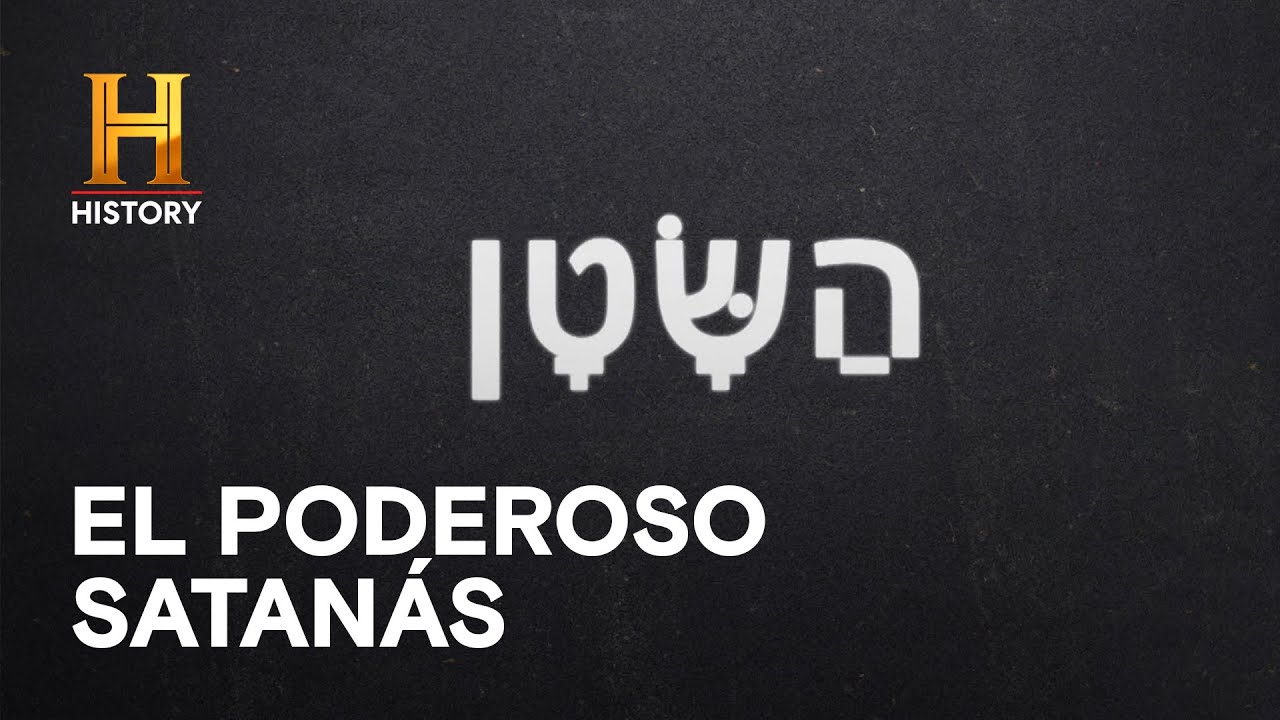
The Hebrew term Ha-Satán, often translated as "the accuser" or "adversary," forms the etymological bedrock of the figure we commonly know as Satan. In its earliest linguistic context, this was not necessarily a proper name denoting a singular, malevolent entity, but rather a title or a function. This role was often performed within a divine council, serving as a prosecutor or an obstacle whose purpose was to test the righteousness and faith of individuals. Understanding this foundational meaning is crucial to tracing the subsequent theological and cultural interpretations of this figure.

Satan in the Old Testament: A Divine Instrument?

Within the narratives of the Old Testament, the figure of Ha-Satán appears not as an independent force of evil, but rather as an agent operating under divine authority. In books such as Numbers and Job, Ha-Satán functions as an "employee" of God, tasked with performing specific, albeit harsh, duties. In Job, he is permitted by God to test the patriarch's faithfulness through immense suffering, but his actions are strictly circumscribed by divine permission. This portrayal suggests a complex understanding of divine justice and the role of a celestial prosecutor, akin to an inquisitor or an auditor within God's own system, rather than a rebel leading a cosmic opposition.

Recommended Gear for Investigation

ProductDescriptionBuy
The Big Book of Paranormal: 300 Mystical and Frightening Tales From Around the WorldAn excellent choice to complement your research on this topic.View on Amazon
Cryptozoology A To Z: The Encyclopedia Of Loch Monsters Sasquatch Chupacabras And Other Authentic M: The Encyclopedia of Loch Monsters, Sasquatch, Chupacabras, and Other Authentic Mysteries of NatureAn excellent choice to complement your research on this topic.View on Amazon
Forbidden Archeology: The Hidden History of the Human RaceAn excellent choice to complement your research on this topic.View on Amazon
The H. P. Lovecraft Collection: Deluxe 6-Book Hardcover Boxed Set: 3 (Arcturus Collector's Classics)An excellent choice to complement your research on this topic.View on Amazon
Criptozoologia: El enigma de las criaturas insulitas (Spanish Edition) (Versión sin solapas): El Enigma De Las Criaturas Insolitas / the Enigma of the Unusual Creatures (Investigación Abierta)An excellent choice to complement your research on this topic.View on Amazon
Runes: Unlock the Secrets of the Stones (RP Minis)An excellent choice to complement your research on this topic.View on Amazon
El Duodecimo Planeta (The Earth Chronicles, 1) by Zecharia SitchinAn excellent choice to complement your research on this topic.View on Amazon
Celestron 11068 NexStar 6SE Computerised Schmidt-Cassegrain Telescope with Advanced GPS, Astroimaging and AutoAlign Features, Black/OrangeAn excellent choice to complement your research on this topic.View on Amazon
Ghost-Hunting For Dummies [Idioma Inglés] An excellent choice to complement your research on this topic.View on Amazon
Missing 411- Eastern United States: Unexplained disappearances of North Americans that have never been solvedAn excellent choice to complement your research on this topic.View on Amazon
The Old Testament depicts Ha-Satán less as a rogue agent and more as a celestial functionary, fulfilling a role assigned by a higher power. This challenges the modern conception of Satan as an autonomous entity solely dedicated to evil.

The Gospels: A Tempter and Afflictor

The New Testament, particularly the Gospels, marks a significant shift in the characterization of Satan. Here, the adversary is presented as an active tempter and a source of affliction. He is depicted as actively seeking to lead humanity astray, notably in the temptation of Jesus in the wilderness. Furthermore, Satan is frequently associated with causing physical ailments and diseases, with Jesus casting out demons and confronting his influence. This period sees a more personalized and antagonistic portrayal, positioning Satan as a direct enemy of humanity's spiritual well-being and a force opposing the divine mission of Jesus.

The traditional interpretation of these accounts often emphasizes Satan's independent malevolence. However, a more nuanced analysis, considering the historical and theological context, might view these narratives as symbolic representations of internal human struggles against temptation and the collective opposition to spiritual enlightenment, rather than literal accounts of a supernatural entity's daily machinations.

The influence of popular culture, significantly amplified by media like the History channel, often reinforces the more dramatic and adversarial interpretations. As viewers engage with series that explore historical and religious narratives, such as those featuring Dennis Quaid, they are often presented with vivid portrayals that solidify the image of Satan as a distinct, powerful, and malevolent being. This continuous exposure shapes public perception, often overshadowing the more subtle theological developments found in earlier texts.

Satan's Final Transformation in Revelation

The Book of Revelation provides the most dramatic and apocalyptic depiction of Satan's ultimate transformation. Here, the adversary is no longer merely an accuser or tempter but is mythologized into a formidable cosmic enemy. He is described as a "great red dragon" with seven heads, engaged in an ongoing war against God and his heavenly forces. This final portrayal solidifies Satan's role as the ultimate antagonist, destined for a final defeat and eternal punishment in the lake of fire. This imagery has profoundly influenced Western art, literature, and theology, solidifying the archetypal image of the devil as the ultimate embodiment of evil and opposition to the divine.

The symbolic language of Revelation casts Satan as the ultimate cosmic adversary, a dragon of immense power destined for a final, cataclysmic defeat. This imagery has left an indelible mark on Western consciousness.

Audience Perspectives on Satan's Role

The transformation of Satan's figure has clearly resonated with audiences, sparking diverse interpretations and discussions, particularly within online communities. Several testimonials highlight a critical perspective on religious narratives, questioning the traditional portrayal of evil. One commenter notes, "Jajajaja ese si es mucha fabula de ka iglesia en la biblia judía el demonio o el mal solo es responsble de tres muertes mientras que su dios es responsble de miles de muertos asesinatos y plagas." This viewpoint suggests a re-evaluation of divine responsibility for suffering, contrasting the limited actions attributed to the biblical Devil with the widespread destruction attributed to God within the same scriptures. This critical engagement with religious texts indicates a growing desire for a more complex and less anthropomorphized understanding of evil and divine justice.

Another perspective found in audience commentary points towards a more symbolic or even mythological understanding of these figures. The idea that prayers might "feed the demiurge" or "transfer energy" to a deity, as suggested by "Alimentaban al demiurgo, aun lo hace todo el mundo, cuando rezan, al dios que sea, les transfieren su energia," reflects an esoteric or Gnostic viewpoint. This interpretation transcends the traditional Abrahamic framework, viewing religious devotion as a source of power for a creator entity, irrespective of its moral alignment. Such commentary underscores the diverse ways in which individuals grapple with concepts of divinity, evil, and spiritual energy in the modern era.

The engagement with these complex themes is often fueled by content that explores the fringes of history and belief, such as the series that inspired this analysis. Platforms like History channel, with their focus on "sacred wonders" and historical enigmas, provide a fertile ground for these discussions. Their ability to connect with viewers' curiosity and emotional engagement fosters a space where ancient texts and modern interpretations can coexist and be critically examined.

Researcher's Verdict: Myth or Divine Construct?

From an investigative standpoint, the figure of Satan represents a fascinating case study in the evolution of narrative and theology. It is evident that the concept of "Satan" has been molded and remolded across millennia, reflecting the societal anxieties, moral frameworks, and spiritual inquiries of different cultures and epochs. What began as a functional term for an "adversary" or "accuser" within a monotheistic system transformed into a personified embodiment of absolute evil. This transformation was not a singular event but a gradual process, influenced by inter-testamental literature, early Christian theology, and later cultural interpretations.

The Researcher's Archive

For those wishing to delve deeper into the history and theology surrounding Satan and related figures, I recommend the following resources:

  • "The Devil: A Biography" by Peter T. Jones: A comprehensive historical and cultural analysis of the Devil's evolution.
  • "Paradise Lost" by John Milton: A seminal epic poem that significantly shaped the literary portrayal of Satan.
  • "On Fairy Stories" by J.R.R. Tolkien: While not directly about Satan, Tolkien's essays offer profound insights into the creation and function of myth and the "sub-creation" of evil figures.
  • Documentaries on Ancient Religions and Mythology: Many productions by History Channel and similar networks provide accessible overviews of these complex topics.

Equipment Recommended for Investigation

To conduct thorough research into historical and theological topics, access to reliable sources and tools is paramount. While this investigation focuses on textual and historical analysis, other paranormal research often requires specialized equipment.

Frequently Asked Questions

  1. What is the original meaning of "Satan" in Hebrew?

    In Hebrew, "Ha-Satán" (הַשָּׂטָן) translates to "the accuser" or "adversary." It was initially a title or a role rather than a proper name.

  2. How did the portrayal of Satan change from the Old Testament to the New Testament?

    In the Old Testament, Satan often functions as an agent of God. In the New Testament, particularly the Gospels, Satan is depicted as a more independent tempter and a direct adversary of humanity and Christ.

  3. What is the significance of Satan's portrayal in the Book of Revelation?

    Revelation presents Satan as the ultimate cosmic antagonist, the "great red dragon," destined for a final defeat. This solidified his image as the personification of ultimate evil.

  4. Do audience comments suggest skepticism towards traditional religious narratives?

    Yes, some audience comments express skepticism, questioning the divine responsibility for suffering and contrasting it with the attributed role of evil entities. Others offer more esoteric interpretations of spiritual energy transfer.

Your Mission: Historical Contextualization

The next time you encounter a narrative about a figure of evil or divine judgment, take a moment to consider its historical and cultural context. Ask yourself: what anxieties or beliefs does this figure represent for its original audience? How has its portrayal evolved over time? Understanding the development of such concepts is key to unraveling their true significance.

Share your thoughts below! Have you encountered similar transformations in other mythical figures? What are your experiences or interpretations of these ancient narratives? Don't forget to share this investigation with fellow truth-seekers on your social networks!

Investigator's Note: True paranormal research doesn't fund itself. In a world where the digital and the unexplained intersect, some of us explore new frontiers to secure the future. Do you dare to be part of the vanguard? Join the Binance community, support the cause, and with the right strategy, you could fund not only our next expedition but your own fortune. The next great discovery could be just a click away.

Every Banned Book of the Bible Explained in 12 Minutes

Image

The official biblical canon, a cornerstone of religious doctrine for billions, is not the complete story. For centuries, texts that were deemed too controversial, too revealing, or simply outside the established narrative have been systematically removed, hidden, or branded as heretical. These "banned" books offer a glimpse into the fragmented and often fiercely debated origins of religious belief, challenging the very foundations of what many consider sacred. My investigation into these exclusionary practices reveals patterns of control and a deliberate shaping of theological discourse.

The decision to include or exclude texts from the biblical canon was rarely a simple matter of divine revelation. It was a complex process, often driven by political, social, and theological agendas of the time. As an investigator, I've seen this pattern repeat throughout history: those in power curate narratives to maintain control. The exclusion of certain books wasn't always an overt "ban," but rather a meticulous process of filtering, a subtle weaponization of religious doctrine to shape minds and enforce a particular worldview.

Introduction: The Unseen Gospels

The official Bible, a collection of texts revered for millennia, is but a fraction of the early Christian writings that circulated. Texts like the Book of Enoch and the Gospel of Thomas, while potentially offering profound insights, were ultimately excluded from the accepted canon. This exclusion raises critical questions: What did these texts reveal that was considered so dangerous? What ancient secrets and controversial teachings did religious leaders seek to suppress? My role as an investigator is to peel back these layers of dogma and expose the hidden narratives that shaped early Christianity and continue to influence our understanding today.

Recommended Gear for Investigation

ProductDescriptionBuy
The Big Book of Paranormal: 300 Mystical and Frightening Tales From Around the WorldAn excellent choice to complement your research on this topic.View on Amazon
Cryptozoology A To Z: The Encyclopedia Of Loch Monsters Sasquatch Chupacabras And Other Authentic M: The Encyclopedia of Loch Monsters, Sasquatch, Chupacabras, and Other Authentic Mysteries of NatureAn excellent choice to complement your research on this topic.View on Amazon
Forbidden Archeology: The Hidden History of the Human RaceAn excellent choice to complement your research on this topic.View on Amazon
The H. P. Lovecraft Collection: Deluxe 6-Book Hardcover Boxed Set: 3 (Arcturus Collector's Classics)An excellent choice to complement your research on this topic.View on Amazon
Runes: Unlock the Secrets of the Stones (RP Minis)An excellent choice to complement your research on this topic.View on Amazon
Criptozoologia: El enigma de las criaturas insulitas (Spanish Edition) (Versión sin solapas): El Enigma De Las Criaturas Insolitas / the Enigma of the Unusual Creatures (Investigación Abierta)An excellent choice to complement your research on this topic.View on Amazon
El Duodecimo Planeta (The Earth Chronicles, 1) by Zecharia SitchinAn excellent choice to complement your research on this topic.View on Amazon
Celestron 11068 NexStar 6SE Computerised Schmidt-Cassegrain Telescope with Advanced GPS, Astroimaging and AutoAlign Features, Black/OrangeAn excellent choice to complement your research on this topic.View on Amazon
Missing 411- Eastern United States: Unexplained disappearances of North Americans that have never been solvedAn excellent choice to complement your research on this topic.View on Amazon
Ghost-Hunting For Dummies [Idioma Inglés] An excellent choice to complement your research on this topic.View on Amazon

The decision to exclude these books was not arbitrary; it was a deliberate act of curation. As one observer noted, "The more I'm learning about the beginning of the Christian church, the more I am seeing the weaponization of religion and hijacking of our minds." This sentiment resonates with my own findings. My journey has led me to question the narratives presented by established institutions, prompting me to seek truth independently.

Historical Exclusion: Why Were These Texts Removed?

The process of canonization was complex and protracted, spanning several centuries. Early Christian communities encountered a vast array of theological viewpoints and written materials. The eventual selection of texts for the New Testament canon was influenced by several factors:

  • Apostolic Authority: Texts believed to be written by or directly connected to the apostles were generally favored.
  • Theological Consistency: Writings that aligned with the emerging orthodox doctrines were prioritized, while those deemed heretical or divergent were often rejected.
  • Widespread Acceptance: Texts that had gained significant traction and were being read in various Christian communities held more weight.

However, the line between orthodoxy and heresy was often blurred and politically charged. As one commenter observed, "They are not banned.... They were excluded." This distinction is crucial. Exclusion suggests a process of selection rather than outright prohibition, though the effect for seekers of knowledge was similar.

Some theories suggest that certain gospels, like those of Thomas, Mary, and the Shepherd of Hermas, were excluded because their teachings on inward salvation and detachment from the material world aligned closely with concepts found in other Eastern religions, such as Hinduism. This alignment, according to some, could have been perceived as a threat to the established religious hierarchy, which sought to create division rather than promote unity. The drive for unity, or at least a unified doctrine, appears to be a recurring theme in the history of religious texts.

The Book of Enoch: Prophecies and Fallen Angels

The Book of Enoch is an ancient Jewish apocalyptic religious text, traditionally ascribed to Enoch, the great-grandfather of Noah. It contains unique material about fallen angels (Watchers), the origins of demons, the coming messianic kingdom, and a cosmic judgment. Its influence on early Jewish and Christian thought is undeniable, with direct references appearing in the New Testament, notably in the Epistle of Jude.

"The Book of Enoch also recounts how the apostles were at a loss at what they should do after Christ left them. She chastised Peter for not knowing what to do. She reminded them that the Savior had said, “Feed My Sheep,” and that they were to go out and bring people unto the truth."

Despite its apparent significance, the Book of Enoch was excluded from the Hebrew Bible and most Christian canons. Its inclusion in the Ethiopian Orthodox Tewahedo Church and Eritrean Orthodox Tewahedo Church canons makes it a fascinating case study. The exclusion raises questions about its teachings on angelology and eschatology, which may have diverged from the developing orthodox views. My research indicates that texts like these were often suppressed not because they were entirely false, but because they offered a competing cosmology and narrative that challenged the power structures of the nascent church.

Some historical accounts suggest that acquiring such texts was not as difficult as commonly believed. One individual shared, "I bought my copy of the book of Enoch in the mid 70’s. From a catholic bookshop in Manchester. Hardly ‘banned’." This suggests a nuanced reality where "banned" might be an oversimplification of a more complex historical dynamic of exclusion and availability.

The Gospel of Thomas: Gnostic Teachings and Inner Salvation

The Gospel of Thomas is perhaps one of the most famous of the Gnostic gospels. Discovered in Nag Hammadi, Egypt, in 1945, it consists of a collection of sayings attributed to Jesus. Unlike the canonical gospels, it does not contain a narrative of Jesus's life, death, and resurrection, but rather focuses on his teachings, often presented in a cryptic, esoteric style.

The themes central to the Gospel of Thomas often emphasize:

  • Inner Knowledge (Gnosis): Salvation is achieved through direct, intuitive knowledge of oneself and the divine, rather than through external rituals or intermediaries.
  • The Kingdom of Heaven Within: The divine realm is not a future place but an present reality accessible through spiritual awakening.
  • Detachment from Materialism: A strong emphasis on renouncing worldly attachments and embracing a simple, spiritual existence.

These teachings, while resonating with many today seeking spiritual depth, were fundamentally at odds with the developing doctrines of the early Church, which was increasingly emphasizing institutional authority and a more structured path to salvation. As one reader commented, "I am not a religious Christian however I do like what the book of Thomas has about a gnostic interpretation for better life."

However, skepticism regarding its authenticity is also present. An opposing view states, "i’m opting out early because there were repeated inaccuracies in the first four minutes, but the gospel of Thomas is the most well-known forgery out of these excluded books, it was easily dated to the 15th century, as it’s earliest possible origin." This highlights the critical need for rigorous textual analysis and historical verification when examining such ancient documents.

The Gospel of Mary Magdalene: A Woman's Perspective

The Gospel of Mary Magdalene is another significant text from the Gnostic tradition, notable for centering on Mary Magdalene as a key disciple and recipient of Jesus's special teachings. It portrays her as a spiritual leader who received profound revelations from Jesus after his resurrection, which she then shared with the other apostles.

"The Book of Mary Magdalene also recounts how the apostles were at a loss at what they should do after Christ left them. She chastised Peter for not knowing what to do. She reminded them that the Savior had said, “Feed My Sheep,” and that they were to go out and bring people unto the truth."

The text depicts a tense interaction between Mary and Peter, who seems threatened by her spiritual authority. Peter questions whether Jesus would have entrusted such important teachings to a woman over the other male disciples. This dynamic reflects the patriarchal struggles within early Christianity regarding the roles of women in leadership and spiritual authority. My investigation suggests that the suppression of Mary Magdalene's gospel was a strategic move to reinforce male dominance within the emerging Church hierarchy. The trust and companionship exhibited between Jesus and Mary in these texts challenge the traditional portrayal and underscore the potential for a more inclusive early Christian community.

The idea that "we've been misguided by churches and lied to about all this" is a sentiment echoed by many who encounter these excluded texts. The information presented in these historical documents often clashes with established religious narratives, prompting critical reevaluation.

Other Excluded Texts and Their Significance

The Book of Enoch and the Gospel of Thomas are merely two prominent examples. Scholars estimate that dozens, perhaps even hundreds, of texts were considered by early Christian communities. Some of these include:

  • The Shepherd of Hermas: An allegorical work offering moral instruction and apocalyptic visions.
  • The Acts of Paul and Thecla: Narratives detailing the missionary journeys and persecutions of the apostles Paul and Thecla.
  • The Gospel of Peter: A partial gospel that presents a unique account of the Passion of Christ.

The common thread among many of these excluded books is their Gnostic or mystical orientation. As one commentator noted, "A frequent common factor in the unincluded books is that they were Gnostic. I did a bit of research into common Gnostic beliefs and agree that they are alien to the teachings of Christ." This perception of being "alien" or "foreign" to the dominant theological current was a significant factor in their exclusion. It suggests a deliberate effort to create a homogenous religious doctrine, potentially overlooking valuable spiritual and historical insights.

The existence of such a large number of excluded texts leads to the critical question: "With 72 known books now missing from the original, how can people base their life and beliefs on only half a story??" This highlights the incomplete picture presented by the canonical Bible and the importance of exploring alternative historical and theological perspectives.

Investigator's Analysis: The Power of Narrative Control

From my vantage point as an independent investigator, the exclusion of these texts is not merely an academic curiosity; it's a case study in the power of narrative control. The early Church, in its formative stages, was engaged in a fierce battle for theological dominance. The texts that survived and formed the canon were those that best served the emerging institutional structure and its doctrines. Those that offered alternative paths, challenged authority, or contained elements deemed Gnostic—focused on direct, personal spiritual experience over hierarchical mediation—were often sidelined.

The notion that these books were "excluded" rather than "banned" is technically accurate but functionally misleading. The effect was the same: suppressing viewpoints that didn't align with the burgeoning orthodoxy. This historical precedent serves as a stark reminder that established truths are often the result of specific choices, not inevitable destiny. Some testimonies suggest a more deliberate suppression, while others point to historical facts conflicting with video information, emphasizing the need for critical discernment.

The humanity of the authors, with their personal struggles, ambitions, and pride, is evident throughout many biblical passages, canonical or not. This inherent human element underscores the importance of prayer and vigilant study to discern divine truth from human interpretation. As one user wisely stated, "Read and pray to understand God's Word and reside in His Truth, not 'ours'." This pursuit of truth requires a willingness to look beyond accepted narratives, a principle that guides my own investigations.

Frequently Asked Questions

What are the 'banned' books of the Bible and why were they excluded?
The 'banned' or excluded books are texts like the Book of Enoch and the Gospel of Thomas, omitted from the official canon. Reasons include theological conflicts, perceived Gnostic influences, and authorship questions.
What do these texts reveal about early Christianity?
They offer alternative views on salvation, inner knowledge, and the roles of figures like Mary Magdalene, highlighting a more diverse early Christian landscape than often depicted.
How can one discern truth when studying these diverse texts?
Discernment involves prayer, comparing texts, and critical analysis. It's about seeking understanding without necessarily accepting every idea as personal doctrine.
Were these books truly 'banned' or simply 'excluded'?
Scholars generally use 'excluded,' referring to a process of selection over centuries based on various criteria, rather than an overt, singular ban.

Research Tools for the Determined Investigator

Investigating the historical and theological underpinnings of religious texts requires access to reliable resources. My own practice involves cross-referencing canonical accounts with apocryphal and pseudepigraphal texts, historical scholarship, and archaeological findings. For those seeking to delve deeper, I recommend the following:

  • Academic Databases: Platforms like JSTOR, Academia.edu, and Google Scholar provide access to peer-reviewed articles on biblical studies and early Christianity.
  • Primary Text Collections: Compilations of ancient religious texts, such as the Nag Hammadi library, offer direct engagement with the source material.
  • Reputable Encyclopedias: Resources like the Encyclopedia Britannica and academic biblical encyclopedias provide concise overviews of key figures, texts, and concepts.

Understanding the historical context and the motivations behind canonization is crucial. The Dead Sea Scrolls, discovered long after the canon was established, provide further evidence of the diversity of Jewish religious literature during that period. As Deuteronomy 29:29 states, "The secret things belong to the Lord our God, but those revealed belong to us and to our children forever, that we may do all the words of this law." This verse suggests a divine plan where certain knowledge is preserved for specific times, reinforcing the need for humility and diligent study.

Securing Your Research Foundation

The pursuit of knowledge, especially in fields as complex and often underfunded as historical and religious studies, requires diligence and resourcefulness. It's not just about the time invested, but also the tools and access needed for thorough investigation. Ensuring a stable foundation extends beyond academic resources; it involves pragmatic preparation for the future. In today's interconnected world, this includes understanding and leveraging the broader financial ecosystem. Exploring the frontiers of the digital economy can provide the necessary stability to dedicate oneself to uncovering hidden truths, ensuring that the light of knowledge is not extinguished by practical limitations. This level of dedication requires not only time but also a solid base of resources.

Investigator's Verdict: Truth Beyond the Canon

The narrative of "banned" books is a powerful one, suggesting a conspiracy to hide inconvenient truths. While outright banning might be an overstatement, the systematic exclusion of texts that challenged nascent orthodoxy is an undeniable historical reality. These excluded writings offer invaluable perspectives on the diversity of belief in early Christianity, the roles of women, and alternative paths to spiritual understanding. They weren't necessarily "forgeries" or "lies," but rather different interpretations and traditions that ultimately did not align with the dominant theological trajectory. My verdict is clear: the full picture of early religious history lies not only within the accepted canon but also in the rich tapestry of texts that were deliberately or incidentally left out. To ignore them is to accept an incomplete and potentially manipulated version of history.

Your Mission: Uncover the Hidden Truths

The exploration of these excluded texts is not merely an academic exercise; it's a personal quest for truth. The established narratives, while comforting to many, may obscure deeper layers of spiritual and historical reality. Your mission, should you choose to accept it, is to approach these texts with an open mind and a critical intellect. Seek out the excluded gospels, study the writings of figures like Mary Magdalene and Enoch, and compare them with the canonical texts. Engage in thoughtful debate, question assumptions, and strive to understand the historical and theological forces that shaped our religious traditions. The truth is often found not in the loudest pronouncements, but in the quiet whispers of history waiting to be rediscovered.

Share your experiences with these texts or similar historical mysteries in the comments below. Follow us for more investigations into the unexplained and the historically obscured. Share this post on your social media to spark conversation!

Investigator's Note: True paranormal research doesn't fund itself. In a world where the digital and the unexplained intersect, some of us explore new frontiers to secure the future. Do you dare to be part of the vanguard? Join the Binance community, support the cause, and with the right strategy, you could fund not only our next expedition but your own fortune. The next great discovery could be just a click away.

Baal and Dagon: An Investigation into the Bible's Oldest Deities


Introduction: The Shadow of Ancient Idols

The Bible, a cornerstone of Western thought, is not merely a theological text but a historical and cultural document teeming with narratives of powerful entities. Among its most compelling characters are not just the divine figures of Israel, but the ancient gods whispered and feared by neighboring civilizations. Today, we open the file on two such figures: Baal and Dagon. These aren't just names from scripture; they represent the ancient struggle for spiritual dominance and the enduring power of myth. Our mission: to analyze their origins, their worship, and their lasting resonance, moving beyond simple recitation to a deeper understanding of their place in the historical and, dare I say, paranormal landscape.

Defining the Deities: Baal and Dagon

The archaeological and textual evidence points to Baal and Dagon as prominent deities in the pantheons of the ancient Canaanites and Philistines, respectively. While often grouped together due to their adversarial relationship with the monotheistic God of Israel, understanding their distinct roles is crucial for a comprehensive analysis.

Baal, a title meaning "Lord," was a supreme deity associated with fertility, agriculture, storms, and the sky. His influence was believed to extend to vital natural forces, making him indispensable for the survival of these ancient societies. His worship was deeply entwined with the agrarian cycle, where divine intervention was sought for rain and bountiful harvests.

Dagon, on the other hand, is primarily identified with the Philistines. His domain is more contested, traditionally linked to grain and agriculture, but with strong associations to the sea and fish, suggesting a dual terrestrial and maritime significance. This multifaceted nature makes him a complex figure, representing sustenance from both land and water.

Iconography and Domains: Symbolism Under Scrutiny

The visual representations and ascribed domains of these gods offer critical insights into the beliefs and anxieties of their followers.

Baal is frequently depicted in an anthropomorphic form, often with attributes signifying power and authority. A common motif is the bull, symbolizing strength and virility, or a human form grasping a thunderbolt, underscoring his mastery over storms. This iconography emphasizes his role as a protector and a force of nature, capable of both delivering life-giving rains and destructive tempests. My own experience in analyzing ancient symbols suggests that such powerful, elemental deities often manifest in ways that mirror natural phenomena, blurring the lines between the divine and the raw power of the environment.

Dagon's iconography presents a unique challenge. While sometimes depicted as a man, his most distinctive characteristic is the fish or mermaid-like lower body. This hybrid form is intriguing. Is it a literal representation, or a symbolic fusion of terrestrial fertility (man) with the bounty of the sea (fish)? The latter interpretation aligns with his association with grain, suggesting a divine overseer of all sustenance. Analyzing these depictions requires us to consider symbolic language rather than literal interpretation, a common pitfall when examining ancient religious practices.

"Understanding the iconography of ancient deities is akin to deciphering a lost language. The symbols they employed were not mere decorations, but profound expressions of their perceived reality and cosmic order."

The Cults of Baal and Dagon: Rituals and Repercussions

The worship of Baal and Dagon was not a passive affair; it involved elaborate rituals and sacrifices aimed at appeasing these powerful entities. These practices were central to the socio-religious fabric of Canaanite and Philistine societies. Believing these gods controlled rainfall, harvests, and the sea, devotees engaged in fervent ceremonies to ensure prosperity and avert disaster.

The biblical narrative consistently portrays these cults as a source of contention. The worship of Baal, in particular, is described with practices that were anathema to the Israelites. Ritualistic prostitution and, in some interpretations, even child sacrifice are mentioned, highlighting aspects that the writers of the Old Testament deemed abhorrent and idolatrous. This stark contrast in religious doctrine fueled significant conflict throughout the region.

The Philistine worship of Dagon, while perhaps less graphically described in terms of ritualistic violence, was nonetheless a focal point of divine opposition. The very act of an alien deity being humbled by the God of Israel served a crucial theological purpose: to demonstrate the supreme power of Yahweh over all other gods.

Biblical Confrontation: A Theological Battleground

The Bible itself serves as a primary archive for these confrontations. The most dramatic example is the contest on Mount Carmel, orchestrated by the prophet Elijah. This event was designed to expose the impotence of Baal in the face of divine power. Elijah's invocation of the God of Israel, which resulted in celestial fire consuming his sacrifice, stands in stark contrast to the fruitless cries and self-mutilation of the prophets of Baal. It’s a powerful narrative of faith versus idolatry, designed to solidify the unique covenant between God and Israel by demonstrating the futility of worshipping other deities.

The story of Samson and Dagon is equally significant. The Philistines, confident in their god's protection, brought Samson to their temple to mock him for his strength. The climax, where Samson brings down the temple upon himself and his captors, is a profound humiliation for Dagon. It’s not just a physical collapse; it's a symbolic dismantling of the deity's power and authority in the eyes of his worshippers and the world. These narratives are not mere stories; they are theological weapons, designed to discredit rival pantheons and reinforce the unique claims of the God of Israel.

The Enduring Legacy: From Antiquity to Modern Mythos

Despite being relegated to the status of "pagan" deities, the influence of Baal and Dagon has proven remarkably persistent, seeping into Western theology and popular culture in unexpected ways.

The association of Baal with demonic entities is a significant thread in Christian theology. Over time, the perceived malevolence and opposition to the God of Israel led to Baal becoming conflated with the concept of the Devil. This is not a direct lineage, but a theological appropriation and demonization that reflects the historical antagonism.

Dagon’s legacy is perhaps more fluid, yet equally pervasive. His connection to the sea and fish has led to speculation about his influence on later mythologies, particularly those involving mermaids and sea monsters. While direct causal links are difficult to establish with certainty, the archetypal imagery of a powerful, aquatic deity resonates through centuries of folklore.

Furthermore, the names themselves have been resurrected in modern fiction and occult circles. H.P. Lovecraft famously incorporated "Dagon" into his Cthulhu Mythos, portraying him as a terrifying deep-sea entity, tapping into the ancient fears associated with the ocean's depths. Baal also reappears in various texts, often as a demonic or powerful entity, continuing his association with dread and primordial power. This modern usage underscores how these ancient figures continue to captivate our imagination, symbolizing forces beyond our control or comprehension.

Investigator's Verdict: Echoes in the Void

The analysis of Baal and Dagon reveals more than just ancient theological disputes; it exposes the fundamental human need to understand and appease the forces that govern life. From the storm-ravoked skies to the teeming seas, these deities represented attempts to personify and control the uncontrollable.

The biblical narrative presents them as adversaries, their worship a dangerous deviation. However, from an investigator's perspective, their significance lies not just in their opposition to Israelite faith, but in their persistent archetypal power. The imagery of Baal, the storm lord, and Dagon, the giver of sustenance from land and sea, speaks to universal human concerns.

Are these mere myths, or do they represent echoes of something more? The persistent presence of these figures in scripture, and their subsequent appropriation into demonic lore and Lovecraftian horror, suggests a deeper resonance. While conventional archaeology and textual analysis can provide context, the enduring human fascination with such powerful, elemental entities hints at a psychological or perhaps even energetic residue. My professional opinion is that while outright veneration of these specific deities is extinct, the *archetypes* they represent – raw natural power, divine control over life's essentials, and the primal fear of the unknown – continue to surface in our collective consciousness, albeit in new guises. Dismissing them as mere "pagan idols" is to miss the enduring power of the human psyche to grapple with the profound mysteries of existence.

The Researcher's Archive

For those looking to delve deeper into the intricacies of these ancient deities and the broader context of ancient Near Eastern religions and biblical interpretations, the following resources are indispensable:
  • Books:
    • "The Ugaritic Baal Cycle" translated by J.C.L. Gibson: Essential for understanding the Canaanite pantheon and Baal's central role.
    • "Ancient Near Eastern Texts Relating to the Old Testament" edited by James B. Pritchard: A comprehensive collection of primary sources, including inscriptions and myths related to Baal and Dagon.
    • "Theological Dictionary of the Old Testament (TDOT)" - Articles on "Ba'al" and "Dagon": Scholarly analyses of the biblical usage and theological significance of these deities.
    • "The Cthulhu Mythos" by H.P. Lovecraft: For understanding Dagon's prominent role in modern occult fiction.
  • Documentaries:
    • "Patterns of Evidence: The Exodus" (and related films): While focused on the Exodus, these films often touch upon the religious context of Canaan and Egypt, providing background on the deities encountered by the Israelites.
    • Documentaries on Arthur C. Clarke's Mysterious World or similar series that explore ancient religions and artifacts.
  • Online Resources:
    • Wikipedia articles on "Baal" and "Dagon": A good starting point for overview information and further references.
    • Academic journals specializing in biblical studies, archaeology, and ancient history (e.g., Journal of Biblical Literature, Biblical Archaeology Review).

Note from the Investigator: Investing in these foundational texts is crucial. Superficial knowledge is the enemy of true investigation. The information within these volumes might cost, but its value in understanding the enduring power of these ancient entities is immeasurable.

Frequently Asked Questions

Q1: Was Baal a demon?

A1: In biblical contexts, Baal and his worship were consistently depicted as antagonistic to the God of Israel, leading to his later association with demonic entities in Christian theology. However, historically, Baal was a supreme deity in Canaanite pantheons, worshipped for fertility and storms, not inherently as a "demon" in the modern sense.

Q2: What is the origin of Dagon's fish-like depiction?

A2: While the exact origin is debated, Dagon's depiction as a man with a fish's lower body is a distinctive characteristic. It likely symbolizes his association with both agriculture (the human aspect) and the sea or fish, reflecting his role as a deity of sustenance from multiple sources.

Q3: Did the worship of Baal and Dagon actually influence modern culture?

A3: Yes, their influence is evident. The theological demonization of Baal has ties to the Christian concept of the Devil, and Dagon's aquatic imagery may have contributed to later myths of mermaids and sea monsters. Their names are also frequently used in modern occult literature and fiction.

Q4: What was the primary conflict between Israelite faith and the worship of Baal/Dagon?

A4: The core conflict was monotheism versus polytheism. The Israelites believed in one supreme God, Yahweh, while the Canaanites and Philistines worshipped multiple gods. The practices associated with Baal worship, such as perceived obscenity and idolatry, were particularly offensive to the strict ethical and religious codes of ancient Israel.

Q5: Can we find physical evidence of their worship?

A5: Archaeological findings, such as temples dedicated to Baal and Dagon (e.g., at Ugarit and Philistine cities like Ashdod and Gaza), inscriptions, seals, and statuary depicting these deities, provide tangible evidence of their worship. These artifacts are crucial for understanding the rituals and beliefs surrounding them.

About the Author

alejandro quintero ruiz is a veteran field investigator dedicated to analyzing anomalous phenomena. His approach combines methodological skepticism with an open mind to the inexplicable, always seeking the truth behind the veil of reality. With years of experience across diverse historical and paranormal sites, his insights cut through speculation to reveal the underlying patterns of the unknown.

Conclusion: The Persistent Hum of Ancient Power

The figures of Baal and Dagon, etched into biblical narrative and archaeological record, represent more than just historical footnotes. They embody the ancient human impulse to connect with, and often fear, the elemental forces of nature and the perceived will of higher powers. Their stories, intertwined with the rise of Israelite identity, served as a constant reminder of the dangers of straying from monotheism – a warning that resonated through generations.

However, as investigators, we must look beyond the theological framing. These deities speak to universal human concerns: fertility, sustenance, the power of storms, the mysteries of the sea. Their archetypal power has endured, morphing into demonic lore and inspiring modern fiction, proving that some narratives, some fears, and some aspirations are too potent to fade entirely.

Your Mission: Decode the Echoes

The past is never truly dead; it merely sleeps, its echoes resonating in the present. Your mission, should you choose to accept it, is to analyze a piece of modern folklore or a local legend from your area. Does it speak to the same primal needs or fears represented by Baal and Dagon? Does it involve elemental forces, or a struggle for dominant belief? Document its narrative, identify its core themes, and share your findings in the comments below. Let's see if we can trace the lineage of ancient anxieties in our contemporary world.

The Hindu Cross: Examining Evidence of Pre-Christian Symbolism in Ancient Indian Temples


Introduction: The Anomaly Unearthed

The world is a tapestry woven with threads of history, religion, and mystery. Sometimes, a single thread plucked from this fabric can unravel a narrative far more complex and unsettling than initially perceived. Today, we pivot from the shadows of ghosts and cryptids to a different kind of anomaly: a potential historical and religious paradox that challenges deeply ingrained assumptions. We are not merely recounting a tale; we are opening an expedient of investigation into the possibility that ancient Indian civilizations may have incorporated Christian-like symbolism long before the conventional arrival of Christianity in the subcontinent. Prepare to confront evidence that strains credulity, yet demands rigorous analysis.

Modhera Sun Temple Anomaly: A Thousand-Year-Old Enigma

Our journey begins at the magnificent Sun Temple of Modhera in Gujarat, a testament to ancient Indian architecture, confirmed by archaeologists to be approximately 1000 years old. Within its hallowed, and often dimly lit, chambers, a peculiar carving presents a significant puzzle. High atop a pillar, a figure appears adorned with an object around its neck that strongly resembles the Christian cross. The visual is striking, prompting an immediate question: could this be an early indication of Christian presence, or perhaps a symbol adopted and recontextualized within the local Dharma?

"We can see a strange figure. On its neck, it wears something strange. Yes, it is a cross. I am trying to show you as much as possible, but we can only see so much because of the darkness and height."

The positioning of this carving in a relatively obscure part of the temple adds another layer to the mystery. If this were a later addition for proselytization, one might expect it to be in a more prominent, visible location. Its placement suggests a deeper integration, or perhaps an independent origin of the symbol itself. This discrepancy fuels the need for a more thorough examination of historical timelines and symbolic evolution.

The Disputed Timeline: When Did Christianity Reach India's Shores?

The conventional historical narrative suggests Christianity arrived in India with European traders and missionaries in the 15th century. However, this is far from a settled matter. Wikipedia, cited as a source, notes claims of Christianity reaching India as early as 52 A.D., attributed to the apostle Thomas. This places its presence in India for nearly two millennia, predating the Modhera temple's construction by centuries. Yet, this early timeline is fiercely debated among historians, with many refuting it as scholarly conjecture rather than concrete fact. The discrepancy between the temple's age and the earliest plausible date for Christianity's arrival is a critical point of contention. If the temple is indeed 1000 years old, and Christianity arrived in 52 A.D., a significant temporal overlap exists. If, however, the earlier claims of Christian presence are dismissed, and the arrival is pegged to the 15th century, then the temple's age makes these carvings an even greater enigma.

This temporal ambiguity is the bedrock upon which cognitive dissonance is built. It forces us to question established chronologies and consider alternative pathways of cultural exchange. For any investigator worth their salt, dismissing such anomalies outright is a cardinal sin. We must delve deeper into the evidentiary trail.

Museum Artifacts and the Weight of Doubt

Seeking definitive proof, a visit to the museum within the Modhera temple complex proved insightful. Here, a fragmented statue, identified as Keechak and dated to the 11th century—concurrent with the temple's construction—was recovered. Crucially, this artifact bears a striking resemblance to the cross symbol observed on the pillar. Its discovery in a museum, away from the original context, allows for clearer inspection and analysis. The clarity of the carving on Keechak leaves little room for misinterpretation; it appears undeniably cross-shaped, akin to modern Christian iconography.

"Now, you can clearly see that it looks very much like a Cross, like how Christians wear the cross in their necks today. This is a very rare find."

The counterarguments, naturally, are vocal. Some may dismiss these findings as later fabrications by Christian propagandists aiming to co-opt Hindu heritage. Others resort to the simplest explanation: pareidolia, the tendency to perceive meaningful patterns in random stimuli. However, the intentional placement in obscure temple corners, and the clear depiction on a museum piece, challenges these facile dismissals. The act of propaganda typically seeks visibility, not obscurity. This leads us to question not just the date of the carvings, but their very intent and origin.

Understanding and decoding such evidences requires a methodical approach, shorn of pre-conceived biases. The temptation to jump to immediate conclusions—either outright dismissal or fervent acceptance—is a pitfall many fall into. The researcher's duty is to meticulously sift through the available data, considering every angle, however improbable it may seem.

Shikanathar Temple: A Second Glimpse into Ancient Connections

The search for corroborating evidence led to the Shikanathar Temple, situated over 1200 miles from Modhera. This ancient site, estimated to be at least 1300 years old, predates European influence in India by a significant margin. Here, another carving presents a similar cross-like motif. While it features a raised rectangle or square, characteristic of certain Indian motifs, the central element is undeniably a cross, markedly similar to those associated with Christianity. The presence of this symbol in a temple so geographically distant and chronologically distinct from Modhera strengthens the argument that this is not an isolated incident or a recent anomaly.

The persistence of this symbol across different, ancient Hindu temples presents a compelling case for further investigation. It suggests a potential diffusion of symbolic language, or perhaps a shared symbolic root that predates established religious differentiations. To ignore such patterns would be to willfully ignore the intricate interconnectedness of ancient cultures. We must explore the possibility that our neat historical classifications are, in fact, far more fluid and porous than commonly believed. This is precisely why a thorough understanding of historical anomalies is crucial for any serious investigator.

Cognitive Dissonance: Reconciling Contradictory Histories

We now stand at a precipice, facing a stark conflict between established historical narratives and the physical evidence unearthed. On one hand, the consensus among many historians is that Christianity's spread in India was a gradual process, largely initiated by European colonizers. It's widely accepted that Christian symbols are exceptionally rare within traditional Hindu temple architecture. On the other hand, we are presented with tangible evidence of cross-like symbols deeply embedded in temples that are centuries, if not millennia, older than the commonly accepted timeline for Christian arrival.

This situation is akin to discovering a pristine beach within the sterile confines of a modern shopping mall. The incongruity is jarring; it defies logic and expectation. The immediate reaction is to question the reality of either the mall or the beach. In this case, both the archaeological integrity of the temples and the symbolic representation appear to be real. This forces a profound re-evaluation of historical timelines and the origins of religious iconography. The implications are vast, potentially rewriting chapters of religious history and cultural diffusion.

The challenge lies in navigating this cognitive dissonance. It requires setting aside deeply ingrained beliefs and approaching the evidence with an open, analytical mind. This is the very essence of true investigative methodology – to follow the evidence wherever it may lead, even if it challenges our most fundamental understandings.

The Ubiquitous Cross: A Symbol Across Cultures and Time

The history of the cross as a symbol is, in itself, a fascinating study. It's crucial to acknowledge that the cross, in various forms, predates Christianity and appears across numerous ancient cultures. Consider its presence as the ‘plus’ sign on our keyboards, the top of the King’s piece on a chessboard, or in the context of directional markers. This ubiquity is partly due to Christianity's status as the world's largest religion. However, this does not preclude the possibility that similar cross-shaped symbols held indigenous meanings in different cultures prior to Christianity's global expansion.

The question then becomes: are these Indian carvings definitive proof of Christian worship, or do they represent an independent development of a universal symbol? The distinctiveness of these carvings, particularly their resemblance to the *Christian* cross, coupled with the controversial early timeline of Christianity in India, leads many to speculate about a connection. It’s a puzzle that invites deeper academic and archaeological scrutiny. Investigating the cross-cultural nuances of symbology is a critical aspect of understanding ancient civilizations. For those interested in such deep dives, I highly recommend exploring resources on comparative mythology and ancient iconography.

Researcher's Verdict: Beyond Confirmation Bias

While the evidence presented—the carvings at Modhera and Shikanathar, the dating of these temples, and the controversial early timeline of Christianity in India—is compelling, it stops short of definitive proof of widespread Christian worship within ancient Hindu traditions. The Keechak statue and other similar carvings are undoubtedly intriguing anomalies. However, ruling out the immense influence of later Christian communities that may have integrated their symbols into existing structures, or even the possibility of independent symbolic evolution, requires more extensive archaeological and textual evidence.

The true value of this investigation lies not in proclaiming a revolutionary historical discovery, but in highlighting the limitations of our current historical understanding and the potential for misinterpretation. These findings encourage us to question established narratives and remain open to the possibility that history is far more layered and interconnected than we often assume. The consistent presence of these symbols, however, warrants further dedicated research, perhaps focusing on areas where early Christian communities were known to have settled, and cross-referencing their iconography with local temple art.

The Investigator's Archive

To delve deeper into the complex interplay of religion, history, and symbolism, a curated selection of resources is invaluable:

  • "The Christ of India: The Untold Story of Jesus in India and the Himalayas" by Richard Jeremiah: Explores theories about Jesus's potential visit to India, offering a different perspective on early Christian presence.
  • "The Cross in the Ancient World" by William E. Vine: Provides a comprehensive overview of the cross symbol's history and usage across various cultures and belief systems prior to its association with Christianity.
  • "When Did Christianity Come to India?" (Academic Journals): Searching reputable academic databases for scholarly articles debating the historical timeline of Christianity's arrival in India will offer a rigorous, peer-reviewed perspective.
  • "The Early Christians of India: The St. Thomas Tradition" by Thomas Moore: Discusses the historical accounts and archaeological evidence related to the apostle Thomas's mission in India.

Accessing these materials, especially peer-reviewed academic papers and historical treatises, is crucial for developing a nuanced understanding of the evidence. For those interested in delving into the broader context of religious syncretism and anomalous historical claims, platforms like Gaia often feature documentaries that explore these themes, though always with a critical eye.

Frequently Asked Questions

  • Q: Are these carvings definitive proof that Christianity originated in India?
    A: No. While the carvings are intriguing and suggest a possible early interaction or symbolic overlap, they do not definitively prove Christianity originated in India. Historical and theological consensus points to a Middle Eastern origin.
  • Q: Could the cross symbols be coincidental or have a different meaning?
    A: This is a primary consideration. The cross symbol has appeared independently in various cultures. However, the specific context and resemblance to the Christian cross warrant closer examination, especially given the debated timeline of Christianity in India.
  • Q: Why haven't these findings been widely accepted by mainstream historians?
    A: Mainstream historical acceptance requires robust, verifiable evidence that withstands rigorous academic scrutiny. While these carvings are visible, their interpretation is debated, and conclusive evidence linking them to early Christian worship in a widespread manner is still sought.

Your Field Mission: Local Legends and Anomalous Symbols

The most compelling investigations often start in our own backyards. Your mission, should you choose to accept it, is to become an investigator of your local history and folklore. Travel to the oldest temples, churches, mosques, or historical sites in your region. Look for symbols, carvings, or architectural features that seem out of place or challenge conventional narratives. Document your findings diligently—photograph them, note their location, and research the history of the site.

Consider this: are there any local legends or historical accounts that speak of unusual interactions between different religious or cultural groups in ancient times? Does your community have any peculiar architectural anomalies that defy easy explanation? Share your discoveries and observations in the comments below, using the hashtag #LocalAnomalies. Let's collectively build a compendium of overlooked historical curiosities. Your contribution could be the missing piece in a larger puzzle.

About the Author
alejandro quintero ruiz is a veteran field investigator dedicated to analyzing anomalous phenomena. His approach combines methodological skepticism with an open mind to the inexplicable, always seeking truth beyond the veil of reality.

In conclusion, the presence of cross-like symbols in ancient Indian temples like Modhera and Shikanathar presents a fascinating historical anomaly that challenges conventional timelines and religious narratives. While not definitive proof of early Christian worship, these findings compel us to question assumptions and acknowledge the complex, often intertwined, nature of ancient cultures and their symbolic languages. The investigation into these anomalies provides a critical lesson in critical thinking, urging us to look beyond simplistic explanations and embrace the possibility of a richer, more intricate historical tapestry.

The Serpent Symbol: Tracing its Roots as One of Humanity's Earliest Religious Cults


The phone rings at 3:33 AM. A static-laced voice whispers a name no one should know. It's not a call, it's an invitation. Today, we open the expediente on a symbol that has slithered through the annals of human history, woven into the very fabric of our earliest belief systems: the serpent. Its ubiquity across continents and millennia is not mere coincidence; it points towards a profound, perhaps even primal, role in the genesis of religious thought and cultic practices.

The Serpent Symbol: An Ancient Enigma

In the grand tapestry of human symbolism, few motifs are as pervasive or as multifaceted as the serpent. Before organized religions solidified their doctrines, before monumental structures reached for the heavens, the image of the snake was already deeply embedded in the collective consciousness of early societies. This wasn't a simple zoological observation; it was an engagement with a powerful, enigmatic force that resonated with fundamental aspects of existence: life, death, fertility, healing, and transformation. Our investigation into this symbol delves beyond simple iconography to understand its potential as one of the foundational elements of proto-religious cults.

The serpent's unique characteristics – its shedding of skin, its venom, its subterranean dwelling, its sinuous movement – provided fertile ground for mythological interpretation. Civilizations as disparate as those in Mesopotamia, Egypt, Mesoamerica, and India all incorporated the serpent into their cosmologies, often imbuing it with divine or semi-divine status. The question before us is not *if* the serpent was significant, but *how* its significance translated into organized worship and early cultic structures.

Pervasiveness Across Cultures: From Eden to the Far East

The serpent's presence is undeniable, weaving through narratives and symbolisms from the Garden of Eden to the Nagas of South Asia. In Western traditions, the serpent of Genesis represents temptation and the fall, a duality that has shaped theological discourse for centuries. Yet, this is just one facet of a far more complex global phenomenon. Consider the Uraeus, the rearing cobra symbol of Egyptian royalty and divinity, signifying sovereignty and protection. Or the Caduceus of Hermes (and later, the Rod of Asclepius), symbols of healing and commerce deeply rooted in ancient Greek mythology, both featuring intertwined serpents.

Moving eastward, the serpent takes on even more prominent roles. In Hinduism, the Naga are serpentine deities, often associated with water, fertility, and hidden treasures. The coiled serpent Kundalini, often depicted at the base of the spine, represents primordial cosmic energy, awaiting awakening. In Buddhism, the Naga are protectors of the dharma, and the serpent Mucalinda famously shielded the meditating Buddha. This cross-cultural prevalence suggests that the serpent symbol was not merely a shared artistic motif, but a fundamental archetype that early peoples intuitively used to articulate their understanding of the world's forces and their place within it.

"The serpent is a primal symbol, ancient even when the oldest temples were young. It speaks of cycles, of hidden knowledge, and of the earth's deep power. To dismiss it as mere folklore is to ignore the very foundations of spiritual inquiry." - J. Allen Hynek

Decoding the Symbolism: Life, Death, and Rebirth

The serpent's power as a symbol stems from its observable behaviors and its inherent duality. Its ability to shed its skin was, and still is, widely interpreted as a metaphor for renewal, rebirth, and immortality. This cyclical process of renewal made it a potent emblem of life springing forth from apparent death, a concept central to many fertility cults and resurrection myths. The earth itself, the source of life and sustenance, was often linked to the serpent, both through its subterranean existence and its grounded, writhing movement.

Conversely, the serpent's venom and its predatory nature also associated it with death, danger, and the underworld. This duality is not contradictory but synergistic. Many ancient belief systems did not shy away from the dark aspects of existence; rather, they integrated them into a holistic worldview. The serpent embodied this balance: the force that could both kill and heal (through its venom used medicinally), the power that emerged from the dark earth and promised a return to it, thus completing the cycle of existence. This complex symbolism made it an ideal deity or divine messenger for early cults seeking to understand and appease the powerful forces governing their lives.

Archaeological Traces and Early Cultic Practices

While definitive proof of "cults" in the modern sense is scarce for pre-historic periods, archaeological findings offer compelling evidence of the serpent's central role in early spiritual practices. From the Paleolithic period, artifacts featuring snake motifs have been unearthed, predating many known organized religions. Consider the snake figurines found at Çatalhöyük (circa 7500-5700 BCE), a Neolithic settlement in Turkey, suggesting a significant veneration of the serpent, possibly linked to fertility and the chthonic realms. The abundance of serpent imagery, often associated with female figurines, hints at its connection to the Great Mother Goddess archetype, a prevalent feature of early earth-centric religions.

Further evidence emerges from sites like Serpent Mound in Ohio (built by the Fort Ancient culture, c. 1070–1650 CE, though potentially earlier origins), a massive effigy mound in the shape of a coiled serpent, whose purpose remains a subject of intense debate but is widely believed to have had spiritual or astronomical significance. The presence of such monumental works, painstakingly crafted, indicates that the serpent symbol commanded immense societal importance, likely underpinning rituals, ceremonies, and communal belief systems that could be considered early forms of religious cults. The very act of creating such effigies suggests reverence, and possibly, worship.

Era/Culture Serpent Symbolism Potential Cultic Association
Neolithic (Çatalhöyük) Fertility, Chthonic Powers, Mother Goddess Veneration through figurines, integration into domestic shrines
Ancient Egypt Royalty, Divine Authority, Protection (Uraeus) Symbolic representation in rituals, royal regalia, temple iconography
Mesoamerica (Aztec/Maya) Creation, Sky/Earth connection, Wisdom (Quetzalcoatl) Deity worship, astronomical calendars, sacrificial rituals
Ancient Greece Healing, Medicine, Commerce (Caduceus, Rod of Asclepius) Association with deities, temples dedicated to healing gods

Investigator's Verdict: Myth, Symbol, or Spiritual Architect?

The evidence is compelling, though inherently subject to interpretation. The sheer ubiquity of the serpent symbol across disparate cultures, predating many established religious traditions, strongly suggests it was more than just a random motif. It appears to have served as a universal language for articulating fundamental concepts of existence that resonated deeply with early human consciousness.

While we may not find specific archaeological records detailing "The Cult of the Serpent" as a singular, organized entity with temples and priests in every instance, the pervasive veneration, the integration into mythologies, and the monumental representations point towards deeply ingrained spiritual systems where the serpent played a paramount, perhaps even architectonic, role. Whether it was worshipped as a singular deity, a conduit to the divine, an embodiment of life forces, or a representation of cosmic cycles, its significance was profound. My assessment leans towards the serpent symbol being a foundational element in the development of early religious thought, serving as a potent archetype that facilitated the conceptualization and ritualistic expression of the most profound aspects of human experience. It was not merely a symbol; it was a key to unlocking some of humanity's earliest spiritual understandings.

The Investigator's Archive

To truly grasp the depth of the serpent symbol's influence, one must consult the foundational texts and analyses. These are not simply stories; they are the raw data from which we piece together the fragments of our collective past.

  • "The Golden Bough" by Sir James George Frazer: A monumental work exploring comparative mythology and religion, with extensive sections on serpent symbolism and fertility cults across the globe. Essential for understanding the historical context of ancient worship.
  • "Cracking the Bible Code" by Jeffrey Satinover: While focusing on biblical cryptography, Satinover touches upon ancient symbolism that often includes serpentine imagery and its deeper meanings.
  • Works by Carl Jung: Jung's theories on archetypes are indispensable. His analysis of the serpent as a symbol of the unconscious, transformation, and the shadow self provides a psychological framework for understanding its potency. Look for references in "Man and His Symbols" and "Symbols of Transformation."
  • "Serpent in the Sky: The High History of Egyptian Alchemy" by John G. Turner: Explores the alchemical symbolism of ancient Egypt, where the serpent often represents the prime matter and the cycle of transformation.
  • Academic Journals on Archaeology and Anthropology: Publications from institutions like the Smithsonian, the Journal of Near Eastern Studies, and Antiquity often feature peer-reviewed articles on specific archaeological findings related to serpent worship in various ancient sites. A search for "Neolithic serpent figurines" or "Mesoamerican serpent deity" will yield rich results.

Frequently Asked Questions

Was the serpent symbol exclusively associated with evil?
Absolutely not. While the serpent in the Garden of Eden is portrayed negatively in Abrahamic religions, in many other cultures, it represents life, healing, rebirth, wisdom, and cosmic energy. Its symbolism is profoundly dualistic.
What is the significance of the snake shedding its skin?
The shedding of skin is a potent symbol of renewal, transformation, immortality, and rebirth. It signifies leaving behind the old to embrace the new, a cyclical process mirroring natural phenomena and spiritual progression.
Are there any modern cults that still worship the serpent?
While large-scale, organized serpent cults are rare in the modern era, remnants of this ancient symbolism persist in various esoteric traditions, snake veneration practices in certain regions, and within symbolic interpretations in contemporary spiritual movements. The symbolism itself remains influential.
Can the serpent symbol explain the origins of monotheism?
The serpent symbol is more commonly associated with polytheistic or animistic belief systems, particularly those centered around earth goddesses and life cycles. However, some theories suggest that the eventual shift towards monotheism involved the suppression or reinterpretation of older, powerful polytheistic symbols, including the serpent, which might have been relegated to a purely negative or adversarial role.

Your Field Mission

This investigation into the serpent symbol reveals a deep-seated human need to understand and integrate primal forces into our worldview. Now, it's your turn to expand the archive.

Your Mission: Identify and analyze serpent imagery or symbolism within your local folklore, historical sites, or even contemporary unofficial spiritual groups. Does this symbol appear in your region's legends? Is there a local landmark, natural formation, or even a street name that hints at serpentine significance? Document your findings – photograph instances, record oral histories from elders, and describe the context. Share your discoveries in the comments below. The more localized data we gather, the clearer the global pattern becomes.

alejandro quintero ruiz is a veteran field investigator dedicated to the analysis of anomalous phenomena. His approach combines methodological skepticism with an open mind to the inexplicable, always seeking the truth behind the veil of reality.

The serpent is more than just a creature of myth; it is a thread connecting us to our most ancient spiritual impulses. By understanding its symbolism, we gain a clearer perspective on the evolution of human belief and the enduring power of the archetypal.