Followers

Mostrando las entradas con la etiqueta Nahuales. Mostrar todas las entradas

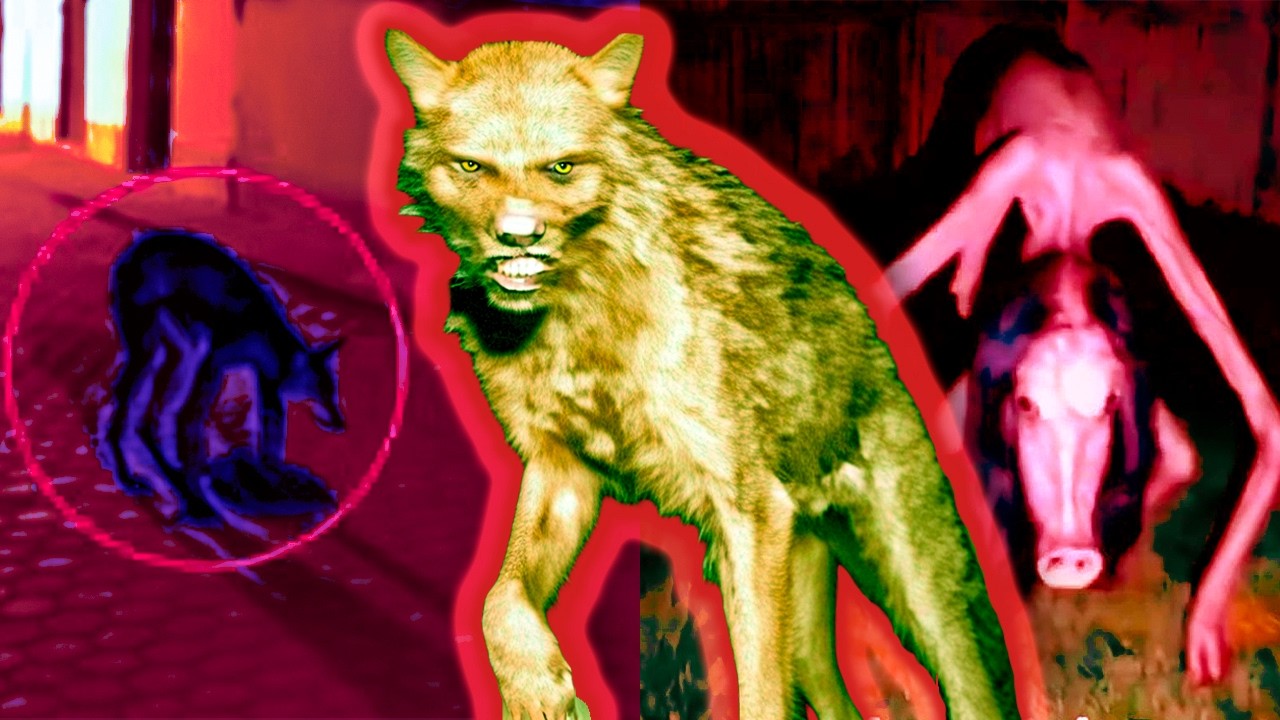
Nahuales Captados en Cámara: Entre el Mito y la Realidad

Image

La figura del nahual, tejida en el tapiz ancestral de Mesoamérica, ha trascendido generaciones, alimentando el imaginario colectivo con historias de individuos capaces de transformarse en animales. Pero, ¿qué hay de cierto en estas leyendas que persisten en pleno siglo XXI? ¿Fueron solo cuentos para infundir temor o existen indicios que sugieren una base real tras el mito? Mi investigación me ha llevado a través de crónicas antiguas y testimonios contemporáneos, buscando desentrañar la verdad detrás de estas enigmáticas figuras.

Orígenes y Evolución del Mito

Las raíces del nahual se hunden en las profundidades de las culturas precolombinas, particularmente entre los pueblos nahuas y mayas. En estas cosmovisiones, el *nahualli* o *way* representaba el vínculo espiritual entre un individuo y un animal totémico, una extensión de su ser que podía actuar de forma independiente. No se trataba de una metamorfosis literal en el sentido moderno, sino de una conexión chamánica profunda. Con la llegada de los colonizadores españoles, estas creencias se entrelazaron con los miedos europeos hacia la brujería y la hechicería, dando lugar a una demonización de estas figuras. Las narraciones comenzaron a mutar, presentando a los nahuales no solo como protectores o extensiones espirituales, sino como hechiceros maléficos que se transformaban en animales para cometer fechorías, robar ganado o incluso causar daño a las personas. Esta reinterpretación, cargada de la superstición europea, cimentó la imagen más popular y aterradora del nahual que conocemos hoy.

Mi madre me comentó que mi bisabuelo (etnia Huasteca potosina) le tenía miedo a los nahuales, le preguntaban que era y no contestaba. Saludos desde México.

Como este testimonio sugiere, el miedo y el respeto hacia estas figuras se transmiten de generación en generación, manteniendo viva la leyenda en el corazón de México y otras regiones de Latinoamérica. La etnia Huasteca, con su rica tradición oral, es un claro ejemplo de cómo estas creencias se arraigan en la identidad cultural.

Testimonios Recientes: ¿Nahuales en la Era Digital?

Lo fascinante de las leyendas es su capacidad de adaptación. En la era de las cámaras de seguridad, los teléfonos móviles con capacidad de grabación y la omnipresencia de internet, los avistamientos y relatos sobre nahuales no han desaparecido, sino que han encontrado nuevas plataformas. Testimonios como el siguiente pintan un cuadro inquietante, fusionando lo cotidiano con lo inexplicable:

Hace como un mes, salimos con mi pareja al balcón de mi casa a tomar un poco de aire, era una noche calurosa. Miro hacia abajo y en la calle había un gato color amarillo medio anaranjado y le tiro un pedacito de pan para ver si se lo comía.. Cuando nos ve, se acerca y se sube a un carro que estaba en mi vereda, se para en sus dos patas traseras y con las otras dos patas delanteras hace un gesto como llamándonos.. nos causó gracia lo que hacia. Y bromeando le digo a mi pareja: "No será un Nahual?".. Me responde ella: "que es eso?" y le digo que eran como unos brujos que se convertían en animales.. Y ella me dice: "callate no jodas con eso". Yo me sigo riendo y nos metimos para ir a dormir.. pero después me quedé pensando en eso, por ahí nada que ver, quien sabe.. Nunca mas vimos a ese gato.

Este relato, aunque trivial en apariencia, encapsula la ambigüedad que rodea a muchos supuestos encuentros. ¿Fue un gato inusualmente interactivo o un indicio de algo más? La línea entre la observación casual y la interpretación de un fenómeno paranormal se difumina fácilmente, especialmente cuando las historias ancestrales están tan arraigadas.

De qué les gustaría que sea el próximo video? - Una noche ya tarde salí fuera de mi casa porque mi perro no dejaba de ladrar, normalmente suelen ser perros de casa vecinas, tengo la costumbre de ahuyentarlos por que tengo animalitos y no quiero que los lastimen. la cuestión es que salí a ver que pasaba, en frente de mi casa hay un pequeño descampado que aveces crece mucha maleza y no deja ver bien quien pasa por ahí, dejando las casas de enfrente bastante alejadas pero visibles. cuando salí de casa tome una piedra y guiado por donde mi perro ladraba, vi lo que parecia la silueta de un gran perro oscuro, pero la oscuridad y la maleza no me dejaron verlo bien, este parecia estar escarbando o buscando algo, yo sin pensarlo le tire la piedra y este salio disparado en direccion a las casas de enfrente, yo trate de seguirlo con la vista pero este se perdio totalmente por la maleza, cuando mi vista llego a las calles de las casas de enfrente vi una persona caminado por la calle caminando hacia la izquierda justo por el mismo trayecto donde habia perdido al animal, no lo habia visto antes no sabria decir de donde salio. hasta ahi parecia algo normal lo que me causo algo de intriga fue la forma en el que el hombre camino, me recordo al ultimo video que mostraste, el hombre parecia confundido, hizo algunos pasos hacia la izquierda y luego se freno y volvio a caminar hacia atras en direcccion derecha pero luego se freno otra vez volvia a girar hacia la izquierda y caminar hasta al final de la calle, luego de ahi lo perdi de vista. se lo que vi lo que no se es, que fue lo que vi.

Este es uno de los testimonios más elaborados, describiendo un encuentro que roza lo inexplicable. La figura del "gran perro oscuro" que parece actuar con una inteligencia inusual, su fuga "disparada", y la posterior aparición de una persona cuya forma de caminar es descrita como extraña, levantan interrogantes. ¿Es posible que el animal avistado tuviera un comportamiento anómalo, o se trataba de una manifestación que jugaba con la percepción del testigo? La descripción de la caminata de la persona evoca las llamadas "caminatas erráticas" o desorientadas que a veces se asocian con fenómenos extraños.

Recomendación del Investigador

Los Archivos de la Criptozoología: La Enciclopedia de los Mitos, Leyendas y las Criaturas más Raras Jamás antes Vistas

"Una herramienta que he encontrado indispensable en investigaciones de campo para obtener datos fiables."

Consultar Precio en Amazon

Otro relato impactante proviene de Puebla, México, donde un avistamiento de un "perro blanco tipo husky saliendo del bosque, caminando en dos patas pero así super tranquilo, como humano". El detalle de que el animal "juró que nos sonrió" añade un toque escalofriante. Los propios testigos, uno de ellos ateo, admiten el miedo paralizante que les impidió grabar el evento, priorizando la seguridad ante lo desconocido. La validación posterior por parte de los lugareños, que identificaron al ser como un nahual, solidifica la experiencia dentro del marco de la leyenda viva.

Me encantó este video, realmente un informe completito. Como siempre, un trabajo excelente

La figura del nahual, según las creencias populares, a menudo se manifiesta en forma de perro, ya sea negro o blanco, y con características que van más allá de lo animal. Los ojos rojos, la capacidad de saltar alturas imposibles o moverse con una agilidad antinatural, son elementos recurrentes en los relatos recogidos.

Donde vivo hay uno, mucha gente cuenta que han visto un perro negro grande de ojos rojos, incluso gente que vive cerca o que no vive por aquí pero han pasado por la carretera ya entrada la noche, una de mis vecinas tiene gallinas y guajolotes y cuenta que este perro a veces entra al gallinero y las m4t4 y cuendo salen a correrlo brinca super alto hasta otra casa, otra vecina cuando era niña lo vio subiendo las escaleras que tienen por fuera de la casa hacía el segundo piso, un taxista el año pasado nós contó que una vez en la madrugada cuando iba por un cliente vio al perro y este lo correteó hasta subirse arriba del auto, incluso intentó abrirle la puerta con la "pata" que parecía mano de persona pero sin serlo del todo hasta que pudo maniobrar y quitárselo de encima

Análisis de la Evidencia: Entre la Pareidolia y lo Inexplicable

Es crucial abordar estos testimonios con una perspectiva crítica. La psicología nos ofrece herramientas para comprender cómo la mente humana puede interpretar estímulos ambiguos, especialmente en situaciones de estrés o en entornos de baja visibilidad, como la noche o la maleza densa. El fenómeno de la pareidolia, la tendencia a percibir formas familiares (como rostros o figuras animales) en estímulos vagos, puede explicar muchos de los avistamientos. La sugerencia, alimentada por el conocimiento de las leyendas de nahuales, puede llevar a interpretar la silueta de un animal conocido, como un perro o un gato, como algo sobrenatural.

Sin embargo, la recurrencia de ciertos detalles en diferentes relatos y geografías complica una desestimación total. La figura del "perro" que camina en dos patas, la aparente inteligencia o malicia en sus acciones, y la descripción de extremidades que parecen manos humanas, desafían explicaciones sencillas. ¿Podrían estos relatos ser vestigios de antiguas creencias chamánicas, reinterpretadas a la luz de nuevos miedos y percepciones?

Recomendación del Investigador

Archivos Secretos: Lo que los Gobiernos Saben sobre lo Paranormal

"Si buscas profundizar en este tema, esta lectura es un punto de partida fundamental y bien documentado."

Consultar Precio en Amazon

En países como Chile, encontramos leyendas similares como el "Tue Tue", un brujo cuya cabeza se separa del cuerpo para convertirse en ave. En Europa, las historias de hombres lobo y otras metamorfosis animales son igualmente persistentes. La universalidad de estas narrativas sugiere una profunda necesidad humana de explicar lo inexplicable, de encontrar patrones en el caos, y de dar forma a nuestros miedos más primarios.

En Chile existe una leyenda campesina, quizá real que se llama el Tue Tué, es un brujo que en las noche su cabeza sale del cuerpo para convertirse en un ave, sólo se siente cuando pasa con su grito o canto tenebroso Tue tué, tue tué, también existen historias de mujeres y hombres que se convierten en animales como ovejas y zorros para salir de noche, deben ser también nahuales. Al parecer hay algo de cierto si historias parecidas ocurren en distintos países.

La conexión establecida por algunos de estos testimonios con la obra de Carlos Castañeda, aunque controvertida, resalta cómo estas ideas han influido en la percepción moderna de la espiritualidad y la transformación. La recomendación de leer sus libros "en orden cronológico" refleja un interés en profundizar en estas perspectivas alternativas del mundo.

Desde que leí los libros de Carlos Castañeda en orden cronológico, todo ésto de los nahuales, plantas ancestrales y 'despertar espiritual' comenzó a resonar en mí y de alguna manera abrió otra perspectiva de cómo ver el mundo. Se los recomiendo en verdad

La Persistencia del Nahual en el Siglo XXI

A pesar del avance científico y la secularización, la figura del nahual mantiene una sorprendente vigencia. ¿A qué se debe esta persistencia? En primer lugar, las leyendas y mitos forman parte intrínseca de la cultura popular y la tradición oral de muchas comunidades. Son historias que se transmiten, se reinterpretan y se viven, especialmente en zonas rurales donde la conexión con la naturaleza y las creencias ancestrales es más fuerte.

En segundo lugar, la figura del nahual encarna el arquetipo del "otro", de lo salvaje y lo indómito que reside tanto en la naturaleza como, quizás, en el interior del ser humano. En un mundo cada vez más homogéneo y controlado, la idea de una transformación radical, de una conexión profunda con el reino animal, resulta intrigante y, para algunos, aspiracional. El therianismo, un movimiento moderno donde las personas se identifican como animales, resuena de forma curiosa con estas antiguas leyendas, sugiriendo que la fascinación por la identidad animal es un tema recurrente en la psique humana.

Finalmente, la falta de evidencia concluyente, la ambigüedad de los "avistamientos" y la naturaleza escurridiza de estos fenómenos, lejos de disipar el mito, parecen alimentarlo. Lo inexplicable, lo que escapa a una definición clara, es terreno fértil para la imaginación y la leyenda. Los supuestos "nahuales captados en cámara", aunque a menudo sujetos a interpretaciones diversas, mantienen la conversación viva, invitándonos a reflexionar sobre los límites de nuestra comprensión del mundo natural y, quizás, de la naturaleza humana misma.

Mi propia perspectiva, forjada a lo largo de años investigando los rincones más oscuros del folclore, me inclina a pensar que muchas de estas historias tienen un origen cultural y psicológico profundo. Sin embargo, la naturaleza de la evidencia presentada por los testigos es innegablemente intrigante. Las descripciones detalladas, el miedo genuino que transmiten y la coincidencia de ciertos elementos en relatos geográficamente distantes, invitan a mantener una mente abierta. Quizás los nahuales no sean criaturas literales de carne y hueso transformándose, sino manifestaciones de una energía ancestral, de una conexión espiritual que aún no comprendemos del todo. La investigación continúa.

Preguntas Frecuentes sobre Nahuales

  • ¿Qué es un nahual?
  • Tradicionalmente, un nahual (o nahualli) era una persona con la capacidad espiritual de transformarse en un animal o de tener una conexión profunda con uno, actuando como su alter ego o espíritu protector. Con el tiempo, la figura evolucionó a la de un brujo que se transformaba para fines maléficos.

  • ¿Existen pruebas científicas de la existencia de los nahuales?
  • No existen pruebas científicas concluyentes que demuestren la existencia literal de personas que puedan transformarse en animales. Los fenómenos reportados suelen tener explicaciones basadas en la psicología, la pareidolia, o fenómenos naturales malinterpretados, aunque la persistencia de los relatos genera debate.

  • ¿Todos los mitos de transformación animal se refieren a nahuales?
  • No necesariamente. Si bien el término "nahual" es específico de las culturas mesoamericanas, existen mitos de transformación animal en prácticamente todas las culturas del mundo (hombres lobo en Europa, etc.), cada uno con sus características y orígenes propios.

  • ¿Por qué la gente todavía cree en los nahuales?
  • La creencia persiste debido a la fuerte herencia cultural y folclórica, la transmisión oral de historias, el deseo humano de explicar lo inexplicable y la fascinación por lo oculto y lo salvaje que estas figuras representan.

  • ¿Qué relación hay entre los nahuales y los chamanes?
  • En las cosmovisiones originales, los nahuales estaban intrínsecamente ligados a prácticas chamánicas, representando la capacidad del chamán de adoptar la forma o el espíritu de un animal para obtener conocimiento, poder o para mediar entre el mundo humano y el espiritual.

Disclaimer: This investigation is supported by the community. Explore new financial frontiers with Binance.

5 Real Nahuales Caught on Video and Seen in Real Life

Image

The veil between our reality and the inexplicable is thin, often torn by fleeting glimpses of phenomena that defy rational explanation. Have you ever encountered something that sent shivers down your spine, a sighting so bizarre it made you question the laws of nature? This report delves into the chilling world of Nahuales – mythical beings from Mexican and Latin American folklore, creatures said to possess the terrifying ability to shift between human and animal forms. We're not talking about folklore whispered around campfires; we're examining alleged visual evidence, captured by security cameras and unsuspecting witnesses, that suggests these ancient legends might have a terrifying reality.

Introduction: The Glimpse of the Unseen

The primal fear of the unknown is deeply ingrained in the human psyche. For centuries, cultures across the globe have documented encounters with entities that blur the lines between man and beast. In Mexico and parts of Latin America, this fear often coalesces around the figure of the Nahual, a being capable of assuming animalistic forms. This report aims to sift through the sensationalism and analyze purported evidence, including footage that claims to show these entities in their terrifying transformations. We will dissect accounts of shadowy figures moving through the woods, alleged witchcraft in motion, and encounters that leave witnesses profoundly disturbed. Prepare yourself; the following investigation into visual evidence of Nahuales is not for the faint of heart.

Understanding the Nahual Phenomenon

The concept of shapeshifting predates recorded history, but the Nahual holds a particularly potent place in Mesoamerican cosmology. Rooted in indigenous traditions predating Spanish colonization, the Nahual is often understood not merely as a magical ability but as a spiritual connection to the animal kingdom. Shamans and spiritual leaders might adopt animal forms for protection, divination, or to traverse between the physical and spiritual realms. However, the narrative has evolved, often incorporating darker connotations, linking Nahuales to witchcraft and malevolent intent, particularly in more recent folklore and sensationalized media.

Recommended Gear for Investigation

ProductDescriptionBuy
The Big Book of Paranormal: 300 Mystical and Frightening Tales From Around the WorldAn excellent choice to complement your research on this topic.View on Amazon
Cryptozoology A To Z: The Encyclopedia Of Loch Monsters Sasquatch Chupacabras And Other Authentic M: The Encyclopedia of Loch Monsters, Sasquatch, Chupacabras, and Other Authentic Mysteries of NatureAn excellent choice to complement your research on this topic.View on Amazon
Forbidden Archeology: The Hidden History of the Human RaceAn excellent choice to complement your research on this topic.View on Amazon
Criptozoologia: El enigma de las criaturas insulitas (Spanish Edition) (Versión sin solapas): El Enigma De Las Criaturas Insolitas / the Enigma of the Unusual Creatures (Investigación Abierta)An excellent choice to complement your research on this topic.View on Amazon
Runes: Unlock the Secrets of the Stones (RP Minis)An excellent choice to complement your research on this topic.View on Amazon
The H. P. Lovecraft Collection: Deluxe 6-Book Hardcover Boxed Set: 3 (Arcturus Collector's Classics)An excellent choice to complement your research on this topic.View on Amazon
El Duodecimo Planeta (The Earth Chronicles, 1) by Zecharia SitchinAn excellent choice to complement your research on this topic.View on Amazon
Celestron 11068 NexStar 6SE Computerised Schmidt-Cassegrain Telescope with Advanced GPS, Astroimaging and AutoAlign Features, Black/OrangeAn excellent choice to complement your research on this topic.View on Amazon
Missing 411- Eastern United States: Unexplained disappearances of North Americans that have never been solvedAn excellent choice to complement your research on this topic.View on Amazon
Ghost-Hunting For Dummies [Idioma Inglés] An excellent choice to complement your research on this topic.View on Amazon

The ambiguity surrounding the Nahual is its defining characteristic. Is it a protector spirit, a cursed individual, or something far more predatory? The lore suggests a spectrum of possibilities, which often fuels the mystery. Unlike a straightforward monster myth, the Nahual is intrinsically tied to human identity, suggesting a terrifying duality that could reside within anyone. This inherent human connection makes the phenomenon particularly unsettling, tapping into our deepest anxieties about trust and the hidden nature of those around us.

Contemporary interpretations often amplify the "horror" aspect, portraying Nahuales as monstrous entities bent on harm. This sensationalism, while effective for entertainment, often overshadows the more nuanced, spiritual origins of the belief. It's a common pattern in paranormal investigations: the legend evolves, becoming more extreme as it passes through different cultural filters and media interpretations. Our task is to differentiate between ancient beliefs, modern fears, and alleged empirical evidence.

Analyzing the Visual Evidence: Nahuales on Camera

The digital age has brought with it an unprecedented volume of visual documentation. Security cameras, smartphones, and trail cams capture the mundane and the extraordinary with increasing frequency. It is within this digital archive that alleged sightings of Nahuales and similar cryptids are most often presented. The original content highlights several categories of visual evidence:

  • "Skinwalker footage captured by security cameras": This suggests grainy, often low-light footage showing figures that appear to be in transition or exhibiting non-human locomotion. Skeptical analysis often points to misidentification of known animals, pareidolia (seeing patterns in random stimuli), or outright hoaxes.
  • "Real witches flying at night": Accounts of nocturnal aerial phenomena often involve strange lights or dark, silhouetted figures against the moonlit sky. While some may be dismissed as aircraft, drones, or atmospheric phenomena, others remain stubbornly anomalous.
  • "Strange things captured in the forest": This broad category could encompass anything from unusual animal behavior to fleeting glimpses of bipedal figures that don't match known wildlife. The isolation and inherent spookiness of forested environments often amplify the perceived strangeness of any anomaly.
  • "Terrifying transformations": The most compelling, and often most suspect, evidence involves alleged visual documentation of a human changing into an animal. These clips are frequently subject to intense scrutiny, with accusations of CGI, editing, or elaborate costumes being common.

The challenge with this type of evidence lies in its inherent ambiguity. A shadow can be a person, an animal, or a trick of the light. A strange sound can be wind, an unknown creature, or a mundane explanation misinterpreted through fear. As investigators, we must approach such footage with a critical eye, looking for corroborating evidence, signs of manipulation, and any logical explanations before jumping to supernatural conclusions. Yet, we cannot dismiss accounts outright, especially when multiple witnesses report similar phenomena, or when the footage, despite its flaws, presents something genuinely baffling.

"After seeing this, you won't walk alone at night again." - Original Content Warning

This warning encapsulates the emotional impact these alleged sightings aim to evoke. It speaks to a core fear: that the familiar world holds hidden dangers, and that creatures of myth might be lurking just beyond the edge of perception. This emotional resonance is a powerful driver for sharing such content, but it can also cloud objective analysis.

Parallels: Skinwalkers and Other Shapeshifters

The concept of the Nahual is not unique. Across various cultures, similar legends of shapeshifters abound. The most notable parallel in North America is the Skinwalker of Navajo tradition. While both Nahuales and Skinwalkers involve human-animal transformation, there are distinct cultural nuances. Skinwalkers are typically depicted as malevolent figures who engage in dark magic, often requiring them to commit heinous acts to maintain their power. Their transformations are frequently associated with specific animals like coyotes, wolves, or owls, and their presence is often signaled by unnatural sounds or a palpable sense of dread.

Comparing these legends is crucial for understanding the broader archetypes of transformation and fear present in human mythology. Other cultures have similar figures: the European werewolf, the Russian volkolak, or even more obscure beings. The recurrence of this theme suggests a deep-seated human fascination with, and fear of, shedding our familiar form to embrace something wilder and potentially more dangerous. These parallels don't validate the existence of Nahuales, but they do indicate a shared psychological landscape where such beliefs can take root.

Investigators often find that the specific details of these legends vary based on regional fauna and spiritual beliefs. The jaguar's prominence in Mesoamerica directly influences the Nahual's common form, while the wolf and coyote hold sway in the traditions surrounding Skinwalkers. Examining these variations helps us understand how folklore adapts to local environments and cultural anxieties.

Investigator's Verdict: Fraud, Folklore, or Flesh?

After sifting through the purported evidence, the conclusion regarding the existence of literal, biological Nahuales remains, as it often does in paranormal investigation, uncertain. The visual "evidence" presented—often low-quality, ambiguous, and easily replicable through known means—falls short of conclusive proof. Hoaxes, misidentifications, and sophisticated CGI are rampant in the digital age, making it incredibly difficult to ascertain authenticity without rigorous forensic analysis, which is rarely feasible with user-submitted footage.

However, dismissing the phenomenon entirely would be intellectually dishonest. The persistence of these legends across generations and cultures, coupled with numerous consistent witness testimonies (even those not visually recorded), suggests a cultural or psychological reality that cannot be ignored. Folklore often arises from a kernel of truth, a shared experience, or a collective fear that finds expression in myth. Whether that kernel is a rare, undocumented biological entity, a misunderstanding of natural phenomena, or a powerful shared belief system is the central question.

My assessment leans towards a complex interplay of folklore, psychological projection, and the occasional, albeit unproven, anomalous event. The widespread belief and consistent narrative elements across different regions warrant serious consideration, even if definitive, irrefutable proof remains elusive. The fear and awe these stories inspire speak to something profound within the human experience.

Field Notes: Documenting Anomalous Encounters

For those venturing into the field, documenting potential encounters with entities like Nahuales requires meticulous attention to detail. Standard paranormal investigation protocols apply, with an added emphasis on observational accuracy and ecological context.

Methodology:

  1. Record Everything: Use high-quality audio and video recording equipment. Ensure batteries are fully charged and storage is ample. Consider night vision or thermal imaging if appropriate for the suspected environment.
  2. Environmental Context: Document the location, time, weather conditions, and any unusual environmental factors (e.g., electromagnetic field fluctuations, animal behavior). Note the presence of any known wildlife that could be mistaken for a cryptid.
  3. Witness Testimony: Conduct thorough interviews with witnesses immediately after an event. Use open-ended questions to avoid leading them. Record their accounts verbatim and note their emotional state. Look for consistency in descriptions, especially if multiple witnesses are present.
  4. Physical Evidence: Search for any physical traces – unusual footprints, fur, scat, or structural disturbances – that could corroborate a sighting. Document these meticulously with scale references.
  5. Skepticism is Key: Maintain a critical mindset. Always seek the simplest explanation first (Occam's Razor). Rule out known animals, atmospheric phenomena, and human activity before considering supernatural causes.

The folklore surrounding Nahuales often mentions specific behaviors or sounds. Be attuned to reports of unusual vocalizations, unnatural movements, or alleged transformations. Many online accounts, like those found in social media comments, mention specific timestamps or details. For instance, one commenter noted, "En 1:56 era como un tipo de diablo," suggesting a specific visual anomaly at that point in the video. Another recalls, "Los animales conocen quien no es animal," hinting at a supposed innate recognition of these beings by the natural world—a trope common in cryptozoological lore.

Frequently Asked Questions

Q1: What is the primary difference between a Nahual and a Skinwalker?
A1: While both are shapeshifters, Nahuales originate from Mesoamerican folklore (Mexico, Central America) and are often tied to shamanism, capable of transforming into various animals like jaguars or coyotes. Skinwalkers stem from Navajo (Diné) tradition in North America, typically depicted as morally corrupt witches who transform, often into canids or owls, for malevolent purposes.

Q2: Are the videos in this article real?
A2: The article presents alleged video evidence for discussion. However, the disclaimer notes the video is for entertainment, and definitive proof of Nahuales remains elusive. viewers are encouraged to critically assess the footage.

Q3: Can a Nahual transform into any animal?
A3: Traditional folklore often associates Nahuales with specific animals prevalent in their region, such as jaguars, coyotes, eagles, or owls. Modern interpretations may broaden this, but consistency with local fauna is common in older legends.

Q4: What should I do if I encounter something I believe to be a Nahual?
A4: Maintain a safe distance and do not provoke the entity. Document the encounter if possible and safe to do so (photos, video, audio). Note all details: appearance, behavior, location, time, and any witnesses. Report your findings through credible paranormal investigation channels or folklore societies.

Q5: Is there scientific evidence for Nahuales?
A5: Currently, there is no accepted scientific evidence confirming the existence of Nahuales as biological entities. The phenomenon is primarily studied within the realms of folklore, mythology, and parapsychology.

Your Mission: Report Your Findings

The investigation into the unexplained is a collective effort. Your experiences, observations, and insights are invaluable data points. If you have ever witnessed something that defied explanation, something that reminded you of the legends of Nahuales, Skinwalkers, or other shapeshifters, do not let it remain undocumented.

Your mission, should you choose to accept it, is to contribute to our growing archive of anomalous encounters.

Share your story in the comments below. Be specific. What did you see? Where and when did it happen? What were the circumstances? Even details that seem insignificant might hold the key to unlocking a deeper understanding.

Additionally, if you possess any photographic or video evidence pertaining to these phenomena, please consider sharing it responsibly. The truth, however elusive, is out there, waiting to be uncovered by diligent researchers like yourself.

Investigator's Recommended Gear

To aid in your own investigations, having the right equipment can make a significant difference. Modern technology can help capture evidence that might otherwise be missed.

Researcher's Recommended Reading

To deepen your understanding of Nahuales, shapeshifters, and related folklore, consult foundational texts and scholarly articles on Mesoamerican mythology and cryptozoology.

The world is brimming with mysteries that challenge our perception of reality. The alleged sightings of Nahuales are a potent reminder that even in our modern, data-driven age, the ancient and the inexplicable continue to haunt the edges of our understanding. Whether these are figures born purely of myth and fear, or glimpses of a hidden reality, their impact on the human imagination is undeniable.

What are your thoughts? Have you encountered anything that made you question the nature of reality? Share your experiences and theories in the comments below. If you found this investigation enlightening or disturbing, please share it across your social networks to help spread awareness of these enduring mysteries.

Investigator's Note: True paranormal research doesn't fund itself. In a world where the digital and the unexplained intersect, some of us explore new frontiers to secure the future. Do you dare to be part of the vanguard? Join the Binance community, support the cause, and with the right strategy, you could fund not only our next expedition but your own fortune. The next great discovery could be just a click away.