Followers

Mostrando las entradas con la etiqueta skinwalker. Mostrar todas las entradas

Sonidos de Skinwalker: Desentrañando el Mito y el Terror Auditivo

Image

El concepto del Skinwalker, una figura prominente en el folklore Navajo, evoca imágenes de brujos malévolos con la aterradora capacidad de transformarse o poseer animales. Lejos de ser figuras benignas, los skinwalkers representan el lado oscuro de la espiritualidad, una perversión de lo natural. Pero, ¿qué sucede cuando el mito cobra vida a través de sonidos escalofriantes? Este expediente se adentra en el fenómeno auditivo asociado a estas entidades, analizando los reportes, las interpretaciones y el impacto psicológico que tales sonidos pueden generar.

Introducción al Fenómeno

El término "skinwalker" se refiere a un tipo de brujo o hechicero malévolo dentro de la tradición Navajo. Estas figuras no son meros cuentos de terror; representan un tabú profundo y un miedo arraigado, asociados con la brujería, el mal y la transgresión de las leyes naturales y espirituales. Históricamente, la creencia en los skinwalkers ha sido un elemento central en las narrativas culturales de varias tribus nativas americanas, sirviendo como advertencia y explicación para eventos inexplicables o comportamientos aberrantes. La descripción de un skinwalker varía, pero comúnmente implica la capacidad de adoptar la forma de un animal, o incluso de poseen a otros seres. La naturaleza de estas entidades es intrínsecamente oscura; nunca se les asocia con la curación o el bien.

La Evidencia Auditiva: Sonidos de Skinwalker

Más allá de las descripciones visuales y las leyendas, uno de los aspectos más perturbadores y debatidos del fenómeno skinwalker es la supuesta evidencia auditiva. Los sonidos atribuidos a estas entidades son descritos consistentemente como escalofriantes, agudos y antinaturales. Los testimonios, a menudo recopilados en foros en línea y plataformas de video, hablan de vocalizaciones que desafían la clasificación, a veces comparadas con gritos de animales distorsionados, gruñidos guturales o tonos agudos penetrantes que parecen erizar el vello de la nuca. La creación de estos sonidos, como la proporcionada por uno de los creadores de contenido, intenta capturar esta esencia aterradora, permitiendo a otros experimentar, de forma controlada, el terror auditivo asociado.

Recommended Gear for Investigation

ProductDescriptionBuy
SUCESOS REALES PARANORMALES DE TERROR: 50 casos que te dejarán helado ! Ilustrado !An excellent choice to complement your research on this topic.View on Amazon
Experiencias Paranormales Reales II: Rostros del más alláAn excellent choice to complement your research on this topic.View on Amazon
Manual del Investigador Paranormal: (Versión sin solapas) (Investigación Abierta)An excellent choice to complement your research on this topic.View on Amazon
Sal del Himalaya rosa de alta calidad (fina) 500 g. Cristal rosa puro sin refinar, 100% natural en una bolsa de Kraft biodegradable y compostable. Sal Wellness de Eco Harvest®An excellent choice to complement your research on this topic.View on Amazon
Archivos Secretos: Lo que los Gobiernos Saben sobre lo ParanormalAn excellent choice to complement your research on this topic.View on Amazon
Cómo investigar el fenómeno OVNI: Guía definitiva para los apasionados de la ufología (Marcado por el misterio)An excellent choice to complement your research on this topic.View on Amazon
Ajuny Bol budista de latón con sonido del Himalaya, cuenco grande para meditación de larga duración, gran sonido, 20,32 x 9,5 cmAn excellent choice to complement your research on this topic.View on Amazon
Recuerdos Del Futuro: Enigmas del pasado sin resolver (Mundo mágico y heterodoxo)An excellent choice to complement your research on this topic.View on Amazon
Equipo paranormal de mano de la caja del espíritu del metro del EMF del equipo de la caza del fantasAn excellent choice to complement your research on this topic.View on Amazon
Tapiz de mapa del mundo antiguo, diseño vintage de mapa del mundo, tapiz de distribución geográfica para colgar en la pared, póster educativo de mapa del mundo del Atlas histórico marrón, para pared,An excellent choice to complement your research on this topic.View on Amazon
"La primera vez que escuché estos sonidos... fue escalofriante. La descripción de un tono agudo y penetrante se hace realidad, y te hace cuestionar lo que realmente podría estar acechando en la oscuridad de los bosques." - Anónimo, Observador de Fenómenos Paranormales.

La autenticidad de estos sonidos es, naturalmente, objeto de debate. Algunos los descartan como simples animales nocturnos, efectos de audio creados para entretenimiento, o incluso imitaciones humanas. Sin embargo, para aquellos que han tenido encuentros o que viven inmersos en las tradiciones, estos sonidos pueden ser una manifestación tangible de algo mucho más siniestro. La fuente original de estos sonidos, a menudo atribuida a individuos valientes (o quizás imprudentes) que se aventuran a grabar en áreas conocidas por avistamientos, añade una capa de autenticidad percibida para algunos oyentes.

Interpretaciones Populares y Conexiones Culturales

La reacción del público ante los "sonidos de skinwalker" es variada y a menudo refleja una mezcla de miedo, escepticismo y fascinación. En discusiones en línea, es común encontrar comentarios que comparan estas vocalizaciones con sonidos de videojuegos, particularmente con criaturas de títulos como Ark: Survival Evolved. La "Broodmother", una criatura de dicho juego, es frecuentemente mencionada, lo que sugiere una convergencia entre el folklore antiguo y las referencias culturales modernas. Esta conexión, si bien puede parecer trivial, demuestra cómo las nuevas generaciones interpretan y reinterpretan los mitos a través del prisma de sus propias experiencias.

"Todos se ponen rudos hasta que escuchas esto caminando por el bosque por la noche..." - Comentario de Usuario.

Algunos usuarios, como los que se identifican como Navajo, aportan una perspectiva cultural valiosa, recordando que los skinwalkers son fundamentalmente humanos que han elegido un camino de oscuridad, no monstruos externos. Esta distinción es crucial para comprender la profundidad del tabú y el miedo asociado. La mención de que estas entidades son "parte humanas" resuena con la idea de una corrupción de la humanidad, una traición a la propia naturaleza. La insistencia en la naturaleza humana de los skinwalkers, y el malestar que generan las preguntas directas al respecto según relatos de misiones mormonas en reservaciones Navajo, subraya la seriedad y el respeto con el que se trata este tema en su contexto cultural original.

Es interesante notar cómo las experiencias personales, a menudo humorísticas o exageradas, se entrelazan con el terror genuino. Comentarios como "Este es solo el sonido de mi vehículo al intentar alcanzar los 60 MPH" o la parodia de un skinwalker respondiendo a una imitación, muestran un intento de desmitificar o lidiar con el miedo a través del humor. Sin embargo, la cruda realidad de escuchar estos sonidos en la oscuridad, o el pánico al oír la continuación de los sonidos después de que el audio se detiene, revela el poder subyacente de estas vocalizaciones para evocar una respuesta visceral de miedo.

"Suena aterrador con auriculares puestos..." - Comentario de Usuario.

El Impacto Psicológico del Sonido

El poder del sonido para evocar emociones y crear atmósferas es innegable. Los sonidos de skinwalker, precisamente por su naturaleza anómala y su asociación con figuras malévolas, tienen un impacto psicológico significativo. Pueden desencadenar respuestas de miedo primario, la sensación de estar siendo observado o acechado, incluso en ausencia de peligro visual. Esta respuesta se amplifica en entornos como bosques o lugares aislados, donde la imaginación puede fácilmente poblar la oscuridad con amenazas invisibles. La mención de que "podrían ser reales" y la consecuente aprensión a ir al bosque es un testimonio directo de este impacto.

La experiencia auditiva puede ser tan o más aterradora que la visual. La falta de un punto focal visual permite que la mente divague, imaginando la fuente del sonido de las peores maneras posibles. Para aquellos que han crecido con historias de skinwalkers, estos sonidos pueden activar un conocimiento cultural profundo, vinculando las vocalizaciones a un mal ancestral. La reacción de "correr, correr, correr" es una respuesta instintiva ante la percepción de una amenaza inminente, una conexión directa entre el estímulo auditivo y la respuesta de lucha o huida.

Veredicto del Investigador: ¿Mito Sonoro o Realidad Inexplicable?

Desde una perspectiva de investigación paranormal, los "sonidos de skinwalker" presentan un caso fascinante. La evidencia es predominantemente anecdótica y auditiva. La dificultad radica en la falta de pruebas físicas concluyentes y en la posible subjetividad de la interpretación. ¿Son estos sonidos manifestaciones de entidades genuinas, o fenómenos naturales malinterpretados, quizás amplificados por la sugestión cultural y el miedo colectivo? Mi análisis se inclina hacia la segunda opción como la más probable, pero no descarta la posibilidad de fenómenos aún no comprendidos.

La consistencia en las descripciones de los sonidos a través de diferentes fuentes es notable y merece atención. Sin embargo, la historia humana está repleta de sonidos naturales inexplicables que, con el tiempo, encuentran una explicación científica. La posibilidad de que estos sonidos sean grabaciones de animales con vocalizaciones inusuales, fenómenos geológicos o atmosféricos, o incluso elaboradas falsificaciones, sigue siendo alta. La industria del diseño de sonido para proyectos de terror demuestra cuán efectivos pueden ser los audios creados para evocar miedo. A pesar de esto, la persistencia de estas creencias y la profundidad de su arraigo cultural sugieren que el mito del skinwalker, y los sonidos asociados a él, seguirán fascinando e inquietando.

La clave está en la investigación rigurosa: análisis espectrográfico de los sonidos, correlación con avistamientos de fauna local, y descarte de imitaciones. Hasta entonces, los sonidos de skinwalker permanecen en la fascinante frontera entre el folklore, la psicología y lo inexplicado. La afirmación de que "los skinwalkers son en realidad humanos" es crucial: si estas entidades son humanas, entonces las manifestaciones auditivas podrían ser producidas por humanos, ya sea de forma natural o intencional.

Equipo Recomendado para la Investigación

Para aquellos interesados en investigar fenómenos auditivos o explorar entornos naturales que podrían estar asociados con leyendas como la del skinwalker, contar con el equipo adecuado es fundamental. La grabación de audio de alta calidad puede capturar matices que el oído humano podría pasar por alto. Los grabadores de campo portátiles, micrófonos direccionales y auriculares de monitoreo son herramientas esenciales. Además, documentar el entorno y cualquier actividad visual simultánea puede proporcionar un contexto valioso.

Libros Recomendados

Para profundizar en el estudio de los skinwalkers y el folklore nativo americano, se recomienda:

  • "The Navajo Skin Chant Myths" de Berard Haile.
  • Investigaciones antropológicas sobre las creencias Navajo y sus mitos.

Preguntas Frecuentes

  • ¿Qué es exactamente un skinwalker?
    Un skinwalker es una figura del folklore Navajo asociada con la brujería y la capacidad de transformarse en animales o poseerlos. Son considerados seres malévolos.
  • ¿Son reales los sonidos de skinwalker?
    La evidencia es principalmente anecdótica y su autenticidad es debatida. Pueden ser sonidos naturales malinterpretados, creaciones de audio o, según las creencias, manifestaciones reales.
  • ¿Por qué se comparan los sonidos de skinwalker con los de videojuegos como Ark?
    Las comparaciones surgen porque los sonidos creados para videojuegos a menudo intentan replicar vocalizaciones de criaturas míticas o aterradoras, coincidiendo con las descripciones populares de los sonidos de skinwalker.
  • ¿Los skinwalkers son monstruos o humanos?
    Según la tradición Navajo, los skinwalkers son humanos que han elegido deliberadamente practicar la brujería, adoptando formas animales o poseyendo a otros como parte de sus prácticas.

Tu Misión de Campo

Tu Misión: La próxima vez que te encuentres en un entorno natural silencioso, ya sea de día o de noche, presta especial atención a los sonidos que te rodean. Intenta identificar la fuente de cada vocalización. Si escuchas algo inusual, anótalo. ¿Suena familiar a las descripciones de un skinwalker? Considera cómo la sugestión cultural puede influir en tu percepción. Comparte tus observaciones (sin ponerte en peligro innecesario) en los comentarios.

¿Has escuchado alguna vez un sonido que te haya recordado a las descripciones de un skinwalker? ¿Tienes alguna teoría sobre el origen de estos sonidos? Comparte tus experiencias y pensamientos en la sección de comentarios a continuación. ¡Tu perspectiva es invaluable para nuestra investigación continua! No olvides compartir este expediente en tus redes sociales para que otros investigadores puedan unirse a la conversación.

Investigator's Note: True paranormal research doesn't fund itself. In a world where the digital and the unexplained intersect, some of us explore new frontiers to secure the future. Do you dare to be part of the vanguard? Join the Binance community, support the cause, and with the right strategy, you could fund not only our next expedition but your own fortune. The next great discovery could be just a click away.

Bigfoot to Skinwalkers: Analyzing Disturbing Night Footage

Image

When the sun dips below the horizon, the rules of reality seem to bend. The familiar landscapes of forests, highways, and trails transform into stages for the uncanny. This compilation compiles some of the most unsettling nighttime footage ever captured, a collection of moments that challenge our understanding of the natural and the unnatural. What begins with alleged Bigfoot sightings quickly escalates into encounters with entities like Skinwalkers, elusive shadow figures, and creatures that defy logical categorization, all accompanied by eerie sounds and inexplicable phenomena.

These clips, filmed by unsuspecting hikers, drivers, and campers, were not staged. They are raw, unedited glimpses into moments where the veil between our world and the unknown thins. Some footage is fleeting, others are profoundly disturbing the longer one scrutinizes them. Whether these encounters represent rare wildlife, simple misidentifications, deliberate hoaxes, or something far more ancient and unsettling, one fact remains undeniable: something is being caught on camera in the dark, and the frequency of these occurrences appears to be escalating.

The ambiguity is the hook. In an age saturated with digital content, these fragments of the unexplained cut through the noise. They tap into a primal fear of the dark and what lies beyond the reach of our flashlights. My mandate as an investigator is to sift through the noise, to apply critical analysis to phenomena that defy easy explanation. This collection demands just that.

Recommended Gear for Investigation

ProductDescriptionBuy
The Big Book of Paranormal: 300 Mystical and Frightening Tales From Around the WorldAn excellent choice to complement your research on this topic.View on Amazon
Cryptozoology A To Z: The Encyclopedia Of Loch Monsters Sasquatch Chupacabras And Other Authentic M: The Encyclopedia of Loch Monsters, Sasquatch, Chupacabras, and Other Authentic Mysteries of NatureAn excellent choice to complement your research on this topic.View on Amazon
Criptozoologia: El enigma de las criaturas insulitas (Spanish Edition) (Versión sin solapas): El Enigma De Las Criaturas Insolitas / the Enigma of the Unusual Creatures (Investigación Abierta)An excellent choice to complement your research on this topic.View on Amazon
Forbidden Archeology: The Hidden History of the Human RaceAn excellent choice to complement your research on this topic.View on Amazon
The H. P. Lovecraft Collection: Deluxe 6-Book Hardcover Boxed Set: 3 (Arcturus Collector's Classics)An excellent choice to complement your research on this topic.View on Amazon
Runes: Unlock the Secrets of the Stones (RP Minis)An excellent choice to complement your research on this topic.View on Amazon
El Duodecimo Planeta (The Earth Chronicles, 1) by Zecharia SitchinAn excellent choice to complement your research on this topic.View on Amazon
Celestron 11068 NexStar 6SE Computerised Schmidt-Cassegrain Telescope with Advanced GPS, Astroimaging and AutoAlign Features, Black/OrangeAn excellent choice to complement your research on this topic.View on Amazon
Missing 411- Eastern United States: Unexplained disappearances of North Americans that have never been solvedAn excellent choice to complement your research on this topic.View on Amazon
Ghost-Hunting For Dummies [Idioma Inglés] An excellent choice to complement your research on this topic.View on Amazon

The Premise: Nightfall and Explanation

The core assertion is simple: as darkness descends, unusual events are recorded with increasing frequency. The compilation promises a spectrum of phenomena, from the widely recognized silhouette of Bigfoot to the more culturally specific and terrifying lore of Skinwalkers. These are not curated museum pieces; they are presented as raw captures by everyday individuals. The implicit promise is authenticity, a look at what "really" happens when the cameras are rolling in the wild, or in abandoned, forgotten places.

My approach as an investigator is to dissect such claims. The allure of the unknown is powerful, and the digital age has democratized the dissemination of "evidence." Our task is to determine what constitutes genuine anomaly versus misinterpretation, manufactured deception, or psychological projection. The inherent vulnerability of recording in low-light conditions naturally lends itself to ambiguity, making these compilations fertile ground for both genuine mystery and elaborate hoaxes.

Analyzing the Footage: A Skeptic's Approach

The compilation spans various locations: dense forests, desolate highways, remote hiking trails, and locations locals advise avoiding after dusk. This geographic diversity is key. While Bigfoot is predominantly associated with North American wilderness, Skinwalker legends are rooted in Navajo traditions, and shadow figures or unexplained creatures appear in lore globally. The premise suggests a convergence of these disparate phenomena, captured under the cloak of night.

One must immediately consider the technical limitations. Poor lighting, camera shake, distance, and atmospheric conditions can transform mundane objects into monstrous shapes. A common observation within the audience commentary, for instance, points to what appears to be a "person in a ghillie suit with a foam headpiece and bicycle reflectors for 'eyes'" at the 31:20 mark. This is precisely the kind of interpretation that requires rigorous examination. Is it a deliberate hoax, or a genuine instance of misidentification where mundane elements are perceived as paranormal due to context and expectation?

The mention of "AI Bigfoot and CGI cut and paste Great Ape" at 1:05 further complicates matters. Advances in digital manipulation mean that visual "evidence" must be scrutinized for signs of digital alteration. The challenge for any investigator is to separate genuine anomalies from sophisticated fabrications. The sheer volume and variety of footage presented—from brief, blurry encounters to longer, more detailed sequences—necessitate a case-by-case analysis, looking for patterns, consistencies, and verifiable details.

The commentary regarding the creature’s choice of an "abandoned house in the middle of nowhere as a den" at 53:15 offers a pragmatic, albeit speculative, perspective. It frames the creature's behavior through a lens of survival and utility, suggesting that perceived "haunted" or "creepy" locations might simply serve practical purposes for unknown entities. This rational interpretation is vital; not everything unexplained is paranormal. Yet, it doesn't dismiss the possibility of the unexplained itself.

Bigfoot: More Than Just a Myth?

The enigmatic figure of Bigfoot, or Sasquatch, is a staple of North American folklore and cryptozoology. The compilation begins with alleged sightings, suggesting that the creature is a recurring element in these nighttime recordings. The legal protections afforded to Sasquatch in certain regions, as noted by a commenter regarding Oregon law ("it is actually illegal- an arrestable offense, to be out looking for Bigfoot with the intent of capturing and/or killing it"), adds a layer of intrigue. If Sasquatch is a protected species, as claimed, it implies an official, albeit perhaps controversial, acknowledgment of its existence by some authorities. This legal status, if accurate, moves the discussion beyond mere folklore into the realm of policy and potential scientific investigation, however fringe.

However, skepticism remains paramount. The "AI Bigfoot and CGI" comment highlights the ease with which digital fakes can be created. My experience suggests that many Bigfoot claims ultimately dissolve under scrutiny, revealing misidentified animals, pareidolia, or outright hoaxes. Yet, the persistent nature of these reports across decades and the legal protections in some areas warrant continued, albeit cautious, investigation.

Skinwalkers: Ancient Terrors or Modern Folklore?

The inclusion of Skinwalkers introduces a more culturally specific and deeply unsettling dimension. Rooted in Navajo traditions, Skinwalkers are believed to be witches who can transform into animals, often malevolent beings capable of shapeshifting. Encounters with Skinwalkers are steeped in fear and taboo, often involving specific rituals and warnings meant to ward them off.

When footage purportedly shows Skinwalkers, it requires careful consideration of cultural context and potential misinterpretations. Are these genuine alleged encounters within the tradition, or are the terms being applied more broadly to any frightening, unidentified creature? The fear associated with Skinwalkers is potent; it can deeply influence perception, leading individuals to interpret ambiguous sightings through a terrifying cultural lens. It's crucial to differentiate between authentic cultural narratives and their potential appropriation or misapplication in sensationalized content.

The audience's input, such as the question about such phenomena being exclusive to "America and Australia and big countries like Russia," indicates a desire for broader context. While specific legends like Bigfoot and Skinwalkers are geographically tied, the experience of encountering the unexplained, the unsettling, or the potentially dangerous in natural environments is a global phenomenon. Reports of strange creatures, unexplained lights, and eerie sounds exist across diverse cultures and landscapes.

Beyond Cryptids: Shadow Figures and Unexplained Sounds

The compilation is not limited to recognizable cryptids. The mention of "shadow figures" and "unexplained sounds" broadens the scope considerably, touching upon phenomena often investigated under the umbrella of paranormal research. Shadow figures, often described as dark, humanoid shapes glimpsed peripherally, are a common report in ghostly encounters and high-strangeness incidents. Their ephemeral nature makes them particularly difficult to capture and verify.

Similarly, unexplained sounds—disembodied voices, strange animalistic cries, or anomalous noises—can be attributed to a myriad of sources, from natural atmospheric effects and wildlife to faulty equipment or deliberate fabrications. The key is to methodically rule out conventional explanations before considering paranormal ones. The sheer variety within the compilation suggests an attempt to cover a wide spectrum of anomalous experiences occurring at night.

Audience Reactions: Voices from the Field

The comments section of such videos often provides a fascinating, albeit unfiltered, cross-section of public reaction and interpretation. We see a range of responses:

  • Protective Sentiment: "People need to leave them alone. The forest belongs to them!! STAY OUT!!!" This sentiment reflects a growing ecological awareness combined with a belief in the territorial rights of unknown creatures. It suggests a desire to protect these entities from human intrusion, framing them as native inhabitants rather than mere anomalies.
  • Viewer Vigilance: "Always watch your videos, man." This simple statement underscores the audience's engagement and critical viewing habits, encouraging the presenter to maintain a high standard of evidence.
  • Geographic Curiosity: The question about phenomena being limited to certain regions ("are they just in America and Australia and big countries like Russia?") highlights a global interest and a desire to understand the universality—or lack thereof—of these experiences. It prompts a need for comparative analysis across different cultural and geographical contexts.
  • Podcast Recommendations: "if you would like to go into depth on your investigation of the unexplained, there is a podcast called confessionals with tony merkel." This is valuable data, indicating audience engagement with related content and potential avenues for further research or cross-promotion within the niche.
  • Skepticism and Debunking: Comments like "How fake" and the detailed dissection of potential hoaxes (ghillie suits, AI/CGI) are crucial. They represent the necessary critical filter. Acknowledging these skeptical viewpoints is essential for maintaining credibility.

These audience contributions, while varied, reinforce the idea that these videos spark debate and encourage viewers to engage critically with the presented material. They highlight the common threads of curiosity, skepticism, and a deep-seated fascination with the unknown.

Investigator's Toolkit: Essential Gear for Night Expeditions

For those inspired to investigate such phenomena firsthand, preparation is key. The conditions—darkness, remote locations—demand specialized equipment. My own field research, and that of many others in the paranormal and cryptozoological communities, relies on a combination of technological and sensory tools:

  • Night Vision Devices: Essential for observing in low-light conditions. Monoculars, binoculars, and even helmet-mounted systems can provide a critical advantage.
  • High-Sensitivity Cameras: Cameras capable of capturing usable footage in minimal light are vital. Infrared capabilities can often reveal details invisible to the naked eye.
  • Audio Recorders: Sensitive audio recorders, such as those used for Electronic Voice Phenomena (EVP) investigations, can capture anomalous sounds that might be missed in the moment. Directional microphones can help isolate specific sound sources.
  • Thermal Imaging: Thermal cameras detect heat signatures, potentially revealing hidden wildlife or entities that do not conform to expected thermal patterns.
  • GPS and Mapping Tools: For navigating remote areas and accurately logging encounter locations.
  • Environmental Sensors: Devices measuring electromagnetic fields (EMF), temperature fluctuations, and barometric pressure can sometimes correlate with reported anomalies, though their significance is debated.

Investigator's Verdict: Fraud, Phenomenon, or Parallel Reality?

After reviewing the presented content and considering the accompanying audience feedback, my verdict leans towards a complex mixture. The compilation undoubtedly contains elements that are either deliberate hoaxes or simple misidentifications. The digital manipulation claims, the possibility of costume-based evidence, and the challenges of low-light recording create a significant margin for error and deception.

However, to dismiss the entire compilation as fake would be intellectually negligent. The sheer volume of anecdotal reports of strange encounters in the wild, particularly at night, suggests an underlying phenomenon that continues to intrigue and perplex. Whether this phenomenon is purely psychological (mass suggestion, fear-induced misperception), biological (undiscovered species, unusual animal behavior), or something more esoteric (interdimensional bleed-through, paranormal activity), remains the central question.

The Skinwalker lore, while culturally specific, points to a deep-seated human narrative of transformation and primal fear tied to the natural world, which may be projected onto ambiguous sightings. The Bigfoot reports persist globally, defying easy debunking despite the lack of definitive physical evidence accepted by mainstream science. The "something is being caught on camera at night—and it’s happening more often than ever" assertion is, at face value, plausible given the proliferation of personal recording devices. What is increasing is the *capture* and *dissemination*, not necessarily the occurrence itself.

Ultimately, these videos serve as compelling prompts for further investigation. They are not definitive proof, but rather data points that demand critical analysis and a willingness to explore possibilities outside conventional explanations. The world is stranger than we often allow ourselves to believe, and the dark hours seem to amplify that strangeness.

Frequently Asked Questions

  1. What distinguishes a Skinwalker sighting from other cryptid encounters?

    Skinwalker reports are deeply rooted in Navajo culture and often involve malevolent shapeshifters with specific spiritual connotations. While other cryptids like Bigfoot are typically viewed as undiscovered animals, Skinwalkers carry a more sinister, supernatural weight tied to witchcraft and dark spiritual practices.

  2. How can I distinguish between a genuine Bigfoot sighting and a misidentification?

    Genuine sightings often involve consistent descriptions of large, bipedal, hairy creatures. Key factors for verification include the duration of the sighting, the distance, the clarity of the visual, audible vocalizations, and the witness's credibility. Skeptics often point to misidentified bears, unusual lighting, or hoaxes as more likely explanations.

  3. Are shadow figures considered paranormal entities?

    Shadow figures are frequently reported in paranormal investigations and are often interpreted as spirits or entities. However, alternative explanations range from optical illusions and psychological phenomena (like hypnagogic or hypnopompic hallucinations) to environmental factors that trick the eye in low light.

  4. Why does so much strange footage emerge from remote wilderness areas?

    Remote wilderness offers several factors conducive to unusual sightings: limited human presence reduces the likelihood of mundane explanations; natural camouflage can create illusions; isolation can heighten anxiety and perceptual sensitivity; and these areas are often rich in folklore and reported unexplained events, creating a psychological predisposition to interpret ambiguous stimuli as anomalous.

  5. What is the significance of protected species laws for creatures like Bigfoot?

    When a jurisdiction like Oregon protects Sasquatch, it implies a level of official recognition that suggests some authorities consider the possibility of its existence seriously enough to warrant legal safeguards against hunting or capture. This moves the creature from pure folklore into a category requiring further scientific investigation, similar to other endangered or protected wildlife.

Your Mission: The Night Watch Protocol

The footage presented serves as a powerful reminder of how much remains unknown, especially under the cover of darkness. Your mission, should you choose to accept it, is to apply this analytical rigor to your own observations. The next time you encounter something unusual, whether it's a strange light, an unexplained sound, or a fleeting shape at the edge of your vision:

  1. Observe with Detachment: Resist the urge to immediately categorize. Note details objectively: size, shape, movement, sound, environmental conditions.
  2. Document Meticulously: If possible, record. Use your phone, a dedicated camera, or even just jot down detailed notes immediately afterward. Record audio.
  3. Seek Mundane Explanations First: Could it be an animal? A trick of the light? Atmospheric conditions? Faulty equipment? Rule out the ordinary before entertaining the extraordinary.
  4. Consult Reliable Sources: Cross-reference your observations with known phenomena, local folklore, and scientific data.
  5. Share Responsibly: If you believe you have captured something significant, share it with reputable investigators or platforms that practice critical analysis, not sensationalism.

The world is teeming with mysteries, and the night is its most enigmatic canvas. Don't just watch the footage; become part of the investigation.

Investigator's Note: True paranormal research doesn't fund itself. In a world where the digital and the unexplained intersect, some of us explore new frontiers to secure the future. Do you dare to be part of the vanguard? Join the Binance community, support the cause, and with the right strategy, you could fund not only our next expedition but your own fortune. The next great discovery could be just a click away.

5 Real Nahuales Caught on Video and Seen in Real Life

Image

The veil between our reality and the inexplicable is thin, often torn by fleeting glimpses of phenomena that defy rational explanation. Have you ever encountered something that sent shivers down your spine, a sighting so bizarre it made you question the laws of nature? This report delves into the chilling world of Nahuales – mythical beings from Mexican and Latin American folklore, creatures said to possess the terrifying ability to shift between human and animal forms. We're not talking about folklore whispered around campfires; we're examining alleged visual evidence, captured by security cameras and unsuspecting witnesses, that suggests these ancient legends might have a terrifying reality.

Introduction: The Glimpse of the Unseen

The primal fear of the unknown is deeply ingrained in the human psyche. For centuries, cultures across the globe have documented encounters with entities that blur the lines between man and beast. In Mexico and parts of Latin America, this fear often coalesces around the figure of the Nahual, a being capable of assuming animalistic forms. This report aims to sift through the sensationalism and analyze purported evidence, including footage that claims to show these entities in their terrifying transformations. We will dissect accounts of shadowy figures moving through the woods, alleged witchcraft in motion, and encounters that leave witnesses profoundly disturbed. Prepare yourself; the following investigation into visual evidence of Nahuales is not for the faint of heart.

Understanding the Nahual Phenomenon

The concept of shapeshifting predates recorded history, but the Nahual holds a particularly potent place in Mesoamerican cosmology. Rooted in indigenous traditions predating Spanish colonization, the Nahual is often understood not merely as a magical ability but as a spiritual connection to the animal kingdom. Shamans and spiritual leaders might adopt animal forms for protection, divination, or to traverse between the physical and spiritual realms. However, the narrative has evolved, often incorporating darker connotations, linking Nahuales to witchcraft and malevolent intent, particularly in more recent folklore and sensationalized media.

Recommended Gear for Investigation

ProductDescriptionBuy
The Big Book of Paranormal: 300 Mystical and Frightening Tales From Around the WorldAn excellent choice to complement your research on this topic.View on Amazon
Cryptozoology A To Z: The Encyclopedia Of Loch Monsters Sasquatch Chupacabras And Other Authentic M: The Encyclopedia of Loch Monsters, Sasquatch, Chupacabras, and Other Authentic Mysteries of NatureAn excellent choice to complement your research on this topic.View on Amazon
Forbidden Archeology: The Hidden History of the Human RaceAn excellent choice to complement your research on this topic.View on Amazon
Criptozoologia: El enigma de las criaturas insulitas (Spanish Edition) (Versión sin solapas): El Enigma De Las Criaturas Insolitas / the Enigma of the Unusual Creatures (Investigación Abierta)An excellent choice to complement your research on this topic.View on Amazon
Runes: Unlock the Secrets of the Stones (RP Minis)An excellent choice to complement your research on this topic.View on Amazon
The H. P. Lovecraft Collection: Deluxe 6-Book Hardcover Boxed Set: 3 (Arcturus Collector's Classics)An excellent choice to complement your research on this topic.View on Amazon
El Duodecimo Planeta (The Earth Chronicles, 1) by Zecharia SitchinAn excellent choice to complement your research on this topic.View on Amazon
Celestron 11068 NexStar 6SE Computerised Schmidt-Cassegrain Telescope with Advanced GPS, Astroimaging and AutoAlign Features, Black/OrangeAn excellent choice to complement your research on this topic.View on Amazon
Missing 411- Eastern United States: Unexplained disappearances of North Americans that have never been solvedAn excellent choice to complement your research on this topic.View on Amazon
Ghost-Hunting For Dummies [Idioma Inglés] An excellent choice to complement your research on this topic.View on Amazon

The ambiguity surrounding the Nahual is its defining characteristic. Is it a protector spirit, a cursed individual, or something far more predatory? The lore suggests a spectrum of possibilities, which often fuels the mystery. Unlike a straightforward monster myth, the Nahual is intrinsically tied to human identity, suggesting a terrifying duality that could reside within anyone. This inherent human connection makes the phenomenon particularly unsettling, tapping into our deepest anxieties about trust and the hidden nature of those around us.

Contemporary interpretations often amplify the "horror" aspect, portraying Nahuales as monstrous entities bent on harm. This sensationalism, while effective for entertainment, often overshadows the more nuanced, spiritual origins of the belief. It's a common pattern in paranormal investigations: the legend evolves, becoming more extreme as it passes through different cultural filters and media interpretations. Our task is to differentiate between ancient beliefs, modern fears, and alleged empirical evidence.

Analyzing the Visual Evidence: Nahuales on Camera

The digital age has brought with it an unprecedented volume of visual documentation. Security cameras, smartphones, and trail cams capture the mundane and the extraordinary with increasing frequency. It is within this digital archive that alleged sightings of Nahuales and similar cryptids are most often presented. The original content highlights several categories of visual evidence:

  • "Skinwalker footage captured by security cameras": This suggests grainy, often low-light footage showing figures that appear to be in transition or exhibiting non-human locomotion. Skeptical analysis often points to misidentification of known animals, pareidolia (seeing patterns in random stimuli), or outright hoaxes.
  • "Real witches flying at night": Accounts of nocturnal aerial phenomena often involve strange lights or dark, silhouetted figures against the moonlit sky. While some may be dismissed as aircraft, drones, or atmospheric phenomena, others remain stubbornly anomalous.
  • "Strange things captured in the forest": This broad category could encompass anything from unusual animal behavior to fleeting glimpses of bipedal figures that don't match known wildlife. The isolation and inherent spookiness of forested environments often amplify the perceived strangeness of any anomaly.
  • "Terrifying transformations": The most compelling, and often most suspect, evidence involves alleged visual documentation of a human changing into an animal. These clips are frequently subject to intense scrutiny, with accusations of CGI, editing, or elaborate costumes being common.

The challenge with this type of evidence lies in its inherent ambiguity. A shadow can be a person, an animal, or a trick of the light. A strange sound can be wind, an unknown creature, or a mundane explanation misinterpreted through fear. As investigators, we must approach such footage with a critical eye, looking for corroborating evidence, signs of manipulation, and any logical explanations before jumping to supernatural conclusions. Yet, we cannot dismiss accounts outright, especially when multiple witnesses report similar phenomena, or when the footage, despite its flaws, presents something genuinely baffling.

"After seeing this, you won't walk alone at night again." - Original Content Warning

This warning encapsulates the emotional impact these alleged sightings aim to evoke. It speaks to a core fear: that the familiar world holds hidden dangers, and that creatures of myth might be lurking just beyond the edge of perception. This emotional resonance is a powerful driver for sharing such content, but it can also cloud objective analysis.

Parallels: Skinwalkers and Other Shapeshifters

The concept of the Nahual is not unique. Across various cultures, similar legends of shapeshifters abound. The most notable parallel in North America is the Skinwalker of Navajo tradition. While both Nahuales and Skinwalkers involve human-animal transformation, there are distinct cultural nuances. Skinwalkers are typically depicted as malevolent figures who engage in dark magic, often requiring them to commit heinous acts to maintain their power. Their transformations are frequently associated with specific animals like coyotes, wolves, or owls, and their presence is often signaled by unnatural sounds or a palpable sense of dread.

Comparing these legends is crucial for understanding the broader archetypes of transformation and fear present in human mythology. Other cultures have similar figures: the European werewolf, the Russian volkolak, or even more obscure beings. The recurrence of this theme suggests a deep-seated human fascination with, and fear of, shedding our familiar form to embrace something wilder and potentially more dangerous. These parallels don't validate the existence of Nahuales, but they do indicate a shared psychological landscape where such beliefs can take root.

Investigators often find that the specific details of these legends vary based on regional fauna and spiritual beliefs. The jaguar's prominence in Mesoamerica directly influences the Nahual's common form, while the wolf and coyote hold sway in the traditions surrounding Skinwalkers. Examining these variations helps us understand how folklore adapts to local environments and cultural anxieties.

Investigator's Verdict: Fraud, Folklore, or Flesh?

After sifting through the purported evidence, the conclusion regarding the existence of literal, biological Nahuales remains, as it often does in paranormal investigation, uncertain. The visual "evidence" presented—often low-quality, ambiguous, and easily replicable through known means—falls short of conclusive proof. Hoaxes, misidentifications, and sophisticated CGI are rampant in the digital age, making it incredibly difficult to ascertain authenticity without rigorous forensic analysis, which is rarely feasible with user-submitted footage.

However, dismissing the phenomenon entirely would be intellectually dishonest. The persistence of these legends across generations and cultures, coupled with numerous consistent witness testimonies (even those not visually recorded), suggests a cultural or psychological reality that cannot be ignored. Folklore often arises from a kernel of truth, a shared experience, or a collective fear that finds expression in myth. Whether that kernel is a rare, undocumented biological entity, a misunderstanding of natural phenomena, or a powerful shared belief system is the central question.

My assessment leans towards a complex interplay of folklore, psychological projection, and the occasional, albeit unproven, anomalous event. The widespread belief and consistent narrative elements across different regions warrant serious consideration, even if definitive, irrefutable proof remains elusive. The fear and awe these stories inspire speak to something profound within the human experience.

Field Notes: Documenting Anomalous Encounters

For those venturing into the field, documenting potential encounters with entities like Nahuales requires meticulous attention to detail. Standard paranormal investigation protocols apply, with an added emphasis on observational accuracy and ecological context.

Methodology:

  1. Record Everything: Use high-quality audio and video recording equipment. Ensure batteries are fully charged and storage is ample. Consider night vision or thermal imaging if appropriate for the suspected environment.
  2. Environmental Context: Document the location, time, weather conditions, and any unusual environmental factors (e.g., electromagnetic field fluctuations, animal behavior). Note the presence of any known wildlife that could be mistaken for a cryptid.
  3. Witness Testimony: Conduct thorough interviews with witnesses immediately after an event. Use open-ended questions to avoid leading them. Record their accounts verbatim and note their emotional state. Look for consistency in descriptions, especially if multiple witnesses are present.
  4. Physical Evidence: Search for any physical traces – unusual footprints, fur, scat, or structural disturbances – that could corroborate a sighting. Document these meticulously with scale references.
  5. Skepticism is Key: Maintain a critical mindset. Always seek the simplest explanation first (Occam's Razor). Rule out known animals, atmospheric phenomena, and human activity before considering supernatural causes.

The folklore surrounding Nahuales often mentions specific behaviors or sounds. Be attuned to reports of unusual vocalizations, unnatural movements, or alleged transformations. Many online accounts, like those found in social media comments, mention specific timestamps or details. For instance, one commenter noted, "En 1:56 era como un tipo de diablo," suggesting a specific visual anomaly at that point in the video. Another recalls, "Los animales conocen quien no es animal," hinting at a supposed innate recognition of these beings by the natural world—a trope common in cryptozoological lore.

Frequently Asked Questions

Q1: What is the primary difference between a Nahual and a Skinwalker?
A1: While both are shapeshifters, Nahuales originate from Mesoamerican folklore (Mexico, Central America) and are often tied to shamanism, capable of transforming into various animals like jaguars or coyotes. Skinwalkers stem from Navajo (Diné) tradition in North America, typically depicted as morally corrupt witches who transform, often into canids or owls, for malevolent purposes.

Q2: Are the videos in this article real?
A2: The article presents alleged video evidence for discussion. However, the disclaimer notes the video is for entertainment, and definitive proof of Nahuales remains elusive. viewers are encouraged to critically assess the footage.

Q3: Can a Nahual transform into any animal?
A3: Traditional folklore often associates Nahuales with specific animals prevalent in their region, such as jaguars, coyotes, eagles, or owls. Modern interpretations may broaden this, but consistency with local fauna is common in older legends.

Q4: What should I do if I encounter something I believe to be a Nahual?
A4: Maintain a safe distance and do not provoke the entity. Document the encounter if possible and safe to do so (photos, video, audio). Note all details: appearance, behavior, location, time, and any witnesses. Report your findings through credible paranormal investigation channels or folklore societies.

Q5: Is there scientific evidence for Nahuales?
A5: Currently, there is no accepted scientific evidence confirming the existence of Nahuales as biological entities. The phenomenon is primarily studied within the realms of folklore, mythology, and parapsychology.

Your Mission: Report Your Findings

The investigation into the unexplained is a collective effort. Your experiences, observations, and insights are invaluable data points. If you have ever witnessed something that defied explanation, something that reminded you of the legends of Nahuales, Skinwalkers, or other shapeshifters, do not let it remain undocumented.

Your mission, should you choose to accept it, is to contribute to our growing archive of anomalous encounters.

Share your story in the comments below. Be specific. What did you see? Where and when did it happen? What were the circumstances? Even details that seem insignificant might hold the key to unlocking a deeper understanding.

Additionally, if you possess any photographic or video evidence pertaining to these phenomena, please consider sharing it responsibly. The truth, however elusive, is out there, waiting to be uncovered by diligent researchers like yourself.

Investigator's Recommended Gear

To aid in your own investigations, having the right equipment can make a significant difference. Modern technology can help capture evidence that might otherwise be missed.

Researcher's Recommended Reading

To deepen your understanding of Nahuales, shapeshifters, and related folklore, consult foundational texts and scholarly articles on Mesoamerican mythology and cryptozoology.

The world is brimming with mysteries that challenge our perception of reality. The alleged sightings of Nahuales are a potent reminder that even in our modern, data-driven age, the ancient and the inexplicable continue to haunt the edges of our understanding. Whether these are figures born purely of myth and fear, or glimpses of a hidden reality, their impact on the human imagination is undeniable.

What are your thoughts? Have you encountered anything that made you question the nature of reality? Share your experiences and theories in the comments below. If you found this investigation enlightening or disturbing, please share it across your social networks to help spread awareness of these enduring mysteries.

Investigator's Note: True paranormal research doesn't fund itself. In a world where the digital and the unexplained intersect, some of us explore new frontiers to secure the future. Do you dare to be part of the vanguard? Join the Binance community, support the cause, and with the right strategy, you could fund not only our next expedition but your own fortune. The next great discovery could be just a click away.
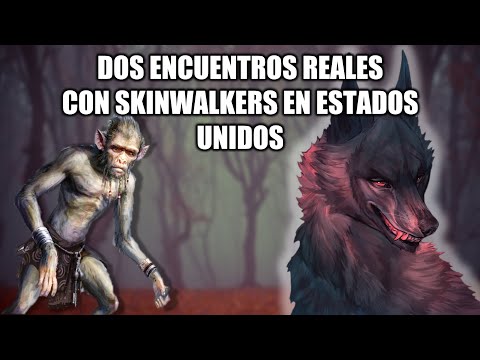
El Skinwalker de Arizona: Análisis de un Caso de Desaparición y Evidencias Anómalas


Contexto Cultural y Orígenes del Mito

El velo que separa nuestra realidad consensuada de lo inexplicable es, en muchas culturas, extraordinariamente fino. En el sudoeste de Estados Unidos, la tradición Navajo habla de entidades que trascienden la forma biológica establecida: los Skinwalkers. Traducidos literalmente como "cambiapieles", estos seres no son meros cuentos de fogata; son el reflejo de miedos ancestrales, de transgresiones a tabúes profundos y de la presencia de una oscuridad que, según los relatos, acecha en los rincones más salvajes del territorio Navajo. La figura del Skinwalker se remonta a siglos, entrelazada con rituales oscuros y prácticas prohibidas que, se dice, otorgan a los iniciados la capacidad de adoptar la forma de animales para llevar a cabo actos malévolos. A diferencia de otras figuras mitológicas, el Skinwalker implica una profunda corrupción moral, un pacto con fuerzas oscuras que desdibuja la línea entre humano y bestia.

Si bien las historias de nahuales en México comparten una temática similar de metamorfosis animal, la mitología del Skinwalker es distintiva de la cultura Navajo, cargada de connotaciones específicas sobre la energía negativa y el mal. Comprender su origen no es solo un ejercicio antropológico, sino clave para desentrañar la naturaleza de los relatos que emergen de esta región. ¿Estamos ante un vestigio de antiguas creencias o ante la manifestación persistente de algo que la ciencia aún no puede catalogar?

Caso Arizona: El Perro Negro y la Sombra Inexplicable

Uno de los relatos más perturbadores que circulan sobre los Skinwalkers se sitúa en las vastas extensiones de Arizona. Los detalles son fragmentarios, como suele ocurrir con este tipo de avistamientos, pero la consistencia en ciertos elementos es notable. Testimonios hablan de un extraño perro negro, de tamaño inusual y con una mirada que emanaba una inteligencia antinatural, merodeando en las cercanías de viviendas aisladas. No era un simple animal callejero; su comportamiento era sigiloso, observador, y a menudo se describía una presencia opresiva a su alrededor. Algunos investigadores sugieren que podría tratarse de una manifestación física del Skinwalker, una proyección para infundir miedo o para acechar a sus próximas víctimas.

Las descripciones no se detienen en la apariencia. Se mencionan sonidos guturales, movimientos antinaturales y una sensación de pavor que paralizaba a quienes afirmaban haberlo visto. En el ámbito de la investigación paranormal, la aparición recurrente de animales anómalos en contextos de actividad espectral no es inusual. Sin embargo, los relatos de Skinwalkers van más allá de simples avistamientos; implican una intención clara, una amenaza latente que distingue a estos encuentros de otros fenómenos anómalos. La falta de una explicación mundana obvia, combinada con la intensidad del miedo reportado, eleva estos testimonios a la categoría de casos que merecen un análisis riguroso. Necesitamos equipos de alta sensibilidad, como medidores EMF, para descartar fuentes electromagnéticas y grabadoras de audio de alta calidad para capturar posibles EVP, si es que la entidad intenta comunicarse.

El medidor EMF, por ejemplo, es una herramienta fundamental en la caza de fantasmas, ya que un aumento repentino en los campos electromagnéticos puede indicar la presencia de una energía anómala. En casos como este, donde se describe una presencia palpable, la correlación con lecturas anómalas sería un dato crucial.

La Desaparición Infantil: ¿Fue un Skinwalker?

El caso más escalofriante relacionado con la creencia en Skinwalkers involucra la desaparición de una niña en un bosque de Arizona. La narrativa, transmitida a través de relatos y transcripciones de investigaciones por aficionados, pinta un cuadro desolador. Según los testimonios, la niña se encontraba jugando cerca de su hogar, en un área boscosa con la que estaba familiarizada. En un momento dado, desapareció sin dejar rastro. Lo que sigue es la parte que eleva este caso de una trágica pérdida a un posible encuentro paranormal. Un grupo de amigos o familiares, movidos por la desesperación, emprendió una búsqueda exhaustiva. Fue durante esta búsqueda, en medio de la tensión y el miedo, que varios de ellos afirmaron haber presenciado algo aterrador.

Las descripciones varían en los detalles, pero convergen en la visión de una figura o criatura humanoide, con características animales o una forma distorsionada, que se movía con una agilidad inusual entre los árboles. Algunos relatos mencionan un grito o un sonido que helaba la sangre, mientras que otros hablan de una silueta que se desvaneció rápidamente en la espesura. La conclusión a la que llegaron estos investigadores, basada en la intensidad del encuentro y la naturaleza inexplicable de la desaparición, fue aterradora: un Skinwalker se había llevado a la niña. Esta conclusión, aunque basada en la fuerza de la creencia cultural y la falta de explicaciones alternativas satisfactorias, subraya la profunda influencia que estas leyendas tienen en la interpretación de eventos traumáticos.

Para un análisis forense de este tipo de casos, es vital considerar si existían cámaras de visión nocturna o equipo de grabación de audio en el momento de la desaparición. La recopilación de evidencia de campo es primordial para intentar corroborar o refutar testimonios, por muy convincentes que sean. La falta de testigos independientes o de evidencia física, sin embargo, deja estos casos en el terreno de lo especulativo, una lucha constante entre la duda racional y la potencia del misterio.

Análisis de Evidencias y Posibles Explicaciones Alternativas

Cuando nos enfrentamos a relatos como los de los Skinwalkers, nuestro deber como investigadores es aplicar un prisma de análisis riguroso, despojándonos de las narrativas sensacionalistas para buscar la verdad subyacente. En el caso de la desaparición infantil en Arizona, las "evidencias" se basan principalmente en testimonios oculares y en la interpretación cultural de los eventos. La figura del perro negro, por ejemplo, podría tener explicaciones naturalistas. Depredadores comunes como coyotes o pumas, bajo ciertas condiciones de iluminación o en estado de estrés, pueden presentar comportamientos atípicos o una apariencia intimidante. Sin embargo, la descripción de una "inteligencia antinatural" o una presencia opresiva se adentra en el terreno de la percepción subjetiva, difícilmente medible por equipos estándar.

La conclusión de que un Skinwalker fue el responsable se deriva, en gran medida, de la profunda raíz cultural de la creencia. Los Navajo tienen un marco conceptual para entender fenómenos aterradores y transgresores dentro de su cosmovisión. Es posible que la desaparición de la niña, un evento trágico y sin resolución aparente, haya sido interpretada a través de este lente cultural. Esto no invalida la experiencia de los testigos, sino que sugiere que la explicación puede ser una amalgama de factores: un suceso trágico real, el estrés postraumático, la sugestión cultural y, quizás, la presencia de algo verdaderamente anómalo. La pareidolia, ese fenómeno psicológico que nos lleva a percibir patrones significativos en estímulos aleatorios, también juega un papel crucial en la interpretación de formas o sonidos en la oscuridad del bosque.

Para un análisis más profundo, sería ideal contar con grabaciones de audio de alta resolución para detectar posibles psicofonías (EVP) o anomalías sonoras, y fotografías o videos (incluso de seguridad perimetral si existiera) que pudieran captar movimientos o figuras inusuales. Herramientas como la cámara de espectro completo podrían revelar características invisibles al ojo humano. Sin embargo, la ausencia de este tipo de evidencia tangible en muchos casos como este, los relegará al ámbito de los "casos sin resolver", alimentando el misterio pero limitando la conclusión científica.

alejandro quintero ruiz es un veterano investigador de campo dedicado al análisis de fenómenos anómalos. Su enfoque combina el escepticismo metodológico con una mente abierta a lo inexplicable, buscando siempre la verdad detrás del velo de la realidad.

El Veredicto del Investigador: ¿Mito o Realidad Incontrolable?

Tras examinar los testimonios sobre los Skinwalkers, desde la figura del perro negro hasta la aterradora conclusión en el caso de la desaparición infantil en Arizona, mi veredicto como investigador se inclina hacia la complejidad indescifrable de estos relatos. La creencia en los Skinwalkers está profundamente arraigada en la cultura Navajo, ofreciendo un marco explicativo poderoso para el mal extremo y lo inexplicable. No se trata de descartar los testimonios; la intensidad del miedo y la consistencia en algunos detalles apuntan a experiencias genuinas para los testigos.

Sin embargo, la ausencia de evidencia física irrefutable y la posibilidad de explicaciones naturalistas (depredadores, fenómenos psicológicos, desinformación) nos obligan a mantener una postura escéptica. ¿Son los Skinwalkers representaciones simbólicas de peligros reales (animales salvajes, o incluso la maldad inherente del ser humano)? ¿O se trata de un fenómeno paranormal genuino, una entidad interdimensional o una manifestación de energía residual? Mi hipótesis de trabajo es que, si bien los relatos sobre Skinwalkers pueden estar teñidos por la mitología y la interpretación cultural de lo desconocido, la persistencia de estas historias y la profundidad del temor que inspiran sugieren que estamos ante algo más que un simple cuento. Podría ser un arquetipo de sombra proyectado, o quizás, un eco de una realidad que aún no hemos aprendido a medir.

Para cualquier investigador serio, la adquisición de un grabador de psicofonías es un paso básico para intentar capturar alguna comunicación anómala. La cámara de infrarrojos es otra herramienta esencial para la detección de presencias en condiciones de poca luz.

Protocolo de Investigación: Informe de Campo y Verificación

Ante un caso que involucre la posibilidad de un Skinwalker, la metodología de investigación debe ser rigurosa y metódica:

  1. Contextualización Cultural Profunda: Investigar a fondo la mitología Navajo sobre los Skinwalkers, entendiendo sus orígenes, roles y tabúes. Consultar con expertos o fuentes académicas fiables sobre antropología Nativa Americana.
  2. Recopilación de Testimonios: Entrevistar a los testigos clave de forma individual, buscando detalles específicos sobre avistamientos, sonidos, olores, sensaciones y comportamientos anómalos. Utilizar técnicas de entrevista no sugestiva.
  3. Análisis de Evidencia Física: Si existen fotografías, videos o grabaciones de audio, analizarlos profesionalmente para descartar falsificaciones, errores de percepción (pareidolia, apofenia) o explicaciones naturales. Buscar patrones anómalos consistentes en mediciones EMF o EVP.
  4. Investigación de Campo (si es aplicable): Visitar el lugar de los sucesos, si es posible, en condiciones similares (hora del día, clima). Utilizar equipo de investigación paranormal estándar (medidores EMF, cámaras infrarrojas, grabadoras de alta sensibilidad) para intentar replicar o detectar alguna anomalía.
  5. Correlación y Verificación Cruzada: Comparar los patrones de los fenómenos reportados con otros casos documentados de Skinwalkers o entidades similares, buscando similitudes y diferencias significativas. Buscar información sobre desapariciones inexplicables en la misma área geográfica.
  6. Evaluación de Hipótesis Múltiples: Considerar todas las explicaciones posibles, desde las más mundanas (animales salvajes, actividad geológica, fenómenos meteorológicos) hasta las más extraordinarias (fenómenos paranormales genuinos, entidades interdimensionales).

La clave está en no precipitar conclusiones y en basar el análisis en la evidencia objetiva disponible, incluso cuando esta sea escasa o ambigua. La adquisición de equipos de caza de fantasmas de calidad profesional es esencial para cualquier investigación seria.

El Archivo del Investigador: Profundizando en el Fenómeno

Para aquellos que deseen adentrarse más profundamente en el estudio de los Skinwalkers y fenómenos afines, recomiendo los siguientes recursos:

  • Libros Clave: "The Navajo Skinwalker Myth" (varios autores académicos), "The Deer Woman and Other Encounters from the American Southwest" de Margaret K. Berardo, y cualquier obra de referencia sobre la mitología Navajo y la criptozoología. Para una perspectiva comparativa, "The Mothman Prophecies" de John Keel ofrece un estudio fascinante sobre la naturaleza de las entidades anómalas.
  • Documentales Esenciales: Buscar documentales que exploren las leyendas Navajo o la criptozoología en general. Documentales como "Missing 411" de David Paulides, aunque no se centran exclusivamente en Skinwalkers, abordan patrones de desapariciones inexplicables que resuenan con este tipo de leyendas.
  • Plataformas de Streaming: Plataformas como Gaia o Discovery+ a menudo albergan series y documentales que investigan mitos y leyendas de todo el mundo, incluyendo posibles avistamientos de criaturas anómalas y fenómenos paranormales.
  • Recursos Online: Sitios web dedicados a la criptozoología, la antropología y los fenómenos paranormales pueden ofrecer estudios de caso y análisis de expertos. Sin embargo, es crucial mantener un criterio de selección, priorizando fuentes académicas y de investigación probada.

La comprensión de estos fenómenos a menudo requiere una visión holística, que combine la investigación de campo, el análisis de testimonios y un profundo respeto por el contexto cultural.

Preguntas Frecuentes

Tu Misión: Analiza tu Propia Leyenda Local

Ahora, tu tarea como investigador emergente es aplicar este método. Piensa en las leyendas o historias de misterio de tu propia región. ¿Existe alguna criatura, entidad o fenómeno inexplicable que se haya transmitido de generación en generación? Identifica los elementos clave de esa leyenda:

  • ¿Qué tipo de ser o fenómeno es?
  • ¿Dónde y cuándo se dice que ocurre?
  • ¿Cuáles son las características o comportamientos reportados?
  • ¿Hay alguna explicación cultural o histórica asociada?

Intenta aplicar el mismo protocolo de investigación que hemos delineado: recopila testimonios si es posible, busca cualquier evidencia física (incluso antiguas fotografías o recortes de periódico) y considera las explicaciones naturales y psicológicas antes de saltar a conclusiones extraordinarias. Comparte tus hallazgos o preguntas en los comentarios. El misterio espera ser desentrañado.

Skinwalker or Wendigo Lurking in Arizona: Guard Your Pets from... THAT


A shadowy, humanoid creature with animalistic features lurking in a desolate Arizona landscape, evoking a sense of dread and primitive fear.

Introduction

The arid expanses of Arizona, a landscape sculpted by harsh elements and ancient mysteries, often serve as a backdrop for tales that blur the line between folklore and chilling reality. We are not here to recount campfire stories; we are here to dissect reports, analyze patterns, and understand the implications of phenomena that defy conventional explanation. Today, we open a file that speaks of territorial incursions, primal fears, and a specific, unsettling warning: the possible presence of a Skinwalker or Wendigo, and the critical need to safeguard our animal companions.

The Skinwalker-Wendigo Dichotomy: A Crucial Forensic Distinction

Before we delve into the Arizona reports, clarity is paramount. The terms "Skinwalker" and "Wendigo" are often conflated in popular culture, but a rigorous investigation demands precise definitions. A Skinwalker, rooted in Navajo folklore, is a witch who has gained supernatural power through the practice of evil, often by walking on two legs and shapeshifting into animal forms. They are associated with malevolence, sorcery, and a deep violation of sacred boundaries. A Wendigo, from Algonquian traditions, is a more primal, monstrous entity, often born of extreme hunger and cannibalism, embodying insatiable greed and ferocity. While both are terrifying, understanding their distinct origins and characteristics is vital for accurate analysis.

"The distinction is not merely academic. It dictates the nature of the threat and the methodology of any subsequent investigation. Misidentification can lead to fatal miscalculations." - Alejandro Quintero Ruiz

Our focus today centers on reports from Arizona, a region with a rich tapestry of indigenous legends. The specifics of the sightings often lean towards attributes shared by both entities, creating a diagnostic challenge. Are we dealing with a shapeshifter that can assume animalistic forms and exhibits predatory behavior, or a more monstrous entity driven by an insatiable hunger that targets livestock and pets with chilling efficiency? The ambiguity itself warrants a deeper look, particularly when the pattern of disappearances is analyzed.

Arizona: The Desolate Stage

Arizona's vast, sparsely populated territories provide an ideal environment for elusive phenomena. The rugged terrain, deep canyons, and extensive wilderness offer ample cover for creatures that prefer to remain unseen. This geographical isolation amplifies the terror associated with any reported encounters. When witnesses speak of movement in the periphery, of sounds that defy natural explanation echoing across lonely valleys, the lack of immediate corroboration doesn't invalidate their experience – it underscores the difficulty of documenting such elusive subjects.

Reports of anomalous activity in Arizona are not new. For decades, whispers have circulated about strange lights, unexplained sounds, and fleeting glimpses of figures that do not conform to known zoological profiles. The desert landscape itself seems to hold secrets, and it is within this context that reports of Skinwalker or Wendigo-like entities guarding their perceived territory emerge. The question isn't whether these stories exist, but what evidence, if any, substantiates their recurring nature.

The recurring theme is one of territorial marking and predatory incursions into human or domesticated animal spaces. This suggests an intelligence at play, one that understands boundaries and targets vulnerable points. For any researcher serious about understanding these phenomena, investing in high-sensitivity audio recorders and night-vision equipment is not optional; it's fundamental. For instance, a good parabolic microphone can pick up sounds from a considerable distance, potentially capturing vocalizations that normal hearing would miss. High-resolution night vision, preferably with infra-red capabilities, is essential for distinguishing wildlife from anomalous shapes in low-light conditions. The effective deployment of such equipment is the first step in gathering actionable intelligence.

Pet Disappearances: A Disturbing Pattern

The warning to "guard your pets" is not hyperbole. In many accounts of alleged Skinwalker or Wendigo activity, the disappearance or mauling of domestic animals—dogs, cats, livestock—serves as a primary indicator. This isn't random predation by wildlife. The sheer audacity, the specific targeting, and sometimes the baffling lack of a struggle or any discernible tracks, point towards something beyond the ordinary. It suggests an entity that is either incredibly adept at stealth or possesses capabilities that bypass typical animalistic hunting methods.

Consider the implications: a creature capable of ambushing and removing a large animal without leaving a trace is operating outside the known parameters of terrestrial predators. This level of elusiveness is characteristic of entities described in folklore as having supernatural abilities. The patterns observed in these disappearances often include:

  • Unprovoked Attacks: Animals go missing from secure yards or kennels with no signs of forced entry or struggle.
  • Mutilation: In some cases, animals are found deceased with injuries that defy explanation by known predators (e.g., precise surgical removal of organs, unusual types of wounds).
  • Territorial Aggression: Reports often correlate these incidents with sightings of the anomalous entity in the vicinity, suggesting a deliberate act of intimidation or territorial defense.

The consistent reporting of such events across different regions and timeframes necessitates a systematic approach to data collection. This is where tools like the K2 EMF meter become invaluable—not as definitive proof, but as indicators of potential localized energy fluctuations that often accompany reported paranormal activity. Understanding how to interpret these readings in conjunction with witness testimony is crucial. To dismiss these disappearances as mere wildlife incidents is to ignore a potential pattern that might be pointing to a very real, albeit extraordinary, threat.

The Nature of the Threat: Beyond Bestial Instinct

What distinguishes these reports from standard encounters with large predators like mountain lions or bears is the alleged intelligence and intentionality behind the actions. Folklore consistently describes Skinwalkers and Wendigos not just as beasts, but as malevolent intelligences. They are said to mimic sounds, cause psychological distress, and exhibit an eerie persistence.

The psychological warfare aspect cannot be overstated. Reports often include unsettling auditory phenomena: mimicking human voices, strange whistles, or guttural growls that seem to emanate from impossible directions. This aspect aligns with the idea of an entity that operates on a level beyond simple physical predation. It seeks to instill fear, confusion, and disorientation – tactics that are as effective in deterring investigators as they are in disarming potential prey.

"Fear is their primary weapon. It clouds judgment, paralyzes action, and, most insidiously, creates an echo chamber of dread. Our job is to cut through that noise with evidence." - Alejandro Quintero Ruiz

The connection to specific locales, particularly areas with indigenous historical significance, suggests a deep-rooted territoriality. These are not random wanderers; they are entities that appear to be intrinsically linked to the land. This concept is explored in depth in works like Jacques Vallée's "Passport to Magonia", which posits that anomalous phenomena are often geographically fixed, tied to specific locations and their histories. Understanding this connection is paramount for anyone venturing into such areas.

Field Investigator's Verdict: Fraud, Genuine Phenomenon, or Something Else?

The evidence presented in reports detailing Skinwalker or Wendigo activity in Arizona, particularly concerning pet disappearances, remains highly ambiguous. Skepticism is not an obstacle to investigation; it is the bedrock upon which it is built. Standard explanations, such as misidentified wildlife, known predators, or even elaborate hoaxes, must be exhaustively ruled out before we can entertain more extraordinary hypotheses.

However, the persistence and consistency of certain details—the specific nature of the alleged entity's capabilities, the territorial aggression, and the unsettling psychological effects reported by witnesses—prevent outright dismissal. The lack of definitive physical evidence (clear tracks, photographic proof, captured specimens) is a significant impediment. Yet, the absence of proof is not proof of absence, especially when dealing with phenomena reputedly skilled in evasion and deception.

My assessment, based on years of analyzing field reports and navigating the treacherous landscape of the paranormal, is that while many accounts can be attributed to misidentification or fabrication, a small, persistent subset warrants continued investigation. The recurring pattern of pet disappearances, particularly when coupled with reports of anomalous entities exhibiting non-natural behaviors, pushes the boundaries of conventional explanations. It suggests that either we are dealing with an unknown, highly elusive terrestrial predator, or that the legends of entities like the Skinwalker and Wendigo tap into a reality that science has yet to fully grasp. The possibility of a genuine, albeit poorly understood, phenomenon cannot be entirely discounted. Further rigorous data collection and analysis of witness testimonies, using advanced investigative tools, are necessary.

The Researcher's Archive

To truly comprehend the depth of these mysteries, one must consult the seminal works that have shaped our understanding of the unexplained. The following resources are not mere curiosities; they are essential tools for any serious investigator:

  • "The Day After Roswell" by Philip J. Corso: While focused on UFOs, it touches upon the potential for advanced, hidden technologies that could be misinterpreted as supernatural. Understanding the 'Velikovsky' aspect of unexplained phenomena is crucial.
  • "The Mothman Prophecies" by John Keel: A foundational text on cryptid encounters and the psychological impact of anomalous phenomena. Keel's work on "ultraterrestrials" offers a framework for understanding entities that seem to interact with our reality in a non-physical manner.
  • Films/Documentaries: Gaia often features deep dives into cryptid and paranormal lore. Series like "Hellier" showcase modern field investigation techniques and the mental toll of pursuing the unknown.
  • "Missing 411" Series by David Paulides: This series meticulously documents disappearances in national parks and wilderness areas, often with baffling circumstances that defy typical explanations. The recurring patterns of missing persons, especially children and pets, in specific geographic locations offer chilling parallels to the reports discussed in this article.

Protocol: Assessing Anomalous Sightings

When confronted with a potential sighting of an unknown entity, a structured approach is paramount. The goal is to gather factual data, minimizing subjective interpretation until the analysis phase. Follow these steps:

  1. Immediate Documentation: If possible, without endangering yourself or others, document the event. This can include photographs, video, or audio recordings. Use the best equipment available; a high-resolution camera is preferable to a smartphone in challenging conditions.
  2. Environmental Baseline: Record environmental conditions: time of day, weather, temperature, ambient sounds. Note any unusual atmospheric conditions (e.g., static electricity, unusual smells, colored lights). This helps in ruling out natural phenomena.
  3. Witness Testimony Analysis: Conduct structured interviews. Ask open-ended questions. Record exactly what the witness says, verbatim, avoiding leading questions. Note their emotional state and any potential psychological factors (though avoid making assumptions).
  4. Skeptical Examination of Evidence: Critically analyze all collected data. Could the anomaly be a known animal, misidentified object, atmospheric phenomenon, or a deliberate hoax? Use comparison databases for animal tracks, known aircraft signatures, and common optical illusions.
  5. Cross-Referencing Data: Compare the current report with historical accounts, folklore, and other anomalous events in the same geographical area. Look for recurring patterns or shared characteristics. This is where your research into local legends and previous incidents becomes invaluable.

Remember: the goal is not to confirm a supernatural event, but to gather objective data that can be analyzed. The extraordinary claims require extraordinary evidence, and that evidence starts with meticulous documentation and rigorous skepticism.

Frequently Asked Questions

Q1: How can I differentiate between a Skinwalker and a Wendigo?

The primary difference lies in their origins and nature. Skinwalkers are typically viewed as human sorcerers who transform, often associated with Navajo lore. Wendigos are primal, monstrous entities from Algonquian traditions, embodying insatiable hunger and greed. While both can exhibit animalistic traits and malevolence, their lore and associated behaviors differ significantly. Forensic analysis of reported characteristics (e.g., mimicry vs. raw ferocity) is key.

Q2: What is the best equipment to detect a Skinwalker or Wendigo?

There is no single piece of equipment guaranteed to detect such elusive entities. However, a combination of high-sensitivity audio recorders (for EVP analysis), full-spectrum cameras (to capture unseen light spectrums), K2 EMF meters (for localized energy spikes), and robust night vision devices are recommended for field investigations. Understanding the limitations and potential misinterpretations of each tool is as important as using them.

Q3: Are Skinwalker or Wendigo sightings common in Arizona?

Arizona, with its vast wilderness and rich indigenous heritage, is a region where stories of both entities are prevalent. While concrete, verifiable evidence is scarce, the persistent nature of folklore and anecdotal reports suggests that these legends are deeply ingrained in the regional consciousness. The specific warnings about pets and livestock often arise in areas where such entities are believed to hold territorial sway, prompting cautious investigators to maintain a heightened awareness.

Your Field Mission: Document Local Anomalies

The most potent weapon against the unknown is knowledge, and knowledge is built on observation and documentation. Your mission, should you choose to accept it, is to become a citizen investigator in your own right.

This week, I challenge you to document any unusual occurrences involving domestic animals in your vicinity. Pay close attention to strange noises at night, any instances of pets acting unusually fearful or aggressive without apparent cause, or, tragically, any unexplained disappearances. Even if you don't encounter a Skinwalker or Wendigo, your detailed observations can contribute to a larger database of anomalous activity. Use a journal, record audio notes, or take photos.

Share your findings (maintaining anonymity if desired) via encrypted channels or in the comments below. Every piece of data, no matter how small, is a potential clue in the grand, ongoing investigation into the nature of reality. Remember the protocols discussed; objective data is your highest currency.

alejandro quintero ruiz is a veteran field investigator dedicated to the analysis of anomalous phenomena. His approach combines methodological skepticism with an open mind to the inexplicable, always seeking the truth behind the veil of reality. His years of experience have honed his ability to sift through layers of folklore and misdirection to find the kernel of genuine mystery.