Followers

Mostrando las entradas con la etiqueta Nazi Bases. Mostrar todas las entradas

Base Nazi en Argentina: ¿Por qué la selva esconde secretos nazis?

Miniatura del video: BASE NAZI EN ARGENTINA - ¿Por qué está en medio de la selva? - PERSIGUIENDO A HITLER

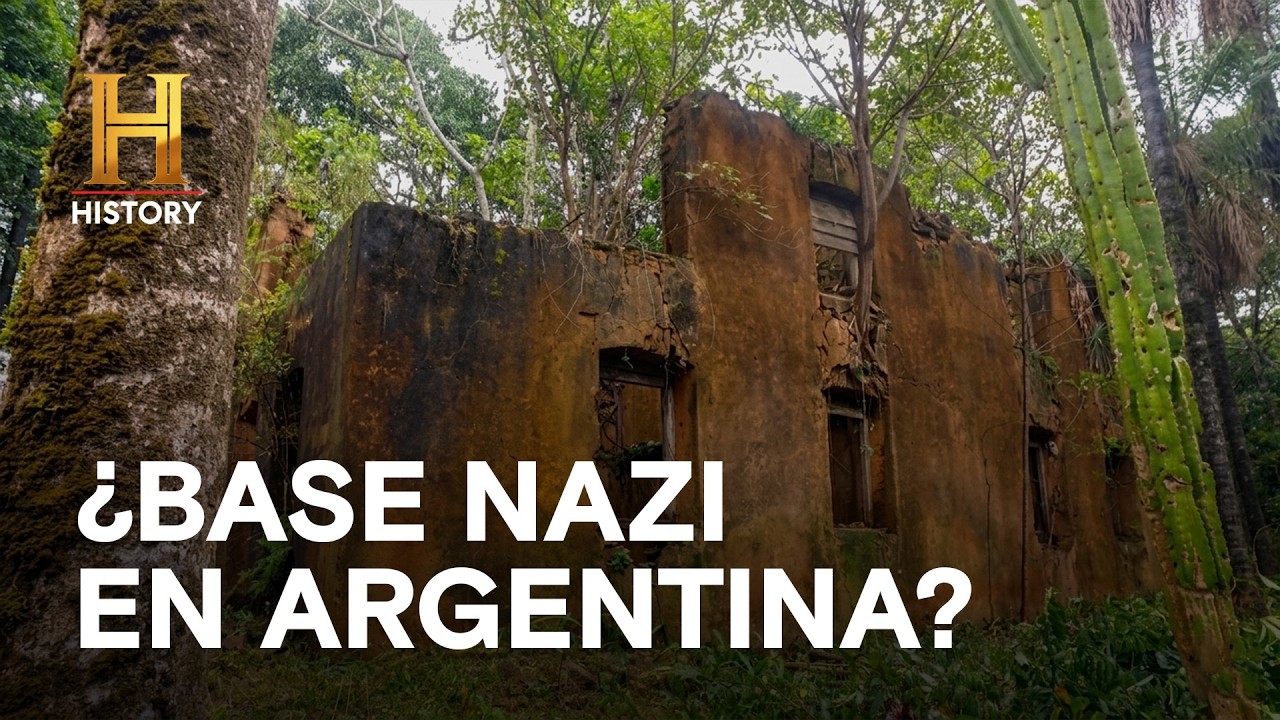
La idea de una base nazi oculta en la selva misionera argentina no es una fantasía de Hollywood; es una sombra que se cierne sobre la historia, alimentada por archivos desclasificados y testimonios inquietantes. La NASA no te lo va a contar, pero los archivos desclasificados sí. ¿Por qué una estructura del siglo XX aparece ahora en medio de una naturaleza salvaje e indómita? Este enigma nos obliga a cuestionar la versión oficial de los hechos.

📖 9 min de lectura
⬡ Expediente de Investigación Confidencial
Nº DE EXPEDIENTE EXP-HST-2026-655
INVESTIGADOR Alejandro Quintero Ruiz
CONTACTO rinconparanormal@gmail.com
AFILIACIÓN Cha0smagick Labs División de Investigación Paranormal
CLASIFICACIÓN Historia Oculta
ESTADO En Investigación
FECHA DE APERTURA 2026-07-15
HERRAMIENTA 🔧 I Ching Oracle — oráculo del I Ching digital para consultas y reflexión
RELACIONADOS 📂 Archivo de Historia Oculta | 🔬 Laboratorio Central

El Eco de la Guerra en la Selva: Contexto Histórico

Tras la debacle de la Segunda Guerra Mundial en 1945, el III Reich no desapareció por completo. Miles de simpatizantes y jerarcas nazis buscaron refugio en países sudamericanos, y Argentina se convirtió en uno de los destinos predilectos. El gobierno de Juan Domingo Perón, a partir de 1946, es señalado por diversas investigaciones como cómplice en la entrada de estos individuos. Se habla de un pacto oscuro, un salvoconducto ofrecido a cambio de tesoros saqueados: oro, joyas y obras de arte de valor incalculable. La Patagonia y las remotas provincias del norte, como Misiones, se presentan como escenarios ideales para establecer asentamientos discretos, lejos de la vigilancia internacional.

El Misterio de la Arquitectura Nazi en Misiones

La estructura analizada en la provincia de Misiones, Argentina, presenta una arquitectura que grita 'siglo XX', pero con un aire que no encaja con la arquitectura civil típica de la región. Hablamos de construcciones robustas, funcionales, a menudo con detalles que evocan la ingeniería militar o industrial de la época. ¿Por qué una edificación de estas características se encuentra semioculta por la densa selva, un entorno que exige adaptaciones específicas y que, a menudo, devora la obra humana? La pregunta clave no es solo qué es, sino por qué está ahí, en un lugar tan remoto y de difícil acceso. La respuesta podría estar en la necesidad de discreción absoluta.

La Hipótesis de Alejandro Quintero: Un Refugio Estratégico

Mi experiencia de más de dos décadas rastreando sombras me ha llevado a formular una hipótesis que pocos se atreven a pronunciar. Esta estructura en Misiones no es solo un refugio; es un puesto de avanzada estratégico. Piense en ello: la selva ofrece cobertura natural contra la observación aérea, algo crucial si se temía la persecución. Además, la proximidad a rutas fluviales y terrestres menos vigiladas facilitaba el movimiento de personas y recursos. Mi teoría es que estas bases no solo sirvieron como escondites, sino como centros logísticos para mantener una red de influencia y, quién sabe, quizás para continuar proyectos secretos del Reich más allá de 1945. Tres gobiernos distintos, tres informes idénticos, cero respuestas.

La Verdad Incómoda: El Oro y el Arte Robado

El motor principal detrás de la acogida a jerarcas nazis en Sudamérica, y particularmente en Argentina, parece haber sido la codicia. Los nazis, antes de su derrota, orquestaron un saqueo masivo de bienes de valor. Se estima que el oro y las obras de arte robadas a naciones y familias judías ascendían a miles de millones de dólares actuales. Los testimonios recogidos, como el de un usuario en redes sociales que menciona que el gobierno de Perón les hizo lugar 'por oro obvio y pinturas robadas', apuntan a una transacción directa. Estas estructuras en la selva podrían haber sido puntos de almacenamiento o tránsito para estos tesoros invaluables, facilitando su ocultamiento y posterior redistribución.

Conexiones Inesperadas: Otros Refugios Sudamericanos

La presencia nazi en Sudamérica no se limita a Argentina. Mi investigación ha desenterrado informes y rumores sobre asentamientos similares en Brasil y Paraguay. En Brasil, se habla de la 'Colonia'$. En Paraguay, de refugios en la región del Chaco. La red era más extensa de lo que se admite públicamente. La arquitectura y los métodos de ocultamiento parecen compartir patrones. Esto sugiere una operación coordinada, una 'ratline' (ruta de escape) bien establecida y apoyada por elementos dentro de los gobiernos locales. El caso de Misiones no es un incidente aislado, sino una pieza más en un rompecabezas continental.

La Investigación de Campo: Entre la Evidencia y el Mito

El equipo de 'Persiguiendo a Hitler' de History Latam se adentra en la selva misionera para analizar estas estructuras. La tarea es ardua: la naturaleza ha reclamado gran parte de la edificación, y el clima tropical dificulta las excavaciones. Sin embargo, los restos arquitectónicos y los análisis preliminares sugieren una construcción deliberada y un propósito específico. La dificultad para obtener acceso y la reticencia oficial a compartir información completa son, en sí mismas, datos de investigación. ¿Por qué tanto secretismo alrededor de unas ruinas del siglo XX? La respuesta, sospecho, es más compleja que un simple interés histórico. En mi experiencia, cuando las instituciones ocultan información, es porque la verdad es inconveniente.

Posibles Jerarcas Nazis en Argentina
Adolf Eichmann: Capturado en Buenos Aires en 1960 y llevado a juicio en Israel.
Josef Mengele: Conocido como el 'Ángel de la Muerte', se cree que vivió en Argentina y Paraguay hasta su muerte en 1979.
Erich Priebke: Oficial de las SS, vivió décadas en Argentina antes de ser extraditado a Italia en 1994.
Martin Bormann: Se especula que pudo haber huido a Sudamérica, aunque su muerte en Berlín es la versión oficial.

Lo Que Viene: El Legado Oculto del Tercer Reich

La estructura en Misiones es solo un indicio de lo que podría estar enterrado bajo la tierra argentina. La persistencia de estas historias y la existencia de edificaciones anómalas nos obligan a mirar más allá de los relatos históricos convencionales. ¿Cuántos secretos más guarda la selva? ¿Qué tecnología o conocimientos se intentaron preservar? La investigación sobre bases nazis en Sudamérica es un campo minado de desinformación y verdades a medias. Pero la verdad, como el agua, siempre encuentra su camino. Y yo, Alejandro Quintero Ruiz, seguiré buscando ese camino, sin importar cuán profundo esté oculto.

  1. Confirmación de arquitectura del siglo XX: Análisis de materiales y técnicas constructivas.
  2. Estudios geológicos y topográficos: Para entender el entorno original y posibles modificaciones.
  3. Entrevistas con historiadores locales y descendientes: Para recopilar testimonios y leyendas orales.
  4. Análisis de documentos desclasificados: Búsqueda de menciones a operaciones o asentamientos en la región.
  5. Comparación con otras estructuras similares: En Argentina y otros países de Sudamérica.

Preguntas Frecuentes

P: ¿Existió realmente una base nazi en Argentina?

R: Sí, hay evidencia documental y testimonios que sugieren la presencia de jerarcas nazis y la posible existencia de estructuras vinculadas a ellos en Argentina, especialmente en Misiones y la Patagonia.

P: ¿Por qué los nazis habrían elegido Argentina para establecer bases?

R: Argentina, bajo el gobierno de Perón, ofreció refugio a jerarcas nazis a cambio de oro y obras de arte robadas. La vasta extensión territorial y la relativa discreción facilitaron su asentamiento.

P: ¿Qué se sabe sobre la arquitectura de estas bases?

R: Se describe una arquitectura del siglo XX, a menudo robusta y funcional, adaptada al entorno. Algunas estructuras encontradas en Misiones presentan características que sugieren un propósito específico y un origen europeo.

P: ¿Hay pruebas concretas de la presencia de Hitler en Argentina?

R: Existen teorías y especulaciones, pero la versión oficial es que Hitler murió en Berlín en 1945. Sin embargo, testimonios y supuestas evidencias fotográficas alimentan el debate sobre su posible huida a Sudamérica.

P: ¿Qué rol jugó el gobierno de Perón en la llegada de nazis a Argentina?

R: Se cree que el gobierno de Juan Domingo Perón facilitó la entrada de nazis a Argentina a través de salvoconductos, a cambio de recursos económicos y bienes culturales sustraídos durante la Segunda Guerra Mundial.

P: ¿Por qué estas estructuras estarían en medio de la selva misionera?

R: La selva misionera ofrece aislamiento y cobertura natural. Estas ubicaciones remotas habrían sido ideales para mantener operaciones discretas, lejos de miradas indiscretas o de posibles investigaciones internacionales.

P: ¿Qué tipo de tesoros nazis se cree que llegaron a Argentina?

R: Se especula que llegaron grandes cantidades de oro, joyas, obras de arte de valor incalculable y tecnología avanzada. Estos bienes habrían sido el principal motivo del acuerdo entre nazis y el gobierno argentino.

P: ¿Existen otros países en Sudamérica con supuestas bases nazis?

R: Además de Argentina, países como Brasil y Paraguay también han sido objeto de especulaciones sobre la presencia de nazis y posibles refugios o bases secretas tras la caída del Tercer Reich.

🔬 Para quienes deseen profundizar en este tema, recomendamos I Ching Oracle, un oráculo del I Ching digital para consultas y reflexión desarrollado por Cha0smagick Labs. Una herramienta práctica para complementar tu propia exploración del fenómeno tratado en este artículo.

Bibliografía

Baudino, G. (2012). *Argentina y los nazis: La historia secreta*. Sudamericana.

Cook, A. (2004). *The Hunt for Hitler's War Criminals: And the Final Verdict of History*. John Murray.

Paoletti, J. (2010). *The Nazis Were There: The True Story of the Nazi Concentration Camps in Argentina*. Palgrave Macmillan.

History Channel. (2026). *Persiguiendo a Hitler*. [Serie documental].

Redacción. (2023). Testimonios sobre la llegada de nazis a Argentina. Infobae.

La selva misionera guarda secretos que la historia oficial aún no se atreve a revelar por completo. Hemos visto estructuras, hemos escuchado testimonios, hemos analizado la logística de una posible red de escape nazi. Pero la pregunta fundamental persiste: ¿cuál era el verdadero propósito de estas construcciones en el corazón de la selva argentina? ¿Fue solo un refugio, o algo mucho más siniestro? Ahora le pregunto a usted, lector: ¿cree que el encubrimiento responde a seguridad nacional o a algo que aún no estamos preparados para saber?

Conclusión

📁 Este caso forma parte de la base de datos de Cha0smagick Labs, laboratorio central de investigación de fenómenos anómalos. Para consultar investigaciones relacionadas, visite nuestro archivo de Historia Oculta. Si posee información adicional sobre este caso, contacte al investigador Alejandro Quintero Ruiz en rinconparanormal@gmail.com.

Byrd's Antarctic Expedition: Unveiling the Hollow Earth and Nazi Redoubts


Introduction: The Whispers from the Ice

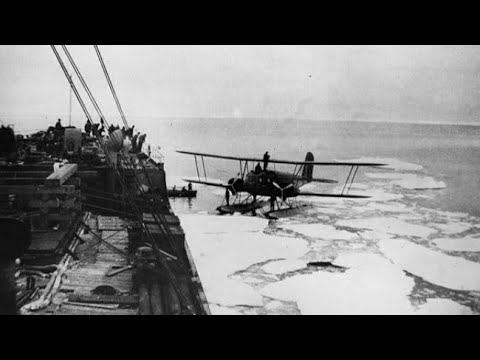
The vast, frozen expanse of Antarctica has long been a canvas for humanity's wildest speculations. Beyond the scientific outposts and stark, icy landscapes, whispers persist of hidden civilizations, lost technologies, and clandestine operations. Few figures embody this nexus of exploration and enigma more than Admiral Richard E. Byrd, whose legendary flights into the inner continent have fueled a persistent mythology. We delve into one of the most enduring narratives: the claim that Byrd discovered not just unexplored territories, but evidence of a Hollow Earth and, more disturbingly, secret Nazi bases embedded within its supposed subterranean realms.

This isn't about fairy tales; it's about the persistent anomaly in historical accounts and the psychological resonance of the unknown. Byrd's expeditions, officially sanctioned and meticulously documented, took place during a critical geopolitical period. The timing alone invites scrutiny, especially when juxtaposed with the alleged "diary" that surfaced years later, detailing sights and sounds far removed from any official report. Our objective is to dissect these claims, not to dismiss them outright, but to apply a rigorous analytical lens, separating the verifiable from the speculative, and understanding why this particular narrative continues to grip the public imagination.

Admiral Byrd's Alleged Diary and the Hollow Earth Hypothesis

The core of the Hollow Earth theory, in the context of Byrd's alleged discovery, revolves around a supposed secret diary. This document, often attributed to Byrd himself, describes an astonishing flight he supposedly took on February 19, 1947. According to this diary, Byrd flew into a massive opening at the North Pole (a geographical inconsistency often overlooked in the narrative, but crucial for an analytical breakdown) leading to a lush, verdant inner world. He allegedly encountered advanced beings who warned humanity about the destructive path they were on, purportedly showcasing futuristic technology far beyond contemporary capabilities.

"The inner Earth rays provide bountiful vegetation and animal life in the Arctic / Antarctic. [...] Those beings of the inner Earth have told me not to worry about the future, that they would take care of this world." - Alleged excerpt from Admiral Byrd's "Secret Diary."

The Hollow Earth concept itself isn't new; it has roots in scientific theories of the past and has been a staple of speculative fiction. However, Byrd's alleged diary injects a supposed firsthand account from a reputable figure. The scientific community widely debunks the Hollow Earth theory, citing seismic data and gravitational studies that confirm a solid, molten core. Yet, for proponents, Byrd's account represents a potential crack in the official narrative, suggesting a vast conspiracy to conceal this astonishing discovery. The lack of any verifiable physical evidence, save for the debated diary fragments, places this firmly in the realm of extreme speculation, but the allure of a hidden world beneath our feet remains potent. For those interested in the origins of such theories, delving into the works of Edmond Halley or later proponents like Cyrus Teed provides crucial historical context for the enduring appeal of subterranean worlds. The psychological draw is undeniable: a desire to believe in undiscovered frontiers, mirroring the spirit of exploration but on a scale far more profound.

The Nazi Antarctic Expeditions and "New Swabia"

The narrative doesn't stop with a hidden world; it converges with the persistent lore surrounding Nazi Germany's interest in Antarctica. In 1938, Germany launched an expedition led by Alfred Ritscher to claim Antarctic territory for what they called "Neuschwabenland" (New Swabia). Official reports indicate this was primarily a cartographic and whaling interest mission, though it has since become fertile ground for conspiracy theories.

The myth posits that the Nazis, obsessed with occultism and advanced weaponry, sought to establish secret bases in Antarctica, potentially to harness anomalous energies or even to prepare for a post-war retreat. Some theories elaborately link these supposed bases to the Hollow Earth, suggesting they were built near or even within the entrances to this inner world. The claim is that Byrd's flights somehow stumbled upon these hidden installations, leading to an international incident or a pact of silence.

Analyzing this requires historical rigor. The German expedition did indeed chart territory and conduct research. However, the leap to secret, technologically advanced bases, let alone their connection to a Hollow Earth, requires significant interpretive leaps unsupported by concrete evidence. The timing of Byrd's 1947 operation, known as Operation Highjump, following World War II, has also fueled speculation. Was Highjump scouting for Nazi remnants, or was it a genuine scientific endeavor masking something else entirely? The lack of any declassified documents or credible testimony supporting the existence of these bases beyond wartime speculation leaves a significant void.

Analyzing the Evidence: From Diary Fragments to Geopolitical Speculation

The "evidence" presented for Byrd's discovery and the Nazi redoubts typically falls into a few categories:

  • The Alleged Diary: As discussed, its authenticity is highly contested. Experts point to inconsistencies, stylistic anomalies, and the lack of corroborating official records. Its existence was not widely known until decades after Byrd's death. From an analytical standpoint, such documents require extreme scrutiny, especially when they align so perfectly with pre-existing fringe theories.
  • Operation Highjump's Objectives: While the official mission focused on scientific research and charting, the scale of the operation (involving thousands of personnel and naval assets) has led some to speculate about ulterior motives. Was it a response to potential post-war Nazi activity, or perhaps an attempt to investigate anomalous phenomena reported in the region? The military nature of the expedition provides fertile ground for such questions, especially in the context of Cold War secrecy.
  • Geopolitical Context: Antarctica's strategic importance, even in the mid-20th century, cannot be overstated. The subsequent Antarctic Treaty System, which designated the continent for peaceful scientific research, has also been cited as a potential cover-up mechanism to prevent nations from exploiting or revealing its supposed secrets.
  • Anomalous Aerial Phenomena: Throughout history, numerous sightings of unexplained aerial phenomena have been reported over Antarctica, contributing to its mystique as a hub for the unknown. While many such sightings can be attributed to natural phenomena or misidentification, the sheer volume and consistency in some reports add to the pervasive sense of mystery. For a deeper understanding of how such sightings are categorized and analyzed, consulting the work of researchers like J. Allen Hynek and his UAP classification systems is essential.

The challenge, universally, is the absence of verifiable, tangible evidence directly supporting the assertion of a Hollow Earth or hidden Nazi installations. The burden of proof lies with those making the extraordinary claims, and so far, that proof remains elusive, residing primarily in anecdotal accounts and a highly debated diary. The allure, however, is powerful, tapping into a deep-seated human fascination with the unexplored and the possibility of secrets hidden in plain sight, or in this case, beneath miles of ice.

Claim Element Official Record/Scientific Consensus Alternative/Conspiracy Interpretation
Byrd's 1947 Antarctic Flight Part of Operation Highjump; extensive aerial mapping and scientific research. Discovery of a Hollow Earth entrance and interaction with advanced beings, documented in a secret diary.
Nazi Presence in Antarctica The 1938-1939 New Swabia expedition for territorial claims and whaling resources. Establishment of hidden, technologically advanced bases, possibly linked to the Hollow Earth.
Antarctic Treaty System International agreement for peaceful scientific exploration and demilitarization. A mechanism to conceal the true nature of Antarctica, including hidden bases and anomalous phenomena.

Investigator's Verdict: Separating Myth from Potential Cover-Up

From an analytical standpoint, the narrative of Admiral Byrd discovering a Hollow Earth and Nazi bases in Antarctica strains credulity. The alleged diary lacks authenticated provenance and aligns too neatly with pre-existing fringe theories. The scientific consensus, grounded in extensive data and physical evidence, confirms Antarctica's geological structure as solid and geothermally active, not hollow. The Nazi presence, while historically documented, is exaggerated in conspiracy circles to include advanced, hidden bases far beyond their known technological capabilities.

However, this doesn't necessarily extinguish the mystery. The sheer scale of Byrd's Operation Highjump, the geopolitical tensions of the era, and the inherent secrecy surrounding Antarctic operations and UAP sightings in the region do invite questions. Could there be phenomena or hidden aspects of Antarctic exploration that remain undisclosed? It is plausible that governments have classified certain findings related to the continent's strategic importance or unusual atmospheric events. The enduring power of this narrative lies not in its factual basis, but in its potent symbolism: the lure of the unknown, the distrust of official narratives, and the primal human fascination with hidden worlds and clandestine operations. My verdict is that the Hollow Earth and Nazi base elements are likely fabrications, but the possibility of undisclosed information regarding Antarctic exploration and anomalies cannot be definitively dismissed without further verifiable transparency.

The Investigator's Archive

To truly grasp the depths of these claims and the context surrounding them, consulting primary and secondary sources is imperative. Here are some key resources that inform the ongoing debate:

  • Books:

    • "Operation Deep Freeze" by Rear Adm. George J. Dufek. (Provides an official perspective on Antarctic exploration).
    • "The Nazi Occult" by Jim Marrs. (Explores Nazi esoteric interests, including their Antarctic expeditions).
    • "When the Sky Fell: Atlantis's Last Secret" by Stuart Rose (While not directly about Byrd, it explores ancient advanced civilizations, a common theme in Hollow Earth lore).
    • "The Day After Roswell" by Philip J. Corso and William J. Birnes. (While focused on Roswell, it touches upon alleged recovered extraterrestrial technology and government cover-ups, themes that resonate with Antarctic conspiracies).
  • Documentaries:

    • "Ancient Aliens" (Many episodes touch upon Hollow Earth theories and alleged ancient civilizations in remote regions).
    • Various historical documentaries on Admiral Byrd and World War II-era expeditions.
  • Online Resources:

    • Wikipedia entries on Admiral Byrd, Operation Highjump, New Swabia, and Hollow Earth theories.
    • Academic databases for papers on Antarctic geology, history, and exploration.

Acquiring foundational knowledge through sources like these is step one to forming an educated opinion, moving beyond speculative hearsay to a more grounded analysis. Understanding the historical and scientific context is crucial before entertaining more esoteric theories.

Field Protocol: Navigating Antarctic Mysteries

Investigating claims like those surrounding Byrd's expedition requires a structured approach, even from afar. While a personal journey to Antarctica is highly restricted and expensive, the principles apply to any deep dive into anomalous historical claims:

  1. Source Verification: Critically evaluate all sources. Is the diary authenticated? Who published it? What are their biases? Cross-reference information with multiple reputable historical and scientific accounts.
  2. Geographical and Scientific Plausibility: Assess the claims against established geographical and geological knowledge. Does the description of a Hollow Earth align with seismic data? Are the proposed locations for openings scientifically tenable?
  3. Historical Contextualization: Understand the geopolitical climate, technological capabilities, and scientific understanding of the era in question. Was the technology attributed to the Nazis or inner-Earth beings feasible at the time?
  4. Pattern Recognition: Identify recurring themes in conspiracy theories. Does the "Nazi base in Antarctica" narrative mirror other "lost world" or "secret government project" tropes? This helps to discern genuine anomalies from archetypal storytelling.
  5. Occam's Razor: When faced with multiple explanations, the simplest one that fits the facts is often the most likely. Are there mundane explanations for Byrd's alleged discoveries (e.g., misinterpretation of weather phenomena, embellished accounts)?

Applying this protocol helps to strip away layers of speculation and focus on what might, or might not, be verifiable. It's about rigorous methodology, not blind belief.

Frequently Asked Questions

Is Admiral Byrd's "Secret Diary" authentic?

The authenticity of Admiral Byrd's alleged secret diary is widely disputed. It surfaced years after his death and lacks independent corroboration or official verification. Many historians and cryptographers consider it a fabrication or an elaborate hoax.

Did Nazi Germany have bases in Antarctica?

Germany conducted an official expedition to Antarctica in 1938-1939, claiming territory known as New Swabia. However, there is no credible evidence to support claims of secret, advanced Nazi bases being established there beyond this official exploratory mission.

Is the Hollow Earth theory scientifically valid?

No, the Hollow Earth theory is not supported by scientific evidence. Seismic data, gravitational studies, and direct drilling into the Earth's crust overwhelmingly indicate a solid or molten interior, not a hollow space with an inner surface.

What was the purpose of Operation Highjump?

The official purpose of Operation Highjump, led by Admiral Byrd in 1946-1947, was military and scientific exploration of Antarctica, establishing bases, and testing equipment in extreme conditions. Some speculate it also had intelligence-gathering objectives related to potential post-war Nazi activity or anomalous phenomena.

Conclusion: The Enduring Enigma of the South Pole

The narrative of Admiral Byrd, the Hollow Earth, and Nazi Antarctic bases is a potent cocktail of historical events, speculative fiction, and enduring human curiosity. While rigorous analysis and scientific consensus firmly place the core claims in the realm of myth, the persistence of these stories speaks volumes about our collective fascination with the unexplored. Antarctica itself remains one of Earth's last true frontiers, a place where the extreme environment can play tricks on the mind and where the potential for genuine discovery, however remote, continues to beckon.

The allure of hidden worlds and clandestine operations is powerful. It prompts us to question the official narrative and to look for deeper truths. Whether it's the possibility of unknown geographical features, anomalous aerial phenomena, or simply the echo of wartime intrigue, Antarctica holds a unique place in our consciousness. As researchers, our duty is to sift through the layers of speculation, applying logic and evidence, while acknowledging the vastness of what we might not yet know. The ice preserves secrets, and the stories we tell about them reveal as much about ourselves as they do about the frozen continent.

Your Mission: Uncover the Local Legends

Every region holds its own unique lore and unexplained phenomena. Your mission, should you choose to accept it, is to become the investigator of your own backyard. Research local legends, historical anomalies, or unexplained events in your town or city. Document any testimonials, historical records, or photographic evidence you can find. Compare these findings with established scientific and historical facts. What whispers of mystery lie hidden in plain sight in your community? Share your findings and any potential connections you uncover in the comments below. Let's build a collective archive of local enigmas.

alejandro quintero ruiz is a seasoned field investigator dedicated to analyzing anomalous phenomena. His approach combines methodological skepticism with an open mind to the inexplicable, always seeking the truth behind reality's veil.