La narrativa bíblica y las interpretaciones proféticas sugieren un preludio a la Gran Tribulación, marcado por eventos caóticos que sembrarán el pánico global. Incendios de proporciones incontrolables, hambrunas generalizadas, toques de queda impuestos por la fuerza y la imposibilidad de realizar transacciones básicas podrían ser solo el preludio. La pregunta no es si ocurrirá, sino cómo se manifestará y cuándo la humanidad se verá inmersa en esta espiral de desasosiego.
Recomendación del Investigador
Gran Libro De La Criptozoologia, El (Mundo mágico y heterodoxo)
"Un componente clave en mi kit de investigación, especialmente útil en entornos con alta actividad anómala."
La incertidumbre temporal es un elemento clave en las discusiones sobre el Arrebatamiento. Las escrituras no ofrecen una fecha concreta, lo que ha generado innumerables debates y especulaciones a lo largo de los siglos. Algunos estudiosos bíblicos, como Mauricio Ozaeta en su obra 'Parusía', sugieren que la preparación espiritual es la única certeza, ya que los signos de los tiempos se multiplican. La ausencia de un cronograma preciso fomenta una vigilancia constante y un enfoque en la preparación espiritual.
¿Cuáles Serían las Consecuencias del Arrebatamiento?
La desaparición súbita de una porción significativa de la población mundial desencadenaría un colapso sistémico sin precedentes. Desde el transporte hasta la economía, pasando por la logística básica, todo se vería afectado. El testimonio de quienes presenciaron documentales similares en el pasado, alrededor de 2008 o 2010, resalta el impacto de estas narrativas apocalípticas en la psique colectiva. La idea de un mundo sin una parte de su gente podría ser tan desorientadora que, según algunas teorías, ni siquiera se registraría como un evento anómalo, sino como una ausencia inexplicable, un vacío que los sistemas automatizados intentarían suplir.
Recomendación del Investigador
Arqueología bíblica: Los textos bíblicos a la luz de los hallazgos arqueológicos
"Este es el modelo que recomiendo a quienes se inician en la investigación paranormal por su excelente relación calidad-precio."
Las repercusiones de un evento como el Arrebatamiento trascienden lo inmediato. La desintegración del orden social y la posible aparición de figuras autoritarias que aprovechen el caos son escenarios recurrentes. En regiones como Latinoamérica, donde el "pan de cada día" a menudo incluye crisis humanitarias, el impacto podría ser aún más agudo. La sugerencia de que este evento podría ser el preludio al surgimiento del Anticristo añade otra capa de complejidad a la interpretación de las profecías.
Resurrección de los Muertos y Juicio Final
Las enseñanzas escatológicas no solo hablan de la desaparición de los vivos, sino también de la resurrección de los muertos y el Juicio Final. Estos eventos son presentados como el cierre de un ciclo cósmico, donde cada alma será confrontada con sus acciones. La doctrina cristiana enfatiza la importancia de la fe en Jesucristo como el único camino hacia la salvación, ofreciendo un "costo de la salvación" que no es monetario, sino basado en la aceptación de su sacrificio.
El Surgimiento del Anticristo y las Señales de los Últimos Días
Las profecías a menudo describen la figura del Anticristo como un poder que se alzará en los tiempos finales, exacerbando la confusión y la maldad. Las señales de los últimos días, según diversas interpretaciones, incluyen conflictos bélicos, desastres naturales crecientes y una decadencia moral generalizada. La pérdida de valores, la falta de guía parental y el ego desmedido son vistos como indicadores de que el fin de los tiempos, tal como se describe en textos religiosos, podría estar cerca. Algunos testimonios recientes mencionan fenómenos extraños, como la aparición de serpientes con características anómalas, que son interpretados como parte de estas señales divinas o caóticas.
"De niño me asustaba mucho escuchar todo esto, hasta el punto de no poder dormir pensando en como sería el fin, ahora que ya tengo mas de 30, puedo entender que los humanos nos hemos estamos ganando todas y cada una de las cosas que estan por suceder, la moral dejó de existir y el ego y la maldad de la gente alcanzó niveles imposibles. Creo que el fin de los tiempos está cerca y solo queda acercarse a Dios con humildad y esperar ser dignos de ser tomados por él."
"Espero que esto sea pronto púes es muy cruel vivir entre tantos seres vivos y pocos seres humanos."
"El Señor vendrá por sus hijos alabado Sea su nombre Rey de Reyes y Señor de Señores Alfa y Omega Principio y Fin.❤"
La dicotomía entre el miedo al fin y la esperanza de un nuevo comienzo, o la redención a través de la fe, es palpable en las discusiones sobre estos temas. Como bien señalan algunos creyentes, la clave reside en la lectura de las escrituras, la oración y la búsqueda de sabiduría divina para discernir los tiempos.
Recordamos que la televisión por cable, a través de canales como History, ha sido históricamente un vehículo para explorar estas narrativas, conectando con la curiosidad humana sobre lo desconocido y lo trascendental. Si bien el formato de las producciones puede evolucionar, la inquietud por el destino final de la humanidad permanece.
Es crucial recordar que la verdadera vida, más allá de la existencia mortal y las tribulaciones de este mundo, es una promesa para aquellos que buscan la salvación. La vida en la Tierra es transitoria, pero la vida espiritual, según las creencias, continúa.
Join the Investigation
Help us keep the lights on and the servers running. Support via Binance and secure your own future.
¿Existirá alguna vez una prueba irrefutable que explique las inexplicables criaturas que acechan en nuestras leyendas y testimonios oculares? Mi investigación me ha llevado por senderos polvorientos de la historia, desenterrando relatos que desafían la clasificación. El programa "The Proof Is Out There" de History Channel, aunque a menudo criticado, se aventura en este terreno, compilando videos y testimonios que, a primera vista, parecen sacados de la ficción más salvaje. Al revisar su material, me encuentro ante un dossier fascinante de lo anómalo.
El Dossier Histórico: Del Terreno Misterioso a las Profundidades Marinas
El material recopilado para "The Proof Is Out There" abarca un espectro sorprendente de lo inexplicable. Desde los supuestos "goblins" que emergen en Kentucky, rememorando el infame incidente de Hopkinsville de 1955, hasta enigmáticas criaturas marinas avistadas en las gélidas aguas de Nagak Bay, Alaska. El programa no se detiene ahí, explorando también la legendaria figura del "Bunyip" en los pozos de marea australianos. Mi experiencia analizando patrones en lo paranormal me dice que estas narrativas, por extrañas que parezcan, a menudo comparten hilos conductores: la desinformación, el miedo ancestral a lo desconocido y, en ocasiones, una base real que aún escapa a nuestra comprensión científica.
El incidente de Hopkinsville, en particular, sigue siendo un caso de estudio fascinante. Los testimonios de la familia Sutton describen seres pequeños, con cabezas grandes y orejas puntiagudas, que descendieron de una nave extraterrestre. La explicación oficial, una lechuza o una broma, nunca ha satisfecho completamente a los investigadores.
Mi equipo y yo hemos revisado innumerables informes similares a lo largo de los años. La recurrencia de ciertos arquetipos —seres humanoides pequeños, monstruos acuáticos, entidades que desafían la taxonomía— sugiere un sustrato psicológico compartido, pero también la posibilidad de que ciertos fenómenos naturales o especies no catalogadas estén siendo malinterpretadas.
Análisis Forense de las Evidencias Visuales: ¿Engaño o Realidad?
Uno de los mayores obstáculos en este campo es la calidad de la evidencia. El programa presenta grabaciones que, invariablemente, provocan el mismo comentario entre los espectadores y analistas: ¿por qué las cámaras de alta resolución de la NASA pueden capturar galaxias a años luz de distancia, pero las grabaciones de estos encuentros cercanos son, casi siempre, de una calidad comparable a la de una patata?
Esta discrepancia es, en sí misma, un punto de análisis crucial. Si bien la tecnología para capturar imágenes nítidas está disponible, las circunstancias en las que ocurren estos avistamientos a menudo impiden una documentación clara. ¿Son las condiciones de baja luz, la rapidez del evento, el estado emocional del testigo, o una combinación de factores? O, como sugieren algunos, ¿es evidencia de que lo que se presenta en pantalla está deliberadamente manipulado para añadir misterio?
He visto documentales donde la tecnología avanzada se utiliza para analizar imágenes de baja calidad, extrayendo detalles que confirman la naturaleza anómala de lo capturado. Sin embargo, también he aprendido a ser escéptico. La pareidolia, la tendencia humana a percibir patrones o rostros en estímulos vagos, juega un papel fundamental. Un tronco flotante puede parecer una serpiente marina, una figura encorvada en la penumbra puede ser un "duende", o incluso un simple error humano al buscar unas llaves perdidas.
Recomendación del Investigador
EVP Spike Sensor (medidor de sonido visual) Visualizador de sonido Equipo de caza de fantasmas Paranormal
"Un componente clave en mi kit de investigación, especialmente útil en entornos con alta actividad anómala."
"The Proof Is Out There" se jacta de utilizar "la mejor tecnología y expertos para emitir un veredicto creíble". Sin embargo, la historia de la investigación paranormal está plagada de veredictos que, con el tiempo, se han desmoronado. Los expertos deben navegar entre la evidencia presentada y las explicaciones naturales, un equilibrio delicado que a menudo se inclina hacia lo sensacionalista.
Por ejemplo, la criatura marina avistada en Nagak Bay. El análisis experto, incluso con metraje mejorado, deja preguntas abiertas. La exhalación visible al emerger, un rasgo distintivo de los mamíferos marinos, es un detalle que no debe pasarse por alto. ¿Podría ser una especie desconocida de foca, un cetáceo inusual, o algo completamente distinto?
Las leyendas como la del Bunyip en Australia también merecen una mirada crítica. Estas historias a menudo surgen de interacciones entre culturas y el entorno natural. Un animal desconocido, ruidos extraños en la noche, o fenómenos acuáticos inusuales pueden dar lugar a mitos que persisten durante generaciones. Mi trabajo me ha enseñado que la línea entre mito y realidad en estos casos es extraordinariamente fina.
Recomendación del Investigador
Medidor de Emf, lector de campo electromagnético portátil de 30-20000Hz, probador de equipo paranormal de caza de fantasmas de pantalla LED de múltiples segmentos
"Este es el modelo que recomiendo a quienes se inician en la investigación paranormal por su excelente relación calidad-precio."
La insistencia en la baja calidad de los videos planteados por muchos espectadores no es trivial. Si bien la sorpresa de lo anómalo puede nublar el juicio, la constante presentación de evidencia "borrosa" exige un escrutinio riguroso. Las cámaras de vigilancia modernas, incluso las de seguridad, capturan imágenes mucho más claras de incidentes cotidianos.
Algunos casos presentados parecen resolverse rápidamente con explicaciones lógicas, como la figura encorvada que algunos identifican como alguien buscando llaves o una persona con problemas de espalda. Sin embargo, otros, como la aparente exhalación de la criatura en Nagak Bay, o el comportamiento del "tronco" que parece respirar, plantean interrogantes que las explicaciones superficiales no logran acallar.
Reacciones y Teorías del Público: Un Eco de la Incertidumbre
La sección de comentarios bajo este tipo de contenido es, a menudo, un microcosmos de la fascinación y el escepticismo humano. Leo testimonios como el de un residente de Kentucky que asegura haber presenciado innumerables eventos extraños en los bosques locales, aportando una credibilidad de primera mano que las producciones televisivas no pueden igualar. Estos relatos personales, aunque no son pruebas científicas, alimentan la persistencia de los misterios.
Por otro lado, abundan las críticas sobre la calidad de las imágenes y las cámaras utilizadas, un punto que he abordado anteriormente. Es un debate cíclico: ¿es la baja resolución un impedimento para la creencia, o es una característica intrínseca de los fenómenos que se pretenden documentar? También hay quienes, con humor, identifican a las criaturas como "hombres oso cerdos" o parodian la situación, reflejando la línea divisoria entre el miedo y la incredulidad.
Mi perspectiva, forjada a través de décadas de investigación en lo oculto y lo inexplicable, me enseña que la verdad rara vez es tan simple como un "sí" o un "no". Existen explicaciones naturales para muchos fenómenos, pero negar la posibilidad de lo verdaderamente anómalo sería un acto de arrogancia intelectual. El verdadero desafío reside en discernir, con rigor y sin prejuicios, entre el engaño, la mala interpretación y lo genuinamente desconocido.
Recomendación del Investigador
Los Archivos de la Criptozoología: La Enciclopedia de los Mitos, Leyendas y las Criaturas más Raras Jamás antes Vistas
"Un componente clave en mi kit de investigación, especialmente útil en entornos con alta actividad anómala."
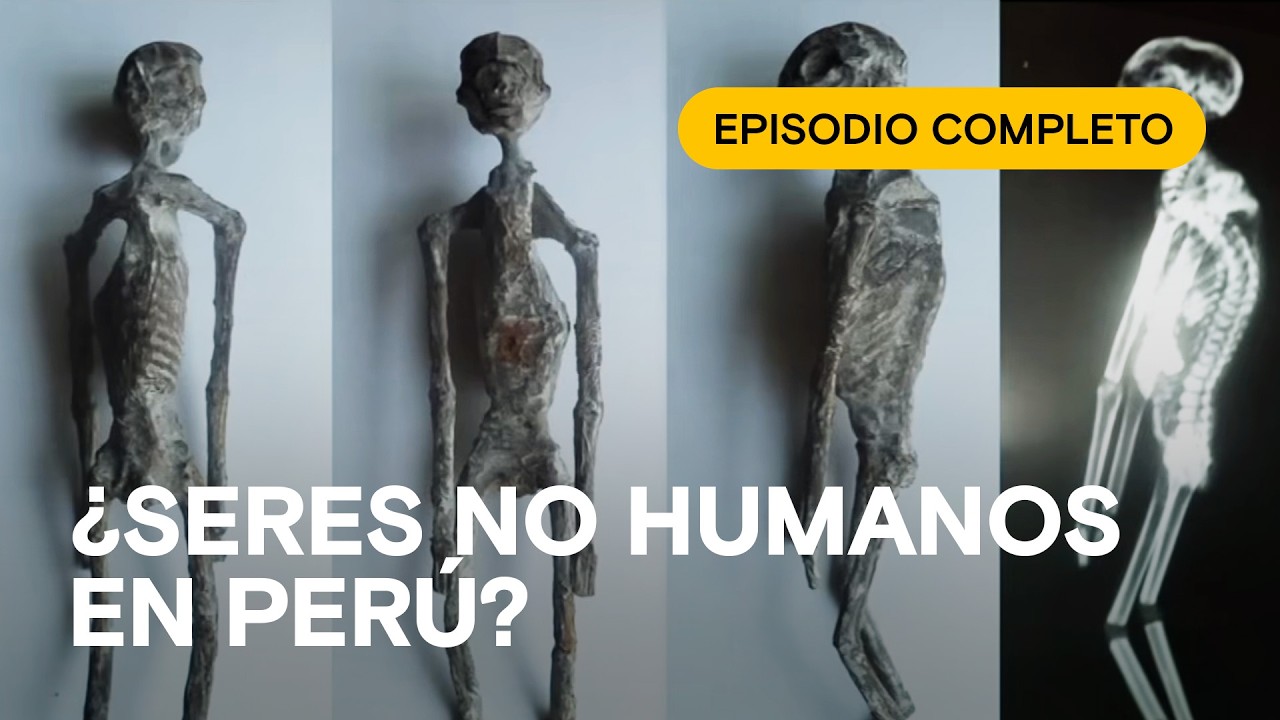
El hallazgo de las denominadas "momias de tres dedos" en Perú, desvelado inicialmente en 2017, ha generado un torbellino de especulación y debate. Datadas mediante análisis de carbono-14 con una antigüedad de aproximadamente 1700 años, estas enigmáticas figuras plantean preguntas fundamentales: ¿Qué relación guardan con los fósiles humanos conocidos, tanto antiguos como actuales? Y, la cuestión que resuena con mayor fuerza, ¿cuál es su verdadero origen?
La Cronología del Horror: Del Descubrimiento a la Controversia
El documental emitido por History Channel arroja luz sobre la investigación de estas peculiares momias peruanas. La datación inicial, que las sitúa hace casi dos milenios, las excluye de ser creaciones contemporáneas, como algunos escépticos han sugerido. Sin embargo, la ausencia de pruebas concluyentes sobre su autenticidad, sumada a la reticencia de ciertas autoridades y la rápida difusión de la información, ha alimentado un terreno fértil para el misterio.
Los testimonios recopilados sugieren una narrativa donde las autoridades culturales peruanas habrían intentado silenciar a los investigadores extranjeros, incluso amenazando con acciones legales. Este comportamiento, lejos de disipar las dudas, ha sido interpretado por muchos como un intento de ocultar la magnitud de un descubrimiento que podría reescribir nuestra comprensión de la historia humana.
Análisis Forense: Evidencia Física y Comparativa
La comparación de estas momias con fósiles humanos antiguos y actuales revela divergencias significativas. La estructura ósea, la longitud de los dedos y la conformación general del cráneo presentan características que no encajan fácilmente en el árbol genealógico humano tal como lo conocemos. La hipótesis de que estos seres desarrollaron una fisiología adaptada a un entorno con menor necesidad de fuerza física y desplazamiento terrestre, quizás utilizando habilidades magnéticas o psiónicas, emerge como una posibilidad intrigante.
La falta de necesidad de una estructura ósea robusta, argumentan algunos teóricos, podría indicar una evolución paralela o una especie no terrestre con capacidades superiores a las nuestras. La longitud de sus dedos, por ejemplo, se postula como una herramienta para manipular objetos mediante fuerzas aún no comprendidas por la ciencia convencional.
El Veredicto Escéptico y la Ciencia Oficial
Desde una perspectiva científica rigurosa, la comunidad arqueológica y antropológica ha mostrado escepticismo, exigiendo más pruebas y un análisis independiente y transparente. La falta de acceso irrestricto a los especímenes para estudios exhaustivos ha sido un punto recurrente de crítica. La ciencia, en su esencia, requiere evidencia verificable y replicable, y hasta que estas momias cumplan esos criterios, permanecerán en el umbral de lo inexplicable.
Los geoglifos de Nazca, con sus representaciones de figuras antropomorfas, algunas de ellas con tres dedos, se citan a menudo como una posible corrobación visual de la existencia de tales seres. Si estas representaciones artísticas ancestrales capturaron la imagen de seres reales, la evidencia física de las momias adquiriría un peso considerable.
Recomendación del Investigador
Gran Libro De La Criptozoologia, El (Mundo mágico y heterodoxo)
"Para análisis serios y documentación de evidencia, este equipo es mi elección predilecta."
Las interpretaciones sobre el origen de estas momias abarcan un amplio espectro. La teoría extraterrestre es, quizás, la más popular. Se sugiere que estos podrían ser restos de seres de otros mundos que visitaron la Tierra o incluso que tuvieron un papel en la configuración de civilizaciones antiguas. La similitud superficial con la icónica figura de "ET" de Steven Spielberg ha llevado a especular si el cineasta pudo haberse inspirado en hallazgos previos o en información clasificada.
Otras hipótesis apuntan a mutaciones genéticas extremas, experimentos biológicos olvidados o incluso la existencia de razas pre-humanas o co-existentes que se extinguieron o evolucionaron hacia formas indetectables. Algunas voces apuntan a la posibilidad de bases subterráneas o enclaves secretos en la región de Perú, un país que, según muchos, alberga evidencias de civilizaciones con miles de años de antigüedad y fenómenos inexplicables.
Recomendación del Investigador
Archivos Secretos: Lo que los Gobiernos Saben sobre lo Paranormal
"Una herramienta que he encontrado indispensable en investigaciones de campo para obtener datos fiables."
La difusión de este hallazgo ha generado una avalancha de reacciones en redes sociales y foros. Muchos expresan asombro ante la posibilidad de desvelar "una de las mayores descubrimientos de la historia de la humanidad". La riqueza arqueológica de Perú es frecuentemente mencionada, sugiriendo que el país es una fuente inagotable de secretos ancestrales. Comentarios como el hallazgo de momias de gran estatura en Honduras, supuestamente llevadas a Kentucky bajo secreto, alimentan la creencia de que existe información suprimida sobre hallazgos anómalos.
"La ficción nunca supera la realidad. Mi madre tenía una amiga que de niña la mandaban a llevar cosas a un galpón, tenía miedo cada vez que iba porque veía estos seres en pleno campo, obviamente siempre pensaron que mentía 🤷 pero los describía tal cual el vídeo."
Existen relatos personales, como el de una mujer que afirmaba haber visto seres similares en su infancia, que añaden un componente testimonial a la narrativa. Estas anécdotas, aunque no científicas, resuenan con aquellos que buscan explicaciones más allá de lo convencional. La idea de que "jamás hemos sido los únicos" y que "hay miles de especies no humanas qué están y estuvieron aquí" es un sentimiento compartido por muchos de los que siguen estas investigaciones.
La comunidad de investigadores de lo paranormal y entusiastas de los ovnis señala la región de Chilca y las experiencias de figuras como Sixto Paz como núcleos de actividad anómala y contacto con entidades no humanas. La confluencia de geoglifos, testimonios y supuestos hallazgos físicos en Perú consolida la idea de este país como un epicentro de misterios aún por resolver.
Recomendación del Investigador
Gran Libro De La Criptozoologia, El (Mundo mágico y heterodoxo)
"Este es el modelo que recomiendo a quienes se inician en la investigación paranormal por su excelente relación calidad-precio."
La pregunta persiste: ¿son estas momias la prueba irrefutable de una inteligencia no humana que interactuó con civilizaciones antiguas, o un elaborado engaño que juega con nuestra fascinación por lo desconocido? La ciencia oficial es cauta, pero la evidencia física, sumada a la riqueza de la mitología y los testimonios, sugiere que el enigma de Nazca apenas ha comenzado a desvelarse.
Join the Investigation
Help us keep the lights on and the servers running. Support via Binance and secure your own future.
Ancient texts whisper of realms beneath our very feet, inhabited by intelligences both familiar and alien. The nearly 2000-year-old text known as "The Zohar" describes hidden kingdoms below the Earth's surface, hinting at a profound truth: we may not be alone, even on our own planet. This investigation delves into the compelling evidence and ancient narratives that suggest a complex, populated world exists within the Earth's crust.
Our inquiry into subterranean civilizations often begins with enigmatic locations. The Cave of Merón, mentioned in ancient texts, is purported to be a nexus, a point of access to these hidden realms. While modern exploration has yet to confirm its mystical properties, its significance in historical accounts cannot be dismissed. Many viewers, when presented with such accounts, draw parallels to fictional narratives they grew up with, like "Journey to the Center of the Earth", questioning if such stories were merely fiction or veiled truths. As one commentator noted, the premise of digging deep and finding life resonates with childhood wonder, a sentiment echoed by many who ponder the Earth's hidden potential.
The "Seven Lands": Subterranean Levels or Distant Planets?
"The Zohar" and other esoteric traditions speak of "Seven Lands." The interpretation of this phrase is crucial: are these literal subterranean layers within our planet, or do they refer to celestial bodies beyond our immediate perception? Some analyses suggest that in ancient cosmologies, "lands" could encompass entire worlds or dimensions accessible through unknown means. The idea of 7 continents is a modern concept, and as a viewer pointed out, ancient peoples may have had a different understanding of "lands" altogether, perhaps referring to distinct realms or dimensions rather than geographical landmasses as we know them.
Recommended Gear for Investigation
Product
Description
Buy
The Big Book of Paranormal: 300 Mystical and Frightening Tales From Around the World
An excellent choice to complement your research on this topic.
Cryptozoology A To Z: The Encyclopedia Of Loch Monsters Sasquatch Chupacabras And Other Authentic M: The Encyclopedia of Loch Monsters, Sasquatch, Chupacabras, and Other Authentic Mysteries of Nature
An excellent choice to complement your research on this topic.
Criptozoologia: El enigma de las criaturas insulitas (Spanish Edition) (Versión sin solapas): El Enigma De Las Criaturas Insolitas / the Enigma of the Unusual Creatures (Investigación Abierta)
An excellent choice to complement your research on this topic.
A truly mind-bending concept within the lore of subterranean worlds is the existence of Pre-Adamic races. These narratives posit that intelligent civilizations predated humanity as we understand it, perhaps having evolved or established themselves within the Earth's interior long before surface dwellers emerged. This theory challenges our linear view of history and opens the door to possibilities that much of our planet's history remains unwritten. The very notion of beings existing before Adam, as suggested in some interpretations, implies a deep, layered past for Earth, distinct from our current understanding of human evolution.
Technoliths and the 140-Million-Year-Old Hammer
The discovery of "technoliths"—objects of technological origin found in ancient geological strata—provides tantalizing, albeit controversial, evidence. The infamous "London Hammer," purportedly found encased in rock dated at 140 million years old, is a prime example cited in discussions of advanced ancient civilizations. While mainstream archaeology often dismisses such finds as misinterpretations or hoaxes, their recurring appearance in fringe research fuels speculation about ancient technological prowess and potential subterranean origins or sanctuaries. The persistence of such anomalies, despite scientific skepticism, keeps the debate alive.
The Reptilian Connection: Seraphim and Earth's Inner Refuges
Ancient myths and modern conspiracy theories frequently intertwine. The concept of reptilian beings, often linked to ancient serpent gods like the Seraphim, appears in various cultural narratives. These beings are sometimes described as having retreated into subterranean refuges, perhaps to escape surface cataclysms or to maintain a hidden existence. This narrative connects to the idea of mythological creatures originating from or inhabiting the Inner Earth. The persistent belief in reptilian entities across cultures suggests a deep-seated archetypal fear or memory related to beings who are both powerful and alien.
Yin Beings and Hybrid Entities in Ancient Lore
Beyond reptilians, ancient traditions hint at a diverse array of beings. The concept of Yin entities, often associated with feminine or passive energies, and more complex hybrid beings, suggests a sophisticated cosmology beyond simple alien or human dichotomies. These beings are not necessarily depicted as overtly hostile but as integral, albeit hidden, parts of Earth's biosphere. The idea that mythological creatures might be real, with ancient humans perhaps having witnessed such beings, is a recurring theme in viewer comments, suggesting a shared subconscious understanding of these possibilities.
Son Doong Cave, Vietnam: A Modern Discovery
While ancient texts speak of hidden worlds, modern geographical discoveries offer glimpses that fuel the imagination. The Son Doong Cave in Vietnam, one of the largest known cave systems, with its own internal ecosystem, river, and jungle, serves as a tangible example of the vast, unexplored spaces beneath the Earth's surface. Such discoveries, while scientifically explained, resonate with the idea that immense, potentially habitable regions could exist undiscovered below. It validates the human drive to explore the unknown, even when that unknown lies directly beneath our feet.
Shambhala: The Mythical Inner Earth Kingdom
Shambhala is perhaps the most famous legend of an advanced, hidden civilization within the Earth, often depicted as a utopia. This mythical kingdom, appearing in Tibetan Buddhist traditions, is believed to be a spiritual paradise accessible only to the worthy. The enduring nature of the Shambhala myth across centuries highlights a universal human yearning for hidden knowledge, spiritual enlightenment, and a sanctuary from the perceived chaos of the surface world. It represents the ideal of a perfect society, shielded from external corruption.
Admiral Byrd's Secret Diary: Evidence of an Inner World?
The purported secret diary of Admiral Richard E. Byrd, detailing his alleged flight into a hidden entrance to the Inner Earth at the North Pole, is a cornerstone of subterranean world theories. While its authenticity is debated, the diary's vivid descriptions of advanced beings and lush landscapes have captivated researchers and enthusiasts for decades. The narrative's compelling details, combined with Byrd's documented expeditions, lend a layer of plausibility to the idea that such an entrance might exist, lending credence to the idea that governments might possess hidden knowledge, as one viewer suggested regarding contact with alien races.
Soar Prophecies: Foreshadowing the Subterranean Realm
The "Soar Prophecies," mentioned in the context of ancient texts, are believed by some to foretell the existence and eventual revelation of subterranean civilizations or phenomena. These prophecies, often cryptic and open to interpretation, are seen as warnings or guides related to humanity's future and its relationship with hidden worlds. The very act of attempting to interpret such ancient prophecies, as one commentator does by linking them to the Bible's mention of those living "in the sea, on the earth, and under the earth," underscores humanity's continuous search for meaning and connection to a grander, hidden cosmic order.
Researcher's Verdict: Fruit of Speculation or Glimpse of Truth?
From ancient texts like "The Zohar" to the modern allure of places like Son Doong Cave, the concept of subterranean civilizations persists. While mainstream science remains largely skeptical, the sheer volume of anecdotal evidence, ancient myths, and recurring themes across cultures invites serious consideration. The "technoliths," Byrd's diary, and the persistent legends of inner kingdoms suggest that our planet may hold secrets far beyond our current understanding. It's possible that what we dismiss as myth or fringe theory could, in fact, be echoes of a profound, hidden reality. The question remains: are these mere tales spun from imagination and misunderstanding, or are they fragments of a truth we are only beginning to comprehend? Many viewers express a deep-seated belief that we are not alone, a sentiment that fuels continued investigation into these subterranean mysteries.
Frequently Asked Questions
What ancient texts mention subterranean worlds?
Texts like "The Zohar," Tibetan Buddhist traditions (referencing Shambhala), and various mythological accounts across cultures describe hidden realms beneath the Earth's surface.
Is there scientific evidence for subterranean civilizations?
While there is no definitive, universally accepted scientific proof, anomalies like "technoliths," vast unexplored cave systems (e.g., Son Doong Cave), and historical accounts like Admiral Byrd's purported diary are cited by proponents of the theory.
Could mythological creatures like reptilians be real subterranean inhabitants?
Some theories suggest that ancient myths of serpent gods or reptilian humanoids could be based on encounters with actual beings who retreated or evolved within the Earth's interior.
What is the significance of Admiral Byrd's diary in this context?
Admiral Byrd's alleged secret diary describes a flight into a hidden entrance to an Inner Earth at the North Pole, complete with advanced beings and a lush environment, serving as a key piece of anecdotal evidence for proponents of subterranean worlds.
How do modern discoveries relate to ancient ideas of Inner Earth?
Discoveries of massive cave systems and evidence of complex underground ecosystems, while scientifically explained, resonate with ancient narratives and fuel speculation about the potential for undiscovered inhabited realms beneath our feet.
Your Mission: The Surface Scan
This week, I challenge you to become an investigator in your own right. Pay attention to local folklore, old maps, or geological anomalies in your region. Does your area have legends of hidden caves, underground rivers, or strange occurrences linked to the earth? Document any unusual patterns or recurring stories. Even seemingly mundane local tales can sometimes hold kernels of profound, forgotten truths. Your observations are crucial data points in the larger investigation. Don't hesitate to share your findings in the comments below; collective observation is our most powerful tool.
We are on the cusp of understanding more about our world than ever before. To continue this vital work, we need your support. If you found this investigation insightful, please share it across your social networks. Engage with us by leaving your own experiences or thoughts in the comments. Have you ever felt a strange pull from beneath the earth, or had a dream that felt too real? Your testimony could be the missing piece of this complex puzzle.
Stay curious, stay vigilant.
Alejandro Quintero Ruiz
Investigador Paranormal
Investigator's Note: True paranormal research doesn't fund itself. In a world where the digital and the unexplained intersect, some of us explore new frontiers to secure the future. Do you dare to be part of the vanguard? Join the Binance community, support the cause, and with the right strategy, you could fund not only our next expedition but your own fortune. The next great discovery could be just a click away.
In 2004, a discovery in the heart of Roswell, New Mexico, sent ripples through the ufological community. A smooth, unusually dense stone, now famously known as "The Roswell Rock," was unearthed, bearing markings that defied conventional explanation. This artifact, central to Season 1, Episode 4 of HISTORY's "In Search of Aliens," presents a compelling case for further investigation into potential extraterrestrial contact.
The narrative of the Roswell Rock begins with its discovery in 2004. Unlike typical geological finds in the region, this specimen is described as exceptionally smooth and exhibiting peculiar magnetic properties. These characteristics alone warrant a closer look, especially when considering the historical context of Roswell, New Mexico, a location synonymous with alleged extraterrestrial encounters and crash sites.
Testimonies from those who have interacted with the rock are particularly striking. One viewer, who claims to live in Roswell, stated, "I've held that rock. The energy that travels up your arm is amazing." This firsthand account, shared by multiple users in online discussions, suggests a palpable energetic field emanating from the artifact, a phenomenon often associated with anomalous materials.
Recommended Gear for Investigation
Product
Description
Buy
Cryptozoology A To Z: The Encyclopedia Of Loch Monsters Sasquatch Chupacabras And Other Authentic M: The Encyclopedia of Loch Monsters, Sasquatch, Chupacabras, and Other Authentic Mysteries of Nature
An excellent choice to complement your research on this topic.
Criptozoologia: El enigma de las criaturas insulitas (Spanish Edition) (Versión sin solapas): El Enigma De Las Criaturas Insolitas / the Enigma of the Unusual Creatures (Investigación Abierta)
An excellent choice to complement your research on this topic.
Another sentiment echoed by many is gratitude for the accessibility of such content. "Dear History Channel, thank you for making these programs available on YouTube," reads one comment, with others expressing excitement about finding current discussions on these topics. This indicates a strong audience engagement with the mystery, eager to explore the possibilities presented.
Examining the Artifact
The initial examination focused on the rock's physical attributes. Its unusual smoothness and density are not easily replicable through natural erosion or common geological processes. The "In Search of Aliens" team, led by Giorgio A. Tsoukalos and featuring insights from experts like Linda Moulton Howe, embarked on a series of tests to understand its composition and potential origins.
The owner, Robert Ridge, has been a key figure, sharing his experiences and allowing rigorous scientific scrutiny despite the sentimental value of the discovery. His emotional reaction during destructive testing, such as grinding and CT scans, was noted by viewers. "He was truly emotional when they did the grinding test, that’s a genuine bond with this significant thing… it’s not 'just a rock'," observed one commenter. This deep connection suggests the rock holds profound personal significance, beyond mere curiosity.
The Crop Circle Connection
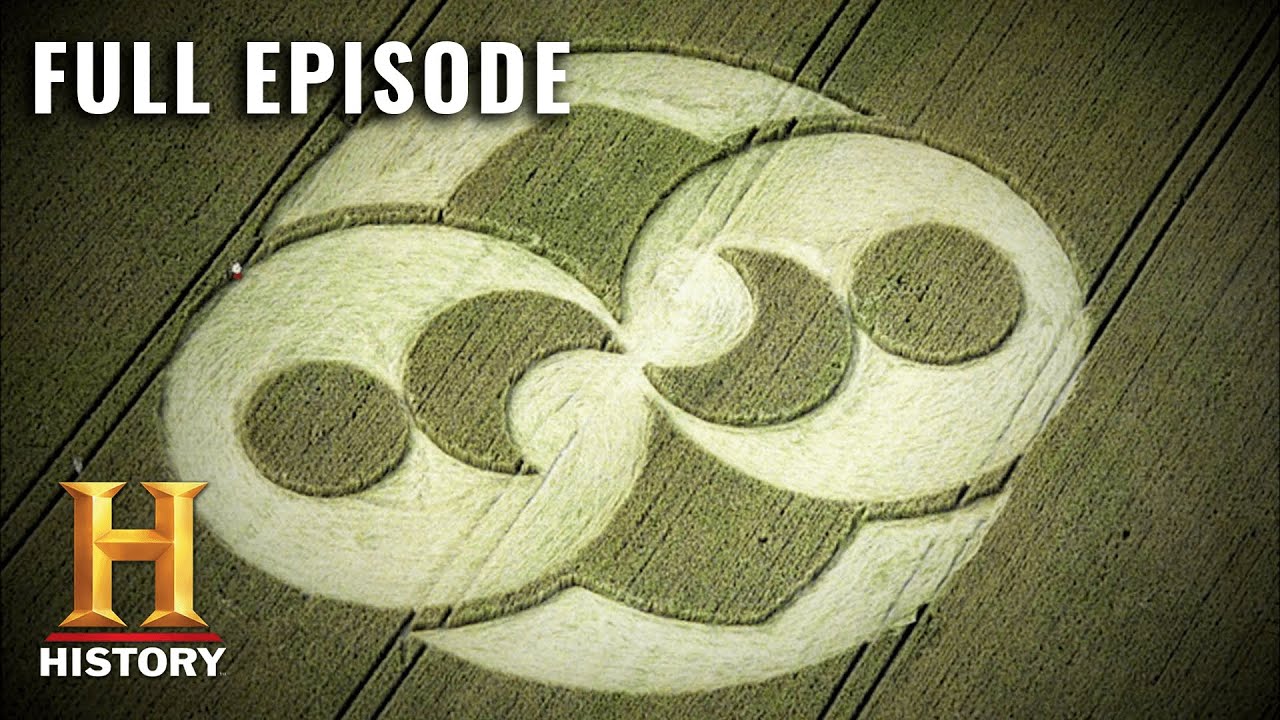
A significant aspect of the investigation delved into a potential link between the Roswell Rock and crop circles. Linda Moulton Howe, a renowned investigative journalist specializing in UFOs and strange phenomena, has extensively researched crop circles. The episode explores whether the cryptic designs on the rock bear resemblance to patterns found in crop formations, hinting at a shared intelligence or purpose.
Howe's participation in the investigation adds a layer of credibility, given her long-standing work in the field. Viewers praised her, with one stating, "Linda Moulton Howe is a LEGEND‼️ What a remarkable, dedicated woman. A true inspiration‼️" Her expertise is crucial in bridging the gap between terrestrial mysteries and potential extraterrestrial communication methods.
The Sandblasting Test
To further analyze the rock's composition and the nature of its markings, destructive testing became necessary. A sandblasting test was conducted, revealing startling details about the rock's internal structure and the material used for its design. The precision and depth of the markings suggested a method far beyond simple carving.
The specialist conducting the sandblasting test impressed viewers with his skills. "The sandblasting guy is awesome! I had no idea there was cool stuff like that! He needs more air time with what he can do!" exclaimed one viewer, highlighting the effectiveness of the scientific approach in uncovering new information.
Microscopic Analysis
Under microscopic examination, the intricate details of the designs etched onto the Roswell Rock were revealed. These patterns, visible only at high magnification, displayed geometric precision that some researchers associate with advanced, possibly non-human, intelligence. Comparisons were drawn to sacred geometry, a concept that explores mathematical patterns found in nature and ancient structures.
One perspective offered from the audience suggests, "It is sacred geometry, I get the impression that that stone comes from ancestral travelers, neither from the past nor from the future. They simply exist by accessing capabilities of which we are unaware." This interpretation underscores the profound nature of the artifact, aligning it with theories of advanced civilizations or interdimensional beings.
Magnetic Field Investigation
The unusual magnetic properties of the Roswell Rock were a focal point of the investigation. Advanced equipment was used to map and measure its magnetic field. The results indicated anomalies that could not be easily explained by standard geological magnetism. This aspect of the rock continues to fuel speculation about its artificial origin and potential technological applications.
The exploration touches upon broader concepts like the magnetic pole excursion. One comment noted, "This was a good low key representation of letting people know about the magnetic pole excursion that is soon to take place," suggesting the rock's properties might be linked to fundamental geophysical processes or even advanced energy manipulation.
Grinding and CT Scan Tests
The commitment to understanding the Roswell Rock led to more invasive testing, including grinding and CT scans. These procedures aimed to analyze the rock's internal structure and layered composition. Despite the potential destruction of the artifact's surface, the owner, Robert, consented, driven by the pursuit of answers.
Robert's willingness to subject the rock to such tests did not go unnoticed. "We love you Robert, very brave man indeed. Especially letting them grind into something so sentimental. I felt that pain, great find!" expressed a viewer, capturing the emotional weight of the scientific process. His dedication resonated deeply, reinforcing the idea that the rock is more than just a geological curiosity.
Conclusion and Final Thoughts
The episode concludes by acknowledging the unanswered questions surrounding the Roswell Rock. While definitive proof of extraterrestrial origin remains elusive, the artifact's unique properties, cryptic markings, and energetic field continue to intrigue researchers and the public alike. The investigation highlights the persistent mystery of Roswell and the ongoing search for evidence of alien life.
Giorgio A. Tsoukalos's role as a presenter was particularly appreciated. "Giorgio is so good at meeting with and talking to new people I wish I had that ability as that's what makes him such a great presenter," one commenter noted. His enthusiastic approach and the collaborative nature of the investigation were seen as key elements in making the complex subject matter accessible and engaging.
Researcher's Verdict: Fraud, Genuine Phenomenon, or Something Else?
Based on the evidence presented in "In Search of Aliens," the Roswell Rock stands as a compelling enigma. The combination of its unusual geological composition, intricate markings, and reported energetic properties defies simple explanation. While skepticism is always warranted in investigations of this nature, the thoroughness of the tests conducted—from microscopic analysis to magnetic field readings and destructive scans—suggests that this is not a common hoax.
The testimonies of those who have physically interacted with the rock, reporting a palpable energy, add a subjective but significant layer to the evidence. The connection to crop circle symbology, explored by Linda Moulton Howe, further broadens the scope of potential implications, hinting at a possible connection to a larger, organized extraterrestrial presence or communication network.
My assessment leans towards a genuine anomalous artifact. Whether it is directly extraterrestrial in origin, an undiscovered natural phenomenon with advanced properties, or something else entirely remains to be definitively proven. However, the presented data compels further, perhaps even more advanced, scientific inquiry. The dedication of Robert Ridge and the investigative team in pursuing these answers is commendable. The world and universe are indeed full of mysteries, and artifacts like the Roswell Rock serve as potent reminders of how much remains undiscovered.
The Researcher's Archive
For those eager to delve deeper into the world of unexplained phenomena, similar to the Roswell Rock investigation, I recommend exploring resources that provide rigorous analysis and historical context. Understanding the broader landscape of ufology and anomalous artifacts requires a multi-faceted approach.
Books:
"The UFO Dogfight Over New Mexico" by John B. Alexander: Provides an in-depth look at some of the lesser-known aspects of the Roswell incident.
"An Alien Harvest" by Linda Moulton Howe: Explores cattle mutilations and their potential links to UFOs, offering a critical perspective on unexplained phenomena.
"Passport to Magonia: On UFOs, Elemental Beings, and Other Mysteries of the Subconscious" by Jacques Vallée: A classic text that bridges the gap between folklore, mythology, and UFO sightings.
Documentaries:
Beyond the video presented, the entire "In Search of Aliens" series offers a comprehensive look at various unexplained mysteries.
"Ancient Aliens" (Series): While often speculative, it provides a broad overview of theories connecting ancient history with extraterrestrial influence.
Platforms:
Reputable ufological archives and academic journals that publish research on anomalous phenomena offer deeper dives into specific cases and scientific studies.
Equipment Recommended for Investigation
While investigating anomalous artifacts like the Roswell Rock, having the right tools can make a significant difference. Sensitive equipment can help detect subtle anomalies that the human senses might miss. Here are some items that could aid in field research:
Frequently Asked Questions
What makes the Roswell Rock unique?
Its unusual smoothness, density, unique magnetic properties, and cryptic markings differentiate it from typical geological formations found in the region.
Did the tests confirm the rock is of alien origin?
While the tests revealed anomalous characteristics, they did not provide definitive proof of extraterrestrial origin. The results remain inconclusive but highly suggestive of an artificial or unknown natural source.
Who is Linda Moulton Howe and why is she significant?
Linda Moulton Howe is a highly respected investigative journalist who has dedicated her career to researching UFO phenomena, alleged alien encounters, and related anomalies. Her expertise adds significant weight to investigations.
What is the significance of the crop circle connection?
The potential link suggests that the intelligence behind the rock's creation might also be responsible for crop circles, implying a form of communication or standardized symbolism used by advanced or extraterrestrial entities.
Can anyone see or touch the Roswell Rock?
The rock is privately owned, but its owner, Robert Ridge, has allowed it to be examined and tested by researchers and documentary crews. Access to the public is limited.
Your Mission: Field Observation
Your mission, should you choose to accept it, involves keen observation. Next time you encounter an object or location with unusual properties—be it a strange rock formation, an unexplained light, or an area with a peculiar history—document everything. Note down physical characteristics, personal sensations, and any accompanying phenomena. Even anecdotal evidence, when collected systematically, can contribute valuable data to the larger puzzle.
Share your experiences in the comments below! Have you ever encountered something inexplicable that reminded you of the Roswell Rock? What are your theories about its origin? Your insights are crucial to our collective investigation.
Don't keep these mysteries to yourself! Share this post on your social media channels to spark discussion and help us gather more perspectives on this fascinating artifact. The more eyes on the evidence, the closer we get to the truth.
Follow us for more in-depth investigations! Subscribe to our channels and turn on notifications so you never miss an analysis of the unexplained. Join our community of curious minds dedicated to uncovering the truth.
Investigator's Note: True paranormal research doesn't fund itself. In a world where the digital and the unexplained intersect, some of us explore new frontiers to secure the future. Do you dare to be part of the vanguard? Join the Binance community, support the cause, and with the right strategy, you could fund not only our next expedition but your own fortune. The next great discovery could be just a click away.
The enduring fascination with ancient civilizations is often fueled by a compelling question: did humanity once possess access to advanced technologies, only to lose them over millennia? This theory, central to shows like Ancient Aliens, posits that far from being primitive, our ancestors might have harnessed capabilities that rival, or even surpass, our current scientific understanding. This investigation delves into the evidence and speculation surrounding lost ancient technologies, exploring whether 'science fiction' was once simply 'science'.
The narrative of human progress typically follows a linear path, from rudimentary tools to sophisticated modern machinery. However, a persistent undercurrent of speculation suggests this trajectory might be flawed. The premise of Ancient Aliens champions the idea that certain ancient cultures possessed knowledge and technologies that defy conventional historical timelines. Could advanced civilizations have existed, only to vanish, taking their scientific prowess with them? The evidence, or lack thereof, sparks debate.
The HISTORY Channel's exploration of this theme is not merely entertainment; it taps into a deep-seated human curiosity about our origins and the potential for forgotten eras of advanced civilization. This investigation isn't about accepting theories at face value, but about meticulously examining the claims, the purported evidence, and the scientific principles that either support or refute the notion of lost 'sci-fi tech' in ancient worlds.
Recommended Gear for Investigation
Product
Description
Buy
The Big Book of Paranormal: 300 Mystical and Frightening Tales From Around the World
An excellent choice to complement your research on this topic.
Cryptozoology A To Z: The Encyclopedia Of Loch Monsters Sasquatch Chupacabras And Other Authentic M: The Encyclopedia of Loch Monsters, Sasquatch, Chupacabras, and Other Authentic Mysteries of Nature
An excellent choice to complement your research on this topic.
Criptozoologia: El enigma de las criaturas insulitas (Spanish Edition) (Versión sin solapas): El Enigma De Las Criaturas Insolitas / the Enigma of the Unusual Creatures (Investigación Abierta)
An excellent choice to complement your research on this topic.
Consider the enduring marvels of ancient engineering: the pyramids of Egypt, the Nazca Lines, Stonehenge. While mainstream archaeology offers explanations involving immense labor and clever, albeit basic, mechanical principles, some researchers find these explanations insufficient. The precision, scale, and astronomical alignments of these structures lead to persistent questions about the tools and knowledge employed by their builders. As noted by one commentator, "The ancient Egyptians demonstrated remarkable technical skills in constructing monumental structures like the pyramids, raising questions about the tools they used. The mystery remains regarding the advanced techniques or technologies they might have employed."
This sentiment is echoed globally. References to lost libraries like Alexandria and ancient archives in India, mentioned by viewers, highlight a potential pattern of lost knowledge across cultures. The argument is not that these civilizations were inherently more advanced in every aspect, but that specific areas of their understanding, particularly in engineering and perhaps physics, might have been significantly more sophisticated than commonly assumed. As one analysis points out, "Just because they were ancient doesn't mean they were primitive."
Evidence of Lost Technologies
The search for evidence often leads to interpretations of ancient texts, artifacts, and artworks. Hieroglyphs, carvings, and inscriptions are scrutinized for depictions that might suggest technologies beyond their supposed time. The "light bulb theory," for instance, posits that certain ancient reliefs, particularly in Egyptian contexts, depict devices resembling electric lighting. While skeptics dismiss these as symbolic representations or misinterpretations, proponents argue for a literal understanding, seeing them as evidence of electrical power generation and use. "Thank you for explaining the light bulb theory as a light source, not just fringe science or that never happened," a viewer shared, indicating a desire for more validation of these alternative interpretations.
Another significant area of discussion revolves around complex astronomical devices. The Antikythera Mechanism, a remarkable ancient Greek artifact, stands as a prime example. Its intricate gears and dials suggest a sophisticated understanding of celestial movements, leading some to believe it's just one example of advanced computational devices lost to time. "The Antikythera Mechanism: 2,000 years old and still more advanced than my alarm clock!" a user commented, capturing the awe inspired by such discoveries.
Furthermore, the very construction of megalithic sites fuels speculation. The sheer weight of the stones, the precision of their cutting, and the distances they were transported lead many to question the conventional narrative of primitive tools. The idea that these structures might have served purposes beyond simple monuments—perhaps as power conduits or energy transmitters—emerges from this line of inquiry. As one perspective suggests, "The pryamids electrified the Nile river, making it heathly and prosperous... This mild electric field created massive harvests and extremely healthy fish."
Engineering and Electricity in Antiquity
The possibility of ancient electrical knowledge is a recurring theme. One contributor, identifying as an electronics engineer, noted that "many ancient tablets and carvings in Egypt... suggest a remarkable understanding of advanced knowledge and technology, possibly even related to electricity." The interpretation of certain carvings as representing transformers or inductors, and speculation about their use for power transmission or even as "disruptors for nanorobots," pushes the boundaries of conventional historical understanding.
The narrative often points to a specific period of loss. "It seems after about roughly 179 AD man lost this tech' the Romans ,etc' vanished and the world went back hundreds of years," one viewer posited, attempting to pinpoint a historical window for this technological decline. This idea of a sudden or gradual regression, following a period of advanced capability, is central to many theories about lost civilizations.
The concept of the "Manna Machine," described as a contraption for converting elemental material into digestible food, also surfaces, hinting at potential ancient advancements in material science or food technology. These ideas, while speculative, contribute to a broader picture of a past that might have been far more technologically advanced than commonly accepted.
The Great Loss of Knowledge
The consistent thread in these discussions is the concept of lost knowledge. Whether through catastrophic events like the burning of the Library of Alexandria, deliberate suppression, or a gradual societal decline, the idea persists that crucial scientific and technological information has been irretrievably lost. This perspective offers an explanation for why we don't see more direct, undeniable evidence of advanced technology from ancient times.
Some viewers express a feeling of having been deliberately kept from this knowledge. Books like "The Obscured Principles," mentioned by several users, are described as revealing a hidden "architecture of control" and "forbidden awareness." This aligns with broader conspiracy theories suggesting that mainstream historical narratives are incomplete or intentionally misleading, obscuring humanity's true past and potential.
The transition for ancient civilizations from a state of advanced technology to a more primitive one is sometimes attributed to societal collapse or external factors. The fall of empires, shifts in climate, or even natural disasters could have disrupted the transmission of knowledge, leaving future generations to rediscover or reinterpret the remnants of a bygone era. This cyclical view of civilization, where periods of advancement are followed by decline and rediscovery, is a compelling, albeit unproven, aspect of the lost technology debate.
Researcher's Verdict: Fraud, Genuine Phenomenon, or Something Else?
From my perspective as an investigator, the claims surrounding lost ancient sci-fi technology present a complex tapestry of genuine historical anomalies, wishful thinking, and outright misinterpretation. The evidence, while intriguing, often relies on speculative readings of artifacts and texts. The precision of ancient constructions is undeniable, but attributing them to 'lost sci-fi tech' jumps several logical steps without substantial proof.
The interpretations of carvings as electrical devices, for example, often ignore simpler, more plausible explanations rooted in the artistic conventions and religious beliefs of the time. While the Antikythera Mechanism is a genuine marvel of ancient engineering, it represents a peak of Hellenistic mechanical understanding, not necessarily proof of alien intervention or lost futuristic technology.
However, dismissing the possibility outright would be intellectually dishonest. The sheer scale of some ancient constructions, the astronomical knowledge displayed, and the rapid decline in certain technological capabilities after major societal shifts (like the end of the Roman Empire, as suggested) warrant continued investigation. The potential for lost knowledge is real, but the nature of that knowledge—whether it was truly 'sci-fi' as we understand it, or simply advanced applications of principles we haven't fully grasped—remains the central mystery. My current working hypothesis leans towards an underestimation of ancient ingenuity rather than direct extraterrestrial technological transfer, though the latter cannot be entirely ruled out without more concrete evidence.
The Researcher's Archive
For those seeking to delve deeper into the mysteries of ancient civilizations and potential lost technologies, I recommend consulting the following resources:
Books: "Fingerprints of the Gods" by Graham Hancock offers a comprehensive look at alternative theories regarding ancient civilizations. For a critical perspective, explore works on the history of technology and archaeology that provide conventional explanations for ancient feats.
Documentaries: Beyond Ancient Aliens, look for documentaries that critically examine archaeological evidence and historical texts. Documentaries focusing on specific sites like Göbekli Tepe or the construction of the pyramids often present various theories and evidence.
Online Platforms: Reputable archaeological journals, university archives, and museum websites offer primary source material and scholarly research. Be critical of sensationalist content and prioritize well-researched material.
Protocol: How to Analyze Ancient Artifacts
Contextual Research: Before examining any artifact, understand its provenance: where was it found? What is its estimated age and cultural origin? Consult archaeological reports and historical records.
Material Analysis: If possible, employ scientific methods (e.g., X-ray fluorescence, carbon dating) to determine the artifact's composition and age. This can reveal discrepancies between its purported origin and its actual properties.
Structural Examination: Analyze the craftsmanship. Look for signs of advanced tools, unusual manufacturing techniques, or materials that seem out of place for the claimed era. Compare findings with known technological capabilities of the period. Ancient technology studies can provide valuable benchmarks.
Symbolic and Textual Interpretation: Examine any inscriptions or iconography. Consult linguistic and historical experts to decipher meanings, considering both conventional and alternative interpretations. Be wary of pareidolia—seeing patterns where none exist.
Cross-Referencing: Compare the artifact and its associated claims with similar discoveries worldwide. Look for corroborating evidence or contradictory findings in unrelated sites or cultures. This helps build a comprehensive picture and avoid conclusions based on isolated anomalies.
Hypothesis Formulation: Based on all gathered data, formulate hypotheses. Consider the simplest explanation first (Occam's Razor) before exploring more complex or unconventional theories like lost technologies or extraterrestrial influence. Document all steps and findings meticulously.
Equipment Recommended for the Investigation
When venturing into the unknown, preparedness is key. While tangible evidence of lost ancient technologies is elusive, the tools for investigating historical anomalies and researching such claims are vital.
Frequently Asked Questions
What is the primary argument for lost ancient technologies?
The main argument rests on the perceived sophistication of ancient structures and artifacts, which some believe could not have been achieved with the known tools and technology of their time. Interpretations of ancient texts and artwork also play a significant role.
Is there scientific consensus on lost ancient technologies?
No, there is no scientific consensus. The mainstream archaeological and historical communities generally explain ancient achievements through conventional means, attributing anomalies to gaps in knowledge or misinterpretation of evidence. Theories of lost 'sci-fi' tech are largely considered fringe.
Which ancient site is most often cited as evidence of advanced technology?
The Pyramids of Giza are frequently cited due to their immense scale, precision engineering, and astronomical alignment. Other examples include Stonehenge, Puma Punku, and the Antikythera Mechanism.
Could ancient civilizations have had electricity?
Some researchers propose this based on interpretations of artifacts like the 'Baghdad Battery' or certain Egyptian reliefs. However, conventional explanations often attribute these to other functions, and definitive proof of widespread electrical use remains absent.
Your Mission:
Your Mission: Investigate a local historical site or artifact.
Does your region boast any structures, ruins, or artifacts that spark questions about advanced ancient capabilities? Your mission, should you choose to accept it, is to research one such local point of interest. Examine the conventional historical explanations and then seek out any alternative theories or unexplained aspects. Document your findings and consider what mysteries might lie hidden in your own backyard. Share your discoveries in the comments below.
Share this report: Help spread awareness by sharing this investigation on social media. If you have experienced or know of any unexplained phenomena related to ancient sites, please share your accounts in the comments – your testimony could be the missing piece of a larger puzzle.
Join the discussion: What are your thoughts on lost ancient technologies? Do you believe humanity has forgotten more than we remember? Let us know in the comments, and subscribe for more deep dives into the unexplained.
```
Investigator's Note: True paranormal research doesn't fund itself. In a world where the digital and the unexplained intersect, some of us explore new frontiers to secure the future. Do you dare to be part of the vanguard? Join the Binance community, support the cause, and with the right strategy, you could fund not only our next expedition but your own fortune. The next great discovery could be just a click away.