Followers

Mostrando las entradas con la etiqueta canada. Mostrar todas las entradas

Giant Mosquitoes in Canada: Folklore or Cryptid?

Image

The vast, untamed landscapes of Canada have long been fertile ground for tales whispered around campfires and passed down through generations. While modern science offers explanations for many phenomena, some stories persist, hinting at a reality stranger than fiction. This investigation delves into the folklore surrounding what some claim to be giant mosquitoes and spiders lurking in the Great White North, examining historical accounts and modern interpretations.

Introduction: Echoes in the Wilderness

In the concluding segment of our series exploring the possibility of oversized arthropods in Canada, we shift our focus to the chilling folklore of giant spiders and, more specifically, giant mosquitoes. These narratives, often dismissed as mere tall tales, carry a peculiar weight in regions where the wilderness is as much a character as any human. From the remote High Arctic to the dense forests of the frontier, whispers of monstrous insects have echoed for centuries. Are these simply exaggerations born of fear and isolation, or do they point towards elusive creatures that defy conventional biology? This investigation seeks to unravel these mysteries, separating fact from folklore.

The sheer scale of Canada's wilderness provides a plausible backdrop for such legends. As one viewer noted,

"When I was growing up here it felt like the native lore was more or less held to themselves by the native people (may have been just my child's perspective). I really appreciate being able to hear the stories about the land where I live, makes the place feel more rich and magical." Similar sentiments echo across online platforms, with many thanking the researcher for "keeping these old tales alive" and "appreciating the time and effort" invested in such unique content.

Recommended Gear for Investigation

ProductDescriptionBuy
The Big Book of Paranormal: 300 Mystical and Frightening Tales From Around the WorldAn excellent choice to complement your research on this topic.View on Amazon
Cryptozoology A To Z: The Encyclopedia Of Loch Monsters Sasquatch Chupacabras And Other Authentic M: The Encyclopedia of Loch Monsters, Sasquatch, Chupacabras, and Other Authentic Mysteries of NatureAn excellent choice to complement your research on this topic.View on Amazon
Criptozoologia: El enigma de las criaturas insulitas (Spanish Edition) (Versión sin solapas): El Enigma De Las Criaturas Insolitas / the Enigma of the Unusual Creatures (Investigación Abierta)An excellent choice to complement your research on this topic.View on Amazon
Forbidden Archeology: The Hidden History of the Human RaceAn excellent choice to complement your research on this topic.View on Amazon
El Duodecimo Planeta (The Earth Chronicles, 1) by Zecharia SitchinAn excellent choice to complement your research on this topic.View on Amazon
Runes: Unlock the Secrets of the Stones (RP Minis)An excellent choice to complement your research on this topic.View on Amazon
The H. P. Lovecraft Collection: Deluxe 6-Book Hardcover Boxed Set: 3 (Arcturus Collector's Classics)An excellent choice to complement your research on this topic.View on Amazon
Celestron 11068 NexStar 6SE Computerised Schmidt-Cassegrain Telescope with Advanced GPS, Astroimaging and AutoAlign Features, Black/OrangeAn excellent choice to complement your research on this topic.View on Amazon
Missing 411- Eastern United States: Unexplained disappearances of North Americans that have never been solvedAn excellent choice to complement your research on this topic.View on Amazon
Tapiz de mapa del mundo antiguo, diseño vintage de mapa del mundo, tapiz de distribución geográfica para colgar en la pared, póster educativo de mapa del mundo del Atlas histórico marrón, para pared,An excellent choice to complement your research on this topic.View on Amazon

Giant Spiders of the High Arctic: Myth or Misidentification?

Tales of colossal arachnids in the Canadian Arctic are particularly striking. While outright giants might be the stuff of pure fantasy, the line between legend and misidentification can be thin. Viewers suggest that stories of "giant underwater spiders" might be confused with large marine crustaceans like "spider crabs," which can have a leg span of up to five feet. These creatures, described as resembling "a daddy long legs spider with a leg span of 5 feet," have reportedly been found in shallow waters, unnerving local populations. The possibility of them being mistaken for terrestrial spiders, especially in dim light or from a distance, is significant.

Furthermore, the concept of scaled-up arthropods generally evokes a visceral reaction. As one commentator aptly put it:

"98% of bugs would be literal monsters if scaled up, imagine a man sized preying mantis cracking open your car like a can." This hypothetical scenario underlines the primal fear associated with large insects, making it understandable why any encounter with an unusually large specimen could fuel extraordinary tales.

The Origin of Mosquitoes: From Tales to Prehistoric Giants

The origins of mosquitoes themselves are steeped in folklore and scientific inquiry. While the article touches upon the "Origin of Mosquitoes" and "The First Mosquito," delving into prehistoric gigantism offers a more speculative angle. The Pleistocene era saw a proliferation of larger fauna, and it's not beyond the realm of possibility that insect life also experienced periods of unusual growth. Paleontological records, though often incomplete, hint at the existence of enormous insects in Earth's distant past. Could ancient legends be distorted echoes of encounters with species that no longer exist?

The sheer prevalence of mosquitoes in certain Canadian regions is undeniable. Reports from Alaska mention that "the mosquitos in Alaska are crazy bad too," and the experience of encountering unusually large specimens is not isolated. One anecdote recalls spotting an enormous mosquito, "approx 3/4" oval body," in Northern Illinois in January—a stark contrast to the smaller varieties familiar to the narrator. This sighting, described as a "HUGE Mosquito," underscores how even regional variations in size can inspire extraordinary claims, especially when contrasted with the "wimpy" skeeters more commonly encountered.

Frontier Torture: The Gruesome Reality of Insect Menace

Beyond mere size, the sheer numbers and biting capacity of mosquitoes have historically posed a significant threat, particularly in frontier environments. The concept of "Frontier Torture," where prisoners were subjected to death by insect attack, is a grim testament to this. Research into historical accounts reveals that such practices were not confined to a single region. One individual shared family history research from the 1600s detailing a scenario in Connecticut where a captured Native American was left to die from exposure and insect bites, mirroring the descriptions found in the video. This chilling practice highlights the profound impact that even small, numerous pests could have on human survival and suffering in the past.

The psychological and physical torment inflicted by relentless insect swarms is difficult for modern sensibilities to fully grasp. The description of being "Fed upon by mosquitos until you're too weak to save yourself, and then being untied and left with a bowl of water is definitely one of the most cruel things I've heard of..." speaks volumes about the terror associated with such scenarios. It's a stark reminder that for those living in harsh, undeveloped territories, the natural world, including its smallest inhabitants, could present existential threats.

The World's Largest Mosquito: A Modern Cryptid?

While direct evidence of "Giant Prehistoric Mosquitoes" is scarce, the modern fascination with the "World's Largest Mosquito" persists in folklore and anecdotal reports. Some accounts point to specific locations, like Northern Canada after the spring melt, as areas where the largest mosquitoes encountered in North America are found. For instance, a T-shirt found in Moose Factory, referencing the 'Moose Factory Air Force' with a giant mosquito carrying off a moose, playfully captures this regional folklore.

Beyond mosquitoes, other marine cryptid tales emerge. One witness mentioned their "Inuit neighbor said they don't walk near the rocks close to the ocean there is a giant octopus whose great arms reach out the water and grab people." This type of folklore, when intertwined with accounts of unusually large insects, contributes to a broader tapestry of the unknown lurking in Canada's vast territories. Another viewer recalled encounters fitting the description of "Eurypterids, Sea Scorpions. Very large," further illustrating the rich tradition of large, potentially dangerous, aquatic or near-aquatic creatures in local lore.

The sheer terror inspired by such possibilities is palpable. As one commenter expressed,

"Giant spiders and mosquitos weren't exactly on my dance sheet for this morning, but what the hell. I like old legends like this. At least they'd better be only legends. (shudder)" This sentiment reflects a common reaction to tales of oversized creatures – a mixture of fascination and dread.

Researcher's Verdict: Deconstructing the Legends

From an investigative standpoint, the legends of giant mosquitoes and spiders in Canada likely stem from a confluence of factors. Firstly, the exaggeration inherent in oral traditions, particularly when recounting frightening experiences. Secondly, potential misidentifications of known, albeit large, arthropods or marine life. Thirdly, the genuine ecological conditions in certain regions after periods like spring melt, which can indeed lead to larger and more numerous insect populations, amplifying the perceived threat. Finally, the deep-seated human fear of being overwhelmed by nature, especially by creatures that are typically small but can become monstrous when scaled up or encountered in massive swarms.

While concrete proof of giant, undiscovered mosquito or spider species in Canada remains elusive, the persistence of these stories speaks to their cultural significance. They serve as a reminder of the mysteries that the natural world, particularly in vast and remote areas, can still hold. The practice of historical torture by insects, though horrific, also grounds these tales in a reality where such pests were not just nuisures but serious threats to survival. As one viewer commented, "The Micmacs say that during the last deluge, their god Glooskap saved them from the catastrophe by leading them into their current territory... The Micmacs could not establish themselves because the giant beavers destroyed their habitat by building dams, and Glooskap was asked to re-size the beavers to help them, which he did." This narrative shows how ancient cultures often incorporated giant creatures into their foundational myths, providing explanations for their environment.

The fear of the unknown, amplified by the sheer scale of the Canadian wilderness, continues to fuel these captivating legends. Whether they are pure fiction, distorted memories, or something more, tales of giant insects tap into our primal anxieties and our fascination with the unexplored corners of our planet.

Equipo Recomendado para la Investigación

Para quienes deseen explorar fenómenos similares o documentar sus propias investigaciones del mundo inexplicable, contar con el equipo adecuado es fundamental. La calidad de la evidencia recogida puede depender directamente de las herramientas utilizadas. Desde grabadoras de audio de alta sensibilidad para capturar posibles psicofonías hasta cámaras con visión nocturna para documentar avistamientos en condiciones de baja luz, cada pieza de equipo cumple una función crítica en el proceso de investigación paranormal.

Frequently Asked Questions

  1. Are there scientifically recognized giant mosquitoes in Canada?

    While Canada experiences large mosquito populations, particularly after spring melts, there is no scientific evidence to support the existence of species significantly larger than typical known mosquitoes, such as the Gallinipper (Psorophora ciliata), which is one of the largest in North America but still within expected insect size ranges.

  2. Could ancient myths about giant insects be based on real creatures?

    It's plausible that ancient myths are embellished accounts of real experiences. Misidentification of large invertebrates, rare sightings of unusually large specimens, or even fossilized remains could have inspired folklore. However, definitive proof of extinct giant mosquito or spider species in Canada is lacking.

  3. What is the historical significance of mosquitoes in frontier regions?

    Historically, mosquitoes, due to their sheer numbers and ability to transmit diseases, posed a significant threat in frontier regions. In extreme cases, they were used as a means of torture or contributed to the suffering and mortality of settlers and indigenous populations.

  4. What are "spider crabs" mentioned in relation to giant spider myths?

    Spider crabs are a type of marine crustacean with long, spindly legs that can give them a spider-like appearance. Some species, like the Japanese spider crab, are enormous. Folklore about giant spiders in coastal areas might be influenced by sightings of these large marine creatures.

Your Mission: Field Observation Log

Your mission, should you choose to accept it, involves becoming an observer in your own environment. Pay attention to local folklore and anecdotal accounts of unusual insects or creatures in your area. Document any personal sightings of unusually large insects, noting the species if identifiable, size, location, and time. Compare these observations with established scientific knowledge and historical records. Your findings, however small, contribute to the ongoing effort to understand the unexplained phenomena that surround us. Share your experiences and observations in the comments below.

Did you find this investigation illuminating? Share it with your fellow truth-seekers on social media!

Investigator's Note: True paranormal research doesn't fund itself. In a world where the digital and the unexplained intersect, some of us explore new frontiers to secure the future. Do you dare to be part of the vanguard? Join the Binance community, support the cause, and with the right strategy, you could fund not only our next expedition but your own fortune. The next great discovery could be just a click away.

Cryptids of Eastern Canada: Unveiling the Mysteries

Image

Eastern Canada, a land of rugged coastlines and dense forests, has long been a fertile ground for tales of the unexplained. Within its vast, untamed landscapes, a surprising number of cryptid legends have taken root, sparking curiosity and fear for generations. This investigation delves into six of these unique endemic monster legends, piecing together fragmented accounts and exploring the persistent folklore that defines the region's cryptozoological tapestry.

0. Introduction

Eastern Canada, a vast expanse stretching from the Atlantic provinces to the heart of Ontario, is more than just picturesque scenery; it's a region steeped in mystery. For centuries, isolated communities have passed down tales of creatures that defy conventional zoology. This compilation, originally presented as a two-hour video which has garnered significant audience appreciation, revisits six distinct cryptid legends endemic to this enigmatic part of the continent. From mythical beasts rumored to have been encountered by early explorers to modern sightings that challenge established wildlife records, these stories form a critical part of Canada's folklore.

The enduring appeal of these narratives, particularly those in the "fearsome critter" style, speaks to a primal human fascination with the unknown lurking just beyond the edge of civilization. As one viewer aptly put it, "The window that exists for channels like yours continues to shrink. ... it’s just so deeply appreciated to receive the stories you tell, before they’re gone forever." This sentiment underscores the value of documenting and analyzing such phenomena before they fade into mere legend.

Recommended Gear for Investigation

ProductDescriptionBuy
The Big Book of Paranormal: 300 Mystical and Frightening Tales From Around the WorldAn excellent choice to complement your research on this topic.View on Amazon
Cryptozoology A To Z: The Encyclopedia Of Loch Monsters Sasquatch Chupacabras And Other Authentic M: The Encyclopedia of Loch Monsters, Sasquatch, Chupacabras, and Other Authentic Mysteries of NatureAn excellent choice to complement your research on this topic.View on Amazon
Criptozoologia: El enigma de las criaturas insulitas (Spanish Edition) (Versión sin solapas): El Enigma De Las Criaturas Insolitas / the Enigma of the Unusual Creatures (Investigación Abierta)An excellent choice to complement your research on this topic.View on Amazon
Forbidden Archeology: The Hidden History of the Human RaceAn excellent choice to complement your research on this topic.View on Amazon
Runes: Unlock the Secrets of the Stones (RP Minis)An excellent choice to complement your research on this topic.View on Amazon
The H. P. Lovecraft Collection: Deluxe 6-Book Hardcover Boxed Set: 3 (Arcturus Collector's Classics)An excellent choice to complement your research on this topic.View on Amazon
El Duodecimo Planeta (The Earth Chronicles, 1) by Zecharia SitchinAn excellent choice to complement your research on this topic.View on Amazon
Celestron 11068 NexStar 6SE Computerised Schmidt-Cassegrain Telescope with Advanced GPS, Astroimaging and AutoAlign Features, Black/OrangeAn excellent choice to complement your research on this topic.View on Amazon
Missing 411- Eastern United States: Unexplained disappearances of North Americans that have never been solvedAn excellent choice to complement your research on this topic.View on Amazon
Celestron 22452 StarSense Explore LT114AZ Telescope, Silver/BlackAn excellent choice to complement your research on this topic.View on Amazon

1. Griffins in Quebec

Our journey begins in Quebec, where whispers of the Griffin, a creature of immense power and majesty, have persisted. While classically depicted as a hybrid of lion and eagle, local interpretations often blend with indigenous lore, creating a unique Quebecois version of this formidable beast. Historical accounts, though often dismissed as fanciful, speak of sightings that fueled the imaginations of early settlers and indigenous tribes alike. The consistent depiction of a powerful avian-lion hybrid suggests a deep-seated archetype, possibly influenced by early European heraldry or interpretations of local wildlife that have since been misidentified.

Venturing into the historical layers of Eastern Canada, we encounter intriguing possibilities of Norse exploration pre-dating Columbus. Legends of the "One-Footer" have been speculatively linked to these early Viking encounters. This creature, typically described as a one-legged, perhaps amphibious being, presents a particularly bizarre enigma. While the evidence is tenuous, such tales could stem from misinterpretations of indigenous myths, natural phenomena, or even encounters with marine life poorly understood by the seafarers of the time. The persistence of such a singular description across disparate accounts warrants careful consideration, even if definitive proof remains elusive.

3. Black Panthers of Ontario and New Brunswick

The elusive Black Panther is a cryptid of significant notoriety in Eastern Canada, particularly in Ontario and New Brunswick. Numerous reports describe sightings of large, melanistic felines, often attributed to escaped exotic pets or a previously undiscovered subspecies. However, the sheer volume and consistency of these sightings, especially in areas where panthers are officially considered extinct or never to have existed, fuels ongoing debate. As one eyewitness from Western New Brunswick stated, "I grew up hearing about the black panther being around the area." This local folklore is further corroborated by personal accounts, such as: My great grandmother saw a black panther looking in at her through her bedroom window one morning back in the 1960s to early 1970s. She lived in the Ozark foothills in Arkansas. I had heard she saw a mountain lion, but my father said recently that the cat she saw was a black panther. It's worth noting that, as one commenter clarified, "I think mountain lion and cougar are different names of the same animal," a common point of confusion that often complicates definitive identification.

The anecdotal evidence suggests a persistent presence that official records fail to acknowledge. The corroboration from individuals living in these regions builds a compelling, albeit unproven, case for these animals. One resident of Nova Scotia even reported seeing a cougar, an animal officially extinct in the region for over a century, adding another layer to the enigmatic feline presence in Eastern Canada.

4. Sea Monster in the St. Lawrence River

The St. Lawrence River, a massive artery connecting the Great Lakes to the Atlantic, is also rumored to harbor its own aquatic mysteries. Tales of a formidable sea monster have long circulated, captivating the imagination of those living along its shores. One particularly vivid account from a Montrealer highlights an experience on Lake Champlain, which flows into the Richelieu River and ultimately the St. Lawrence: One day a good friend and I were sunbathing on a blow up raft and we fell asleep, drifting a bit too far from the shore. I woke up to something bumping the bottom of the raft and I woke my friend up. We looked down and saw the strangest serpent-like creature moving quickly under our raft. It was HUGE. I never saw the head nor tail but from what we saw, it had to be maybe 15-20 feet but maybe much longer as we never saw the beginning nor end and it was approximately 2-3 feet + thick with reptilian-looking spikes on its back. It was dark brown or black and very slimy looking. We were both horrified and were too scared to move until it was long gone. This chilling encounter, which occurred over 30 years ago, remains a powerful memory, demonstrating the profound impact such phenomena can have.

The interconnectedness of these waterways is significant. Lake Champlain itself has its own legendary inhabitant, "Champy." Furthermore, the Eastern Townships of Quebec hold legends of a creature in Lake Memphremagog, potentially linked via underground waterways or caves. These interconnected aquatic systems present a unique environment where large, unknown creatures could plausibly exist, hidden from casual observation.

5. The Head-Piercing Thunderbird of Collingwood, Ontario

Ontario, particularly the region around Collingwood, is associated with the legend of the Thunderbird. This powerful, bird-like entity, often depicted as a bringer of storms and possessing immense strength, features prominently in indigenous mythology across North America. Specific local legends speak of a "head-piercing" aspect, suggesting a dangerous or even malevolent nature. While often interpreted metaphorically as a force of nature, the visceral descriptions hint at something more tangible, perhaps inspired by unusually large raptors or misidentified aerial phenomena.

6. Iroquoian Dwarf Legends from the Ontario Peninsula

Finally, the Ontario Peninsula is home to intriguing Iroquoian dwarf legends. These tales often describe small, human-like beings inhabiting remote areas, possessing unique characteristics and sometimes interacting with humans in mysterious ways. Such legends are common in folklore worldwide, often serving to explain the unknown or to caution against venturing too deep into unfamiliar territories. The specific details of these Iroquoian dwarf stories offer a glimpse into the cultural tapestry and the ancient relationship between humans and the natural world, including its more elusive inhabitants.

Researcher's Verdict: Fraud, Genuine Phenomenon, or Something More?

After examining these varied accounts from Eastern Canada, a pattern emerges: a deep-seated connection between the landscape and its unexplained inhabitants. While skeptics may attribute these tales to folklore, misidentification, or outright fabrication, the consistency of certain descriptions, particularly the black panther and aquatic creature accounts, suggests an underlying phenomenon that warrants further investigation. The detailed personal testimonies, like the one from Lake Champlain, carry a weight that transcends simple storytelling.

It's crucial to approach these cases with analytical rigor. Could escaped exotic animals explain the panther sightings? Are the aquatic creatures simply unusually large fish or marine mammals misinterpreted? The Thunderbird legend, while deeply ingrained in indigenous culture, also invites scrutiny regarding potential aerial phenomena or exceptionally large avian species. The dwarf legends, common across many cultures, often reflect early human attempts to categorize and understand the natural world, including potentially reclusive indigenous groups or unusual natural formations.

The Investigator's Archive

To further explore the fascinating field of cryptozoology and the mysteries of Eastern Canada, consult the following resources:

  • Books: Works by authors like John Kirk and Donald Cyr often delve into Canadian cryptid lore, providing detailed case studies and historical context. Look for titles specifically focusing on regional folklore and eyewitness accounts.
  • Documentaries: Several independent documentaries and series explore Canadian mysteries. While specific titles vary, searching for "Canadian cryptids," "Eastern Canada legends," or "cryptozoology Canada" can yield valuable visual content.
  • Academic Journals: While rare, some anthropological and folklore journals may contain academic discussions of indigenous legends that could relate to cryptid sightings.

Frequently Asked Questions

What are the most commonly reported cryptids in Eastern Canada?
The most frequently reported cryptids include Black Panthers in Ontario and New Brunswick, aquatic creatures in the St. Lawrence River and surrounding lakes, and various indigenous legends such as Griffins and Thunderbirds.
Is there scientific evidence to support the existence of these cryptids?
Currently, there is no definitive scientific evidence accepted by mainstream biology to confirm the existence of these specific cryptids. However, ongoing anecdotal evidence and analysis of folklore provide compelling cases for continued investigation.
Are reports of black panthers in Eastern Canada credible?
Numerous eyewitness accounts persist, particularly in areas where their presence is officially denied. While some may be misidentifications, the consistency and detail in many reports suggest a phenomenon worth examining.
How does folklore influence cryptid sightings?
Folklore creates a cultural framework that primes individuals to interpret unusual sightings through the lens of established legends. It also preserves the memory of potential encounters over generations, providing a rich source of anecdotal data.

Your Mission: Field Reconnaissance

The world is brimming with mysteries waiting to be uncovered. Your mission, should you choose to accept it, is to become an investigator in your own right. Engage with your local communities, listen to the stories passed down through generations, and approach any unusual phenomena with a blend of skepticism and open-mindedness. Document your findings, however small. The truth is often found in the details others overlook. Share your own experiences or insights in the comments below – your testimony could be the missing piece of a larger puzzle.

If you've had a personal encounter or know of a local legend that deserves investigation, share it with us. Every piece of information is valuable. Don't hesitate to reach out and contribute to our collective understanding of the unexplained. Your voice matters.

Found this investigation compelling? Help us expand our reach by sharing this post across your social media platforms. Bring your friends, family, and fellow enthusiasts into the fold. The more eyes on the mystery, the closer we get to the truth.

Investigator's Note: True paranormal research doesn't fund itself. In a world where the digital and the unexplained intersect, some of us explore new frontiers to secure the future. Do you dare to be part of the vanguard? Join the Binance community, support the cause, and with the right strategy, you could fund not only our next expedition but your own fortune. The next great discovery could be just a click away.

Whistler's Peak Giant: The Andrew Dawson Death Mystery | Cryptozoology Case File

Image

The enigma surrounding Andrew Dawson's demise has captivated public attention in recent weeks. His mysterious death hints at a possibility that this man stumbled upon a secret someone desperately wanted buried. What truly transpired at Whistler's Peak? Are the videos genuine, or is there a rational explanation rooted in coincidence? "The Giant of Whistler's Peak" stands as one of the most compelling contemporary mysteries in the paranormal realm.

The Dawson Case: An Overview

The narrative of Andrew Dawson's encounter with the alleged "Giant of Whistler's Peak" is a modern-day mystery that has ignited debate. Dawson, through his own video documentation, presented evidence that suggested the presence of an enormous entity in the Canadian Rockies. His sudden death, shortly after gaining notoriety for his claims, has naturally fueled speculation of foul play, a common thread in cases involving alleged exposure of secrets. This case demands a rigorous, analytical approach, sifting through the sensationalism to assess the available evidence.

Initial reports suggest Dawson was an avid explorer and content creator, documenting his findings with an energy that many commenters have noted. His apparent good health and cheerful demeanor, as evidenced in videos shared on platforms like YouTube and TikTok, starkly contrast with the suddenness of his passing. This discrepancy is a significant point of concern for many who followed his work. As one witness put it, "It's very rare that he died so suddenly, he looked very happy in his YouTube and TikTok videos." This sentiment is echoed by others who feel his demise warrants a closer look, especially given the nature of his claims.

Recommended Gear for Investigation

ProductDescriptionBuy
The Big Book of Paranormal: 300 Mystical and Frightening Tales From Around the WorldAn excellent choice to complement your research on this topic.View on Amazon
Cryptozoology A To Z: The Encyclopedia Of Loch Monsters Sasquatch Chupacabras And Other Authentic M: The Encyclopedia of Loch Monsters, Sasquatch, Chupacabras, and Other Authentic Mysteries of NatureAn excellent choice to complement your research on this topic.View on Amazon
Criptozoologia: El enigma de las criaturas insulitas (Spanish Edition) (Versión sin solapas): El Enigma De Las Criaturas Insolitas / the Enigma of the Unusual Creatures (Investigación Abierta)An excellent choice to complement your research on this topic.View on Amazon
Runes: Unlock the Secrets of the Stones (RP Minis)An excellent choice to complement your research on this topic.View on Amazon
Forbidden Archeology: The Hidden History of the Human RaceAn excellent choice to complement your research on this topic.View on Amazon
The H. P. Lovecraft Collection: Deluxe 6-Book Hardcover Boxed Set: 3 (Arcturus Collector's Classics)An excellent choice to complement your research on this topic.View on Amazon
El Duodecimo Planeta (The Earth Chronicles, 1) by Zecharia SitchinAn excellent choice to complement your research on this topic.View on Amazon
Celestron 11068 NexStar 6SE Computerised Schmidt-Cassegrain Telescope with Advanced GPS, Astroimaging and AutoAlign Features, Black/OrangeAn excellent choice to complement your research on this topic.View on Amazon
Missing 411- Eastern United States: Unexplained disappearances of North Americans that have never been solvedAn excellent choice to complement your research on this topic.View on Amazon
Ghost-Hunting For Dummies [Idioma Inglés] An excellent choice to complement your research on this topic.View on Amazon

Evidence or Illusion: Analyzing the Footage

The core of the Whistler's Peak case lies in the video footage captured by Andrew Dawson. Skeptics argue that these images could be explained by natural phenomena, misinterpretations, or even outright fabrication. The sheer scale attributed to the entity, with some estimates placing it at over 20 meters based on comparisons with distant statues, raises immediate questions about visual distortion and perspective. "A 6-meter statue 2 kilometers away doesn't look that big," one observer noted, highlighting the potential for exaggerated perception.

However, proponents of the existence of the giant point to elements within the footage that they deem difficult to explain. The apparent movement of the entity, its solitary nature, and the lack of any immediate, rational explanation have led many to believe Dawson captured something extraordinary. The fact that these videos have circulated widely, with numerous content creators revisiting the case, suggests a compelling narrative that resonates with the public's fascination for the unknown.

Some analyses suggest that what Dawson captured might not be entirely novel, drawing parallels to other alleged encounters with large, unidentified beings. The debate often circles back to whether the evidence is substantial enough to overcome the presumption of natural explanations. As one commenter wisely pointed out, "If it were a statue, then it would still be in the same place... it wouldn't have disappeared." This highlights the dynamic nature imputed to the entity, which is harder to reconcile with a static object.

Theories and Speculation Surrounding the Giant

Theories abound regarding the identity and origin of the "Giant of Whistler's Peak." Some suggest it's a hitherto undiscovered species, a relic from a bygone era, perhaps akin to the legendary Bigfoot or other large hominids documented in cryptozoology. This aligns with the general interest in creatures that defy conventional scientific classification, a popular theme within the paranormal community.

Others posit more complex explanations, involving government cover-ups, secret military bases, or even extraterrestrial involvement. Comments from viewers suggest an awareness of such theories: "My friend who lives there in the western Rockies told me that in that area there are many private military bases and a lot of disturbing shit." This sentiment implies a belief that powerful entities might be actively concealing evidence of anomalous phenomena.

"The mystery isn't solved is the best business for the platforms."

The idea of a deliberate cover-up is particularly resonant. The sudden death of Andrew Dawson, coupled with the disappearance of evidence or witnesses in similar historical cases (like the alleged "Giant of Kandahar"), reinforces this narrative for many. The comment, "He was silenced because he was digging too much," reflects a common belief that Dawson became a target due to his discoveries.

The context of Halloween and related folklore also adds a layer of interpretation. While this case is presented as a contemporary mystery, its themes tap into ancient myths of giants and monstrous beings that populate global folklore. The inclusion of #Halloween and mentions of related creatures in the original metadata suggest an intention to connect this case to a broader tapestry of unexplained phenomena.

Wider Implications: Giants, UFOs, and Cover-Ups

The discussion around the Whistler's Peak Giant often intersects with other paranormal and conspiracy-related topics, such as UFO sightings and alleged governmental secrecy. Some theories suggest a connection between cryptids and UFOs, positing that these entities might be interdimensional beings, biological craft, or unrelated phenomena that share a common, hidden origin. John Keel, a renowned investigator of the paranormal, explored how cryptids could be classified into groups, suggesting a complexity that transcends simple biological definitions. "The good John Keel left many theories about cryptids and UFOs," a viewer noted, urging for more content on this complex interrelation.

The idea that certain locations, particularly remote mountainous regions, may harbor unusual activity or secret installations is a recurring theme. Several comments mention the presence of military bases or communication antennae in areas associated with local legends and disappearances. This fuels the notion that the veil between the known and unknown might be thinner in specific geographical zones, often guarded by unseen forces.

The ethical dimension of these cases is also brought to the forefront. The desire for clarity and truth is palpable: "I would prefer that they follow it to the end and shut me up by proving that it was a suicide, but I couldn't even allude to that." This highlights a deep-seated need for definitive answers, a yearning for transparency in the face of persistent ambiguity and potential manipulation.

Researcher's Verdict: Fraud, Genuine Phenomenon, or Something Else?

Based on the available evidence and the consistent testimonies (both from Andrew Dawson himself and subsequent analysis by other content creators), the case of the Whistler's Peak Giant remains firmly in the 'unexplained' category. While the possibility of misidentification or even elaborate hoaxing cannot be entirely dismissed, the sheer scale and apparent elusiveness of the entity, coupled with the tragic circumstances surrounding Dawson's death, demand serious consideration.

My assessment leans towards a genuine phenomenon, potentially misinterpreted or sensationalized. The consistency in Dawson's presentation and the corroboration of visual anomalies by independent analyses suggest more than a simple fabrication. However, without definitive, verifiable proof—biological samples, unambiguous photographic evidence, or independent witness accounts—it remains within the realm of speculation. The most pragmatic conclusion is that Andrew Dawson encountered something that profoundly disturbed him, and whether that 'something' was a biological entity, an atmospheric anomaly, or a cleverly staged illusion, its impact was undeniably real for him. His death, unfortunately, adds a somber layer, turning a cryptozoological curiosity into a potential cautionary tale of secrets best left undisturbed.

The Researcher's Archive

For those intrigued by the intersection of cryptozoology, unexplained phenomena, and the pursuit of truth, I recommend delving into the works of investigators like John Keel, whose research into UFOs and strange phenomena often touched upon the nature of cryptids as manifestations of a deeper mystery. Further reading on legendary giants can be found in various folklore compendiums and historical accounts of anomalous encounters.

Exploring platforms dedicated to paranormal investigations and cryptozoology forums can also provide a wealth of user-generated theories and ongoing discussions. Remember, critical thinking is paramount; approach all information with a healthy dose of skepticism, but remain open to the possibility of the extraordinary lying just beyond our current understanding. Examining cases like the alleged giant of Kandahar or the stories of creatures from different cultures, such as the Dobhar-chu, can offer comparative insights.

Frequently Asked Questions

Q1: Was the "Giant of Whistler's Peak" definitively proven to be real?
A1: No, the existence of the Whistler's Peak Giant has not been definitively proven. While Andrew Dawson presented video evidence, interpretations vary, and conclusive proof remains elusive.
Q2: What is the most likely explanation for the footage?
A2: Explanations range from misidentification of natural formations or distant objects, to an actual unknown creature, or even a deliberate hoax. Without more concrete evidence, certainty is impossible.
Q3: Was Andrew Dawson's death related to his investigation?
A3: This is a subject of intense speculation. Given the controversial nature of his claims and the timing of his death, many believe it was not a coincidence, though no official confirmation exists.
Q4: How can I verify the footage myself?
A4: The original footage shared by Andrew Dawson is widely available online. Critical viewing involves analyzing scale, potential visual distortions, and comparing it with known geographical features of Whistler's Peak.
Q5: Are there other similar cases of giant sightings?
A5: Yes, numerous historical and contemporary accounts worldwide speak of encounters with giants or large, unidentified humanoid beings, such as the alleged Giant of Kandahar and various indigenous legends.

Your Mission: Investigate the Unseen

Your mission, should you choose to accept it, is to critically examine the evidence presented in the Whistler's Peak case. Seek out the original footage, compare different analyses, and form your own informed opinion. Consider the broader context: how do such cases fit into the larger tapestry of paranormal and cryptozoological research? Are there similar unexplained phenomena in your local region?

Share your thoughts and any personal experiences you might have related to unexplained sightings or mysterious deaths in remote areas in the comments below. Your insights contribute to the collective understanding of these baffling phenomena. Let's keep the spirit of investigation alive, questioning everything and accepting the possibility of wonders beyond our current comprehension.

Your Part in the Investigation:

What do you think about the Whistler's Peak Giant case? Share your theories and any evidence you've encountered in the comments section below! Don't forget to share this investigation with your fellow truth-seekers on social media. Your support fuels our research!

```

Investigator's Note: True paranormal research doesn't fund itself. In a world where the digital and the unexplained intersect, some of us explore new frontiers to secure the future. Do you dare to be part of the vanguard? Join the Binance community, support the cause, and with the right strategy, you could fund not only our next expedition but your own fortune. The next great discovery could be just a click away.
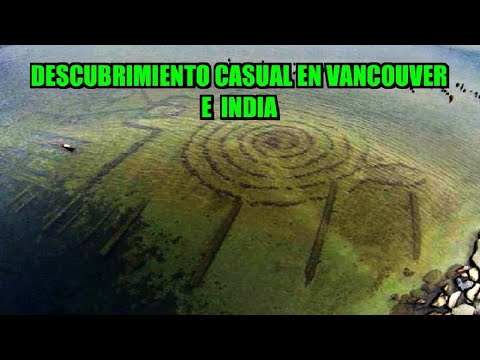
Drone Footage Reveals Ancient Submerged City in India and Mysterious Petroglyph Under Canadian Lake


Introduction: Anomalous Findings

The lines between the known and the unknown are constantly being redrawn, often by accident. Sometimes, the most profound discoveries are not the result of meticulous planning but of serendipitous observation. Today, we open an inquiry into two such events: a baffling petroglyph discovered beneath the placid surface of a Canadian lake and the stunning revelation of an ancient city submerged off the coast of India. These are not mere curiosities; they are potential threads that could unravel our understanding of history and human civilization.

The advent of advanced drone technology has, undeniably, revolutionized exploration, allowing us to peer into environments previously inaccessible. But what happens when these advanced tools stumble upon evidence that challenges established timelines and historical narratives? We are tasked with sifting through the initial reports, analyzing the scant information available, and exploring the implications of these submerged mysteries. This isn't about sensationalism; it's about applying rigorous analysis to anomalies that beg for explanation.

The Canadian Lake Petroglyph: An Underwater Enigma

Reports indicate that during a routine aerial survey using advanced drone technology over a Canadian lake, an unexpected geological or archaeological anomaly was captured. What appeared initially as an unusual rock formation was later identified, upon closer inspection of the footage, as a distinct petroglyph. The implications are staggering. Petroglyphs, by definition, are ancient art etched into rock formations, typically found in terrestrial locations. Discovering one submerged beneath the water raises immediate questions: How old is it? Who created it? And crucially, how did it end up underwater?

The current geological understanding of the region suggests significant changes in water levels over millennia, but the preservation and distinctness of an underwater petroglyph of this nature are uncommon. Initial analyses, often based on grainy drone footage, can be prone to misinterpretation. Pareidolia, the psychological phenomenon where the mind perceives a familiar pattern where none exists, is a constant specter in such cases. However, if the initial reports hold true, this glyph could represent a culture that existed during a vastly different hydrological period for the lake and surrounding area. Further investigation would require advanced sonar mapping and potentially underwater archaeological teams to confirm its authenticity and context. The cost of deploying such specialized equipment for what might be a natural anomaly is a significant hurdle, a factor that often allows such mysteries to persist.

The Indian Submerged City: Echoes of Lost Civilizations

Parallel to this Canadian discovery, though perhaps more widely publicized due to the scale of the find, is the evidence of an ancient submerged city off the coast of India. Again, drone technology played a pivotal role in bringing this anomaly to light. Images and video captured from above the water revealed distinct structural patterns on the seabed, patterns that strongly suggest man-made constructions. These are not scattered ruins but appear to form coherent city layouts, complete with what look like walls, foundations, and even potential street systems.

"The sheer scale of these submerged structures suggests a civilization of considerable magnitude, predating many of our accepted historical timelines for advanced urban development in the region."

The significance of submerged archaeological sites cannot be overstated. They offer a unique, time-capsule-like glimpse into past societies, preserved from terrestrial erosion and human interference. The challenge, as always, lies in dating these structures accurately and connecting them to known historical periods or, perhaps, to previously unknown ones. Theories abound, ranging from catastrophic seismic events and subsequent sea-level rise to mythical lost lands submerged by divine wrath. The lack of extensive academic excavation and peer-reviewed data in the immediate aftermath of such drone discoveries often leaves a void that is quickly filled by speculation and conjecture. This is where the empirical method must take precedence over narrative.

Analysis of Evidence: Drone Technology and Ancient Discoveries

The role of drones in modern archaeology and paranormal investigation is transformative. These aerial platforms, equipped with high-resolution cameras, thermal imaging, and even LIDAR, can survey vast areas quickly and cost-effectively, identifying features that might elude traditional ground exploration. However, this technological leap also introduces new challenges.

Firstly, interpreting aerial or underwater imagery requires specialized training. What appears to be an artificial structure from a drone's perspective might be a natural geological formation. The data captured is indirect, requiring sophisticated analysis to discern authenticity. Secondly, the very speed of discovery can outpace the rigorous process of scientific verification. A compelling drone image can go viral, sparking intense public interest before archaeologists or historians have had a chance to examine the evidence in situ. This often leads to a cycle of hype and disappointment, or worse, the acceptance of preliminary findings as concrete proof.

For the Canadian petroglyph, the key variables are:

  • The clarity and resolution of the drone footage.
  • The geological context of the lakebed.
  • The presence of any corroborating evidence on nearby land.
For the Indian submerged city, the critical factors include:
  • The precise location and depth of the structures.
  • The materials used in construction, allowing for dating.
  • The architectural style, to compare with known ancient Indian civilizations like the Indus Valley.

Historical Implications and Alternative Narratives

Discoveries such as these have a ripple effect far beyond the archaeological community. They challenge our established timelines of human history, potentially pushing back the dates of sophisticated urban planning and artistic expression. For proponents of alternative history and ancient astronaut theories, these findings are often seen as vindication. They are interpreted as evidence of advanced civilizations that existed far earlier than commonly accepted, perhaps even possessing technologies or knowledge beyond our current comprehension.

The "lost civilization" narrative is a powerful and enduring archetype. Whether it's Atlantis, Lemuria, or hypothetical pre-Indus Valley urban centers, the idea that advanced societies existed and then vanished due to cataclysmic events captures the imagination. These submerged findings provide fertile ground for such speculation. However, it is crucial to maintain a critical distance. While the possibility of unknown ancient civilizations is a valid avenue of inquiry, the immediate leap to extraterrestrial intervention or lost super-technology without concrete, peer-reviewed evidence is premature. The scientific method demands that we exhaust all plausible terrestrial explanations first. The debate often hinges on the interpretation of "evidence." For some, a few geometric patterns on the seabed are proof of ancient cities; for others, they are merely intriguing geological features awaiting further study.

Investigating such claims requires more than just drone footage. It necessitates detailed sonar scans, sediment core analysis, and potentially controlled dives for sample collection. These methods, while expensive and time-consuming, provide the empirical data needed to move from speculation to factual understanding. The push to monetize such discoveries through sensationalized media, before proper scientific protocols are followed, often muddies the waters, making it harder to discern genuine anomalies from mere speculation.

Investigator's Verdict: Beyond the Ordinary

Based on the initial reports and the inherent nature of these discoveries, I must classify both the Canadian petroglyph and the Indian submerged city as phenomena that, at this preliminary stage, defy conventional explanation. The possibility of natural geological formations or misinterpretations of drone footage cannot be dismissed out of hand. However, the descriptions of distinct petroglyphic shapes and coherent urban layouts are significant enough to warrant deeper investigation.

The skepticism surrounding such finds is not a dismissal of mystery; it is a necessary safeguard. The history of archaeology and paranormal research is littered with cases that were initially hailed as revolutionary, only to be later debunked as hoaxes or natural occurrences. Yet, it is precisely these anomalous cases that push the boundaries of our knowledge. The key lies in the methodology. If these are indeed artificial constructs, they represent a profound challenge to our understanding of ancient human capabilities and migrations. The evidence, as presented, is tantalizingly suggestive but lacks the conclusive proof—dating, materials analysis, clear context—that would satisfy stringent academic scrutiny.

Therefore, while I remain open to the extraordinary implications, my verdict is one of cautious intrigue. These are not yet definitive proofs of lost civilizations, but they are compelling anomalies that demand more than cursory dismissal. They highlight the efficacy of new technologies in uncovering hidden histories, and the perpetual human drive to find order and meaning in the profound depths of our planet.

Investigator's Archive

To delve deeper into the mysteries of submerged history and anomalous archaeology, consult these resources:

  • "The Hidden History of the Human Race" by Michael Cremo: Explores evidence of advanced ancient civilizations that challenge mainstream timelines. (Amazon Link)
  • "Atlantis: The Lost Continent Finally Found" by Dr. Charles Bertrand: While speculative, it delves into underwater archaeology and the potential for lost oceanic civilizations.
  • Documentaries on Indus Valley Civilization: Search for reputable documentaries detailing the advanced urban planning of cities like Mohenjo-daro, to draw parallels with submerged discoveries.
  • "Earth's Hidden Histories: Investigating the Unexplained" (Various Authors): A compilation of cases exploring anomalous discoveries that challenge conventional narratives.
  • Reputable Archaeological Journals: Publications such as Antiquity or the Journal of Archaeological Science often feature articles on underwater archaeology and newly discovered sites, albeit often with more conventional interpretations.

Frequently Asked Questions

Q1: Are these discoveries definitively proof of lost civilizations?

No. While suggestive, the evidence presented through initial drone footage lacks the rigorous scientific verification (dating, context, material analysis) required to definitively prove the existence of lost civilizations. Natural geological formations or misinterpretations are plausible explanations that must be ruled out.

Q2: How can drone technology be used in underwater archaeology?

Drones equipped with specialized sonar and high-resolution cameras can map underwater terrain, identify potential structures, and provide visual data of submerged sites. They offer a cost-effective and less invasive preliminary survey method compared to traditional underwater expeditions.

Q3: What are the main challenges in verifying underwater discoveries?

The primary challenges include the cost and complexity of underwater exploration, the difficulty in accurately dating submerged artifacts and structures, the potential for natural formations to mimic artificial ones, and the need for extensive corroborating evidence to move beyond speculation.

Q4: Could these discoveries be related to ancient astronaut theories?

While some individuals interpret such finds through the lens of ancient astronaut theories, there is no concrete evidence to support this. Scientific investigations focus on terrestrial explanations and the capabilities of ancient human civilizations. Extraordinary claims require extraordinary evidence.

Your Field Mission

The world beneath the waves and beyond our established historical maps is vast and largely unexplored. Your mission, should you choose to accept it, is to become a more discerning observer of such phenomena.

  1. Research Existing Submerged Sites: Investigate known submerged archaeological sites around the world (e.g., Yonaguni Monument in Japan, Dwarka in India, Port Royal in Jamaica). Analyze the evidence presented and the scientific consensus (or lack thereof) for each. Compare their characteristics to the descriptions of the current discoveries.
  2. Critically Evaluate Drone Footage: When you encounter drone footage claiming anomalous discoveries, pause. Ask yourself: What are the potential natural explanations? Is the resolution high enough to discern true detail? Who is presenting the evidence, and what is their agenda?
  3. Document Your Local Anomalies: Every region has its local legends, unusual geological formations, or unexplained historical footnotes. Using your critical thinking skills and perhaps even your own amateur drone footage (where permissible and safe), document and analyze a local anomaly. Share your findings and your analytical process, even if it leads to a mundane explanation. The rigor of the investigation is paramount.

The pursuit of truth requires diligence, critical thinking, and a willingness to question both the accepted narratives and sensational claims. The depths of our planet and the annals of history still hold profound secrets, and it is through careful investigation that we may one day bring them to light.

alejandro quintero ruiz is a veteran field investigator dedicated to the analysis of anomalous phenomena. His approach combines methodological skepticism with an open mind to the inexplicable, always seeking the truth behind the veil of reality.

Agujeros de Gusano Sobre Canadá: Análisis del Fenómeno OVNI y Teorías Alternativas


Introducción: El Cielo de Canadá Bajo Observación

El cielo nocturno, ese vasto lienzo de misterio, ha sido testigo de incontables relatos de lo inexplicable. Sin embargo, ciertos eventos desafían las convenciones a tal punto que obligan a una reevaluación de nuestra comprensión de la realidad. Este es el caso de una serie de imágenes y grabaciones que emergieron de Canadá Occidental, documentando una anomalía aérea de proporciones asombrosas. Un estallido de luz, una espiral que desafía la física convencional y una desaparición abrupta. ¿Estamos ante la evidencia de tecnología desconocida, fenómenos naturales aún no catalogados, o algo que trasciende nuestra actual capacidad de entendimiento? Hoy, abrimos el expediente #007-CAN-SPIRAL para desentrañar los hilos de este enigma.

Análisis Fotográfico y Videográfico: La Evidencia Visual

La serie de fotografías y videos publicados, presuntamente capturados por cámaras de theweatherchannel.com, presenta elementos que provocan un análisis riguroso. La primera impresión es la de una luz penetrante, un destello que ilumina el cielo en horas de madrugada, una señal de que algo inusual está sucediendo. Sin embargo, el punto focal de este evento es la formación de una espiral. Las imágenes sugieren una estructura aérea que se retuerce sobre sí misma, emanando una luz intensa. La descripción de una "desaparición misteriosa" tras el destello y la formación de la espiral añade una capa de intriga. Descartar estas imágenes como meros artefactos o engaños requiere un examen detallado de su autenticidad y contexto. La consistencia en los reportes visuales y testimoniales es, por sí sola, una pieza de evidencia que no puede ser ignorada en una investigación seria. La calidad de las grabaciones nos obliga a preguntarnos: ¿qué tecnología fue capaz de capturar este fenómeno con tal claridad?

"Las cámaras meteorológicas están diseñadas para capturar patrones climáticos vastos, no para ser telescopios de alta resolución. Si una espiral luminosa fue registrada, es porque algo rompió el patrón esperado. La pregunta es qué."

Hipótesis HAARP: La Manipulación Atmosférica

Una de las teorías que inevitablemente surge ante fenómenos aéreos de gran escala y naturaleza energética es la implicación del HAARP (High-frequency Active Auroral Research Program). Si bien su propósito oficial es el estudio de la ionosfera, las especulaciones sobre su capacidad para manipular el clima o incluso crear fenómenos atmosféricos artificiales son persistentes. Una espiral luminosa podría, teóricamente, ser el resultado de la emisión de ondas de alta frecuencia focalizadas en la atmósfera superior. La concentración masiva de energía podría interactuar con partículas atmosféricas, creando efectos visuales anómalos. Sin embargo, la escala de tal evento y su aparición repentina y desaparecida plantean preguntas sobre la viabilidad y el propósito de una operación de HAARP de esta magnitud. ¿Por qué generar una espiral visible a simple vista y luego que desaparezca sin dejar rastro discernible? La falta de transparencia histórica en torno a actividades militares y de investigación avanzada abre una puerta, por pequeña que sea, a esta posibilidad. Es crucial investigar los registros de actividad de HAARP en la región y fecha del avistamiento, si están disponibles públicamente, para intentar correlacionar datos.

Teoría Extraterrestre: ¿Contactos o Interferencias?

La naturaleza misma del fenómeno —una luz inexplicable seguida de una formación geométrica anómala y una desaparición súbita— encaja perfectamente en el arquetipo de los avistamientos OVNI. La hipótesis extraterrestre sugiere que podríamos estar presenciando tecnología de origen no humano. Una espiral podría ser una manifestación de un campo de energía, una puerta de entrada interdimensional o incluso una forma de propulsión desconocida. El concepto de "agujero de gusano" en la ciencia ficción a menudo implica distorsiones espaciotemporales, y visualmente, una espiral podría ser una representación de tal fenómeno. La pregunta fundamental aquí es si esta tecnología está siendo utilizada para observar, interactuar o simplemente transitar por nuestro espacio aéreo. La falta de evidencia concluyente, como restos de naves o contacto directo, mantiene esta teoría en el terreno de la especulación, pero la persistencia de estos reportes a lo largo de décadas exige consideración seria. Para profundizar en la perspectiva de la ufología, recomiendo consultar estudios de casos clásicos y los trabajos de investigadores pioneros como J. Allen Hynek.

Fenómenos Naturales Alternativos: ¿Una Explicación Convencional?

Antes de saltar a conclusiones extraordinarias, la metodología de investigación nos obliga a explorar explicaciones más mundanas. ¿Podría una espiral luminosa ser un fenómeno natural mal interpretado? Las auroras boreales, si bien espectaculares, suelen tener formas más difusas y colores característicos. Tormentas eléctricas con descargas de energía inusuales podrían generar destellos, pero una espiral organizada es difícil de explicar. Algunas teorías marginales sugieren fenómenos ópticos atmosféricos raros, o incluso el impacto de meteoros de composición anómala. La posibilidad de que sea un reflejo de la propia cámara o una manipulación de la imagen también debe ser considerada, especialmente si las fuentes originales no son completamente verificables. Sin embargo, la descripción de una "desaparición misteriosa" sugiere una actividad que va más allá de un simple fenómeno lumínico pasajero. La clave está en la fiabilidad de los testigos y la integridad de las grabaciones. Si las cámaras de theweatherchannel.com capturaron esto, la evidencia debería ser verificable y reproducible bajo condiciones similares, algo que hasta ahora no se ha demostrado.

Veredicto del Investigador: La Verdad Entre el Ruido Blanco

Tras un análisis preliminar de la evidencia disponible, mi veredicto se inclina hacia la cautela, pero con una puerta abierta al misterio genuino. Las imágenes y videos, si son auténticos y no manipulados, presentan un fenómeno visual anómalo que desafía las explicaciones más sencillas. La hipótesis de HAARP, aunque atractiva por su componente tecnológico, carece de pruebas concretas que la vinculen directamente a este evento específico, más allá de la especulación general sobre sus capacidades. La teoría extraterrestre, si bien es la que más resuena con la naturaleza del evento, se mantiene como una interpretación de datos insuficientes. Los fenómenos naturales convencionales, pese a ser la explicación más probable en muchos casos de ovnis, no parecen explicar completamente la formación y desaparición de una espiral luminosa organizada. Mi hipótesis de trabajo, basada en años de desclasificar informes de campo, es que estamos ante un evento que podría ser una manifestación de tecnología de vanguardia (humana o no), o un fenómeno atmosférico natural extremadamente raro, cuya comprensión científica aún se nos escapa. La falta de datos adicionales, como lecturas de EMF o testimonios más detallados sobre la duración y trayectoria exacta, dificulta una conclusión definitiva. Este caso, como muchos otros, permanece en una zona gris, esperando más información para ser clasificado en el archivo de lo inexplicable o de lo científicamente explicable.

El Archivo del Investigador

Para aquellos que desean profundizar en la naturaleza de estos fenómenos y las metodologías de investigación, recomiendo los siguientes recursos que han sido fundamentales en mi propia trayectoria:

  • Libro: "Passport to Magonia" por Jacques Vallée. Explora la conexión entre ovnis y folklore, ofreciendo una perspectiva antropológica invaluable.
  • Documental: "The Phenomenon". Un análisis exhaustivo de la historia del fenómeno OVNI, con entrevistas a testigos y ex-funcionarios gubernamentales.
  • Plataforma: Gaia. Ofrece una vasta colección de documentales y series sobre misterios, conspiraciones y fenómenos paranormales. Sus investigaciones sobre instalaciones subterráneas y tecnología avanzada son particularmente relevantes.
  • Investigador: Los trabajos de John Keel, especialmente sobre la "Dimensión Desconocida" y la naturaleza de los "hombres de negro", ofrecen un marco teórico para entender la complejidad de estos encuentros.

Protocolo de Investigación: Verificación de Anomalías Aéreas

Cuando nos enfrentamos a reportes de anomalías aéreas como la espiral canadiense, un protocolo de investigación riguroso es esencial para separar los hechos de la ficción:

  1. Verificación de Fuentes: ¿Quién publicó la información? ¿Cuál es la reputación de la fuente (theweatherchannel.com en este caso, que es una fuente meteorológica fiable)? ¿Existen múltiples fuentes independientes que reportan el mismo fenómeno?
  2. Análisis Forense de Medios: Examinar las fotos y videos en busca de signos de manipulación digital (artefactos de compresión, inconsistencias de luz, bordes extraños). Herramientas de metadatos (EXIF) pueden revelar detalles sobre la cámara y la hora de captura, si están disponibles.
  3. Correlación Temporal y Geográfica: Investigar si hubo eventos anómalos simultáneos o cercanos: actividad sísmica inusual, experimentos militares o científicos en la zona (como HAARP), o reportes de otros fenómenos inexplicables en esa misma noche.
  4. Análisis Testimonial: Si hay testigos, recopilar sus relatos de forma individual para evitar la contaminación de la memoria. Buscar consistencias y discrepancias en las descripciones.
  5. Descarte de Explicaciones Mundanas: Investigar activamente explicaciones convencionales antes de considerar las extraordinarias: fenómenos atmosféricos conocidos (auroras, nubes lenticulares, rayos globulares), aeronaves convencionales o experimentales, drones, satélites, reflejos, o incluso engaños deliberados.
  6. Búsqueda de Datos Instrumentales: ¿Existen registros de EMF, infrarrojos, o infrasonidos de la zona durante el evento? Estos datos pueden ser cruciales para caracterizar la naturaleza del fenómeno.

Este protocolo, aunque básico, sienta las bases para una investigación profesional y minimiza el sesgo.

Preguntas Frecuentes

¿Es la espiral de Canadá un fenómeno OVNI confirmado?

Hasta la fecha, el evento no ha sido oficialmente clasificado como un OVNI confirmado por ninguna autoridad aeronáutica o científica relevante. Permanece como un reporte de anomalía aérea no identificada.

¿Podría ser un engaño o un error de la cámara?

Siempre existe la posibilidad de un engaño o un artefacto de cámara. Sin embargo, la aparición en medios con reputación como theweatherchannel.com y la naturaleza del fenómeno sugieren que la investigación seria debe considerar la evidencia presentada.

¿Qué relación tiene HAARP con los OVNIs?

La relación es especulativa. HAARP es una instalación de investigación ionosférica; las teorías conspirativas sugieren usos ocultos, incluyendo la manipulación del clima o la creación de fenómenos artificiales que podrían ser malinterpretados como OVNIs.

Conclusión y Tu Misión de Campo

El cielo de Canadá ha presentado un enigma visual que desafía nuestras explicaciones convencionales. La espiral luminosa observada en la madrugada es un recordatorio de que, incluso en una era de información digital, permanecemos a menudo al borde de lo desconocido. Ya sea una manifestación de tecnología avanzada, un fenómeno natural extremo, o una interacción de naturaleza aún más profunda, este evento subraya la imperiosa necesidad de una investigación continua y abierta. La verdad, como siempre, se esconde en los detalles y en la voluntad de buscar más allá de la superficie.

Tu Misión: Contribuye al Expediente Colectivo

Ahora es tu turno. Investiga si existen otros reportes similares de espirales luminosas en otras partes del mundo o en fechas diferentes. ¿Puedes encontrar datos adicionales o análisis de este evento en particular? Comparte tus hallazgos, tus teorías o cualquier evidencia adicional que encuentres en los comentarios. Tu contribución podría ser la pieza que falta para entender este misterio.

Sobre el Autor

alejandro quintero ruiz es un veterano investigador de campo dedicado al análisis de fenómenos anómalos. Su enfoque combina el escepticismo metodológico con una mente abierta a lo inexplicable, buscando siempre la verdad detrás del velo de la realidad.