Followers

Mostrando las entradas con la etiqueta curses. Mostrar todas las entradas

Forbidden Treasures of Tutankhamun's Tomb: The 3,000-Year

Image

A tomb sealed for over three millennia... a pharaoh shrouded in secrets that defied history. This investigation delves into the hidden mysteries surrounding the discovery of Tutankhamun: missing artifacts, secret chambers, alleged curses, and seemingly impossible technologies. What did Egypt truly intend to conceal beneath the sands for 3,000 years?

The Unearthing of the Boy King

The discovery of Tutankhamun's tomb in November 1922 by Howard Carter remains one of archaeology's most sensational moments. For centuries, the resting place of the young pharaoh was lost to time and the shifting sands of the Valley of the Kings. Its near-perfect preservation offered an unprecedented glimpse into the opulent world of ancient Egypt, a treasure trove of unimaginable value and historical significance.

However, the sheer volume and the unique nature of the artifacts were only the beginning of the enigma. Carter's meticulous documentation, while invaluable, also hinted at discrepancies – items cataloged that later seemed to vanish, and whispers of chambers not initially revealed. The initial narrative of a straightforward discovery began to fray, replaced by speculation and persistent rumors.

Recommended Gear for Investigation

ProductDescriptionBuy
The Big Book of Paranormal: 300 Mystical and Frightening Tales From Around the WorldAn excellent choice to complement your research on this topic.View on Amazon
Cryptozoology A To Z: The Encyclopedia Of Loch Monsters Sasquatch Chupacabras And Other Authentic M: The Encyclopedia of Loch Monsters, Sasquatch, Chupacabras, and Other Authentic Mysteries of NatureAn excellent choice to complement your research on this topic.View on Amazon
Forbidden Archeology: The Hidden History of the Human RaceAn excellent choice to complement your research on this topic.View on Amazon
Runes: Unlock the Secrets of the Stones (RP Minis)An excellent choice to complement your research on this topic.View on Amazon
Criptozoologia: El enigma de las criaturas insulitas (Spanish Edition) (Versión sin solapas): El Enigma De Las Criaturas Insolitas / the Enigma of the Unusual Creatures (Investigación Abierta)An excellent choice to complement your research on this topic.View on Amazon
The H. P. Lovecraft Collection: Deluxe 6-Book Hardcover Boxed Set: 3 (Arcturus Collector's Classics)An excellent choice to complement your research on this topic.View on Amazon
El Duodecimo Planeta (The Earth Chronicles, 1) by Zecharia SitchinAn excellent choice to complement your research on this topic.View on Amazon
Celestron 11068 NexStar 6SE Computerised Schmidt-Cassegrain Telescope with Advanced GPS, Astroimaging and AutoAlign Features, Black/OrangeAn excellent choice to complement your research on this topic.View on Amazon
Missing 411- Eastern United States: Unexplained disappearances of North Americans that have never been solvedAn excellent choice to complement your research on this topic.View on Amazon
Ghost-Hunting For Dummies [Idioma Inglés] An excellent choice to complement your research on this topic.View on Amazon

Phantom Artifacts and Disappearances

One of the most persistent threads in the Tutankhamun mystery involves artifacts that seemingly materialized and then dematerialized from official records. Early inventories and Carter's own notes mention numerous objects, some of which are not present in the widely published catalogs of the tomb's contents. This has fueled theories ranging from outright theft by tomb robbers to deliberate omissions by the archaeological team or Egyptian authorities.

Consider the case of the famous "13th Osirian statue." While Carter's team photographed twelve statues guarding the antechamber, his private diaries and certain early accounts reference a thirteenth, conspicuously absent from later publications. Was this an anomaly in documentation, or does it point to a hidden compartment or an item of such sensitive nature that its removal was deemed necessary?

"The sheer scale of the find was overwhelming. In the initial chaos of documentation, minor discrepancies are almost inevitable. However, the pattern of alleged disappearances, particularly concerning items of potentially unusual significance, demands rigorous scrutiny." - Alejandro Quintero Ruiz

Further complicating matters are the alleged "phantom artifacts" – items reportedly seen or documented by witnesses or early researchers that never made it into any official record. These accounts, often dismissed as folklore or misinterpretations, gain traction when considered alongside the more concrete evidence of catalog discrepancies. The implications are profound: if items of significant historical or technological value were removed, what does that say about the true nature of Tutankhamun's legacy?

The pressure to bring such a monumental discovery to light, coupled with the political climate of Egypt at the time, may have created an environment where certain inconvenient truths were suppressed. The quest to understand these missing pieces continues, fueled by the tantalizing possibility that the tomb held more secrets than the world was allowed to know. The ongoing research into ancient Egyptian artifacts, including the comprehensive cataloging efforts at institutions like The Metropolitan Museum of Art, seeks to reconcile these discrepancies.

The Whispers of the Curse

No discussion of Tutankhamun is complete without addressing the infamous "Curse of the Pharaohs." The narrative gained traction following the deaths of several individuals connected to the tomb's excavation, most notably Lord Carnarvon, who died of an infected mosquito bite shortly after the tomb's opening. Sensationalist journalism of the era seized upon these deaths, weaving tales of ancient retribution against intruders.

While skeptics rightly point to the high mortality rates in tropical climates and the inherent risks of the profession, the sheer coincidence of multiple deaths, including Carnarvon's, fueled a potent narrative. Some researchers suggest that the "curse" was, in part, a deliberate fabrication or exaggeration. The motive? To deter further looting and to protect the sanctity of the tomb and its contents from prying eyes, especially those of rival treasure hunters or tomb robbers.

It's a strategy as old as civilization itself: leveraging fear and superstition for practical ends. If the legend of a deadly curse could keep unauthorized individuals away, it served the purpose of preserving the site. Later investigations into ancient Egyptian curses have explored the possibility of both genuine symbolic warnings and manufactured deterrents.

"The 'curse' served a dual purpose: a genuinely frightening prospect for the superstitious masses, and a convenient explanation for the authorities to control access and potential leaks concerning the excavation's more sensitive findings." - Alejandro Quintero Ruiz

The psychological impact of such a narrative is undeniable. It casts a long shadow over the discovery, complicating efforts to separate historical fact from sensationalized myth. Even today, the allure of the curse draws attention, albeit tinged with a modern understanding of epidemiological risks versus supernatural intervention.

Enigmatic Technologies and Hidden Chambers

Beyond missing artifacts and spectral curses, the controversy surrounding Tutankhamun's tomb extends to specific objects that hint at a level of technological sophistication far beyond what is commonly attributed to ancient Egypt. The famous "Tutankhamun's Dagger," crafted from meteoric iron, is a prime example. Analysis has confirmed its extraterrestrial origin, raising questions about how ancient Egyptians acquired and worked with such advanced materials.

Furthermore, the tomb's layout itself has been a subject of intense debate. In recent years, advanced scanning technologies, including ground-penetrating radar, have been employed to search for hidden chambers. Initial radar scans suggested the presence of voids behind the north and west walls of Tutankhamun's burial chamber, leading to speculation about undiscovered rooms containing further secrets, possibly related to Nefertiti or other members of the royal family.

While subsequent scans have yielded more ambiguous results, the possibility of hidden spaces remains a tantalizing prospect. Such chambers could potentially hold artifacts or records that shed light on the discrepancies noted by Carter or explain the advanced nature of certain tomb items. The quest for these hidden spaces mirrors ongoing efforts in modern archaeology to uncover the secrets of other ancient sites, such as those cataloged in the field of advanced archaeology.

These enigmas – the meteoric dagger, the potential for hidden chambers – push the boundaries of our understanding. They force us to confront the possibility that ancient civilizations possessed knowledge and capabilities that have been lost or deliberately obscured. Examining such anomalies requires an open mind, a willingness to question established timelines, and a deep dive into historical records, much like analyzing the evidence in cases of ancient technology.

Egypt's Reticence: The Real Motive?

Why the alleged secrecy? If Egypt, or the powers that be at the time, did indeed withhold certain information or artifacts from Tutankhamun's tomb, what was the driving force? Several theories emerge, each with its own plausible, yet unproven, basis.

One prominent theory suggests that certain artifacts revealed a level of technological advancement or astronomical knowledge that would fundamentally alter our understanding of ancient history. Perhaps these items pointed towards extraterrestrial contact, a lost civilization, or an understanding of physics and engineering far beyond what Egyptologists currently accept. Revealing such evidence could destabilize established paradigms, leading to a deliberate decision to suppress it.

Another possibility is political. The discovery of Tutankhamun's tomb occurred during a period of burgeoning Egyptian nationalism. The artifacts represented not just historical treasures but potent symbols of national identity and heritage. It's conceivable that certain items deemed too controversial, too sensitive, or too valuable by the Egyptian Supreme Council of Antiquities were retained or classified to maintain control over the national narrative and historical narrative.

Finally, there's the simpler, yet still significant, motive of preventing the plundering of the most valuable artifacts. In an era where international repatriation laws were less defined and the black market for antiquities was rife, classifying or even "losing" certain items might have been seen as the most effective way to secure them from falling into the wrong hands, even if it meant shrouding them in mystery.

Investigator's Verdict: Fraud, Genuine Anomaly, or Something Else Entirely?

After dissecting the evidence, the Tutankhamun mystery presents a complex tapestry of verifiable facts, persistent rumors, and tantalizing possibilities. The notion of outright fraud surrounding the discovery seems unlikely, given the sheer volume of artifacts and the meticulous work of Howard Carter. However, the discrepancies in documentation, the alleged disappearances, and the whispers of hidden chambers cannot be easily dismissed.

The "curse," while a powerful narrative element, likely stems from a combination of coincidence, sensationalism, and potentially, a deliberate myth-making effort to protect the site. The true enigma lies in the artifacts themselves and the potential for undocumented discoveries.

The most compelling theories lean towards a combination of factors: incomplete documentation due to the immense scale and pressure of the excavation, deliberate withholding of certain highly sensitive or technologically advanced items by the Egyptian authorities for reasons of national security, historical revision, or preservation, and the potent influence of superstition and journalism in shaping public perception.

The enduring mystery prompts continued investigation. The possibility of hidden chambers, though debated, remains a tantalizing prospect for future archaeological endeavors. Understanding the full scope of Tutankhamun's legacy may require revisiting the past with new technologies and a critical eye, separating the folklore from the facts, and acknowledging that some secrets may still lie buried, waiting to be uncovered.

The Researcher's Archive

For those seeking to delve deeper into the enigmatic world of Tutankhamun and similar historical mysteries, I recommend the following resources:

  • Documentary: "Tutankhamun: The Last Seal" (Various producers have explored this topic; seek out the most critically acclaimed historical analyses).
  • Book: "The Complete Tutankhamun" by Nicholas Reeves. A comprehensive look at the tomb and its contents.
  • Academic Journal: Publications from archaeological societies focusing on Egyptology and ancient technologies.
  • Online Archives: Digital collections from museums housing Egyptian antiquities, allowing for close examination of documented artifacts.

Equipment Recommended for Investigation

For those inspired to conduct their own field or archival research, the right tools are essential. Understanding the subtle energies and hidden details requires patience and precision. Here are some items that have proven invaluable in my own investigations:

  • Digital Audio Recorders: High-sensitivity recorders are crucial for capturing Electronic Voice Phenomena (EVP).
  • EMF Meters: To detect fluctuations in electromagnetic fields, often associated with anomalous activity.
  • Infrared Cameras: For capturing visual evidence in low-light conditions, revealing phenomena not visible to the naked eye.
  • Historical Archives Access: The ability to research original documents, photographs, and reports is paramount.
  • Geophysical Survey Equipment: For non-invasive subsurface exploration, akin to the radar scans used at Tutankhamun's tomb.

Frequently Asked Questions

What is the most significant artifact found in Tutankhamun's tomb?
While subjective, the iconic gold death mask is arguably the most recognizable and symbolically significant artifact, representing the pharaoh's visage for eternity.
Are there any credible explanations for the "curse"?
The most plausible explanations involve natural causes (infection, disease), coincidental timing, and the psychological impact of sensationalized media reports.
What evidence exists for hidden chambers in the tomb?
Initial radar scans suggested voids, but subsequent studies have provided inconclusive or contradictory results. The possibility remains a subject of debate and ongoing research.
Who was Tutankhamun?
Tutankhamun was an ancient Egyptian pharaoh of the 18th Dynasty, who reigned from approximately 1332 to 1323 BC. He is famous primarily because his tomb was discovered almost intact.

Your Mission: Field Research Protocol

Your Mission, should you choose to accept it: Identify a local historical site, museum archive, or relevant online database. Your task is to cross-reference at least three documented artifacts or events with anecdotal accounts or less-publicized historical records. Document any discrepancies and formulate a hypothesis, however speculative, about potential missing information or suppressed details. Share your findings (or lack thereof) in the comments below. Remember, every piece of data, no matter how small, contributes to the larger puzzle.

The secrets of the past are not always willingly revealed. They require persistence, critical analysis, and sometimes, a willingness to look beyond the official narrative. The case of Tutankhamun's tomb is a stark reminder that history is often written by the victors, and sometimes, heavily edited.

What are your thoughts on the hidden treasures of Tutankhamun? Did the Egyptian authorities conceal vital information? Share your theories and personal experiences with historical mysteries in the comments below. Your insights could be the key to unlocking the next great enigma!

Don't let these mysteries fade into obscurity. Share this investigation on your social media channels and help us bring these hidden truths to light. Follow us for more deep dives into the unexplained.

Investigator's Note: True paranormal research doesn't fund itself. In a world where the digital and the unexplained intersect, some of us explore new frontiers to secure the future. Do you dare to be part of the vanguard? Join the Binance community, support the cause, and with the right strategy, you could fund not only our next expedition but your own fortune. The next great discovery could be just a click away.

Darien Gap: Unveiling the Paranormal Mysteries of the Death

Image

Deep within the impenetrable heart of the Darien Gap, a path whispered about in fearful tones carves its way through ancient, gnarled trees. Here, the rustling leaves are said to carry the echoes of dark sorcery and unspeakable crimes, manifesting as specters that prey upon the unwary. Those who dare traverse this grim corridor confront curses born from a realm where the spectral and the mortal collide. Known colloquially as the "Route of Death," its infamous reputation is etched by tales of shadows coalescing into animate forms, leaving indelible scars upon those who venture into the jungle's enigmatic embrace.

Introduction: The Darien's Dark Reputation

The Darien Gap, a formidable expanse of dense rainforest straddling the border of Panama and Colombia, is more than just a geographical anomaly; it's a crucible of human struggle and a fertile ground for the inexplicable. While often discussed in terms of its logistical challenges for overland travel, a deeper, more sinister narrative permeates its existence. This chronicle delves beyond the tangible dangers, beyond the treacherous terrain and hostile elements, to investigate the persistent whispers of paranormal activity that define its most feared passages.

We are not merely exploring a remote jungle; we are dissecting a legend steeped in fear, folklore, and phenomena that defy conventional explanation. My objective is to analyze the evidence, separate speculation from substantiation, and present a comprehensive dossier on the spectral and occult energies purportedly anchoring themselves to this notorious region.

Recommended Gear for Investigation

ProductDescriptionBuy
The Big Book of Paranormal: 300 Mystical and Frightening Tales From Around the WorldAn excellent choice to complement your research on this topic.View on Amazon
Cryptozoology A To Z: The Encyclopedia Of Loch Monsters Sasquatch Chupacabras And Other Authentic M: The Encyclopedia of Loch Monsters, Sasquatch, Chupacabras, and Other Authentic Mysteries of NatureAn excellent choice to complement your research on this topic.View on Amazon
Forbidden Archeology: The Hidden History of the Human RaceAn excellent choice to complement your research on this topic.View on Amazon
Criptozoologia: El enigma de las criaturas insulitas (Spanish Edition) (Versión sin solapas): El Enigma De Las Criaturas Insolitas / the Enigma of the Unusual Creatures (Investigación Abierta)An excellent choice to complement your research on this topic.View on Amazon
The H. P. Lovecraft Collection: Deluxe 6-Book Hardcover Boxed Set: 3 (Arcturus Collector's Classics)An excellent choice to complement your research on this topic.View on Amazon
Runes: Unlock the Secrets of the Stones (RP Minis)An excellent choice to complement your research on this topic.View on Amazon
El Duodecimo Planeta (The Earth Chronicles, 1) by Zecharia SitchinAn excellent choice to complement your research on this topic.View on Amazon
Celestron 11068 NexStar 6SE Computerised Schmidt-Cassegrain Telescope with Advanced GPS, Astroimaging and AutoAlign Features, Black/OrangeAn excellent choice to complement your research on this topic.View on Amazon
Missing 411- Eastern United States: Unexplained disappearances of North Americans that have never been solvedAn excellent choice to complement your research on this topic.View on Amazon
P-SB7T Spirit Box ITC Rev 7 Research FM/AM Ghost Box PSB7 Radio Paranormal Equipment PSB7T SB7 P-SB7TAn excellent choice to complement your research on this topic.View on Amazon

Historical Context: A Pathway of Peril

The Darien Gap has long been a barrier, not just geographically but culturally and historically. Indigenous tribes have inhabited this region for millennia, their ancestral lands often becoming sites of conflict and sacrifice. Later, colonial powers and modern-day migrants have all attempted to breach this natural fortress, often with tragic outcomes. The layers of history—of conquest, exploitation, and desperate journeys—provide fertile ground for the emergence of hauntings and residual energies.

The "Route of Death" is not a metaphor; it's a grim acknowledgment of the countless lives lost attempting passage. Disease, encounters with hostile wildlife, treacherous terrain, and, according to local lore, more nefarious forces, have claimed an untold number of victims. These unresolved energies, the final moments of terror and despair, are theorized by some parapsychologists to imprint themselves onto the environment, giving rise to phenomena described as hauntings or curses.

Paranormal Phenomena: Shadows and Curses

The folklore surrounding the Darien Gap speaks of shadowy apparitions, disembodied voices, and a palpable sense of being watched. These accounts are not isolated incidents but recurring themes within the local mythology and the fragmented tales of those who have passed through. The alleged phenomena often manifest as:

  • Shadow Figures: Encounters with indistinct, dark shapes that move with unnatural speed or presence. These are often reported in peripheral vision, vanishing when directly observed.
  • Malevolent Curses: A pervasive belief that the land itself harbors ancient curses, possibly stemming from indigenous spiritual practices or the sheer weight of suffering and violence endured by those who have perished here. These curses are said to bring misfortune, illness, or psychological distress to trespassers.
  • Residual Hauntings: The theory that intense emotional events can leave an energetic imprint. The "Route of Death" is rife with potential for such imprints, from violent encounters to the despair of those lost.
  • Psychic Disturbances: Some travellers report overwhelming feelings of dread, paranoia, or sorrow that seem to emanate from the environment itself, far beyond typical anxiety associated with such a dangerous trek.

My research indicates that these descriptions align with phenomena observed in other locations with rich, often tragic, histories. The key is to discern whether these are psychological projections, environmental factors, or genuine manifestations of unexplained energies.

"The trees themselves seemed to watch, their branches like skeletal fingers pointing accusations. You could feel the weight of every soul that had ever fallen in that place. It wasn't just fear; it was a palpable despair that clung to you."

— Reputed account from a contemporary migrant

Firsthand Accounts: Testimonies from the Gap

While empirical, verifiable data is scarce due to the extreme conditions and the nature of the witnesses, a consistent pattern emerges from the anecdotal evidence. Migrants, local guides, and explorers have shared fragmented accounts, often under conditions of duress or exhaustion, that hint at more than mere natural dangers.

These accounts frequently describe:

  • Sudden, inexplicable drops in temperature.
  • The sensation of being touched or pushed by unseen forces.
  • Whispers and voices that seem to come from no discernible source, often in languages unknown or long-forgotten.
  • Visual anomalies, including fleeting figures in the dense foliage or unexplained lights deep within the jungle at night.

The reliability of such accounts is, of course, questionable, influenced by fatigue, fear, and the psychological toll of the journey. However, the recurrence of similar descriptions from disparate individuals warrants deeper investigation.

Investigator's Analysis: Deconstructing the Legend

My approach to the Darien Gap's alleged paranormal activity is grounded in pragmatic parapsychology. While acknowledging the power of suggestion and the psychological impact of extreme environments, I cannot dismiss the consistent thematic elements present in the reports. The "curses" and "ghosts" described may be interpreted through several lenses:

  • Psychological Warfare: The intense stress of the journey could manifest as hallucinations or heightened sensory experiences, amplified by the primal fear evoked by the jungle's isolation and danger.
  • Environmental Anomalies: Certain geological or atmospheric conditions within the dense jungle could create unusual acoustic effects or visual phenomena that are misinterpreted. For instance, specific infrasound frequencies have been linked to feelings of unease and dread.
  • Cultural Archetypes: The stories may be modern manifestations of ancient archetypes and fears regarding the wild and the unknown, projected onto the landscape.
  • Genuine Paranormal Manifestations: The possibility remains that the accumulated trauma and spiritual significance of the Darien Gap have indeed created an environment conducive to genuine paranormal activity, whether residual hauntings or intelligent/interactive entities.

Recommended Equipment for Expeditionary Research

Should an investigator choose to venture into such challenging environments, specialized equipment is paramount. Beyond survival gear, tools for documenting anomalous phenomena are essential:

  • High-Sensitivity Audio Recorders (for EVP): To capture potential disembodied voices or sounds.
  • Infrared/Night Vision Cameras: To document visual anomalies in low-light conditions.
  • EMF Meters: To detect fluctuations in electromagnetic fields, sometimes associated with paranormal activity.
  • Environmental Sensors: To monitor temperature, humidity, and air pressure, helping to rule out environmental causes for subjective experiences.
  • GPS Trackers and Satellite Communication: Essential for navigation and safety in an area with no conventional communication signals.

Investigator's Dossier: Essential Reading

To understand the broader context of paranormal investigation, particularly concerning locations steeped in history and trauma, I recommend the following resources:

  • "The Ghost Hunter's Survival Guide" by Troy Taylor: Offers practical advice for conducting investigations.
  • "Anansi's Goat Man Conspiracy" by J’aime, Kevin, and Kevin Johnson: Explore regional folklore and cryptozoological elements that often intertwine with paranormal beliefs.
  • "Journeys Through the Invisible" by Dr. Raymond Moody: For insights into the nature of consciousness and potential afterlife phenomena.

Frequently Asked Questions

Is the Darien Gap truly impassable?
Geographically, yes, for conventional vehicles. Human passage is possible but extremely dangerous and not officially sanctioned as a travel route.
Are the paranormal claims unique to the Darien Gap?
While the specific folklore is unique, the types of reported phenomena (shadows, curses, residual energy) are consistent with accounts from other historically significant or traumatic locations worldwide.
What is the primary danger for those traversing the Darien Gap?
The primary dangers are extreme environmental conditions, lack of infrastructure, disease, wildlife, and often, human elements such as criminal activity or navigational mishaps. Paranormal accounts are considered secondary by most practical survival assessments.
Can curses be scientifically proven?
Curses, as traditionally understood, fall outside the scope of current scientific validation. Parapsychological research focuses on analyzing reported effects and seeking potential correlations with measurable environmental or psychological factors, rather than validating the supernatural efficacy of a curse itself.

Your Mission: Documenting the Unseen

The Darien Gap remains a frontier, not just geographically but in our understanding of its deeper mysteries. While direct investigation is fraught with peril, the principles of observation and documentation are universal. If you encounter tales or unexplained phenomena related to such remote locations, approach with critical analysis:

Your Mission:

Document and Analyze: When encountering stories of the paranormal, particularly in regions with intense histories like the Darien Gap, practice critical observation. Note recurring themes, specific details, and potential environmental or psychological factors. Compare these accounts with established parapsychological frameworks. Your role as an investigator is to dissect, not merely to accept. Share your insights, but support them with reasoned analysis.

The truth is rarely simple, and the shadows of forgotten places often hold more than just local legends.

What are your thoughts on the paranormal phenomena reported in remote, dangerous regions? Share your personal experiences or theories in the comments below. If this analysis has piqued your curiosity, please share it across your platforms to help us bring more unexplained cases to light. Don't forget to follow for more deep dives into the world's most baffling mysteries.

Investigator's Note: True paranormal research doesn't fund itself. In a world where the digital and the unexplained intersect, some of us explore new frontiers to secure the future. Do you dare to be part of the vanguard? Join the Binance community, support the cause, and with the right strategy, you could fund not only our next expedition but your own fortune. The next great discovery could be just a click away.
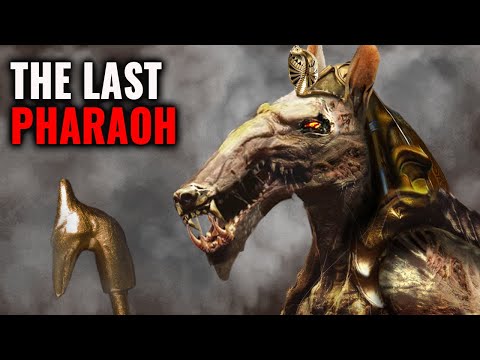
Egypt's Dark Age: 10 Terrifying Secrets Unearthed from the Sands of Time


Introduction: Echoes from the Shadowed Past

Welcome, seeker of the arcane. You've arrived at the threshold of a historical abyss, a period deliberately obscured, a time when Egypt's grandeur was overshadowed by whispers of forbidden practices and palpable dread. This isn't a mere historical recount; it's an excavation into the psychological and potentially paranormal undercurrents of what scholars term Egypt's "Dark Age." The common narrative focuses on dynastic shifts and socio-political instability, but what if the true terror lay not in the rise and fall of kings, but in activities that defied natural law? Today, we pry open these sarcophagi of secrets, not with a trowel and brush, but with a critical eye and an open mind, seeking the verifiable anomalies within the veil of history.

Decoding the Terrors: An Analytical Approach

The term "Dark Age" for ancient Egypt is often a simplification, referring to periods of fragmented rule and reduced monumental construction, particularly after the New Kingdom. However, the absence of grand pyramids and temples doesn't equate to an absence of activity. In fact, these periods can breed fertile ground for the unexplained. Without centralized authority and the strictures of established religion, fringe practices, occult rituals, and anomalous phenomena could flourish in the shadows, leaving behind traces that are difficult to categorize through conventional historical lenses. My approach here is not to sensationalize, but to scrutinize the available, albeit often ambiguous, evidence, seeking patterns that might suggest a paranormal or highly unconventional dimension to these times.

Secret 1: The Curse of the Forgotten Pharaoh

The legend of the pharaoh's curse, often amplified by sensationalized media, is more complex than simple superstition. During periods of upheaval, the tombs of rulers and nobles were frequently plundered. The "curses" inscribed on tomb walls were often deterrents, but what if some were more than mere words? Consider the possibility of intentionally crafted psycho-acoustic deterrents, or substances designed to release harmful agents upon disturbance. From an analytical standpoint, reports of unexplained ailments or misfortune befalling tomb excavators, while prone to confirmation bias, persist across cultures and epochs. Could the "Dark Age" have seen more potent, perhaps even energetically charged, curses designed to protect secrets that were never meant to be unearthed? This requires examining historical accounts of tomb desecration and the alleged consequences, looking for patterns beyond coincidence.

Secret 2: Rituals of the Shadow Priests

While the mainstream priesthood wielded significant power, periods of instability often give rise to esoteric and less orthodox spiritual practices. The "Shadow Priests" are a hypothetical construct, representing those who may have operated outside the established religious hierarchy. These could have been necromancers, sorcerers, or practitioners of chthonic deities. Were there secret rites involving communication with the deceased, attempts to manipulate life forces, or even pacts with entities not recognized by the state religion? Evidence for such practices would likely be cryptic, found in obscure hieroglyphs, fragmented papyri, or the symbolism within hidden chambers. Analyzing these remnants requires an understanding of Egyptian cosmology and a willingness to interpret symbols that may hold deeper, more sinister meanings than conventionally assumed. The acquisition of specialized texts, such as those on Egyptian occultism, is paramount here.

Secret 3: The Whispers from Unhallowed Tombs

Beyond the pharaohs' tombs, countless officials, priests, and commoners were interred. During the Dark Ages, many of these resting places were disturbed, looted, or lost. The concept of the "unhallowed tomb" suggests places where the veil between the living and the dead might have thinned, perhaps due to disturbed spiritual energies or the residual psychic imprint of those buried within. Reports of spectral apparitions, disembodied voices (anomalous audio phenomena or AP), and unexplained cold spots emanating from ancient burial sites are not exclusive to modern ghost hunting. The question is whether the specific conditions of Egypt's Dark Age amplified these phenomena. Analyzing this involves cross-referencing archaeological reports of disturbed tombs with folklore and anecdotal accounts, seeking corroborating evidence of unusual occurrences.

"The silence of the tomb is not always empty. Sometimes, it holds echoes that refuse to fade."

Secret 4: Anomalous Artifacts and Their Origins

Throughout Egypt's history, artifacts have been discovered that defy conventional explanation – objects whose materials, craftsmanship, or inscriptions seem anachronistic. During the Dark Ages, with established workshops and trade routes disrupted, the creation and discovery of such artifacts could have taken on new significance. Were these relics of a lost, advanced technology? Objects imbued with unknown energies? Or perhaps evidence of non-terrestrial interaction? Investigating anomalous artifacts requires rigorous scientific testing, cross-referencing with known archaeological contexts, and consulting experts in ancient metallurgy, cryptography, and even fringe sciences. The challenge lies in separating genuine enigmas from misinterpretations or outright hoaxes, a task demanding a keen investigative toolkit.

Secret 5: The Guardians of Forbidden Knowledge

In many ancient cultures, secret societies or orders were believed to safeguard esoteric knowledge, prophecies, and potentially dangerous truths. Egypt's Dark Age, with its societal fragmentation, might have seen such guardians retreat further into obscurity, protecting their lore from those who would misuse it. These guardians could have been custodians of rituals, ancient texts, or even artifacts with profound implications. Their nature—whether human, spiritual, or something else entirely—remains speculative. However, the persistence of myths about hidden libraries, secret brotherhoods, and guardians of ancient power suggests a deep-seated human fascination with such entities. Analytically, we look for symbolic representations or textual references to individuals or groups who seemed to possess extraordinary insight or influence during these tumultuous times.

Secret 6: Spectral Encounters in Desolate Temples

As empires wane, so too do the temples and religious sites that once teemed with worshippers. Desolate temples from Egypt's Dark Age could have become focal points for residual energy or spiritual activity. The psychological impact of abandoned sacred spaces, combined with the historical events that may have transpired within them—perhaps dark rituals or violent upheavals—could contribute to reported hauntings. Documenting these encounters requires careful site analysis, historical context research, and the application of para-scientific instruments. Understanding the history of a site is key to interpreting any anomalous experiences reported there, differentiating between psychosomatic responses and genuine paranormal phenomena.

Secret 7: The Lost City of Nocturnal Rites

Legends of lost cities are common in archaeology and mythology. During Egypt's fragmented eras, it's conceivable that small communities or cults retreated from the established order, forming hidden enclaves where they practiced their beliefs undisturbed. A "Lost City of Nocturnal Rites" suggests a society that embraced practices tied to the night, possibly involving astronomy, shamanism, or darker, more secretive observances. Identifying such a place, if it ever existed, would require deciphering cryptic geographical clues in ancient texts or finding archaeological evidence of settlements with unusual layouts or ritualistic centers. The difficulty lies in the fact that such places, by their nature, would seek to remain hidden.

Secret 8: The Enigma of the Nameless God

Ancient pantheons were vast, but throughout history, cults and secret societies have often worshipped deities or entities outside the mainstream, sometimes intentionally nameless to preserve their mystery or power. A "Nameless God" from Egypt's Dark Age could represent a primal force, a forgotten aspect of the cosmic order, or even an entity with origins beyond human comprehension. The worship of such a being might involve practices aimed at appeasing or channeling its power, potentially leading to extreme or terrifying outcomes. Analyzing this enigma involves tracing symbolic representations, unusual iconography, and textual fragments that hint at unspeakable powers.

"In the crucible of collapse, the most ancient fears can reawaken."

Secret 9: Poltergeist Activity in Royal Crypts

The concept of poltergeist activity—manifestations attributed to unseen forces, often centered around a person or location—is globally recognized. Applying this to royal crypts during a period of instability offers a chilling perspective. Imagine the residual energy of royal deaths, the trauma of tomb desecration, or the psychic imprint of powerful individuals trapped within their final resting places. Could these factors create an environment conducive to poltergeist phenomena? Investigating such claims requires meticulous examination of historical accounts for any reported instances of object manipulation, disembodied sounds, or unexplained disturbances within these specific locations. While direct evidence is scarce, the potential for residual hauntings or even intelligent interactions cannot be entirely dismissed.

Secret 10: The Unseen Influence on Egyptian Society

Could the paranormal or occult practices of the Dark Age have had a tangible, albeit unseen, influence on the broader Egyptian society? Perhaps through fear, manipulation, or the quiet propagation of esoteric beliefs. This influence might have shaped social structures, artistic expressions, or even the collective subconscious of the populace. It's a subtle yet pervasive form of power that leaves behind few material traces. Analyzing this requires a deep dive into the social and cultural dynamics of the period, looking for evidence of societal anxieties, radical shifts in belief systems, or the subtle infiltration of non-mainstream spiritual ideas. This often involves consulting anthropological studies alongside historical records.

Investigator's Verdict: Separating Myth from Phenomenon

The "Dark Age" of Egypt is intrinsically a period of historical ambiguity, making it a fertile ground for both genuine mystery and elaborate folklore. While definitive proof of paranormal activity during this era remains elusive, the consistent threads of legend—curses, secret rituals, spectral presences, and anomalous artifacts—cannot be wholly dismissed. My analysis suggests that while many tales are embellished embellishments built upon the psychological impact of societal collapse and the fear of the unknown, the sheer volume and persistence of certain motifs warrant further investigation. It is plausible that periods of reduced central control allowed for the experimentation with and practice of what we might now classify as paranormal phenomena, leaving behind subtle clues for those willing to look beyond conventional historical interpretations. The challenge is akin to discerning a phantom whisper in a hurricane of historical data. True phenomenon often hides in plain sight, masked by myth.

The Investigator's Archive

To truly grasp the unsettling depths of Egypt's past, one must consult the foundational texts and documentaries that illuminate these shadowed eras. My personal library includes:

  • "The Rise and Fall of Ancient Egypt" by Toby Wilkinson: Provides essential historical context, highlighting the periods of fragmentation and instability.
  • "Ancient Egyptian Myths and Legends" by Lewis Spence: Explores the rich tapestry of Egyptian folklore, offering insights into beliefs that may have underpinned darker practices.
  • "The Egyptian Book of the Dead" (various translations): A crucial text for understanding funerary rituals, spells, and the ancient Egyptian concept of the afterlife, some of which could be interpreted as paranormal in nature.
  • Documentary Series: "Egypt's Darkest Secrets" (Hypothetical): Such a series, if it existed, would focus on the archaeological and historical evidence of instability and potential occult practices during these eras.

For those seeking to expand their understanding of paranormal investigation techniques, I highly recommend exploring resources on auditory phenomena analysis and electromagnetic field detection, as these tools, while modern, can inform how we might analyze historical claims of spectral presence.

Field Protocol: Documenting Anomalous Findings

When approaching sites or historical accounts with potential paranormal significance, a structured protocol is indispensable. Here’s a streamlined approach:

  1. Historical Contextualization: Thoroughly research the known history of the location or event. Identify periods of conflict, unusual religious activity, or significant societal changes.
  2. Evidence Collection (Indirect): For historical accounts, meticulously document all primary and secondary sources. Note recurring themes, inconsistencies, and specific claims of anomalous events.
  3. Symbolic Analysis: Examine any inscriptions, iconography, or artifacts associated with the period or location. Look for symbols that diverge from mainstream understanding or suggest esoteric meanings.
  4. Geographical and Environmental Assessment: Consider the topography, potential geological anomalies, and any environmental factors that might have influenced beliefs or practices.
  5. Cross-Referencing: Compare findings with similar phenomena reported in other cultures or historical periods. Look for corroborating evidence that transcends local folklore.
  6. Skepticism as a Tool: Always seek naturalistic explanations first. Consider psychological factors, misinterpretations, and deliberate hoaxes before entertaining paranormal hypotheses.

Frequently Asked Questions

Q1: Was the "Dark Age of Egypt" a period of actual darkness or decline?

A1: "Dark Age" is a modern historical designation, typically referring to periods of reduced documentation, political fragmentation, and less monumental construction compared to preceding eras like the New Kingdom. It signifies a decline in centralized power and written records, not necessarily a literal absence of light or activity.

Q2: Are ancient Egyptian curses real phenomena?

A2: While the popular "curse" concept is largely mythologized, ancient Egyptians did utilize inscriptions intended to deter tomb robbers, often invoking divine retribution. The real "phenomenon" likely lies in the psychological impact of these warnings, coupled with unfortunate coincidences or the presence of natural hazards within tombs.

Q3: How can we distinguish between myth and potential paranormal activity in ancient texts?

A3: It requires rigorous historical analysis, cross-referencing multiple sources, identifying recurring patterns that defy simple explanation, and applying a skeptical yet open-minded methodology. We look for anomalies that cannot be easily attributed to natural causes, cultural beliefs, or propaganda.

Conclusion: The Lingering Shadows

Egypt's Dark Age remains a repository of hushed secrets and unresolved mysteries. The lack of definitive evidence does not preclude the possibility that phenomena beyond our current scientific understanding played a role in shaping the narrative of this tumultuous period. Whether through intentional rituals, residual energies, or influences we cannot yet comprehend, the shadows of this era continue to intrigue and disturb. The true power of these secrets lies not just in their potential paranormal nature, but in how they reflect humanity’s enduring fascination with the unknown, the forbidden, and the echoes of what lies just beyond the veil of our perceived reality.

About the Investigator

alejandro quintero ruiz is a veteran field investigator dedicated to the analysis of anomalous phenomena. His approach combines methodological skepticism with an open mind to the inexplicable, always seeking the truth behind reality's veil.

Now, the question for you, the reader: What other secrets lie buried beneath the sands of Egypt, waiting for an investigator with the courage to unearth them? Share your thoughts and potential case leads in the comments below. Your insights might just illuminate the next dark corner of history.

10 of the Scariest Tombs: Unearthing Disturbing Histories and Chilling Discoveries


EXPEDIENT INDEX

Hello and welcome to The Paranormal Corner. Today, we descend into the earth's embrace, where history sleeps uneasily. We're not just looking at burial sites; we're dissecting legends, examining the archaeology of fear, and confronting what lies dormant in the shadow of death. This isn't about jump scares; it's about understanding the psychological weight of mortality and the persistent human fascination with the unknown that lingers in these final resting places.

Introduction: The Lure of the Crypt

Greetings, seekers of the unexplained. I am Alejandro Quintero Ruiz, and my work has taken me through more shadowed crypts and forgotten mausoleums than most people care to imagine. The allure of the tomb is ancient, a morbid curiosity woven into the fabric of human civilization. From the colossal pyramids of Egypt to the intimate burial chambers of forgotten kings, these structures serve not merely as markers of the deceased, but as repositories of history, culture, and, often, whispers of the uncanny. Today, we're not just recounting historical facts; we're performing an autopsy on fear, analyzing the physical remains of human endeavor and the spectral residue that clings to them. Prepare to dust off the layers of time and confront the chilling discoveries that these silent guardians hold.

Tomb 1: The Tomb of Genghis Khan – A Cursed Burial Ground?

The resting place of the legendary Mongol leader, Genghis Khan, is a subject of intense speculation and a potent symbol of a deeply held belief in curses. His final burial site remains undiscovered, a testament to his power and the meticulous efforts to keep it hidden. Legends abound, suggesting that any who stumbled upon the location were systematically eliminated, and the river that flowed over the tomb was redirected to conceal it further. The sheer willpower behind such an undertaking speaks volumes about the perceived dangers associated with disturbing the dead, especially one of Khan's stature. The unanswered question of his tomb's location fuels countless theories, from buried treasures to restless spirits guarding an empire's legacy.
"The body of the Khan is buried within a tomb, but its location is known and the guardians to the tomb are murdered." - A Tibetan historical text, hinting at the extreme measures taken.

This secrecy not only protects Khan's remains but also preserves the mystery. Is it a pragmatic effort to prevent looting, or a carefully constructed legend to protect against spiritual retribution? The lack of definitive evidence forces us to rely on folklore and the potent psychological impact of Khan's historical persona. Investigating such sites requires not just archaeological tools, but a deep understanding of esoteric beliefs and the power of narrative in shaping our perception of the world.

Tomb 2: King Tutankhamun's Tomb – The Pharaoh's Curse

The discovery of Tutankhamun's tomb by Howard Carter in 1922 remains one of archaeology's most sensational moments. However, it was quickly overshadowed by the tragic deaths of several individuals connected to the excavation, most notably Lord Carnarvon, who died from an infected mosquito bite shortly after the tomb's opening. This sparked the legend of the "Pharaoh's Curse," a narrative that captivated the public imagination. While skeptics point to natural causes and the high mortality rates of the era, the sheer coincidence of events fueled the belief that ancient guardians or divine retribution had been invoked.

Analyzing the "curse" requires a critical lens. It's a potent example of how narrative can overshadow scientific investigation. The media frenzy surrounding these deaths, amplified by public fascination with ancient Egypt, solidified the curse into popular culture. From a parapsychological standpoint, the belief in a curse can create a powerful psychosomatic effect, manifesting as heightened anxiety or perceived misfortune among those who are susceptible. For any serious investigator, distinguishing between genuine anomaly and psychological projection is paramount. The study of ancient Egyptian burial rites and their associated protective charms provides a crucial context for understanding the origins of such beliefs.

Tomb 3: The Catacombs of Paris – A City of the Dead

Beneath the bustling streets of Paris lies a vast ossuary, the Catacombs, holding the remains of over six million people. Transferred from overcrowded cemeteries in the late 18th century, these tunnels are meticulously lined with skulls and bones, creating a chillingly organized landscape of death. The sheer scale is overwhelming, forcing an confrontation with mortality on an unparalleled level. Numerous reports of disembodied voices, spectral figures, and feelings of intense dread have long circulated among visitors and urban explorers.

The psychological impact of such an environment is undeniable. The constant presence of human remains, the oppressive darkness, and the labyrinthine nature of the tunnels can easily induce feelings of unease and paranoia. However, some phenomena reported here transcend mere psychological suggestion. The concept of residual hauntings, where strong emotions or traumatic events imprint themselves onto a location, is a frequent explanation offered for the reported paranormal activity. Understanding the history of the Catacombs, including the circumstances of the reinterments and the lives of those interred, provides a crucial backdrop for analyzing these claims. This is a prime example of how human history, when layered densely, can create a potent nexus for anomalous experiences. Those interested in urban exploration and the unseen often find these locations irresistible.

Tomb 4: The Mausoleum at Halicarnassus – A Lost Wonder's Secrets

One of the Seven Wonders of the Ancient World, the Mausoleum at Halicarnassus was a monumental tomb built for Mausolus, a satrap in the Persian Empire. Though largely destroyed by earthquakes over centuries, its scale and grandeur were legendary. The very word "mausoleum" is derived from this structure. While direct paranormal accounts are scarce, the sheer mystique surrounding such a lost wonder, combined with the ancient practices of entombment and veneration, suggests a potential for lingering energies or historical echoes.

The investigation of such sites often involves piecing together fragments of history from archaeological records and ancient texts. The lack of definitive paranormal evidence doesn't negate the possibility; it simply means the phenomena, if they exist, are exceptionally subtle or well-concealed. Modern archaeological techniques, alongside sensitive equipment designed to detect anomalies, could potentially shed light on lingering energetic signatures. The study of ancient wonders often leads to questions about the advanced knowledge and perhaps even spiritual practices of these civilizations.

Tomb 5: The Terrifying Tomb of Emperor Qin Shi Huang – A Realm of Clay Soldiers

Emperor Qin Shi Huang, the first emperor of unified China, commissioned an elaborate mausoleum guarded by thousands of life-sized terracotta warriors. The sheer scale of this army, intended to protect him in the afterlife, is staggering. While the tomb itself remains unexcavated, reportedly due to the presence of mercury rivers and booby traps, the discovery of the warriors has offered a profound glimpse into ancient beliefs about death and the afterlife. The elaborate construction and the thousands of figures suggest a profound belief in the continuation of life and power in the next realm.

The unexcavated tomb presents an immense challenge for investigators. The mercury levels alone highlight the dangers of ancient tomb engineering, which were likely designed not only for security but perhaps as a symbolic representation of the cosmos. The philosophical implications are vast: what spiritual or ritualistic purposes did these elaborate preparations serve? The notion of a protective army for the afterlife speaks to a deep-seated fear of the unknown beyond death, and the desire to maintain control even in the transition. This case underscores the power of archaeological discoveries to reshape our understanding of ancient civilizations and their eschatological views.

Tomb 6: The Mysterious Tomb of Alexander the Great – An Elusive Resting Place

The final resting place of Alexander the Great has been sought for centuries, with historical accounts placing it in various locations, from Alexandria to Babylon and even Venice. Its elusiveness is legendary, fueling endless speculation about its contents and the reasons for its concealment. Theories range from its deliberate hiding by successors to prevent desecration, to claims that it was lost to natural disasters or simply forgotten by time.

The search for Alexander's tomb is more than an archaeological quest; it's a pursuit of a historical enigma wrapped in layers of legend. The possibility that such a significant site remains hidden fuels the imagination about what secrets it might contain. Could there be texts, artifacts, or even spiritual remnants that offer new insights into his life and the world he conquered? The prolonged mystery itself has a certain magnetic pull, suggesting that some historical secrets are perhaps meant to remain buried, preserving their mystique. This is a classic case where historical enigmas invite a wealth of speculative theories, some grounded in fact, others bordering on the fantastical.

Tomb 7: The Tombs of the First Emperors of China – An Elaborate Underground Palace

Beyond Qin Shi Huang, numerous emperors of China were interred in vast, complex mausoleums constructed as miniature underground palaces, designed to provide for their needs in the afterlife. These elaborate complexes, often equipped with burial goods, models of palaces, and even armies of terracotta figures, reflect a profound belief system centered on the continuation of earthly life after death. The immense scale and the resources dedicated to these final resting places underscore the importance placed on ensuring the emperor's comfort and power in the spiritual realm.
"The afterlife was not merely an imagined realm but a tangible continuation of existence, requiring provisions and protection akin to the earthly one." - A principle reflected in the construction of these imperial tombs.

The investigation of these tombs, particularly those still unexcavated, presents significant challenges, similar to Qin Shi Huang's mausoleum. The potential for advanced ancient engineering, including defensive mechanisms and sophisticated preservation techniques, is immense. These sites offer invaluable insights into the cosmology and societal structures of ancient China, demonstrating a complex interplay between power, belief, and the finality of death. Understanding these ancient civilizations requires delving into their most profound expressions of their worldview.

Tomb 8: The Tomb of St. Peter – Unearthing Sacred Relics

The presumed tomb of Saint Peter, located beneath St. Peter's Basilica in Vatican City, is a site of immense religious significance. Archaeological excavations in the 20th century uncovered a 4th-century necropolis and what is believed to be Peter's original burial place, marked by a significant monument. The careful preservation and study of this site represent a unique intersection of faith, history, and archaeology. Reports of spiritual presences or unusual phenomena within the sacred precincts are often interpreted through a lens of profound belief.

The investigation of a site like St. Peter's tomb presents a unique challenge for the pragmatic paranormal investigator. While many perceive the events within as purely miraculous or spiritual, the methodology of verification remains crucial. The undeniable historical and religious weight of the site, combined with centuries of devotion, creates an atmosphere where perceived phenomena can be deeply impactful. Analyzing the historical accounts, documented miracles, and the geological and archaeological findings requires a balanced approach, acknowledging both faith and the possibility of unexplained phenomena. The study of religious sites often involves navigating the interplay between historical fact, spiritual belief, and anecdotal experiences.

Tomb 9: The Tombs of the Knights Templar – Hidden Treasures and Curses

The Knights Templar, a powerful medieval order, are shrouded in mystery, with legends of hidden treasures, secret knowledge, and potent curses associated with their burial sites. While no single definitive tomb exists, numerous historical locations linked to the Templars have been the subject of intense speculation regarding hidden relics, crypts, and even alleged paranormal activity guarding their secrets. The order's abrupt suppression fueled conspiracy theories that persist to this day.

The Templar mystique is a fertile ground for the exploration of ancient mysteries and alleged conspiracies. The idea of hidden knowledge or vast riches guarded by spiritual or physical means taps into a primal fascination with the unknown and the forbidden. Investigating claims related to the Templars requires sifting through centuries of folklore, historical documents, and archaeological findings, often finding a tangled web of fact and fiction. The persistence of these legends speaks to the enduring power of their story and the unresolved questions surrounding their legacy.

Tomb 10: The Tomb of Vlad the Impaler – The Real Dracula's Lair

Vlad the Impaler, the historical figure whose brutal reign inspired Bram Stoker's Dracula, has a final resting place shrouded in uncertainty. While several locations in Romania are claimed to be his tomb, historical consensus points to a monastery on an island in Lake Snagov. Legends of his restless spirit and dark energy surrounding his supposed burial site persist, intertwining historical fact with gothic horror.
"The specter of Vlad the Impaler is said to haunt his resting place, a grim reminder of the terror he once wielded." - A common motif in local folklore.

The case of Vlad the Impaler is a fascinating study in how historical figures can be transmuted into enduring myths. The transition from a brutal prince to a legendary vampire highlights the power of storytelling and cultural interpretation. For investigators, separating the historical facts from the fictional embellishments is crucial. However, the persistent folklore surrounding his tomb suggests a psychological resonance, a lingering echo of the fear he instilled. Examining the historical documents and local legends surrounding his life and death provides a rich tapestry for exploring the nature of folklore and legends. Do you need a ghost hunting kit to explore such legends?

Investigator's Verdict: Echoes from the Depths

The investigation into these ten tombs reveals a common thread: the profound and persistent human need to grapple with death, legacy, and the unknown. While many reported phenomena can be attributed to psychological factors, environmental conditions, or the sheer weight of historical narrative, the consistent recurrence of unsettling claims across disparate cultures and eras demands our attention. The "Pharaoh's Curse," the spectral whispers in the Paris Catacombs, or the persistent legends surrounding Vlad the Impaler are not mere campfire tales. They are cultural artifacts expressing deep-seated anxieties and beliefs about the afterlife.

From a pragmatic standpoint, the lack of definitive, repeatable empirical evidence in most cases means we must maintain a rigorous skepticism. Yet, to dismiss these phenomena outright is to ignore the collective human experience that has given rise to them. The true paranormal investigator seeks not to confirm every legend, but to understand why these stories persist and what they reveal about our deepest fears and hopes concerning mortality and the beyond. These tombs serve as potent focal points for these inquiries, acting as tangible links to the past and enigmas for the future.

The Researcher's Archive

To delve deeper into the mysteries of the afterlife and the phenomena that surround final resting places, consider these foundational resources:
  • Books:
    • "The Mummy's Curse: The True Tragedy of Tutankhamun" by Philip Matthew Rees: A critical examination of the curse narrative.
    • "The Lost Tomb: The Search for Tutankhamun" by Bob Brier: An in-depth look at the discovery and its context.
    • "The Mysteries of the Catacombs" by Robert Louis Stevenson (essays and reflections on the morbid allure): Though a fictional writer, his thematic explorations are pertinent.
    • "The Templars: The Hidden History" by Steven J. M. Van Kempen: Exploring the historical facts and legendary aspects of the order.
    • "In Search of Dracula: A Serious Investigation of the Living Dead" by Radu Florescu and Raymond T. McNally: A pivotal work linking history to myth.
  • Documentaries:
    • "Tutankhamun: The Boy King" - Explore the discovery and its implications.
    • "The Secrets of the Catacombs" - Uncover the history and chilling atmosphere of Paris’s ossuary.
    • Documentaries detailing the search for Genghis Khan's tomb or the archaeological work at various imperial Chinese sites.
  • Platforms:
    • Gaia.com: Offers a vast library of documentaries and series on ancient mysteries, spiritual journeys, and paranormal investigations.
    • Discovery+ / History Channel: Frequent programs dedicated to ancient civilizations, lost tombs, and historical enigmas.

These resources offer a starting point for understanding the historical, cultural, and alleged paranormal aspects surrounding some of the world's most famous tombs.

Investigator's Mission: Chart Your Local Cryptids

Your mission, should you choose to accept it, is to turn your investigative gaze towards the local legends and unexplained phenomena in your own vicinity. While grand tombs and ancient curses capture our imagination, the unexplained often resides closer to home.
  1. Identify Local Lore: Research local histories, folklore, and urban legends. Are there any old cemeteries, abandoned structures, or sites associated with unusual events or tales?
  2. Gather Testimonials: If possible, speak with older residents or local historians. What stories do they tell? Are there any persistent accounts of strange occurrences or sightings?
  3. Document and Analyze: Using the principles discussed in this investigation, begin to document these local mysteries. Look for patterns, consistencies, or verifiable details. Consider what paranormal investigation tools might be useful for documenting potential anomalies, even if it’s just a good quality audio recorder or camera.
  4. Share Your Findings: In the comments below, share a local legend or a personal experience you believe warrants further investigation. Your contribution could spark a new line of inquiry for the community.

The world is filled with mysteries, both ancient and contemporary. The greatest mysteries are often those waiting to be uncovered in our own backyards.

alejandro quintero ruiz is a seasoned field investigator dedicated to the analysis of anomalous phenomena. His approach combines methodological skepticism with an open mind to the inexplicable, always seeking the truth behind the veil of reality. He has spent years meticulously documenting and analyzing cases from around the globe, believing that understanding the unexplained requires rigorous investigation and a deep dive into historical context and psychological resonance.

The silence of the tomb is a deceptive calm. Beneath the dust of ages and the weight of history, echoes of the past—and perhaps something more—continue to resonate. The true horror lies not just in the discoveries made within these final resting places, but in the enduring questions they pose about life, death, and what truly lies beyond. These are not mere historical sites; they are laboratories of the unknown, inviting us to question the boundaries of our reality.