Followers

Mostrando las entradas con la etiqueta Ancient Egypt. Mostrar todas las entradas

Ancient Aliens: Egyptian Mysteries and UFO Proof

Image

The sands of Egypt have long held secrets, whispering tales of a civilization that achieved feats seemingly beyond its time. This compilation from the popular series "Ancient Aliens" delves into these enduring mysteries, posing the provocative question: could extraterrestrials have played a role in humanity's past? We'll examine the evidence, scrutinize the theories, and attempt to separate fact from the extraordinary claims that fuel this enduring debate.

The Giza Plateau Enigma

The sheer scale and precision of the Giza pyramids continue to baffle engineers and archaeologists alike. How a civilization, purportedly using only primitive tools, could construct such monumental structures with such astronomical alignment remains a central point of contention. "Ancient Aliens" posits that advanced knowledge, possibly extraterrestrial in origin, was required. This theory gains traction when considering the mathematical and architectural complexities that seem to defy the technological capabilities attributed to the era. Many witnesses in online forums echo this sentiment, highlighting the sheer improbability of such achievements without external aid. As one commenter noted, "The music and sound effects used in this video leave me with no uncertainty that all of the information and notions presented are absolutely true," reflecting a common emotional response to the program's persuasive presentation.

Secrets Within Burial Sites

Beyond the pyramids, ancient Egyptian burial sites, such as tombs and sarcophagi, are filled with intricate hieroglyphs and artifacts. Proponents of the ancient astronaut theory interpret many of these as depictions of advanced technology, celestial beings, or even spacecraft. The Abydos helicopter hieroglyphs, for instance, have been a subject of intense debate, with some claiming they are clear representations of modern machinery, while skeptics argue they are merely an artifact of overlapping inscriptions. This visual evidence, however compelling to some, invites deep speculation. The sheer volume of interpretations available online only fuels the mystery, with discussions ranging from symbolic representations to literal blueprints.

Recommended Gear for Investigation

ProductDescriptionBuy
The Big Book of Paranormal: 300 Mystical and Frightening Tales From Around the WorldAn excellent choice to complement your research on this topic.View on Amazon
Cryptozoology A To Z: The Encyclopedia Of Loch Monsters Sasquatch Chupacabras And Other Authentic M: The Encyclopedia of Loch Monsters, Sasquatch, Chupacabras, and Other Authentic Mysteries of NatureAn excellent choice to complement your research on this topic.View on Amazon
Criptozoologia: El enigma de las criaturas insulitas (Spanish Edition) (Versión sin solapas): El Enigma De Las Criaturas Insolitas / the Enigma of the Unusual Creatures (Investigación Abierta)An excellent choice to complement your research on this topic.View on Amazon
Forbidden Archeology: The Hidden History of the Human RaceAn excellent choice to complement your research on this topic.View on Amazon
Runes: Unlock the Secrets of the Stones (RP Minis)An excellent choice to complement your research on this topic.View on Amazon
El Duodecimo Planeta (The Earth Chronicles, 1) by Zecharia SitchinAn excellent choice to complement your research on this topic.View on Amazon
The H. P. Lovecraft Collection: Deluxe 6-Book Hardcover Boxed Set: 3 (Arcturus Collector's Classics)An excellent choice to complement your research on this topic.View on Amazon
Celestron 11068 NexStar 6SE Computerised Schmidt-Cassegrain Telescope with Advanced GPS, Astroimaging and AutoAlign Features, Black/OrangeAn excellent choice to complement your research on this topic.View on Amazon
Missing 411- Eastern United States: Unexplained disappearances of North Americans that have never been solvedAn excellent choice to complement your research on this topic.View on Amazon
Ghost-Hunting For Dummies [Idioma Inglés] An excellent choice to complement your research on this topic.View on Amazon

Whispers from the Nile Delta

The Nile Delta, a cradle of Egyptian civilization, is rich with archaeological sites that offer further clues. "Ancient Aliens" explores how the development of Egyptian society, its religious practices, and its understanding of cosmology might have been influenced by non-human intelligence. The show often highlights the rapid advancement of Egyptian culture, suggesting an external catalyst. This perspective resonates with many viewers who find the conventional explanations insufficient to account for the leaps in knowledge observed. The idea that ancient Egyptians possessed a profound understanding of the cosmos, as evidenced by their calendar systems and astronomical observations, is presented as further proof of advanced, perhaps alien, guidance.

The Enigmatic City of Abydos

Abydos, an ancient religious center, holds artifacts and inscriptions that have become focal points for ancient astronaut theorists. The temple of Seti I features reliefs that some interpret as depictions of flying craft and advanced technology. The show's narrative encourages viewers to question established historical timelines and consider the possibility of an unknown, advanced civilization interacting with the Egyptians. The emotional weight of these claims is palpable in viewer comments: "Mind-blowing connections between ancient Egypt and the possibility of extraterrestrial life! This video presents a fascinating perspective on the mysteries of the past." Such strong reactions underscore the power of these narratives to spark wonder and challenge conventional thought.

The Ancient Astronaut Hypothesis

At its core, the "Ancient Aliens" series champions the theory that extraterrestrials visited Earth in antiquity, imparting knowledge and technology to early civilizations. In the context of ancient Egypt, this theory suggests that aliens may have been instrumental in the construction of the pyramids, the development of hieroglyphs, and the establishment of religious and astronomical systems. The show’s presenter, Giorgio A. Tsoukalos, is renowned for his enthusiastic advocacy of this hypothesis. His signature style, often characterized by rhetorical questions like, "Was it possible that Osiris was...a robot?" or the famous refrain, "Ancient astronaut theorists say yes," has become synonymous with the genre. The meme-worthy nature of his presentation, including the ongoing jokes about his hair, paradoxically, sometimes overshadows the evidence presented, yet it also contributes to the show's viral appeal.

"Ancient astronaut theorists say yes" never gets old. These are the kinds of phrases that stick with you, prompting further investigation.

The sheer quantity of perceived coincidences presented — the astronomical alignments, the sophisticated engineering, the enigmatic inscriptions — leads many proponents to believe that the evidence is overwhelming. As one viewer aptly put it, "There's too many coincidences to be a coincidence!" This line of reasoning, while compelling to many, is often criticized by mainstream archaeology and science for relying on speculative interpretations and a lack of direct, irrefutable evidence. However, the enduring popularity of shows like "Ancient Aliens" demonstrates a significant public appetite for these alternative explanations. The discourse within the comment sections reveals a community actively engaged with these ideas, sharing their own interpretations and reinforcing the narrative. For example, the comment "Pyramids are truly amazing and mysterious historical architecture" speaks to the universal awe these structures inspire, a feeling that the show expertly taps into.

Equipment Recommended for Investigation

For those inspired by the mysteries of ancient Egypt and eager to conduct their own investigations, whether field-based or theoretical, having the right equipment is crucial. Modern technology can aid in documenting findings, analyzing anomalies, and even attempting to replicate ancient techniques. Understanding the tools used in historical research and paranormal investigation can provide invaluable insights.

Researcher's Verdict: Fact or Fiction?

From an analytical standpoint, the "Ancient Aliens" series operates by presenting intriguing anomalies and juxtaposing them with the ancient astronaut hypothesis. While the show is undeniably entertaining and thought-provoking, it often prioritizes sensationalism over rigorous scientific methodology. The evidence presented, such as the Abydos hieroglyphs or the precision of the pyramids, is typically interpreted through a lens that already assumes extraterrestrial involvement. Mainstream archaeological consensus favors explanations grounded in the known capabilities and societal structures of ancient Egyptians, attributing complex achievements to human ingenuity, collaborative efforts, and generations of accumulated knowledge. The "coincidences" highlighted by the show are often explained by archaeologists as either misinterpretations, pareidolia (seeing patterns where none exist), or the result of later historical alterations to texts and structures. While the possibility of extraterrestrial contact cannot be definitively disproven, especially given the vastness of the cosmos and the unknowns of our own history, the burden of proof rests on extraordinary claims. Currently, the evidence presented by "Ancient Aliens" remains circumstantial and open to conventional, human-centric explanations. The persistent question, "Have they ever said No?" hints at the show's tendency to exclusively present evidence supporting its central thesis.

The Researcher's Archive

For those wishing to delve deeper into the history of ancient Egypt and the various theories surrounding its monuments, a curated selection of resources is essential. Understanding both the mainstream archaeological perspectives and the alternative hypotheses offers a more comprehensive view.

  • Books: Look for works by respected Egyptologists like Zahi Hawass or Mark Lehner for established archaeological findings. For alternative viewpoints, authors such as Erich von Däniken initiated many of the modern ancient astronaut discussions.
  • Documentaries: Beyond "Ancient Aliens," explore documentaries that focus on archaeological discoveries in Egypt, offering visual evidence and expert interviews from different perspectives. Documentaries from reputable sources like National Geographic or the Discovery Channel often present well-researched content.
  • Academic Journals: For in-depth analysis, consult archaeological and historical journals that publish peer-reviewed research on ancient Egypt. This provides access to the latest findings and scholarly debates.

Frequently Asked Questions

Q: Are the Abydos helicopter hieroglyphs proof of UFOs?

A: Most Egyptologists explain these inscriptions as a result of palimpsests, where older hieroglyphs were plastered over and re-carved, leading to an accidental overlap that resembles modern machinery to the untrained eye.

Q: How did the ancient Egyptians build the pyramids with such precision?

A: While the exact methods are still debated, archaeological evidence points to sophisticated quarrying, transportation, and construction techniques involving large labor forces, ramps, and leverage systems developed over centuries.

Q: What is the 'Ancient Astronaut Theory'?

A: It's the hypothesis that extraterrestrial beings visited Earth in ancient times and influenced human culture, technology, and religion. Shows like "Ancient Aliens" explore potential evidence for this theory.

Q: Why is Giorgio A. Tsoukalos famous in this field?

A: He is a prominent proponent and presenter of the ancient astronaut theory, known for his energetic style and his frequent appearances on "Ancient Aliens," often posing rhetorical questions that support the hypothesis.

Q: Can we definitively prove aliens visited ancient Egypt?

A: Currently, there is no definitive, irrefutable proof accepted by the mainstream scientific and archaeological communities. The evidence presented is largely interpretative and debated.

Your Mission: Field Reconnaissance

Inspired by the enduring mysteries of Egypt, your mission is to become an investigator. Observe your surroundings with a critical eye. Are there historical anomalies in your local area that defy conventional explanation? Document them, research them, and consider alternative perspectives. Share your findings and theories in the comments below. The pursuit of truth often begins with a single, curious question.

Share this investigation on social media to bring more truth-seekers into the fold!

```

Investigator's Note: True paranormal research doesn't fund itself. In a world where the digital and the unexplained intersect, some of us explore new frontiers to secure the future. Do you dare to be part of the vanguard? Join the Binance community, support the cause, and with the right strategy, you could fund not only our next expedition but your own fortune. The next great discovery could be just a click away.

Egypt's Forbidden Code: Hieroglyphs Deciphered After 3,000 Years Reveal a Secret

Image

For three millennia, the sands of Saqqara have guarded their secrets. Now, a recently unearthed tomb whispers tales of forbidden knowledge: inscriptions speaking of resurrection, potent divine poisons, and a royal physician who dared to challenge the immutable grip of death. These are not mere carvings; they are a potential rewriting of ancient Egyptian history and our very understanding of the human soul. But as the archaeologists who translated these enigmatic texts vanished without a trace, the question looms: was this a scientific breakthrough or a ritualistic transgression?

Unveiling the Silence of Saqqara

The discovery in Saqqara, Egypt, has sent ripples through the archaeological community and ignited the public imagination. Reports speak of hieroglyphs that have remained 'indecipherable for 3,000 years' due to fear, detailing concepts as profound as resurrection and as dangerous as 'divine poisons.' Central to this narrative is Tete Nebefu, a physician to the pharaoh, allegedly possessing knowledge far beyond his time, perhaps even conquering death itself. The disappearance of the archaeologists who translated these texts adds a chilling layer, transforming a historical find into a potential paranormal investigation.

However, my investigations demand a rigorous dissection of such claims. The allure of the forbidden and the mysterious is potent, particularly when intertwined with ancient civilizations. Yet, history is replete with sensationalized discoveries that crumble under scrutiny. The context provided by audience reactions highlights this very tension: some express awe and anticipation for more, while others vehemently dismiss the narrative as fabricated, pointing to established archaeological knowledge.

Recommended Gear for Investigation

ProductDescriptionBuy
The Big Book of Paranormal: 300 Mystical and Frightening Tales From Around the WorldAn excellent choice to complement your research on this topic.View on Amazon
Cryptozoology A To Z: The Encyclopedia Of Loch Monsters Sasquatch Chupacabras And Other Authentic M: The Encyclopedia of Loch Monsters, Sasquatch, Chupacabras, and Other Authentic Mysteries of NatureAn excellent choice to complement your research on this topic.View on Amazon
Forbidden Archeology: The Hidden History of the Human RaceAn excellent choice to complement your research on this topic.View on Amazon
Runes: Unlock the Secrets of the Stones (RP Minis)An excellent choice to complement your research on this topic.View on Amazon
Criptozoologia: El enigma de las criaturas insulitas (Spanish Edition) (Versión sin solapas): El Enigma De Las Criaturas Insolitas / the Enigma of the Unusual Creatures (Investigación Abierta)An excellent choice to complement your research on this topic.View on Amazon
The H. P. Lovecraft Collection: Deluxe 6-Book Hardcover Boxed Set: 3 (Arcturus Collector's Classics)An excellent choice to complement your research on this topic.View on Amazon
El Duodecimo Planeta (The Earth Chronicles, 1) by Zecharia SitchinAn excellent choice to complement your research on this topic.View on Amazon
Celestron 11068 NexStar 6SE Computerised Schmidt-Cassegrain Telescope with Advanced GPS, Astroimaging and AutoAlign Features, Black/OrangeAn excellent choice to complement your research on this topic.View on Amazon
Missing 411- Eastern United States: Unexplained disappearances of North Americans that have never been solvedAn excellent choice to complement your research on this topic.View on Amazon
Ghost-Hunting For Dummies [Idioma Inglés] An excellent choice to complement your research on this topic.View on Amazon
"Impressive information and how difficult it is to interpret those hieroglyphs. My respects to the translators, upload more videos like this ❤❤❤❤ cordial greetings." - Audience Testimonial

This initial response exemplifies the public's appetite for the extraordinary. The promise of secrets re-emerging after millennia is a powerful hook. Yet, it is precisely this power that can be exploited by misinformation.

The Hieroglyph Debacle: Fact vs. Fiction

The claim that specific hieroglyphs remained 'indecipherable for 3,000 years' is the first red flag. The field of Egyptology has a well-documented history of decipherment, spearheaded by breakthroughs like the Rosetta Stone. Jean-François Champollion's work in 1822 is a cornerstone, allowing scholars to read hieroglyphs for nearly two centuries. To suggest a sudden, fear-induced 'prohibition' on understanding these symbols for three millennia contradicts established academic consensus.

The critical feedback within the provided context is invaluable here. One commenter sharply points out:

"Ah, yes, the 'indecipherable for 3,000 years out of fear' hieroglyphs. How touching!! ... What a pity that since 1822 (perhaps the ignorant author of the video might recall a certain Champollion)... we have spent two centuries reading hieroglyphs as naturally as we read Netflix subtitles."

This direct challenge forces us to question the veracity of the 'forbidden code' narrative. If the general understanding of hieroglyphs has been robust for 200 years, the premise of a 3,000-year 'forbidden' period becomes highly suspect. It suggests a deliberate embellishment to sensationalize the find, a common tactic in the paranormal and pseudo-archaeology circuits.

A Skeptic's Analysis: Nature's Tricks or Ancient Science?

The context further alleges that Tete Nebefu, the physician, invented phenomena like 'photoluminescence' and that other symbols 'beat' while walls were 'colder'. These claims are met with equally sharp skepticism:

"Jeroglificos invertidos nunca vistos,...simbolos que laten,....pintura viva..vamos a ver: – Símbolos invertidos: el artesano bostezó y se le fue el pincel. – Pigmento que brilla con luz azul: bienvenido al reino de los minerales con fluorescencia!!!, existen desde que existe la Tierra. – Las paredes “más frías”: se llama física. Una tumba subterránea no está a temperatura del desierto,...por eso los arqueólogos no nos derretimos cada junio!!!"

From an investigative standpoint, this commentary aligns with pragmatic explanations. 'Inverted symbols' could easily be errors in craftsmanship. 'Glowing paint' strongly suggests natural mineral fluorescence, a phenomenon well-understood and observable. Even 'cold walls' are a basic principle of thermodynamics: subterranean structures maintain a more stable, cooler temperature than the surface, especially in arid climates like Egypt's. Attributing these to advanced, 'quantum chemistry' or defeating death pushes the boundaries of credulity without extraordinary evidence.

The commenter's conclusion is stark: "If Tete Nebefu really is still breathing, I hope someone explains to him that his supposed tomb is full of chronological, anatomical, linguistic, archaeological, and chemical errors, and that his biography is now being written by an aneurysmal screenwriter uploading videos to YouTube!!" This sentiment underscores the critical need for empirical evidence over sensational storytelling. It’s a reminder that claims of defying physics or biology require extraordinary proof, not just evocative descriptions.

Tete Nebefu: Physician or Mythmaker?

The narrative surrounding Tete Nebefu is particularly intriguing. The idea of an ancient physician mastering resurrection and 'divine poisons' taps into universal human desires: the fear of death and the yearning for immortality. However, the historical record must be the primary source. Without corroborating evidence from widely accepted Egyptian texts or archaeological findings that align with Nebefu's purported achievements, he risks becoming a myth woven into a fabricated discovery.

The skepticism regarding Nebefu's advanced knowledge, particularly when contrasted with the known technological limitations of the era (e.g., lack of the metallic wheel), is well-founded. It suggests a potential anachronism, where modern concepts are projected onto ancient figures to create a more dramatic, albeit less accurate, story. This is where the line between historical investigation and speculative fiction blurs, especially in the realm of paranormal claims.

The audience's reaction is divided. Some praise the video maker ("jefe," "always learning"), while others see deception:

"What this video makes me understand is that since we know absolutely nothing related to the subject and cannot prove what is exposed... they deceive us... If you don't have scientific training, you will fall for their deceptions."

This highlights the challenge: how to present compelling ancient mysteries without succumbing to unsubstantiated speculation. Relying on established archaeological methods and peer-reviewed research is paramount for credible investigation.

Investigator's Verdict: Hoax, Genuine Phenomenon, or Something Else?

Based on the available information and the critical commentary, my professional assessment leans heavily towards a fabricated narrative, or at best, a gross misinterpretation of archaeological findings. The claims of '3,000 years of indecipherable hieroglyphs,' 'beating symbols,' and 'divine poisons,' when contrasted with established Egyptological knowledge and basic scientific principles, appear unsubstantiated.

The disappearance of the archaeologists is a classic trope in mystery narratives, designed to heighten intrigue. However, in a real-world investigative context, such disappearances require concrete evidence and thorough examination, not just anecdotal or speculative inclusion. It's possible a mundane explanation exists.

The core issue is the conflation of genuine ancient artifacts with sensational, pseudoscientific interpretations. While ancient Egypt was undoubtedly advanced in many areas, attributing modern or futuristic concepts without rigorous proof is misleading. The "forbidden code" seems more like a script for a captivating YouTube video than a factual historical revelation.

It's vital to distinguish between the excitement of discovery and the discipline of evidence-based research. As one viewer put it:

"Between reality and fantasy. This sounds like a bedtime story, nothing to learn from."

This sentiment accurately captures the potential disconnect between the presented narrative and verifiable truth. My conclusion is that this case likely falls into the category of elaborate conjecture or outright fabrication, designed to captivate an audience seeking the extraordinary.

The Researcher's Archive

For those delving deeper into the mysteries of ancient Egypt, approaching the subject with a critical and informed perspective is crucial. Understanding the established timeline of decipherment and archaeological discovery is key to discerning fact from fiction.

Recommended Reading:

  • "The Rise and Fall of Ancient Egypt" by Toby Wilkinson: Provides a comprehensive historical overview.
  • "Cracking the Egyptian Code: Champollion and the Rosetta Stone" by Andrew Robinson: Details the pivotal moment in hieroglyphic decipherment.

Documentaries:

  • "Egypt's Golden Empire" (PBS): Explores various dynasties with expert insights.
  • "The Mummy: Secrets of the Egyptian Dead" (National Geographic): Examines funerary practices and beliefs.

Exploring these resources offers a foundation of factual knowledge, enabling a more discerning analysis of sensational claims often found in popular media.

Recommended Equipment

The pursuit of truth, whether in the field or through meticulous research, often requires the right tools. For documenting findings, analyzing evidence, and ensuring the integrity of an investigation, certain equipment proves invaluable. Reliability and precision are paramount when dealing with potentially elusive phenomena or complex historical data.

Frequently Asked Questions

Can ancient Egyptian hieroglyphs truly be considered 'forbidden codes'?
No, the concept of 'forbidden codes' is largely a sensationalized interpretation. While decipherment took time, scholars have been able to read hieroglyphs for nearly two centuries since Champollion's breakthrough.
What is the scientific explanation for glowing pigments found in ancient tombs?
Such phenomena are typically explained by natural mineral fluorescence. Certain minerals in the pigments can absorb light and re-emit it, causing a glow, especially under specific lighting conditions. This is a known geological and chemical property, not evidence of advanced, lost technology.
Did ancient Egyptians possess knowledge of resurrection or advanced chemistry?
While ancient Egyptian beliefs centered on the afterlife and resurrection, it was primarily through complex rituals and mummification, not literal biological reanimation as modern science understands it. Claims of advanced chemical knowledge akin to 'divine poisons' or defiance of death require extraordinary, verifiable evidence beyond speculative interpretations of inscriptions.
What happened to the archaeologists who translated the Saqqara tomb?
The narrative of their disappearance is a common trope used to enhance mystery. Without official reports or verifiable evidence, it should be treated as speculative unless substantiated by credible sources.

Your Mission: The Investigator's Challenge

The allure of ancient mysteries is undeniable. The Saqqara tomb narrative, while likely sensationalized, touches upon fundamental human questions about life, death, and knowledge. Your mission, should you choose to accept it, is to approach such claims with a critical eye.

Your Mission:

  1. Verify Sources: When encountering sensational claims, always seek primary sources and cross-reference with established academic institutions and peer-reviewed research.
  2. Question the Narrative: Always ask: What evidence supports this? What alternative explanations exist? Who benefits from this narrative?
  3. Distinguish Fact from Conjecture: Learn to separate verifiable archaeological data from speculative interpretations or outright fabrications.

The pursuit of truth requires diligence. By employing these investigative principles, you equip yourself to navigate the complex landscape of ancient enigmas and paranormal claims, separating the genuine anomalies from the elaborate hoaxes.

What are your thoughts on this discovery? Have you encountered similar sensational claims about ancient Egypt? Share your experiences and insights in the comments below. Your perspective is crucial for our ongoing investigation. Don't forget to share this analysis with fellow truth-seekers on your social media channels!

Investigator's Note: True paranormal research doesn't fund itself. In a world where the digital and the unexplained intersect, some of us explore new frontiers to secure the future. Do you dare to be part of the vanguard? Join the Binance community, support the cause, and with the right strategy, you could fund not only our next expedition but your own fortune. The next great discovery could be just a click away.

Forbidden Treasures of Tutankhamun's Tomb: The 3,000-Year

Image

A tomb sealed for over three millennia... a pharaoh shrouded in secrets that defied history. This investigation delves into the hidden mysteries surrounding the discovery of Tutankhamun: missing artifacts, secret chambers, alleged curses, and seemingly impossible technologies. What did Egypt truly intend to conceal beneath the sands for 3,000 years?

The Unearthing of the Boy King

The discovery of Tutankhamun's tomb in November 1922 by Howard Carter remains one of archaeology's most sensational moments. For centuries, the resting place of the young pharaoh was lost to time and the shifting sands of the Valley of the Kings. Its near-perfect preservation offered an unprecedented glimpse into the opulent world of ancient Egypt, a treasure trove of unimaginable value and historical significance.

However, the sheer volume and the unique nature of the artifacts were only the beginning of the enigma. Carter's meticulous documentation, while invaluable, also hinted at discrepancies – items cataloged that later seemed to vanish, and whispers of chambers not initially revealed. The initial narrative of a straightforward discovery began to fray, replaced by speculation and persistent rumors.

Recommended Gear for Investigation

ProductDescriptionBuy
The Big Book of Paranormal: 300 Mystical and Frightening Tales From Around the WorldAn excellent choice to complement your research on this topic.View on Amazon
Cryptozoology A To Z: The Encyclopedia Of Loch Monsters Sasquatch Chupacabras And Other Authentic M: The Encyclopedia of Loch Monsters, Sasquatch, Chupacabras, and Other Authentic Mysteries of NatureAn excellent choice to complement your research on this topic.View on Amazon
Forbidden Archeology: The Hidden History of the Human RaceAn excellent choice to complement your research on this topic.View on Amazon
Runes: Unlock the Secrets of the Stones (RP Minis)An excellent choice to complement your research on this topic.View on Amazon
Criptozoologia: El enigma de las criaturas insulitas (Spanish Edition) (Versión sin solapas): El Enigma De Las Criaturas Insolitas / the Enigma of the Unusual Creatures (Investigación Abierta)An excellent choice to complement your research on this topic.View on Amazon
The H. P. Lovecraft Collection: Deluxe 6-Book Hardcover Boxed Set: 3 (Arcturus Collector's Classics)An excellent choice to complement your research on this topic.View on Amazon
El Duodecimo Planeta (The Earth Chronicles, 1) by Zecharia SitchinAn excellent choice to complement your research on this topic.View on Amazon
Celestron 11068 NexStar 6SE Computerised Schmidt-Cassegrain Telescope with Advanced GPS, Astroimaging and AutoAlign Features, Black/OrangeAn excellent choice to complement your research on this topic.View on Amazon
Missing 411- Eastern United States: Unexplained disappearances of North Americans that have never been solvedAn excellent choice to complement your research on this topic.View on Amazon
Ghost-Hunting For Dummies [Idioma Inglés] An excellent choice to complement your research on this topic.View on Amazon

Phantom Artifacts and Disappearances

One of the most persistent threads in the Tutankhamun mystery involves artifacts that seemingly materialized and then dematerialized from official records. Early inventories and Carter's own notes mention numerous objects, some of which are not present in the widely published catalogs of the tomb's contents. This has fueled theories ranging from outright theft by tomb robbers to deliberate omissions by the archaeological team or Egyptian authorities.

Consider the case of the famous "13th Osirian statue." While Carter's team photographed twelve statues guarding the antechamber, his private diaries and certain early accounts reference a thirteenth, conspicuously absent from later publications. Was this an anomaly in documentation, or does it point to a hidden compartment or an item of such sensitive nature that its removal was deemed necessary?

"The sheer scale of the find was overwhelming. In the initial chaos of documentation, minor discrepancies are almost inevitable. However, the pattern of alleged disappearances, particularly concerning items of potentially unusual significance, demands rigorous scrutiny." - Alejandro Quintero Ruiz

Further complicating matters are the alleged "phantom artifacts" – items reportedly seen or documented by witnesses or early researchers that never made it into any official record. These accounts, often dismissed as folklore or misinterpretations, gain traction when considered alongside the more concrete evidence of catalog discrepancies. The implications are profound: if items of significant historical or technological value were removed, what does that say about the true nature of Tutankhamun's legacy?

The pressure to bring such a monumental discovery to light, coupled with the political climate of Egypt at the time, may have created an environment where certain inconvenient truths were suppressed. The quest to understand these missing pieces continues, fueled by the tantalizing possibility that the tomb held more secrets than the world was allowed to know. The ongoing research into ancient Egyptian artifacts, including the comprehensive cataloging efforts at institutions like The Metropolitan Museum of Art, seeks to reconcile these discrepancies.

The Whispers of the Curse

No discussion of Tutankhamun is complete without addressing the infamous "Curse of the Pharaohs." The narrative gained traction following the deaths of several individuals connected to the tomb's excavation, most notably Lord Carnarvon, who died of an infected mosquito bite shortly after the tomb's opening. Sensationalist journalism of the era seized upon these deaths, weaving tales of ancient retribution against intruders.

While skeptics rightly point to the high mortality rates in tropical climates and the inherent risks of the profession, the sheer coincidence of multiple deaths, including Carnarvon's, fueled a potent narrative. Some researchers suggest that the "curse" was, in part, a deliberate fabrication or exaggeration. The motive? To deter further looting and to protect the sanctity of the tomb and its contents from prying eyes, especially those of rival treasure hunters or tomb robbers.

It's a strategy as old as civilization itself: leveraging fear and superstition for practical ends. If the legend of a deadly curse could keep unauthorized individuals away, it served the purpose of preserving the site. Later investigations into ancient Egyptian curses have explored the possibility of both genuine symbolic warnings and manufactured deterrents.

"The 'curse' served a dual purpose: a genuinely frightening prospect for the superstitious masses, and a convenient explanation for the authorities to control access and potential leaks concerning the excavation's more sensitive findings." - Alejandro Quintero Ruiz

The psychological impact of such a narrative is undeniable. It casts a long shadow over the discovery, complicating efforts to separate historical fact from sensationalized myth. Even today, the allure of the curse draws attention, albeit tinged with a modern understanding of epidemiological risks versus supernatural intervention.

Enigmatic Technologies and Hidden Chambers

Beyond missing artifacts and spectral curses, the controversy surrounding Tutankhamun's tomb extends to specific objects that hint at a level of technological sophistication far beyond what is commonly attributed to ancient Egypt. The famous "Tutankhamun's Dagger," crafted from meteoric iron, is a prime example. Analysis has confirmed its extraterrestrial origin, raising questions about how ancient Egyptians acquired and worked with such advanced materials.

Furthermore, the tomb's layout itself has been a subject of intense debate. In recent years, advanced scanning technologies, including ground-penetrating radar, have been employed to search for hidden chambers. Initial radar scans suggested the presence of voids behind the north and west walls of Tutankhamun's burial chamber, leading to speculation about undiscovered rooms containing further secrets, possibly related to Nefertiti or other members of the royal family.

While subsequent scans have yielded more ambiguous results, the possibility of hidden spaces remains a tantalizing prospect. Such chambers could potentially hold artifacts or records that shed light on the discrepancies noted by Carter or explain the advanced nature of certain tomb items. The quest for these hidden spaces mirrors ongoing efforts in modern archaeology to uncover the secrets of other ancient sites, such as those cataloged in the field of advanced archaeology.

These enigmas – the meteoric dagger, the potential for hidden chambers – push the boundaries of our understanding. They force us to confront the possibility that ancient civilizations possessed knowledge and capabilities that have been lost or deliberately obscured. Examining such anomalies requires an open mind, a willingness to question established timelines, and a deep dive into historical records, much like analyzing the evidence in cases of ancient technology.

Egypt's Reticence: The Real Motive?

Why the alleged secrecy? If Egypt, or the powers that be at the time, did indeed withhold certain information or artifacts from Tutankhamun's tomb, what was the driving force? Several theories emerge, each with its own plausible, yet unproven, basis.

One prominent theory suggests that certain artifacts revealed a level of technological advancement or astronomical knowledge that would fundamentally alter our understanding of ancient history. Perhaps these items pointed towards extraterrestrial contact, a lost civilization, or an understanding of physics and engineering far beyond what Egyptologists currently accept. Revealing such evidence could destabilize established paradigms, leading to a deliberate decision to suppress it.

Another possibility is political. The discovery of Tutankhamun's tomb occurred during a period of burgeoning Egyptian nationalism. The artifacts represented not just historical treasures but potent symbols of national identity and heritage. It's conceivable that certain items deemed too controversial, too sensitive, or too valuable by the Egyptian Supreme Council of Antiquities were retained or classified to maintain control over the national narrative and historical narrative.

Finally, there's the simpler, yet still significant, motive of preventing the plundering of the most valuable artifacts. In an era where international repatriation laws were less defined and the black market for antiquities was rife, classifying or even "losing" certain items might have been seen as the most effective way to secure them from falling into the wrong hands, even if it meant shrouding them in mystery.

Investigator's Verdict: Fraud, Genuine Anomaly, or Something Else Entirely?

After dissecting the evidence, the Tutankhamun mystery presents a complex tapestry of verifiable facts, persistent rumors, and tantalizing possibilities. The notion of outright fraud surrounding the discovery seems unlikely, given the sheer volume of artifacts and the meticulous work of Howard Carter. However, the discrepancies in documentation, the alleged disappearances, and the whispers of hidden chambers cannot be easily dismissed.

The "curse," while a powerful narrative element, likely stems from a combination of coincidence, sensationalism, and potentially, a deliberate myth-making effort to protect the site. The true enigma lies in the artifacts themselves and the potential for undocumented discoveries.

The most compelling theories lean towards a combination of factors: incomplete documentation due to the immense scale and pressure of the excavation, deliberate withholding of certain highly sensitive or technologically advanced items by the Egyptian authorities for reasons of national security, historical revision, or preservation, and the potent influence of superstition and journalism in shaping public perception.

The enduring mystery prompts continued investigation. The possibility of hidden chambers, though debated, remains a tantalizing prospect for future archaeological endeavors. Understanding the full scope of Tutankhamun's legacy may require revisiting the past with new technologies and a critical eye, separating the folklore from the facts, and acknowledging that some secrets may still lie buried, waiting to be uncovered.

The Researcher's Archive

For those seeking to delve deeper into the enigmatic world of Tutankhamun and similar historical mysteries, I recommend the following resources:

  • Documentary: "Tutankhamun: The Last Seal" (Various producers have explored this topic; seek out the most critically acclaimed historical analyses).
  • Book: "The Complete Tutankhamun" by Nicholas Reeves. A comprehensive look at the tomb and its contents.
  • Academic Journal: Publications from archaeological societies focusing on Egyptology and ancient technologies.
  • Online Archives: Digital collections from museums housing Egyptian antiquities, allowing for close examination of documented artifacts.

Equipment Recommended for Investigation

For those inspired to conduct their own field or archival research, the right tools are essential. Understanding the subtle energies and hidden details requires patience and precision. Here are some items that have proven invaluable in my own investigations:

  • Digital Audio Recorders: High-sensitivity recorders are crucial for capturing Electronic Voice Phenomena (EVP).
  • EMF Meters: To detect fluctuations in electromagnetic fields, often associated with anomalous activity.
  • Infrared Cameras: For capturing visual evidence in low-light conditions, revealing phenomena not visible to the naked eye.
  • Historical Archives Access: The ability to research original documents, photographs, and reports is paramount.
  • Geophysical Survey Equipment: For non-invasive subsurface exploration, akin to the radar scans used at Tutankhamun's tomb.

Frequently Asked Questions

What is the most significant artifact found in Tutankhamun's tomb?
While subjective, the iconic gold death mask is arguably the most recognizable and symbolically significant artifact, representing the pharaoh's visage for eternity.
Are there any credible explanations for the "curse"?
The most plausible explanations involve natural causes (infection, disease), coincidental timing, and the psychological impact of sensationalized media reports.
What evidence exists for hidden chambers in the tomb?
Initial radar scans suggested voids, but subsequent studies have provided inconclusive or contradictory results. The possibility remains a subject of debate and ongoing research.
Who was Tutankhamun?
Tutankhamun was an ancient Egyptian pharaoh of the 18th Dynasty, who reigned from approximately 1332 to 1323 BC. He is famous primarily because his tomb was discovered almost intact.

Your Mission: Field Research Protocol

Your Mission, should you choose to accept it: Identify a local historical site, museum archive, or relevant online database. Your task is to cross-reference at least three documented artifacts or events with anecdotal accounts or less-publicized historical records. Document any discrepancies and formulate a hypothesis, however speculative, about potential missing information or suppressed details. Share your findings (or lack thereof) in the comments below. Remember, every piece of data, no matter how small, contributes to the larger puzzle.

The secrets of the past are not always willingly revealed. They require persistence, critical analysis, and sometimes, a willingness to look beyond the official narrative. The case of Tutankhamun's tomb is a stark reminder that history is often written by the victors, and sometimes, heavily edited.

What are your thoughts on the hidden treasures of Tutankhamun? Did the Egyptian authorities conceal vital information? Share your theories and personal experiences with historical mysteries in the comments below. Your insights could be the key to unlocking the next great enigma!

Don't let these mysteries fade into obscurity. Share this investigation on your social media channels and help us bring these hidden truths to light. Follow us for more deep dives into the unexplained.

Investigator's Note: True paranormal research doesn't fund itself. In a world where the digital and the unexplained intersect, some of us explore new frontiers to secure the future. Do you dare to be part of the vanguard? Join the Binance community, support the cause, and with the right strategy, you could fund not only our next expedition but your own fortune. The next great discovery could be just a click away.

Ancient Egypt: The Return of the Gods and the Mystery of


In the annals of unexplained phenomena, few narratives are as compelling as the tale of Dorothy Eady, a British woman who, in the 20th century, claimed to be the reincarnation of an ancient Egyptian priestess. Her extraordinary assertions and uncanny accuracy in locating historical sites and artifacts in the Nile Valley warrant a deep dive into her life and the possibility of otherworldly influence. Was Eady a conduit for ancient knowledge, or perhaps a visitor from another world, anticipating the return of Egypt's divine pantheon?

Episode Summary

This episode delves into a fascinating case that blurs the lines between history, reincarnation, and potential extraterrestrial contact. It begins with an overview that sets the stage for an exploration into ancient Egyptian beliefs, particularly the concept of divine return, and introduces the pivotal figure of Dorothy Eady, also known by her Egyptian name, Omm Séti.

The Return of the Egyptian Gods

The ancient Egyptian civilization was rich with complex mythology, and a recurring theme was the cyclical nature of divine presence. Beliefs surrounding the return of gods, often linked to celestial events or specific historical cycles, were deeply ingrained. This concept, coupled with Eady's claims, raises intriguing questions: Was she privy to esoteric knowledge about a prophesied return, or was this merely a manifestation of her deeply held beliefs influencing her interpretation of reality?

Recommended Gear for Investigation

ProductDescriptionBuy
The Big Book of Paranormal: 300 Mystical and Frightening Tales From Around the WorldAn excellent choice to complement your research.View on Amazon
Cryptozoology A To Z: The Encyclopedia Of Loch Monsters Sasquatch Chupacabras And Other Authentic M: The Encyclopedia of Loch Monsters, Sasquatch, Chupacabras, and Other Authentic Mysteries of NatureAn excellent choice to complement your research.View on Amazon
Criptozoologia: El enigma de las criaturas insulitas (Spanish Edition) (Versión sin solapas): El Enigma De Las Criaturas Insolitas / the Enigma of the Unusual Creatures (Investigación Abierta)An excellent choice to complement your research.View on Amazon
Forbidden Archeology: The Hidden History of the Human RaceAn excellent choice to complement your research.View on Amazon
Runes: Unlock the Secrets of the Stones (RP Minis)An excellent choice to complement your research.View on Amazon
The H. P. Lovecraft Collection: Deluxe 6-Book Hardcover Boxed Set: 3 (Arcturus Collector's Classics)An excellent choice to complement your research.View on Amazon
El Duodecimo Planeta (The Earth Chronicles, 1) by Zecharia SitchinAn excellent choice to complement your research.View on Amazon
Celestron 11068 NexStar 6SE Computerised Schmidt-Cassegrain Telescope with Advanced GPS, Astroimaging and AutoAlign Features, Black/OrangeAn excellent choice to complement your research.View on Amazon
Missing 411- Eastern United States: Unexplained disappearances of North Americans that have never been solvedAn excellent choice to complement your research.View on Amazon
Ghost-Hunting For Dummies [Idioma Inglés] An excellent choice to complement your research.View on Amazon

Omm Séti: Dorothy Eady's Incredible Journey

Born in London in 1904, Dorothy Eady experienced a profound connection to ancient Egypt from a young age, claiming to recall past lives in the land of the pharaohs. Her journey led her to Egypt, where she embraced the identity of Omm Séti, a concubine of Seti I. She dedicated her life to excavating and understanding Egyptian history, often providing insights that baffled conventional archaeologists. Her detailed descriptions of temple layouts and rituals, which she stated were memories, pushed the boundaries of what was considered possible for an outsider.

Omm Rá and Omm Séti: An Uncanny Grasp of Antiquity

Eady's claims were not confined to a single past life. She spoke of being a gardener in the Temple of Seti I at Abydos, and later, Omm Séti, a woman who would have had access to sacred knowledge. Her proponents argue that her detailed understanding of ancient Egyptian culture, including hieroglyphs, religious practices, and political intrigue, far surpassed what could be learned from contemporary sources. Could this "uncanny comprehension" be evidence of true recall from a past existence, or a sophisticated intellect driven by an intense fascination?

"Her descriptions of the temple rituals and the private lives of the pharaohs were so vivid, so precise, it was as if she had witnessed them herself. Some scholars couldn't dismiss it, even if they couldn't explain it."

— Historical Analyst

Omm Séti's Proof

Eady's most significant contributions came from her ability to guide archaeological efforts. She pinpointed locations of unknown structures and artifacts, including a tomb and a lost garden associated with the Temple of Abydos. Her detailed drawings and descriptions, particularly of the Temple of Seti I, often matched discoveries made later by archaeologists. This predictive accuracy is central to the argument that she possessed knowledge beyond conventional means. Did she have access to information from an unknown source, perhaps related to ancient records or even extraterrestrial intelligence guiding her?

The Temple of Abydos: A Sacred Site

The Temple of Abydos, dedicated to Osiris, is one of Egypt's most significant historical sites. Eady's connection to this temple was profound. She claimed to have lived there in her past life as Omm Séti. Her ability to describe its original appearance and function, and to identify specific, forgotten areas, lent considerable weight to her claims. The temple itself, with its intricate reliefs and historical importance, remains a focal point for understanding ancient Egyptian religious practices and beliefs, including their views on life, death, and the afterlife.

The Mystery of Nefertiti's Mummy

The whereabouts of Queen Nefertiti's mummy remain one of Egyptology's most enduring mysteries. While Eady's primary focus was on earlier dynasties, the overarching theme of lost history and hidden tombs resonates with this ongoing enigma. The possibility that significant royal mummies, like Nefertiti's, are still undiscovered fuels speculation and drives further research. Could Eady's insights into ancient burial practices and locations offer any clues, however indirect, to solving this puzzle?

Investigator's Verdict: Fraud, Genuine Phenomenon, or Something Else?

The Investigator's Archive

For those who wish to delve deeper into the mysteries of ancient Egypt, reincarnation, and anomalous historical accounts, I recommend the following resources:

Recommended Equipment for Investigation

Recommended Reading

Exploring these materials can provide a broader context for understanding cases like Omm Séti's and the broader implications of consciousness beyond conventional paradigms. Further reading on reincarnation and alternative history can also shed light on similar phenomena.

Frequently Asked Questions

Q1: Was Dorothy Eady a fraud?

A: While skeptics point to potential psychological explanations or extensive study, the consistency and accuracy of some of her predictions make outright fraud difficult to prove. Her case remains ambiguous.

Q2: What evidence supports the reincarnation theory for Omm Séti?

A: The primary evidence is her detailed recall of ancient Egyptian life, language, and rituals, coupled with her ability to guide archaeologists to undiscovered sites. These align with her claimed past life memories.

Q3: Could ancient aliens have influenced Dorothy Eady?

A: This is speculative. Eady herself focused on reincarnation. However, some interpret her extraordinary knowledge as potentially stemming from non-human, advanced sources, a common theory in ufology.

Q4: Is there any scientific proof of reincarnation?

A: Currently, there is no universally accepted scientific proof for reincarnation. Cases like Eady's are studied by parapsychologists, but they remain outside mainstream scientific consensus.

Q5: What is the significance of the Temple of Abydos?

A: It is a crucial site for understanding ancient Egyptian religion, particularly the cult of Osiris, and contains vital historical inscriptions, including the Abydos King List.

Your Mission: The Investigator's Challenge

The case of Omm Séti invites us to question the limits of human knowledge and consciousness. Your mission, should you choose to accept it, is to critically examine the evidence presented. Research Dorothy Eady further. Compare her claims with established archaeological findings. Consider the broader implications of past-life recall. Do you believe her knowledge stemmed from memory, inspiration, or something else entirely? Share your findings and theories in the comments below. Did you uncover any further connections to ancient mysteries or evidence of advanced civilizations?

This investigation into the return of the gods and the enigma of Omm Séti is a testament to the enduring power of ancient Egypt's allure. History enriches our understanding by connecting us with our curiosity and emotions, exploring the mysterious and the intriguing. We invite you to join us in seeking answers to the past and discovering new perspectives.

Share your thoughts and experiences below! If this case sparked your curiosity, consider sharing it on your social networks to further the discussion and uncover more hidden truths. Don't forget to follow us for more deep dives into the unexplained.

Visit us and connect:

Investigator's Note: True paranormal research doesn't fund itself. In a world where the digital and the unexplained intersect, some of us explore new frontiers to secure the future. Do you dare to be part of the vanguard? Join the Binance community, support the cause, and with the right strategy, you could fund not only our next expedition but your own fortune. The next great discovery could be just a click away.
Ancient Egyptian Text Deciphers Jesus' Crucifixion and UFO Encounters: An Investigative Report


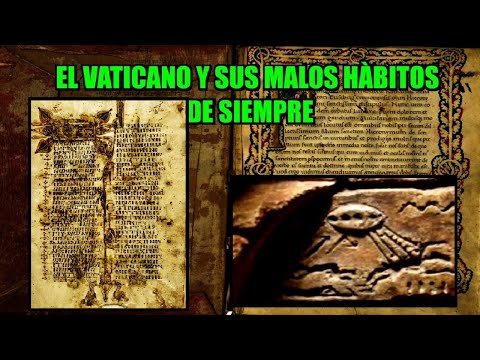
In the shadowy corners of history, where established narratives often obscure deeper truths, a peculiar ancient Egyptian text has surfaced. Penned over 1,200 years ago in the Coptic tongue, this document doesn't just reframe the crucifixion of Jesus Christ; it introduces elements so startling they demand a rigorous, analytical approach. We're not talking about folklore; we're examining a purported historical record that suggests Pontius Pilate, the Roman governor, made an unprecedented offer: his own son's life in exchange for Jesus'. This isn't merely a historical curiosity; it's an anomaly that challenges centuries of theological and historical interpretation. Today, we open the file.

Pontius Pilate's Unconventional Bargain

The role of Pontius Pilate in the crucifixion of Jesus is etched into the fabric of Western civilization. Canonical accounts, however, tend to focus on his judicial decision-making and yielding to popular pressure. This Coptic text introduces a startling departure, detailing Pilate's apparent willingness to offer his own son as a substitute sacrifice. This detail, if authentic, doesn't just add a footnote; it fundamentally alters our perception of Pilate's character and his motivations during that pivotal historical moment. It forces us to question the depth of his involvement and the potential pressures he faced beyond the immediate demands of Roman authority.

The Judas Kiss: Deconstructing a Biblical Betrayal

The traditional interpretation of Judas Iscariot's kiss is widely accepted as a signal to Roman soldiers, identifying Jesus for arrest. However, the Coptic manuscript offers a radically different perspective. It posits that Judas' kiss was not a simple identification marker, but a mechanism to discern Jesus due to an alleged ability to shapeshift. This interpretation shifts the narrative from a theological commentary on betrayal to one deeply intertwined with the perception of Jesus' physical nature. The act of betrayal becomes a complex puzzle, not just about human intent, but about recognizing a being with fluid form.

"The kiss, interpreted as a method to penetrate a guise, suggests a Jesus not bound by physical permanence, a concept far removed from orthodox theology."

Jesus' Alleged Shape-Shifting: Theological Implications

The notion of Jesus possessing the ability to alter his physical form is a theological anomaly of significant magnitude. This concept forces a re-examination of the divine and human aspects of Christ. Was this an attribute understood by his early followers, later suppressed by emerging orthodoxies? Or is it a symbolic interpretation within the Coptic text, alluding to his spiritual transcendence rather than literal physical transformation? Exploring this idea prompts contemplation on the diverse and often conflicting belief systems that existed during the nascent stages of Christianity. It challenges the monolithic view of early Christian thought, suggesting a richer, more complex tapestry of beliefs.

The Enigmatic Tully Papyrus: A Vanishing UFO Chronicle

Adding another layer of profound mystery is the alleged existence of the Tully Papyrus. This document, purportedly detailing a UFO sighting in 1480 BCE – over a millennium before the crucifixion events described – has reportedly vanished from the Vatican's arcane archives. Its disappearance is not a minor historical footnote; it raises critical questions about the potential influence of extraterrestrial phenomena on ancient civilizations. If such a document existed and contained an account of an aerial anomaly, its removal from public record suggests a deliberate effort to control the narrative and suppress information that might fundamentally alter our understanding of history, science, and perhaps, our place in the cosmos. The search for this papyrus becomes a quest for hidden truths.

Unidentified Aerial Phenomena in Ancient Egypt: Historical Context

The Tully Papyrus, if it indeed recounts an encounter with an unidentified flying object, injects a potent element into the ongoing debate about UFOs in ancient history. While often relegated to the realm of speculation and pseudoscience, accounts like these, particularly when allegedly documented in ancient papyri, compel serious investigators to acknowledge the possibility. What if these were not mere embellishments, but genuine observations of phenomena that defied contemporary explanation? The presence of such potential evidence within Egyptian records, a civilization known for its advanced astronomical knowledge and unique iconography, adds significant weight to the hypothesis that visitors from beyond our world may have interacted with early human societies. For those interested in similar historical anomalies, exploring UFOs in ancient history reveals a recurring pattern.

Pontius Pilate: Saint or Sinner? A Contrasting Narrative

The Coptic text's depiction of Pontius Pilate as a saint stands in stark opposition to the traditional portrayal found in canonical texts. This dichotomy is not a minor discrepancy; it's a fundamental challenge to the historical and theological interpretation of one of Christianity's most pivotal figures. It ignites vigorous debates about the fluidity of historical narratives and how interpretation, bias, or perhaps even deliberate manipulation, can shape our understanding of monumental figures. If Pilate was indeed a "saint" in this context, what does that imply about the motives behind the established narrative? It suggests that history is less a fixed account and more a constantly reinterpreted story, susceptible to the agendas of its chroniclers. Understanding these shifts is key to unlocking historical data, a process some historical analysis blogs strive to achieve.

The Vatican's Missing Document: Intentional Erasure?

The alleged disappearance of the Tully Papyrus from the Vatican's archives is a recurring theme in discussions about suppressed historical documents and potential extraterrestrial influence. This act, if proven intentional, raises profound suspicions. Could powerful institutions, like the Vatican, be deliberately hiding or erasing historical records that challenge established religious, scientific, or political narratives? The implications are staggering, suggesting a network designed to maintain a particular worldview. The question isn't just about a missing papyrus, but about the potential scale of information control at play. The Vatican's vast archives hold many secrets, and the Vatican mysteries associated with them are a constant source of intrigue.

Unraveling Vatican Secrets: Patterns of Information Control

Delving into the potential motives behind the alleged concealment of historical documents, such as the Tully Papyrus, requires an unblinking look at institutional behavior. Historically, powerful organizations have often sought to control information that could destabilize their authority or challenge foundational beliefs. The Vatican, with its immense historical reach and theological significance, is a prime candidate for such scrutiny. If documents that suggest extraterrestrial interaction or radically alter foundational religious events are suppressed, it speaks to a broader pattern of safeguarding established dogma. This isn't about conspiracy for its own sake; it's about analyzing the observable patterns of information management by powerful entities throughout history. Understanding such patterns is crucial for anyone researching suppressed historical events or historical revelations.

Extraterrestrial Influence vs. Institutional Control

Reflecting on these layered revelations – the Coptic text's radical reinterpretation of the crucifixion, Pilate's supposed offer, Jesus' potential shape-shifting, and the vanishing Tully Papyrus – we are left with a critical juncture. Do these anomalies point towards genuine extraterrestrial influence on ancient civilizations and early religious narratives? Or are they artifacts of deliberate institutional control, designed to manage public perception and preserve hierarchies? It's plausible that these phenomena are not mutually exclusive. Perhaps extraterrestrial contact occurred, and subsequent institutional control mechanisms were put in place to both obscure and manage the implications of such encounters. The intersection of alleged alien contact and the power dynamics of human institutions makes for a complex investigative frontier, one that requires deep dives into ancient texts and extraterrestrial influence theories.

Investigator's Verdict: Analyzing the Evidence

The Coptic text and the alleged Tully Papyrus present a compelling, albeit controversial, alternative narrative. The claims regarding Pilate's offer and Jesus' shape-shifting ability are theological earthquakes, challenging core tenets of Christian doctrine. The disappearance of the Tully Papyrus, if true, points to a potential cover-up of profound significance, hinting at UFO sightings in ancient Egypt and beyond. However, the critical investigator's duty is to approach such claims with extreme skepticism. The existence and authenticity of the Coptic text, as well as the historical details within it, require rigorous verification. Similarly, the Tully Papyrus is currently an unverified report of a vanished document. While the claims are sensational, they lack corroborating evidence accessible for independent study. The most rational conclusion, based on current available data, is that these are intriguing possibilities, but they remain firmly in the realm of speculation until verifiable proof emerges. The principle of "extraordinary claims require extraordinary evidence" is paramount here.

Claim Status of Evidence Investigative Angle
Pilate's Offer to Sacrifice Son Attributed to a Coptic text; authenticity and interpretation debated. Theological and historical analysis of Coptic texts; comparative study with canonical Gospels.
Jesus' Shape-Shifting Ability Interpretation of Coptic text; speculative theology. Examination of Gnostic and other heterodox early Christian beliefs; analysis of symbolic interpretation.
Tully Papyrus UFO Sighting (1480 BCE) Reported existence of a missing Vatican document; no direct access to the papyrus. Archival research at the Vatican; cross-referencing ancient Egyptian astronomical and iconographic records for anomalies. Access to historical narratives is key.
Vatican Concealment Speculative, based on the reported disappearance of the Tully Papyrus. Analysis of historical patterns of information control by institutions; study of Vatican archival practices.

The Investigator's Archive: Essential Resources

To truly grasp the implications of these anomalous historical claims, one must consult a curated selection of research materials. These resources provide the necessary context and methodological grounding for serious investigators:

  • "Chariots of the Gods?" by Erich von Däniken: A foundational text exploring the possibility of extraterrestrial influence on ancient civilizations, raising questions about ancient texts and artifacts.
  • "The Vatican Prophecies: More Terrifying Than You Can Imagine" by John Hogue: Delves into prophecies and potential hidden knowledge within Vatican archives, touching upon themes of suppressed information.
  • "The Gnostic Gospels" edited by Elaine Pagels: Provides access to early Christian texts that often present alternative theological viewpoints, which could shed light on interpretations of Jesus' nature.
  • "Ancient Egyptian Astronomy and Cosmology": Any academic work that explores ancient Egyptian understanding of the cosmos can help contextualize claims of celestial observations.
  • Documentaries on Vatican Archives: Search for reputable documentaries exploring the history and contents of the Vatican's secretive library and archives for insights into archival management and potential discoveries.

Research Protocol: Verifying Anomalous Historical Claims

Investigating claims derived from ancient texts, especially those concerning unusual phenomena like UFOs or heterodox theological interpretations, requires a structured methodology. Here's a basic protocol:

  1. Document Provenance: First, establish the origin and authenticity of the document in question. For the Coptic text and the Tully Papyrus, this means verifying their existence, age, and the reliability of their transmission. Are there academic studies confirming their discovery and translation?
  2. Textual Analysis: Conduct rigorous linguistic and textual analysis. This involves scholarly translation, contextual interpretation within the known cultural and religious framework of ancient Egypt and early Christianity, and identifying potential interpolations or later additions.
  3. Cross-Referencing: Compare the claims made in the text with established historical records, archaeological findings, and other contemporary or near-contemporary documents. Do other sources corroborate any aspects of the narrative? Are there any iconographic clues in ancient Egyptian art that align with claims of aerial phenomena?
  4. Evaluate Testimonial Evidence: If the source involves reported sightings or interactions (as with the Tully Papyrus), assess the nature of the testimony. Is it first-hand? Are there multiple witnesses? What is the historical context of the reporting?
  5. Skepticism and Falsifiability: Maintain a critical stance. Actively seek explanations rooted in known natural phenomena, psychological biases (like pareidolia or apophenia), or deliberate fabrication before concluding an anomalous event. Can the claims be proven false?
  6. Institutional Transparency: For claims involving restricted archives, such as those of the Vatican, investigate the documented history of the archives and any publicly available inventories or research conducted within them.

The journey to unraveling historical mysteries is often fraught with missing pieces and deliberate obfuscations. The Coptic text and the tale of the Tully Papyrus are prime examples of how history can be simultaneously illuminated and obscured.

Frequently Asked Questions (FAQs)

Are these revelations confirmed by historical records and academic consensus?

The Coptic text and the Tully Papyrus present highly unconventional alternative perspectives. While certain Coptic texts exist and reference biblical events, the specific details regarding Pilate's offer, Jesus' shape-shifting, and the Tully Papyrus' UFO content are not part of mainstream historical or theological consensus. Confirmation from widely accepted historical records and academic studies remains elusive, placing these claims in the realm of speculative historical inquiry.

What could be the primary motivations behind hiding historical documents by institutions like the Vatican?

Motivations for concealing historical documents can vary significantly. They often include: preserving established religious or political narratives that give the institution its authority, preventing public panic or loss of faith, protecting sensitive theological doctrines, and maintaining institutional control and perceived infallibility. Sometimes, documents might be hidden simply due to their fragility or ongoing scholarly debate about their interpretation and significance.

How does the Coptic text fundamentally change our perception of Pontius Pilate?

The Coptic text challenges the traditional, largely negative portrayal of Pontius Pilate as a weak or complicit figure in Jesus' crucifixion. By depicting him as potentially willing to sacrifice his own son, the text introduces a narrative of deep personal anguish, perhaps even saintly martyrdom, which is a radical departure from accepted accounts. This contrast invites a re-evaluation of his character and motivations.

Is there any tangible evidence supporting the idea of Jesus having a shape-shifting ability?

The notion of Jesus possessing shape-shifting abilities is derived from interpretations of specific ancient texts, such as the Coptic manuscript mentioned. There is no direct, empirical, or widely accepted historical evidence to support the literal claim of Jesus physically shape-shifting. This idea is largely speculative and exists within minority theological or Gnostic interpretations, often understood metaphorically rather than literally.

What implications does the enigmatic Tully Papyrus, if proven authentic, hold for our understanding of ancient civilizations?

If the Tully Papyrus were proven authentic and contained an account of a UFO sighting in 1480 BCE, its implications would be revolutionary. It would lend significant weight to theories of extraterrestrial visitation during ancient Egyptian times, suggesting that advanced aerial phenomena were observed and documented. This would compel a complete re-evaluation of ancient technological capabilities, historical timelines, and the potential for non-human intelligence to have influenced early human development and cosmology.

alejandro quintero ruiz is a veteran field investigator with years dedicated to dissecting anomalous phenomena. His approach combines rigorous skepticism with an investigative mindset, treating each case as a puzzle to be solved, not a mystery to be accepted. He believes that understanding the inexplicable requires peeling back layers of evidence, myth, and institutional control.

The historical tapestry is woven with threads of verifiable fact and tantalizing conjecture. The Coptic text and the legend of the Tully Papyrus represent the latter, pushing the boundaries of our accepted historical and theological frameworks. While definitive proof remains elusive, the questions they raise are too significant to ignore. They remind us that history is not a closed book, but a series of open investigations.

Your Mission: Deconstruct and Debate

Now, the floor is yours, researcher. The evidence presented is provocative, hinting at hidden truths and potential cover-ups. Analyze the core claims: Pilate's sacrifice, Jesus' fluid form, the vanished papyrus. Do these elements suggest a genuine historical anomaly, a complex theological interpretation, or a manufactured narrative? Share your critical assessment in the comments below. What further research steps would you propose to verify or debunk these claims? Let's engage in rigorous debate and see if we can uncover the truth behind these shadowed accounts.