Followers

Mostrando las entradas con la etiqueta ethics. Mostrar todas las entradas

How to Become a Ghost Hunter: A Comprehensive 10-Step Guide

Image

The veil between worlds thins when we least expect it. For some, the allure of the unknown, the whisper of spectral presences, and the thrill of uncovering hidden histories isn't just a fascination—it's a calling. But how does one transition from a curious observer to an active paranormal investigator? Many believe you need thousands in specialized gear and a team of seasoned veterans. My research, however, suggests a more grounded, accessible approach. This dossier breaks down the process, offering a pragmatic roadmap for aspiring ghost hunters, drawing on established practices and dispelling common myths.

Step 1: Cultivate a Foundation of Knowledge

Before stepping foot into a supposedly haunted location, arm yourself with knowledge. This isn't about memorizing ghost stories; it's about understanding the field. Study the history of paranormal investigation, different theories about hauntings (residual energy, intelligent hauntings, interdimensional influences), and the psychology behind perception and belief. Research historical accounts of hauntings, local folklore, and the documented history of locations you intend to investigate. Understanding the historical context can often provide rational explanations for perceived phenomena, a crucial skill for any serious investigator.

Many aspiring investigators overlook this foundational step, eager to jump straight into gear and locations. However, as witnesses in the provided feedback suggest, "This video was so helpful and friendly!!!" and it was a "great starting point for anyone wanting to start in the field!" My analysis confirms that a solid theoretical base prevents misinterpretations and enhances the credibility of any investigation.

Recommended Gear for Investigation

ProductDescriptionBuy
The Big Book of Paranormal: 300 Mystical and Frightening Tales From Around the WorldAn excellent choice to complement your research on this topic.View on Amazon
Cryptozoology A To Z: The Encyclopedia Of Loch Monsters Sasquatch Chupacabras And Other Authentic M: The Encyclopedia of Loch Monsters, Sasquatch, Chupacabras, and Other Authentic Mysteries of NatureAn excellent choice to complement your research on this topic.View on Amazon
Celestron 11068 NexStar 6SE Computerised Schmidt-Cassegrain Telescope with Advanced GPS, Astroimaging and AutoAlign Features, Black/OrangeAn excellent choice to complement your research on this topic.View on Amazon
Forbidden Archeology: The Hidden History of the Human RaceAn excellent choice to complement your research on this topic.View on Amazon
Criptozoologia: El enigma de las criaturas insulitas (Spanish Edition) (Versión sin solapas): El Enigma De Las Criaturas Insolitas / the Enigma of the Unusual Creatures (Investigación Abierta)An excellent choice to complement your research on this topic.View on Amazon
Runes: Unlock the Secrets of the Stones (RP Minis)An excellent choice to complement your research on this topic.View on Amazon
The H. P. Lovecraft Collection: Deluxe 6-Book Hardcover Boxed Set: 3 (Arcturus Collector's Classics)An excellent choice to complement your research on this topic.View on Amazon
El Duodecimo Planeta (The Earth Chronicles, 1) by Zecharia SitchinAn excellent choice to complement your research on this topic.View on Amazon
P-SB7T Spirit Box ITC Rev 7 Research FM/AM Ghost Box PSB7 Radio Paranormal Equipment PSB7T SB7 P-SB7TAn excellent choice to complement your research on this topic.View on Amazon
Ghost Hunting EVP - Grabadora EVP de 8 GB, equipo paranormal, caja de voz digital SpiritAn excellent choice to complement your research on this topic.View on Amazon

Step 2: Equip Yourself (Wisely)

The market is flooded with expensive gadgets marketed towards ghost hunters. While some tools can be useful, they are not mandatory to start. Many experienced investigators and those active in online communities emphasize that you can begin with basic equipment.

"You're a real natural. This is rally needed for the young ones and even some those that struggle a little now."

This sentiment is echoed by numerous accounts. For instance, one observer noted, "I am going on my first paranormal experience thanks to my husband... and you are saying you can start with an iPhone and voice recorder because that’s all I have got, but I am super excited." This is pragmatism at its finest. Initially, a smartphone with a decent camera and audio recording capability, along with a simple flashlight, is sufficient. As you gain experience and identify specific needs, you can invest in more specialized equipment such as EMF meters, digital audio recorders (for EVP analysis), and potentially a Spirit Box.

Step 3: Understand the Ethics of Investigation

Investigating reportedly haunted locations comes with significant ethical responsibilities. Always seek permission before entering private property. Documented encounters with others, such as those in the feedback section who are "organizing a paranormal investigation team here in Cambridge, England; with a skeptical twist but equally open-minded approach," highlight the importance of a structured, respectful methodology.

Respect the location and any potential entities believed to reside there. Avoid provoking, taunting, or disturbing the environment unnecessarily. The goal is to gather evidence and understand, not to cause distress or damage. Remember, as one testimonial shared, "I aspire to be as respectful as I see you are in your investigations." This respect extends to respecting the beliefs of others, including those who may be skeptical or frightened by the subject matter.

Step 4: Master Basic Investigation Techniques

Several techniques form the backbone of paranormal investigation. Understanding how to conduct a walkthrough, perform an EVP (Electronic Voice Phenomenon) session, and use basic equipment effectively is crucial. A walkthrough involves a methodical sweep of the location, noting environmental conditions, sounds, and any initial impressions. EVP sessions involve asking questions in a quiet environment and then analyzing the recordings for disembodied voices or sounds.

Many of the comments reflect the value of learning these techniques: "Thanks for the tips nxt month my exams are gonna be over and I will be investigating my school building at night... thanks for this video it means a lot." Practicing these methods, even in your own home, will build confidence and refine your skills. Remember, consistency is key. As one investigator put it, "This video was great and gave some very very good tips. Especially the 'You Dont Need Expensive Equipment'."

Step 5: Document Everything

Meticulous documentation is non-negotiable. This includes detailed notes on the location's history, the time of your investigation, environmental readings (temperature, EMF fluctuations), personal experiences, and any captured audio or video evidence. Even seemingly insignificant details can become relevant during analysis.

The original content hints at this by listing various social media connections and gear, suggesting a focus on capturing and sharing experiences. A thorough logbook, coupled with audio and video recordings, serves as the primary evidence base. When you find anomalies, documenting them immediately is paramount.

Step 6: Analyze Your Findings Objectively

This is where critical thinking becomes paramount. After an investigation, review all your documentation. Look for rational explanations for any anomalies detected. Could a sound be attributed to the building settling, traffic outside, or an animal? Was an EMF spike caused by faulty wiring or nearby electronic devices? The feedback from users like, "I am organizing a paranormal investigation team here in Cambridge, England; with a skeptical twist but equally open-minded approach," underscores the importance of this balanced perspective.

Avoid jumping to conclusions. The allure of a 'ghost caught on camera' is strong, but rigorous analysis often reveals mundane causes. This objective approach is what separates credible investigators from those engaging in mere speculation. It’s about seeking truth, not just confirming pre-existing beliefs.

Step 7: Network and Collaborate

The paranormal community is vast and diverse. Connecting with other investigators can provide invaluable insights, support, and opportunities for collaboration. The extensive list of collaborators in the original content—GhostVlogs, Creepy Midwest, Traditionally Haunted, and others—speaks volumes about the power of networking. As one user lamented, "Well rip, I have no friends that are around me and into the paranormal 😭," highlighting the desire for connection.

Attend local paranormal conventions, join online forums, and engage with reputable investigative groups. Sharing experiences and learning from others can significantly accelerate your development. Collaboration allows for multiple perspectives during investigations and analysis, strengthening the validity of findings.

Step 8: Practice Safe and Respectful Exploration

Safety is paramount, both physical and psychological. When exploring abandoned locations, be aware of structural hazards, potential intruders, and environmental dangers. Always inform someone of your whereabouts and expected return time. Furthermore, be mindful of the psychological impact of prolonged exposure to potentially unsettling environments.

The original content includes broad social media links and support channels, indicating a broader engagement with the community. This engagement should also include promoting safety. If investigating historical sites or private residences, ensure you have the owner's explicit permission and follow any guidelines they provide. A user from New Hampshire mentioned, "it's tough trying to find people with experience to tag along with to learn from," which emphasizes the need for experienced mentors to guide newcomers safely.

Step 9: Develop Your Unique Approach

While there are standard protocols, your personal style and focus will evolve. Some investigators specialize in historical research, others in audio analysis, and some focus on specific types of locations. The feedback includes diverse experiences, from someone investigating a school built over a graveyard to another planning a trip to Mexico. This diversity is healthy.

Consider what aspects of the paranormal most intrigue you. Are you drawn to residual hauntings, poltergeist activity, or perhaps cryptid encounters? Developing a niche can help you focus your learning and investigations. One user's comment about "organizing a paranormal investigation team here in Cambridge, England; with a skeptical twist but equally open-minded approach" showcases a unique perspective that can stand out.

Step 10: Continuous Learning and Refinement

The field of paranormal investigation is constantly evolving, with new theories and technologies emerging. Commit to lifelong learning. Read books, watch documentaries from reputable sources, and stay updated on research from established paranormal organizations. The path of an investigator is one of perpetual discovery.

"This video was great and gave some very very good tips," one viewer stated. Another added, "Thank you for all the tips! It's really helpful when you have someone that is willing to help other paranormal investigators especially when we are just starting out with tips and tricks of the trade." This ongoing commitment to learning and sharing knowledge is what elevates a hobby into a dedicated pursuit.

Investigator's Verdict: Bridging the Gap Between Curiosity and Credibility

Becoming a ghost hunter is less about acquiring expensive gear and more about developing a disciplined, ethical, and analytical mindset. The original content, while primarily a list of resources, implicitly points towards the community and tools involved in the pursuit. By focusing on foundational knowledge, ethical conduct, meticulous documentation, and objective analysis, any individual can embark on their own paranormal investigations responsibly.

The Investigator's Archive

For those serious about delving deeper, consider these resources:

  • Books: "Ghost Hunter's Guide" by John Kirby, "Anatomy of a Paranormal Investigation" by Sean MacGabhann, "The Field Guide to Ghosts" by Hans Holzer.
  • Documentaries: Series like "A Haunting," "Ghost Adventures," and independent documentaries that focus on methodology rather than sensationalism.
  • Platforms: Reputable paranormal investigation forums and websites that emphasize research and evidence-based conclusions.

Protocol: Your First Investigation Checklist

  1. Site Selection: Choose a location with a documented history of alleged paranormal activity.
  2. Permission: Obtain explicit permission from the property owner.
  3. Team Assembly: If not going solo, ensure your team understands and agrees to the ethical guidelines and methodology.
  4. Equipment Check: Verify all chosen equipment is functional (phone camera, audio recorder, flashlight, etc.).
  5. Environmental Baseline: Record ambient temperature, noise levels, and any unusual smells or feelings upon arrival.
  6. Documentation: Keep a detailed log of all activities, observations, and potential anomalies.
  7. Questioning: If conducting EVP sessions, ask clear, concise questions with pauses for potential responses.
  8. Review: Schedule a thorough review and analysis of all collected data.
  9. Debrief: Discuss findings with your team, focusing on objective analysis and rational explanations.
  10. Reporting: Compile a concise report of your investigation, detailing methodology, findings, and conclusions.

Frequently Asked Questions

Q1: Do I need expensive equipment to start ghost hunting?
A: No. A smartphone with audio and video recording capabilities, along with a flashlight, is sufficient for initial investigations. Advanced equipment can be acquired later as your experience grows.
Q2: How can I find people to investigate with?
A: Network through online paranormal forums, social media groups dedicated to ghost hunting, and local paranormal conventions. Be cautious and vet potential partners thoroughly.
Q3: What is the most important ethical rule in ghost hunting?
A: Always obtain permission before entering any property and conduct your investigations with respect for the location and any potential entities. Avoid trespassing and causing disturbances.
Q4: How do I analyze evidence like EVPs?
A: Listen to recordings in a quiet environment, using headphones. Look for unusual sounds that cannot be attributed to environmental noise. Cross-reference with multiple listeners and always seek rational explanations first.
Q5: What should I do if I encounter something truly frightening?
A: Remain calm. Stick to your established protocols. Your priority is safety. If feeling overwhelmed, disengage from the investigation and leave the location.

Your Mission: Document Your First Steps

Your journey into paranormal investigation begins now. Whether you are in New Hampshire, Cambridge, Mexico, or Japan, the principles remain the same. This weekend, equip yourself with basic tools – your phone and a notebook. Choose a location with local history or urban legends. Follow the protocol, document everything, and most importantly, remain objective. Report back to us in the comments below – what did you experience? What challenges did you face? Your findings contribute to the collective knowledge base.

Share this guide with anyone you know who shares this burning curiosity about the unexplained. Let's build a community of informed, responsible, and courageous investigators. Follow us for more deep dives into the world's most perplexing mysteries.

Investigator's Note: True paranormal research doesn't fund itself. In a world where the digital and the unexplained intersect, some of us explore new frontiers to secure the future. Do you dare to be part of the vanguard? Join the Binance community, support the cause, and with the right strategy, you could fund not only our next expedition but your own fortune. The next great discovery could be just a click away.

Doppelgangers in Our Midst: An Analytical Investigation into Human Cloning Theories


Introduction: The Echoes of Replication

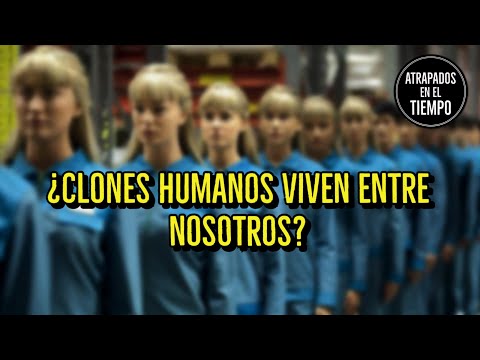
The uncanny sensation of encountering someone who looks strikingly familiar, yet is a stranger, has long been a staple of folklore and urban legend. But what if these feelings transcend mere coincidence? What if the unsettling possibility of human clones, living amongst us, is more than just a science fiction trope? Today, we open the file on doppelgangers, not as spectral apparitions, but as potential, artificial replicants—a concept that blurs the lines between reality, scientific speculation, and deeply ingrained societal anxieties. This investigation isn't about casual sightings; it's about dissecting the persistent narratives and emerging theories that posit the existence of replicated humans.

Historical Precedents and the Genesis of Cloning Fears

The concept of duplication and artificial life is not new. Ancient myths are replete with tales of golems and homunculi, beings crafted from inanimate matter, hinting at a primal human fascination with creating life. In more recent history, the rise of science fiction in the early 20th century provided fertile ground for exploring these themes. Stories like Jack London's "The Shadow and the Flash" (1905), which deals with invisibility and duplication through scientific means, or the myriad of pulp magazines that sensationalized scientific breakthroughs, began to weave the idea of replicated humans into the public consciousness. These early narratives, while fictional, tapped into a nascent fear of the unnatural and the potential for scientific hubris to create disturbing parallels to human existence. We must consider these foundational myths when analyzing contemporary fears about cloning, as they often inform the archetypal structure of the conspiracy.

Scientific Underpinnings: From Dolly the Sheep to Speculative Futures

The scientific reality of mammalian cloning provided a significant jolt to these long-held speculative fears. The successful cloning of Dolly the sheep in 1996 by the Roslin Institute in Scotland was a watershed moment. It proved that a somatic cell nucleus could be reprogrammed to direct the development of a complete organism. Suddenly, the theoretical became tangible, albeit with significant limitations and ethical considerations. While cloning mammals presents immense challenges and is still far from creating human clones indistinguishable from their originals on a mass scale, the foundational science is undeniable. This scientific breakthrough, coupled with advancements in genetics and artificial intelligence, has fueled theories that clandestine organizations or governments could be secretly developing or deploying human clones for various purposes—from espionage to replacing key figures. The debate now extends into the realm of reproductive technology, genetic engineering, and the potential for misapplication of powerful scientific tools. For anyone seriously investigating these claims, understanding the basic principles of somatic cell nuclear transfer is a prerequisite. Investing in reputable scientific literature on genetics is a practical first step, akin to a paranormal investigator acquiring a reliable EMF meter.

Conspiracy Theories: Doppelgangers and Hidden Agendas

The most potent and widespread narratives surrounding human cloning often manifest as conspiracy theories. These theories posit that clones are being created and deployed by shadowy entities—nations, secret societies, or even extraterrestrial forces—with specific, often nefarious, agendas. Common themes include:

  • Replacements: The idea that influential figures (politicians, celebrities, business leaders) have been replaced by clones to manipulate global events or maintain power. This taps into anxieties about authenticity and trust in authority.
  • Infiltration: Clones designed to infiltrate societies, gather intelligence, or even destabilize populations from within. This echoes Cold War-era fears of espionage and hidden enemies.
  • Human Experimentation: Large-scale, unethical experiments involving the creation and observation of clone populations, often linked to projects like MK Ultra or alien abduction narratives.
  • Servitude: A more dystopian vision where clones are created as a subservient class, performing labor or serving as organ donors.

These theories often point to supposed anomalies in public appearances, inconsistencies in behavior, or "glitches" as evidence of cloned individuals. The fascination with doppelgangers, or uncanny look-alikes, is a recurring motif, suggesting an underlying fear of losing one's unique identity or being supplanted by an artificial imitation. Examining the psychological roots of these fears is crucial; often, they reflect anxieties about technology, control, and what it means to be truly human in an era of rapid scientific advancement.

Evidentiary Analysis: The Challenge of Proof

When investigating claims of human clones living among us, the challenge of concrete evidence is paramount. Unlike spectral phenomena or cryptid sightings, the existence of human clones is a claim that, if true, should theoretically leave verifiable traces. However, these traces are conspicuously absent from public, independently verifiable records.

  • Anecdotal Testimonies: The primary "evidence" often consists of eyewitness accounts describing individuals who seem "off" or strikingly similar to others, coupled with allegations of unusual behavior or physical anomalies. While compelling to some, these are highly susceptible to misinterpretation, déjà vu, pareidolia, or outright fabrication.
  • Photographic/Video Anomalies: Claims often hinge on subtle discrepancies in photographs or videos—theories about repeated background elements, odd facial expressions, or inconsistent physical features. These are frequently debunked by image manipulation detection experts or explained by photographic artifacts, lighting, or the inherent variability of human appearance.
  • "Glitch in the Matrix" Phenomena: Instances where individuals report seeing the same person multiple times in different locations in a short period, or where apparent technological malfunctions occur around specific individuals, are often cited. These can be explained by coincidence, misidentification, or psychological priming.

The scientific community largely dismisses these claims due to a lack of reproducible, empirical data. The sophisticated technology rumored to be involved would likely leave behind significant biological or technological signatures that are not publicly acknowledged. The barrier to entry for proving human cloning on a clandestine scale is astronomically high, making the current "evidence" scientifically untenable. For the serious investigator, the lack of verifiable proof underpins the skepticism. It's akin to investigating a haunting without any recorded EVPs or physical disturbances – possible, but exceptionally difficult to validate.

Philosophical Implications: Identity, Consciousness, and the Human Condition

Beyond the scientific and conspiratorial, the very idea of human clones forces a profound interrogation of fundamental philosophical concepts. If a clone is genetically identical to an original, is it the same person? Does consciousness reside solely in genetics, or is it shaped by experience, environment, and unique personal history—what some might call the "soul" or "essence"? If clones are indistinguishable, how do we maintain the uniqueness and value we place on individual identity? These questions touch upon the nature of self, the definition of humanity, and the ethical boundaries of scientific creation. A world with clones raises profound ethical dilemmas regarding rights, autonomy, and the potential for exploitation. It challenges our anthropocentric view of life and forces us to confront what truly makes us human. This is where the practical investigation meets existential dread, a space where logical analysis must grapple with the immeasurable.

Investigator's Verdict: Fraud, Phenomenon, or Societal Phobia?

After meticulously reviewing the available narratives, scientific possibilities, and the persistent lack of verifiable evidence, my verdict leans towards a complex interplay of societal phobia, misinterpretation, and the enduring power of myth. The scientific capability for mammalian cloning is real, but the leap to mass, clandestine deployment of human clones remains firmly in the realm of speculation. The "evidence" presented typically relies on anecdotal accounts, visual coincidences, and a deep-seated distrust of authority and advanced technology—hallmarks of potent conspiracy thinking. While the possibility of isolated, unethical experiments cannot be entirely dismissed in the hypothetical future, there is no credible, empirical data to suggest that organized human cloning programs are currently operating and placing replicated individuals "amongst us." The persistent narratives about doppelgangers and clones, therefore, are more likely a reflection of our anxieties about identity, authenticity, and the accelerating pace of scientific change. It is a phenomenon of belief, rather than a phenomenon of replicated life.

The Researcher's Archive

To delve deeper into the concepts of cloning, doppelgangers, and the psychology of conspiracy, I recommend the following resources:

  • Books:
    • "The Day of the Clones" by Simon Conway: Explores the fictional and philosophical implications of cloning.
    • "I Am Legend" by Richard Matheson: A classic novel that, while dealing with a vampiric plague, touches on themes of isolation and being a 'different' kind of human.
    • "Manufacturing Consent: The Political Economy of the Mass Media" by Edward S. Herman and Noam Chomsky: Essential reading for understanding how narratives, including conspiracy theories, are shaped and disseminated.
  • Documentaries:
    • "Cloning: The Science and Ethics" (various reputable sources from PBS, National Geographic): For a grounded, scientific perspective on the capabilities and limitations of cloning technology.
    • "The Century of the Self" by Adam Curtis: Explores how the theories of Freud and Bernays have been used to control populations, providing context for understanding mass anxieties and conspiracy beliefs.
  • Online Resources:
    • Reputable scientific journals (e.g., Nature, Science) for articles on current cloning research.
    • Academic databases like JSTOR or Google Scholar for research papers on the ethics of cloning and identity.

Frequently Asked Questions

Q1: Is human cloning currently possible and widespread?
A1: While mammalian cloning is scientifically proven (e.g., Dolly the sheep), human reproductive cloning faces immense technical hurdles and is widely considered unethical and, to a significant extent, not practically achieved in a way that would allow for widespread "replacement" or infiltration.
Q2: What is the difference between cloning and genetic identical twins?
A2: Identical twins occur naturally from a single fertilized egg that splits. Clones are artificially created from the nucleus of a somatic cell of an existing individual, essentially creating a delayed genetic duplicate. While genetically identical, their life experiences and environments differ, shaping their individuality.
Q3: Are "glitches in the matrix" or seeing exact duplicates proof of cloning?
A3: No. These phenomena are typically explained by coincidence, misidentification, memory quirks, psychological priming, or technological malfunctions. They are not evidence of human cloning.
Q4: What are the major ethical concerns surrounding human cloning?
A4: Major concerns include issues of personal identity, the potential for exploitation of clones, the risk of creating individuals with severe health problems due to imperfect cloning processes, and the broader societal implications for human dignity and uniqueness.

Your Field Mission: Deconstructing the "Double"

Your mission, should you choose to accept it, involves sharpening your analytical skills against the concept of the "double." Observe your surroundings and engage with media critically. The next time you encounter a narrative or a supposed piece of evidence related to clones or uncanny doppelgangers:

  1. Deconstruct the Source: Who is making the claim? What is their agenda or perspective? Is it a scientific report, a personal anecdote, or a piece of speculative fiction?
  2. Identify the Evidence: What specific claims are being made? Are they anecdotal, visual, scientific, or theoretical?
  3. Seek Alternative Explanations: Before accepting a paranormal or conspiratorial explanation, rigorously explore mundane possibilities. Consider psychological biases, misinterpretations, known scientific principles, or simple coincidence.
  4. Investigate the Underlying Fear: What societal anxieties does this narrative tap into? Fear of technology? Loss of identity? Distrust of authority? Understanding the fear can often illuminate the persistence of the myth.

Share your analytical process and your conclusions in the comments below. Let's dissect these "doubles" together and apply rigorous inquiry to even the most unsettling possibilities.

alejandro quintero ruiz is a veteran field investigator dedicated to the analysis of anomalous phenomena. His approach combines methodological skepticism with an open mind to the inexplicable, always seeking the truth behind the veil of reality.

The investigation into human cloning and the unsettling specter of doppelgangers continues. While the scientific and evidentiary landscape remains barren for clandestine replication, the human psyche's fascination with duplication and the anxieties it provokes will undoubtedly keep this topic alive. As researchers, our duty is to approach such claims with a critical eye, separating speculative fiction from verifiable fact, and understanding the deep-seated fears that drive these narratives. Keep questioning, keep analyzing, and never stop seeking the truth, however elusive it may be.

Twitter: @RinconParanorm1

Facebook: elrinconparanormalblogspotcom

Discord: Join our Discord

Tik Tok: @rinconparanormal0

Uncontacted Tribes: The Ethical Minefield of First Contact and its Echoes in Paranormal Investigation


Introduction: The Uncontacted Frontier

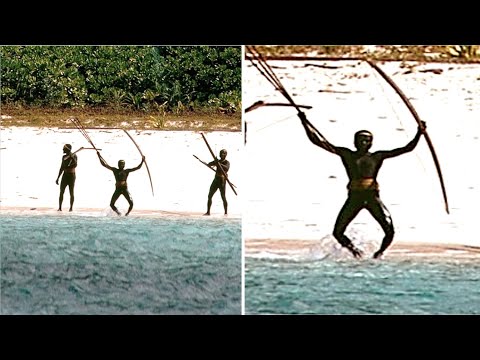
The very mention of "uncontacted tribes" conjures images of a pristine past, untouched by the relentless march of modernity. These groups, often dwelling in the planet's most remote regions—dense jungles and isolated archipelagos—represent a profound enigma. They exist beyond our communication grids, our digital footprints, and, crucially, our societal norms. Their deliberate isolation, often enforced by a fierce territoriality and a history of hostility towards outsiders, sends an undeniable message: leave us be. Yet, the inherent human drive for exploration, understanding, and, for some, proselytization, inevitably brings these isolated worlds into potential friction. Today, we peel back the layers of this complex scenario, not merely to narrate an event, but to dissect the underlying principles and draw unsettling parallels to our own investigations into the unexplained.

Historical Parallels: When Worlds Collide

The history of contact with isolated indigenous populations is a stark, often brutal, narrative. From the voyages of European explorers to the more recent encounters in the Amazon basin, the pattern is distressingly consistent. The introduction of new cultures, technologies, and belief systems has rarely been a benign exchange. More often, it has led to devastating consequences:

  • Disease: Uncontacted tribes possess no natural immunity to common pathogens carried by outsiders. A simple cold can become a biological weapon, decimating entire communities.
  • Cultural Erosion: The imposition of external belief systems, particularly those with a strong missionary zeal, can lead to the disintegration of millennia-old traditions, languages, and social structures.
  • Conflict and Exploitation: The desire for land, resources, or religious conversion has historically resulted in violence, displacement, and subjugation.

The original text posits a scenario of attempting to "teach Christianity" to such a tribe. While framed as an act of faith, the historical record demands we analyze this with a critical, almost forensic, eye. What is the true intent? Is it genuine spiritual outreach, or an act of cultural conquest disguised as salvation? The tribe's clear message of isolation—including aggressive defense of their territory—is not a plea for divine intervention, but a primal signal of self-preservation. Ignoring it is not merely disrespectful; it's potentially catastrophic.

"We are not here to change their ways, only to offer them the light of God." This sentiment, often echoed by well-meaning missionaries, carries a heavy presumption. Who are we to decide what constitutes "light" for a people whose existence is a testament to a different form of understanding the universe? The arrogance inherent in such pronouncements is a dangerous prelude to disruption.

The Ethical Minefield: Intent vs. Impact

The core of this issue lies in the profound ethical chasm between intent and impact. On one hand, there's the deeply ingrained human impulse to share what we believe to be true or beneficial. For proponents of religious missions, the "truth" of their faith is paramount, and sharing it is seen as an act of ultimate love and salvation. However, this perspective often fails to account for the recipient's context.

From an investigative standpoint, we must ask: What are the tangible outcomes of such contact? If the result is the introduction of disease, the dismantling of a unique culture, or increased conflict, can the initial intent—however pure—justify the devastating impact? The tribe's desire to remain uncontacted is not a sign of spiritual deficiency, but a declaration of their right to self-determination. Respecting this boundary is not a failure of outreach; it is the only ethical prerequisite for any interaction, however hypothetical or potentially disastrous.

The pursuit of understanding, a core tenet of any serious investigation, must always be tempered by the prime directive of non-interference when faced with isolated populations. Much like in our paranormal investigations, we often observe phenomena from a distance, meticulously documenting without intervening, because direct intervention could fundamentally alter or destroy the very thing we seek to understand.

Paranormal Analogies: Echoes in the Unknown

This scenario of "uncontacted tribes" holds a peculiar resonance with the field of paranormal investigation. Consider the entities or phenomena we attempt to document: perhaps a specific haunting, an elusive cryptid, or an unexplained energy signature. Our approach, ideally, should mirror the ethical considerations of first contact.

  • The Unseen Observer: The most successful paranormal investigations are often those where the researcher acts as a passive observer, documenting evidence without influencing the phenomenon. Think of monitoring an EMF meter, recording ambient audio for EVPs, or observing a supposed apparition from a distance. Direct intervention is often counterproductive, potentially scaring off the phenomenon or creating artificial readings.
  • Respecting Boundaries: Just as uncontacted tribes signal their desire for isolation, some paranormal phenomena might exhibit a similar sensitivity. An aggressive, intrusive approach—shouting, demanding interaction, or attempting to "force" a manifestation—is unlikely to yield genuine results and may simply trigger background noise or psychological responses from living beings present.
  • The Danger of Imposing Belief: The original text's premise of "teaching Christianity" mirrors the danger of imposing our preconceived notions onto paranormal events. If we approach an unexplained light in the sky convinced it *must* be an alien spacecraft, we risk missing evidence that might suggest a meteorological anomaly, a classified military project, or something else entirely. Our belief system can blind us to the actual data.
  • The "Feral" Phenomenon: Some paranormal researchers encounter phenomena that seem almost "feral"—wild, untamed, and inherently resistant to human interaction or understanding. These are the cases that defy easy categorization, much like uncontacted tribes defy our attempts to integrate them into our known world. Pushing too hard can lead to negative repercussions, akin to an aggressive "contact" triggering hostility.

The temptation to "solve" every mystery, to "convert" every anomaly into a known category, is strong. But true investigation demands a disciplined restraint, an acknowledgment that some phenomena may exist outside our framework of understanding, and that our primary duty is to document and analyze, not to impose our will or belief system upon them. The uncontacted tribe, like a genuine paranormal anomaly, demands respect for its independent existence.

"The greatest mystery is not what is happening, but why we feel compelled to interfere. This compulsion, whether religious or scientific, can be the greatest obstacle to true understanding." - A sentiment often voiced during field expeditions into remote territories, both terrestrial and perhaps, interdimensional.

Researcher's Verdict: Navigating Ignorance

The scenario of attempting to contact and convert an uncontacted tribe that explicitly wishes to be left alone presents a critical ethical failure. The assertion that such tribes "don't want to be contacted" and even "attack anyone who comes close by" is not an invitation for coercive interaction; it is a universally understood boundary. The impulse to impose one's own belief system, whether religious or secular, onto such a group demonstrates a profound lack of respect for their autonomy and a dangerous underestimation of the potential harm. Historical precedents overwhelmingly show that such attempts lead to devastation, not enlightenment.

From an investigative perspective, the data is clear: the tribe's message is unambiguous. Their desire for isolation is their sovereign right. Any attempt to bypass this boundary, regardless of the purported noble intentions, is an act of aggression against their self-determination. The question is not *what happens when you try*, but *why would anyone attempt such a thing knowing the profound risks and ethical violations involved?* The true investigation lies in understanding the psychology of imposition and the historical consequences of cultural colonialism, presented here under a guise of spiritual mission.

Our role, as researchers of the unexplained, is to observe, analyze, and understand without necessarily intervening. Interference, especially when the subject actively resists it, contaminates the evidence and violates fundamental ethical principles. The survival and integrity of these isolated communities, much like the preservation of a truly anomalous phenomenon in its natural state, must be the paramount concern.

Field Protocol: The Unseen Observer

When encountering phenomena that resist interaction or actively deter it, the protocol is clear: observe and document from a safe, non-intrusive distance. This methodology is crucial, whether dealing with a territorial uncontacted tribe or a potentially sensitive paranormal manifestation.

  1. Establish Observation Post: Identify a vantage point that allows for clear observation without being detected or perceived as a threat.
  2. Document Meticulously: Utilize all available tools—cameras (including thermal and night vision if applicable), audio recorders, EMF meters, and detailed note-taking—to capture objective data.
  3. Prioritize Non-Interference: Resist the urge to provoke a response or demand interaction. The goal is to gather information about the phenomenon *as it exists naturally*, not to force it into a human-defined performance.
  4. Analyze for Intentionality: Evaluate the evidence for signs of intentionality. In the case of uncontacted tribes, hostility is a clear signal of intent to remain isolated. In paranormal cases, consistent patterns of behavior or apparent responses to specific stimuli can indicate a sentient or reactive element.
  5. Respect Boundaries: If a clear boundary is established—whether a physical territory or a persistent avoidance of direct engagement—respect it. Pushing further is likely to yield unreliable data and carries significant ethical risks.
  6. Consult Case Files: Draw parallels with historical cases or documented encounters. Understanding how others have approached similar situations can provide valuable insights into best practices and potential pitfalls. This is where consulting resources like our dossier on isolated cultures or our guidelines on paranormal ethics becomes critical.

Frequently Asked Questions

Q: Is it ever acceptable to contact an uncontacted tribe?

A: As a general rule and ethical standard, no. Unless there is an extreme, life-saving intervention required by an imminent, unavoidable threat (like a natural disaster), the principle of non-interference is paramount. Their autonomy and safety are at stake.

Q: How can we ensure uncontacted tribes remain protected?

A: Protection involves robust government policies that recognize and demarcate their territories, prevent external encroachment (logging, mining, settlements), and avoid any form of forced contact. Education for the outside world about their rights and the dangers of contact is also vital.

Q: Can paranormal phenomena be "uncontacted" in a similar way?

A: Yes, in a metaphorical sense. Phenomena that are elusive, avoid detection, or seem to react negatively to direct scrutiny can be considered akin to "uncontacted" entities. Our approach should be one of respectful observation, not forceful interrogation.

The Investigator's Archive

For those seeking to delve deeper into the complexities of cultural contact and the ethics of observation, the following resources are indispensable:

  • "Stolen Continents: The 'New World' Through Indian Eyes" by Ronald Wright: Offers a critical perspective on the impact of European colonization.
  • "The Amazon: The Worst Place on Earth" by John Gimlette: Explores the harsh realities and ongoing struggles of indigenous peoples in the Amazon, including those uncontacted.
  • Works by Jean Liedloff, such as "The Continuum Concept": While controversial, it offers insights into indigenous child-rearing practices and societal structures, emphasizing natural development outside modern constructs.
  • Documentaries like "The Forest Maker" or historical accounts of missionary endeavors (viewed critically) can illuminate the motivations and consequences of attempted outreach.
  • For parallels in paranormal investigation, consider texts on the ethics of ghost hunting or the philosophy behind UAP observation protocols.

Your Field Mission

When confronted with a situation where individuals or beings clearly signal a desire for non-interaction—whether human tribes or unexplained phenomena—your mission is to embody the principle of the observant investigator. Reflect on a time you've sought to understand something mysterious. Did curiosity compel you to intrude, or did you exercise restraint and focus on documentation from a distance? In the comments below, share an example of where you believe non-interference was the correct ethical choice in your own experiences, either in daily life or during a personal investigation.

alejandro quintero ruiz is a seasoned field investigator dedicated to the analysis of anomalous phenomena. His approach blends methodological skepticism with an open mind towards the inexplicable, always seeking truth beyond the veil of reality.