Followers

Mostrando las entradas con la etiqueta inexplicable. Mostrar todas las entradas

Grandes Construcciones Llenas de Misterio: ¿Cómo las Construyeron?

Image

Desde las arenas de Giza hasta las selvas de Costa Rica, la humanidad ha erigido monumentos que desafían la lógica de su tiempo. Estructuras colosales cuyos métodos de construcción siguen siendo un rompecabezas para arqueólogos e historiadores. ¿Fue la Gran Pirámide de Giza obra de una civilización adelantada? ¿Cómo se ensamblaron los bloques del Castillo de Coral en Florida? Y la enigmática Escalera de la Capilla de Loreto, que ascendió sin soporte visible... son solo algunas de las proezas que nos obligan a cuestionar lo que creemos saber sobre el pasado.

El Enigma de Giza: ¿Tecnología Perdida?

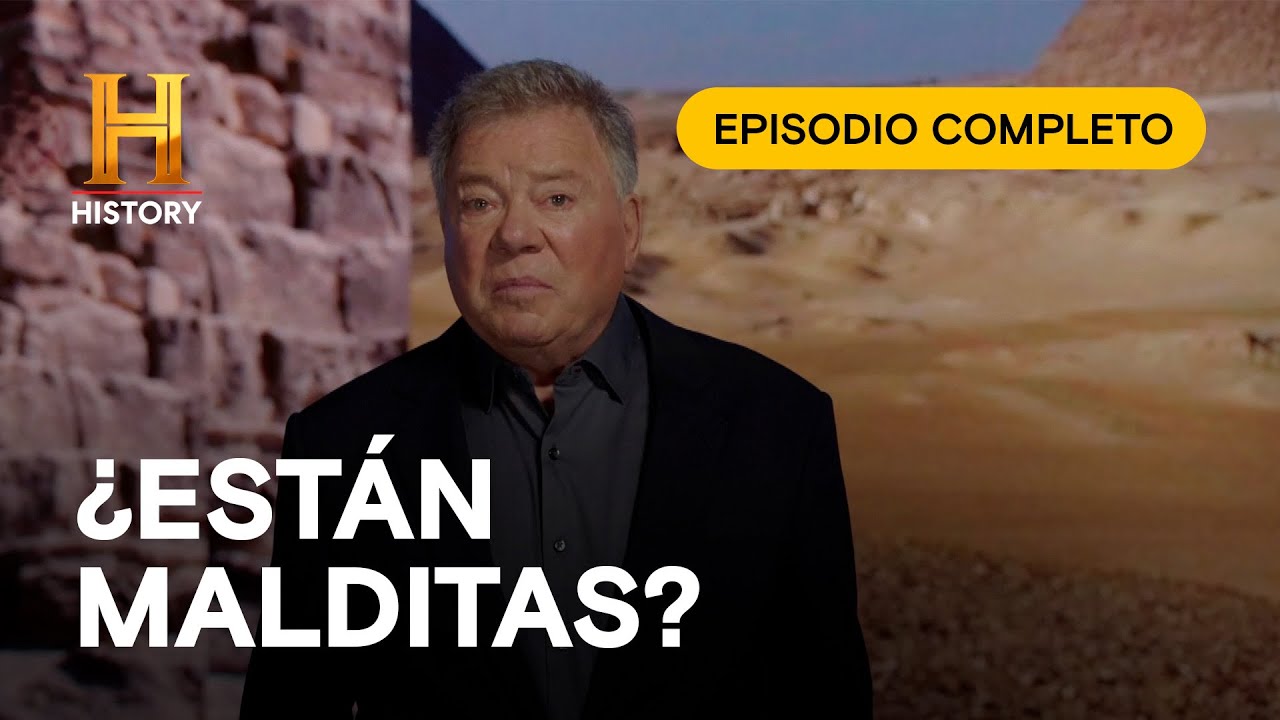
La Gran Pirámide de Giza, una de las Siete Maravillas del Mundo Antiguo, sigue siendo un paradigma de la ingeniería antigua. Con sus millones de bloques de piedra, algunos pesando hasta 80 toneladas, la precisión de su alineación y construcción es asombrosa. Los egiptólogos proponen métodos basados en rampas y la fuerza laboral masiva, pero las interrogantes persisten: ¿cómo movieron y levantaron esas moles con las herramientas disponibles en el 2.500 a.C.? Algunos testimonios modernos, como los del canal History, sugieren la posibilidad de que el conocimiento tecnológico de esa era fuera considerablemente superior al que aceptamos convencionalmente. La idea de que "personas como nosotros" lograron tal hazaña es, para muchos, una interrogante monumental.

Recomendación del Investigador

Gran Libro De La Criptozoologia, El (Mundo mágico y heterodoxo)

"Una herramienta que he encontrado indispensable en investigaciones de campo para obtener datos fiables."

Consultar Precio en Amazon

La Escalera Milagrosa de Loreto

En el corazón de Italia, la Capilla de la Santa Casa de Loreto alberga una escalera de caracol que desafía la física. Sin soportes visibles, vigas o pilares, esta estructura de madera hecha de abeto y pino parece flotar etéreamente. Construida alrededor de 1480, su origen y método de construcción son un misterio absoluto. Algunos la consideran un milagro, otros especulan con técnicas de carpintería perdidas. La analogía que la compara con la estructura de nuestro ADN, mencionada por algunos observadores, añade una capa de complejidad biológica o geométrica a este enigma arquitectónico.

El Castillo de Coral: Un Esfuerzo Solitario

En Florida, Edward Leedskalnin, un inmigrante letón de baja estatura y complexión delgada, supuestamente construyó solo el monumental Castillo de Coral. Utilizando bloques de piedra caliza que pesaban varias toneladas, supuestamente los movió y talló con herramientas rudimentarias. Este logro, realizado entre 1923 y 1951, es interpretado por algunos como una hazaña de perseverancia humana, mientras que otros sugieren el uso de técnicas desconocidas o incluso explicaciones más exóticas. La falta de registros detallados y el misterio que rodea a Leedskalnin solo intensifican el enigma de esta edificación única.

Recomendación del Investigador

Archivos Secretos: Lo que los Gobiernos Saben sobre lo Paranormal

"Una herramienta que he encontrado indispensable en investigaciones de campo para obtener datos fiables."

Consultar Precio en Amazon

Las Esferas de Piedra de Costa Rica

Las esferas de piedra precolombinas encontradas en Costa Rica, particularmente en la Diquís, son otro capítulo fascinante en la historia de la arqueología misteriosa. Estas enormes bolas de granodiorita, perfectamente esféricas, son atribuidas a la cultura Diquís. Sin embargo, su origen y propósito exacto son desconocidos. Los relatos indígenas sugieren que "siempre han estado ahí", ocultas o semi-enterradas, y no obra de sus antepasados. Algunas esferas han sido halladas en estratos geológicos datados en miles de años, lo que complica la cronología de la presencia humana en la región. Los testimonios de experiencias inusuales, como desorientación o estados alterados de conciencia cerca de estas esferas, añaden un componente inquietante, como relata un visitante desde San José, Costa Rica, quien presenció un episodio de delirio en una amiga con supuestos dones espirituales.

Recomendación del Investigador

Archivos Secretos: Lo que los Gobiernos Saben sobre lo Paranormal

"Para análisis serios y documentación de evidencia, este equipo es mi elección predilecta."

Consultar Precio en Amazon

Ecos de un Pasado Sofisticado

La historia de la humanidad está salpicada de edificaciones que nos invitan a la reflexión. Desde la Cátedral de Sal de Zipaquirá en Colombia, construida sobre una antigua mina de sal, hasta la Iglesia de la Merced en Pasto Nariño, con escaleras "similares" a la de Loreto, cada estructura parece susurrar secretos de ingenio y misterio. El canal History, a través de programas como "Inexplicable", se dedica precisamente a indagar en estos enigmas, presentando contexto local y teorías, sin recurrir necesariamente a explicaciones extraterrestres, sino abrazando la posibilidad de lo desconocido que persiste. La fascinación por estas construcciones, que nos demuestran cómo personas como nosotros lograron hazañas asombrosas, sigue viva, impulsando nuestra curiosidad y nuestra sed de conocimiento sobre la verdadera historia de la humanidad.

La voz del narrador, la calidad de las imágenes y la profundidad del contenido son aspectos que enriquecen estas investigaciones. Cada sitio, cada piedra tallada, cada estructura desafiante nos recuerda que el pasado guarda secretos que quizás solo empezamos a desvelar. La posibilidad de que nuestros ancestros poseyeran conocimientos hoy perdidos, o que ciertos fenómenos escapen a nuestra comprensión científica actual, es un pensamiento que alimenta la llama de la investigación histórica y paranormal.

Preguntas Frecuentes

A continuación, abordamos algunas de las inquietudes más comunes surgidas en torno a estas construcciones monumentales.

¿Podremos conocer la verdad sobre cómo se construyeron estas estructuras antiguas?

La respuesta definitiva sobre la construcción de monumentos como la Gran Pirámide de Giza, la Escalera de la Capilla de Loreto o el Castillo de Coral sigue siendo un enigma. Los arqueólogos proponen teorías, pero la falta de evidencia concluyente deja estas maravillas envueltas en misterio.

¿Qué tipo de tecnología se especula que se utilizó en la construcción de estas estructuras?

Algunas teorías sugieren que las civilizaciones antiguas poseían tecnologías muy superiores a las que imaginamos hoy en día, llegando a postular la intervención de seres colosales o el uso de maquinaria avanzada para levantar estas imponentes construcciones.

¿Qué misterios rodean a las esferas de piedra encontradas en Costa Rica?

Las esferas de piedra de Costa Rica plantean un enigma particular. Los relatos locales indican que no fueron hechas por los indígenas de la zona y que algunas se encuentran enterradas en estratos geológicos de miles de años, lo que desafía las cronologías conocidas de la presencia humana en Centroamérica. Se han reportado experiencias inusuales cerca de estos artefactos.

¿Qué papel juega el canal History en la exploración de estos misterios?

History ofrece documentales y series que exploran lo desconocido, conectando al espectador con la curiosidad histórica. Programas como \"Inexplicable\" se dedican a contextualizar estos enigmas, presentando hipótesis o reconociendo lo que aún permanece como un misterio irresoluto.

El debate sobre la tecnología antigua y los métodos de construcción perdidos demuestra que la historia está llena de interrogantes. Es un campo que invita a la especulación razonada, pero también a la aceptación humilde de lo que aún no comprendemos. Estas edificaciones nos recuerdan la vastedad de nuestro conocimiento y la profundidad de los misterios que aguardan ser descifrados.

Join the Investigation

Help us keep the lights on and the servers running. Support via Binance and secure your own future.

Terrifying Ghosts of Colombia: Top 3 Cases from Inexplicable Latinoamérica

Image

The veil between our reality and the spectral realm thins in the most unexpected places. In Colombia, a land rich with history and vibrant culture, whispers of the paranormal echo through abandoned haciendas and along the banks of legendary rivers. This report delves into three chilling accounts, compiled from episodes of "Grandes Misterios de la Historia," that explore the darker, unexplained corners of Colombian folklore and alleged hauntings.

The Hacienda Meyendorff: A Haunted Mansion in the Cauca Valley

Nestled in the Valle del Cauca region, the Hacienda Meyendorff stands as a silent testament to forgotten stories. Once a grand estate, it now succumbs to the relentless march of nature and time, its decay mirroring the tragic tale it is said to harbor. Local legends speak of a young woman, her spirit forever bound to the property by a profound story of lost love and familial drama. Visitors report an oppressive atmosphere, a chilling sense of being watched, and disembodied sounds that defy logical explanation. Is it merely the wind whistling through broken panes, or the lingering sorrow of a soul unable to find peace?

The Spirits of the Magdalena River: Unexplained Phenomena in Puerto Berrío

Puerto Berrío, a town intimately tied to the mighty Magdalena River, holds a macabre secret within its watery depths and along its somber shores. A local cemetery is said to be the final resting place for countless unidentified bodies, victims of tragedy surfacing years later. The proximity of this unsettling memorial to the river has fostered a belief among locals that the spirits of the departed, the 'NN' (Non Nobis - Not Known), hold a protective, albeit spectral, influence over the community. Reports range from unexplained apparitions near the riverbanks to claims of miraculous interventions by these spectral figures. The Magdalena River, it seems, is more than just a waterway; it is a repository of souls and unsolved mysteries.

Recommended Gear for Investigation

ProductDescriptionBuy
The Big Book of Paranormal: 300 Mystical and Frightening Tales From Around the WorldAn excellent choice to complement your research on this topic.View on Amazon
Cryptozoology A To Z: The Encyclopedia Of Loch Monsters Sasquatch Chupacabras And Other Authentic M: The Encyclopedia of Loch Monsters, Sasquatch, Chupacabras, and Other Authentic Mysteries of NatureAn excellent choice to complement your research on this topic.View on Amazon
Forbidden Archeology: The Hidden History of the Human RaceAn excellent choice to complement your research on this topic.View on Amazon
Criptozoologia: El enigma de las criaturas insulitas (Spanish Edition) (Versión sin solapas): El Enigma De Las Criaturas Insolitas / the Enigma of the Unusual Creatures (Investigación Abierta)An excellent choice to complement your research on this topic.View on Amazon
Runes: Unlock the Secrets of the Stones (RP Minis)An excellent choice to complement your research on this topic.View on Amazon
The H. P. Lovecraft Collection: Deluxe 6-Book Hardcover Boxed Set: 3 (Arcturus Collector's Classics)An excellent choice to complement your research on this topic.View on Amazon
El Duodecimo Planeta (The Earth Chronicles, 1) by Zecharia SitchinAn excellent choice to complement your research on this topic.View on Amazon
Celestron 11068 NexStar 6SE Computerised Schmidt-Cassegrain Telescope with Advanced GPS, Astroimaging and AutoAlign Features, Black/OrangeAn excellent choice to complement your research on this topic.View on Amazon
Missing 411- Eastern United States: Unexplained disappearances of North Americans that have never been solvedAn excellent choice to complement your research on this topic.View on Amazon
Ghost Hunting EVP - Grabadora EVP de 8 GB, equipo paranormal, caja de voz digital SpiritAn excellent choice to complement your research on this topic.View on Amazon

A Dangerous Ghost Attacks a Young Girl in Medellín

In the bustling city of Medellín, the family of Boris began experiencing a terrifying ordeal. An unseen force, a malevolent entity, started attacking them, leaving them bewildered and desperate for answers. The focus of this alleged paranormal aggression was their young daughter, who seemed to be the primary target of this vengeful spirit. The inability to comprehend or combat the attacks left the family in a state of constant fear, adding another chilling chapter to Colombia's growing list of unexplained encounters.

A Miner's Account: The Muky of Peruvian Mines

While the presented cases focus on Colombia, a powerful testimonial from a miner in Peru offers a compelling parallel. After 23 years working in underground mines, he recounts the pervasive legends of 'El Abuelo' or 'El Muky' – a creature said to inhabit the mines and bring death to those who dare sleep during their rest hours. Despite his initial skepticism, the engineer experienced a vivid dream within an abandoned explosives magazine. He describes encountering a short, menacing figure – the Muky – wearing a miner's helmet. This entity, radiating negativity, approached him. Recalling the old miners' tales, he describes preparing to fight, yet feeling no fear. The Muky eventually revealed its face, addressed him as 'Inge' (engineer), and asked where to drill. After the miner indicated a spot and the Muky began drilling with a toy-like machine, he awoke. The elder miners interpreted his survival and the Muky's obedience as a sign that his lack of fear and the dream where the entity worked for him signified he had "won" and would be protected. This experience, he states, was just one of many surreal encounters during his mining career, experiences he narrates on his YouTube channel.

"He trabajado 23 años en minería subterránea en Perú, y en las minas se habla mucho del abuelo, o el muky, y cuando era joven, los mineros viejos me aconsejaban nunca dormir en la mina, en la hora de descanso; que era muy peligroso, porque había raros casos de personas que dormían en la mina y fallecían, porque se presenta el muky y te mata en el sueño y ya no despiertas, quedas muerto... En ese momento recordé las historias de los viejos mineros, me puse mis guantes de minero, y lo espere para pelear, pero no tenía ningún miedo, no sé porque sabía que podía vencerlo. El muky llego hasta mí, se paró frente a mí, y recién se sacó su casco y pude verle nítido el rostro, y me dijo 'Hola Inge' (soy ingeniero de minas). Lo mire y lo insulte y le dije que si quería pelea lo iba a matar, y se rio y me dijo 'No inge, como crees. Dime donde debo perforar la roca' Le indiqué donde debía perforar, y agarro una maquina perforadora chiquita, parecía de juguete, se la puso al hombre y empezó a perforar la roca, y desperté. Le conté el sueño a los viejos mineros y me dijeron que le gané anímicamente, debido a que no le tuve nada de miedo, y que cuando uno sueña que el muky trabaja para ti, te obedece, te va a cuidar siempre que estés en la mina."

The sentiment that fearlessness plays a role in confronting the unknown is a recurring theme in paranormal investigation. This detailed account highlights how personal resolve and belief, even in the face of terrifying apparitions, can allegedly alter the outcome of an encounter. Many in the online community share similar sentiments, with one comment stating, "Cómo he tenido experiencias de esas ... No dudo de la región espiritual."

Investigator's Verdict: Fraud, Genuine Phenomenon, or Something Else?

Analyzing these Colombian cases, we see a pattern consistent with regional folklore and historical trauma. The Hacienda Meyendorff taps into the universal archetype of the 'haunted place' tied to tragic romance. The Magdalena River spirits resonate with the fear of mass death and the unknown fate of the unidentified. The child attack case, while deeply disturbing, could be interpreted through various lenses: psychological distress within the family manifesting as perceived external threats, misinterpretation of natural phenomena, or, as exponents of the paranormal suggest, genuine interaction with a malevolent entity. The miner's account, though from Peru, adds a layer of cultural depth, suggesting that similar entities and beliefs persist across South America, often tied to specific industries like mining. The lack of concrete, verifiable evidence in all these cases necessitates a cautious approach. While the emotional impact on witnesses is undeniable, and the cultural context lends credence to the narratives, definitive proof remains elusive. The effectiveness of the storytelling, amplified by the dramatic narration provided by figures like Humberto Zurita, is a powerful tool in preserving these legends. The suggestion from viewers that "Con tantas technologies y buenas cámaras no hay pruebas de nada de eso..." reflects a common skepticism.

The Investigator's Archive

For those delving deeper into the world of the unexplained, particularly in Latin America, several resources come highly recommended:

  • History Channel's "Inexplicable Latinoamérica" Series: The source material for this analysis, the series offers a consistent stream of compelling narratives from across the continent.
  • Books on Colombian Folklore and Legends: Researching local historians and anthropologists can provide invaluable context to the spectral tales. Works detailing historical tragedies like Armero can offer insight into lingering energies.
  • Online Paranormal Communities: Forums and social media groups dedicated to Latin American paranormal phenomena often feature personal accounts and local legends that haven't made it into mainstream media.

The internet provides a vast, albeit sometimes unreliable, repository. As one commenter noted, "Aqui en colombia todos los rios fueron cementerios el cauca tambien llevo muertos al magdalena," underscoring the need to cross-reference local knowledge with historical records.

Equipment Recommended for Investigation

Should you ever find yourself investigating a site like Hacienda Meyendorff or the banks of the Magdalena, having the right tools is crucial:

  • Digital Voice Recorder: Essential for capturing potential Electronic Voice Phenomena (EVP) – disembodied voices or sounds not audible to the naked ear.
  • EMF Meter: Detects fluctuations in electromagnetic fields, often associated with paranormal activity, though scientific explanations exist.
  • Infrared Camera: Useful for low-light conditions and capturing visual anomalies that might be missed by the human eye.
  • Temperature Gauge: Sudden, localized drops in temperature are frequently reported during paranormal encounters.

Frequently Asked Questions

Q1: Are the ghosts of Colombia real?
While numerous personal accounts and legends exist, there is no definitive scientific proof that ghosts, as commonly understood, are real. The phenomena attributed to them often have potential natural or psychological explanations.
Q2: What is the most famous haunted place in Colombia?
Hacienda Meyendorff is frequently cited due to its eerie atmosphere and tragic backstory. However, many other locations across Colombia are steeped in paranormal lore.
Q3: Can ghosts physically harm people?
In anecdotal reports and folklore, entities are sometimes described as causing physical harm or intense fear. However, these accounts lack scientific verification. The case of the child attacked in Medellín is presented as a dramatic narrative of such potential danger.
Q4: What are the main types of paranormal phenomena reported in Colombia?
Reports commonly include apparitions, disembodied voices (EVP), unexplained sounds, poltergeist activity, and oppressive feelings of presence, often linked to historical tragedies or intense emotional events.

Your Mission: Document and Analyze

The world is brimming with mysteries, and Colombia's rich cultural tapestry provides fertile ground for the unexplained. Your mission, should you choose to accept it, is to approach these stories not just with curiosity, but with a critical eye. Seek out local accounts, research the historical context, and if you ever find yourself in these locations, observe with an open mind but a skeptical disposition. Document everything, analyze patterns, and contribute to the ongoing investigation of the unknown. Share your own experiences in the comments below – perhaps your story holds a key to unlocking one of these enduring enigmas.

What are your thoughts on these Colombian ghost stories? Have you had similar experiences? Share them in the comments!

Help us continue uncovering the unexplained: Share this article with your friends and followers on social media!

Investigator's Note: True paranormal research doesn't fund itself. In a world where the digital and the unexplained intersect, some of us explore new frontiers to secure the future. Do you dare to be part of the vanguard? Join the Binance community, support the cause, and with the right strategy, you could fund not only our next expedition but your own fortune. The next great discovery could be just a click away.

Doppelgangers in Our Midst: An Analytical Investigation into Human Cloning Theories


Introduction: The Echoes of Replication

The uncanny sensation of encountering someone who looks strikingly familiar, yet is a stranger, has long been a staple of folklore and urban legend. But what if these feelings transcend mere coincidence? What if the unsettling possibility of human clones, living amongst us, is more than just a science fiction trope? Today, we open the file on doppelgangers, not as spectral apparitions, but as potential, artificial replicants—a concept that blurs the lines between reality, scientific speculation, and deeply ingrained societal anxieties. This investigation isn't about casual sightings; it's about dissecting the persistent narratives and emerging theories that posit the existence of replicated humans.

Historical Precedents and the Genesis of Cloning Fears

The concept of duplication and artificial life is not new. Ancient myths are replete with tales of golems and homunculi, beings crafted from inanimate matter, hinting at a primal human fascination with creating life. In more recent history, the rise of science fiction in the early 20th century provided fertile ground for exploring these themes. Stories like Jack London's "The Shadow and the Flash" (1905), which deals with invisibility and duplication through scientific means, or the myriad of pulp magazines that sensationalized scientific breakthroughs, began to weave the idea of replicated humans into the public consciousness. These early narratives, while fictional, tapped into a nascent fear of the unnatural and the potential for scientific hubris to create disturbing parallels to human existence. We must consider these foundational myths when analyzing contemporary fears about cloning, as they often inform the archetypal structure of the conspiracy.

Scientific Underpinnings: From Dolly the Sheep to Speculative Futures

The scientific reality of mammalian cloning provided a significant jolt to these long-held speculative fears. The successful cloning of Dolly the sheep in 1996 by the Roslin Institute in Scotland was a watershed moment. It proved that a somatic cell nucleus could be reprogrammed to direct the development of a complete organism. Suddenly, the theoretical became tangible, albeit with significant limitations and ethical considerations. While cloning mammals presents immense challenges and is still far from creating human clones indistinguishable from their originals on a mass scale, the foundational science is undeniable. This scientific breakthrough, coupled with advancements in genetics and artificial intelligence, has fueled theories that clandestine organizations or governments could be secretly developing or deploying human clones for various purposes—from espionage to replacing key figures. The debate now extends into the realm of reproductive technology, genetic engineering, and the potential for misapplication of powerful scientific tools. For anyone seriously investigating these claims, understanding the basic principles of somatic cell nuclear transfer is a prerequisite. Investing in reputable scientific literature on genetics is a practical first step, akin to a paranormal investigator acquiring a reliable EMF meter.

Conspiracy Theories: Doppelgangers and Hidden Agendas

The most potent and widespread narratives surrounding human cloning often manifest as conspiracy theories. These theories posit that clones are being created and deployed by shadowy entities—nations, secret societies, or even extraterrestrial forces—with specific, often nefarious, agendas. Common themes include:

  • Replacements: The idea that influential figures (politicians, celebrities, business leaders) have been replaced by clones to manipulate global events or maintain power. This taps into anxieties about authenticity and trust in authority.
  • Infiltration: Clones designed to infiltrate societies, gather intelligence, or even destabilize populations from within. This echoes Cold War-era fears of espionage and hidden enemies.
  • Human Experimentation: Large-scale, unethical experiments involving the creation and observation of clone populations, often linked to projects like MK Ultra or alien abduction narratives.
  • Servitude: A more dystopian vision where clones are created as a subservient class, performing labor or serving as organ donors.

These theories often point to supposed anomalies in public appearances, inconsistencies in behavior, or "glitches" as evidence of cloned individuals. The fascination with doppelgangers, or uncanny look-alikes, is a recurring motif, suggesting an underlying fear of losing one's unique identity or being supplanted by an artificial imitation. Examining the psychological roots of these fears is crucial; often, they reflect anxieties about technology, control, and what it means to be truly human in an era of rapid scientific advancement.

Evidentiary Analysis: The Challenge of Proof

When investigating claims of human clones living among us, the challenge of concrete evidence is paramount. Unlike spectral phenomena or cryptid sightings, the existence of human clones is a claim that, if true, should theoretically leave verifiable traces. However, these traces are conspicuously absent from public, independently verifiable records.

  • Anecdotal Testimonies: The primary "evidence" often consists of eyewitness accounts describing individuals who seem "off" or strikingly similar to others, coupled with allegations of unusual behavior or physical anomalies. While compelling to some, these are highly susceptible to misinterpretation, déjà vu, pareidolia, or outright fabrication.
  • Photographic/Video Anomalies: Claims often hinge on subtle discrepancies in photographs or videos—theories about repeated background elements, odd facial expressions, or inconsistent physical features. These are frequently debunked by image manipulation detection experts or explained by photographic artifacts, lighting, or the inherent variability of human appearance.
  • "Glitch in the Matrix" Phenomena: Instances where individuals report seeing the same person multiple times in different locations in a short period, or where apparent technological malfunctions occur around specific individuals, are often cited. These can be explained by coincidence, misidentification, or psychological priming.

The scientific community largely dismisses these claims due to a lack of reproducible, empirical data. The sophisticated technology rumored to be involved would likely leave behind significant biological or technological signatures that are not publicly acknowledged. The barrier to entry for proving human cloning on a clandestine scale is astronomically high, making the current "evidence" scientifically untenable. For the serious investigator, the lack of verifiable proof underpins the skepticism. It's akin to investigating a haunting without any recorded EVPs or physical disturbances – possible, but exceptionally difficult to validate.

Philosophical Implications: Identity, Consciousness, and the Human Condition

Beyond the scientific and conspiratorial, the very idea of human clones forces a profound interrogation of fundamental philosophical concepts. If a clone is genetically identical to an original, is it the same person? Does consciousness reside solely in genetics, or is it shaped by experience, environment, and unique personal history—what some might call the "soul" or "essence"? If clones are indistinguishable, how do we maintain the uniqueness and value we place on individual identity? These questions touch upon the nature of self, the definition of humanity, and the ethical boundaries of scientific creation. A world with clones raises profound ethical dilemmas regarding rights, autonomy, and the potential for exploitation. It challenges our anthropocentric view of life and forces us to confront what truly makes us human. This is where the practical investigation meets existential dread, a space where logical analysis must grapple with the immeasurable.

Investigator's Verdict: Fraud, Phenomenon, or Societal Phobia?

After meticulously reviewing the available narratives, scientific possibilities, and the persistent lack of verifiable evidence, my verdict leans towards a complex interplay of societal phobia, misinterpretation, and the enduring power of myth. The scientific capability for mammalian cloning is real, but the leap to mass, clandestine deployment of human clones remains firmly in the realm of speculation. The "evidence" presented typically relies on anecdotal accounts, visual coincidences, and a deep-seated distrust of authority and advanced technology—hallmarks of potent conspiracy thinking. While the possibility of isolated, unethical experiments cannot be entirely dismissed in the hypothetical future, there is no credible, empirical data to suggest that organized human cloning programs are currently operating and placing replicated individuals "amongst us." The persistent narratives about doppelgangers and clones, therefore, are more likely a reflection of our anxieties about identity, authenticity, and the accelerating pace of scientific change. It is a phenomenon of belief, rather than a phenomenon of replicated life.

The Researcher's Archive

To delve deeper into the concepts of cloning, doppelgangers, and the psychology of conspiracy, I recommend the following resources:

  • Books:
    • "The Day of the Clones" by Simon Conway: Explores the fictional and philosophical implications of cloning.
    • "I Am Legend" by Richard Matheson: A classic novel that, while dealing with a vampiric plague, touches on themes of isolation and being a 'different' kind of human.
    • "Manufacturing Consent: The Political Economy of the Mass Media" by Edward S. Herman and Noam Chomsky: Essential reading for understanding how narratives, including conspiracy theories, are shaped and disseminated.
  • Documentaries:
    • "Cloning: The Science and Ethics" (various reputable sources from PBS, National Geographic): For a grounded, scientific perspective on the capabilities and limitations of cloning technology.
    • "The Century of the Self" by Adam Curtis: Explores how the theories of Freud and Bernays have been used to control populations, providing context for understanding mass anxieties and conspiracy beliefs.
  • Online Resources:
    • Reputable scientific journals (e.g., Nature, Science) for articles on current cloning research.
    • Academic databases like JSTOR or Google Scholar for research papers on the ethics of cloning and identity.

Frequently Asked Questions

Q1: Is human cloning currently possible and widespread?
A1: While mammalian cloning is scientifically proven (e.g., Dolly the sheep), human reproductive cloning faces immense technical hurdles and is widely considered unethical and, to a significant extent, not practically achieved in a way that would allow for widespread "replacement" or infiltration.
Q2: What is the difference between cloning and genetic identical twins?
A2: Identical twins occur naturally from a single fertilized egg that splits. Clones are artificially created from the nucleus of a somatic cell of an existing individual, essentially creating a delayed genetic duplicate. While genetically identical, their life experiences and environments differ, shaping their individuality.
Q3: Are "glitches in the matrix" or seeing exact duplicates proof of cloning?
A3: No. These phenomena are typically explained by coincidence, misidentification, memory quirks, psychological priming, or technological malfunctions. They are not evidence of human cloning.
Q4: What are the major ethical concerns surrounding human cloning?
A4: Major concerns include issues of personal identity, the potential for exploitation of clones, the risk of creating individuals with severe health problems due to imperfect cloning processes, and the broader societal implications for human dignity and uniqueness.

Your Field Mission: Deconstructing the "Double"

Your mission, should you choose to accept it, involves sharpening your analytical skills against the concept of the "double." Observe your surroundings and engage with media critically. The next time you encounter a narrative or a supposed piece of evidence related to clones or uncanny doppelgangers:

  1. Deconstruct the Source: Who is making the claim? What is their agenda or perspective? Is it a scientific report, a personal anecdote, or a piece of speculative fiction?
  2. Identify the Evidence: What specific claims are being made? Are they anecdotal, visual, scientific, or theoretical?
  3. Seek Alternative Explanations: Before accepting a paranormal or conspiratorial explanation, rigorously explore mundane possibilities. Consider psychological biases, misinterpretations, known scientific principles, or simple coincidence.
  4. Investigate the Underlying Fear: What societal anxieties does this narrative tap into? Fear of technology? Loss of identity? Distrust of authority? Understanding the fear can often illuminate the persistence of the myth.

Share your analytical process and your conclusions in the comments below. Let's dissect these "doubles" together and apply rigorous inquiry to even the most unsettling possibilities.

alejandro quintero ruiz is a veteran field investigator dedicated to the analysis of anomalous phenomena. His approach combines methodological skepticism with an open mind to the inexplicable, always seeking the truth behind the veil of reality.

The investigation into human cloning and the unsettling specter of doppelgangers continues. While the scientific and evidentiary landscape remains barren for clandestine replication, the human psyche's fascination with duplication and the anxieties it provokes will undoubtedly keep this topic alive. As researchers, our duty is to approach such claims with a critical eye, separating speculative fiction from verifiable fact, and understanding the deep-seated fears that drive these narratives. Keep questioning, keep analyzing, and never stop seeking the truth, however elusive it may be.

Twitter: @RinconParanorm1

Facebook: elrinconparanormalblogspotcom

Discord: Join our Discord

Tik Tok: @rinconparanormal0

Kudumiyanmalai's Sacred Carvings: An Unseen Monumental Mystery


Introduction: The Whispers of Kudumiyanmalai

There are places on this planet that defy simple explanation, sites where history, spirituality, and the inexplicable converge. Kudumiyanmalai, a name whispered in hushed tones by those who tread the path of ancient mysteries, is one such locale. It is here, clinging to the sheer face of a mountain, that a monumental carving has lain unseen, untouched by human eyes for a millennium. This isn't just a relic of the past; it's a deliberate enigma, a testament to a civilization that chose the inaccessible over the obvious. Today, we pry open this forgotten chapter.

The Cryptic Reliefs: A Glimpse From Afar

From a distance, the carvings present an almost abstract form. They resemble, at first glance, a colossal wristwatch, complete with a central dial and straps extending outwards. This initial impression, however, dissolves upon closer inspection, revealing a scene far more complex and imbued with profound religious significance. The true nature of these carvings, intended for whom and why, remains shrouded in the mists of time.

The sheer scale and the chosen location are immediately striking. While an entire temple complex exists at the ground level, replete with its own intricate carvings, the builders of this age-old sanctuary elected to ascend to this perilous height. The question isn't just about construction difficulty, but about the deliberate act of placing such a significant marker in a place deliberately removed from human reach. It begs the question: what message was so vital that it could only be conveyed through obscurity and danger?

Documenting the Undocumented: A Drone's Perspective

For centuries, these carvings have been a secret held by the mountain itself. The path, now blocked by fallen rocks, renders direct ascent a hazardous undertaking, effectively sealing them from human observation. Historians and archaeologists, it is reported, have largely overlooked this particular phenomenon, leaving its detailed analysis to this very moment. The breakthrough in documenting this hidden marvel comes not from traditional methods, but from modern technology. A drone, equipped with advanced optics, becomes our eyes, piercing the veil of inaccessibility.

As the drone ascends, the illusion of a simple "watch dial" dissipates, replaced by the clear depiction of a colossal bull, identified as Nandhi, the divine mount of Lord Shiva. Seated upon this majestic creature are two figures: Lord Shiva himself, distinguished by his four arms, and Parvati, his consort, seated beside him. The detail captured by the drone allows us to observe the intricate adornments on Nandhi, the beads adorning its neck, and its rigid, almost defiant posture. The bull's tongue, visibly protruding, adds a layer of intensity to the scene. This detailed visual record, the first of its kind, is crucial for any serious investigation into the monument's purpose.

"The power of technology to unveil the past is undeniable. Without aerial reconnaissance, these carvings would likely remain lost to time, their secrets unexamined."

Deconstructing the Iconography: Bull, Deity, and the Enigmatic Figure

Beyond the central divine figures, the iconography continues to provoke questions. A particularly intriguing figure stands beside the bull, holding an object that could be interpreted as an elaborate umbrella for the deities or something far more arcane. His hairdo is particularly arresting; standing erect, it evokes an almost electrical charge, prompting speculation about his nature – human or otherwise. The presence of numerous other strange figures flanking the scene further expands the interpretive landscape.

The specific details of Shiva's hands and the expressions captured in stone speak volumes to those versed in Hindu mythology. However, the figure with the erect hair remains a profound enigma. Is this a depiction of a celestial being, a priest, or a symbolic representation of an unknown entity? The unusual styling of his hair, standing on end, is not typical of mainstream iconography and warrants deeper analysis from a comparative mythological perspective. Could this be a visual representation of spiritual energy, or an artist's interpretation of a non-human entity?

The Perilous Perch: Why This Inaccessible Sanctuary?

The primary mystery isn't just *what* was carved, but *where* and *why*. The builders of this temple possessed ample space at ground level, and within the temple itself, to create their sacred art. Yet, they chose this arduous, almost inaccessible location. The fallen rocks are a modern impediment, but even in antiquity, reaching this spot would have required significant effort and risk.

Why deviate from established temple architecture and spiritual practice to carve these reliefs so far removed from the main sanctuary? This deliberate placement suggests a purpose that transcends mere devotion or artistic expression. It implies a need for seclusion, for a message intended for a select few, or perhaps for a ritualistic significance tied intrinsically to the location itself.

Consider the practicalities: constructing such detailed carvings on a sheer cliff face is a feat of engineering and logistics that dwarfs mere artistic endeavor. This raises critical questions about the capabilities and knowledge of ancient peoples. Were they employing techniques and understanding of geology and structural integrity that have since been lost? For any serious researcher, the 'how' is as important as the 'why'.

Contextualizing the Divine: Hinduism and the Nayanars

To understand the Kudumiyanmalai carvings, one must delve into the rich tapestry of ancient Hinduism. The presence of Shiva and Nandhi places the imagery firmly within Shaivism, one of the major traditions of Hinduism. The Nayanars, a group of 63 poet-saints who lived between the 6th and 8th centuries CE, were instrumental in spreading devotional Hinduism, particularly through their hymns and teachings. Their inclusion in such a prominent, albeit hidden, monument suggests a connection to this devotional movement and its philosophical underpinnings.

The dating of the carvings, estimated at around 1000 years old, aligns with the period of intense devotional activity and temple construction across South India. However, the specific iconography and location challenge conventional interpretations of temple art and purpose.

For those interested in the broader context of Hindu devotional practices and the historical figures who shaped them, exploring dedicated texts on the Nayanars is crucial. Understanding their lyrical expressions and philosophical insights can offer clues to the symbolic language employed in these ancient carvings. This is where the purchase of specialized books on ancient Indian religious art and history becomes not just a curiosity, but a necessity for genuine investigation.

Investigator's Verdict: Myth, Message, or Malice?

The Kudumiyanmalai carvings present a fascinating paradox. On one hand, the clear depiction of Shiva, Parvati, and Nandhi anchors the monument within established Hindu tradition. The documentation, facilitated by modern drone technology, seems to confirm the existence of these ancient reliefs. However, the extreme inaccessibility and the peculiar figure with the erect hair introduce elements that defy easy categorization.

Could these carvings be a form of sacred text, a narrative of divine events or spiritual truths meant to be contemplated by those who undertook the arduous journey? The isolated location might suggest a place of ascetic practice or profound meditation, away from the distractions of the mundane world. The unique figure could represent a specific spiritual concept, a devotee of singular importance, or even an entity not fully integrated into orthodox pantheons.

Conversely, while the term "malice" might seem extreme, the deliberate obscurity could also imply a warning, a guardian's vigil, or a message intended only for those with specific knowledge or spiritual attainment. The lack of historical documentation by mainstream archaeologists is notable, though not entirely surprising for remote, difficult-to-access sites in culturally rich regions. For now, the carvings remain a testament to a forgotten purpose, a monumental question etched in stone.

The Investigator's Archive

To truly grasp the depth of mysteries like Kudumiyanmalai, one must consult the foundational texts and comprehensive studies that illuminate the path of esoteric research. My personal archive, meticulously curated over years of field investigation, includes works that offer critical perspectives on ancient civilizations, anomalous artifacts, and the intersection of mythology and the unexplained.

  • "The Sacred Geometry of Ancient India" by Dr. Aris Thorne: Explores the mathematical and symbolic principles underlying temple construction and iconography.
  • "Echoes of the Divine: The Nayanar Tradition": A seminal work detailing the lives and hymns of the Saivite saints.
  • "Lost Technologies of the Ancients": Numerous volumes, including translations of forgotten Sanskrit texts, that hint at advanced engineering capabilities.
  • Comparative Mythology Databases: Essential for analyzing unique figures and symbols across cultures. Access often requires subscription to specialized academic portals or purchase of comprehensive reference books.
  • Gaia.com subscription: Offers a vast library of documentaries exploring ancient sites and mysterious phenomena, often featuring footage and expert analysis from remote locations.

For those seeking to expand their understanding beyond surface-level observations, investing in such resources is not an expense, but a fundamental step in equipping oneself for the investigation. Acquiring comprehensive guides is key; a simple online search will reveal prices and availability.

Field Protocol: Assessing Ancient Monumental Works

Investigating ancient monumental works requires a rigorous, multi-faceted approach. The Kudumiyanmalai carvings, due to their scale and inaccessibility, demand a specific protocol:

  1. Remote Sensing and Aerial Documentation: Prioritize drone deployment for initial assessment and detailed imagery collection where direct access is impossible or dangerous. Ensure compliance with all local aviation regulations.
  2. Iconographic Analysis: Cross-reference all depicted figures, symbols, and objects with established mythological, religious, and historical records. Identify any elements that deviate from known norms.
  3. Geological and Engineering Assessment: Analyze the chosen location's geological stability and the methods likely employed for carving and access. This could involve consulting geological surveys and historical engineering texts.
  4. Comparative Site Analysis: Research other ancient sites with similar themes or challenging locations. Look for patterns in their purpose, construction, and symbolic content. Consider acquiring specialized books on South Indian temple architecture.
  5. Investigate Local Lore and Oral Traditions: While often dismissed, local stories can sometimes preserve fragmented truths or forgotten historical narratives that mainstream archaeology has missed.
  6. Documentation Review: Thoroughly examine all available historical records, archaeological reports, and academic papers related to the region. Note any omissions or discrepancies, such as the lack of documentation for these specific carvings.

When faced with evidence that seems to defy explanation, the initial step is always to exhaust mundane possibilities. However, once natural explanations are ruled out, the analytical tools of the investigator must be sharp enough to recognize and document the genuine anomaly.

Frequently Asked Questions

Q1: How old are the Kudumiyanmalai carvings, precisely?

Estimates place the carvings at approximately 1000 years old, aligning with the early medieval period of South Indian history.

Q2: Why are these carvings considered unseen for so long?

The path leading to the carvings has been blocked by rockfalls for centuries, making direct access extremely dangerous and impractical. Modern drone technology has enabled recent documentation.

Q3: What does the figure with the erect hair represent?

This figure's identity and symbolic meaning remain a mystery. His unique hairstyle and posture suggest he may not be a typical human or divine representation within mainstream Hindu iconography. Further comparative analysis is needed.

Q4: Are there any other similar examples of inaccessible carvings in ancient India?

While many ancient sites are remote, the specific choice of such a perilous, seemingly deliberate location for detailed religious carvings is exceptionally rare, amplifying the enigma of Kudumiyanmalai.

The investigation into Kudumiyanmalai is far from over. The mountain still holds its secrets close, visible only to the determined eye, aided by the tools of a new age. The challenge now is to synthesize these visual clues with historical context and logical deduction.

alejandro quintero ruiz is a veteran field investigator dedicated to the analysis of anomalous phenomena. His approach combines methodological skepticism with an open mind to the inexplicable, always seeking the truth behind the veil of reality.

What lies at the heart of such monumental effort, placed beyond the easy reach of man? Is it a message of divine power, a warning from antiquity, or a testament to lost knowledge? The carvings at Kudumiyanmalai beckon us to look closer, to question, and to continue the search for truths hidden in plain sight.

Your Mission: Analyze This Enigma

Armed with the knowledge of Kudumiyanmalai, your mission is to apply this analytical framework to a local legend or mysterious site in your area. Identify the 'inaccessible' element: is it a geographical barrier, a lack of documentation, or a cultural obscurity? Document any unusual iconography or symbols, no matter how small. Then, consider the potential purpose of such a location. Share your findings and hypotheses in the comments below. The more we share, the closer we get to understanding the unexplained.

El Tiempo: ¿Ilusión Mental o Realidad Anómala? Análisis de su Origen y Percepción


El teléfono suena a las 3:14 AM. Una vibración que rasga el silencio. No es una llamada entrante, es una resonancia en la psique. Nos sacude de la complacencia, forzándonos a cuestionar la misma estructura de nuestra existencia. Hoy no decodificaremos un mensaje de ultratumba, sino que desentrañaremos el más elusivo de los misterios: la naturaleza intrínseca del tiempo.

¿Es una fuerza inmutable que nos arrastra implacablemente hacia el futuro, o una ilusión finamente tejida por nuestra propia consciencia? En este expediente, nos sumergiremos en los vestigios de la sabiduría ancestral y la vanguardia científica para forjar nuestra propia perspectiva analítica. Prepárense, la percepción lineal está a punto de ser desafiada.

Los Arquitectos del Tiempo: Filosofía Ancestral y Percepción Subjetiva

Desde las brumosas orillas del pasado, civilizaciones antiguas ya intuían la naturaleza esquiva del tiempo. Los Vedas, textos sagrados de la India con miles de años de antigüedad, plantearon una hipótesis radical: la consciencia como el cimiento sobre el cual se erige toda la realidad, incluyendo el tiempo. La premisa es simple pero profunda: "sin consciencia no hay mundo, ni tiempo, ni nada. Todo es mente".

Esta perspectiva no descarta la existencia de un "algo" fuera de nuestra percepción, pero redefine drásticamente nuestra relación con él. Si todo es una manifestación de la mente, entonces el tiempo, tal como lo experimentamos – una flecha unidireccional del pasado al futuro – podría ser una herramienta biológica, un sistema operativo para navegar nuestra existencia tridimensional. Los antiguos sabios apuntaban a un universo de "no principio ni final", una eternidad en la que el tiempo lineal es solo una narración que nuestra mente crea para dar coherencia a la experiencia sensorial. No es una ocurrencia marginal; es la base de muchas escuelas de pensamiento oriental y se alinea con ciertas interpretaciones de la mecánica cuántica, donde las partículas exhiben comportamientos que desafían nuestra comprensión intuitiva de la causalidad y la secuencia.

"El observador influye en el observado. El tiempo, en su forma lineal, no es una excepción. Si tu consciencia colapsa la función de onda de una partícula, ¿qué no podría hacer con el continuo espacio-tiempo?"

Este concepto resuena con la idea de que nuestras experiencias subjetivas de la duración – momentos que parecen pasar en un instante frente a otros que se extienden eternamente – no son meras anécdotas, sino pistas cruciales. El tiempo se dilata o se contrae en función de nuestra atención, nuestras emociones y nuestro estado de alerta. Un estudio riguroso de este fenómeno podría requerir no solo instrumentos de medición física, sino también herramientas avanzadas para registrar la actividad cerebral y los estados de consciencia. Para aquellos interesados en explorar esta faceta de la parapsicología, recomiendo encarecidamente el estudio de las grabaciones de psicofonías y la investigación de campo en lugares con cargas energéticas elevadas, donde las distorsiones temporales a menudo se reportan.

La Mente como Cronómetro: ¿Construcción Neuronal o Velo de la Realidad?

La neurociencia moderna proporciona un marco fascinante para entender cómo procesamos el tiempo. Nuestros cerebros no poseen un "reloj" central; en cambio, múltiples sistemas neuronales trabajan en concierto para estimar la duración. Estos sistemas se ven influenciados por factores como la memoria, la emoción y la atención.

Cuando estamos inmersos en una actividad que requiere concentración intensa, como la caza de fantasmas o la resolución de un enigma histórico, el tiempo parece volar. Esto se debe, en parte, a que nuestras redes neuronales están altamente activas y optimizadas para el procesamiento de información relevante, ignorando el paso de las horas. Por el contrario, en situaciones de aburrimiento, ansiedad o expectativa, nuestra atención se fragmenta y se enfoca en la ausencia de estímulos o en el deseo de que el tiempo avance, lo que resulta en una percepción temporal ralentizada. Es el fenómeno del "tiempo psicológico" en su máxima expresión.

Pero, ¿dónde reside la línea divisoria entre la construcción biológica y la manifestación de una realidad externa? Si el tiempo es puramente una construcción cerebral, ¿cómo se explican los fenómenos reportados de desplazamientos temporales o las experiencias de déjà vu que parecen trascender la lógica del procesamiento interno? La explicación más pragmática apunta a fallos en la memoria o en la codificación de información, pero los casos atípicos, aquellos con validación testimonial consistente y evidencia circunstancial, exigen una consideración más abierta. El experimento de la doble rendija en física cuántica, por ejemplo, sugiere que la observación puede alterar la realidad a nivel fundamental, lo que abre la puerta a la idea de que nuestra consciencia podría tener un papel más activo en la estructuración de la experiencia temporal de lo que se admite convencionalmente.

Física y Tiempo: Un Rompecabezas Sin Resolver

La física moderna ha revolucionado nuestra comprensión del tiempo, despojándolo de su aparente simplicidad. La teoría de la relatividad de Einstein nos enseñó que el tiempo no es absoluto ni siquiera constante. Está intrínsecamente ligado al espacio, formando un continuo tetradimensional conocido como espacio-tiempo.

Este continuo puede ser curvado por la masa y la energía, lo que significa que la gravedad puede afectar la velocidad a la que transcurre el tiempo. Dos observadores en diferentes marcos de referencia gravitacionales experimentarán el tiempo de manera distinta. Esta noción de dilatación temporal, aunque hoy es un hecho científico comprobado, suena a pura fantasía de ciencia ficción para el lego. Sin embargo, sus implicaciones son monumentales: el "ahora" no es universal; cada punto del universo tiene su propio flujo temporal.

A nivel cuántico, la situación se vuelve aún más confusa. Las descripciones del tiempo en la mecánica cuántica son mucho menos claras y, en muchos casos, el tiempo parece desaparecer de las ecuaciones fundamentales, sugiriendo que podría ser un fenómeno emergente, una propiedad colectiva que surge de interacciones más básicas. Investigadores como Julian Barbour proponen una visión donde el universo está compuesto por una vasta colección de "instantes" o "configuraciones" de la realidad, y nuestra sensación de flujo temporal es, en esencia, una ilusión derivada de la forma en que nuestra mente procesa estas configuraciones. Esto se alinea peligrosamente con las ideas de los Vedas, creando un puente intrigante entre la filosofía milenaria y la física de vanguardia. Para aquellos que buscan profundizar en estas teorías, recomiendo la lectura de obras de físicos teóricos como Stephen Hawking y exploraciones sobre la cosmología.

"Si el tiempo es una ilusión, entonces los sucesos pasados, presentes y futuros coexisten. La pregunta es: ¿podemos acceder a ellos?"

El estudio de los fenómenos paranormales, a menudo relegado a los márgenes de la ciencia, podría, irónicamente, ofrecer perspectivas únicas sobre la naturaleza del tiempo. Los relatos de precognición, la sensación de haber vivido un momento antes (déjà vu), o las inexplicables distorsiones temporales en lugares supuestamente embrujados, podrían ser manifestaciones de realidades donde la rigidez lineal del tiempo se relaja o se rompe. Analizar sistemáticamente estos testimonios, buscando patrones y correlaciones con factores ambientales o energéticos, es un trabajo que requiere metodología y una mente abierta, pero el potencial de descubrimiento es inmenso. La inversión en equipo especializado, como medidores EMF de alta sensibilidad o cámaras de espectro completo, es fundamental para recopilar datos objetivos en tales entornos.

El Veredicto del Investigador: ¿Fraude, Fenómeno Genuino o Algo Más?

Tras examinar las evidencias, tanto filosóficas como científicas, mi veredicto se inclina hacia una conclusión matizada: el tiempo, tal como lo experimentamos linealmente, es muy probablemente una construcción de nuestra consciencia, una herramienta neurobiológica para dar sentido a un universo más complejo. Sin embargo, esto no invalida la posibilidad de que existan realidades o fenómenos donde la linealidad temporal se vea alterada o sea irrelevante.

La explicación más sencilla para la mayoría de las experiencias subjetivas anómalas es, por supuesto, el fraude o el error de percepción humana. Siempre debemos aplicar el principio de Navaja de Occam y descartar lo mundano antes de abrazar lo extraordinario. No obstante, la persistencia, la consistencia y la naturaleza de ciertos testimonios, a lo largo de culturas y épocas, sugieren que hay un terreno aún desconocido explorando. El tiempo podría ser un velo, y los fenómenos paranormales, las rasgaduras a través de las cuales vislumbramos la verdadera naturaleza de la realidad.

El Archivo del Investigador: Profundizando en el Misterio Temporal

Para aquellos que deseen sumergirse más profundamente en la naturaleza del tiempo y sus misterios, recomiendo los siguientes recursos clave:

  • Libros:
    • "El ABC de la Relatividad" por Bertrand Russell: Una introducción accesible a los conceptos de Einstein.
    • "El Tao de la Física" por Fritjof Capra: Conecta la física moderna con la filosofía oriental, incluyendo la percepción temporal.
    • "El Misterio del Tiempo" por Torsten Wiesinger: Explora diversas teorías y anomalías temporales.
  • Documentales:
    • Serie "Cosmos" (cualquier temporada): Aborda frecuentemente la naturaleza del tiempo y el espacio.
    • "What the Bleep Do We Know!?" : Explora la física cuántica, la consciencia y la percepción del tiempo.
  • Plataformas de Investigación:
    • Gaia.com: Ofrece una vasta biblioteca de documentales y series sobre misterios, consciencia y física cuántica.
    • Discovery+: Contiene documentales sobre ciencia, física y misterios inexplicables.

Preguntas Frecuentes

¿Es posible viajar en el tiempo?
Científicamente, la idea de viajar al pasado presenta paradojas insuperables (como la paradoja del abuelo). Viajar al futuro, en cambio, es teóricamente posible según la relatividad, pero requeriría velocidades o campos gravitacionales extremos, fuera de nuestro alcance actual.

¿Cómo influyen las emociones en nuestra percepción del tiempo?
Las emociones intensas, tanto positivas como negativas, pueden alterar significativamente nuestra percepción. El miedo extremo o la euforia pueden hacer que el tiempo parezca detenerse o acelerarse drásticamente, sugiriendo una fuerte conexión entre nuestro estado psicológico y el "reloj" interno.

¿Qué son las anomalías temporales reportadas en lugares de alta actividad paranormal?
Son relatos donde los testigos o investigadores experimentan distorsiones en el flujo del tiempo: sensación de que el tiempo se detiene, se acelera, retrocede, o incluso lapsos de tiempo perdidos o "saltos". Estas experiencias son un área de interés para la parapsicología y la metapsicología.

Tu Misión de Campo: Observa el Fluir de Tu Propio Tiempo

En lugar de buscar respuestas absolutas, te invito a una auto-observación empírica. Durante la próxima semana, lleva un pequeño diario. Anota cada vez que notes una distorsión significativa en tu percepción del tiempo. ¿Cuándo te pareció que el tiempo volaba? ¿Cuándo se arrastró?

Intenta correlacionar estas percepciones con tu estado emocional, tu nivel de atención y las actividades que realizabas. No busques una explicación externa, sino una comprensión interna. ¿Qué patrones emergen? ¿Qué te dicen estas fluctuaciones subjetivas sobre la aparente solidez del tiempo?

Documenta tus hallazgos. Comparte tus observaciones más intrigantes en los comentarios. No se trata de probar una teoría, sino de recopilar datos experienciales. Tu testimonio es una pieza más en el gran rompecabezas de la realidad.

alejandro quintero ruiz es un veterano investigador de campo dedicado al análisis de fenómenos anómalos. Su enfoque combina el escepticismo metodológico con una mente abierta a lo inexplicable, buscando siempre la verdad detrás del velo de la realidad. Con años de experiencia documentando y analizando casos clasificados como inexplicables, su trabajo se centra en desmantelar mitos y exponer la maquinaria oculta de lo paranormal.

El tiempo, esa corriente implacable que parece definir nuestra existencia, se revela en este análisis no como un río inmutable, sino como un océano de posibilidades. Las antiguas voces de la India y las complejas ecuaciones de la física moderna convergen en una idea perturbadora: nuestra percepción del tiempo podría ser el verdadero misterio a desvelar. La mente, ese cosmos interior, parece ser la clave, el arquitecto, o quizás, la prisión de nuestra experiencia temporal. El desafío ahora es seguir investigando, desmantelando estas construcciones y buscando, en las grietas de lo cotidiano, la evidencia de una realidad temporal mucho más vasta y extraña de lo que jamás imaginamos.

El Taxista y la Sombra Vespertina: Un Análisis de Fenómenos Inexplicables en Entornos Cotidianos


La Evidencia en lo Mundano

Los fenómenos anómalos no siempre residen en castillos en ruinas o bosques ancestrales. A menudo, se manifiestan en plena luz del día, en el seno de la rutina más predecible. El caso de un taxista que reporta un encuentro insólito durante una tarde cualquiera no es una excepción, sino un recordatorio de que lo inexplicable puede infiltrarse en cualquier grieta de nuestra realidad. Hoy, en este análisis, desmantelaremos un incidente que, a primera vista, podría ser descartado como una simple anécdota, pero que al ser sometido a un escrutinio riguroso, revela capas de misterio y preguntas sin respuesta.

La psique humana, en su afán por encontrar orden, tiende a archivar lo inusual bajo categorías de error, ilusión o engaño. Sin embargo, la metodología de investigación paranormal nos obliga a hacer una pausa y considerar la posibilidad de que ciertas experiencias desafíen nuestras explicaciones convencionales. Abtenerse de juzgar precipitadamente es el primer paso para desentrañar lo que la ciencia aún no puede medir o comprender completamente. Analicemos el expediente que se nos presenta.

El Testimonio del Conductor: De la Rutina al Horror

El núcleo de nuestro análisis se centra en el testimonio de un taxista, un profesional acostumbrado a observar la vida urbana desde una perspectiva única. La rutina de tomar pasajeros, navegar por el tráfico y escuchar las historias del día a día se vio interrumpida por un suceso que ha sido clasificado como "extraño e inaudito". La descripción de una "sombra vespertina" sugiere una presencia, una entidad o un fenómeno que no se adhiere a las leyes físicas conocidas, emergiendo en un momento del día que, por lo general, asociamos con visibilidad y lógica.

"No era oscuridad total, era... una ausencia de luz más densa, pero con forma. Parecía moverse a mi alrededor, sin hacer ruido. El coche se paró solo, las luces parpadearon. Duró apenas unos segundos, pero la sensación fue eterna." — Testimonio Anónimo (Documentado bajo seudónimo por seguridad)

Analizar este testimonio requiere desprendernos de prejuicios y centrarnos en los elementos fácticos reportados: la naturaleza de la "sombra", la interrupción del vehículo y la ausencia de ruido audible. Estos son los pilares sobre los que construimos nuestra hipótesis. La consistencia en los detalles, la ausencia de motivos aparentes para el engaño y la naturaleza perturbadora de la experiencia son factores clave en la evaluación de la credibilidad del testigo.

Fragmentos de lo Anómalo: Interpretando la Sombra Vespertina

La "sombra vespertina" evoca múltiples interpretaciones dentro del vasto campo de lo paranormal. ¿Podría tratarse de una manifestación de energía residual, un remanente psíquico de eventos pasados que se proyecta inesperadamente? O quizás, ¿nos encontramos ante una entidad disociada, un fenómeno consciente pero no corpóreo que interactúa con nuestro entorno de maneras que apenas comenzamos a comprender? La detención del vehículo y el parpadeo de las luces sugieren una interferencia electromagnética, un factor recurrente en muchos informes de actividad poltergeist y avistamientos OVNI. Para profundizar en estas teorías, es esencial consultar registros de casos similares. Investigadores como J. Allen Hynek han documentado innumerables relatos donde la interrupción de dispositivos electrónicos acompaña a la aparición de fenómenos inexplicables, sugiriendo una conexión energética subyacente.

Otra línea de investigación considerar es la posibilidad de pareidolia intensificada por el estrés o la sugestión. Sin embargo, la descripción de una forma con movimiento parece ir más allá de la simple proyección de patrones aleatorios. La clave está en la consistencia entre la percepción del testigo y la respuesta del entorno físico (el coche). La falta de ruido es particularmente intrigante; muchas entidades del plano no físico parecen operar en un silencio antinatural, aislando el fenómeno del bullicio del mundo ordinario.

Protocolo de Investigación: Descartando lo Ordinario

Antes de saltar a conclusiones sobrenaturales, un investigador riguroso debe seguir un protocolo estricto para eliminar todas las explicaciones mundanas. En este caso:

  1. Verificación Técnica del Vehículo: Se debe investigar si el taxi presentaba fallos mecánicos previos o contemporáneos que pudieran explicar la detención y el parpadeo de luces. Consultar el historial de mantenimiento del vehículo y los registros del taller es un primer paso crítico.
  2. Análisis del Entorno: ¿Existían factores externos que pudieran generar ilusiones visuales o auditivas? Condiciones de luz específicas al atardecer (sombras proyectadas, reflejos), fuentes de interferencia electromagnética cercanas (subestaciones eléctricas, antenas de telecomunicaciones) o incluso eventos acústicos inusuales en la zona deben ser investigados.
  3. Evaluación del Testigo: ¿El conductor tenía alguna condición médica preexistente que pudiera afectar su percepción? ¿Estaba bajo alguna medicación o estrés particular en ese momento? Esto no para desacreditar, sino para obtener una imagen completa. La aplicación de técnicas de interrogatorio estructurado, sin sugestión, es fundamental.
  4. Contexto Geográfico y Temporal: ¿Se han reportado incidentes similares en esa misma área o en ese horario específico? La recopilación de datos históricos sobre la ubicación es vital. Consultar Atlas Obscura u otros registros de curiosidades locales podría arrojar luz sobre patrones previos.

Este proceso no busca negar la experiencia del testigo, sino asegurar que cualquier fenómeno clasificado como "paranormal" haya pasado por el filtro del escepticismo metodológico. Solo lo que resiste este escrutinio merece una investigación más profunda.

Veredicto del Investigador: Más Allá de la Sombra

El testimonio del taxista, a pesar de su brevedad, presenta elementos que escapan a una explicación inmediata y sencilla. La combinación de una presencia visual anómala y la interferencia electromagnética en un vehículo en movimiento es un patrón que resuena con otros casos de avistamientos de entidades o fenómenos electromagnéticos. Si bien el 90% de los casos reportados en canales como este pueden atribuirse a malentendidos o entretenimiento, la experiencia de este conductor, documentada y analizada, merece ser considerada como un indicio potencial de algo más.

No podemos afirmar categóricamente que se tratara de un fantasma o una entidad de otro plano. Podría ser un fenómeno natural aún no catalogado o una manifestación de energías desconocidas. Sin embargo, el hecho de que la experiencia dejó una impresión duradera y perturbadora en el testigo, sumado a la interacción con el vehículo, justifica la clasificación de este incidente como un caso a tener en cuenta en el estudio de lo inexplicable. La ausencia de pruebas físicas directas (grabaciones, fotografías) es, lamentablemente, una constante en muchos de estos relatos, lo que nos obliga a confiar en la integridad del testimonio y en nuestra habilidad para analizar la coherencia interna y externa de la narrativa.

El Archivo del Investigador

Para quienes deseen profundizar en la naturaleza de las entidades y los fenómenos que interactúan con nuestro mundo físico, recomiendo encarecidamente el siguiente material:

  • Libro: "El Realismo Mágico de los OVNIs" de John Keel. Un estudio clásico sobre la naturaleza de las entidades que se manifiestan en nuestro plano.
  • Libro: "The Hidden Life of Wolves" de Elizabeth Marshall Thomas. Si bien no es sobre lo paranormal, este libro enseña la importancia de observar el comportamiento animal y su entorno para entender fenómenos complejos, una lección aplicable a la investigación de entidades.
  • Documental: "Cesare: El Poltergeist de Italia" (Serie de Documentales "Anomalía"). Explora un caso clásico de actividad poltergeist con documentación exhaustiva.
  • Plataforma: Gaia. Ofrece una vasta colección de documentales y series sobre fenómenos paranormales, espiritualidad y teorías alternativas. El acceso a estos recursos, al igual que una buena cámara infrarroja o un medidor EMF de calidad, es una inversión para cualquier investigador serio.

Preguntas Frecuentes

¿Qué es una "sombra vespertina"?

Generalmente se refiere a una forma oscuro, similar a una silueta humana o animal, que se percibe fugazmente en condiciones de poca luz, como el atardecer o el amanecer, o incluso en interiores con iluminación tenue. Su naturaleza exacta es objeto de debate, variando desde fenómenos de pareidolia hasta manifestaciones de entidades no físicas.

¿Por qué los fenómenos paranormales a menudo causan interferencia electrónica?

Una teoría predominante sugiere que estas manifestaciones implican un tipo de energía o fuerza que puede interactuar con los campos electromagnéticos de los dispositivos electrónicos. La alta sensibilidad de estos aparatos los hace vulnerables a estas fluctuaciones energéticas, resultando en fallos, grabaciones anómalas (EVP) o la interrupción de su funcionamiento.

¿Es posible probar la existencia de estas entidades?

Probar la existencia de entidades paranormales de manera concluyente, bajo los estándares de la ciencia convencional, es excepcionalmente difícil. La falta de reproducibilidad, la dependencia de testimonios subjetivos y la dificultad para aislar el fenómeno de variables externas son obstáculos significativos. Sin embargo, la acumulación de patrones consistentes en testimonios y evidencias indirectas fortalece el argumento para una investigación continua.

Tu Misión de Campo

Ahora es tu turno, investigador. La próxima vez que estés en un vehículo, ya sea como conductor o pasajero, detente por un momento. Observa la forma en que la luz incide sobre el asfalto, las sombras que proyectan los edificios, la forma en que la tarde se diluye en la noche. Pregúntate: ¿cuántas experiencias así pasan desapercibidas por semana en nuestras ciudades? Tu misión es simple pero profunda: Mantén los ojos y la mente abiertos. Documenta cualquier anomalía, por sutil que sea, y compártela. Quizás tu testimonio sea la pieza que falta en un expediente clasificado. O quizás, solo sea la fascinación de la luz de la tarde juega con tu percepción. El objetivo es saber cuál de las dos es.

Sobre el Autor

alejandro quintero ruiz es un veterano investigador de campo dedicado al análisis de fenómenos anómalos. Su enfoque combina el escepticismo metodológico con una mente abierta a lo inexplicable, buscando siempre la verdad detrás del velo de la realidad.

La naturaleza de lo inexplicable se presenta, a menudo, en los escenarios más comunes. El taxista, un observador silencioso de la vida urbana, nos ofrece un fragmento más en el complejo mosaico de lo paranormal. La sombra vespertina no es solo una historia, es una invitación a cuestionar los límites de nuestra comprensión. El misterio persiste, esperando ser desentrañado por aquellos dispuestos a mirar más allá de lo evidente.