Followers

Mostrando las entradas con la etiqueta lore. Mostrar todas las entradas

🩸 Hijas de la Cacofonía: El Clan Olvidado de Vampiro: La Mascarada 🩸

Miniatura del video: 🩸LAS HIJAS DE LA CACOFONÍA | Lore VTM 🩸 ~Sommer

El eco de una voz puede derribar imperios, pero, ¿y si ese eco fuera el arma de un vampiro? El lore de "Vampiro: La Mascarada" esconde clanes que operan en las sombras, y pocos son tan enigmáticos como las Hijas de la Cacofonía. No son simples vampiros; son arquitectos del sonido y la psique. Este clan, a menudo eclipsado por linajes más conocidos, posee un poder sutil pero devastador, capaz de manipular emociones y mentes a través de la melodía y la disonancia.

📖 7 min de lectura
⬡ Expediente de Investigación Confidencial
Nº DE EXPEDIENTE EXP-PAR-2026-773
INVESTIGADOR Alejandro Quintero Ruiz
CONTACTO rinconparanormal@gmail.com
AFILIACIÓN Cha0smagick Labs División de Investigación Paranormal
CLASIFICACIÓN Investigación Paranormal
ESTADO En Investigación
FECHA DE APERTURA 2026-07-08
RELACIONADOS 📂 Archivo de Investigación Paranormal | 🔬 Laboratorio Central

× Historia del Clan: Ecos de la Antigüedad

Los orígenes de las Hijas de la Cacofonía se pierden en la bruma del tiempo, mucho antes de que los mortales registraran sus historias. Se susurra que nacieron de antiguas sectas que veneraban el poder del sonido, buscando la inmortalidad a través de la manipulación vocal. No surgieron de un único progenitor como la mayoría de los clanes, sino que su linaje se tejió a través de múltiples fundadores, cada uno aportando su propia maestría sónica. En el siglo XIX, figuras como la legendaria cantante de ópera María Malibrán han sido especuladas como posibles portadoras de su sangre, uniendo el arte terrenal con la inmortalidad vampírica. La búsqueda de la "voz perfecta" las ha llevado a través de milenios, perfeccionando un arte que pocos comprenden y menos aún pueden resistir.

× Disciplinas Únicas: El Poder de la Voz

A diferencia de otros clanes que confían en la fuerza bruta o la telepatía pura, las Hijas de la Cacofonía dominan un conjunto de disciplinas que giran en torno a la percepción y la manipulación a través del sonido y la voz. Poseen Auspex, que agudiza sus sentidos hasta niveles sobrehumanos, permitiéndoles escuchar el latido de un corazón a kilómetros o percibir las emociones más ocultas. Su dominio de Domitar les otorga la capacidad de influir en la voluntad de otros, pero es su disciplina distintiva, el Melpominé, la que las define.

× El Melpominé: La Sinfonía de la Locura

El Melpominé es el corazón del poder de este clan. No se trata solo de cantar o hablar; es la capacidad de infundir emociones, recuerdos e incluso sugestiones directamente en la mente del oyente a través de vibraciones vocales. Pueden inducir terror paralizante, euforia descontrolada, o una profunda melancolía con una sola frase. La "locura perfecta", como la llaman, es su obra maestra: llevar a un individuo al borde de la cordura, donde es más susceptible a su influencia. Este poder, si se usa incorrectamente o se combina con demasiados vampiros en su creación, puede generar un Caitiff, un vampiro sin clan.

× Conexiones Inesperadas: ¿Sirenas Nocturnas?

La naturaleza de su poder vocal y su conexión con las emociones humanas ha llevado a especulaciones fascinantes. Algunos teóricos de lo oculto sugieren que las Hijas de la Cacofonía podrían ser las descendientes modernas de las sirenas de la mitología griega, seres capaces de atraer a los marineros a su perdición con sus cantos hipnóticos. Esta conexión, aunque no canonizada explícitamente en todas las ediciones, resuena con la esencia del clan: un poder seductor y peligroso inherente a la voz. No son solo vampiros; son la encarnación de la canción que te lleva a la perdición.

× La Verdad Incómoda: El Costo del Perfeccionamiento Sonoro

La creación de un "chiquillo" (un nuevo vampiro) dentro de las Hijas de la Cacofonía no es un proceso sencillo. Si bien la posibilidad de que varios vampiros contribuyan a la creación de un solo descendiente es real, como se menciona en el manual del 20º aniversario, esto aumenta drásticamente el riesgo de crear un Caitiff. La búsqueda de la perfección sónica, la fusión de múltiples linajes y poderes, puede llevar a la inestabilidad. Es una verdad incómoda: para alcanzar la maestría absoluta, a menudo deben arriesgarse a diluir su propia esencia, creando vampiros sin linaje que vagan sin rumbo en la noche.

× Investigación de Campo: El Legado de Sommer

Mi incursión en el lore de "Vampiro: La Mascarada" me ha llevado a través de innumerables historias y leyendas. El trabajo de creadores como Sommer, cuyo contenido en plataformas como YouTube (como se ve en el video adjunto sobre "LAS HIJAS DE LA CACOFONÍA | Lore VTM") arroja luz sobre estos clanes olvidados, es invaluable. Las narraciones que exploran la "melodía perfecta" o la "locura perfecta" no son meras ficciones; son ecos de un poder real que este clan intenta emular. He pasado incontables horas revisando archivos y textos antiguos, buscando la raíz de estas leyendas, y cada vez, el sonido parece ser la clave.

× Datos Clave del Clan

Característica Descripción
Nombre del Clan Hijas de la Cacofonía
Disciplina Principal Melpominé (Disciplina vocal única)
Otras Disciplinas Comunes Auspex, Domitar
Enfoque Manipulación emocional y psíquica a través del sonido.
Origen Especulado Antiguas sectas sónicas, posible conexión con sirenas mitológicas.
Riesgo de Creación Alto riesgo de generar Caitiff si participan múltiples vampiros.

Preguntas Frecuentes

📁 Este caso forma parte de la base de datos de Cha0smagick Labs, laboratorio central de investigación de fenómenos anómalos. Para consultar investigaciones relacionadas, visite nuestro archivo de Investigación Paranormal. Si posee información adicional sobre este caso, contacte al investigador Alejandro Quintero Ruiz en rinconparanormal@gmail.com.

P: ¿Quiénes son las Hijas de la Cacofonía en Vampiro: La Mascarada?

R: Son un clan de vampiros ficticios conocidos por su dominio de la voz y el sonido para manipular emociones y mentes, con su disciplina única, el Melpominé.

P: ¿Cuál es el origen de las Hijas de la Cacofonía?

R: Sus orígenes son antiguos y nebulosos, posiblemente ligados a sectas que veneraban el poder del sonido. Se especula con conexiones a figuras históricas y mitológicas.

P: ¿Qué disciplinas vampíricas son comunes en este clan?

R: Predominan Auspex (percepción), Domitar (control mental) y, su disciplina distintiva, Melpominé, que afecta la mente a través de la voz.

P: ¿Por qué se les llama "Hijas de la Cacofonía"?

R: El nombre alude a su dominio sobre la disonancia y la armonía sonora, usándola para crear efectos emocionales y psíquicos, buscando la "locura perfecta".

P: ¿Son un clan oficial en el lore de Vampiro: La Mascarada?

R: Sí, son un clan establecido dentro del universo de "Vampiro: La Mascarada", aunque a menudo se les considera más oscuros y menos prominentes que otros.

P: ¿Qué papel juegan en la sociedad vampírica?

R: Suelen operar desde las sombras, utilizando sus habilidades para influir, espiar o manipular eventos y personajes clave, a menudo como artistas del macabro.

P: ¿Existe alguna figura histórica o mítica asociada a ellas?

R: Se especula con conexiones a figuras como María Malibrán y a seres mitológicos como las sirenas, debido a su maestría vocal y poder seductor.

P: ¿Cómo se diferencian de otros clanes vocales o psíquicos?

R: Su enfoque es intrínsecamente vocal y emocional, utilizando la sutileza del sonido para influir, a diferencia de la manipulación mental más directa de otros clanes.

Bibliografía Esencial

White Wolf Publishing. (1998). *Vampire: The Masquerade 20th Anniversary Edition*. ISBN: 978-1587219090.

White Wolf Publishing. (2004). *Vampire: The Masquerade - Clanbook: Daughters of Cacophony*. (Edición digital disponible en diversas plataformas de juegos de rol).

Conclusión

Sommer. (2026, Julio 8). *LAS HIJAS DE LA CACOFONÍA | Lore VTM*. [Video].YouTube. Recuperado de https://www.youtube.com/embed/iOB_k03ZKXs

× Reflexión Final: El Susurro que Perdura

Las Hijas de la Cacofonía nos recuerdan que el poder no siempre reside en la fuerza visible, sino en la sutileza del sonido, en la manipulación de las emociones que nos definen. Son un testamento a la idea de que el verdadero control se ejerce a menudo sin que la víctima se dé cuenta. Su existencia en el lore de "Vampiro: La Mascarada" nos obliga a cuestionar la naturaleza de la influencia y el poder. ¿Cuántas veces hemos sido cautivados por una voz, sin saber que estábamos cayendo en una trampa sónica? Ahora le pregunto a usted, lector: ¿cree que el encubrimiento de clanes como este responde a la necesidad de mantener el orden en el mundo vampírico, o hay algo más profundo, algo que temen que descubramos sobre el poder inherente a la voz humana... o no humana?

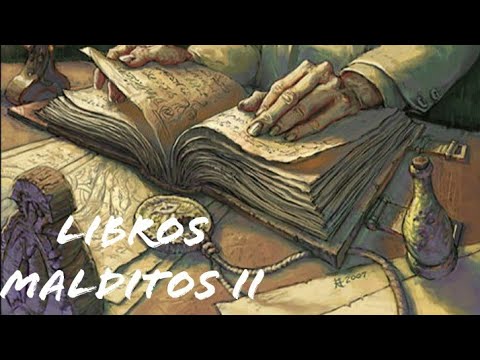
Cursed Books: An Investigator's Analysis of Esoteric Tomes and Their Alleged Influence


Investigating Forbidden Lore: The Concept of Cursed Books

The allure of forbidden knowledge is as old as civilization itself. Within this vast domain, a specific category of texts consistently draws cautious scrutiny: cursed books. These are not merely rare or controversial tomes; they are volumes alleged to carry malevolent influence, their very pages imbued with a dark energy capable of inflicting misfortune, madness, or even death upon those who dare to possess or read them. My mission, as always, is to cut through the sensationalism and explore the factual underpinnings, if any exist, behind these chilling legends.

"The greatest deception men suffer is from their own opinions." - Leonardo da Vinci. This sentiment is particularly relevant when examining claims of cursed artifacts, where subjective fear can easily masquerade as objective reality.

This report will dissect the phenomenon of cursed books, moving beyond anecdotal accounts to analyze historical context, potential psychological factors, and the rare instances where physical evidence or consistent patterns suggest something more than mere superstition.

Historical Precedents: When Ink Meets Ill Omen

The idea of artifacts, particularly texts, carrying negative spiritual or psychic weight has deep roots across cultures. Ancient Mesopotamian cuneiform tablets warned of curses for those who disturbed burial sites, a concept echoed in later Egyptian funerary texts. However, the modern conception of a "cursed book" gained traction during periods of intense religious and occult exploration, particularly from the Renaissance onward.

During the witch trials, any text associated with forbidden knowledge—grimoires, alchemical texts, or even heretical writings—could be deemed cursed by association. The fear wasn't necessarily that the book itself was sentiently malevolent, but that its contents were believed to lead the reader astray, inviting demonic influence or divine retribution. This perception created a powerful feedback loop: a book was considered cursed because it contained forbidden knowledge, and its forbidden nature made people fear its effects, thus reinforcing its cursed reputation.

Consider the enduring legend surrounding the Necronomicon, a fictional tome created by H.P. Lovecraft. Despite its fictional origin, the sheer volume of discussion and the "evidence" presented in later works and online have led many to believe in its existence and malevolent power. This is a prime example of how narrative power can transcend its fictional source, embedding itself into the collective consciousness as something potentially real.

Alchemical and Occult Texts

Historical alchemical manuscripts, filled with cryptic symbols and obscure formulas, often attracted suspicion. Their complex, coded language was seen by the uninitiated as dangerous sorcery. Many of these texts were privately held or circulated within secret societies, further fueling speculation. The alleged deaths or misfortunes of some alchemists became inextricably linked to the contents of their personal libraries, creating a narrative of dangerous texts.

Religious Scriptures and Taboos

In some religious traditions, certain texts are considered too sacred or too dangerous for common access, carrying implicit curses for misuse or desecration. The concept of blasphemy inherently carries a punitive element, a spiritual curse for those who transgress divine law through words or texts.

The Mechanics of Curse: Paranoia or Phenomenon?

When analyzing claims of cursed books, it's imperative to approach them with a dual lens: that of the skeptic looking for rational explanations, and that of the open-minded investigator acknowledging that some phenomena may defy current scientific understanding.

Psychological Factors

  • Confirmation Bias: Once an object is labeled as "cursed," any misfortune that befalls its owner or handler is automatically attributed to the curse, reinforcing the belief. The absence of positive events or the presence of negative events unrelated to the object are overlooked.
  • Suggestion and Expectation: The human mind is highly suggestible. Reading accounts of a book's curse can create a powerful expectation of negative events. This can lead to heightened anxiety, paranoia, and misinterpretation of everyday occurrences as signs of the curse.
  • Pareidolia and Apophenia: The tendency to perceive meaningful patterns in random data. This can manifest as seeing malevolent faces in book illustrations, interpreting random sounds as whispers, or connecting unrelated events.

Physical and Chemical Agents

Some historical texts might pose genuine, albeit mundane, dangers:

  • Toxic Materials: Certain historical pigments and binding agents used in bookmaking could contain lead, arsenic, mercury, or other toxic substances. Handling such books without proper precautions could indeed lead to illness. Books bound in human skin (Anthropodermic bibliopegy) also carry health risks.
  • Mold and Decay: Old books stored in damp environments can develop molds and fungal spores that are harmful when inhaled.

Potential Paranormal Mechanisms

While psychological and physical explanations are often sufficient, we must consider the possibility of genuine psychic or energetic phenomena:

  • Psychic Imprint/Residue: The theory that intense emotions or events associated with the creation or use of an object can leave an energetic imprint on it. A book used in dark rituals or associated with significant suffering might retain this imprint, influencing sensitive individuals.
  • Thoughtforms/Tulpa: In esoteric traditions, the concept of a thoughtform—a psychic construct generated by collective belief or focused intent—is relevant. If enough people believe a book is cursed and focus their energy upon it, they might inadvertently create a tangible psychic entity or influence attached to it.
  • Dimensional Bleed: Some theories propose that certain objects or locations can act as weak points or conduits for energies from other dimensions or planes of existence. A book associated with such concepts or energies might act as a focal point.

To investigate these claims, one needs more than just historical accounts; one needs empirical approaches, however challenging they may be in this field. This is where specialized paranormal investigation equipment can play a role, though its interpretation remains a subject of debate.

Case Studies: Tomes of Terror

Examining specific examples provides crucial data points for our analysis.

The Blair Witch Legend (Though Fictional, Illuminates the Concept)

While the Blair Witch Project is modern fiction, its effective use of found footage and historical-seeming artifacts taps into the zeitgeist of cursed lore. The legend itself, concerning a witch whose presence curses the Black Hills Forest, mirrors how "cursed" objects are often tied to specific locations and historical grievances.

The Grand Grimoire

One of the most notorious grimoires, allegedly dating back to the 16th century (though scholarly consensus places its publication much later). It is said to contain instructions for summoning demons and making pacts. Legends abound of its owners meeting grisly ends or succumbing to madness. The text itself speaks of pacts with Lucifer and methods for conjuring entities, lending credence to fears of its dark influence.

The Book of St. Cyprian

A Portuguese grimoire, this book is purported to contain spells, prophecies, and methods for communicating with the dead and conjuring spirits. Its reputation for attracting misfortune is widespread, with tales of readers experiencing inexplicable accidents and psychic disturbances.

The Codex Gigas

Also known as the Devil's Bible, this massive medieval manuscript is famous for its full-page illustration of the Devil and the legend that it was created by a monk who sold his soul to complete it in a single night. While no direct curses are attributed, its association with the Devil and its sheer imposing nature contribute to a fearsome aura.

Investigator's Verdict: Hoax, Genuine Phenomenon, or Psychological Projection?

After reviewing the historical context, the potential mechanisms, and specific case studies, it becomes clear that the "curse" of a book is rarely a simple, singular phenomenon. My verdict leans towards a complex interplay of factors:

  • Hoax and Folklore: A significant portion of cursed book lore is undoubtedly the result of embellishment, sensationalism, and deliberate fabrication over centuries. Legends grow, details are added, and an object's notoriety can far outweigh any factual basis.
  • Psychological Projection: The power of belief and suggestion is immense. Many so-called curses are likely manifestations of the reader's own anxieties, fears, and predispositions, amplified by the intimidating nature of esoteric texts.
  • Genuine Psychic Residue/Influence: However, to dismiss all claims outright would be intellectually dishonest. In a universe where consciousness and energy may be more fundamental than we currently measure, it is conceivable that objects associated with intense human emotion, significant historical events, or deliberate ritualistic intent could retain some form of energetic imprint or influence. These influences might not be "curses" in a literal, sentient sense, but rather energetic fields that can affect the sensitive or those predisposed to experiencing such phenomena.

Ultimately, the "curse" is often a narrative constructed around an object. The book itself is a catalyst, but the true engine is often the human mind—either projecting fear, or, potentially, interacting with an unknown energetic force.

A Practical Approach

My recommendation for anyone encountering such a text is not outright fear, but cautious investigation. Document everything. Note your surroundings, your emotional state, and any unusual occurrences. The goal is data collection, not succumbing to pre-conceived notions. If a particular book or artifact consistently correlates with negative events across multiple, independent owners, it warrants further, rigorous study, perhaps using advanced EMF meters or ambient audio recorders.

The Researcher's Archive

To truly understand the depth of this subject, direct engagement with primary and secondary sources is crucial. The following provide a solid foundation for serious study:

  • "The Occult: A History" by Colin Wilson: Provides broad context on esoteric traditions and the history of occultism.
  • "The History of Magic" by Eliphas Lévi: A foundational text for understanding Western esotericism and magical theory.
  • Primary Grimoire Texts (with critical editions): Exploring translations of texts like the Grand Grimoire or the Key of Solomon, especially annotated versions that discuss historical context and potential fraud.
  • "Anthropodermic Bibliopegy: The Case of Human Skin Books" by Megan Rosenbloom: For understanding the literal, physical dangers some books might present.

Accessing these resources often requires visiting specialized libraries or purchasing books from reputable dealers specializing in esoteric publications. For those seeking to understand how to document potential paranormal evidence, resources on EVP recording and analysis are invaluable.

Field Protocol: Evaluating Esoteric Texts

If you find yourself in possession of a text with a purported "cursed" history, follow this protocol:

  1. Documentation Prior to Handling: Before touching the book, photograph its current location and condition thoroughly. Note any immediate sensory impressions (smell, temperature fluctuations, feelings of unease).
  2. Controlled Environment: Handle the book in a neutral, well-lit environment. Avoid areas known for unusual activity. Ensure the space is free from known environmental stressors (e.g., flickering lights, excessive drafts).
  3. Minimal Exposure and Safe Handling: Wear gloves. Do not read passages aloud impulsively. If reading is necessary, do so with a clear intention and a background of protective or grounding practices.
  4. Objective Observation: Keep a detailed log of every interaction: dates, times, duration, your emotional and physical state, any environmental changes, and any phenomena observed. Compare this log to your daily life outside of handling the book.
  5. Controlled Experiments (Advanced): If investigating systematically, consider using an EMF meter or an audio recorder in the vicinity of the book during periods of observation. Compare readings and recordings to baseline data taken in the same location without the book present.
  6. Seek Expert Opinions: Consult with librarians, archivists, historians, and, if appropriate, experienced paranormal investigators to cross-reference findings and identify potential non-paranormal explanations.

Frequently Asked Questions

Q1: Are there any truly cursed books that modern science can prove?

Currently, there is no scientific method that can definitively prove a book is "cursed" in a supernatural sense. Explanations tend to fall into psychological, historical, or physical categories. However, ongoing research in areas like psychotronics or consciousness studies might one day shed light on phenomena currently deemed inexplicable.

Q2: What is the safest way to handle a book rumored to be cursed?

The safest approach is to treat it with respect and caution, similar to handling any old artifact. Wear gloves, avoid reading aloud without preparation, document your experiences objectively, and consult with experts. If you experience genuine distress, cease interaction and seek professional help.

Q3: Can belief alone create a curse?

Psychologically, yes. Collective belief can create powerful suggestibility and confirmation bias, leading individuals to interpret events as curses. Esoterically, some traditions believe that focused collective belief can manifest as a tangible psychic influence or "thoughtform" attached to an object.

Conclusion

The concept of cursed books serves as a fascinating intersection of folklore, psychology, history, and the enduring human fascination with the forbidden. While the dramatic narrative of instant doom is largely the stuff of legend, the idea that certain objects, due to their history, contents, or the intense emotions surrounding them, can exert an unusual influence is a hypothesis that warrants continued, critical investigation. My role is not to confirm curses, but to analyze the claims, sift through evidence, and present the most logical conclusions. The true "curse" might sometimes be our own fear, but the possibility of residual energies or unknown forces remains a compelling avenue for exploration within the vast, unexplained expanse of our reality.

Your Mission: Analyze a Legend

Now, turn your investigative eye to your own cultural landscape. Is there a local legend about a cursed object, a haunted artifact, or a place imbued with negative energy? Document the story, research its origins, and consider the psychological and historical factors that might contribute to its persistence. Share your findings and theories in the comments below. Let's expand the archive together.

About the Author

Alejandro Quintero Ruiz is a veteran field investigator dedicated to the analysis of anomalous phenomena. His approach combines methodological skepticism with an open mind to the inexplicable, always seeking the truth behind the veil of reality.