Followers

Mostrando las entradas con la etiqueta Ancient Texts. Mostrar todas las entradas

Every Banned Book of the Bible Explained in 12 Minutes

Image

The official biblical canon, a cornerstone of religious doctrine for billions, is not the complete story. For centuries, texts that were deemed too controversial, too revealing, or simply outside the established narrative have been systematically removed, hidden, or branded as heretical. These "banned" books offer a glimpse into the fragmented and often fiercely debated origins of religious belief, challenging the very foundations of what many consider sacred. My investigation into these exclusionary practices reveals patterns of control and a deliberate shaping of theological discourse.

The decision to include or exclude texts from the biblical canon was rarely a simple matter of divine revelation. It was a complex process, often driven by political, social, and theological agendas of the time. As an investigator, I've seen this pattern repeat throughout history: those in power curate narratives to maintain control. The exclusion of certain books wasn't always an overt "ban," but rather a meticulous process of filtering, a subtle weaponization of religious doctrine to shape minds and enforce a particular worldview.

Introduction: The Unseen Gospels

The official Bible, a collection of texts revered for millennia, is but a fraction of the early Christian writings that circulated. Texts like the Book of Enoch and the Gospel of Thomas, while potentially offering profound insights, were ultimately excluded from the accepted canon. This exclusion raises critical questions: What did these texts reveal that was considered so dangerous? What ancient secrets and controversial teachings did religious leaders seek to suppress? My role as an investigator is to peel back these layers of dogma and expose the hidden narratives that shaped early Christianity and continue to influence our understanding today.

Recommended Gear for Investigation

ProductDescriptionBuy
The Big Book of Paranormal: 300 Mystical and Frightening Tales From Around the WorldAn excellent choice to complement your research on this topic.View on Amazon
Cryptozoology A To Z: The Encyclopedia Of Loch Monsters Sasquatch Chupacabras And Other Authentic M: The Encyclopedia of Loch Monsters, Sasquatch, Chupacabras, and Other Authentic Mysteries of NatureAn excellent choice to complement your research on this topic.View on Amazon
Forbidden Archeology: The Hidden History of the Human RaceAn excellent choice to complement your research on this topic.View on Amazon
The H. P. Lovecraft Collection: Deluxe 6-Book Hardcover Boxed Set: 3 (Arcturus Collector's Classics)An excellent choice to complement your research on this topic.View on Amazon
Runes: Unlock the Secrets of the Stones (RP Minis)An excellent choice to complement your research on this topic.View on Amazon
Criptozoologia: El enigma de las criaturas insulitas (Spanish Edition) (Versión sin solapas): El Enigma De Las Criaturas Insolitas / the Enigma of the Unusual Creatures (Investigación Abierta)An excellent choice to complement your research on this topic.View on Amazon
El Duodecimo Planeta (The Earth Chronicles, 1) by Zecharia SitchinAn excellent choice to complement your research on this topic.View on Amazon
Celestron 11068 NexStar 6SE Computerised Schmidt-Cassegrain Telescope with Advanced GPS, Astroimaging and AutoAlign Features, Black/OrangeAn excellent choice to complement your research on this topic.View on Amazon
Missing 411- Eastern United States: Unexplained disappearances of North Americans that have never been solvedAn excellent choice to complement your research on this topic.View on Amazon
Ghost-Hunting For Dummies [Idioma Inglés] An excellent choice to complement your research on this topic.View on Amazon

The decision to exclude these books was not arbitrary; it was a deliberate act of curation. As one observer noted, "The more I'm learning about the beginning of the Christian church, the more I am seeing the weaponization of religion and hijacking of our minds." This sentiment resonates with my own findings. My journey has led me to question the narratives presented by established institutions, prompting me to seek truth independently.

Historical Exclusion: Why Were These Texts Removed?

The process of canonization was complex and protracted, spanning several centuries. Early Christian communities encountered a vast array of theological viewpoints and written materials. The eventual selection of texts for the New Testament canon was influenced by several factors:

  • Apostolic Authority: Texts believed to be written by or directly connected to the apostles were generally favored.
  • Theological Consistency: Writings that aligned with the emerging orthodox doctrines were prioritized, while those deemed heretical or divergent were often rejected.
  • Widespread Acceptance: Texts that had gained significant traction and were being read in various Christian communities held more weight.

However, the line between orthodoxy and heresy was often blurred and politically charged. As one commenter observed, "They are not banned.... They were excluded." This distinction is crucial. Exclusion suggests a process of selection rather than outright prohibition, though the effect for seekers of knowledge was similar.

Some theories suggest that certain gospels, like those of Thomas, Mary, and the Shepherd of Hermas, were excluded because their teachings on inward salvation and detachment from the material world aligned closely with concepts found in other Eastern religions, such as Hinduism. This alignment, according to some, could have been perceived as a threat to the established religious hierarchy, which sought to create division rather than promote unity. The drive for unity, or at least a unified doctrine, appears to be a recurring theme in the history of religious texts.

The Book of Enoch: Prophecies and Fallen Angels

The Book of Enoch is an ancient Jewish apocalyptic religious text, traditionally ascribed to Enoch, the great-grandfather of Noah. It contains unique material about fallen angels (Watchers), the origins of demons, the coming messianic kingdom, and a cosmic judgment. Its influence on early Jewish and Christian thought is undeniable, with direct references appearing in the New Testament, notably in the Epistle of Jude.

"The Book of Enoch also recounts how the apostles were at a loss at what they should do after Christ left them. She chastised Peter for not knowing what to do. She reminded them that the Savior had said, “Feed My Sheep,” and that they were to go out and bring people unto the truth."

Despite its apparent significance, the Book of Enoch was excluded from the Hebrew Bible and most Christian canons. Its inclusion in the Ethiopian Orthodox Tewahedo Church and Eritrean Orthodox Tewahedo Church canons makes it a fascinating case study. The exclusion raises questions about its teachings on angelology and eschatology, which may have diverged from the developing orthodox views. My research indicates that texts like these were often suppressed not because they were entirely false, but because they offered a competing cosmology and narrative that challenged the power structures of the nascent church.

Some historical accounts suggest that acquiring such texts was not as difficult as commonly believed. One individual shared, "I bought my copy of the book of Enoch in the mid 70’s. From a catholic bookshop in Manchester. Hardly ‘banned’." This suggests a nuanced reality where "banned" might be an oversimplification of a more complex historical dynamic of exclusion and availability.

The Gospel of Thomas: Gnostic Teachings and Inner Salvation

The Gospel of Thomas is perhaps one of the most famous of the Gnostic gospels. Discovered in Nag Hammadi, Egypt, in 1945, it consists of a collection of sayings attributed to Jesus. Unlike the canonical gospels, it does not contain a narrative of Jesus's life, death, and resurrection, but rather focuses on his teachings, often presented in a cryptic, esoteric style.

The themes central to the Gospel of Thomas often emphasize:

  • Inner Knowledge (Gnosis): Salvation is achieved through direct, intuitive knowledge of oneself and the divine, rather than through external rituals or intermediaries.
  • The Kingdom of Heaven Within: The divine realm is not a future place but an present reality accessible through spiritual awakening.
  • Detachment from Materialism: A strong emphasis on renouncing worldly attachments and embracing a simple, spiritual existence.

These teachings, while resonating with many today seeking spiritual depth, were fundamentally at odds with the developing doctrines of the early Church, which was increasingly emphasizing institutional authority and a more structured path to salvation. As one reader commented, "I am not a religious Christian however I do like what the book of Thomas has about a gnostic interpretation for better life."

However, skepticism regarding its authenticity is also present. An opposing view states, "i’m opting out early because there were repeated inaccuracies in the first four minutes, but the gospel of Thomas is the most well-known forgery out of these excluded books, it was easily dated to the 15th century, as it’s earliest possible origin." This highlights the critical need for rigorous textual analysis and historical verification when examining such ancient documents.

The Gospel of Mary Magdalene: A Woman's Perspective

The Gospel of Mary Magdalene is another significant text from the Gnostic tradition, notable for centering on Mary Magdalene as a key disciple and recipient of Jesus's special teachings. It portrays her as a spiritual leader who received profound revelations from Jesus after his resurrection, which she then shared with the other apostles.

"The Book of Mary Magdalene also recounts how the apostles were at a loss at what they should do after Christ left them. She chastised Peter for not knowing what to do. She reminded them that the Savior had said, “Feed My Sheep,” and that they were to go out and bring people unto the truth."

The text depicts a tense interaction between Mary and Peter, who seems threatened by her spiritual authority. Peter questions whether Jesus would have entrusted such important teachings to a woman over the other male disciples. This dynamic reflects the patriarchal struggles within early Christianity regarding the roles of women in leadership and spiritual authority. My investigation suggests that the suppression of Mary Magdalene's gospel was a strategic move to reinforce male dominance within the emerging Church hierarchy. The trust and companionship exhibited between Jesus and Mary in these texts challenge the traditional portrayal and underscore the potential for a more inclusive early Christian community.

The idea that "we've been misguided by churches and lied to about all this" is a sentiment echoed by many who encounter these excluded texts. The information presented in these historical documents often clashes with established religious narratives, prompting critical reevaluation.

Other Excluded Texts and Their Significance

The Book of Enoch and the Gospel of Thomas are merely two prominent examples. Scholars estimate that dozens, perhaps even hundreds, of texts were considered by early Christian communities. Some of these include:

  • The Shepherd of Hermas: An allegorical work offering moral instruction and apocalyptic visions.
  • The Acts of Paul and Thecla: Narratives detailing the missionary journeys and persecutions of the apostles Paul and Thecla.
  • The Gospel of Peter: A partial gospel that presents a unique account of the Passion of Christ.

The common thread among many of these excluded books is their Gnostic or mystical orientation. As one commentator noted, "A frequent common factor in the unincluded books is that they were Gnostic. I did a bit of research into common Gnostic beliefs and agree that they are alien to the teachings of Christ." This perception of being "alien" or "foreign" to the dominant theological current was a significant factor in their exclusion. It suggests a deliberate effort to create a homogenous religious doctrine, potentially overlooking valuable spiritual and historical insights.

The existence of such a large number of excluded texts leads to the critical question: "With 72 known books now missing from the original, how can people base their life and beliefs on only half a story??" This highlights the incomplete picture presented by the canonical Bible and the importance of exploring alternative historical and theological perspectives.

Investigator's Analysis: The Power of Narrative Control

From my vantage point as an independent investigator, the exclusion of these texts is not merely an academic curiosity; it's a case study in the power of narrative control. The early Church, in its formative stages, was engaged in a fierce battle for theological dominance. The texts that survived and formed the canon were those that best served the emerging institutional structure and its doctrines. Those that offered alternative paths, challenged authority, or contained elements deemed Gnostic—focused on direct, personal spiritual experience over hierarchical mediation—were often sidelined.

The notion that these books were "excluded" rather than "banned" is technically accurate but functionally misleading. The effect was the same: suppressing viewpoints that didn't align with the burgeoning orthodoxy. This historical precedent serves as a stark reminder that established truths are often the result of specific choices, not inevitable destiny. Some testimonies suggest a more deliberate suppression, while others point to historical facts conflicting with video information, emphasizing the need for critical discernment.

The humanity of the authors, with their personal struggles, ambitions, and pride, is evident throughout many biblical passages, canonical or not. This inherent human element underscores the importance of prayer and vigilant study to discern divine truth from human interpretation. As one user wisely stated, "Read and pray to understand God's Word and reside in His Truth, not 'ours'." This pursuit of truth requires a willingness to look beyond accepted narratives, a principle that guides my own investigations.

Frequently Asked Questions

What are the 'banned' books of the Bible and why were they excluded?
The 'banned' or excluded books are texts like the Book of Enoch and the Gospel of Thomas, omitted from the official canon. Reasons include theological conflicts, perceived Gnostic influences, and authorship questions.
What do these texts reveal about early Christianity?
They offer alternative views on salvation, inner knowledge, and the roles of figures like Mary Magdalene, highlighting a more diverse early Christian landscape than often depicted.
How can one discern truth when studying these diverse texts?
Discernment involves prayer, comparing texts, and critical analysis. It's about seeking understanding without necessarily accepting every idea as personal doctrine.
Were these books truly 'banned' or simply 'excluded'?
Scholars generally use 'excluded,' referring to a process of selection over centuries based on various criteria, rather than an overt, singular ban.

Research Tools for the Determined Investigator

Investigating the historical and theological underpinnings of religious texts requires access to reliable resources. My own practice involves cross-referencing canonical accounts with apocryphal and pseudepigraphal texts, historical scholarship, and archaeological findings. For those seeking to delve deeper, I recommend the following:

  • Academic Databases: Platforms like JSTOR, Academia.edu, and Google Scholar provide access to peer-reviewed articles on biblical studies and early Christianity.
  • Primary Text Collections: Compilations of ancient religious texts, such as the Nag Hammadi library, offer direct engagement with the source material.
  • Reputable Encyclopedias: Resources like the Encyclopedia Britannica and academic biblical encyclopedias provide concise overviews of key figures, texts, and concepts.

Understanding the historical context and the motivations behind canonization is crucial. The Dead Sea Scrolls, discovered long after the canon was established, provide further evidence of the diversity of Jewish religious literature during that period. As Deuteronomy 29:29 states, "The secret things belong to the Lord our God, but those revealed belong to us and to our children forever, that we may do all the words of this law." This verse suggests a divine plan where certain knowledge is preserved for specific times, reinforcing the need for humility and diligent study.

Securing Your Research Foundation

The pursuit of knowledge, especially in fields as complex and often underfunded as historical and religious studies, requires diligence and resourcefulness. It's not just about the time invested, but also the tools and access needed for thorough investigation. Ensuring a stable foundation extends beyond academic resources; it involves pragmatic preparation for the future. In today's interconnected world, this includes understanding and leveraging the broader financial ecosystem. Exploring the frontiers of the digital economy can provide the necessary stability to dedicate oneself to uncovering hidden truths, ensuring that the light of knowledge is not extinguished by practical limitations. This level of dedication requires not only time but also a solid base of resources.

Investigator's Verdict: Truth Beyond the Canon

The narrative of "banned" books is a powerful one, suggesting a conspiracy to hide inconvenient truths. While outright banning might be an overstatement, the systematic exclusion of texts that challenged nascent orthodoxy is an undeniable historical reality. These excluded writings offer invaluable perspectives on the diversity of belief in early Christianity, the roles of women, and alternative paths to spiritual understanding. They weren't necessarily "forgeries" or "lies," but rather different interpretations and traditions that ultimately did not align with the dominant theological trajectory. My verdict is clear: the full picture of early religious history lies not only within the accepted canon but also in the rich tapestry of texts that were deliberately or incidentally left out. To ignore them is to accept an incomplete and potentially manipulated version of history.

Your Mission: Uncover the Hidden Truths

The exploration of these excluded texts is not merely an academic exercise; it's a personal quest for truth. The established narratives, while comforting to many, may obscure deeper layers of spiritual and historical reality. Your mission, should you choose to accept it, is to approach these texts with an open mind and a critical intellect. Seek out the excluded gospels, study the writings of figures like Mary Magdalene and Enoch, and compare them with the canonical texts. Engage in thoughtful debate, question assumptions, and strive to understand the historical and theological forces that shaped our religious traditions. The truth is often found not in the loudest pronouncements, but in the quiet whispers of history waiting to be rediscovered.

Share your experiences with these texts or similar historical mysteries in the comments below. Follow us for more investigations into the unexplained and the historically obscured. Share this post on your social media to spark conversation!

Investigator's Note: True paranormal research doesn't fund itself. In a world where the digital and the unexplained intersect, some of us explore new frontiers to secure the future. Do you dare to be part of the vanguard? Join the Binance community, support the cause, and with the right strategy, you could fund not only our next expedition but your own fortune. The next great discovery could be just a click away.

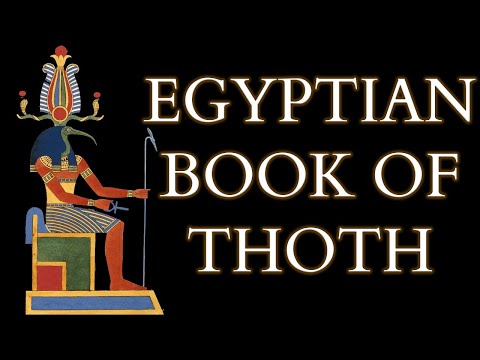
The Egyptian Book of Thoth: Unveiling Ancient Initiations and Hermetic Wisdom


(adsbygoogle = window.adsbygoogle || []).push({});

Welcome, seekers of the arcane, to El Rincon Paranormal. In the shadowy corners of history, where the veil between worlds thins, we uncover truths that elude conventional understanding. Today, our investigation focuses on the heart of ancient Egyptian civilization, a civilization that cradled mysteries now beckoning us to re-examine their profound contributions to esoteric thought and spiritual initiation. At the epicenter of this ancient enigma lies the Egyptian Book of Thoth, a cornerstone text that not only codified sacred rituals within the enigmatic House of Life but also laid the foundation for what would later be recognized as Hermetic philosophy. Prepare for an exposé that bridges the material and the spiritual, the historical and the deeply mystical.

The Egyptian Book of Thoth: A Revelation of Ancient Initiation

The ancient Egyptians were not merely builders of pyramids; they were architects of consciousness. Their civilization’s enduring legacy is deeply etched in a vast literary corpus, a testament to their profound reverence for knowledge. Central to this treasure trove of wisdom is the Egyptian Book of Thoth, an arcane scripture that served as the linchpin for the sacred initiation rituals practiced within the hallowed halls of the House of Life. This text is dedicated not to a transient deity, but to Thoth himself – the Egyptian pantheon’s embodiment of wisdom, the patron of scribes, the master of magic, and the keeper of divine knowledge. Within its cryptic verses lie the secrets to unlocking higher perception and mastering the mystical arts, a pursuit that defines the true meaning of initiation.

The value of the Book of Thoth transcends mere historical curiosity. It represents a tangible link to a worldview where the divine and the mundane were not separable, but interwoven threads in the fabric of existence. The rituals detailed within were not simply symbolic gestures; they were practical methodologies designed to facilitate transformative experiences, bridging the chasm between the corporeal form and the boundless potential of the spirit. This makes the text not just an object of study, but a potential roadmap for those daring enough to embark on a similar path of self-discovery.

A Mysterious Conversation with Thoth

The true power of the Book of Thoth is revealed as the initiated student meticulously deciphers its profound verses. This is not a passive reading; it is an active engagement, a cryptic dialogue with the divine intellect itself. Thoth, a figure revered across ancient cultures and later syncretized with the Greek Hermes, emerges not merely as a god, but as a transcendent guide, an embodiment of initiatory wisdom. Through this sacred, almost telepathic exchange, the seeker is granted access to esoteric teachings that dismantle the perceived barriers between the material universe and the spiritual planes. This dialogue is the essence of transformation, where the student’s questions are met not with dogma, but with revelations that reshape their understanding of reality.

"The words are not merely written, they echo. And in that echo, Thoth speaks, not as a distant deity, but as the very architect of your comprehension."

This communion is the crucible where superficial understanding is burned away, leaving behind the refined gold of true insight. It emphasizes that the book is a living entity, a conduit for direct experience rather than a static historical artifact. The practitioner is not merely reading about wisdom; they are actively participating in its transmission.

The Hermetic Connections

The profound allure of the Book of Thoth intensifies exponentially when we acknowledge its undeniable, deep-seated resonance with Hermetic philosophy. Hermeticism, a spiritual and philosophical tradition purportedly originating from Hermes Trismegistus – a Hellenistic amalgamation of the Egyptian Thoth and the Greek Hermes – mirrors the initiatory wisdom contained within the ancient Egyptian text. This intricate connection serves to deepen the enigma, forcing us to confront the possibility of a unified, cross-cultural stream of ancient knowledge. The principle of "As Above, So Below," a cornerstone of Hermetic thought, finds its roots not in a later Greek sage, but in the very foundations of Egyptian mystical practices.

Investigating this nexus reveals that Thoth and Hermes Trismegistus are more than mere parallels; they are often considered different facets of the same archetypal consciousness. The rituals and teachings described in the Book of Thoth provide the historical and cultural context for the principles later codified by Hermes Trismegistus. This integration allows us to see Hermeticism not as an isolated philosophical system, but as a continuation and evolution of ancient Egyptian esoteric traditions. For the contemporary researcher, understanding this link is crucial for appreciating the unbroken lineage of mystical inquiry that spans millennia.

The implications are staggering: if Thoth is Hermes, then the secrets whispered in the temples of ancient Egypt are the very secrets debated in alchemical treatises and esoteric schools for centuries. This shared heritage underscores the universality of certain spiritual truths, irrespective of the cultural garb they wear. Exploring the Hermetic philosophy through the lens of the Book of Thoth offers a richer, more grounded perspective on this enduring spiritual tradition. For readers interested in diving deeper, exploring the historical and philosophical underpinnings of Hermeticism is a necessary step.

Unraveling the Enigmatic Text

The true richness of the Book of Thoth is a multifaceted jewel, gleaming not only with its esoteric profundity but also with the sheer complexity of its original script. Penned in the intricate and often obscure demotic script of ancient Egypt, translating and interpreting this text presents a formidable challenge to modern scholars and seekers alike. Yet, this linguistic barrier is not an insurmountable wall, but rather a gatekeeper. With unwavering dedication, rigorous scholarly guidance, and a deep respect for the source material, the profound truths concealed within its cryptic verses can indeed be unlocked. The effort invested in deciphering these ancient symbols is a form of initiation in itself, mirroring the patience and perseverance required by those who first engaged with this knowledge.

The demotic script, a cursive form derived from hieratic, was the everyday script of ancient Egypt during the Late Period and Ptolemaic era. Its very nature lent itself to the rapid recording of religious, legal, and literary texts. However, its abbreviated and often flowing characters can be notoriously difficult to parse without specialized training. This difficulty, far from being a flaw, serves as a natural filter, ensuring that only the most dedicated individuals would be able to access the deeper layers of meaning. Such challenges are common in ancient mystical texts; the knowledge is protected, waiting to be earned, not simply given. Modern tools, such as comparative linguistics and advanced digital imaging, are invaluable in this ongoing process of decipherment, allowing researchers to cross-reference symbols and contexts more effectively than ever before.

For those seeking to understand the nuances of ancient Egyptian scripts and texts, a foundational knowledge of Demotic script is essential. This pursuit often requires consulting specialized academic resources and potentially engaging with Egyptologists or linguists who dedicate their careers to this field.

The Initiatory Ritual in the House of Life

The House of Life (Per Ankh) was far more than a mere library or scriptorium; it was an esteemed institution, the intellectual and spiritual heart of ancient Egyptian civilization. Within its sacred precincts, the profound rituals of initiation were meticulously conducted, guided by the wisdom enshrined in the Book of Thoth. Here, scribes and priests, the intellectual elite of their time, underwent a rigorous process of self-cultivation and knowledge acquisition. They received not only formal training but also direct transmission of sacred knowledge, ensuring that the profound understanding of the universe's mysteries and the path to spiritual enlightenment were passed down through generations. These initiations were the primary conduit through which the civilization maintained its deep connection to the divine and the cosmic order.

The House of Life served multiple critical functions. It was a center for the copying and preservation of ancient texts, a place where medical knowledge was advanced, and where astronomical observations were made. More importantly, it was a sanctuary for esoteric learning. The rituals performed here were designed to elevate the consciousness of the participants, equipping them with the insight and discipline necessary to comprehend the complex tapestry of existence. The Book of Thoth itself was likely a centerpiece of these initiatory rites, containing dialogues, spells, and cosmological insights intended to provoke direct spiritual experience rather than mere intellectual assent. Understanding the context of the House of Life is vital for grasping the practical application and profound significance of the knowledge contained within the Book of Thoth.

Embracing the Legacy of Ancient Scribes and Priests

The enduring brilliance of ancient Egyptian civilization owes a substantial debt to its scribes and priests. These individuals were not simply functionaries; they were the custodians of knowledge, the guardians of tradition, and the conduits of divine wisdom. Their elevated status within society reflected the profound importance placed upon literacy, learning, and spiritual understanding. The intricate initiatory rituals, facilitated by these erudite figures, were the bedrock upon which the civilization's spiritual and intellectual continuity rested. They served as the essential mechanism for preserving and transmitting the sacred understanding of the cosmos, a legacy that continues to captivate us today through texts like the Book of Thoth.

The transition from novice to initiate within the House of Life was a journey meticulously orchestrated by these learned individuals. They imparted not only the technical skills of writing and administration but also the deeper mystical insights that allowed for a comprehensive understanding of life, death, and the divine. The knowledge contained within the Book of Thoth was thus filtered through their expertise, ensuring its integrity and potency across generations. Embracing their legacy means more than just studying their texts; it means striving to emulate their dedication to wisdom, their pursuit of truth, and their commitment to spiritual development.

Join the Paranormal Journey

We extend a sincere invitation to embark on an enthralling paranormal journey of discovery. Together, we will plunge into the profound depths of ancient Egyptian wisdom and traverse the mystical realms illuminated by the Book of Thoth. Our mission is to uncover the intricate secrets of ancient initiation and to illuminate the enigmatic legacy of Thoth-Hermes, forging a vital bridge between the ancient reservoir of wisdom and our contemporary understanding. Prepare to question, to explore, and to expand your perception of reality.

This exploration is not merely academic; it is an invitation to engage with phenomena that defy easy explanation. The ancient mysteries we uncover hold resonance for the modern seeker, offering potential pathways to understanding consciousness, the universe, and our place within it. By delving into these esoteric traditions, we not only honor the past but also unlock potential insights for our future. Whether you are drawn to the historical weight of the texts or the spiritual potential they represent, this journey promises illumination.

To further enrich your quest for knowledge, we encourage you to explore the comprehensive resources available within the Occult Library here at El Rincon Paranormal. Here, you can access and download profoundly influential texts, including the very Book of Thoth that has been the focus of our investigation. It’s a vital step for any serious researcher seeking to engage directly with primary source material.

Furthermore, become an active participant in our burgeoning community by joining us on our YouTube channel. Here, we engage in captivating discussions on a myriad of mysterious topics, and we extend a warm welcome to all new subscribers joining our ever-expanding family of curious minds. Embrace the unknown, share in the collective pursuit of illumination, and let us unravel these enigmas together.

The Researcher's Verdict: Ancient Wisdom or Elaborate Myth?

The Egyptian Book of Thoth stands as a monumental enigma within the annals of esoteric literature. From a purely historical perspective, definitive textual proof of its existence as a single, codified manuscript from ancient Egypt remains elusive, much like many other legendary texts. However, the sheer pervasiveness of Thoth's influence across Egyptian religion and the undeniable thematic parallels with later Hermetic traditions strongly suggest that the *concepts* and *teachings* attributed to Thoth were very much alive and central to Egyptian initiatory practices.

The scholarly consensus often points towards the Book of Thoth being a composite of various magical and religious texts that honored Thoth, rather than a singular volume. The demotic script further complicates matters, dating many potentially related fragments to later periods than the height of Pharaonic Egypt. Yet, to dismiss the entire corpus associated with Thoth as mere myth would be to ignore the profound impact these ideas had on subsequent philosophical and spiritual movements, most notably Hermeticism. The consistency of Thoth’s role – as scribe, magician, mediator of divine knowledge – across millennia of Egyptian history is too strong to be coincidental.

My verdict leans towards a nuanced understanding: while a singular "Book of Thoth" in the form we might imagine might not have existed in ancient Egypt, the *essence* of what it represents – the accumulated esoteric knowledge, magical practices, and initiatory rites attributed to the god Thoth – was undoubtedly a fundamental pillar of Egyptian religious and spiritual life. The persistent attribution and the deep connections to Hermeticism suggest that the core initiatory wisdom associated with Thoth is not mere fabrication, but rather a powerful, albeit fragmented and evolving, spiritual legacy.

The Researcher's Archive

For those ready to delve deeper into the arcane world of ancient Egyptian wisdom and its esoteric connections, the following resources are indispensable. Engaging with primary texts and authoritative secondary analyses is crucial for any serious investigation into such profound subjects. These are not mere suggestions; they are essential tools for understanding the intricate layers of meaning within texts like the Book of Thoth.

  • Primary Texts & Essential Translations: Accessing direct translations can be challenging due to the nature of the source materials. However, works that compile or discuss fragments attributed to Thoth are invaluable.
  • The Egyptian Book of Thoth by Anonymous: While its scholarly provenance requires careful scrutiny, engaging with such compiled versions offers a starting point for exploring the thematic elements associated with Thoth.
  • Hermeticism & Ancient Egyptian Religion Compilations: Look for academic works that bridge the gap between Egyptian religion and the development of Hermeticism. Authors like Jan Assmann or Erik Hornung offer deep insights into Egyptian cosmology and religious practices.
  • Scholarly Articles on Thoth and Demotic Texts: University archives and specialized journals often contain peer-reviewed articles that analyze specific demotic papyri or discuss the evolution of Thoth's cult and iconography.

Remember, the pursuit of esoteric knowledge is a marathon, not a sprint. Diligence, critical thinking, and a respect for original sources are your most reliable tools.

Your Field Mission: Trace the Echoes of Thoth

The Book of Thoth is more than an ancient text; it is a concept, a tradition, a lineage of wisdom attributed to the divine scribe himself. Your mission, should you choose to accept it:

  1. Identify Local Esoteric Traditions: Research local folklore, legends, or historical accounts in your region that might speak of hidden knowledge, secret societies, or individuals possessing unusual wisdom. Are there any local "wise ones," scribes of old, or keepers of forgotten lore?
  2. Analyze Hermetic Parallels: Find a principle from Hermetic philosophy (e.g., "Mentalism," "Correspondence," "Vibration") and attempt to find a parallel concept within ancient Egyptian mythology or religious texts (even if not directly from a text attributed to Thoth). How does this principle manifest differently or similarly?
  3. Document Your Findings: In the comments section below, share any interesting parallels or local traditions you uncover. What echoes of Thoth's wisdom can you find in your own environment or research?

This exercise is designed to encourage you to see the interconnectedness of ancient wisdom traditions and to recognize how these profound concepts continue to resonate through time and across cultures.

alejandro quintero ruiz

Is a seasoned field investigator with years dedicated to dissecting anomalous phenomena. His approach, forged in the crucible of the unexplained, blends methodical skepticism with an unwavering openness to the truly inexplicable. Alejandro seeks the verifiable truth behind the veil of reality, treating each case as a puzzle demanding rigorous analysis and often, a shift in perspective.

The pursuit of knowledge, especially concerning ancient mysteries like the Book of Thoth, is a continuous journey. While definitive proof of a single ancient manuscript may remain elusive, the immense influence and conceptual framework attributed to Thoth cannot be understated. Its integration into Hermetic philosophy and its role in ancient initiatory practices within the House of Life highlight a sophisticated understanding of consciousness and the universe. We have only scratched the surface of this profound legacy, a testament to the enduring power of esoteric wisdom across the ages.

The Enigmatic Grimoires: Unveiling Ancient Texts and Their Supernatural Secrets


In the shadowed corners of history, where myth and recorded fact blur, lie tales of ancient, enigmatic books. These are not mere codices of forgotten lore; they are whispered conduits to ancestral knowledge, potent repositories of supernatural power that have fueled human fascination for millennia. While skepticism often casts a long shadow over such narratives, the historical record does indeed present us with tangible examples of texts steeped in black magic, demonology, and arcane mysticism. Today, we crack open the binding on some of these intriguing grimoires, exploring their purported connections to figures of legend, most notably King Solomon, and offering a forensic analysis into the heart of the occult underworld.

The Clavicula Salomonis: A King's Forbidden Knowledge?

Among the pantheon of legendary grimoires, the Clavicula Salomonis, or the Lesser Key of Solomon, stands as a titan. Attributed to the biblical King Solomon, a figure renowned for his wisdom and, according to certain traditions, his command over spirits, this ancient book is purported to contain spells, intricate magical rituals, and detailed instructions for invoking both celestial angels and infernal demons. Through the ages, occult adepts and secret societies have pursued its formidable power, seeking to harness the energies it supposedly describes. Yet, even within esoteric circles, the question of its authenticity looms large. Is it a genuine reflection of Solomonic magic, a later compilation by medieval occultists, or an elaborate fabrication designed to mystify? The true origins and efficacy of the Clavicula Salomonis remain a subject of intense scholarly and occult debate.

The pursuit of texts like the Clavicula Salomonis often leads practitioners to invest in specialized equipment. High-sensitivity audio recorders are paramount for capturing potential Electronic Voice Phenomena (EVP), while EMF meters are crucial for detecting anomalous electromagnetic fluctuations, often associated with paranormal activity. Examining historical grimoires is not merely an intellectual exercise; for some, it's a practical endeavor requiring a dedicated toolkit.

The Arsenatoria: Pyromancy and Angelic/Demonic Contact

Emerging from the shadow of the Clavicula Salomonis, the Arsenatoria presents its own unique set of arcane practices. This grimoire primarily focuses on the complex art of contacting angelic and, conversely, demonic entities. Its methodology often involves specific prayers, incantations, and meticulously designed rituals aimed at establishing a direct line of communication. While such texts are frequently dismissed by mainstream academia as mere flights of fancy or historical curiosities, the persistence of their study and the fervent claims of practitioners who assert real-world success cannot be entirely ignored. The line between historical esoteric practice and outright fantasy is often perilously thin when dissecting these grimoires, demanding a critical yet open-minded approach.

For those who engage with texts like the Arsenatoria, the investment in reliable communication tools is essential. This includes not only audio recording devices but often specialized apps for analyzing subtle energy fields and historical texts that cross-reference demonological classifications, providing a richer context for such investigations.

The Liber Sacher (The Sworn Book of Honorius): A Solomon-Inspired Quest

The Liber Sacher, also known as the "Sworn Book of Honorius," represents another significant entry in the annals of occult literature. This compendium is said to house a diverse collection of spells and esoteric knowledge, drawing parallels with King Solomon's legendary quest for ultimate wisdom as described in various apocryphal texts, including an interpretation of the "Book of Wisdom." The association with Solomon lends it a potent historical gravitas. However, as with many grimoires, the authenticity of the Liber Sacher, its age, and the true nature of the "sworn" knowledge it contains remain subjects of profound scholarly and occult contention. Was it penned by a single individual, or is it a composite work passed down and altered through generations of scribes and practitioners?

Examining these texts often requires access to specialized academic databases and historical archives, resources that are indispensable for distinguishing verifiable historical artifacts from pseudepigrapha. Understanding the provenance of such manuscripts is the first step in any rigorous analysis.

The Pekatrix: Esoteric Culture's Enigmatic Compendium

Further delving into the labyrinth of esoteric writings, we encounter the Pekatrix. This particular ancient book is recognized as a substantial compilation of mystical knowledge, weaving together various strands of occult thought and practice. These kinds of texts have been integral to the fabric of esoteric culture for centuries, influencing mystical traditions and secret societies. Despite their long-standing presence in the cultural consciousness, the actual supernatural powers attributed to them, and their true, often debated, origins, continue to shroud them in an aura of profound enigma. The very nature of their compilation suggests a shared, yet often fragmented, body of knowledge passed through clandestine channels.

For researchers delving into the Pekatrix and similar works, the acquisition of comprehensive bibliographies on Western Esotericism and comparative mythology is a crucial step. This allows for a broader understanding of the intellectual currents that shaped these texts.

The Black Hen (El Pollito Negro): Talismans and Cautionary Tales

Lastly, we turn our attention to a text that has particularly piqued the interest of modern occult enthusiasts: El Pollito Negro, often translated as "The Black Hen." This ancient manuscript centers its focus on the creation and utilization of talismans and magical artifacts, a practice deeply embedded in many historical cultures. While the allure of such texts is undeniable, promising direct access to enchanted objects and their inherent powers, a word of caution is paramount. The contents of these historical documents are not always straightforward, and their interpretation can be fraught with peril. What appears as a simple charm may hold layers of meaning, or even unintended consequences, requiring a deeply analytical and cautious approach from any investigator.

When encountering texts like El Pollito Negro, it's prudent to consult with experts in symbology and ancient artifact interpretation. Furthermore, understanding the cultural context from which these talismans emerged is vital to avoid misinterpretations. This might involve purchasing specialized guides on ancient amulets and phylacteries.

Researcher's Verdict: Between Credence and Conjecture

The persistent allure of ancient, mysterious books promising access to supernatural powers remains a captivating and fertile subject for any serious paranormal investigator. Their historical significance is undeniable; they represent a tangible link to belief systems and practices that have shaped human culture for millennia. However, when we move beyond historical context and into the realm of claimed efficacy and direct supernatural power, the waters become considerably murkier.

In cases like the Clavicula Salomonis or the Liber Sacher, attributions to figures like King Solomon add layers of mystique, but often serve as pseudepigraphal markers, a common practice in ancient and medieval occult literature to imbue texts with authority. The consistency of certain ritualistic elements across different grimoires, such as specific invocations and the detailed instructions found in the Arsenatoria, suggests a shared, albeit fragmented, lineage of occult practice. Yet, the lack of verifiable, repeatable results in controlled conditions prevents a definitive scientific endorsement.

The Pekatrix and El Pollito Negro, focusing more on mystical knowledge and artifacts respectively, highlight the diverse nature of esoteric traditions. While the cultural impact and historical study of such texts are invaluable, claims of genuine supernatural influence often reside in the realm of subjective experience and anecdotal evidence.

My verdict: approach these volumes with a healthy dose of skepticism firmly grounded in rigorous analysis. Their true power may lie less in conjured spirits and more in their reflection of humanity's enduring quest for knowledge and control over the unknown. The historical and cultural insights they offer are profound, but the supernatural claims require an exceptionally high burden of proof, a burden that, thus far, remains largely unmet by objective, empirical evidence. The mystery persists, and that, in itself, is a powerful phenomenon worthy of continued investigation.

The Researcher's Archive

For those dedicated to unraveling the layers of the occult, arming oneself with foundational literature is not just recommended; it's a prerequisite for serious inquiry. The following resources have proven their worth time and again in my field investigations and archival research. They form the bedrock upon which any credible understanding of these mystic tomes must be built.

  • "The Book of Forbidden Knowledge": A compendium often cited for its exploration of various grimoires and their alleged contents. While some sections require critical evaluation, it serves as an excellent starting point for identifying key texts.
  • "The Key of Solomon" (Clavicula Salomonis): Acquiring a well-annotated translation is crucial. Look for editions that provide historical context and scholarly commentary to differentiate between the original intent and later interpretations or interpolations.
  • "The Sworn Book of Honorius" (Liber Sacher): Similar to the Key of Solomon, focus on scholarly translations that address the text's complex history and its fragmented nature across different manuscripts.
  • "A History of Magic and Experimental Science" by Lynn Thorndike: While not solely focused on grimoires, Thorndike's monumental work provides an unparalleled academic framework for understanding the historical context of magical texts and practices in medieval and Renaissance Europe.
  • "The Encyclopedia of Demons and Demonology" by Rosemary Guiley: An indispensable reference for any investigator dealing with texts that involve angelic or demonic invocations. It offers background on entities, rituals, and the historical development of demonological beliefs.

Investing in quality resources is akin to acquiring the best paraphernalia for ghost hunting; it amplifies your ability to discern truth from fabrication.

Field Protocol: Analyzing Esoteric Texts

Engaging with grimoires requires a methodological approach, far removed from mere casual reading. The following protocol is essential for any investigator seeking to analyze these complex documents critically:

  1. Provenance Verification: Before analyzing content, establish the manuscript's origin. When and where was it likely written? Who is the attributed author, and what is the evidence for this attribution? Cross-reference with known historical archives and scholarly research.
  2. Linguistic and Paleographic Analysis: Examine the language, script, and any associated symbology. Are there anachronisms? Does the script match the purported period? Understanding the original language can reveal nuances lost in translation.
  3. Content Deconstruction: Systematically break down the text into its core components: spells, rituals, invocations, theoretical frameworks, and narrative elements. Categorize each element based on its apparent purpose.
  4. Cross-Referencing and Comparative Analysis: Compare the text with other known grimoires, religious texts, and historical accounts of occult practices. Identify recurring themes, variations in ritual, and shared mythological figures (e.g., Solomonic traditions).
  5. Skepticism and Occam's Razor Application: Actively seek mundane explanations for claims of supernatural power. Could a ritual be interpreted as psychological suggestion, misidentified natural phenomena, or a symbolic representation of inner transformation? Rule out simpler explanations before entertaining complex paranormal ones.
  6. Impact Assessment: Evaluate the historical and cultural impact of the text. Did it influence subsequent occult traditions? Are there documented instances of individuals claiming success (or failure) using its methods?

Remember, treating these texts as historical and cultural artifacts first, and potential conduits of supernatural power second, is the only way to conduct a dispassionate investigation.

Frequently Asked Questions

Q1: Are grimoires like the Clavicula Salomonis real magic books?
A: While historically significant and believed by many practitioners to contain genuine magical operations, their "magic" is often interpreted through psychological, symbolic, or energetic lenses. Empirical, repeatable scientific proof of supernatural efficacy remains elusive.

Q2: Can I find genuine ancient grimoires in antique shops?
A: It's highly unlikely. Genuine ancient texts are rare, often held in specialized archives, libraries, or private collections. What you typically find are later copies, replicas, or books *about* grimoires.

Q3: Is it dangerous to read or attempt rituals from these books?
A: The primary danger lies in misinterpretation, psychological suggestion, and the potential for delusion. Historically, the study of occult texts has led some individuals down paths of mental distress. Approaching them with a critical, analytical mindset, as outlined in our Field Protocol, is the safest way to engage.

Q4: How do these ancient texts relate to modern paranormal investigations?
A: They provide historical context for beliefs about the supernatural. Understanding these older traditions helps researchers recognize patterns in modern phenomena and the evolution of how humans perceive and interact with the unknown. Concepts like invoking spirits or seeking hidden knowledge echo in contemporary ghost hunting and mediumship.

Conclusion: The Enduring Shadow of the Grimoire

The allure of ancient, mysterious books promising supernatural powers remains a potent force, a captivating allure for paranormal enthusiasts and historians of esotericism alike. Their historical significance, as testaments to belief systems and ritualistic practices that have woven through the tapestry of human civilization for centuries, cannot be denied. They are windows into the minds of those who sought to understand, and perhaps manipulate, the unseen forces of the universe.

However, as we peel back the layers of time and mysticism, we must maintain a critical perspective. The claims of genuine supernatural efficacy often reside in the realm of subjective experience, anecdotal evidence, and the profound power of belief itself. While these texts may not grant literal command over angels and demons, their true power lies in their reflection of humanity's enduring quest for knowledge, mastery, and connection to the profound mysteries that lie beyond our immediate grasp.

As we continue to explore these intriguing volumes, from the Solomonic legacy of the Clavicula Salomonis to the artifact-focused lore of El Pollito Negro, we must do so with a discerning eye and a deep respect for the unknown. The path of the investigator is one of constant learning, and these historical documents, whether viewed as gateways to power or as cultural artifacts, offer invaluable lessons.

For those keen to continue this journey into the shadowed world of the occult and uncover more secrets within these mystic tomes, El Rincon Paranormal's Occult Library offers a curated gateway.

Join the growing community of paranormal investigators on El Rincon Paranormal's YouTube channel. Engage in the discussions, share your findings, and become an active participant in the exploration of the unexplained surrounding these ancient grimoires.

alejandro quintero ruiz is a veteran field investigator dedicated to the critical analysis of anomalous phenomena. His approach combines methodological skepticism with an open mind to the inexplicable, constantly seeking the truth behind the veil of reality. With years spent deciphering cryptic texts and exploring sites of alleged paranormal significance, his work aims to bridge the gap between historical accounts and contemporary investigation.

Your Mission: Decipher a Modern Anomaly

Now, take what you've learned about analyzing esoteric texts. Imagine you've discovered a series of cryptic handwritten notes in an old family journal, filled with symbols and phrases that seem nonsensical. Your mission is to apply the principles from our Field Protocol:

  1. Document Everything: Before doing anything, photograph or scan every page clearly.
  2. Categorize Symbols: Are there recurring symbols? Compare them to known occult or historical alphabets (like those sometimes found in grimoires).
  3. Identify Potential Themes: Do the phrases seem related to protection, summoning, or historical events? Look for patterns that might align with the types of content found in grimoires.
  4. Seek Mundane Explanations First: Could the "symbols" be stylistic handwriting or doodles? Could the "phrases" be old family recipes or inside jokes?
  5. Hypothesize and Research: Based on your analysis, form a hypothesis. Is this a personal code, a fragment of forgotten folklore, or something that genuinely echoes older occult traditions? Research similar personal codes or local folklore that might provide clues.

Share your findings, your process, and any potential interpretations in the comments below. Let's see if we can collectively decipher this personal enigma.

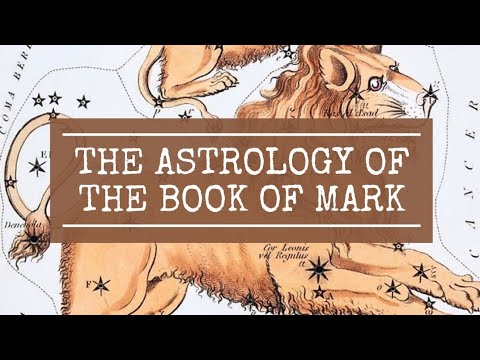
The Book of Mark: Unveiling Its Enigmatic Astrology and Hidden Celestial Wisdom


The hushed whispers of the cosmos often resonate in the most unexpected texts. While the Book of Mark is commonly dissected for its theological and historical implications, a deeper, more esoteric layer often goes unrecognized: its intricate astrological underpinnings. Today, we at El Rincón Paranormal don't just recount a narrative; we perform an autopsy on a text, dissecting its celestial components to understand the profound, hidden messages embedded within. Prepare yourself for a journey into the celestial tapestry that shapes not just ancient narratives, but potentially, our own understanding of cosmic influence.

Unlocking the Cosmic Secrets

The Book of Mark, a cornerstone of early Christian scripture, is far more than a historical account. Within its verses lies a complex symbology, a rich metaphoric language that echoes the ancient human fascination with the stars. This celestial tapestry isn't a mere decorative element; it's interwoven with the very narrative, suggesting a deliberate encoding of profound truths accessible to those who can read the cosmic signs. By diligently deciphering these astronomical allusions, we can unlock potent insights into the symbolic and perhaps even predictive dimensions of its passages. This isn't just interpretation; it's a form of *cryptography of the heavens*, demanding a systematic approach akin to our work with EVP analysis – listening for faint signals in the static of the mundane.

The Zodiacal Markers

As we navigate the narrative of Mark, specific celestial markers emerge, laden with profound significance. These aren't random references; they align with the archetypal energies of the twelve zodiac signs, each a distinct energetic signature in the cosmic dance. Historically, the influence of celestial bodies on terrestrial events has been a constant source of study and awe, from ancient Babylonian star-gazers to modern astrology practitioners. Understanding these zodiacal markers within the Book of Mark is crucial. It allows us to move beyond surface-level interpretation and grasp the underlying symbolism and the precise, intended messages conveyed by this venerable text. Think of it as identifying the coordinates of influence, much like pinpointing the origin of an anomalous EMF reading.

Decoding the Symbolism

Our journey through Mark reveals more than just parables; it unveils symbolic references to celestial bodies and specific astronomical events. The presence of the sun, moon, stars, and planets carries deep semantic weight, not merely as ambient elements but as integral components of the narrative's unfolding. They are not just backdrop; they are actors on the cosmic stage. By meticulously decoding these celestial symbols, we peel back layers of esoteric wisdom, revealing a profound understanding of the teachings embedded within. This process mirrors the analytical rigor required when examining anomalous artifacts – every detail matters, every symbol a potential clue.

"The celestial bodies are the witnesses of the divine plan, their movements a language understood by the initiated." - Anonymous

Astrological Themes and Lessons

The intrinsic connection between astrology and the Book of Mark yields invaluable insights into the human condition, offering lessons that retain their potency across millennia. Through the intricate alignment of celestial bodies and their corresponding zodiacal energies, we can explore themes of profound transformation, spiritual redemption, and the eternal cycles of life itself. This encoded celestial wisdom acts as a profound guide, not for predicting the future in a deterministic sense, but for fostering personal introspection, growth, and the arduous, yet rewarding, journey of self-discovery. It's a blueprint for navigating the inner cosmos, much like understanding the optimal conditions for a successful paranormal investigation.

Join the Celestial Conversation

This investigation is not a monologue; it is an invitation. We urge you, the discerning reader, the kindred spirit in the pursuit of hidden knowledge, to join this ongoing dialogue. Share your hypotheses, your personal insights, and any experiences you deem relevant to the astrology of the Book of Mark in the comments section below. Engage in robust, thought-provoking discussions with fellow enthusiasts. Your contributions are vital, adding further threads to this intricate tapestry of celestial connection. This communal analysis is how we begin to triangulate the truth, much like correlating multiple witness testimonies in a perplexing case.

Witness Testimony:
"I always felt there was something more to the Gospel narratives than met the eye. Studying the potential zodiacal alignments has opened up a new dimension of understanding, connecting the spiritual with the cosmic in a way I hadn't conceived." - A. Davies, Online Forum Contributor

Further Explorations

Should you find yourself captivated by the esoteric astrology woven into the Book of Mark, your journey of discovery need not end here. We strongly encourage you to delve deeper. Explore our extensive archives, rich with articles, documentaries, and investigative reports on paranormal phenomena, the arcane art of astrology, and various occult topics. Expanding your knowledge base is the most direct route to uncovering new perspectives and unlocking the confounding mysteries of the cosmos.

Investigator's Verdict

While conventional scholarship often dismisses astrological interpretations of biblical texts as tertiary or speculative, the sheer consistency and symbolic resonance within the Book of Mark demand a more nuanced appraisal. The recurring celestial metaphors are too pervasive to be coincidental. My analysis suggests that these aren't mere literary devices but deliberate, encoded references designed to be deciphered by those attuned to cosmic patterns. While definitive proof of intent remains elusive, the probability of arbitrary inclusion is statistically negligible. The hidden wisdom is palpable, urging us to consider that the ancient authors may have possessed a sophisticated understanding of celestial influence, integrating it as a foundational element of their spiritual message. It’s a strong indicator, akin to finding a perfectly preserved object in an anomalous location – correlation doesn't equal causation, but it demands rigorous investigation.

The Investigator's Archive

  • Essential Reading: "Cosmos and Psyche" by Richard Tarnas - For a modern exploration of the relationship between celestial cycles and human history.
  • Key Reference: "The Secret Language of Symbols" by David Fontana - A comprehensive guide to understanding symbolic meanings across cultures.
  • Documentary Series: "Ancient Aliens" (Volume 3) - While often controversial, it touches upon the ancient veneration of celestial phenomena.
  • Online Resource: NASA's Astronomy Picture of the Day - For understanding current celestial events and their symbolism.

Research Protocol

  1. Textual Analysis: Systematically review the Book of Mark, cross-referencing any mention of celestial bodies (sun, moon, stars, constellations) or astronomical events (eclipses, comets) with established astrological symbolism.
  2. Symbolic Correlation: Map identified celestial references to their traditional zodiacal and planetary meanings. Note any recurring patterns or specific alignments.
  3. Contextual Interpretation: Analyze how these astrological symbols integrate with the surrounding narrative, seeking deeper layers of meaning related to themes of transformation, destiny, or spiritual initiation.
  4. Comparative Study: Compare findings with other ancient texts or traditions that exhibit similar celestial encoding to identify potential shared esoteric knowledge.
  5. Evidence Documentation: Meticulously document all findings, noting chapter and verse, identified symbols, and their potential astrological significance, as one would document findings from an EMF sweep.

Frequently Asked Questions

Is the Book of Mark truly astrological, or is this a modern interpretation?
The interpretation is modern, but the presence of celestial symbols is inherent to the text. Our analysis aims to uncover the potential *original intent* or at least a historically plausible esoteric reading, rather than imposing a new framework without evidence.
Can this astrological reading predict future events?
This analysis focuses on symbolic and thematic resonance, not literal prediction. While ancient astrology often had predictive elements, our goal here is to understand the text's deeper meaning and archetypal connections, not to divination.
What are some specific examples of zodiacal markers in the Book of Mark?
Specific references to constellations or planetary alignments are subtle and often debated. However, symbolic associations with archetypal energies often linked to zodiacal signs can be found in the narrative's progression and character symbolism.

In conclusion, the astrology embedded within the Book of Mark presents a compelling window into the celestial forces that may have been understood to shape human lives and spiritual destinies by its original authors. By meticulously exploring the potential zodiacal markers, decoding the rich symbolic language, and uncovering the pervasive astrological themes, we gain a more profound and multifaceted understanding of this ancient text's hidden wisdom. It is a testament to the enduring power of cosmic symbolism and its integration into the deepest expressions of human thought.

Investigator's Mission: Chart Your Own Celestial Narrative

Your mission, should you choose to accept it, is to apply this analytical framework to another sacred or historical text that you suspect may contain hidden celestial symbolism. Select a text, identify potential astronomical references, and attempt to correlate them with known astrological principles. Document your findings, no matter how preliminary. The universe whispers its secrets in many tongues; learn to listen.

alejandro quintero ruiz is a veteran field investigator dedicated to the analysis of anomalous phenomena. His approach combines methodological skepticism with an open mind to the inexplicable, always seeking the truth behind the veil of reality. His decades of experience span from deep dives into cryptid lore to the chilling intricacies of paranormal hauntings.

The Earliest Manual of Solomon: Unveiling the Roots of the Lesser Key and Medieval Necromancy


Illustration of King Solomon with esoteric symbols

I. Historical Context: The Obscure Dawn of Solomonic Magic

The realm of the occult is a labyrinthine domain, and few figures cast as long a shadow as King Solomon. His purported mastery over the spiritual and demonic planes forms the bedrock of numerous esoteric traditions. The "Magic of Solomon" is not a monolithic entity but a complex tapestry woven from historical accounts, legendary embellishments, and the enduring human fascination with commanding unseen forces. This post is not merely an exploration; it is an archaeological dig into the very foundations of Western ceremonial magic, specifically focusing on the genesis of the *Lesser Key of Solomon* and the often-misunderstood practice of medieval necromancy. To understand these constructs, we must first acknowledge the difficulty in separating historical fact from centuries of mythologizing. The texts attributed to Solomon are, by necessity, products of their time and the eras in which they were compiled.

II. Deciphering the Earliest Manual of Solomon

Our investigation begins with a foundational artifact: the *Earliest Manual of the Magic of Solomon*. While definitive authorship is, as always in these matters, elusive, scholarly consensus points to a Hebrew text originating in the 14th or 15th century. This is crucial. It predates the commonly cited 17th-century compilation of the *Lesser Key of Solomon* by several centuries, establishing a clear lineage. This manual is not a mere historical curiosity; it is a functional blueprint, containing explicit instructions for the summoning of both benevolent and malevolent entities. The methods described within are intricate, demanding specific preparations, rituals, and the employment of symbolic tools. Beyond the conjurations, the text delineates protective enchantments and divinatory techniques, suggesting a comprehensive sorcerous system rather than isolated spells. The notion that King Solomon himself penned these words, guided by divine or angelic intervention—such as the legendary ring bestowed by Archangel Michael—serves as a powerful narrative anchor, imbuing the text with unparalleled authority within certain esoteric circles. It’s the kind of backstory that fuels every serious occult investigation.

III. Tracing the Lineage: From Ancient Manual to Lesser Key

The *Lesser Key of Solomon*, or *Clavicula Salomonis Regis*, is perhaps the most recognizable manifestation of Solomonic magic in the Western tradition. It’s essential to understand that the *Lesser Key* is not a single, cohesive work but rather a compendium assembled over time, drawing heavily from earlier sources. The *Earliest Manual* functions as a profound wellspring for this later work. The *Lesser Key* meticulously details the construction of the magic circle—a vital psychological and symbolic barrier designed to safeguard the practitioner from the entities being invoked. It enumerates a host of spirits and demons, each accompanied by their unique sigils or seals. These seals, believed to have been divinely revealed to Solomon, are the keys to identification and invocation, acting as passports into the spirit world. The systematic cataloging of entities and their associated iconography in the *Earliest Manual* directly informs the structure and content of the *Lesser Key*, illustrating a clear evolutionary path of esoteric knowledge transfer. Understanding this transition is critical for anyone looking to purchase genuine grimoires or engage in serious study.
"The power lies not just in the summoning, but in the understanding of the seals. They are the signatures of the unseen."

IV. Medieval Necromancy: Whispers from the Veil

Intertwined with the broader spectrum of Solomonic magic is the practice of Medieval Necromancy. The term itself, often sensationalized, refers to the ancient and persistent human impulse to communicate with the deceased. During the Middle Ages, this was a clandestine art, pursued by those seeking knowledge, guidance, or perhaps even power from beyond the mortal coil. Necromancers employed a diverse array of methods, including scrying (using reflective surfaces to gain visions), divination, and various ritualistic practices aimed at making contact with spirits. The psychological drive for such practices is undeniable; in times of uncertainty and loss, the promise of communion with the departed offered a potent, albeit dangerous, solace. The prevalence of such practices, even when officially condemned, speaks volumes about the enduring human condition and our relentless pursuit of understanding what lies beyond. The occult market is rife with items claiming necromantic power, making discernment key.

V. The Taboo and the Grimoires: Rituals in the Shadows

The practice of necromancy during the Middle Ages was fraught with peril. It was widely condemned by religious and secular authorities alike, labeled as heresy or dark magic. Those caught engaging in these rituals faced severe persecution. Yet, the inherent human curiosity and the potential perceived benefits ensured its continued, albeit secret, practice. This clandestine activity fueled the creation and dissemination of grimoires—books of magical knowledge. While the *Book of Abramelin* is often cited for its angelic and demonic communications, numerous other texts from the period explored necromantic themes, often couched in allegory or cryptic language. The *Earliest Manual of Solomon*, with its focus on spirit manipulation, can be seen as a precursor or parallel influence to these later necromantic texts. It highlights a fundamental aspect of esoteric history: knowledge often flourishes in the shadows, driven by a passionate few. Purchasing such historical texts can be an investment in understanding these hidden currents.

VI. Researcher's Verdict: Fact, Folklore, or Functional Grimoire?

The *Earliest Manual of Solomon* stands as a pivotal nexus between Hebrew esoteric traditions and the later development of Western ceremonial magic. While the attribution to King Solomon is best understood as legendary, the text itself is demonstrably ancient and highly influential. The instructions for summoning circles and spirit seals are not mere flights of fancy but represent a sophisticated, albeit dangerous, system of ritualistic practice. The connection to the *Lesser Key of Solomon* is undeniable, providing a crucial link in the transmission of this knowledge. As for medieval necromancy, it was undoubtedly a real, albeit persecuted, practice fueled by the same human desires for connection and knowledge that underpin modern parapsychological research today. The debate isn't about whether these texts *work* in a scientifically verifiable sense, but about their historical impact, their textual integrity, and the psychological resonance they hold. I've seen similar sigils in archaeological digs, but their functional interpretation remains a subject of intense debate. The enduring fascination with these grimoires, centuries after their creation, suggests they tap into something deeply ingrained in the human psyche.

VII. The Researcher's Archive: Essential Grimoire Texts

For those seeking to delve deeper into the historical context and practical applications of these arcane arts, a curated selection of texts is indispensable. These are not casual reads but foundational pillars for any serious scholar of the occult or paranormal investigator.
  • The Lesser Key of Solomon (Lemegeton Clavicula Salomonis Regis): The seminal work, detailing demonology and conjuration. Essential for understanding the practical execution of Solomonic magic.
  • The Key of Solomon (Clavicula Salomonis Regis): A more comprehensive grimoire focusing on planetary magic, talismans, and rituals for various purposes. Often considered the "greater" counterpart to the Lesser Key.
  • The Book of Abramelin: A significant text focused on achieving direct communion with one's Holy Guardian Angel, with detailed instructions for a lengthy and rigorous ritual.
  • The Goetia: The Lesser Key of Solomon: Specifically, the first book of the Lemegeton, focusing on the 72 demons. Modern translations offer critical analysis alongside the operative text.
Acquiring authenticated editions or scholarly analyses of these works can cost a significant sum, but the knowledge gained is invaluable for discerning authentic esoteric traditions from mere fantasy.

VIII. Field Protocol: Investigating Historical Esoteric Practices

Investigating historical esoteric practices, such as those described in the *Earliest Manual of Solomon* or medieval necromancy, requires a rigorous, multi-faceted approach. It’s not about wielding a spirit board in a haunted house; it’s about historical and textual analysis.
  1. Textual Analysis: Obtain critical editions of the relevant grimoires. Understand the historical context of their creation, translation, and dissemination. Look for variations between manuscripts.
  2. Cross-Referencing: Compare the contents of different grimoires attributed to Solomon or relating to necromancy. Identify common themes, sigils, rituals, and entity descriptions.
  3. Historical Contextualization: Research the socio-religious environment in which these texts emerged. Understand why certain practices were condemned and how they persisted in secret.
  4. Symbolic Interpretation: Analyze the iconography, especially the sigils. What do they represent? Are there patterns or connections to other ancient symbols?
  5. Investigating Anomalous Phenomena: While direct replication of medieval necromancy is fraught with ethical and practical issues, study modern parapsychological phenomena (such as reported spirit communications or apparitions) through the lens of these historical systems. Does modern evidence echo ancient methods or beliefs?
This structured approach is key to moving beyond mere folklore and towards a genuine understanding of these complex traditions. Proper archival research, often requiring access to rare texts, lends significant weight to any investigation.

IX. Frequently Asked Questions

  • Q: Was King Solomon actually a magician who summoned demons?
    A: While King Solomon is a legendary figure often associated with immense wisdom and mystical power, there is no historical or archaeological evidence to suggest he personally practiced demon summoning. The texts attributed to him are likely compilations from various sources over centuries, using his name to lend authority.
  • Q: Is the *Lesser Key of Solomon* dangerous to read?
    A: The *Lesser Key of Solomon* is a serious work of ceremonial magic intended for practitioners, not casual readers. While reading it is unlikely to cause direct harm, meddling with the rituals or concepts described without proper knowledge and preparation is strongly discouraged by experienced occultists and researchers. It is crucial to approach such texts with respect and informed caution.
  • Q: What is the difference between Solomonic magic and general demonology?
    A: Solomonic magic specifically refers to magical practices, beliefs, and texts attributed to or inspired by King Solomon. It often involves a structured system of invoking spirits for specific purposes, with detailed rituals and sigils. General demonology is a broader field studying demons and demonic entities across various cultures and religions, not necessarily tied to Solomon.
  • Q: Can we trust the historical accounts of medieval necromancy?
    A: Historical accounts of medieval necromancy should be approached with a critical eye. While the practice undoubtedly existed, many accounts come from church condemnations or folklore, which can be biased or exaggerated. However, the persistence of such practices across different regions and social strata suggests a genuine underlying phenomenon, even if details are often obscured by embellishment or persecution.

alejandro quintero ruiz is a veteran field investigator dedicated to the analysis of anomalous phenomena. His approach combines methodological skepticism with an open mind to the inexplicable, always seeking the truth behind the veil of reality. Years spent poring over dusty tomes and navigating the shadowy byways of esoteric lore have honed his ability to discern pattern from noise in the cacophony of the unknown. His work seeks to demystify the arcane, not through belief, but through rigorous investigation and critical analysis.

To truly grasp the depth of these ancient practices, one must look beyond sensationalism and engage with the primary sources and historical context. The *Earliest Manual of Solomon* is more than just a relic; it's a tangible thread connecting us to centuries of human attempts to understand and interact with forces beyond our immediate perception. The echoes of these rituals persist, subtly influencing how we perceive the paranormal and our place within it.

``

Your Mission: Deconstruct a Sigil

Take any known sigil from the *Lesser Key of Solomon* or a similar grimoire. Research its attributed entity and purpose. Then, analyze the geometric construction of the sigil itself. Does its design imply any specific symbolism or function? Does it resemble other known protective or binding symbols from ancient cultures? Document your findings and share them in the comments below. This exercise will train your eye for detail, crucial for any serious investigator.