Followers

Mostrando las entradas con la etiqueta paranormal history. Mostrar todas las entradas

Nazi Satanic Rituals: Unveiling the Darkest Secrets of the Third Reich

Image

The annals of history are fraught with shadows, and few eras cast a longer, darker shadow than the Third Reich. Beyond the well-documented atrocities of World War II lies a more obscure, yet equally chilling, facet of Nazi ideology: their alleged deep dive into occultism and satanic practices. Revista DUDA #23, a publication known for its deep dives into the inexplicable, once shed light on these disturbing aspects. This investigation aims to dissect the claims, examine the evidence, and separate historical fact from the pervasive myth surrounding Nazi occultism.

The Revista DUDA Connection

The original source of many of these startling claims appears to be Revista DUDA #23. While the exact content of this specific issue is difficult to independently verify without direct access, its reputation suggests a focus on sensational and often speculative investigations into the paranormal and unexplained. The very nature of such publications means that their findings often blur the lines between documented fact and sensationalized narrative. In this context, the claims of Nazi satanic rituals should be approached with a critical, analytical lens, understanding that the original reporting may have prioritized intrigue over irrefutable proof. The goal of this investigation is to contextualize these claims, seeking independent corroboration where possible.

Historical Context and Allegations

The fascination of the Nazi regime with the occult is a well-documented, albeit often sensationalized, aspect of its history. Figures like Heinrich Himmler were known to be deeply interested in esoteric beliefs and sought to integrate them into Nazi ideology, believing in the superiority of the Aryan race and seeking ancient, mystical justifications for their worldview. This interest manifested in various forms, including archaeological expeditions in search of artifacts like the Holy Grail and studies into ancient Germanic mythology and runes.

Recommended Gear for Investigation

ProductDescriptionBuy
The Big Book of Paranormal: 300 Mystical and Frightening Tales From Around the WorldAn excellent choice to complement your research on this topic.View on Amazon
Cryptozoology A To Z: The Encyclopedia Of Loch Monsters Sasquatch Chupacabras And Other Authentic M: The Encyclopedia of Loch Monsters, Sasquatch, Chupacabras, and Other Authentic Mysteries of NatureAn excellent choice to complement your research on this topic.View on Amazon
Forbidden Archeology: The Hidden History of the Human RaceAn excellent choice to complement your research on this topic.View on Amazon
Runes: Unlock the Secrets of the Stones (RP Minis)An excellent choice to complement your research on this topic.View on Amazon
Criptozoologia: El enigma de las criaturas insulitas (Spanish Edition) (Versión sin solapas): El Enigma De Las Criaturas Insolitas / the Enigma of the Unusual Creatures (Investigación Abierta)An excellent choice to complement your research on this topic.View on Amazon
The H. P. Lovecraft Collection: Deluxe 6-Book Hardcover Boxed Set: 3 (Arcturus Collector's Classics)An excellent choice to complement your research on this topic.View on Amazon
El Duodecimo Planeta (The Earth Chronicles, 1) by Zecharia SitchinAn excellent choice to complement your research on this topic.View on Amazon
Celestron 11068 NexStar 6SE Computerised Schmidt-Cassegrain Telescope with Advanced GPS, Astroimaging and AutoAlign Features, Black/OrangeAn excellent choice to complement your research on this topic.View on Amazon
Ghost-Hunting For Dummies [Idioma Inglés] An excellent choice to complement your research on this topic.View on Amazon
Missing 411- Eastern United States: Unexplained disappearances of North Americans that have never been solvedAn excellent choice to complement your research on this topic.View on Amazon

The specific allegations of "satanic rituals" are more contentious. These claims often stem from post-war interpretations and propaganda that sought to paint the Nazis as irredeemably evil practitioners of dark arts. While Himmler's SS did engage in pseudo-scientific and esoteric research, the direct evidence linking them to organized satanic rituals, as commonly understood today, is scarce and often anecdotal. Theories suggest secret ceremonies, pacts with dark forces, and attempts to harness supernatural powers for military advantage. However, distinguishing between genuine esoteric dabbling and outright fabrication or wartime propaganda is a crucial investigative challenge.

Evidence or Propaganda?

The historical record presents a complex picture. While the Nazis certainly showed a keen interest in the occult, and organizations like the Thule Society existed, which was influential in the early days of the Nazi party and had esoteric leanings, the concrete evidence for widespread satanic ritualistic practices within the regime's core operations remains elusive. Many accounts originate from post-war testimonies, often given under duress or with the intention of demonizing the enemy. The lack of direct, verifiable documentation from Nazi archives specifically detailing satanic rituals conducted by high-ranking officials is a significant hurdle.

It's vital to consider that the concept of "satanic" itself can be fluid and has been used historically to demonize any practice deemed unorthodox or threatening. The Allies, and later Soviet propaganda, were adept at portraying their enemies in the most monstrous light possible. Therefore, claims of Nazis performing satanic rituals could have been amplified or even fabricated to increase psychological warfare and solidify the image of an unequivocally evil regime. Our investigation must sift through layers of historical interpretation, ideological framing, and potential disinformation.

Investigator's Note: The historical evidence for widespread, organized satanic rituals within the core Nazi regime is weak. However, their genuine interest in occultism and esoteric practices is undeniable and offers fertile ground for speculative inquiry.

Analyzing the narrative of Nazi occultism requires understanding the broader landscape of esotericism in the early 20th century. Many fringe groups and intellectual circles were exploring ancient mysteries, mystical traditions, and even darker forms of spiritualism. The Nazis tapped into this zeitgeist, co-opting elements that aligned with their nationalist and racial agendas. However, this does not automatically equate to active satanic worship as a state-sponsored practice.

The Legacy of Nazi Occultism

Despite the questionable evidence, the myth of the satanic Nazis has become deeply ingrained in popular culture. It features prominently in fiction, films, and conspiracy theories, often portraying occult-adept SS officers wielding supernatural powers. This narrative, while compelling entertainment, often overshadows the more complex and documented aspects of Nazi esotericism.

The continued fascination with this topic speaks to a deeper human curiosity about the intersection of power, ideology, and the forbidden. It taps into our primal fears of hidden forces and secret societies manipulating world events. For investigators, this narrative serves as a fascinating case study in how myths can be constructed and perpetuated, often with a kernel of historical truth twisted into something far more sinister.

In recent years, there has been a resurgence of interest in the historical research conducted by Nazi occult organizations, such as the Ahnenerbe. While their objectives were often tied to pseudo-scientific racial theories, the methods and artifacts they pursued continue to fuel speculation about occult influences. Examining these historical research efforts, divorced from sensationalism, can provide insights into the regime's intellectual and spiritual landscape.

Researcher's Verdict: Fact or Fiction?

Based on available historical evidence and critical analysis, the notion of widespread, organized satanic rituals being a central tenet or practice of the Nazi regime appears to be largely unsubstantiated. What is undeniable is the regime's significant interest in occultism, esotericism, and ancient mysticism, which they sought to integrate into their ideology. This interest, combined with post-war propaganda and the inherent sensationalism of the topic, likely fueled the more extreme claims of satanic worship.

My assessment is that we are dealing with a potent blend of historical fact (Nazi interest in the occult) and exaggerated myth (organized satanic rituals as a core practice). The Revista DUDA #23 report, while intriguing, likely falls into the category of sensationalized investigative journalism rather than rigorous historical documentation. The true darkness of the Nazi regime lies in its documented atrocities and ideological horrors, not necessarily in pacts with demonic entities, although the allure of such a narrative persists.

The enduring power of this myth highlights our collective fascination with the inexplicable and the capacity of ideologies to twist and exploit esoteric beliefs. While the specifics of satanic rituals may be largely folklore, the historical reality of the Nazi regime's engagement with the occult remains a compelling area of study, underscoring the dangers of unchecked power intertwined with forbidden knowledge.

Frequently Asked Questions

Did the Nazis practice Satanism?
While the Nazi regime showed a significant interest in occultism and esoteric practices, concrete evidence for widespread, organized satanic rituals as a core practice is lacking. Most claims are based on post-war interpretations, propaganda, or anecdotal accounts.
What role did the occult play in Nazi ideology?
Figures like Heinrich Himmler were deeply interested in esoteric beliefs, ancient myths, and pseudo-scientific racial theories. Organizations like the Ahnenerbe conducted research into these areas, seeking to find mystical justifications for their ideology and perceived Aryan superiority.
What is the significance of Revista DUDA #23 regarding Nazi rituals?
Revista DUDA #23 is cited as a source for claims about Nazi satanic rituals. However, publications of this nature often prioritize sensationalism, making independent verification and critical analysis essential to separate fact from fiction.
Are there any credible historical sources linking Nazis to Satanism?
While there are historical records of Nazi interest in the occult and various esoteric groups existed, direct, verifiable evidence from official Nazi archives detailing organized satanic rituals is scarce. Many accounts are from secondary sources or post-war testimonies which may be unreliable.

Investigator's Recommended Gear

For those venturing into the shadowy corners of history or engaging in their own investigations, having reliable tools is paramount. Whether you're examining historical texts or exploring a reputedly haunted location, preparation is key. Here are some items that can enhance your research, providing valuable documentation and analytical capabilities:

Recommended Reading

To delve deeper into the complex and often murky subject of Nazi occultism, consulting well-researched historical accounts is crucial. While sensationalized works abound, focusing on scholarly or meticulously investigative texts will provide a more accurate understanding. Here are a few titles that offer a critical look at the historical context:

Frequently Asked Questions

Did the Nazis practice Satanism?
While the Nazi regime showed a significant interest in occultism and esoteric practices, concrete evidence for widespread, organized satanic rituals as a core practice is lacking. Most claims are based on post-war interpretations, propaganda, or anecdotal accounts.
What role did the occult play in Nazi ideology?
Figures like Heinrich Himmler were deeply interested in esoteric beliefs, ancient myths, and pseudo-scientific racial theories. Organizations like the Ahnenerbe conducted research into these areas, seeking to find mystical justifications for their ideology and perceived Aryan superiority.
What is the significance of Revista DUDA #23 regarding Nazi rituals?
Revista DUDA #23 is cited as a source for claims about Nazi satanic rituals. However, publications of this nature often prioritize sensationalism, making independent verification and critical analysis essential to separate fact from fiction.
Are there any credible historical sources linking Nazis to Satanism?
While there are historical records of Nazi interest in the occult and various esoteric groups existed, direct, verifiable evidence from official Nazi archives detailing organized satanic rituals is scarce. Many accounts are from secondary sources or post-war testimonies which may be unreliable.

The Investigator's Dossier

To further your understanding of historical mysteries and the occult, I recommend exploring these resources:

  • For Academic Rigor: Look for scholarly works on Nazi Germany and esotericism. Universities often have extensive archives and research papers available.
  • Documentaries: While many are sensationalized, some documentaries offer a grounded look at historical events and theories. Critical viewing is advised.
  • Historical Archives: Accessing primary source documents, where available, is the gold standard, though often challenging for the general public.

Your Field Mission:

The line between historical investigation and speculative myth can be perilously thin, especially when dealing with subjects as charged as Nazi occultism. Your mission, should you choose to accept it, is to critically examine the claims you encounter. Seek out primary sources, question sensational narratives, and always consider the historical context and potential biases. Do not let compelling stories replace verifiable facts. Share your findings, but always with proper attribution and a clear distinction between evidence and conjecture.

What are your thoughts on the historical link between Nazis and occultism? Have you encountered any compelling evidence or theories? Share your insights, experiences, and any related local legends in the comments below. Your contribution is vital to our ongoing investigation into the unexplained.

If you found this exposé illuminating, please share it across your social networks. Help us bring these hidden histories to light and support the creation of more in-depth research into the world's most perplexing mysteries.

```

Investigator's Note: True paranormal research doesn't fund itself. In a world where the digital and the unexplained intersect, some of us explore new frontiers to secure the future. Do you dare to be part of the vanguard? Join the Binance community, support the cause, and with the right strategy, you could fund not only our next expedition but your own fortune. The next great discovery could be just a click away.


The Magicians: A Deep Dive into the History of the Occult and Its Architects


Introduction: Unveiling the Shadows

Welcome, seeker, to an exploration that delves into the very fabric of what society has long deemed 'other.' The occult. A realm that has ignited curiosity, spurred fear, and profoundly influenced human thought and culture for millennia. It's a landscape populated by enigmatic figures, arcane symbols, and practices that challenge our understanding of reality. For those drawn to the allure of tarot, the whispers of ancient rituals, or simply an insatiable hunger for the unexplained, this article is your gateway. Today, we dissect the historical currents that have shaped occultism, examining its pioneers and the enduring mysteries that continue to captivate us.

Note from the Investigator: While this article draws heavily from historical accounts and documentary analysis, the nature of occult phenomena often blurs the lines between verifiable history and esoteric interpretation. Approach with a critical, yet open, mind.

The journey into the occult is rarely a straight line; it's a labyrinth of symbolism, hidden knowledge, and a persistent human drive to understand what lies beyond the mundane. Many resources attempt to illuminate this path, but few offer the curated depth of specific investigative films. Today, we turn our attention to one such endeavor: the documentary titled "The Magicians." This isn't just a film; it's a historical artifact, a detailed case file on the architects of our modern esoteric landscape.

The Magicians: A Portal to the Past

For any serious investigator of the unexplained, or even a curious aficionado of esoteric history, documentaries serve as invaluable archives. "The Magicians" emerges as a critical piece of evidence in understanding how occult practices evolved and who were the key players in this evolution. This film is presented not as a collection of ghost stories, but as a historical narrative, meticulously piecing together the development of occult thought and its prominent practitioners. It offers a comprehensive overview, bridging distant eras and illuminating the figures who dared to look beyond the veil.

The documentary's value lies in its ability to synthesize complex historical narratives into a digestible format. It allows us to trace the lineage of occult traditions, identifying not just the 'what' but the 'how' and 'why' behind their development. For those seeking to acquire a deeper, more academic understanding, such visual archives are indispensable. Consider it fieldwork captured on film, providing a foundation for further personal investigation into specific historical periods or figures.

Architects of the Esoteric: Aleister Crowley

"The Magicians" dedicates significant analysis to figures who are, for better or worse, synonymous with modern occultism. Among these, Aleister Crowley stands as a colossus. His impact on Western esotericism is undeniable, a complex legacy born from his prolific writings and his unique brand of ceremonial magick. Crowley, an English occultist and writer, didn't just dabble; he systematized and propagated a spiritual philosophy known as Thelema. His influence permeates contemporary occult practices, making him an essential subject for anyone studying the history of the occult.

Crowley's contributions extend beyond mere theory. He established orders, conducted elaborate rituals, and penned texts that continue to be studied, debated, and practiced by occultists worldwide. Understanding Crowley means understanding a pivotal chapter in the evolution of magick, moving it from the shadows into a more structured, albeit still controversial, philosophical framework. His life and work present a compelling case study in the intersection of mysticism, personal philosophy, and the pursuit of forbidden knowledge.

Architects of the Esoteric: Helena Blavatsky

Another pivotal figure brought into focus by "The Magicians" is Helena Blavatsky. This Russian occultist, philosopher, and author was instrumental in co-founding the Theosophical Society, an organization that profoundly influenced spiritual and intellectual movements of the late 19th and early 20th centuries. Blavatsky's magnum opus, "The Secret Doctrine," is not merely a book; it's a cornerstone of occult literature, a sweeping attempt to synthesize ancient wisdom traditions and present a unified cosmology.

Her work sought to bridge the perceived gaps between science, religion, and philosophy, often drawing upon Eastern mystical traditions and presenting them to a Western audience. Blavatsky's teachings ignited widespread interest in subjects like reincarnation, karma, and hidden spiritual hierarchies. Analyzing her impact through the lens of "The Magicians" reveals her significance not just as an occultist, but as a philosophical catalyst who reshaped contemporary esoteric thought and inspired countless subsequent researchers and spiritual seekers.

The Tarot: A Divinatory Legacy

No deep dive into the history of the occult would be complete without addressing the tarot. As highlighted in "The Magicians," this deck of cards transcends simple games; it has served for centuries as a tool for divination, introspection, and spiritual guidance. The precise origins of the tarot remain elusive, shrouded in the very mists of time it claims to illuminate. However, historical consensus points to its emergence in 15th-century Italy, eventually migrating across Europe and beyond.

The journey of the tarot from secular playing cards to a profound esoteric system is, in itself, a fascinating historical investigation. Its symbolism, intricately woven into the imagery of the Major and Minor Arcana, has provided a rich canvas for interpretation by mystics, occultists, and psychologists alike. The ongoing debate surrounding its function—whether a genuine tool for accessing higher knowledge or a sophisticated system of psychological projection—underscores its enduring power and relevance in both occult and mainstream culture. For those looking to integrate practical divination into their research, understanding the historical context of tarot decks is crucial. Consider investing in a high-quality historical reproduction deck to connect with the origins discussed in the documentary.

Historical Context and Controversy

The occult, by its very definition, operates in the liminal spaces between established knowledge and the unknown. This inherent ambiguity has always been a breeding ground for controversy. As "The Magicians" illustrates, figures like Crowley and Blavatsky were not merely scholars; they were provocateurs who challenged the prevailing orthodoxies of their time. Their work, and indeed the occult in general, has often been misconstrued, demonized, or sensationalized, leading to persistent societal fear and superstition.

The tarot, too, has faced its share of backlash, branded by some as a tool of the devil, while embraced by others as a pathway to enlightenment. This polarization is not unique to the occult; it reflects a broader human tendency to react with suspicion or outright rejection to that which lies outside immediate comprehension. Understanding this historical context—the societal reactions, the persecution, and the subcultures that preserved and advanced these traditions—is vital for an objective analysis. It moves us beyond mere sensationalism to appreciate the complex interplay between esoteric thought and societal norms.

"The first rule of investigative work is to always question the narrative. The occult is a perfect example of a subject where narratives have been dictated not by truth, but by fear and misunderstanding. Our job is to sift through the rubble of superstition to find the genuine artifacts of human spiritual inquiry." - Alejandro Quintero Ruiz

Investigator's Verdict: Genuine Phenomenon or Historical Gloss?

After meticulously reviewing the historical narrative presented in "The Magicians," and considering the broader context of occult studies, the verdict remains nuanced. The documentary effectively showcases the profound impact of figures like Crowley and Blavatsky, establishing their undeniable influence on esoteric thought and practice. The historical record of their lives, writings, and organizational efforts is substantial and, to a degree, verifiable through academic sources.

However, the core question of the 'occult' itself—whether it represents genuine paranormal phenomena, advanced psychological states, or simply elaborate symbolic systems—resists a definitive, singular answer. "The Magicians" provides an excellent historical overview, but like any documentary, it offers an interpretation. My assessment is that the historical *influence* and the *existence* of these figures and their documented practices are clear. The extent to which their claims about magick, higher consciousness, or hidden truths are objectively 'real' remains within the purview of ongoing investigation and personal experience. The documentary serves as a compelling primer, an invitation to conduct further research into the empirical evidence and experiential accounts that constitute the ongoing debate. It's clear that these traditions have a tangible historical footprint, but their ultimate 'truth' often lies beyond the scope of conventional historical analysis, dipping into the realm of parapsychology and personal conviction.

Field Research Protocol: Investigating Esoteric Traditions

Engaging with the history of the occult and its practitioners requires a methodological approach, much like any paranormal investigation. While "The Magicians" provides a historical overview, your own research protocol should focus on critical analysis and experiential understanding:

  1. Document Analysis: Begin by sourcing primary texts from figures like Crowley and Blavatsky. Cross-reference their biographies and autobiographical accounts with independent historical research. Look for consistencies and contradictions.
  2. Comparative Study: Investigate how different cultures and historical periods have approached similar esoteric concepts. Are there recurring archetypes or patterns in occult traditions worldwide?
  3. Experiential Research (with Caution): For those drawn to practices like tarot, approach them with a researcher's mindset. Use structured journaling to record readings, interpretations, and subsequent events. Treat each reading as a data point. Consider acquiring a reputable tarot deck and a guide that details historical symbolism.
  4. Community & Expert Consultation: Engage with reputable academic sources, established esoteric societies (with caution and critical evaluation), and experienced researchers in the field. Attend lectures and symposia to gather diverse perspectives.
  5. Personal Reflection and Documentation: Maintain a detailed research log. Document your findings, your evolving theories, and any personal experiences or synchronicities encountered during your investigation. This forms your personal archive of understanding.

Frequently Asked Questions

What is the primary focus of "The Magicians" documentary?

The documentary "The Magicians" focuses on the historical development of the occult and the influential figures, such as Aleister Crowley and Helena Blavatsky, who shaped its trajectory, with a particular emphasis on the history and use of tarot.

Is the occult a legitimate field of study?

Yes, the occult is studied academically through fields like religious studies, history, anthropology, and sociology. While some aspects involve subjective experiences and beliefs, the historical impact, cultural significance, and psychological dimensions of occultism are valid areas of inquiry.

How did Aleister Crowley influence modern occultism?

Aleister Crowley significantly influenced modern occultism through his writings on ceremonial magick, his founding of the religion of Thelema, and his establishment of various occult orders. His complex philosophy and practices continue to be studied and debated globally.

What are the origins of the tarot?

The origins of the tarot are believed to date back to 15th-century Italy, initially as a playing card game. Over time, it evolved into a deck used for divination and spiritual guidance, with its esoteric symbolism developing significantly through the centuries.

About the Author

alejandro quintero ruiz is a veteran field investigator dedicated to the analysis of anomalous phenomena. His approach combines methodological skepticism with an open mind to the inexplicable, always seeking the truth behind the veil of reality. With years of experience documenting and dissecting cases ranging from cryptid sightings to historical hauntings, his insights are grounded in rigorous observation and a deep understanding of the unknown.

Conclusion: The Perpetual Quest

The history of the occult, as explored through resources like "The Magicians," is not merely a chronicle of arcane practices; it's a testament to humanity's enduring fascination with mystery, consciousness, and the potential for realities beyond our everyday perception. Figures like Crowley and Blavatsky, and tools like the tarot, represent significant touchstones in this perpetual quest for knowledge. The journey into the esoteric is a complex one, requiring analytical rigor, historical context, and a willingness to confront the unexplained without succumbing to unfounded belief or outright dismissal.

Your Mission: Analyze the Architects

Now, investigator, consider this: "The Magicians" presents a curated history. What aspects of Aleister Crowley's or Helena Blavatsky's work do *you* believe have been most significantly misinterpreted by mainstream history? What evidence, if any, would convince you of the genuine efficacy of the magickal practices they espoused? Share your analysis and your research questions in the comments below. Let's continue to build our collective archive of understanding.

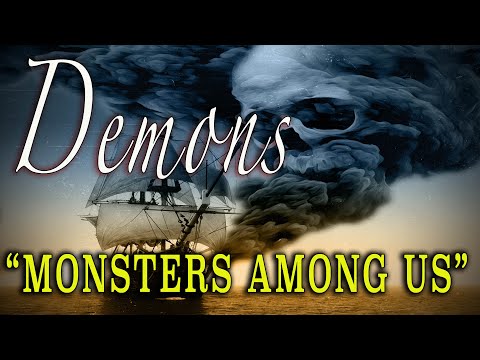
Demons: A Historical Analysis of the Supernatural and Occult - From 'Monsters Among Us'


The human psyche has long been captivated by the spectral, the uncanny, and the inherently unknowable. Among these fascinations, the concept of demonic entities has carved a particularly deep and unsettling niche. From the whispers of ancient Mesopotamia to the glare of modern cinema, demons represent a primal fear, a malevolent force that encroaches upon the human domain. This analysis delves beyond mere storytelling, seeking to dissect the historical, cultural, and media-driven evolution of these supernatural figures, and to understand what their persistent presence reveals about our own anxieties and beliefs. We are not just recounting tales; we are examining the architecture of fear itself.

I. The Enduring Shadow: Historical Roots of Demonic Belief

The lineage of demonic belief stretches back to the dawn of civilization, intertwined with early attempts to explain the untamed forces of nature and the darker aspects of human experience. In the fertile crescent of Mesopotamia, where early urban centers fostered complex social structures and profound spiritual introspection, demons were conceived as malevolent spirits. These entities were not abstract concepts but tangible agents of misfortune, believed to be responsible for scourges like disease, infertility, and societal unrest. Their existence was a constant, looming threat, necessitating rituals and appeals to higher powers for protection.

Venturing into the philosophical and mythological landscape of Ancient Greece, the concept of demons, or daimonion, took on a more nuanced form. While not exclusively evil, these were often seen as intermediary spirits, sometimes servants of the underworld deities like Hades, tasked with guiding souls to their final resting place or influencing human affairs in ways often beyond mortal comprehension. This notion of a spirit force, capable of both aid and hindrance, laid groundwork for later interpretations.

The advent and proliferation of Christianity introduced a starkly dualistic framework that profoundly shaped Western perceptions of demons. Within this theological structure, demons are understood as fallen angels – celestial beings who, led by Lucifer, chose rebellion against the divine order. Cast out from the sanctity of heaven, they became instruments of temptation, corruption, and spiritual warfare against humanity, their ultimate goal being the damnation of souls. This narrative provided a potent, codified mythology that would echo through millennia of religious doctrine, art, and popular imagination. The battle between good and evil became personified, with demons as the primary antagonists in the cosmic drama.

"The Devil is not merely a symbol of evil, but a palpable force actively seeking to undermine the divine plan and ensnare the unwary. His legions are legion, and their methods are as ancient as temptation itself." - Archival theological treatise snippet.

II. Echoes Across Continents: Demons in Diverse Traditions

The understanding and categorization of demonic entities display remarkable variation across global cultures, each reflecting unique spiritual cosmologies and societal anxieties. In the Islamic tradition, the concept of jinn offers a fascinating parallel. These are supernatural beings created from smokeless fire, possessing free will and existing on a plane parallel to humans. While capable of immense good, many jinn are described as malevolent, capable of possessing individuals, causing distress, and influencing events. Their nature is fluid, often dependent on their individual allegiance and intent, making them a complex element within Islamic eschatology and folklore. The study of Islamic paranormal lore reveals a rich tapestry of interaction between the human and jinn realms.

The intricate spiritual tapestry of Hinduism presents the asuras. Often depicted as powerful, sometimes divine beings who oppose the gods (devas), the asuras are frequently associated with chaos, ambition, and the disruption of cosmic order. While not always unequivocally evil in the Western sense, their conflicts with the devas are central to many Hindu myths, representing the eternal struggle between forces of order and disorder, light and shadow. Their influence is seen as a pervasive force that humanity must navigate.

Within Judaism, the term shedim refers to malevolent spirits or demons. These beings are often implicated in acts of possession, temptation, and the instigation of moral transgressions. Rabbinic literature contains extensive discussions on the nature of shedim, their origins (sometimes linked to the biblical figure of Lilith), and how individuals can protect themselves from their influence. Understanding the Judaic perspective on the unseen world provides critical context for interpreting these entities.

This diversity underscores a universal human tendency to populate the unseen realms with entities that embody our deepest fears and aspirations, providing frameworks for understanding suffering, chaos, and the struggle for spiritual purity. The comparative mythology of these traditions offers a rich field for researchers attempting to map the archetypal patterns of the supernatural.

III. From Parchment to Pixels: Demonic Portrayals in Media

The enduring fascination with demons has ensured their prominent place across the spectrum of human creative expression. In literature, from ancient epics to modern horror novels, demons are frequently depicted as insidious entities, their primary function often being the possession of human vessels or the infliction of psychological and physical torment. Authors leverage these figures to explore themes of morality, temptation, and the fragility of the human psyche. Works like Milton's "Paradise Lost" or Goethe's "Faust" are seminal examples, delving into the complex relationship between humanity and infernal powers.

The cinematic landscape is replete with demonic portrayals, often capitalizing on visual spectacle and visceral fear. Films frequently cast demons as monstrous creatures, capable of shape-shifting and wielding terrifying powers, their defeat typically requiring the intervention of heroic figures possessing extraordinary courage, faith, or specialized knowledge. The genre of demonic possession films, in particular, has evolved significantly, employing sophisticated special effects and psychological tension to create immersive horror experiences. This visual medium offers a potent, often disturbing, interpretation of the demonic.

Video games have similarly embraced demons as staple antagonists. Players are often tasked with battling hordes of demonic creatures, navigating infernal landscapes and employing arsenals of weapons or magical abilities to overcome these challenging foes. The interactive nature of gaming allows for direct confrontation, making the player an active participant in the struggle against these dark forces. Titles exploring demon-slaying mechanics are a testament to this enduring appeal.

Television series offer a more serialized exploration of demonic narratives, often delving into complex mythologies and character arcs. Demons in television are frequently portrayed as beings of immense power, capable of manipulating human lives, sowing discord, and wreaking havoc on a grand scale. These narratives allow for the gradual unveiling of demonic hierarchies and the intricacies of their influence within the human world.

IV. Researcher's Verdict: Unpacking the Phenomenon

The ubiquity of demonic entities across cultures and throughout history is undeniable. While skeptics often point to psychological phenomena like pareidolia, mass hysteria, or the misinterpretation of natural events, the sheer consistency of certain motifs across disparate societies warrants deeper consideration. The concept of a malevolent, non-human intelligence intent on causing harm appears to be a fundamental element of the human conceptualization of the unknown.

My assessment, based on years of research into anomalous phenomena, is that while many reported demonic encounters can be attributed to psychological or environmental factors, to dismiss the entire spectrum of belief as mere superstition would be intellectually dishonest. The consistent patterns in folklore, the shared archetypal imagery, and the profound psychological impact these beliefs have on individuals and societies suggest a phenomenon operating on multiple levels. Whether these entities are independent spiritual beings, manifestations of collective subconscious anxieties, or something yet undefined by science, their influence on human culture is potent and pervasive. The persistent debate surrounding extradimensional entities offers a modern parallel to these ancient beliefs.

The challenge for the serious investigator lies in differentiating between genuine anomalous experiences and fabricated narratives or psychological projections. The rigor demanded in analyzing any paranormal claim – be it for demonic possession or cryptid sightings – necessitates a multi-faceted approach, integrating historical context, cultural understanding, and critical evaluation of anecdotal evidence. The line between myth and potential reality is often blurred, and it is our duty to explore that liminal space with both open minds and critical scrutiny.

V. The Investigator's Archive: Essential Resources

For those seeking to delve deeper into the historical and cultural dimensions of demonic lore and the broader spectrum of the supernatural, consulting foundational texts and documentaries is paramount. These resources provide the essential context and evidence base required for informed analysis:

  • Books:
    • 'The Devil: A Biography' by Robert E. Burns - A comprehensive historical overview of the concept of the devil.
    • 'An Encyclopedia of World Mythology' by Richard Cavendish - Offers insights into various cultural mythologies, including demonic figures.
    • 'Demons and the Haunted: A Collection of Classic Ghost Stories and Tales of Demonic Possession' - Compiles seminal literary works on the subject.
    • Philip J. Klass's works on UFOs and the psychology of belief (while not directly about demons, they offer critical frameworks for evaluating anomalous claims).
  • Documentaries:
    • 'Hellier' (Seasons 1 & 2) - Explores a modern alleged demonic/paranormal investigation, blending personal experience with historical context.
    • 'The Phenomenon' - A film examining the history and implications of UFO sightings, touching upon the broader context of anomalous phenomena.
    • Any reputable historical documentaries on ancient religions and mythologies.
  • Platforms:
    • Gaia.com - Offers a vast library of documentaries and series focusing on unexplained mysteries, spirituality, and the paranormal, including many concerning demonic lore and occult practices.
    • Discovery+ - Features a range of paranormal investigation shows and historical explorations of supernatural beliefs.

VI. Field Protocol: Documenting Anomalous Entities

Investigating claims of demonic or anomalous entities requires a systematic and cautious approach. The following protocol outlines essential steps for documenting alleged encounters:

  1. Initial Interview and Corroboration: Conduct a detailed, non-leading interview with the witness(es). Seek corroborating accounts from independent individuals who experienced or observed related phenomena. Document their emotional state and the timeline of events.
  2. Environmental Assessment: Thoroughly investigate the location associated with the claims. Look for potential environmental stressors or factors that could explain sensory anomalies (e.g., infrasound, electromagnetic fields, geological anomalies, local history of trauma). Utilize EMF meters and audio recording devices to capture ambient data during the investigation.
  3. Evidence Collection: If physical evidence is claimed (e.g., unusual marks, objects appearing or disappearing), document it meticulously with high-resolution photography and videography from multiple angles. Collect any purported residual artifacts for later analysis, maintaining chain of custody.
  4. Psychological Evaluation (When Applicable): In cases of alleged possession or severe psychological distress, recommend professional psychological or psychiatric evaluation for the individual, while still considering the possibility of genuine anomalous influence.
  5. Comparative Analysis: Cross-reference the documented phenomena with established folklore, religious doctrines, and documented case studies of similar anomalous activity. Does the reported behavior align with known cultural depictions of demonic entities, or does it suggest a novel phenomenon?
  6. Debrief and Dissemination (Ethical): Present findings objectively. If the investigation yields no conclusive evidence, state that clearly. If anomalies persist, document them as unexplained phenomena requiring further study, avoiding definitive pronouncements. Share findings responsibly within relevant academic or investigative communities.

VII. Frequently Asked Questions

Q1: Are demons real according to scientific consensus?

Science, by its very nature, deals with the observable and testable. The existence of demons, as typically defined in religious and mythological contexts, falls outside the current purview of empirical scientific verification. Scientific explanations for alleged demonic phenomena often focus on psychological factors, neurological conditions, environmental influences, or misinterpretation of natural events.

Q2: How do different religions view demons?

Views vary significantly. Abrahamic religions (Christianity, Islam, Judaism) generally posit demons as fallen spiritual beings or malevolent entities. Eastern traditions like Hinduism and Buddhism may incorporate concepts of lower spirits or malevolent forces, but often within different cosmological frameworks. It's crucial to research specific theological doctrines for accurate understanding.

Q3: What is the difference between a demon and a ghost?

Generally, ghosts are considered spirits of deceased humans, lingering in the earthly realm. Demons, in most traditions, are viewed not as human souls but as independent spiritual entities, often originating from a celestial or infernal realm, with a distinct nature and agenda separate from human existence.

Q4: Can we definitively prove demonic possession?

From a strictly scientific standpoint, no. Diagnoses of possession are typically made within religious or occult frameworks. Medical and psychological professionals evaluate such cases using established diagnostic criteria for mental health disorders, seeking natural explanations for the observed symptoms.

The narrative of demons, as woven through centuries of human culture, is not merely a collection of horror stories. It is a testament to our enduring struggle to comprehend evil, chaos, and the unknown forces that shape our existence. Whether viewed as literal entities or potent metaphors, their presence in our collective imagination continues to provoke fear, fascination, and the relentless pursuit of answers. The true mystery lies not just in their purported existence, but in their profound impact on the human condition.

Join us at our blog to learn more about the supernatural and paranormal phenomena and to share your own experiences and stories. Let's create a community around the topic and explore the mysteries of the unknown together. Your testimony could be the piece of evidence needed to crack another case.

About the Author

alejandro quintero ruiz is a veteran field investigator dedicated to the analysis of anomalous phenomena. His approach combines methodological skepticism with an open mind to the inexplicable, always seeking the truth behind the veil of reality. With years of experience in documenting and analyzing cases ranging from cryptids to alleged hauntings, his work aims to bridge the gap between folklore and empirical investigation, fostering critical thinking in the exploration of the unknown.

5 Ancient Civilizations: Unraveling Their Mysterious Disappearances


The sands of time often bury more than just ruins; they conceal the echoes of entire peoples who once dominated the Earth, only to seemingly vanish. As researchers into the anomalous and the occult, we find ourselves drawn to these profound historical enigmas. The disappearance of entire civilizations is not merely a historical curiosity; it is a stark reminder of our own impermanence and a fertile ground for speculation, often bordering on the paranormal. Today, we open the file on five such ancient societies whose sudden absence continues to baffle historians and ignite the imaginations of those who look beyond conventional explanations.

The Indus Valley Civilization: A Metropolis That Faded

Emerging from the northwestern reaches of the Indian subcontinent, the Indus Valley Civilization, also known as the Harappan Civilization, pulsed with life between 2600 BCE and 1900 BCE. This was no primitive settlement; it was a testament to advanced urban planning, boasting sophisticated drainage systems that would put many modern cities to shame, and an architectural prowess that still inspires awe. Yet, with the dawn of 1900 BCE, this thriving metropolis seemed to dissolve into dust, leaving behind only cryptic ruins and enigmatic artifacts as its sole testament.

Theories abound, a veritable rogues' gallery of potential culprits: abrupt climate shifts rendering the land barren, ecological degradation born from the civilization's own success, violent incursions by unknown invaders, or internal strife that tore the social fabric apart. However, the stark reality is that none of these hypotheses have been cemented with irrefutable evidence. The Harappan disappearance remains an unsolved puzzle, a ghost in the grand narrative of human history.

For those interested in acquiring the tools to potentially unearth such secrets, the investment in high-sensitivity digital recorders for capturing Class A EVPs is a crucial step. While mobile phone recorders have their place, they often fail to capture the subtle nuances that could differentiate a genuine anomaly from ambient noise. Consider advanced audio analysis software to process any captured sounds.

The Minoan Civilization: Island Majesty Lost to the Waves

On the sun-drenched island of Crete, the Minoan Civilization flourished during the Bronze Age, from approximately 2600 BCE to 1400 BCE. These were a people of remarkable sophistication, renowned for their sprawling palace complexes adorned with vibrant frescoes, and a vast trade network that connected them to the wider Mediterranean world. Then, as suddenly as they rose, they vanished by 1400 BCE, leaving behind the ghosts of their palaces and the dust of their once-great artistry.

While the definitive cause remains elusive, historical speculation leans towards cataclysmic natural events. The volatile geological nature of the region suggests that a devastating volcanic eruption or a series of violent earthquakes could have irrevocably altered their way of life. Less palatable, yet persistent, is the theory of invasion and conquest by external forces, a familiar narrative in the annals of fallen empires.

To truly understand the archaeological implications of such potential events, one might consult texts such as "The Archaeologist Toolkit: Field Guide to Excavation and Analysis," detailing methodologies that could shed light on catastrophic impacts. Such resources can often be found through specialized online retailers or academic publishers focusing on ancient history.

The Olmec Civilization: The Mother Culture's Abrupt Silence

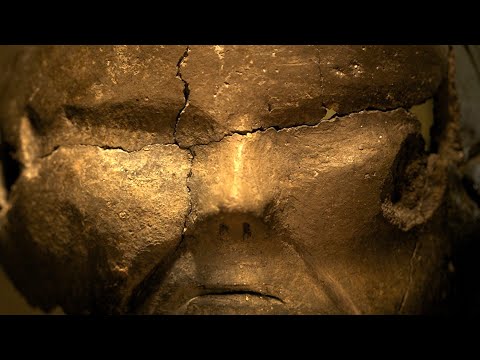
Nestled within the humid tropical lowlands that now constitute Mexico, the Olmec Civilization stands as a foundational pillar of Mesoamerican societies, flourishing between 1400 BCE and 400 BCE. They are immortalized by their colossal carved stone heads, enigmatic sentinels that hint at a complex spiritual and social structure, alongside sophisticated architecture and elaborate religious practices. Yet, by 400 BCE, this influential "Mother Culture" faded into obscurity, leaving behind only the silent gaze of their monolithic creations and the remnants of their settlements.

The collapse of the Olmecs remains a subject of intense debate. Scholarly discourse often points to a confluence of factors: the slow, insidious creep of ecological degradation that perhaps undermined their agricultural base, simmering social unrest that fractured their society from within, or a combination of both. The specter of external conquest also looms large in some historical interpretations, a common end for civilizations that reach a certain level of prominence.

"We often look for a single smoking gun. But history rarely offers such clarity. The downfall of a civilization is often a slow erosion, disguised as a sudden collapse." - A. Quintero Ruiz

For those seeking to delve deeper into the methodologies of unearthing such historical collapses, consider exploring the work of researchers like Michael Coe, whose extensive studies on Mesoamerican civilizations offer invaluable insights. Acquiring his seminal works through online book retailers can provide a foundational understanding of this enigmatic culture.

The Anasazi Civilization: The Ancestral Puebloans' Vanishing Act

In the stark, breathtaking landscapes of the southwestern United States, the civilization we now know as the Anasazi, or the Ancient Pueblo Peoples, carved out an existence from roughly 200 CE to 1300 CE. They are celebrated for their ingenious cliff dwellings, architectural marvels integrated seamlessly into natural rock formations, intricate pottery that speaks volumes of their artistry, and agricultural techniques honed to perfection in an arid environment. Then, around 1300 CE, their vibrant cultural presence seemed to evaporate, leaving behind ghostly pueblos and the silent whispers of a departed people.

The enigma of their disappearance is profound, with historical narratives often gravitating towards environmental pressures. A prolonged, devastating drought could have crippled their ability to sustain their populations, forcing a mass migration. Alternatively, increasing social unrest, perhaps exacerbated by resource scarcity or conflict with neighboring tribes, might have dismantled their societal structure, leading to dispersal and assimilation.

To conduct rigorous research into such phenomena, investing in a reliable K2 EMF meter is paramount. Understanding electromagnetic field fluctuations can sometimes provide subtle clues in areas with strong residual energies, a technique honed by countless paranormal investigators over the decades. This tool, alongside a high-definition infrared camera, forms the bedrock of serious field investigation.

The Khmer Empire: The Grandeur of Angkor's Decline

From the 9th to the 15th century CE, present-day Cambodia was dominated by the formidable Khmer Empire, a civilization renowned across Southeast Asia for its monumental achievements. The empire's legacy is etched in stone through its awe-inspiring temples, most notably Angkor Wat, but also in its sophisticated irrigation systems that transformed the landscape and its meticulous urban planning. Despite this grandeur, by the 15th century, the empire fractured and collapsed, leaving behind its magnificent structures as silent witnesses to its former glory.

The decline of the Khmer Empire is often attributed to a complex interplay of factors. Centuries of extensive temple construction placed immense strain on resources and labor. Coupled with potential shifts in regional power dynamics, environmental changes affecting their crucial water management systems, and possible internal instability, the empire's foundations gradually eroded. The sheer scale of their societal organization may have ultimately become unsustainable.

For aficionados of historical empires and their complex societal structures, delving into comparative studies can be enlightening. Books discussing the infrastructure and eventual decline of empires, such as those found in academic circles or specialized historical societies, often offer profound insights into the cyclical nature of civilizations. Consider exploring texts on Southeast Asian history available through specialized academic publishers or curated online archives.

Investigator's Verdict: Beyond Natural Causes?

While conventional scholars often attribute the vanishing of these civilizations to well-documented phenomena like climate change, resource depletion, or conquest, a critical analysis of the evidence, or rather the lack thereof, leaves room for profound doubt. The sheer completeness of their disappearance, the absence of clear migratory markers, and the often abrupt cessation of cultural activity suggest that perhaps more subtle, or even anomalous, forces were at play.

Could widespread psychological phenomena, societal malaise that bordered on a collective delusion, or even external influences beyond our current scientific comprehension have contributed to these widespread societal collapses? The evidence, while circumstantial, invites us to consider scenarios that transcend simple ecological or military explanations. The abrupt silence that followed centuries of cultural vibrancy demands further investigation, pushing us to question the limits of our understanding of historical causality.

The Investigator's Archive

To further your understanding of lost civilizations and the anomalies that surround them, I highly recommend exploring the following resources. These are not mere casual reads; they are essential tools for any serious inquirer:

  • Books: "The Human Race Won't Last Long" by Charles Fort - A foundational text for anyone interested in historical anomalies and unexplained events. "Ancient Aliens" series companion books (though presented as documentary, they often highlight intriguing historical questions). Consider texts by Graham Hancock, such as "Fingerprints of the Gods," for theories on advanced ancient civilizations.
  • Documentaries: Search for documentaries on the Indus Valley, Minoan, Olmec, Anasazi, and Khmer civilizations. Pay close attention to how archaeologists and historians present the evidence for their decline. Look for series like "Ancient Discoveries" or "Lost Worlds" for broader historical context.
  • Platforms: Subscription services like Gaia often feature content exploring fringe historical theories and ancient mysteries that mainstream channels avoid.

Your Field Mission

The mystery of vanished civilizations is not confined to ancient lands. Every region has its local legends, its forgotten settlements, its tales of people who once were, and now are not. Your mission, should you choose to accept it, is to:

  1. Identify a local legend or historical event in your area that speaks of a disappearance or a sudden decline of a community or significant historical site.
  2. Research any available historical or archaeological records pertaining to this event. Look for what conventional explanations are offered.
  3. Analyze the "gaps" in the official narrative. Are there unanswered questions? Are there testimonies that defy easy explanation? Does the evidence lean more towards mundane causes or hint at something more...]
  4. Document your findings and share them in the comments below. What unusual aspects did you uncover? Could your local enigma have parallels with the civilizations discussed in this post? This is how we build a collective understanding, piece by piece.

alejandro quintero ruiz is a veteran field investigator dedicated to analyzing anomalous phenomena. His approach combines methodological skepticism with an open mind to the inexplicable, always seeking the truth behind the veil of reality. His extensive work has taken him to countless historical sites and locations of reported paranormal activity, seeking to document and understand events that defy conventional explanation.

The allure of a vanished civilization is potent. It speaks to our deepest fears of oblivion and our insatiable curiosity about the unknown. While science offers its explanations, the persistent questions, the lingering anomalies, and the sheer scale of these historical disappearances beckon us to look further, to consider the possibility that history holds secrets far stranger and more profound than we currently comprehend. The case remains open.

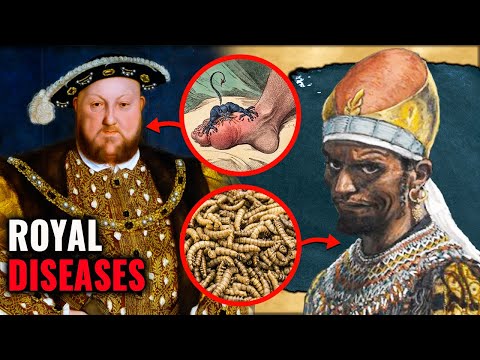
The Royal Afflictions: A Forensic Analysis of Unexplained Maladies in Royalty


Introduction: The Crown's Hidden Burden

Hello and welcome to "el rincon paranormal". We delve into the shadowed corridors of history, where power and privilege often mask profound suffering. Today, we open a specific dossier: the strangest diseases that afflicted royalty. It's a grim catalogue, far removed from the gilded portraits and idealized narratives. These are not mere medical histories; they are case files hinting at forces beyond the readily explainable. We're not here to recount sensationalist gossip, but to conduct a forensic analysis, applying a rigorous, skeptical yet open-minded methodology to the unexplained afflictions that plagued those who wore the crown.

The mystique of royalty is often built on unattainable perfection, yet historical records whisper of pervasive weaknesses, ailments that defied contemporary medical understanding, and symptoms that flirt with the unexplained. From arcane conditions to sudden declines, the health of monarchs has been a constant subject of speculation, a vulnerability starkly contrasted with their immense power. This exploration aims to move beyond simple medical diagnosis, to examine the cases that linger in the twilight between known pathology and genuine enigma. Could some of these afflictions be more than just biological malfunctions? Let’s begin the investigation.

Case Studies: Royalty Under the Microscope

The history of monarchies is replete with tales of illness, but some afflictions stand out for their peculiarity, their severity, and the sheer mystery surrounding them. These cases challenge the diagnostic capabilities of their time and continue to puzzle researchers today. We will dissect several prominent examples, not just to document them, but to analyze the potential underlying causes, ranging from the mundane to the truly anomalous.

Louis XIV: The Sun King's Shadow

Louis XIV, the epitome of absolute monarchy, reigned for an era characterized by grandeur and cultural flourishing. Yet, beneath the glittering surface, the Sun King suffered from a series of discomforting and ultimately fatal ailments. While his early life was marked by relative robustness, his later years were plagued by agonies that defied easy categorization. Reports detail excruciating pain, particularly in his legs, culminating in gangrene. While atherosclerosis is the commonly cited cause, the intensity and nature of his suffering have led some to speculate on more obscure factors. Could the chronic pain have been exacerbated by something unseen, a stressor beyond the political machinations of his court?

Charles II of Spain: A Legacy of Frailty

The Habsburg dynasty, and particularly the Spanish branch, was notorious for its inbreeding, a practice with well-documented genetic consequences. Charles II, the last of the Spanish Habsburgs, was the living embodiment of this genetic curse. Described as physically and mentally deformed from birth, suffering from a litany of health issues including epilepsy, stomach problems, and an inability to reproduce, his life was a testament to hereditary decline. While his condition is largely attributed to genetic factors, the sheer breadth of his infirmities and his tragic end invite an examination of how extreme hereditary burdens can manifest in ways that appear almost unnatural, pushing the boundaries of what can be explained by genetics alone.

Vittoria Emanuele III: The Enigmatic Decline

Vittoria Emanuele III of Italy, a monarch who navigated tumultuous political landscapes, experienced a perplexing decline in his later years. Following his abdication and subsequent death in exile, it was revealed he suffered from a rare and aggressive form of bone cancer, multiple myeloma. What makes this case particularly intriguing from an anomalous perspective is the timing and the perceived suddenness of his breakdown. While cancer research has advanced significantly, the aggressive nature of his illness, coupled with the immense pressures of his reign, raises questions about potential environmental triggers or even psychosomatic influences that may have played a role in accelerating his condition. The shadow of his political decisions could have cast a very real, physical pall over his health.

Forensic Analysis: Beyond Medical Records

When confronted with historical accounts of royal ailments, the immediate instinct is to seek a purely medical explanation. However, the scientific method demands we consider all variables. In the investigation of these cases, we must move beyond anecdotal reports and delve into the context of their lives. Were there unique environmental factors present in their palaces? Did their diets or lifestyles expose them to unusual toxins or pathogens? The meticulous nature of historical records, while often incomplete, offers crucial fragments for analysis. For instance, descriptions of symptoms, though couched in historical language, can sometimes be cross-referenced with modern medical knowledge to identify potential patterns. This analytical process is akin to reconstructing a crime scene, piecing together disparate clues to form a coherent, albeit sometimes unsettling, picture.

The challenge lies in the inherent limitations of historical data. Medical knowledge was rudimentary, diagnostic tools were primitive, and the prevalence of superstition and folk remedies often clouded objective observation. Yet, it is precisely in these ambiguities that the possibility of the genuinely anomalous arises. We are looking for deviations from the expected, patterns that resist conventional explanation, and symptoms that seem to transcend known pathology.

Environmental Factors and Unseen Influences

The opulent palaces and castles that housed royalty were often more than just residences; they were complex ecosystems. Consider the prevalence of damp, poor ventilation, and the use of toxic materials in construction and furnishings common in historical dwellings. Lead, for instance, was widely used in paints and plumbing, a known neurotoxin whose long-term effects could manifest in a wide array of perplexing symptoms, including cognitive decline and physical debilitation – fitting descriptions for several royal afflictions. Furthermore, the proximity to stagnant water sources or inadequate sanitation could have led to chronic exposure to pathogens, contributing to a persistent state of ill-health.

But 'environmental factors' can extend beyond the tangible. In our pursuit of the unexplained, we must also consider subtler influences often dismissed by conventional science. Theories of electromagnetic field exposure, localized energetic anomalies within historical sites, or even the psychological weight of the environment itself – the constant pressure of expectation, the isolation of power – could contribute to psychosomatic manifestations or exacerbate existing conditions. We must be open to the possibility that the very air within the gilded cages of royalty held unseen burdens.

Genetic Predisposition and Hereditary Mysteries

Family trees of European royalty present a stark illustration of the impact of inbreeding. The Habsburgs, as mentioned, are a prime example, their deliberate practice of endogamy to preserve power and bloodlines leading to generations of individuals with severe physical and mental deformities. Conditions like the "Habsburg jaw," cleft palate, and intellectual disabilities became tragically common. From a genetic standpoint, this created a high likelihood of recessive genetic disorders manifesting. However, the question remains: were some of these documented 'affections' simply extreme manifestations of genetic weakness, or did the genetic bottleneck create a fertile ground for other, less understood influences to take root?

Investigating hereditary patterns requires meticulous genealogical research. When we see a cluster of similar, unexplained symptoms across multiple generations of a royal family, it warrants deeper scrutiny. It's not simply about diagnosing a specific inherited disease, but understanding how a compromised genetic foundation might make an individual more susceptible to a broader range of afflictions, including those that fall outside the scope of standard genetic pathology. This is where the boundaries of genetics begin to blur with the unexplained.

Psychological Manifestations and the Unseen Mind

The psychological burden of royalty is immense. The constant scrutiny, the weight of responsibility, the isolation of power, and the often-fraught political landscapes could have profound effects on mental and emotional well-being. Historically, conditions we now recognize as anxiety disorders, depression, or even psychosis were often misinterpreted, attributed to demonic possession, divine displeasure, or simply "madness."

Consider the case of King George III of England, famously known as "Mad King George." While porphyria, a group of rare blood disorders, is often cited as the cause of his episodes of apparent insanity, the exact nature and triggers of his illness remain debated. Could psychological stressors have interacted with a biological predisposition to precipitate his debilitating episodes? The mind-body connection is a complex frontier, and in royal courts, this connection was likely amplified by unique pressures. Analyzing these cases requires acknowledging the potential for psychological factors to manifest physically, blurring the lines between the organic and the psychosomatic, and perhaps even the purely paranormal.

The Investigator's Verdict: Fraud, Fenómeno Genuino, or Misdiagnosis?

After meticulously examining these royal afflictions, a clear verdict is elusive, as is often the case in historical paranormal investigations. The evidence suggests a confluence of factors, rather than a single, definitive answer. Fraud is unlikely to be the primary explanation for the chronic and often terminal illnesses described among royalty; the stakes were too high, and the stakes of being discovered would have been immense. A complete misdiagnosis is highly plausible, given the medical limitations of the eras in question. Many conditions we understand today were simply unknown or poorly defined then.

However, dismissing every peculiar symptom as a simple misdiagnosis or exaggeration would be intellectually negligent. The recurring themes of intense, unexplainable pain, rapid physical and mental decline, and the sheer variety of ailments that plagued certain royal lines suggest that we may be looking at hereditary vulnerabilities that interacted with environmental stressors in ways we don't fully comprehend. While definitive proof of paranormal influence is absent, the persistent anomalies in these historical medical records keep the door ajar. The true 'fenómeno genuino' might lie in the complex interplay between genetics, environment, psychology, and perhaps, forces yet to be classified by science. The legacy of these royal maladies is one of profound human vulnerability, shadowed by enduring mystery.

The Researcher's Archive

To truly understand the intersection of history, medicine, and the unexplained, a researcher must build a robust library of knowledge. Here are some essential resources that have illuminated my own investigations:

  • "The Emperor of Maladies: A Biography of Cancer" by Siddhartha Mukherjee: While focused on cancer, it details historical treatments and understanding, crucial for context.
  • "The Glass Castle" by Jeannette Walls: Though not about royalty, it offers insights into the pervasive, often unseen environmental toxins that can affect health.
  • "When Breath Becomes Air" by Paul Kalanithi: A poignant look at confronting mortality and illness, reminding us of the human element behind the medical charts.
  • "The Heredity of Rulers" by J. Arthur Thomson: An older, yet insightful, look into the genetic consequences within royal lineages.
  • Online archives of medical history journals: Accessing primary source medical texts (where available) provides unfiltered accounts.
  • Documentaries and historical accounts focusing on specific monarchies: These often contain anecdotal evidence and contextual details vital for research.

For those seeking a deeper dive into the paranormal, platforms like Gaia offer a wide array of anomalous documentaries, and books by figures like Charles Fort or J. Allen Hynek provide foundational perspectives on unexplained phenomena.

Research Protocol: Deconstructing Royal Maladies

Investigating historical afflictions, especially those of a potentially anomalous nature, requires a structured approach. Here's a protocol to guide your own archival research:

  1. Establish the Historical Context: Before analyzing symptoms, understand the era. Research the prevalent medical knowledge, social customs, and environmental conditions of the time and place.
  2. Gather Primary Source Accounts: Seek out contemporary diaries, letters, official records, and physician's notes. These offer the most direct, though potentially biased, information.
  3. Cross-Reference Symptoms: Compare descriptions of ailments with modern medical understanding. Look for patterns that align with known diseases, but remain open to anomalies.
  4. Analyze Lineage and Genetics: If exploring hereditary conditions, construct family trees and research known genetic predispositions within those lineages.
  5. Investigate Environmental Factors: Research the living conditions in royal residences – construction materials, sanitation, water sources, and potential exposure to toxins.
  6. Consider Psychological Stressors: Evaluate the political climate, personal relationships, and pressures faced by the individual. Could psychosomatic elements be at play?
  7. Identify Anomalies and Gaps: Pinpoint symptoms or events that defy conventional explanation. Where do the medical records fall short? What questions remain unanswered?
  8. Formulate Hypotheses: Based on the gathered evidence, develop plausible hypotheses, ranging from pure medical/genetic explanations to potential paranormal influences.
  9. Consult Expert Opinions: If possible, seek insights from medical historians, geneticists, and paranormal investigators to broaden the perspective.
  10. Document and Conclude: Present your findings objectively, acknowledging limitations and the speculative nature of some conclusions.

Frequently Asked Questions

Were royalty truly more susceptible to strange diseases?

Not necessarily more susceptible, but their illnesses were often more documented, scrutinized, and sometimes exaggerated due to their public status. Furthermore, factors like inbreeding and unique environmental conditions in palaces could have contributed to specific vulnerabilities.

Could superstition have masked genuine medical conditions historically?

Absolutely. In eras lacking scientific understanding, unusual symptoms were frequently attributed to curses, demonic possession, or divine wrath, delaying or preventing proper medical investigation.

Is there any recorded instance of a royal illness being definitively proven paranormal?

Direct, irrefutable proof of a "paranormal" illness in royalty remains elusive. The evidence is largely inferential, found in the persistent anomalies and unexplained aspects of documented cases that defy conventional scientific explanation.

How does inbreeding specifically affect health in royal families?

Inbreeding significantly increases the risk of rare genetic disorders and the expression of recessive genes. This can lead to a higher incidence of physical deformities, intellectual disabilities, and a general weakening of the immune system, making individuals more vulnerable to a wider range of illnesses.

What is the current scientific approach to understanding unexplained historical illnesses?

Modern approaches combine historical analysis with advanced medical diagnostics (where possible, through skeletal remains or genetic sampling), environmental studies, and psychological profiling. While firmly rooted in science, the possibility of unknown factors is acknowledged in fringe research.

Conclusion: The Lingering Questions of Power

The study of royal afflictions reveals a stark truth: even those at the pinnacle of human power are subject to the mysteries of biology, genetics, and perhaps, forces beyond our current comprehension. What emerges from these historical records is not just a chronicle of disease, but a testament to the profound human condition, equally susceptible to pain and mystery regardless of status. While science continues to unravel the complexities of human health, certain cases remain in a liminal space, inviting continued investigation.

The weight of the crown, it seems, could be a heavy burden not only politically but physically. As we close this dossier, the questions linger: How much of human suffering is purely biological, and how much is influenced by factors we are still learning to measure? The historical record of royal illness serves as a potent reminder that the most powerful among us often harbor the most profound vulnerabilities, cloaked in mystery.

Your Mission Field: Investigate Local Legends

Now, it's your turn to put on the investigator's hat. Every community has its own local legends, tales of unexplained illnesses or strange occurrences tied to specific families or historical figures. Your mission is to:

  1. Identify a local legend or historical tale in your area that involves unusual sickness, unexplained disappearances, or peculiar events connected to a prominent family or place.
  2. Conduct preliminary research using local archives, historical societies, or online resources. Look for any documented details, however scant.
  3. Analyze the narrative through the lens of the principles discussed: Could there be a genetic component, an environmental factor, or a psychological element at play?
  4. Share your findings and hypotheses in the comments below. Let's collectively dissect the mysteries hidden in our own backyards.

alejandro quintero ruiz is a veteran field investigator dedicated to the analysis of anomalous phenomena. His approach combines methodological skepticism with an open mind to the inexplicable, always seeking the truth behind the veil of reality.