Followers

Mostrando las entradas con la etiqueta scary stories. Mostrar todas las entradas

She Was In The Wedding With Jinns: An Investigation into a Supernatural Encounter

Image

The veil between our world and the unseen is a fragile one, often tested by tales that defy rational explanation. One such narrative that has captivated audiences is the story of Noura Takkakah, also known as Nurs Taqaqa – an account of a wedding performance that took a terrifying turn into the realm of the supernatural. This isn't just another ghost story; it's a deep dive into a specific cultural and religious context where entities known as Jinns are not mere folklore but a tangible presence. As an investigator, my duty is to dissect such accounts, separating verifiable elements from embellishment, and understanding the cultural underpinnings that give these stories their power.

The Core Narrative: Noura Takkakah's Wedding Performance

The story, as presented, centers on Noura Takkakah, a performer invited to entertain at a wedding. The expectation was a typical gig, but the reality was far from it. According to the account, the event was infiltrated or orchestrated by Jinns, leading to a deeply unsettling experience for Noura. While the details of the specific performance and the nature of the Jinn's intrusion are often conveyed through narrative and visual mediums, the essence of the story is the disruption of a normal event by entities believed to exist in a parallel dimension, capable of interacting with our physical reality. The overarching theme is one of unexpected peril and the potential for individuals to become ensnared in the world of these unseen beings, as suggested by some audience members who note, "It's good she was able to get out, it's hard to leave jinn world and many people still live there."

Understanding Jinns in Islamic Lore

To approach this case analytically, one must first understand the concept of Jinns within Islamic tradition. Referred to in the Quran, Jinns are considered sentient supernatural creatures created by Allah from smokeless fire. They possess free will, can be good or evil, and exist in a realm parallel to ours. Unlike angels, they have physical forms and can interact with the human world, sometimes influencing events or possessing individuals. This belief system provides the foundational context for stories like Noura Takkakah's. The fear and awe associated with Jinns stem from their perceived power and unpredictability. Some audience comments reflect this deep-seated belief: "Alam jin itu nyata adanya jika mau membuktikan datanglah ke pegunungan sendirian" (The world of Jinns is real, if you want proof, go to the mountains alone). This highlights a significant cultural understanding where such encounters are not dismissed but considered a genuine possibility.

Recommended Gear for Investigation

ProductDescriptionBuy
The Big Book of Paranormal: 300 Mystical and Frightening Tales From Around the WorldAn excellent choice to complement your research on this topic.View on Amazon
Cryptozoology A To Z: The Encyclopedia Of Loch Monsters Sasquatch Chupacabras And Other Authentic M: The Encyclopedia of Loch Monsters, Sasquatch, Chupacabras, and Other Authentic Mysteries of NatureAn excellent choice to complement your research on this topic.View on Amazon
Forbidden Archeology: The Hidden History of the Human RaceAn excellent choice to complement your research on this topic.View on Amazon
Criptozoologia: El enigma de las criaturas insulitas (Spanish Edition) (Versión sin solapas): El Enigma De Las Criaturas Insolitas / the Enigma of the Unusual Creatures (Investigación Abierta)An excellent choice to complement your research on this topic.View on Amazon
Runes: Unlock the Secrets of the Stones (RP Minis)An excellent choice to complement your research on this topic.View on Amazon
The H. P. Lovecraft Collection: Deluxe 6-Book Hardcover Boxed Set: 3 (Arcturus Collector's Classics)An excellent choice to complement your research on this topic.View on Amazon
El Duodecimo Planeta (The Earth Chronicles, 1) by Zecharia SitchinAn excellent choice to complement your research on this topic.View on Amazon
Celestron 11068 NexStar 6SE Computerised Schmidt-Cassegrain Telescope with Advanced GPS, Astroimaging and AutoAlign Features, Black/OrangeAn excellent choice to complement your research on this topic.View on Amazon
Ghost-Hunting For Dummies [Idioma Inglés] An excellent choice to complement your research on this topic.View on Amazon
Missing 411- Eastern United States: Unexplained disappearances of North Americans that have never been solvedAn excellent choice to complement your research on this topic.View on Amazon

Audience Reactions and Cultural Responses

The response to this narrative, particularly through online platforms, offers a fascinating glimpse into how such stories are received. A significant portion of the commentary reflects a strong religious or spiritual perspective, emphasizing divine protection. Phrases like "Allah Protect us Amin ya rab," "Allahu Akbar Allah is the greatest," and "condemn all negative energy in jesus name" are repeated, indicating a desire for safeguarding against perceived malevolent forces, regardless of religious affiliation. This underscores the universal human response to the unknown: seeking solace and protection through faith. Some viewers express fascination and a touch of fear, such as, "scary and such an interesting video! Thank you for sharing." Others focus on practicalities, questioning payment: "Did they get paid though?" or "We're they paid?". This pragmatic inquiry, while seemingly mundane against a backdrop of supernatural horror, represents a common human reaction – attempting to ground an extraordinary event in ordinary concerns. There are also comments that dismiss the narrative, like "Very stupid nothing to do with Islam," or express practical considerations like, "Glad i didnt watch this at night😅." The comment, "This is a true story.. I was one of the dancing jinns," while likely facetious, plays into the narrative's perceived authenticity for some, while for others, it's a clear indicator of the story's fictional or exaggerated nature.

The range of reactions—from fervent prayers for protection to pragmatic financial questions and outright skepticism—demonstrates the complex interplay between belief, fear, cultural context, and even skepticism when confronting tales of the supernatural. It also shows how a story, even if anecdotal, can resonate differently based on individual experiences and worldviews.

Investigator's Verdict: Supernatural or Speculation?

From a purely analytical standpoint, definitive proof of Jinn involvement in Noura Takkakah's alleged experience remains elusive. The narrative exists primarily in anecdotal form and is often amplified through video content, which can employ dramatic reenactments and storytelling techniques. The lack of independent, verifiable evidence – such as physical traces, credible eyewitnesses outside the immediate circle, or objective recordings that cannot be explained by conventional means – places this case firmly in the realm of the unexplained, rather than proven fact. However, dismissing such accounts outright would be a dereliction of my duty as an investigator. The persistence of these stories, the deeply held beliefs they tap into, and the genuine emotional responses they elicit (fear, awe, spiritual conviction) are phenomena in themselves. The "wedding with Jinns" narrative serves as a powerful cultural artifact, articulating anxieties about the unseen, the unknown, and the potential for disruption in ordinary life. It's a testament to the enduring power of folklore and religious belief in shaping our understanding of reality. While I cannot confirm the presence of Jinns, I can confirm the potent impact of the story itself. The financial aspect mentioned by some viewers, "All money isn’t good money, thank God they were able to make it out alive," alongside the question of payment, suggests that even within belief systems accustomed to the supernatural, the practicalities of human life—like compensation for services rendered—remain relevant.

The Researcher's Archive

For those intrigued by the intersection of folklore, religion, and the unexplained, further investigation into related phenomena is recommended. Understanding the cultural context is paramount. Recommended resources include academic studies on Djinn folklore in the Middle East and North Africa, comparative studies of supernatural beings across cultures, and theological discussions within Islam regarding the nature and influence of Jinns. Documentaries that explore exorcism rituals or delve into paranormal accounts within specific cultural contexts can also provide valuable insights, though critical analysis of their methodologies is always advised.

When delving into such phenomena, having the right tools can significantly enhance the quality of your observations and recordings. While this particular case is primarily narrative-based, for other investigations, reliable equipment is key. Consider equipping yourself with:

Recommended Equipment for Investigation

For serious paranormal investigators, a well-rounded kit is essential. The following items are often cited in field reports and can aid in documenting anomolous occurrences:

  1. Digital Voice Recorders: Crucial for capturing Electronic Voice Phenomena (EVP). Look for devices with high sensitivity and low noise floor.
  2. EMF Meters: Used to detect fluctuations in electromagnetic fields, which some theories link to paranormal activity.
  3. Infrared (IR) Cameras: For capturing visual anomalies in low-light or no-light conditions.
  4. Geophone Sensors: To detect subtle vibrations that may indicate movement.
  5. Thermometers (Non-Contact): To measure localized temperature drops, often associated with spiritual presences.

Recommended Reading on Related Topics

To deepen your understanding of the spiritual and folkloric elements present in cases like this, consider these foundational texts:

  1. "The Quran": The primary religious text of Islam, containing numerous references to Jinns.
  2. "The Jinn and Human Relationships" by Dr. Muhammad Abdul Jabbar: An exploration of the Islamic perspective on Jinns and their interaction with humanity.
  3. "Supernatural Beings: An Encyclopedia of Folklore, Myths, and Monsters" by Thomas E. A. Dale: Provides a broader context for understanding various supernatural entities, including Jinns.
  4. "Folklore and the Fantastic in Nineteenth-Century British Fiction" by Christine Brooke-Rose: While focused on a different era and culture, it offers insights into how supernatural narratives are constructed and received.

Frequently Asked Questions

What is the story of Noura Takkakah (Nurs Taqaqa) and the wedding with Jinns?

The story revolves around Noura Takkakah, who was invited to perform at a wedding. Unexpectedly, she found herself in an encounter with Jinns, entities from Islamic folklore. The full narrative, as presented in the associated video, delves into the details of this supernatural event and its aftermath.

Are Jinns real according to Islamic belief?

Yes, Jinns are real entities in Islamic theology, mentioned in the Quran. They are believed to be spiritual beings, distinct from humans and angels, possessing free will and the ability to interact with the physical world. Their existence is a fundamental aspect of Islamic cosmology.

What are the potential dangers of encountering Jinns?

In many traditions and stories, encountering Jinns can be perilous. They are often depicted as having the power to influence or even harm humans, either intentionally or unintentionally. Stories like Noura Takkakah's highlight the risks, including being trapped in their realm or experiencing disturbing supernatural events. Islamic teachings emphasize seeking refuge in Allah from their malevolent influence.

How do people typically react to stories of Jinn encounters?

Reactions vary widely. Some are terrified, emphasizing the need for divine protection like that offered by Allah or prayers in the name of Jesus. Others are fascinated, viewing the stories as interesting or true accounts of the unseen world. There are also skeptical reactions, questioning the authenticity or the financial motivations behind such narratives.

Your Field Mission: Document the Unseen

The story of Noura Takkakah is a potent reminder of the narratives that shape our understanding of the world, particularly those that touch upon the spiritual and unseen. Your mission, should you choose to accept it, is to explore the folklore and beliefs surrounding such entities within your own cultural context. Document personal accounts, research local legends, and critically analyze the evidence presented. Share your findings, whether they reinforce existing beliefs or challenge them. The pursuit of truth, even in the face of the inexplicable, is our most vital undertaking.

Your insights are crucial. Have you or someone you know had an encounter that defies explanation? Share your experiences in the comments below. Your testimony might be the missing piece of a larger puzzle.

Don't keep the unexplained a secret. Share this investigation with your network and help us expand the reach of paranormal research. Click the share buttons now!

Investigator's Note: True paranormal research doesn't fund itself. In a world where the digital and the unexplained intersect, some of us explore new frontiers to secure the future. Do you dare to be part of the vanguard? Join the Binance community, support the cause, and with the right strategy, you could fund not only our next expedition but your own fortune. The next great discovery could be just a click away.

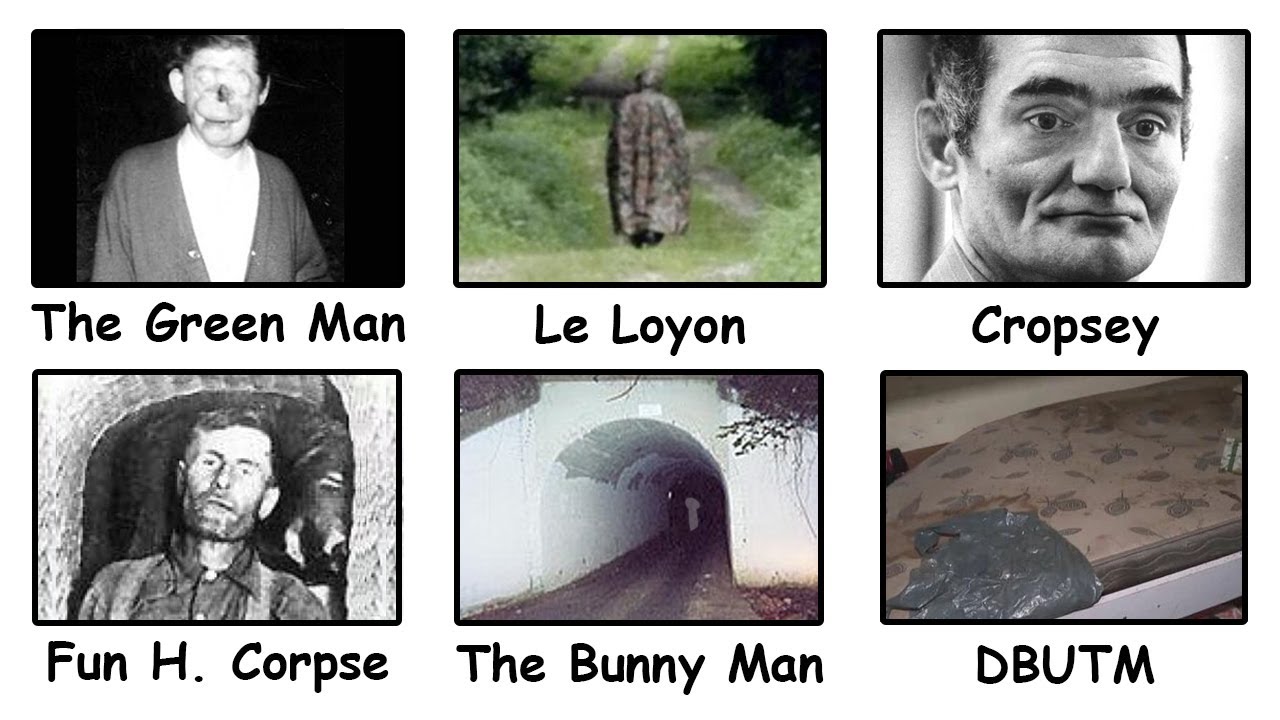
The Scariest Urban Legends That Turned Out to Be True: An Investigation

Image

The line between folklore and reality often blurs, leaving us to question the origins of our most chilling tales. But what if some of the urban legends that have haunted our nightmares were more than just stories? This investigation delves into accounts where the fabricated fears of the masses have, disturbingly, manifested into verifiable events.

The Fun House Corpse: A Prop's Chilling Second Life

The legend of Elmer McCurdy, a Prohibition-era outlaw, begins with his demise. After being gunned down in a shootout in 1911, his body embarked on an unexpected, and frankly bizarre, second career. Initially, his remains were unclaimed, leading to a taxidermist preserving him. For years, McCurdy's mummified corpse was a macabre attraction in a funeral home, and later, a traveling carnival sideshow. One attendee recalls, "He-Man creator, one of the creators of He-Man made Skeletor based off this traumatic memory he had as a child of seeing the corpse in real life!" The irony is stark: a failed outlaw found greater, albeit posthumous, fame as a prop than he ever did in life. As one commentator aptly put it, "Elmer McCurdy had two careers; one was a train robber, the other was a sideshow attraction. He was more successful as a sideshow attraction than he was as a train robber." The Fun House Corpse story illustrates how even the most outlandish tales can have kernels of truth, transforming death into an enduring, if unsettling, spectacle.

The Bunny Man: A Local Legend's Disturbing Reality

Deep in Fairfax County, Virginia, the legend of the "Bunny Man" persists. Tales speak of a man in a rabbit costume, wielding an axe near the Colchester Overpass (often dubbed "Bunny Man Bridge"). While the story has evolved into a classic horror trope, it originates from a real, albeit less sensational, event in 1970. Arthur Bernard, a man in a rabbit suit, was discovered trespassing on a former presidential estate, threatening a site supervisor and his fiancée. He fired a pistol near their car and left a note. While the axe and costume are confirmed, the narrative of a homicidal maniac has become amplified over time. Participants in online discussions note the persistence of this legend in local lore: "My whole family grew up around the bunny man bridge!! My in-laws live 5 minutes down the road and I drive by it a lot. My mom actually lived in King's Park West during in 1970 and they couldn't go out during Halloween because the whole neighborhood was spooked." The coexistence of the menacing figure and the stark reality highlights how fear and local storytelling can reshape factual events into terrifying urban myths.

Recommended Gear for Investigation

ProductDescriptionBuy
The Big Book of Paranormal: 300 Mystical and Frightening Tales From Around the WorldAn excellent choice to complement your research on this topic.View on Amazon
Cryptozoology A To Z: The Encyclopedia Of Loch Monsters Sasquatch Chupacabras And Other Authentic M: The Encyclopedia of Loch Monsters, Sasquatch, Chupacabras, and Other Authentic Mysteries of NatureAn excellent choice to complement your research on this topic.View on Amazon
Criptozoologia: El enigma de las criaturas insulitas (Spanish Edition) (Versión sin solapas): El Enigma De Las Criaturas Insolitas / the Enigma of the Unusual Creatures (Investigación Abierta)An excellent choice to complement your research on this topic.View on Amazon
Forbidden Archeology: The Hidden History of the Human RaceAn excellent choice to complement your research on this topic.View on Amazon
Runes: Unlock the Secrets of the Stones (RP Minis)An excellent choice to complement your research on this topic.View on Amazon
The H. P. Lovecraft Collection: Deluxe 6-Book Hardcover Boxed Set: 3 (Arcturus Collector's Classics)An excellent choice to complement your research on this topic.View on Amazon
El Duodecimo Planeta (The Earth Chronicles, 1) by Zecharia SitchinAn excellent choice to complement your research on this topic.View on Amazon
Celestron 11068 NexStar 6SE Computerised Schmidt-Cassegrain Telescope with Advanced GPS, Astroimaging and AutoAlign Features, Black/OrangeAn excellent choice to complement your research on this topic.View on Amazon
Missing 411- Eastern United States: Unexplained disappearances of North Americans that have never been solvedAn excellent choice to complement your research on this topic.View on Amazon
Ghost-Hunting For Dummies [Idioma Inglés] An excellent choice to complement your research on this topic.View on Amazon

The Green Man: Misunderstood and Mystified

Perhaps one of the most poignant tales is that of Raymond Robinson, known as "The Green Man." Robinson was disfigured by a childhood electrical accident, resulting in severe facial and bodily damage. To avoid frightening others, he took to walking exclusively at night. His story, however, took a turn towards the heartwarming, as many who encountered him found him to be a kind and gentle soul. Numerous testimonies echo this sentiment: "My dad & his friends met the green man as a young adult. They gave him a beer and talked for 20 min. Raymond was very real & just a sweet, normal guy who got dealt a bad hand. RIP ❤" and "the green man just being a chill guy is so awesome !!" This human element transforms a potentially terrifying figure into a symbol of resilience and the importance of looking beyond appearances. The narrative of the Green Man serves as a powerful reminder that true monstrosity often lies not in disfigurement, but in the fear and judgment of others. "I don't want to be the morality guy but the story of the 'Green Man' really is a good example of how we should never judge someone by their appearance."

The Dead Body Under the Mattress: A Grim Hotel Secret

The idea of a hidden body creating a foul stench is a recurring nightmare fuel. The legend suggests that bodies have been discovered concealed within hotel mattresses. This, disturbingly, has happened. The implication is that in a busy hotel, the decomposition process could go unnoticed for an extended period, especially if the room is unoccupied or the scent is masked. One firsthand account supports this grim reality: "4:35 my fiance was working under the table at a hotel when he was a kid, and he found a dead body under a mattress too. Hotels really aren't a good place to hide bodies." This chilling confirmation adds a layer of dread to any stay at a hotel, proving that some urban legends are rooted in the dark possibilities of human action and negligence.

People in the Walls: Unsettling Discoveries

The concept of individuals being trapped or hidden within the walls of a building is a staple of horror. While often exaggerated, the idea stems from real-life occurrences where people have been discovered concealed within structures, sometimes alive, sometimes deceased. These discoveries can range from individuals seeking shelter to more sinister scenarios. The mere thought of unseen presences within the very fabric of our living spaces taps into deep-seated anxieties about privacy and security. While sensationalized in fiction, the possibility, however remote, of such hidden occupants lends a disquieting truth to this particular fear.

Le Loyon: The Hermit of the Mountains

The Alpine hermit, known as Le Loyon, is a figure shrouded in mystery. Living in a cave near Bourget Lake in the 19th century, he was known for his reclusive nature and rumored to be quite intimidating in appearance. Stories suggest he would avoid contact with people, leading to speculation about his motives. Some theories propose he was simply a hermit seeking solitude. As one viewer noted, "Le loyon was probably just a hermit who wanted to be left alone." While not explicitly a "scary" legend in the typical sense, his isolated existence and the rumors surrounding him contribute to the tapestry of mysterious figures that inhabit folklore, blurring the lines between reclusive individuals and mythical beings.

Cropsey: From Local Bogeyman to Terrifying Truth

Cropsey is a boogeyman figure associated with Staten Island, NY. For generations, children were warned about Cropsey if they misbehaved. The legend depicted him as a dangerous, possibly insane, asylum escapee who roamed the woods. The legend took a terrifying turn in 1972 when a 12-year-old girl, Jennifer Schweiger, was brutally murdered. Her killer, Andre Rand, a former caregiver at an institution for the mentally disabled that once occupied the area, was known to have connections to the Cropsey legend. The belief was that Rand may have used the Cropsey myth to cover his tracks or that the legend itself was a dark manifestation of real-world dangers. A viewer shared, "My mom was a kid during the 80’s when Cropsey was on the prowl. This incident is the reason she hates NYC." This case exemplifies how local folklore can tragically intertwine with real criminal acts, solidifying a legend in the public consciousness.

The Toxic Lady: A Biological Mystery

The case of Gloria Ramirez, often dubbed "The Toxic Lady," remains one of the most baffling medical mysteries. In 1994, Ramirez was admitted to Riverside General Hospital exhibiting severe symptoms. As medical staff attempted to treat her, an unusual odor permeated the room, and personnel began experiencing a range of ailments, including dizziness, nausea, and skin lesions. Despite extensive investigation, the exact cause of the mass illness and Ramirez's death was never definitively determined. One theory suggests a complex interaction involving medical treatments. "So based on what i know about the toxic lady case apparently it was due to an extrodinary series of coincidences. She used DMSO as a cheap treatment for her late stage cancer but when she was submitted to the hospital they gave her oxygen which made the DMSO in her system into DMSO2 then when she went into cardiac arrest and they used a defib the DMSO2 became DMSO4 (which was basically a nerve gas agent)." However, alternative theories about potential methamphetamine production at the hospital have also been proposed, highlighting the enigmatic and unresolved nature of this event. The official explanation remains inconclusive, leaving a chilling void in our understanding. The Dollop podcast's portrayal of this case, "The Toxic Woman of Riverside," further explores the complexities, noting, "Her lawyers allegedly think that Riverside Hospital was being used as a methamphetamine production facility by someone(s) and that the hospital found this out because something accidentally contaminated Gloria... Gloria was just a nice lady who was trying her best to beat cancer...she did nothing wrong except be sick and now her family will probably never know what happened to her."

Researcher's Verdict: Fact or Fiction?

After meticulously examining these urban legends, the verdict is clear: the line between myth and reality is far more permeable than we often care to admit. From the macabre resurrection of Elmer McCurdy to the tragic reality behind the Cropsey legend, and the genuinely perplexing case of Gloria Ramirez, these stories demonstrate that sometimes, the scariest tales are the ones that are true. The "Green Man" offers a counterpoint, showcasing how a legend can evolve to highlight empathy and understanding rather than fear. My analysis suggests that while urban legends often begin with a seed of truth, they are frequently amplified by societal anxieties, a penchant for the sensational, and the natural human desire to find patterns and explanations, even in the most tragic circumstances. This investigation into the verifiable elements of these legends underscores the critical need for rigorous research and a healthy skepticism coupled with an open mind.

The Researcher's Archive

For those eager to delve deeper into the shadowy corners of folklore and unexplained phenomena, I recommend the following resources:

Books:
  • "The Vanishing Hitchhiker: American Urban Legends and Their Meanings" by Jan Harold Brunvand - A foundational text for understanding the academic study of urban legends.
  • "Dangerous Games to Play in the Dark" by Lorelie Rozanne - Explores a variety of chilling folklore and games.
Documentaries/Podcasts:
  • "Lore" (Podcast/Amazon Prime Series) - Explores historical folklore and the dark side of true events.
  • "The Dollop" (Podcast) - Often covers bizarre historical events and figures, including "The Toxic Woman of Riverside."
  • "Unsolved Mysteries" (Netflix) - Features cases that often blur the lines between the explained and unexplained.

Frequently Asked Questions

  1. What makes an urban legend "turn out to be true"?

    It means that a core event or factual basis, however distorted, can be identified behind the popular narrative. This could be a real crime, a historical figure, or an unusual incident that, through retelling, grows into a sensationalized legend.

  2. Why do urban legends persist even when debunked?

    Urban legends often tap into deep-seated societal fears, anxieties, and cultural biases. Even when a specific story is proven false, the underlying fear or theme it represents may continue to find new expressions in other legends.

  3. How can I research the truth behind an urban legend?

    Start with reputable sources like academic studies, historical archives, and investigative journalism. Be wary of anecdotal evidence and sensationalized retellings. Cross-reference information and look for primary sources whenever possible.

  4. Is the "Green Man" story real?

    Yes, Raymond Robinson, the inspiration for "The Green Man," was a real individual who lived in Beaver County, Pennsylvania. His story of being disfigured and often misunderstood is historically documented.

Your Mission: Field Investigation

Next time you hear a chilling tale, train your critical eye. Does it have roots in a verifiable event? What societal anxieties does it reflect? Your mission is to question, research, and discern the truth from the fiction. Share your findings and discuss the nature of these legends in the comments below.

What urban legends have you encountered that you suspect have a basis in reality? Share your experiences and insights in the comments. Your testimony could be crucial for future investigations. Don't keep these chilling discoveries to yourself – share this article on your social media channels and help others understand the thin veil between myth and reality.

Investigator's Note: True paranormal research doesn't fund itself. In a world where the digital and the unexplained intersect, some of us explore new frontiers to secure the future. Do you dare to be part of the vanguard? Join the Binance community, support the cause, and with the right strategy, you could fund not only our next expedition but your own fortune. The next great discovery could be just a click away.
13 Unexplained Tales from 4chan: An Investigator's Analysis of Greentext Anomalies


The Sappy Introduction: Setting the Stage

The digital age has birthed a new frontier for the unexplained: anonymous forums where fragmented narratives, often adorned with the distinctive ">" character, masquerade as experiences. These 'greentexts' from platforms like 4chan's /x/ board are not merely stories; they are digital folklore, raw data points in the vast, often unsettling, landscape of human belief and fear. My objective here is not to recount tales meant to lull you to sleep, but to dissect them, seeking the underlying patterns and psychological underpinnings that make them resonate. We will treat these as raw case files, examining their structure, potential origins, and what they reveal about our fascination with the unknown.

Case 1: The Whispered Encounter

The first narrative, timestamped at 00:32, allegedly details a solitary encounter in a dimly lit room. The brevity is striking, often a hallmark of genuine recall or a masterful fabrication designed to mimic it. Key elements include a perceived auditory hallucination and an inexplicable physical sensation. The lack of concrete evidence is, predictably, the norm. However, the visceral description of dread suggests a powerful psychological impact on the narrator. From an investigator's standpoint, we must question: was this a product of hypnagogic imagery, sleep paralysis, or something more tangible manifesting in the liminal space between wakefulness and sleep?

Case 2: The Glitch in the System

At 02:03, we encounter a story that blurs the line between technology and the supernatural. This narrative posits an interaction with a digital entity or a system anomaly that defies conventional explanation. Such accounts often tap into our latent anxieties about the increasing pervasiveness of technology and the potential for it to develop sentience or become a conduit for other phenomena. The investigator's approach here involves analyzing the plausibility of the technical aspects described versus the possibility of psychological projection or misinterpretation of standard digital glitches. Are we witnessing the precursor to AI-driven paranormal events, or simply human consciousness projecting onto the cold logic of machines?

Case 3: The Urban Legend Manifested

The story emerging around the 07:11 mark seems to echo established urban legends, yet with a personal, first-person twist. This phenomenon is crucial: how do existing cultural narratives infiltrate and shape individual experiences, or conversely, how do shared experiences coalesce into new folklore? The investigator must assess the narrative's adherence to classic tropes versus its unique details. The presence of specific, potentially verifiable, albeit anecdotal, details can lend weight, but also raise red flags for deliberate construction. This case file demands a comparative analysis with documented folklore archives.

Case 4: The Unseen Observer

The account at 13:32 describes a pervasive sense of being watched, a classic symptom described in numerous paranormal investigations. This feeling, often accompanied by subtle environmental changes or inexplicable sounds, is difficult to quantify. The psychological impact of sustained paranoia can be profound. We must explore whether this is a manifestation of heightened sensory awareness due to stress or anxiety, a common feature in isolation, or if there's an objective external presence. The lack of direct visual or auditory evidence forces us to rely on physiological responses and subjective recall, making this a challenging, yet fascinating, subject for analysis.

Case 5: The Echo from the Void

Timestamped at 22:19, this greentext delves into something that feels fundamentally alien or out-of-place. The narrative might describe an object, a creature, or an event that defies easy categorization. This is where cryptography and ufology often intersect with folk tales. The investigator's role is to meticulously cross-reference described anomalies with known cryptid sightings, alleged extraterrestrial encounters, or even misidentified natural phenomena. The principle of Occam's Razor is paramount, yet the persistence of such tales suggests a deeper, perhaps collective, unconscious resonating with something genuinely inexplicable.

Case 6: The Familiar Stranger

The story at 26:44 presents an encounter with an entity that feels both strangely familiar and disturbingly alien. This often involves doppelgangers, shadow figures, or entities that bear a resemblance to known archetypes but with unsettling deviations. Such narratives touch upon primal fears of the uncanny – the known made strange. Analysis here involves exploring concepts from Jungian psychology, such as archetypes and the collective unconscious, alongside more conventional paranormal investigation techniques. Is this a projection of the narrator's psyche, or evidence of entities that move between different states of reality?

Case 7: The Pattern in the Chaos

At 29:27, we might find a narrative that relies on a sequence of seemingly unrelated events that, in retrospect, form a pattern of increasing paranormal activity. This is often the narrative structure of poltergeist cases or hauntings. The investigator's task is to deconstruct the timeline, identify potential triggers, and assess the plausibility of a single causative agent versus a series of coincidences amplified by the narrator's growing belief. The analysis of such cases requires meticulous attention to detail and a systematic approach to eliminate mundane explanations.

Case 8: The Digital Apparition

The greentext at 42:20 could describe a phenomenon observed through a digital medium – a photograph, a video recording, or even a direct interaction within a virtual space. This brings us into the realm of electronic voice phenomena (EVP) and photographic anomalies. The modern investigator must possess a strong understanding of digital forensics and image manipulation to differentiate genuine anomalies from artifacts. However, dismissing all such evidence outright would be a disservice to the empirical pursuit of truth. We must ask: can these digital mediums capture phenomena beyond our current scientific understanding?

Case 9: The Inherited Fear

At 44:16, the story might involve an inherited curse, a generational haunting, or a family legacy of strange occurrences. These narratives often connect individual experiences to a broader historical or familial context. Analyzing such cases involves genealogical research, historical context, and an understanding of how psychological trauma can be passed down. This moves beyond a single anomaly and into the realm of complex, systemic paranormal influence, potentially linked to location or specific bloodlines, a concept explored in works like the studies of anomalous family histories.

Case 10: The Unsettling Coincidence

The greentext around 53:03 could focus on a series of unsettling coincidences that, when viewed together, suggest a deliberate, perhaps malevolent, orchestrating force. The line between synchronicity and deliberate agency is notoriously thin. We will scrutinize the probability of these events occurring naturally versus the likelihood of an external influence. This type of narrative often leads to discussions of entities that manipulate probability or cause chaos, pushing the boundaries of our understanding of causality.

Case 11: The Anomaly of Memory

At 01:00:42, the narrative might explore distortions of memory, lost time, or subjective temporal anomalies. These accounts are particularly challenging, as memory itself is a fallible reconstruction. Could these be instances of suppressed memory, sleep disorders, or evidence of temporal displacement? The investigation of such claims often requires corroboration from multiple sources, if available, or a deep dive into the psychological state of the narrator. The study of alleged alien abductions often features such temporal anomalies.

Case 12: The Lingering Presence

The story at 01:05:54 likely describes a persistent, ambient paranormal presence. This isn't an active haunting with dramatic events, but a continuous, low-level anomaly – cold spots, unexplained noises, the feeling of not being alone. These are the most common types of reported phenomena, and often the most difficult to definitively prove or disprove. We analyze the cumulative effect of such subtle manifestations and their potential impact on individuals. Such lingering presences are often the subject of paranormal tours in reputedly haunted locations.

Case 13: The Cryptid's Shadow

Concluding the series at 01:14:06, this final greentext might allude to a cryptid or a creature from folklore. Unlike the more abstract entities, these narratives focus on physical manifestations, albeit often fleeting and poorly documented. The investigation involves not just analyzing the narrative but also cross-referencing it with existing cryptozoological databases and scientific expeditions seeking the unknown.

Analysis of the Archive: Deconstructing the Greentext Phenomenon

These 13 narratives, presented in the distinctive greentext format, are more than isolated incidents; they form a corpus of contemporary digital folklore. The inherent anonymity of platforms like 4chan acts as both a fertile ground for fabrication and a potential sanctuary for genuine, albeit unverifiable, testimonies. Our analysis reveals recurring themes: a pervasive sense of isolation, the unsettling intersection of technology and the supernatural, the echoes of ancient fears in modern contexts, and the profound human need to find meaning in the inexplicable. The repetitive nature of certain story structures suggests either shared cultural blueprints or the emergence of archetypal narratives suited to the digital medium. The brevity and often abrupt endings of these tales can be interpreted as attempts to capture the fragmented and disorienting nature of anomalous experiences, or as narrative devices to leave the reader with a lingering sense of unease, perfect for generating discussion and shares.

The Investigator's Verdict: Fraud, Folklore, or Genuine Anomaly?

After dissecting these thirteen accounts, the verdict is, as often in this field, nuanced. A significant portion undoubtedly stems from fabrication, embellished personal experiences, or the conscious or unconscious blending of existing folklore with imagined events. The anonymity and reward system of certain online communities incentivize the creation of sensational content. However, to dismiss the entire collection as mere fiction would be a failure of investigative rigor. Within these narratives lie fragments of genuine human psychological responses to fear, isolation, and the unknown. The recurring patterns and emotional resonance suggest that whether the events are empirically real or psychologically profound, they tap into something fundamental about our perception of reality and the unexplained. Some accounts possess a raw, unsettling authenticity that, while lacking hard evidence, cannot be easily relegated to simple hoax. The true value lies not in proving each individual story, but in understanding what collective anxieties and fascinations they represent. For the serious researcher interested in collecting such data, high-sensitivity audio recorders and specialized infrared cameras are invaluable tools, though often beyond the reach of the casual narrator.

The Investigator's Archive: Essential Tools and Readings

To engage with the unexplained is to equip oneself with knowledge and tools. The narratives presented here, while originating from anonymous digital sources, echo themes found in classic paranormal literature and investigation. For those seeking to delve deeper, I highly recommend:

  • "The Anomaly" by Jacques Vallée: A seminal work that explores the UFO phenomenon not just as extraterrestrial visitation, but as a complex socio-cultural and psychological issue, with Vallée's theories often providing a framework for understanding seemingly disparate anomalous reports.
  • "Realms of the Unknown" by Charles Fort: Fort's exhaustive cataloging of unexplained phenomena throughout history serves as a vital precursor to modern anomaly research, demonstrating that many contemporary tales have historical precedents.
  • "The Ghost Hunter's Survival Guide" by Rich R: Provides practical advice and warnings for those venturing into potentially haunted locations.
  • Documentaries like "Hellier" (Season 1 & 2): These offer a real-time look into the complexities of modern paranormal investigation, highlighting the interplay between belief, evidence, and personal experience, akin to the digital folklore we've analyzed.
  • Gaia.com: A platform offering a vast library of documentaries and series exploring a wide range of unexplained phenomena, including many that resonate with the types of stories found in greentext format.

Investing in a quality EMF meter and a digital voice recorder are basic steps for anyone considering field investigation, though understanding the psychology behind the reported phenomena is often more critical than the equipment itself.

Protocol: Navigating the Digital Unexplained

Investigating phenomena that manifest online requires a specific methodology, different from traditional field research:

  1. Source Verification (Initial Assessment): The inherent anonymity of platforms like 4chan makes direct verification nearly impossible. Focus on internal consistency, narrative coherence, and potential parallels with documented cases or known phenomena.
  2. Pattern Recognition: Analyze the narrative structure, recurring keywords, thematic elements, and emotional arc. Does it align with known folklore, psychological states (lucid dreaming, sleep paralysis), or common hoaxes?
  3. Contextualization: Research the subculture or board from which the story originates. Understanding the community's norms, inside jokes, and typical content can shed light on the authenticity or intent behind a post.
  4. Cross-Referencing: Search for similar stories on other platforms or in documented case files. Does the narrative echo historical accounts of hauntings, cryptid sightings, or conspiracy theories?
  5. Psychological Analysis: Consider the psychological impact on the narrator. Does the story convey genuine fear, wonder, or confusion? Or does it feel performative or didactic?
  6. Evidence (If Any): While rare in greentexts, any accompanying images or links should be analyzed for authenticity, manipulation, or misinterpretation. Utilize reverse image search and metadata analysis if possible.

Remember, the absence of evidence is not evidence of absence, but it necessitates an elevated degree of skepticism.

Frequently Asked Questions

Are greentext stories real?

Most greentext stories are likely fictional or heavily embellished. However, they tap into genuine human fears and experiences, making them potent forms of modern folklore. Some may contain kernels of truth or reflect collective psychological states.

Can I use these stories for my own research?

Yes, these stories can be valuable as case studies in digital folklore, psychology, and belief systems. However, always treat them as anecdotal evidence and acknowledge their unverifiable nature.

How do I spot a fake greentext story?

Look for inconsistencies, overly sensational or cliché elements, perfect narrative structure without minor flaws, or a clear intent to shock rather than convey an experience. Also, consider the source and any potential motivation for fabrication.

What is the /x/ board on 4chan?

/x/ is 4chan's board dedicated to the "Paranormal" and "Conspiracy" topics, where greentext stories and discussions about the unexplained are common.

What are the ethical considerations when analyzing these stories?

It is crucial to approach these narratives with respect for the potential experiences they represent, even if fictional. Avoid sensationalism, do not harass alleged authors, and always prioritize critical analysis over passive acceptance.

Your Field Mission: Document Your Own Digital Anomaly

The digital realm is teeming with potential anomalies waiting to be documented. Your mission, should you choose to accept it, is not to spin a yarn, but to observe and record. This week, I challenge you to:

Document an Unexplained Digital Event: Whether it’s an unusual pop-up, a strange email, a glitch in a game, or an inexplicable audio artifact on a recording, document it meticulously. Record the date, time, software/hardware involved, and a precise description of what occurred. If possible, capture a screenshot or audio recording. Then, analyze it using the principles discussed: external consistency, psychological impact, and potential mundane explanations. Share your findings (anonymously, if you prefer) on a dedicated paranormal forum or within the comments section of this post, using the hashtag #DigitalAnomalyLog.

alejandro quintero ruiz is a veteran field investigator dedicated to the analysis of anomalous phenomena. His approach combines methodological skepticism with an open mind to the inexplicable, always seeking the truth behind the veil of reality. He has spent years sifting through fragmented evidence, from dusty attics to the ephemeral landscape of the internet.

The pursuit of the unexplained is a journey, not a destination. These greentexts offer a glimpse into the collective subconscious, a digital tapestry woven with threads of fear, wonder, and the enduring human quest for answers in the face of the unknown. The timestamps may mark the end of a story, but they are merely the beginning of the investigation.

The Unseen Terrors: Analyzing the Most Terrifying Experiences While Home Alone


Introduction: The Silence That Screams

The undisturbed quiet of a solitary dwelling. For many, it's a sanctuary. For others, a stage for their deepest, most primal fears. The internet, a vast repository of human experience, often surfaces chilling accounts from those who have found themselves alone, only to discover they are anything but. The AskReddit community, in particular, has become a confessional for such harrowing tales. Today, we are not just recounting stories; we are meticulously dissecting them. We're opening the file on those terrifying moments when the familiar confines of home become a landscape of the inexplicable. What happens when the only witness to your terror is yourself, and the only sound is the beating of your own heart against the oppressive silence?

Analysis of Fear Triggers: Psychological vs. Paranormal

The human mind, when isolated and exposed to unusual stimuli, can craft scenarios of profound dread. This is where the line between psychological projection and genuine paranormal activity becomes blurred. Is the creak of the floorboard a sign of shifting foundations, or an unseen entity's footsteps? Is the fleeting shadow in the periphery a trick of the light, or a glimpse of something that defies conventional physics? Our analysis will delve into the psychological underpinnings of fear – the role of suggestion, pareidolia, and sleep paralysis – before examining the corroborating evidence that elevates these experiences beyond mere imagination.

The scientific community often defaults to debunking, attributing such events to infrasound frequencies causing unease, or carbon monoxide poisoning altering perception. While these mundane explanations are crucial to consider, history is replete with phenomena that resist easy categorization. The consistent thread in these "home alone" accounts is the *feeling* of a presence, a palpable sense of being watched, despite visual and auditory confirmation of solitude. This pervasive feeling is a significant data point.

Case Study 1: Auditory Anomalies and Unseen Presences

One of the most frequently reported terrifying experiences while home alone involves auditory phenomena. These aren't just random noises; they are often specific, targeted, and deeply unsettling. Accounts detail disembodied voices whispering names, knocks on doors or walls when no one is present, the distinct sound of footsteps pacing upstairs, or objects moving and making noise without any visible cause. The crucial aspect here is the specificity. A bump in the night is one thing; a clear whisper of your name, or the sound of a chair scraping across a floor in an empty room is quite another.

"I was home alone, and I heard my mom call my name from the kitchen. I walked out of my room to ask her what she needed, and the house was empty. The front door was locked, and she was at her friend's house across town. The voice sounded exactly like hers."

From an analytical standpoint, we must first eliminate common explanations: building settling, plumbing noises, external sounds bleeding through walls, and even auditory hallucinations exacerbated by stress or fatigue. However, when multiple witnesses from different locations report identical *types* of auditory anomalies, it compels a deeper investigation. The study of Electronic Voice Phenomena (EVP) provides a framework for analyzing these disembodied voices, suggesting that consciousness might persist and communicate through residual electronic fields or unknown means.

Case Study 2: Visual Disturbances and the Unsettling Unknown

Visual disturbances are perhaps the most direct confrontation with the inexplicable. These range from fleeting shadows darting across the periphery to full apparitions. The terror is amplified by the fact that the observer is alone, with no other witnesses to corroborate or dismiss their frightening vision. Reports include seeing figures in mirrors, shadowy forms in darkened rooms, objects seemingly moving on their own (though often accompanied by sound), or lights flickering erratically without electrical malfunction.

The first step in analyzing visual disturbances is always to investigate potential sources of misperception. How was the lighting? Were there reflections, or optical illusions at play? Pareidolia, the psychological phenomenon where the mind perceives a familiar pattern (like a face) in random visual stimuli, is a common culprit. However, some accounts describe phenomena that are far more distinct and transient than simple pattern recognition.

Consider the implications of a figure seen in a mirror. Is it a reflection of something outside the room's visible field, a hallucination, or something more? The consistency of shadowy figures or apparitions in these solitary experiences points towards a potential anomaly that preys on our innate fear of the unknown and the dark. Many researchers in the paranormal field, such as John Keel, have posited that these entities can manipulate light and perception.

Case Study 3: Tactile and Olfactory Phenomena

Beyond auditory and visual cues, some of the most disturbing encounters involve physical sensations. These can include the distinct feeling of being touched, hair being pulled, a cold spot transitioning to intense cold, or even a sense of being pushed or held down. Olfactory phenomena, like sudden, inexplicable smells (often described as sulfur, perfume, or decay), can also accompany these experiences.

The tactile sensation is particularly chilling because it's a direct violation of personal space and safety. While sleep paralysis can induce sensations of pressure or inability to move, spontaneous tactile experiences in a fully awake state demand scrutiny. Similarly, sudden olfactory anomalies can be potent triggers for fear, as smell is strongly linked to memory and emotion.

Investigating these phenomena requires careful elimination of environmental factors: drafts, changes in air pressure, residual odors from cooking or cleaning products, or even phantom limb sensations or nerve-related issues. However, when these sensations are reported in conjunction with other anomalies, they contribute to a pattern suggestive of a more profound disturbance.

The Role of Isolation: Amplifying the Senses

The common denominator across all these terrifying experiences is isolation. When one is alone, the usual social checks and balances are absent. There's no one to immediately dismiss your fears, no one to confirm what you're experiencing. This isolation can lead to hyper-vigilance, where the mind becomes hyper-sensitive to stimuli, magnifying mundane occurrences into terrifying events. It creates a breeding ground for anxiety and amplifies the perceived threat.

From a parapsychological perspective, isolation might also play a role in energy dynamics. Some theories suggest that solitary environments, devoid of the energetic "noise" of multiple people, might be more conducive to residual psychic energy or the manifestation of spirits. Furthermore, the psychological impact of solitude can make individuals more susceptible to suggestion, whether from external sources (like stories they've heard) or from their own minds.

The lack of corroboration means that the individual is left to grapple with their experience entirely on their own. This can lead to self-doubt, increasing the internal terror, or it can solidify their belief in a genuine paranormal encounter. The courage required to face these experiences alone is immense, and the resilience needed to process them is equally significant.

Researcher's Verdict: Fraud, Genuine Phenomenon, or Something Else?

After examining countless reports from solitary individuals facing inexplicable terror, a clear pattern emerges that transcends simple psychological explanations or common environmental factors. While fraud and misperception undoubtedly account for a percentage of these incidents, the sheer volume, consistency in detail, and the profound psychological impact reported by witnesses cannot be wholly dismissed.

My verdict is that while many instances can be attributed to mundane causes—faulty wiring, auditory pareidolia, infrasound, or even heightened anxiety due to isolation—a significant subset of these experiences points towards genuine anomalous phenomena. These could range from highly localized residual hauntings, intelligent hauntings, or even unknown entities that are more active or perceptible when the environment is quiet and a single individual is present. The lack of external witnesses, paradoxically, can sometimes be interpreted as evidence of a subtle, targeted phenomenon rather than a generalized haunting.

Ultimately, the definition of "terrifying" is subjective. However, the shared human experience of being alone and feeling profoundly unsafe, often with sensory input that defies logical explanation, suggests we are touching upon something real. Whether this reality is purely psychological, rooted in undiscovered physics, or connected to what we traditionally label 'the paranormal', remains a subject for continued, rigorous investigation. The true terror lies not just in the experience itself, but in the profound questions it forces us to ask about the nature of reality and our place within it.

The Investigator's Archive

To truly understand the depth of these solitary encounters, one must consult the seminal works in paranormal research and psychology. These provide the foundational knowledge and case studies necessary for analysis:

  • Books:
    • The Haunted House Essentials: A Guide to Ghosts, Hauntings, and Poltergeists by Dustin Brian (for practical investigation techniques).
    • The Unknown Power: The Influence of the Supernatural on the Supernatural by Stephen Dermid (exploring the psychological impact).
    • The History of The Devil and the Rise of the True Satanic Cults by Dave F. (for understanding historical elements of fear and evil).
    • The Day After Roswell by Philip J. Corso (for context on unexplained phenomena and government involvement).
  • Documentaries:
    • "A Haunting" (Various Seasons) - Discovery+
    • "Ghost Adventures" (Various Seasons) - Discovery+
    • "Hellier" (Seasons 1 & 2) - HULU/Prime Video
  • Platforms:
    • Gaia.com: A treasure trove of documentaries and series on the paranormal, consciousness, and unexplained phenomena. Essential for anyone serious about the field.
    • Reddit (NoSleep, Paranormal, AITA subs): For direct accounts and community discussion. Crucial for gathering anecdotal evidence and diverse perspectives.

Investigation Protocol: Documenting Anomalous Events

When faced with a terrifying experience at home, especially when alone, the immediate impulse is often panic. However, a methodical approach can yield invaluable data. Follow these steps:

  1. Prioritize Safety: Ensure your physical safety. Address any immediate threats or perceived dangers by securing your home or seeking a safe place.
  2. Document Immediately: As soon as you feel safe, write down everything you experienced. Do not censor or rationalize. Include:
    • Date and time of the event.
    • Your emotional state before, during, and after.
    • All sensory input: what you saw, heard, smelled, felt.
    • Any potential mundane explanations you considered and why you dismissed them.
    • The duration of the experience.
  3. Record Environmental Data: Note any unusual environmental factors: weather patterns, power fluctuations, strange smells unrelated to activity, unusual pet behavior. If you have equipment, check EMF readings, temperature fluctuations, and humidity.
  4. Consider Audio Recording: If you have a digital recorder or smartphone, begin recording audio in the area where the event occurred. While the event may have passed, residual EVP (Electronic Voice Phenomena) are sometimes captured later.
  5. Cross-Reference and Research: Compare your experience to documented cases of hauntings, residual energy, or psychological phenomena. Books like those in "The Investigator's Archive" can provide context.
  6. Seek Support (If Needed): Discuss your experience with a trusted friend, family member, or a professional if the events are causing significant distress. Sharing can help process the experience and potentially offer new perspectives.

Frequently Asked Questions

Q1: Can extreme loneliness cause hallucinations?

A1: Yes, prolonged social isolation and extreme loneliness can significantly impact psychological well-being, potentially leading to an increased susceptibility to hallucinations or misinterpretations of stimuli. The mind may try to fill the void of social interaction with internal projections.

Q2: What is the scientific explanation for "cold spots" felt in haunted locations?

A2: Scientifically, cold spots can often be explained by drafts, air currents, or differences in insulation within a building. However, in controlled investigations, some localized temperature drops have been recorded that defy conventional explanation, leading some researchers to theorize it could be associated with paranormal energy expenditure.

Q3: How can I differentiate between a paranormal event and a psychological one?

A3: This is the crux of paranormal investigation. A key differentiator is consistency and corroboration. If an event is witnessed by multiple people, occurs under controlled conditions, and resists mundane explanation, it leans towards the paranormal. Psychological events are typically internal, subjective, and often tied to the individual's mental state or external stressors.

Conclusion: Facing the Unseen in Your Own Home

The accounts of terrifying experiences while home alone serve as potent reminders that our perception of reality is fragile. They challenge our assumptions and force us to confront the possibility that the world around us might hold mysteries far beyond our current understanding. Whether these events stem from the depths of our own psyche, environmental anomalies, or something truly otherworldly, the fear they evoke is undeniably real.

The silence of an empty house can amplify not only external sounds but also internal anxieties, creating a potent mix that can feel like a paranormal encounter. By applying critical analysis, considering all potential explanations, and meticulously documenting any anomalous occurrences, we can move closer to understanding these unsettling phenomena. The goal is not to blindly believe, but to investigate with an open mind and a skeptical eye, always seeking the truth, no matter how unsettling.

The AskReddit threads provide an invaluable, albeit anecdotal, dataset. They highlight the universal human experience of confronting the unknown in the most intimate of spaces. It is a testament to our curiosity that even in the face of terror, we seek to understand.

Your Mission: Analyze Your Own Environment

Tonight, as the world outside quiets down, take a moment to truly observe your home. Listen intently. What sounds do you hear that you normally tune out? Are there any corners where the light seems to play tricks? Document any subtle anomaly, however small. Compare it to the types of phenomena discussed here. Could your own home hold a story waiting to be uncovered? Share your observations, or any personal home-alone experiences you deem significant, in the comments below. Let's build a stronger database of the unexplained, one observation at a time.

About the Author

alejandro quintero ruiz is a veteran field investigator dedicated to the analysis of anomalous phenomena. His approach combines methodological skepticism with an open mind to the inexplicable, always seeking the truth behind the veil of reality. With years of experience in diverse and often unsettling environments, he brings a pragmatic yet profound perspective to the greatest mysteries of our existence.

The Woods at Night: Analyzing the Most Terrifying Hiking Encounters from Reddit


Investigator's Note: The following content is a dramatization or urban legend, presented for analytical purposes. The raw testimonials have been synthesized to explore common themes and potential explanations.

Introduction: The Call of the Unseen

The rustling of leaves, the snap of a twig, the chilling silence that descends without warning. These are the sensory cues that transform a familiar hiking trail into a gateway to the unknown. On platforms like Reddit, individuals share visceral accounts of encounters that defy rational explanation, pushing the boundaries between the mundane and the terrifying. This analysis delves into a curated selection of these experiences, dissecting the common threads that bind them and exploring the psychological and potential paranormal underpinnings. We are not merely recounting ghost stories; we are examining raw data from the front lines of human fear.

Case Analysis: A Tapestry of Terror

The digital ether of platforms like Reddit's r/AskReddit and specific subreddits dedicated to the uncanny, such as r/scarystories, serves as a fertile ground for collecting anecdotal evidence of paranormal encounters. These threads, often initiated with a simple prompt like "What has been your scariest hiking experience?", become repositories of fear, meticulously documented by individuals recounting events that have left indelible marks on their psyches. While the nature of such platforms lends itself to embellishment, the sheer volume and recurring motifs suggest underlying patterns that warrant deeper investigation.

One recurring theme is the auditory hallucination or unexplained sound. Tales frequently describe disembodied whispers, footsteps that follow an unseen pursuer, or guttural growls emanating from dense foliage where no animal could reasonably be. These audio anomalies often precede visual disturbances or a profound sense of being watched. For instance, a common narrative involves hearing one's own name called out from a distance, only to find oneself utterly alone upon investigation. Such phenomena tap into primal fears of isolation and auditory deception.

Visual anomalies are equally prevalent. Reports include fleeting glimpses of shadows moving at the periphery of vision, inexplicable lights in remote wooded areas, or transient figures that vanish upon direct observation. Some accounts detail encountering static apparitions, barely perceptible forms that seem to loom just outside the clear field of vision, or experiencing moments of profound temporal distortion where time seems to slow down or speed up erratically. The ambiguity inherent in these sightings—the difficulty in definitively proving or disproving them—is precisely what fuels the terror.

Beyond these sensory perceptions, a strong psychological component is undeniable. Many users describe an overwhelming sense of dread or a "malevolent presence" that permeates the environment. This feeling can manifest as a prickling sensation on the skin, a sudden drop in temperature, or an unnerving stillness that silences the natural sounds of the forest. This subjective experience, while difficult to quantify, is a potent element in conveying the sheer terror of these encounters.

Archetypal Patterns in Fear

When we analyze these countless Reddit threads, a fascinating pattern emerges, echoing ancient archetypes of fear associated with the wilderness. The "dark forest" trope is not merely a literary device; it represents a primal human fear of the unknown, the place where civilization yields to instinct and where the rules of reality seem to bend. These hiking experiences often tap into this deep-seated anxiety. Certain elements act as recurring signposts in these narratives:

  • The Unseen Observer: The pervasive sensation of being watched by an unseen entity.
  • Auditory Illusions: Disembodied voices, footsteps, or animalistic sounds.
  • Visual Glitches: Fleeting shadows, figures at the periphery, anomalous lights.
  • Environmental Anomalies: Sudden temperature drops, unnatural silences, or oppressive atmospheres.
  • Personal Distress: Intense fear, panic, or a sense of impending doom.
  • Loss of Control: Experiences of temporal distortion or a feeling of being disoriented.

These recurring elements align with established folklore regarding spirits of the woods, territorial entities, or even more abstract manifestations of collective fear. The consistency across diverse geographic locations and individuals suggests that these experiences, whether rooted in genuine paranormal activity or profound psychological responses to isolation and environmental stimuli, share a common narrative structure.

"It wasn't just being lost; it was the feeling that something was *enjoying* me being lost. Every time I thought I found the path, it would be gone, and I'd hear a faint laugh from deeper in the trees. I ran for what felt like hours."

Evidence Assessment: Beyond Anecdote?

The critical challenge in analyzing these Reddit posts lies in distinguishing genuine anomalous experiences from embellished tales, psychological phenomena, or simple misinterpretations of natural occurrences. As investigators, our primary duty is to approach such evidence with a rigorous, yet open, methodology. We must consider:

  • Pareidolia and Auditory Illusions: The human brain is wired to find patterns. In conditions of stress or isolation, this can lead to misinterpreting natural sounds (wind, animal movements, falling debris) as deliberate messages or footsteps. Similarly, visual pareidolia can transform shadows or oddly shaped trees into fleeting figures.
  • Psychological Factors: Fear, anxiety, and the "fight or flight" response can profoundly alter perception. The heightened state of alert in a wilderness setting primes the mind for misinterpretation. The feeling of being watched can be a self-fulfilling prophecy once the suggestion is planted.
  • Environmental Misinterpretation: Unusual geological formations, localized weather phenomena (e.g., microbursts, unusual fog), or the presence of wildlife can all contribute to experiences that seem paranormal.
  • The Power of Suggestion: Online communities dedicated to the paranormal can inadvertently create a feedback loop where users' experiences are shaped by pre-existing narratives and expectations.

However, dismissing all such accounts as mere misinterpretation would be a disservice to the investigative process. The consistency in detail across thousands of testimonies—the specific nature of sounds, the particular way apparitions are described, the shared emotional impact—suggests that something more profound might be at play. Could these shared experiences point to an underlying reality we have yet to fully comprehend? The objective is not to instantly validate every claim, but to identify anomalies that resist easy explanation and warrant further study. The use of recording devices, EMF meters, and other investigative tools, as discussed in our ghost hunting equipment section, could potentially provide physical evidence, although such tools are often less effective in natural, uncontained environments compared to indoor settings.

Investigator's Verdict: The Shadow Between States

My assessment is this: the overwhelming majority of reported "scary hiking experiences" likely stem from a confluence of psychological stress, environmental misinterpretation, and the inherent suggestibility of the online forum environment. The human mind, when isolated in a potentially threatening natural setting, can conjure convincing illusions. The brain's innate pattern-recognition, combined with the anxiety of being alone or lost, primes it for perceiving threats that may not exist.

However, a persistent, albeit small, percentage of these accounts describe phenomena that are notably difficult to explain through conventional means. The detailed consistency in specific types of auditory and visual anomalies, coupled with the profound and consistent emotional impact on the witnesses, resists easy dismissal. These are not merely stories of being scared by a bear; they often involve elements that defy immediate naturalistic explanation. Therefore, while rigorous skepticism demands we first exhaust all mundane hypotheses, we cannot entirely close the door on the possibility of genuine anomalous phenomena—perhaps manifestations of localized energetic fields, collective consciousness projections, or indeed, entities that share these spaces with us, unseen and unheard by most. The true terror often lies not just in what we see or hear, but in the unsettling realization that our understanding of reality may be incomplete.

Researcher's Archive

For those seeking to delve deeper into the psychology of fear and the analysis of anomalous experiences, the following resources are invaluable additions to any investigator's library:

  • "The Mothman Prophecies" by John Keel: Explores the alleged sightings of a winged creature in West Virginia, touching upon correlations between its appearance and impending disasters, a theme resonant with some wilderness encounters.
  • "The Encyclopedia of Paranormal Phenomena" by Carl Sagan & Ann Druyan: While not solely focused on wilderness, it offers a skeptical yet open framework for analyzing extraordinary claims.
  • "Missing 411" series by David Paulides: This extensive research delves into disappearances in national parks and wilderness areas, highlighting statistically anomalous patterns and unexplained circumstances that often accompany lost individuals. It provides a crucial counterpoint to simple self-reporting.
  • Documentaries like "Hellier": While fictionalized, it showcases modern paranormal investigation techniques and the psychological impact of prolonged exposure to unexplained phenomena, relevant to how individuals process their own experiences.
  • Academic Journals on Psychology of Fear and Perception: Exploring research on stress-induced hallucinations, environmental psychology, and cognitive biases will arm you with the tools to critically assess anecdotal evidence. For example, studies on [specific research papers on fear and perception] are essential.

Understanding the scientific and psychological principles behind fear is paramount before considering the paranormal. Resources like Wikipedia's entry on Fear and studies on Psychology Today can provide foundational knowledge.

Field Protocol: Documenting the Anomalous

When confronted with a potentially anomalous situation in the wilderness, maintaining composure and employing a structured investigative approach is crucial. Consider the following protocol:

  1. Prioritize Safety: Your well-being is paramount. If you feel genuinely threatened, disengage and retreat to a known safe location. Document your retreat path.
  2. Observe Without Judgment: Note all sensory details: what you see, hear, smell, and feel (temperature, tactile sensations). Record the environmental conditions—wind, light, time of day, weather.
  3. Attempt Objective Recording: If possible and deemed safe, use audio recorders, video cameras, or even your smartphone to document your surroundings. Be aware that EMF meters and other paranormal detection devices may yield unreliable readings in natural, high-energy environments due to background electromagnetic interference from geological sources.
  4. Document Your Emotional State: Note your immediate feelings and any physiological responses (e.g., rapid heartbeat, nausea). This is crucial data for later analysis.
  5. Note Environmental Anomalies: Look for unusual silence, sudden temperature shifts, or olfactory phenomena (unexplained smells).
  6. Secure "Evidence" if Applicable: If you find an unusual object or mark, photograph it *in situ* before touching it, and consider its context. Avoid disturbing potential evidence unnecessarily.
  7. Post-Incident Analysis: As soon as possible, transcribe all recordings and write down your detailed account, cross-referencing objective notes with subjective feelings. Compare your experience to known folklore or similar documented cases.

The key is to gather as much objective data as possible to counterbalance the subjective nature of fear and perception. Without this, differentiating between a genuinely anomalous event and a psychological response becomes exceedingly difficult.

Frequently Asked Questions

Q1: Are Reddit stories about scary hiking experiences real?

Many are anecdotal accounts, which can be influenced by imagination, fear, and the desire to share compelling stories. However, the recurring patterns and details across many accounts suggest they reflect genuine subjective experiences, even if not all are paranormal.

Q2: What is the most common scary thing people report while hiking?

Common reports include unexplained sounds (footsteps, whispers), the feeling of being watched, fleeting visual anomalies (shadows, figures), and overwhelming feelings of dread or a malevolent presence.

Q3: How can I protect myself from paranormal threats while hiking?

While definitive protections against the paranormal are speculative, maintaining a grounded, skeptical mindset, staying aware of your surroundings, and avoiding venturing into areas known for unusual activity are practical measures. Focusing on logical explanations first is always advised.

Q4: Can animals cause scary experiences while hiking?

Absolutely. Unseen wildlife, territorial animals, or even their sounds can be misinterpreted, especially when under stress or in low-visibility conditions. This is often the most plausible explanation for many encounters.

Conclusion: The Lingering Echo

The wilderness, in its vastness and isolation, serves as a potent stage for human fear. The collected "scary hiking experiences" from platforms like Reddit offer a compelling, albeit subjective, dataset. While skepticism dictates we first exhaust all natural and psychological explanations, the persistent recurrence of specific anomalous phenomena compels us to keep an investigative eye open. These narratives, rich with sensory detail and profound emotional impact, remind us that even in the most familiar environments, the possibility of the inexplicable lingers just beyond the edge of the firelight. Our mission is to analyze these experiences, not to blindly accept them, but to understand the boundaries of our current knowledge and to identify where the true mysteries lie.

Your Field Mission: Map Your Own Anomalous Zone

Your Mission: Document a Local Trail's Unexplained Phenomena

Select a hiking trail near your location that you know well, or one with local legends or unusual reports. Over the next week, visit this trail at different times of day, paying close attention to any sensory input that feels "off." Consider the following:

  1. Sensory Audit: Note any unnatural silences, strange smells, or temperature fluctuations.
  2. Visual Scrutiny: Document any shadows that seem out of place or fleeting movements at your periphery.
  3. Auditory Log: Record ambient sounds and listen for anything that cannot be readily identified (wind, animals, etc.).
  4. Environmental Check: Note any unusual geological formations, plant life, or historical markers.
  5. Emotional Resonance: Track your own feelings of unease, comfort, or curiosity throughout the visit.

Compile your observations over the week. Do any patterns emerge? How do your findings compare to the common themes discussed in this post? Share your findings and any potential "anomalies" you documented in the comments below. Your personal investigation adds another data point to our collective understanding.


About the Author

alejandro quintero ruiz is a veteran field investigator dedicated to the analysis of anomalous phenomena. His approach combines methodological skepticism with an open mind to the inexplicable, always seeking the truth behind the veil of reality. With years of fieldwork, he brings a pragmatic yet curious perspective to the world's most enduring mysteries.