Followers

Mostrando las entradas con la etiqueta Cults. Mostrar todas las entradas

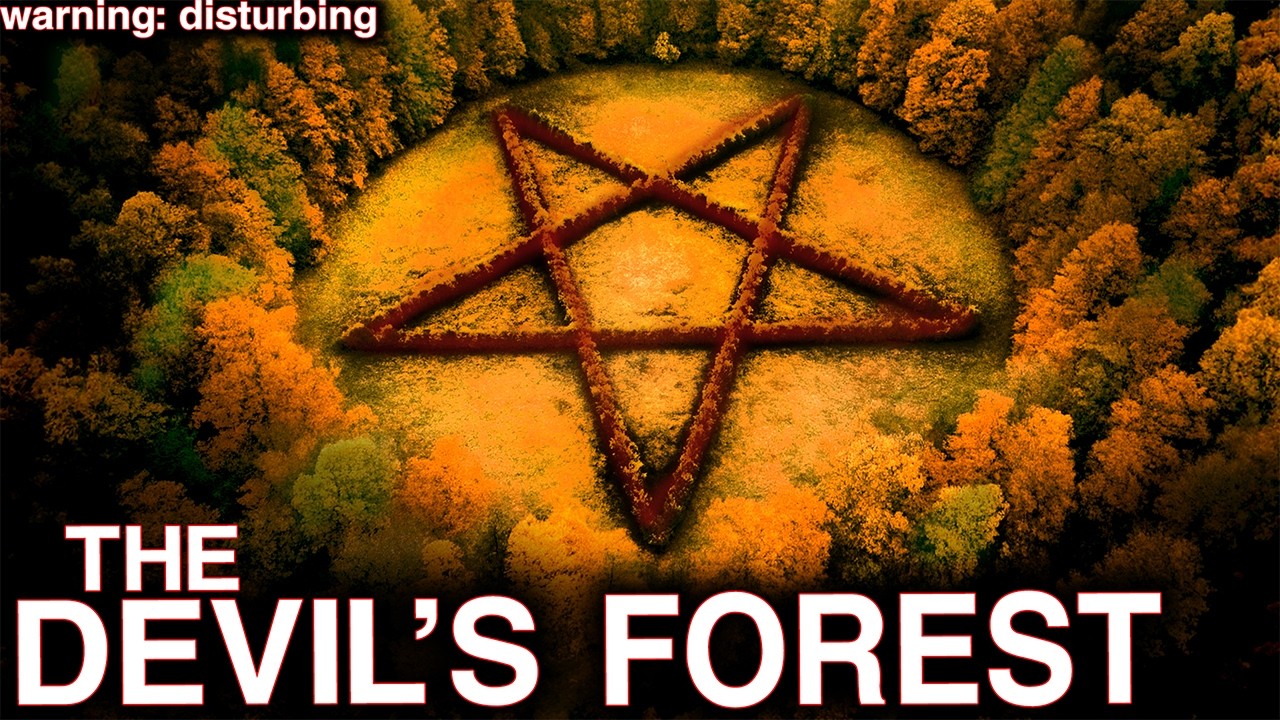
The Devil's Forest: Investigating Italy's Most Notorious Paranormal Zone

Image

Deep within the heart of Italy lies a place whispered about in hushed tones, a location that locals avoid with a primal fear, especially when the sun dips below the horizon. This is the Sonno Lombardo forest, a region steeped in chilling paranormal legends, a dark history of unspeakable crimes, and whispers of sinister cult activity. "The Paranormal Files" has ventured into this notorious locale, seeking to unravel the mysteries that shroud its ancient trees and shadowed paths.

Every week, our team embarks on global expeditions. We hunt ghosts in spectral hotspots, track elusive cryptids like skinwalkers, confront alleged demonic presences, and meticulously capture paranormal evidence. Join our growing community as we delve into the spooky unknown, release authentic paranormal videos, and share these adventures together.

1. Introducción: El Sonno Lombardo

The Sonno Lombardo forest, located in Italy, is not merely a patch of woodland; it's a canvas painted with the darkest hues of human history and supernatural folklore. The very air in this place seems heavy, thick with unspoken tales of disappearances, rituals, and encounters that defy rational explanation. Locals, accustomed to the robust Italian spirit, speak of this forest with a palpable unease, warning outsiders against venturing into its depths, particularly after dusk.

Recommended Gear for Investigation

ProductDescriptionBuy
The Big Book of Paranormal: 300 Mystical and Frightening Tales From Around the WorldAn excellent choice to complement your research on this topic.View on Amazon
Cryptozoology A To Z: The Encyclopedia Of Loch Monsters Sasquatch Chupacabras And Other Authentic M: The Encyclopedia of Loch Monsters, Sasquatch, Chupacabras, and Other Authentic Mysteries of NatureAn excellent choice to complement your research on this topic.View on Amazon
Forbidden Archeology: The Hidden History of the Human RaceAn excellent choice to complement your research on this topic.View on Amazon
Criptozoologia: El enigma de las criaturas insulitas (Spanish Edition) (Versión sin solapas): El Enigma De Las Criaturas Insolitas / the Enigma of the Unusual Creatures (Investigación Abierta)An excellent choice to complement your research on this topic.View on Amazon
The H. P. Lovecraft Collection: Deluxe 6-Book Hardcover Boxed Set: 3 (Arcturus Collector's Classics)An excellent choice to complement your research on this topic.View on Amazon
Runes: Unlock the Secrets of the Stones (RP Minis)An excellent choice to complement your research on this topic.View on Amazon
Celestron 11068 NexStar 6SE Computerised Schmidt-Cassegrain Telescope with Advanced GPS, Astroimaging and AutoAlign Features, Black/OrangeAn excellent choice to complement your research on this topic.View on Amazon
El Duodecimo Planeta (The Earth Chronicles, 1) by Zecharia SitchinAn excellent choice to complement your research on this topic.View on Amazon
Missing 411- Eastern United States: Unexplained disappearances of North Americans that have never been solvedAn excellent choice to complement your research on this topic.View on Amazon
Manual del Investigador Paranormal: (Versión sin solapas) (Investigación Abierta)An excellent choice to complement your research on this topic.View on Amazon

Our investigation into the Devil's Forest aims to cut through the fear and speculation with cold, hard analysis. We are not here to simply recount ghost stories; we are here to examine the alleged phenomena, the historical context, and the psychological impact such locations have on the human psyche.

2. Historia Oscura: Crímenes y Cultos

The notoriety of the Sonno Lombardo forest is not solely built on spectral sightings. Its grim reputation is anchored in a disturbing history. Reports detail clandestine activities, including alleged satanic rituals and a series of unsolved disappearances and crimes that have plagued the region for decades. These events have left an indelible scar on the local consciousness, transforming the forest into a modern-day nexus of fear and dark speculation.

The complexity arises when distinguishing between historical fact and escalating legend. Were these events driven by genuine malevolent forces, or were they the tragic consequences of human depravity, with the forest's isolation providing a convenient backdrop for nefarious deeds? Our analysis seeks to differentiate between the documented historical record and the embellishments that inevitably accompany such infamous sites.

3. Ecos del Más Allá: Leyendas y Avistamientos

Beyond the documented history, the Sonno Lombardo is a fertile ground for paranormal legends. Whispers persist of spectral apparitions, disembodied voices carrying chilling messages, and an oppressive atmosphere that induces intense psychological distress. These anecdotal accounts, while difficult to verify, form a critical part of the forest's mystique. The sheer volume and consistency of these tales suggest an underlying phenomenon, whether terrestrial or otherwise.

Some legends speak of ancient entities disturbed by human activity, while others point to the lingering psychic residue of the heinous acts committed within its borders. Understanding these narratives is crucial to grasping the full scope of the mystery surrounding the Devil's Forest.

4. Protocolo de Campo: La Expedición

Venturing into such a charged environment requires a rigorous investigative protocol. Our team employs a multi-faceted approach, combining traditional ghost-hunting techniques with a deep dive into the historical and cultural context. This involves:

  • Investigación Documental Exhaustiva: Gathering all available historical records, newspaper clippings, and local testimonies.
  • Análisis del Entorno: Documenting environmental anomalies, geological factors, and potential psychological triggers present in the forest.
  • Grabación Audiovisual: Utilizing advanced equipment to capture Electronic Voice Phenomena (EVP), visual anomalies, and electromagnetic field (EMF) fluctuations.
  • Entrevistas con Testigos y Expertos: Seeking firsthand accounts and insights from individuals with direct experience or specialized knowledge of the area.

The goal is not merely to encounter the supernatural, but to collect empirical data that can be analyzed and, where possible, substantiated. This systematic approach is vital when dealing with phenomena that often defy conventional scientific methods.

5. El Testimonio de Nico: Una Perspectiva Única

A significant aspect of our exploration of the Devil's Forest involved collaborating with Nico, an individual whose past experiences lend a unique and compelling weight to the investigation. Nico's insights into the darker aspects of human nature and the occult, derived from his own extensive involvement, provide a perspective rarely encountered. His presence offers not just anecdotal evidence but a grounded, albeit grim, understanding of the forces at play, whether they be human or purported supernatural.

"Nico’s knowledge and presence make this so much cooler and entertaining," noted one viewer. "I'm so impressed with Colin’s ability to work with so many diverse groups of people. Niko is an amazing testimony and guide as someone who literally has had as much experience on this subject as one possibly can and still be a free person. I am so glad to see that he was able to put that life behind him. It’s inspiring!"

Nico's ability to articulate the psychological and metaphysical dimensions of cases like the Devil's Forest is invaluable. His journey from alleged deep involvement in dark practices to a source of cautionary knowledge resonates deeply, offering listeners an unparalleled glimpse into the mind of someone who has navigated these treacherous territories.

“The 'DEVIL'S' Forest never gets old. Nico had so much information to share, I'm glad you got to talk to him and have him explain satanic cults, you are right he did his time and he has turned his life around. I normally stay quiet and don't comment, but this one hit home. I loved it, thank you Colin and I'm glad you and your family are feeling better after that scare. Much love”

6. Reacciones de la Audiencia: Entre el Escepticismo y la Creencia

The response to investigations like the Devil's Forest often reveals a fascinating spectrum of audience reactions. While many viewers express fascination and a belief in the phenomena presented, others approach the content with a healthy dose of skepticism. This is, in my view, as it should be. The paranormal and unexplained necessitate critical thinking.

Many comments highlighted Nico's contribution:

  • "I find Niko to be very interesting and knowledgeable. Good to see you collaborating with him again."
  • "Props for bringing Nico in on this. Yes I know about his past but I also respect who he is today. His insight is invaluable."
  • "Nico is so knowledgeable, love listening to him speak."

However, some viewers offered counterpoints, particularly regarding the cultural associations of music genres with nefarious activities:

"As a metalhead I absolutely despise lunatics like this using our music as an excuse for their absolutely heinous behavior. True metalheads are some of the kindest people around and I've never EVER felt unsafe during a metal concert or festival, even if I was alone and/or drunk, while I have had those feelings during the same events but for other genres. It's not the music's fault people are going around doing sh*t like this and rarely do you ever see the same claims being made about other genres, while there are just as many psychos and 'Satanist' in those communities and genres! (same can be said about certain games, books and movies btw)."

This demonstrates a nuanced engagement, where viewers not only react to the paranormal claims but also provide critical analysis of the broader cultural context presented.

7. Veredicto del Investigador: ¿Fraude, Fenómeno Genuino o Algo Más?

After meticulously analyzing the historical records, the anecdotal evidence, and the testimony of individuals like Nico, the Sonno Lombardo forest remains an enigma. There is a clear, documented history of criminal activity and unsettling events that lends credence to the fear surrounding it. The consistency of paranormal reports, while lacking definitive scientific proof, suggests that the psychological impact of the location is profound.

Is it a place genuinely haunted by something beyond our understanding, or is it a nexus of human-inflicted trauma and fear that has, over time, fostered its own dark mythology? My professional assessment leans towards a combination of factors. The forest's history undoubtedly creates an oppressive atmosphere, ripe for psychological suggestion and misinterpretation. However, the sustained nature of the reports, particularly those corroborated by individuals with deep, albeit troubling, expertise like Nico, warrants continued investigation. Ruling out a genuine paranormal component would be premature.

8. El Archivo del Investigador

To further your understanding of paranormal investigation and sites like the Devil's Forest, I recommend delving into the following resources:

  • Books: Explore works on Italian folklore, localized ghost stories, and historical accounts of cult activity. Authors specializing in urban legends and historical mysteries often provide valuable context.
  • Documentaries: Seek out films that focus on unexplained disappearances, historical crimes, and documented paranormal investigations. Critical analysis of methodology is key.
  • Podcasts: Listen to shows that delve into true crime, folklore, and paranormal research. These often feature interviews with experts and firsthand accounts that can offer different perspectives.

9. Equipo Recomendado para la Investigación

For those inspired by this investigation and considering their own fieldwork, having the right equipment is crucial. While spectral encounters cannot be guaranteed, reliable tools enhance data collection and safety.

Consider the following:

  • Audio Recorders: High-sensitivity devices for capturing EVPs.
  • EMF Meters: To detect fluctuations in electromagnetic fields, often associated with paranormal activity.
  • Infrared Cameras: For low-light or no-light recording, capable of capturing phenomena invisible to the naked eye.
  • Geophone Devices: To detect subtle vibrations and seismic activity that might indicate unseen movement.
  • Personal Safety Gear: Including first-aid kits, reliable lighting, and communication devices.

Remember, equipment is a tool; the investigator's skill, intuition, and adherence to protocol are paramount.

10. Preguntas Frecuentes

¿Es seguro visitar el Sonno Lombardo forest?
Given its reputation and history, visiting the Sonno Lombardo forest, especially at night, is strongly discouraged by locals and paranormal investigators alike due to potential psychological distress and safety concerns.
¿Qué tipo de fenómenos se reportan en el bosque?
Reports include sightings of apparitions, disembodied voices (EVP), feelings of being watched, oppressive atmospheres, and alleged encounters with cult remnants or entities.
¿Quién es Nico y por qué es importante su testimonio?
Nico is an individual with a past deeply involved in occult and criminal activities. His firsthand knowledge offers a unique, albeit dark, perspective on the human elements and alleged supernatural forces potentially present in locations like the Devil's Forest.
¿Hay evidencia científica de actividad paranormal en el bosque?
While anecdotal evidence and subjective experiences are abundant, definitive, repeatable scientific proof of paranormal activity in the Sonno Lombardo forest remains elusive, as is common with most alleged haunted locations.

Tu Misión de Campo:

Next time you find yourself near a location with a dark reputation, approach it with respect and a critical mind. Document any unusual experiences, but always prioritize safety and rational analysis. What phenomena might you attribute to historical trauma versus genuine paranormal activity?

¡Tu participación es crucial! Comparte tus propias experiencias o teorías sobre lugares como el Bosque del Diablo en los comentarios de abajo. Si encontraste esta investigación reveladora, ayúdanos a expandir la familia de lo espeluznante compartiendo este artículo en tus redes sociales. ¡No olvides seguirnos para más expediciones al límite de lo desconocido!

Investigator's Note: True paranormal research doesn't fund itself. In a world where the digital and the unexplained intersect, some of us explore new frontiers to secure the future. Do you dare to be part of the vanguard? Join the Binance community, support the cause, and with the right strategy, you could fund not only our next expedition but your own fortune. The next great discovery could be just a click away.

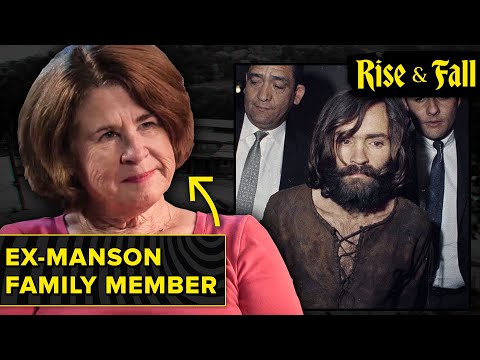
The Manson Family: Psychological Warfare and the Anatomy of a Cult's Downfall


Introduction: Echoes of the Abyss

The late 1960s were a period of profound societal upheaval, a crucible where traditional values clashed with burgeoning counter-cultures. Amidst this fertile ground for ideological extremism, a shadowy figure emerged: Charles Manson. His name is synonymous with one of the most notorious cults in modern history, The Manson Family. Beyond the sensational headlines of murder and madness, lies a complex tapestry of psychological manipulation, social disillusionment, and the chilling ease with which charismatic individuals can exploit vulnerabilities. This dossier delves into the intricate mechanisms of Manson's rise, the terrifying execution of his twisted vision, and the ultimate collapse of his so-called "family." We move beyond the surface-level horror to dissect the *how* and *why* behind this descent into darkness.

Note from the Investigator: While this investigation analyzes historical events, the subject matter involves extreme violence and psychological manipulation. The focus is on understanding the dynamics of cults and the methods of control, not glorifying or sensationalizing the atrocities committed.

The Allure of Charles Manson: Charisma as a Weapon

Charles Manson was not merely a criminal; he was a self-proclaimed messiah, a guru who preyed on the disenfranchised. His charisma, while intellectually vacant, was potent. He possessed a unique, albeit disturbing, ability to "read" people, identifying their insecurities and offering them a sense of belonging, purpose, and liberation that they desperately craved. The era's societal turmoil provided a fertile recruiting ground. Young individuals, disillusioned with mainstream society, seeking spiritual enlightenment, or escaping dysfunctional backgrounds, found themselves drawn to Spahn Ranch.

"He offered us love, he offered us freedom. He told us we were special, chosen. How could we not believe him? He saw into our souls." - Anonymous former Family member.

Manson skillfully weaved a narrative of cosmic destiny and impending race wars, culminating in his infamous "Helter Skelter" prophecy. This apocalyptic vision served as a powerful tool of indoctrination, fostering a sense of urgency and making violence seem not only justifiable but necessary for survival. Understanding these recruitment dynamics requires a deep dive into the psychology of cult membership, a phenomenon explored extensively by researchers like Robert Jay Lifton.

Psychological Warfare: The Recruitment Tactics

The Manson Family's evolution from a communal hippie group to a murderous cult was a gradual process, meticulously orchestrated by Manson. His primary weapon was psychological manipulation, a form of insidious control that eroded individual autonomy. Key tactics included:

  • Love Bombing: Overwhelming new recruits with affection, attention, and a sense of instant community to foster dependency.
  • Isolation: Gradually cutting off members from outside influences, including family, friends, and former support systems, making the cult their sole reality.
  • Indoctrination: Constant repetition of Manson's ideology, prophecies, and distorted interpretations of scripture or popular culture.
  • Sleep Deprivation and Drug Abuse: Utilizing controlled substances and sleep deprivation to weaken critical thinking and increase suggestibility.
  • Fear and Control: Instilling a deep-seated fear of the outside world and severe punishments for dissent or disobedience, creating an environment of paranoia.
  • Erosion of Identity: Encouraging members to shed their previous identities and adopt new ones within the Family, often through name changes and uniform clothing.

This multi-pronged approach to psychological warfare is a hallmark of many destructive cults. Analyzing these methods provides crucial insights into how individuals can be systematically stripped of their free will. The case of the Manson Family remains a stark example in the study of cult dynamics and manipulative control.

The Night of Terror: Tate-LaBianca Murders

Manson's prophesied "Helter Skelter" became horrifyingly real in August 1969. Driven by a misguided belief that he could incite a race war and avoid responsibility for the murders by making them look like the work of Black militants, Manson dispatched members of his Family to commit unspeakable acts. The most infamous nights were those of August 8th-10th.

First, actress Sharon Tate, who was eight and a half months pregnant, along with her friends Jay Sebring, Abigail Folger, Voytek Frykowski, and Steven Parent, were brutally murdered at Tate's Los Angeles home. The following night, Leno and Rosemary LaBianca were targeted and murdered in their home. These acts were characterized by extreme violence and a horrifying disregard for human life, orchestrated by Manson from afar, but carried out with chilling efficiency by his indoctrinated followers.

Victim Location Date Alleged Perpetrators
Sharon Tate 10050 Cielo Drive, Los Angeles August 9, 1969 Tex Watson, Susan Atkins, Patricia Krenwinkel
Jay Sebring 10050 Cielo Drive, Los Angeles August 9, 1969 Tex Watson, Susan Atkins, Patricia Krenwinkel
Abigail Folger 10050 Cielo Drive, Los Angeles August 9, 1969 Tex Watson, Susan Atkins, Patricia Krenwinkel
Voytek Frykowski 10050 Cielo Drive, Los Angeles August 9, 1969 Tex Watson, Susan Atkins, Patricia Krenwinkel
Steven Parent 10050 Cielo Drive, Los Angeles August 9, 1969 Tex Watson
Leno LaBianca 3301 Waverly Drive, Los Angeles August 10, 1969 Tex Watson, Susan Atkins, Patricia Krenwinkel
Rosemary LaBianca 3301 Waverly Drive, Los Angeles August 10, 1969 Tex Watson, Susan Atkins, Patricia Krenwinkel

The use of blood to write messages on the walls, a chilling and symbolic act, further cemented the cult's notoriety. This descent into ritualistic violence underscores the extreme psychological conditioning employed by Manson. Examining the evidence from the trials and subsequent investigations reveals a pattern of extreme obedience and a terrifying disconnect from moral reasoning among the perpetrators.

Fall From Grace: The Unraveling of the Family

The notoriety of the Tate-LaBianca murders led to intense scrutiny and a swift crackdown on the Manson Family. The arrests of key members, followed by Manson's own capture, began the process of the cult's disintegration. As the legal proceedings progressed, the Family's internal structure fractured. The psychological hold Manson had over his followers began to weaken under the pressure of incarceration and the stark reality of their crimes.

Many members testified against Manson, revealing the depth of his manipulation. The myth of his invincibility was shattered, replaced by the image of a desperate, incarcerated criminal. The cult's influence waned, its members scattered, and the dream of "Helter Skelter" dissolved into the harsh light of judicial consequence. The pursuit of justice, however, did not fully erase the disturbing legacy of the Family, which continues to be a subject of fascination and a cautionary tale.

Investigator's Verdict: More Than Just Psychopathy

While Charles Manson undoubtedly exhibited profound psychopathic and narcissistic traits, reducing the Manson Family's story solely to the actions of one disturbed individual would be a critical oversight. The Family's rise and fall represent a confluence of factors: the charisma of a manipulative sociopath, the societal anxieties of a generation seeking meaning, and the inherent human vulnerability to belonging and validation. Manson was a catalyst, not the sole architect of the horror. The complicity and actions of his followers, shaped by his relentless psychological conditioning, were integral to the atrocities committed.

The true horror lies not just in the violence, but in the systematic dismantling of the individual will. The Family's story is a chilling case study in the dark side of human psychology and the devastating potential of ideological extremism when coupled with unchecked narcissistic leadership. It serves as a potent reminder that the most dangerous forces can often operate not with brute strength, but with insidious whispers and carefully constructed illusions.

The Researcher's Archive

For those seeking a deeper understanding of cult dynamics, psychological manipulation, and the Manson Family's chilling narrative, the following resources are invaluable:

  • Books:
    • "Helter Skelter: The True Story of the Manson Murders" by Vincent Bugliosi and Curt Gentry. This is arguably the definitive account, written by the prosecutor.
    • "The Family: The True Story of Charles Manson's Daughter" by Ed Sanders. Offers a different perspective, focusing on the lives of the members.
    • "Manson in His Own Words" compiled by Charles Manson. Crucial for understanding his own distorted worldview, though must be read with extreme critical discernment.
  • Documentaries:
    • "Manson: The Lost Tapes" (2017)
    • "The Seven Deaths of the Manson Family" (2018)
    • "Charlie Says" (2018) - A fictionalized drama that provides insight into the younger women's radicalization.
  • Academic Studies:
    • Research on cultic behavior, undue influence, and coercive persuasion. Explore works by psychologists and sociologists specializing in these fields.

Acquiring these foundational texts and viewing these documented accounts is not merely about satisfying morbid curiosity; it is about arming oneself with knowledge to recognize the patterns of manipulation and control that persist in various forms today. Understanding the psychology behind these events is paramount for anyone interested in the darker aspects of human behavior, including subjects like true crime and criminal psychology.

Field Researcher Protocol: Analyzing Cult Dynamics

Investigating the psychology of cults and their leaders requires a nuanced approach, blending historical analysis with psychological theory. Here’s a protocol to approach such subjects:

  1. Contextualize the Era: Understand the social, political, and cultural climate in which the cult emerged. What societal needs or anxieties did it exploit?
  2. Profile the Leader: Analyze the leader's personality traits, particularly focusing on narcissistic and psychopathic indicators. How did they build charisma and authority?
  3. Deconstruct Recruitment Methods: Identify the specific psychological tactics used (love bombing, isolation, indoctrination, fear). How were these applied to weaken individual autonomy?
  4. Examine Ideology and Mythology: What core beliefs, prophecies, or narratives did the cult espouse? How did these justify the group's actions, especially extreme or violent ones?
  5. Trace the Path to Violence (if applicable): Analyze the triggers and decision-making processes that led from ideological indoctrination to violent acts.
  6. Document the Downfall: Investigate the factors that led to the cult's collapse (legal action, internal dissent, loss of leadership).
  7. Assess Long-Term Impact: Consider the lasting effects on former members, victims, and society at large.

Applying this protocol to the Manson Family reveals a disturbing mastery of psychological manipulation, where ideals of freedom and love were twisted into instruments of terror and control. This structured approach is vital when analyzing any group exhibiting extreme control or engaging in harmful ideologies.

Frequently Asked Questions

Q1: Was Charles Manson legally responsible for ordering the murders?
A1: Yes, despite not personally committing the killings, Manson was convicted of conspiracy to commit murder, as he was found to have directed the members of his Family to carry them out.

Q2: Did all members of the Manson Family participate in the murders?
A2: No. While several core members were directly involved, many others lived in the Family's communes and were influenced by Manson's ideology but did not directly participate in the August 1969 murders. Their level of complicity and awareness remains a subject of debate.

Q3: How did The Manson Family gain such notoriety?
A3: The sheer brutality and seemingly senseless nature of the Tate-LaBianca murders, along with the cult’s association with the Hollywood elite and its counter-culture image, captivated and horrified the public imagination.

Q4: What happened to the surviving members of The Manson Family?
A4: Most served lengthy prison sentences. Some have been paroled, while others remain incarcerated. Their lives post-imprisonment have often been marked by the lasting trauma and stigma associated with their involvement.

Conclusion: The Enduring Shadow

The story of The Manson Family is a grim testament to the power of absolute control wielded by a charismatic, yet utterly depraved, leader. It is a narrative etched in blood and psychological manipulation, serving as a stark warning about the fragility of identity and the insidious nature of cult indoctrination. Manson didn't just recruit followers; he deconstructed individuals, rebuilding them into instruments of his apocalyptic fantasy. The echoes of "Helter Skelter" continue to reverberate, a somber reminder that the most terrifying monsters are often the ones who understand humanity's deepest fears and desires.

Your Mission: Analyze a Modern Phenomenon

Consider a modern social media trend, online community, or influencer with a devoted following. Apply the 'Field Researcher Protocol' outlined above. Can you identify any parallels in leadership style, recruitment tactics, or ideological narratives, even in a less violent context? Document your observations and compare them to the dynamics of The Manson Family. The patterns of influence, though perhaps subtle, are often remarkably consistent.

About the Author

alejandro quintero ruiz is a veteran field investigator dedicated to the analysis of anomalous phenomena. His approach combines methodological skepticism with an open mind to the inexplicable, always seeking the truth behind the veil of reality.

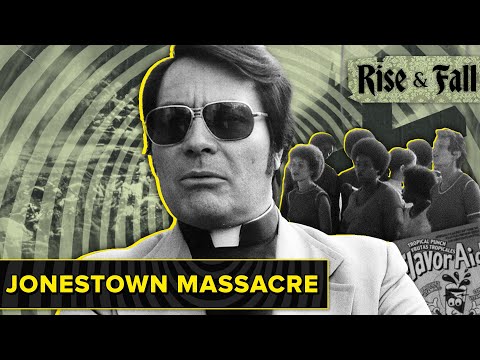
Jonestown: An Investigative Dossier on the Peoples Temple Collapse


The chilling narrative of Jonestown is not merely a historical footnote; it is a stark, empirical study in the darkest capabilities of human persuasion and the tragic vulnerability of the human psyche. On November 18, 1978, an event unfolded in the depths of the Guyanese jungle that would forever scar the collective consciousness: the mass suicide-murder of over 900 members of the Peoples Temple cult. This was not a spontaneous act of desperation, but the culmination of meticulous planning, psychological manipulation, and the absolute control exerted by one man, Jim Jones. Today, we open the case file to dissect the rise and fall of this notorious organization, examining the evidence to understand not just how, but *why* such an event could occur.

1. The Genesis of the Temple: A Calculated Ascent

The Peoples Temple was founded in Indianapolis in the 1950s by Jim Jones, a charismatic figure who initially preached a message of racial equality and socialist ideals. Jones was a master manipulator, adept at identifying societal fissures and exploiting them for his gain. He presented himself as a progressive leader, offering community, purpose, and a sanctuary from the racial and economic injustices prevalent in America. The church's early years were marked by genuine efforts to assist marginalized communities, attracting a diverse following comprised of disillusioned individuals seeking hope and belonging. This foundation of perceived altruism was the crucial first step in building a loyal congregation, sowing the seeds of devotion that would later be twisted into absolute obedience.

As the Temple grew, Jones's methods became increasingly unorthodox and authoritarian. He established a network of social services, health clinics, and housing facilities, which, while providing tangible benefits, also served to further entrench members within the Temple's sphere of influence. This created a powerful dependency, making it difficult for individuals to leave without losing access to essential resources. The 'Carrot and Stick' approach, disguised as community support, was already in play, a sophisticated system of control that ensnared both the needy and the hopeful.

2. The Architect of Devotion: Jones's Psychological Warfare

Jim Jones's effectiveness lay not in overt coercion, but in a sophisticated application of psychological manipulation techniques. He employed a blend of what experts in cult dynamics term "love bombing," intense flattery and affection used to gain trust, followed by "thought reform." Members were subjected to grueling schedules, sleep deprivation, and constant indoctrination, effectively eroding their critical thinking faculties. Jones systematically isolated his followers from external influences, discouraging contact with friends and family who did not share their commitment to the Temple. This created an insular echo chamber where Jones’s pronouncements became unquestionable truth.

Control extended to every facet of life: finances, relationships, diet, and even personal thoughts. Jones orchestrated "cathartic sessions" where members were pressured to confess their deepest fears and perceived transgressions, which were then used as leverage. He fostered an atmosphere of constant fear and paranoia, portraying the outside world as a dangerous, corrupt entity bent on destroying the Temple. This pervasive sense of external threat solidified internal cohesion and justified extreme measures taken to "protect" the community. The establishment of the Jonestown settlement in Guyana was, in part, a move to escape this perceived external persecution, a relocation to a place where Jones believed he could establish his utopia, free from the prying eyes of governmental agencies and critical media.

"The greatest deception men suffer is from their own opinions." - Leonardo da Vinci. Jones masterfully leveraged this to his advantage, convincing his followers that his opinions were the only truths that mattered.

3. Paradise Lost: The Relocation to Guyana

By the late 1970s, mounting accusations of financial impropriety, physical abuse, and sexual misconduct against Jones had surfaced, fueled by investigative journalism and former members. Facing increasing scrutiny from American authorities, Jones orchestrated a mass migration of his followers to a remote agricultural commune in Guyana, christened "Jonestown." This move, presented as a pioneering socialist experiment and a refuge from American imperialism, was strategically designed to isolate the Temple and evade accountability.

Life in Jonestown was far from the promised utopia. Conditions were harsh, marked by inadequate food, rudimentary shelter, and relentless labor. Jones's paranoia intensified in this isolated setting, and his control became more draconian. The community was surrounded by armed guards, and any perceived dissent was met with severe punishment. The initial ideals of equality and community quickly devolved into a reign of terror, a microcosm of Jones's absolute power.

4. The Final Act: November 18, 1978

The catalyst for the tragedy was the visit of U.S. Congressman Leo Ryan, who, along with several journalists and concerned relatives, traveled to Jonestown to investigate the allegations. Upon their arrival, they were met with a mix of guarded welcome and palpable tension. While some members expressed a desire to leave, many others, deeply indoctrinated, resisted. The situation escalated tragically when Congressman Ryan and four others – journalist Don Harris, photographer Greg Robinson, Temple defector Patty Parks, and Ryan's aide Jim Jones Jr. – were ambushed and murdered by Temple loyalists at a nearby airstrip as they were preparing to depart.

News of the murders reached Jonestown, and Jones, believing their sanctuary was compromised and that authorities would descend upon them, ordered the "revolutionary suicide." The horrific event was carried out using cyanide-laced Flavor Aid, a drink chosen over Kool-Aid to avoid legal implications. Children were often forced to drink the poison first, followed by adults, in a grotesque display of loyalty and despair. The events of that day remain one of history's most disturbing examples of mass hysteria and the devastating consequences of unchecked cult leadership. The sheer scale of the loss, encompassing men, women, and over 300 children, underscores the profound breakdown of individual agency and the chilling power of collective delusion.

5. Forensic Analysis of the Catastrophe

From a forensic perspective, the Jonestown massacre presents a grim case study in group psychology and leadership failure. The poison, identified as a rapid-acting barbiturate and cyanide mixture, was administered orally. Investigations revealed that large quantities of cyanide powder were illegally obtained and mixed into large vats of Flavor Aid. The logistics of such an operation on such a scale suggest meticulous planning, likely orchestrated by Jones and his inner circle.

The death toll of 909 individuals, including over 300 children, highlights the extreme indoctrination and coercion involved. Many victims showed signs of forced administration, with witnesses and later evidence indicating that syringes and needles were used to administer the poison to babies and those who resisted. The scene itself was one of unimaginable horror, a testament to the complete collapse of rational thought and the overpowering influence of Jones's command. The subsequent investigations, though challenging due to the remote location and the gruesome nature of the scene, pieced together a narrative of systematic psychological manipulation culminating in a violent, enforced end.

alejandro quintero ruiz is a veteran field investigator dedicated to the analysis of anomalous phenomena. His approach combines methodological skepticism with an open mind to the inexplicable, always seeking truth behind the veil of reality.

Portrait of Alejandro Quintero Ruiz, investigator

6. Echoes in the Void: Paranormal Undertones?

While the Jonestown tragedy is a terrestrial event rooted in human psychology and social dynamics, the sheer scale of death and collective trauma often invites speculation about lingering energies or paranormal phenomena. The concept of "residual hauntings" suggests that intense emotional events can imprint themselves onto a location, leading to echoes of the past. Given the catastrophic loss of life, it is not inconceivable that the site of Jonestown might be perceived by some as a focal point for such energies.

However, it is crucial to approach such notions with our established investigative rigor. Historically, locations with mass death have often been associated with ghost stories and folklore. In the context of paranormal investigation, such sites become subjects of interest for those seeking evidence of spirits or psychic imprints. While no concrete, scientifically verifiable evidence of paranormal activity directly linked to the Jonestown event has emerged, the enduring power of its narrative inspires such interpretations. The human psyche, grappling with incomprehensible loss, often turns to explanations beyond the mundane. From a parapsychological standpoint, one might consider the phenomenon of mass hysteria and its psychological amplification as a more grounded, yet still profoundly unsettling, explanation for the pervasive sense of dread and unease associated with such places.

"The only thing necessary for the triumph of evil is for good men to do nothing." - Edmund Burke. This quote resonates deeply when considering the aftermath of Jonestown, where the inaction of many allowed a tragedy of unspeakable proportions to unfold.

7. Investigator's Verdict: Cult Dynamics and Mass Hysteria

My analysis points overwhelmingly to a complex interplay of factors, with Jim Jones's absolute authoritarianism and mastery of psychological manipulation at its core. The Jonestown massacre was not a paranormal event, but a deeply human tragedy fueled by charisma, coercion, and fear. Jones created a self-contained system where critical thinking was suppressed, and obedience was paramount. His ability to foster an "us vs. them" mentality, coupled with the isolation of the Guyana settlement, created the perfect conditions for his ultimate destructive act.

While I remain open to the possibility of anomalous phenomena in unique circumstances, the evidence in Jonestown strongly suggests a terrestrial cause: the catastrophic failure of leadership and a profound breakdown of individual autonomy within a cult setting. Mass hysteria, coupled with extreme psychological conditioning, provides a sufficient, albeit horrific, explanation for the events of November 18, 1978. To attribute it to supernatural forces would be to abdicate our responsibility to understand the real-world mechanisms of control and abuse that led to this disaster. The true horror lies not in ghosts, but in the calculated actions of humans.

8. The Investigator's Archive: Essential Reading

To delve deeper into the Jonestown massacre and understand the intricate mechanics of cult behavior, I highly recommend the following resources. These are not just books; they are case studies in human psychology and sociology that offer invaluable insights:

  • "Raven: The Untold Story of Jim Jones and the Peoples Temple" by Tim Reiterman: A comprehensive and deeply researched account by a survivor of the Jonestown massacre.
  • "Cults: Inside the World's Most Dangerous Religions" by Arthur J. B. Lygo: Provides context on cult structures and manipulative tactics, with Jonestown as a prime example.
  • "Social Psychology of Collective Action and Mass Behavior" (Academic Texts): While not specific to Jonestown, understanding theories of group dynamics, bystander effect, and social influence is crucial for analyzing such events.
  • Documentaries: Look for well-researched documentaries that include interviews with survivors and investigators. Critical analysis of visual evidence can be as revealing as written accounts.

9. Investigative Protocol: Analyzing Secular Cults

Investigating organizations that exhibit cult-like characteristics, even secular ones, requires a specific protocol:

  1. Initial Research: Thoroughly investigate the group's origins, leadership, stated mission, and public activities. Look for inconsistencies between their public image and private practices.
  2. Leadership Analysis: Identify the core leadership. Assess their communication style, the degree of control they exert, and any history of authoritarian behavior or psychological manipulation.
  3. Member Engagement: Examine the recruitment and retention strategies. How are members integrated? What is the level of social and financial dependency? How are external relationships managed?
  4. Ideological Scrutiny: Analyze the group's belief system. Is it rigid and all-encompassing? Does it demonize outsiders or critical viewpoints? Does it promise exclusive salvation or enlightenment?
  5. Evidence of Coercion: Search for documented instances of psychological coercion, physical abuse, financial exploitation, or isolation from the outside world.
  6. Comparative Study: Compare findings with established patterns of cult behavior identified in sociological and psychological literature.
  7. Risk Assessment: Evaluate the potential for harm to members or the public, considering the group's trajectory and the leader's psychological profile.

10. Frequently Asked Questions

Q1: Was Jonestown a paranormal event?

No, the overwhelming consensus from investigations and historical analysis is that the Jonestown massacre was a man-made tragedy resulting from cult dynamics and psychological manipulation, not paranormal forces.

Q2: How many people died in Jonestown?

Over 900 people, including more than 300 children, died on November 18, 1978.

Q3: What exactly did they drink?

The majority drank cyanide-laced Flavor Aid. Some reports indicate that those who resisted were forcibly injected with the poison.

Q4: Could this kind of mass tragedy happen again?

While the specific circumstances of Jonestown were unique, the underlying factors of charismatic leadership, social isolation, and psychological manipulation are still present in various forms today, making such events a persistent risk.

The Jonestown tragedy serves as an enduring, albeit horrific, case study in the destructive potential of unchecked power and manipulation. Understanding its roots is not about dwelling on the macabre, but about arming ourselves with knowledge to recognize and resist the subtle and overt forms of control that can ensnare vulnerable individuals and communities. The echoes of that jungle settlement remind us that the most terrifying monsters are often flesh and blood, driven by a desire for absolute dominion.

Your Mission: Analyze a High-Control Group in Your Community

This week, your mission, should you choose to accept it, is to observe and analyze a group or organization within your own community that exhibits traits of high control or excessive devotion to a charismatic leader. Apply the "Investigative Protocol: Analyzing Secular Cults" outlined above. Document your observations (without direct confrontation or accusation, maintaining safety and legality) and consider the dynamics at play. Are there elements of Jones's control tactics present? Share your anonymous insights and analytical observations in the comments below. Remember, critical observation is the first step in preventing history from repeating itself.

The Serpent Symbol: Tracing its Roots as One of Humanity's Earliest Religious Cults


The phone rings at 3:33 AM. A static-laced voice whispers a name no one should know. It's not a call, it's an invitation. Today, we open the expediente on a symbol that has slithered through the annals of human history, woven into the very fabric of our earliest belief systems: the serpent. Its ubiquity across continents and millennia is not mere coincidence; it points towards a profound, perhaps even primal, role in the genesis of religious thought and cultic practices.

The Serpent Symbol: An Ancient Enigma

In the grand tapestry of human symbolism, few motifs are as pervasive or as multifaceted as the serpent. Before organized religions solidified their doctrines, before monumental structures reached for the heavens, the image of the snake was already deeply embedded in the collective consciousness of early societies. This wasn't a simple zoological observation; it was an engagement with a powerful, enigmatic force that resonated with fundamental aspects of existence: life, death, fertility, healing, and transformation. Our investigation into this symbol delves beyond simple iconography to understand its potential as one of the foundational elements of proto-religious cults.

The serpent's unique characteristics – its shedding of skin, its venom, its subterranean dwelling, its sinuous movement – provided fertile ground for mythological interpretation. Civilizations as disparate as those in Mesopotamia, Egypt, Mesoamerica, and India all incorporated the serpent into their cosmologies, often imbuing it with divine or semi-divine status. The question before us is not *if* the serpent was significant, but *how* its significance translated into organized worship and early cultic structures.

Pervasiveness Across Cultures: From Eden to the Far East

The serpent's presence is undeniable, weaving through narratives and symbolisms from the Garden of Eden to the Nagas of South Asia. In Western traditions, the serpent of Genesis represents temptation and the fall, a duality that has shaped theological discourse for centuries. Yet, this is just one facet of a far more complex global phenomenon. Consider the Uraeus, the rearing cobra symbol of Egyptian royalty and divinity, signifying sovereignty and protection. Or the Caduceus of Hermes (and later, the Rod of Asclepius), symbols of healing and commerce deeply rooted in ancient Greek mythology, both featuring intertwined serpents.

Moving eastward, the serpent takes on even more prominent roles. In Hinduism, the Naga are serpentine deities, often associated with water, fertility, and hidden treasures. The coiled serpent Kundalini, often depicted at the base of the spine, represents primordial cosmic energy, awaiting awakening. In Buddhism, the Naga are protectors of the dharma, and the serpent Mucalinda famously shielded the meditating Buddha. This cross-cultural prevalence suggests that the serpent symbol was not merely a shared artistic motif, but a fundamental archetype that early peoples intuitively used to articulate their understanding of the world's forces and their place within it.

"The serpent is a primal symbol, ancient even when the oldest temples were young. It speaks of cycles, of hidden knowledge, and of the earth's deep power. To dismiss it as mere folklore is to ignore the very foundations of spiritual inquiry." - J. Allen Hynek

Decoding the Symbolism: Life, Death, and Rebirth

The serpent's power as a symbol stems from its observable behaviors and its inherent duality. Its ability to shed its skin was, and still is, widely interpreted as a metaphor for renewal, rebirth, and immortality. This cyclical process of renewal made it a potent emblem of life springing forth from apparent death, a concept central to many fertility cults and resurrection myths. The earth itself, the source of life and sustenance, was often linked to the serpent, both through its subterranean existence and its grounded, writhing movement.

Conversely, the serpent's venom and its predatory nature also associated it with death, danger, and the underworld. This duality is not contradictory but synergistic. Many ancient belief systems did not shy away from the dark aspects of existence; rather, they integrated them into a holistic worldview. The serpent embodied this balance: the force that could both kill and heal (through its venom used medicinally), the power that emerged from the dark earth and promised a return to it, thus completing the cycle of existence. This complex symbolism made it an ideal deity or divine messenger for early cults seeking to understand and appease the powerful forces governing their lives.

Archaeological Traces and Early Cultic Practices

While definitive proof of "cults" in the modern sense is scarce for pre-historic periods, archaeological findings offer compelling evidence of the serpent's central role in early spiritual practices. From the Paleolithic period, artifacts featuring snake motifs have been unearthed, predating many known organized religions. Consider the snake figurines found at Çatalhöyük (circa 7500-5700 BCE), a Neolithic settlement in Turkey, suggesting a significant veneration of the serpent, possibly linked to fertility and the chthonic realms. The abundance of serpent imagery, often associated with female figurines, hints at its connection to the Great Mother Goddess archetype, a prevalent feature of early earth-centric religions.

Further evidence emerges from sites like Serpent Mound in Ohio (built by the Fort Ancient culture, c. 1070–1650 CE, though potentially earlier origins), a massive effigy mound in the shape of a coiled serpent, whose purpose remains a subject of intense debate but is widely believed to have had spiritual or astronomical significance. The presence of such monumental works, painstakingly crafted, indicates that the serpent symbol commanded immense societal importance, likely underpinning rituals, ceremonies, and communal belief systems that could be considered early forms of religious cults. The very act of creating such effigies suggests reverence, and possibly, worship.

Era/Culture Serpent Symbolism Potential Cultic Association
Neolithic (Çatalhöyük) Fertility, Chthonic Powers, Mother Goddess Veneration through figurines, integration into domestic shrines
Ancient Egypt Royalty, Divine Authority, Protection (Uraeus) Symbolic representation in rituals, royal regalia, temple iconography
Mesoamerica (Aztec/Maya) Creation, Sky/Earth connection, Wisdom (Quetzalcoatl) Deity worship, astronomical calendars, sacrificial rituals
Ancient Greece Healing, Medicine, Commerce (Caduceus, Rod of Asclepius) Association with deities, temples dedicated to healing gods

Investigator's Verdict: Myth, Symbol, or Spiritual Architect?

The evidence is compelling, though inherently subject to interpretation. The sheer ubiquity of the serpent symbol across disparate cultures, predating many established religious traditions, strongly suggests it was more than just a random motif. It appears to have served as a universal language for articulating fundamental concepts of existence that resonated deeply with early human consciousness.

While we may not find specific archaeological records detailing "The Cult of the Serpent" as a singular, organized entity with temples and priests in every instance, the pervasive veneration, the integration into mythologies, and the monumental representations point towards deeply ingrained spiritual systems where the serpent played a paramount, perhaps even architectonic, role. Whether it was worshipped as a singular deity, a conduit to the divine, an embodiment of life forces, or a representation of cosmic cycles, its significance was profound. My assessment leans towards the serpent symbol being a foundational element in the development of early religious thought, serving as a potent archetype that facilitated the conceptualization and ritualistic expression of the most profound aspects of human experience. It was not merely a symbol; it was a key to unlocking some of humanity's earliest spiritual understandings.

The Investigator's Archive

To truly grasp the depth of the serpent symbol's influence, one must consult the foundational texts and analyses. These are not simply stories; they are the raw data from which we piece together the fragments of our collective past.

  • "The Golden Bough" by Sir James George Frazer: A monumental work exploring comparative mythology and religion, with extensive sections on serpent symbolism and fertility cults across the globe. Essential for understanding the historical context of ancient worship.
  • "Cracking the Bible Code" by Jeffrey Satinover: While focusing on biblical cryptography, Satinover touches upon ancient symbolism that often includes serpentine imagery and its deeper meanings.
  • Works by Carl Jung: Jung's theories on archetypes are indispensable. His analysis of the serpent as a symbol of the unconscious, transformation, and the shadow self provides a psychological framework for understanding its potency. Look for references in "Man and His Symbols" and "Symbols of Transformation."
  • "Serpent in the Sky: The High History of Egyptian Alchemy" by John G. Turner: Explores the alchemical symbolism of ancient Egypt, where the serpent often represents the prime matter and the cycle of transformation.
  • Academic Journals on Archaeology and Anthropology: Publications from institutions like the Smithsonian, the Journal of Near Eastern Studies, and Antiquity often feature peer-reviewed articles on specific archaeological findings related to serpent worship in various ancient sites. A search for "Neolithic serpent figurines" or "Mesoamerican serpent deity" will yield rich results.

Frequently Asked Questions

Was the serpent symbol exclusively associated with evil?
Absolutely not. While the serpent in the Garden of Eden is portrayed negatively in Abrahamic religions, in many other cultures, it represents life, healing, rebirth, wisdom, and cosmic energy. Its symbolism is profoundly dualistic.
What is the significance of the snake shedding its skin?
The shedding of skin is a potent symbol of renewal, transformation, immortality, and rebirth. It signifies leaving behind the old to embrace the new, a cyclical process mirroring natural phenomena and spiritual progression.
Are there any modern cults that still worship the serpent?
While large-scale, organized serpent cults are rare in the modern era, remnants of this ancient symbolism persist in various esoteric traditions, snake veneration practices in certain regions, and within symbolic interpretations in contemporary spiritual movements. The symbolism itself remains influential.
Can the serpent symbol explain the origins of monotheism?
The serpent symbol is more commonly associated with polytheistic or animistic belief systems, particularly those centered around earth goddesses and life cycles. However, some theories suggest that the eventual shift towards monotheism involved the suppression or reinterpretation of older, powerful polytheistic symbols, including the serpent, which might have been relegated to a purely negative or adversarial role.

Your Field Mission

This investigation into the serpent symbol reveals a deep-seated human need to understand and integrate primal forces into our worldview. Now, it's your turn to expand the archive.

Your Mission: Identify and analyze serpent imagery or symbolism within your local folklore, historical sites, or even contemporary unofficial spiritual groups. Does this symbol appear in your region's legends? Is there a local landmark, natural formation, or even a street name that hints at serpentine significance? Document your findings – photograph instances, record oral histories from elders, and describe the context. Share your discoveries in the comments below. The more localized data we gather, the clearer the global pattern becomes.

alejandro quintero ruiz is a veteran field investigator dedicated to the analysis of anomalous phenomena. His approach combines methodological skepticism with an open mind to the inexplicable, always seeking the truth behind the veil of reality.

The serpent is more than just a creature of myth; it is a thread connecting us to our most ancient spiritual impulses. By understanding its symbolism, we gain a clearer perspective on the evolution of human belief and the enduring power of the archetypal.

Lori Vallow Case: Analyzing a Cult Mother's Descent into the Unexplained


Introduction: The Echoes of Deception

The whispers began subtly, masquerading as spiritual fervor, but they soon morphed into chilling pronouncements that would echo through the desolate landscapes of Idaho and Arizona. The case of Lori Vallow, often branded "the cult mother," is not merely a tragic chronicle of missing children; it's a stark examination of how religious extremism, psychological manipulation, and a fundamental break from reality can converge to create a vortex of unimaginable horror. This isn't a ghost story in the conventional sense, but a descent into a human-made abyss that begs the question: where does fervent belief end and malevolent intent begin? Today, we dissect the fragments of this disturbing puzzle, seeking the patterns that lie beneath the surface of the inexplicable.

Unraveling the Tapestry of Belief: Lori Vallow's Unorthodox Path

Lori Vallow's narrative is steeped in what her associates described as apocalyptic visions and a belief system that increasingly isolated her from conventional society. She was not a stranger to spiritual exploration, having been married multiple times and raising children within a framework that often emphasized prophecy and divine guidance. However, her trajectory took a sharp, dark turn upon meeting Chad Daybell, a doomsday author whose own interpretations of religious texts bordered on the fringe. Their burgeoning relationship coincided with a radical shift in Vallow's worldview. She began speaking of "dark" and "light" spirits inhabiting individuals, a dangerous theological framework that, chillingly, assigned specific people to these categories. This classificatory process, by all accounts, was the precursor to what would follow. The seeds of her alleged actions were sown in a fertile ground of fervent, yet increasingly distorted, spiritual conviction. Understanding this initial ideological framework is paramount to comprehending the subsequent events. It's the bedrock upon which this disturbing edifice was built.

The Disappearances: A Gnawing Void

The central tragedy of the Lori Vallow saga revolves around the mysterious disappearances of her two youngest children, Joshua "JJ" Vallow and Tylee Ryan. Tylee was last seen in September 2019, and JJ in November 2019. Their absence from public life, coupled with Vallow's increasingly erratic behavior and her relocation to Rexburg, Idaho, with Chad Daybell, where they married just weeks after JJ’s disappearance, painted a grim picture. Authorities struggled to obtain concrete information from Vallow, who, alongside Daybell, offered evasive and contradictory accounts. The children were not merely missing; they were seemingly erased from the narrative, their existence denied or obscured by a web of deception. The discovery of human remains, later identified as Tylee and JJ, on Daybell's property in June 2020, confirmed the darkest fears and transformed the case from one of missing persons into one of alleged murder and profound familial betrayal. The void left by their disappearance is now filled with the stark reality of their demise.

Cúltic Ideologies and Manipulation: The Psychological Blueprint

The "cult" label attached to Lori Vallow is not a mere sensationalism; it stems from the documented adoption of extremist religious beliefs and manipulative tactics. Vallow and Daybell allegedly operated under a belief system that embraced apocalyptic prophecies, reincarnation, and the concept of individuals being possessed by malevolent entities. Witnesses and investigators report that Vallow believed Tylee and JJ had become "dark" or "possessed," justifying their removal from her life. This ideology provided a pseudospiritual rationale for extreme actions, absolving the perpetrator of moral responsibility by framing their deeds as divine necessity.

The psychological element of manipulation is critical here. Cult leaders often employ tactics such as love bombing, gaslighting, and isolation to control followers. While Vallow may not fit the traditional mold of a charismatic cult leader like Charles Manson, her influence over those around her, particularly her purported husband Chad Daybell, and potentially her own children, appears to have been profound. The capacity for such manipulation, especially within a familial unit, is a chilling testament to the dark side of human psychology.

Analyzing this case requires delving into the dark arts of coercive control and ideological indoctrination. It raises discomforting questions about the fragility of belief systems and the potential for vulnerability to be exploited. The financial angles, such as life insurance policies and the disposal of assets that beneficiaries of the deceased children would have received, add another layer of terrestrial motivation to the seemingly supernatural justifications. This intersection of alleged spiritual delusion and financial gain is a recurring motif in criminal investigations of this nature, demanding a rigorous, multi-faceted approach.

Investigative Bottlenecks and the Elusive Evidence

The investigation into Lori Vallow's activities was fraught with challenges. Law enforcement agencies faced a labyrinth constructed by obfuscation and a pervasive lack of cooperation. Vallow and Daybell were masters of evasion, offering conflicting statements and seemingly baffling authorities with their placid demeanor in the face of grave accusations. The initial missing persons reports, filed by JJ Vallow's grandparents, were crucial in initiating the broader investigation. However, Vallow's subsequent flight and her seemingly unconcerned attitude as questions mounted created significant delays.

The search for concrete evidence was arduous. The remoteness of Daybell's property and the clandestine nature of their alleged actions meant that forensic teams faced an uphill battle. The discovery of the remains was a breakthrough, but connecting them definitively to Vallow's alleged actions required meticulous forensic analysis. The legal proceedings themselves became a protracted affair, marked by Vallow's competency evaluations and a series of legal maneuvers. This case highlights the immense difficulties investigators face when confronting suspects who operate outside the bounds of societal norms and employ sophisticated methods of concealment, whether through sheer willpower or a belief in divine protection. The difficulty in gathering irrefutable evidence often leaves investigators grappling with circumstantial data and the chilling weight of presumption.

The Verdict: Trapped Between Criminality and Delusion

The legal system's ultimate verdict in the Lori Vallow case pointed towards cold-blooded criminality, irrespective of her professed spiritual beliefs. In May 2023, Lori Vallow was convicted of the murders of JJ Vallow and Tylee Ryan, and conspiracy to commit murder. Chad Daybell was also later convicted of the murders of his wife Tammy Daybell and the two Vallow children. The prosecution successfully argued that Vallow was driven by a desire for financial gain, particularly life insurance money, and sought to eliminate obstacles to her life with Daybell.

While Vallow's defense might have touched upon mental competency or delusion, the jury ultimately found the evidence of premeditation and execution compelling. The case serves as a potent reminder that while religious or spiritual extremism can provide a fertile ground for such atrocities, the underlying motives often remain steeped in earthly concerns like greed and possession. The question of how much genuine delusion played a role versus calculated malice remains a subject of intense psychological debate, but the legal outcome speaks to actions driven by intent and consequence. Ultimately, the verdict underscores the critical importance of rigorous investigation, forensic science, and the legal system's role in seeking justice for victims, even when shrouded in the darkest veils of belief and deception.

The Researcher's Archive

  • "When the Moon Was Black: The Lori Vallow Story" by Dylan Howard: A comprehensive journalistic account delving into the investigation and the psychological profiles involved.
  • "Sins of the Father: The True Story of the Vallow-Daybell Murders" by John Glatt: Explores the dark side of a seemingly ordinary family, unraveling the tragic events.
  • "Cults: Inside the World's Most Notorious Groups and Understanding the People Who Join Them" by Alexandra Robbins: While not specific to Vallow, this provides crucial context on cult dynamics, recruitment, and manipulation.
  • Documentary Series: "Sins of Our Mother" (Netflix) offers an in-depth look at the case from the perspective of JJ Vallow's grandparents.

Research Protocol

When approaching cases like Lori Vallow's, a structured investigative protocol is paramount. It moves beyond sensationalism to concrete analysis:

1. Establish Chronology: Meticulously map out the timeline of events, noting key dates, locations, and individuals involved. This is the skeleton of the case. 2. Profile Key Individuals: Develop profiles of all central figures, focusing on their known associations, past behaviors, belief systems, and potential motivations. For Vallow, this includes her marital history, religious background, and relationship with Chad Daybell. 3. Analyze Communications: Scrutinize all available communications—emails, texts, social media posts, recorded calls—for evidence of ideation, planning, or manipulation. Pay close attention to coded language or references to spiritual/apocalyptic themes. 4. Trace Financial Records: Examine financial transactions, insurance policies, wills, and any monetary transfers related to the involved parties. Financial motives often intertwine with ideological ones. 5. Corroborate Witness Testimonials: Cross-reference accounts from friends, family members, neighbors, and colleagues. Identify patterns, inconsistencies, and potential biases. 6. Review Legal and Forensic Findings: Study police reports, autopsy findings, court documents, and any evidence presented during trials. This provides the factual bedrock of the case. 7. Assess Ideological Influence: Research the specific tenets of the beliefs espoused by Vallow and Daybell. Understand how these beliefs might have rationalized or encouraged harmful actions. 8. Identify Investigative Roadblocks: Document any challenges faced by law enforcement, such as lack of cooperation, missing evidence, or legal obstacles, and analyze their impact on the investigation.

This systematic approach ensures that speculation is grounded in verifiable data, providing a clear path toward understanding the complexities of such profound enigmas.

Frequently Asked Questions

  • What was Lori Vallow's primary motivation? While her defense team may have alluded to spiritual delusion, the prosecution successfully argued that Lori Vallow was primarily motivated by financial gain, particularly life insurance policies, and a desire to be with Chad Daybell without the encumbrance of her children.
  • What specific cultic beliefs did Lori Vallow and Chad Daybell espouse? Their beliefs included apocalyptic prophecies, reincarnation, and the idea that individuals could be possessed by "dark" or "light" spirits, which served as a justification for their alleged actions. Daybell had also written books on doomsday scenarios.
  • When were JJ Vallow and Tylee Ryan last seen? Tylee Ryan was last seen in September 2019, and Joshua "JJ" Vallow was last seen in November 2019. Their disappearances were reported by JJ's grandparents.
  • Where were the remains of JJ Vallow and Tylee Ryan found? The human remains were discovered on Chad Daybell's property in Salem, Idaho, in June 2020.
  • What was the outcome of the legal proceedings against Lori Vallow and Chad Daybell? Lori Vallow was convicted of murder and conspiracy to commit murder in May 2023. Chad Daybell was convicted of the murders of his wife, Tammy Daybell, and the two Vallow children in June 2024.

Your Field Mission

This case underscores the critical need for vigilance when individuals espouse extreme ideological doctrines that demand isolation or demonize others.

Your Mission: Research a local legend or a lesser-known historical event in your area that involves disputed narratives or allegations of manipulation. Identify the core mystery, the individuals involved, and any potential motives (whether spiritual, financial, or personal). Document your findings, noting any parallels you observe with the Vallow-Daybell case regarding belief systems, secrecy, or the manipulation of others. Share your findings and analysis in the comments below.

About the Author

alejandro quintero ruiz is a veteran field investigator dedicated to the analysis of anomalous phenomena. His approach combines methodological skepticism with an open mind to the inexplicable, always seeking the truth behind the veil of reality.

This is not the end, but a continuation. The echoes of the Vallow-Daybell case serve as a haunting testament to the depths of human deception and the persistent quest for understanding in the face of the utterly inexplicable. Keep digging.