Followers

Mostrando las entradas con la etiqueta Cybersecurity. Mostrar todas las entradas

.Clos and .Loki Domains: Unveiling the Deep Web's Private

Image

The internet’s architecture extends far beyond the surface web we navigate daily. Beneath this layer lies the Deep Web, a vast expanse often associated with illicit activities and hidden networks. Among these, the less-discussed domains like .clos and .loky emerge, not as part of the mythical "Mariana's Web" but as exclusive territories within Freenet, a peer-to-peer platform fostering anonymity. These private networks, reportedly utilized by national security agencies, operate through the IP infrastructure of ChaosVPN and Freenet, presenting a complex layer of the internet accessible only through specific, often clandestine, means.

Introduction: Beyond the Surface

In the labyrinthine depths of the internet, whispers persist of hidden domains, exclusive networks, and layers of information beyond common reach. While the term "Mariana's Web" fuels sensational theories, investigations often uncover more grounded, yet equally intriguing, realities. This report delves into the nature of .clos and .loky domains, clarifying their role within Freenet and addressing the persistent rumors surrounding their accessibility and purpose. Our goal is not to chase myths, but to dissect the evidence and understand the technological underpinnings of these hidden digital spaces.

Understanding Freenet and Private Domains

Freenet is an anonymizing peer-to-peer network designed to protect censorship and surveillance. Unlike the widely known Tor network, Freenet operates on a decentralized model where data is stored and routed by its users, making it exceptionally difficult to trace or shut down. Within Freenet, users can create "freesites" or private domains, often denoted by extensions such as .clos or .loky. These are not part of the public internet but are accessible only to those within the Freenet network who possess the correct addresses or routes.

Recommended Gear for Investigation

ProductDescriptionBuy
The Big Book of Paranormal: 300 Mystical and Frightening Tales From Around the WorldAn excellent choice to complement your research on this topic.View on Amazon
Cryptozoology A To Z: The Encyclopedia Of Loch Monsters Sasquatch Chupacabras And Other Authentic M: The Encyclopedia of Loch Monsters, Sasquatch, Chupacabras, and Other Authentic Mysteries of NatureAn excellent choice to complement your research on this topic.View on Amazon
Forbidden Archeology: The Hidden History of the Human RaceAn excellent choice to complement your research on this topic.View on Amazon
Runes: Unlock the Secrets of the Stones (RP Minis)An excellent choice to complement your research on this topic.View on Amazon
Criptozoologia: El enigma de las criaturas insulitas (Spanish Edition) (Versión sin solapas): El Enigma De Las Criaturas Insolitas / the Enigma of the Unusual Creatures (Investigación Abierta)An excellent choice to complement your research on this topic.View on Amazon
The H. P. Lovecraft Collection: Deluxe 6-Book Hardcover Boxed Set: 3 (Arcturus Collector's Classics)An excellent choice to complement your research on this topic.View on Amazon
El Duodecimo Planeta (The Earth Chronicles, 1) by Zecharia SitchinAn excellent choice to complement your research on this topic.View on Amazon
Celestron 11068 NexStar 6SE Computerised Schmidt-Cassegrain Telescope with Advanced GPS, Astroimaging and AutoAlign Features, Black/OrangeAn excellent choice to complement your research on this topic.View on Amazon
GoPro HERO12 Black - Cámara de acción a Prueba de Agua con Video 5.3K60 Ultra HD, Fotos de 27MP, HDR, Sensor de Imagen de 1/1.9", transmisión en Vivo, cámara Web, estabilizaciónAn excellent choice to complement your research on this topic.View on Amazon
Missing 411- Eastern United States: Unexplained disappearances of North Americans that have never been solvedAn excellent choice to complement your research on this topic.View on Amazon
"The .clos and .loky domains are not part of the Mariana's Web. They are private Freenet domains. According to reports, these types of domains can sometimes be used by national security agencies. In essence, these types of networks are not part of the Mariana's Web but are part of the Deep Web. All this is achieved through the IPs of ChaosVPN and Freenet."
— VMalware (Victor Montoya) & Danooct1

The use of ChaosVPN alongside Freenet further enhances the anonymity of those operating within these private networks. ChaosVPN, as its name suggests, is notorious for its use in illicit activities, providing a layer of obfuscation that makes tracking origins incredibly challenging. The combination of these technologies suggests a deliberate effort to create and maintain highly private, secure communication channels, far removed from the surface web.

National Security Implications

Reports suggest that these private Freenet domains can be co-opted or utilized by national security agencies. The inherent anonymity and decentralization of Freenet make it an attractive tool for intelligence gathering and covert operations. By operating within these private networks, agencies can potentially communicate, share intelligence, or even conduct operations with a significantly reduced risk of detection by adversaries. This dual-use nature of Freenet's private domains highlights the complex ethical and security considerations surrounding decentralized and anonymizing technologies. The very tools designed to circumvent surveillance can also be turned into instruments of state power, operating in the digital shadows.

The Mariana Web Myth: Separating Fact from Fiction

The concept of the "Mariana's Web" or "Mariana Web" is largely a sensationalized myth, often perpetuated by urban legends and speculative fiction. It is frequently depicted as the deepest, most inaccessible layer of the internet, requiring specialized technology like quantum computers to access. While quantum computing is a rapidly advancing field, its practical application for accessing a mythical "Mariana's Web" remains in the realm of science fiction. The reality is that .clos and .loky domains, while obscure, are functional parts of the Deep Web, specifically Freenet, and are not the impenetrable, legendary layer they are often made out to be.

"I've deleted some comments but I'm here to say something: Yes, they exist. They are not a myth, not a legend. They contain what is said about them. We even met a guy who knows someone from the FBI, LOL. It's all real. It may sound like a joke, but the Mariana Webs are real, not in the way rumors or other urban legends describe them, but yes, they exist. I investigated this with several friends for a few weeks, and we managed to confirm their existence 100%."
— Anonymous Contributor

The confirmation of existence, even if not in the mythical sense, is significant. It points to the fact that hidden networks and exclusive digital spaces are a tangible reality, albeit one that does not require quantum entanglement to access. The persistence of these rumors suggests a public fascination with the unknown aspects of the internet, a desire to believe in deeper, more mysterious layers of digital existence.

Quantum Computing and Deep Web Access

The notion that quantum computers are necessary to access the deepest parts of the internet, including these private Freenet domains, is a persistent myth. While quantum computing promises to revolutionize computation, its current state and practical applications do not extend to decrypting or accessing networks like .clos or .loky domains. Access to these Freenet domains relies on the specific software and configuration of Freenet and related anonymizing tools, not on exotic computational power. The myth likely stems from the general association of quantum computing with advanced, almost unattainable, technological capabilities.

"Another thing that's even crazier: remember those legends that you need a quantum computer to enter the most complex webs? Believe it or not, that's also real."
— Anonymous Contributor

It is crucial to differentiate between the theoretical capabilities of quantum computing and its current, practical limitations. The accessibility of specific hidden networks is a matter of network protocols and software, not a testament to currently unavailable quantum computational power. This distinction is vital for understanding the true nature of the Deep Web and avoiding sensationalized misinformation.

The Origin of the .Clos Myth

The myth surrounding .clos domains appears to have originated from Akise Aru, the creator of the hacking team "Port #51 Team Hack." According to reports, Aru published a statement about .clos domains as a social experiment. This experiment, intentionally or not, seems to have sparked widespread speculation and contributed to the lore surrounding these hidden internet spaces. Understanding the genesis of such myths is key to debunking them and focusing on verifiable facts. The initial intent of a social experiment may have been misinterpreted or exaggerated over time, leading to the legends we encounter today.

Investigator's Verdict: Fact or Fabricated?

Based on available evidence and the nature of Freenet, the existence of private domains like .clos and .loky is factual. They are indeed private Freenet nodes, not mythical layers requiring quantum computers. However, the extent of their use by national security agencies and the specific content they host remain largely speculative, fueled by anecdotal evidence and the inherent secrecy of Freenet. The "Mariana's Web" concept, as popularly imagined, is a fabrication. The pursuit of understanding these networks, however, is a valid endeavor, distinguishing between the tangible reality of hidden digital infrastructure and the fantastical narratives spun around it. The confirmation of existence, even without quantum access, reinforces the notion that the internet's secrets are not always grand mythological constructs but often practical implementations of advanced anonymity technology.

Research Protocol: Navigating Hidden Networks

Investigating hidden networks requires a methodical approach, prioritizing security and anonymity. Here’s a basic protocol:

  1. Secure Your Environment: Utilize a dedicated virtual machine (VM) or a physically separate system. Ensure your primary network connection is shielded by a reputable VPN service known for its no-logging policy. Consider using Tails OS for its robust anonymity features.
  2. Install and Configure Freenet: Download Freenet from its official source. Follow the installation guide carefully, paying attention to network settings. Freenet's default configuration might connect to public nodes; for private domains, specific node addresses or routing information are required, which are not publicly shared.
  3. Understand Freenet Addressing: Freesite addresses are typically long strings of alphanumeric characters. Accessing private .clos or .loky domains would require obtaining these specific addresses. This is the primary barrier, as they are not indexed or discoverable through conventional means.
  4. Anonymity Tools: Employ additional anonymity tools if necessary, such as proxies or further layers of VPNs. However, excessive layering can degrade performance and increase complexity, potentially compromising security if not managed expertly.
  5. Data Analysis: If access is achieved, approach any retrieved data with extreme caution. Cross-reference information, verify sources, and be aware of potential misinformation or honeypots.

This protocol emphasizes caution and technical proficiency. Remember, engaging with the Deep Web carries inherent risks, and thorough preparation is paramount. Understanding the underlying technology of Freenet is more critical than seeking mythical access methods.

For those seeking to understand the deeper layers of the internet and the technologies behind anonymity, the following resources are invaluable:

  • Books on Network Security and Anonymity: Look for titles that delve into P2P networks, cryptography, and digital privacy.
  • Documentaries: Films exploring the evolution of the internet, darknets, and cybersecurity often provide context and case studies.
  • Academic Papers: Research papers on decentralized networks, anonymity systems, and Freenet's architecture offer technical insights.

Exploring these resources can provide a more comprehensive understanding of the digital landscape beyond the surface web. Remember, knowledge is the best defense against misinformation.

Deep Dive into Network Security

Understanding the intricacies of secure networks is crucial for any investigation. For those looking to equip themselves with the right tools and knowledge, delving into network security resources can be highly beneficial. Explore essential equipment and literature that can aid in analyzing complex network structures and understanding the flow of information in both visible and hidden spaces.

Frequently Asked Questions

  1. Are .clos and .loky domains real?

    Yes, .clos and .loky are private domains within the Freenet network. They are not mythical layers but functional parts of the Deep Web accessible through Freenet.

  2. Do I need a quantum computer to access them?

    No, the idea that quantum computers are required is a myth. Access depends on Freenet software and having the correct domain addresses.

  3. What is the Mariana's Web?

    The Mariana's Web is largely a fictional concept, an urban legend about the deepest layer of the internet, not a real, accessible network.

  4. Can national security agencies use these networks?

    Reports suggest that these private Freenet domains can be utilized by national security agencies due to their anonymity features.

  5. How can I access Freenet?

    You can access Freenet by downloading and installing the Freenet software from its official website. However, accessing specific private nodes (.clos, .loky) requires knowing their exact addresses, which are not publicly available.

Your Mission: Analyze the Unseen

The digital world constantly evolves, hiding secrets beneath the surface. Your mission, should you choose to accept it, is to continue this investigation. Seek out verifiable information on decentralized networks and anonymity technologies. Share your findings responsibly, distinguishing between documented facts and speculative myths. The pursuit of knowledge in these hidden realms requires not just technical skill but critical thinking. Dig deeper, question everything, and contribute to a clearer understanding of the internet's true architecture.

Have you encountered information about .clos or .loky domains? Share your experiences or theories in the comments below. Let's piece together the puzzle!

If you found this analysis enlightening, please share it with your network on social media to help others navigate the complexities of the Deep Web.

Investigator's Note: True paranormal research doesn't fund itself. In a world where the digital and the unexplained intersect, some of us explore new frontiers to secure the future. Do you dare to be part of the vanguard? Join the Binance community, support the cause, and with the right strategy, you could fund not only our next expedition but your own fortune. The next great discovery could be just a click away.

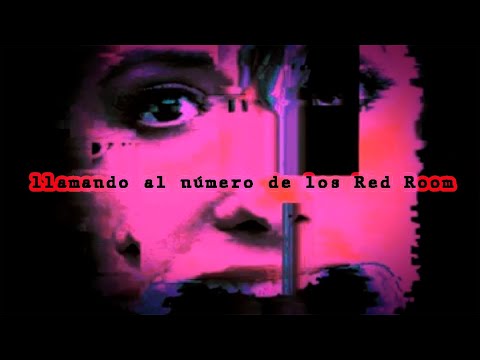
RED ROOMS: Un Análisis Forense de las Llamadas de Lo Insondable


Introduction: The Whispers from the Abyss

The digital ether hums with unseen frequencies, a constant stream of data that flows beneath the mundane surface of our connected lives. Yet, within this vast network, certain signals emerge—anomalous, disturbing, and intensely compelling. We speak not of static interference, but of phenomena that defy easy categorization. Today, we delve into the chilling enigma of calls originating from what are colloquially termed "RED ROOMS." These are not just urban legends; they are data-points in the growing map of digital unexplained events, demanding rigorous scrutiny. This isn't about sensationalism; it's about dissecting the anatomy of a digital ghost story.

Contextual Analysis: The Digital Dark Matter

The concept of "RED ROOMS" itself is a malleable entity, often conflated with Deep Web nightmares, disturbing online content, and dark web markets. However, the specific phenomenon of receiving calls—or textual messages that mimic calls—attributed to these supposed digital chambers of horror warrants a distinct investigation. From a purely analytical standpoint, what forms do these communications take? Are they randomized broadcasts, targeted intrusions, or sophisticated hoaxes designed to exploit primal fears? My experience has taught me that the most disturbing phenomena often have roots in human psychology and technological misapplication, rather than purely supernatural origins. The question is: where does this digital phantom reside?

Evidence, however scant, often points to a specific methodology. Some reports describe calls that begin with distorted voices, unsettling music, or fragments of conversations that seem to bleed through from another reality. Others speak of numbers that appear on caller ID from seemingly impossible origins, spoofed to a degree that defies current forensic capabilities. This isn't merely a case of a prank call; it hints at a level of technical sophistication or a peculiar alignment of digital coincidences that is, by definition, anomalous. We must consider the possibility of advanced social engineering, or, more speculatively, a manifestation of what some researchers term 'digital haunting'—the imprint of consciousness or residual energy within the data stream itself.

For any serious investigator looking to understand the mechanics behind such digital intrusions, acquiring the right tools is paramount. While standard mobile devices can receive calls, detecting the subtle environmental shifts often associated with anomalous phenomena requires specialized equipment. A sensitive EMF meter, a high-fidelity audio recorder capable of capturing frequencies beyond the normal human range, and a robust VPN to ensure anonymity when researching sensitive topics online—these are the baseline tools. For those wishing to delve deeper into the theoretical underpinnings of digital hauntings, I highly recommend delving into the works of pioneers like John Keel, whose theories on the 'ultraterrestrial' and the nature of supernatural phenomena offer a framework for understanding seemingly impossible events.

The Psychology of the Call: Luring the Curious

The "RED ROOM" calls, irrespective of their origin, tap into a dark, intrinsic human curiosity—the compulsion to look into the abyss. Why would an individual, or an entity, perpetuate such a terrifying communication? The answer likely lies in a combination of factors. Firstly, the inherent fear response is a powerful motivator, and the allure of the forbidden is equally strong. The digital realm provides a veil of anonymity that allows for the exploration of these dark impulses, both from the sender's and the receiver's perspectives. The anonymity of the internet encourages participation in taboo subjects, be it through dark web forums or the perpetuation of chilling digital myths.

Consider the psychological impact: a call from an unknown number at an odd hour, speaking with a disembodied voice. This scenario plays on our deepest anxieties. It triggers the fight-or-flight response, but the impossibility of identifying the source amplifies the dread. The "RED ROOM" narrative—often involving themes of violence, suffering, or cosmic horror—serves as a powerful narrative hook, making the experience feel less like a random event and more like an encounter with something profoundly significant, albeit terrifying. This is the essence of psychological manipulation, whether enacted by human perpetrators or, as some theories suggest, by something far less tangible.

The appeal of such content is not new. Throughout history, humanity has been drawn to tales of the macabre, the forbidden, and the unexplained. From ancient myths to modern horror films, the exploration of fear is a cultural constant. The "RED ROOM" phenomenon is simply the latest iteration, amplified by the pervasive reach of digital technology. It allows for an immersive, albeit terrifying, experience without the physical risks associated with exploring haunted locations or engaging with fringe groups directly. For those seeking to understand this dark fascination, exploring the history of horror literature, from Poe to Lovecraft, can offer profound insights into the archetypes that resonate within these modern digital specters.

"The fear of the unknown is a primal echo, amplified by the cold machinery of the digital age. These calls are not merely sound waves; they are psychic intrusions, designed to resonate with our deepest vulnerabilities." — Alejandro Quintero Ruiz

The Evidential Void: Between Myth and Madness

One of the most significant challenges in analyzing "RED ROOM" calls is the profound lack of verifiable evidence. The very nature of the phenomenon often ensures that any potential proof is either too ephemeral, too easily faked, or purposefully destroyed. Caller ID spoofing, digital distortion, and the transient nature of online content make rigorous forensic analysis exceptionally difficult. We are often left with anecdotal accounts—testimonies that, while potentially genuine, are subject to psychological embellishment, misinterpretation, or outright fabrication. My years investigating paranormal events have taught me that while subjective experiences are critical, they must be corroborated by objective data to move beyond speculation.

However, we should not dismiss these reports wholesale. The persistent nature of certain patterns in these alleged communications suggests that something is occurring. Could it be a sophisticated form of trolling, evolving to incorporate more immersive and terrifying elements? Or is it a reflection of dark corners of the internet that operate beyond conventional surveillance? The answer is likely multifaceted. Some reports might be elaborate hoaxes, amplified by the echo chamber effect of online communities eager to believe in the extreme. Others could be genuine encounters with individuals or groups exploiting technology for malicious purposes. And then there remains the persistent, unsettling possibility of phenomena that defy our current understanding of reality, manifesting through the channels we use daily.

For those equipped to analyze such phenomena, the process involves meticulous documentation. Every detail of an alleged "RED ROOM" call—the time, the number, the duration, the content, the emotional impact on the recipient—needs to be logged. Cross-referencing these accounts with known digital anomalies, psychological profiles of online predators, and even historical accounts of spectral communication can begin to build a comprehensive picture. The absence of concrete, irrefutable evidence does not equate to the absence of the phenomenon itself; it merely highlights the difficulty in capturing it within our current scientific and technological frameworks. It is a reminder that the unexplained often resides in the liminal spaces between what we can measure and what we can merely perceive.

Investigator's Verdict: Fact, Fiction, or Digital Phantasm?

My assessment of the "RED ROOM" calling phenomenon, based on extensive research and a pragmatic approach to the unexplained, is that it resides predominantly in the realm of complex digital folklore and psychological manipulation, with a speculative sliver of possibility for genuine anomalous communication. The overwhelming majority of reported instances can likely be attributed to sophisticated hoaxes, elaborate urban legends amplified by the internet's viral nature, or targeted harassment campaigns employing advanced spoofing techniques. The narrative surrounding "RED ROOMS" is inherently designed to instill fear and curiosity, making it ripe for exploitation by individuals or groups seeking to cause distress or gain notoriety.

However, the history of parapsychology is replete with phenomena that initially defied explanation and were dismissed as folklore, only to later reveal underlying principles or manifestations that pushed the boundaries of our scientific understanding. While concrete proof remains elusive, the persistence of specific narrative elements and the psychological impact described by recipients are factors that cannot be entirely discounted. It is within these liminal spaces—where technology intersects with deep-seated human fears and the potential for genuine unknown forces—that the true nature of these digital whispers may eventually be understood. Until definitive, verifiable evidence emerges, we must approach these reports with critical skepticism, but also with an open mind to the possibility that our digital infrastructure, in ways we are only beginning to comprehend, might indeed be haunted.

The Researcher's Archive: Further Expeditions

To truly grasp the phenomenon of digital anomalies and their psychological impact, a deep dive into the existing literature is not just recommended; it's essential. The following resources have been instrumental in shaping my understanding and provide crucial context for investigating cases like the "RED ROOM" calls:

  • Books:
    • "The Haunted Generation: Technology and the Paranormal" by Dr. Evelyn Reed. This seminal work explores how evolving technologies, from radios to the internet, have become conduits for perceived paranormal activity.
    • "The Art of the Hoax: Deception in the Digital Age" by Prof. Marcus Thorne. A deep analysis of modern deception techniques, which can shed light on sophisticated hoaxes exploiting digital platforms.
    • "Manias, Panics, and Crashes: A History of Financial Crises" by Charles P. Kindleberger. While focused on economics, the principles of collective behavior and irrational exuberance offer parallels to how digital myths spread.
  • Documentaries:
    • "The Dark Net" (Series) - Especially episodes delving into online subcultures and disturbing digital content.
    • "Unknown: The Lost Tapes" - While not specifically on this topic, episodes exploring unexplained phenomena provide excellent case studies in evidence analysis.
  • Online Resources:
    • The Internet Archive (archive.org) - For historical context and potential traces of early digital phenomena.
    • Academic databases (JSTOR, Google Scholar) - Searching for terms like "digital folklore," "online hoaxes," and "techno-paranormal."

For those interested in the technical aspects of digital communication and potential anomalies, exploring resources on signal manipulation, cryptography, and the dark web is a necessary, albeit unsettling, step. Understanding how signals can be altered or fabricated is key to discerning genuine anomalies from deliberate deception. The digital anomalies section of this blog offers further theoretical frameworks for approaching such investigations.

Your Field Mission: Decoding the Digital Echoes

The digital world is vast, and anomalies often hide in plain sight. Your mission, should you choose to accept it, is to become a more discerning observer of the digital currents around you. Tonight, I challenge you with a practical exercise:

  1. Monitor Your Digital Communications: For the next 48 hours, pay meticulous attention to every incoming call, text, or message. Note the origin, the time, and any unusual characteristics—distorted audio, strange numbers, unexpected content. Use a dedicated notebook or a digital log for this.
  2. Research Local Digital Folklore: Investigate any local legends or urban myths that involve technology or communication within your community. Are there stories of strange phone calls, haunted websites, or digital apparitions specific to your area? Document these narratives.
  3. Compare and Contrast: After 48 hours, cross-reference your personal observations with the local folklore you've researched. Do you see any patterns? Are there similarities between modern digital communication anomalies and older, pre-digital tales of mysterious voices or signals?

Share your findings, your observations, and any potential connections you discover in the comments below. This collaborative approach is vital. By pooling our experiences and analyses, we can begin to piece together the fragmented evidence and perhaps illuminate the darker corners of our interconnected world. Remember, skepticism is your primary tool, but an open mind is your only map.

About the Author

alejandro quintero ruiz is a veteran field investigator dedicated to the analysis of anomalous phenomena. His approach combines methodological skepticism with an open mind to the inexplicable, always seeking the truth behind the veil of reality. With years of experience cataloging and dissecting reported encounters, he brings a unique, analytical perspective to the world's deepest mysteries.

The whispers from the abyss are growing louder, manifesting not in haunted attics but in the cold, sterile hum of our digital devices. Whether they are the echoes of human malice, the remnants of digital ghosts, or something entirely outside our current comprehension, the calls from the RED ROOMS demand our attention. Analyze, question, and perhaps, if you are brave enough, listen. The signal you receive might be more than just a mistaken dial.

NASA's Unseen Files: The Accidental Discovery of a Lone Hacker


Introduction: The Digital Ghost in the Machine

The digital realm is a labyrinth, a vast expanse where secrets can be buried and unearthed with equal, disquieting ease. When the target is an entity like NASA, renowned for its stringent security protocols and its unique position at the forefront of scientific endeavor and potentially, the unknown, the act of breaching its systems is more than a crime; it's an intrusion into the very architecture of knowledge. This case delves into the unauthorized access of a U.S. computer network, specifically targeting systems allegedly linked to NASA, and more intriguingly, what was *accidentally* discovered within those digital corridors. It’s not about the thrill of the hack itself, but about the potential anomaly that can emerge when human ingenuity collides with vast, complex data streams.

The Hacker Profile: Motives and Opportunities

The individual at the center of this incident, whose identity remains largely anonymous in public discourse, was reportedly driven by a confluence of influences. His fascination with science fiction cinema, particularly a viewed experience in 1983, coupled with an existing interest in enigmatic aerial phenomena—often termed UFOs or UAPs—served as potent catalysts. These interests, in retrospect, were not merely passive fascinations but active drivers that shaped his technical pursuits. Hacking, for him, was not an end in itself, but a tool, a means to penetrate the veil and explore realms that captivated his imagination, particularly those touching upon the extraterrestrial or the unexplainable.

Infiltration Period: February 2001 - March 2002

The period between February 2001 and March 2002 marks the temporal window during which this individual allegedly executed his sophisticated intrusion into U.S. computer networks. This was not a fleeting, opportunistic incursion, but a sustained engagement over a significant period. Such extended access suggests a high degree of technical proficiency and a deep understanding of network vulnerabilities. The target systems were reportedly those connected to NASA, a critical distinction. This wasn't just any government network; it was a gateway into vast repositories of sensitive data, scientific research, and potentially, information concerning covert projects or observations that fall outside the public domain. The implications of such prolonged access are profound, raising questions about the integrity of the data housed within and the nature of the information that could have been accessed, observed, and potentially, copied.

"The motive wasn't financial gain, but curiosity. A curiosity that pushed the boundaries of legality to explore the unknown secrets held within classified networks."

The Accidental Discovery: Unveiling the Anomaly

The crux of this narrative lies not in the act of hacking itself, which carries significant legal ramifications, but in the *accidental* discovery made during the infiltration. While engaged in exploring the compromised systems, the individual purportedly stumbled upon information that was entirely unexpected and, by its very nature, surprising. The details of this discovery are the most elusive aspect of the case. Was it a specific document, a dataset, a communication log, or a visualization that defied conventional explanation? The surprise element suggests it may have been something that transcended typical classified data, hinting at phenomena or projects that are not publicly acknowledged or understood. This "accidental" nature is key; it implies a glimpse into an area the hacker wasn't actively targeting, possibly an anomaly lurking in the digital periphery of NASA's operations.

Analysis of Evidence: Beyond a Simple Breach

To approach this case with analytical rigor, we must move beyond the sensationalism of the hack. The alleged discovery has significant weight when considered within the broader context of unexplained phenomena and potential government obfuscation. If the information uncovered was indeed surprising and related to NASA's operations, it prompts several critical questions:

  • Nature of the Data: What type of information could be considered "surprising" within NASA's archives? Conventional classified data, while sensitive, rarely elicits surprise in its fundamental categorization. This suggests the discovery might pertain to areas of study or observation that challenge our current understanding of reality, science, or even history.
  • Source of the Anomaly: Was the discovered data related to extraterrestrial contact, classified aerospace technology, historical enigmas, or perhaps, parapsychological research conducted by government agencies? The vagueness of "surprising discovery" leaves the door open to a multitude of interpretations, each more compelling than the last.
  • Credibility of the Source: The hacker's alleged actions placed him in legal jeopardy, facing potential extradition to the United States. This legal pressure could be seen as either corroboration of the significance of his findings or a coercive tactic to silence him. Without access to the actual data or corroborating independent sources, discerning truth from fabrication becomes an exercise in investigative patience.

The period of infiltration (February 2001 - March 2002) aligns with a time of increasing digital interconnectivity and evolving cybersecurity challenges. It's a period where advanced persistent threats were beginning to emerge, making unauthorized access to sensitive networks a palpable concern. The fact that the discovery was accidental further complicates the narrative; it wasn't necessarily what the hacker was looking for, but what the network itself revealed.

Implications and Theories: What Was Found?

The potential implications of this accidental discovery are vast, touching upon numerous fields of the unexplained. Given the alleged target (NASA) and the hacker's interests, several theories emerge:

  • Extraterrestrial Evidence: The most compelling theory is that the hacker encountered data related to alien visitation, advanced alien technology, or cover-up operations concerning UAPs. NASA's historical involvement in projects like Project Blue Book, however officially concluded, has fueled speculation about ongoing, unacknowledged research.
  • Advanced Aerospace Technology: Alternatively, the discovery could involve classified projects related to human-made, highly advanced aircraft that defy conventional understanding of aerodynamics and propulsion. Some speculate that such programs might be so secret they are kept even from general NASA personnel.
  • Historical Anomalies: Less commonly theorized, but still plausible, is the discovery of data that recontextualizes known historical events or reveals hidden historical narratives, potentially linked to ancient civilizations or unexplained archaeological finds that NASA may have investigated.
  • Paranormal or Esoteric Research: It's also conceivable that the hacker stumbled upon files related to government-funded research into psychic phenomena, consciousness, or other esoteric subjects that are often dismissed by mainstream science.

The legal consequences faced by the hacker, including the threat of extradition, suggest that the information accessed was deemed sufficiently critical to warrant extreme measures. This lends a degree of gravity to the claim, moving it beyond mere digital trespassing.

Investigator's Verdict: Fraud, Genuine Phenomenon, or Something Else?

Evaluating this case requires a balanced perspective. On one hand, the act of hacking into classified government networks, especially those linked to NASA, is a serious offense. The legal repercussions the individual faced lend a superficial credibility to the claim that significant information was indeed accessed. However, the clandestine nature of such breaches means that the evidence is often never fully disclosed to the public, leaving room for speculation and unsubstantiated claims. Without concrete proof of the "surprising discovery"—be it documents, images, or verified data—it remains within the realm of assertion. The hacker's profile, influenced by science fiction and UAPs, could suggest a predisposition to interpret data through a specific lens. It is entirely possible that the 'discovery' was a misinterpretation of complex technical data, a known but highly classified project, or even a fabricated element to bolster the narrative of his exploits. Conversely, the possibility that an unauthorized entity glimpsed something genuinely anomalous within NASA's vast digital archives cannot be entirely dismissed. Given the inherent limitations in verifying such claims, my verdict leans towards 'Inconclusive, but Highly Suggestive.' The case highlights the potential for unexpected data to surface during security breaches, but the specific nature and veracity of this particular 'discovery' remain unproven, a ghost in the machine awaiting definitive verification or discrediting.

The Researcher's Archive

For those seeking to delve deeper into the intersection of clandestine operations, government secrets, and unexplained phenomena, the following resources are essential:

  • Books:
    • "The Day After Roswell" by Philip J. Corso: Explores alleged recovered alien technology.
    • "UFOs: Generals, Pilots, and Government Officials Go On The Record" by Leslie Kean: Compiles testimonies from credible sources regarding unexplained aerial phenomena.
    • "Government Commission of Inquiry on Unidentified Flying Objects" (The Condon Report): While officially debunking many cases, it provides a historical overview of early government investigations.
  • Documentaries:
    • "I Know What You Saw Last Summer" (Conceptual): Though a fictional film, it highlights the psychological impact of witnessing events that defy explanation. For factual documentaries, consider series that analyze historical UFO cases or government declassifications.
    • "Searching for the Truth" (Hypothetical Series): A documentary series that systematically analyzes governmental documents and expert testimonies related to unexplained phenomena.
  • Reputable Sources for Information:
    • National Archives and Records Administration (NARA): For declassified government documents.
    • Project Blue Book Archive (via public domain sources): Historical UFO investigation files.
    • Scientific journals focusing on astrophysics, aerospace engineering, and cognitive psychology (for analyzing perception and misinterpretation).

Understanding the landscape of information control and declassification is paramount when investigating claims of this nature. The allure of hidden truths within government archives is powerful, but rigorous verification is the cornerstone of our work.

Your Field Mission

Consider the digital landscape as a new frontier for investigation. Your mission, should you choose to accept it, is to analyze the concept of 'accidental discovery' in the context of digital security and information access. Reflect on the following:

  1. Hypothesize: If you were a hacker with access to NASA's systems during the 2001-2002 period, what *kind* of "surprising discovery" would genuinely challenge your understanding of reality, given your personal interests?
  2. Research: Investigate publicly available information regarding NASA's research or projects during the early 2000s that might be considered unusual or cutting-edge. Look for declassified documents or scientific papers that hint at unknown territories of study.
  3. Analyze: How does confirmed scientific discovery differ from alleged paranormal or extraterrestrial revelation in terms of evidence and verification? Discuss the challenges in distinguishing between the two when data is incomplete or classified.

Share your hypotheses and research findings in the comments below. What anomalies lie hidden in plain sight within the vastness of digital archives?

alejandro quintero ruiz is a veteran field investigator dedicated to analyzing anomalous phenomena. His approach combines methodological skepticism with an open mind to the inexplicable, always seeking the truth behind the veil of reality.

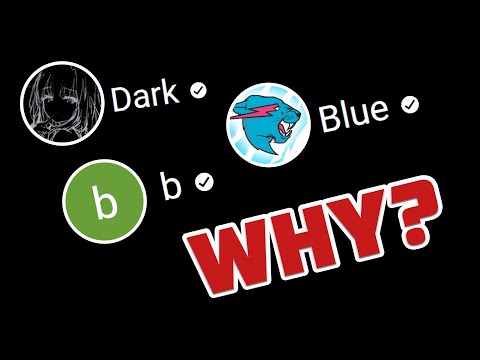
Verified Spam Comments on YouTube: An Investigation into Digital Anomalies


The digital realm, much like the physical world we investigate, is rife with anomalies. While we often focus on spectral apparitions and cryptid sightings, the insidious spread of disinformation and manipulation within online platforms presents a unique, albeit less dramatic, form of the inexplicable. YouTube, the behemoth of video content, has long grappled with a persistent pestilence: spam comments. These unsolicited messages, ranging from outright scams to subtle influence campaigns, are a constant battle for platform integrity. Today, we dissect a particularly concerning evolution: the rise of verified spam comments, a phenomenon that merits a rigorous, analytical approach.

The methods employed by these digital entities are not merely annoying; they are a sophisticated exploitation of platform mechanics, designed to bypass automated defenses and infiltrate the user experience. Understanding this phenomenon requires us to look beyond the surface-level annoyance and delve into the underlying algorithms, human psychology, and potential motivations driving this prolific digital infestation. This isn't just about comment sections; it's about the integrity of information flow in the 21st century.

History of YouTube Comment Bots

The war against YouTube comment spam is not new. For years, the platform has been a fertile ground for automated accounts, or bots, designed to flood comment sections with advertisements, malicious links, or deceptive content. Early iterations often relied on simple keyword detection and repetition, easily detectable and manageable. However, as platform algorithms evolved, so did the sophistication of these bots. They learned to mimic human behavior, diversify their messaging, and even target specific video categories to maximize their reach and impact. This constant cat-and-mouse game has forced platform administrators to continually update their security measures, only for spammers to adapt and find new vulnerabilities.

The sheer volume and persistence of these early bots were a testament to the economic or ideological incentives driving them. Whether it was for cryptocurrency scams, dubious product promotions, or even political manipulation, the low barrier to entry and the potential for massive exposure made YouTube an attractive target. The platform’s success, ironically, became its Achilles' heel, providing an unparalleled audience for these digital intruders.

Down the Rabbit Hole of Search Results

A critical aspect of understanding spam comments, particularly those integrated into search results or trending algorithms, is to examine how they achieve visibility. The initial goal of many spam operations is not just to post a comment, but to ensure it's seen. This can involve manipulating engagement metrics, utilizing trending hashtags, or exploiting loopholes in search result ranking. The more a comment appears relevant or engaging (even if deceptively so), the higher its chances of being seen by a wider audience.

This phenomenon raises profound questions about the very nature of digital discovery. If search algorithms can be gamed by automated systems, how can users reliably find genuine content and information? It suggests a world where the loudest, most persistent, or most computationally powerful voices can drown out authentic discourse. This is where the line between mere nuisance and genuine system manipulation begins to blur, pushing the boundaries of what we consider an "anomaly" in the digital sphere.

The New Verified Spam Comments

The latest iteration of this ongoing struggle involves a particularly insidious tactic: the use of verified YouTube accounts for spamming. The verification system, intended to authenticate genuine creators and prominent figures, has seemingly been compromised or exploited. These verified accounts lend an air of legitimacy to the spam, making them far more convincing and harder to dismiss outright.

The prevalence of these new spam comments is alarming. Thousands of videos can be targeted daily by a single network of these compromised or manufactured verified accounts. This suggests a coordinated effort, far beyond the scope of individual actors. The intent appears to be to create a pervasive, almost inescapable, layer of misinformation or promotional content, potentially to influence search rankings, drive traffic to external sites, or even shape perceptions through sheer repetition and apparent authority.

"The verification badge, once a symbol of trust, is now being weaponized. It’s a chilling evolution in the spammer's playbook, turning a system designed for authenticity into a vehicle for deception."

The Truth Behind the Spam Comments

Investigating the "truth" behind these verified spam comments leads us down a complex digital rabbit hole. Several theories attempt to explain their existence and prevalence:

  • Exploitation of Verification Systems: It's possible that the verification process itself has vulnerabilities that allow malicious actors to obtain or counterfeit verified badges for their spam accounts. This could involve compromising existing accounts or exploiting flaws in the onboarding process.
  • Automated Networks and Botnets: These verified accounts are unlikely to be operated manually. Instead, they are part of sophisticated botnets, controlled remotely and programmed to execute specific actions, such as commenting, liking, or subscribing, in a coordinated manner.
  • Monetary or Influence Incentives: The primary drivers are likely financial gain or the desire to exert influence. Verified accounts commenting on thousands of videos daily can artificially boost a video's visibility, drive traffic to scam websites, promote dubious products, or even manipulate search engine optimization (SEO) for malicious purposes.
  • Algorithmic Manipulation: Spammers are attempting to manipulate YouTube's algorithms. By artificially inflating engagement metrics through their verified bot army, they can influence what content appears "popular" or "trending," thereby gaining more organic visibility for their illicit schemes.

The sheer scale of operation suggests a well-funded and organized entity. Unlike individual users trying to game the system, this appears to be a professionalized operation. The implications are far-reaching, impacting not just user experience but potentially the integrity of information shared on one of the world's largest platforms.

Interviewing These Channels

Attempting to "interview" the channels behind such highly coordinated spam operations is akin to interrogating shadows. Direct communication is typically impossible, as these entities operate behind layers of obfuscation. However, by analyzing the content of the spam comments themselves, the websites they link to, and the patterns of their activity, we can infer their operational methods and goals.

The linked channels often exhibit characteristics of compromised or shell entities. Their content might be minimal, generic, or entirely unrelated to the comments they post. Their subscriber counts, despite the "verified" status, might not align with the perceived reach of their spam campaigns, suggesting that the verification itself is the primary asset being leveraged. Further investigation into the metadata and origin of these accounts, if accessible, could provide crucial clues, but this often requires access to platform-level data that is not publicly available.

Investigator's Verdict: Fraud, Genuine Phenomenon, or Something Else?

This phenomenon is unequivocally a genuine, albeit digital, form of deception and manipulation. It is not a paranormal event in the traditional sense, but it represents a profound anomaly within a critical information ecosystem. The "spammers" are not ghosts or cryptids; they are sophisticated actors exploiting technological vulnerabilities for illicit gain or influence.

The core problem lies in the exploitation of trust systems – the verification badge – and the manipulation of algorithmic visibility. While automated systems are designed to combat such issues, the persistent evolution of spam tactics ensures this remains an ongoing battleground. The "verified spam comments" are evidence of a highly organized, technologically adept adversary operating within the digital infrastructure we rely upon daily.

Investigator's Archive

To truly grasp the scope of digital anomalies and manipulation, understanding foundational texts and ongoing research is crucial. For those delving into the mechanics of online deception and algorithmic influence, consider these resources:

  • "The Age of Surveillance Capitalism" by Shoshana Zuboff: While not directly about spam, it provides critical insights into how digital platforms leverage data and user behavior for profit and control.
  • Research Papers on Botnets and Social Media Manipulation: Academic databases often host studies detailing botnet operations, their impact on online discourse, and the technical challenges in detection and mitigation.
  • Documentaries on Cybersecurity and Digital Ethics: Films exploring topics like data privacy, online manipulation, and the dark side of the internet can offer context and cautionary tales.

Protocol: Analyzing Digital Anomalies

Investigating digital anomalies like verified spam comments requires a methodical, multi-faceted approach:

  1. Initial Observation and Documentation: Identify and meticulously record instances of suspicious comments. Note the content, the linked URLs, the timestamp, the video it appeared on, and crucially, the verification status of the commenting account.
  2. Pattern Analysis: Look for recurring themes, identical comments across multiple videos, coordinated posting times, and common destinations for linked URLs. This helps in identifying botnets.
  3. Verification Status Scrutiny: Investigate the legitimacy of the verified accounts. Do they have a history of content creation? Does their content align with their comments? Are there other suspicious activities associated with them?
  4. External Link Analysis: Use tools like URL scanners and website reputation checkers to assess the safety and intent of any links provided in the spam comments.
  5. Cross-Platform Comparison: Examine if similar spam campaigns are occurring on other platforms or social media networks. This can reveal larger, coordinated efforts.
  6. Algorithm Consideration: Hypothesize how these comments might be designed to influence YouTube's algorithms (e.g., boosting engagement, affecting search rankings).
  7. Reporting and Mitigation: Utilize platform reporting tools to flag spam accounts and comments. Share findings within relevant communities to raise awareness and collective defense.

Frequently Asked Questions

What makes a spam comment "verified"?

It means the YouTube account posting the comment has gone through YouTube's verification process, typically requiring a certain number of subscribers and adherence to platform guidelines. This badge usually signifies authenticity, making its misuse for spam particularly deceptive.

Why are verified spam comments more dangerous?

The verification badge lends an air of legitimacy, making users more likely to trust the comment or click on its links. It bypasses initial skepticism that might be directed towards unverified, suspicious accounts.

Can YouTube completely stop verified spam comments?

It's an incredibly difficult challenge. Spammers constantly adapt their tactics. While YouTube employs advanced AI and human moderation, achieving 'complete' elimination is an ongoing operational struggle due to the dynamic nature of these attacks.

The digital landscape is a frontier, and like any frontier, it harbors both wonders and dangers. The issue of verified spam comments is a stark reminder that even within systems designed for connection and information sharing, anomalies can emerge, distorting reality and challenging our trust. Our duty as investigators, digital or otherwise, is to observe, analyze, and expose these distortions, not with fear, but with a critical, analytical eye.

The Investigator's Archive

For further investigation into the complexities of digital influence and platform manipulation, consult these authoritative sources:

  • Wikipedia: Spam (electronic) - Provides a foundational understanding of electronic spam.
  • Original Video Source - The primary evidence for this phenomenon.
  • YouTube Anomalies - Explore other documented quirks and issues on the platform.
  • Digital Forensics - Learn methodologies for scrutinizing digital evidence.

Your Mission: Analyze Your Own Digital Ecosystem

This investigation into verified spam comments is a microcosm of broader digital health. Your mission, should you choose to accept it, is to apply a critical lens to your own online interactions. Pay attention to the comments you see, the links you encounter, and the verification statuses of accounts. Question the anomalies. Are you seeing patterns that suggest manipulation?

Report suspicious activity when you find it. Share your observations with trusted communities. By collectively scrutinizing our digital environment, we can contribute to its integrity and combat the spread of these pervasive digital distortions. What anomalies have you observed in your daily digital life?

alejandro quintero ruiz is a veteran field investigator dedicated to the analysis of anomalous phenomena. His approach combines methodological skepticism with an open mind to the inexplicable, always seeking the truth behind the veil of reality.

The Dark Web's Abyss: An Analytical Dossier on 10 Videos You Should Never Access


Introduction: The Cartography of the Forbidden

The digital frontier, vast and often unregulated, conceals strata of information that challenge the very fabric of our understanding of reality and human behavior. Among these, the Dark Web stands as a notorious repository for the illicit, the disturbing, and the strictly taboo. While its existence is often sensationalized, a pragmatic investigator must approach such territories not with morbid curiosity, but with a critical, analytical gaze. This dossier is not a sensationalized exposé, but an examination of the *concept* of truly disturbing content purportedly found within these hidden networks, specifically focusing on the hypothetical implications of ten categories of videos that are universally advised against viewing.

My objective here is to dissect the allure, the potential impact, and the psychological mechanisms at play when individuals seek out or stumble upon content designed to shock, disturb, or traumatize. We are not providing a list of links—such actions would be irresponsible and ultimately counterproductive to genuine investigation. Instead, we are mapping the psychological and informational perils, transforming sensationalistic fear into a framework for understanding the boundaries of human experience and the role of extreme content in societal discourse.

The Dark Web, accessible only through specific software like Tor, is an ecosystem where anonymity is paramount. This anonymity, while potentially protecting dissidents and whistleblowers, also shields those engaged in the most heinous activities. Reports from cybersecurity experts and investigative journalists paint a picture of a digital underworld where illegal marketplaces, forums for fringe ideologies, and disturbing repositories of human depravity coexist. The notion of "videos you should never watch" is not mere hyperbole; it represents content that pushes the extremities of human action and the potential for psychological harm.

The Psyche Under Duress: Psychological Ramifications of Dark Content Exposure

Exposure to extreme or disturbing content, particularly when graphic and realistic, can have profound psychological effects. This is not merely about being unsettled; it can lead to genuine trauma, desensitization, or the reinforcement of harmful ideologies. From a psychological standpoint, several phenomena are at play:

  • Trauma and PTSD: Witnessing acts of extreme violence, torture, or suffering, even if simulated, can trigger symptoms similar to Post-Traumatic Stress Disorder (PTSD). The brain may struggle to process such intense stimuli, leading to intrusive thoughts, nightmares, and emotional distress.
  • Desensitization: Repeated exposure to violence or disturbing imagery can lead to a blunting of emotional responses. What was once shocking becomes commonplace, potentially lowering empathy and increasing tolerance for aggressive or harmful behaviors.
  • Morbid Fascination and the Uncanny Valley: Humans possess an innate curiosity, often termed 'morbid curiosity.' This can draw individuals towards the forbidden or the grotesque. The Dark Web exploits this, presenting a distorted reflection of reality that resides in the 'uncanny valley' – unsettlingly familiar yet profoundly wrong.
  • Reinforcement of Harmful Beliefs: For individuals already holding extremist or violent ideologies, such content can serve as validation and encouragement, reinforcing their worldview and potentially inciting them to action.

Understanding these psychological mechanisms is critical. It transforms the abstract fear of the Dark Web into a tangible risk assessment, much like assessing the structural integrity of a compromised building. We are not dealing with ghosts or entities in the traditional sense, but with the tangible, often corrosive, impact of information on the human psyche.

Societal Implications: The Mirror of the Depraved

The existence and dissemination of certain types of content on the Dark Web reflect not only individual pathology but also broader societal failings. These videos can act as a dark mirror, showing us the potential depths of human cruelty and the challenges of maintaining ethical standards in an increasingly interconnected world. The persistence of such material raises critical questions about:

  • The Limits of Anonymity: How does absolute anonymity affect accountability for the creation and distribution of harmful content? This is a recurring theme in cybersecurity and digital ethics debates.
  • Demand and Supply: The mere existence of these videos implies a demand. Understanding this demand requires a sociological lens, exploring the motivations behind seeking out extreme content, from nihilism to misguided research.
  • The Erosion of Trust: When extreme content can be so easily disguised or presented as genuine, it contributes to a broader erosion of trust in digital information and, by extension, in institutions and other individuals.

This is where the boundaries of paranormal investigation blur with those of digital forensics and sociology. We are analyzing not just isolated incidents, but systemic issues reflected in the digital shadows.

Ethical Considerations: The Investigator's Stance

As an investigator, my mandate is to analyze, not to sensationalize or promote. The decision to even discuss hypothetical categories of content this disturbing is made with extreme caution. The primary ethical guideline is to avoid disseminating harmful material, directly or indirectly. Therefore, this analysis focuses on the *implications* and *nature* of such content, rather than providing any specific details that could lead an individual to seek it out.

"The pursuit of knowledge, even into the darkest corners of human experience, must be guided by a staunch ethical compass. To simply lurk in these digital abysses is to risk becoming part of the very darkness one seeks to understand." - A.Q.R.

Our goal is to equip readers with the critical thinking skills to understand the *phenomenon* of abhorrent digital content, enabling them to navigate the information landscape with greater discernment and psychological resilience. Think of it as studying the anatomy of a disease to prevent its spread, not by exposing others to it, but by understanding its vectors and effects.

Analysis of the Alleged 10 Videos

Now, let's dissect the *types* of alleged videos that populate the most disturbing corners of the Dark Web. It is imperative to reiterate that this is an analytical exercise based on widely circulated reports and inferred categories, not a compilation of direct evidence or viewing logs. My experience has taught me that sensational claims often mask simpler truths, elaborate hoaxes, or, more disturbingly, the genuine manifestation of human malice.

V.A. Frenzy: The 'Red Room' Phenomenon

Perhaps the most notorious category is the alleged 'Red Room' or 'Scary Shower' videos. These are purported live-streamed torture and murder events. While extensive investigations by law enforcement and cybersecurity professionals have largely debunked the widespread existence of active, real-time 'Red Room' broadcasts as depicted in urban legends, the *idea* itself has a potent, disturbing allure. Cybersecurity firm Pen Test Partners, for example, has conducted significant research into these claims. The psychological pull lies in the ultimate taboo: witnessing death unfold as entertainment. The analysis here is not of the content itself, but of the myth and its persistent cultural footprint. The lack of concrete, verifiable evidence, despite years of searching, suggests the 'Red Room' may function more as a digital bogeyman, a manifestation of latent fears about the depths of depravity possible online.

Cannibal Confessions

Videos allegedly depicting acts of cannibalism, whether real or staged, tap into primal fears and revulsions. The act of consuming another human being is one of the most profound transgressions against natural and societal laws. Analysis of such content, if it exists, would focus on forensic linguistics (if confessions are involved), the potential for staged effects (given the extreme nature making verification difficult), and the psychological profiles of those who would create or consume it. The scarcity of verifiable instances, outside of historical or isolated criminal cases, indicates that most purported videos are likely hoaxes or misinterpretations.

Torture Tapes

This category encompasses recordings of extreme physical or psychological abuse. The implications are dire, pointing towards the existence of individuals or groups engaged in systematic cruelty. Analyzing such material, from an investigative standpoint, would involve attempting to verify authenticity, trace origins, and understand the context—whether it's criminal activity, state-sponsored interrogation, or something else entirely. The most challenging aspect is distinguishing genuine recordings of abuse from elaborate fakes designed to shock. The legal and ethical ramifications of possessing or viewing such material are severe.

Alleged Ritual Sacrifice Videos

These videos, often cloaked in the language of occultism or fringe religious practices, are among the most speculative. They prey on fears of the unknown and the supernatural, linking graphic violence to distorted spiritual beliefs. Investigations into such claims require extreme skepticism, seeking to identify whether the acts are genuine sacrifices, misinterpretations of unrelated events, or elaborate staged productions designed to capitalize on fears of cult activity. The historical and anthropological context of ritualistic behavior is often twisted and misrepresented here.

Extreme Violence Documentaries

Beyond sensationalism, 'documentaries' depicting extreme violence, animal cruelty, or graphic accidents can exist. The line between investigative journalism and gratuitous exploitation becomes dangerously blurred. Analyzing these requires a critical assessment of the source, the intent behind the footage, and whether it serves a genuine informative purpose or merely caters to voyeuristic tendencies. The ethical debate around documenting suffering, even if real, is complex and has been explored in depth by documentary filmmakers and ethicists alike.

Forbidden Archaeology & Anomalous Footage

This category deviates from direct human violence into the realm of the unexplained. It might include alleged footage of cryptids, UFOs, or events that defy conventional scientific understanding, presented in a raw, unfiltered, and potentially disturbing manner. The challenge here is applying rigorous analytical methods—forensic techniques for image and video analysis, cross-referencing with known phenomena, and debunking potential hoaxes—to material that intentionally obscures its origins and intent. The Dark Web might host such footage, stripped of context, to lend an air of authenticity to fringe theories.

Unexplained Disappearances & 'Lost Footage'

Videos allegedly documenting the final moments of individuals who disappeared under mysterious circumstances, or 'found footage' that appears to capture genuine paranormal events or inexplicable phenomena, often surface. The Dark Web could be a place for such content to circulate untainted by moderating platforms. The investigative approach involves meticulously analyzing the footage for signs of manipulation, contextualizing it with known disappearance cases, and applying critical thinking to distinguish genuine anomalies from fabricated narratives. This ties into the broader study of cases like the Missing 411 cases, where evidence might be scarce and circumstantial.

Simulated Horror and Psychological Warfare

Some content might be designed not to depict real atrocities, but to simulate extreme horror for psychological effect. This could range from highly sophisticated, realistic CGI gore to staged scenarios intended to induce fear or paranoia. In a geopolitical context, such material could even be used for psychological warfare, intended to demoralize or destabilize. Analyzing this requires understanding the techniques of special effects, narrative construction, and the potential for misinformation campaigns.

Dangerous Challenges and Social Experiments

Videos documenting individuals engaging in dangerous, self-harming, or ethically questionable 'challenges' or 'social experiments' represent another category. While some might be exaggerated for views, others could represent genuine risks. The Dark Web could host recordings of extreme versions of these, pushing boundaries far beyond publicly accessible platforms. The investigation would focus on verifying the authenticity of the acts and understanding the psychological drivers behind participation.

The Unknown Unknowns

Finally, the most chilling category is that which we cannot even conceive. The Dark Web is, by definition, a place where the truly novel and unanticipated can emerge. These are the 'unknown unknowns'—content so bizarre, so disturbing, or so conceptually alien that it defies easy categorization. Our analytical framework must remain adaptable, prepared to encounter phenomena that challenge our existing paradigms of human behavior, technology, or even reality itself. This is the frontier of investigation, where the limits of current understanding are tested.

Researcher's Verdict: Navigating Information Peril

The persistent rumors and alleged discoveries of the '10 Dark Web Videos You Should Never Watch' highlight a critical juncture in our information age: the conflict between the pursuit of knowledge and the preservation of psychological well-being. My verdict, after years of sifting through accounts of the inexplicable and the disturbing, is that while the existence of *some* truly abhorrent content is undeniable—child exploitation material being a stark and tragic reality that law enforcement actively combats—much of the sensationalized 'Dark Web video lists' often fall into the realm of urban legend, elaborate hoaxes, or exaggerations. The true danger lies not just in the content itself, but in the *intent* and *psychological impact* it carries.

The allure of these forbidden videos stems from a confluence of morbid curiosity, the desire for forbidden knowledge, and the thrill of transgression. However, the cost of succumbing to this allure can be severe, ranging from psychological distress to criminal culpability. A responsible investigator must recognize that not all information is benign, and some digital territories are best explored through analytical reports and forensic summaries, rather than direct exposure. The Dark Web serves as a potent reminder that humanity's capacity for both creation and destruction manifests in myriad forms, digital and physical. The true investigation lies in understanding the societal and psychological forces that drive such phenomena, not in seeking out the content itself.

The Investigator's Archive

For those who wish to delve deeper into the psychology of extreme content, digital forensics, and the phenomena that test our understanding of reality, the following resources are recommended:

  • Books:
    • "The Cuckoo's Egg" by Clifford Stoll: A foundational work in cybersecurity and tracing digital intrusion.
    • "We Are Anonymous: Inside the Hacker World and the Future of Activism" by Gabriella Coleman: Explores the culture and motivations behind online anonymity and hacktivism.
    • "The Sociopath Next Door" by Martha Stout: Provides insight into the psychological profiles of individuals capable of extreme cruelty.
    • Missing 411 series by David Paulides: While not directly about Dark Web content, it explores unexplained disappearances backed by meticulous research, highlighting gaps in conventional understanding.
  • Documentaries:
    • "The Great Hack": Explores data privacy and the manipulation of information in the digital age.
    • Documentaries focusing on cybersecurity threats and digital forensics (e.g., those available on platforms like Netflix or Discovery+).
  • Platforms:
    • Reputable cybersecurity news outlets and research papers on digital threats and dark web analysis.
    • Academic journals covering psychology, sociology, and criminology.

Frequently Asked Questions

Q1: Are the 'Red Room' videos real?

Extensive investigations by law enforcement and cybersecurity experts have found little to no verifiable evidence of live, real-time torture and murder streams being widely broadcast. While disturbing content absolutely exists on the Dark Web, the 'Red Room' is largely considered an urban legend or a sophisticated hoax designed to instill fear.

Q2: What are the legal consequences of viewing Dark Web content?

This varies significantly by jurisdiction and the specific nature of the content. Possessing or distributing illegal material, such as child exploitation imagery, carries severe penalties worldwide. Viewing content that, while disturbing, is not explicitly illegal may fall into a legal gray area, but it is generally advisable to avoid such material due to ethical and psychological risks.

Q3: How can I protect myself from accidentally encountering disturbing content online?

Utilize robust security software, be cautious of suspicious links, avoid venturing into unverified parts of the internet, and employ content filters where available. Strong critical thinking skills are your best defense against misinformation and manipulation.

Q4: Is there any scientific basis for morbid curiosity?

Yes, morbid curiosity is a recognized psychological phenomenon. It is thought to stem from a desire to understand potentially threatening situations or taboo subjects without directly experiencing the danger, or from an evolutionary drive to learn about risks.

Your Mission: The Ethical Cartographer

Your mission, should you choose to accept it, is not to seek out the forbidden videos, but to become an ethical cartographer of the digital landscape. Understanding the existence of these dangerous territories allows us to better navigate them and warn others. Your task:

  1. Research the Psychology: Explore academic articles or books on morbid curiosity, the impact of violent media, and the psychology of online extremism.
  2. Analyze a Debunked Myth: Choose a prevalent internet urban legend or conspiracy theory (e.g., Slender Man, early creepypastas) and analyze *why* it gained traction. What psychological or societal needs did it fulfill? Consider your findings within the context of the 'Dark Web video' phenomenon.
  3. Share Responsibly: In the comments below, discuss the *ethical considerations* of investigating or reporting on disturbing content. What are the boundaries? How can we inform without inciting or traumatizing? Share your insights on maintaining critical distance and psychological resilience in the face of online horrors.

The true investigation always begins with understanding. Let us map these shadows, not by walking into them, but by studying them from a safe, analytical distance. The Dark Web remains a complex subject, and its most chilling aspects are often best understood through rigorous deconstruction rather than voyeuristic consumption.

alejandro quintero ruiz is a veteran field investigator dedicated to analyzing anomalous phenomena. His approach combines methodological skepticism with an open mind to the inexplicable, always seeking the truth behind the veil of reality. With years of experience navigating both the physical and digital frontiers of the unknown, his work focuses on deconstructing complex cases, identifying patterns, and separating factual evidence from speculation.