Followers

Mostrando las entradas con la etiqueta Dybbuk Box. Mostrar todas las entradas

10 Cursed Objects You Must Never Touch: Annabelle, Dybbuk Box & More

Image

In the shadowy corners of history and folklore lie objects imbued with dark energy, their mere presence a potent invitation to misfortune. These aren't mere relics; they are conduits of dread, artifacts whispered about in hushed tones, capable of unleashing untold suffering upon those foolish enough to covet or disturb them. As an investigator of the unexplained, I approach such claims with a blend of skepticism and an open mind, recognizing that while science may falter, the human experience of fear and suffering is undeniably real. Today, we delve into the chilling accounts of ten such cursed objects, from possessed dolls to jewels steeped in tragedy.

Introduction: Defining a Cursed Object

What truly elevates an object from merely old or unusual to "cursed"? The line between folklore, psychological projection, and genuinely malevolent influence is often blurred. In my line of work, we look for patterns: recurring misfortunes, consistent witness testimony across time and space, and an inexplicable aura that seems to cling to the item itself. A cursed object, in essence, is one believed to carry a negative psychic imprint, often linked to a tragic event, a curse laid upon it, or the tormented spirit of its former owner. These items don't just exist; they seem to actively influence events around them, typically for the worse. Many viewers, like those commenting on similar deep dives, often ask if a simple trinket can truly hold such power. The answer, from an investigative standpoint, is complex: while we can't scientifically measure a "curse," the documented impact on individuals and their lives demands rigorous attention.

#1 The Anguished Man Painting

Legend tells of a painter who, in a fit of despair and rage, mixed his own blood into the oils and completed his final, self-portrait before taking his own life. The resulting canvas, known as "The Anguished Man," is said to radiate an oppressive energy. Reports claim that those who view it, or even reside in its vicinity, experience unsettling nightmares, hear crying sounds, and witness fleeting apparitions. The current owner claims the painting's influence is so potent that it must be kept sealed in a basement, with its presence only tolerated through soundproofing and a protective barrier. This case highlights the power of narrative and potential psychological transference – could the intense story be projecting the fear, or is there an unseen force at play?

Recommended Gear for Investigation

ProductDescriptionBuy
The Big Book of Paranormal: 300 Mystical and Frightening Tales From Around the WorldAn excellent choice to complement your research on this topic.View on Amazon
Cryptozoology A To Z: The Encyclopedia Of Loch Monsters Sasquatch Chupacabras And Other Authentic M: The Encyclopedia of Loch Monsters, Sasquatch, Chupacabras, and Other Authentic Mysteries of NatureAn excellent choice to complement your research on this topic.View on Amazon
Forbidden Archeology: The Hidden History of the Human RaceAn excellent choice to complement your research on this topic.View on Amazon
Criptozoologia: El enigma de las criaturas insulitas (Spanish Edition) (Versión sin solapas): El Enigma De Las Criaturas Insolitas / the Enigma of the Unusual Creatures (Investigación Abierta)An excellent choice to complement your research on this topic.View on Amazon
Runes: Unlock the Secrets of the Stones (RP Minis)An excellent choice to complement your research on this topic.View on Amazon
The H. P. Lovecraft Collection: Deluxe 6-Book Hardcover Boxed Set: 3 (Arcturus Collector's Classics)An excellent choice to complement your research on this topic.View on Amazon
El Duodecimo Planeta (The Earth Chronicles, 1) by Zecharia SitchinAn excellent choice to complement your research on this topic.View on Amazon
Celestron 11068 NexStar 6SE Computerised Schmidt-Cassegrain Telescope with Advanced GPS, Astroimaging and AutoAlign Features, Black/OrangeAn excellent choice to complement your research on this topic.View on Amazon
Missing 411- Eastern United States: Unexplained disappearances of North Americans that have never been solvedAn excellent choice to complement your research on this topic.View on Amazon
P-SB7T Spirit Box ITC Rev 7 Research FM/AM Ghost Box PSB7 Radio Paranormal Equipment PSB7T SB7 P-SB7TAn excellent choice to complement your research on this topic.View on Amazon

#2 The Dybbuk Box

Originating from Jewish folklore, a Dybbuk is a malicious, dislocated spirit. A Dybbuk Box is ostensibly a wine cabinet intended to trap such a spirit. The most famous, or perhaps infamous, example is a box purchased at an estate sale, which the owner claimed brought a series of escalating paranormal events: terrifying nightmares, physical ailments, and an overwhelming sense of dread. The narrative surrounding this particular box has become a modern legend, spawning books and even a feature film. The consistency of reports from those who claim to have owned or interacted with similar boxes—feelings of being watched, unexplained noises, and a palpable sense of malice—is compelling, even if definitive proof remains elusive. Many online discussions focus not on the box itself, but on the fear it invokes, suggesting a powerful psychological component.

#3 The Basano Vase

This ancient Italian silver vase is steeped in a history of death and misfortune. Legend claims that anyone who possessed the vase met a swift and violent end. It was reportedly discovered entombed with its owner, who had died under mysterious circumstances. After being passed down through generations, each owner allegedly suffered fatal accidents or murders. The vase disappeared for centuries, only to resurface and continue its alleged reign of terror. The sheer longevity of this curse, spanning hundreds of years and multiple owners, lends weight to the narrative. It prompts the question: are some objects simply magnets for tragedy, or is there an active, malevolent force ensuring its reputation?

#4 The Crying Boy Painting

This series of mass-produced prints, featuring a young boy with haunting eyes, reportedly caused fires in the homes where they were displayed. The peculiar aspect? The paintings themselves would often survive the blaze unscathed, while everything else was destroyed. Numerous reports from the mid-20th century detailed how families would flee their burning homes, only to find the picture of the sorrowful child inexplicably intact. Investigators at the time were baffled, unable to pinpoint a cause for the fires or the painting's resilience. The collective trauma and fear generated by these incidents created a potent urban legend. While modern analysis points to potential accelerants used in flawed printing processes, the sheer volume of anecdotal evidence keeps the legend alive.

#5 The Hope Diamond

One of the most famous gemstones in the world, the Hope Diamond, is also one of the most notoriously cursed. Its history is a long tapestry woven with tales of betrayal, madness, financial ruin, and untimely deaths among its owners, including royalty and socialites. From a Hindu priest's curse to its alleged theft from a temple idol, the diamond's journey through centuries is marked by a trail of misery. Despite being housed in the Smithsonian, its allure persists, drawing millions of visitors. Yet, the question remains: is the "curse" a self-fulfilling prophecy fueled by its value and dramatic history, or does the immense pressure and perhaps unique mineral composition contribute to an inexplicable aura? Many agree that the stories surrounding it are captivating, regardless of their veracity.

#6 The Busby Chair

Thomas Busby, an 18th-century murderer from Yorkshire, England, uttered a curse upon his executioner and anyone who dared to sit in his favorite chair. After his death, the chair was donated to a local pub, and a grim pattern emerged: anyone who sat in it subsequently died, often in bizarre and sudden ways, within days or weeks. The chair was eventually relegated to a museum, hung from the ceiling to prevent anyone from tempting fate. The sheer number of documented deaths directly linked to sitting in the chair, as collected by local historians and paranormal investigators, is staggering. This accumulation of tragic events serves as a stark reminder of how a place, or an object within it, can become a focal point for misfortune.

#7 Robert the Doll

Housed in the East Martello Museum in Key West, Florida, Robert the Doll is a life-sized, antique toy that legend claims is haunted by the spirit of its original owner, a local artist named Robert Eugene Otto. The doll, supposedly given to Otto by a disgruntled former servant, is said to move on its own, change expressions, and even emit giggles. Visitors often report feeling uneasy in its presence, and the museum itself requires people to ask Robert's "permission" before taking photographs. Countless anecdotes from people who have encountered Robert describe feelings of intense unease and even minor misfortune following their visit. The sheer volume of personal accounts shared online regarding Robert's alleged activities is remarkable, contributing to its status as a truly unsettling artifact.

#8 The Black Orlov Diamond

Also known as the "Eye of Brahma," this large, cushion-cut blue diamond is said to carry a curse originating from its time in a Hindu temple in India. According to legend, a priest stole it, and in retribution, the diamond's associated deities cursed it, bringing ruin and death to its possessors. Its history is a litany of suicides, financial collapses, and mysterious deaths spanning from its alleged temple origins through Russian aristocracy and into the 20th century. The diamond has been recut multiple times, perhaps in an attempt to break the curse, but the tragic legacy persists through many of its owners.

#9 Annabelle the Doll

Perhaps one of the most famous haunted dolls in modern popular culture, Annabelle is a Raggedy Ann doll kept by paranormal investigators Ed and Lorraine Warren. They claim the doll is possessed by a demonic entity, not the spirit of a young girl as often depicted in films. The Warrens state that the doll would move on its own, write messages, and even physically attack people. It is now housed in their "Occult Museum" in Monroe, Connecticut, behind a glass case, supposedly to contain its malevolent influence. The sheer notoriety of Annabelle, amplified by Hollywood, has cemented its place in the public consciousness as a terrifying example of a possessed object.

#10 Myrtles Plantation's Haunted Items

Myrtles Plantation in Louisiana is considered one of America's most haunted locations. While the entire property is steeped in dark history, certain objects within it are rumored to possess the residual energy of past tragedies. These include antique furniture, mirrors, and even a small hand-carved wooden horse. Visitors and staff have reported unexplained occurrences, apparitions, and feelings of dread associated with these items. The plantation's history of slavery, murder, and mystery provides fertile ground for such legends, making even inanimate objects seem imbued with the sorrow and violence of the past.

Investigator's Verdict: Fact or Folklore?

Examining these ten objects, a recurring theme emerges: the power of narrative combined with genuine human suffering. While definitive, empirical proof of a paranormal "curse" is notoriously difficult to obtain, the consistent patterns of misfortune, fear, and the psychological impact on individuals cannot be dismissed lightly. Many of these objects have histories intertwined with tragedy, violence, or profound emotional distress. This intense energy, whether viewed as a psychic imprint, a spiritual attachment, or a powerful suggestion, undeniably affects those who come into contact with them. My professional stance is one of cautious analysis: we document the phenomena, investigate the histories, and acknowledge the subjective experiences of witnesses. The "curse" may be a label assigned to a complex interplay of history, psychology, and potentially, unknown forces. It's crucial to remember that our understanding of reality is constantly evolving, and what seems impossible today might be explainable tomorrow. The persistence of these legends suggests a deep-seated human response to objects that carry the weight of dark histories. Paranormal investigation often requires us to look beyond the easily quantifiable and consider the profound impact of belief and shared experience.

The Investigator's Archive

To further your understanding of cursed objects and haunted history, I recommend delving into documented accounts and scholarly work. Resources that explore anomalous artifacts and the psychology of fear can offer valuable insights.

Equipment Recommended for Investigation

When investigating locations or objects rumored to hold paranormal energy, certain tools can aid in documentation and analysis. While they won't "catch" a ghost, they can help record environmental changes and subjective experiences.

Books Recommended for Deeper Study

For those seeking to understand the historical context and folkloric traditions surrounding cursed items, several essential texts provide invaluable perspectives.

Frequently Asked Questions

  1. What is the most famous cursed object?

    While fame is subjective, Annabelle the Doll and the Dybbuk Box are arguably the most widely recognized cursed objects in contemporary culture, largely due to their appearances in popular media.

  2. Can a curse be broken?

    According to folklore and paranormal beliefs, curses can sometimes be broken through rituals, blessings, or by removing the object from its cursed environment. However, there is no scientific consensus on the existence or Malleability of curses.

  3. Are all old objects potentially cursed?

    No. An object is typically considered "cursed" only if there is a specific legend or history of misfortune directly associated with it, often involving intentional malediction or tragic events.

  4. How can I protect myself from a cursed object?

  5. Are there scientific explanations for cursed objects?

    Science often attributes reported phenomena to psychological factors like confirmation bias, suggestion, and pareidolia. Environmental factors, historical inaccuracies, and the power of suggestion can also play significant roles in the perpetuation of curse legends.

Your Mission: Document and Analyze

The realm of cursed objects is a fascinating intersection of history, psychology, and the potentially unexplained. Your task, should you choose to accept it, is to approach such stories with a critical yet open mind. Look for corroborating evidence, analyze the emotional impact, and consider the cultural context. Do not simply accept the legend; investigate it.

What are your thoughts on these cursed items? Have you ever encountered an object that gave you a profound sense of unease? Share your experiences and theories in the comments below. Your insights might just be the key to understanding a deeper mystery, or perhaps, they'll inspire the next chilling tale.

If this deep dive into the macabre has piqued your interest, please hit LIKE, SUBSCRIBE, and ring that notification bell so you don't miss future investigations into the unexplained. Share this investigation with fellow enthusiasts of the paranormal and haunted history!

Investigator's Note: True paranormal research doesn't fund itself. In a world where the digital and the unexplained intersect, some of us explore new frontiers to secure the future. Do you dare to be part of the vanguard? Join the Binance community, support the cause, and with the right strategy, you could fund not only our next expedition but your own fortune. The next great discovery could be just a click away.

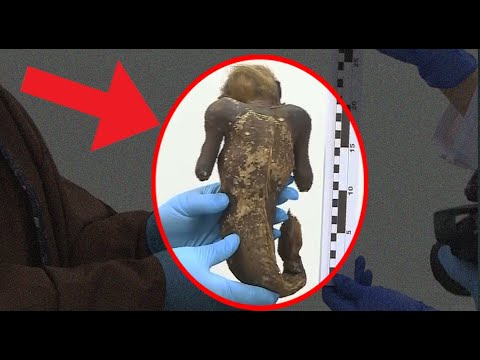
5 Solved Mysteries That Still Give Us The Creeps


A collection of eerie historical artifacts, hinting at unsolved mysteries.

The Unsettling Truth: When Closure Doesn't Bring Peace

The human mind craves resolution. We are wired to connect the dots, to find patterns, to answer the burning question: "What happened?". Yet, some mysteries, once 'solved', refuse to fade into the realm of the ordinary. Their solutions, while factually established, open up darker, more unsettling corridors in our understanding of reality. These are not tales of the unknown, but chilling expositions of the *known* that still manage to disturb. Today, we delve into cases where the explanation is on record, the culprits identified, or the artifact deciphered, but the inherent creepiness remains, a testament to the psychological residue of the inexplicable. This isn't about what we *don't* know; it's about what we *do* know, and why it still sends shivers down our spine. Prepare to open the file on mysteries that have been closed, but whose unsettling echoes persist.

1. The Dybbuk Box: A Compendium of Disturbing Reports

The Dybbuk Box is a wine cabinet that, according to legend, contains a dibbuk, a malicious spirit from Jewish folklore. The narrative surrounding this artifact escalated from a peculiar antique shop find to a global phenomenon after its story was widely disseminated. What makes this 'solved' case so unnerving is not the lack of explanation, but the consistent and terrifying testimonies of those who have owned it. Reports include inexplicable physical manifestations like nightmares, foul odors, and visual disturbances, often culminating in severe health detriments for the owners.

Investigating the Dybbuk Box involves a deep dive into the esoteric – not just parapsychology, but folklore, demonology, and the psychology of mass hysteria. While skeptics point to suggestion and confirmation bias, the sheer volume and consistency of the reported phenomena, spanning multiple owners and documented attempts to contain or banish the entity, make it a compelling case for further analysis. The 'solution', in this context, is the continuous cycle of possession and transference under documented conditions, making it a chilling exhibit in the museum of paranormal lore. Owning such an artifact is not for the faint of heart, and understanding the potential psychological and energetic contagion requires serious research, often found in specialized texts on occult artifacts and folklore.

"The fear isn't just in the 'what if,' it's in the 'what is.' This box doesn't just sit there; it actively projects its influence. Understanding that mechanism, whether it's psychological or genuinely supernatural, is the key." - A former owner's testimony.

2. The Hinterkaifeck Murders: A Lingering Shadow Over the Bavarian Countryside

In 1922, the entire population of the isolated farmstead of Hinterkaifeck in Bavaria, Germany, consisting of six people, was brutally murdered. The killer, or killers, never apprehended, managed to vanish without a trace. What elevates this beyond a mere cold case is the series of chilling events preceding the murders and the perplexing details discovered by investigators. The farmer reported strange footprints in the snow leading to the house but none leading away, found an unfamiliar key in his mailbox, and claimed to hear footsteps in the attic, only for his own dog to refuse to enter the house. The murders occurred after these unsettling occurrences, with the killer seemingly living at the farm for several days before the atrocious act.

The 'solution' here is the stark reality of an unsolved crime that continues to haunt the collective imagination. The police investigation was extensive but ultimately fruitless. The lack of motive, the insider nature of the attack, and the sheer audacity of the perpetrator(s) leave a void that pure logic struggles to fill. Analysing the Hinterkaifeck case requires a blend of forensic investigation techniques and an understanding of regional folklore and psychological profiles of isolated communities. The lingering dread comes from the knowledge that a violent, unknown entity existed within this small, enclosed world, and the question of 'why' remains eternally unanswered, fuelling endless theories and contributing to the morbid fascination surrounding this historical enigma. For those interested in historical cold cases, exploring unsolved crimes often brings similar feelings of unease.

3. The Voynich Manuscript: An Unsolvable Enigma Tied to Tangible (Yet Cryptic) Artifacts

The Voynich Manuscript is a 15th-century codex filled with unknown script and bizarre illustrations of unidentifiable plants, astronomical diagrams, and bathing nymphs. Its mystery lies not in its disappearance or a crime, but in its complete incomprehensibility. For decades, cryptographers, historians, and linguists have attempted to decipher its text and understand its purpose, with no definitive success. While the artifact itself is real, its contents remain an enigma, making it a 'solved' mystery only in the sense that its physical existence and age are confirmed. The content, however, remains resolutely 'unexplained'.

The creepiness of the Voynich Manuscript stems from its sheer alienness. The botanical drawings depict plants that do not exist in known botany, the astronomical charts seem to follow no recognizable celestial patterns, and the script, written in a unique alphabet, has resisted every attempt at translation. This isn't a matter of a hidden message; it's a question of what fundamental knowledge or alien perspective this book might represent. The lack of clear answers, despite vigorous efforts to find them, creates a profound sense of unease. It suggests that perhaps some forms of knowledge are not meant to be easily accessible, or that they originate from a context so alien to our own that understanding is virtually impossible. The pursuit of its secrets might lead one to explore advanced cryptography or fringe historical theories, demonstrating how even academic pursuits can tread into the uncanny.

Investigator's Verdict: Anatomy of Lingering Dread

What unites these 'solved' mysteries is their ability to transcend factual resolution and tap into a primal human fear: the fear of the unknown masquerading as the known, or the fear of what lurks beyond our current comprehension. In the case of the Dybbuk Box, it's the potential for genuine malevolent entities to interact with our reality, a concept both terrifying and deeply ingrained in human mythology. The Hinterkaifeck murders highlight the dread of the vulnerable and the unpredictable nature of human evil, coupled with the unsettling possibility of supernatural influence. The Voynich Manuscript, on the other hand, represents the terror of utter incomprehension, a book that holds secrets but shares them in a language that may be fundamentally alien to human cognition.

These cases are 'solved' in that their physical manifestations, historical contexts, or immediate perpetrators are accounted for. Yet, they remain deeply unsettling because the *implications* of their existence challenge our comfortable paradigms. They serve as potent reminders that the veil between the mundane and the extraordinary is thinner than we'd like to believe, and that even when facts are laid bare, the deeper, existential dread can persist. The true mystery often lies not in the absence of answers, but in the profound unease those answers evoke.

Investigator's Archive: Essential Reading and Viewing

For those who wish to immerse themselves further into the shadow-lands where solved mysteries still cast a long, chilling specter, the following resources are indispensable. They offer not just accounts, but analytical frameworks for understanding the persistent creepiness that defies easy explanation.

  • Books:
  • The Dybbuk: Texts, Traditions, and Modern Applications by Uri Hertz (Explores the folklore and conceptual underpinnings of the dibbuk, vital for understanding the artifact's alleged power).
  • Hinterkaifeck: The Unsolved Murder that Still Haunts Germany by Linda Osmundsen (A comprehensive look at the case, evidence, and various theories).
  • The Voynich Manuscript: The World's Most Mysterious Book by Philip Coppens (Delves into the decades of attempts to decode its cryptic contents).
  • Documentaries/Specials:
  • "The Dybbuk Box" (Various independent productions often available online, but approach with critical discernment).
  • "Unsolved: The Hinterkaifeck Murders" (A common theme in historical crime documentary series).
  • "The Voynich Manuscript - The Most Mysterious Book in the World" (Numerous explorations exist, seek out those involving leading cryptographers and historians).

Studying these phenomena requires more than just anecdotal evidence; it demands a critical analysis of historical context, psychological impact, and the very limits of known science. For genuine insight, consult works that employ rigorous investigative methodologies, rather than mere sensationalism. The pursuit of knowledge in these areas often requires access to specialized platforms like Gaia or Discovery+.

Frequently Asked Questions

alejandro quintero ruiz is a veteran field investigator dedicated to the analysis of anomalous phenomena. His approach combines methodological skepticism with an open mind to the inexplicable, always seeking the truth behind the veil of reality.

Your Field Mission: Document Your Local Enigmas

While these are globally recognized cases, the most chilling mysteries often reside in our own backyards. Your mission, should you choose to accept it, is to become the investigator of your local lore. Identify a local legend, an unsolved historical event, or a persistent rumor in your community. Then, apply the principles of this report:

  1. Research the Narrative: Gather all available accounts, historical records, and local testimonies.
  2. Investigate the 'Solution': What 'official' explanation, if any, exists? Who are the key figures or authorities involved?
  3. Analyze the Lingering Dread: Why does this story persist? What elements tap into deeper psychological fears or societal anxieties?
  4. Document Your Findings: Compile your research into a brief report. Note any discrepancies or unanswered questions that fuel the mystery.

Share your findings (or the initial narrative) in the comments below. We are building a collective archive of the uncanny, one community enigma at a time. The goal is to practice the critical analysis that turns mere stories into potential case files.

5 Unexplained Paranormal Events Captured on Video: An Investigator's Analysis


Introduction: The Digital Veil of the Unexplained

The digital age has gifted us an unprecedented archive of the strange. Cameras are ubiquitous, streaming devices are constant companions, and the world’s forgotten corners are now explorable through a screen. Yet, this deluge of visual data has not necessarily brought us closer to definitive answers regarding the paranormal. Instead, it has amplified the questions, presenting us with anomalies that defy easy categorization. Today, we don't just recount tales; we dissect the evidence. We are opening an investigation into five of the most compelling paranormal events that have, allegedly, been captured on video. This isn't about belief; it's about analysis. It’s about examining the grainy footage, the fleeting shadows, and the inexplicable lights through the cold, hard lens of logic and investigative methodology.

Case 1: The Enfield Poltergeist - A Lingering Shadow

Few cases have seeped into the collective consciousness of paranormal investigation quite like the Enfield Poltergeist. Occurring in London during the late 1970s, this alleged infestation presented a chilling series of events seemingly centered around a young girl. Reports detailed objects levitating, furniture moving on its own, and disembodied voices—classic poltergeist activity. What elevated this case beyond typical anecdotal accounts were the photographic and, crucially, early video evidence. These visual records, though often debated by skeptics, showed phenomena that appeared to defy natural explanation. While some argue for elaborate hoaxes, the sheer duration and consistency of the alleged activity, coupled with multiple witnesses, maintain its position as a significant paranormal case study. The question remains: were these genuine manifestations of an unseen force, or a testament to human ingenuity in deception?

My experience tells me that poltergeist phenomena are often linked to periods of intense emotional stress within a household. The energy discharge—whether psychological or extradimensional—manifests physically. The visual evidence from Enfield, however, demands a rigorous examination of potential trickery. The fact that investigators were present with cameras is both a blessing and a curse, providing data but also the opportunity for staged events. We need to look at the specific frame rates, the apparent physics of the movements, and cross-reference against known illusions of the era. For a deeper dive into the methodology of analyzing such cases, consult resources on paranormal investigation techniques.

Case 2: The Hessdalen Lights - Unidentified Aerial Phenomena

The desolate valley of Hessdalen in Norway has become a global hotspot for a specific type of aerial anomaly: the Hessdalen Lights. Observed since the 1980s, these luminous phenomena are frequently captured on video and by scientific monitoring equipment. They appear as bright, often pulsating orbs or streams of light that move erratically, sometimes at high speeds, and exhibit behaviors inconsistent with conventional aircraft or atmospheric conditions. Initial scientific investigations, including the Hessdalen Project, have employed sophisticated instrumentation to track these lights, gathering data on electromagnetic fluctuations, temperature changes, and spectral analysis. While some theories propose natural explanations like plasma discharges or unusual geological activity, the consistent, intelligent-seeming movements and the sheer volume of sightings fuel ongoing speculation about their extraterrestrial or extradimensional origins. Examining this case requires us to move beyond UFOlogy tropes and into rigorous scientific observation.

The consistent documentation of the Hessdalen Lights by both amateurs and dedicated scientific teams places it in a unique category. Its proximity to geological features and potential electromagnetic fields suggests a link to Earth-based energies, but the scale and behavior of the lights challenge simple explanations. Are we witnessing a natural phenomenon we don't yet understand, or something far more deliberate? To understand the nuances of such sightings, one must delve into the established protocols for Unidentified Aerial Phenomena (UAP) analysis—a field that historically demanded a higher standard of evidence than grainy footage.

Case 3: The Bell Witch - A Historical Haunting Captured?

The legend of the Bell Witch in Tennessee is one of America's most enduring tales of malevolent spirits. Dating back to the early 19th century, the Bell family claimed to be tormented by an entity—the "Witch"—that inflicted physical harm, verbal abuse, and destructive phenomena. While the original accounts are primarily anecdotal and historical records, modern interpretations and dramatizations often incorporate visual elements. The challenge with cases like the Bell Witch is separating historical fact from embellished narrative and subsequent fictional adaptations that *claim* to show the entity. True video evidence of the original events is, by definition, impossible given the time period. However, modern investigations, often filmed for documentaries or online platforms, attempt to capture evidence of the haunting in situ. These modern recordings can be analyzed for anomalies, but their validity hinges entirely on the credibility of the individuals involved and the absence of fraud. The historical weight of the case, however, often leads people to seek out any visual representation, blurring the lines between historical record and speculative media.

"The entity was described as a sorceress or witch, capable of transforming herself into various animals and able to speak and reason with people. It was also reputed to be invisible, though it made its presence known through physical attacks. The entity became known as the Bell Witch." - Historical accounts of the Bell Witch legend.

When analyzing historical hauntings for modern media, the primary methodology involves scrutinizing the historical context for corroborating evidence and then, for any new visual documentation, applying the same rigor as any other paranormal case. Are viewers seeing what they think they are seeing, or are they falling prey to suggestion and the power of narrative? Investigating such legends often requires delving into archival research, a crucial step often overlooked by those prioritizing sensational video clips. For those interested in the historical underpinnings of such phenomena, exploring ghost stories and folklore is essential.

Case 4: Shadow People - Fleeting Figures in the Dark

The phenomenon of "Shadow People"—dark, humanoid figures perceived in peripheral vision or in low-light conditions—is a recurring theme in paranormal accounts worldwide. While often dismissed as optical illusions, sleep paralysis, or pareidolia, recordings of these alleged entities are surprisingly common online. These videos typically show dark shapes moving within rooms, appearing and disappearing abruptly, or even seeming to interact with the environment. The challenge in analyzing these clips lies in distinguishing genuine anomalous phenomena from mundane explanations. Factors like poor lighting, camera artifacts, dust particles, insects, or even simple tricks of the light can easily create the illusion of a shadow figure. Therefore, a critical approach is paramount. We must ask: what are the lighting conditions, what type of camera and lens were used, are there any known sources of interference, and importantly, is there any corroborating testimony from individuals present?

The sheer volume of purported "Shadow Person" videos on platforms like YouTube presents an interesting study in visual perception and suggestion. While I've encountered genuine anomalies that defy explanation, I've also seen countless instances where a simple dust mote caught in a light beam or a flaw in the lens becomes a "demonic entity." The key is to approach every piece of footage with a healthy dose of skepticism, armed with knowledge of common visual artifacts. Understanding the physics of light and shadow, as well as the psychology of perception, is as vital as any ghost-hunting gadget. Resources for learning about common visual artifacts can be found in optical illusion studies and photography guides.

Case 5: The Dybbuk Box - A Spirit Trapped on Film?

The Dybbuk Box, a wine cabinet purported to be haunted by a dybbuk (a malicious spirit from Jewish folklore), gained notoriety through a series of frightening alleged experiences shared online, often documented with video. The narrative surrounding the box describes a chain of progressively disturbing events affecting its owners, including nightmares, physical ailments, and an overwhelming sense of dread. While the original box and its alleged curse are rooted in folklore, the widespread sharing of these experiences, often accompanied by video snippets of perceived phenomena or reactions, has turned it into a modern paranormal case. Skeptics often point to psychological suggestion, the power of narrative, and potential for fabrication. However, the persistence of the story and the detailed accounts of distress warrant examination. Can a simple object truly hold a malevolent entity, and if so, can that influence be visually captured? Analyzing this case involves not just visual evidence but also the psychological impact and the cultural context of the dybbuk.

The Dybbuk Box case is a fascinating intersection of folklore, psychology, and modern media. While explicit, unassailable video proof of a dybbuk's direct interaction is scarce, the documented psychological effects on individuals who claim to have owned or interacted with the box are compelling. When analyzing such cases, one must consider the power of suggestion and mass hysteria, especially when the narrative is amplified through online platforms. The concept of cursed objects is ancient, and the Dybbuk Box taps into this deep-seated fear. For anyone investigating the psychological underpinnings of such phenomena, exploring texts on belief systems and psychological suggestion is a critical step.

Investigator's Verdict: Beyond the Lens

After scrutinizing these five cases—the Enfield Poltergeist, the Hessdalen Lights, the Bell Witch legend's modern interpretations, Shadow People sightings, and the Dybbuk Box—a pattern emerges. Video evidence, while compelling at first glance, is a double-edged sword in paranormal investigation. It provides a visual anchor for claims, fueling public fascination and debate. However, without rigorous context, expert analysis of visual artifacts, and corroborating evidence beyond mere footage, it remains ambiguous.

The Enfield Poltergeist and the Bell Witch (in its modern visual interpretations) highlight the challenge of differentiating genuine phenomena from staged events or historical embellishment. The Hessdalen Lights, conversely, offer a scientifically monitored phenomenon that still defies current explanation, pushing the boundaries of our understanding of aerial anomalies. Shadow People videos serve as a potent reminder of how our own perception, coupled with technological limitations, can create apparent anomalies. The Dybbuk Box case underscores the potent influence of narrative and psychological suggestion, amplified by digital media.

My verdict? These videos represent fragments of a larger, more complex reality that we are only beginning to comprehend. They are not definitive proof of ghosts or aliens, but they are undeniable anomalies that warrant continued, dispassionate investigation. The scientific method demands we rule out all mundane explanations before even considering the paranormal. Yet, when the mundane explanations falter, as they often seem to in these cases, the unexplained whispers louder. The true value of these videos lies not in their ability to convert skeptics, but in their power to provoke critical thinking and inspire further inquiry. The camera captures a moment; the investigation seeks to understand the forces behind it.

The Investigator's Archive

For any serious investigator seeking to understand these phenomena, curated resources are indispensable. Mere anecdotal accounts or sensationalized YouTube clips will only lead you astray. True understanding comes from diving deep into the data, the history, and the established methodologies.

  • Books:
    • "The Poltergeist Phenomenon: An Investigation Into the Supernatural" by Colin Wilson: A foundational text exploring various poltergeist cases, including detailed accounts that lend context to Enfield.
    • "The UFO Encyclopedia, Volume 1: The Definitive Investigation of UFOs and Their Extraterrestrial Origins" by Jerome Clark: Essential for understanding the historical context and rigorous analysis of UAP reports like the Hessdalen Lights.
    • "The Bell Witch: America's Most Terrifying Ghost Story" by Brent Swancer: Offers a critical look at the historical records and folklore surrounding this infamous haunting.
    • "The Haunted Room" by Joshua P. Warren: Explores various haunted objects and locations, potentially providing parallels to the Dybbuk Box phenomenon.
  • Documentaries:
    • "The Enfield Poltergeist" (various productions): Look for documentaries that present the original footage and interviews with investigators, such as those featuring Maurice Grosse.
    • "UFOs: The Best Evidence Ever Caught?" (History Channel/Discovery): Often features segments on UAP phenomena, potentially including footage relevant to Hessdalen.
    • "The Bell Witch Haunting" (various paranormal investigation shows): Critically evaluate these, looking for those that focus on historical research alongside modern investigation.
    • "Ghost Adventures" or "Paranormal Witness" (Travel Channel/Hulu): While often sensationalized, these shows sometimes document investigated cases that can be cross-referenced with more academic materials. Focus on their investigative process, not just the scares.
  • Platforms:
    • Gaia.com: Offers a vast library of documentaries and series on paranormal, UFO, and conspiracy topics. While requiring a subscription, it can provide deep dives into specific cases.
    • Academic Databases (JSTOR, Google Scholar): Search for papers on anomalous aerial phenomena, psychological effects of belief, and ethnographic studies of folklore.

Protocol: Analyzing Anomalous Video Evidence

When presented with video purported to show paranormal activity, a structured approach is critical. This isn't about dismissing claims, but about rigorous verification. Follow these steps:

  1. Source Verification: Where did the video originate? Is the original source available, or is it a repost with potential edits? Who claims to have captured it, and what is their track record? Contacting the original uploader or investigator is paramount.
  2. Contextualization: What are the circumstances surrounding the recording? Who was present? What was happening just before and after? Is there audio? Does the audio corroborate the visual? What is the location, and does it have a history of paranormal claims?
  3. Technical Analysis:
    • Camera & Lens: What type of camera was used? Its capabilities (low light, resolution, zoom) and limitations are crucial. Were there lens flares, dust particles, or other common artifacts?
    • Lighting Conditions: Was the area well-lit, dimly lit, or entirely dark? How were the light sources positioned? Could shadows be cast by mundane objects or people?
    • Frame Rate & Resolution: Low frame rates can make objects appear to jump or teleport. Low resolution can obscure details, making small anomalies appear larger.
    • Digital Manipulation: Check for signs of editing, such as abrupt cuts, inconsistent lighting, or unnatural object movement. Software exists to detect digital tampering.
  4. Phenomenological Analysis:
    • Movement: Does the object or entity move in a way that defies known physics? Is the movement consistent or erratic? Does it interact with the environment (e.g., casting shadows, displacing objects)?
    • Appearance: What are the characteristics of the anomaly? Is it a solid form, a light, a shadow? Does it have discernible features? Can it be explained by known atmospheric phenomena (e.g., plasma, ball lightning)?
    • Sound: Is there audio present? Are there disembodied voices (EVP candidates), unexplained noises, or sounds that don't match the visual?
  5. Eliminate Mundane Explanations: Systematically work through all possible natural causes: insects, dust, reflections, lens flares, pareidolia, infrasound effects, power surges, equipment malfunction, deliberate trickery, psychological suggestion, etc.
  6. Corroboration: Are there other witnesses? Are there other recordings of the same event? Is there historical evidence supporting the claim?
  7. Conclusion: Based on the comprehensive analysis, does the phenomenon remain anomalous after all mundane explanations have been exhausted? If so, it is classified as unexplained. If not, it is debunked or categorized as a known phenomenon.

Frequently Asked Questions

Q1: Can video evidence truly prove the existence of ghosts or aliens?

A1: Definitive proof is elusive. Video captures phenomena, but interpreting that phenomenon requires rigorous analysis to rule out mundane explanations. It can provide compelling evidence of anomalies, but "proof" is a very high bar in scientific inquiry.

Q2: How can I tell if a paranormal video is real or faked?

A2: Look for consistency in the unexplained elements, corroborating testimony, and adherence to the principles of physics unless a compelling alternative mechanism is demonstrated. Be highly suspicious of overly dramatic effects, perfect clarity in low light, or narratives that perfectly fit existing tropes without deviation. Cross-reference with similar cases analyzed by reputable investigators.

Q3: What is the most common mundane explanation for "shadow people" sightings on video?

A3: The most common explanations include dust particles or insects caught in camera light, lens flares, reflections, artifacts from digital compression, and pareidolia—the human tendency to perceive familiar patterns (like faces or figures) in random stimuli. Low-light conditions exacerbate these effects.

Q4: Are the Hessdalen Lights scientifically proven to be extraterrestrial?

A4: No. While the Hessdalen Lights are a scientifically monitored and documented phenomenon that defies conventional explanation, their origin remains unknown. Theories range from plasma physics and geological emissions to more speculative extraterrestrial or extradimensional hypotheses. The key is "unexplained," not "proven extraterrestrial."

Conclusion: The Unseen Audience

We live in an era of constant surveillance, yet the true anomalies persist, often glimpsed only at the edges of our perception or the limits of our technology. The videos discussed today—from the chilling manifestations at Enfield to the ethereal Hessdalen Lights—serve as potent reminders that our understanding of reality is far from complete. They are not definitive answers etched in stone, but rather persistent questions that demand our analytical attention. As an investigator, my role is not to convince you of the supernatural, but to equip you with the tools to critically evaluate the evidence for yourself. The camera may capture a shadow, but it is the investigator’s mind that must illuminate the darkness, seeking not just spooky stories, but the underlying truth, however elusive it may be.

The digital age has democratized the recording of strange events. Now, more than ever, the responsibility falls on the viewer to become a discerning analyst. Question everything. Seek out the original sources. Understand the technology. This critical approach is your best defense against deception and your greatest tool in the pursuit of genuine understanding. The unexplained is always present, waiting for an observant eye and a rational mind.

Your Field Mission: Document and Deduce

The next time you encounter a video claiming to show paranormal activity, whether it's a fleeting shadow, an unexplained light, or an object moving seemingly on its own, engage your inner investigator. Before you dismiss it or accept it, pause. Apply the principles outlined in the "Protocol: Analyzing Anomalous Video Evidence." Identify the source, consider the context, and scrutinize the technical aspects. Can you identify any mundane explanations? If you can't immediately debunk it, what further information would you need to conduct your own analysis? Share your findings or your analytical process in the comments below. Let's turn passive viewing into active investigation.

alejandro quintero ruiz is a seasoned field investigator dedicated to the analysis of anomalous phenomena. His approach blends methodological skepticism with an open mind to the inexplicable, always seeking the truth behind the veil of reality.

Special thanks to Kevin MacLeod for the licensed music.

Kevin MacLeod Music is licensed under Creative Commons: By Attribution 3.0 License.

El Vampiro del Panteón de Belén, La Dybbuk Box y Okiku: Expedientes Abiertos de lo Inexplicable


Hay sombras que se extienden más allá de la luz de la linterna, susurros que perforan el silencio y objetos que parecen pulsar con una vida ajena. En la intrincada red de lo inexplicable, algunos casos no solo desconciertan, sino que acorralan al investigador con preguntas sin respuesta clara. Hoy, abrimos tres expedientes que han dejado su huella en la historia de lo paranormal: el Vampiro del Panteón de Belén, la enigmática Dybbuk Box y la escalofriante leyenda de Okiku, la Muñeca Maldita. Prepárense, porque vamos a desmantelar estos misterios pieza por pieza.

01. El Vampiro del Panteón de Belén: Escalofríos en Guadalajara

Nuestra primera parada nos lleva a la vibrante ciudad de Guadalajara, México, a un lugar donde la muerte respira y las leyendas cobran vida: el Panteón de Belén. Aquí, entre mausoleos y la quietud de los difuntos, surgió la aterradora figura del "Vampiro del Panteón de Belén". La historia, que parece sacada de una novela gótica, narra la aparición de un ser con colmillos afilados y una sed insaciable, que supuestamente merodeaba entre las tumbas, alimentándose de la tranquilidad y, según algunos desvaríos, de la propia vida que emanaba del lugar.

Los testimonios, recogidos a lo largo de décadas, describen figuras sombrías moviéndose con una agilidad antinatural, luces erráticas y la sensación palpable de ser observado por algo más que los vivos. ¿Un simple mito para asustar a los visitantes nocturnos? ¿O hay algo más profundo, una manifestación de miedos ancestrales o incluso una entidad atrapada en la resonancia de este camposanto? La investigación moderna ha intentado racionalizar estas aparatosas historias, apuntando a la pareidolia nocturna, la sugestión colectiva o incluso a la presencia de animales salvajes que pudieran ser malinterpretados en la oscuridad. Sin embargo, la persistencia de los relatos y la atmósfera cargada del Panteón de Belén invitan a una reflexión más profunda sobre la naturaleza de las entidades que habitan los umbrales de nuestra realidad. Estudiar este caso implica no solo desentrañar las anécdotas, sino comprender el contexto cultural y el poder de las leyendas urbanas para moldear la percepción del miedo.

"En las noches claras, las sombras del Panteón de Belén parecen alargarse de forma antinatural, danzando al compás de un viento que no existe. Y entonces, dicen los que han estado allí, se oye un rasguño, un susurro que hiela la sangre, el eco de algo que permanece."

02. La Dybbuk Box: La Caja que Contiene el Mal

De las leyendas mexicanas, saltemos a un objeto que se ha convertido en sinónimo de terror poseído: la Dybbuk Box. Este pequeño cofre, originario de la tradición judía, está supuestamente habitado por un 'dybbuk', una entidad o espíritu maligno que, según la mística judía, puede poseer a un ser vivo. Las historias modernas sobre estas cajas suelen involucrar extraños sucesos: pesadillas recurrentes, olores desagradables, manifestaciones físicas y una sensación general de dread que emana del objeto.

La fama de la Dybbuk Box se disparó tras una serie de relatos públicos, uno de los más notorios involucrando a un coleccionista de antigüedades que afirmó haber comprado una caja en eBay y haber experimentado una serie de fenómenos inquietantes. La narrativa se centró en la idea de que la caja era un recipiente sellado utilizado en rituales para contener y desterrar un dybbuk. La investigación en este caso se torna compleja, pues se mueve en el terreno de la superstición, la sugestión y las posibles explicaciones psicológicas. ¿Podría ser que la mera creencia en la potencia de la caja sea lo que activa los supuestos fenómenos en aquellos susceptibles? O, como sugieren los escépticos, ¿se trata de fraudes creados para generar fama y vender objetos a coleccionistas de lo macabro? La ciencia busca explicaciones tangibles, pero el magnetismo de estos objetos reside precisamente en su capacidad para evadir la lógica. El uso de objetos malditos en la cultura popular ha creado un caldo de cultivo para la sugestión, pero eso no invalida la posibilidad de que ciertos artefactos puedan poseer una energía o "historia" peculiar que impacte en quienes interactúan con ellos. La clave está en analizar los patrones de comportamiento reportados y contrastarlos con explicaciones alternativas, como la toxicidad de materiales antiguos, campos electromagnéticos anómalos o, simplemente, el poder duradero de la narrativa.

03. Okiku, La Muñeca Maldita: Un Alma Atrapada en Cabello

Nuestro último caso nos trae a Japón y a una historia que roza la empatía fantasmal: la de Okiku, la Muñeca Maldita. Cuenta la leyenda que esta muñeca, de cabello oscuro y corto, fue comprada por un niño llamado Okiku a principios del siglo XX. Tras su prematura muerte, su familia creyó que su espíritu residía en la muñeca, ya que su cabello, supuestamente, comenzó a crecer. Lo que comenzó como un memorial se transformó en un fenómeno paranormal que ha atraído a curiosos y escépticos por igual.

La muñeca Okiku reside en el templo Mannenji, en Hokkaido, y a lo largo de los años, su cabello ha sido medido y cortado, solo para volver a crecer. Esto ha generado un aura de misterio y temor a su alrededor. Las explicaciones varían desde la simple manipulación humana (cambios en el tipo de cabello, extensiones) hasta la posibilidad de que sea un fenómeno genuino de crecimiento capilar post-mortem, algo que la ciencia ha intentado explicar de diversas maneras. Un análisis riguroso de este caso implicaría examinar la composición del cabello, los métodos de mantenimiento de la muñeca y la credibilidad histórica de los testimonios. La fascinación por la muñeca Okiku reside en su capacidad para humanizar lo inanimado, ofreciendo un recipiente para el duelo y la creencia en la vida después de la muerte. Es un ejemplo perfecto de cómo las leyendas pueden arraigarse y evolucionar, creando un fenómeno cultural que trasciende la mera anécdota. Para comprender cabalmente la leyenda de Okiku, es fundamental recurrir a fuentes históricas y antropólogas que contextualicen la importancia de las muñecas y los espíritus en la cultura japonesa, así como a análisis científicos que hayan intentado explicar el fenómeno del crecimiento del cabello en materiales orgánicos tras la muerte, aunque sean casos raros a nivel científico.

"No es solo el cabello que crece lo que perturba, sino la historia que parece emanar de sus ojos. Una melancolía antigua, un anhelo que trasciende el tiempo. ¿Es la muñeca o es nuestra proyección la que imbuye de alma a este objeto?"

04. Análisis Comparativo: Patrones de lo Inexplicable

Al poner estos tres casos bajo la lupa del investigador, emergen patrones sutiles pero recurrentes en el estudio de lo paranormal. Tanto el Vampiro del Panteón de Belén, la Dybbuk Box como la muñeca Okiku comparten varios elementos clave:

  • La carga histórica y cultural: Cada objeto o relato está profundamente arraigado en un contexto cultural específico (leyendas mexicanas, mística judía, folclore japonés). Esto sugiere que lo inexplicable a menudo se manifiesta a través de marcos de referencia que ya existen en nuestra psique colectiva.
  • El factor humano y la sugestión: En todos los casos, la participación de testigos, coleccionistas o familiares es crucial. Esto abre la puerta a la sugestión, el fraude intencional o la interpretación errónea de eventos mundanos. Sin embargo, la persistencia masiva de relatos en algunos de estos casos desafía explicaciones simplistas.
  • La naturaleza del "recipiente": Ya sea un panteón, una caja antigua o una muñeca, el objeto o lugar actúa como un 'contenedor' de la energía, la historia o la supuesta entidad. Este concepto de "recipiente" es fundamental en muchos relatos de apariciones y objetos malditos.
  • La duda metodológica: La falta de evidencia empírica irrefutable y la dificultad para replicar los fenómenos bajo condiciones controladas son obstáculos constantes. Esto nos obliga a depender de testimonios, evidencia circunstancial y análisis interpretativos. La metodología paranormal requiere una disciplina férrea para no caer en falacias lógicas.

Para un verdadero investigador, la clave no está solo en creer o desacreditar, sino en comprender qué mecanismos psicológicos, culturales e históricos permiten que estas historias perduren y nos cautiven. La búsqueda de evidencia sólida, como análisis de materiales o grabaciones de audio de alta calidad (EVP), es esencial, pero no debemos desdeñar el poder de la narrativa y el impacto emocional que estos misterios tienen en nosotros. El uso de equipos como medidores EMF y cámaras infrarrojas pueden ofrecer datos, pero la interpretación final siempre recaerá en el observador crítico.

05. Veredicto del Investigador: ¿Fraude, Fenómeno Genuino o Algo Más?

Mi análisis pragmático me lleva a conclusiones matizadas para cada uno de estos casos. El Vampiro del Panteón de Belén, en su forma más sensacionalista, tiene todas las papeletas para ser una consolidada leyenda urbana, alimentada por el miedo inherente a los cementerios nocturnos y por el poder hipnótico de las historias de vampiros. Si bien es posible que ciertas anomalías lumínicas o sonoras hayan sido observadas, atribuirlas a un vampiro es un salto interpretativo que carece de base empírica. Sin embargo, no descarto que el Panteón de Belén posea una carga energética particular debido a su historia y a la gran cantidad de almas que allí residen, lo que podría generar sensaciones anómalas en personas sensibles.

La Dybbuk Box representa un desafío mayor. Si bien la mayoría de los casos reportados parecen ser fruto de la sugestión y la auto-inducida paranoia, el concepto de un objeto que acumula energía o "memoria" es fascinante. La cuestión no es tanto si una caja puede albergar un 'dybbuk' en el sentido teológico, sino si un objeto con una historia documentada de supuestos eventos negativos puede influir en el estado mental y emocional de su poseedor. La tendencia a la interpretación de eventos aleatorios como paranormales es alta, pero no podemos descartar la posibilidad de que, en ocasiones, objetos antiguos o artefactos con connotaciones rituales puedan generar un campo de influencia psíquica o electromagnética sutil. El mercado de estas cajas demuestra la potencia de la narrativa para generar demanda y, potencialmente, para activar la sugestión en compradores predispuestos.

En cuanto a Okiku, la Muñeca Maldita, encuentro este caso particularmente intrigante. El crecimiento del cabello en objetos orgánicos post-mortem es científicamente explicable en ciertos contextos (por ejemplo, por la retracción de la piel exponiendo el folículo piloso). Sin embargo, la continuidad y la consistencia de los reportes sobre el cabello de Okiku a lo largo de décadas requieren una investigación profunda y documentada. Las explicaciones más sencillas (engaño, mantenimiento) son las más probables desde una perspectiva científica rigurosa. No obstante, la persistencia de la creencia y la dedicación del templo a su cuidado sugieren una resonancia emocional y cultural profunda. Si bien no hay evidencia concluyente de un espíritu atrapado, el caso sí demuestra el poder de los objetos para convertirse en focos de creencia y significado colectivo.

En resumen, mi veredicto es de escepticismo informado. Si bien los casos presentan fascinantes interrogantes y se alinean con arquetipos de lo paranormal, la evidencia empírica sólida para afirmar un fenómeno genuino es, en la mayoría de los casos, esquiva. La clave está en seguir investigando, documentando y abriendo estos expedientes, reconociendo los límites de nuestro conocimiento actual y la posibilidad de que existan fuerzas o fenómenos que aún no comprendemos del todo.

06. Protocolo de Investigación: Abordando Objetos con Historias Perturbadoras

Cuando se investigan objetos o lugares con historias de actividad paranormal conocida, la metodología debe ser impecable. Aquí detallo un protocolo esencial:

  1. Investigación Preliminar Exhaustiva: Antes de cualquier contacto, recopila toda la información disponible sobre el objeto o lugar: historias, leyendas, testimonios, investigaciones previas. Busca inconsistencias y puntos clave.
  2. Documentación Rigurosa: Utiliza cámaras de alta resolución (incluyendo infrarrojas si es posible) para documentar el objeto o lugar en su estado actual. Toma múltiples fotografías desde diferentes ángulos. Graba audio ambiental de forma continua.
  3. Análisis de Evidencia Física: Si se trata de un objeto (como la Dybbuk Box), considera la posibilidad de análisis de materiales (si es seguro y ético) para determinar su antigüedad y composición. Busca signos de manipulación o falsificación.
  4. Medición de Campos Anómalos: Emplea herramientas como medidores EMF (Electromagnetic Field) para detectar fluctuaciones electromagnéticas. Registra las lecturas y su correlación temporal con otros eventos reportados. Usa grabadoras digitales para capturar posibles EVP (Electronic Voice Phenomena).
  5. Análisis Psicológico y Contextual: Estudia la psicología de los testigos y la comunidad afectada. Considera factores como la sugestión colectiva, la pareidolia y la influencia cultural en la interpretación de los eventos. Conecta los datos con el contexto histórico y antropológico del caso.
  6. Estudio de Patrones: Busca patrones en los fenómenos reportados. ¿Ocurren a ciertas horas? ¿Se correlacionan con eventos específicos? ¿Afectan a ciertas personas de manera particular? La identificación de patrones es crucial para formular hipótesis.
  7. Contraste con Explicaciones Mundanas: Siempre prioriza las explicaciones racionales y científicas: fenómenos naturales, engaños, errores de percepción, condiciones ambientales. Solo cuando estas han sido agotadas de forma concluyente, se procede a considerar lo paranormal.

07. El Archivo del Investigador

Para profundizar en el estudio de los misterios del mundo y la investigación paranormal, recomiendo encarecidamente consultar los siguientes recursos:

  • Libros Clásicos de Investigación:
    • "The History of the Devil" por Henry Ansgar Kelly: Para entender las raíces culturales del mal y la demonología.
    • "The Mothman Prophecies" por John Keel: Un estudio seminal sobre la interacción entre fenómenos ovni, críptidos y otros misterios.
    • "The Encyclopedia of Ghosts and Spirits" por Rosemary Ellen Guiley: Un compendio detallado de entidades y fenómenos espectrales.
  • Documentales Esenciales:
    • "The Dybbuk Box": Documentales que exploran las leyendas y los supuestos casos relacionados con estas cajas.
    • "Japan's Haunted" o documentales sobre folklore japonés: Para comprender la rica tradición de espíritus y objetos malditos en Japón.
    • Investigaciones sobre el Panteón de Belén: Busca documentales o reportajes que aborden las leyendas locales y los fenómenos reportados en este histórico cementerio.
  • Plataformas de Contenido Misterioso:
    • Gaia.com: Ofrece una vasta biblioteca de documentales y series sobre investigaciones paranormales, ovnis y misterios sin resolver.
    • Discovery+ / Travel Channel: Contienen programas de caza de fantasmas y documentales sobre lugares embrujados y leyendas urbanas.
  • Archivos de Investigadores Reconocidos:
    • El trabajo de Ed y Lorraine Warren: Sus casos, aunque controvertidos, han documentado innumerables objetos y lugares supuestamente poseídos.
    • Investigaciones sobre parapsicología: Busca estudios académicos sobre fenómenos como la telequinesis, la mediumnidad y los poltergeists para un enfoque más científico.

08. Preguntas Frecuentes

¿Qué es exactamente un 'dybbuk'?

En la mística judía, un dybbuk es un espíritu errante, a menudo el alma de una persona fallecida, que busca poseer a un ser vivo para encontrar paz o cumplir una tarea pendiente. Se considera una entidad maligna o, al menos, profundamente perturbada.

¿Es posible que una muñeca crezca pelo de forma natural?

El cabello humano (o animal) en objetos antiguos puede verse afectado por la descomposición de la piel circundante, la retracción de los tejidos o la presencia de moho que imita el crecimiento capilar. Científicamente, el crecimiento activo de cabello en un objeto inerte es imposible sin un proceso biológico continuo.

¿Existen lugares en el mundo conocidos por tener una alta concentración de actividad paranormal?

Sí, existen muchos lugares con reputación de estar embrujados o ser centros de actividad paranormal, como el Panteón de Belén, el Castillo de Edimburgo, la Isla de las Muñecas en México, o el antiguo manicomio de Waverly Hills. Estos lugares a menudo comparten historias de tragedias, muertes violentas o una gran antigüedad.

¿Cómo puedo empezar mi investigación paranormal de forma segura?

Empieza por educarte. Lee sobre metodología de investigación, historia del ocultismo y psicología de la creencia. Si decides explorar lugares supuestamente paranormales, hazlo en grupo, con guías autorizados si es posible, y siempre prioriza tu seguridad y el respeto por el lugar. Nunca intentes provocar o confrontar a una supuesta entidad de forma temeraria.

¿Qué equipos son esenciales para una investigación paranormal?

Para una investigación básica, una grabadora de audio digital (para EVP), un medidor EMF, una linterna potente y una cámara (preferiblemente con modo nocturno o infrarrojo) son un buen punto de partida. Sin embargo, la calidad de la observación y el análisis son más importantes que el equipo en sí.

09. Tu Misión de Campo: La Siguiente Frontera

La próxima vez que te encuentres ante un objeto antiguo, una fotografía descolorida o escuches una leyenda local, aplica el rigor de este análisis. No te limites a aceptar la historia; cuestiona, documenta y contrasta. Identifica el 'contenedor' de la historia: ¿es el objeto, el lugar, la propia narrativa?

Tu Misión: Busca una leyenda urbana o una historia de objetos 'malditos' en tu propia localidad. Investiga su origen (o la falta de él), recopila testimonios (si los hay) y analiza si comparte patrones con los casos que hemos desmantelado hoy. ¿Es una historia de miedo para mantener a los niños alejados de un lugar peligroso? ¿O hay indicios que merecen una consideración más profunda? Comparte tus hallazgos en los comentarios. El verdadero misterio reside en cómo estas historias cobran vida en nuestra percepción.


Sobre el Autor

alejandro quintero ruiz es un veterano investigador de campo dedicado al análisis de fenómenos anómalos. Su enfoque combina el escepticismo metodológico con una mente abierta a lo inexplicable, buscando siempre la verdad detrás del velo de la realidad. Con años de experiencia en expedientes clasificados y leyendas urbanas, su trabajo se centra en desentrañar la complejidad de los misterios del mundo.

La realidad es más extraña que cualquier ficción. Nuestro deber es diseccionarla, no temerla. Hasta el próximo expediente.