Followers

Mostrando las entradas con la etiqueta Cursed Objects. Mostrar todas las entradas

10 Cursed Objects You Must Never Touch: Annabelle, Dybbuk Box & More

Image

In the shadowy corners of history and folklore lie objects imbued with dark energy, their mere presence a potent invitation to misfortune. These aren't mere relics; they are conduits of dread, artifacts whispered about in hushed tones, capable of unleashing untold suffering upon those foolish enough to covet or disturb them. As an investigator of the unexplained, I approach such claims with a blend of skepticism and an open mind, recognizing that while science may falter, the human experience of fear and suffering is undeniably real. Today, we delve into the chilling accounts of ten such cursed objects, from possessed dolls to jewels steeped in tragedy.

Introduction: Defining a Cursed Object

What truly elevates an object from merely old or unusual to "cursed"? The line between folklore, psychological projection, and genuinely malevolent influence is often blurred. In my line of work, we look for patterns: recurring misfortunes, consistent witness testimony across time and space, and an inexplicable aura that seems to cling to the item itself. A cursed object, in essence, is one believed to carry a negative psychic imprint, often linked to a tragic event, a curse laid upon it, or the tormented spirit of its former owner. These items don't just exist; they seem to actively influence events around them, typically for the worse. Many viewers, like those commenting on similar deep dives, often ask if a simple trinket can truly hold such power. The answer, from an investigative standpoint, is complex: while we can't scientifically measure a "curse," the documented impact on individuals and their lives demands rigorous attention.

#1 The Anguished Man Painting

Legend tells of a painter who, in a fit of despair and rage, mixed his own blood into the oils and completed his final, self-portrait before taking his own life. The resulting canvas, known as "The Anguished Man," is said to radiate an oppressive energy. Reports claim that those who view it, or even reside in its vicinity, experience unsettling nightmares, hear crying sounds, and witness fleeting apparitions. The current owner claims the painting's influence is so potent that it must be kept sealed in a basement, with its presence only tolerated through soundproofing and a protective barrier. This case highlights the power of narrative and potential psychological transference – could the intense story be projecting the fear, or is there an unseen force at play?

Recommended Gear for Investigation

ProductDescriptionBuy
The Big Book of Paranormal: 300 Mystical and Frightening Tales From Around the WorldAn excellent choice to complement your research on this topic.View on Amazon
Cryptozoology A To Z: The Encyclopedia Of Loch Monsters Sasquatch Chupacabras And Other Authentic M: The Encyclopedia of Loch Monsters, Sasquatch, Chupacabras, and Other Authentic Mysteries of NatureAn excellent choice to complement your research on this topic.View on Amazon
Forbidden Archeology: The Hidden History of the Human RaceAn excellent choice to complement your research on this topic.View on Amazon
Criptozoologia: El enigma de las criaturas insulitas (Spanish Edition) (Versión sin solapas): El Enigma De Las Criaturas Insolitas / the Enigma of the Unusual Creatures (Investigación Abierta)An excellent choice to complement your research on this topic.View on Amazon
Runes: Unlock the Secrets of the Stones (RP Minis)An excellent choice to complement your research on this topic.View on Amazon
The H. P. Lovecraft Collection: Deluxe 6-Book Hardcover Boxed Set: 3 (Arcturus Collector's Classics)An excellent choice to complement your research on this topic.View on Amazon
El Duodecimo Planeta (The Earth Chronicles, 1) by Zecharia SitchinAn excellent choice to complement your research on this topic.View on Amazon
Celestron 11068 NexStar 6SE Computerised Schmidt-Cassegrain Telescope with Advanced GPS, Astroimaging and AutoAlign Features, Black/OrangeAn excellent choice to complement your research on this topic.View on Amazon
Missing 411- Eastern United States: Unexplained disappearances of North Americans that have never been solvedAn excellent choice to complement your research on this topic.View on Amazon
P-SB7T Spirit Box ITC Rev 7 Research FM/AM Ghost Box PSB7 Radio Paranormal Equipment PSB7T SB7 P-SB7TAn excellent choice to complement your research on this topic.View on Amazon

#2 The Dybbuk Box

Originating from Jewish folklore, a Dybbuk is a malicious, dislocated spirit. A Dybbuk Box is ostensibly a wine cabinet intended to trap such a spirit. The most famous, or perhaps infamous, example is a box purchased at an estate sale, which the owner claimed brought a series of escalating paranormal events: terrifying nightmares, physical ailments, and an overwhelming sense of dread. The narrative surrounding this particular box has become a modern legend, spawning books and even a feature film. The consistency of reports from those who claim to have owned or interacted with similar boxes—feelings of being watched, unexplained noises, and a palpable sense of malice—is compelling, even if definitive proof remains elusive. Many online discussions focus not on the box itself, but on the fear it invokes, suggesting a powerful psychological component.

#3 The Basano Vase

This ancient Italian silver vase is steeped in a history of death and misfortune. Legend claims that anyone who possessed the vase met a swift and violent end. It was reportedly discovered entombed with its owner, who had died under mysterious circumstances. After being passed down through generations, each owner allegedly suffered fatal accidents or murders. The vase disappeared for centuries, only to resurface and continue its alleged reign of terror. The sheer longevity of this curse, spanning hundreds of years and multiple owners, lends weight to the narrative. It prompts the question: are some objects simply magnets for tragedy, or is there an active, malevolent force ensuring its reputation?

#4 The Crying Boy Painting

This series of mass-produced prints, featuring a young boy with haunting eyes, reportedly caused fires in the homes where they were displayed. The peculiar aspect? The paintings themselves would often survive the blaze unscathed, while everything else was destroyed. Numerous reports from the mid-20th century detailed how families would flee their burning homes, only to find the picture of the sorrowful child inexplicably intact. Investigators at the time were baffled, unable to pinpoint a cause for the fires or the painting's resilience. The collective trauma and fear generated by these incidents created a potent urban legend. While modern analysis points to potential accelerants used in flawed printing processes, the sheer volume of anecdotal evidence keeps the legend alive.

#5 The Hope Diamond

One of the most famous gemstones in the world, the Hope Diamond, is also one of the most notoriously cursed. Its history is a long tapestry woven with tales of betrayal, madness, financial ruin, and untimely deaths among its owners, including royalty and socialites. From a Hindu priest's curse to its alleged theft from a temple idol, the diamond's journey through centuries is marked by a trail of misery. Despite being housed in the Smithsonian, its allure persists, drawing millions of visitors. Yet, the question remains: is the "curse" a self-fulfilling prophecy fueled by its value and dramatic history, or does the immense pressure and perhaps unique mineral composition contribute to an inexplicable aura? Many agree that the stories surrounding it are captivating, regardless of their veracity.

#6 The Busby Chair

Thomas Busby, an 18th-century murderer from Yorkshire, England, uttered a curse upon his executioner and anyone who dared to sit in his favorite chair. After his death, the chair was donated to a local pub, and a grim pattern emerged: anyone who sat in it subsequently died, often in bizarre and sudden ways, within days or weeks. The chair was eventually relegated to a museum, hung from the ceiling to prevent anyone from tempting fate. The sheer number of documented deaths directly linked to sitting in the chair, as collected by local historians and paranormal investigators, is staggering. This accumulation of tragic events serves as a stark reminder of how a place, or an object within it, can become a focal point for misfortune.

#7 Robert the Doll

Housed in the East Martello Museum in Key West, Florida, Robert the Doll is a life-sized, antique toy that legend claims is haunted by the spirit of its original owner, a local artist named Robert Eugene Otto. The doll, supposedly given to Otto by a disgruntled former servant, is said to move on its own, change expressions, and even emit giggles. Visitors often report feeling uneasy in its presence, and the museum itself requires people to ask Robert's "permission" before taking photographs. Countless anecdotes from people who have encountered Robert describe feelings of intense unease and even minor misfortune following their visit. The sheer volume of personal accounts shared online regarding Robert's alleged activities is remarkable, contributing to its status as a truly unsettling artifact.

#8 The Black Orlov Diamond

Also known as the "Eye of Brahma," this large, cushion-cut blue diamond is said to carry a curse originating from its time in a Hindu temple in India. According to legend, a priest stole it, and in retribution, the diamond's associated deities cursed it, bringing ruin and death to its possessors. Its history is a litany of suicides, financial collapses, and mysterious deaths spanning from its alleged temple origins through Russian aristocracy and into the 20th century. The diamond has been recut multiple times, perhaps in an attempt to break the curse, but the tragic legacy persists through many of its owners.

#9 Annabelle the Doll

Perhaps one of the most famous haunted dolls in modern popular culture, Annabelle is a Raggedy Ann doll kept by paranormal investigators Ed and Lorraine Warren. They claim the doll is possessed by a demonic entity, not the spirit of a young girl as often depicted in films. The Warrens state that the doll would move on its own, write messages, and even physically attack people. It is now housed in their "Occult Museum" in Monroe, Connecticut, behind a glass case, supposedly to contain its malevolent influence. The sheer notoriety of Annabelle, amplified by Hollywood, has cemented its place in the public consciousness as a terrifying example of a possessed object.

#10 Myrtles Plantation's Haunted Items

Myrtles Plantation in Louisiana is considered one of America's most haunted locations. While the entire property is steeped in dark history, certain objects within it are rumored to possess the residual energy of past tragedies. These include antique furniture, mirrors, and even a small hand-carved wooden horse. Visitors and staff have reported unexplained occurrences, apparitions, and feelings of dread associated with these items. The plantation's history of slavery, murder, and mystery provides fertile ground for such legends, making even inanimate objects seem imbued with the sorrow and violence of the past.

Investigator's Verdict: Fact or Folklore?

Examining these ten objects, a recurring theme emerges: the power of narrative combined with genuine human suffering. While definitive, empirical proof of a paranormal "curse" is notoriously difficult to obtain, the consistent patterns of misfortune, fear, and the psychological impact on individuals cannot be dismissed lightly. Many of these objects have histories intertwined with tragedy, violence, or profound emotional distress. This intense energy, whether viewed as a psychic imprint, a spiritual attachment, or a powerful suggestion, undeniably affects those who come into contact with them. My professional stance is one of cautious analysis: we document the phenomena, investigate the histories, and acknowledge the subjective experiences of witnesses. The "curse" may be a label assigned to a complex interplay of history, psychology, and potentially, unknown forces. It's crucial to remember that our understanding of reality is constantly evolving, and what seems impossible today might be explainable tomorrow. The persistence of these legends suggests a deep-seated human response to objects that carry the weight of dark histories. Paranormal investigation often requires us to look beyond the easily quantifiable and consider the profound impact of belief and shared experience.

The Investigator's Archive

To further your understanding of cursed objects and haunted history, I recommend delving into documented accounts and scholarly work. Resources that explore anomalous artifacts and the psychology of fear can offer valuable insights.

Equipment Recommended for Investigation

When investigating locations or objects rumored to hold paranormal energy, certain tools can aid in documentation and analysis. While they won't "catch" a ghost, they can help record environmental changes and subjective experiences.

Books Recommended for Deeper Study

For those seeking to understand the historical context and folkloric traditions surrounding cursed items, several essential texts provide invaluable perspectives.

Frequently Asked Questions

  1. What is the most famous cursed object?

    While fame is subjective, Annabelle the Doll and the Dybbuk Box are arguably the most widely recognized cursed objects in contemporary culture, largely due to their appearances in popular media.

  2. Can a curse be broken?

    According to folklore and paranormal beliefs, curses can sometimes be broken through rituals, blessings, or by removing the object from its cursed environment. However, there is no scientific consensus on the existence or Malleability of curses.

  3. Are all old objects potentially cursed?

    No. An object is typically considered "cursed" only if there is a specific legend or history of misfortune directly associated with it, often involving intentional malediction or tragic events.

  4. How can I protect myself from a cursed object?

  5. Are there scientific explanations for cursed objects?

    Science often attributes reported phenomena to psychological factors like confirmation bias, suggestion, and pareidolia. Environmental factors, historical inaccuracies, and the power of suggestion can also play significant roles in the perpetuation of curse legends.

Your Mission: Document and Analyze

The realm of cursed objects is a fascinating intersection of history, psychology, and the potentially unexplained. Your task, should you choose to accept it, is to approach such stories with a critical yet open mind. Look for corroborating evidence, analyze the emotional impact, and consider the cultural context. Do not simply accept the legend; investigate it.

What are your thoughts on these cursed items? Have you ever encountered an object that gave you a profound sense of unease? Share your experiences and theories in the comments below. Your insights might just be the key to understanding a deeper mystery, or perhaps, they'll inspire the next chilling tale.

If this deep dive into the macabre has piqued your interest, please hit LIKE, SUBSCRIBE, and ring that notification bell so you don't miss future investigations into the unexplained. Share this investigation with fellow enthusiasts of the paranormal and haunted history!

Investigator's Note: True paranormal research doesn't fund itself. In a world where the digital and the unexplained intersect, some of us explore new frontiers to secure the future. Do you dare to be part of the vanguard? Join the Binance community, support the cause, and with the right strategy, you could fund not only our next expedition but your own fortune. The next great discovery could be just a click away.

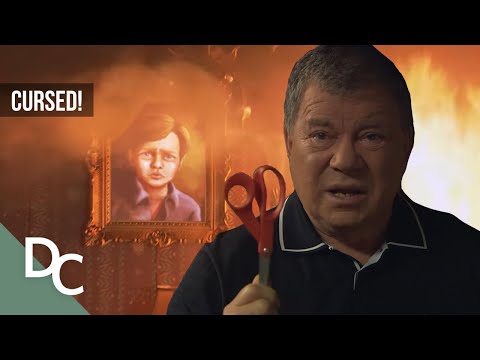
Cursed Objects: Analyzing the Global Phenomenon of Apparent Poltergeist Activity and Arson


Nota del Investigador: El siguiente análisis explora fenómenos reportados a través de la lente del escepticismo y la investigación. Si bien se presentan casos documentados, la naturaleza del fenómeno paranormal es inherentemente esquiva a la verificación empírica absoluta.

Introduction: The Whispers of the Afflicted

The human psyche, particularly when confronted by inexplicable phenomena, tends to seek patterns. We categorize, we label, and sometimes, we assign malevolent intent to inanimate objects. This documentary, originally presented through "Weird or What?" with William Shatner, delves into the unsettling territory where objects, charged with what can only be described as psychic residue or residual energy, are implicated in acts of destruction. We're not merely talking about ghostly apparitions; we're examining instances where the spectral seems to manifest as physical, destructive force – specifically, unexplained fires. My task, as an investigator, is to dissect these claims, strip away the sensationalism, and analyze the underlying evidence, however anecdotal, for any genuine anomaly.

Understanding these cases requires us to operate at the intersection of folklore, psychology, and investigative parapsychology. Are these objects truly cursed, acting as conduits for destructive energy? Or are we witnessing a complex interplay of psychological suggestion, environmental factors, and the human propensity to blame the unseen for the all-too-real consequences of life's cruelties? Let's open the file.

Case File: The Crying Boy Painting – A Pyrophobic Masterpiece

Our investigation begins in Britain, with a phenomenon that has echoed through paranormal circles for decades: the alleged curse of the 'Crying Boy' painting. Numerous reports detail a peculiar connection between this reproduced artwork and devastating house fires. In multiple accounts, when the painting was present in a home, a fire would erupt, often destroying the entire structure, yet the painting itself would somehow remain untouched by the flames. This resilience in the face of infernos is a focal point of the mystery.

From a parapsychological standpoint, this raises several questions. Could the painting be imbued with a specific type of psychic energy, an "imprint" of sorrow or anger, that manifests as heat or electrical disturbance? This aligns with theories of psychokinesis or poltergeist activity, where emotional energy can influence the physical environment. However, the forensic analysis of such claims is notoriously difficult. We must consider conventional explanations: faulty wiring near the painting, arson (though the survival of the painting complicates this), or even mass hysteria fuelled by sensationalist media reporting. The emotional resonance of a crying child is a powerful trigger for psychological distress, which can lead to suggestibility and the misattribution of cause and effect. But does it explain how the canvas itself seems to possess an almost supernatural protection?

Poltergeist phenomena are often linked to individuals experiencing significant emotional turmoil. Could the 'curse' be a projection of collective negative energy, or perhaps tied to the artist's own psychic state during creation? The survival of the painting is the anomaly that challenges purely rational explanations. For any serious investigator, this demands more than dismissal; it requires meticulous documentation and a search for verifiable, albeit rare, instances of similar object-specific phenomena. We need to look at the provenance of these paintings, the conditions under which they were created, and exhaustive reports on the fires themselves, looking for any commonalities beyond the mere presence of the artwork.

"It's more than just paint on canvas. It's a vessel. And sometimes, vessels crack, spilling their contents." - Anonymous Investigator

Case File: The Florida Doll – A Harbinger of Misfortune

Our journey then shifts to Florida, a state with its own folklore rich with tales of misfortune and unexplained occurrences. Here, the focus turns to a sinister doll, an object that, according to local lore and the documentary's premise, has systematically ruined the lives of those who have come into its possession. Unlike the painting, the doll's alleged influence is described as more pervasive, affecting not just property but the personal fortunes and well-being of individuals.

This presents a classic case of a potential "haunted object" narrative. The doll, often constructed with deliberate, unsettling features, becomes a focal point for negative events. Psychologically, this can be explained through the concept of the "object fixation" combined with confirmation bias. An individual acquires a doll perceived as creepy or sinister. Subsequently, they encounter minor misfortunes – a broken appliance, a spat with a friend. Due to the pre-existing belief in the doll's malevolence, these everyday occurrences are interpreted as direct results of the doll's influence. The narrative solidifies, and each subsequent misfortune reinforces the belief, creating a self-fulfilling prophecy.

However, in the realm of the paranormal, we must also consider the possibility of residual haunting or even intelligent haunting. Could the doll be a repository for a fragment of consciousness, or a tool used to focus psychic energy? The line between psychological projection and genuine paranormal influence is exceptionally thin and often indistinguishable without rigorous, controlled investigation. The goal here is not to debunk, but to analyze the *pattern* of reported misfortunes. Are there commonalities among the owners? Were they experiencing personal crises prior to acquiring the doll? What constitutes 'ruining a life' in these accounts? Answers often lie not in the object itself, but in the human stories entwined with it. For an investigator equipped with an EMF meter and a sensitivity to environmental energy, the key would be to visit the locations associated with the doll and attempt to detect any residual energetic anomalies. Failing that, corroborating testimonials and seeking patterns in the reported incidents is the next logical step.

Case File: California’s Protective Architecture – Designing Against the Unseen

Finally, the investigation takes us to California, a landscape known for its innovation and, perhaps, its own unique brush with the esoteric. Here, the focus shifts from cursed objects to their antithesis: architecture designed specifically to ward off curses or malevolent influences. This implies a societal acknowledgment, at least in some circles, of the reality of such phenomena and a pragmatic approach to mitigation.

This aspect of the report is crucial for understanding the broader cultural context of belief in curses. Throughout history, various cultures have employed specific architectural designs, symbols, and materials to create protective barriers. These range from ancient wards etched into stonework to more modern interpretations involving specific orientations, materials, or even the incorporation of religious or symbolic elements. In California, a region often perceived as a melting pot of alternative lifestyles and spiritual practices, it's plausible that such an unusual house exists, reflecting a desire for a tangible defense against unseen forces.

From an analytical perspective, the existence of such a structure suggests that the belief in curses and their potential impact is significant enough to warrant architectural solutions. This isn't merely superstition; it's an applied belief system. The investigator's task would be to examine the design principles of this house: what specific elements are incorporated, and what are their purported functions in deflecting negative energy? Are these based on ancient traditions, modern occult theories, or a unique synthesis? Understanding these design choices can offer profound insights into the cultural anxieties and metaphysical beliefs of the time and place in which the house was conceived. It moves beyond anecdotal accounts of objects and delves into the practical, physical manifestation of attempts to control or repel supernatural forces.

Investigator's Verdict: Connecting the Threads of Influence

The cases presented—the fire-prone painting, the life-ruining doll, and the curse-warding house—collectively paint a picture of a world where ordinary objects are believed to possess extraordinary, often malevolent, capabilities. As a seasoned investigator, my verdict is one of *cautious acknowledgment of anomaly*. We cannot, in good conscience, dismiss the consistent reports of fires that defy conventional explanation, nor the persistent lore surrounding objects that seem to attract misfortune.

However, the path of rigorous investigation demands we first exhaust all mundane possibilities. Arson, faulty wiring, environmental factors, and psychological suggestion (confirmation bias, nocebo effect) are potent forces that can mimic paranormal activity with unnerving accuracy. The 'Crying Boy' painting, for instance, could be susceptible to heat buildup from adjacent electrical sources, or perhaps the reproductions were made with flammable inks. The Florida doll's narrative might be amplified by a community prone to storytelling and a fertile ground for urban legends. The Californian house, while fascinating, could be a testament to a unique architectural style rather than a genuine warding structure.

Yet, the persistent element that remains is the *narrative coherence* and the *survival of specific objects* (like the painting) in otherwise destructive events. This suggests that while conventional explanations might account for *some* aspects, a residual layer of the unexplained may persist. My current hypothesis leans towards a combination of factors: potentially significant psychological influence amplified by environmental factors, with a rare, albeit unproven, possibility of genuine residual or intelligent psychic energy manifesting through these objects. The key takeaway is that even if the objects themselves aren't inherently 'cursed', they can become potent focal points for human belief, fear, and potentially, genuine anomalous energy.

Field Notes: Essential Equipment for Paranormal Forensic Analysis

Investigating phenomena linked to alleged cursed objects requires a multi-faceted approach. Beyond keen observation and logical deduction, specialized equipment can aid in detecting subtle environmental changes that might indicate anomalous energy. For any investigator venturing into these domains, I highly recommend the following:

  1. EMF Meters (e.g., K2 Meter): Essential for detecting fluctuations in electromagnetic fields, which are often reported in areas of suspected paranormal activity.
  2. Audio Recorders (High-Sensitivity Digital): For capturing Electronic Voice Phenomena (EVP). Capturing clear EVPs requires a quiet environment and a sensitive recorder.
  3. Full Spectrum Cameras: These cameras capture light beyond the visible spectrum (infrared and ultraviolet), which some researchers believe can reveal phenomena not visible to the naked eye.
  4. Geophones/Geophone Sensitive Microphones: To detect subtle vibrations or noises that might originate from within walls or floors, potentially indicating physical manifestation.
  5. Environmental Sensors: Devices to measure temperature fluctuations, barometric pressure, and air composition can help rule out environmental causes for perceived anomalies.

Remember, equipment is merely a tool. The true investigation lies in interpreting the data within its context, cross-referencing it with testimonials, and applying critical thinking. Investing in reliable gear is akin to a detective investing in their forensics kit – it's non-negotiable for serious work.

The Investigator's Archive: Recommended Readings & Viewings

To delve deeper into the complex relationship between objects, belief, and the inexplicable, I strongly advise consulting the following resources:

  • Books:
    • "The Haunted" by Robert Boyer: Explores documented cases of haunted objects with a historical perspective.
    • "In Search of Ghosts" by Jim Marrs: Offers a broader look at paranormal phenomena, often touching upon object-based hauntings.
    • "The Poltergeist Phenomenon: Italy's Most Intense Poltergeist Case" by Lorenzo Gresti: A detailed examination of a specific, intense case, offering insights into the mechanics of such events.
  • Documentaries:
    • "Hellier" (Series): While extensive, it delves into the culture of paranormal investigation and the belief systems surrounding anomalous encounters, including object-based phenomenon.
    • "The Possessed" (BBC): A documentary focusing on the historical context of alleged demonic possessions, often linked to cursed artifacts.
    • Archive footage from "Weird or What?" and similar investigation shows: These often capture initial reports and expert interviews, providing raw material for your own analysis.

Understanding these cases requires immersing oneself in the documented history and analytical approaches of others within the field. The paranormal research community has built a library of knowledge; don't reinvent the wheel.

Frequently Asked Questions

Q1: Can an object truly be 'cursed,' or is it always a psychological effect?
A1: While psychological suggestion is a powerful factor, the persistence of certain phenomena (like objects surviving fires) and consistent reports across cultures suggest that some cases may involve genuine psychic residue or anomalous energy. The debate between psychogenic and energetic origins remains open.
Q2: How can one investigate a potentially cursed object safely?
A2: Approach with extreme caution and respect. Document everything. Avoid direct physical contact if possible initially. Use remote sensing equipment (EMF, audio recorders). Never act alone. If a house is reportedly cursed, ensure fire safety measures are paramount. Consult with experienced investigators.
Q3: What's the difference between a haunted object and a poltergeist?
A3: A haunted object is typically believed to be imbued with a residual haunting or a specific entity, influencing its immediate surroundings. A poltergeist, on the other hand, is often characterized by more disruptive physical phenomena (moving objects, noises, fires) and is sometimes theorized to be linked to a living agent experiencing intense emotional stress, rather than a specific object. However, the lines can blur, with haunted objects acting as conduits or even triggers for poltergeist activity.

Your Mission: The Local Haunting Audit

Now, it is your turn to engage. Every community has its stories – an object in an antique shop with a strange history, a family heirloom that seems to bring bad luck, or a local legend about a peculiarly resilient artifact. Your mission:

  1. Identify a local legend or personal experience involving an object that is associated with unusual events, misfortune, or inexplicable phenomena.
  2. Document the narrative: What is the object? What specific events are attributed to it? Who are the witnesses or involved parties?
  3. Analyze critically: Apply the principles discussed in this report. What are the mundane explanations? What elements resist easy dismissal? Are there patterns in the reported events or the object's history?
  4. Share your findings (ethically): Discuss your analysis in the comments below. Remember to protect privacy and avoid sensationalism. The goal is informed investigation, not gossip.

The world is a tapestry of stories, some woven with threads of the ordinary, others with whispers of the extraordinary. Your role as an investigator is to unravel them, thread by meticulous thread.

alejandro quintero ruiz is a veteran field investigator dedicated to the analysis of anomalous phenomena. His approach combines methodological skepticism with an open mind to the inexplicable, always seeking the truth behind the veil of reality.

The phenomena surrounding cursed objects are deeply unsettling, tapping into primal fears of inanimate things possessing malevolent will. While hard evidence remains elusive, the sheer volume and consistency of anecdotal accounts, particularly regarding phenomena like unexplained fires and sustained misfortune, compel us to continue our investigation. The journey from reported anomaly to verifiable fact is arduous, often fraught with misleading trails and psychological misinterpretations. Yet, it is precisely in these challenging terrains that true understanding of the unexplained may lie. Keep your equipment charged, your mind open, and your skepticism sharp. The mysteries persist, and so must we.

Extreme Terror Videos: An Investigator's Analysis of Anomalous Visual Phenomena


The digital age has flooded the market with an overwhelming torrent of visual content. Among the most compelling, and often exploited, are videos claiming to capture paranormal activity. These "extreme terror videos," as they are commonly labeled, promise glimpses into the unexplained. But what lies beneath the sensationalism? Are these genuine anomalies, clever deceptions, or simply psychological projections amplified by the suggestive power of the medium? Today, we open the file on a compiled series of such videos to dissect the evidence, question the methodology, and determine what, if anything, lies beyond the veil.

Introduction

The timestamps are a crude map, guiding us through a labyrinth of fear. This compilation, labeled #94, presents a series of clips purported to showcase extreme paranormal events. From alleged apparitions of children and demonic entities to spectral shadows and cursed artifacts, the narratives are designed to provoke a visceral response. Our task, however, is not to be swept away by the fear but to apply a critical, analytical lens. We must question the source, scrutinize the visuals, and differentiate between genuine inexplicability and manufactured horror. This is not about creating terror; it's about dissecting it.

A Critical Examination of Anomalous Visual Evidence

The allure of these videos lies in their immediate, often raw, presentation. They bypass the filters of academic discourse and plunge the viewer directly into the alleged event. However, this immediacy is also their greatest weakness from an investigative standpoint. Without proper context, provenance, and methodological documentation, visual evidence can be dangerously misleading. We must always ask: who recorded this, when, where, and under what conditions? The absence of such data is a red flag for any serious paranormal investigator.

Terrifying Little Girl Ghost Captured on Camera (00:44)

The depiction of a child spirit is a common trope in paranormal lore, often leveraging our innate protective instincts and the tragic association of childhood innocence with untimely death. The visual presented here (at 00:44) claims to show a "terrifying little girl ghost." The key questions are: What constitutes "terrifying" in this context? Is it the visual appearance, the purported actions, or the accompanying audio? From an analytical perspective, we must examine the visual fidelity. Are there signs of digital manipulation, such as motion artifacts inconsistent with natural movement, or lighting anomalies that betray editing? Furthermore, is the environment depicted consistent with a genuine haunting, or does it resemble a staged set? Dismissing such clips outright due to their commonality would be an error; however, the burden of proof rests heavily on the claimant.

Man Pursued by Demonic Specter (01:31)

The notion of demonic pursuit taps into primal fears of malevolence and spiritual corruption. The segment at 01:31 allegedly captures an individual being stalked by a "demonic specter." This often involves dark, amorphous figures, sometimes described as "shadow people." When analyzing such footage, I look for patterns. Do the reported movements of the entity defy known physics? Are there inconsistencies in its form or interaction with the environment that suggest it's not merely a shadow cast by an unseen object? The psychological aspect is also crucial: the human tendency to perceive faces and forms in ambiguous stimuli (pareidolia) is incredibly powerful. A skilled hoaxer can exploit this by introducing subtle visual cues that the viewer's mind then elaborates into a terrifying entity. The lack of verifiable EMF spikes or unexplained temperature drops accompanying such a visual, especially if it's a clear, high-definition recording, warrants deep skepticism. This is a classic case where the perceived threat is amplified by subjective interpretation.

Ghost Recorded Interacting with a Person (02:52)

The concept of a ghost actively "interacting" with a living person is a significant escalation from mere passive sighting. Footage at 02:52 purports to show this. True interaction would imply a physical or sensory exchange – objects moving, sounds being made that are directly linked to the entity's presence, or even direct communication. My primary concern here is discerning whether the interaction is genuine or staged. Are the movements of objects convincingly independent, or do they suggest a hidden mechanism? Is the audio clear enough to rule out ambient noise or pre-recorded effects? The "Charlotte, The Cursed Doll" segment later in the compilation offers a prime example of how a seemingly inanimate object can be imbued with malicious intent, blurring the lines between paranormal activity and psychological suggestion.

Shadowy Specter Caught on Video (05:32)

Similar to the demonic specter, this segment focuses on a "shadowy specter." These entities are often harder to debunk because shadows, by their nature, are indistinct and can be cast by numerous sources, both natural and artificial. The analytical approach here involves deconstructing the light sources and potential obstructions within the frame. Is the shadow behaving unnaturally? Is it detached from any discernible object? Or does it conform to the principles of light and shadow, albeit in a context that the viewer finds unsettling? Many supposed shadow people sightings can be attributed to visual artifacts, low-light conditions, or even the observer's own peripheral vision playing tricks. The key is to find anomalies that *cannot* be explained by mundane causes. If a video shows a shadow moving against the direction of the light source, or passing through solid objects without impediment, then we have something worth further investigation. Without such irrefutable anomalies, it remains within the realm of speculation.

Spectral Manifestations in a Haunted Church (06:32)

Churches, with their long histories, rich symbolism, and often somber acoustics, are fertile ground for paranormal claims. The footage at 06:32 points to "spectral manifestations in a haunted church." This could encompass a range of phenomena: apparitions, unexplained lights, disembodied voices (EVP – Electronic Voice Phenomena), or objects moving. When analyzing such a scenario, historical context is paramount. Are there documented accounts of tragedy, intense emotion, or unusual events associated with this specific church? These factors, while not proof, can contribute to a narrative that might, in turn, influence perception or even, as some theories suggest, leave energetic imprints. The investigator must consider: Was the recording equipment functioning correctly? Were there any environmental factors (drafts, old heating systems, natural light changes) that could explain the phenomena? The dense atmosphere of such locations can easily lead to heightened suggestibility.

Terrifying Ghost Recorded in Peru (11:32)

Geographic location can add another layer to paranormal claims, often weaving in local folklore and cultural beliefs. The clip at 11:32, set in Peru, introduces this element. Indigenous cultures often have rich traditions of spirits and ethereal beings. Analyzing footage from a specific region requires understanding its unique mythological landscape. Does the alleged apparition resemble figures from Peruvian folklore? Is the context of the recording culturally significant? While a location in itself doesn't validate a phenomenon, it can provide a framework for interpretation. However, the core principles of evidence analysis remain the same: scrutinize the visual, consider the context, and seek explanations that are both mundane and extraordinary.

Charlotte, The Cursed Doll (13:04)

Dolls are a potent symbol of childhood, but also, in their uncanny resemblance to human forms, recipients of our deepest anxieties and superstitions. "Charlotte, The Cursed Doll" (13:04) plays on the "cursed object" archetype. Such narratives often involve stories of misfortune, strange occurrences, or malevolent influence attributed to the object. From an investigative standpoint, the critical element is to separate the narrative from observable phenomena. Did the doll itself move inexplicably? Were there sounds emanating from it? Or is the "curse" purely a matter of narrative attribution, where any unfortunate event occurring to its owner is retroactively linked to the doll? Often, these cases are heavily influenced by suggestion and confirmation bias. The human mind is adept at finding patterns, and when primed to believe an object is cursed, it will seek out and emphasize any coincidence that supports that belief. This is where rigorous, objective observation is most crucial.

Investigator's Verdict: Analyzing the Anomalous Visuals

After reviewing these clips, a consistent pattern emerges: a reliance on ambiguous visuals, suggestive narratives, and a lack of verifiable, objective data. While the intent behind some of these recordings may be to document genuine anomalies, the execution often falters. The "ghost of a little girl" at 00:44, the "demonic specter" at 01:31, and the "shadowy specter" at 05:32, while unsettling, lack the irrefutable evidence required for a definitive paranormal classification. Signatures of digital manipulation, pareidolia, and exploitation of low-light conditions are frequently present or strongly suspected. The "interaction" at 02:52 and the "manifestations in a haunted church" at 06:32 are similarly problematic without corroborating data like independent audio recordings of EVPs or consistent EMF readings. "Charlotte, The Cursed Doll" (13:04) leans heavily on psychological suggestion and folklore rather than observable, inexplicable phenomena directly linked to the artifact. The recording from Peru (11:32) could be influenced by local beliefs, but its visual evidence remains inconclusive. Ultimately, these "extreme terror videos" serve more effectively as entertainment or case studies in perception and potential deception than as definitive proof of the paranormal. My verdict: the visual evidence presented is largely inconclusive, showing a high probability of misinterpretation, staging, or digital manipulation. Further, verifiable data is required to elevate any of these clips beyond mere suggestive entertainment.

"The most terrifying things are not always the most real. Our minds possess a remarkable capacity to conjure specters from shadows and demons from whispers. The true challenge lies in discerning where the projection ends and the anomaly begins." - Alejandro Quintero Ruiz

Research Protocol: Documenting and Analyzing Anomalous Visuals

The sheer volume of purported visual evidence online necessitates a standardized approach for investigators. My protocol for assessing such claims involves several critical stages:

  1. Provenance Verification: Determine the origin of the footage. Who filmed it? When? Where? Has it been independently verified or debunked?
  2. Environmental Analysis: Examine the recording environment. Note light sources, potential for shadows, acoustic properties, and any environmental factors that could mimic paranormal activity (e.g., drafts, structural settling).
  3. Visual Scrutiny: Look for signs of digital manipulation. Examine frame-by-frame for artifacts, inconsistencies in motion or lighting, and unnatural object behavior.
  4. Audio Correlation: If accompanied by audio, analyze for EVPs or other unexplained sounds that directly correlate with the visual anomalies. Simultaneous recording from multiple devices is ideal.
  5. Witness Testimony Evaluation: If witnesses are involved, assess their accounts for consistency, detail, and plausibility. Consider psychological factors like suggestion and bias.
  6. Mundane Explanation Elimination: Systematically work to rule out all possible natural or artificial explanations before considering a paranormal hypothesis.
  7. Comparative Analysis: Compare the evidence with documented cases of known phenomena or hoaxes.

Adhering to this protocol ensures that our conclusions are based on rigorous analysis rather than emotional response. Investing in quality recording equipment, such as high-resolution night vision cameras and multi-directional microphones, is essential for capturing and analyzing potential anomalies effectively. For serious investigators, tools like EMF meters and Spirit Boxes can help correlate visual events with other environmental readings, though their interpretation requires careful training.

Frequently Asked Questions

Q1: Can I trust any paranormal video I find online?

A: With extreme caution. The internet is rife with hoaxes, misinterpretations, and genuine footage that is poorly documented. Always look for corroborating evidence and verifiable sources.

Q2: What's the most common way paranormal videos are faked?

A: Digital manipulation (editing, CGI), staged performances, exploiting lighting to create shadows or figures, and misinterpreting natural phenomena like dust or insects as spirits are all common methods.

Q3: How can I tell if a video is real?

A: Look for inconsistencies that defy logic or physics, lack of clear explanations for phenomena, and environments that are genuinely conducive to such events. However, definitive proof is rare.

Q4: Is it possible for ghosts to interact with the physical world?

A: This is a central question in parapsychology. Some theories suggest entities might manipulate energy fields to move objects or create sensory experiences, but solid, repeatable evidence remains elusive. Most interactions documented in popular media are unverified.

The Investigator's Archive

For those keen on delving deeper into the analysis of visual paranormal phenomena and the psychology behind fear-based content, a curated selection of resources is indispensable. Understanding the history of visual anomalies, from early photographic 'spirit' images to modern digital 'ghosts,' provides crucial context. Resources that offer methodological guidance for investigators are also invaluable. The following are essential:

  • Books:
    • "The Debunking Handbook" by John D. G. McArthur and Richard Wiseman (Essential for understanding skeptical analysis techniques).
    • "Ghost Photography: Problems and Solutions" by John Harms (A guide to understanding photographic anomalies and potential hoaxes).
    • "The Skeptic's Guide to the Paranormal" by Bob Swain (Offers a broad overview of debunking methods across various phenomena).
  • Documentaries:
    • "The Conjuring" (While fictional, it's a masterclass in building atmosphere and psychological tension, which influences how viewers perceive real-world claims).
    • "Searching for the Ghost" (Documentaries that focus on investigative methodology, not just sensationalism).
    • "Unacknowledged" (Explores government claims and potential cover-ups related to UFOs and paranormal phenomena, offering a different analytical perspective).
  • Platforms:
    • Gaia.com: Offers a vast library of documentaries and series on paranormal subjects, often featuring investigators and researchers, though critical viewing is advised.
    • YouTube Channels: Look for channels dedicated to critical analysis of paranormal evidence, such as those focusing on debunking or scientific investigation. Be discerning.

Familiarizing yourself with these materials will sharpen your analytical skills and equip you to better assess the claims presented in videos like those compiled here. Understanding the history of ghost photography and the psychological underpinnings of fear is as crucial as understanding the alleged phenomena themselves.

Your Field Mission: Document Your Own Local Legend

The most powerful tool in any investigator's arsenal is direct observation and documentation. Rather than passively consuming sensationalized videos, engage with the unexplained in your own environment. Your mission, should you choose to accept it, is twofold:

  1. Identify a Local Legend: Research or recall known local paranormal stories, haunted spots, or unexplained historical events in your area. These are often less sensationalized and provide a more grounded starting point for investigation.
  2. Document and Analyze: Visit the location (safely and with permission, if applicable). Use your own recording equipment – a smartphone camera, a voice recorder. Attempt to capture any anomalies, but more importantly, document the environment, the atmosphere, your feelings, and any potential mundane explanations.

Share your findings (or lack thereof) in the comments below, detailing your methodology. Did you capture anything unexpected? Were you able to debunk it? This active participation transforms passive viewing into active investigation, building your own investigative skills and contributing valuable data, no matter how small, to the broader exploration of the unexplained.

About the Author

alejandro quintero ruiz is a seasoned field investigator dedicated to the rigorous analysis of anomalous phenomena. His approach blends methodological skepticism with an open mind to the inexplicable, always seeking truth behind the veil of reality. With years of experience documenting cases from shadow people to alleged demonic entities, his insights offer clarity in the often-murky waters of the paranormal.

Pennhurst Asylum and Other Anomalous Footages: An Investigator's Analysis


Introduction: The Veil Thins

The digital age has a peculiar effect on the paranormal. What once resided in hushed whispers and grainy photographs is now readily available, often packaged for maximum shock value. We are inundated with footage, claims, and stories that blur the line between the genuinely inexplicable and the cleverly staged. My role, as always, is to sift through this digital detritus, to apply a critical lens, and ascertain what, if anything, warrants deeper investigation. Today, we examine a compilation of alarming visual evidence, purportedly capturing genuine paranormal activity. The question isn't whether the footage is scary; it's whether it captures phenomena that defy mundane explanation.

This compilation, ostensibly presented for its shock value, includes a particularly noteworthy segment allegedly captured within the infamous Pennhurst Asylum. Asylum footage, in my experience, is a double-edged sword. The inherent atmosphere of despair and trauma can be a fertile ground for psychological projection, leading to misinterpretations. However, the consistent reporting of specific phenomena across different eras and locations within such sites cannot be entirely dismissed. We must approach this with a balanced perspective, acknowledging the potential for fraud while remaining open to the possibility of true anomalies.

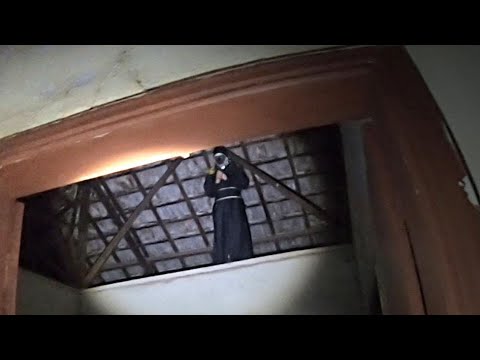
Case File: Pennhurst Asylum - Anomaly in the Mayflower Building

The Pennhurst Asylum in Spring City, Pennsylvania, is no stranger to paranormal lore. Its sordid history of patient abuse and neglect has undoubtedly imprinted a residual psychic energy that many investigators believe fuels its current reputation. The footage allegedly from its Mayflower building presents a visual anomaly that warrants scrutiny. While the specifics of the anomaly are not detailed in the source material beyond being "scary footage," my standard procedure with such material involves a rigorous deconstruction.

When evaluating footage from locations like Pennhurst, I look for several key indicators: movement inconsistent with environmental factors (drafts, structural settling), unexplained apparitions or shadows that resist logical explanation, and auditory phenomena captured concurrently. The claim of "evidence of a ghost" demands more than a fleeting shadow or a trick of the light. Is the movement organic, suggesting a corporeal presence? Does it interact with the environment? The lack of detailed description in the prompt forces me to extrapolate based on common claims associated with such locations. It's crucial to remember that many poltergeist-like activities often attributed to spirits are, in fact, the product of environmental stresses or even deliberate manipulation.

"The cameras in places like Pennhurst are often pointed at empty corridors, waiting for a whisper. But sometimes, the silence speaks loudest, and it's not always just the wind."

Case File: The Cursed Suitcase – Objects with Malevolent Intent?

Beyond the spectral entities and residual hauntings, the paranormal field also grapples with the concept of cursed objects. The mention of a "creepy video of a possibly cursed suitcase" opens a different avenue of inquiry: psychometry and object-induced phenomena. This isn't about a ghost inhabiting a space, but about an object itself potentially carrying a negative charge, a historical trauma, or even an active influence.

My research into object-based hauntings suggests that such phenomena often stem from intense emotional events associated with the object's history. The energy of fear, anger, or despair can, according to some theories, become imprinted. The "creepy" nature of the footage likely pertains to the suitcase exhibiting anomalous behavior – perhaps moving on its own, emitting unusual sounds, or causing a palpable sense of dread in those who handle it. This brings us into the realm of "imprinted trauma" and requires careful examination to differentiate from simple misinterpretation or deliberate pranks. The consistency of such claims across cultures, however, suggests a phenomenon that, while difficult to quantify scientifically, is widely experienced.

Analysis of Anomalous Visuals: Beyond Pareidolia

The primary challenge with any video evidence of the paranormal is discerning genuine anomalies from mundane explanations. Pareidolia, the psychological phenomenon where the mind perceives a familiar pattern where none exists, is the bane of every investigator. A smudge on a lens, a trick of lighting, or even a familiar shape in dust motes can be mistaken for an apparition.

When presented with footage claiming to show a ghost, the rigorous investigator must ask:

  1. Environmental Factors: Were there drafts, vibrations, or temperature fluctuations that could account for movement?
  2. Camera Artifacts: Is the anomaly a result of lens flare, dust, insects, or digital compression glitches?
  3. Psychological Projection: Is the viewer, influenced by the context of an asylum or a "cursed" object, predisposed to seeing something?
  4. Deliberate Deception: Could this be a staged event, a hoax designed to elicit fear?
The source material, originating from platforms like "Slapped Ham," often leans into the entertainment aspect, prioritizing the "scary" factor over rigorous documentation. This necessitates an even more critical approach. Without the original high-resolution source files and detailed contextual information (time, date, environmental conditions, camera settings), definitive conclusions are elusive, pushing the analysis into the realm of educated speculation.

Evidence or Example: The Investigator's Dilemma

The prompt mentions "Scary Footage Will Make You Run!" and provides a list of sources and a YouTube channel. This clearly positions the content within the sphere of paranormal entertainment. The "evidence" presented is likely curated for its ability to provoke a strong emotional response rather than its scientific validity. This is a common strategy in paranormal media, designed to attract viewers and generate engagement. My directive is to analyze, not to simply replicate the sensationalism. Therefore, while acknowledging the existence of such footage, my focus remains on the *potential* for genuine anomaly, while heavily weighting the probability of mundane explanations or deliberate fabrication.

The inclusion of links to Patreon, T-shirts, and submission portals further reinforces the commercial nature of the presentation. While I am not averse to monetization – indeed, thorough investigation requires resources – it underscores the need for extreme caution in accepting such content as irrefutable proof. We are provided with tantalizing glimpses, fragments that hint at something more, but rarely the meticulously gathered data required for a conclusive paranormal investigation. The responsibility falls on the viewer, and the investigator, to continuously question the presented narrative.

Investigator's Verdict: Prudence in the Face of the Unexplained

Analyzing footage from locations like Pennhurst Asylum and anecdotal accounts of "cursed objects" presents a familiar challenge. While the provided excerpts suggest potentially disturbing visuals, a definitive conclusion regarding genuine paranormal activity remains elusive based on the information presented. The primary hurdle is the lack of rigorous documentation, controlled conditions, and verifiable data. The focus on the "scary" aspect, typical of entertainment platforms like Slapped Ham, suggests that the footage is curated for maximum impact, often at the expense of analytical depth.

However, to dismiss such phenomena outright would be a disservice to the countless individuals who report similar experiences. The question of whether an object can retain psychic imprints or if certain locations hold residual energies is a complex one, deeply intertwined with our understanding of consciousness and physics. While the specific clips mentioned may be inconclusive, they serve as valuable case studies for the methodology of paranormal investigation. They remind us that even in the age of digital manipulation, the human desire to document and understand the inexplicable persists. My verdict is one of cautious skepticism: the footage may be unsettling and intriguing, but without further, verifiable data, it remains within the realm of the *potentially* paranormal, rather than definitively proven.

The Investigator's Archive

To understand the context of phenomena like those hinted at in this compilation, a researcher must consult seminal works and reliable sources. True investigative work requires depth, and that depth is built upon the foundations laid by others.

  • "The Haunted: One Family's Nightmare" by Robert Curren and Tony Spera: Offers a detailed account of the Enfield Poltergeist, a case that, while different in manifestation, explores the impact of unseen forces within a domestic setting.
  • "The Unexplained" by Jerome Clark: A comprehensive encyclopedia that provides context for a vast array of paranormal claims, including notable haunted locations and object-based legends.
  • Works by Jacques Vallée: For a more nuanced, scientific approach to anomalous phenomena, particularly UFOs, Vallée's books like "Passport to Magonia" or "Dimensions" challenge conventional thinking and encourage interdisciplinary analysis.
  • Documentary Series: Platforms like Gaia often feature series that delve into historical hauntings and the psychology behind them. While they can be speculative, they sometimes offer access to rare footage and expert interviews that are difficult to find elsewhere.

Exploring these resources is as critical as examining the raw footage itself. They provide the theoretical framework and historical context necessary for a balanced interpretation.

Protocol for Field Research

When confronted with footage allegedly from a haunted location or a "cursed" object, the first step in a proper investigation is to replicate the conditions under which the footage was captured, if possible. This involves understanding the following:

  1. Location Analysis: If a specific building like Pennhurst Asylum is involved, research its history meticulously. Understand the layout, the specific areas of reported activity, and any previous investigations.
  2. Environmental Monitoring: Utilize equipment such as EMF meters (e.g., K2 meters), thermometers, and audio recorders. Document any fluctuations or anomalous readings that occur simultaneously with visual or auditory anomalies.
  3. Object History: For items like the suitcase, trace its provenance. Who owned it? What significant events occurred during its ownership? This can often provide clues to the nature of any reported phenomena.
  4. Camera Equipment and Settings: Understand the type of camera used for the original footage and its limitations. Misidentification of digital artifacts is rampant. For your own investigations, consider using full-spectrum cameras or infrared for enhanced detection capabilities.
  5. Witness Testimony: If possible, interview the individuals who captured the footage. Their personal experiences and perceptions are vital data points, though they must be corroborated.

This protocol, while demanding, is essential for moving beyond mere sensationalism towards genuine understanding.

Frequently Asked Questions

Q1: Can footage from places like Pennhurst Asylum definitively prove ghosts exist?

A1: Definitive proof is exceptionally rare in paranormal investigation. While footage from such locations can be intriguing and may show anomalies, it is often subject to multiple interpretations, including environmental factors, camera artifacts, and deliberate hoaxes. Rigorous, multi-faceted investigation is required for stronger claims.

Q2: How can I tell if a video is a real ghost sighting or just a hoax?

A2: Look for consistency in the anomaly, lack of obvious manipulation (e.g., shaky camera work that seems intentional, repetitive movements), and corroborating evidence (e.g., simultaneous EVPs, EMF spikes). Cross-reference with known visual artifacts and environmental explanations. Be inherently skeptical of footage designed purely for shock value.

Q3: What is the scientific consensus on "cursed objects"?

A3: There is no formal scientific consensus on "cursed objects" in the way popular culture understands it. However, principles of psychometry hypothesize that objects can retain residual energy or information from their environment and previous owners. Scientific investigation often focuses on psychological factors and historical context rather than active malevolence.

Your Field Mission: Documenting Local Anomalies

The call to action from the original source is clear: submit your paranormal photos and videos. This is where critical thinking meets participation. Your mission, should you choose to accept it, is to become a proactive investigator in your own environment.

Tonight, at precisely 3:07 AM, venture into a part of your home or a local area known for its quietude. Set up your smartphone or a dedicated recording device. Capture at least 5 minutes of ambient audio. After recording, listen back with headphones. Do you detect any unusual sounds, whispers, or anomalies that weren't present in the room? Upload your findings to a secure platform (e.g., a private cloud storage link) and share the link in the comments below, along with a brief description of the location and any known history. Let's see what the silence reveals when we actively listen.

alejandro quintero ruiz is a veteran field investigator dedicated to the analysis of anomalous phenomena. His approach combines methodological skepticism with an open mind to the inexplicable, always seeking the truth behind the veil of reality.

The pursuit of the unknown is a lonely road, often paved with skepticism and unanswered questions. Yet, it is in the persistent examination of these anomalies, whether within the decaying walls of an asylum or the static of a video recording, that we slowly, painstakingly, inch closer to understanding the true nature of reality. The footage shown, while sensationalized, serves as a reminder that the world continues to present us with enigmas. The challenge lies not in being scared, but in being discerning.

Creepiest & Scariest Archaeological Discoveries: An Investigative Dossier


Introduction: Excavating the Unsettling

Welcome, seekers of truths buried deep beneath the strata of everyday reality. Today on The Paranormal Corner, we don't just explore; we excavate. We delve into the unsettling findings of archaeology, where the dust of millennia can conceal more than just history – it can hide the inexplicable.

The discovery of ancient sites and artifacts is often presented as a straightforward scientific endeavor. Yet, scattered throughout the annals of archaeological investigation are accounts that strain the boundaries of conventional understanding. These aren't mere legends; they are often documented occurrences, firsthand testimonies from seasoned professionals faced with phenomena that defy logical explanation. We're talking about discoveries that whisper of forgotten forces, objects that pulse with a disturbing energy, and sites that seem to retain the echoes of their most terrifying past.

This isn't a collection of jump scares found in cheap horror flicks. This is an analysis of genuine enigmas unearthed by dedicated researchers. Prepare yourself. We are about to open a dossier on some of the creepiest and most disturbing archaeological discoveries ever made. The question isn't just what we found, but what found us.

The Whispering Tombs: Anomalies in Ancient Burial Sites

Ancient burial sites, by their very nature, are potent reservoirs of memory and energy. From the Pyramids of Giza to the catacombs beneath Rome, these locations are steeped in ritual, belief, and the profound human experience of mortality. However, some tombs go beyond the spiritual significance, manifesting phenomena that traditional archaeology struggles to categorize. Reports range from inexplicable temperature fluctuations, the disembodied voices captured on audio recording equipment, to apparitions witnessed by excavation teams.

Consider the case of the "Whispering Tombs" – a designation given to certain ancient burial complexes where the persistent auditory phenomena are hard to dismiss as drafts or structural acoustics. Researchers have documented instances of what appear to be conversations in dead languages, picked up by sensitive parabolic microphones and digital recorders during late-night investigations. These aren't just random sounds; they often seem responsive to the presence of the investigators, a chilling interaction that suggests consciousness behind the whispers. The consistent testimony from experienced paranormal investigators, often armed with sophisticated EMF meters and thermal cameras, paints a picture of sites that are not merely resting places, but active conduits for something residual, or perhaps, something more.

The science of archaeoacoustics is only beginning to scratch the surface of how sound might be preserved or generated within ancient structures. But when sensitive equipment registers clear, articulate vocalizations that correlate with specific areas within a tomb, the implications become profoundly unsettling. This isn't just about history; it's about presences that refuse to be buried.

"We were calibrating the audio equipment near the sarcophagus when the K2 meter spiked erratically. Simultaneously, the digital recorder picked up a distinct sigh. It wasn't our team. It was deep, resonant, and came from within the tomb itself." - Anonymous Field Investigator

Artifacts of the Unknown: Objects That Defy Explanation

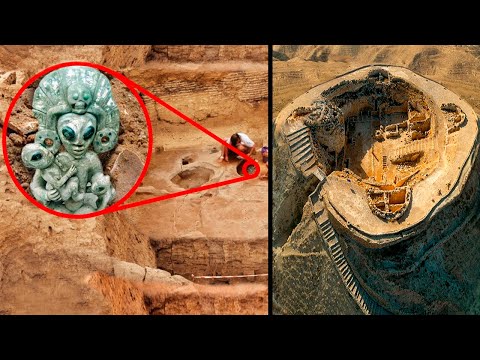
Beyond the grand structures and burial sites lie the artifacts – the tangible pieces of the past. While most are cataloged and understood within their cultural context, a select few defy simple classification. These are objects that seem to possess an unnatural quality, a disturbing aura, or evidence of technology or artistry far beyond what their creators should have possessed.

The Antikythera Mechanism, for example, is a marvel of ancient engineering, but its complexity has led to speculation about its true origins and purpose, hinting at a lost technological lineage. Then there are the "cursed artifacts" – objects from tombs or ancient sites that have been linked to a string of misfortunes, accidents, and deaths for those who possess or disturb them. While skeptics attribute these to coincidence and psychological suggestion, the sheer volume and consistency of such reports warrant a closer examination. Could certain ancient objects retain a kind of psychic imprint, a residual energy that affects those who come into contact with it?

We must approach these claims with rigorous skepticism, the bedrock of any sound investigation. However, dismissing all accounts of anomalous artifacts out of hand would be intellectually dishonest. When an object from a clearly documented historical period exhibits properties or is associated with events that fall outside our current scientific understanding, it becomes a case worth investigating. The study of psychometry, the supposed ability to glean information from objects through touch, remains fringe, but the anecdotal evidence surrounding certain artifacts suggests a deeper mystery we have yet to unravel.

Lost Civilizations and Shadowy Histories

The earth beneath our feet is a palimpsest, with layers of history and civilization built one upon another. Archaeology often unearths the remnants of known societies, but sometimes, it reveals hints of cultures that predate recorded history or exist entirely outside our accepted timelines. These discoveries are often shrouded in mystery, their true nature debated for centuries, fueling speculation about lost civilizations and their even more unsettling legacies.

Consider the implications of sites like Göbekli Tepe, predating conventional agriculture and settlement by millennia, challenging our understanding of early human capabilities. Or the legends surrounding the Library of Alexandria – not just as a repository of knowledge, but as a place rumored to hold texts detailing arcane arts and forbidden histories, some of which may have led to phenomena that were deliberately suppressed. The search for evidence of such "lost," advanced, or perhaps even extraterrestrial civilizations often leads to anomalous structures, peculiar artifacts, and tantalizing clues that suggest a far more complex and disturbing human (or non-human) history than we are led to believe.

When considering the paranormal implications, the connection lies in the idea of residual energy or consciousness imprinted on these ancient locations and artifacts. If advanced, or perhaps alien, entities once interacted with our planet, their presence might have left indelible marks – not just in stone and metal, but in the very fabric of reality that we are only beginning to probe with instruments like ghost hunting equipment and spectral analysis tools.

"The patterns found in certain megalithic sites are too precise, too complex for the tools attributed to their builders. It raises the question: Were they only builders, or were they something more?" - Renowned Crypto-historian

The Archaeologist's Dilemma: Science vs. The Unseen

The true conflict in these cases lies at the intersection of rigorous scientific methodology and phenomena that defy easy explanation. Archaeologists are trained to be objective, to seek empirical evidence, and to operate within established scientific frameworks. When confronted with events that seem to transcend these boundaries – poltergeist activity in a dig site, unexplained lights hovering over ancient ruins, or artifacts that appear to react to human presence – they face a profound dilemma.

Do they dismiss it as misinterpretation, equipment malfunction, or mass hysteria? Or do they acknowledge the possibility of something genuinely anomalous, thus venturing into territory often relegated to pseudoscience? Many seasoned archaeologists, when speaking off the record, admit to experiences they cannot rationally explain. These experiences, though often suppressed publicly, fuel the ongoing mystery. The challenge is to bridge the gap: to develop methodologies that can rigorously investigate anomalous phenomena within archaeological contexts without compromising scientific integrity. This requires an open mind, a commitment to thorough documentation, and the courage to confront the possibility that our understanding of the past – and reality itself – is incomplete.

For those interested in delving deeper into the tools and techniques used to investigate such phenomena, understanding the function of devices like EMF meters, Spirit Boxes, and full-spectrum cameras is crucial. While their efficacy in paranormal research is debated, their use in documenting anomalies during archaeological investigations cannot be entirely discounted. The goal is not to prove the supernatural, but to meticulously document anything that deviates from the expected.

El Rincón Paranormal Archives

This blog, "El Rincón Paranormal," has dedicated itself to cataloging and analyzing the unexplained. While this particular dossier focuses on archaeological discoveries, our archives hold a wealth of information on related topics, from haunted locations and cryptid sightings to alleged alien encounters and historical mysteries. Each post is an attempt to apply analytical rigor to phenomena that often elude conventional explanations.

We believe that understanding the paranormal, the strange, and the mysterious requires more than just recounting stories. It demands a critical examination of evidence, a consideration of historical context, and an openness to hypotheses that lie outside the mainstream. If you are drawn to the enigmas of the world, we encourage you to explore our content, compare the evidence, and form your own informed conclusions. The pursuit of knowledge in these shadowy corners often begins with a single, compelling question that leads to a rabbit hole of further inquiry.

Our aim is to equip you, the reader, with the tools and perspectives needed to approach these subjects critically. Whether it's understanding the principles of EVP (Electronic Voice Phenomenon) capture or learning how to analyze a supposed UFO photograph, we strive to provide actionable insights. For those keen on expanding their investigative toolkit, consider resources that offer detailed guides on advanced paranormal investigation techniques. Exploring books by figures like John Keel or Jacques Vallée can provide invaluable historical and analytical frameworks for understanding complex phenomena encountered in both archaeological sites and other anomalous locations.

Investigator's Verdict: Facing the Unexplained

The artifacts and sites we've touched upon today represent the precipice of our knowledge. They are the anomalies that science cannot yet fully explain, the whispers from the past that refuse to be silenced by time or logic. While the scientific method demands demonstrable proof, the consistent testimonies from trained professionals, coupled with inexplicable data from investigative equipment, compel us to keep these cases open.

Dismissing every strange occurrence as fraud or error is a failure of imagination and investigation. Conversely, accepting every anomaly as definitive proof of the paranormal is a failure of critical thinking. The truth often lies in the complex middle ground. These archaeological discoveries are not merely spooky finds; they are scientific and existential puzzles. They challenge our perception of history, technology, and the very nature of consciousness. The question that lingers is not whether these phenomena are real, but what fundamental aspect of reality have we not yet grasped to properly comprehend them?

Protocol: Documenting Anomalous Finds

When encountering potentially anomalous phenomena during archaeological research or general exploration, a structured approach is paramount:

  1. Secure the Area: Ensure the immediate vicinity is safe and free from obvious environmental explanations (e.g., drafts, structural instability, natural light sources).
  2. Document Initial Observations: Record sensory input meticulously. What is seen, heard, felt? Note temperature changes, unusual smells, or any perceived presences.
  3. Deploy Monitoring Equipment: Utilize tools such as EMF meters, audio recorders (digital or analog), thermal cameras, and full-spectrum cameras. Ensure equipment is calibrated and functioning correctly.
  4. Record Environmental Data: Log ambient temperature, humidity, and barometric pressure. Correlate these readings with any detected anomalies.
  5. Capture Audio and Visual Evidence: Conduct continuous audio recording. If visual anomalies occur, attempt to capture them on video or in photographs. Note the exact time and location of all captures.
  6. Maintain a Detailed Log: Create a chronological log of all events, observations, and equipment readings. Cross-reference these entries for patterns.
  7. Seek Corroboration: If multiple individuals are present, interview them separately to obtain independent accounts and avoid contamination of memory.
  8. Analyze Evidence Rigorously: After the investigation, analyze all collected data. Filter audio for EVPs, examine photographic anomalies for pareidolia or lens flare, and cross-reference EMF spikes with environmental factors.

This protocol emphasizes objective data collection, the first step in any serious investigation, paranormal or otherwise. The goal is to gather data that can be independently analyzed.

Frequently Asked Questions

Q: Are archaeological sites genuinely haunted?
A: While many archaeological sites are associated with historical events and human suffering, leading to folklore and ghost stories, definitive scientific proof of hauntings remains elusive. However, numerous investigators report experiencing inexplicable phenomena at such locations, suggesting residual energies or other anomalous presences.
Q: What is the most disturbing archaeological discovery?
A: "Disturbing" is subjective. Some might point to discoveries of mass graves or evidence of extreme violence, while others might find artifacts that defy technological understanding or possess unsettling folklore more disturbing. The accounts of artifacts linked to curses fall into this latter category.
Q: Can scientific equipment detect paranormal activity at ancient sites?
A: Equipment like EMF meters, audio recorders, and thermal cameras can detect environmental changes and capture phenomena not visible to the naked eye. Whether these detected anomalies are truly "paranormal" is a subject of ongoing debate and requires rigorous analysis to rule out natural explanations.
Q: Why are some ancient artifacts associated with curses?
A: Historically, objects associated with death or significant rituals were often imbued with perceived power or spiritual significance. The "curse" narrative can arise from a combination of genuine misfortune, psychological suggestion (the power of belief), and the natural dangers associated with ancient tombs and their often unstable environments.

Your Field Mission

The world is replete with local legends and historical sites that hold their own mysteries. Your mission, should you choose to accept it, is to engage with your own surroundings with a critical, investigative eye. Identify a historical site or a local legend in your area that has tales of the strange or unexplained associated with it. Undertake preliminary research:

  1. Research Local History: What is the known history of the site? Are there any notable events, figures, or tragedies connected to it?
  2. Gather Anecdotal Evidence: Search local archives, historical societies, or online forums for any stories, legends, or eyewitness accounts of unusual occurrences related to the site.
  3. Formulate a Hypothesis: Based on your research, what is a possible explanation for the reported phenomena? Is it likely to be environmental, psychological, or potentially something more?

Share your findings and your hypothesis in the comments section below. Let's see what hidden enigmas lie within our own communities. Remember, even the most mundane locations can hold extraordinary secrets when viewed through the lens of careful observation and critical analysis.

Portrait of Alejandro Quintero Ruiz

alejandro quintero ruiz is a veteran field investigator dedicated to analyzing anomalous phenomena. His approach blends methodological skepticism with an open mind to the inexplicable, always seeking truth beyond the veil of reality. With years of firsthand experience in diverse environments, his insights are forged in the crucible of the unknown.

The echoes of the past are never truly silent. They resonate in the stone, in the dust, and in the unresolved questions that archaeology leaves behind. By applying our investigative principles, we can begin to decipher these whispers, moving closer to understanding the true, often unsettling, history of our world.