Followers

Mostrando las entradas con la etiqueta Erich von Däniken. Mostrar todas las entradas

Anunnaki: El Legado de Erich Von Däniken y Billy Carson

Image

El legendario Erich Von Däniken, pionero en desvelar los secretos de los Anunnaki y autor de "Recuerdos del Futuro", protagoniza un encuentro culminante con Billy Carson en "Anunnaki Ancient Secrets Revealed: The Grand Finale". Juntos, desmantelan mitos, conectan textos ancestrales con la arqueología moderna y exploran la posibilidad de un contacto extraterrestre que redefine nuestra comprensión de la historia y nuestro propio origen. Este análisis profundiza en las revelaciones que desafían la narrativa convencional, sugiriendo que nuestra civilización es la herencia de antiguas deidades estelares y planteando la inquietante pregunta: ¿está su regreso cerca?

El Encuentro Épico: Von Däniken y Carson

La figura de Erich Von Däniken, cuyo trabajo seminal "Recuerdos del Futuro" (originalmente "Chariots of the Gods?") abrió las puertas a teorías sobre visitantes de otros mundos influyendo en generaciones, se une a Billy Carson en este que promete ser un diálogo histórico. La despedida póstuma de Von Däniken, lamentada profundamente por Carson y la comunidad de teorías de la conspiración, envuelve este episodio con una carga emocional significativa.

Los testimonios de la audiencia reflejan esta conexión: "Rest in POWER Erich my friend, will miss your wise words and endless knowledge. - Billy" y "RIP Erich Von Daniken I never got a chance to meet you, however watching your videos I felt like I have I am sad about your passing, humanity has lost a great person". Estas palabras sublican la profunda admiración y el impacto que Von Däniken tuvo, validando la importancia de su trabajo en el campo de los misterios antiguos y los fenómenos anómalos.

Recommended Gear for Investigation

ProductDescriptionBuy
Archivos Secretos: Lo que los Gobiernos Saben sobre lo ParanormalAn excellent choice to complement your research on this topic.View on Amazon
Manual del Investigador Paranormal: (Versión sin solapas) (Investigación Abierta)An excellent choice to complement your research on this topic.View on Amazon
SUCESOS REALES PARANORMALES DE TERROR: 50 casos que te dejarán helado ! Ilustrado !An excellent choice to complement your research on this topic.View on Amazon
Recuerdos Del Futuro: Enigmas del pasado sin resolver (Mundo mágico y heterodoxo)An excellent choice to complement your research on this topic.View on Amazon
Muy Paranormal: Los 50 casos más extraños de la historia (Marcado por el misterio)An excellent choice to complement your research on this topic.View on Amazon
ANUNNAKI: Reptilianos, El Salto Evolutivo de la Humanidad (2 Libros en 1)An excellent choice to complement your research on this topic.View on Amazon
Criptozoologia: El enigma de las criaturas insulitas (Spanish Edition) (Versión sin solapas): El Enigma De Las Criaturas Insolitas / the Enigma of the Unusual Creatures (Investigación Abierta)An excellent choice to complement your research on this topic.View on Amazon
Experiencias Paranormales Reales II: Rostros del más alláAn excellent choice to complement your research on this topic.View on Amazon
Más allá de lo sobrenatural: Casos reales de fantasmas, aparecidos, posesiones demoníacas, coincidencias imposibles…: 17 (Historia Oculta)An excellent choice to complement your research on this topic.View on Amazon
La mano en el espejo: Una historia real sobre la vida después de la muerte (ENIGMAS Y CONSPIRACIONES)An excellent choice to complement your research on this topic.View on Amazon

Carson, visto por muchos como el sucesor natural en esta línea de investigación crítica, recibe la antorcha con un sentido de responsabilidad. Una audiencia comenta: "Before I watched this... I'm telling you now I thought to myself like Billy is basically going to be the one who pretty much takes this time the next level... And low and behold the torch was passed... Absolutely amazing". Esto subraya la percepción de continuidad y la expectativa de que el legado de Von Däniken en la exploración de los OVNIS y extraterrestres será continuado.

Los Anunnaki y Nuestra Historia

El núcleo de la discusión gira en torno a los Anunnaki, una raza de seres supuestamente descrita en textos sumerios antiguos, a quienes se atribuye un papel fundamental en la formación de la civilización humana y el desarrollo de nuestra genética. Von Däniken y Carson exploran las implicaciones de estas teorías, que sugieren que estos "dioses" extraterrestres intervinieron activamente en el pasado de nuestro planeta.

La hipótesis central es que muchos de los mitos de creación y las figuras divinas en diversas culturas no son sino interpretaciones de encuentros con estos seres avanzados. "I like the idea that many of the circles were markers where humans made contact with the 'gods'", señala un espectador, conectando las teorías de Von Däniken sobre los círculos de cosechas con la narrativa Anunnaki.

Este enfoque desafía directamente la arqueología prohibida aceptada, proponiendo que la evidencia de esta intervención está oculta a plena vista en monumentos antiguos, textos religiosos y artefactos que mainstream descarta o reinterpreta de forma convencional. La pregunta fundamental que se plantea es si nuestra existencia es realmente un legado de estos seres estelares y si su regreso podría ser inminente.

Evidencia Suprimida y Revelaciones

La conversación promete desvelar evidencia que, según los ponentes, ha sido suprimida por las élites o ignorada por la ciencia tradicional. Desde la interpretación de tablillas sumerias hasta supuestos documentos gubernamentales sobre contactos extraterrestres, la búsqueda de pruebas tangibles es un hilo conductor.

"Rest in Peace Mr. Erich Von Daniken we love you, you enlightened us and complete our knowledge about our true existence, Thank you for everything and we appreciate you, God speed."

Este testimonio encapsula la gratitud de quienes sienten que el trabajo de Von Däniken les ha proporcionado respuestas a preguntas existenciales sobre su "verdadera existencia". La idea de una "conspiración" para ocultar la verdad sobre nuestra historia y origen es recurrente en los comentarios de la audiencia, alimentando el interés en este tipo de contenido que promete romper el velo de la desinformación.

El episodio final se presenta como el clímax de esta investigación, uniendo puntos que abarcan desde la antigüedad hasta las revelaciones modernas sobre fenómenos aéreos no identificados (UAP), sugiriendo una conexión entre el pasado Anunnaki y el presente fenómeno OVNI.

El Legado que Trasciende

La partida de Erich Von Däniken deja un vacío, pero su legado, amplificado por figuras como Billy Carson, parece estar asegurado. "That was special. I think that torch is in good hands" y "The new leader Eric passed the torch god love our people on this" son comentarios que reflejan esta esperanza colectiva.

La audiencia expresa un profundo respeto y gratitud: "Rest in peace Eric thank you for helping to open our eyes" y "Renowned Erich Von Däniken, the pioneering author of Chariots of the Gods Rest in Paradise you was my favorite guy". La conexión personal que muchos establecieron con Von Däniken a través de su trabajo es palpable y subraya la importancia de mantener vivas estas ideas y el espíritu de investigación incansable.

El trabajo de Carson, apoyado por la energía de seguidores como se evidencia en "Let's go brothers and sisters!", representa la continuidad de la exploración de los misterios que definen nuestra existencia y nuestro lugar en el cosmos.

Veredicto del Investigador: ¿Anunnaki, Un Misterio Perdurable?

El concepto de los Anunnaki, popularizado por Von Däniken y explorado por Carson, se mantiene como una de las teorías más fascinantes y controvertidas sobre los orígenes de la humanidad. Si bien la evidencia concreta y aceptada por la comunidad científica tradicional sigue siendo esquiva, la persistencia de estas narrativas en textos antiguos y su resonancia en la cultura popular moderna no pueden ser ignoradas.

Desde una perspectiva pragmática, la falta de artefactos inequívocos o registros históricos que nombren directamente a los "Anunnaki" como entidades extraterrestres deja la teoría en el terreno de la especulación interpretativa. Sin embargo, la amplitud de los paralelismos culturales, las descripciones en textos sumerios y los enigmas arqueológicos que la ciencia convencional lucha por explicar, proporcionan un terreno fértil para estas hipótesis.

Billy Carson, al asumir el rol de divulgador en esta línea de pensamiento, se enfrenta al desafío de presentar esta información de manera rigurosa y convincente. Su habilidad para conectar con la audiencia y su aparente dedicación a la investigación sugieren que el debate sobre los Anunnaki y su influencia en la historia humana continuará, impulsado por aquellos que buscan respuestas más allá de las explicaciones establecidas.

Mi veredicto es que, aunque los Anunnaki permanecen en la periferia de la historia aceptada, su estudio nos obliga a cuestionar las narrativas dominantes y a mantener una mente abierta ante las posibilidades que la arqueología, la mitología comparada y la investigación paranormal puedan desvelar. El trabajo de Von Däniken y Carson sirve como un catalizador crucial en esta continua búsqueda de conocimiento.

El Archivo del Investigador

Para aquellos que desean profundizar en los misterios de los Anunnaki y las teorías de Erich Von Däniken, recomiendo explorar los siguientes recursos:

  • Libros Clave de Erich Von Däniken: "Recuerdos del Futuro" (Chariots of the Gods?), "El Retorno de los Dioses", "Visitas de otros mundos".
  • Trabajos de Billy Carson: Investigar sus documentales y series, como la mencionada "Anunnaki Ancient Secrets Revealed".
  • Textos Antiguos: Explorar traducciones de textos sumerios y mesopotámicos, prestando especial atención a las crónicas de Enki y Enlil.
  • Documentales y Series sobre OVNIS y Antiguos Astronautas: Plataformas como History Channel (con precaución y escepticismo) o canales especializados en fenómenos inexplicables.

Preguntas Frecuentes

¿Quiénes eran los Anunnaki según Erich Von Däniken?
Según Von Däniken, los Anunnaki eran seres de otro planeta que visitaron la Tierra en la antigüedad, influyendo en el desarrollo genético y cultural de la humanidad, y a menudo eran venerados como dioses.
¿Qué significa el "legado" o "la antorcha pasada" en este contexto?
Se refiere a la continuación del trabajo de investigación y divulgación sobre temas como los Anunnaki y los antiguos astronautas. Tras el fallecimiento de Von Däniken, figuras como Billy Carson son vistas como portadores de este legado.
¿Existe evidencia científica concluyente sobre la existencia de los Anunnaki?
No existe evidencia científica concluyente y aceptada por el mainstream que confirme la existencia de los Anunnaki como seres extraterrestres que intervinieron en la Tierra. Las interpretaciones se basan en textos antiguos y anomalías arqueológicas.
¿Por qué es importante este tipo de investigación para la audiencia?
Para muchos, estas teorías ofrecen explicaciones alternativas a los orígenes de la humanidad, desafiando la narrativa histórica y científica convencional y satisfaciendo una profunda curiosidad sobre nuestro lugar en el universo.
¿Qué papel juegan los comentarios de la audiencia en este tipo de contenido?
Los comentarios de la audiencia reflejan la conexión emocional, la admiración por los investigadores y la validación de las teorías, creando una comunidad de interés y demostrando el impacto del contenido.

Tu Misión: El Observador Crítico

Tras analizar el legado de Erich Von Däniken y la continuación de su trabajo por parte de Billy Carson, tu misión es sencilla pero crucial: mantén una postura de observador crítico. Investiga estas teorías con mente abierta, pero siempre escéptica. Busca múltiples fuentes, contrasta la información y forma tus propias conclusiones basadas en la evidencia, por esquiva que sea. ¿Descubrirás un nuevo capítulo en la historia humana o desentrañarás un complejo entramado de mitos y malinterpretaciones?

¡Tu Investigación Comienza Ahora!

¿Has encontrado alguna evidencia en textos antiguos o monumentos que sugiera la intervención de seres avanzados? Comparte tus hallazgos y teorías en los comentarios de abajo. ¡Tu perspectiva es vital para nuestra investigación colectiva!

No dejes que estos misterios se disuelvan en la historia. Comparte este análisis en tus redes sociales y únete a la conversación que está redefiniendo nuestro pasado. ¡Apoya nuestra labor de investigación haciendo clic en el botón de seguir!

Investigator's Note: True paranormal research doesn't fund itself. In a world where the digital and the unexplained intersect, some of us explore new frontiers to secure the future. Do you dare to be part of the vanguard? Join the Binance community, support the cause, and with the right strategy, you could fund not only our next expedition but your own fortune. The next great discovery could be just a click away.

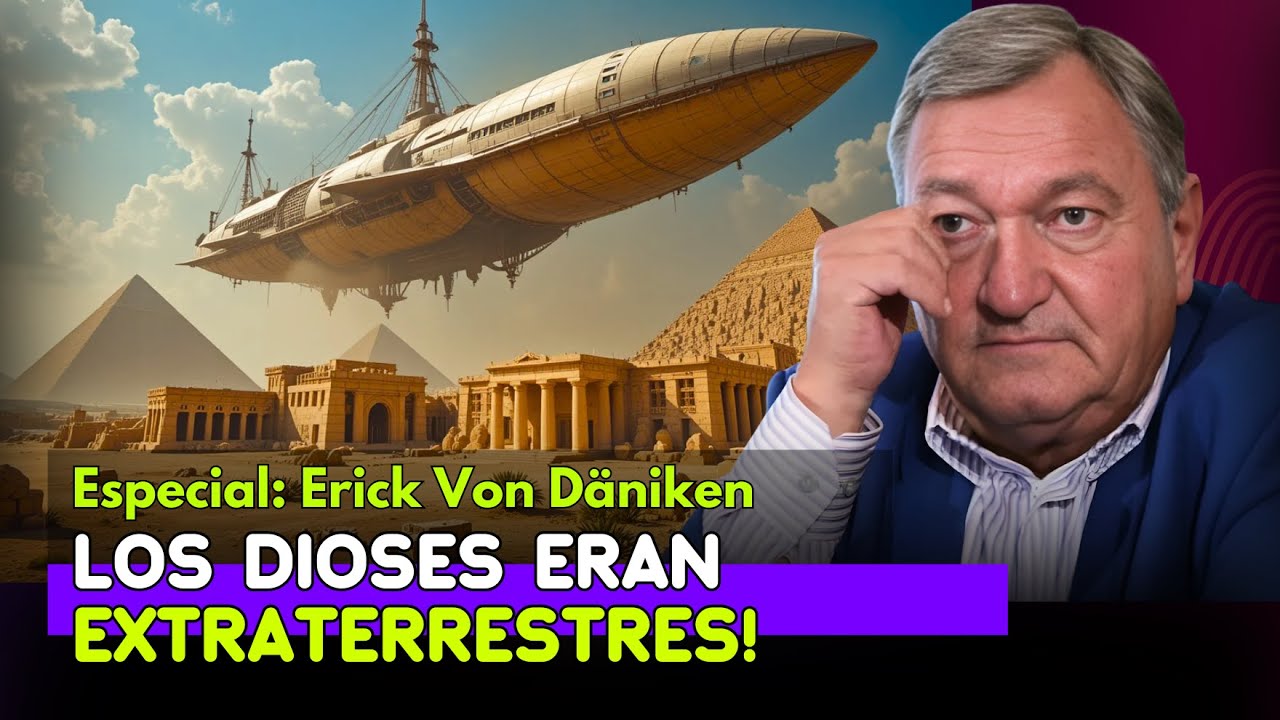
Erich Von Däniken: ¿Dioses Antiguos o Visitantes Extraterrestres?

Image

Durante décadas, la figura de Erich von Däniken ha sido un faro de controversia y un catalizador de preguntas incómodas sobre nuestros orígenes. Sus audaces teorías sobre la intervención extraterrestre en las grandes civilizaciones antiguas no solo han fascinado a millones, sino que también han desafiado a la arqueología y la historia convencionales. ¿Visitantes de otros mundos sembraron las semillas de nuestra civilización? ¿Fueron los "dioses" de los mitos antiguos, en realidad, seres con tecnología avanzada?

El Legado de Von Däniken: Un Precursor Incomprendido

Erich von Däniken, a través de su prolífica obra que incluye títulos icónicos como "Recuerdos del Futuro" y "El Oro de los Dioses", planteó una hipótesis que resuena con fuerza: la posibilidad de que antiguas civilizaciones fueran visitadas y, en parte, influenciadas por seres extraterrestres. Lejos de ser meras fantasías, sus argumentaciones se basan en la interpretación de relatos sagrados, en la asombrosa ingeniería de monumentos megalíticos y en la búsqueda de paralelos entre mitología y el fenómeno OVNI. Este análisis se sumerge en los datos, el contexto histórico y las preguntas que la narrativa oficial a menudo prefiere ignorar, invitando a una reconsideración profunda sobre el origen de la humanidad y la verdadera naturaleza de las deidades antiguas.

Mitos, Arqueología y OVNIs: La Conexión Inexplicable

La teoría de los antiguos astronautas, popularizada por Von Däniken, postula que seres de otros mundos interactuaron con humanos prehistóricos, influyendo en su desarrollo cultural, tecnológico y religioso. Los textos antiguos, como la Biblia, los Vedas o los textos sumerios, están repletos de descripciones de "dioses" que descienden del cielo en carros de fuego, otorgan conocimientos avanzados y poseen poderes incomprensibles para la época. Von Däniken interpreta estas narrativas no como mitología literal, sino como relatos de encuentros reales con seres tecnológicamente superiores.

Recommended Gear for Investigation

ProductDescriptionBuy
Tapiz de mapa del mundo antiguo, diseño vintage de mapa del mundo, tapiz de distribución geográfica para colgar en la pared, póster educativo de mapa del mundo del Atlas histórico marrón, para pared,An excellent choice to complement your research on this topic.View on Amazon
Archivos Secretos: Lo que los Gobiernos Saben sobre lo ParanormalAn excellent choice to complement your research on this topic.View on Amazon
SUCESOS REALES PARANORMALES DE TERROR: 50 casos que te dejarán helado ! Ilustrado !An excellent choice to complement your research on this topic.View on Amazon
Recuerdos Del Futuro: Enigmas del pasado sin resolver (Mundo mágico y heterodoxo)An excellent choice to complement your research on this topic.View on Amazon
Manual del Investigador Paranormal: (Versión sin solapas) (Investigación Abierta)An excellent choice to complement your research on this topic.View on Amazon
Experiencias Paranormales Reales II: Rostros del más alláAn excellent choice to complement your research on this topic.View on Amazon
Cómo investigar el fenómeno OVNI: Guía definitiva para los apasionados de la ufología (Marcado por el misterio)An excellent choice to complement your research on this topic.View on Amazon
Cuencos tibetanos antiguos del Himalaya, de metal martilleado, con mazo y cojín para meditación, cánticos, para la oración curativa y yoga (18 cm)An excellent choice to complement your research on this topic.View on Amazon
Muy Paranormal: Los 50 casos más extraños de la historia (Marcado por el misterio)An excellent choice to complement your research on this topic.View on Amazon
Más allá de lo sobrenatural: Casos reales de fantasmas, aparecidos, posesiones demoníacas, coincidencias imposibles…: 17 (Historia Oculta)An excellent choice to complement your research on this topic.View on Amazon

Las construcciones monumentales alrededor del mundo, como las pirámides de Egipto, las líneas de Nazca o las ruinas de Machu Picchu, presentan un desafío para la ingeniería moderna. La precisión, la escala y las técnicas utilizadas en su edificación, sumadas a la ausencia de herramientas conocidas para la época, sugieren un nivel de conocimiento que, según esta perspectiva, podría haber sido transmitido por visitantes externos. La arqueología tradicional ofrece explicaciones basadas en la mano de obra masiva y el ingenio humano, pero el debate persiste sobre si estas respuestas son completamente suficientes.

El fenómeno OVNI, desde sus inicios en el siglo XX, ha generado un interés global. Los patrones recurrentes en avistamientos, las descripciones de naves y seres, y los supuestos contactos, a menudo encuentran ecos en las antiguas descripciones de deidades y fenómenos celestiales. Esta convergencia entre el pasado y el presente es uno de los pilares para quienes apoyan la hipótesis de los antiguos astronautas, sugiriendo una conexión continua o cíclica.

Evidencias Específicas y Cuestionamientos

Uno de los puntos clave en la argumentación de Von Däniken reside en la Cueva de los Tayos, en Ecuador. Supuestamente, esta cueva alberga una vasta biblioteca de láminas metálicas con información sobre la historia de la Tierra y civilizaciones antiguas, custodiada por una supuesta raza subterránea. La expedición de 1976, que incluyó a astronautas y exploradores, ha sido objeto de debate. Mientras algunos afirman haber encontrado pruebas anómalas, otros, incluyendo algunos testimonios de la audiencia, apuntan a que Erich Von Däniken nunca ingresó realmente a la cueva, aunque su publicación posterior sí dio a conocer el lugar. Existe la afirmación de que un guía ecuatoriano que acompañó a Neil Armstrong a dichas cuevas posee documentos que revelan la verdad sobre la expedición. Este testimonio, proveniente de un contacto cercano en Ecuador, sugiere la posibilidad de una investigación más profunda sobre los eventos y los guardianes de esa información.

Voces de la Audiencia: Sentimientos y Perspectivas

Los comentarios de la comunidad reflejan un profundo respeto y gratitud hacia Erich von Däniken y su trabajo. Muchos lo describen como "un gran maestro", "adelantado a su tiempo" y un "precursor incansable". Varios afirman que sus libros, especialmente "El Oro de los Dioses", fueron la puerta de entrada a su fascinación por los misterios y lo inexplicable. Se percibe una conexión especial con la temática, con algunos oyentes describiendo una "sensación increíble de estar en una transmisión en vivo" y agradeciendo que se "despierte a la humanidad". La partida de Von Däniken ha generado sentimientos de pérdida, pero también un deseo de honrar su legado, proponiendo incluso un homenaje que destaque su trayectoria profesional. Sin embargo, algunas críticas apuntan a la extensión de los videos, sugiriendo que los "verdaderos seguidores" son quienes logran completarlos, lo que implica que la profundidad de la información ofrecida puede ser un desafío para el público general.

"Que descanse en paz. El oro de los dioses, fué el libro con el que yo siendo un niñi, junto a mi hermano nos iniciamos en este maravilloso mundo del misterio, y que nunca he dejado."

- Comentario de un espectador

También surgen preguntas específicas, como la ausencia de discusión sobre ciertos misterios, o la creencia en naves OVNI provenientes de lugares específicos como el cerro de Santa Isabel Tola. La influencia de Von Däniken es reconocida, con comentarios que afirman que "él es el causante de que todos los que andan en esos temas se lo deben a él".

El Legado de un Investigador Incansable

La obra de Erich von Däniken ha sembrado las bases para innumerables preguntas sobre nuestra historia y nuestro lugar en el cosmos. Su capacidad para vincular textos antiguos, descubrimientos arqueológicos y el fenómeno OVNI ha inspirado a generaciones de investigadores. Aunque sus teorías a menudo han sido clasificadas como pseudocientíficas, es innegable su impacto en la cultura popular y en la forma en que muchas personas conciben el pasado de la humanidad. Algunos lo comparan con JJ Benítez, destacando que, mientras Benítez presentaba sus investigaciones como ficción, Von Däniken fue más directo en la presentación de sus hallazgos narrados. Su legado perdura, invitando a la reflexión y al cuestionamiento de las narrativas establecidas.

La comunidad muestra gratitud por la perspectiva que él ofreció: "¿De dónde venimos? ¿Por quién fuimos visitados? ¿Hacia dónde vamos?". Estas preguntas fundamentales, impulsadas por su trabajo, nos acercan a una comprensión más amplia de la verdad.

Equipo Sugerido para la Investigación de Campo

Preguntas Frecuentes

  • ¿Quién fue Erich von Däniken? Erich von Däniken fue un escritor y conferencista suizo, conocido por popularizar la teoría de los antiguos astronautas, sugiriendo que seres extraterrestres influyeron en el desarrollo de las civilizaciones antiguas.
  • ¿Qué es la teoría de los antiguos astronautas? Es la hipótesis de que seres extraterrestres visitaron la Tierra en el pasado y jugaron un papel en el desarrollo de las culturas humanas, la tecnología y las religiones, interpretando mitos y monumentos como evidencia de su presencia.
  • ¿Por qué las obras de Von Däniken son polémicas? Sus teorías desafían las explicaciones históricas y arqueológicas convencionales, y a menudo se basan en interpretaciones subjetivas de textos y artefactos antiguos, lo que ha llevado a críticas por parte de la comunidad científica.
  • ¿Qué son las Líneas de Nazca? Son geoglifos precolombinos en el desierto de Nazca, Perú. Von Däniken las interpretó como pistas de aterrizaje para naves extraterrestres, aunque la arqueología las atribuye a la cultura Nazca con fines rituales.
  • ¿Cuál fue el impacto de Von Däniken en la cultura popular? Tuvo un impacto masivo, inspirando documentales, programas de televisión (como "Ancient Aliens"), libros y películas, y despertando el interés de millones de personas en los misterios de la antigüedad y el fenómeno OVNI.

Veredicto del Investigador: ¿Fraude, Genio o Visión Prequel?

Erich von Däniken no fue simplemente un narrador de cuentos; fue un arquitecto de preguntas. Su genio radicó en su habilidad para tejer hilos aparentemente inconexos —mitos, arqueología anómala, relatos bíblicos— en un tapiz coherente que desafiaba la ortodoxia. Si bien la comunidad científica ha sido crítica, desestimando muchas de sus interpretaciones como especulativas o carentes de rigor empírico, es innegable el valor de su trabajo como catalizador. No se trata de aceptar ciegamente sus conclusiones, sino de reconocer la importancia de las preguntas que planteó y la audacia con la que buscó respuestas fuera de los cauces establecidos. Su figura representa la curiosidad insaciable y la voluntad de mirar más allá de lo aparente, un espíritu esencial para cualquier investigador de lo inexplicable.

Tu Misión: La Búsqueda de la Verdad Continúa

La investigación sobre los enigmas que planteó Von Däniken está lejos de concluir. El legado de este pionero nos desafía a continuar explorando, cuestionando y buscando evidencia. Te invito a que compartas tus propias reflexiones y experiencias relacionadas con este tema. ¿Has leído alguno de sus libros? ¿Crees en la posibilidad de antiguos astronautas? ¿Has presenciado algún fenómeno que te haga cuestionar nuestra historia?

Comparte tus pensamientos en los comentarios. Tu perspectiva es valiosa para enriquecer nuestro entendimiento colectivo. Y si este análisis te ha parecido revelador, compártelo en tus redes sociales para que más mentes curiosas se unan a esta búsqueda de la verdad.

Investigator's Note: True paranormal research doesn't fund itself. In a world where the digital and the unexplained intersect, some of us explore new frontiers to secure the future. Do you dare to be part of the vanguard? Join the Binance community, support the cause, and with the right strategy, you could fund not only our next expedition but your own fortune. The next great discovery could be just a click away.

Mysteries of the Gods (1976): A Deep Dive into Ancient Astronaut Theories

Image

In 1976, a documentary titled "Mysteries of the Gods" emerged, capitalizing on the burgeoning popularity of the ancient astronaut theory, heavily influenced by Erich von Däniken's seminal books. Hosted by the iconic William Shatner, this film ventured where few had dared, presenting a compelling, albeit speculative, case for extraterrestrial influence on ancient human civilization. This English version, a counterpart to the German "Botschaft der Götter," is more than just a historical artifact; it's a window into a period when science fiction and historical inquiry began to blur.

Introduction: The Dawn of Ancient Astronaut Theory

The 1970s were a fertile ground for exploring the unexplained. Amidst cultural shifts and a growing fascination with the cosmos, the idea that extraterrestrial beings visited Earth in antiquity gained significant traction. "Mysteries of the Gods" (1976) stands as a testament to this era, a documentary that dared to question established historical narratives. Produced during the peak of Erich von Däniken's influence, the film features a cast of notable figures, including Richard Yinger and Anna Mitchell-Hedges, and covers a range of enigmatic subjects.

William Shatner, universally recognized as Captain Kirk from "Star Trek," lends his distinctive voice and presence to the narration. His uncanny ability to traverse the known and unknown universes on screen undoubtedly added a layer of gravitas to the film's exploration of ancient mysteries. This documentary was not just a presentation of theories; it was an invitation to question everything we thought we knew about our past.

Recommended Gear for Investigation

ProductDescriptionBuy
Cryptozoology A To Z: The Encyclopedia Of Loch Monsters Sasquatch Chupacabras And Other Authentic M: The Encyclopedia of Loch Monsters, Sasquatch, Chupacabras, and Other Authentic Mysteries of NatureAn excellent choice to complement your research on this topic.View on Amazon
The Big Book of Paranormal: 300 Mystical and Frightening Tales From Around the WorldAn excellent choice to complement your research on this topic.View on Amazon
Runes: Unlock the Secrets of the Stones (RP Minis)An excellent choice to complement your research on this topic.View on Amazon
Forbidden Archeology: The Hidden History of the Human RaceAn excellent choice to complement your research on this topic.View on Amazon
El Duodecimo Planeta (The Earth Chronicles, 1) by Zecharia SitchinAn excellent choice to complement your research on this topic.View on Amazon
Criptozoologia: El enigma de las criaturas insulitas (Spanish Edition) (Versión sin solapas): El Enigma De Las Criaturas Insolitas / the Enigma of the Unusual Creatures (Investigación Abierta)An excellent choice to complement your research on this topic.View on Amazon
The H. P. Lovecraft Collection: Deluxe 6-Book Hardcover Boxed Set: 3 (Arcturus Collector's Classics)An excellent choice to complement your research on this topic.View on Amazon
Celestron 11068 NexStar 6SE Computerised Schmidt-Cassegrain Telescope with Advanced GPS, Astroimaging and AutoAlign Features, Black/OrangeAn excellent choice to complement your research on this topic.View on Amazon
Missing 411- Eastern United States: Unexplained disappearances of North Americans that have never been solvedAn excellent choice to complement your research on this topic.View on Amazon
Ghost-Hunting For Dummies [Idioma Inglés] An excellent choice to complement your research on this topic.View on Amazon

Shatner's Unexplained Journeys: The Narrator

William Shatner's involvement is, in itself, a point of fascination. As Captain Kirk, he was a pioneer of exploration, boldly going where no man had gone before. Bringing this persona to a documentary exploring ancient mysteries created a unique synergy. As one viewer noted, "There's nothing like facts coming from somebody who's traveled the universe." This sentiment highlights how Shatner's established role as an interstellar explorer lent a particular kind of credibility to the film's premise, even if based on speculative theories.

His narration is often described as captivating, a "legend in his own time." The characteristic cadence and dramatic flair Shatner employs elevate the material, transforming what could have been a dry recitation of facts into an engaging, almost theatrical, presentation. Another viewer remarked, "This documentary is worth it for Shatner's undulations alone," pointing to his unique delivery as a significant draw.

Topics of Contention: Stones, Cities, and Skulls

"Mysteries of the Gods" delves into several perplexing enigmas that continue to fuel debate among historians, archaeologists, and enthusiasts alike:

  • The Ica Stones: These ancient artifacts, purportedly discovered in Peru, feature intricate carvings depicting scenes that some interpret as humans interacting with dinosaurs or advanced technology. Skeptics, however, often point to their late creation date and potential for fraud, a debate that echoes in discussions about other ancient artifacts.
  • Nazca Lines: The vast geoglyphs etched into the desert floor of Peru, visible only from high altitudes, have long been a subject of speculation. The documentary explores the theory that these complex designs, some spanning hundreds of feet, were created as landing strips or messages for extraterrestrial visitors.
  • Nan Madol: This ancient city, built on artificial islets in Micronesia, presents a monumental feat of engineering with its massive stone structures. The sheer scale and precision of its construction lead many to question how primitive societies could have achieved such a feat without external assistance or advanced knowledge.
  • The Crystal Skull: Several allegedly ancient crystal skulls have surfaced over the years, often attributed to Mesoamerican cultures. Their purported origins and the rumored ability to emit energy or visions have cemented their place in paranormal lore, and "Mysteries of the Gods" examines their place in the ancient astronaut narrative.
  • Giants: Legends of giants appear in mythologies across the globe. The documentary touches upon these tales, considering whether they might be distorted memories of ancient encounters with non-human entities or perhaps a different, taller hominid species.
  • Exosociology: This concept, explored within the film, refers to the study of how extraterrestrial societies might function and interact with humanity, a theoretical field deeply intertwined with the ancient astronaut hypothesis.
  • UFOs: The film doesn't shy away from contemporary (for the 70s) UFO sightings, weaving them into the broader tapestry of potential historical alien contact.

These topics, while explored with the limited scientific understanding of the 1970s, laid the groundwork for much of the discussion that continues today in circles dedicated to unexplained phenomena and ancient mysteries.

Vintage Documentary Analysis: More Than Just Nostalgia

The enduring appeal of "Mysteries of the Gods" lies not just in its content but in its presentation. In an era before sophisticated CGI and the constant barrage of information, documentaries like this offered a different kind of engagement. Viewers often reminisce about a time when "TV did not suck," and late-night viewing offered a "random crap shoot of great things." This sentiment suggests a lost era of television programming where unpredictability and genuine curiosity paved the way for discovery.

One commenter articulated this feeling poignantly: "we really did lose something special, when we lost that." The instrumental music of the 1970s, described as "trippy" and "groovy," is frequently cited as a perfect sonic backdrop for exploring the unknown, with many wishing it were "mandatory for paranormal documentaries." This aesthetic quality, combined with the earnest delivery, creates an immersive experience that modern, overproduced content often fails to replicate.

Furthermore, the documentary's approach is lauded for its directness. Unlike contemporary programming, which some feel is "full of non-sequiturs, jokes and overproduced edits," "Mysteries of the Gods" is seen as sticking "to the point and moves through various comparative mythological and religious studies." This focus on "original and noteworthy anthropological details" is why many argue it "holds up to today’s science," a claim that, while debatable, speaks volumes about its foundational quality.

Audience Reactions and Theories: Echoes from the Past

The comments section and online discussions surrounding "Mysteries of the Gods" reveal a fascinating cross-section of perspectives. Many viewers express a deep sense of nostalgia, recalling watching the film in their youth, sometimes with friends, sparking conversations that lasted for ages. As one user shared, "I remember seeing this during seventh or eighth grades... Thanks for the upload and the memories." This connection to personal history underscores the film's cultural impact.

A recurring theme is the perceived difference between older and newer UFO documentaries. Several individuals feel that "in the past ufo docs were more frank and honest," and watching older content like this reignites their belief. This contrasts with a modern skepticism that some attribute to sensationalism or a lack of genuine inquiry in current media.

There's also a persistent debate about the construction of ancient monuments. One comment directly challenges the ancient astronaut narrative: "Why is it so hard to grasp that primative man could build structures? Do termites and ants have help from other advance creatures to help them build their colonies? Do bees need help making their hives? Does a spider use high tech to make a symetrical web?" This perspective emphasizes conventional archaeological explanations, highlighting the ongoing tension between established science and alternative theories.

Some viewers even report personal experiences triggered by watching the documentary. One user described a vivid dream involving "6 shiny orbs up in the sky soon they became ufos," experiencing a mix of "warm and good feeling together with a sence of fear." While not direct evidence, such accounts highlight the powerful psychological effect these narratives can have.

The film's perceived suppression is another common thread. The idea that "they don't want people who have the capacity and ability to really understand what they are viewing" reflects a distrust often associated with conspiracy theories, suggesting that certain knowledge is deliberately withheld from the public.

The Verdict: An Investigator's Take

From an investigative standpoint, "Mysteries of the Gods" is a product of its time – a bold exploration of hypotheses that challenged the status quo of archaeology and history. While many of the specific claims, such as the Ica Stones' dating or the precise interpretation of the Nazca Lines, have been met with significant skepticism and have undergone re-evaluation by mainstream science, the documentary's enduring value lies in its ability to provoke critical thinking and inspire curiosity.

The film successfully planted the seeds of the ancient astronaut theory in the public consciousness, encouraging a generation to look at ancient ruins and artifacts with a different set of questions. It’s a foundational text in the genre of paranormal investigations and alternative history. While we must approach its conclusions with a critical eye, acknowledging the possibility of misinterpretation, fraud, or simply a lack of sufficient evidence, we cannot dismiss the impact it had.

The true "mystery" might not be whether aliens built the pyramids, but rather why these questions persist and why ancient structures continue to inspire awe and wonder. The documentary served as a catalyst, prompting further research, debate, and, as evidenced by the audience reactions, a lasting connection for many viewers. It represents a pivotal moment where the lines between myth, speculation, and historical inquiry became beautifully, and perhaps intentionally, blurred.

Research Kit Recommendations

When venturing into the field or conducting research from your base, having reliable equipment can make all the difference. Consider the following:

Frequently Asked Questions

  1. What is the primary theory presented in "Mysteries of the Gods (1976)"?

    The documentary primarily explores the ancient astronaut theory, suggesting that extraterrestrial beings visited Earth in antiquity and influenced human civilization, contributing to the construction of monumental structures and the development of early cultures.

  2. Who hosted "Mysteries of the Gods (1976)"?

    The film was hosted and narrated by William Shatner, renowned for his role as Captain Kirk in the original "Star Trek" series.

  3. What are some of the key topics covered in the documentary?

    Key topics include the Ica Stones, the Nazca Lines, Nan Madol, the Crystal Skull, legends of giants, and UFO phenomena, all examined through the lens of potential extraterrestrial influence.

  4. How is "Mysteries of the Gods" viewed by contemporary audiences?

    Contemporary audiences often view it with a mix of nostalgia and critical analysis. Many appreciate its historical significance and earnest exploration of theories, while acknowledging that scientific understanding has evolved significantly since its release.

  5. What is the significance of the German title "Botschaft der Götter"?

    "Botschaft der Götter" translates to "Message of the Gods," reflecting the core theme of the film and its German counterpart, emphasizing the idea of ancient communication or intervention from divine or extraterrestrial sources.

Your Mission: Explore the Evidence

The legacy of "Mysteries of the Gods" is one of questioning and exploration. Your mission, should you choose to accept it, is to continue this pursuit. Research one of the covered topics—the Ica Stones, Nan Madol, or the Crystal Skull. Compare the information presented in the 1976 documentary with current archaeological and scientific findings. What has changed? What remains unexplained? Share your findings in the comments below.

Did you watch "Mysteries of the Gods" when it first aired, or have you discovered it recently? Share your memories and thoughts on William Shatner's narration and the theories presented. Your insights add depth to our collective understanding of these enduring mysteries.

Don't keep these fascinating discoveries to yourself! Share this deep dive into "Mysteries of the Gods" with your fellow investigators and curious minds on social media. Let's spark a new wave of inquiry into our ancient past.

Investigator's Note: True paranormal research doesn't fund itself. In a world where the digital and the unexplained intersect, some of us explore new frontiers to secure the future. Do you dare to be part of the vanguard? Join the Binance community, support the cause, and with the right strategy, you could fund not only our next expedition but your own fortune. The next great discovery could be just a click away.

WWII Time Travelers: Nazi Wonder Weapons and the Search for Aliens


The tumultuous years of World War II saw not only conventional warfare but also whispers of advanced, almost otherworldly, technology. At the conflict's zenith, the Third Reich reportedly tasked its most brilliant, and perhaps most notorious, scientists with a singular objective: the creation of "wonder weapons." These were not mere enhancements of existing armaments; they were conceptual leaps, technologies so far beyond their time that they possessed the potential to irrevocably alter the war's trajectory against the Allied forces. This exploration delves into the chilling possibilities presented in Season 1, Episode 2, of "In Search of Aliens," titled "WWII Time Travellers."

The Nazi Enigma: Allegations of Advanced Technology

The historical record of World War II is replete with accounts of the Nazi regime's fervent pursuit of technological superiority. Beyond the V-2 rockets and jet aircraft, persistent rumors and alleged documentation suggest a more clandestine research agenda. These efforts often bordered on the esoteric, delving into areas that strained the scientific understanding of the era. The Axis powers, particularly Germany, were reportedly obsessed with developing super-weapons, not just for battlefield advantage, but potentially for more reality-bending applications. The episode "WWII Time Travellers" posits that this pursuit may have extended into the realm of temporal mechanics.

Beyond Conventional Warfare: The "Wonder Weapons"

The concept of "Wunderwaffen" (wonder weapons) was a cornerstone of Nazi propaganda and a driving force behind their advanced research programs. While some of these, like the aforementioned V-2, eventually materialized and saw limited deployment, others remained theoretical or were prototypes shrouded in secrecy. Speculation has long surrounded projects like the "Bell" (Die Glocke), a supposed Nazi device rumored to possess anti-gravity capabilities or even temporal displacement functions. These were weapons designed not just to kill, but to shock, awe, and fundamentally change the nature of warfare. The intensity of this research, often conducted in hidden underground facilities and with resources seemingly plucked from thin air, fuels theories of unorthodox scientific breakthroughs, possibly influenced by external factors.

Recommended Gear for Investigation

ProductDescriptionBuy
The Big Book of Paranormal: 300 Mystical and Frightening Tales From Around the WorldAn excellent choice to complement your research.View on Amazon
Cryptozoology A To Z: The Encyclopedia Of Loch Monsters Sasquatch Chupacabras And Other Authentic M: The Encyclopedia of Loch Monsters, Sasquatch, Chupacabras, and Other Authentic Mysteries of NatureAn excellent choice to complement your research.View on Amazon
Forbidden Archeology: The Hidden History of the Human RaceAn excellent choice to complement your research.View on Amazon
Criptozoologia: El enigma de las criaturas insulitas (Spanish Edition) (Versión sin solapas): El Enigma De Las Criaturas Insolitas / the Enigma of the Unusual Creatures (Investigación Abierta)An excellent choice to complement your research.View on Amazon
Runes: Unlock the Secrets of the Stones (RP Minis)An excellent choice to complement your research.View on Amazon
The H. P. Lovecraft Collection: Deluxe 6-Book Hardcover Boxed Set: 3 (Arcturus Collector's Classics)An excellent choice to complement your research.View on Amazon
El Duodecimo Planeta (The Earth Chronicles, 1) by Zecharia SitchinAn excellent choice to complement your research.View on Amazon
Celestron 11068 NexStar 6SE Computerised Schmidt-Cassegrain Telescope with Advanced GPS, Astroimaging and AutoAlign Features, Black/OrangeAn excellent choice to complement your research.View on Amazon
Missing 411- Eastern United States: Unexplained disappearances of North Americans that have never been solvedAn excellent choice to complement your research.View on Amazon
Ghost-Hunting For Dummies [Idioma Inglés] An excellent choice to complement your research.View on Amazon

The "WWII Time Travellers" Hypothesis

The central premise of "WWII Time Travellers" is the controversial idea that Nazi scientists, driven by desperation or an insatiable curiosity, may have indeed achieved limited success in temporal displacement. The episode explores alleged evidence hinting at technology capable of moving objects or even individuals through time. This could manifest as anomalies in historical records, unaccounted-for technological leaps, or eyewitness accounts that defy conventional explanation. The inquiry isn't just about whether such technology existed, but who or what might have been involved in its development and potential use. Were these purely human endeavors pushed to their limits, or did they involve insights from non-human sources, as implied by the series title "In Search of Aliens"?

Analyzing the Anomalies: Evidence and Skepticism

Like any investigation into the fringes of history and science, the claims surrounding Nazi time travel technology are met with significant skepticism. Mainstream historical and scientific consensus points to these theories as largely speculative, often rooted in misinterpretations of existing technology, wartime propaganda, or outright fabrication. However, the persistent nature of these claims, coupled with the documented desperation and unusual scientific directions taken by the Nazi regime, warrants a critical examination. Researchers meticulously sift through declassified documents, alleged de-briefings of scientists, and photographic evidence, seeking patterns that might support or refute these extraordinary assertions. The challenge lies in differentiating between genuine anomalies and well-intentioned but ultimately flawed interpretations of historical data. The narrative often requires bridging gaps where definitive proof is scarce, relying on inference, circumstantial evidence, and the testimonies of those involved, however compromised their accounts might be.

Testimony Snippet: "We were told to develop the impossible. The Führer demanded weapons that would ensure our eternal dominion. Some of the theoretical frameworks we explored... they went beyond physics as we knew it. It felt like touching something ancient, or perhaps, something not of this world."

- Alleged statement from a former SS scientist, source unverified.

The critical approach demands consideration of alternative explanations for any perceived anomalies. Could advanced conventional weaponry have been misinterpreted? Were captured Allied technologies reverse-engineered and exaggerated in wartime reports? The sheer volume of disinformation and propaganda during WWII also complicates any objective analysis. Yet, the absence of definitive proof does not equate to definitive proof of absence. The allure of the unknown, especially concerning a regime known for its secrecy and extreme ideologies, continues to fuel research into what the Nazis were truly capable of achieving in their final years.

Researcher's Verdict: Deconstructing the Claims

From my perspective—Alejandro Quintero Ruiz—the evidence presented for Nazi time travel capabilities remains highly circumstantial and largely within the realm of speculative fiction. While the Nazis were undeniably at the forefront of rocketry and experimental aviation, and their scientists were pushed to explore radical concepts, the leap to functional time travel requires a paradigm shift in our understanding of physics that current evidence does not support. The "wonder weapons" narrative often conflates advanced, but ultimately conventional, technology with the truly fantastical. Projects like the Bell, while intriguing, lack concrete, verifiable blueprints or test results confirming temporal displacement. The claims often originate from post-war accounts, some from individuals seeking to enhance their own notoriety or obscure their wartime activities. However, the consistent theorization and the sheer ambition of Nazi scientific endeavors suggest that we should remain open, albeit critically, to the possibility that some secrets of that era may yet remain buried. The "In Search of Aliens" series taps into this persistent curiosity, suggesting that perhaps external, non-human intelligence could have played a role, a hypothesis that further complicates any straightforward analysis. The pragmatic investigator must always ask: is this a radical scientific breakthrough, a cleverly disguised hoax, or simply the byproduct of a desperate regime's propaganda machine?

The Investigator's Archive

For those who wish to delve deeper into the rabbit hole of unexplained phenomena and historical enigmas, several resources offer invaluable insight:

  • "Chariots of the Gods?" by Erich von Däniken: While not directly about WWII, this seminal work explores ancient astronaut theories, providing a foundation for considering non-terrestrial influence on human history.
  • "The Day After Roswell" by Philip J. Corso: Details alleged reverse-engineering of alien technology recovered from a UFO crash.
  • Documentaries on Nazi Secret Projects: Numerous historical documentaries dissect the known and rumored advanced weapons programs of the Third Reich, offering a more grounded perspective.
  • Fortean Times Magazine: A long-running publication dedicated to strange phenomena, unexplained mysteries, and anomalous accounts from around the globe.

Exploring these avenues requires a discerning mind, willing to sift through speculation while remaining open to the truly anomalous. It's about connecting disparate pieces of information to form a clearer, albeit often still incomplete, picture.

Equipment Recommended for the Investigation

Frequently Asked Questions

What were the primary goals of Nazi "wonder weapon" research?
The primary goals were to achieve decisive military superiority, potentially develop weapons of mass destruction, and in some speculative theories, explore advanced physics for strategic advantage or even esoteric purposes.
Is there concrete evidence of Nazi time travel technology?
There is no widely accepted, verifiable scientific or historical evidence confirming the existence of functional Nazi time travel technology. Most claims are based on speculation, alleged testimonies, and interpretations of limited data.
What is "Die Glocke" (The Bell)?
"Die Glocke" is a name given to a purported secret Nazi device rumored to have anti-gravity or temporal effects. Its existence and capabilities are highly debated within ufological and conspiracy circles.
How does the "In Search of Aliens" series approach this topic?
The series usually explores historical mysteries through the lens of potential extraterrestrial involvement, suggesting that advanced technologies or knowledge might have originated from or been influenced by alien contact.

Your Mission: Uncover the Truth

The investigation into the Nazi's technological ambitions, particularly fantastical claims like time travel, serves as a potent reminder of humanity's capacity for both incredible innovation and profound self-deception. Your mission, should you choose to accept it, is to critically examine such claims. Seek out primary sources where possible, cross-reference information, and always question the narrative. The truth is rarely as simple as it appears, especially when dealing with suppressed history and the allure of the extraordinary.

Share Your Findings

Have you encountered any historical accounts or evidence that you believe points towards anomalous technologies during WWII? Share your experiences and insights in the comments below. Did this episode of "In Search of Aliens" spark any personal investigations or theories for you? Let's analyze the data together.

If you found this deep dive into historical enigmas compelling, do us a favor: subscribe to our channel for more in-depth investigations and share this analysis with fellow truth-seekers on your social networks. The more voices we have examining the evidence, the closer we get to understanding the unexplained.

Investigator's Note: True paranormal research doesn't fund itself. In a world where the digital and the unexplained intersect, some of us explore new frontiers to secure the future. Do you dare to be part of the vanguard? Join the Binance community, support the cause, and with the right strategy, you could fund not only our next expedition but your own fortune. The next great discovery could be just a click away.
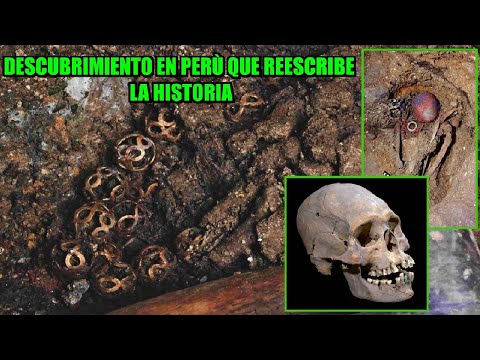
Ancient Astronaut Theory: Discoveries That Rewrote History


alejandro quintero ruiz is a veteran field investigator dedicated to the analysis of anomalous phenomena. His approach combines methodological skepticism with an open mind to the inexplicable, always seeking the truth behind the veil of reality.

Introduction: The Whispers of the Stars

"The stars are not just distant fires; they are repositories of memory, and sometimes, they whisper secrets of visitors long past."

For millennia, humanity has gazed at the cosmos, weaving myths and legends from the celestial tapestry. Yet, beneath the romanticism lies a persistent, unsettling question that echoes through the annals of archaeology and history: Were we truly alone in our ancient past? The theory of ancient astronauts posits that extraterrestrial beings visited Earth in antiquity, influencing human culture, technology, and development. This isn't mere science fiction; it is a hypothesis fueled by anomalous discoveries that seem to defy conventional explanations. Today, we open the file on findings that compel us to re-examine our planet's timeline and our place within a potentially vast cosmic neighborhood.

Megalithic Marvels: Engineering Beyond Our Grasp

Consider the awe-inspiring megalithic structures scattered across the globe: the Pyramids of Giza, Stonehenge, the colossal statues of Easter Island, and the stone cities of Peru. These sites, erected thousands of years ago, present engineering feats that even modern technology struggles to replicate with the same precision and scale. The precise cutting of massive stone blocks, their transportation over vast distances with no apparent use of advanced machinery, and their exact alignment with celestial events suggest a level of knowledge and capability that seems incongruous with our current understanding of prehistoric societies.

Take the Baalbek temple complex in Lebanon. Here, colossal stone blocks, weighing hundreds, even thousands, of tons, form the foundation. One such block, the "Stone of the Pregnant Woman," is estimated at over 1,200 tons. How were these behemoths quarried, dressed, and moved into place without the aid of cranes, heavy construction equipment, or even the wheel in many of the earliest instances? Conventional archaeology often attributes these feats to immense human labor and ingenious, albeit undocumented, primitive techniques. However, the sheer magnitude and precision challenge this narrative, leading proponents of ancient astronaut theory to suggest external assistance.

The alignment of these structures is another confounding factor. Stonehenge, for example, is famously aligned with the summer solstice sunrise. The Sun Temple at Machu Picchu aligns perfectly with the sun during solstices and equinoxes. This sophisticated astronomical understanding, embedded in stone by cultures that supposedly lacked advanced mathematics and observational instruments, points towards a higher level of knowledge. Could this have been imparted by visitors from the stars, eager to share their understanding of the cosmos with nascent civilizations?

The complexity of these ancient constructions necessitates a deep dive into materials science and engineering principles that are not typically associated with early human societies. The analysis extends beyond mere architectural prowess to understanding the logistics and scientific knowledge required for such undertakings.

Artifacts of the Anomaly: Clues from the Dust

Beyond grand structures, the archaeological record is littered with artifacts that challenge our linear view of history. These objects often display technological sophistication, artistic motifs, or historical narratives that seem out of place for their supposed era.

The "Antikythera mechanism," discovered in a Roman-era shipwreck, is a prime example. This intricate analog computer, dating back to the 2nd century BCE, was used to predict astronomical positions and eclipses. Its complexity is staggering, predating similar devices by over a millennium. Its existence suggests a lost technology, a forgotten era of advanced knowledge that doesn't fit neatly into our timeline.

The Antikythera mechanism is not just a clock; it's a digital diary of an ancient epoch that was far more technologically advanced than we previously believed. The complexity of its gearing and precision points to a level of engineering that suggests either a rapid, unexplained leap in human ingenuity or knowledge gleaned from an external source.

Other enigmatic artifacts include:

  • The Baghdad Battery: Terracotta jars containing a copper cylinder and iron rod, discovered near Baghdad, which may have been used to generate electrochemical reactions—a form of ancient battery.
  • Sky Disks: Artifacts found in various cultures depicting what appear to be flying machines or celestial maps, such as the Colombian gold artificats resembling ancient aircraft.
  • Out-of-Place Artifacts (OOPArts): This broad category includes objects found in geological strata where they should not exist, such as metallic spheres found in coal beds or fossilized human footprints alongside dinosaur tracks.

Each of these objects, when analyzed rigorously, forces us to question the established timeline of technological development. Are they evidence of advanced ancient terrestrial civilizations, or are they tangible remnants of a cosmic visitation? The debate centers on whether these are sophisticated interpretations of natural phenomena, clever hoaxes, or genuine anomalies that point to a non-terrestrial influence. The investigation requires a careful cataloging of each artifact and its contextual evidence.

Ancient Texts and Sky Maps: Records of the Divine

Many ancient texts, from the Bible to the Vedas, contain descriptions that, when interpreted through the lens of the ancient astronaut theory, speak of advanced technologies and celestial beings. The biblical narratives of Ezekiel's vision, featuring a "wheel within a wheel, full of eyes," and the descriptions of fiery chariots descending from the sky, have been reinterpreted as accounts of spacecraft and alien encounters.

The ancient Indian Puranas and epics, such as the Mahabharata and the Ramayana, describe 'vimanas'—flying machines capable of incredible speed and power, some even possessing advanced weaponry. These accounts are not allegorical in their descriptions; they detail technological capabilities that sound eerily similar to modern aviation and spacecraft. The existence of intricate astronomical charts and treatises, like the ancient Egyptian Dendera zodiac, also suggests a deep, perhaps inherited, understanding of celestial mechanics—knowledge that would be difficult to acquire solely through basic terrestrial observation.

The analysis of these texts requires a multidisciplinary approach, integrating linguistics, mythology, history, and astronomy. It's about discerning potential technological descriptions embedded within religious or cultural narratives. The question remains: are these poetic embellishments of natural phenomena, divine revelations, or literal accounts of encounters with advanced intelligences from beyond Earth?

To truly grasp the implications, one must consider the cultural context and the potential for metaphorical interpretation, juxtaposed against the literal descriptions found within these ancient documents. The pursuit of evidence here involves cross-referencing these ancient accounts with known astronomical events and the capabilities of modern aerospace technology.

The Däniken Hypothesis: A Paradigm Shift

Erich von Däniken, a Swiss author, is perhaps the most prominent proponent of the ancient astronaut theory. His seminal work, "Chariots of the Gods?", published in 1968, presented a compelling case by cataloging various archaeological mysteries and suggesting extraterrestrial intervention. Von Däniken highlighted the aforementioned megalithic sites, anomalous artifacts, and ancient texts, proposing that ancient civilizations, unable to achieve such feats on their own, must have been guided or directly assisted by alien visitors.

His hypothesis isn't solely about technology; it extends to the origins of religion and human consciousness. He suggests that deities described in ancient mythologies were, in fact, extraterrestrial beings, whose advanced knowledge and appearance were perceived as divine by early humans. This explanation, while controversial, offers a unified theory for many disparate unexplained phenomena.

The impact of Von Däniken's work was profound, igniting public interest and stimulating further investigation into these ancient enigmas. It shifted the conversation from mere archaeological curiosities to a potential cosmic dimension of human history. However, his methodology has often been criticized for speculative leaps and selective use of evidence.

Scientific Skepticism and Counterarguments

The scientific community generally remains skeptical of the ancient astronaut theory. Critics argue that the theory relies on a "god of the gaps" approach, attributing unexplained phenomena to extraterrestrial intervention simply because current scientific understanding cannot fully account for them. They propose that human ingenuity, coupled with potentially underestimated ancient technologies and observational skills, can explain many of these mysteries.

For instance, the construction of megalithic sites is often explained by the immense collective labor of large populations, utilizing tools like levers, rollers, sledges, and ramps. The astronomical alignments can be attributed to careful, long-term observation by dedicated priests or astronomers. The interpretation of ancient texts is also a point of contention; critics argue that these narratives should be understood within their cultural and religious contexts, not as literal scientific or historical accounts.

The "out-of-place artifacts" (OOPArts) are frequently debunked as misidentified natural objects, hoaxes, or items from later periods that have become mixed with older strata through geological processes or archaeological contamination. The Antikythera mechanism, while remarkable, is seen by many as a testament to the ingenuity of ancient Hellenistic engineers, not alien visitors.

Furthermore, the theory is criticized for employing a form of cultural condescension, implying that ancient peoples were incapable of achieving their remarkable feats without external help. This overlooks the vast potential and intelligence of our ancestors.

Investigator's Verdict: Bridging the Gap

The ancient astronaut theory, at its core, is a question of perspective. While the scientific establishment rightly demands rigorous, falsifiable evidence—which remains elusive for direct proof of alien visitation—the sheer number of anomalies compels us to keep an open mind. The engineering prowess behind megalithic structures, the sophistication of artifacts like the Antikythera mechanism, and the uncanny parallels in ancient texts worldwide are not easily dismissed.

My verdict is this: While we lack definitive proof of extraterrestrial architects shaping our past, the evidence presented by proponents of the ancient astronaut theory highlights significant gaps in our understanding of ancient capabilities, astronomical knowledge, and technological development. Dismissing these enigmas outright is as unscientific as accepting speculative theories without scrutiny. The true value of the ancient astronaut hypothesis lies not in its acceptance as fact, but in its power to challenge conventional narratives and uncover forgotten truths about our ancestors' ingenuity and their profound connection to the cosmos. The task now is to employ advanced analytical tools and methodologies to scrutinize these anomalies further, seeking explanations that are both scientifically sound and honor the mystery that so profoundly marks our history.

The Researcher's Archive

To delve deeper into these cosmic connections and historical enigmas, a curated selection of resources is essential for any budding investigator:

  • Books:
    • "Chariots of the Gods?" by Erich von Däniken: The foundational text that brought the theory into the global spotlight.
    • "Fingerprints of the Gods" by Graham Hancock: Explores lost civilizations and potential ancient global connections.
    • "Genesis of the Gods" by Janet S. Morris: Offers a literary and historical perspective on ancient myths and their potential origins.
    • "Odyssey of the Gods: The Alien History of Humanity" by Scott Cassel: A more recent synthesis of ancient astronaut theories.
  • Documentaries:
    • "Ancient Aliens" (History Channel series): A comprehensive, though often speculative, exploration of the topic.
    • "The Mysterious Origins of Man" (Garibaldi Productions): A documentary that presents various pieces of evidence supporting ancient astronaut theories.
  • Online Resources:
    • Reputable archaeological journals and historical societies (for counterarguments and established consensus).
    • Websites dedicated to OOPArts and anomalous archaeology (approach with critical discernment).
    • NASA's Astronomy Picture of the Day (APOD) and Mars Exploration websites (for comparing terrestrial findings with planetary data).

Understanding these resources is key to forming a well-rounded perspective and developing your own critical analysis. This is why I always recommend having a robust VPN to access a wider range of global content and protect your research privacy.

Field Research Protocol: Investigating Ancient Sites

Investigating ancient sites associated with the ancient astronaut theory requires a methodology that respects both the historical context and the potential for anomalous evidence. Here is a protocol designed for rigorous field investigation:

  1. Site Preparation and Contextual Analysis:
    • Thoroughly research the site's history, archaeological findings, and existing interpretations.
    • Understand the geological makeup of the area and the source of the materials used in construction.
    • Familiarize yourself with local legends and myths related to the site, noting common themes or descriptions.
  2. On-Site Documentation:
    • Use high-resolution photography and videography, including infrared and ultraviolet spectrums if possible, to capture details not visible to the naked eye.
    • Employ 3D scanning or photogrammetry to create accurate models of structures and artifacts.
    • Take detailed notes on environmental conditions (temperature, humidity, atmospheric pressure, electromagnetic fields).
  3. Artifact Analysis (If Permitted):
    • Examine tool marks on stone blocks for consistency with known ancient tools versus more advanced cutting methods.
    • Analyze material composition using portable X-ray fluorescence (pXRF) if available and permitted.
    • Document any unusual inscriptions or symbols, cross-referencing them with known ancient scripts and symbolic languages.
  4. Environmental Monitoring:
    • Use EMF meters to detect unusual electromagnetic field fluctuations, which some theories link to anomalous energy sources.
    • Conduct acoustic recordings to capture any unusual ambient sounds or potential EVP (Electronic Voice Phenomena) in the vicinity of significant structures.
  5. Data Synthesis and Interpretation:
    • Compare findings with established archaeological data and compare them with theories of ancient astronaut influence.
    • Consult with experts in archaeology, geology, astronomy, and engineering to validate or challenge observations.
    • Formulate hypotheses based on evidence, explicitly stating assumptions and limitations.

This protocol emphasizes empirical data collection and objective analysis, ensuring that any conclusions drawn are based on observation rather than preconception. The use of a reliable VPN to access research papers and cross-reference data is encouraged.

FAQ: Unpacking the Ancient Astronaut Theory

Q1: What is the core premise of the ancient astronaut theory?
A1: The theory suggests that extraterrestrial beings visited Earth in ancient times and played a significant role in shaping human civilization, technology, religion, and even human origins.

Q2: What kind of evidence do proponents of the theory typically cite?
A2: Evidence includes anomalies in ancient texts (like the Mahabharata or Bible), seemingly impossible feats of ancient engineering (megalithic structures), out-of-place artifacts (OOPArts), and ancient artwork depicting non-terrestrial beings or advanced technology.

Q3: What are the main criticisms of the ancient astronaut theory?
A3: Critics argue that the theory relies on misinterpretations of texts and artifacts, ignores sufficient explanations through human ingenuity, and often exhibits cultural condescension towards ancient peoples. Definitive proof of alien visitation is lacking.

Q4: Can the Antikythera mechanism be explained without alien involvement?
A4: Yes, the scientific consensus views the Antikythera mechanism as a product of highly advanced Hellenistic Greek engineering and astronomical knowledge. While still remarkably complex, it is seen as a testament to human capability, not alien intervention.

Q5: Is there any scientific consensus supporting the ancient astronaut theory?
A5: No, there is no scientific consensus that supports the ancient astronaut theory. It remains a fringe hypothesis outside mainstream archaeology and science.

Conclusion: Our Place in the Cosmic Tapestry

The question of ancient astronauts forces us to confront the limits of our current knowledge and the possibility that our history books may be incomplete. Are the grand monuments and enigmatic artifacts mere products of human endeavor, or are they echoes of visitors from the stars who left their signature on our distant past? While science demands concrete, irrefutable proof, the persistent anomalies continue to fuel speculation and debate.

The value of exploring these theories lies in their ability to make us question, to look closer at the evidence, and to challenge our assumptions. Whether or not extraterrestrials visited us, the study of these mysteries pushes the boundaries of our understanding of ancient cultures, lost technologies, and humanity's enduring fascination with the cosmos.

Your Mission: Investigate Your Own Ancient Mysteries

Now, it's your turn. Identify an ancient structure, artifact, or text from your local region or a place that fascinates you. Research it thoroughly, consider the conventional archaeological explanation, and then, critically examine it through the lens of the ancient astronaut theory. What anomalies, if any, do you find? Are there plausible explanations rooted in human ingenuity, or does the evidence genuinely point to something more? Share your findings and your personal verdict in the comments section below. Let's uncover the forgotten narratives together.

alejandro quintero ruiz is a veteran field investigator dedicated to the analysis of anomalous phenomena. His approach combines methodological skepticism with an open mind to the inexplicable, always seeking the truth behind the veil of reality.