Followers

Mostrando las entradas con la etiqueta William Shatner. Mostrar todas las entradas

Misterios Paranormales con William Shatner: ¿Extraño o Qué? S2E7 | Recontado

Image

En el desolado paisaje de California, una mujer se encuentra acosada por un atacante invisible, una presencia que trasciende la comprensión física. ¿Se trata de una posesión, una manifestación fantasmal o algo completamente distinto? Paralelamente, un adolescente afirma tener la capacidad de percibir entidades del más allá, pero ¿podría haber una explicación racional para estas visiones que alteran su realidad?

Nota del Investigador: El contenido de este artículo se basa en testimonios y narrativas presentadas en "Paranormal Mysteries With William Shatner: Weird or What S2E7 | Retold", un programa de Cineflix International Media Ltd. Las interpretaciones y análisis son propios de esta investigación.

Veredicto del Investigador: ¿Fraude, Fenómeno Genuino o Algo Más?

El programa "Paranormal Mysteries With William Shatner: Weird or What" nos presenta dos casos intrigantes: una mujer atormentada por lo que parece ser una entidad invisible y un adolescente con visiones fantasmales. Como investigador, mi deber es desmantelar estas narrativas, buscar explicaciones racionales antes de saltar a conclusiones sobrenaturales y, al mismo tiempo, mantener la mente abierta a lo inexplicable.

Recommended Gear for Investigation

ProductDescriptionBuy
Experiencias Paranormales Reales II: Rostros del más alláAn excellent choice to complement your research on this topic.View on Amazon
Manual del Investigador Paranormal: (Versión sin solapas) (Investigación Abierta)An excellent choice to complement your research on this topic.View on Amazon
SUCESOS REALES PARANORMALES DE TERROR: 50 casos que te dejarán helado ! Ilustrado !An excellent choice to complement your research on this topic.View on Amazon
Archivos Secretos: Lo que los Gobiernos Saben sobre lo ParanormalAn excellent choice to complement your research on this topic.View on Amazon
Para4ce PMB Caja de música paranormal para cazadores de fantasmas e investigadores paranormalesAn excellent choice to complement your research on this topic.View on Amazon
Sal del Himalaya rosa de alta calidad (fina) 500 g. Cristal rosa puro sin refinar, 100% natural en una bolsa de Kraft biodegradable y compostable. Sal Wellness de Eco Harvest®An excellent choice to complement your research on this topic.View on Amazon
Más allá de lo sobrenatural: Casos reales de fantasmas, aparecidos, posesiones demoníacas, coincidencias imposibles…: 17 (Historia Oculta)An excellent choice to complement your research on this topic.View on Amazon
Muy Paranormal: Los 50 casos más extraños de la historia (Marcado por el misterio)An excellent choice to complement your research on this topic.View on Amazon
Lector de EMF de mano, 9 LED Detector de campo magnético, 0-2000+equipo paranormal flexible, equipo de caza de fantasmas portátiles operados por batería, lector EMFAn excellent choice to complement your research on this topic.View on Amazon
Equipo paranormal de mano de la caja del espíritu del metro del EMF del equipo de la caza del fantasAn excellent choice to complement your research on this topic.View on Amazon

El primer caso, la mujer acosada, evoca imágenes de posesiones demoníacas o experiencias paranormales intensas. Los testimonios de la audiencia reflejan esta dualidad: algunos hablan de haber experimentado presencias inquietantes sin ser aterradoras, mientras que otros advierten sobre la naturaleza engañosa de los espíritus malignos, capaces de mentir para su propia destrucción. Esta discrepancia es clave. La línea entre un ataque psíquico, un fenómeno poltergeist o incluso un problema psicológico puede ser increíblemente delgada. La teoría del "Atavismo", mencionada por un espectador, sugiere una explicación regresiva que merece análisis, aunque la definición y aplicación en este contexto específico requieran una investigación más profunda.

El segundo caso, el adolescente que ve fantasmas, nos lleva al territorio de la percepción extrasensorial y las alucinaciones. Es fascinante observar cómo algunos espectadores relatan experiencias similares, como sueños proféticos desde la infancia o la persistencia de visiones paranormales a lo largo de décadas. La referencia a la "presencia de los recién fallecidos" resuena con la idea de ecos residuales o impresiones energéticas. Sin embargo, la mención de la extirpación de amígdalas para aliviar "pesadillas infantiles" sugiere que las explicaciones médicas y fisiológicas deben ser consideradas prioritariamente. La naturaleza estacional o irregular de algunas percepciones, como describe un comentarista, también podría apuntar a factores ambientales o psicológicos, más que a una constante manifestación espiritual.

La narración de William Shatner, un punto alto para muchos espectadores, añade un carisma innegable. Su habilidad para leer y transmitir estas historias de manera emotiva es, como señalan varios comentarios, excepcional y cautivadora. No obstante, la calidad de la narración no debe confundirse con la veracidad de los hechos. El escepticismo informado es fundamental.

Los "expertos" del programa son objeto de debate entre la audiencia, algunos ridiculizando sus teorías y otros alabando la claridad de Shatner. Esta polarización es común en el ámbito de lo paranormal. Mi perspectiva es que los fenómenos inexplicables no siempre son medibles, pero nuestro deber es intentarlo. Las explicaciones de Loyd, cuestionadas por un espectador, y la mención de la necesidad de un proceso eclesiástico para el exorcismo (indicado en la historia de Doris Bither, "The Entity" y otros relatos), subrayan la complejidad y a menudo la falta de consenso en el campo.

La anécdota del antiguo T-model Ford en Victoria, Australia, es un ejemplo clásico de un posible avistamiento de fantasma o viajero en el tiempo, un enigma que desafía las leyes de la física. La experiencia de "líquido" y la sugerencia de una "fuerza invisible" en un ático que intentó un ahorcamiento, junto con el relato del almirante sobre el llanto de un niño en la Casa Blanca, son hilos conductores en el tapiz de lo paranormal, cada uno requiriendo un análisis forense detallado.

En conclusión, mientras que el programa ofrece entretenimiento y plantea preguntas fascinantes, la clave reside en la investigación rigurosa de cada caso. Las narrativas de posesión, apariciones y presencias inexplicables a menudo ocultan, bajo una capa de misterio, explicaciones más mundanas relacionadas con la psicología humana, la sugestión, o incluso fenómenos naturales mal interpretados. Sin embargo, para aquellos que, como la mujer del relato, se encuentran en medio de una experiencia que desafía la lógica, la pregunta persiste: ¿a quién contactar? La respuesta, a menudo, es tan esquiva como la presencia misma.

El Archivo del Investigador

Para profundizar en los enigmas presentados y explorar metodologías de investigación, recomiendo los siguientes recursos:

  • Libros: "The Unquiet Ghost" de Cole Swensen explora la naturaleza de la memoria y la presencia. Para un enfoque más científico, "Paranormal: Encounters with the Unknown" de William Shatner ofrece su perspectiva personal y relatos curados.
  • Documentales: "A Haunting" (serie que explora casos de posesión y casas encantadas), "Ghost Adventures" (equipo de investigación que visita lugares supuestamente embrujados).
  • Plataformas: Archivos de noticias, foros de discusión sobre fenómenos inexplicables y bases de datos de avistamientos OVNI y eventos paranormales.

Equipo Recomendado para la Investigación

El equipamiento adecuado es crucial para documentar y analizar fenómenos paranormales. Si planeas realizar tus propias investigaciones de campo, considera lo siguiente:

Protocolo: Cómo Realizar Grabaciones de Voz Electrónica (EVP)

Las Grabaciones de Voz Electrónica (EVP) son una técnica fundamental en la caza de fantasmas. Aquí te presento un protocolo básico:

  1. Preparación del Entorno: Elige un lugar con historial de actividad paranormal. Asegúrate de que el área esté libre de fuentes de ruido ambiental (electrodomésticos, tráfico, etc.).
  2. Equipo de Grabación: Utiliza un grabador digital de alta calidad, preferiblemente con micrófono externo sensible. Un teléfono móvil puede servir como alternativa básica.
  3. Sesión de Grabación: Colócate en silencio y, usando tu voz normal, haz preguntas abiertas al entorno. Deja pausas significativas (10-20 segundos) entre preguntas para permitir posibles respuestas. Evita hablar innecesariamente durante la grabación.
  4. Análisis Posterior: Escucha las grabaciones en un entorno silencioso, utilizando auriculares. Comienza reproduciendo a velocidad normal y luego aumenta la velocidad para detectar posibles anomalías. Presta atención a susurros, voces o sonidos que no puedas identificar.
  5. Verificación: Compara los resultados con grabaciones en entornos similares pero sin supuesta actividad paranormal para descartar coincidencias. Busca patrones o respuestas directas a tus preguntas.

Casos Relevantes y Referencias

Los casos discutidos en el programa evocan otros incidentes documentados en el estudio de lo paranormal:

  • El Reginald Van Horn Story (Australia): Similar a la anécdota del T-model Ford, este relato de un coche fantasma circulando en una carretera aislada plantea preguntas sobre anomalías temporales y residuales.
  • La Entidad (Doris Bither): Caso ampliamente documentado de poltergeist violento, que incluyó fenómenos de telequinesis y ataques físicos. La necesidad de intervención eclesiástica se discute a menudo en relación con la naturaleza de la entidad.
  • El Lloro de la Casa Blanca: Relatos de fenómenos fantasmales en edificios históricos son comunes, sugiriendo la persistencia de energías o eventos pasados.
  • Orígenes de la Percepción Extrasensorial: Investigaciones sobre la precognición y la capacidad de ver fantasmas a menudo se cruzan con estudios sobre la psicología de la percepción y la neurología, como la posible conexión entre eventos traumáticos o fisiológicos y las experiencias anómalas.

Preguntas Frecuentes

¿Es posible que una persona sea realmente atormentada por un espíritu invisible?
Desde una perspectiva de investigación paranormal, sí, los testimonios y los informes de tales eventos son recurrentes. Sin embargo, es crucial considerar explicaciones alternativas como fenómenos psicológicos, alucinaciones o incluso actividad poltergeist con causas no identificadas antes de atribuirlo definitivamente a un espíritu.
¿Existen pruebas científicas de la existencia de fantasmas?
La comunidad científica ortodoxa no reconoce pruebas concluyentes de la existencia de fantasmas. Los fenómenos reportados a menudo pueden explicarse por causas naturales, psicológicas o errores de medición. Sin embargo, el campo de la parapsicología continúa investigando estas experiencias paranormales con metodologías diversas.
¿Qué se debe hacer si creo que estoy siendo acosado por una entidad?
Primero, documenta tus experiencias detalladamente. Busca explicaciones racionales y médicas. Si persisten y te causan angustia, considera contactar a investigadores paranormales experimentados y éticos, o buscar apoyo profesional para descartar causas médicas o psicológicas. En casos extremos, y si se descartan otras causas, podría ser necesaria la intervención de líderes religiosos.
¿Por qué William Shatner es tan bueno leyendo narrativas paranormales?
La habilidad de William Shatner como lector se atribuye a su entrenamiento actoral, su sentido innato del ritmo, la emoción y la inflexión. Su estilo único, a menudo descrito como carismático y cautivador, resuena profundamente con la audiencia, haciendo que las historias parezcan más vívidas y personales.

Tu Misión de Campo

Tu Misión: Documenta tu Perspecto Íntimo de lo Inexplicable

La próxima vez que te encuentres en un lugar con una atmósfera peculiar, o experimentes una sensación de "presencia", no la descartes de inmediato. Desempolva tu grabadora (o tu teléfono) y intenta capturar cualquier sonido anómalo o palabra inusual. Registra tus observaciones en un diario. ¿Hubo cambios de temperatura? ¿Algún olor peculiar? ¿Sentiste alguna emoción inusual? Tus observaciones personales, por sutiles que parezcan, son valiosas piezas de un rompecabezas mucho mayor que estamos intentando armar. Comparte tus hallazgos (con discreción y respeto) en los comentarios.

¡Conviértete en un investigador de lo desconocido!

¿Has vivido alguna experiencia similar a las relatadas? ¿Tienes teorías sobre estos misterios? Comparte tus propias historias y opiniones en la sección de comentarios. Tu testimonio podría ser la clave para desentrañar otro enigma.

Si encontraste este análisis revelador, ¡ayúdanos a expandir la investigación compartiendo este artículo en tus redes sociales!

Investigator's Note: True paranormal research doesn't fund itself. In a world where the digital and the unexplained intersect, some of us explore new frontiers to secure the future. Do you dare to be part of the vanguard? Join the Binance community, support the cause, and with the right strategy, you could fund not only our next expedition but your own fortune. The next great discovery could be just a click away.

Viajeros del Tiempo: Explorando los Límites de la Realidad con William Shatner

Image

La idea de que el tiempo no es una corriente unidireccional, sino un laberinto de posibilidades, ha cautivado a la humanidad durante siglos. ¿Qué pasaría si los programas militares secretos pudieran doblar el espacio y el tiempo? ¿Y si existieran lugares en nuestro planeta donde el pasado, el presente y el futuro coexisten simultáneamente? El célebre programa "Inexplicable con William Shatner" se adentra en estas fascinantes cuestiones, analizando la posibilidad teórica y los supuestos casos históricos de viajes temporales.

¿Es Posible Viajar en el Tiempo? La Teoría al Descubierto

Desde los albores de la ciencia ficción, la idea de retroceder o avanzar en el tiempo ha fascinado a escritores y pensadores. Autores como H.G. Wells soñaron con máquinas capaces de desafiar la linealidad temporal, mientras que científicos de renombre como Albert Einstein sentaron las bases teóricas para su posibilidad. La teoría de la relatividad especial de Einstein, que postula que el tiempo es relativo y puede ser afectado por la velocidad y la gravedad, es a menudo citada como un pilar fundamental en la discusión sobre la viabilidad de los viajes temporales. Sin embargo, la línea entre la especulación teórica y la realidad palpable es a menudo difusa. ¿Podrían estas teorías, combinadas con avanzadas tecnologías militares secretas, haber hecho de los viajes en el tiempo una realidad, planeada o accidental?

El Experimento Filadelfia: Un Misterio Naval sin Resolver

Uno de los casos más enigmáticos y citados en el ámbito de los viajes en el tiempo es el supuesto Experimento Filadelfia de la Marina Estadounidense durante la Segunda Guerra Mundial. Los relatos, aunque controvertidos y carentes de evidencia oficial concluyente, describen un intento audaz de desviar misiles enemigos utilizando campos electromagnéticos. La leyenda cuenta que, en lugar de desviar proyectiles, el experimento resultó en la invisibilidad del destructor USS Eldridge, seguido de su teleportación a Norfolk, Virginia, y posterior regreso a Filadelfia. La historia, envuelta en especulaciones sobre efectos secundarios devastadores para la tripulación, incluyendo la fusión de marineros con la estructura del barco, se ha convertido en un pilar de la cultura popular de lo inexplicable. Analistas como yo, hemos examinado los documentos desclasificados y los testimonios disponibles, encontrando inconsistencias y falta de pruebas fehacientes, lo que alimenta el debate entre quienes lo consideran un experimento real y quienes lo ven como una elaborada leyenda urbana.

Recommended Gear for Investigation

ProductDescriptionBuy
Recuerdos Del Futuro: Enigmas del pasado sin resolver (Mundo mágico y heterodoxo)An excellent choice to complement your research on this topic.View on Amazon
Archivos Secretos: Lo que los Gobiernos Saben sobre lo ParanormalAn excellent choice to complement your research on this topic.View on Amazon
Tapiz de mapa del mundo antiguo, diseño vintage de mapa del mundo, tapiz de distribución geográfica para colgar en la pared, póster educativo de mapa del mundo del Atlas histórico marrón, para pared,An excellent choice to complement your research on this topic.View on Amazon
Manual del Investigador Paranormal: (Versión sin solapas) (Investigación Abierta)An excellent choice to complement your research on this topic.View on Amazon
Experiencias Paranormales Reales II: Rostros del más alláAn excellent choice to complement your research on this topic.View on Amazon
Sal del Himalaya rosa de alta calidad (fina) 500 g. Cristal rosa puro sin refinar, 100% natural en una bolsa de Kraft biodegradable y compostable. Sal Wellness de Eco Harvest®An excellent choice to complement your research on this topic.View on Amazon
Ajuny Bol budista de latón con sonido del Himalaya, cuenco grande para meditación de larga duración, gran sonido, 20,32 x 9,5 cmAn excellent choice to complement your research on this topic.View on Amazon
SUCESOS REALES PARANORMALES DE TERROR: 50 casos que te dejarán helado ! Ilustrado !An excellent choice to complement your research on this topic.View on Amazon
Paranormal, yo: Historias de un editor escéptico en La nave del misterio (Sine Qua Non)An excellent choice to complement your research on this topic.View on Amazon
Equipo paranormal de mano de la caja del espíritu del metro del EMF del equipo de la caza del fantasAn excellent choice to complement your research on this topic.View on Amazon

Tesla, el Proyecto Pegasus y los Archivos Secretos

La figura de Nikola Tesla, el genio visionario cuyas invenciones sentaron las bases de la tecnología moderna, resurge en las discusiones sobre viajes en el tiempo, especialmente en relación con el enigmático Proyecto Pegasus. Se rumorea que Tesla poseía conocimientos y dispositivos que podrían haber permitido la manipulación del tiempo. Tras su muerte, muchos de sus archivos fueron confiscados por el gobierno estadounidense, alimentando teorías sobre el ocultamiento de tecnologías revolucionarias. El Proyecto Pegasus, una supuesta unidad militar secreta, es a menudo vinculado a la investigación y posible aplicación de los descubrimientos de Tesla en el campo de la crononautica. Las fotografías que supuestamente atestiguan viajes en el tiempo y la existencia de una unidad como DARPA, encargada de desarrollar tecnologías militares avanzadas, añaden una capa de credibilidad a estas especulaciones, aunque permanecen en el terreno de lo no confirmado oficialmente.

El Cronovisor del Vaticano: Secretos Ocultos por la Iglesia

Una de las leyendas más intrigantes del mundo de lo inexplicable apunta al corazón mismo de la fe: el Vaticano. Se dice que el padre Pellegrino Ernetti, un monje benedictino y musicólogo, afirmó haber inventado el "Cronovisor", un dispositivo capaz de observar eventos pasados. Según Ernetti, este aparato permitía ver y oír momentos históricos concretos, desde la crucifixión de Jesucristo hasta representaciones teatrales perdidas. Sin embargo, el Vaticano supuestamente ocultó esta tecnología, temiendo las repercusiones que el conocimiento del pasado real pudiera tener en la sociedad y en la propia estructura de la fe. La falta de pruebas tangibles y la naturaleza esotérica de la información han convertido al Cronovisor en un símbolo de los secretos que las instituciones poderosas podrían estar guardando, y muchos espectadores, en sus comentarios, sugieren que la Iglesia tendría motivos de sobra para mantener tal poder bajo llave.

El Gran Colisionador de Hadrones y la Desaparición de Ettore Majorana

La física moderna, con sus teorías sobre dimensiones paralelas y la naturaleza del tiempo, también ofrece un terreno fértil para la especulación. El Gran Colisionador de Hadrones (LHC), la máquina más grande y potente del mundo construida para colisionar partículas subatómicas, ha sido objeto de teorías conspirativas, incluyendo la posibilidad de abrir portales a otras dimensiones o al pasado. En este contexto de exploración de los límites de la física, resurge la misteriosa desaparición del físico italiano Ettore Majorana. En 1938, Majorana, un brillante teórico que trabajaba en física de partículas, desapareció sin dejar rastro justo antes de publicar trabajos que podrían haber revolucionado nuestro entendimiento de las partículas subatómicas, incluyendo los neutrinos, que algunos teóricos vinculan con el viaje en el tiempo. Las teorías sugieren que Majorana no murió, sino que viajó en el tiempo, quizás incluso hasta Venezuela en la década de los sesenta, dejando un enigma científico aún sin resolver.

Saltos en el Tiempo: Anomalías Registradas Globalmente

Más allá de los experimentos militares y las teorías científicas, existen numerosos relatos de personas que afirman haber experimentado "saltos en el tiempo" de manera espontánea. Estos eventos, a menudo desconcertantes y difíciles de explicar, se han documentado en diversas partes del mundo. Los testimonios varían desde experiencias personales fugaces hasta la aparente coexistencia del pasado y el presente en lugares específicos. En Querétaro, México, por ejemplo, se habla de callejones donde en ciertas noches pueden avistarse figuras vestidas de época y carruajes, una leyenda local que ha asustado a jóvenes turistas. Otro relato describe una visita a una casa donde el visitante sintió haber estado antes, teniendo una visión de una fuente que ya no existía. Estas experiencias, por muy subjetivas que parezcan, reflejan una profunda fascinación humana con la naturaleza maleable del tiempo, y muchos en las redes sociales se identifican con estas sensaciones inexplicables, buscando comprender si son producto de la mente o de una realidad temporal anómala.

El Multiverso y Evidencias Fotográficas del Futuro

La teoría cuántica, en su intento por explicar el universo a nivel subatómico, ha introducido el concepto del multiverso: la idea de que existen múltiples universos paralelos. Si bien esta teoría es altamente abstracta, abre la puerta a especulaciones sobre cómo podrían interactuar estos universos, o incluso si es posible "saltar" de uno a otro, lo que podría ser interpretado como una forma de viaje temporal. En el ámbito de las supuestas pruebas, las fotografías y los objetos anómalos a menudo capturan la imaginación. La imagen del llamado "hipster viajero del tiempo", fotografiado en 1941 con ropa y accesorios que parecen fuera de lugar para la época, y el hallazgo de un reloj de pulsera en una tumba de la dinastía Ming, son solo dos ejemplos de hallazgos que, aunque escépticamente analizados, alimentan la idea de intervenciones temporales.

Veredicto del Investigador: ¿Fraude, Fenómeno Genuino o Algo Más?

Tras examinar la miríada de teorías, experimentos y testimonios sobre el viaje en el tiempo, mi veredicto como investigador es de cautela analítica. La ciencia convencional actual considera el viaje al pasado como altamente improbable debido a las paradojas lógicas que implicaría, como la paradoja del abuelo. Sin embargo, la física teórica no descarta completamente la posibilidad de manipular el tiempo, especialmente en condiciones extremas o a través de fenómenos aún no comprendidos, como los agujeros de gusano o las propiedades del espacio-tiempo a niveles cuánticos. Los casos como el Experimento Filadelfia y el Proyecto Pegasus, si bien carecen de pruebas irrefutables, representan el tipo de anomalias que sugieren, en el peor de los casos, una fascinación humana profunda por lo imposible, y en el mejor, la existencia de fenómenos que escapan a nuestra comprensión actual. La idea de que nuestra realidad podría ser el resultado de intervenciones temporales no es descabellada en un universo que apenas comenzamos a descifrar. Al fin y al cabo, como bien señalan algunos espectadores, lo que hace 400 años era inimaginable, hoy es cotidiano.

El Archivo del Investigador

Para aquellos que deseen profundizar en los misterios del tiempo y los fenómenos inexplicables, recomiendo explorar los siguientes recursos:

Equipo Recomendado para la Investigación

Para quienes deseen emprender sus propias investigaciones sobre fenómenos anómalos, contar con el equipo adecuado es crucial. Desde grabadoras de audio de alta sensibilidad para captar posibles psicofonías hasta cámaras infrarrojas para detectar anomalías térmicas, cada herramienta puede ser una ventana a lo desconocido. La tecnología evoluciona, y con ella, nuestras capacidades de observación.

Libros Recomendados

  • "El Experimento Filadelfia" por Morris K. Jessup: El texto seminal sobre uno de los supuestos experimentos de viaje temporal más famosos.
  • "El Viaje en el Tiempo" por John Gribbin: Una exploración científica de las posibilidades teóricas del viaje temporal.
  • "Tesla: Inventor de Futuro" por Margaret Cheney: Una biografía detallada que arroja luz sobre las investigaciones de Nikola Tesla.

Preguntas Frecuentes

  1. ¿Es el viaje en el tiempo físicamente posible según la ciencia actual?

    La física teórica, especialmente la relatividad de Einstein, sugiere que el tiempo es relativo y puede ser afectado por la velocidad y la gravedad. Viajar al futuro es teóricamente posible (acelerando a velocidades cercanas a la luz), pero viajar al pasado presenta paradojas lógicas y es considerado altamente improbable bajo las leyes físicas conocidas.

  2. ¿Qué es el Cronovisor y por qué supuestamente fue ocultado por el Vaticano?

    El Cronovisor es un supuesto dispositivo, atribuido al padre Ernetti, que permitiría ver eventos del pasado. Se especula que el Vaticano lo ocultó por temor a las consecuencias sociales y religiosas que el conocimiento histórico verificado podría acarrear.

  3. ¿Qué evidencia existe sobre el Proyecto Pegasus?

    La evidencia sobre el Proyecto Pegasus es escasa y reside principalmente en testimonios y teorías conspirativas. Se le asocia con programas militares secretos y la posible aplicación de tecnologías de viaje temporal, pero carece de confirmación oficial.

  4. ¿Cómo se relaciona la teoría del multiverso con los viajes en el tiempo?

    La teoría del multiverso postula la existencia de universos paralelos. Algunas especulaciones sugieren que "saltar" entre estos universos podría ser una forma de viajar en el tiempo o a realidades alternativas, aunque esto permanece en el ámbito de la hipótesis.

  5. ¿Por qué los científicos están interesados en fenómenos como el Gran Colisionador de Hadrones en relación con el tiempo?

    El LHC investiga las partículas subatómicas y las fuerzas fundamentales del universo. Explorar estas partículas a energías extremas podría revelar aspectos desconocidos del espacio-tiempo, como la existencia de dimensiones adicionales o la posibilidad de manipular su estructura, lo que alimenta la especulación sobre viajes temporales.

Tu Misión: El Observador del Tiempo

La próxima vez que sientas una extraña sensación de déjà vu, o percibas un momento que parece fugazmente fuera de lugar, detente. Analiza tu entorno, tus sensaciones. ¿Podría ser una micro-anomalía temporal? Toma notas mentales (o físicas) de lo que observas. No intentes intervenir, solo observa. Comparte tus experiencias, de forma anónima si lo prefieres, en foros o grupos dedicados a lo inexplicable. Tu testimonio, sumado al de otros, podría ser una pieza más en el vasto rompecabezas de la realidad temporal.

¿Tienes una teoría sobre los viajeros del tiempo? ¿Has experimentado algo que desafíe la linealidad del tiempo? Comparte tus propias historias y reflexiones en los comentarios de abajo. Tu perspectiva es crucial para nuestra investigación continua. Si este análisis te ha parecido intrigante, no dudes en compartirlo en tus redes sociales. Ayúdanos a expandir el conocimiento sobre los fenómenos inexplicables.

Investigator's Note: True paranormal research doesn't fund itself. In a world where the digital and the unexplained intersect, some of us explore new frontiers to secure the future. Do you dare to be part of the vanguard? Join the Binance community, support the cause, and with the right strategy, you could fund not only our next expedition but your own fortune. The next great discovery could be just a click away.

Mysteries of the Gods (1976): A Deep Dive into Ancient Astronaut Theories

Image

In 1976, a documentary titled "Mysteries of the Gods" emerged, capitalizing on the burgeoning popularity of the ancient astronaut theory, heavily influenced by Erich von Däniken's seminal books. Hosted by the iconic William Shatner, this film ventured where few had dared, presenting a compelling, albeit speculative, case for extraterrestrial influence on ancient human civilization. This English version, a counterpart to the German "Botschaft der Götter," is more than just a historical artifact; it's a window into a period when science fiction and historical inquiry began to blur.

Introduction: The Dawn of Ancient Astronaut Theory

The 1970s were a fertile ground for exploring the unexplained. Amidst cultural shifts and a growing fascination with the cosmos, the idea that extraterrestrial beings visited Earth in antiquity gained significant traction. "Mysteries of the Gods" (1976) stands as a testament to this era, a documentary that dared to question established historical narratives. Produced during the peak of Erich von Däniken's influence, the film features a cast of notable figures, including Richard Yinger and Anna Mitchell-Hedges, and covers a range of enigmatic subjects.

William Shatner, universally recognized as Captain Kirk from "Star Trek," lends his distinctive voice and presence to the narration. His uncanny ability to traverse the known and unknown universes on screen undoubtedly added a layer of gravitas to the film's exploration of ancient mysteries. This documentary was not just a presentation of theories; it was an invitation to question everything we thought we knew about our past.

Recommended Gear for Investigation

ProductDescriptionBuy
Cryptozoology A To Z: The Encyclopedia Of Loch Monsters Sasquatch Chupacabras And Other Authentic M: The Encyclopedia of Loch Monsters, Sasquatch, Chupacabras, and Other Authentic Mysteries of NatureAn excellent choice to complement your research on this topic.View on Amazon
The Big Book of Paranormal: 300 Mystical and Frightening Tales From Around the WorldAn excellent choice to complement your research on this topic.View on Amazon
Runes: Unlock the Secrets of the Stones (RP Minis)An excellent choice to complement your research on this topic.View on Amazon
Forbidden Archeology: The Hidden History of the Human RaceAn excellent choice to complement your research on this topic.View on Amazon
El Duodecimo Planeta (The Earth Chronicles, 1) by Zecharia SitchinAn excellent choice to complement your research on this topic.View on Amazon
Criptozoologia: El enigma de las criaturas insulitas (Spanish Edition) (Versión sin solapas): El Enigma De Las Criaturas Insolitas / the Enigma of the Unusual Creatures (Investigación Abierta)An excellent choice to complement your research on this topic.View on Amazon
The H. P. Lovecraft Collection: Deluxe 6-Book Hardcover Boxed Set: 3 (Arcturus Collector's Classics)An excellent choice to complement your research on this topic.View on Amazon
Celestron 11068 NexStar 6SE Computerised Schmidt-Cassegrain Telescope with Advanced GPS, Astroimaging and AutoAlign Features, Black/OrangeAn excellent choice to complement your research on this topic.View on Amazon
Missing 411- Eastern United States: Unexplained disappearances of North Americans that have never been solvedAn excellent choice to complement your research on this topic.View on Amazon
Ghost-Hunting For Dummies [Idioma Inglés] An excellent choice to complement your research on this topic.View on Amazon

Shatner's Unexplained Journeys: The Narrator

William Shatner's involvement is, in itself, a point of fascination. As Captain Kirk, he was a pioneer of exploration, boldly going where no man had gone before. Bringing this persona to a documentary exploring ancient mysteries created a unique synergy. As one viewer noted, "There's nothing like facts coming from somebody who's traveled the universe." This sentiment highlights how Shatner's established role as an interstellar explorer lent a particular kind of credibility to the film's premise, even if based on speculative theories.

His narration is often described as captivating, a "legend in his own time." The characteristic cadence and dramatic flair Shatner employs elevate the material, transforming what could have been a dry recitation of facts into an engaging, almost theatrical, presentation. Another viewer remarked, "This documentary is worth it for Shatner's undulations alone," pointing to his unique delivery as a significant draw.

Topics of Contention: Stones, Cities, and Skulls

"Mysteries of the Gods" delves into several perplexing enigmas that continue to fuel debate among historians, archaeologists, and enthusiasts alike:

  • The Ica Stones: These ancient artifacts, purportedly discovered in Peru, feature intricate carvings depicting scenes that some interpret as humans interacting with dinosaurs or advanced technology. Skeptics, however, often point to their late creation date and potential for fraud, a debate that echoes in discussions about other ancient artifacts.
  • Nazca Lines: The vast geoglyphs etched into the desert floor of Peru, visible only from high altitudes, have long been a subject of speculation. The documentary explores the theory that these complex designs, some spanning hundreds of feet, were created as landing strips or messages for extraterrestrial visitors.
  • Nan Madol: This ancient city, built on artificial islets in Micronesia, presents a monumental feat of engineering with its massive stone structures. The sheer scale and precision of its construction lead many to question how primitive societies could have achieved such a feat without external assistance or advanced knowledge.
  • The Crystal Skull: Several allegedly ancient crystal skulls have surfaced over the years, often attributed to Mesoamerican cultures. Their purported origins and the rumored ability to emit energy or visions have cemented their place in paranormal lore, and "Mysteries of the Gods" examines their place in the ancient astronaut narrative.
  • Giants: Legends of giants appear in mythologies across the globe. The documentary touches upon these tales, considering whether they might be distorted memories of ancient encounters with non-human entities or perhaps a different, taller hominid species.
  • Exosociology: This concept, explored within the film, refers to the study of how extraterrestrial societies might function and interact with humanity, a theoretical field deeply intertwined with the ancient astronaut hypothesis.
  • UFOs: The film doesn't shy away from contemporary (for the 70s) UFO sightings, weaving them into the broader tapestry of potential historical alien contact.

These topics, while explored with the limited scientific understanding of the 1970s, laid the groundwork for much of the discussion that continues today in circles dedicated to unexplained phenomena and ancient mysteries.

Vintage Documentary Analysis: More Than Just Nostalgia

The enduring appeal of "Mysteries of the Gods" lies not just in its content but in its presentation. In an era before sophisticated CGI and the constant barrage of information, documentaries like this offered a different kind of engagement. Viewers often reminisce about a time when "TV did not suck," and late-night viewing offered a "random crap shoot of great things." This sentiment suggests a lost era of television programming where unpredictability and genuine curiosity paved the way for discovery.

One commenter articulated this feeling poignantly: "we really did lose something special, when we lost that." The instrumental music of the 1970s, described as "trippy" and "groovy," is frequently cited as a perfect sonic backdrop for exploring the unknown, with many wishing it were "mandatory for paranormal documentaries." This aesthetic quality, combined with the earnest delivery, creates an immersive experience that modern, overproduced content often fails to replicate.

Furthermore, the documentary's approach is lauded for its directness. Unlike contemporary programming, which some feel is "full of non-sequiturs, jokes and overproduced edits," "Mysteries of the Gods" is seen as sticking "to the point and moves through various comparative mythological and religious studies." This focus on "original and noteworthy anthropological details" is why many argue it "holds up to today’s science," a claim that, while debatable, speaks volumes about its foundational quality.

Audience Reactions and Theories: Echoes from the Past

The comments section and online discussions surrounding "Mysteries of the Gods" reveal a fascinating cross-section of perspectives. Many viewers express a deep sense of nostalgia, recalling watching the film in their youth, sometimes with friends, sparking conversations that lasted for ages. As one user shared, "I remember seeing this during seventh or eighth grades... Thanks for the upload and the memories." This connection to personal history underscores the film's cultural impact.

A recurring theme is the perceived difference between older and newer UFO documentaries. Several individuals feel that "in the past ufo docs were more frank and honest," and watching older content like this reignites their belief. This contrasts with a modern skepticism that some attribute to sensationalism or a lack of genuine inquiry in current media.

There's also a persistent debate about the construction of ancient monuments. One comment directly challenges the ancient astronaut narrative: "Why is it so hard to grasp that primative man could build structures? Do termites and ants have help from other advance creatures to help them build their colonies? Do bees need help making their hives? Does a spider use high tech to make a symetrical web?" This perspective emphasizes conventional archaeological explanations, highlighting the ongoing tension between established science and alternative theories.

Some viewers even report personal experiences triggered by watching the documentary. One user described a vivid dream involving "6 shiny orbs up in the sky soon they became ufos," experiencing a mix of "warm and good feeling together with a sence of fear." While not direct evidence, such accounts highlight the powerful psychological effect these narratives can have.

The film's perceived suppression is another common thread. The idea that "they don't want people who have the capacity and ability to really understand what they are viewing" reflects a distrust often associated with conspiracy theories, suggesting that certain knowledge is deliberately withheld from the public.

The Verdict: An Investigator's Take

From an investigative standpoint, "Mysteries of the Gods" is a product of its time – a bold exploration of hypotheses that challenged the status quo of archaeology and history. While many of the specific claims, such as the Ica Stones' dating or the precise interpretation of the Nazca Lines, have been met with significant skepticism and have undergone re-evaluation by mainstream science, the documentary's enduring value lies in its ability to provoke critical thinking and inspire curiosity.

The film successfully planted the seeds of the ancient astronaut theory in the public consciousness, encouraging a generation to look at ancient ruins and artifacts with a different set of questions. It’s a foundational text in the genre of paranormal investigations and alternative history. While we must approach its conclusions with a critical eye, acknowledging the possibility of misinterpretation, fraud, or simply a lack of sufficient evidence, we cannot dismiss the impact it had.

The true "mystery" might not be whether aliens built the pyramids, but rather why these questions persist and why ancient structures continue to inspire awe and wonder. The documentary served as a catalyst, prompting further research, debate, and, as evidenced by the audience reactions, a lasting connection for many viewers. It represents a pivotal moment where the lines between myth, speculation, and historical inquiry became beautifully, and perhaps intentionally, blurred.

Research Kit Recommendations

When venturing into the field or conducting research from your base, having reliable equipment can make all the difference. Consider the following:

Frequently Asked Questions

  1. What is the primary theory presented in "Mysteries of the Gods (1976)"?

    The documentary primarily explores the ancient astronaut theory, suggesting that extraterrestrial beings visited Earth in antiquity and influenced human civilization, contributing to the construction of monumental structures and the development of early cultures.

  2. Who hosted "Mysteries of the Gods (1976)"?

    The film was hosted and narrated by William Shatner, renowned for his role as Captain Kirk in the original "Star Trek" series.

  3. What are some of the key topics covered in the documentary?

    Key topics include the Ica Stones, the Nazca Lines, Nan Madol, the Crystal Skull, legends of giants, and UFO phenomena, all examined through the lens of potential extraterrestrial influence.

  4. How is "Mysteries of the Gods" viewed by contemporary audiences?

    Contemporary audiences often view it with a mix of nostalgia and critical analysis. Many appreciate its historical significance and earnest exploration of theories, while acknowledging that scientific understanding has evolved significantly since its release.

  5. What is the significance of the German title "Botschaft der Götter"?

    "Botschaft der Götter" translates to "Message of the Gods," reflecting the core theme of the film and its German counterpart, emphasizing the idea of ancient communication or intervention from divine or extraterrestrial sources.

Your Mission: Explore the Evidence

The legacy of "Mysteries of the Gods" is one of questioning and exploration. Your mission, should you choose to accept it, is to continue this pursuit. Research one of the covered topics—the Ica Stones, Nan Madol, or the Crystal Skull. Compare the information presented in the 1976 documentary with current archaeological and scientific findings. What has changed? What remains unexplained? Share your findings in the comments below.

Did you watch "Mysteries of the Gods" when it first aired, or have you discovered it recently? Share your memories and thoughts on William Shatner's narration and the theories presented. Your insights add depth to our collective understanding of these enduring mysteries.

Don't keep these fascinating discoveries to yourself! Share this deep dive into "Mysteries of the Gods" with your fellow investigators and curious minds on social media. Let's spark a new wave of inquiry into our ancient past.

Investigator's Note: True paranormal research doesn't fund itself. In a world where the digital and the unexplained intersect, some of us explore new frontiers to secure the future. Do you dare to be part of the vanguard? Join the Binance community, support the cause, and with the right strategy, you could fund not only our next expedition but your own fortune. The next great discovery could be just a click away.

Deep Sea Mystery: Monster Attacks Mako Shark - Analysis of "The UnXplained" Episode

Image

The vast, unexplored depths of our oceans harbor more secrets than we can possibly imagine. Legends of colossal sea creatures capable of feats that defy conventional understanding have persisted for centuries. One such mystery, explored in an episode of The UnXplained, posits a terrifying scenario: a deep-sea entity large enough to bisect a Mako shark. This investigation delves into the episode's claims, examining the evidence presented and considering alternative, albeit equally intriguing, explanations.

Introduction: The UnXplained's Terrifying Premise

Season 6, Episode 10 of The UnXplained, titled "Monsters Among Us," ventures into the abyssal plains to confront a chilling question: could a creature lurking in the deep ocean be so immense that it could literally tear apart a Mako shark, one of the ocean's apex predators? The premise itself is enough to send shivers down the spine, tapping into our primal fear of the unknown that lies beneath the waves. This episode, presented by William Shatner, delves into the possibility of undiscovered leviathans, forcing us to reconsider the limits of marine biology and the potential for true monsters to exist in the 70% of our planet that remains largely unexplored.

Examining the Evidence: What the Episode Suggests

The core of the episode's premise revolves around the fate of a tagged Mako shark. The narrative suggests that this powerful predator met a violent end, not by a typical predator, but by something significantly larger and more formidable, capable of inflicting such damage that the shark was bitten in half. While the episode doesn't explicitly identify the attacker, it leans into the sensationalism of a colossal, unknown sea monster. The implication is that conventional predators, even large ones like Great Whites or Orcas, might not be the sole explanation for such a violent demise. The mystery is amplified by the fact that the evidence, as presented, points towards an act of incredible power.

Recommended Gear for Investigation

ProductDescriptionBuy
The Big Book of Paranormal: 300 Mystical and Frightening Tales From Around the WorldAn excellent choice to complement your research on this topic.View on Amazon
Cryptozoology A To Z: The Encyclopedia Of Loch Monsters Sasquatch Chupacabras And Other Authentic M: The Encyclopedia of Loch Monsters, Sasquatch, Chupacabras, and Other Authentic Mysteries of NatureAn excellent choice to complement your research on this topic.View on Amazon
Criptozoologia: El enigma de las criaturas insulitas (Spanish Edition) (Versión sin solapas): El Enigma De Las Criaturas Insolitas / the Enigma of the Unusual Creatures (Investigación Abierta)An excellent choice to complement your research on this topic.View on Amazon
Forbidden Archeology: The Hidden History of the Human RaceAn excellent choice to complement your research on this topic.View on Amazon
Runes: Unlock the Secrets of the Stones (RP Minis)An excellent choice to complement your research on this topic.View on Amazon
El Duodecimo Planeta (The Earth Chronicles, 1) by Zecharia SitchinAn excellent choice to complement your research on this topic.View on Amazon
The H. P. Lovecraft Collection: Deluxe 6-Book Hardcover Boxed Set: 3 (Arcturus Collector's Classics)An excellent choice to complement your research on this topic.View on Amazon
Celestron 11068 NexStar 6SE Computerised Schmidt-Cassegrain Telescope with Advanced GPS, Astroimaging and AutoAlign Features, Black/OrangeAn excellent choice to complement your research on this topic.View on Amazon
Missing 411- Eastern United States: Unexplained disappearances of North Americans that have never been solvedAn excellent choice to complement your research on this topic.View on Amazon
Ghost-Hunting For Dummies [Idioma Inglés] An excellent choice to complement your research on this topic.View on Amazon

Alternative Theories: Natural Predation vs. The Unknown

While The UnXplained embraces the possibility of a monstrous attacker, the reality of marine ecosystems offers several plausible, albeit less sensational, explanations. As many keen observers in online discussions noted, Orcas (Killer Whales) are notorious for their predatory prowess and are known to hunt and dismember sharks, often targeting their nutrient-rich livers. A large Great White Shark could also inflict significant damage. One viewer pointed out, "It looked like several bites had been taken out of the Mako, so once hooked it was attacked by other sharks, nothing to say it was one huge creature." This suggests a feeding frenzy rather than a single, monolithic entity. Another perspective offered, "The whole shark didn't have to be eaten. The tracker was attached to the dorsal fin. Whatever ate it only had to bite off the fin. A shark of the same size could be the attacker." This pragmatic view breaks down the event into more manageable biological interactions. The vastness of the ocean, as one commenter wisely stated, "is SO VAST that probably there are creatures that are yet undiscovered." This acknowledges the potential for the unknown without resorting to outright monster speculation.

The History Channel's Approach to Mystery

The UnXplained, produced by the same team behind shows like "Ancient Aliens" and "The Curse of Oak Island," operates within a specific genre of documentary filmmaking. These programs are designed to explore the inexplicable, often leaning into speculation and the more dramatic interpretations of events. Hosted by William Shatner, whose distinctive voice and presence evoke a sense of wonder and gravitas, the series aims to present compelling narratives around mysteries that lack definitive answers. As one viewer fondly recalled, "Bill Shatner's voice is just perfect. So many videos today are horrible robot voice, it's great to hear a real human - and such a talented one." This approach, while entertaining, often prioritizes intrigue over definitive proof, a style that has led some long-time viewers to question the channel's editorial direction. One commentator lamented, "Remember when History channel was considered a serious and trustworthy outlet?" This sentiment highlights a common critique: the channel's shift towards sensationalism, which can sometimes overshadow rigorous investigation.

Voices from the Deep: Expert and Audience Interpretations

The reception to episodes like this is often divided, reflecting a spectrum of belief and skepticism. Many audience members engage with the show's premises, offering their own theories and observations. For instance, the suggestion of a massive sea monster, potentially a Megalodon survivor, resonates with a segment of the audience, as seen in the comment: "If, somewhere in the world, there WERE a gigantic, terrifying and deadly sea monster, which can bite an enormous shark in half... it makes perfect sense that it would reside near Australia." However, a strong counter-current of skepticism is always present. Several comments point towards more mundane explanations: "Big fish bites smaller fish. Happens everyday," and "No monsters... Just Orcas." The pragmatic analysis of bite marks also stands out: "The mouth of the attacker is in plain view. It took 3 bites, not one. Pretty big great white, or other shark. Come on people it wasn't a megladon..." This practical deconstruction of the visual evidence is crucial in paranormal and cryptozoological investigations. Some viewers found solace in the familiar, with William Shatner's narration bringing a sense of nostalgia: "Narrator William Shatnor takes me back to my childhood and watching Rescue 911. Nostalgia. His voice is calming." Yet, the recurring theme in much of the feedback is the lack of concrete evidence: "Hundreds for possibilities, Hundreds of theories, ZERO evidence or facts." This highlights the critical demand for demonstrable proof in any investigation.

"We don’t know what ate the shark," but you had the tracker IN the shark’s stomach, still working... 3:00 - This statement highlights a common frustration: presented with an anomaly, the investigation seems to stop short of definitive conclusions, leaving the audience to fill in the blanks, often with speculative leaps.

Researcher's Verdict: Fraud, Genuine Phenomenon, or Something Else?

From an analytical standpoint, The UnXplained often presents a compelling narrative dressed in the guise of investigation. The scenario of a deep-sea monster attacking a Mako shark is, by its very nature, designed for maximum impact. While the possibility of undiscovered, large marine life cannot be entirely dismissed given the ocean's vastness, the evidence presented typically lacks the irrefutable quality demanded by rigorous scientific inquiry. The most logical explanation, supported by extensive marine biology data, points towards known predators like Orcas or large sharks. The behavior of Orcas, particularly their tendency to prey on sharks for their livers, provides a well-documented mechanism for such an event. The episode's speculation about a monstrous entity, while entertaining, aligns more with the tradition of maritime folklore and cryptozoology than with verifiable fact. It serves as a reminder that sensational claims require extraordinary evidence, which, in this case, appears to be absent. The show excels at posing intriguing questions, but the answers it hints at often remain firmly in the realm of the speculative.

The Researcher's Archive

For those seeking deeper dives into unexplained phenomena and the science behind them, the following resources are invaluable:

Books:
  • "The Deep: The Extraordinary Creatures of the Abyss" by Claire Nouvian - Explores the real, often bizarre, creatures of the deep sea.
  • "Otherness: Living with the Aliens" by Jacques Vallée - Delves into the nature of unexplained phenomena and potential interpretations beyond simple extraterrestrial contact.
Documentaries:
  • "My Octopus Teacher" (Netflix) - Offers an intimate look at marine intelligence and the deep sea environment.
  • "Searching for Sugar Man" (Netflix) - A masterclass in investigative documentary storytelling about a mystery with a surprising resolution.
Platforms:
  • National Geographic Archives: For factual reporting on marine life and oceanographic research.
  • BBC Earth YouTube Channel: Features stunning natural history footage and explanations.

Protocol: How to Investigate Marine Anomalies

Investigating potential marine anomalies, especially those involving large predators or unexplained events, requires a methodical approach:

  1. Document Observation: Record all details meticulously. If visual evidence exists, analyze it critically for signs of known species, environmental factors, or editing.
  2. Consult Experts: Engage with marine biologists, zoologists, and cryptozoologists who specialize in the relevant ecosystems and creatures. Their insights are crucial for distinguishing between known behaviors and genuine anomalies.
  3. Analyze Environmental Data: Consider factors like sonar readings, ocean currents, seismic activity, and water temperature, which can influence animal behavior and create unusual phenomena. Military sonar, for instance, has been implicated in unusual whale behavior, as one comment suggested: "I do believe the whales are running in fear from something, it’s called military sonar."
  4. Evaluate Predatory Behavior: Research the known hunting patterns and capabilities of species in the area. For shark attacks, understanding the feeding habits of Orcas and Great White Sharks is paramount. Reports of sharks surviving severe injuries, or of multiple predators being involved, should be given weight.
  5. Review Existing Literature: Cross-reference the event with historical accounts, folklore, and previous research on similar phenomena or creatures in the region.
  6. Seek Corroboration: Look for independent reports or evidence that might support or refute the primary claim.
  7. Consider Technological Limitations: Bear in mind the potential for equipment malfunction or misinterpretation, especially with tracking devices or underwater recordings.

Equipo Recomendado para la Investigación

Frequently Asked Questions

Q1: Could a Megalodon still exist in the deep ocean?

While the idea of a surviving Megalodon is a popular one in cryptozoology and speculative media, the scientific consensus is that the species went extinct millions of years ago. The lack of definitive fossil evidence from recent geological periods makes its survival highly improbable, though not entirely impossible given the vastness of the unexplored ocean.

Q2: What is the most likely explanation for a shark being bitten in half?

The most scientifically plausible explanations involve predation by other large marine animals, such as Orcas or exceptionally large Great White Sharks. These animals are capable of inflicting severe damage. Additionally, a shark that has been hooked or injured could become prey for multiple scavengers or predators in a feeding frenzy.

Q3: Why does a show like "The UnXplained" focus on sensational mysteries?

"The UnXplained" and similar programs aim to entertain by exploring topics that capture public imagination and defy easy answers. They often present speculative theories and highlight anecdotal evidence to create compelling narratives. Their goal is to spark curiosity and discussion rather than provide definitive, scientifically validated conclusions.

Q4: Is there any scientific basis for belief in large, undiscovered sea monsters?

While the ocean remains largely unexplored, and new species are discovered regularly, the existence of creatures large enough to routinely bisect apex predators like Mako sharks would likely leave more substantial evidence. However, the ocean's depths are a frontier, and the possibility of megafauna yet unknown cannot be entirely ruled out, though it remains highly speculative.

Your Field Mission

The allure of undiscovered creatures in the deep sea challenges our understanding of the natural world. While "The UnXplained" presents a sensational possibility, your mission is to approach such claims with a critical yet open mind. Consider the evidence presented, research known biological behaviors, and always question the narrative. NEXT TIME YOU SEE A DOCUMENTARY ABOUT SEA MONSTERS, ASK YOURSELF: IS THIS AN ALIEN PREDATOR, OR JUST LARGER FISH DOING WHAT LARGER FISH DO?

Share your thoughts and any personal experiences with unexplained marine phenomena in the comments below. Did you find the episode convincing? What are your theories? Don't keep your insights to yourself – share this investigation with fellow explorers and enthusiasts on social media!

Investigator's Note: True paranormal research doesn't fund itself. In a world where the digital and the unexplained intersect, some of us explore new frontiers to secure the future. Do you dare to be part of the vanguard? Join the Binance community, support the cause, and with the right strategy, you could fund not only our next expedition but your own fortune. The next great discovery could be just a click away.
Cursed Objects: Analyzing the Global Phenomenon of Apparent Poltergeist Activity and Arson


Nota del Investigador: El siguiente análisis explora fenómenos reportados a través de la lente del escepticismo y la investigación. Si bien se presentan casos documentados, la naturaleza del fenómeno paranormal es inherentemente esquiva a la verificación empírica absoluta.

Introduction: The Whispers of the Afflicted

The human psyche, particularly when confronted by inexplicable phenomena, tends to seek patterns. We categorize, we label, and sometimes, we assign malevolent intent to inanimate objects. This documentary, originally presented through "Weird or What?" with William Shatner, delves into the unsettling territory where objects, charged with what can only be described as psychic residue or residual energy, are implicated in acts of destruction. We're not merely talking about ghostly apparitions; we're examining instances where the spectral seems to manifest as physical, destructive force – specifically, unexplained fires. My task, as an investigator, is to dissect these claims, strip away the sensationalism, and analyze the underlying evidence, however anecdotal, for any genuine anomaly.

Understanding these cases requires us to operate at the intersection of folklore, psychology, and investigative parapsychology. Are these objects truly cursed, acting as conduits for destructive energy? Or are we witnessing a complex interplay of psychological suggestion, environmental factors, and the human propensity to blame the unseen for the all-too-real consequences of life's cruelties? Let's open the file.

Case File: The Crying Boy Painting – A Pyrophobic Masterpiece

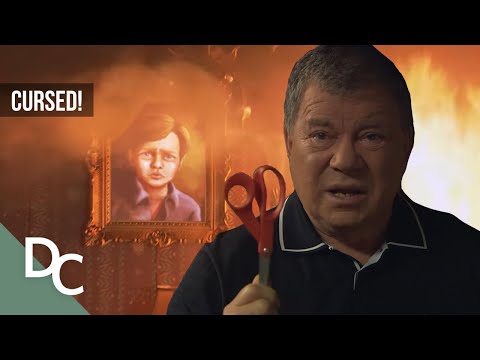
Our investigation begins in Britain, with a phenomenon that has echoed through paranormal circles for decades: the alleged curse of the 'Crying Boy' painting. Numerous reports detail a peculiar connection between this reproduced artwork and devastating house fires. In multiple accounts, when the painting was present in a home, a fire would erupt, often destroying the entire structure, yet the painting itself would somehow remain untouched by the flames. This resilience in the face of infernos is a focal point of the mystery.

From a parapsychological standpoint, this raises several questions. Could the painting be imbued with a specific type of psychic energy, an "imprint" of sorrow or anger, that manifests as heat or electrical disturbance? This aligns with theories of psychokinesis or poltergeist activity, where emotional energy can influence the physical environment. However, the forensic analysis of such claims is notoriously difficult. We must consider conventional explanations: faulty wiring near the painting, arson (though the survival of the painting complicates this), or even mass hysteria fuelled by sensationalist media reporting. The emotional resonance of a crying child is a powerful trigger for psychological distress, which can lead to suggestibility and the misattribution of cause and effect. But does it explain how the canvas itself seems to possess an almost supernatural protection?

Poltergeist phenomena are often linked to individuals experiencing significant emotional turmoil. Could the 'curse' be a projection of collective negative energy, or perhaps tied to the artist's own psychic state during creation? The survival of the painting is the anomaly that challenges purely rational explanations. For any serious investigator, this demands more than dismissal; it requires meticulous documentation and a search for verifiable, albeit rare, instances of similar object-specific phenomena. We need to look at the provenance of these paintings, the conditions under which they were created, and exhaustive reports on the fires themselves, looking for any commonalities beyond the mere presence of the artwork.

"It's more than just paint on canvas. It's a vessel. And sometimes, vessels crack, spilling their contents." - Anonymous Investigator

Case File: The Florida Doll – A Harbinger of Misfortune

Our journey then shifts to Florida, a state with its own folklore rich with tales of misfortune and unexplained occurrences. Here, the focus turns to a sinister doll, an object that, according to local lore and the documentary's premise, has systematically ruined the lives of those who have come into its possession. Unlike the painting, the doll's alleged influence is described as more pervasive, affecting not just property but the personal fortunes and well-being of individuals.

This presents a classic case of a potential "haunted object" narrative. The doll, often constructed with deliberate, unsettling features, becomes a focal point for negative events. Psychologically, this can be explained through the concept of the "object fixation" combined with confirmation bias. An individual acquires a doll perceived as creepy or sinister. Subsequently, they encounter minor misfortunes – a broken appliance, a spat with a friend. Due to the pre-existing belief in the doll's malevolence, these everyday occurrences are interpreted as direct results of the doll's influence. The narrative solidifies, and each subsequent misfortune reinforces the belief, creating a self-fulfilling prophecy.

However, in the realm of the paranormal, we must also consider the possibility of residual haunting or even intelligent haunting. Could the doll be a repository for a fragment of consciousness, or a tool used to focus psychic energy? The line between psychological projection and genuine paranormal influence is exceptionally thin and often indistinguishable without rigorous, controlled investigation. The goal here is not to debunk, but to analyze the *pattern* of reported misfortunes. Are there commonalities among the owners? Were they experiencing personal crises prior to acquiring the doll? What constitutes 'ruining a life' in these accounts? Answers often lie not in the object itself, but in the human stories entwined with it. For an investigator equipped with an EMF meter and a sensitivity to environmental energy, the key would be to visit the locations associated with the doll and attempt to detect any residual energetic anomalies. Failing that, corroborating testimonials and seeking patterns in the reported incidents is the next logical step.

Case File: California’s Protective Architecture – Designing Against the Unseen

Finally, the investigation takes us to California, a landscape known for its innovation and, perhaps, its own unique brush with the esoteric. Here, the focus shifts from cursed objects to their antithesis: architecture designed specifically to ward off curses or malevolent influences. This implies a societal acknowledgment, at least in some circles, of the reality of such phenomena and a pragmatic approach to mitigation.

This aspect of the report is crucial for understanding the broader cultural context of belief in curses. Throughout history, various cultures have employed specific architectural designs, symbols, and materials to create protective barriers. These range from ancient wards etched into stonework to more modern interpretations involving specific orientations, materials, or even the incorporation of religious or symbolic elements. In California, a region often perceived as a melting pot of alternative lifestyles and spiritual practices, it's plausible that such an unusual house exists, reflecting a desire for a tangible defense against unseen forces.

From an analytical perspective, the existence of such a structure suggests that the belief in curses and their potential impact is significant enough to warrant architectural solutions. This isn't merely superstition; it's an applied belief system. The investigator's task would be to examine the design principles of this house: what specific elements are incorporated, and what are their purported functions in deflecting negative energy? Are these based on ancient traditions, modern occult theories, or a unique synthesis? Understanding these design choices can offer profound insights into the cultural anxieties and metaphysical beliefs of the time and place in which the house was conceived. It moves beyond anecdotal accounts of objects and delves into the practical, physical manifestation of attempts to control or repel supernatural forces.

Investigator's Verdict: Connecting the Threads of Influence

The cases presented—the fire-prone painting, the life-ruining doll, and the curse-warding house—collectively paint a picture of a world where ordinary objects are believed to possess extraordinary, often malevolent, capabilities. As a seasoned investigator, my verdict is one of *cautious acknowledgment of anomaly*. We cannot, in good conscience, dismiss the consistent reports of fires that defy conventional explanation, nor the persistent lore surrounding objects that seem to attract misfortune.

However, the path of rigorous investigation demands we first exhaust all mundane possibilities. Arson, faulty wiring, environmental factors, and psychological suggestion (confirmation bias, nocebo effect) are potent forces that can mimic paranormal activity with unnerving accuracy. The 'Crying Boy' painting, for instance, could be susceptible to heat buildup from adjacent electrical sources, or perhaps the reproductions were made with flammable inks. The Florida doll's narrative might be amplified by a community prone to storytelling and a fertile ground for urban legends. The Californian house, while fascinating, could be a testament to a unique architectural style rather than a genuine warding structure.

Yet, the persistent element that remains is the *narrative coherence* and the *survival of specific objects* (like the painting) in otherwise destructive events. This suggests that while conventional explanations might account for *some* aspects, a residual layer of the unexplained may persist. My current hypothesis leans towards a combination of factors: potentially significant psychological influence amplified by environmental factors, with a rare, albeit unproven, possibility of genuine residual or intelligent psychic energy manifesting through these objects. The key takeaway is that even if the objects themselves aren't inherently 'cursed', they can become potent focal points for human belief, fear, and potentially, genuine anomalous energy.

Field Notes: Essential Equipment for Paranormal Forensic Analysis

Investigating phenomena linked to alleged cursed objects requires a multi-faceted approach. Beyond keen observation and logical deduction, specialized equipment can aid in detecting subtle environmental changes that might indicate anomalous energy. For any investigator venturing into these domains, I highly recommend the following:

  1. EMF Meters (e.g., K2 Meter): Essential for detecting fluctuations in electromagnetic fields, which are often reported in areas of suspected paranormal activity.
  2. Audio Recorders (High-Sensitivity Digital): For capturing Electronic Voice Phenomena (EVP). Capturing clear EVPs requires a quiet environment and a sensitive recorder.
  3. Full Spectrum Cameras: These cameras capture light beyond the visible spectrum (infrared and ultraviolet), which some researchers believe can reveal phenomena not visible to the naked eye.
  4. Geophones/Geophone Sensitive Microphones: To detect subtle vibrations or noises that might originate from within walls or floors, potentially indicating physical manifestation.
  5. Environmental Sensors: Devices to measure temperature fluctuations, barometric pressure, and air composition can help rule out environmental causes for perceived anomalies.

Remember, equipment is merely a tool. The true investigation lies in interpreting the data within its context, cross-referencing it with testimonials, and applying critical thinking. Investing in reliable gear is akin to a detective investing in their forensics kit – it's non-negotiable for serious work.

The Investigator's Archive: Recommended Readings & Viewings

To delve deeper into the complex relationship between objects, belief, and the inexplicable, I strongly advise consulting the following resources:

  • Books:
    • "The Haunted" by Robert Boyer: Explores documented cases of haunted objects with a historical perspective.
    • "In Search of Ghosts" by Jim Marrs: Offers a broader look at paranormal phenomena, often touching upon object-based hauntings.
    • "The Poltergeist Phenomenon: Italy's Most Intense Poltergeist Case" by Lorenzo Gresti: A detailed examination of a specific, intense case, offering insights into the mechanics of such events.
  • Documentaries:
    • "Hellier" (Series): While extensive, it delves into the culture of paranormal investigation and the belief systems surrounding anomalous encounters, including object-based phenomenon.
    • "The Possessed" (BBC): A documentary focusing on the historical context of alleged demonic possessions, often linked to cursed artifacts.
    • Archive footage from "Weird or What?" and similar investigation shows: These often capture initial reports and expert interviews, providing raw material for your own analysis.

Understanding these cases requires immersing oneself in the documented history and analytical approaches of others within the field. The paranormal research community has built a library of knowledge; don't reinvent the wheel.

Frequently Asked Questions

Q1: Can an object truly be 'cursed,' or is it always a psychological effect?
A1: While psychological suggestion is a powerful factor, the persistence of certain phenomena (like objects surviving fires) and consistent reports across cultures suggest that some cases may involve genuine psychic residue or anomalous energy. The debate between psychogenic and energetic origins remains open.
Q2: How can one investigate a potentially cursed object safely?
A2: Approach with extreme caution and respect. Document everything. Avoid direct physical contact if possible initially. Use remote sensing equipment (EMF, audio recorders). Never act alone. If a house is reportedly cursed, ensure fire safety measures are paramount. Consult with experienced investigators.
Q3: What's the difference between a haunted object and a poltergeist?
A3: A haunted object is typically believed to be imbued with a residual haunting or a specific entity, influencing its immediate surroundings. A poltergeist, on the other hand, is often characterized by more disruptive physical phenomena (moving objects, noises, fires) and is sometimes theorized to be linked to a living agent experiencing intense emotional stress, rather than a specific object. However, the lines can blur, with haunted objects acting as conduits or even triggers for poltergeist activity.

Your Mission: The Local Haunting Audit

Now, it is your turn to engage. Every community has its stories – an object in an antique shop with a strange history, a family heirloom that seems to bring bad luck, or a local legend about a peculiarly resilient artifact. Your mission:

  1. Identify a local legend or personal experience involving an object that is associated with unusual events, misfortune, or inexplicable phenomena.
  2. Document the narrative: What is the object? What specific events are attributed to it? Who are the witnesses or involved parties?
  3. Analyze critically: Apply the principles discussed in this report. What are the mundane explanations? What elements resist easy dismissal? Are there patterns in the reported events or the object's history?
  4. Share your findings (ethically): Discuss your analysis in the comments below. Remember to protect privacy and avoid sensationalism. The goal is informed investigation, not gossip.

The world is a tapestry of stories, some woven with threads of the ordinary, others with whispers of the extraordinary. Your role as an investigator is to unravel them, thread by meticulous thread.

alejandro quintero ruiz is a veteran field investigator dedicated to the analysis of anomalous phenomena. His approach combines methodological skepticism with an open mind to the inexplicable, always seeking the truth behind the veil of reality.

The phenomena surrounding cursed objects are deeply unsettling, tapping into primal fears of inanimate things possessing malevolent will. While hard evidence remains elusive, the sheer volume and consistency of anecdotal accounts, particularly regarding phenomena like unexplained fires and sustained misfortune, compel us to continue our investigation. The journey from reported anomaly to verifiable fact is arduous, often fraught with misleading trails and psychological misinterpretations. Yet, it is precisely in these challenging terrains that true understanding of the unexplained may lie. Keep your equipment charged, your mind open, and your skepticism sharp. The mysteries persist, and so must we.