Followers

Mostrando las entradas con la etiqueta skepticism. Mostrar todas las entradas

TOP 10 Scariest Paranormal Stories from Al Rojo Vivo

Image

The world is a tapestry woven with threads of the known and the terrifyingly unknown. Within its folds lie tales that defy logic, whispers from beyond the veil, and phenomena that haunt our collective consciousness. This dossier delves into a compilation of such accounts, specifically those captured and presented by "Al Rojo Vivo," a program that has dedicated itself to exploring the darker corners of human experience. We are presented with a curated list of the top ten most chilling paranormal stories, featuring apparitions, possessed dolls, disembodied voices, cryptid encounters, exorcism rituals, haunted locations, and mummified horrors that seemingly defy their eternal slumber. These are not mere campfire tales; they are presented as occurrences that have instilled fear and bewilderment in those who have witnessed these strange and inexplicable events.

Unveiling the Unexplained: A Critical Perspective

The broadcast "Al Rojo Vivo" presents a compelling, yet often sensationalized, collection of paranormal events. As an investigator, my mandate is to sift through the narrative, separating verifiable evidence from theatrical embellishment. This compilation, featuring ghosts, possessed dolls, spectral voices, purported cryptids like the Chupacabras, exorcism rites, haunted locations, and unnerving mummies, demands a rigorous examination. The program's aim is to evoke a visceral reaction, a response common in media designed to capture audience attention. However, genuine paranormal research requires more than shock value; it necessitates a methodical approach to understanding the phenomena presented.

The modern media landscape, particularly platforms like YouTube and television magazines, thrives on content that resonates emotionally. "Al Rojo Vivo" leverages this by showcasing events that tap into primal fears. The inclusion of diverse categories – from the spectral to the cryptid – suggests an attempt to cover the breadth of the unexplained. Yet, the question remains: how much of this is documented reality, and how much is performance? My objective is not to dismiss these accounts outright, but to analyze them through the lens of parapsychological investigation and critical thinking.

Recommended Gear for Investigation

ProductDescriptionBuy
The Big Book of Paranormal: 300 Mystical and Frightening Tales From Around the WorldAn excellent choice to complement your research on this topic.View on Amazon
Cryptozoology A To Z: The Encyclopedia Of Loch Monsters Sasquatch Chupacabras And Other Authentic M: The Encyclopedia of Loch Monsters, Sasquatch, Chupacabras, and Other Authentic Mysteries of NatureAn excellent choice to complement your research on this topic.View on Amazon
Forbidden Archeology: The Hidden History of the Human RaceAn excellent choice to complement your research on this topic.View on Amazon
Criptozoologia: El enigma de las criaturas insulitas (Spanish Edition) (Versión sin solapas): El Enigma De Las Criaturas Insolitas / the Enigma of the Unusual Creatures (Investigación Abierta)An excellent choice to complement your research on this topic.View on Amazon
The H. P. Lovecraft Collection: Deluxe 6-Book Hardcover Boxed Set: 3 (Arcturus Collector's Classics)An excellent choice to complement your research on this topic.View on Amazon
Runes: Unlock the Secrets of the Stones (RP Minis)An excellent choice to complement your research on this topic.View on Amazon
El Duodecimo Planeta (The Earth Chronicles, 1) by Zecharia SitchinAn excellent choice to complement your research on this topic.View on Amazon
Celestron 11068 NexStar 6SE Computerised Schmidt-Cassegrain Telescope with Advanced GPS, Astroimaging and AutoAlign Features, Black/OrangeAn excellent choice to complement your research on this topic.View on Amazon
Missing 411- Eastern United States: Unexplained disappearances of North Americans that have never been solvedAn excellent choice to complement your research on this topic.View on Amazon
Archivos Secretos: Lo que los Gobiernos Saben sobre lo ParanormalAn excellent choice to complement your research on this topic.View on Amazon

The Top 10 Paranormal Encounters: A Deconstruction

While the original broadcast provides a list, our role here is to dissect the *implications* of such a compilation. The sheer variety of phenomena presented – ghosts, possessed dolls, spectral voices, chupacabras, exorcisms, haunted locations, and animated mummies – suggests a broad net cast into the ocean of the unexplained. Each category presents unique challenges and requires distinct investigative methodologies. For instance, the investigation of a purportedly haunted location differs vastly from the analysis of a cryptid sighting or the debunking of alleged demonic possession. The narrative implies these are "real" events, witnessed and causing fear, yet the context of a news magazine program often prioritizes engagement over strict factual reporting. This leads us to question the sourcing and verification processes behind each story.

The presence of "voices from beyond the grave" hints at Electronic Voice Phenomena (EVP). The mention of possessed dolls and mummies speaks to object-oriented hauntings or possible psychokinetic disturbances. Cryptid reports, like the Chupacabras, fall under the purview of cryptid research, often requiring analysis of physical evidence, eyewitness accounts, and environmental factors. Exorcisms, while deeply rooted in religious and psychological frameworks, are often presented as definitive proof of supernatural malevolence. Each of these elements, when grouped together, creates a potent mix designed to captify but also to overwhelm critical analysis. The sheer volume and variety within a "Top 10" format suggest a tendency toward sensationalism rather than a deep dive into any single phenomenon.

"Fantasmas, muñecas poseídas, voces de ultratumba, chupacabras, actos de exorcismos, lugares embrujados y momias aterradoras que parecen cobrar vida, estos son los protagonistas de las diez historias paranormales más espeluznantes de Al Rojo Vivo. Una compilación de sucesos sobrenaturales que sembraron miedo y desconcierto entre quienes presenciaron estos hechos insólitos e inexplicables."

— Al Rojo Vivo Official Description

The very nature of a "Top 10" list, especially within a news magazine format, often prioritizes narrative impact over exhaustive investigation. The goal is to present a series of compelling vignettes that hold viewer attention. This approach can lead to the simplification of complex events, the amplification of anecdotal evidence, and a potential reduction in the critical examination of alternative, mundane explanations. As investigators, we must consider the possibility that some of these "terrifying stories" might be conflated with folklore, misinterpretations, or even deliberate fabrications aimed at entertainment. The inclusion of a cryptid like the Chupacabras alongside more traditional hauntings broadens the scope significantly, touching upon zoological mysteries as well as spectral ones.

Investigator's Analysis: Authenticity or Artifice?

From a pragmatic standpoint, the "Al Rojo Vivo" compilation presents a fascinating case study in media sensationalism and the public's enduring fascination with the paranormal. The range of phenomena – from classic ghosts and possessed objects to cryptids and exorcisms – covers a wide spectrum of unexplained events. However, the critical question for any investigator is the veracity of these accounts. My experience suggests that many such compilations rely heavily on anecdotal evidence, subjective interpretations, and often, a lack of rigorous, independent verification. The goal of a program like "Al Rojo Vivo" is typically audience engagement, which can sometimes lead to the prioritization of dramatic storytelling over factual accuracy. This doesn't necessarily mean every story is fabricated, but it necessitates a skeptical approach.

Consider the "voices from beyond the grave." Are these genuine Electronic Voice Phenomena (EVP) captured under controlled conditions, analyzed by experts, or are they simply background noise misinterpreted or even deliberately inserted? The "possessed dolls" and "terrifying mummies" evoke archetypal fears, often playing on cultural beliefs and psychological tropes. Such stories are fertile ground for suggestibility. The inclusion of the Chupacabras, a cryptid, shifts the focus from spectral to zoological mystery, requiring different forms of evidence and analysis, often involving biological samples or clear photographic/video evidence – commodities often lacking in typical paranormal reports.

Furthermore, the mention of "acts of exorcisms" treads into sensitive territory, often involving intense psychological states, religious beliefs, and potential medical misdiagnoses. While profound experiences are reported, scientifically validating them as supernatural phenomena remains a significant challenge. Haunted locations, too, vary wildly in their apparent activity, from subtle environmental anomalies to overt apparitions. The key is to look for patterns, corroborating evidence, and the elimination of mundane explanations. The very format of a "Top 10" list inherently encourages brevity and impact over depth, making it difficult to assess the true nature of each reported event without access to the raw investigation data, which is rarely provided.

The audience commentary reflects this dichotomy. Some viewers express genuine fear and belief ("Me da miedo no manches," "Suceden cosas Sobrenaturales. Hay que Protegerse siempre Oremos Mucho A Dios."), while others dismiss it as fabricated or attention-seeking ("Lo que hacen estos 'influencers' para ganar dinero," "que bobadas por favor."). This polarized reaction is typical when dealing with paranormal claims presented through mass media. The comparison to established urban legends, like the "Isla de las Muñecas," also indicates how these narratives draw from and reinforce existing cultural myths.

As Alejandro Quintero Ruiz, my approach is to treat every claim as a potential lead, but one that requires empirical investigation. The media presents a compelling, sometimes terrifying, narrative. Our job is to ask the difficult questions: What evidence exists beyond the broadcast? Have alternative explanations been thoroughly explored? What methodologies were employed, and were they scientifically sound? This critical lens is essential to differentiate between genuine anomalies and entertaining folklore.

Echoes from the Audience: A Spectrum of Belief and Skepticism

The nature of paranormal content, particularly when presented through mass media, invariably elicits a wide range of reactions from the audience. Reviewing the commentary associated with these "Al Rojo Vivo" stories reveals a predictable, yet informative, spectrum of belief, skepticism, and anecdotal comparison. Many viewers express palpable fear, often stating how the stories genuinely frightened them, using exclamations like "Me da miedo no manches 😱😱😬🥶😨" or attributing the phenomena directly to malevolent forces: "todas cosa sobrenaturales son obras del diablo no le den mas vueltas el diablo es astuto 😲". This emotional resonance is precisely what such programs aim to achieve.

Conversely, a significant portion of the audience exhibits a healthy dose of skepticism, questioning the authenticity and motives behind the presentations. Comments such as "Lo que hacen estos 'influencers' para ganar dinero" or "Las cosas que hace la gente para llamar la atención de las redes" highlight a common perception that paranormal claims are often fabricated for views and monetization. The critique that "Parece que en estos países no tienen nada que hacer y en estos canales de televisión tampoco" suggests a dismissal of the content as mere filler or sensationalism.

Interestingly, some viewers share personal experiences or local legends that they believe corroborate the broadcasted stories. The detailed account of haunted locations in Lima, Peru – Casa Matusita, Quinta Heren, and the Cementerio General – demonstrates how these narratives often connect with existing folklore and local lore. The mention of a "crepypasta" and a journalist who "went crazy" suggests the blurring lines between reported events and internet-based horror fiction. The belief that certain individuals "ven cosas que otras personas noven" and the warning against playing with Ouija boards ("jugar con la ouija es peligroso no es en llamar a los espíritus sino en saberlos retirar 👍👍") points to a cultural understanding of the paranormal that involves specific rituals and sensitivities.

The interpretation of entities also varies: some see them as "almas que no han podido trascender" (souls that could not transcend), while others unequivocally label them as "obras del diablo" (works of the devil). The commentary regarding the influencer and the dolls ("Well creo que ella las puso y las quiere alli... ya asta va ser negocio... nomas que aguas los que vallan a ir no ballan hacer sacrificados....") suggests suspicion that the "haunting" might be staged by the person supposedly experiencing it, perhaps for personal gain or notoriety. This interplay between belief, skepticism, and personal interpretation is crucial for any investigator seeking to understand the broader context of paranormal claims. It underscores the human tendency to seek explanations for the inexplicable, whether through supernatural or psychological frameworks.

Investigator's Toolkit

Engaging with phenomena like those presented by "Al Rojo Vivo" requires more than just observation; it demands the right tools and methodologies. For analyzing alleged hauntings, spectral voices, or cryptid evidence, a prepared investigator is an effective investigator. The following are crucial for any serious pursuit of the unexplained:

  • Audio Recording Devices: Essential for capturing potential Electronic Voice Phenomena (EVP). High-sensitivity digital recorders are preferred for their clarity and ability to pick up subtle auditory anomalies.
  • Video Cameras: Both standard and infrared cameras are vital for documenting visual phenomena, capturing potential apparitions, unexplained movements, or environmental changes. Continuous recording is often key.
  • EMF Meters: Electromagnetic Field meters are used to detect fluctuations in ambient electromagnetic energy, which some theories link to paranormal activity. Consistent spikes in unusual areas warrant further investigation.
  • Thermometers: Spot or infrared thermometers can detect sudden, localized temperature drops, often associated with spectral presences.
  • Notebooks and Pens: For meticulously recording observations, timelines, environmental conditions, and personal subjective experiences during an investigation. Documentation is paramount.
  • Geographical and Historical Records: Understanding the history of a location, especially reported tragedies or unusual events, provides crucial context for paranormal claims.
  • Witness Interview Techniques: Training in how to conduct interviews that elicit detailed, unbiased accounts without leading the witness is critical for gathering reliable testimony.

Beyond physical tools, a critical mindset is perhaps the most important asset. This involves understanding cognitive biases, common misinterpretations of natural phenomena, and the psychological impact of fear and suggestion. The pursuit of the paranormal is a delicate balance between remaining open to the possibilities and maintaining a rigorous, evidence-based approach. The ability to apply these tools and methods effectively can mean the difference between uncovering a genuine anomaly and falling prey to misperception or deception.

Frequently Asked Questions

  1. What is the primary purpose of "Al Rojo Vivo" in presenting these stories?

    Primarily, "Al Rojo Vivo" is a news magazine program. Its objective is to inform and engage its audience, which often includes presenting compelling, dramatic, and sometimes sensationalized stories, including paranormal accounts, to capture viewership and discussion.

  2. How can one differentiate between genuine paranormal activity and hoaxes?

  3. Are cryptids like the Chupacabras considered part of paranormal investigation?

    While cryptids fall under the umbrella of cryptozoology, the study of unknown animals, their investigation often overlaps with paranormal research. This is due to the mysterious nature of sightings, the lack of definitive scientific explanation, and the fear and folklore they generate, which share characteristics with traditional paranormal phenomena.

  4. What is the significance of viewer comments in analyzing these stories?

    Viewer comments provide valuable insight into public perception, belief systems, and skepticism surrounding paranormal claims. They can highlight potential biases, reveal common interpretations or criticisms, and sometimes offer additional anecdotal evidence or counter-arguments that warrant consideration in a broader analysis.

  5. How does the "Top 10" format affect the credibility of paranormal stories?

    The "Top 10" format, while effective for engagement, often prioritizes dramatic impact and brevity over in-depth investigation and verification. This can lead to sensationalism, simplification of complex events, and a potential reduction in the critical scrutiny applied to each story, making it harder to ascertain their factual basis.

Investigator's Verdict: Proceed with Caution

The "Top 10: Scariest Paranormal Stories from Al Rojo Vivo" compilation serves as a potent reminder of humanity's fascination with the unknown and the media's role in shaping these narratives. While the program undoubtedly presents captivating tales that tap into deep-seated fears and curiosities, a critical investigator must approach such content with a discerning eye. The variety of phenomena showcased – from spectral apparitions and possessed objects to cryptids and accounts of exorcism – offers a broad landscape of the unexplained. However, the inherent nature of a "Top 10" list within a news magazine format suggests a prioritization of entertainment value and audience engagement over rigorous, verifiable proof.

My assessment is that while some events presented may contain kernels of truth or genuine anomalies, they are likely amplified and dramatized for broadcast. The lack of detailed investigative procedures, raw data, or independent verification means these stories function more as intriguing folklore than as conclusive evidence of the paranormal. The audience's reactions, ranging from fervent belief to outright skepticism, mirror this ambiguity. It is essential to recognize that fear, suggestion, and cultural narratives play significant roles in how we perceive and interpret unexplained events.

The media landscape often blurs the lines between factual reporting and compelling storytelling. While "Al Rojo Vivo" succeeds in capturing attention, it is our responsibility as investigators, and indeed as critical consumers of information, to demand more. We must seek out primary sources, scrutinize methodologies, and remain open to mundane explanations before concluding the supernatural. The unexplained does not always equate to the paranormal; it often equates to the not-yet-understood.

Your Mission: Deconstruct and Document

Your task is to apply this critical approach. Next time you encounter a paranormal claim presented through media, whether it's a video, an article, or a television segment:

  1. Identify the Core Claim: What specific phenomenon is being presented?
  2. Assess the Evidence: What proof is offered? Is it anecdotal, visual, auditory, or physical?
  3. Seek Corroboration: Can you find independent reports or investigations of the same event?
  4. Consider Mundane Explanations: Could natural phenomena, psychological effects, or deliberate hoaxes account for the claims?
  5. Evaluate the Source: What is the reputation and motivation of the broadcaster or publisher?

Document your findings. Share your analysis with fellow truth-seekers. The pursuit of knowledge requires constant vigilance and intellectual rigor. Never stop questioning.

What are your thoughts on these stories? Have you ever experienced something similar? Share your personal encounters and theories in the comments below. Your experiences are valuable data for our ongoing investigations.

If you found this analysis enlightening, please share it across your social networks to help spread awareness and encourage critical thinking about the paranormal.

Don't forget to follow our investigation channels for regular updates on the most baffling cases. Your engagement fuels our quest for truth.

```

Investigator's Note: True paranormal research doesn't fund itself. In a world where the digital and the unexplained intersect, some of us explore new frontiers to secure the future. Do you dare to be part of the vanguard? Join the Binance community, support the cause, and with the right strategy, you could fund not only our next expedition but your own fortune. The next great discovery could be just a click away.

Larry King Live: Alien Abduction (4/10/92) - An Investigator's Analysis

Image

On April 10, 1992, Larry King Live hosted a panel that delved into the controversial subject of alien abductions, featuring guests like author David Jacobs and skeptical journalist Philip Klass. This broadcast, now a historical artifact in the annals of UFOlogy, offers a fascinating, albeit polarized, glimpse into the public discourse surrounding purported extraterrestrial encounters. From my perspective as an investigator, such discussions are rife with anecdotal evidence, personal conviction, and an often-unbridgeable chasm between belief and verifiable proof.

The Panel: Belief vs. Skepticism

The core of the broadcast involved a debate between David Jacobs, a proponent whose work often highlights consistent elements across numerous abduction testimonies, and Philip Klass, a well-known skeptic who sought rational explanations. Klass's skepticism, often rooted in the lack of tangible, independently verifiable evidence, serves as a crucial counterpoint to the deeply personal and often profound experiences recounted by alleged abductees. As one viewer commented,

"Why did Larry always have that putz Klass on everything there waa a UFO topic. Once ok, every time?"
This sentiment reflects a common frustration among believers who feel that debunkers like Klass are given undue platform, hindering open exploration of the phenomenon.

However, from an analytical standpoint, Klass's role is vital. Without rigorous skepticism, the field of paranormal investigation risks becoming an echo chamber for unsubstantiated claims. My own experience has shown that even the most compelling tales can unravel under scrutiny. The key is to acknowledge the emotional weight of testimony while demanding objective corroboration. The comments also reveal a deeper concern:

"Mr Klass did not read Jacob's book ??? Then he has no understanding of topic Thus lost in space Thanks for posting"
This highlights a fundamental hurdle in such discussions – whether participants are truly engaging with the depth of each other's research or operating from pre-conceived notions.

Recommended Gear for Investigation

ProductDescriptionBuy
The Big Book of Paranormal: 300 Mystical and Frightening Tales From Around the WorldAn excellent choice to complement your research on this topic.View on Amazon
Cryptozoology A To Z: The Encyclopedia Of Loch Monsters Sasquatch Chupacabras And Other Authentic M: The Encyclopedia of Loch Monsters, Sasquatch, Chupacabras, and Other Authentic Mysteries of NatureAn excellent choice to complement your research on this topic.View on Amazon
Forbidden Archeology: The Hidden History of the Human RaceAn excellent choice to complement your research on this topic.View on Amazon
The H. P. Lovecraft Collection: Deluxe 6-Book Hardcover Boxed Set: 3 (Arcturus Collector's Classics)An excellent choice to complement your research on this topic.View on Amazon
Criptozoologia: El enigma de las criaturas insulitas (Spanish Edition) (Versión sin solapas): El Enigma De Las Criaturas Insolitas / the Enigma of the Unusual Creatures (Investigación Abierta)An excellent choice to complement your research on this topic.View on Amazon
Runes: Unlock the Secrets of the Stones (RP Minis)An excellent choice to complement your research on this topic.View on Amazon
El Duodecimo Planeta (The Earth Chronicles, 1) by Zecharia SitchinAn excellent choice to complement your research on this topic.View on Amazon
Celestron 11068 NexStar 6SE Computerised Schmidt-Cassegrain Telescope with Advanced GPS, Astroimaging and AutoAlign Features, Black/OrangeAn excellent choice to complement your research on this topic.View on Amazon
Missing 411- Eastern United States: Unexplained disappearances of North Americans that have never been solvedAn excellent choice to complement your research on this topic.View on Amazon
Ghost-Hunting For Dummies [Idioma Inglés] An excellent choice to complement your research on this topic.View on Amazon

Recurring Patterns in Abduction Narratives

One of the most compelling aspects for researchers, and indeed for the public, is the sheer consistency found in abduction accounts. Viewers noted,

"after about the 100th abduction testimony where they describe the same type of beings, the same procedures done to them, and the same method of abduction, you tend to sort of tune out people like Klass."
This repetition – the "greys," the medical examinations, the missing time – is precisely what lends a degree of credibility, or at least a significant puzzle, to the phenomenon. It suggests a shared experience, whether literal or psychological. The question becomes: if these are mere delusions or fabrications, how do so many unrelated individuals arrive at such similar narratives?

Conversely, the digital age presents a new challenge to these recurring testimonies. The comment,

"Ever notice how its all on TELEVISION???....ever met anyone in person who was abducted?? think about it"
, brings up a valid point about the public, media-driven nature of many prominent abduction stories. While this doesn't invalidate the experiences, it does raise questions about the performative aspect when stories gain widespread attention. The subsequent comment,
"Thumbs up if you are an abductee,"
, attempts to gather direct testimony, but online affirmations are hardly empirical proof and can be easily manipulated.

The Media's Role and the Proof Paradox

The broadcast itself is a product of media, and the medium often shapes the message. Several comments point to this:

"Ever notice how its all on TELEVISION???"
and, more acutely,
"With cameras being ubiquitous these days, why are there no recordings of this occurring? Let me guess... The aliens disable all the electronic devices? Convenient."
This is the classic "proof paradox" in paranormal investigation. When evidence is presented, skeptics demand more. When evidence is lacking, the explanation often involves advanced technology or deliberate concealment by the phenomena themselves, which, while potentially true, is a convenient shield against definitive debunking.

The ubiquity of smartphones and ubiquitous surveillance cameras today makes the lack of clear, public recordings even more striking than in 1992. While alleged abductions might occur away from populated areas, the sheer volume of abductions described suggests that *some* encounters should leave undeniable digital footprints. The idea that advanced beings can seamlessly disable all electronic devices is a recurring explanation, but it remains an ad hoc hypothesis designed to explain away the absence of evidence.

Weighing the Evidence: Physical Traces and Missing Time

Despite the challenges, proponents point to evidence beyond mere testimony. One commenter articulates this point effectively:

"If it were just random people all over the world whom have never met one another experiencing abductions without physical proof, I and most people would probably dismiss it as nonsense or made up delusions by people looking for publicity and fame. But the fact that most people or witnesses report seeing UFO craft around houses or outside in fields, crop circles and cattle mutilations, people reported physically missing, missing time and scoop marks/cuts on the bodies of the abductees. Then that evidence alone gives us normal human beings or the scientific community to be more exact more credible evidence, (weight so to speak) to locate & study this phenomenon more in depth as opposed to dismissing it as ridiculous or bullshi*!"

These elements – UFO sightings accompanying abductions, physical traces like crop circles (though many are now known hoaxes), missing persons, and unexplained marks on the body – are the bedrock of serious abduction research. The phenomenon of "missing time" is particularly intriguing, as it suggests a disruption of subjective temporal perception that is difficult to explain through simple delusion. The "scoop marks/cuts" are often presented as physical evidence, though medical and forensic analysis typically finds conventional explanations or insufficient data for a definitive paranormal conclusion.

Skepticism and Alternative Explanations

Skeptics, like Klass, argue that these phenomena have earthly explanations. Sleep paralysis, vivid hypnagogic or hypnopompic hallucinations, false memory syndrome, and psychological needs for attention or meaning are often cited. One comment directly supports this:

"I lucid dream all the time, and I have pushed myself through glass and wooden doors. I can feel the grain of the glass and how sharp it is. They're just dreams, ffs."

This points to the power of the subconscious mind to create incredibly real-seeming experiences. The ability to "phase through matter" in dreams, as described, mirrors descriptions of alien abilities, suggesting that similar psychological mechanisms might be at play. The commenter also raises a critical point about a specific individual:

"Doesn’t make sense. Looked up “Harley” Byrd can’t find nothing. Richard jr died 1988 how did he call show? Byrd has nephew named harry not Harley so how Byrd son call in in 1992 when died in 88"
This highlights the importance of verifying the identity and circumstances of witnesses, a foundational step in any credible investigation.

Furthermore, the question of alien technology,

"If they can phase through matter, why do they need to take them out a window?"
, is a logical inconsistency that proponents must address. While phasing might be attributed to advanced biological or technological means, it raises questions about the practicalities of abduction if indeed such abilities are real.

The Shadow of Agendas and Financial Motives

A recurring theme in discussions about UFOs and alleged encounters is the potential for financial gain. One commenter's perspective is particularly sharp:

"At the time, this man had a book to sell. That he had. What he didn't have was solid concrete proof of anything. This is why the UFO subject will not go away. There is money to be made. This man may be credible in some areas, but there are great actors out there looking for ways to make easy money. Then we have the second man come on who doesn't seem to have anything to sell, but has a lot to say. It's all meaningless as there is zero proof. This is why I bad-mouth the people we usually see in videos about UFO's. If you watch a lot of these videos, you will know these people. They all have an agenda, book, movie or something to sell. Elizondo is a perfect example today. He has gone on multiple shows to hawk his new book, but still maintains there are things he can't talk about. My opinion of him is not good."

This cynical, yet pragmatically observed, viewpoint is critical for any investigator. David Jacobs has indeed published extensively on the subject, and the UFO community, like many seeking to explain the extraordinary, often attracts individuals with commercial interests. It's imperative to distinguish between genuine research and marketable narratives. The accusation that "Jacob and Friedman are two men who make Jews look like myth makers" unfortunately introduces a prejudicial element, revealing how personal biases can cloud objective analysis of the evidence presented by individuals, regardless of their background.

Investigator's Verdict: Fraud, Genuine Phenomenon, or Something Else?

The Larry King Live broadcast from 1992, when viewed through the lens of rigorous investigation, exemplifies the enduring challenge of the alien abduction phenomenon. While the consistent patterns in testimony are compelling and suggest a shared experience, the lack of irrefutable, objective evidence remains the primary obstacle. Skeptics like Philip Klass rightly highlight the psychological explanations and the potential for hoaxes and media sensationalism. However, dismissing the entirety of abduction claims outright ignores the profound impact these experiences have on individuals and the persistent, albeit often circumstantial, corroborating details like missing time and physical marks.

The Investigator's Archive

For those wishing to delve deeper into the complexities of alleged alien abductions and the psychology behind such experiences, I recommend the following resources:

  • Books by David Jacobs: His extensive research and interviews form a significant body of work on the subject, often highlighting the consistency of abduction narratives.
  • Works by Investigators of Skepticism: Seek out analyses from figures like Carl Sagan or investigations into psychological phenomena that mimic paranormal experiences. Understanding debunking techniques is crucial for balanced research.
  • Documentaries on UFO Phenomena: Explore documentaries that present a balanced view, interviewing both believers and skeptics, and examining various pieces of evidence.

Frequently Asked Questions

  1. What is the most common explanation for alien abduction claims?

    The most common skeptical explanations include psychological phenomena such as sleep paralysis, hypnagogic/hypnopompic hallucinations, false memory syndrome, and the human tendency to seek meaning or attention. Cultural archetypes also play a role in shaping these experiences.

  2. Why is there a lack of concrete physical evidence for alien abductions?

    This is a central point of contention. Proponents suggest advanced alien technology that leaves no trace, intentional concealment, or that the evidence is misinterpreted. Skeptics argue the lack of evidence points to the phenomena not being literal physical events. My stance is that extraordinary claims require extraordinary evidence, and its absence is a significant hurdle.

  3. How can one differentiate between a vivid dream and a real abduction experience?

    This is extremely difficult, even for the individuals experiencing it. Key differentiators often cited by experiencers include physical marks, missing time, consistent recall of specific details across multiple incidents, and independent corroboration. However, vivid dreaming can also produce intensely realistic sensations and memories.

  4. What was Philip Klass's stance on alien abductions?

    Philip Klass was a prominent skeptic who consistently sought rational explanations for UFO sightings and abduction claims. He often focused on identifying potential misidentifications, hoaxes, or psychological factors as the cause, rather than extraterrestrial visitation.

Your Mission: Become the Investigator

The Larry King Live broadcast is a snapshot of a larger, ongoing debate. Your mission, should you choose to accept it, is to approach such accounts with a critical yet open mind. Next time you encounter a story of the unexplained, ask yourself: What evidence is presented? What alternative explanations exist? Are there potential biases at play? Document your own observations and critical analyses.

Share your thoughts: Have you or someone you know had an experience that defies conventional explanation? Detail your experience in the comments below. We analyze every submission.

Amplify the investigation: If you found this analysis insightful, share it across your social networks. Unraveling mysteries requires collective effort.

Stay connected: Follow our channels for more deep dives into the unexplained. Your subscription fuels our ongoing research.

Investigator's Note: True paranormal research doesn't fund itself. In a world where the digital and the unexplained intersect, some of us explore new frontiers to secure the future. Do you dare to be part of the vanguard? Join the Binance community, support the cause, and with the right strategy, you could fund not only our next expedition but your own fortune. The next great discovery could be just a click away.

Larry King Live: UFO Abductions on April 26, 1994 - An Investigative Dossier

Image

The night of April 26, 1994, brought an extraordinary discussion to a national stage. Larry King Live, a program known for its candid conversations, dedicated an entire episode to the perplexing phenomenon of UFO abductions. Featuring a compelling panel including renowned abduction researchers Dr. John Mack and Budd Hopkins, alongside skeptic Dr. Robert Baker and alleged abductee Mary Oscarson, the broadcast delved into testimonies that challenged conventional understanding. This dossier aims to dissect the key elements of that historic broadcast, examining the evidence presented, the skepticism encountered, and the enduring questions that continue to fascinate investigators.

The Broadcast: A Deep Dive into Abduction Claims

The 1994 Larry King Live episode on UFO abductions was more than just a television segment; it was a cultural moment that brought the fringe topic of alien encounters into mainstream discourse. The presence of Dr. John Mack, a Pulitzer Prize-winning Harvard psychiatrist, and Budd Hopkins, a leading figure in abduction research, lent an air of credibility to the often-dismissed accounts. Their work had established a framework for understanding abduction as a distinct type of human experience, often marked by trauma and profound psychological impact. The inclusion of Mary Oscarson, an individual claiming to have undergone such an experience, provided a human face to the phenomenon, while Dr. Robert Baker represented the scientific skepticism that sought rational explanations.

The dynamic was palpable. Viewers, then and now, reacted to the stark contrast between those who believed in the reality of the abductions and those who sought terrestrial explanations. The episode, available via archival footage, serves as a critical case study in how such phenomena are presented and debated in public forums. The questions posed by King, the earnestness of the experiencers, and the measured debunking attempts by skeptics all contribute to a complex tapestry of belief, doubt, and genuine mystery.

Recommended Gear for Investigation

ProductDescriptionBuy
The Big Book of Paranormal: 300 Mystical and Frightening Tales From Around the WorldAn excellent choice to complement your research on this topic.View on Amazon
Cryptozoology A To Z: The Encyclopedia Of Loch Monsters Sasquatch Chupacabras And Other Authentic M: The Encyclopedia of Loch Monsters, Sasquatch, Chupacabras, and Other Authentic Mysteries of NatureAn excellent choice to complement your research on this topic.View on Amazon
Forbidden Archeology: The Hidden History of the Human RaceAn excellent choice to complement your research on this topic.View on Amazon
The H. P. Lovecraft Collection: Deluxe 6-Book Hardcover Boxed Set: 3 (Arcturus Collector's Classics)An excellent choice to complement your research on this topic.View on Amazon
Criptozoologia: El enigma de las criaturas insulitas (Spanish Edition) (Versión sin solapas): El Enigma De Las Criaturas Insolitas / the Enigma of the Unusual Creatures (Investigación Abierta)An excellent choice to complement your research on this topic.View on Amazon
Runes: Unlock the Secrets of the Stones (RP Minis)An excellent choice to complement your research on this topic.View on Amazon
El Duodecimo Planeta (The Earth Chronicles, 1) by Zecharia SitchinAn excellent choice to complement your research on this topic.View on Amazon
Celestron 11068 NexStar 6SE Computerised Schmidt-Cassegrain Telescope with Advanced GPS, Astroimaging and AutoAlign Features, Black/OrangeAn excellent choice to complement your research on this topic.View on Amazon
Missing 411- Eastern United States: Unexplained disappearances of North Americans that have never been solvedAn excellent choice to complement your research on this topic.View on Amazon
Ghost-Hunting For Dummies [Idioma Inglés] An excellent choice to complement your research on this topic.View on Amazon

Mary Oscarson's Account: A Face in the Crowd

Mary Oscarson's appearance on the show remains a focal point for many who rewatch the episode. Her demeanor and testimony have been described by some viewers as strikingly similar to singer Linda Ronstadt, a comparison that hints at the subjective nature of perception even in identifying individuals. Beyond appearance, Oscarson's account, along with that of other alleged abductees present, painted a picture of bewildering and often terrifying experiences. The details, though varied, often included themes of being taken against one's will, undergoing medical examinations, and experiencing partial or full memory loss, sometimes interspersed with vivid, inexplicable events.

"The doctor looks like Greg Brady from the Brady Bunch."

The specific claims made by Oscarson, and the reactions they elicited, highlight a recurring pattern in abduction narratives: the struggle for credibility. As viewers noted, "It is a CRIME that after 24-years, this is still being treated with skepticism!" This sentiment underscores the frustration felt by experiencers and their advocates, who often face societal ridicule. The question of what happened to Mary Oscarson since that night is a persistent one among those who watched, with many asking, "Any updates on Mary? It would be great to hear from her now." This desire for follow-up speaks to the human element of these stories—the need to know the aftermath and the long-term impact on individuals who have shared such profound experiences.

Mack & Hopkins: Charting the Unexplained

Dr. John Mack and Budd Hopkins were not merely guests; they were pioneers who legitimized the study of abduction phenomena. Their approach, meticulously documented in works like Mack's "Abduction: Encounter with Aliens" and Hopkins' various books, focused on the psychological reality of the experience for the individual, regardless of the ultimate objective cause. They argued that the consistency of abduction narratives across diverse populations suggested a common underlying phenomenon, distinguishing it from mere delusion or fabrication. Their work often involved deep interviews, hypnosis, and the careful analysis of recurring symbols and themes within the experiencer accounts.

Hopkins, in particular, was instrumental in developing methodologies for extracting detailed accounts from abductees, often through regression hypnosis. Mack, with his background in psychiatry, brought a clinical perspective, exploring the potential for these experiences to be genuine encounters or, at the very least, profoundly real psychological events. As one viewer noted, "Clearly Bud Hopkins and John Mack were pioneers and I admire them both very much for helping these people process what must be terrifying and traumatic experiences." Their dedication provided a crucial voice for those who felt isolated and disbelieved, positioning them as central figures in the ongoing investigation into anomalous experiences. Their passing marked a significant loss to the field of ufology.

Dr. Baker and the Pillars of Skepticism

Representing the counter-argument, Dr. Robert Baker, a psychologist, approached the abduction claims with rigorous skepticism. His perspective often centered on known psychological phenomena that could mimic or explain abduction experiences. Chief among these was sleep paralysis, a state where an individual is conscious but unable to move, often accompanied by vivid hallucinations—auditory, visual, and tactile. Baker argued that the commonalities in abduction reports closely mirrored the characteristics of sleep paralysis, including sensations of being held down, a perceived presence in the room, and terrifying apparitions.

"Sleep paralysis or dreams? Half the time the abductions take place during the day time, when the individual is not asleep. They are fully awake driving a car or in one case driving a snow mobile. Doctor Baker has no idea what he is talking about!🤣" This reaction from a viewer highlights a common critique of the sleep paralysis hypothesis: its inability to account for abductions occurring during fully conscious, daytime activities. Furthermore, the mention of Dr. Baker holding up a book by Phillip Klass, often described as a government shill or disinformation agent, was seen by some viewers as a strategic move to discredit the phenomenon rather than engage with the evidence. This tactic, perceived by critics as manipulative, further fueled the debate over the true nature of the claims being presented.

Larry King's Moderation: Navigating the Unexplained

Larry King, in his characteristic style, acted as the conduit between the experts, the experiencer, and the audience. While often perceived as a skeptic, King's interviewing technique was designed to elicit information and provoke reactions. His questions sometimes steered the conversation towards sensationalism, as noted by viewers: "Larry King sometimes leads the guest/witness with his alien abduction questions." Some found his inquiries, such as asking why aliens wouldn't abduct famous figures like Madeleine Albright or Bill Clinton, to be simplistic or even nonsensical from a scientific perspective.

"Larry asked the man if he performed a physical exam on the woman. He also said 'wouldn't you just love to' creepy"

King's role was pivotal in shaping the public perception of the discussion. His directness, while sometimes criticized as leading or insensitive—particularly comments like "'You didn’t have ovaries then'" or the perceived creepiness of certain remarks—ensured the topic remained engaging for a broad audience. The abrupt ending of interviews for commercial breaks also drew criticism, with one viewer lamenting, "Hate when Larry rushes the interview for the sake of a commercial. I understand they gotta get paid, but come on. Cut out some time and do an honest, patiently done interview." This dynamic between King's moderating style and the profound nature of the subject matter is a key element in understanding the broadcast's impact.

Viewer Reactions and Lingering Questions

The online commentary surrounding the broadcast reveals a spectrum of reactions, underscoring the enduring mystery of UFO abductions. Many viewers expressed sympathy and belief in the experiencers, such as Mary Oscarson. The comments frequently highlight the perceived mistreatment of the guests, with one person stating, "So sad these people are gone. Sickening to watch how they were treated and to know what happened to them." This emotional response points to a shared sense of injustice and empathy toward those who claim to have endured such ordeals.

The repeated questions about Mary Oscarson's fate ("Does anybody know what happened to Mary Oscarson? Did she ever write a book, or speak publicly? Does anyone know how she is doing?") reflect a deep-seated curiosity and a desire for closure or further information. This hunger for updates is a testament to the impact of her testimony. Furthermore, the recurring comparisons of Oscarson's appearance to Linda Ronstadt and Geena Davis, while seemingly superficial, underscore the visual memory the broadcast left on its audience. The debate between skepticism and belief continues, as evidenced by comments like, "No idea about abductions but have seen ufos. So im not too skeptical." This mixed reaction mirrors the broader societal engagement with unexplained phenomena, where personal experiences and observations often challenge purely rationalistic viewpoints.

Investigator's Verdict: Debriefing the Evidence

From an investigative standpoint, the 1994 Larry King Live episode on UFO abductions stands as a significant, albeit controversial, piece of documentation. The primary value lies not in definitively proving or disproving alien visitation, but in observing the dynamics of belief, skepticism, and human testimony when confronted with the anomalous. The presence of figures like Mack and Hopkins brought a level of academic inquiry to the subject, attempting to frame abduction experiences within a psychological and anthropological context.

However, the inherent challenges remain. The lack of verifiable, physical evidence presented on the show, coupled with the reliance on subjective testimony, leaves the door open to myriad interpretations. Skeptics rightly point to psychological factors like sleep paralysis, false memory syndrome, and cultural archetypes shaping narratives. Yet, the consistency of certain details across unrelated experiencers, a cornerstone of Hopkins' and Mack's research, cannot be entirely dismissed without further investigation. Dr. Baker's reliance on identifying known psychological mechanisms is valid, but his dismissal of daytime abduction accounts, as pointed out by viewers, shows a potential bias or lack of comprehensive understanding of the full scope of reported experiences. The interaction surrounding Phillip Klass's book further complicates the narrative, raising questions about potential disinformation campaigns within the UFO community itself. This is why maintaining an open mind, while demanding rigorous evidence, is paramount in paranormal investigation.

The Investigator's Archive

To deepen your understanding of UFO abductions and related phenomena, consulting foundational texts and analyses is crucial. These resources provide context and methodology essential for navigating such complex topics:

  • Abduction: Encounter with Aliens by John E. Mack: Mack's seminal work, detailing his psychiatric research into abduction experiences.
  • Intruders: The Incredible Visitations at Cherry Hill by Budd Hopkins: A detailed case study offering insights into the patterns of abduction phenomena.
  • The UFO Abduction Phenomenon: Assessing the Evidence by Robert Baker: A critical look from a skeptical perspective, exploring psychological explanations.
  • The Philip J. Klass Collection: For those interested in the skeptical viewpoint, understanding Klass's work provides insight into debunking methodologies, though critically.

Exploring these works offers a balanced perspective, presenting the arguments from both believers and skeptics, and providing the tools necessary for independent analysis. This ensures that your understanding is not solely based on televised discussions, but on a broader academic and investigative foundation.

Equipment Recommended for Investigation

When venturing into the field of paranormal investigation, particularly concerning experiences that may involve unseen forces or altered states of consciousness, having the right equipment can be invaluable. While tangible evidence is often elusive, tools can help document anomalies and environmental factors that might contribute to or correlate with unusual experiences. For those interested in documenting auditory phenomena, high-sensitivity audio recorders capable of capturing subtle sounds, such as those used for Electronic Voice Phenomena (EVP), are essential. Thermal cameras can detect unexplained temperature fluctuations, often associated with alleged hauntings or apparitions. EMF meters are frequently used to detect electromagnetic field variations, which some theories link to paranormal activity. Finally, robust note-taking tools, whether digital or traditional, are critical for logging observations, environmental conditions, and any concurrent events, ensuring a comprehensive record of your investigation.

Frequently Asked Questions

What is the primary argument against the reality of UFO abductions?
The main skeptical argument posits that abduction experiences can be explained by psychological phenomena such as sleep paralysis, vivid dreams, false memory syndrome, and the influence of cultural narratives and expectations.
Who were the key figures in the 1994 Larry King Live episode?
The key figures included UFO abduction researchers Dr. John Mack and Budd Hopkins, skeptic psychologist Dr. Robert Baker, alleged abductee Mary Oscarson, and host Larry King.
Did Mary Oscarson provide any updates after the show?
While viewers have expressed significant interest in Mary Oscarson's life post-interview, public records or widely disseminated updates are scarce, leaving her current status a subject of ongoing curiosity.
Are there any reliable methods to investigate abduction claims?
Investigating abduction claims typically involves detailed interviews, analyzing consistency in testimony, exploring psychological factors, and, where possible, seeking corroborating evidence. Researchers often use techniques like hypnosis, though this must be done with extreme caution due to the potential for memory distortion.

Your Mission: Analyze the Anomaly

Share your analysis and any personal experiences related to UFO sightings or anomalous encounters in the comments below. Don't forget to share this dossier with fellow investigators and on your social channels. Your contribution is vital to our collective pursuit of the unknown.

Investigator's Note: True paranormal research doesn't fund itself. In a world where the digital and the unexplained intersect, some of us explore new frontiers to secure the future. Do you dare to be part of the vanguard? Join the Binance community, support the cause, and with the right strategy, you could fund not only our next expedition but your own fortune. The next great discovery could be just a click away.
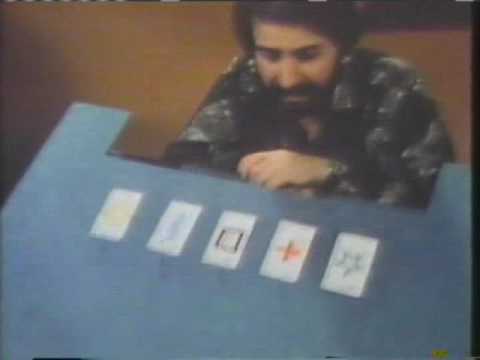
The Amazing World of Psychic Phenomena (1976): An Investigator's Analysis

Image

In the annals of paranormal exploration, few documentaries from the analog era stand out as vividly as the Schick Sunn Classic production, "The Amazing World of Psychic Phenomena" (1976). Hosted by the inimitable Raymond Burr, this film delves into a landscape brimming with purported telepathy, precognition, and phenomena that push the boundaries of our understanding. As an investigator, my approach is to deconstruct these claims, dissecting the evidence presented through the lens of critical thinking, while acknowledging the enduring human fascination with the unexplained.

This documentary explores the work and claims of individuals who became prominent figures in the parapsychological field during their time. Among them are Peter Hurkos, Ted Serios, Uri Geller, Ruth Montgomery, Edgar Mitchell, and Jeane Dixon. Their contributions, and the phenomena they represent—from Edgar Cayce's prophecies to the mysteries of Kirlian photography and the very nature of auras—form the core of the investigations presented.

Introduction: The 1976 Enigma

The 1970s represented a unique cultural moment where the paranormal, while often met with skepticism, also found a mainstream platform. Documentaries like "The Amazing World of Psychic Phenomena" weren't just entertainment; they were catalysts for public discourse on subjects previously relegated to the fringes. Raymond Burr's measured narration lent an air of credibility, guiding viewers through a series of astonishing claims and demonstrations that challenged conventional scientific paradigms.

Recommended Gear for Investigation

ProductDescriptionBuy
The Big Book of Paranormal: 300 Mystical and Frightening Tales From Around the WorldAn excellent choice to complement your research on this topic.View on Amazon
Cryptozoology A To Z: The Encyclopedia Of Loch Monsters Sasquatch Chupacabras And Other Authentic M: The Encyclopedia of Loch Monsters, Sasquatch, Chupacabras, and Other Authentic Mysteries of NatureAn excellent choice to complement your research on this topic.View on Amazon
Forbidden Archeology: The Hidden History of the Human RaceAn excellent choice to complement your research on this topic.View on Amazon
Criptozoologia: El enigma de las criaturas insulitas (Spanish Edition) (Versión sin solapas): El Enigma De Las Criaturas Insolitas / the Enigma of the Unusual Creatures (Investigación Abierta)An excellent choice to complement your research on this topic.View on Amazon
The H. P. Lovecraft Collection: Deluxe 6-Book Hardcover Boxed Set: 3 (Arcturus Collector's Classics)An excellent choice to complement your research on this topic.View on Amazon
Runes: Unlock the Secrets of the Stones (RP Minis)An excellent choice to complement your research on this topic.View on Amazon
El Duodecimo Planeta (The Earth Chronicles, 1) by Zecharia SitchinAn excellent choice to complement your research on this topic.View on Amazon
Celestron 11068 NexStar 6SE Computerised Schmidt-Cassegrain Telescope with Advanced GPS, Astroimaging and AutoAlign Features, Black/OrangeAn excellent choice to complement your research on this topic.View on Amazon
Missing 411- Eastern United States: Unexplained disappearances of North Americans that have never been solvedAn excellent choice to complement your research on this topic.View on Amazon
P-SB7T Spirit Box ITC Rev 7 Research FM/AM Ghost Box PSB7 Radio Paranormal Equipment PSB7T SB7 P-SB7TAn excellent choice to complement your research on this topic.View on Amazon

The film promised an exploration of abilities that seemed to defy the laws of physics and biology: seeing the future, communicating across vast distances without technology, and perceiving energies invisible to the naked eye. As an investigator, my task is not to simply accept these assertions but to critically examine the context, the individuals involved, and the potential for both genuine phenomena and sophisticated deception.

Key Figures and Phenomena Explored

The documentary showcases a pantheon of individuals who claimed extraordinary psychic gifts:

  • Edgar Cayce: Known as the "Sleeping Prophet," Cayce's readings were reportedly delivered in a trance state, offering diagnoses for physical ailments and prophecies about the future.
  • Precognition: The ability to foresee future events, a theme explored through various anecdotal accounts and testimonials.
  • Psychometry: The alleged psychic ability to obtain information about an object or person by touching it. Peter Hurkos was a prominent figure associated with this.
  • Faith Healing: The practice of healing through spiritual belief, often involving a connection between the healer and the divine.
  • Biofeedback: While presented in a parapsychological context, this touches upon the conscious control of involuntary bodily functions, a field that has seen more conventional scientific exploration.
  • Kirlian Photography: The technique of capturing luminous images of living organisms, often interpreted as 'auras' or life energy.
  • Psychic Investigators: Individuals who claimed to use their abilities to solve crimes or locate missing persons.
  • Auras: The purported colored fields of energy surrounding living beings, said to convey information about health and emotional state.
  • Astral Projection: The concept of the spirit or consciousness leaving the physical body to travel independently.
  • Haunted Houses: Investigations into locations believed to be inhabited by paranormal entities.
  • Psychic Photography: Images allegedly capturing spirits or psychic energy not visible to the unaided eye.
  • Ghost Sound Recordings (EVP): The recording of unexplained voices or sounds on audio equipment, a cornerstone of modern paranormal investigation.
  • Séances: Gatherings where individuals attempt to communicate with spirits of the deceased.
  • Reincarnation: The belief that the soul is reborn into a new body after death, a concept often linked to past-life recall.

Among the featured personalities, Edgar Mitchell, the sixth man to walk on the Moon, brings a unique astronomical perspective, discussing his work on the effects of consciousness and the potential of quantum mechanics to explain psychic phenomena. His involvement lends significant weight to the discussions on the nature of reality and human potential.

Audience Reflections: Echoes from the Field

The enduring appeal of this documentary is evident in the feedback shared by viewers across various platforms. Many recall the profound impact it had during their formative years. One viewer recounts, "I seen this at 7yrs old. Shit scared me. Grown now it is nothing. But as a kid. This was more eerie then any horror movie." This sentiment highlights the power of suggestion and atmosphere in shaping our perception of the unexplained, particularly during childhood.

The documentary's influence extended beyond mere entertainment. Several comments point to its role in shaping future researchers: "Hail to Charlie Tart, Dr Mishlove, Russell Targ, Ingo Swann, skip atewater, Stuart Hameroff, Edgar Mitchell, Robert Monroe for helping me understand my scenario's as a child & more so as an adult!" This underscores how exposure to such topics, even if controversial, can open minds to alternative possibilities and inspire a lifelong pursuit of knowledge in fields like parapsychology.

"The ghostly hour of 3am." Still gives me the chills

— Viewer Comment

The recurring theme of childhood fear and adult re-evaluation suggests that the documentary taps into primal anxieties and curiosities. The mention of "Anthropologists report that people here are capable of transmitting and receiving thoughts telepathically" by one viewer reflects a common thread in the material: the idea that psychic abilities are not just individual anomalies but potentially widespread human traits, albeit suppressed or unrecognized in mainstream society. The difficulty in publishing such claims in academic journals, even in the 70s, speaks to the persistent skepticism that has always surrounded these subjects.

Debunking and Skepticism: The Investigator's Doubt

No serious investigation into psychic phenomena is complete without confronting the inevitable charges of fraud and misdirection. The documentary itself, and the careers of some featured individuals, have faced rigorous scrutiny. Uri Geller, in particular, has been a frequent target. As one commenter points out, "Uri Gellar was shamed on Johnny Carson, when he was caught palming a second spoon that had been pre broken, and placed back together with Mercury & frozen." This incident, involving the alleged use of mercury to repair a spoon and then melt it away, is a classic example of how skilled performers can create illusions of psychic power.

Another viewer keenly observes the rigged nature of some demonstrations: "The 2 of hearts thing.....didja notice he DID NOT show the other card. Why? Because BOTH cards were a two of hearts. No matter WHAT arm Burr picked (right or left), it was going to be right." This analytical approach, dissecting the methodology of the 'tests,' is precisely the kind of critical evaluation required. The film likely presented these demonstrations as evidence, but a careful observer, especially one familiar with stage magic, can see the potential for trickery.

I totally dig this kinda crap but it's so set up it's funny. This is an awesome comedy.

— Viewer Comment

The skepticism extends to other demonstrations. The explanation for the fish pictures and hang glider test suggests that deliberate misdirection—making one option appear more likely or dynamic than another—can create the illusion of psychic insight. This aligns with the principles of psychological manipulation often employed in both magic and, unfortunately, in fraudulent psychic readings. The documentary's very presentation, aiming to amaze, inadvertently provides material for those seeking to debunk it.

Scientific Perspectives and Modern Interpretations

While the 1976 documentary captured a specific moment in the public perception of psychic phenomena, it's crucial to assess these claims through the lens of modern scientific understanding. The field of parapsychology continues to investigate phenomena like precognition and telepathy, though mainstream scientific acceptance remains elusive. Research into consciousness, quantum entanglement, and even the subtle biological signals captured by techniques like Kirlian photography has evolved significantly.

Edgar Mitchell's contribution, linking psychic phenomena to quantum holographic universe theories, reflects an attempt to bridge the gap between the esoteric and the scientific. While elegant, these theories often remain speculative and difficult to test empirically. The debate continues: are these phenomena genuine expressions of consciousness beyond our current understanding, or are they products of cognitive biases, statistical anomalies, and deliberate deception?

The decline in mainstream discussion of these topics is noted by viewers: "Anyone remember when this kind of research stopped being talked about seriously now a far higher percentage of the population will simply dismiss esp as modern propergander treats such things as myth or 'conspiracy theories' reinforcing ignorance." This observation points to a societal shift, where open discussion of the paranormal has become more marginalized, often relegated to online communities and labeled as fringe or conspiratorial. This creates a challenge for genuine researchers trying to explore these frontiers without being dismissed.

When considering phenomena like ghost sound recordings (EVP), advancements in audio technology and our understanding of auditory pareidolia (perceiving meaningful sounds in random noise) provide more conventional explanations. Similarly, while auras and Kirlian photography can be visually striking, their interpretation as direct evidence of psychic energy remains largely unsubstantiated by rigorous scientific methods. The potential for psychological suggestion, particularly in the context of haunted houses and séances, is immense. We must acknowledge that human perception is fallible and highly susceptible to expectation and environmental cues.

Investigator's Toolkit: Essential Gear for Psychic Research

For those inspired by "The Amazing World of Psychic Phenomena" to venture into the realm of investigation, having the right tools is paramount. While the documentary showcased anecdotal evidence and dramatic demonstrations, modern investigators rely on a more systematic approach.

Essential equipment often includes:

  • Digital Voice Recorders: For capturing Electronic Voice Phenomena (EVP) with high fidelity.
  • EMF Meters: To detect fluctuations in electromagnetic fields, often associated with reported paranormal activity.
  • Infrared and Full-Spectrum Cameras: To capture visual anomalies that may not be visible to the naked eye.
  • Geophone Sensors: To detect subtle vibrations in floors and structures.
  • Thermometers (Infrared and Ambient): To measure temperature fluctuations, another common indicator cited in paranormal reports.

Beyond technology, the most critical tools are a clear, analytical mind, meticulous record-keeping, and a commitment to methodological rigor. Understanding basic principles of psychology, physics, and common deception techniques is as vital as any gadget.

Investigator's Verdict: Authenticity or Artifice?

After reviewing the documentary and the subsequent discussions, my assessment leans heavily towards a critical interpretation. While the film captures a fascinating cultural moment and highlights individuals who genuinely believed in their abilities, the evidence presented is largely anecdotal or demonstrably susceptible to trickery. The claims made by figures like Uri Geller have been widely debunked, and the "demonstrations" within the documentary itself often show signs of careful staging.

The surviving comments suggest a divergence of opinion: some viewers remain captivated, while others, with a more discerning eye, see the "set up" and consider it "awesome comedy." The stark contrast between those who "passed all the tests" and those who see the deliberate nature of the illusions is telling. The persistence of belief, even when faced with evidence of fraud (as with Geller), speaks to the powerful human desire to believe in something beyond the ordinary, and the effectiveness of persuasive presentation.

It is true that some phenomena, like the claims surrounding Edgar Cayce and Peter Hurkos, have faced less definitive debunking compared to others. However, the absence of conclusive, repeatable scientific evidence for most psychic abilities means they remain in the realm of speculation and personal experience rather than established fact. The documentary is a valuable historical artifact, showcasing the popular fascination with the psychic world, but as a source of definitive proof, it falls short.

Frequently Asked Questions

  1. What is the main criticism leveled against the phenomena shown in "The Amazing World of Psychic Phenomena (1976)"?
    The primary criticism is that many of the demonstrations were staged, relied on trickery, or could be explained by natural causes and psychological suggestion rather than genuine psychic ability.
  2. Who were some of the key figures featured in the documentary?
    The documentary featured individuals such as Edgar Cayce, Peter Hurkos, Ted Serios, Uri Geller, Ruth Montgomery, Jeane Dixon, and astronaut Edgar Mitchell.
  3. Has scientific research validated the psychic claims presented in the film?
    While parapsychology continues to investigate these areas, mainstream science has not validated most of the claims presented in the film with conclusive, repeatable evidence. Many of the featured individuals, like Uri Geller, have faced public debunking.
  4. Why are documentaries like this still popular despite skepticism?
    These films tap into a deep human fascination with the unknown, the possibility of hidden potentials within consciousness, and the enduring mystery of life and death. They offer a glimpse into a world beyond the ordinary, captivating audiences with wonder and intrigue.
  5. Can psychic abilities be learned or developed?
    This is a central question in parapsychology. Some theories suggest potential, while others emphasize the role of natural talent or the possibility of heightened intuition. However, definitive methods for developing psychic abilities remain unproven.

Your Mission: The Critical Observer

The legacy of "The Amazing World of Psychic Phenomena" serves as a potent reminder: to approach extraordinary claims with extraordinary skepticism. Your mission, should you choose to accept it, is to cultivate the skill of the critical observer. When confronted with sensational evidence, ask yourself:

  • What is being shown, and what might be deliberately concealed?
  • Are there simpler, non-paranormal explanations for what I am seeing?
  • What are the motivations of the individuals presenting this information?

Engage with content like this not just as a passive viewer, but as an active investigator. Share your findings, your analyses, and your toughest questions. The pursuit of truth, whether it lies in the mundane or the paranormal, requires constant vigilance and incisive questioning.

The world of the unexplained is vast and often misleading. It requires careful navigation, and this documentary, while engaging, is best viewed as a historical snapshot of belief rather than a definitive guide to psychic truths. Continue your research, stay critical, and never stop questioning.

Share your own experiences with psychic phenomena or your thoughts on this documentary. Did it influence you? Do you believe the claims? Let us know in the comments below. Don't forget to share this investigation into the amazing world of psychic phenomena with your fellow truth-seekers on social media!

Investigator's Note: True paranormal research doesn't fund itself. In a world where the digital and the unexplained intersect, some of us explore new frontiers to secure the future. Do you dare to be part of the vanguard? Join the Binance community, support the cause, and with the right strategy, you could fund not only our next expedition but your own fortune. The next great discovery could be just a click away.