Followers

Mostrando las entradas con la etiqueta Investigator's Log. Mostrar todas las entradas

Ghost Hunting Marathon: Full Episodes and Paranormal Evidence

Image

The veil between worlds is thin, and sometimes, it tears wide open. For those who dare to peer into the abyss, the evidence of phenomena beyond our current understanding is overwhelming. The 'Ghost Hunting Marathon' series, presented by The Haunted Side, doesn't just skirt the edges of the unexplained; it dives headfirst into the heart of paranormal activity, capturing moments that will leave even the most seasoned skeptic questioning reality. This isn't mere speculation; it's raw, unfiltered footage from locations steeped in shadow and sorrow, where entities like demons, skinwalkers, poltergeists, and ghosts allegedly make their presence known.

Introduction: The Unseen World Revealed

In the realm of the paranormal, 'seeing is believing' often takes on a chilling new meaning. The 'Ghost Hunting Marathon' series is a testament to this, compiling hours of footage that purports to show undeniable proof of a world beyond our own. Viewers are promised 'Paranormal Investigation Videos That Prove We’re NOT Alone' and 'Ghost Hunts that will SHOCK You to the Core!! (Very Scary)'. This isn't about jump scares; it's about sustained dread, about the palpable feeling of being watched, and the terrifying realization that you might be in the presence of something ancient and malevolent. The core of their work revolves around capturing paranormal activity as it unfolds, offering a grim catalog of encounters that push the boundaries of human experience. As the original hashtags suggest, this includes #haunted locations, #ghosts, #ghosts, #ghosthunt, and a deep dive into #paranormalinvestigation.

Analyzing the Evidence: Caught on Camera

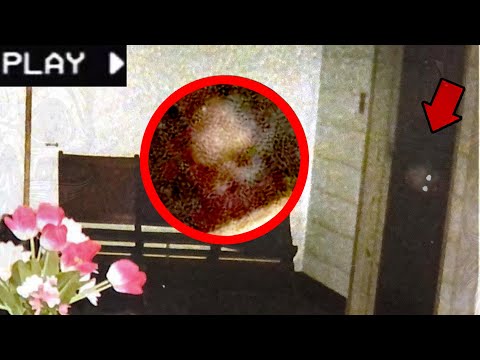
The true draw of this series lies in its commitment to presenting 'Paranormal CAUGHT on Camera: Evidence Captured (Do Not Watch Alone)'. This phrase is repeated throughout their promotional material, underscoring the visual and visceral nature of their findings. Titles like 'Very HAUNTED Paranormal Evidence Captured' and 'Ghosts Caught on Camera (Extremely SCARY Videos)' indicate a focus on irrefutable, albeit often disturbing, visual and auditory phenomena. The implication is that these are not staged events but genuine encounters, often occurring during extended investigations where the team spends 'The MOST Scary Nights of Paranormal Investigating'. The raw footage, which forms the backbone of the 'Full Episodes', is designed to immerse the viewer in the chilling atmosphere of these haunted locations, fostering a sense of shared fear and vulnerability. Some viewers have even noted specific anomalies, such as an 'orb alert' at `5:27:31`, suggesting careful observation is rewarded with potential discoveries.

Recommended Gear for Investigation

ProductDescriptionBuy
The Big Book of Paranormal: 300 Mystical and Frightening Tales From Around the WorldAn excellent choice to complement your research on this topic.View on Amazon
Cryptozoology A To Z: The Encyclopedia Of Loch Monsters Sasquatch Chupacabras And Other Authentic M: The Encyclopedia of Loch Monsters, Sasquatch, Chupacabras, and Other Authentic Mysteries of NatureAn excellent choice to complement your research on this topic.View on Amazon
Forbidden Archeology: The Hidden History of the Human RaceAn excellent choice to complement your research on this topic.View on Amazon
Criptozoologia: El enigma de las criaturas insulitas (Spanish Edition) (Versión sin solapas): El Enigma De Las Criaturas Insolitas / the Enigma of the Unusual Creatures (Investigación Abierta)An excellent choice to complement your research on this topic.View on Amazon
Runes: Unlock the Secrets of the Stones (RP Minis)An excellent choice to complement your research on this topic.View on Amazon
The H. P. Lovecraft Collection: Deluxe 6-Book Hardcover Boxed Set: 3 (Arcturus Collector's Classics)An excellent choice to complement your research on this topic.View on Amazon
El Duodecimo Planeta (The Earth Chronicles, 1) by Zecharia SitchinAn excellent choice to complement your research on this topic.View on Amazon
Ghost Hunting EVP - Grabadora EVP de 8 GB, equipo paranormal, caja de voz digital SpiritAn excellent choice to complement your research on this topic.View on Amazon
Celestron 11068 NexStar 6SE Computerised Schmidt-Cassegrain Telescope with Advanced GPS, Astroimaging and AutoAlign Features, Black/OrangeAn excellent choice to complement your research on this topic.View on Amazon
P-SB7T Spirit Box ITC Rev 7 Research FM/AM Ghost Box PSB7 Radio Paranormal Equipment PSB7T SB7 P-SB7TAn excellent choice to complement your research on this topic.View on Amazon

Demons, Skinwalkers, and Specters: A Taxonomy of Fear

The 'Ghost Hunting Marathon' doesn't shy away from the most terrifying aspects of the paranormal. Their investigations delve into encounters with entities far more formidable than mere residual hauntings. The explicit mention of 'Demon, Skinwalker, Poltergeist & Ghosts' in their content taxonomy suggests a broad spectrum of supernatural threats. The question 'Are DEMONS Real?' is posed directly, implying that the captured evidence is intended to confront this profound existential query. This focus on aggressive and potentially dangerous entities ramps up the tension, as evidenced by titles like 'When Things Go VERY WRONG!! (Scary Paranormal Evidence Caught)' and 'Nights We Almost Didn't Make It (DO NOT WATCH ALONE)'. The series seems dedicated to exploring the darker corners of the supernatural, where encounters can be life-threatening, leading to desperate pleas like 'We Should LEAVE!! Very Scary Paranormal Evidence Captured (SCARY)' and 'We Were SCARED for Our LIVES!! (Do Not Watch Alone)'. These narratives provide a chilling glimpse into the risks involved in provoking or confronting such powerful entities.

The Investigator's Log: When Things Go Wrong

The true measure of a paranormal investigation's credibility often lies in the willingness of the investigators to document not just successes, but failures and moments of genuine fear. The 'Ghost Hunting Marathon' embraces this transparency. Titles like 'We Were SCARED Being Alone in the Haunted Locations (VERY SCARY)' and 'Nights We Were SCARED!! Paranormal Investigation Full Episodes' highlight the emotional toll these expeditions take. This raw vulnerability resonates with viewers, creating a connection that transcends passive observation. The recurring warning 'Do Not Watch These Paranormal Investigations Alone (Very Scary)' is perhaps the most potent indicator of the content's intensity. It’s a stark reminder that these are not controlled experiments but dangerous forays into territories where unseen forces may hold sway. The collected footage serves as a chronicle of these harrowing experiences, offering a first-hand account of confrontations with the terrifying unknown.

Essential Equipment for the Field

Supporting the Pursuit of the Paranormal

The creation of extensive content like the 'Ghost Hunting Marathon' demands substantial resources and unwavering commitment. The Haunted Side actively encourages viewer participation and support through a variety of channels. Beyond direct donations via PayPal, CashApp, and Venmo, they offer membership options on YouTube and exclusive content through Patreon. This multi-faceted approach allows dedicated followers to contribute financially, enabling the team to continue their high-risk investigations. Active engagement on social media platforms like Instagram, TikTok, Twitch, and Facebook also builds community and broadens their reach. This collective effort is vital for sustaining the often expensive and time-consuming work of documenting paranormal phenomena.

Frequently Asked Questions

  1. What kind of paranormal entities are explored in these episodes?

    The episodes delve into investigations involving demons, skinwalkers, poltergeists, and various other ghostly apparitions, presenting evidence captured on camera.

  2. Are the videos suitable for a general audience or do they require caution?

    The content is described as 'Very Scary' and 'Do Not Watch Alone,' indicating it is intended for mature audiences who can handle intense and potentially terrifying paranormal evidence.

  3. What is the primary goal of the 'Ghost Hunting Marathon' series?

    The series aims to provide compelling paranormal investigation videos that capture evidence, aiming to prove the existence of entities beyond human comprehension and 'shock viewers to the core'.

  4. How can viewers support the channel and its investigations?

    Support can be provided through various platforms including Linktree, PayPal, CashApp, Venmo, Patreon, YouTube channel memberships, and by purchasing recommended gear from their Amazon store.

  5. Has specific evidence, like orbs, been identified by viewers?

    Yes, viewers have actively engaged with the content, noting specific anomalies such as potential 'orb alerts' at precise timestamps (e.g., 5:27:31), demonstrating the audience's keen observation and involvement.

Investigator's Verdict: The Unsettling Truth

From an analytical standpoint, the 'Ghost Hunting Marathon' series presents a compelling case for the existence of paranormal phenomena, largely due to its unwavering commitment to documenting raw, unedited experiences. The sheer volume of purported evidence, coupled with the investigators' palpable fear and the explicit warnings to viewers, suggests a level of authenticity often missing in sensationalized media. While skepticism is always warranted in the field of the unexplained, the breadth of entities investigated—from residual hauntings to potentially dangerous demonic presences—and the consistent focus on captured evidence ('caught on camera') demand serious consideration. The repeated emphasis on the terrifying nature of these encounters and the risks taken by the team lends weight to their claims. It’s a potent reminder that the world may indeed be populated by forces beyond our current scientific comprehension, and that documenting these encounters is a vital, albeit frightening, endeavor. The series doesn't just offer scares; it presents a chilling thesis: we are not alone.

Your Mission: Document the Unseen

This investigation into the 'Ghost Hunting Marathon' series underscores the importance of rigorous documentation and open-minded analysis. Now, it’s your turn to apply these principles. Your mission, should you choose to accept it, is to delve into your own local lore or personal experiences. Whether it's an old house rumored to be haunted, an unexplained event you witnessed, or a chilling folktale from your region, document it. Record your findings, analyze the evidence critically, and consider what it might suggest about the unseen forces around us. Share your findings in the comments below – let’s expand this dossier of the unexplained together. And remember, the pursuit of truth in the paranormal is a journey best undertaken with courage and a critical eye.

What are your most terrifying paranormal experiences? Share them in the comments below so we can add them to the official investigation files!

If you found this analysis compelling, do us a favor and share it on your social media channels. Help us spread the word and uncover more truths about the unexplained.

Investigator's Note: True paranormal research doesn't fund itself. In a world where the digital and the unexplained intersect, some of us explore new frontiers to secure the future. Do you dare to be part of the vanguard? Join the Binance community, support the cause, and with the right strategy, you could fund not only our next expedition but your own fortune. The next great discovery could be just a click away.

10 Mythical Creatures That Just Might Be Real

Image

The line between myth and reality has always been a blurry one, especially when it comes to the creatures that inhabit our folklore and legends. For centuries, humans have told tales of beings that defy conventional understanding, sparking wonder and curiosity. This investigation delves into ten such mythical creatures whose existence, despite lacking definitive proof, continues to intrigue and occasionally, to disturb. Are these mere figments of imagination, or could they be echoes of a reality we haven't yet fully grasped? Let's examine the evidence, the sightings, and the persistent whispers that suggest these legends might hold a kernel of truth.

Unexplained Phenomena and Cryptids

The study of cryptozoology often focuses on creatures whose existence is suggested by anecdotal evidence but not yet proven by science. These beings, often referred to as cryptids, range from elusive primates like Bigfoot to aquatic monsters such as the Loch Ness Monster. Our task here is to analyze the persistent narratives surrounding these figures, separating the kernels of potential truth from the layers of embellishment and cultural interpretation. We approach these cases not with blind faith, but with a critical eye, seeking patterns and connections that might elude conventional scientific inquiry.

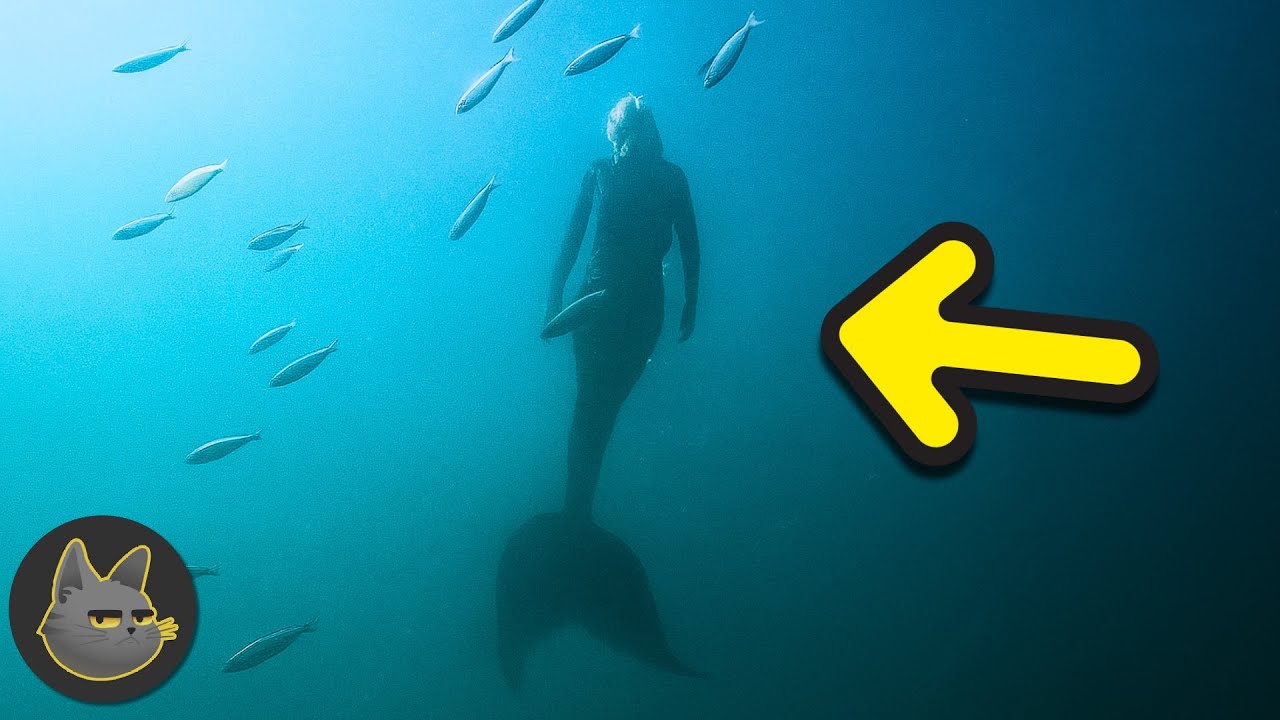
Consider the enduring fascination with creatures like the Kraken, a legendary sea monster of enormous size said to dwell off the coasts of Norway and Greenland. While often dismissed as sailors' tales amplified by fear and imagination, the sheer consistency of descriptions across different eras and cultures warrants examination. Could these accounts stem from misidentifications of known, albeit rare, large marine animals, or is there a possibility of a truly unknown species lurking in the abyssal depths? Our methodological approach involves cross-referencing historical accounts with modern oceanographic data, looking for correlations that might support or refute the existence of such colossal marine life.

Recommended Gear for Investigation

ProductDescriptionBuy
Cryptozoology A To Z: The Encyclopedia Of Loch Monsters Sasquatch Chupacabras And Other Authentic M: The Encyclopedia of Loch Monsters, Sasquatch, Chupacabras, and Other Authentic Mysteries of NatureAn excellent choice to complement your research on this topic.View on Amazon
The Big Book of Paranormal: 300 Mystical and Frightening Tales From Around the WorldAn excellent choice to complement your research on this topic.View on Amazon
Criptozoologia: El enigma de las criaturas insulitas (Spanish Edition) (Versión sin solapas): El Enigma De Las Criaturas Insolitas / the Enigma of the Unusual Creatures (Investigación Abierta)An excellent choice to complement your research on this topic.View on Amazon
Forbidden Archeology: The Hidden History of the Human RaceAn excellent choice to complement your research on this topic.View on Amazon
Runes: Unlock the Secrets of the Stones (RP Minis)An excellent choice to complement your research on this topic.View on Amazon
The H. P. Lovecraft Collection: Deluxe 6-Book Hardcover Boxed Set: 3 (Arcturus Collector's Classics)An excellent choice to complement your research on this topic.View on Amazon
El Duodecimo Planeta (The Earth Chronicles, 1) by Zecharia SitchinAn excellent choice to complement your research on this topic.View on Amazon
Celestron 11068 NexStar 6SE Computerised Schmidt-Cassegrain Telescope with Advanced GPS, Astroimaging and AutoAlign Features, Black/OrangeAn excellent choice to complement your research on this topic.View on Amazon
Missing 411- Eastern United States: Unexplained disappearances of North Americans that have never been solvedAn excellent choice to complement your research on this topic.View on Amazon
Ghost-Hunting For Dummies [Idioma Inglés] An excellent choice to complement your research on this topic.View on Amazon

Historical Context and Folklore

Mythical creatures are not static entities confined to ancient texts; they evolve, adapt, and resurface in different forms throughout history. The depiction of dragons, for instance, varies significantly across cultures. In Western traditions, they are often depicted as malevolent, fire-breathing beasts hoarding treasure. Conversely, in many East Asian cultures, dragons are seen as benevolent symbols of power, wisdom, and good fortune. This divergence suggests that our interpretations of these beings are heavily influenced by our own cultural anxieties and aspirations.

The unicorn, another creature deeply embedded in our collective consciousness, represents purity and grace. Its image, often associated with healing properties, has been a recurring motif in art and literature for centuries. While modern science offers explanations rooted in genetic anomalies or mistaken identities for sightings, the persistent archetype of the unicorn speaks to a deeper human yearning for the extraordinary and the untainted. We must consider how these archetypes might reflect psychological needs as much as potential biological realities.

Eyewitness Accounts: The Chupacabra Case

One of the most compelling modern cryptids is the Chupacabra, first reported in Puerto Rico in the mid-1990s. Initial descriptions often portrayed a reptilian creature with spikes down its back, capable of draining the blood of livestock, particularly goats. The name itself, "Chupacabra," translates to "goat-sucker" in Spanish, a testament to its bloodthirsty reputation.

"The person who named it Chupacabras is Mr. Silverio Perez, a media personality in PR. The Chupacabras originated in PR in 1995. In PR there are no coyotes, coyotes do not exist in PR, so it is impossible for the Chupacabra to be a *coyote* with mange. I myself at the time when I was a child could see with my own eyes many, many animals dead from the Chupacabra. They always appeared with some kind of holes in their bodies and attacked cows, goats, chickens, cats, etc."

This particular testimony offers a crucial regional detail: the absence of coyotes in Puerto Rico. This directly challenges a common, albeit often unverified, explanation that the Chupacabra is simply a diseased coyote. If coyotes are not native to the region, then the observed attacks and the creature's description must be analyzed through a different lens. The mention of specific types of wounds—"holes in the body"—also adds a layer of detail that requires careful consideration. Could these be the result of a predator with unique hunting methods, or are they signs of something else entirely? This local perspective is vital; it grounds the legend in a specific environment and compels us to look beyond generalized explanations.

Biological Anomalies and Misinterpretations

The phenomenon of misidentification plays a significant role in cryptozoological debates. Many creatures described in folklore might be exaggerated or misunderstood accounts of real animals. For instance, the description of a "guiverno" versus a traditional dragon highlights how variations in biological features can lead to distinct mythological interpretations. A wyvern, characterized by two legs and two wings, differs structurally from the four-legged, winged dragon common in Western lore. This distinction is not merely academic; it suggests that observers might have been describing different creatures or different variations of a similar theme.

Furthermore, the integrity of photographic and visual evidence is frequently called into question. A comment mentions, "8:54 it was proven that the photograph is false and it was a piece of wood." Such revelations underscore the critical need for rigorous verification in any investigation. Without corroborated evidence, visual "proof" can easily lead investigations astray, perpetuating misinformation. Our protocols must include stringent methods for evaluating visual data, distinguishing between genuine anomalies and deliberate fakes or simple misinterpretations of mundane objects.

Cryptozoology Research and Modern Theories

The field of cryptozoology is not static. Researchers continuously develop new theories and refine methodologies. The discussion around the Chupacabra, for example, has evolved. While early reports focused on a reptilian creature, later sightings, particularly in Mexico and parts of the United States, described a canine-like animal, often attributed to mangy coyotes or dogs. This shift in description suggests either multiple distinct phenomena being conflated under one name, or an evolution of the legend itself.

The existence of creatures like Ogopogo, rumored to inhabit Okanagan Lake in Canada, fits into this broader pattern of aquatic cryptids. These reports often involve sightings of large, serpentine forms moving through the water. While scientific explanations frequently point to known phenomena like wakes, logs, or unusual wave patterns, the persistence of these sightings across decades keeps the possibility of an undiscovered species alive in the public imagination. This level of dedication requires not only time but also a solid resource base. Ensuring our future is part of preparing for any eventuality, and in today's world, that includes exploring the frontiers of the digital ecosystem.

Listener Reactions and Engagement

The feedback from our audience is invaluable, offering both emotional resonance and critical insights. Comments often reflect a deep personal connection to the content, highlighting the power of these stories to transcend mere entertainment.

"I felt like crying when I saw you uploaded a video... I used to watch your videos when I had depression. And now that I'm feeling that way again, you come back and it calms me because you really made me forget about everything."

This heartfelt testimonial underscores the therapeutic potential of engaging with mysteries and curiosities, providing a much-needed escape from personal struggles. Another comment expresses joy at the return of a familiar creator:

"It’s been so long since I’ve gotten a notification from Ben, what happiness, may the successes continue Curioso Ben."

Such reactions confirm the strong bond formed between content creators and their audience, built on consistency and shared interest. The return of a creator after a long hiatus often sparks a wave of nostalgia and appreciation, as seen with a comment expressing, "Years I haven't heard from Curioso Ben, it's good to see him again ❤." The iconic "WELCOME!" call is also a recurring theme, indicating its significance as a signature element that fosters a sense of familiarity and anticipation.

Beyond personal reflections, viewers also contribute specific details and alternative theories. One user notes about the Chupacabra:

"6:42 the chupacabras originated in PR 🇵🇷 in the year 1995 and in PR there are no coyotes, the coyotes do not exist in PR therefore it is impossible for the chupacabra to be a *coyote* with mange, I could see with my own eyes in 1995 when I was a child many animals dead by the chupacabra and they always appeared with some kind of holes in their bodies and attacked cows, goats, chickens, cats etc. The person who named it chupacabras is Mr. Silverio Perez a media person in PR ✌️"

This detailed firsthand account, emphasizing the local ecological context, provides critical data that challenges common explanations. Similarly, another viewer offers a biological distinction:

"Another curious fact Benny: the images they put in this video of dragons are mostly wyverns. A wyvern is a mythological creature, similar to a dragon, but with two legs and two wings, instead of four legs and wings like traditional dragons. And very often they are represented with a spiked tail or one ending in a point."

These contributions highlight the audience's active engagement, turning passive viewing into a collaborative investigation. The mention of Yu-Gi-Oh cards and specific timestamps further indicates a deep level of analytical viewing by enthusiasts.

Researcher's Verdict: Myth or Emerging Reality?

After meticulously sifting through historical accounts, analyzing eyewitness testimonies, and considering biological and anthropological perspectives, the verdict on these mythical creatures remains open. The persistent narratives, the startling consistency in certain descriptions, and the cultural ubiquity of these figures suggest more than mere fantasy. While definitive scientific proof remains elusive for most, the evidence prompts us to consider the possibility that these myths are rooted in real, albeit poorly understood, phenomena.

The Chupacabra case, especially with local testimony challenging the "diseased coyote" hypothesis, points towards a genuine, unexplained predator. The variations in descriptions might indicate different species or different regional adaptations of a cryptid. The enduring power of creatures like dragons and unicorns suggests they tap into something fundamental in the human psyche, possibly representing archetypal forces or ancestral memories of encounters with creatures now extinct or exceedingly rare. Our investigation concludes that while outright acceptance of every legend is unscientific, dismissing them entirely would be premature. The unexplained does not cease to exist simply because it is unproven. It merely awaits further investigation.

The Investigator's Archive

To further your own investigations into the world of cryptids and unexplained creatures, consult these resources:

  • "The Field Guide to Bigfoot and Other Mystery Primates" by Loren Coleman and Patrick Huyghe: A comprehensive catalog of ape-like cryptids worldwide.
  • "In Search of Prehistoric Survivors: Do'(Living Fossils') Still Exist?" by Karl P.N. Shuker: Explores the possibility of surviving prehistoric creatures.
  • Documentaries such as "MonsterQuest" and "Finding Bigfoot": While often dramatized, they offer insights into investigative techniques and fieldwork.
  • Reputable cryptozoology websites and forums: Engage with ongoing research and discussions within the community.

Protocol: Documenting Anomalous Sightings

  1. Record Immediately: Upon witnessing an anomaly, document everything: time, date, location, weather conditions, and precise description of the entity or event.
  2. Take Evidence: If possible and safe, collect photographic, video, or audio evidence. Note any physical traces (footprints, unusual residues).
  3. Interview Witnesses: If others were present, conduct independent interviews to compare accounts and identify discrepancies or corroborations.
  4. Environmental Analysis: Research the local ecosystem, known wildlife, geographical features, and any historical reports of similar phenomena in the area.
  5. Consult Experts: Cross-reference findings with established cryptozoological databases and experts. Be prepared for skepticism but maintain an open, evidence-based approach.

Frequently Asked Questions

What is the most common explanation for mythical creatures?
The most common scientific explanations involve misidentification of known animals, hallucinations, sleep paralysis, cultural folklore, and psychological projection.
How can I distinguish between a myth and a potential cryptid?
A myth is typically a traditional story, often religious or heroic, explaining natural phenomena or cultural practices. A cryptid is a creature whose existence is unproven but suggested by anecdotal evidence. The key difference lies in the potential for empirical verification.
Is there any scientific evidence for mythical creatures?
Currently, there is no conclusive scientific evidence accepted by the mainstream scientific community for the existence of most mythical creatures. However, cryptozoology operates on the fringes, seeking such evidence.
What is the role of folklore in cryptozoology?
Folklore provides the foundational narratives and descriptions upon which cryptozoological investigations are often built. It offers clues to what might have been observed historically.

Your Mission: Field Observation

Next time you are in an area known for local legends or unexplained phenomena, practice the 'Protocol: Documenting Anomalous Sightings'. Even if you encounter nothing out of the ordinary, the discipline of careful observation and documentation is crucial for any serious investigator. Report your findings, however mundane, to relevant forums or research groups. Your contribution could be the missing piece in a larger puzzle.

What are your thoughts? Have you ever encountered something you couldn't explain? Share your experiences in the comments below. Your story might be the next case file I investigate. Don't forget to share this investigation with fellow truth-seekers on your social networks, and follow for more deep dives into the unknown!

```

Investigator's Note: True paranormal research doesn't fund itself. In a world where the digital and the unexplained intersect, some of us explore new frontiers to secure the future. Do you dare to be part of the vanguard? Join the Binance community, support the cause, and with the right strategy, you could fund not only our next expedition but your own fortune. The next great discovery could be just a click away.

The Unexplained: Analyzing Eerie Mysteries from AskReddit's Darkest Corners


Introduction: The Whispers from the Digital Void

The digital ether crackles with narratives, a constant hum of human experience. Among these countless transmissions, certain threads emerge, woven from the most unsettling and inexplicable mysteries. Reddit, in particular, has become a fertile ground for such accounts, specifically its sub-communities dedicated to the uncanny and the terrifying. Today, we delve into the raw data: personal testimonies shared on platforms like AskReddit Scary Stories. This isn't about ghost tales for campfire amusement; it's about dissecting the anatomy of fear, the fallibility of perception, and the persistent presence of anomalies that defy easy explanation. We are not merely recounting stories; we are opening an investigation into the human psyche's response to the unknown.

Analyzing the AskReddit Phenomenon: A New Frontier for Anomalous Data

The AskReddit format, particularly when focused on "scary" or "unexplained" experiences, presents a unique challenge and opportunity for researchers of the paranormal. It acts as a distributed, crowdsourced repository of phenomena, often lacking the rigorous documentation of classic case studies but rich in anecdotal detail and psychological depth. The sheer volume allows for pattern recognition that might be missed in isolated incidents. These aren't curated reports from seasoned investigators; they are unfiltered glimpses into moments where reality seemed to fray for ordinary individuals. My approach here is not to validate every tale as literal truth, but to analyze the recurring motifs, the common triggers for reporting such experiences, and the potential underlying phenomena—be they psychological, environmental, or genuinely anomalous.

Recurring Patterns in Eerie Narratives

Across countless submissions, certain archetypes of unexplained events consistently surface: phantom footsteps when no one is present, objects moving inexplicably, disembodied voices captured on audio or perceived auditorily, unsettling presences felt in empty rooms, and inexplicable visual anomalies ranging from shadows to fleeting figures. The consistency of these reports across diverse geographical locations and demographics suggests either a shared psychological susceptibility or the existence of phenomena that manifest in predictable ways. The key is to sift through the noise—misinterpretations, hoaxes, and psychological projections—to identify the signal of genuine mystery.

The Internet as an Anomaly Reporting Network

Platforms like Reddit have democratized the sharing of anomalous experiences. What was once relegated to hushed conversations or fringe publications is now accessible to millions. While this increases the risk of fabricated content, it also exponentially expands the dataset for analytical study. The challenge for an investigator like myself is to treat each submission not as gospel, but as a primary source document requiring critical evaluation. My goal is to identify those narratives that possess internal consistency, detail, and a resistance to mundane explanation, thereby warranting further scrutiny. This process mirrors the initial stages of any serious investigation: identifying potential leads from a sea of information.

Deconstructing the Personal Anecdote: Core Elements of Unexplained Mysteries

When a user recounts an "eerie and unexplained mystery," they are often providing us with a fragmented report. My task is to reconstruct the event, not merely as a story, but as a data point. This involves dissecting the narrative into its fundamental components:

  • The Setting: Where and when did the event occur? The environment often plays a crucial role. A dimly lit, isolated location amplifies psychological tension.
  • The Witness(es): Who experienced the event? Their emotional state, known reliability, and number are critical factors. A solitary witness experiencing heightened stress is different from a group sharing consistent observations.
  • The Anomaly: What precisely happened that defied normal expectations? This requires precise description, devoid of embellishment, focusing on sensory input.
  • The Aftermath: How did the witness and others react? Did the event leave lasting psychological or physical traces? This can provide corroborating evidence or reveal the impact of the experience.
  • Attempted Explanations: Did the witness or others try to rationalize the event? Understanding these attempts helps in identifying potential mundane causes that were dismissed.

Many submissions, like those that might be found on dedicated subreddits, focus on a sudden, sharp divergence from the ordinary. A moment of silence broken by an inexplicable sound, a familiar room suddenly feeling alien, or a fleeting glimpse of something that shouldn't be there. These are the moments I scrutinize.

The Psychology of Shared Fear and the Unexplained

It's imperative to acknowledge the potent psychological factors at play. Pareidolia (seeing patterns in random stimuli), hypnagogic/hypnopompic hallucinations (hallucinations occurring while falling asleep or waking up), and cryptomnesia (unconsciously recalling information previously learned but forgotten) can all contribute to experiences that feel genuinely paranormal. However, dismissing all such accounts as purely psychological is a failure of intellectual rigor. The task is to differentiate between experiences that can be *adequately* explained by known psychological or environmental factors, and those that remain stubbornly anomalous. The shared nature of these online forums also fosters a feedback loop; one person's story can influence another's perception or interpretation of their own experiences. This communal amplification is a fascinating, albeit challenging, aspect of studying these online phenomena. Understanding the reported fear, the sense of dread, the cold spots – these are all data points in understanding the *experience* regardless of its ultimate source.

Investigator's Protocol: Debunking and Validation

"The world inexplicable doesn't always measure up to science, but it's our duty to try." This mantra guides my analysis. My methodology involves a multi-pronged approach:

  1. Initial Screening: Filter submissions for clarity, detail, and internal consistency. Eliminate clear hoaxes or nonsensical accounts.
  2. Environmental Analysis: Consider potential mundane explanations based on the described setting (e.g., drafts, old building noises, animal activity, reflective surfaces).
  3. Psychological Assessment: Evaluate the likelihood of psychological phenomena based on circumstantial evidence (e.g., witness fatigue, stress, fear).
  4. Pattern Matching: Compare the reported anomaly against known phenomena databases, classic cases, and recurring motifs in unexplained accounts.
  5. Evidence Scrutiny (if applicable): If any physical or digital evidence is mentioned (photos, audio recordings), analyze its potential for manipulation or misinterpretation. Tools like spectral analysis for audio or digital forensics for images are invaluable here, even if only theoretically applied to the described evidence.
  6. Hypothesis Generation: Formulate potential explanations, ranging from the mundane to the speculative, based on the gathered data.

The objective isn't to prove ghosts exist, but to rigorously investigate claims that defy ordinary understanding. The ultimate aim is to categorize the anomaly: Mundane Explanation, Psychological Origin, Unresolved/Anomalous. This structured approach ensures that even anecdotal evidence is treated with a degree of scientific respect, pushing the boundaries of what can be known.

El Archivo del Investigador: Resources for Deeper Study

For those seeking to understand the depth of these unexplained phenomena, a curated list of resources is essential. Mere sensationalism will not suffice for a serious student of the unexplained. Engaging with these materials is the next logical step in moving beyond passive consumption to active investigation.

  • Books:
    • "The Anomaly" by Annie Jacobsen: Explores the historical and scientific attempts to understand UFOs and extraterrestrial phenomena.
    • "The Unabomber Manifesto: Industrial Society and Its Future" by Ted Kaczynski: While controversial, it details a profound critique of modern society and its psychological impact, offering context for anxieties that may manifest in other ways.
    • "Realms of the Unknown" edited by Charles Fort: A foundational text compiling countless historical anomalies and unexplained events.
  • Documentaries:
    • "The Phenomenon" (2020): A comprehensive look at the UFO topic with historical footage and interviews.
    • "Hellier" (2019): A multi-season docuseries following a group investigating a paranormal case in Kentucky, showcasing investigative techniques and philosophical debates.
    • "Behind the Curve" (2018): Explores the Flat Earth community, offering a stark look at belief systems and the psychology of conviction.
  • Platforms:
    • Gaia.com: Features a wide array of documentaries and series on consciousness, ancient mysteries, and the paranormal, often featuring investigative approaches.
    • Fortean Times Magazine: A long-standing publication dedicated to anomalies and the unexplained.

Accessing these resources will equip you with the knowledge base necessary to critically evaluate the types of stories shared online and to conduct your own informed investigations.

Investigator's Verdict: Anecdote vs. Anomaly

The collection of user-submitted stories from platforms like AskReddit presents a rich, albeit challenging, dataset. My verdict, based on years of analyzing such phenomena, is that these accounts occupy a spectrum. On one end, we find demonstrably mundane explanations: misinterpretations of natural sounds, optical illusions, psychological stress responses, or outright fabrication. On the other end, however, lie those persistent narratives that resist easy dismissal. These are the cases characterized by multiple witnesses, specific and unusual details, a lack of clear mundane cause, and a profound unsettling effect on the experiencer. While definitive proof of the paranormal remains elusive in these anecdotal formats, the consistency of certain reported phenomena across disparate sources compels us to consider them as potential indicators of truths beyond our current scientific grasp. They are not proof, but they are significant anomalies worthy of continued, rigorous analysis. The question is not whether these stories are "real" in a literal sense, but what underlying truths—psychological, environmental, or genuinely anomalous—they represent.

Frequently Asked Questions

Q: Can all scary stories shared online be explained by psychology?
A: While psychological factors play a significant role in many experiences, attributing every unexplained event solely to psychology is premature. Rigorous investigation requires considering all possibilities.

Q: How can I tell if a story is a hoax?
A: Look for inconsistencies, overly dramatic or cliché elements, lack of specific detail, or motives for deception. However, distinguishing a hoax from a genuinely unusual experience can be challenging without direct evidence.

Q: What is the most common type of unexplained mystery reported?
A: Auditory and visual anomalies (disembodied voices, shadows, fleeting figures) and feelings of presence or being watched are among the most frequently reported unexplained experiences.

Your Field Mission: Documenting the Local Unexplained

Your Mission: Investigate Your Own Local Legends

The true power of these shared experiences lies in their potential to reflect anomalies in your own surroundings. Your mission, should you choose to accept it, is to become a local investigator. Instead of only reading about distant mysteries, turn your attention inward.

  1. Identify Local Lore: Research or recall any local legends, unexplained disappearances, or reported hauntings in your town or city.
  2. Seek Testimonials: Discreetly inquire among long-time residents, local historians, or even online community groups for first-hand accounts related to these local mysteries.
  3. Document Meticulously: If you encounter any relevant information or personal testimonies, record them with the same critical eye discussed above. Note the date, location, witnesses, description of the event, and any attempts at explanation.
  4. Analyze for Patterns: Compare your local findings to the broader patterns discussed in this report. Do your local legends share commonalities with national or global reported anomalies?

The goal is not to create sensational tales, but to practice analytical observation and documentation within your own community. The unexplained often resides closer than we think.

About the Author

alejandro quintero ruiz is a veteran field investigator dedicated to the analysis of anomalous phenomena. His approach combines methodological skepticism with an open mind to the inexplicable, always seeking the truth behind the veil of reality. With years of direct experience in diverse environments, Quintero Ruiz offers a pragmatic and analytical perspective on cases that challenge conventional understanding.

The Scariest Videos Ever Captured: An Investigator's Analysis of Found Footage Phenomena


Introduction: The Nature of Found Footage

The digital age has democratized evidence. What was once confined to grainy photographs and hushed testimonies is now readily available, a torrent of digital captures flooding the internet. Among these, "found footage" – alleged paranormal recordings – occupies a unique, often controversial, niche. Tonight, we peel back the layers of sensationalism to conduct a rigorous analysis of these captured phenomena. This isn't about telling ghost stories; it's about dissecting the evidence, no matter how unsettling.

We've all seen them: the shaky cam videos, the distorted audio, the fleeting shadows. Some are dismissed as hoaxes, others become internet legends. Our goal is to approach these captured events with a critical yet open mind. Can these recordings offer genuine glimpses into the paranormal, or are they merely products of misinterpretation, technical glitches, and deliberate deception? We will examine specific cases, delve into the psychology of belief, and consider the methodologies required to approach such evidence seriously.

Case File: The Historic Jefferson Hotel Haunting

The Historic Jefferson Hotel, a site steeped in history and whispered tales, has longbeen a focal point for paranormal investigation. Reports emanating from this location range from inexplicable temperature drops and disembodied voices to apparitions witnessed by staff and guests alike. Tonight, we focus on recent alleged recordings that claim to document genuine spectral activity within its hallowed, or perhaps haunted, halls.

The claims surrounding the hotel often describe a palpable sense of unease, a heavy atmosphere that clings to certain rooms. Witnesses describe fleeting figures, the sound of footsteps where no one should be, and objects moving inexplicably. The challenge for any investigator is to move beyond anecdotal accounts and examine the verifiable data. Are the recordings presented from the Jefferson Hotel mere artifacts of an old building settling, or do they offer something more substantial? This requires a deep dive into the specific claims, cross-referencing testimonials with any accompanying visual or auditory evidence.

The potential for pareidolia – the psychological phenomenon where the mind perceives a familiar pattern where none exists – is high in such environments. However, consistent patterns across multiple recordings or independent witnesses warrant closer scrutiny. We will analyze the reported incidents, looking for markers that distinguish anomalous activity from mundane explanations. For those seeking to experience this atmosphere firsthand, specialized tours are available, often requiring adherence to strict protocols to avoid contaminating potential evidence. Understanding the hotel's history, its documented occurrences, and the context of the alleged recordings is paramount.

Case File: Old American Theater Anomalies

Old American Theaters, with their cavernous spaces, darkened auditoriums, and a history often interwoven with dramatic performances and public gatherings, frequently become subjects of paranormal speculation. The specific recordings from an unnamed "old American Theater" present a different facet of the paranormal landscape compared to the focused haunting of a hotel. These venues can harbor residual energy, echoes of past events imprinted on the environment.

Reports from such locations often include auditory phenomena – phantom applause, whispers from empty seats, or even spectral music. Visual anomalies might involve shadow figures glimpsed in the wings or fleeting apparitions on stage. The vastness and acoustics of a theater can amplify natural sounds, making objective analysis crucial. Investigators often employ audio recording devices specifically designed to capture EVP (Electronic Voice Phenomena), hoping to isolate intelligible voices from background noise.

The challenge here is to differentiate between the natural acoustics of an old building, ventilation systems, and potential equipment malfunctions versus genuine paranormal vocalizations. Furthermore, the inherent theatricality of such locations can lead observers to project narrative onto ambiguous stimuli. We must ask: what specific claims are being made about these recordings? Are they static apparitions, moving objects, or disembodied voices? Answering these questions requires a methodical breakdown of the presented footage, considering the environmental factors and the potential for misinterpretation. For those interested in the history of such venues and their reported hauntings, exploring resources like residual haunting theories can provide valuable context.

Analysis: Caught on Camera - Ghosts, Poltergeists, and Unexplained Events

The core of this discussion lies in the analysis of alleged paranormal events captured on tape. This encompasses a broad spectrum, from what might be classified as ghostly apparitions and poltergeist activity to more general unexplained occurrences. The sheer volume of such footage online necessitates a discerning eye and a robust analytical framework.

Apparitions and Spectral Manifestations: Often appearing as fleeting figures, mists, or full-bodied apparitions, these are perhaps the most iconic forms of paranormal video evidence. Assessing their validity involves scrutinizing the lighting, the potential for lens flares, dust particles, or insect activity. The consistency of such sightings across multiple recordings from the same location, particularly when corroborated by independent witnesses, lends greater weight to the claims. Investigating these phenomena often requires specialized equipment like infrared cameras and full-spectrum cameras to capture visual data beyond the human eye's perception.

Poltergeist Activity: This category typically involves the apparent physical manipulation of objects – doors opening or closing, items being thrown, lights flickering, or furniture moving. While dramatic, these events are also susceptible to environmental factors such as drafts, vibrations, or even subtle seismic activity. Analysis must rule out mundane explanations rigorously. The use of motion sensors, EMF meters, and high-definition cameras can help document such occurrences, but careful interpretation is key. Understanding the baseline activity in a location is crucial before attributing any movement to a poltergeist.

Unexplained Events: This broad category captures anomalies that defy easy categorization. It could include strange lights, anomalous sounds, or peculiar atmospheric phenomena. The key here is the lack of an immediate, obvious explanation. When such events are captured on film, the investigator's role is to gather all available data – environmental readings, witness testimonies, and the footage itself – to attempt a logical categorization, even if that categorization remains "unexplained." The work of researchers like J. Allen Hynek in classifying UFO sightings provides a model for how to approach the categorization of the unknown.

The Role of Found Footage: The accessibility of personal recording devices means more alleged paranormal events are being documented than ever before. This presents both an opportunity and a challenge. The opportunity lies in corroborating evidence and identifying patterns. The challenge is the sheer volume, much of which is low-quality, ambiguous, or outright fabricated. Tools like digital audio workstations for EVP analysis and image enhancement software are invaluable, but they are only as good as the data they process.

"The line between the mundane and the paranormal is often blurred by our own perception and the limitations of our recording devices. Our duty is not to believe, but to investigate."

Investigator's Verdict: Dissecting the Evidence

After reviewing numerous alleged paranormal recordings, including those purportedly from the Historic Jefferson Hotel and various old American Theaters, a consistent pattern emerges: high levels of ambiguity coupled with potentially compelling, yet unverified, anomalies. While the presented footage undeniably captures unsettling events, the critical question remains whether these are products of genuine paranormal activity or a combination of environmental factors, psychological projection, and skillful misdirection.

Many recordings exhibit characteristics that, while fascinating, are not conclusive proof of supernatural causation. For instance, visual anomalies such as mist-like forms can often be attributed to dust particles, insect activity, or camera condensation. Auditory phenomena, particularly alleged EVPs, require meticulous filtering and analysis to differentiate them from background noise, radio interference, or even deliberate tampering. The human brain is adept at finding patterns, a phenomenon known as pareidolia, which can lead us to 'hear' voices or 'see' faces in random stimuli.

However, to dismiss all such evidence outright would be intellectually lazy. There are instances where the sheer consistency of witness testimony, combined with corroborating anomalous data (such as simultaneous EMF spikes or documented physical events), suggests that something beyond conventional explanation is at play. The key is empirical validation. Without repeatable experiments under controlled conditions, or independently verifiable evidence that cannot be explained by natural means, these recordings remain intriguing but inconclusive.

My verdict, based on years of field experience and analysis, is that the majority of found footage paranormal evidence likely stems from mundane sources. However, a persistent minority warrants continued investigation. The challenge for researchers and enthusiasts alike is to develop and adhere to rigorous protocols, utilizing advanced equipment and critical thinking, to sift through the noise and identify those rare instances where the veil between our reality and the unexplained may have truly thinned.

The Researcher's Archive: Essential Tools and Resources

For any serious investigation into paranormal phenomena, particularly those captured on video or audio, possessing the right tools and knowledge is paramount. My personal archive includes a curated selection of resources that have proven invaluable over the years:

  • Essential Equipment:
    • High-Sensitivity Audio Recorders: Devices like the Zoom H4n Pro or Sony ICD-PX470 are crucial for capturing potential EVPs with clarity.
    • Full Spectrum Cameras: These cameras capture light beyond the visible spectrum, allowing for the detection of potential infrared or ultraviolet anomalies. Brands like GoPro modified for full spectrum or specialized paranormal cameras are often recommended.
    • EMF Meters: Tools such as the K2 EMF Meter are used to detect fluctuations in electromagnetic fields, which some theories associate with paranormal presence.
    • Infrared and Night Vision Devices: Essential for observing and recording in low-light conditions without the use of visible light.
  • Key Literature:
  • Documentaries and Series:
  • Online Resources:
    • Academic databases for studies in parapsychology.
    • Archive sites for historical accounts of unexplained phenomena.

Investing in reliable ghost hunting equipment and comprehensive literature is not merely about acquiring tools; it's about building the foundation for critical analysis and informed investigation. The more data points you have, the clearer the picture becomes, even if that picture is one of persistent, fascinating mystery.

Field Protocol: Documenting Anomalous Occurrences

When faced with a situation suggesting paranormal activity, a structured approach is vital to ensure the evidence gathered is as objective as possible. The following protocol outlines the essential steps for documenting anomalous occurrences:

  1. Environmental Assessment: Before any direct investigation, thoroughly document the environment. Note temperature, humidity, ambient noise levels, and any potential sources of electromagnetic interference (e.g., power lines, faulty wiring). Use an EMF meter to establish a baseline reading.
  2. Witness Testimony: If witnesses are present, obtain detailed, chronological accounts of their experiences. Ask open-ended questions and avoid leading them. Record these interviews if possible, ensuring consent is obtained.
  3. Multispectral Recording: Deploy recording devices that capture data across different spectra. Use high-definition video cameras, full-spectrum cameras, and sensitive audio recorders simultaneously. Ensure devices are placed strategically to capture the area of reported activity.
  4. Log Keeping: Maintain a meticulous log of all activities, from setup to anomalies observed. Note the time, location, detected phenomena, equipment readings, and any subjective experiences. This log serves as a critical cross-reference for the recorded data.
  5. Objectivity and Skepticism: Approach all observations with healthy skepticism. Always seek natural explanations first. Document potential mundane causes for observed phenomena (e.g., drafts, settling of the building, pareidolia).
  6. Data Preservation: Securely store all raw data. Avoid altering original recordings without first making a backup. Implement a chain of custody if the evidence is intended for formal analysis or presentation.

Adhering to this protocol ensures that the data collected is robust, minimizing the influence of bias and maximizing the potential for accurate analysis. This systematic approach is the bedrock of credible paranormal investigation, transforming subjective experiences into objective data points.

Frequently Asked Questions

Q1: Are all "found footage" paranormal videos real?

A1: The vast majority are not. Many are hoaxes, misinterpretations of natural phenomena, or simply staged. However, a small percentage remains unexplained after rigorous analysis, warranting further investigation.

Q2: What is the most compelling type of paranormal evidence captured on video?

A2: This is subjective, but often cited are clear, physical manifestations (objects moving inexplicably without apparent cause) and distinct, intelligent vocalizations captured via EVP that respond contextually to questions.

Q3: Can I use my smartphone to record potential paranormal activity?

A3: While a smartphone can capture basic video and audio, dedicated equipment often provides higher sensitivity and broader spectral capture. However, for initial documentation or in the absence of specialized gear, a smartphone is better than nothing. Ensure you record in a high-quality setting and store the original files.

Conclusion: Your Mission of Investigation

The allure of "the scariest videos ever captured" lies in their promise of a direct, unfiltered glimpse into the unknown. While the digital realm offers an unprecedented repository of such alleged evidence, the investigator's mandate remains unchanged: to dissect, to analyze, and to question. The Historic Jefferson Hotel and the spectral echoes within old American Theaters serve as potent reminders of the enduring mysteries that persist in documented form.

Our analysis underscores the critical importance of rigorous methodology. Dismissing claims outright is as irresponsible as accepting them at face value. The evidence, whether visual or auditory, must be subjected to intense scrutiny, with all naturalistic explanations exhausted before paranormal causation is considered. The tools of the trade – from sensitive audio recorders to full-spectrum cameras – are merely aids to our primary instrument: the analytical mind.

The journey into the paranormal is not for the faint of heart, nor for the easily convinced. It demands patience, skepticism, and an unwavering commitment to truth, however elusive it may be. The recordings we've discussed are not definitive pronouncements, but rather data points in an ongoing, grand investigation into the nature of reality itself.

Your Mission: Analyze These Alleged Recordings

Now, it's your turn. The next time you encounter a "scary" or "paranormal" video online, don't just be a passive viewer. Engage your critical faculties. Ask yourself:

  • What are the potential mundane explanations for what I'm seeing or hearing?
  • What environmental factors could be contributing to the anomaly?
  • Is the evidence corroborated by multiple sources or witnesses?
  • Does the recording quality allow for definitive conclusions, or is it too ambiguous?

Share your thoughts and any compelling, well-documented cases you've encountered in the comments below. Let's build a repository of critical analysis, not just sensationalism. What do you believe lies behind the veil of these captured moments?


About the Author

Alejandro Quintero Ruiz

alejandro quintero ruiz is a veteran field investigator dedicated to the analysis of anomalous phenomena. His approach combines methodological skepticism with an open mind to the inexplicable, always seeking the truth behind the veil of reality. With years of experience investigating the uncanny, his insights offer a grounded perspective on the world's greatest mysteries.

The Djinncubus Profile: An Analysis of Digital Manifestations and Paranormal Echoes


Introduction: The Digital Phantom

Hello and welcome to the paranormal corner. We operate on the fringes, where digital footprints meet spectral whispers. Today, we delve into a case that blurs the lines between online persona and potential paranormal manifestation: the enigmatic 'Djinncubus' Facebook profile. Was this a sophisticated Alternate Reality Game (ARG), a deliberate hoax, or something far more unsettling that echoed from the digital ether? Join me as we dissect the evidence and attempt to categorize this perplexing phenomenon.

The digital age has provided us with unprecedented tools for communication and documentation. Yet, it has also opened new avenues for the unexplained. We're not just talking about shared photos or status updates anymore. We're discussing entities that seem to leverage these platforms, leaving behind trails of digital breadcrumbs that beg for investigation. The 'Djinncubus' profile is a prime example, presenting a challenge to our understanding of how paranormal phenomena might interact with our increasingly digitized world. Today, it's not about telling a story; it's about analyzing a digital haunting.

The Djinncubus Profile: Deconstructing a Digital Enigma

The initial discovery of the 'Djinncubus' profile presents a fascinating case study for digital paranormal investigators. Unlike traditional hauntings confined to physical locations, this phenomenon appears to manifest within the virtual architecture of social media. The profile itself, as reported, was not merely inactive; it was a source of unsettling content that defied simple explanation. We must approach this with the rigor of a forensic analysis, dissecting each element for clues.

When evaluating such cases, the first rule of thumb is always to eliminate the mundane. Could this have been an elaborate ARG, designed to mimic paranormal activity? Many online phenomena are indeed carefully constructed narratives. However, the specific nature of the content associated with 'Djinncubus' reportedly moved beyond typical ARG tropes, hinting at a deeper, perhaps more psychological, level of engagement. The creators of such content often underestimate the public's capacity for critical analysis and the potential for widespread dissemination of their work, which can serve as a valuable data point for investigators.

The persistence of digital anomalies is a growing concern. From unexplained glitches to seemingly sentient online presences, the virtual world may be more susceptible to residual energies or even direct intelligent interference than we initially assumed. Understanding the "Djinncubus" profile requires us to consider how digital information, once created, might persist or even evolve, leaving an imprint that suggests more than mere coding.

ARG or Anomaly? Evaluating the Evidence

The primary challenge in cases like 'Djinncubus' is distinguishing between a meticulously crafted Alternate Reality Game (ARG) and a genuine paranormal anomaly manifesting digitally. ARGs often involve complex narratives, hidden clues, and player interaction, designed to create an immersive experience. The profile in question may have employed similar tactics, leading some to believe it was a sophisticated digital game.

However, we must consider the specific claims associated with the profile. Reports suggest content that was not merely cryptic but actively unsettling, perhaps even exhibiting characteristics that defy easy explanation within the framework of a typical ARG. This is where the line between staged entertainment and genuine phenomenon becomes blurred. The "Djinncubus" profile has led to discussions about the potential for digital entities or, at the very least, the psychological impact of curated online experiences designed to provoke fear and intrigue. This isn't just about puzzles; it's about the intent behind the digital footprint.

To properly assess this, we need to look at the pattern of activity, the nature of the content, and the feedback loop it generated. Was there a discernible narrative arc typical of an ARG, or did the content's erratic and disturbing nature suggest an absence of human control? Evaluating the source and intent behind such digital manifestations is critical. For those interested in the mechanics of ARGs and digital mysteries, resources like the Wikipedia entry on ARGs offer a foundational understanding.

"The digital realm is not a sterile void. It is a repository of intent, energy, and perhaps, consciousness. What we perceive as glitches or elaborate games might be echoes of something far older."

Paranormal Echoes in the Digital Realm

The concept of digital hauntings, or "ghosts in the machine," is not new, but it's an area that requires rigorous examination rather than sensationalism. Phenomena such as electronic voice phenomena (EVP) captured on electronic devices have long suggested that consciousness might leave a residual imprint. Could this imprint now be manifesting through platforms like Facebook?

Investigating a digital anomaly like the Djinncubus profile requires a shift in methodology. Instead of physical EMF meters, we employ digital forensics. Instead of analyzing residual energy in a room, we analyze servers and code. The principles remain the same: seek evidence, eliminate mundane explanations, and hypothesize based on data. The challenge is that digital constructs are inherently different from physical ones, offering new possibilities for manipulation by both human actors and, potentially, unknown forces.

The persistence of this profile, and the discussions it generated, points to a significant psychological impact. This is where the paranormal investigator intersects with the digital anthropologist. We observe how these digital echoes affect human perception, fear, and belief. Understanding the Djinncubus case might offer insights into how future paranormal events will manifest, or how we interpret them, in an increasingly interconnected world. If you're interested in the broader implications of technology and the unexplained, exploring works on the technological sublime is highly recommended.

Investigator's Verdict: Fraud, Phenomenon, or Emerging Threat?

After a thorough review of the available information and considering various interpretations, my verdict on the 'Djinncubus' profile is that it represents a complex intersection of digital artistry and potential anomalous activity. While the possibility of a highly sophisticated ARG cannot be entirely dismissed—and indeed, the creators of such content possess a level of creativity that can mimic genuine strangeness—the persistence and specific emotive resonance of the content lean towards something more than a mere game.

The consistent reporting of unease and the unusual nature of the digital "manifestations" suggest that even if initiated by human actors, the profile may have tapped into a deeper psychological or energetic resonance. This could be interpreted as a form of digital residual haunting, where the collective consciousness or intent behind the profile somehow imbues the digital space with a tangible, albeit virtual, presence. Alternatively, it could be a deliberate attempt to explore the boundaries of how we perceive and interact with digital entities. The lack of definitive proof of a hoax, coupled with the unsettling implications, leaves the door open for further investigation into the nature of digital consciousness and its potential paranormal intersections.

The Researcher's Archive: Essential Tools and Resources

For any investigator looking to delve into the murky waters of digital paranormal phenomena or complex online enigmas, a well-equipped archive is crucial. The 'Djinncubus' case, whether ARG or genuine anomaly, highlights the need for a diversified approach, blending traditional investigative techniques with cutting-edge digital tools. Here are some resources that I consider indispensable:

  • Digital Forensics Software: Tools for analyzing metadata, recovering deleted files, and tracing digital footprints are paramount. While specific professional software can be expensive, understanding the principles of digital forensics is key.
  • Archiving Websites: Services like the Internet Archive (Wayback Machine) are invaluable for capturing and reviewing content that may have been removed or altered.
  • Psychological Profiling Resources: Understanding the narrative and psychological manipulation techniques used in ARGs or disinformation campaigns is vital. Books on cult psychology and propaganda can offer surprising insights.
  • Academic Journals on Digital Culture: Publications exploring online communities, virtual reality, and the impact of technology on human behavior provide crucial theoretical frameworks.
  • Documentaries and Books on Unexplained Phenomena: Continue your foundational knowledge. Titles like "Missing 411" by David Paulides (though focused on disappearances, it highlights unexplained patterns) or documentaries exploring complex historical enigmas serve as constant reminders of the depth of the unknown.
  • A Reliable VPN: For researchers navigating potentially sensitive online spaces or exploring restricted content, a robust Virtual Private Network (VPN) is essential for privacy and security. Consider services known for their strict no-log policies, such as ProtonVPN for enhanced anonymity.

Frequently Asked Questions

  • Q1: Could the 'Djinncubus' profile simply be a well-made ARG?
    A1: It's a strong possibility. The creators of ARGs are highly skilled in generating intrigue. However, the specific nature of the reported content and its psychological impact suggests it might transcend typical ARG boundaries, potentially hinting at deeper phenomena.
  • Q2: How do you investigate a paranormal phenomenon that exists online?
    A2: The approach involves digital forensics, analyzing metadata, user behavior patterns, and content authenticity. We also look for corroborating evidence and testimonials, much like in physical investigations, but with tools adjusted for the digital environment.
  • Q3: Are there other documented cases of 'digital hauntings'?
    A3: Yes, cases of unexplained electronic voice phenomena (EVP), intelligent electronic devices, and digital anomalies in recordings or online profiles have been reported for years. The 'Djinncubus' profile is a modern iteration of this evolving phenomenon.
  • Q4: What is the ethical responsibility when investigating such cases?
    A4: The primary ethical responsibility is to avoid spreading unsubstantiated claims or causing undue alarm. Investigations must be conducted with rigor, respecting potential hoaxers, genuine phenomena, and the psychological well-being of those involved. Transparency about methodology is key.

Your Field Mission: Investigating Digital Hauntings

The 'Djinncubus' case serves as a potent reminder that the paranormal landscape is constantly evolving. Your mission, should you choose to accept it, is to apply these principles to your own digital environment. Consider this:

  1. Monitor Digital Anomalies: Start observing peculiar patterns or unsettling content on social media platforms, forums, or even in your own digital communications. Are there recurring symbols, phrases, or images that seem out of place or carry a strange resonance?
  2. Document Everything: If you encounter something that strikes you as potentially anomalous, document it meticulously. Take screenshots with timestamps, copy text verbatim, and note the date and time of discovery. Cross-reference with other sources to see if similar anomalies are being reported elsewhere.
  3. Analyze with Skepticism, Openness: Apply the principles discussed: first, rule out technological glitches, pranks, or deliberate misinformation. Then, consider the psychological impact and narrative structure. Finally, if elements remain inexplicable, begin to hypothesize about potential paranormal or emergent digital phenomena.
  4. Share Your Findings (Responsibly): If you uncover something significant, consider sharing your investigation and findings within reputable online paranormal communities or forums. Remember to do so responsibly, avoiding sensationalism and focusing on factual analysis.

The digital realm is the new frontier. Your ability to analyze its mysteries could contribute to our understanding of how the unexplained manifests in the 21st century. What digital echoes have you observed in your own online explorations?

Alejandro Quintero Ruiz is a seasoned field investigator dedicated to the analysis of anomalous phenomena. His approach combines methodological skepticism with an open mind to the inexplicable, always seeking the truth behind the veil of reality. With years spent documenting cases from spectral apparitions to cryptid sightings, his work delves into the logical, the historical, and the potentially unexplainable.

The 'Djinncubus' profile remains a digital phantom, a whisper in the vast corridors of the internet. Whether a deliberate fabrication designed to explore the darker corners of online interaction or an emergent digital anomaly, it compels us to question the boundaries between our physical and virtual realities. The tools of investigation are evolving, and so too must our understanding of where the paranormal might manifest next. Keep your eyes on the data streams; the next anomaly might be just a click away.