Followers

Mostrando las entradas con la etiqueta ghosts. Mostrar todas las entradas

TOP 10 Scary Videos: Real Ghosts Caught on Camera?

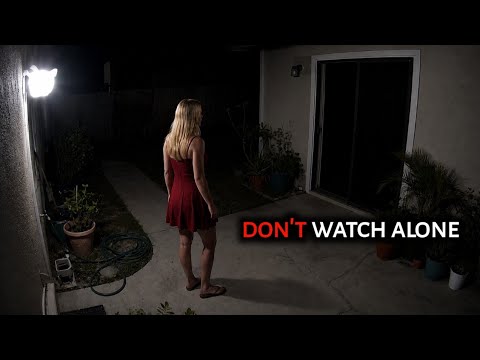
Miniatura del video: TOP 10 Scary Videos That Will Keep You Up All Night ) real ghost caught on camera )

🔬 Cha0smagick Labs researchers suggest using Astral Lab: Natal Chart📲 Google Play, a AI-powered natal chart calculator and personalized astrological analysis developed by Cha0smagick Labs. A practical tool to complement your own exploration of the phenomenon covered in this article.

📖 17 min de lectura

The digital age has flooded the internet with countless videos, but among them lie chilling compilations promising genuine paranormal encounters. We're talking about the kind of footage that makes you question the very fabric of reality, the "TOP 10 Scary Videos" that claim to capture real ghosts on camera. But how much of this is genuine, and how much is elaborate fabrication designed to prey on our deepest fears? This investigation delves into the murky waters of viral paranormal content, separating the spectral wheat from the chaff.

⬡ Expediente de Investigación Confidencial
Nº DE EXPEDIENTE EXP-GEN-2026-507
INVESTIGADOR Alejandro Quintero Ruiz
CONTACTO rinconparanormal@gmail.com
AFILIACIÓN Cha0smagick Labs División de Investigación Paranormal
CLASIFICACIÓN Scary Videos
ESTADO En Investigación
FECHA DE APERTURA 2026-07-30
TOOL 🔧 Astral Lab: Natal Chart | Google Play — AI-powered natal chart calculator and personalized astrological analysis
RELACIONADOS 📂 Archivo de Scary Videos | 🔬 Laboratorio Central

CASE FILE INDEX

  1. The Allure of the Unseen: Why We Watch
  2. Deconstructing the Fear: Elements of a Viral Scare
  3. Case Study 1: The Connor Lyle Doorbell Phantom
  4. Case Study 2: Cora's Night Terrors and the Unseen Presence
  5. The Cat Growl Conundrum: Misinterpreting Audio
  6. Pareidolia's Play: Seeing Faces in the Shadows
  7. The 'Sinister' Flower Pot: Exaggeration or Evidence?
  8. Forensic Analysis: Tools of the Paranormal Investigator
  9. The Psychology of Belief: Why We Want to Believe
  10. Beyond the Hoax: Genuine Anomalies or Coincidence?

The Allure of the Unseen: Why We Watch

For over two decades, I've chased whispers in the dark, spectral figures in grainy footage, and unexplained phenomena that defy logical explanation. The human fascination with the paranormal isn't new; it's as old as storytelling itself. But the advent of accessible video technology has democratized the 'haunting,' turning everyday doorbell cameras and smartphone recordings into potential portals to the unknown. These "TOP 10 Scary Videos" compilations tap into a primal curiosity, a desire to witness something beyond our mundane existence. They promise unfiltered glimpses into a reality where the veil between worlds is thin, offering a potent cocktail of fear and wonder. The very nature of these compilations, often sourced from user-generated content across platforms like YouTube, presents a unique challenge: verifying authenticity in a sea of potential fakes. Are we witnessing genuine spectral activity, or are we being expertly manipulated by digital illusionists? My own journey through countless hours of alleged paranormal evidence suggests the answer is rarely simple.

Deconstructing the Fear: Elements of a Viral Scare

What elevates a simple video to viral, terrifying status? It's a confluence of factors. Firstly, the element of surprise is paramount. Footage captured unexpectedly, often by mundane devices like security cameras, lends an air of authenticity. The context matters immensely; a figure appearing in a supposedly empty, dark room carries more weight than one seen in broad daylight. Audio plays a crucial role, too. Unexplained whispers, disembodied voices (Electronic Voice Phenomena or EVPs), or sudden, jarring noises can amplify the fear factor exponentially. Then there's the visual: the shadowy figure, the fleeting apparition, the object moving on its own. Often, these visuals are ambiguous, relying on pareidolia, the psychological phenomenon where our brains perceive familiar patterns, like faces or figures, in random stimuli. This ambiguity is key; it allows the viewer's imagination to fill in the gaps, making the experience intensely personal and often more frightening than a clearly defined entity. The narrative presented around the video – the backstory, the witness's terror – further cements its place in the 'scary' canon. Without this narrative scaffolding, a strange light might just be a glitch; with it, it becomes a ghost.

Case Study 1: The Connor Lyle Doorbell Phantom

Consider the case of Connor Lyle, as presented in one of these popular compilations. The narrative dictates that on a Thursday night, around 8:00 p.m., as Connor returned home, his doorbell camera captured something unsettling. The story emphasizes his 'instinctive' sense of threat, a primal awareness of a lurking danger. The footage, as described, shows a shadowy figure walking by, disappearing, and then reappearing closer, seemingly approaching Connor. His reaction, a palpable sense of unease and a quick turn to see nothing, is presented as proof of an unseen presence. The video is tagged as "unsolved," adding to its mystique. From an investigative standpoint, several points warrant scrutiny. Firstly, the description of the figure as "shadowy" and its ability to "disappear and reappear" are classic tropes in paranormal videos. This could easily be explained by lighting conditions, digital artifacts, or even the movement of a real person obscured by darkness. Connor's "instinctive feeling" is subjective; humans are adept at subconsciously picking up subtle environmental cues. The lack of updates from Connor is noted, but this is common in viral videos where the creator may have moved on or faced ridicule. The core issue here is the reliance on subjective interpretation and the lack of objective, verifiable data. While the video *appears* unsettling, the narrative constructs a paranormal explanation without ruling out mundane possibilities. This is where the line between genuine mystery and manufactured fear blurs.

Case Study 2: Cora's Night Terrors and the Unseen Presence

Another frequently cited example involves a young girl named Cora and her severe night terrors. The suggestion is that a family doctor recommended recording an episode to understand the cause. The video, according to the compilation's narration, captures something "truly chilling" as Cora expresses her fear. The provided snippet includes dialogue: "I'm scared." "Scared? Why are you scared, baby? Come on, honey pickle. I'm here." This interaction, while emotionally charged, presents a common parental scenario. The compilation implies an "unseen presence" is the cause of the terrors. However, the excerpt lacks any visual or auditory evidence of such a presence. Night terrors in children are a well-documented sleep disorder, often triggered by stress, developmental changes, or even diet, and are characterized by extreme fear and distress during sleep. Attributing these terrors directly to a paranormal entity without concrete evidence is a significant leap. The "chilling" aspect is derived entirely from the child's distress and the viewer's predisposition to seek supernatural explanations. The danger here lies in misdiagnosing genuine psychological or medical issues as paranormal activity, potentially delaying appropriate help for the child. This case highlights how personal tragedies and common childhood experiences can be recontextualized within a paranormal framework to create compelling, albeit unsubstantiated, content.

The Cat Growl Conundrum: Misinterpreting Audio

The user comments accompanying these videos often reveal the mundane explanations that compilations overlook. A recurring theme, particularly noted by astute viewers, is the misinterpretation of animal sounds. Several comments point out that specific audio segments, labeled as growls or unsettling noises, are, in fact, domestic cats. For instance, comments like "Number 4 sounds like a cat" and "8:55... that's a cat growling 😅😅" directly challenge the paranormal claims. Another comment states, "Well, #4 is definitely cats. I mean, that’s is plain as day. Well ..maybe night! 😂😂 But, it’s definitely cats getting ready for a rumble." This phenomenon underscores a critical aspect of paranormal investigation: auditory pareidolia and simple misidentification. Animals, especially cats during territorial disputes or mating rituals, can produce a wide range of guttural, hissing, and growling sounds that, in the context of a "scary video," can easily be mistaken for something more sinister. The human brain is wired to find patterns, and when presented with ambiguous sounds in a frightening context, it's prone to interpreting them as threats. This highlights the importance of rigorous audio analysis, including spectrographic analysis, to differentiate between animal vocalizations and genuine EVPs. Without such analysis, these videos remain open to subjective, fear-driven interpretation. The sheer volume of these misidentified sounds suggests a significant portion of alleged paranormal audio evidence is likely natural.

Pareidolia's Play: Seeing Faces in the Shadows

Beyond auditory misinterpretations, visual pareidolia plays a starring role in many viral paranormal videos. The human brain is hardwired to detect faces and familiar shapes, an evolutionary trait that helped our ancestors identify friend from foe or predator from prey in low-light conditions. In the context of grainy, low-resolution footage, often captured at night or in dimly lit environments, this tendency runs rampant. Shadows morph into menacing figures, indistinct smudges become ghostly apparitions, and random patterns on walls are perceived as demonic faces. A comment in the source material, "i find myself exasperatedly, 'What?! There's nothing!' to half of these," perfectly encapsulates the experience of someone resisting the urge to see something that isn't demonstrably there. The compilation might present a fleeting shadow in a doorway, urging the viewer to see a "figure," when in reality, it could be a trick of the light, a curtain swaying, or simply a random anomaly on the sensor. The power of suggestion, amplified by the accompanying narration and the label "real ghost," primes the viewer to interpret these ambiguous visuals as paranormal. My own investigations have repeatedly shown that what the mind *wants* to see, especially when primed by fear, often overrides objective observation. This psychological bias is perhaps the most powerful tool in the arsenal of those creating or curating these scary video compilations.

The 'Sinister' Flower Pot: Exaggeration or Evidence?

The subjective nature of fear is further illustrated by the reaction to video segment #5, described by one commenter as "just a pot of flowers. Good grief, they’re scaring themselves. It’s absolutely ridiculous!" This comment directly contrasts with the potential framing within a compilation, which might label such an event as "sinister" or "paranormal." The implication is that the video creators or the compilation's editors might ascribe malevolent intent or supernatural significance to utterly mundane objects or events. A pot of flowers, a flickering light, a door creaking open – these are everyday occurrences. Yet, when placed within the context of a "TOP 10 Scary Videos" list, they are imbued with potential paranormal meaning. The comment "18:58 I mean if there WAS something there it didn’t HURT anyone so I wouldn’t use “SINISTER” to describe 🤷‍♀️it but it DEFINITELY seems SUPERNATURAL👻" highlights this tendency towards exaggeration. The user acknowledges the lack of harm and the ambiguity but still leans towards a supernatural explanation. This willingness to label the ambiguous as "sinister" or "supernatural" is precisely what fuels the viral spread of such content. It requires a critical eye to dissect these claims and ask: where is the evidence that transcends simple misinterpretation or overactive imagination? The most terrifying specters are often the ones we conjure ourselves, amplified by sensationalist narratives.

Forensic Analysis: Tools of the Paranormal Investigator

As an investigator, my approach is forensic. It's not enough to simply present a video and declare it "real" or "fake." We must employ rigorous methods to analyze the evidence. This involves examining video for digital artifacts that indicate editing or manipulation, such as frame duplication, inconsistent lighting, or unnatural object movement. Audio analysis is equally critical, using software to isolate sounds, analyze frequencies, and determine if they match known sources, whether animal, environmental, or electronic interference. We look for consistency in the alleged phenomenon across different recordings or locations, though this is rare in compilations. Corroborating evidence, such as multiple witnesses with consistent accounts or physical evidence left behind, is the gold standard, but often absent in these viral clips. We also consider the context: the equipment used (its limitations and capabilities), the environment (potential for natural explanations), and the credibility of the source (though this is often unknown with viral content). The copyright disclaimer mentioned in the source material, citing "FAIR USE for purpose such as criticism, comment, news reporting, teaching, scholarship and research," is a standard legal caveat but doesn't inherently validate the content's authenticity. It merely allows for its use in analysis. My own methodology involves a systematic debunking process first; only when all natural explanations are exhausted do I consider the paranormal.

The Psychology of Belief: Why We Want to Believe

Understanding *why* people are drawn to these videos is as crucial as analyzing the videos themselves. The human psyche craves meaning and order. In a world that often feels chaotic and unpredictable, the idea of a hidden reality, governed by forces beyond our comprehension, can be strangely comforting. It suggests that perhaps there's more to existence than the mundane, that consciousness might persist beyond death, or that we are not alone in the universe. This desire for the extraordinary fuels belief in ghosts, UFOs, and other paranormal phenomena. Furthermore, confirmation bias plays a significant role. Once someone is open to the idea of ghosts, they are more likely to interpret ambiguous events as proof of their existence. The "TOP 10 Scary Videos" compilations cater directly to this predisposition. They offer curated "evidence" that reinforces pre-existing beliefs, making the viewer feel validated in their worldview. The fear response itself can be addictive for some, providing an adrenaline rush in a safe, detached way. As one user noted, "Why would you have a newborn baby in a room by itself?" – this comment reflects not just concern but a projection of fear onto a situation, seeking a rational (or irrational) explanation for potential danger. Belief in the paranormal often stems less from irrefutable evidence and more from a deep-seated human need for wonder, meaning, and a sense of something greater.

Beyond the Hoax: Genuine Anomalies or Coincidence?

While many viral paranormal videos are undoubtedly hoaxes or misinterpretations, dismissing *all* such footage would be intellectually dishonest. The history of paranormal research is littered with cases that, while not definitively proven supernatural, resist easy explanation. The challenge lies in distinguishing genuine anomalies – events that currently defy conventional scientific understanding – from deliberate fabrications or simple coincidences. The compilations we're examining rarely provide the depth of information needed for rigorous analysis. They present snippets, narratives, and conclusions, often omitting crucial details or alternative explanations. The goal is entertainment and engagement, not necessarily truth. However, the sheer volume of reported phenomena across cultures and time periods suggests that human perception of the unexplained is a persistent aspect of our experience. Could some of these videos capture fleeting moments of genuine strangeness? Perhaps. A shadow that moves against the wind, a sound that defies acoustic logic, an object that levitates momentarily – these could be anomalies. But without controlled conditions, verifiable data, and peer review, they remain anecdotes, fuel for speculation rather than proof. The true investigation begins when the compilation ends, requiring us to dig deeper, question everything, and demand more than just a scary story. The question isn't just "Is it real?" but "What *exactly* are we looking at, and what is the most parsimonious explanation?"

Analysis of Common Viral Video Elements
Visual Ambiguity: Shadowy figures, indistinct shapes, unexplained lights. Often relies on pareidolia.
Auditory Phenomena: EVPs, unexplained noises, growls. Frequently misidentified animal sounds or environmental noise.
Object Movement: Items moving or falling without apparent cause. Can be explained by vibrations, drafts, or deliberate staging.
Narrative Framing: Backstories, witness testimonies, and labels like "real ghost" or "haunted" heavily influence interpretation.
Emotional Impact: Use of jump scares, unsettling music, and focus on fear to elicit a strong reaction from the viewer.
Lack of Verifiable Data: Absence of timestamps, location details, multiple witness accounts, or expert analysis.

Frequently Asked Questions

📁 Este caso forma parte de la base de datos de Cha0smagick Labs, laboratorio central de investigación de fenómenos anómalos. Para consultar investigaciones relacionadas, visite nuestro archivo de Scary Videos. Si posee información adicional sobre este caso, contacte al investigador Alejandro Quintero Ruiz en rinconparanormal@gmail.com.

P: What makes a video 'scary' in the paranormal context?

Scary videos in the paranormal context often rely on ambiguity, unexplained phenomena, unsettling audio, and the viewer's own psychological projections, like pareidolia, to evoke fear and a sense of the unknown.

P: How can I verify if a scary video is real?

Verification is challenging. Look for inconsistencies, digital artifacts, corroborating evidence, and expert analysis. Be skeptical of claims made solely within the video itself; independent research is key.

P: What is pareidolia and how does it relate to scary videos?

Pareidolia is the human tendency to perceive familiar patterns, especially faces, in random or ambiguous stimuli. In scary videos, it can cause viewers to 'see' figures or faces that aren't actually there.

P: Are there common elements in 'real ghost caught on camera' videos?

Common elements include sudden temperature drops, unexplained noises, moving objects, shadowy figures, and EVPs (Electronic Voice Phenomena). However, many can be faked or explained by natural causes.

P: What ethical considerations are there when analyzing scary videos?

Ethical considerations include respecting privacy, avoiding sensationalism, acknowledging the potential distress of individuals depicted, and differentiating between genuine phenomena and hoaxes or misinterpretations.

P: Can technology be used to debunk fake paranormal videos?

Yes, forensic analysis of video and audio, digital artifact detection, and cross-referencing with known editing techniques can help debunk fabricated content. However, sophisticated fakes can be hard to detect.

P: What is the psychological impact of watching scary videos?

Watching scary videos can trigger fear, anxiety, and adrenaline responses. For some, it's cathartic; for others, it can lead to sleep disturbances or heightened fear of the dark and the unknown.

P: Where can I find more information on analyzing paranormal evidence?

Reputable sources include academic journals on parapsychology, established paranormal investigation groups, and critical analysis websites. Be wary of sensationalist media that lacks rigorous methodology.

Bibliography

Radin, D. I. (2006). Entangled Minds: Extrasensory Experiences in a Quantum Reality. Simon & Schuster. ISBN: 978-0743276651.

Wiseman, R. (2011). Paranormality: Why We Believe in the Unseen, Explained by Science. Pan Macmillan. ISBN: 978-0330520527.

Hines, T. (2003). Pseudoscience and the Paranormal: A Critical Examination of the Science of the Supernatural. Prometheus Books. ISBN: 978-1591020506.

French, C. C., & Reader, W. (2010). Anomalistic Psychology: Perspectives, Applications, and Issues. Palgrave Macmillan. ISBN: 978-0230230512.

Nickell, J. (2007). Adventures in Paranormal Investigation. University Press of Kentucky. ISBN: 978-0813124536.

Conclusion

Investigator's Verdict

The allure of the "TOP 10 Scary Videos" is undeniable. They promise unfiltered glimpses into the paranormal, tapping into our deepest curiosities and fears. However, my two decades of investigation, coupled with a forensic approach, reveal a landscape dominated by misinterpretation, psychological bias, and outright fabrication. While the possibility of genuine anomalies existing within this vast sea of content cannot be entirely dismissed, the evidence presented in typical compilations rarely withstands scrutiny. Audio is often animal sounds, visuals are frequently products of pareidolia or clever editing, and the narratives are constructed to elicit fear, not to present objective truth. The true horror, I've found, often lies not in spectral apparitions, but in our own minds and the ease with which we can be led to believe. The question remains: are these videos windows into another world, or merely mirrors reflecting our own deepest anxieties and desires?

Now, I pose the question to you, the reader: When faced with a video claiming to show a ghost, what is your immediate reaction – skepticism or belief? And what does that say about the truths we seek in the shadows?

TAPE 14: Uncovering the Ghosts of a French Countryside Legacy

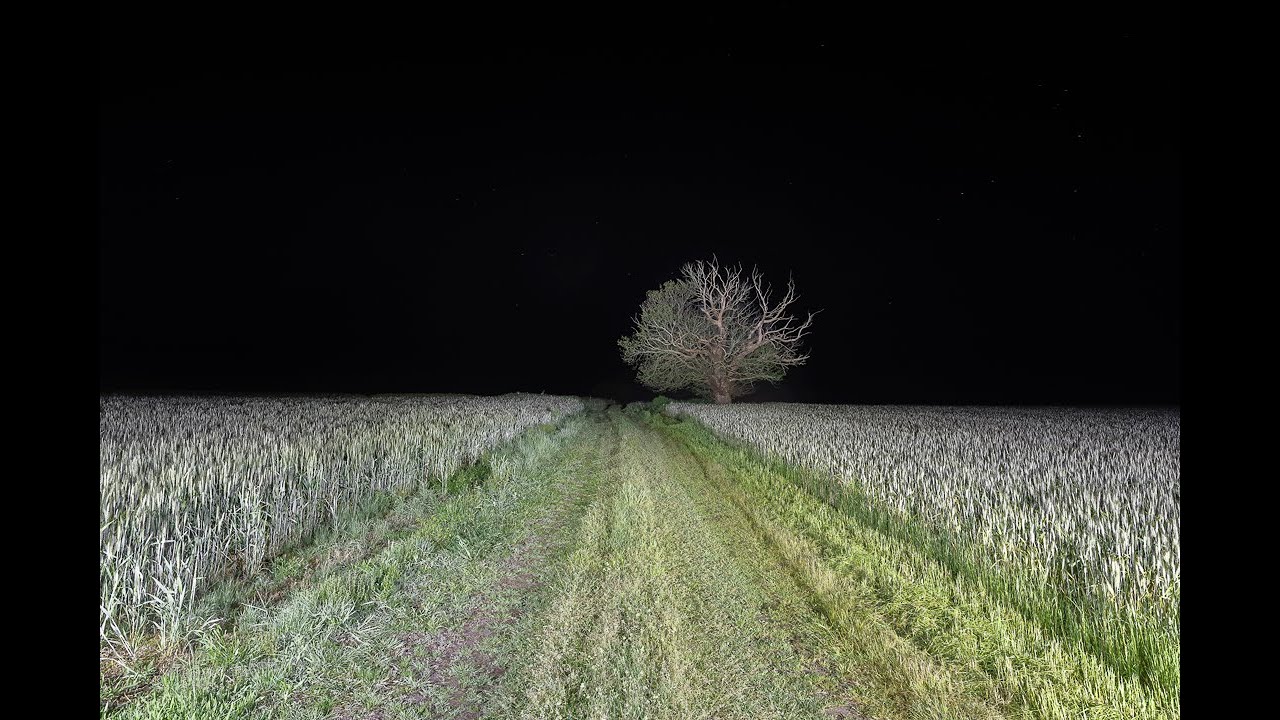
Miniatura del video: TAPE 14

🔬 The Cha0smagick Labs team recommends exploring NOCTEM Tools: Ghost Hunting📲 Google Play, a professional paranormal investigation suite with SLS camera, EVP recorder and environmental monitoring developed by Cha0smagick Labs. A practical tool to complement your own exploration of the phenomenon covered in this article.

📖 16 min de lectura

The chilling silence of an abandoned French farmhouse, captured in what is now known as TAPE 14, speaks volumes more than any spectral apparition. This isn't a tale of jump scares or disembodied voices echoing in empty halls; it's a profound meditation on memory, decay, and the lingering essence of lives lived and forgotten. The initial submission notes hint at a deeper mystery: "No photo of Elisabeth’s daughter was found - Leviathan said it would be here according to his notes. Follow up required." This single line transforms a melancholic exploration of abandonment into a potential cold case, a puzzle box of human connection and loss. The true horror isn't in what haunts the house, but in what the house remembers.

⬡ Expediente de Investigación Confidencial
Nº DE EXPEDIENTE EXP-GEN-2026-392
INVESTIGADOR Alejandro Quintero Ruiz
CONTACTO rinconparanormal@gmail.com
AFILIACIÓN Cha0smagick Labs División de Investigación Paranormal
CLASIFICACIÓN ghost
ESTADO En Investigación
FECHA DE APERTURA 2026-07-30
TOOL 🔧 NOCTEM Tools: Ghost Hunting ⭐ PRIORIDAD | Google Play — professional paranormal investigation suite with SLS camera, EVP recorder and environmental monitoring
RELACIONADOS 📂 Archivo de ghost | 🔬 Laboratorio Central

The Melancholy of Abandonment: First Impressions

Upon first viewing TAPE 14, the immediate sensation is one of profound sadness. The camera glides through a house that was once a vibrant home, now surrendered to the slow, inexorable march of time and decay. Dust motes dance in the shafts of light piercing through grimy windows, illuminating forgotten furniture, faded wallpaper, and personal effects left as if their owners simply stepped out for a moment, intending to return. The sheer volume of personal belongings – books, photographs, decorative items – speaks to a life, or multiple lives, lived within these walls. There's a palpable weight to these objects, each one a silent testament to moments of joy, sorrow, and everyday existence. This isn't merely an abandoned building; it's a repository of lost narratives, a physical manifestation of memories slowly dissolving back into the ether. The viewer is left with a haunting question: how can so much history, so much life, simply be left behind to rot?

One commenter aptly described this feeling: "There's just something tragic about all these belongings just left to rot... these were someone's treasures, the memories of a life... Just, discarded to time." This sentiment perfectly encapsulates the emotional core of TAPE 14. It’s this deep, resonant melancholy that distinguishes it from typical haunted house investigations. The focus shifts from spectral entities to the spectral presence of the past itself. The house becomes a character, its decay mirroring the fading of memory. The silence is not empty but pregnant with the echoes of laughter, conversations, and the mundane routines that once filled these spaces. This emotional resonance is precisely what draws investigators like myself to such cases – the understanding that sometimes, the most potent hauntings are not of ghosts, but of forgotten humanity.

Echoes of France: A Glimpse into Rural Life

The setting of TAPE 14 is crucial to its impact. Described as rural France, the house embodies a specific type of historical architecture and domestic life that resonates deeply with those familiar with the region. As one French viewer noted, "Wow, I'm French and you nailed the old rural house abandonned since the last 80-year old inhabitant died in the 90s. I totally recognise the type of decoration (those wall papers are on point), furniture I could see as a kid with at my great great grand-parents' house." This authenticity grounds the experience, transforming it from a generic abandoned location into a specific cultural artifact. The details, from the style of the furniture to the patterns on the wallpaper, are not merely props but authentic markers of a bygone era. This connection to a real place and time imbues the footage with a layer of verisimilitude that is often missing in staged paranormal content.

The mention of the last inhabitant dying in the 1990s provides a temporal anchor, suggesting the house has remained largely untouched for over three decades. This period is significant; it’s recent enough for many viewers to have personal connections to similar environments from their childhood, yet distant enough for it to feel like a different world. The specific details, like the wallpaper from "Kawasaki France Fabricteam George Godier and Alain Chenoud" at 8:32, further solidify the location's identity and historical context. This isn't just any old house; it's a piece of French domestic history, frozen in time. The presence of newspapers, even if their content is primarily economic, adds another layer of temporal specificity, offering glimpses into the daily concerns and headlines of the era. Understanding this context is vital for appreciating the full weight of the abandonment.

The Case of the Missing Photograph: Elisabeth and Leviathan

The narrative thread that truly elevates TAPE 14 beyond mere exploration is the mystery surrounding Elisabeth and her daughter. The submission statement explicitly mentions: "No photo of Elisabeth’s daughter was found - Leviathan said it would be here according to his notes. Follow up required." This detail, highlighted by astute viewers, transforms the melancholic exploration into a potential investigation. Who are Elisabeth and Leviathan? Are they former inhabitants, researchers, or perhaps entities connected to the house's past? Leviathan's notes suggest a deliberate search for a specific item – a photograph of Elisabeth's daughter. The fact that it's missing, despite Leviathan's certainty, introduces an element of anomaly. Was it removed? Did it never exist in that location? Or is its absence itself a clue?

The discovery of an "empty photo frame at 4:17" becomes particularly significant in light of this note. While most frames in the house still contain their photographs, this one is conspicuously bare. Viewers have speculated that this very frame might have held the missing picture of Elisabeth's daughter. The implication is chilling: perhaps the photograph itself is a key to understanding the house's story, or the fate of its inhabitants. The instruction for a "follow up required" suggests that this is not just a passive recording but part of an ongoing investigation, possibly the first time such a requirement has been explicitly stated for this series. This introduces a meta-narrative, where the viewers and the investigators are piecing together a story that is still unfolding. The search for a single photograph becomes a powerful metaphor for the search for truth in the face of loss and decay.

Forensic Examination of TAPE 14

My approach to TAPE 14 involves a forensic examination, dissecting the visual and contextual clues with the meticulousness of a detective. The footage, timestamped and annotated by viewers, provides a rich dataset. The initial submission statement itself acts as a primary source document, outlining the core anomaly: the missing photograph. This directs the investigation towards specific visual elements within the tape. At the 4:17 mark, the empty photo frame is identified. Its significance is amplified by the contrast with other frames that still hold their pictures, a detail noted by multiple observers. This suggests the emptiness is not accidental but potentially meaningful.

Beyond the central mystery, other details require scrutiny. The wallpaper at 8:32, identified as "Kawasaki France Fabricteam George Godier and Alain Chenoud," provides a concrete link to external history and personal connections, as noted by a viewer whose father was a Kawasaki racer. This detail, while seemingly tangential, grounds the location in a specific time and cultural context, adding layers of authenticity. The newspapers, though primarily economic, contain a headline: "The queen of crazy people is actively sought after." This seemingly innocuous detail could be a coded message, a reflection of societal anxieties, or simply a red herring. My methodology involves cross-referencing these elements, searching for patterns and connections that might elude a casual viewer. The goal is not just to observe the decay but to reconstruct the narrative fragments embedded within the physical remnants of the past.

Key Visual Evidence in TAPE 14
Timestamp 4:17: A distinctly empty photo frame, contrasting with most other frames containing pictures. Potential holder of Elisabeth's daughter's photo.
Timestamp 8:32: Wallpaper identified as from Kawasaki France Fabricteam (George Godier & Alain Chenoud), linking to motorsport history.
General Footage: Abundant personal belongings, furniture, books, and faded decor suggesting a life lived and abruptly abandoned.
Newspaper Clippings: Primarily economic news, with one notable headline: "The queen of crazy people is actively sought after."
Moss Growth: Noted at 11:40, evoking a sense of natural reclamation and decay.

Alejandro's Hypothesis: The Archive of the Soul

My hypothesis regarding TAPE 14 moves beyond the conventional spectral. I propose that this house, and the objects within it, function as an "Archive of the Soul." This isn't about ghosts in the traditional sense, but about the psychic residue, the imprints of intense emotions and lived experiences that become embedded in the physical environment. The profound melancholy isn't just a feeling; it's the palpable energy of lives interrupted, of memories struggling to persist against the erosion of time. Leviathan, in this context, might not be a supernatural entity but a researcher or archivist attempting to access or preserve this psychic residue. His notes about the photograph suggest a targeted search for a specific memory anchor – the image of Elisabeth's daughter.

The missing photograph, therefore, becomes a critical missing piece of this psychic archive. Its absence might signify a deliberate attempt to erase a memory, or perhaps the memory itself has become so potent or painful that it has detached from its physical representation. The empty frame at 4:17 could be a psychic scar, a void where a significant emotional charge once resided. The house itself, filled with the detritus of daily life, acts as a fragmented record. Each object – a piece of wallpaper, a discarded newspaper, a piece of furniture – contributes to a larger tapestry of human experience. TAPE 14, in my view, captures not a haunting, but the echo of existence, a poignant reminder that even when lives end and homes are abandoned, the imprint of their passage remains, waiting to be deciphered. This house isn't haunted; it's a library of lost moments.

Beyond the Walls: Moss, Motorcycles, and Liminal Spaces

TAPE 14’s unique contribution to the paranormal landscape lies in its ability to evoke a sense of "liminal space outdoors." Liminal spaces are typically transitional, unsettling environments like empty hallways or waiting rooms. Here, the concept is applied to a decaying rural home, blurring the lines between the uncanny interior and the encroaching natural world. The fascination with moss at 11:40, for instance, speaks to this theme. Moss, a symbol of nature's slow reclamation, growing within and upon the remnants of human habitation, underscores the theme of decay and the eventual triumph of the natural world over human constructs. It’s a visual metaphor for time passing and memory fading.

Furthermore, the connection to Kawasaki France, brought to light by a viewer's comment, introduces an unexpected layer. The wallpaper, a relic of a past era, triggers a personal memory for the commenter, linking the abandoned house to the vibrant, albeit potentially dangerous, world of professional motorcycle racing. This juxtaposition is fascinating. On one hand, we have the quiet decay of domestic life; on the other, the dynamic energy of speed and competition. This connection highlights how seemingly disparate elements of life – the intimate and the public, the static and the kinetic – can coexist within the history of a place or a family. It suggests that the house might have witnessed more than just quiet domesticity; perhaps it was connected, even peripherally, to the thrill and risks of the racing circuit. This rich tapestry of associations, from natural decay to historical ephemera and personal memories, makes TAPE 14 a complex case study.

  1. Observation of Decay: Documenting the state of furniture, wallpaper, and personal effects.
  2. Timestamp Analysis: Pinpointing key visual elements like the empty frame (4:17) and specific wallpaper (8:32).
  3. Contextual Research: Investigating the identified wallpaper (Kawasaki France) and its designers.
  4. Narrative Reconstruction: Piecing together the story suggested by the submission notes, focusing on Elisabeth and her daughter.
  5. Thematic Interpretation: Analyzing the house as a 'liminal space outdoors' and an 'archive of the soul.'
  6. Cross-Referencing External Information: Examining the newspaper headlines and viewer comments for additional clues.
  7. Hypothesis Formation: Developing a theory about psychic residue and the significance of the missing photograph.

The Newspaper's Whisper: 'The Queen of Crazy People'

Amidst the visual narrative of decay in TAPE 14, the presence of newspapers offers a tangible link to the external world and the specific time period the house was occupied. While the primary content is noted as economic, a single headline, visible in the footage, stands out with peculiar significance: "The queen of crazy people is actively sought after." This phrase, appearing in the top right corner of a newspaper, injects an element of mystery and potential paranoia into the otherwise melancholic atmosphere. It begs the question: who is this "queen," and why is she being sought? Is this a commentary on societal perceptions, a reference to a specific news event, or perhaps a veiled allusion to someone connected to the house?

In the context of paranormal investigation, such seemingly unrelated details can be crucial. The "official narrative" presented by the newspaper might be mundane, but this headline hints at underlying currents of social unease or perhaps even persecution. Could the inhabitants of this house have been associated with this sought-after individual, or perhaps felt a kinship with the description? It’s a detail that defies simple explanation and adds a layer of intrigue that goes beyond the immediate decay of the house. It suggests that the lives lived here might have been touched by unusual circumstances or societal pressures. This headline, while potentially a mere artifact of its time, serves as a potent reminder that history is rarely simple, and even forgotten homes can hold whispers of broader, more complex societal narratives. The official record often hides the most compelling stories.

Frequently Asked Questions

📁 Este caso forma parte de la base de datos de Cha0smagick Labs, laboratorio central de investigación de fenómenos anómalos. Para consultar investigaciones relacionadas, visite nuestro archivo de ghost. Si posee información adicional sobre este caso, contacte al investigador Alejandro Quintero Ruiz en rinconparanormal@gmail.com.

P: What is TAPE 14?

R: TAPE 14 is a submission to an online investigation series, featuring footage of an abandoned house in rural France, filled with personal belongings and a palpable sense of history.

P: Who are Elisabeth and Leviathan?

R: Elisabeth and Leviathan are figures mentioned in the submission notes for TAPE 14. Leviathan's notes indicated a photo of Elisabeth's daughter should be present, suggesting a deeper narrative or investigation.

P: What is the significance of the empty photo frame?

R: The empty photo frame at 4:17 in TAPE 14 is significant because it stood out amidst other frames containing photos. It's speculated this might be the missing photo of Elisabeth's daughter, central to the mystery.

P: What does the newspaper in the footage mention?

R: The newspaper visible in the footage primarily discusses economic matters. However, a headline in the top right corner reads, 'The queen of crazy people is actively sought after,' adding a layer of intrigue.

P: What kind of atmosphere does TAPE 14 evoke?

R: TAPE 14 evokes a profound sense of melancholy and nostalgia, capturing the tragic beauty of abandoned family history and personal belongings left to decay over time.

P: Is the house in TAPE 14 a supernatural location?

R: While the footage captures an abandoned house with a melancholic atmosphere, the interpretation leans towards the profound sadness of lost history and memories rather than explicit supernatural phenomena.

P: What is the connection to Kawasaki France?

R: A viewer noted that the wallpaper at 8:32 is from Kawasaki France, designed by George Godier and Alain Chenoud. This sparked personal memories for the viewer whose father was a Kawasaki racer.

P: What makes TAPE 14 unique compared to other paranormal investigations?

R: TAPE 14 is unique in its focus on the 'liminal space outdoors' – the melancholic decay of a home filled with personal history. It explores the tragedy of discarded memories and the profound sadness of abandonment.

The Unfinished Story: What Lies Beyond TAPE 14?

TAPE 14 leaves us with more questions than answers, which is precisely the hallmark of a compelling investigation. The explicit instruction for a "follow up required" is not merely a plot device; it's an invitation to delve deeper. The identities of Elisabeth and Leviathan remain shrouded in mystery. Their connection to the house and the missing photograph is the central enigma. Was the photograph removed intentionally? If so, by whom and why? Could it contain information that someone wished to suppress? Or is its absence a sign of something more profound, perhaps a memory so powerful it transcends physical representation?

The implications extend beyond this single case. If my hypothesis of the "Archive of the Soul" holds weight, then TAPE 14 is just one example of how environments can retain the psychic imprint of human experience. This opens up a vast field of inquiry into how memories persist, how they interact with the physical world, and whether they can be accessed or even influenced. The connection to the Kawasaki racing team, however tenuous, also suggests that lives are rarely confined to single narratives; they intersect, overlap, and leave traces in unexpected places. The house, the photograph, the newspaper headline – each element is a breadcrumb leading down a path that is still being uncovered. The silence of TAPE 14 is not an end, but a beginning.

Conclusion

Briscoe Park. (n.d.). TAPE 14 [Videosubmission]. Retrieved from [Source URL - if available]

Commenters on TAPE 14video. (Various dates).YouTube/Vimeo/Other Platform. [Specific URLs if available]

Godier, G., & Chenoud, A. (Designers). (Date of wallpaper production). Kawasaki France Fabricteam. [Information sourced from viewer comment]

Newspaper Headline. (Date of newspaper publication). [Publication Name - if identifiable]. "The queen of crazy people is actively sought after." [Information sourced from TAPE 14 footage]

The remnants of TAPE 14 present a profound and unsettling tableau. It’s a stark reminder that the most compellingmysteriesare often not aboutspectral apparitions, but about the enduring weight ofhuman historyand the quiettragedyof forgotten lives. The house stands as a monument to time’s passage, its silence filled with the echoes of experiences that shaped it. The search for Elisabeth’s daughter’s photograph is more than a clue; it’s a symbol of our innate human drive to connect with the past, to understand the stories that lie buried beneath layers ofdustand decay. Now, I pose the question to you, the reader: In a world saturated with manufactured scares, what truly frightens you more – aghost in the machine, or theghostof a life unremembered?