Followers

Mostrando las entradas con la etiqueta North American Folklore. Mostrar todas las entradas

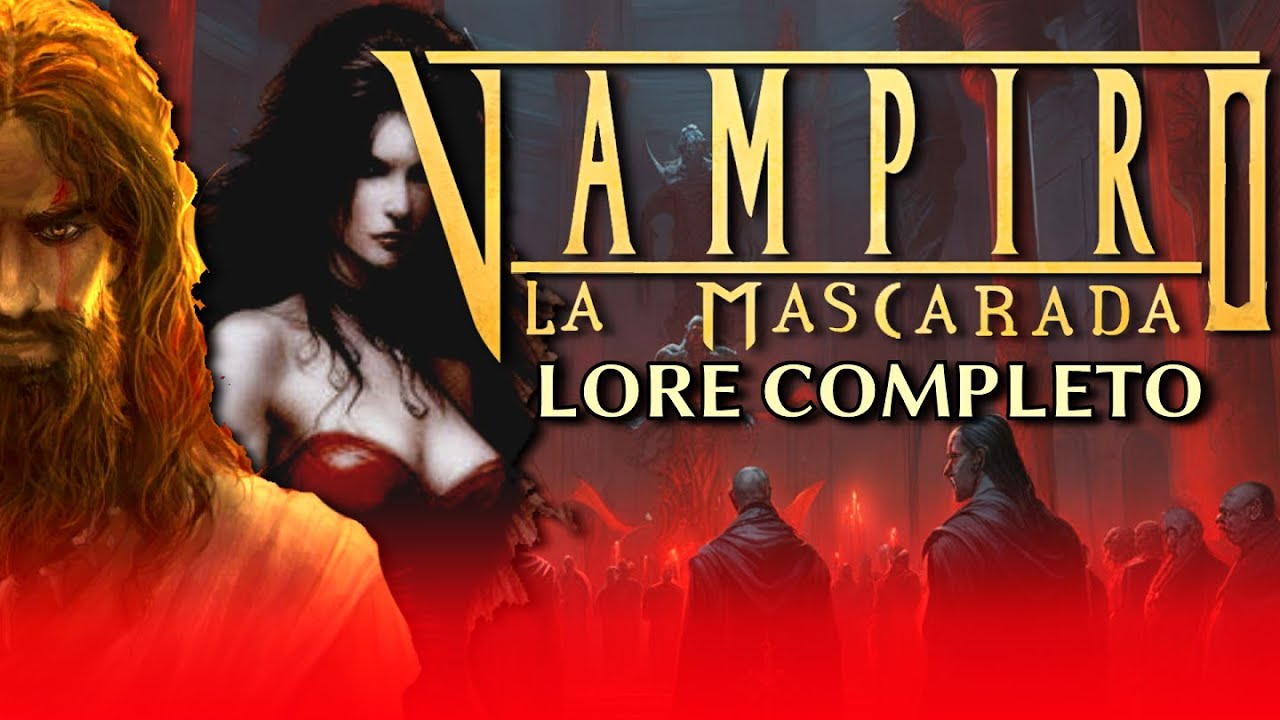
Vampiro: La Mascarada | El Lore Completo que No Te Contarán

Miniatura del video: 🩸 Lore Completo de VAMPIRO: La MASCARADA ~Sommer 🩸

¿Sabías que la maldición de Caín, el primer asesino, no solo lo condenó a la inmortalidad, sino que desató una plaga de no-muertos sobre la humanidad? El lore de Vampiro: La Mascarada no es solo un juego de rol; es un espejo oscuro de nuestras propias sociedades, un tapiz tejido con poder, corrupción y la eterna lucha por la supervivencia. La NASA no te lo va a contar, pero los archivos del Mundo de Tinieblas sí. Hoy, desentrañaremos los secretos más profundos de esta saga, más allá de lo que cualquier video de YouTube podría ofrecer.

📖 11 min de lectura
⬡ Expediente de Investigación Confidencial
Nº DE EXPEDIENTE EXP-GEN-2026-742
INVESTIGADOR Alejandro Quintero Ruiz
CONTACTO rinconparanormal@gmail.com
AFILIACIÓN Cha0smagick Labs División de Investigación Paranormal
CLASIFICACIÓN Folclore Mexicano
ESTADO En Investigación
FECHA DE APERTURA 2026-07-08
RELACIONADOS 📂 Archivo de Folclore Mexicano | 🔬 Laboratorio Central

× El Grito Primigenio: La Maldición de Caín

La génesis de la noche eterna se remonta a los albores de la civilización, a un acto de violencia fratricida que resonaría por milenios. Caín, el primogénito de Adán y Eva, en un arranque de celos y furia, acabó con la vida de su hermano Abel. Este primer asesinato, la mancha original en la humanidad, no quedó impune. Dios mismo pronunció una sentencia que trascendería la vida y la muerte: la maldición de Caín. No se trató de una simple condena a la inmortalidad; fue la imposición de una sed insaciable, un repudio de la luz divina y, crucialmente, la transmisión de una sangre que corrompería a sus descendientes, convirtiéndolos en los primeros vampiros. La fecha exacta de este evento es inescrutable, perdida en la bruma de la mitología, pero su eco es la piedra angular de todo el lore de Vampiro: La Mascarada.

× La Ley de la Supervivencia: El Pacto de la Mascarada

Imagina un mundo donde criaturas de la noche acechan en las sombras, alimentándose de la vida misma. Si la humanidad supiera de su existencia, la guerra sería inevitable. La supervivencia de los vampiros, o "Vástagos" como se autodenominan, depende de un secreto férreo: la Mascarada. Este pacto no escrito, que se remonta a los primeros siglos de su existencia, es la regla de oro que prohíbe revelar su naturaleza a los mortales. Romperla no es solo una falta; es un acto de terrorismo contra su propia especie. La Camarilla, la secta más influyente, impone esta ley con mano de hierro, entendiendo que su propia existencia depende de permanecer ocultos. Tres gobiernos distintos, tres informes idénticos sobre avistamientos anómalos, cero respuestas oficiales. ¿Casualidad?

× El Mosaico de la Noche: Los 13 Clanes

La sociedad vampírica no es monolítica. Se divide en 13 clanes principales, cada uno un microcosmos con sus propias tradiciones, debilidades y, sobre todo, sus "Disciplinas", poderes sobrenaturales que definen su identidad. Desde los aristocráticos y controladores Ventrue, hasta los esquivos y deformes Nosferatu, pasando por los místicos Tremere o los esquizofrénicos Malkavian. Cada clan representa una faceta distinta de la existencia vampírica, una adaptación particular a la maldición. La interacción y el conflicto entre estos clanes forman el corazón de las intrigas del Mundo de Tinieblas. Los clanes más antiguos, como los Tzimisce con su dominio de la carne, o los Brujah con su pasión anárquica, han moldeado la historia de los Vástagos durante siglos.

Clan Disciplina Predominante Debilidad Común
Ventrue Dominación, Fortaleza, Presencia Solo pueden alimentarse de sangre de clase alta.
Tremere Auspex, Dominación, Thaumaturgia (Magia de Sangre) Dolor al beber sangre ajena.
Malkavian Auspex, Dementación, Presencia Sufrimiento de locura.
Nosferatu Animalismo, Obfuscación, Potencia Apariencia grotesca e irreconocible.

× El Poder en la Sangre: Las Disciplinas

Más allá de la fuerza sobrehumana y la inmortalidad, los Vástagos poseen Disciplinas, poderes que emanan de su sangre maldita. Estas habilidades varían enormemente entre clanes, pero las tres Disciplinas Antediluvianas (las más antiguas y poderosas) son Celeridad (velocidad sobrenatural), Fortaleza (resistencia física extrema) y Potencia (fuerza descomunal). Otras Disciplinas clave incluyen Auspex (sentidos agudizados y percepción psíquica), Dominación (control mental), Presencia (influencia emocional) y Obfuscación (invisibilidad y sigilo). Dominar estas Disciplinas es crucial para la supervivencia y el ascenso en la jerarquía vampírica. En la edición de 20 aniversario, se introdujeron nuevas variaciones y se reequilibraron las existentes, reflejando la evolución del lore.

× El Abrazo: Renacer en la Oscuridad

El proceso de convertir a un mortal en vampiro, conocido como el "Abrazo" o "Suscitar", es un rito de paso tan fundamental como aterrador. No es un simple mordisco; es una transformación que implica la muerte y el renacimiento en la noche. El vampiro debe primero drenar casi por completo a su víctima mortal, dejándola al borde de la muerte. Luego, el mortal debe beber la sangre del vampiro. Tras la muerte, el espíritu del mortal lucha por regresar, pero ahora está atado a la sed de sangre y a la maldición vampírica. Este acto, que otorga la no-vida, también implica la pérdida de la conexión con la luz solar y el mundo de los vivos. La decisión de quién recibir el Abrazo recae en el vampiro, y a menudo está cargada de motivos personales, políticos o estratégicos.

× La Jerarquía de la Sangre: Generaciones y Poder

La genealogía vampírica se mide en "generaciones", que indican la cercanía a Caín. Los vampiros de Primera Generación son casi míticos, descendientes directos del primer no-muerto. Le siguen la Segunda y la Tercera Generación, conocidos como Antidiluvianos, figuras de poder inmenso y legendario. Cuanto menor es la generación, más pura y potente es la sangre vampírica, lo que se traduce en mayor fuerza en las Disciplinas, mayor capacidad de resistencia y un mayor dominio sobre la Bestia Interior. Sin embargo, esta potencia a menudo viene acompañada de debilidades más pronunciadas. La mayoría de los vampiros que conocemos en el juego pertenecen a generaciones más altas (8ª, 9ª, 10ª o incluso más), lo que los hace más vulnerables pero también más integrados en la sociedad vampírica y, crucialmente, más capaces de mantener la Mascarada.

  1. Primera Generación: Los Antiguos, casi leyendas, con poder inimaginable. Se cree que solo quedan 7.
  2. Segunda Generación: Discípulos de los de Primera, también figuras de poder extremo.
  3. Tercera Generación: Los Antediluvianos, fundadores de los clanes, con gran influencia histórica.
  4. Cuarta y Quinta Generación: Ancianos y Príncipes, líderes de las ciudades y clanes.
  5. Generaciones 6ª a 8ª: La élite de la sociedad vampírica, Ancianos con poder considerable.
  6. Generaciones 9ª a 11ª: Vampiros de edad media y jóvenes, la mayoría de los jugadores.
  7. Generaciones 12ª y superiores: Vampiros muy jóvenes o con sangre extremadamente diluida, a menudo con debilidades severas.

× La Bestia Interior: El Lado Salvaje del No-Muerto

Cada vampiro, sin importar su linaje o poder, alberga una fuerza oscura y primordial: la Bestia Interior. Es el instinto depredador, la sed de sangre que nunca cesa, la furia incontrolable que amenaza con consumir la poca humanidad que queda. El concepto de "Humanidad" en Vampiro: La Mascarada es una métrica de la cordura y la moralidad de un Vástago. A medida que un vampiro comete actos crueles o pierde el control en un frenesí de sangre, su puntuación de Humanidad disminuye, acercándolo a la Bestia. Cuando la Humanidad es demasiado baja, el vampiro puede sucumbir por completo, volviéndose una criatura de pura maldad y caos, perdiendo su identidad. El control de esta Bestia es el verdadero desafío de la no-vida, una batalla constante que define la existencia de cada vampiro.

× Guerras Silenciosas: Camarilla vs. Sabbat

El Mundo de Tinieblas no es un lugar pacífico para los no-muertos. Las dos facciones vampíricas más grandes, la Camarilla y el Sabbat, representan ideologías opuestas sobre cómo debe existir la raza vampírica. La Camarilla, fundada en 300 a.C., defiende la Mascarada como el pilar de su supervivencia, buscando coexistir (o al menos, no ser descubiertos) con los mortales. El Sabbat, surgido mucho después, rechaza la Mascarada y la autoridad de la Camarilla. Se ven a sí mismos como la verdadera encarnación de la naturaleza vampírica, considerando a los mortales como ganado y a los vampiros de la Camarilla como débiles esclavos de la humanidad. Sus métodos son brutales, sus rituales sangrientos, y a menudo se enfrentan en guerras encubiertas por el control territorial y la influencia. Existen otras sectas menores, como los Anarquistas, que buscan liberarse de ambas estructuras.

× Lo Que Nadie Te Dice: La Conexión Oculta

Aquí es donde la investigación forense de lo paranormal se cruza con la ficción de una manera que pocos analistas se atreven a explorar. Los mitos sobre vampiros existen en casi todas las culturas, pero el lore de Vampiro: La Mascarada, con su estructura de clanes, disciplinas y la figura de Caín, resuena de forma inquietante con ciertos textos gnósticos y apócrifos que describen a los "Archones" o "Arcontes". Estas entidades, a menudo descritas como seres caídos o demoníacos, poseían poderes sobrehumanos y buscaban influir en la humanidad desde las sombras. La idea de una jerarquía de poder oscuro, con linajes específicos y habilidades heredadas, es un tema recurrente. ¿Es posible que los creadores del juego, de forma consciente o inconsciente, hayan canalizado arquetipos y leyendas que apuntan a una verdad más profunda sobre la influencia de entidades no humanas en nuestra historia? La insistencia en la "sangre" como fuente de poder y la lucha entre el control (Camarilla) y el caos primordial (Sabbat) recuerda a las dualidades presentes en muchas cosmogonías antiguas. Quizás la Mascarada no es solo una regla del juego, sino un eco de un secreto que la humanidad ha intentado olvidar durante milenios.

× Preguntas Frecuentes

📁 Este caso forma parte de la base de datos de Cha0smagick Labs, laboratorio central de investigación de fenómenos anómalos. Para consultar investigaciones relacionadas, visite nuestro archivo de Folclore Mexicano. Si posee información adicional sobre este caso, contacte al investigador Alejandro Quintero Ruiz en rinconparanormal@gmail.com.

P: ¿Cuál es el origen de los vampiros en Vampiro: La Mascarada?

R: Según el lore, los vampiros descienden de Caín, el primer asesino bíblico. Tras ser maldecido por Dios, Caín vagó por la tierra, y su sangre maldita se transmitió a sus descendientes, creando la primera generación de vampiros.

P: ¿Qué es la Mascarada en el juego?

R: La Mascarada es la ley fundamental que obliga a los vampiros a ocultar su existencia a la humanidad. Romperla puede acarrear severas sanciones, incluso la Final Muerte, por parte de sus congéneres.

P: ¿Cuántos clanes de vampiros existen en Vampiro: La Mascarada?

R: Existen 13 clanes principales de vampiros, cada uno con sus propias disciplinas, debilidades y visiones del mundo. Ejemplos son los Ventrue, Tremere, Malkavian y Nosferatu.

P: ¿Qué son las Disciplinas vampíricas?

R: Las Disciplinas son poderes sobrenaturales inherentes a la sangre vampírica. Incluyen habilidades como la Celeridad (velocidad), Fortaleza (resistencia) y Presencia (influencia mental), entre otras.

P: ¿Qué significa 'Abrazo' o 'Suscitar' en el contexto vampírico?

R: El 'Abrazo' es el ritual mediante el cual un vampiro transforma a un mortal en uno de los suyos. El mortal debe beber la sangre del vampiro y morir para luego renacer como no-muerto.

P: ¿Cuál es la diferencia entre vampiros de Primera, Segunda y Tercera Generación?

R: Las generaciones más bajas (más cercanas a Caín) poseen sangre más potente, lo que se traduce en mayor fuerza, resistencia y dominio de las Disciplinas, pero también suelen tener debilidades más extremas.

P: ¿Cómo afecta la 'Bestia Interior' a los vampiros?

R: La Bestia Interior es el instinto depredador y salvaje del vampiro. Si no se controla mediante la 'Humanidad', puede llevar al vampiro a actos de frenesí, perdiendo el control y actuando puramente por sed de sangre.

P: ¿Qué es el Sabbat y cómo se diferencia de la Camarilla?

R: La Camarilla es la secta vampírica que defiende la Mascarada a toda costa. El Sabbat, en cambio, es una secta más anárquica y violenta que rechaza la Mascarada, viendo a los mortales como ganado.

× Bibliografía

White Wolf Publishing. (1991). Vampire: The Masquerade Rulebook (1st ed.). White Wolf Publishing. ISBN: 978-1565040118.

White Wolf Publishing. (1998). Vampire: The Masquerade Revised Edition. White Wolf Publishing. ISBN: 978-1565044512.

Schwalb, M. (2011). Vampire: The Masquerade 20th Anniversary Edition. Onyx Path Publishing. ISBN: 978-1936613206.

Stewart, J. (2019). The Unofficial Guide to Vampire: The Masquerade. Lulu.com. ISBN: 978-0359603211.

Sommer. (2023, August 15). 🩸 Lore Completo de VAMPIRO: La MASCARADA ~Sommer 🩸 [Video]. YouTube. https://www.youtube.com/watch?v=SFsGS_uC8FQ

El lore de Vampiro: La Mascarada es vasto, complejo y, a menudo, perturbador. Nos obliga a confrontar la naturaleza del poder, la moralidad y la supervivencia en sus formas más extremas. La conexión con mitos ancestrales y la posibilidad de que estas narrativas oculten verdades sobre nuestra propia realidad son aspectos que me han perseguido desde mi primera incursión en este mundo. Ahora le pregunto a usted, lector: ¿Cree que la estructura de clanes y las luchas de poder en el Mundo de Tinieblas son meras ficciones, o reflejan dinámicas mucho más antiguas y oscuras que operan tras el velo de nuestra realidad?

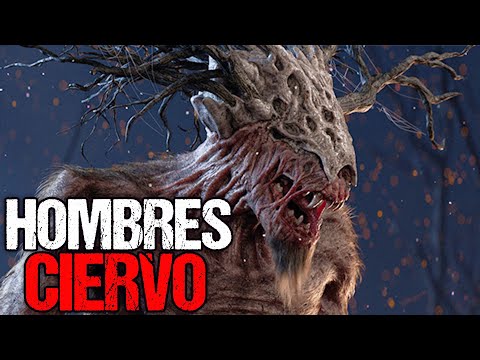
The Deer Men of North America: An In-Depth Investigation into a Cryptid Enigma


Introduction: The Echoes in the Woods

The deep woods of North America hold more than just trees and wildlife; they harbor whispers of the unexplained, tales that tread the thin line between folklore and potential reality. Among the most persistent and unsettling are the accounts of what have come to be known as "Deer Men" – enigmatic bipedal beings with distinct cervine features. These aren't mere campfire stories; they are patterns woven through decades of reported encounters, demanding rigorous analysis from any serious investigator of the anomalous. Today, we open the file on these elusive entities, examining the evidence and exploring the persistent mystery.

Historical Context: Whispers from the Frontier

The concept of man-like creatures with animalistic traits is as old as human civilization, deeply embedded in shamanistic traditions and indigenous mythologies worldwide. North America is rich with such lore, from the Wendigo of Algonquian folklore to various shapeshifting spirits described by numerous tribes. However, the specific archetype of the "Deer Man" as a distinct, often terrifying, entity gaining modern attention is a more recent phenomenon, yet one that appears to tap into ancient archetypal fears. These accounts often emerge from remote, heavily wooded areas, suggesting a creature that thrives in the liminal spaces between human civilization and untamed nature. Understanding the cultural bedrock from which these reports arise is crucial before any objective analysis can begin. This historical lens prevents us from immediately dismissing sightings as mere fantasy, acknowledging that folklore often contains kernels of truth, however distorted by time and retelling. The question becomes: are these persistent accounts merely an evolution of ancient myths, or do they point to a tangible, albeit elusive, biological or para-biological entity?

Key Sightings and Reports: The Evidence Trail

The anecdotal evidence for Deer Men is surprisingly consistent across different regions and time periods. While comprehensive, categorized databases akin to those for Bigfoot or the Loch Ness Monster are still nascent for this phenomenon, a collection of recurring elements forms the basis of our investigation. Many reports describe creatures standing roughly 6 to 8 feet tall, possessing the head, antlers, and gait of a deer, yet walking upright on two legs. Some witnesses report glowing red eyes, a common trait associated with various nocturnal or paranormal entities, and an unusual, musky odor accompanying their appearance. The encounters are often characterized by a sudden, unnerving presence, followed by an equally abrupt disappearance. These aren't isolated incidents; they form a narrative thread, suggesting a consistent phenomenon being observed, interpreted, and reported. We must sift through these reports with a critical eye, identifying commonalities and discrepancies that can lead us closer to a definitive understanding.

"It wasn't a deer, not in any way you'd recognize. It was on two legs, taller than any man, with antlers that scraped the sky. When it looked at me, I felt a cold so deep it wasn't just in my bones; it was in my soul." - Anonymous Witness, Appalachian Region.

The consistency in the descriptions is striking. Many individuals, often hunters or hikers deep in the wilderness, report an overwhelming sense of dread preceding the sighting. This psychological impact is as much a part of the phenomenon as the physical description. The entity is often described as moving with unnatural speed and silence, vanishing as quickly as it appears, leaving behind only disturbed foliage and a lingering sense of profound unease. This elusiveness makes direct study challenging, forcing researchers to rely heavily on eyewitness testimony and the analysis of indirect evidence, such as unusual tracks or environmental disturbances.

Analysis of Evidence: Fact, Folklore, or Something Else?

Sifting through the Deer Man accounts requires a methodical approach, dissecting each element for potential rational explanations before considering more unconventional hypotheses. We must consult established investigative protocols for cryptid and paranormal phenomena. Firstly, misidentification plays a significant role in many alleged sightings. Antlers can be deceiving in low light conditions, and the human brain is adept at pareidolia – seeing familiar patterns in random stimuli. A standing deer, particularly one startled or in motion, could be misinterpreted. Furthermore, the influence of folklore and media cannot be underestimated. Once a concept gains traction, it can shape subsequent perceptions, leading individuals to interpret ambiguous stimuli through a pre-existing mental framework. This is where understanding the cultural diffusion of myths becomes paramount. Beyond misidentification, we must consider the possibility of elaborate hoaxes, though the sheer geographic spread and the consistent nature of reports across unrelated communities lend some weight to genuine observation. The psychological impact reported by witnesses – intense fear, a sense of primal dread – is also a critical factor. Is this merely a reaction to a startling, albeit natural, phenomenon, or is it indicative of something with a more profound, possibly psychic, influence?

"The line between folklore and fact is often blurred by the desire for the extraordinary. Our duty as investigators is to draw that line as clearly as possible, using logic and evidence as our instruments." - Alejandro Quintero Ruiz.

Possible Explanations: Decoding the Phenomenon

When analyzing the Deer Man phenomenon, we must consider a spectrum of possibilities, ranging from the mundane to the speculative.

  • Misidentification: As previously discussed, a startled deer, a bear on its hind legs, or even unusual natural phenomena could be misinterpreted in moments of fear or confusion. Familiarity with existing cryptid lore can also prime observers.
  • Folklore and Cultural Influence: The deep-rooted presence of shapeshifter legends in Native American cultures and the modern proliferation of cryptid narratives in media could contribute to the emergence and persistence of such reports. The concept itself might be culturally constructed.
  • Zoological Anomaly: While highly improbable given current biological understanding, the possibility of an undiscovered primate or a variant subspecies of cervid with unique bipedal tendencies cannot be entirely dismissed without further evidence. This falls under the purview of cryptobiological research.
  • Paranormal Manifestation: Some researchers posit that these entities are not biological beings but interdimensional travelers, thoughtforms, or manifestations with a psychic origin. The reported uncanny characteristics, the sense of dread, and their elusiveness align with certain theories of paranormal activity. This often requires specialized equipment such as EVP recorders and EMF meters to investigate potential energy fluctuations.

Each hypothesis carries its own set of challenges and requires specific methodologies for validation. Dismissing any possibility outright prematurely hinders the investigative process.

The Researcher's Verdict: Fact, Folklore, or Something Else?

My analysis of the Deer Man reports reveals a phenomenon that defies easy categorization. The consistency across numerous, geographically disparate accounts, often from credible witnesses with experience in the wilderness, suggests more than mere mass hallucination or simple misidentification. The recurring elements—bipedal locomotion, cervine features, glowing eyes, and an overwhelming sense of primal fear—point towards a consistent observational pattern.

However, without direct physical evidence—clear photographic or videographic proof, biological samples, or definitive footprint casts that withstand rigorous forensic analysis—we remain in the realm of anecdote and interpretation. The current evidence, while compelling in its narrative cohesion, is insufficient to declare the Deer Man a scientifically recognized species or entity.

Therefore, my verdict leans towards an unresolved anomaly. It is plausible that a combination of misidentification of known animals, the powerful influence of existing folklore, and perhaps, a genuine, yet unquantified, phenomenon is at play. The reports suggest a being that exists on the fringe of our perceived reality, a manifestation that is both rooted in our collective consciousness and potentially, though unproven, a fleeting glimpse of something truly unknown lurking in the shadowed depths of North American wilds. Further investigation, utilizing dedicated cryptid research equipment and thorough ethnographic studies, is warranted. The mystery persists, and that, for an investigator, is where the real work begins.

The Researcher's Archive

For those wishing to delve deeper into the intricacies of cryptid phenomena and paranormal investigations, certain resources are indispensable. These texts and media offer a foundational understanding and advanced methodologies crucial for any serious inquiry:

  • "The Cryptozoology Handbook" by Ken Gerhard: A comprehensive guide that explores the history and methodology of cryptid research, offering insights into cases like the Deer Man.
  • "The Mothman Prophecies" by John Keel: While focused on a different entity, Keel's work provides invaluable perspectives on the psychological and potential interdimensional aspects of unexplained sightings, often drawing parallels between various anomalous beings.
  • "The Field Guide to Bigfoot and Other Mystery Primates" by Loren Coleman and Patrick Huyghe: A rigorous catalog of cryptid reports that, while not specific to Deer Men, outlines the critical evaluation of evidence required in this field.
  • Documentaries like "Missing 411": Through comprehensive analysis of disappearances in national parks, these documentaries highlight uncanny patterns and potential unknown factors in wilderness environments, often touching upon phenomena that align with Deer Man accounts.

Research Protocol: Investigating Local Legends

Should you find yourself in a region where tales of the Deer Man or similar entities are prevalent, here is a basic protocol to follow:

  1. Document Local Folklore: Begin by systematically recording oral histories, identifying common descriptions, recurring locations, and the emotional responses associated with these legends. Consult local historical societies and libraries.
  2. Identify Potential Habitats: Map areas with dense forest cover, limited human interaction, and a history of reported sightings. These are your prime investigation zones.
  3. Observe Wildlife Behavior: Note any unusual animal behavior in these areas. Changes in migration patterns, unusual vocalizations, or signs of distress among known wildlife can sometimes be indicative of an unknown presence.
  4. Environmental Scanning: While not definitive proof, use basic EMF meters and Geiger counters to detect anomalies. Record any unusual readings in conjunction with observed phenomena.
  5. Witness Interviewing Technique: When interviewing witnesses, employ unbiased questioning techniques. Avoid leading questions. Focus on sensory details: what they saw, heard, smelled, and most importantly, how they felt.
  6. Maintain a Research Journal: Log all findings, observations, and anecdotal reports. Cross-reference information to identify patterns and discrepancies.

Frequently Asked Questions

What is the primary difference between a Deer Man and other cryptids like Bigfoot?
While both are bipedal, woodland-dwelling enigmas, the key differentiator for Deer Men is their distinctly cervine (deer-like) features, particularly the head and antlers, which are not typically associated with ape-like cryptids such as Bigfoot.
Are there any scientific theories that explain the Deer Man phenomenon?
Currently, there are no widely accepted scientific theories that definitively explain the Deer Man. Explanations largely remain in the realm of misidentification, folklore, or speculative paranormal/cryptobiological hypotheses.
Is it advisable to actively seek out these creatures?
From an investigative standpoint, caution is paramount. While research is necessary, actively provoking or confronting an unknown entity is not recommended due to potential risks. Prioritize safety and methodical documentation over confrontation.

Conclusion and Final Challenge

The Deer Men of North America remain one of the more intriguing enigmas in the vast landscape of unexplained phenomena. They embody our primal fears of the wild and the unknown, blending familiar natural forms with unsettling, unnatural characteristics. While skeptics may point to misidentification or folklore, ignoring the persistent, consistent testimony from credible witnesses would be an oversight of professional negligence. The evidence, though largely anecdotal, forms a compelling narrative that warrants continued investigation. We stand at the edge of understanding, peering into the shadowed woods where these elusive figures are said to roam.

Your Mission: Investigate Your Own Local Legends

Every region has its own set of local legends and unexplained occurrences. Your mission, should you choose to accept it, is to become a researcher in your own backyard. Identify a local tale of an unexplained creature or phenomenon that has persisted in your community's folklore. Document its history, interview those who claim to have experienced it (using the protocol outlined above), and attempt to find any corroborating evidence, however scant. Are there common descriptions? Specific locations? What rational explanations can be put forth, and what elements remain stubbornly anomalous? Share your findings and your analysis in the comments below. Let's expand the archive together.

About the Author

alejandro quintero ruiz is a seasoned field investigator with years dedicated to the analysis of anomalous phenomena. His approach combines methodological skepticism with an open mind to the inexplicable, constantly seeking truth behind the veil of reality. He believes that understanding the unknown requires rigorous investigation and a deep respect for the evidence, no matter how unconventional.