Followers

Mostrando las entradas con la etiqueta Ramayana. Mostrar todas las entradas

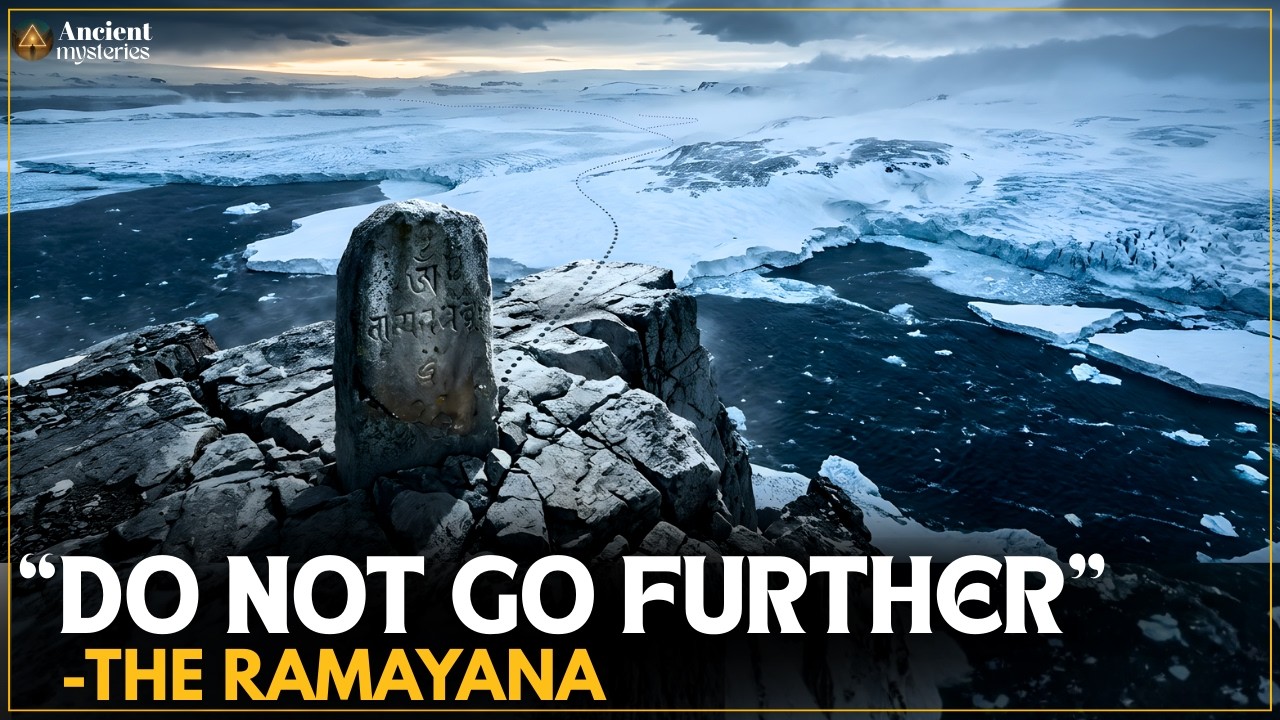
Ramayana Antarctica: Ice Age Map & 14,000 Year Ancient Secret


Introduction: The Southernmost Enigma

The vast narrative of the Ramayana, a cornerstone of ancient Indian literature, is often interpreted through the lens of mythology, dharma, and epic battles. However, what if this ancient text also served as a geographical atlas, detailing a world vastly different from our own? This investigation delves into an unsettling hypothesis: that the Ramayana contains descriptions not of a mythical realm, but of the actual geography of Earth during the last Ice Age, specifically pointing towards the frigid continent of Antarctica as a "realm of no return." We examine research that suggests the southern reaches of the Ramayana's world were not a territory to be conquered, but a stark, insurmountable boundary.

The Ramayana Beyond Mythology: A Geographical Record?

The traditional understanding of the Ramayana places its events within a specific cultural and historical context in ancient India. Yet, a growing body of research challenges this conventional view, proposing that the epic’s intricate details—its rivers, mountains, and descriptions of distant lands—might function as literal geographical markers. This perspective reimagines the narrative not as pure allegory, but as a preserved memory of a prehistoric world, a cartographic record from a time when the Earth’s geography was dramatically altered by glacial cycles. The central question becomes: could the epic’s seemingly fantastical descriptions be a veiled account of Ice Age coastlines and forgotten continents?

Nilesh Oak's Groundbreaking Research

Central to this compelling hypothesis is the meticulous research of Mr. Nilesh Oak. His work, documented in several essential books, applies principles of astronomical and geographical dating to ancient Indian texts, primarily the Ramayana and the Mahabharata. Oak's approach strips away later mythological accretions to reveal a potential core of historical and geographical data. His research suggests that by analyzing astronomical references and geographical descriptions, particularly those concerning the movement and placement of stars and continents, we can anchor these ancient narratives to specific timeframes. This video draws heavily upon his findings, urging viewers to consider the Ramayana not merely as scripture, but as a potential witness to a lost chapter of Earth's history.

“This video draws on the research of Mr. Nilesh Oak. His books are essential reading for anyone interested in the astronomical and geographical dating of the Ramayana.”

For those seeking a deeper understanding, Oak's published works offer invaluable insights:

Decoding the South: A Boundary, Not a Destination

The narrative's trajectory shifts dramatically when it directs attention southward. While previous textual expeditions described lands ripe for exploration, the south possesses a distinct character: it is presented as a boundary, a limit beyond which safe passage is impossible. Following the precise instructions attributed to Sugriva, the narrative guides us methodically towards India's southern edge. This focus on the south is not accidental; it is portrayed as a critical and unsettling direction, a point of demarcation in the world as understood by the Ramayana's ancient authors.

The River Corridor: Narmada to Kaveri

The journey south is meticulously mapped through a sequence of major Indian rivers. The narrative traces a route originating from the Narmada River, proceeding through the Godavari and Krishna, and finally reaching the Kaveri. This established river corridor serves as a geographical spine, grounding the epic's southward exploration in a series of identifiable landmarks. Analyzing this sequence allows researchers to chart a potential path taken by the characters, moving systematically from the heartland towards the peninsula's tip, each river marking a stage in the descent towards the world's edge.

Mountain Markers: Malaya & Mahendra Parvata

As the narrative progresses southward, specific mountain ranges are identified: Malaya Parvata and Mahendra Parvata. These are not merely incidental geographical features but serve as crucial waypoints, reinforcing the epic's geographical grounding. Their presence helps anchor the described journey, acting as markers on a prehistoric map. The identification and location of these mountains are key to understanding the intended scope of the Ramayana's world and the geographical understanding of its creators. Their mention signifies the approach to the extreme southern limits of the known world.

The Canopus Clue: Anchoring the Ramayana to 14,000 Years Ago

A critical piece of evidence emerges with the astronomical reference to Agastya, identified with the star Canopus. The position and visibility of Canopus in the night sky are strongly tied to geographical latitude. By calculating when the star Agastya would have been prominently visible from the southern regions of India, as implied by the text, researchers can establish a potential timeframe for the Ramayana's composition or the events it describes. This astronomical alignment strongly suggests a period approximately 14,000 years ago, placing the narrative firmly within the last Ice Age.

“The astronomical reference to Agastya (Canopus) – a detail that may anchor the text to a time nearly 14,000 years ago.”

Ice Age Coastlines and Natural Land Bridges

The hypothesis posits that the Ramayana's geography aligns with the Earth's configuration during the Pleistocene epoch, the last Ice Age. During this period, significantly lower sea levels exposed continental shelves and created natural land bridges, drastically altering coastlines. The description of landmasses and routes within the Ramayana could correspond to these Ice Age coastlines and the now-submerged topography. Archaeological evidence and paleogeographical reconstructions of this era are crucial for validating the idea that the epic might be describing a world shaped by glacial maximums, including potential land connections and altered shorelines.

Lanka: A Known Location, A Deliberate Withholding

Within this geographical framework, Lanka is presented not as a mythical island far removed from the earthly realm, but as a known, albeit distant, location. However, the narrative surrounding Lanka takes a significant turn. Beyond this established point, Sugriva's instructions become cautionary. The text warns of perilous seas, islands that are unreachable, and a final southern land associated with profound darkness and danger—a place from which no return is possible. This transition from description to explicit warning suggests a fundamental shift in the nature of the territory being discussed.

The Realm Beyond: Hostile Seas and the Land of No Return

The climax of the southward description is a stark warning. Beyond the established boundaries of Lanka, the Ramayana speaks of hostile seas, islands lost to the ocean, and a final, desolate land. This region is imbued with connotations of absolute finality: darkness, danger, and the impossibility of return. This is not the description of a land to be conquered or explored, but a boundary not to be crossed. When interpreted literally, through the lens of Ice Age geography, these descriptions find a chilling parallel with the southern polar continent.

Antarctica: Ancient Maps and the Final Boundary

The hypothesis proposes that this "realm of no return" described in the Ramayana is, in fact, Antarctica. At the time suggested by the astronomical clues (around 14,000 years ago), Antarctica, though likely still covered in ice, represented a distinct and formidable geographical limit. The hostile seas, unreachable islands, and the extreme conditions align with the known environment of the Antarctic continent during the late Pleistocene. This interpretation suggests the Ramayana preserves a memory of a world with known boundaries, where Antarctica was recognized not as a place of habitation or conquest, but as the ultimate demarcation—the edge of the map.

“When read literally, the description aligns with a frozen southern continent—Antarctica.”

“This episode explores the possibility that the Ramayana preserves a memory of a world that was already mapped a finite Earth with known boundaries. The south was not a place to conquer. It was a line not to cross.”

Audience Reactions and Interpretations

The exploration of such provocative theories inevitably sparks diverse audience reactions, as seen in the comments accompanying related content. Some viewers propose alternative timelines, suggesting the Ramayana’s events occurred much earlier, close to a million years ago, referencing archaeological tests on the bridge between Tamil Nadu and Sri Lanka. Others draw parallels to fictional boundaries, likening the southern warning to the "game of Thrones behind the ice wall." There are also interpretations linking ancient texts to different regions, such as a story involving Ravan's Atmalinga potentially buried near Mecca and Medina. One deeply intriguing comment, presented as a translation from ancient monastic texts, posits that Antarctica was once situated near Africa, broke away due to an "explosion," and became the burial place of "original Gods" along with their advanced technology, prompting questions about why every nation claims a stake in the continent today. These comments highlight a broad spectrum of engagement, from historical debate and mythological parallels to speculative theories about ancient technology and divine origins.

“Treta Yuga was Rams Ramayana time, the number in the vedas is close to 1 million years. 14000 years ago was dwarpa Yuga, long after Ramayana. The bridge between tamil nadu and sri lanka has been tested by archeologists, also placing the stone formation to 1 million years.”

“It's kind of like Game of Thrones behind the ice wall”

“I read every comment — drop your thoughts below! 👇”

“The Monk then states that the first translation was done long ago and the texts were from around the time that Antarctic was on the side of Africa. The Monk states that it to be very old as in the time of the original Gods. The Monk states that an explosion in Africa close to the ocean, Antarctica broke away and it was forced to our southern pole. But that's not what intrigued the Monk. The Monk then goes to say the reason why Antarctica was forced away. The Monk says, ‘The text says it's the home of the original Gods and they were cast away’. But it's supposed to be the burial place of the original Gods. All their technology, ships, weapons, and everything else that those who sent them away felt others should not have. It makes you wonder about it. I mean every country in the world has staked a claim to Antarctica. So why does everyone want it. There could be many reasons why, but knowing this makes you wonder.”

Investigator's Verdict: Mythic Geography or Literal Record?

The hypothesis that the Ramayana describes Ice Age geography, culminating in Antarctica as a definitive boundary, is a fascinating proposition. Nilesh Oak's methodology offers a rigorous framework for approaching ancient texts as potentially containing empirical data rather than solely mythological narratives. The convergence of geographical descriptions (river corridors, mountain markers), astronomical clues (Canopus), and the stark warning about the southern extreme lends significant weight to the interpretation. While the idea of a 14,000-year-old record pointing to Antarctica is extraordinary, it aligns with the growing field of forbidden archaeology that seeks to reconcile ancient texts and myths with a re-evaluated geological and historical timeline. The evidence suggests that the Ramayana, when stripped of later allegorical interpretations, may indeed offer a window into a world radically different from our own, a world where the southern pole was recognized as the ultimate, impassable frontier.

The Investigator's Archive

To further your research into the intersection of ancient texts, lost civilizations, and unconventional historical paradigms, consult the following resources:

  • Books by Nilesh Oak: As detailed above, his works provide foundational research for astronomical and geographical dating of Indian epics.
  • Documentaries on Ancient Technologies: Explore series that investigate evidence of advanced ancient capabilities, often found in megalithic structures or textual descriptions. The Awakened Epochs playlist linked in the content offers a starting point.
  • Paleogeography and Glacial Maximum Studies: Academic resources detailing Earth's geography during the Last Glacial Maximum (approx. 20,000 years ago) can provide context for potential Ice Age coastlines and continental configurations.
  • Research on the Ramayana's Historical Basis: Look for scholarly articles and books that critically examine the Ramayana not just as literature, but as a potential repository of historical or geographical information.

Frequently Asked Questions

1. Is the Ramayana considered a historical document by mainstream academia?

Mainstream academia generally regards the Ramayana as an epic poem and a significant religious and cultural text, rather than a literal historical account. However, fringe archaeology and alternative history researchers explore the possibility of historical kernels within the narrative.

2. What is the significance of the star Canopus (Agastya) in dating ancient texts?

Canopus is a bright star whose visibility and position in the sky change depending on geographical latitude. By calculating when the star would have appeared in a specific location mentioned in a text, researchers can estimate the time period the text might refer to.

3. How did Antarctica's geography differ 14,000 years ago?

While Antarctica has been largely ice-covered for millions of years, 14,000 years ago was during the tail end of the last Ice Age. Sea levels were lower, which could have altered coastlines and the appearance of surrounding waters, but the continent itself remained glaciated. The significance lies in its extreme southern location and inhospitable environment, fitting the description of a "boundary."

4. What is "forbidden archaeology"?

"Forbidden archaeology" or "Alternative archaeology" refers to theories and interpretations that challenge the conventional timelines and accepted findings of mainstream archaeology. It often involves re-examining ancient texts, myths, and artifacts to propose different origins or histories for human civilization.

alejandro quintero ruiz is a veteran investigator of the unexplained, with decades spent dissecting anomalies from dusty archives to remote global locales. His approach blends sharp analytical rigor with a deep understanding of parapsychology, forgotten histories, and the fringes of accepted science. He approaches every case with a healthy dose of skepticism, meticulously separating verifiable data from speculation, always seeking the narrative thread that connects the inexplicable to the potentially understandable.

Your Mission: A Cartographic Challenge

The Ramayana may hold keys to a forgotten world map. Your mission, should you choose to accept it, is to cross-reference the geographical markers mentioned—the rivers Narmada, Godavari, Krishna, Kaveri, and the mountains Malaya and Mahendra—with paleogeographical maps of the last Ice Age. Document any surprising alignments or discrepancies. Do these ancient descriptions correspond to known Ice Age coastlines or land bridges? Share your findings in the comments below. The truth is out there, hidden in the details.

Have you encountered similar geographical descriptions in other ancient texts? Share your experiences and insights in the comments below. Your personal accounts are crucial pieces of evidence in our ongoing investigation.

Don't keep this hidden knowledge to yourself! Share this post across all your networks to spark discussion and help uncover more fragments of our lost history.

Subscribe to Awakened Epochs for more explorations of lost history, ancient civilizations, and discoveries that rewrite the human story. Click the notification bell so you don't miss our next deep dive!

El Mono Desciende del Hombre: Un Paralelo Arquetípico entre Leyendas Mesoamericanas y el Ramayana


El teléfono suena a las 3:33 AM. Una voz estática susurra un nombre que nadie debería conocer. No es una llamada, es una invitación. Hoy abrimos el expediente de una conexión insólita entre el folclore americano y las antiguas epopeyas orientales: la enigmática idea de que, en ciertas cosmogonías, es el mono quien desciende del hombre.

La premisa es tan audaz como desconcertante: en el tapiz de las leyendas, ¿podrían existir hilos narrativos que invierten nuestra comprensión evolutiva, presentando a la figura del simio no como un ancestro, sino como una manifestación o descendencia del ser humano? Esta noción, aparentemente exótica, encuentra ecos sorprendentes en mitologías que, a primera vista, parecen pertenecer a universos narrativos completamente distintos.

El Arquetipo Estructural: ¿Una Coincidencia Universal?

En la rigurosa ciencia de la mitología comparada, buscamos patrones recurrentes, arquetipos que resuenan a través de culturas y épocas. La idea de una inversión en la genealogía, donde el ser humano engendra o da origen a la figura simiesca, es un concepto que desafía las categorías biológicas y mitológicas convencionales. Si bien la teoría evolutiva darwiniana establece un ancestro común, las leyendas a menudo operan en un plano simbólico, explorando las profundidades de la psique humana y su relación con el reino animal.

El concepto de que "el mono desciende del hombre" sugiere una relación jerárquica o de transformación diferente. No se trata de un ancestro compartido, sino de una emanación, una sombra o un reflejo. En la investigación paranormal, solemos encontrar fenómenos que desafían la lógica lineal y la causalidad científica; las leyendas, en este sentido, actúan como proyecciones de esas experiencias anómalas en el tejido cultural.

Para comprender verdaderamente esta conexión, es crucial desmantelar las narrativas existentes y buscar las estructuras subyacentes. Esto requiere no solo un análisis de las historias, sino también de las implicaciones psicológicas y filosóficas que estas narrativas portan. ¿Qué nos dice sobre la autopercepción humana el hecho de que podamos concebir una descendencia simiesca?

El Simio en Mesoamérica: Más Allá de la Simbología

Las leyendas de Mesoamérica, ricas en simbolismo y cosmogonías complejas, a menudo presentan figuras animales con roles significativos. Si bien los jaguares, serpientes y águilas suelen dominar el panteón animal, la figura del mono también aparece, aunque de manera menos prominente en la narrativa popular. Sin embargo, la idea de que el mono desciende del hombre resuena con ciertas interpretaciones de mitos y relatos que exploran la conexión intrínseca entre la humanidad y el mundo natural, en un sentido no meramente evolutivo.

En ciertas tradiciones mesoamericanas, los animales no son meros congéneres biológicos, sino seres con capacidad de transformación, mensajeros o incluso deidades menores. La noción de una "descendencia" del mono a partir del hombre podría interpretarse no como un linaje genético, sino como una manifestación de aspectos "primitivos" o "salvajes" de la condición humana, o quizás como seres creados por los dioses para servir a propósitos específicos, una especie de "hechura" divina.

Es vital consultar estudios antropológicos detallados sobre las diversas culturas mesoamericanas, desde los Olmecas hasta los Mayas y Aztecas, para desentrañar las representaciones y los roles asignados a los primates. A menudo, estas figuras están vinculadas a la fertilidad, la sabiduría, las artes o incluso a la dualidad de la existencia. La falta de una figura simiesca central y universal no invalida la existencia de relatos específicos que puedan albergar esta premisa. La investigación arqueológica y etnográfica es fundamental para verificar tales afirmaciones.

El Ejército de Hanuman: Un Simio al Servicio de lo Divino

Cruzando el vasto océano Índico, nos encontramos con el épico Ramayana, una obra cumbre de la literatura sánscrita. Aquí, la figura de Hanuman, el devoto rey de los monos (Vánara), juega un papel crucial. Hanuman no solo es un guerrero formidable, sino que también es un ejemplo de lealtad, fuerza y devoción inquebrantable al príncipe Rama.

En la narrativa, Rama, en su búsqueda para rescatar a su esposa Sita, secuestrada por el demonio Ravana, se vale de un ejército de seres simiescos liderados por Hanuman. Estos seres no son retratados como meros animales irracionales, sino como criaturas con inteligencia, habilidades sobrehumanas y, fundamentalmente, al servicio de una causa divina. La epopeya describe sus hazañas con gran detalle: construyen un puente a través del mar, luchan valientemente en la Batalla de Lanka y demuestran una lealtad que define su existencia.

La relación en el Ramayana es de servicio y colaboración, donde los monos son aliados, no descendientes en el sentido biológico. Sin embargo, la fuerza y la inteligencia de estas entidades simiescas, así como su papel central en la trama, pueden haber inspirado o resonado con interpretaciones posteriores o leyendas paralelas en otras culturas, sugiriendo una conexión arquetípica más profunda entre el ser humano (representado por Rama) y la figura del mono como un "otro" poderoso.

Para profundizar en este aspecto, es indispensable el estudio de la obra "The Ramayana" de C. Rajagopalachari o versiones académicas que analicen las interpretaciones de Hanuman y su ejército. La figura de Hanuman es, en sí misma, un fascinante estudio de caso sobre la antropomorfización y la personificación de cualidades animales en la narrativa mítica.

Conexiones Mitológicas: La Sombra del Arquetipo

La pregunta clave es si la aparente inversión en la genealogía —el mono descendiendo del hombre— y la poderosa alianza descrita en el Ramayana comparten una raíz arquetípica común. Carl Jung, pionero en el estudio de los arquetipos, postulaba la existencia de patrones universales en el inconsciente colectivo. Estos arquetipos se manifiestan en mitos, sueños y religiones en todo el mundo.

"Los mitos son las historias originales de la humanidad, las narraciones primordiales que brotan del inconsciente colectivo y que revelan verdades psicológicas profundas sobre la condición humana."

Podríamos especular que ambas narrativas exploran la relación del hombre con su propia "animalidad" o con fuerzas primarias. En el caso mesoamericano, la idea de que el mono desciende del hombre podría simbolizar la externalización de aspectos instintivos o salvajes de la naturaleza humana. Es como si la propia humanidad proyectara un fragmento de sí misma en una forma simiesca, negando la relación evolutiva para afirmar una especie de creación o diferenciación voluntaria.

Por otro lado, el Ramayana presenta una relación de servicio y unidad. Los Vánaras, aunque simiescos, poseen una inteligencia y una capacidad de acción que los eleva a la categoría de aliados heroicos. Podría interpretarse como la integración de estas fuerzas "primitivas" (representadas por el mono) bajo el liderazgo de la conciencia y la rectitud (representadas por Rama).

La clave para desentrañar estas conexiones reside en la búsqueda de estudios comparativos entre la mitología mesoamericana y la oriental. ¿Existen análisis académicos que exploren paralelismos entre las figuras simiescas en estas culturas? La falta de menciones directas en fuentes populares no significa que la conexión no exista a nivel de arquetipos o interpretaciones esotéricas. Investigadores de mitología comparada como Joseph Campbell a menudo señalaban estas resonancias universales.

Implicaciones Antropológicas y Psicológicas

La narrativa de que "el mono desciende del hombre" tiene profundas implicaciones antropológicas. Desafía directamente la narrativa evolutiva predominante y sugiere una cosmogonía donde el ser humano ocupa un lugar primordial, no como producto de una evolución biológica, sino como creador o progenitor de otras formas de vida, incluso de aquellas que superficialmente se asemejan a él.

Desde una perspectiva psicológica junguiana, la figura del mono puede representar el "Anima" o el "Animus" salvaje, los aspectos instintivos y no civilizados del inconsciente. Que "descienda del hombre" podría significar que estos instintos son una proyección consciente o que la propia humanidad es la fuente de su "lado oscuro" o su "naturaleza animal". Es una forma de confrontar y comprender la dualidad inherente a la existencia humana.

El estudio de la psicología profunda y la antropología es fundamental aquí. Libros como "El Hombre y sus Símbolos" de Jung ofrecen herramientas para descifrar estas representaciones. La forma en que una cultura concibe su relación con los animales, y específicamente con los primates, revela mucho sobre su autoconcepto y su lugar en el cosmos.

Además, debemos considerar la posibilidad de influencias históricas o de difusión cultural. ¿Podría haber existido un contacto, aunque sea limitado, entre las culturas mesoamericanas y las que narraban el Ramayana? La evidencia arqueológica de tales interacciones es escasa, pero no imposible. La posibilidad de que estos relatos existieran de forma independiente y, sin embargo, reflejen arquetipos universales es la hipótesis más intrigante desde la perspectiva de la investigación paranormal.

Veredicto del Investigador: ¿Patrón Arquetípico o Influencia Histórica?

Tras examinar las leyendas mesoamericanas y el Ramayana, mi veredicto es que la conexión directa y causal es improbable, pero la resonancia arquetípica es innegable. La afirmación de que "el mono desciende del hombre" en Mesoamérica, si bien menos documentada que otros mitos, apunta a una cosmovisión donde la creación y la jerarquía se conciben de manera radicalmente diferente a nuestra comprensión evolutiva. Es una manifestación de la capacidad humana para elaborar narrativas que exploran la propia identidad y su relación con el mundo natural, a menudo invirtiendo las lógicas establecidas para revelar verdades psicológicas más profundas.

Por otro lado, la epopeya del Ramayana presenta una alianza poderosa y simbólica. Si bien no describe un linaje de descendencia, la prominencia y las capacidades de las figuras simiescas (Vánaras) sugieren una categoría de seres que ocupa un lugar especial en la jerarquía mítica, claramente definidos por su lealtad y servicio a lo divino. La fuerza y la inteligencia de Hanuman y su ejército son un testimonio del potencial que reside en la conexión entre la humanidad y el reino animal, cuando esta conexión está guiada por un propósito superior.

La hipótesis más plausible es que ambas narrativas, a pesar de su distancia geográfica y cultural, tocan arquetipos universales sobre la naturaleza humana, la creación y la relación con lo "otro". La idea de la "descendencia" simiesca en Mesoamérica podría ser una forma de externalizar o simbolizar aspectos internos de la humanidad, mientras que el Ramayana narra una colaboración heroica. Ambas historias, a su manera, exploran los límites de la definición de "ser" y la conexión entre lo humano y lo animal, invitándonos a reflexionar sobre nuestra propia naturaleza y nuestro lugar en el cosmos.

El Archivo del Investigador

Para aquellos que deseen profundizar en los misterios de la mitología comparada y las raíces profundas de las leyendas, recomiendo encarecidamente los siguientes recursos:

  • "El Héroe de las Mil Caras" por Joseph Campbell: Un estudio fundamental sobre los arquetipos universales en los mitos de todo el mundo.
  • "El Ramayana" (varias traducciones, por ejemplo, la de C. Rajagopalachari): Para sumergirse directamente en la épica y comprender el papel de Hanuman.
  • "Mitos de los Mayas" y "Mitos Aztecas" (compilaciones de Walter Krickeberg o similares): Para explorar las narrativas mesoamericanas en su contexto original.
  • "El Libro de los Mitos" por Robert Graves: Aunque controvertido, ofrece una perspectiva provocadora sobre la génesis de mitos clásicos.
  • Documentales de Gaia o Discovery Channel sobre mitología comparada y orígenes de las civilizaciones: A menudo presentan análisis visuales y entrevistas con expertos que pueden complementar la lectura.

Preguntas Frecuentes

¿Es posible que el mono haya descendido realmente del hombre en algún momento de la historia?

Desde una perspectiva científica y evolutiva, no. Nuestra comprensión actual es que compartimos un ancestro común con los primates modernos, pero no descendemos de ellos en el sentido lineal que la leyenda sugiere. Las leyendas operan en el ámbito del simbolismo y la cosmogonía, no de la biología empírica.

¿Por qué el Ramayana presenta a los monos como aliados tan importantes?

En el contexto del Ramayana, los Vánaras, y Hanuman en particular, representan arquetipos de lealtad, devoción, fuerza y energía pura. Su papel subraya que las alianzas pueden forjarse entre seres de diferentes naturalezas, unidas por un propósito común y la rectitud.

¿Existen otras culturas con mitos similares sobre la relación entre humanos y simios?

Sí, muchas culturas tienen mitos que involucran primates, a menudo asociándolos con la sabiduría, la magia, la fertilidad o incluso con ancestros divinos. La especificidad de la idea de "descendencia" del hombre al mono es menos común, pero la profunda conexión simbólica entre ambas figuras es un tema recurrente en la mitología global.

¿Podrían estas leyendas ser interpretaciones de fenómenos paranormales o extraterrestres?

Es una línea de especulación fascinante. Algunas teorías de OVNIS y antiguos astronautas sugieren que ciertas figuras míticas podrían ser records de interacciones con entidades no humanas o experimentos genéticos. Sin embargo, estas son hipótesis que carecen de evidencia sólida y deben ser tratadas con extremo escepticismo, priorizando siempre las explicaciones antropológicas y mitológicas.

Tu Misión de Campo

Ahora es tu turno, investigador. Tu misión es simple pero profunda: reflexiona sobre tu entorno cultural y los mitos locales que conozcas. ¿Existen en tu región leyendas que presenten una relación inusual entre humanos y animales, quizás invirtiendo jerarquías o roles de lo que la ciencia moderna establece? Busca en las historias antiguas, en los relatos transmitidos de generación en generación. A menudo, las respuestas más intrigantes no se encuentran en los libros de texto, sino en los ecos del pasado de nuestra propia comunidad. Comparte tus hallazgos o tus dudas en los comentarios. Tu perspectiva podría ser la pieza que falta en este complejo rompecabezas.

alejandro quintero ruiz es un veterano investigador de campo dedicado al análisis de fenómenos anómalos. Su enfoque combina el escepticismo metodológico con una mente abierta a lo inexplicable, buscando siempre la verdad detrás del velo de la realidad. Con años de experiencia desentrañando misterios, su objetivo es desmantelar lo enigmático para exponer los patrones subyacentes que conectan lo conocido con lo desconocido.

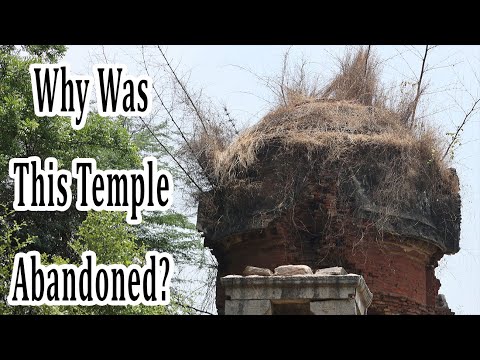
Not On The Map? An Abandoned Ancient Temple Reveals Its Secrets: An Investigator's Analysis


Introduction: The Uncharted Sanctuary

The quest for the unknown often leads us down paths not illuminated by conventional maps. Today, we venture into such a territory, investigating claims of an ancient Hindu temple, a thousand years of history etched in stone, nestled in a village so obscure it evades digital cartography. This isn't a mere sightseeing trip; it's an excavation of historical whispers and potential paranormal echoes. The objective: to decode the silence of an abandoned sanctuary, to sift through its ruins for narratives lost to time and neglect.

The expedition begins with a physical search, navigating beyond the charted world towards Kattur, the nearest known landmark. The very act of seeking a place absent from modern records imbues the endeavor with an immediate sense of mystery. It’s a reminder that the world still holds secrets, places where history might be preserved not in archives, but in the tangible, weathered structures that time, and perhaps something more, has left behind.

The Colossus of Kothamangalam: A Monolithic Enigma

Our initial discovery upon arrival is striking: a colossal Vishnu statue, approximately five to six feet in length. The immediate question arises: is this indeed Vishnu, or a misidentification? The analysis of iconography is paramount here. The presence of the "Naamam" on the forehead, a symbol traditionally associated with Vishnu, is a primary indicator. Further examination reveals the conch (Shanku), a quintessential symbol of the deity, reinforcing the identification.

This is identified as a "Shyana Vishnu" or "PalliKonda Perumal," a depiction of Vishnu in a sleeping or reclining posture. The posture, along with the hand placement, sacred thread, and ornate jewelry, including prominent ear studs and a crown or helmet, are classic markers. While the usual presence of his consort, Lakshmi, is noted as absent, the confluence of these symbols strongly points towards Vishnu.

The statue's monolithic nature – carved from a single stone – speaks volumes about the ancient craftsmanship. The realistic depiction of the feet, the thickness, and the life-like quality of the face, complete with a "mysterious smile," suggest a profound artistic and spiritual intent. Such detailed monolithic sculptures are not merely artistic feats; they are often focal points of intense spiritual energy, and their condition and placement can offer clues to the site's former significance.

The Guardian of the Granite: An Unidentified Effigy

Beyond the Vishnu statue, the architectural transition is palpable. A tall brick tower dominates the skyline, but preceding it, we find a structure meticulously crafted from granite. It is here that a peculiar effigy greets the explorer: a short, stout figure blowing a conch. This figure, with its elaborate hairdo, eroded features, large earrings, and a distinctive belly belt, presents an immediate puzzle.

This is where the analytical rigor of an investigator becomes crucial. The initial impression might be one of religious iconography, but the unique depiction could allude to a lesser-known deity, a guardian spirit, a symbolic representation of a cosmic event, or even a historical figure of importance. Without further inscription or context, this effigy remains a fascinating anomaly, challenging known pantheons and demanding deeper research into local folklore and obscure religious texts. Its presence suggests layers of belief and narrative beyond the primary deity.

Carvings and Cryptic Narratives

The exploration of the granite structure brings us face-to-face with intriguing carvings, each a potential key to the temple's history and the stories it once held. The presence of renovations, described as attempts by "inferior civilizations," is a point of contention that requires careful dissection. The observer notes a discrepancy in the pillars: one cylindrical pillar supported by a rectangular block, versus another with a smaller cylindrical block on top, adjusted for height difference.

This detail, initially perceived as an "engineering blunder," is more accurately interpreted as a post-original modification. The differing color and the segmented construction of the right-side pillar clearly indicate a later intervention, likely centuries ago, an attempt to stabilize or repair the structure. While such renovations can obscure original intent, the fact that the "carvings are original" is a critical detail. These original etchings are the true historical record, untouched by later hands, and thus, our primary focus for deciphering the temple's narrative.

Echoes of Epic Tales: Ramayana Carvings

The significance of the temple's narrative deepens as we encounter carvings directly referencing the Ramayana. The Ramayana, an ancient Indian epic, is a foundational text in Hinduism, recounting the tale of Prince Rama. Depictions from this epic are not merely decorative; they often served didactic purposes, reinforcing moral and spiritual teachings, and commemorating significant events or characters within the narrative.

The presence of such carvings suggests the temple was a site of active worship and storytelling, where devotees would engage with the divine through recounting and visualizing sacred narratives. Analyzing these specific Ramayana panels could potentially reveal which particular episodes were emphasized, offering insight into the temple's patron deity or the specific theological focus of its original builders. For any investigator, these are invaluable windows into the spiritual landscape of the past.

HIDDEN Inscriptions DISCOVERED!! The Unveiling of Lost Language

The thrill of discovery intensifies with the revelation of "HIDDEN Inscriptions." This is the kind of breakthrough artifact that can redefine our understanding of a site. Inscriptions are the Rosetta Stones of archaeology and paranormal investigation alike. They are direct communications from the past, offering names, dates, dedications, historical events, or even ritualistic instructions.

The challenge lies in their decipherment. If these inscriptions are in an archaic script or a dialect no longer in common use, expert linguistic analysis becomes indispensable. The very fact that they were "hidden" implies a deliberate act, perhaps to protect them, to conceal a secret, or as part of a ritualistic design. The potential to uncover the temple's original name, its purpose, or the identity of its builders from these inscriptions is immense. This stage of the investigation requires meticulous documentation and comparative analysis with known scripts from the relevant historical period.

Deciphering the Identity: The ORIGINAL Name of the Temple

The pursuit of the temple's original name is not merely an academic exercise; it is central to understanding its identity, its purpose, and its place in regional history. Ancient temples were often named after the primary deity enshrined within, a significant event associated with its founding, or a geographical feature. Uncovering this name, through the analysis of the newly discovered inscriptions, would transition this structure from an anonymous ruin to a specific historical entity.

For instance, knowing if it was dedicated to a specific form of Shiva, Vishnu, or another deity would refine our understanding of the religious practices prevalent at the time. It could also link this site to known historical dynasties, pilgrimage routes, or legendary events. The "original name" is the key that unlocks a cascade of further research possibilities, connecting this isolated structure to the broader tapestry of ancient Indian civilization. This is where the patient work of epigraphy and historical cross-referencing pays dividends.

The Brick Tower: A Monument to Architectural Ingenuity

The focus shifts to the main structural element: the tall brick tower. The material – brick – and its height suggest a significant architectural undertaking for its era. Brick temples, while common, often possess distinct characteristics based on the period and region of their construction. Analyzing the brickwork, the bonding patterns, the mortar used, and the overall structural integrity can provide crucial dating information and insights into the construction techniques employed.

Such towers often served as the focal point of the temple complex, housing the primary sanctum or acting as a visual landmark for approaching devotees. Their scale implies a dedicated workforce, significant resources, and a high level of organizational skill. Studying this tower is not just about admiring its resilience; it’s about understanding the engineering prowess of its creators and its functional role within the original spiritual landscape. The height might also hold symbolic meaning, reaching towards the heavens.

The Octagonal Apex: A Celestial Design?

The description of an "OCTAGONAL Top" on the brick tower is a detail that merits specific attention. Geometric shapes in ancient architecture are rarely arbitrary. The octagon, in many cultures, holds symbolic significance, often representing balance, transition, or a connection between the terrestrial and the celestial. In Hindu architecture, specific shapes and their orientations are deeply tied to cosmology and Vastu Shastra principles.

An octagonal apex could signify a desire to align the structure symbolically with cosmic directions, astronomical events, or specific spiritual concepts. It might also have served a structural purpose, providing a stable base for a finial, a flag, or even a celestial observation device, however rudimentary. The precise form and any associated carvings or inscriptions on this octagonal section could further illuminate the temple's astronomical or cosmological leanings.

The Missing Sanctum: A Disappeared Main Statue

The statement "Main statue DISAPPEARED!!" is a critical piece of evidence, or rather, the absence of it. Temples are typically built around a central idol or image of the primary deity. If this main statue is missing, it raises several possibilities:

  • Vandalism/Theft: In ancient times, valuable idols were often targets for plunder.
  • Ritualistic Removal: The statue might have been intentionally removed for an important ritual, consecration, or de-consecration ceremony, and never returned.
  • Natural Decay/Re-purposing: If the idol was made of perishable material, it might have disintegrated. Alternatively, it could have been moved to another, possibly more active, temple site.
  • Incomplete Construction: Though less likely for a thousand-year-old temple, it's a remote possibility.

The circumstances surrounding the disappearance could be as significant as the statue itself. Was it a violent removal, or a methodical one? The investigation must consider the historical context of the region for periods of conflict, iconoclasm, or significant religious shifts. The absence of the central icon leaves a void, both physically and theologically, that requires careful consideration.

DECODING from the Ruins: Piecing Together the Past

The process of "DECODING from the Ruins" is the core of archaeological and investigative work. It involves meticulously examining every fragment, every carving, every structural anomaly. This iterative process involves:

  • Contextual Analysis: Understanding how each element relates to the whole structure and its historical period.
  • Comparative Studies: Comparing findings with similar sites, known architectural styles, and iconographic traditions.
  • Material Analysis: Identifying the types of stone, brick, and mortar used, which can often be dated.
  • Locating Subtleties: Searching for hidden chambers, concealed inscriptions, or symbolic arrangements that might not be immediately apparent.

The investigator's approach, described metaphorically as "like an archeologist" and "like Indiana Jones," underscores the blend of systematic research and keen observation needed. It's about looking beyond the obvious, questioning assumptions, and piecing together a narrative from disparate clues. The goal is not just to identify the elements, but to understand their function, their symbolism, and their place within the original spiritual and social context of the temple.

Conclusion: The Enduring Power of the Unmapped

This exploration of an unmapped ancient temple in Kothamangalam serves as a potent reminder of the historical depths that lie beyond the reach of digital convenience. The discovery of the monolithic Vishnu statue, the enigmatic guardian effigy, the historically significant Ramayana carvings, and the potentially revelatory hidden inscriptions, all contribute to a rich tapestry of mystery. The presence of renovations highlights the passage of time and human intervention, while the disappearance of the main statue poses a significant question mark.

The efforts to decode the original name and understand the architectural nuances of the brick tower and its octagonal apex are crucial steps in piecing together the temple's narrative. This abandoned sanctuary, deliberately or incidentally absent from modern maps, becomes a focal point for understanding ancient beliefs, artistic expression, and the enduring power of sacred spaces. It underscores the vital importance of fieldwork, critical analysis, and an open mind when confronting the remnants of history that refuse to be easily cataloged.

alejandro quintero ruiz is a seasoned paranormal investigator with years of hands-on experience. His approach is a unique blend of forensic analysis and intuitive exploration, driven by a relentless pursuit of truth behind unexplained phenomena. He believes that the inexplicable, while often elusive, demands rigorous investigation and an open, yet critical, mind.

Investigator's Verdict: Fraud, Genuine Phenomenon, or Historical Artefact?

While this investigation focuses on an archaeological and historical site, the methodologies employed often overlap with paranormal research. The "weird creature" effigy and the "disappeared main statue" could, in a different context, be attributed to paranormal causes or folklore. However, based on the presented evidence and the presenter's own narrative, the primary classification leans towards a significant historical and archaeological discovery. The temple's obscurity, the quality of the carvings, and the potential for inscriptions to reveal its original identity are compelling. The renovations indicate the site's age and subsequent abandonment, rather than supernatural interference. The "paranormal" aspect here is derived from the mystery of its hidden nature and the lingering questions about its past, rather than overt supernatural claims.

The Investigator's Archive

  • Key Texts for Ancient Indian Architecture: Temple architecture in India (Wikipedia)
  • Understanding Iconography: Search for academic papers on "Hindu Iconography" or specific deity symbols.
  • Epigraphy Resources: Explore Indian epigraphy databases or academic journals for examples of ancient script decipherment.
  • The Ramayana: Read translations of the epic to better understand the context of the temple carvings.

Protocol: Field Investigation of Anomalous Sites

  1. Pre-Investigation Research: Even without maps, gather local folklore, historical records, and any anecdotal evidence of the site's existence and significance. Identify potential access routes and environmental factors.
  2. Site Documentation: Upon arrival, meticulously photograph and video record the entire site from multiple angles. Document all architectural features, carvings, inscriptions, statues, and any signs of disturbance or renovation.
  3. Evidence Collection & Analysis: If inscriptions are found, attempt to photograph them with clear lighting and scale references. Note any unusual materials or structural anomalies.
  4. Contextualization: Compare findings with known historical periods, architectural styles, and religious practices of the region. Consult with experts in archaeology, epigraphy, and religious studies if possible.
  5. Hypothesis Formulation: Based on the collected evidence, formulate hypotheses regarding the temple's original purpose, its builders, its historical significance, and the reasons for its abandonment.

Frequently Asked Questions

Q1: Is it possible the "Ruin Temple" is not a temple at all, but something else?
A1: While definitive identification relies on inscriptions, the presence of a monolithic Vishnu statue, Ramayana carvings, and architectural features typical of religious structures strongly suggest it is indeed an ancient Hindu temple.

Q2: How can we be sure the "Naamam" symbol is recent?
A2: The presenter notes that other details are visible, and the Naamam appears to be a "new Naamam they have put on the carving," suggesting a contrast with older, perhaps eroded, elements. Further analysis would be needed for definitive dating.

Q3: What is the significance of the octagon in ancient architecture?
A3: The octagon often symbolizes balance, transition, and a connection between earthly and divine realms. In Vastu Shastra, specific geometric shapes are aligned with cosmic energies. An octagonal top could indicate such cosmological considerations.

Your Mission: Decipher the Local Legends

Now, it's your turn, investigator. Think about your local area. Are there any structures, ruins, or even oral traditions that speak of places "not on the map"? Places with peculiar carvings, strange statues, or historical events whispered through generations? Your mission is to document one such local legend or an overlooked historical site. What clues do you find in its physical remnants or the stories surrounding it? Share your discoveries and theories in the comments below. Let's see what hidden histories we can uncover together.

Vimanas y el Cosmos: ¿Visitaron Extraterrestres la India Antigua?


I. El Eco de las Estrellas: La India Antigua y el Misterio Cósmico

Los anales de la historia humana a menudo guardan secretos que desafían nuestra comprensión actual de la realidad. Entre las civilizaciones más antiguas, la India se erige como un faro de conocimiento esotérico y tradiciones profundas. Durante milenios, sus textos sagrados han sido custodios de narrativas épicas, filosóficas y, según algunos, de encuentros que trascienden lo terrenal. Hoy, abrimos un expediente que se adentra en la intrigante posibilidad de que la India antigua no solo fuera cuna de grandes civilizaciones, sino también anfitriona de visitantes de más allá de nuestro planeta. La clave para desentrañar este misterio reside en la interpretación de textos sánscritos que datan de miles de años, particularmente aquellos que describen asombrosas máquinas voladoras: las legendarias Vimanas.

El estudio de estas antigüedades no es trivial; es un acto de arqueoastronomía y paleocontacto que requiere un análisis riguroso y una mente abierta. Las implicaciones de tales hallazgos son monumentales, sugiriendo que la conexión entre la humanidad y el cosmos podría ser más antigua y profunda de lo que la ciencia convencionalmente acepta. ¿Estamos ante relatos puramente mitológicos, o ante el registro de una verídica interacción tecnológica?

II. V. Raghavan: Un Erudito Ante el Abismo

La tesis de que la India antigua fue visitada por entidades extraterrestres no es una invención moderna, sino una conclusión a la que llegaron eruditos tras décadas de inmersión en textos ancestrales. El Dr. V. Raghavan, una figura de autoridad como director jubilado del departamento de Sánscrito de la Universidad de Madras, dedicó cincuenta años a la investigación exhaustiva de obras escritas en esta lengua clásica, el fundamento del Hinduismo y la cultura india. Sus profundos estudios lo llevaron a una convicción sorprendente: la existencia de seres inteligentes en otros planetas y su visita a la Tierra en épocas remotas, tan atrás como el cuarto milenio antes de Cristo.

"Cincuenta años de investigación de estas obras antiguas me convencieron de que hay seres viviendo en otros planetas, y que visitaron la tierra tan lejos como 4,000 antes de Cristo." - Dr. V. Raghavan

La afirmación de Raghavan no surge de especulaciones superficiales, sino del análisis metódico de los textos sánscritos. Estas obras, ricas en lenguaje poético y alegorías, a menudo contienen descripciones tan detalladas que, para un investigador experimentado, apuntan más allá de la mera fantasía religiosa. La habilidad de Raghavan para navegar el complejo tapiz lingüístico y cultural del sánscrito le permitió discernir patrones y descripciones que, según su criterio, solo podían ser explicados por la intervención de una inteligencia no terrestre.

La postura del Dr. Raghavan se alinea con otros investigadores que, a nivel mundial, han postulado la teoría de los "antiguos astronautas", sugiriendo que la tecnología y el conocimiento de civilizaciones prehistóricas podrían haber sido legados por visitantes extraterrestres. La India, con su vasta y antigua literatura, se convierte en un terreno fértil para explorar esta hipótesis, ofreciendo una ventana única a posibles interacciones cósmicas en nuestro pasado más remoto. Para comprender la magnitud de estas afirmaciones, es crucial examinar las pruebas textuales que las sustentan, especialmente las relativas a las enigmáticas Vimanas.

III. Vimanas: Carruajes Aéreos o Tecnología Extraterrestre

Central en la argumentación del Dr. Raghavan y en el debate sobre visitas antiguas a la India, se encuentran las descripciones del Ramayana, una de las dos principales epopeyas sánscritas. Este texto milenario no solo narra las hazañas de héroes y deidades, sino que también incluye vívidas descripciones de "máquinas voladoras" conocidas como Vimanas. Según los relatos, estos vehículos poseían la capacidad de navegar a gran altura, desafiando las limitaciones tecnológicas conocidas de la época.

Lo intrigante es la comparación que se traza entre estas Vimanas antiguas y los fenómenos anómalos modernos. El Dr. Raghavan, y muchos que han seguido su línea de investigación, señalan que las descripciones de estos "carruajes celestiales" resuenan con los avistamientos contemporáneos de OVNIs. Se describe a una Vimana como "un hermoso carruaje que corría por el aire", una frase que evoca imágenes de naves silenciosas moviéndose a velocidades imposibles para cualquier aeronave conocida en la antiguedad, o incluso en muchas épocas posteriores.

La naturaleza exacta de estas Vimanas es objeto de ferviente debate. Las interpretaciones varían desde la posibilidad de que sean meras construcciones poéticas y alegóricas, hasta la audaz hipótesis de que representan evidencia textual de tecnología avanzada, posiblemente de origen extraterrestre. Si se toma literalmente, la descripción de una máquina voladora capaz de surcar los cielos de forma autónoma y a gran altitud, descrita en textos con miles de años de antigüedad, plantea preguntas fundamentales sobre el conocimiento y la tecnología disponibles en la India prehistórica.

Analizar estas descripciones requiere despojarnos de prejuicios antropológicos. La suposición de que las civilizaciones antiguas carecían de la capacidad para la innovación tecnológica avanzada, o que sus relatos solo pueden ser interpretados a través de un prisma estrictamente mitológico, puede ser un obstáculo para la comprensión. La hipótesis de que las Vimanas eran, de hecho, naves espaciales pilotadas por seres de otros mundos, es una posibilidad que, aunque controvertida, se mantiene firme en el análisis de muchos investigadores de fenómenos anómalos. La similitud con los platillos voladores modernos no es casualidad; sugiere una continuidad en la manifestación de fenómenos aéreos no identificados a lo largo de la historia humana.

IV. Deconstruyendo el Mito: Ciencia, Fe y el Veredicto del Investigador

La cuestión de si la India antigua fue un destino para visitantes extraterrestres, y si las Vimanas son prueba de ello, nos sumerge en un fascinante cruce entre la mitología, la lingüística y la ufología. El testimonio del Dr. V. Raghavan, basado en décadas de estudio del Sánscrito, proporciona un punto de partida sólido para la investigación. Sin embargo, como en toda investigación paranormal, es nuestro deber aplicar un análisis escéptico pero abierto.

Argumentos a favor de la hipótesis extraterrestre:

  • Detalle Textual: Las descripciones de las Vimanas en textos sánscritos, como el Ramayana, a menudo incluyen detalles sobre su capacidad de vuelo, maniobrabilidad y hasta sistemas de propulsión que parecen ir más allá de la tecnología medieval o antigua.
  • Consistencia Cronológica: La datación de estos textos, que se remonta a miles de años, sugiere que si hubo visitas, estas ocurrieron en un pasado muy remoto, antes de que la humanidad desarrollara tecnologías comparables.
  • Paralelismos Modernos: La similitud entre las descripciones de las Vimanas y los OVNIs modernos, como los llamados "platillos voladores", es notable y sugiere una continuidad en la fenomenología de objetos voladores no identificados.
  • Evidencia de Conocimiento Avanzado: Algunas interpretaciones de textos antiguos sugieren que poseían conocimientos en astronomía, física y metalurgia que podrían haber sido influenciados o directamente impartidos por inteligencias superiores.

Argumentos en contra y explicaciones alternativas:

  • Interpretación Metafórica: Es crucial considerar que los textos antiguos, especialmente los religiosos y épicos, a menudo utilizan un lenguaje metafórico y simbólico. Las Vimanas podrían ser representaciones poéticas de deidades, fenómenos naturales o aspiraciones humanas, en lugar de descripciones literales de tecnología.
  • Limitaciones de Traducción y Transcripción: La traducción y transcripción de textos tan antiguos siempre conllevan el riesgo de interpretaciones erróneas o de influencias del traductor. El Sánscrito, con su riqueza semántica, puede prestarse a múltiples lecturas.
  • Falta de Evidencia Física Concluyente: A pesar de las descripciones textuales, no se ha encontrado evidencia arqueológica irrefutable y directamente asociada a la tecnología de Vimanas que respalde su existencia como máquinas voladoras avanzadas. La ausencia de restos físicos es un vacío significativo.
  • Explicaciones Mitológicas y Religiosas: Las Vimanas pueden ser entendidas dentro del rico panteón y cosmología de la India antigua, como vehículos celestiales asociados a dioses o seres divinos, sin necesidad de recurrir a explicaciones extraterrestres.

alejandro quintero ruiz es un veterano investigador de campo dedicado al análisis de fenómenos anómalos. Su enfoque combina el escepticismo metodológico con una mente abierta a lo inexplicable, buscando siempre la verdad detrás del velo de la realidad.

V. El Archivo del Investigador: Material Complementario

Para profundizar en la intrigante conexión entre la India antigua, las Vimanas y la posibilidad de contactos extraterrestres, recomiendo la consulta de los siguientes recursos:

  • Libros Clave:
    • "Vimanas: The Flying Machines of the Ancients" por Robert E. Sweet: Un texto que explora las descripciones y la ingeniería potencial detrás de estas naves.
    • Cualquier obra académica sobre el Ramayana y el Mahabharata que analice las descripciones de vehículos aéreos.
    • "Chariots of the Gods?" por Erich von Däniken: Aunque polémico, este libro popularizó la teoría de los antiguos astronautas e incluye referencias a los textos indios.
  • Documentales Esenciales:
    • Cualquier producción seria sobre "Antiguos Astronautas", prestando especial atención a los episodios que cubren las civilizaciones de la India y el Sudeste Asiático.
    • Documentales de investigación sobre el Ramayana y su contexto histórico.
  • Plataformas de Streaming y Recursos Online:
    • Plataformas como Gaia o Discovery+ a menudo presentan documentales y series que exploran estos temas. Busque por "Vimanas", "antiguos astronautas India" o "mitología sánscrita".
    • Archivos digitales de textos sánscritos y universidades con departamentos de estudios asiáticos pueden ofrecer análisis léxicos y contextuales.

VI. Preguntas Frecuentes

Preguntas Frecuentes

  • ¿Qué son las Vimanas según los textos sánscritos?
    Las Vimanas son descritas en textos sánscritos milenarios como máquinas voladoras que navegaban a gran altura, a menudo comparadas con 'hermosos carruajes' que surcaban el aire.
  • ¿Qué evidencia existe para sustentar la teoría de visitas extraterrestres en la India antigua?
    El Dr. V. Raghavan, tras medio siglo de investigación de textos sánscritos, sostuvo que estos describen la visita de seres de otros planetas a la Tierra, incluso desde el 4000 a.C., basándose en el contenido de obras antiguas.
  • ¿Son las descripciones de Vimanas similares a los OVNIs modernos?
    El Ramayana describe las Vimanas como vehículos capaces de volar a gran altura, y se ha señalado su similitud conceptual con los 'platillos voladores' reportados en la actualidad, sugiriendo una posible correlación tecnológica.

VII. Tu Misión de Campo: Desentrañando Leyendas Locales

La historia de las Vimanas nos recuerda que muchas culturas antiguas poseían relatos de fenómenos aéreos y entidades que desafiaban su entendimiento. Ahora, apliquemos esta perspectiva a tu entorno.

Tu Misión: Investiga leyendas o relatos locales en tu comunidad sobre fenómenos inusuales, apariciones o "carruajes" misteriosos. ¿Existen descripciones antiguas o testimonios que sugieran tecnologías o visitantes anómalos? Compara las narrativas que encuentres con las descripciones de las Vimanas. ¿Hay similitudes en la forma en que se describen estos eventos y en las explicaciones que se dan? Documenta tus hallazgos y comparte tus reflexiones.

La verdad, como dijo una vez un viejo detective, a menudo se esconde a plena vista, enterrada bajo capas de mito y tiempo. Tu tarea es empezar a desenterrarla.


alejandro quintero ruiz es un veterano investigador de campo dedicado al análisis de fenómenos anómalos. Su enfoque combina el escepticismo metodológico con una mente abierta a lo inexplicable, buscando siempre la verdad detrás del velo de la realidad.

En conclusión, la hipótesis de visitas extraterrestres a la India antigua, sustentada por interpretaciones de textos como el Ramayana y el testimonio de académicos como el Dr. V. Raghavan, nos invita a reconsiderar nuestra historia. Si bien la ciencia convencional exige pruebas tangibles y el escepticismo es nuestra herramienta principal, ignorar por completo la riqueza de estas antiguas narrativas sería un error de juicio. Las Vimanas, descritas como "hermosos carruajes" que surcaban el aire, se presentan como un enigma persistente. ¿Eran meras alegorías religiosas, o el eco de una tecnología ancestral que la humanidad aún no comprende del todo? La pregunta permanece abierta, un desafío para la mente inquisitiva que busca respuestas en los rincones más profundos del tiempo y el espacio.