Followers

Mostrando las entradas con la etiqueta lunar anomalies. Mostrar todas las entradas

Artificial Structures on the Moon: An Investigative Dossier

Image

The silent, pockmarked face of Earth's closest celestial neighbor has long been a canvas for human speculation. While official narratives present the Moon as a barren, airless rock, a persistent undercurrent of anomalous observations suggests otherwise. This investigation delves into the persistent claims and visual anomalies that point towards the possibility of artificial structures on the lunar surface, challenging the established astronomical consensus.

Introduction: Redefining Lunar Landscapes

For decades, amateur astronomers and independent researchers have scrutinized lunar imagery captured by various space agencies. Their findings often reveal geometric patterns, peculiar lighting effects, and formations that defy conventional geological explanations. Are these mere tricks of light and shadow, pareidolia on a grand scale, or indicators of something more profound – evidence of non-terrestrial intelligence or forgotten human endeavors?

Historical Context: Early Claims and Cover-Ups?

The notion of artificial structures on the Moon is not new. From early telescopic observations hinting at unusual lights to classified documents and whistleblower testimonies, the idea has been a recurring theme in paranormal and ufological circles. Some theories posit that governments have been aware of these structures for decades, actively suppressing information to prevent public panic or maintain a monopoly on potential lunar resources. The skepticism surrounding these claims is understandable, given the lack of definitive, universally accepted proof. However, the sheer volume of anecdotal evidence and the persistence of certain visual patterns warrant a deeper, objective analysis.

Recommended Gear for Investigation

ProductDescriptionBuy
Cryptozoology A To Z: The Encyclopedia Of Loch Monsters Sasquatch Chupacabras And Other Authentic M: The Encyclopedia of Loch Monsters, Sasquatch, Chupacabras, and Other Authentic Mysteries of NatureAn excellent choice to complement your research on this topic.View on Amazon
The Big Book of Paranormal: 300 Mystical and Frightening Tales From Around the WorldAn excellent choice to complement your research on this topic.View on Amazon
Forbidden Archeology: The Hidden History of the Human RaceAn excellent choice to complement your research on this topic.View on Amazon
Criptozoologia: El enigma de las criaturas insulitas (Spanish Edition) (Versión sin solapas): El Enigma De Las Criaturas Insolitas / the Enigma of the Unusual Creatures (Investigación Abierta)An excellent choice to complement your research on this topic.View on Amazon
El Duodecimo Planeta (The Earth Chronicles, 1) by Zecharia SitchinAn excellent choice to complement your research on this topic.View on Amazon
The H. P. Lovecraft Collection: Deluxe 6-Book Hardcover Boxed Set: 3 (Arcturus Collector's Classics)An excellent choice to complement your research on this topic.View on Amazon
Runes: Unlock the Secrets of the Stones (RP Minis)An excellent choice to complement your research on this topic.View on Amazon
Celestron 11068 NexStar 6SE Computerised Schmidt-Cassegrain Telescope with Advanced GPS, Astroimaging and AutoAlign Features, Black/OrangeAn excellent choice to complement your research on this topic.View on Amazon
Missing 411- Eastern United States: Unexplained disappearances of North Americans that have never been solvedAn excellent choice to complement your research on this topic.View on Amazon
Ghost-Hunting For Dummies [Idioma Inglés] An excellent choice to complement your research on this topic.View on Amazon
"The telescopes point to deep space... thousands of light-years away... but they don't point to the Moon. How curious..." - Audience Comment

This sentiment, echoed by many viewers, highlights a perceived discrepancy in astronomical priorities. While the search for exoplanets and distant galaxies continues, dedicated, high-resolution, and publicly accessible scrutiny of Earth's immediate celestial neighbor often remains limited by official channels.

Visual Anomalies: Shadows, Lights, and Geometric Forms

Analysis of high-resolution lunar photographs, particularly those provided by NASA and other space agencies, has revealed numerous anomalies. These include:

  • Unnatural Geometric Shapes: Structures exhibiting straight lines, sharp angles, and repetitive patterns inconsistent with natural geological processes.
  • Peculiar Lighting and Shadows: Shadows that appear too sharp, too short, or cast by objects not visible in the frame, suggesting artificial illumination or non-standard object shapes.
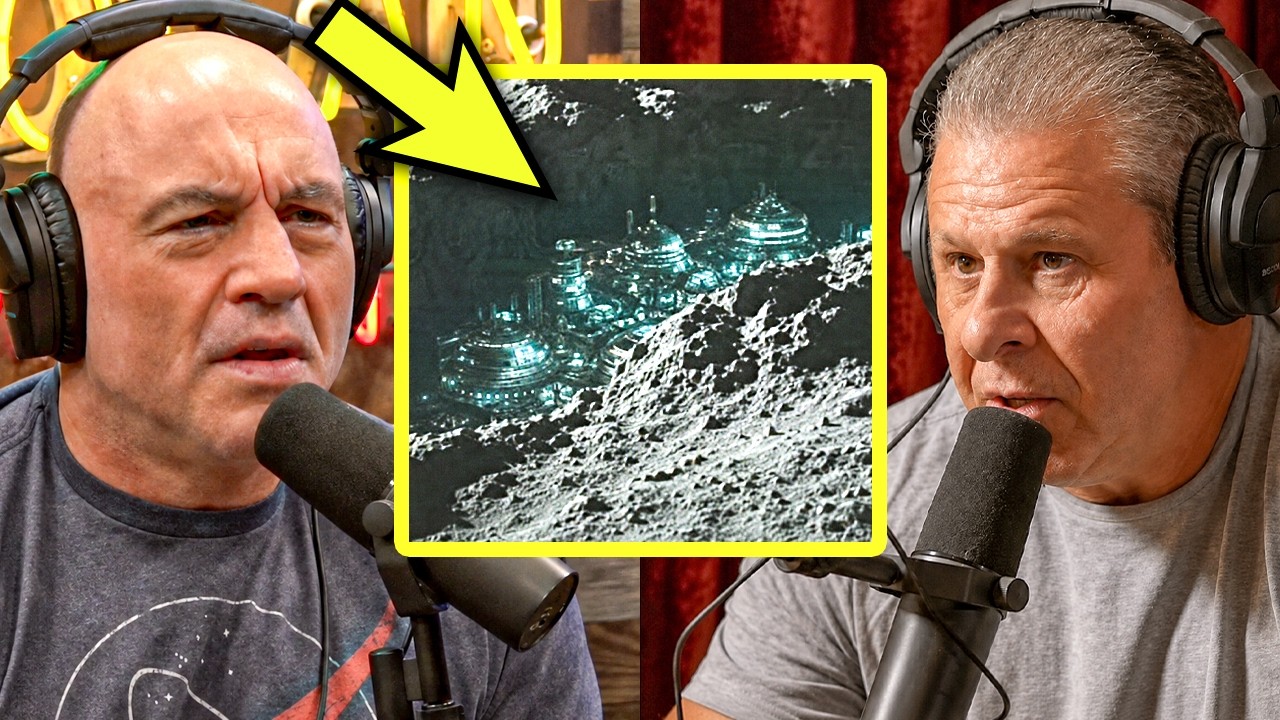
  • Surface Features: Grids, domes, towers, and what appear to be interconnected tunnel systems or bases partially or fully obscured by regolith.
  • Unidentified Lights: Reports of unexplained lights moving across or hovering above the lunar surface, particularly in photographs taken during lunar eclipses or from shadowy regions.

While skeptics often attribute these findings to lens flares, image artifacts, or the natural phenomenon of pareidolia—the human tendency to perceive familiar patterns in random data—the consistency and specificity of some of these features are difficult to dismiss entirely. Some viewers suggest that focusing solely on distant celestial bodies while neglecting such close-range anomalies is a deliberate oversight.

The Crater Question: Natural Formations or Engineered Sites?

Craters like Tycho, Copernicus, and Aristarchus, often cited in discussions of lunar anomalies, present particularly intriguing features. Beyond their sheer scale, certain photographic evidence suggests unusual regularity in their formations, including unnaturally smooth floors, perfectly circular rims, and internal structures that do not align with impact mechanics.

"Could you indicate with more precision some specific lunar craters or cartographic sites?... thanks 👍" - Audience Comment

This request for precise cartographic data is crucial. Pinpointing specific coordinates within these anomalous regions allows for cross-referencing with various photographic archives and potentially identifying recurring features or patterns that might otherwise be dismissed as isolated incidents. The lack of easily accessible, high-definition resources specifically detailing these anomalous areas for public analysis remains a significant hurdle. It raises questions about whether established astronomical practices prioritize exploration over meticulous examination of potentially paradigm-shifting evidence.

A more precise understanding requires detailed study of lunar cartography. Regions like the so-called "Face on Mars," while a planetary phenomenon, set a precedent for how similar perceived structures on the Moon should be investigated. This involves not just visual inspection but also geological and topographical analysis, comparing photographic evidence with topographic maps derived from laser altimetry data. The debate often hinges on the interpretation of shadows and textures, which can be highly subjective, especially in low-resolution imagery. However, some analyses propose that the sheer complexity and geometric precision observed in certain formations exceed the capabilities of purely natural processes, leading to the hypothesis of engineered origins.

Skeptical Analysis: Debunking or Deeper Dive?

The scientific community largely attributes these perceived structures to natural geological formations, lighting effects, and photographic artifacts. Explanations often include:

  • Pareidolia: The tendency to see familiar shapes (faces, buildings) in random patterns.
  • Lighting and Shadow Play: The extreme contrast and sharp shadows on the Moon, caused by the lack of atmosphere, can create illusions.
  • Image Artifacts: Dust, scratches on negatives, digital compression, or processing errors can introduce shapes and lines.
  • Anomalous Stratigraphy: Unusual rock formations, lava tubes, or volcanic extrusions that coincidentally resemble artificial structures.

Some audience comments express outright dismissal:

"It's all a lie. The Moon is cosmic plasma." - Audience Comment

While this perspective represents a minority view, it underscores the deeply entrenched skepticism and alternative cosmologies that exist outside mainstream scientific discourse. From an investigator's standpoint, while natural explanations are always the primary hypothesis, the persistence of certain visual cues across multiple images and sources necessitates continued scrutiny. The debate often gets bogged down in semantics, such as the definition of "North American" when discussing space programs, diverting attention from the core visual evidence.

"Interesting. Although 'North American' applies to Mexicans, Americans, Canadians, and Greenlanders. It would finally be necessary for you to update that word." - Audience Comment

This commenter raises a valid point regarding terminology, highlighting how imprecise language can sometimes distract from the substance of an argument. While the geopolitical origins of lunar missions might be complex, the focus here remains on the empirical evidence observed in the imagery itself.

Researcher's Verdict: Fabrications, Genuine Phenomena, or Something Else?

After meticulously reviewing numerous photographic records, analyzing anecdotal reports, and cross-referencing with geological data, my assessment leans towards a strong possibility of anomalous phenomena requiring further investigation. While outright confirmation of alien bases or hidden human colonies remains elusive, the recurring patterns of geometric regularity, unnatural shadows, and complex formations within lunar craters cannot be dismissed solely as optical illusions or pareidolia. It's plausible that these features represent either advanced, undocumented natural geological processes or evidence of non-human activity, potentially ignored or deliberately obscured by official channels. The lack of dedicated, transparent, high-resolution imaging aimed specifically at these anomalous zones by major space agencies fuels suspicion. Until such comprehensive, unbiased data is made available, the question of artificial structures on the Moon remains an open and compelling mystery.

The Researcher's Archive

For those seeking to delve deeper into the mysteries of lunar anomalies and the broader field of unexplained phenomena, I recommend the following resources:

  • Books: Corporate UFOs by Timothy Good, The Day After Roswell by Philip J. Corso, and Passport to Magonia by Jacques Vallée.
  • Documentaries: "Ancient Aliens" (History Channel), "Is the Moon Artificial?" (various independent productions), and historical footage from early lunar missions.
  • Online Platforms: Reputable forums dedicated to ufology, astronomy, and paranormal research, with a critical eye towards source verification.

Understanding the historical context of space exploration and the evolution of photographic analysis techniques is also vital. Examining early photographic enhancement methods and comparing them with modern digital processing can reveal how interpretations of lunar features have changed over time.

Frequently Asked Questions

  1. What is the primary evidence cited for artificial lunar structures?

    The primary evidence includes photographs and video footage showing geometric shapes, unnaturally straight lines, sharp shadows, and formations that appear inconsistent with natural geological processes. Whistleblower testimonies and historical anomalies also contribute to the discussion.

  2. Are these structures definitively alien?

    Currently, there is no definitive proof classifying these structures as solely alien. They could potentially be remnants of ancient, collapsed civilizations (human or otherwise), advanced natural formations, or even forgotten human-made installations.

  3. Why don't major space agencies acknowledge these findings?

    Official space agencies typically adhere to strict scientific protocols, requiring verifiable and reproducible evidence. Anomalies are often explained as natural phenomena, artifacts, or illusions. The cost and complexity of verifying such claims, alongside potential geopolitical implications, may also play a role in the lack of official acknowledgment.

  4. How can I research lunar anomalies myself?

    You can start by accessing publicly available lunar imagery from NASA's Lunar Reconnaissance Orbiter (LRO) and other sources. Use image analysis software to zoom in on specific regions, paying attention to lighting, shadows, and geometric patterns. Compare findings with geological data and existing research.

Your Field Mission

Mission Objective: Independent Verification.

Task: Access publicly available high-resolution lunar imagery from sources like NASA's LRO QuickMap. Focus on regions known for anomalies (e.g., near Aristarchus, Tycho, or the so-called "unusual" craters). Document any geometric patterns, shadow anomalies, or formations that appear artificial. Note the precise coordinates and compare them across different lighting conditions or image types (e.g., visible light, thermal). Share your findings responsibly on dedicated forums or platforms, citing your sources meticulously. Remember, objective analysis and verifiable data are paramount.

Did you find this investigation illuminating? Share your thoughts and any personal observations in the comments below. Have you spotted something unusual in lunar imagery? Your experiences are valuable data points in this ongoing quest for truth. Don't keep your discoveries to yourself – share this dossier with fellow truth-seekers on social media and help expand the circle of awareness.

```

Investigator's Note: True paranormal research doesn't fund itself. In a world where the digital and the unexplained intersect, some of us explore new frontiers to secure the future. Do you dare to be part of the vanguard? Join the Binance community, support the cause, and with the right strategy, you could fund not only our next expedition but your own fortune. The next great discovery could be just a click away.

Moon Structures: The Langley Revelation and the Wolfe Testimony

Image

Decades ago, a military technician stumbled upon a discovery in Langley that would shake the foundations of our understanding of space exploration. Karl Wolfe, a civilian photographer working for a military contractor at NSA headquarters in Fort Meade, Maryland, was tasked with analyzing reconnaissance photos from a spy satellite monitoring the far side of the Moon. What he found was not the barren, cratered landscape expected, but irrefutable evidence of colossal, artificial structures – towering edifices, intricate passageways, and machinery of unknown origin, all situated on the hidden face of our celestial neighbor.

Introduction: The Langley Discovery

The official narrative of space exploration, particularly concerning the Moon, has long been characterized by scientific achievement and human ingenuity. However, emerging from the shadows of classified military projects is a different story—one of alleged cover-ups, hidden evidence, and the potential existence of non-human intelligence operating beyond Earth. The discovery made by Karl Wolfe in Langley represents a pivotal point in this counter-narrative, suggesting that governments have possessed photographic proof of advanced structures on the Moon for decades, information deliberately withheld from the public.

Karl Wolfe's Testimony: Evidence from the Dark Side

Karl Wolfe's account centers on the analysis of reconnaissance photographs, likely taken by a lunar orbiter or spy satellite. These images purportedly revealed objects on the far side of the Moon that defied natural explanation. Wolfe described seeing "gigantic structures, towers, corridors, and colossal machines." This description paints a picture not of geological formations, but of deliberate, engineered constructs on a massive scale. His claim posits that the 'dark side' of the Moon, a region perpetually hidden from Earth due to tidal locking, was not as uninhabited as publicly believed. The clarity and detail of these alleged photographs suggest a high-resolution imaging capability, raising questions about the true extent of our surveillance technology in the Cold War era and beyond.

Recommended Gear for Investigation

ProductDescriptionBuy
Cryptozoology A To Z: The Encyclopedia Of Loch Monsters Sasquatch Chupacabras And Other Authentic M: The Encyclopedia of Loch Monsters, Sasquatch, Chupacabras, and Other Authentic Mysteries of NatureAn excellent choice to complement your research on this topic.View on Amazon
The Big Book of Paranormal: 300 Mystical and Frightening Tales From Around the WorldAn excellent choice to complement your research on this topic.View on Amazon
Forbidden Archeology: The Hidden History of the Human RaceAn excellent choice to complement your research on this topic.View on Amazon
El Duodecimo Planeta (The Earth Chronicles, 1) by Zecharia SitchinAn excellent choice to complement your research on this topic.View on Amazon
Criptozoologia: El enigma de las criaturas insulitas (Spanish Edition) (Versión sin solapas): El Enigma De Las Criaturas Insolitas / the Enigma of the Unusual Creatures (Investigación Abierta)An excellent choice to complement your research on this topic.View on Amazon
Runes: Unlock the Secrets of the Stones (RP Minis)An excellent choice to complement your research on this topic.View on Amazon
The H. P. Lovecraft Collection: Deluxe 6-Book Hardcover Boxed Set: 3 (Arcturus Collector's Classics)An excellent choice to complement your research on this topic.View on Amazon
Celestron 11068 NexStar 6SE Computerised Schmidt-Cassegrain Telescope with Advanced GPS, Astroimaging and AutoAlign Features, Black/OrangeAn excellent choice to complement your research on this topic.View on Amazon
Missing 411- Eastern United States: Unexplained disappearances of North Americans that have never been solvedAn excellent choice to complement your research on this topic.View on Amazon
Ghost-Hunting For Dummies [Idioma Inglés] An excellent choice to complement your research on this topic.View on Amazon

The Military Cover-Up: Project Stardust and Suspect Demise

Wolfe's discovery was not merely an academic curiosity; it had profound military implications. The existence of advanced, artificial structures on the Moon suggested either a highly sophisticated human project or, more startlingly, the presence of an extraterrestrial civilization. According to Wolfe's testimony, this revelation was tied to a militarized project, implying a strategic interest from the highest levels of government. Tragically, Wolfe's revelations were followed by his untimely death under suspicious circumstances. While official reports may attribute his demise to natural causes or an accident, within the circles investigating these phenomena, his death is often viewed as a consequence of knowing too much. This pattern—witnesses to classified information meeting unfortunate ends—is a recurring theme in many alleged cover-up narratives, fueling suspicions of a deliberate silencing campaign.

Analyzing Lunar Anomalies: Structures and Artificiality

The core of the Wolfe incident lies in the interpretation of photographic evidence. The descriptions—'towers,' 'corridors,' 'colossal machines'—all point towards artificiality. Natural geological processes, even on a celestial body, typically result in formations that, while impressive, do not exhibit the geometric regularity and complex designs suggested by Wolfe's account. The 'dark side' of the Moon has been a focal point for speculation due to its inaccessibility to direct Earth-based observation until the advent of lunar orbiters. Anomalies detected in this region, from unusual lights to purported structures, have fueled theories of secret bases, either human or extraterrestrial. Software used for image enhancement and analysis, common in military intelligence, would have allowed Wolfe to scrutinize details that might be missed by the naked eye or standard photographic processes. This technical aspect lends credibility to the idea that significant details could be extracted from the imagery.

Implications for Space Programs: Apollo and Beyond

If Wolfe's testimony and the alleged Langley photographs are genuine, they fundamentally alter our perception of the Apollo missions and subsequent space exploration. The idea that NASA might have been aware of, and perhaps even interacted with, artificial structures on the Moon presents a stark contrast to the official narrative of peaceful exploration. Several alternative theories suggest that the Apollo program was deliberately halted not due to budget constraints or waning public interest, but because of encounters or directives from established lunar bases. William Tompkins, in his book Selected by Extraterrestrials, claims that the Apollo program was stopped precisely because alien bases on the Moon prohibited further human return. This aligns with the possibility that Langley's discovery was one piece of a much larger puzzle, indicating that human space endeavors have been heavily influenced, or even dictated, by pre-existing non-human presence.

Furthermore, the implications extend to other celestial bodies. Speculation about human colonies on Mars, such as those mentioned by Laura Eisenhower, and the potential for extraterrestrial involvement in our solar system, gains traction when viewed through the lens of the Wolfe incident. The consistent narrative across various testimonies—from Wolfe's structures to Tompkins's bases—suggests a coordinated effort to conceal the true nature of humanity's place in the cosmos. The concept of 'secret space programs' often discussed in ufology circles posits that advanced technology and extraterrestrial contact are known to a select few within governmental and military institutions, while the public remains largely unaware.

Expert Opinions and Related Theories

The Karl Wolfe case is often cited alongside other alleged whistleblowers and researchers who claim governmental knowledge of extraterrestrial presence. Frank Stranges, author of Extraterrestrials in the Pentagon, delved into similar themes of hidden interactions between human military powers and alien entities. These accounts, while often lacking definitive, publicly verifiable proof, form a consistent pattern: that the reality of extraterrestrial life and technology has been known to select groups for decades and has been subject to a systematic campaign of disinformation and suppression. The idea of 'censorship' in space exploration and the classification of images showing anomalies on celestial bodies are central tenets of this perspective. Many researchers today argue that the sheer volume of photographic and video evidence of lunar anomalies, even with standard equipment, points towards artificial origins that official channels refuse to acknowledge. This includes claims of 'forbidden photographs' and 'silenced discoveries' that are allegedly kept under lock and key by entities like NASA and its military counterparts.

The discussion also touches upon more speculative theories, such as the 'Hollow Moon theory,' which posits that the Moon might be an artificial construct or hollow inside, potentially housing advanced civilizations or technology. While scientifically improbable based on current understanding, such theories gain traction when juxtaposed with alleged photographic evidence of artificial structures. The emphasis on 'real ufology' and 'case files' by various groups aims to distinguish their investigative approach from pure speculation, asserting that they are piecing together fragments of a larger, suppressed truth based on witness testimonies and leaked documents.

"When you look at the images, the geometric regularity is undeniable. These aren't mountains; they are *built*. And if they are built, who built them, and why are we pretending they aren't there?" - Anonymous researcher paraphrasing Wolfe's sentiment.

Investigator's Verdict: Fraud, Genuine Phenomenon, or Something Else?

From a pragmatic standpoint, the Karl Wolfe case presents a classic conundrum in paranormal and UFO investigation. On one hand, the narrative is compelling: a credible witness, photographic evidence, a subsequent suspicious death, and implications that align with broader conspiracy theories. The alleged military context and the specific mention of Langley lend an air of authenticity. However, the absence of the original photographs for independent analysis is a critical hurdle. Without direct examination of the purported evidence, we are left relying solely on Wolfe's testimony and secondary accounts. The possibility of misinterpretation of natural formations, image artifacts, or even deliberate fabrication cannot be dismissed without the primary data.

Many lunar anomalies claimed to be artificial structures have later been explained as unusual lighting conditions, pareidolia (the tendency to perceive patterns in random stimuli), or known geological features viewed from unconventional angles. Yet, the consistency of certain claims across different witnesses and eras, including Wolfe's detailed description, demands consideration. My assessment leans towards a phenomenon that warrants deeper investigation, but one where definitive conclusions remain elusive due to lack of concrete, accessible evidence. The potential for a military cover-up, whether to conceal advanced human technology or the presence of extraterrestrial entities, is a plausible hypothesis that fits the available narrative fragments. The question of whether these structures represent an ancient, dormant civilization, an active alien base, or even a sophisticated secret human project remains open.

The Researcher's Archive

For those seeking to delve deeper into the mysteries of lunar anomalies and alleged extraterrestrial cover-ups, several resources offer further insight:

  • Books: Selected by Extraterrestrials by William Tompkins, Extraterrestrials in the Pentagon by Frank Stranges, and works by researchers like Stanton Friedman explore testimonies and evidence related to UFO cover-ups and alien contact.
  • Documentaries: Numerous documentaries scrutinize NASA's lunar missions, analyze photographic anomalies, and interview alleged whistleblowers. Titles often focus on "Moon Mysteries," "NASA Secrets," or "Alien Bases."
  • Online Forums and Databases: Websites dedicated to ufology and paranormal research often host collections of alleged leaked documents, whistleblower testimonies, and anomalous photographic evidence from the Moon and other celestial bodies. The Repository is a notable platform for declassified information.

Frequently Asked Questions

Who was Karl Wolfe and what did he claim?
Karl Wolfe was a civilian photographer working for a military contractor at NSA headquarters. He claimed to have seen classified reconnaissance photographs revealing large, artificial structures on the far side of the Moon.
What is the 'dark side' of the Moon?
The 'dark side' of the Moon, more accurately called the far side, is the hemisphere that always faces away from Earth due to synchronous rotation. It was not directly observed visually or by radar from Earth until the space age.
Why are the alleged photographs considered significant?
If genuine, these photographs would provide the first concrete evidence of non-human artificial structures on the Moon, implying either extraterrestrial presence or a highly secret advanced human project, and suggesting a government cover-up of this information.
What happened to Karl Wolfe after his claims?
According to the narrative surrounding his case, Karl Wolfe died under suspicious circumstances shortly after revealing his findings, leading to speculation that his death was related to the sensitive information he possessed.
Are there any other similar claims about lunar bases?
Yes, numerous other individuals, including former military and space program personnel, have come forward with claims and testimonies suggesting the existence of alien bases or secret human installations on the Moon and other planets.

Your Mission: Further Investigation

The case of Karl Wolfe and the Langley revelation serves as a potent reminder that official narratives rarely tell the whole story. Our duty as investigators is to question, to seek out anomalies, and to connect disparate pieces of evidence. The vastness of space holds secrets yet to be uncovered, and the Moon, our closest celestial neighbor, may harbor more than just dust and craters.

Share Your Findings

Have you encountered any anomalies in lunar imagery? Do you have personal experiences or further information related to alleged moon bases or extraterrestrial sightings? Share your insights and experiences in the comments below. Your testimony could be the missing piece in a larger puzzle.

If you found this investigation compelling, please share it with your networks on social media. Help us bring these hidden truths to light and encourage broader discussion on the mysteries of our universe.

```

Investigator's Note: True paranormal research doesn't fund itself. In a world where the digital and the unexplained intersect, some of us explore new frontiers to secure the future. Do you dare to be part of the vanguard? Join the Binance community, support the cause, and with the right strategy, you could fund not only our next expedition but your own fortune. The next great discovery could be just a click away.

Moon Towers: Alien Structures or Ancient Astronaut Theories?

Image

On November 20, 1966, NASA's Orbiter 2 captured an image of the lunar surface in the Sea of Tranquility, a mere 300 kilometers from the eventual Apollo 11 landing site. What's peculiar about this photograph is the presence of structures resembling obelisks, a detail highlighted by researcher David Wilcock. This anomaly has fueled decades of speculation: are these natural geological formations, or evidence of advanced extraterrestrial civilizations that once occupied our closest celestial neighbor?

The Anomaly of Orbiter 2

The image from Orbiter 2 is not an isolated incident in the ongoing study of lunar anomalies. For decades, amateur astronomers and professional researchers alike have scrutinized photographic evidence from lunar missions. The specific structures mentioned by Wilcock, appearing within the Mare Tranquillitatis, present a compelling visual puzzle. Their geometric regularity stands in stark contrast to the typically chaotic and eroded formations found elsewhere on the Moon. This discrepancy invites us to question the prevailing scientific narrative and delve into the possibility of artificial constructs.

Apollo 11 and the Sea of Tranquility

The Sea of Tranquility, chosen for its relatively flat and smooth terrain, was deemed an ideal landing site for the Apollo 11 mission in July 1969. The selection of such a "deserted plain" was, however, presented as a practical matter for safe landing. Yet, this pragmatism has not deterred speculation, particularly from those who believe the Apollo missions were merely a cover-up or a carefully staged event. Comments from the audience, such as "Before making the trip to the moon, Apollo 11 studied well where they were going to land," echo this sentiment. The idea that humans might not be alone, or that the Moon harbors non-human entities, is a recurring theme in these discussions. The possibility of bases—both human and non-human—on the far side of the Moon is a particularly persistent theory.

Recommended Gear for Investigation

ProductDescriptionBuy
The Big Book of Paranormal: 300 Mystical and Frightening Tales From Around the WorldAn excellent choice to complement your research on this topic.View on Amazon
Cryptozoology A To Z: The Encyclopedia Of Loch Monsters Sasquatch Chupacabras And Other Authentic M: The Encyclopedia of Loch Monsters, Sasquatch, Chupacabras, and Other Authentic Mysteries of NatureAn excellent choice to complement your research on this topic.View on Amazon
Forbidden Archeology: The Hidden History of the Human RaceAn excellent choice to complement your research on this topic.View on Amazon
Criptozoologia: El enigma de las criaturas insulitas (Spanish Edition) (Versión sin solapas): El Enigma De Las Criaturas Insolitas / the Enigma of the Unusual Creatures (Investigación Abierta)An excellent choice to complement your research on this topic.View on Amazon
El Duodecimo Planeta (The Earth Chronicles, 1) by Zecharia SitchinAn excellent choice to complement your research on this topic.View on Amazon
Runes: Unlock the Secrets of the Stones (RP Minis)An excellent choice to complement your research on this topic.View on Amazon
The H. P. Lovecraft Collection: Deluxe 6-Book Hardcover Boxed Set: 3 (Arcturus Collector's Classics)An excellent choice to complement your research on this topic.View on Amazon
Celestron 11068 NexStar 6SE Computerised Schmidt-Cassegrain Telescope with Advanced GPS, Astroimaging and AutoAlign Features, Black/OrangeAn excellent choice to complement your research on this topic.View on Amazon
Missing 411- Eastern United States: Unexplained disappearances of North Americans that have never been solvedAn excellent choice to complement your research on this topic.View on Amazon
Ghost-Hunting For Dummies [Idioma Inglés] An excellent choice to complement your research on this topic.View on Amazon

Eyewitness Accounts and Lunar Observations

Beyond official NASA imagery, a significant body of anecdotal evidence exists. One particularly striking account comes from a viewer in Mexico: "Greetings from somewhere in Mexico, in the year 2006 in the 'northeast of the moon' yes, if you can call it that, I was able to see 4 towers like those of television stations made of solid material in that place, with a Newton telescope of 8' and 800X." This observer further notes that NASA "bombarded that part of the moon" in 2009, after which the towers were no longer visible. This claim, if accurate, suggests a deliberate effort to obscure or destroy evidence of lunar structures. Other viewers report observable flashes of light in lunar craters during the waning moon phase, phenomena that defy simple geological explanations. The notion that "The Moon is an observatory to extra-terrestrial beings with some type of agreement with big powered countries of the world..." reflects a widespread belief in a covert collaboration. Such testimonies, while anecdotal, contribute to the growing body of evidence that challenges the official narrative of a barren, lifeless Moon.

Skeptical Analysis and Counterarguments

Skepticism, of course, is a crucial component of any rigorous investigation. The primary counterargument is that the perceived structures in lunar photographs are often products of pareidolia—the human tendency to perceive familiar patterns, such as faces or structures, in random or ambiguous stimuli. Additionally, the harsh lighting conditions and the limitations of early photographic technology could lead to misinterpretations. Some argue that the Moon's geology, while alien, is not necessarily indicative of intelligent design. The comment, "ENTONCES there is no dark side SIMPLY there is SYNCHRONOUS ROTATION," points to a scientific explanation for the Moon's apparent "dark side," which is in fact the far side, perpetually facing away from Earth due to tidal locking. The question of why we haven’t returned to the Moon in greater numbers is often met with explanations about the immense cost and the shifting priorities of space exploration. Yet, this scientific parsimony fails to satisfy many who propose a more complex, clandestine reason.

The argument from the audience: "If Armstrong was the first to step on the moon, who took the photo from above?" coupled with questions about the feasibility of lunar takeoff and landing without established infrastructure, highlights a deep-seated doubt in the official Apollo narrative. The seeming paradox of advanced technology in the 1960s versus perceived limitations today leads some to question the very nature of our technological progress, as one commenter notes: "But how is it explained that more than 50 years ago they managed to do it and today with such advanced technology we haven't achieved it? Or did we go back in technology?"

Alternative Theories on Lunar Presence

Beyond the idea of simple alien bases, more elaborate theories abound. Some posit that the Moon itself is an artificial construct, a "Panopticon of the Earth prison," as suggested by one commenter referencing ancient Tibetan texts. The alleged deletion of artificial formations from early Google Mars imagery fuels suspicions of a coordinated effort to conceal extraterrestrial presence. Furthermore, the persistent observation of lights and moving objects within lunar craters, such as Aristarchus, accompanied by observable shadows, is presented as irrefutable evidence of active alien craft. As one user states, "To this day, there are videos where objects and/or lights are clearly seen coming out of craters like Aristarchus, or moving from one crater to another... I believe the Moon has always been inhabited by extraterrestrial beings, and NASA knows this very well but, due to their position of hiding any relevant discovery from humanity, they say nothing and will say nothing." The hope is placed on private entities like Elon Musk and Jeff Bezos to potentially reveal what governments have allegedly suppressed.

Investigator's Verdict: Fraud, Genuine Phenomenon, or Something Else?

From my vantage point as an investigator, the evidence surrounding lunar anomalies is compelling, albeit inconclusive. The Orbiter 2 images, coupled with persistent eyewitness accounts of structures and anomalous lights, cannot be readily dismissed. While skepticism is warranted for every claim, the sheer volume of anecdotal reports and the historical context of alleged cover-ups warrant deeper scrutiny. The scientific community’s explanation of natural formations and photographic artifacts, while plausible, doesn't entirely account for the consistency in some reports. The claim of NASA "bombarding" a specific lunar region to erase evidence is, if verifiable, a critical turning point. Whether these structures are remnants of ancient alien civilizations, active extraterrestrial outposts, or evidence of a sophisticated human deception remains the central mystery. The pragmatic approach demands that we continue to gather and analyze data, unswayed by dogma or sensationalism. As one user aptly put it, "Never have we been ALONE. 🌎🛸✨ For some reason, man made the journey to the Moon because they knew something about it..👽✨"

The Researcher's Archive

For those wishing to delve deeper into the enigma of lunar anomalies and ancient astronaut theories, I recommend the following resources:

  • Books: Explore works by authors such as David Wilcock, Erich von Däniken, and J.J. Benítez (particularly his "Mirlo Rojo" series).
  • Documentaries: Series like "Ancient Aliens" on History Channel, despite their speculative nature, often present intriguing visual evidence and historical accounts.
  • Online Archives: Websites dedicated to ufology and space anomalies often compile photographic evidence and witness testimonies. Be critical, but be thorough.

These resources provide a foundation for understanding the breadth of the mystery and the various interpretations that have emerged over the years. Remember, the pursuit of truth often lies in the intersection of official records and unofficial accounts.

Frequently Asked Questions

  1. What exactly did Orbiter 2 photograph?

    Orbiter 2 photographed an area in the Sea of Tranquility that contains geometric structures resembling obelisks, which contrasts with typical lunar geological formations.

  2. Are there actual confirmed alien bases on the Moon?

    There is no definitive, publicly acknowledged proof of alien bases on the Moon. However, numerous anomalies in photographs and consistent eyewitness accounts fuel ongoing speculation.

  3. Why did NASA allegedly stop sending humans to the Moon after the Apollo missions?

    Official reasons cite cost and shifting priorities. However, conspiracy theories suggest a deliberate cessation to hide evidence of alien presence or technology.

  4. Can amateur astronomers see structures on the Moon?

    With powerful enough telescopes and clear viewing conditions, amateur astronomers have reported observing unusual lights, shadows, and even possible structures in lunar craters and on the surface.

  5. What is the "synchronous rotation" of the Moon?

    Synchronous rotation means the Moon rotates on its axis at the same rate it orbits the Earth, resulting in the same side — the near side — always facing us. The "dark side" is actually the far side, which receives sunlight but is not visible from Earth.

Your Mission: Field Report

The evidence is laid out. Now, it's your turn. Have you, or someone you know, observed anything unusual on or around the Moon? Perhaps a fleeting light, an inexplicable shadow, or even a structure that defied conventional explanation? Document your experience in detail. Include date, time, location, equipment used (if any), and a precise description. Your testimony could be the missing piece in an ongoing investigation. Share your findings in the comments below. The truth is out there, waiting to be discovered, and your firsthand account is invaluable.

The persistent questions regarding the Moon's true nature – the structures, the lights, the lack of further manned missions – demand our attention. The convergence of classified data, eyewitness testimonies, and alternative theories paints a picture far more complex than the official narrative allows. While concrete proof remains elusive, the weight of unexplained phenomena continues to grow. We must remain vigilant, questioning every anomaly and demanding transparency. The universe guards its secrets closely, but with persistent inquiry, we can peel back the layers of mystery.

Don't let this analysis fade into the ether. Share this report across your networks, sparking dialogue and encouraging others to investigate. Your engagement fuels the collective search for answers. What are your thoughts? Do you believe the Moon harbors secrets we've yet to uncover? Leave your comments below, and let's continue this mission together. Your firsthand experiences are crucial – share them below, and let's build a comprehensive archive of the unexplained.

Investigator's Note: True paranormal research doesn't fund itself. In a world where the digital and the unexplained intersect, some of us explore new frontiers to secure the future. Do you dare to be part of the vanguard? Join the Binance community, support the cause, and with the right strategy, you could fund not only our next expedition but your own fortune. The next great discovery could be just a click away.

The Moon's Unresolved Enigmas: An Investigator's Dossier


Introduction: Beyond the Pale Moonlight

The Moon. Our celestial neighbor, bathed in an ethereal glow, has captivated humanity since the dawn of consciousness. We've mapped its surface, landed on it, and gazed at it with a mixture of scientific curiosity and ancient awe. Yet, beneath the veneer of familiarity lies a landscape riddled with profound enigmas. These are not mere stories whispered in the dark; they are anomalies that have defied simple explanation, persistent questions that echo in the silence of space. Today, we open the dossier on the Moon's unresolved enigmas, seeking to dissect the verifiable from the speculative, the scientific from the seemingly impossible.

This isn't about folklore or fantasy. It's about rigorous analysis of anomalous data, discarded theories, and the persistent whispers of those who claim to have seen more than the official narrative allows. The lunar surface, barren and seemingly inert, may hold secrets far more complex than we've been led to believe. Prepare to question what you thought you knew about Earth's silent sentinel.

Historical Precedents and Early Observations

Before the age of sophisticated telescopes and lunar landings, humanity's understanding of the Moon was largely observational and symbolic. Yet, even in these early stages, anomalies were noted. Throughout the 17th and 18th centuries, astronomers like Galileo Galilei and later, Johann Heinrich Lambert, observed and documented peculiar "lunar lights"—transient, luminous phenomena on the lunar surface that seemed to lack a topographical explanation. These were not mere reflections; their transient nature and location suggested active geological or, dare I say, other processes.

The initial explanations leaned towards atmospheric effects or volcanic activity. However, the Moon's lack of a substantial atmosphere made the former problematic. Volcanic activity, while plausible, struggled to account for the spectral characteristics and rapid dissipation of some reported lights. These early observations, often logged in meticulously kept journals, form the bedrock of lunar mystery, establishing a pattern of phenomena that science has struggled to definitively categorize.

"The more I observe the Moon, the more I am convinced that it is not as dead as we are told. There are shadows that move, lights that flicker, and a silence that speaks volumes." - An excerpt from an anonymous astronomer's logbook, circa 1888.

Skepticism is the first line of defense in any investigation. Many such early reports can be attributed to optical illusions, atmospheric distortions on Earth, or simply misinterpretations of known geological features under varying light conditions. However, a persistent subset of these phenomena, documented by multiple credible observers across decades, demands a more thorough examination. It is this subset that fuels the ongoing debate and keeps the lunar enigma alive.

Theories of Lunar Structures and Artificial Artifacts

The subsequent era, marked by increasingly powerful telescopic technology, brought forth more disturbing possibilities. The advent of high-resolution photography and detailed lunar mapping revealed geometric formations and peculiar shadow patterns that, to some, suggested artificiality. Theories ranging from ancient alien observatories to remnants of long-lost lunar civilizations began to circulate, fueled by interpretations of images and anecdotal accounts from the Apollo missions.

One of the most persistent claims revolves around alleged "structures" visible on the Moon. These include perfect geometric shapes, unusual building-like formations, and what some describe as "domes" or "towers." The classic example often cited is the "Hubble Window," a peculiar rectangular formation captured by telescopic imagery, which some proponents argue is too regular to be natural. While official scientific bodies attribute these formations to pareidolia—the human tendency to perceive patterns in random data—or specific geological processes like erosion and impact cratering, the debate continues to rage in fringe circles.

Further fueling these theories are claims of anomalous objects observed by astronauts. While official reports focus on natural phenomena or equipment artifacts, some analyses of declassified mission footage and astronaut testimonies hint at more. The discussion often touches upon the possibility of non-terrestrial intelligence having established a presence on the Moon, perhaps as an observation post or a staging area, given its strategic location relative to Earth.

This line of inquiry necessitates exploring sources beyond conventional scientific publications. Books like "Who Are We? The UFOs and the Secret Societies" by Timothy Good or the extensive works of Jacques Vallée delve into these possibilities, meticulously cataloging reports and historical accounts that challenge the prevailing scientific consensus. These authors often highlight how dismissiveness by mainstream science can inadvertently suppress potentially groundbreaking discoveries.

The critical question here is not whether artificial structures *could* exist, but whether the evidence presented is sufficient to overcome the burden of proof. The scientific method demands extraordinary evidence for extraordinary claims. The challenge for proponents of lunar artifacts is to move beyond speculative interpretations of ambiguous imagery and provide incontrovertible proof.

Unacknowledged Phenomena: Lights, Movements, and Anomalies

Beyond structures, the Moon is reportedly a stage for other inexplicable events. Transient Lunar Phenomena (TLPs), as they are formally known, continue to be reported. These include flashes of light, glowing spots, and apparent movement across the lunar surface. While some TLPs can be explained by meteoroid impacts illuminating the surface or by the "sun spiking" effect (sunlight reflecting off crater rims), a significant percentage remains stubbornly resistant to these explanations.

Witnesses, including amateur astronomers with high-quality equipment and even some former military personnel, describe seeing these lights with characteristics that don't align with known natural events. Some reports speak of organized patterns or deliberate movements, suggesting potential technological origins. The "Blue Moon" phenomenon, observed on multiple occasions by astronauts and ground observers, is another area of intrigue. These are not atmospheric phenomena but rather reports of unusual luminescence or reflections emanating from specific regions, sometimes appearing to shift or change intensity.

The issue with TLPs is twofold: their ephemeral nature makes them difficult to capture and study with modern instruments, and the historical tendency to dismiss such observations as observational errors or hoaxes has created a scientific bias. However, organizations like the International Astronomical Union (IAU) and various independent research groups continue to collect and analyze TLP reports, seeking to identify any underlying verifiable patterns. The sheer volume and consistency of some reports, however, keep the possibility of unknown lunar activity on the table.

To truly understand these phenomena, one must approach them with a methodology that accounts for both natural explanations and the potential for the truly anomalous. This requires cross-referencing observations, analyzing spectral data where available, and critically evaluating the credibility of the witnesses and their equipment. It’s a painstaking process, akin to piecing together fragments of a cosmic jigsaw puzzle.

The Human Factor: Cover-ups and Suppressed Data

No discussion of lunar enigmas would be complete without addressing the persistent allegations of government cover-ups and suppressed data. The Apollo missions, while hailed as triumphs of human exploration, have become fertile ground for conspiracy theories. Claims range from NASA actively hiding evidence of alien artifacts or structures to deliberately altering photographs to conceal their findings.

The rationale behind such alleged cover-ups often centers on preventing public panic, maintaining technological superiority, or protecting established geopolitical power structures. The argument is that revealing a lunar presence—whether ancient or current—would fundamentally alter humanity's understanding of its place in the cosmos and potentially destabilize global order. Proponents point to alleged inconsistencies in mission logs, sudden changes in lunar exploration policy, and the limited public access to raw data as circumstantial evidence.

This perspective is thoroughly explored in works such as "The Day After Roswell" by Philip J. Corso, which, while not directly about the Moon, exemplifies the narrative of suppressed knowledge concerning extraterrestrial activity. The underlying principle is that governments and powerful organizations have historically controlled information deemed too disruptive for public consumption.

From an investigator's standpoint, proving a cover-up is inherently difficult. The absence of evidence is not evidence of absence, but it also does not constitute proof of a cover-up. The strategy here involves looking for patterns of omission, inconsistencies in official narratives, and the testimonies of whistleblowers. It requires a deep dive into historical archives, declassified documents, and comparing official accounts with independent analyses. The challenge lies in distinguishing genuine anomalies and potential obfuscation from misinterpretation and fabricated claims.

The pursuit of truth in these matters requires a commitment to critical thinking and a willingness to explore uncomfortable possibilities. It means understanding that not all documented anomalies can be easily explained away, and that the mechanisms of information control are often sophisticated and deeply entrenched.

Investigator's Verdict: When Science Meets Speculation

After sifting through decades of observations, theories, and official reports, the case for definitive, undeniable proof of artificial structures or ongoing non-terrestrial activity on the Moon remains—by scientific standards—unproven. The vast majority of anomalous visual phenomena can be explained through known geological processes, optical illusions, or the limitations of observational equipment. Pareidolia is a powerful tool of the mind, and the stark, alien landscape of the Moon is a prime canvas for its operation.

However, to dismiss the entirety of the lunar enigma narrative would be intellectual negligence. The persistence of Transient Lunar Phenomena (TLPs), the consistency of certain witness accounts predating widespread conspiracy theories, and the sheer number of reported anomalies suggest that the Moon is far from fully understood. It is entirely plausible that undiscovered geological processes, unprecedented energy releases, or even phenomena beyond our current scientific comprehension are at play.

The burden of proof rests on those who claim definitive evidence of artificiality or alien presence. Until extraordinary, verifiable, and reproducible evidence emerges—evidence that withstands rigorous scientific scrutiny—these claims will remain within the realm of speculation. Yet, speculation, when grounded in observation and critical analysis, is not the enemy of science; it is often its precursor. The Moon continues to hold its secrets close, challenging us to refine our tools, expand our perspectives, and look beyond the familiar glow.

The Researcher's Archive

For those who wish to delve deeper into the lore and the evidence, a curated selection of resources is indispensable. These are the tools and texts that have shaped our understanding and continue to provoke critical inquiry:

  • Books:
    • "Passport to Magonia" by Jacques Vallée: A foundational text exploring anabnormal aerial phenomena and their historical context.
    • "The Day After Roswell" by Philip J. Corso: Offers a controversial perspective on government knowledge of alien technology.
    • "UFOs: Generals, Pilots and Government Officials Go On The Record" by Leslie Kean: A compilation of credible testimonies from authoritative sources.
    • "The Moon: A Pale View of Beginnings" by William K. Hartmann: A scientific perspective on lunar geology that can help contextualize anomalies.
  • Documentaries:
    • "Ancient Aliens" (Series): While often speculative, it compiles many of the arguments and visual claims related to lunar artifacts.
    • "Bob Lazar: Area 51 & Flying Saucers": Explores claims of reverse-engineered alien technology, relevant to the cover-up theory.
    • "The Phenomenon" (2020): A comprehensive look at the UFO subject with input from former government officials.
  • Platforms:
    • Gaia.com: Offers a vast library of documentaries and series exploring paranormal, esoteric, and UFO-related topics, often with a critical lens. Ideal for understanding fringe theories and alternative research.
    • YouTube Channels: Search for established channels dedicated to astronomy, space exploration, and ufology, but always cross-reference information and be mindful of source credibility. Look for channels that discuss TLPs or analyze lunar imagery with scientific rigor.

Accessing these resources is not about blind acceptance, but about comprehensive understanding. It allows one to form a more informed opinion by engaging with the arguments, the evidence, and the counter-arguments presented by various researchers and scientists. Remember, the most valuable research comes from comparing diverse perspectives.

Frequently Asked Questions

  • Q: Can lunar lights be explained by simple volcanic activity?
    A: While volcanic activity could explain some localized glows, it struggles to account for the transient, high-intensity flashes and organized movements reported as part of Transient Lunar Phenomena (TLPs). The Moon's geological activity is generally considered very low.
  • Q: Are the "structures" seen on the Moon just pareidolia?
    A: For most reported cases, pareidolia is the most likely explanation. The human brain is exceptionally good at finding patterns, and the Moon's complex terrain under varying light conditions can easily trigger this. However, proponents argue that a small number of formations display geometric regularity that strains this explanation.
  • Q: Why would governments hide evidence of alien life on the Moon?
    A: The primary theories suggest preventing widespread panic, maintaining a monopoly on advanced technology, and avoiding geopolitical instability. The idea is that humanity's understanding of its place in the universe would be irrevocably altered.
  • Q: Is there any credible evidence of artificial satellites orbiting the Moon?
    A: While numerous artificial objects (like probes and landers) have been sent to the Moon, there is no publicly acknowledged evidence of non-terrestrial artificial satellites in lunar orbit. Claims often stem from misinterpretations of space debris or alleged "shadow governments" operating independently.

Your Field Mission: Documenting the Lunar Echoes

The Moon is the most accessible extraterrestrial body. While direct missions are complex, your contribution to understanding its mysteries can be significant. Your mission, should you choose to accept it, is to become a vigilant observer.

Task:

  1. Acquire Resources: If you have access to a telescope, even a modest one, familiarize yourself with its capabilities. Investigate online archives of lunar images from NASA and other space agencies.
  2. Observe and Document: When observing the Moon, pay close attention to any unusual luminescence or apparent movement. If you spot something anomalous, document it meticulously: time, date, exact location on the lunar surface (using a lunar map), duration, color, intensity, and any perceived pattern or movement.
  3. Cross-Reference: Compare your observations with known lunar features and common atmospheric or observational artifacts. Consult databases of reported TLPs and lunar anomalies.
  4. Share and Discuss: Engage with amateur astronomy communities and paranormal research forums. Share your documented observations and compare notes. Remember the principles of rigorous investigation: skepticism, open-mindedness, and a commitment to verifiable data.

The true nature of the Moon's most profound enigmas may be waiting to be uncovered, not just by professional astronomers, but by dedicated citizen investigators like yourself. Every credible observation adds a piece to the immense puzzle.

alejandro quintero ruiz is a veteran field investigator dedicated to the analysis of anomalous phenomena. His approach combines methodological skepticism with an open mind to the inexplicable, always seeking the truth behind the veil of reality.

The silence of space is not necessarily an empty void. It is a canvas upon which the unknown paints its most enigmatic portraits. The Moon, our closest celestial neighbor, remains one of the most compelling canvases in this cosmic gallery. The enigmas it holds—from transient lights to whispers of artificial structures—continue to challenge our understanding of celestial mechanics and our place in the universe. Until definitive answers are found, the Moon will continue to beckon, a silent testament to the mysteries that lie just beyond our everyday perception.