Followers

Mostrando las entradas con la etiqueta mystery analysis. Mostrar todas las entradas

Alien Abductions: Analyzing Historical and Modern Accounts

Image

The phenomenon of alien abductions, a staple of modern UFO folklore, has captivated and perplexed humanity for decades. From alleged encounters in the mid-20th century to contemporary testimonies, these narratives probe the boundaries of our understanding of consciousness, reality, and our place in the cosmos. This investigation delves into the historical context and varied accounts of individuals who claim to have been taken, or "abducted," by non-human entities.

1. Introduction: The Enigma of Abduction

The concept of alien abduction, while popularized in the latter half of the 20th century, is deeply intertwined with humanity's oldest narratives of encounters with the divine, the otherworldly, and beings beyond our comprehension. This report aims to dissect these claims, moving beyond sensationalism to analyze the recurring elements, potential psychological underpinnings, and the persistent cultural fascination with the idea that humanity is not alone, and that sometimes, we are not even masters of our own physical presence.

Juan Jesús Vallejo, a prominent voice in these discussions, has explored numerous cases and phenomena related to extraterrestrial abductions. In collaboration with experts like Nestor Berlanda, a psychiatrist and researcher of the UFO phenomenon, these investigations aim to consolidate evidence and explore theories connecting historical religious events with the alleged presence of non-human intelligences on Earth. The goal is not to assert definitive truth, but to meticulously examine the patterns and anomalies presented by these extraordinary claims.

Recommended Gear for Investigation

ProductDescriptionBuy
The Big Book of Paranormal: 300 Mystical and Frightening Tales From Around the WorldAn excellent choice to complement your research on this topic.View on Amazon
Cryptozoology A To Z: The Encyclopedia Of Loch Monsters Sasquatch Chupacabras And Other Authentic M: The Encyclopedia of Loch Monsters, Sasquatch, Chupacabras, and Other Authentic Mysteries of NatureAn excellent choice to complement your research on this topic.View on Amazon
Forbidden Archeology: The Hidden History of the Human RaceAn excellent choice to complement your research on this topic.View on Amazon
Criptozoologia: El enigma de las criaturas insulitas (Spanish Edition) (Versión sin solapas): El Enigma De Las Criaturas Insolitas / the Enigma of the Unusual Creatures (Investigación Abierta)An excellent choice to complement your research on this topic.View on Amazon
The H. P. Lovecraft Collection: Deluxe 6-Book Hardcover Boxed Set: 3 (Arcturus Collector's Classics)An excellent choice to complement your research on this topic.View on Amazon
El Duodecimo Planeta (The Earth Chronicles, 1) by Zecharia SitchinAn excellent choice to complement your research on this topic.View on Amazon
Runes: Unlock the Secrets of the Stones (RP Minis)An excellent choice to complement your research on this topic.View on Amazon
Celestron 11068 NexStar 6SE Computerised Schmidt-Cassegrain Telescope with Advanced GPS, Astroimaging and AutoAlign Features, Black/OrangeAn excellent choice to complement your research on this topic.View on Amazon
Missing 411- Eastern United States: Unexplained disappearances of North Americans that have never been solvedAn excellent choice to complement your research on this topic.View on Amazon
Ghost-Hunting For Dummies [Idioma Inglés] An excellent choice to complement your research on this topic.View on Amazon

2. Historical Precedents and Parallels

While the term "alien abduction" is relatively recent, the underlying themes of forced removal, examination, and interaction with non-human entities echo through millennia of human history. Ancient myths and religious texts often describe visitations by celestial beings, divine interventions, and individuals being taken to other realms. These narratives, stripped of their original religious or mythological context, bear striking resemblances to modern abduction accounts. Could these ancient stories be early interpretations of phenomena similar to what we now label as alien abductions? Or are they entirely separate cultural expressions?

Nestor Berlanda’s research delves into these connections, suggesting that certain historical religious events, often involving miraculous occurrences or divine revelations, could be re-examined through the lens of UFO phenomena and alleged abductions. This perspective posits that the framework of "divine visitation" might have been the dominant cultural interpretation for experiences that, in a more technologically advanced and secularized era, are now framed as extraterrestrial encounters. The recurring motif of beings descending from the sky, bestowing knowledge, or performing inexplicable acts upon individuals is a constant thread in human storytelling, regardless of the purported origin of the visitors.

"The idea that these entities have always been with us, merely changing their perceived identity to fit the prevailing cultural narrative, is a compelling hypothesis. Whether divine, demonic, or extraterrestrial, the core experience of encountering the profoundly 'other' seems to be a persistent aspect of the human condition."

This approach allows for a broader understanding of the abduction phenomenon, moving beyond simplistic extraterrestrial explanations to consider a more complex interplay between human perception, cultural conditioning, and potentially genuine anomalous experiences. The rigorous examination of historical records, alongside modern testimonies, is crucial for building a comprehensive picture. For those interested in deep-diving into historical accounts, our archive of hidden histories offers further insights.

3. Modern Testimonies and Investigator Perspectives

Contemporary alien abduction accounts often share a remarkably consistent set of characteristics. Witnesses frequently report being awakened in the middle of the night, experiencing sleep paralysis, and being taken aboard a craft, often against their will. Common elements include encounters with small, non-human beings (often described with large eyes and slender bodies), medical examinations involving probes and instruments, and the implantation of small objects. Following the experience, abductees often report missing time and fragmented memories, which may resurface later through hypnosis or therapy.

The credibility of these accounts is a subject of intense debate within the paranormal investigation community. Skeptics often point to psychological factors, sleep disorders, and the power of suggestion fueled by popular culture. However, proponents argue that the sheer volume of detailed, consistent testimony, often from individuals with no prior interest in UFOs, and sometimes corroborated by physical evidence or multiple witnesses, warrants serious consideration. The emotional and psychological toll these experiences take on individuals also lends a degree of gravitas to their claims, suggesting a profound impact beyond mere fantasy.

The online discourse surrounding these topics is vast, with many community members sharing their own experiences or interpretations. Some viewers suggest that the recurring features in abduction narratives might reflect universal archetypes or anxieties. Others propose that alleged sightings of similar lights or crafts in different regions bolster the perception of these events being more than isolated incidents. This collective engagement, while varied in its conclusions, underscores the deep-seated human curiosity about the unknown.

4. Neurological and Psychological Interpretations

From a scientific standpoint, several theories attempt to explain abduction experiences without invoking extraterrestrial intervention. One prominent explanation centers on the phenomenon of sleep paralysis, a state where the mind is awake but the body remains temporarily immobilized. During sleep paralysis, individuals can experience vivid hallucinations, including the sensation of presence, pressure on the chest, and visual or auditory disturbances, which align remarkably well with common abduction narratives. The feeling of being held down or unable to move is a hallmark of this condition.

Furthermore, research into dissociative states and temporal-lobe epilepsy has also been proposed as potential explanations. Some researchers suggest that the fragmented memories and altered states of consciousness reported by abductees could be related to neurological events. The study of synesthesia, where sensory pathways are intertwined (e.g., "hearing" colors), offers another avenue for understanding unusual sensory experiences. One insightful comment mentioned experiencing colors when hearing sounds during migraines in adolescence, a phenomenon that ceased with maturity. This suggests that unusual sensory perceptions can indeed be linked to specific neurological states or conditions.

Another area of exploration involves psychological factors such as fantasy proneness, suggestibility, and the influence of cultural narratives. In a society saturated with science fiction and UFO lore, it is plausible that individuals experiencing unusual psychological states or phenomena might interpret them through the lens of popular abduction stories. The archetypal nature of these stories—involving benevolent or menacing visitors, examinations, and transformations—may resonate deeply with underlying psychological needs or anxieties, leading to confabulation or the misinterpretation of internal experiences.

Despite these explanations, the debate continues. The consistency of details across numerous accounts, some of which involve implanted objects or other anomalous evidence, keeps the possibility of a genuine, albeit poorly understood, phenomenon alive for many investigators. Understanding the human mind's capacity for creating intricate subjective realities is as crucial as investigating external anomalies.

5. Investigator's Verdict: Genuine Phenomenon or Cultural Construct?

After examining the historical precedents, analyzing contemporary testimonies, and considering the neurological and psychological hypotheses, the nature of alien abduction remains stubbornly elusive. The evidence is dual-edged: on one hand, the sheer consistency of core elements across diverse reports—the beings, the examinations, the missing time—suggests a shared underlying experience. On the other hand, the lack of irrefutable, objective proof that withstands rigorous scientific scrutiny leaves the door open for psychological and neurological interpretations.

My assessment, based on years of field research and analyzing countless case files, is that the phenomenon is likely multifaceted. It is improbable that all reported abductions are mere fantasy or misinterpretation. However, it is equally unlikely that every account represents a literal physical removal by extraterrestrial craft. The most pragmatic conclusion is that abduction experiences may represent a spectrum of phenomena. This could include genuine, though perhaps not fully understood, anomalous events involving non-human intelligence, as well as experiences rooted in profound psychological states, sleep disturbances like sleep paralysis, and the powerful influence of cultural archetypes.

The shared elements in these narratives might stem from a common underlying cause—whether it's a specific type of consciousness interaction, a neurological response to an unknown stimulus, or an archetypal manifestation within the human psyche. The challenge for paranormal investigators is to remain open-minded, rigorously document evidence, and continuously refine our methodologies. We must be willing to accept that some truths may lie beyond our current capacity for empirical verification. The pursuit of understanding these inexplicable events is a demanding, often resource-intensive endeavor, underscoring the importance of sustained support for investigative journalism and research.

6. The Researcher's Archive

To further your understanding of alien abductions and related phenomena, consult these essential resources:

  • Books: "The Abduction Phenomenon: An In-depth Investigation into the Science and the Mystery" by Dr. Karla Turner, "Communion" by Whitley Strieber, and "The UFO Experience: A Scientific Inquiry" by J. Allen Hynek.
  • Documentaries: "The Phenomenon" (2020), "Unacknowledged" (2017), and older series like "Sightings."
  • Research Organizations: MUFON (Mutual UFO Network) and The SETI Institute offer extensive databases and ongoing research into anomalous aerial phenomena.

These resources provide a deeper dive into the historical evidence, personal accounts, and scientific inquiries surrounding the abduction phenomenon.

7. Frequently Asked Questions

  • What are the most common characteristics reported in alien abduction cases?

    Common elements include sleep paralysis, missing time, encounters with small beings with large eyes, medical examinations, and fragmented memories often recovered through hypnosis.

  • Can sleep paralysis explain alien abduction experiences?

    Sleep paralysis is a leading psychological explanation, as it can induce hallucinations, feelings of pressure, and a sense of presence that align with abduction narratives. However, it doesn't account for all reported details.

  • Is there any physical evidence of alien abductions?

    Evidence is scarce and often anecdotal or open to interpretation. Some cases involve alleged implantation of small, unidentified objects, or unexplained marks on individuals, but definitive proof remains elusive.

  • How do historical religious accounts relate to modern abduction stories?

    Some researchers suggest parallels between ancient narratives of divine visitations and modern abduction accounts, positing that they might be different cultural interpretations of similar phenomena.

  • What is the role of hypnosis in abduction research?

    Hypnosis is often used to recover suppressed or fragmented memories. However, its reliability is debated, as it can also lead to the creation of false memories (confabulation).

8. Your Mission: Field Observation Notes

Your mission, should you choose to accept it, is to become a critical observer in your own environment. Pay attention to recurring patterns in folklore, dreams, or even unusual coincidences in your daily life. Document any anomalies you personally witness or experience. Consider the commonalities between these personal observations and the broader themes discussed regarding abduction phenomena. Are there subtle echoes in your own perceptions? Maintain a detailed log; empirical observation, however small, is the bedrock of any serious investigation.

We encourage you to share your own experiences or insights in the comments below. Your perspective could be the missing piece in a larger puzzle. If you found this deep dive into the unknown valuable, please share it across your social networks to help spread awareness and spark further discussion. Don't forget to subscribe to our channel for more expeditions into the unexplained.

Caracol Radio provides content that delves into various mysteries, and while this article focuses on abduction phenomena, their broader output covers diverse topics of interest. You can find more from them via their official website and their extensive YouTube channel. Stay informed with their news, sports, and entertainment content from Colombia and the world.

Investigator's Note: True paranormal research doesn't fund itself. In a world where the digital and the unexplained intersect, some of us explore new frontiers to secure the future. Do you dare to be part of the vanguard? Join the Binance community, support the cause, and with the right strategy, you could fund not only our next expedition but your own fortune. The next great discovery could be just a click away.

Shadows in the Static: An Analytical Dossier of Anomalous Camera Captures


Introduction: The Unseen Captured

The digital age has gifted humanity an unprecedented tool for chronicling reality: the camera. From the ubiquitous smartphone to sophisticated surveillance systems, visual data now saturates our existence. Yet, in this deluge of images and videos, anomalies persist – fleeting glimpses of the inexplicable that challenge our perception of the mundane. We are not merely observers; we are often unintentional recorders of the world's hidden dimensions. This dossier delves into instances where cameras have captured phenomena that defy conventional explanation, moving beyond mere sensationalism to a rigorous analysis of visual evidence.

The advent of portable recording technology means more eyes are on the world, and by extension, more potential witnesses to the strange. However, the sheer volume of data also means more opportunities for misinterpretation, pareidolia, and outright fabrication. Our objective here is not to accept every anomaly at face value, but to apply a critical lens, separating the genuinely perplexing from the easily dismissed. We will dissect footage, examine photographic evidence, and consider the context surrounding these unsettling captures, seeking patterns and potential explanations that lie beyond the scope of everyday experience.

Case Studies: Anomalous Visual Phenomena

Case 1: The Rooftop Apparition

Consider the footage that emerged from an urban landscape, depicting what appears to be a spectral figure traversing a rooftop. Initial reactions often lean towards the sensational, suggesting a clear ghostly manifestation. However, a closer examination requires us to consider environmental factors: lighting conditions that can create deceptive shadows, atmospheric phenomena like mist or steam, and the potential for mundane objects to be misinterpreted at a distance and in low light. The subjective element of human perception, particularly when primed by the expectation of the paranormal, plays a significant role in interpreting such visuals. Is it a transient energy, or a trick of the light and our own psychological biases?

In analyzing this specific capture, we must ask: What were the precise environmental conditions? What is the elevation and distance of the subject? What are the known architectural features of the rooftop that could explain the visual? Without answers to these fundamental questions, the 'ghostly figure' remains an interpretation, not a definitive conclusion. The raw footage, devoid of context, is a starting point, not an end in itself. To truly understand it, we need more data, more angles, and a more controlled environment for re-evaluation. This is where advanced digital analysis tools and historical site surveys become invaluable, offering a path to deciphering such enigmatic visual records.

Case 2: The Mysterious Shadow Figure

Another recurring motif in anomalous visual media is the "shadow figure" – a dark, often humanoid shape that appears without a discernible source. These captures can range from faint distortions in the peripheral vision of a video recording to stark, defined silhouettes that seem to possess an independent presence. The challenge with these manifestations lies in their inherent lack of detail. They are, by definition, absences of light, making direct analysis difficult. This ambiguity, however, is precisely what allows them to be so unsettling, tapping into our primal fear of the unknown, the dark, and what might lurk within it.

Reports often accompany these images: feelings of dread, sudden drops in temperature, or the impression of being watched. While these subjective experiences are crucial data points for investigators, they cannot be directly validated by the visual medium alone. We must consider the possibility of lens flares, dust particles caught in the light beam, or even poorly resolved digital artifacts. The allure of the shadow figure, however, is undeniable, making it a persistent subject of fascination and fear. Understanding these captures involves more than just looking; it requires an informed interpretation of light, shadow, and context. For those serious about investigating, understanding the technical limitations of the recording device is paramount. Investing in a high-resolution, low-light capable camera, such as those used in professional ghost hunting kits, can often differentiate between genuine anomalies and simple digital noise.

Case 3: Unexplained Movers in Static Footage

Then there are the inexplicable movements captured by static cameras – security systems, trail cams, or even baby monitors. These recordings often show objects moving with no apparent cause, doors opening or closing, or figures passing through frame when no one should be present. The stillness of the camera, paradoxically, highlights the unsettling motion. These instances are particularly compelling because they appear to occur in otherwise controlled environments, stripping away the possibility of external interference or misinterpretation due to camera shake. Evidence of this nature often forms the bedrock of poltergeist investigations, where physical manifestations are key.

When analyzing such footage, the first step is always to eliminate mundane explanations such as drafts, seismic vibrations, or faulty equipment. However, when these possibilities are exhaustively ruled out, we are left with phenomena that demand further inquiry. The consistency across multiple reports and the sheer impossibility of conventional causes force us to consider more extraordinary hypotheses. Exploring the full spectrum of potential causes, from the psychological to the outright paranormal, is essential. For instance, the use of specialized equipment like EMF meters can sometimes correlate with reported activity, though correlation does not equal causation. Such instruments, along with temperature gauges and audio recorders, form the basic toolkit for any serious investigator seeking to document these physical disturbances.

Case 4: Photographic Anomalies and "Orbs"

Photographic mediums, especially digital ones, have become a battleground for debating visual anomalies. The infamous "orbs" – spherical lights that appear in flash photography – are a prime example. While widely dismissed by many investigators as mere dust particles, moisture, or backscatter from the flash, their persistence in certain reports continues to fuel debate. Beyond orbs, photographic anomalies can include inexplicable blurs, light streaks, or even figures that were not visible to the naked eye at the time of capture. These present a fascinating challenge: are they artifacts of the technology, or glimpses of something beyond our normal sensory range?

The scientific community overwhelmingly attributes orbs to photographic artifacts. However, the debate is kept alive by individuals who claim specific patterns or behaviors of these lights that go beyond simple explainable causes. For example, some claim orbs move against the direction of the flash or exhibit intelligent behavior. While these claims lack robust evidence, they highlight the human desire to find meaning in the unusual. Investigating such phenomena requires a deep understanding of photographic principles, lens technology, and the environmental conditions under which photos are taken. The recommendation for any serious investigator is to experiment with their own equipment under controlled conditions to understand how dust, moisture, and lens imperfections manifest, thereby gaining the expertise to identify genuine anomalies.

Analytical Framework: Deconstructing the Visual Anomaly

To approach these captured anomalies with the necessary rigor, we must adopt a multi-faceted analytical framework. This isn't about passive observation; it's about active deconstruction. Our first step is always to establish the provenance of the evidence. Is the source reputable? Can the footage or image be independently verified? The internet is rife with fabricated content, and a critical investigator must be a digital detective.

Once authenticity is provisionally established, we move to the contextual analysis. Where and when was the capture made? What were the environmental conditions? Was there anything unusual reported by witnesses at the time, beyond the visual anomaly itself? Understanding the 'scene' is as crucial as examining the 'evidence'. This might involve researching the history of a location for known paranormal activity or investigating the technical specifications of the camera and recording equipment used. For instance, knowing the frame rate of a video can help determine if rapid movements are genuine or a result of playback anomalies.

Crucially, we must apply the principle of Occam's Razor: the simplest explanation is usually the correct one. This means systematically ruling out mundane causes before entertaining paranormal hypotheses. This involves understanding common photographic artifacts, atmospheric phenomena, psychological biases like pareidolia (perceiving patterns in random stimuli), and even deliberate hoaxes. Only when all conventional explanations have been thoroughly exhausted can we begin to seriously consider the possibility of genuine anomalous phenomena. This methodical approach is the cornerstone of credible paranormal investigation, ensuring that we do not chase phantoms conjured by our own expectations.

"The camera sees what we cannot, or perhaps, what we are not prepared to see. But the lens, like the human eye, can be deceived by light, shadow, and our own eagerness for the extraordinary."

Investigator's Verdict: Beyond the Lens

The evidence presented in these visual captures – from ethereal rooftop figures to inexplicable shadow movements and photographic artifacts – occupies a fascinating liminal space. From a strictly scientific standpoint, the burden of proof remains unmet for categorizing these as definitively paranormal. Mundane explanations, ranging from sophisticated hoaxes and misinterpretations of natural phenomena to technical glitches and psychological biases, are often the most parsimonious. The consistency of certain motifs, however, is intriguing. The prevalence of shadow-like entities and unexplained movements suggests a recurring element that warrants further, meticulous investigation.

My verdict, tempered by years of scrutinizing such evidence, leans towards cautious skepticism. While I cannot definitively confirm these as paranormal phenomena, I also cannot dismiss them outright. They represent compelling anomalies that highlight the limitations of our current understanding and the potential for the unknown to manifest within the frame. The true value of these captures lies not in their immediate categorization, but in their ability to provoke critical inquiry and encourage further research into the nature of perception, technology, and the unexplained. They serve as potent reminders that reality may be far more complex than our current instruments and paradigms can fully grasp. The key is not to accept them blindly, but to use them as springboards for deeper analysis and controlled experimentation.

The Investigator's Archive

For those wishing to delve deeper into the methodology of analyzing anomalous visual evidence and understanding the history of such investigations, a curated selection of resources is indispensable. These are not mere casual reads, but foundational texts and datasets that inform rigorous inquiry.

  • Books:
    • "The UFO Experience: A Scientific Inquiry" by J. Allen Hynek: A seminal work on classifying UFO sightings, offering a framework for evaluating anomalous visual reports.
    • "The Art of the Hoax: Photography" by [Author Name - if available, otherwise placeholder or omit]: Understanding common photographic manipulation techniques is crucial for debunking.
    • "Realms of the Unknown: A Compendium of Anomalous Photography" by [Author Name - if available, otherwise placeholder or omit]: Explores historical and contemporary instances of photographic mysteries.
  • Documentaries:
    • "The Fifth Kind" (or similar documentaries focusing on UFO/paranormal investigation methodology): These often showcase interview-based evidence and analytical processes.
    • "Sightings: The UFO Capital of Canada" (or documentaries on specific locations known for anomalous activity): Provides context and anecdotal evidence associated with specific sites.
  • Online Resources:
    • The Unlisted Sightings Database: A repository of user-submitted anomalous visual evidence, providing raw data for analysis.
    • Academic Journals on Parapsychology and Psychology: For peer-reviewed studies on perception, belief, and anomalous experiences.

Accessing and critically evaluating these resources is part of the ongoing investigation into the nature of anomalous phenomena. My personal library contains many of these volumes, and I can attest to their value in developing a nuanced perspective that balances open-mindedness with rigorous fact-checking. For instance, Hynek's "Close Encounters Classification System" is a prime example of translating subjective witness testimony into observable, investigable categories.

Field Protocol: Documenting the Unseen

When confronted with a potential anomalous visual event, the immediate response should be centered on documentation. This isn't about capturing a 'ghost,' but about gathering the most comprehensive and objective data possible for later analysis. Adherence to protocol can mean the difference between an intriguing anecdote and verifiable evidence.

  1. Secure the Recording Device: If witnessing a phenomenon, ensure the recording in progress is saved securely and not overwritten. If using a device, keep it running for as long as possible.
  2. Record Ambient Conditions: Immediately after or during the event, document environmental factors. If possible, record audio commentary describing everything you see, hear, and feel. Note temperature, humidity, lighting, and any unusual sounds.
  3. Multiple Angles and Perspectives: If feasible, try to capture the phenomenon (or the location where it occurred) from multiple vantage points. This helps in triangulation and identifying potential visual artifacts.
  4. Technical Specifications: Note the make and model of the recording device, battery levels, memory capacity, and any specific settings used (e.g., night vision, frame rate). This information is vital for technical analysis.
  5. Witness Statements: If multiple witnesses are present, interview them separately. Document their individual perceptions, distinct from each other, to avoid contamination of memory.
  6. Post-Capture Analysis Preparation: Preserve the raw, unedited footage or image file. Avoid immediate enhancement or editing. Prepare to conduct a thorough analysis using appropriate software and comparative data.

This protocol ensures that the data collected is as robust and unbiased as possible. Remember, the goal isn't to prove something supernatural, but to capture objective data that allows informed conclusions to be drawn later, potentially by yourself or other researchers. The integrity of the evidence relies heavily on the integrity of the collection process.

Frequently Asked Questions

Conclusion: The Enduring Mystery

The collection of anomalous visual data continues to grow, fueled by accessible technology and an enduring human fascination with the unexplained. These captures, whether they ultimately prove to be artifacts of technology, tricks of perception, or genuine glimpses beyond the veil, serve a critical purpose. They push the boundaries of our understanding, challenging us to refine our analytical methods and to question the certainty of our perceived reality.

While sensationalism often clouds the issue, the rigorous investigator's task remains: to analyze, to question, and to seek clarity in the static. The visual medium offers a tantalizing window, but clarity requires more than just looking; it demands deep analysis, critical thinking, and an unwavering commitment to the truth, whatever that may be. The journey into the unknown, guided by the evidence captured on camera, is far from over.

Your Mission: Analyze Your Environment

This week, I challenge you to become the investigator of your own surroundings. Armed with your smartphone or any recording device, dedicate 15 minutes to documenting a familiar space in your home or neighborhood, focusing on subtle details, lighting changes, and potential shadow play. Pay strict attention to what you record and what you *don't* see. Later, review the footage critically. Can you identify any visual anomalies that might be misinterpreted? Can you explain them through mundane causes? Share your findings and your analytical process in the comments below. Let's see what secrets your environment holds when examined through a critical lens.

About the Author

alejandro quintero ruiz is a veteran field investigator dedicated to the analysis of anomalous phenomena. His approach combines methodological skepticism with an open mind to the inexplicable, always seeking the truth behind the veil of reality. His experience spans decades, from classical hauntings to modern-day cryptic sightings, always with a focus on empirical evidence and logical deduction.

Investigating the Veil: 6 Viral Videos That Defy Mundane Explanation


Introduction: The Unseen Witness

The digital age has amplified the echoes of the unexplained. What was once confined to hushed conversations and grainy photographs now floods our screens, demanding attention. But are these fleeting images mere digital noise, or glimpses through a cracked mirror into a reality beyond our conventional understanding? Today, we delve into six viral video phenomena that have ignited debate, sparked fear, and, for many, shattered the illusion of the mundane. This isn't about cheap scares; it's about analyzing the anomalies that persist, the fragments of evidence that stubbornly refuse to be dismissed. We will dissect each case, not as simple entertainment, but as raw data from the frontier of the unknown.

Case File #6: The Driveway Anomaly

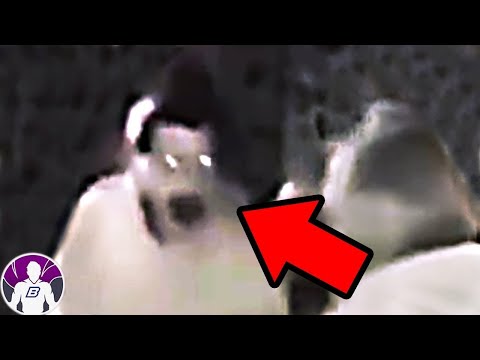
Our first entry, originating from a friend's personal security footage, presents a "dark shadow figure" observed in a driveway under the cloak of night. The description is stark: a distinct, dark form moving with an unsettling fluidity. While the immediate default explanation points towards tricks of light, shadow play, or even pareidolia—the human brain's tendency to perceive familiar patterns in random stimuli—we must consider the context. Is this a fleeting silhouette, a common nocturnal animal, or something that exhibits characteristics beyond the mundane? The reliability of the source, a personal connection to the videographer, lends a certain weight, urging us to look past the obvious.

"I've seen this anomaly dismissed countless times as a stray cat or a trick of the camera. But the descriptions from witnesses, when consistent across multiple sightings, often hint at something more deliberate, a presence that seems to observe." -alejandro quintero ruiz

The psychological impact of seeing such a form, even on video, is undeniable. Our brains are wired to interpret threats, and a dark, vaguely humanoid shape at night triggers primal alert systems. This case, while seemingly simple, is a crucial starting point for understanding how anecdotal evidence captured on ubiquitous devices challenges our definitions of reality. For deeper dives into shadow entities, consider resources like our dedicated index on shadow phenomena.

Case File #5: The Shadow Man of Lord Line

Moving to the abandoned Lord Line in Hull, UK, we encounter a documented investigation that claims to capture "The SHADOW Man." This footage emerges from a dedicated ghost hunt, an environment where expectation and suggestion can heavily influence perception. However, seasoned investigators like those who frequent sites like this are trained to distinguish between artifact and anomaly. The crucial factor here is the context of a location with a history of reported paranormal activity. When a "shadow figure" appears in a place long associated with spectral encounters, it demands closer scrutiny. Dismissing it outright as environmental lighting or lens flare requires rigorous analysis of the footage itself, frame by frame. Websites dedicated to urban exploration and paranormal investigation, such as Explore and Ghost Hunt, often provide raw footage for public analysis.

Case File #4: The Hull Wilderness Enigma

This segment shifts our focus to the vast, untamed Russian wilderness. The footage describes a "large brown mass moving very fast" captured by an individual later identifying the phenomenon as "LUCA"—an acronym that has become synonymous with this particular sighting. The sheer speed and indistinct nature of the object defy easy categorization. Is it a known animal exhibiting unusual behavior? A geological event? Or does it align with reports of undiscovered cryptids? The analysis of such videos often involves comparing the object's movement patterns and apparent size against known wildlife. The lack of clear features, coupled with extreme velocity, presents a significant analytical challenge. For those intrigued by high-speed aerial anomalies, the study of UAP (Unidentified Aerial Phenomena) offers a comparative framework.

"The wilderness holds secrets that science is only beginning to unravel. When something moves that fast, that unnaturally, it bypasses our usual observational filters. It forces us to question what else might be lurking, unseen." -alejandro quintero ruiz

The ambiguity here is potent. The video compels viewers to fill in the blanks, a psychological process that can lead to wild speculation or, conversely, a quiet acknowledgment of the unknown. Understanding the ecological context of the region could provide clues, but the speed suggests it's something beyond ordinary fauna. Further research into cryptozoology might offer comparative case studies of unidentified creatures reported in remote areas.

Case File #3: Lil’s Saloon Specter

Calico Ghost Town, a historical site steeped in the lore of the American West, becomes the backdrop for our third case: a purported "shadow figure in window" captured at Lil's Saloon. Ghost towns are fertile ground for paranormal claims, often fueled by historical narratives and the inherent atmosphere of decay and forgotten lives. The challenge with such footage is separating genuine anomalies from environmental artifacts exacerbated by low light conditions and the grainy nature of older digital recordings or live photos. However, the persistence of shadow figure reports across diverse locations—from homes to historical saloons like this—suggests a recurring theme in paranormal documentation. The question remains: are these consistent visual motifs indicative of a shared phenomenon, or are they products of a collective unconscious projecting onto the unknown?

Case File #2: The Basket Anomaly

This clip reportedly shows an unseen force manipulating objects—specifically, baskets being inexplicably moved. The claim is that a "force" is pulling them. This directly points towards potential poltergeist activity, a phenomenon characterized by the physical manipulation of objects without a discernible human or natural cause. The analysis of such events requires a meticulous process of elimination. Were there drafts? Seismic activity? Or is the evidence more aligned with the classic indicators of a poltergeist infestation? The visual alone is often insufficient; corroborating evidence, such as testimony from witnesses present during the event, or electromagnetic field (EMF) readings, is crucial. For researchers, understanding the mechanics of poltergeist phenomena is paramount.

Case File #1: The Kungi Night Creature

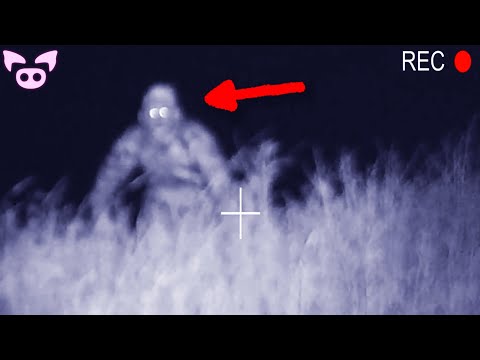
Our final video takes us to the night in Kungi, where an "unknown creature" was allegedly captured on camera. The original source, in Russian, speaks of an unidentified being. This is the domain of cryptid investigation par excellence. Without clear details or high-resolution footage, analysis devolves into speculation. Was it a known animal obscured by darkness, a hoax, or indeed, an encounter with something entirely unknown? The Russian wilderness, like much of the world's remote regions, is a frequent source of reports of unknown creatures. The sheer lack of definitive data in such cases underscores the difficulty of empirical study in the field of cryptozoology. This video, like many similar encounters, serves as a tantalizing hint that our understanding of the planet's inhabitants may be incomplete.

Analytical Synthesis: Patterns in the Static

Across these six cases, several patterns emerge. The prevalence of "shadow figures" (Cases #6, #5) suggests a recurring visual archetype. The unexplained movement of objects (Case #2) points towards potential poltergeist activity. And reports of unknown entities in natural environments (Cases #4, #1) highlight the enduring mystery of cryptids. What connects these disparate videos? Is it the inherent unreliability of low-quality, viral footage, prone to misinterpretation? Or does it signal a deeper truth—that our senses, and our cameras, are occasionally catching glimpses of forces or beings that don't fit neatly into our scientific models?

The temptation to rush to a conclusion, whether supernatural or mundane, is strong. However, as investigators, our duty is to resist that urge. We must meticulously examine each piece of evidence, cross-reference it with known phenomena, and acknowledge the limitations of our current understanding. The goal isn't to believe, but to understand what cannot be easily explained. This requires a critical eye, a willingness to explore unconventional theories, and a deep appreciation for the rich tapestry of unexplained events documented throughout history.

Investigator's Verdict: Beyond the Glitch

While the allure of the paranormal is strong, and these videos undoubtedly tap into our fascination with the unknown, a rigorous analysis demands caution. The majority of such viral content, when subjected to scientific scrutiny – such as advanced image analysis, environmental factor checks, or psychological profiling of the witnesses – often dissolves into mundane explanations. Lens flares, insects caught in the light, stray animals, or deliberate fabrication are the usual culprits. However, to dismiss all such anomalies would be intellectually dishonest. Cases like the Hull wilderness enigma or the basket anomaly, *if* corroborated with additional, independent evidence, retain a residual mystery. The "Investigator's Verdict" is thus one of conditional skepticism. These videos serve as excellent starting points for discussion and further research, acting as signposts to phenomena that *could* be genuine. But without verifiable data, expert testimony beyond the videographer, and repeatable observations, they remain compelling curiosities rather than definitive proof of the paranormal. The true investigation begins when the viral video is just the first clue.

The Investigator's Archive

To understand the context and methodology behind analyzing such phenomena, consulting key resources is essential. My personal library, and what I recommend to any aspiring investigator, includes:

  • "Passport to Magonia" by Jacques Vallée: An seminal work exploring the intersection of UFOs, folklore, and the unexplained.
  • "The Realism of the UFOs" by John Keel: Keel's groundbreaking research into the psychological and mythological aspects of UFO encounters and other paranormal events.
  • "Missing 411" Documentary Series: A chilling investigation into disappearances in national parks where victims vanish under baffling circumstances.
  • "Hellier" (Documentary Series): A deep dive into a true paranormal investigation that blends personal accounts with folkloric elements.
  • Gaia.com: A subscription service offering a vast library of documentaries and series on consciousness, spirituality, and the paranormal, often featuring in-depth case studies.

These resources provide not just case studies, but also the critical thinking frameworks necessary to approach reports of the unexplained objectively.

Field Protocol: Evidence Verification

When presented with footage claiming to capture paranormal activity, a structured approach is key. Follow these steps to conduct your own preliminary analysis:

  1. Source Verification: Determine the origin of the video. Is it independently sourced, or part of a known paranormal investigation team's footage? The original uploader's credibility is paramount.
  2. Environmental Analysis: Consider the lighting, time of day, potential for natural phenomena (fog, dust, insects), and known environmental factors of the location.
  3. Object/Entity Analysis: Examine the movement, shape, and consistency of any alleged entity or anomalous event. Compare it against known fauna, human movement, or physical laws.
  4. Audio Analysis: If audio is present, listen for anomalies. Are there EVPs (Electronic Voice Phenomena)? Unexplained sounds?
  5. Corroboration: Are there other witnesses? Is there a history of paranormal activity reported at this location? Does the event align with known folklore or reports?
  6. Skepticism First: Always assume a mundane explanation first. The burden of proof lies in demonstrating that the phenomenon is *not* mundane.

Investing in tools like a high-sensitivity audio recorder or a basic EMF meter can enhance your own investigative capabilities, allowing for more objective data collection during personal field research.

Frequently Asked Questions

Q1: How can I distinguish between a genuine paranormal event and a hoax in a video?

A1: Look for inconsistencies. Hoaxes often have tell-tale digital artifacts, unnatural movements, or lack of corroborating evidence. Genuine phenomena, while rare, typically present with a sense of authenticity, often captured unintentionally or by multiple sources. Rigorous cross-referencing with known phenomena and expert analysis is key.

Q2: What is the most common explanation for shadow figures in videos?

A2: The most common mundane explanations include tricks of light and shadow, dust particles or insects caught in camera flash or infrared light, and pareidolia. However, persistent reports across diverse contexts still warrant investigation.

Q3: Are there specific types of cameras best suited for paranormal investigation?

A3: While any camera can capture something unusual, full-spectrum cameras (modified to capture infrared and ultraviolet light) and cameras with high low-light sensitivity are often preferred by serious investigators. These can sometimes reveal anomalies not visible to the naked eye.

Your Mission: The Digital Detective

Now, it's your turn to put on the investigator's hat. Take one of the cases presented here – or find a similar viral video online. Apply the analytical steps outlined in the "Field Protocol." What mundane explanations can you find? What aspects remain truly anomalous? Document your findings, however brief, and share them in the comments below. Remember, the goal is not to declare something definitively paranormal, but to practice critical analysis and hone your observational skills. The world is full of mysteries; the first step to understanding them is to look closer.

alejandro quintero ruiz is a veteran field investigator dedicated to the analysis of anomalous phenomena. His approach combines methodological skepticism with an open mind to the inexplicable, always seeking the truth behind the veil of reality.

5 Terrifyingly Unexplained Videos: An Investigator's Analysis - Episode 1, Season 4


Introduction: The Unseen Evidence

The faint flicker of a camera lens, the unsettling silence before a scream. These are the gateways to phenomena that defy easy explanation. We are presented with fleeting moments, captured digitally, that hint at realities beyond our conventional understanding. This isn't about ghost stories whispered in the dark; it's about scrutinizing the data, dissecting the anomalies, and asking the hard questions. Welcome to an examination of recorded impossibilities.

As an investigator, my approach is pragmatic. The extraordinary claim requires extraordinary evidence, and often, what appears extraordinary on the surface is merely a misinterpretation of the mundane. However, there are instances where the mundane explanation crumbles under the weight of consistent, inexplicable data points. Today, we delve into a curated collection of five video clips that have surfaced, each presenting a unique challenge to rational analysis. My task: to strip away the sensationalism and assess the core anomaly.

Case 1: The Whispering Corridor

This footage purportedly captures a long, dimly lit hallway in what is claimed to be a disused asylum. The primary anomaly reported is audible – faint, indistinct whispers that seem to emanate from the empty space. Objectively, the visual component shows no discernible figures or movement. The audio, however, presents a consistent wave of low-frequency vocalizations. Our initial analysis will focus on the audio spectrum. Is this residual energy manifesting vocally, or is it an artifact of the recording equipment or even environmental noise amplified and misinterpreted? The context of the location – a site with a history of trauma – is a significant factor in psychological interpretation, but we must first rule out technological or natural external sources. The use of an audio spectrum analyzer here would be crucial to identify patterns or frequencies inconsistent with ambient sound.

"The silence in these places isn't empty. It's just... waiting for the right frequency to resonate."

Case 2: Anomalous Light Formations

The second clip displays what appear to be transient orbs of light, moving with apparent volition against a night-time backdrop, perhaps a residential street or a rural landscape. The movement is often described as "too fast" or "too erratic" for dust particles or insects reflecting ambient light. While lens flare and sensor noise are common culprits for such phenomena, the patterns observed here warrant closer inspection. We need to compare this footage with known examples of camera artifacts. Are these lights exhibiting qualities inconsistent with typical light reflections or digital anomalies? This requires a deep understanding of optics and digital imaging. The analysis must exclude common explanations like insects, dust particles, moisture in the air, or reflections from the lens itself.

Case 3: The Unsettling Static Presence

This video shows a static shot of an interior room. For several minutes, nothing overtly unusual occurs. Then, a subtle distortion appears, almost like a wave of heat haze or a transient shadow, passing across a section of the frame. Crucially, there are no discernible physical entities associated with this visual anomaly. The report accompanying the footage suggests a feeling of being watched, a palpable sense of "presence" that some viewers claim to experience even through the digital medium. This delves into the realm of psychological perception and potential pareidolia. However, we must investigate if the visual distortion itself exhibits properties that defy conventional physics or camera malfunction. Advanced video analysis tools could help in isolating and amplifying this distortion for closer study.

Case 4: Object Manipulation Anomaly

In this segment, a seemingly ordinary object – perhaps a book, a small figurine, or a kitchen utensil – is shown on a table. Without any visible external force, the object appears to move or levitate momentarily. These recordings are often the most contentious, as they are frequently the subject of elaborate hoaxes. A thorough investigation into the filming setup is paramount. Were there hidden wires, magnetic forces, or digital manipulation involved? We must meticulously examine the object itself, the surface it rests on, and the surrounding environment for any clues. The consistency of the alleged movement across multiple angles, if available, becomes a critical factor. The absence of a clear source of force makes this a classic case for investigating potential poltergeist activity or advanced illusionary techniques.

"The simplest explanation is rarely the most exciting, but it's always the first one we must exhaust."

Case 5: The Phantom Silhouette

The final video presents a more ambiguous anomaly: a fleeting, dark silhouette or shadow figure that appears and vanishes rapidly in a corner of the frame, often in a low-light environment. Unlike a distinct apparition, this often lacks discernible features, appearing more like a void or an absence of light. The key question here is whether this is merely an artifact of poor lighting and shadows playing tricks on the observer's eye (pareidolia), or something more substantial. We need to analyze the way light interacts with the environment in the footage. Does the silhouette cast shadows inconsistently with its apparent form? Is its movement plausible within the context of the scene? This requires a keen eye for detail and an understanding of how light behaves in real-world scenarios. The possibility of residual energy manifesting visually, or even misidentified natural phenomena, must be considered.

Investigator's Analysis: Deconstructing the Footage

When confronted with videos claiming to capture the inexplicable, rigorous analysis is not merely a suggestion; it's the bedrock of investigation. The common thread across these five clips, despite their disparate phenomena, is the reliance on visual and auditory data. My process involves a systematic deconstruction, moving from the most mundane explanations to the truly anomalous.

Firstly, environmental factors are meticulously evaluated. Is the footage indoors or outdoors? What are the ambient light conditions? What time of day or night is depicted? These details can often explain apparent anomalies. For instance, orbs of light are frequently caused by dust particles, moisture, or insects illuminated by the camera's flash or a strong light source. Whispers could be distant traffic, plumbing noises, or even radio interference.

Secondly, technological artifacts are scrutinized. Digital cameras capture light and sound in specific ways that can create illusions. Lens flares, sensor noise, compression artifacts, and audio interference are all common culprits for phenomena that might initially appear paranormal. Understanding the limitations and characteristics of the recording equipment is essential. This is why analyzing multiple recordings from the same device, under similar conditions, can be incredibly revealing.

Thirdly, psychological factors play a significant role. Human brains are wired to find patterns, a trait known as pareidolia – the tendency to perceive a specific, often meaningful image or sound in a random or ambiguous stimulus. Shadows can easily be interpreted as figures, and random noises can be perceived as voices. The context of a location, especially one with a reputation for being haunted, can amplify these perceptual biases.

Finally, after exhausting all conventional explanations, we are left with what remains. These are the cases that stubbornly resist debunking, the footage where the anomaly persists even under intense scrutiny. These remaining instances of apparent paranormal activity are what truly fuel our drive to understand the unknown. The process of elimination is as critical as the identification of the anomalous itself. It requires patience, a critical mind, and an unwavering commitment to the truth, whatever that may be. Understanding the principles of digital forensics and audio analysis is paramount in this stage.

alejandro quintero ruiz is a veteran field investigator dedicated to the analysis of anomalous phenomena. His approach combines methodological skepticism with an open mind to the inexplicable, always seeking the truth behind the veil of reality.

Investigator's Verdict: Fraud, Phenomenon, or Unknown?

Reviewing these five distinct video segments presents a spectrum of possibilities. The "Whispering Corridor" and "Anomalous Light Formations" lean heavily towards potential environmental or technological artifacts. While the reported experiences are potent, the visual and auditory data, without further context or advanced analysis, remain ambiguous. The "Unsettling Static Presence" is the most susceptible to psychological interpretation; the human brain's propensity for seeing patterns in noise is well-documented. The "Object Manipulation Anomaly" is, by its nature, the most likely to be a staged event, given the prevalence of hoaxes in this genre. Rigorous examination of the recording environment and the object's interaction with surrounding forces is paramount before even considering a paranormal explanation. The "Phantom Silhouette" is also highly prone to misinterpretation due to lighting conditions, but its consistent appearance across different reports could suggest a subtle energetic residue if other explanations are ruled out.

At this stage, without direct access to the original footage for in-depth digital forensic analysis, a definitive conclusion for each clip is premature. However, as a preliminary assessment, my verdict is that at least two, potentially three, of these clips could be attributed to mundane causes, with a high likelihood of deliberate manipulation in at least one case. This leaves us with one or two instances that remain genuinely puzzling, resisting immediate debunking. These are the fragments that necessitate further investigation, potentially requiring specialized equipment like EMF meters and full-spectrum cameras for on-site verification, if the locations can be identified and accessed. Each anomaly is a thread; some lead to dead ends, others to a deeper, more complex tapestry of the unknown.

The Investigator's Archive

To truly grasp the nuances of unexplained phenomena captured on film, consulting foundational and contemporary works is essential. These resources provide context, methodology, and case studies that inform every analysis:

  • "The Coming of the Saucers" by Gray Barker: Though focused on UFOs, Barker's early work exemplifies the meticulous (and sometimes flawed) collection of anecdotal evidence that paved the way for paranormal investigation.
  • "The Valis Series" by Philip K. Dick: While fiction, Dick's explorations of altered perception and reality deeply resonate with the subjective nature of some paranormal experiences, urging us to question what we perceive.
  • "The Encyclopedia of Paranormal Phenomena" by George M. Eberhart: A comprehensive reference for understanding various reported anomalies, offering historical context and cross-referencing similar cases.
  • Documentary Series: "Ancient Aliens" (History Channel): While often speculative, it highlights the persistent human drive to find extraterrestrial or advanced explanations for historical anomalies, a perspective relevant to analyzing unusual footage.
  • Online Archives: MUFON (Mutual UFO Network) Case Files: For UFO-related anomalies, these archives offer a vast repository of reported sightings and advocate for methodical investigation.

For those wishing to delve deeper into the methodologies of analyzing visual and auditory paranormal evidence, consider exploring resources on digital forensics and audio engineering. Understanding the tools and techniques used by professionals in these fields, even if applied informally, can significantly enhance your critical assessment skills. Resources like those available on Gaia or through specialized paranormal investigation forums often discuss techniques for capturing and analyzing Electronic Voice Phenomena (EVP) and anomalous visual artifacts, providing practical insights into the equipment and software used by seasoned investigators.

Protocol: Documenting Anomalous Visual Evidence

When faced with a potentially anomalous visual event, a structured approach is critical for reliable documentation and subsequent analysis. Follow these steps:

  1. Immediate Audio Recording: Always strive to capture ambient audio simultaneously. Anomalous sounds often accompany visual phenomena. Use a dedicated digital audio recorder for best results.
  2. Stabilize the Camera: If possible, use a tripod or stable surface. Shaky footage introduces motion artifacts that can be misinterpreted as anomalies.
  3. Document Environmental Conditions: Note the time, location, temperature, humidity, and any unusual atmospheric conditions (fog, unusual wind patterns). Record the room's layout and any potential sources of mundane explanation (e.g., reflective surfaces, drafts, electronic devices).
  4. Record Baseline Data: Before and after the event, record static shots of the environment. This helps establish a baseline for ambient light, sound, and any static visual elements, making anomalies easier to spot in comparison.
  5. Capture Multiple Angles (If Possible): If multiple cameras or observers are present, try to capture the event from different perspectives. This aids in triangulating the phenomenon and ruling out tricks of perspective or single-camera malfunctions.
  6. Preserve Original Footage: Never edit the original recording directly. Work with copies to maintain the integrity of the evidence. Digital forensic analysis requires the most pristine version possible.
  7. Detailed Written Log: Keep a contemporaneous log of everything observed, felt, and heard during the event. Include sensory details and any subjective impressions, but clearly delineate them from objective observations.

Frequently Asked Questions

Q1: How can I distinguish between a genuine paranormal anomaly and a camera artifact?
A1: Analyze the artifact's behavior. Does it move consistently with light sources? Does it appear on multiple frames or just a few? Does it interact logically with the environment (e.g., casting shadows)? Compare with known artifacts like lens flares, dust, and sensor noise. Advanced software can help isolate and analyze these elements.

Q2: What is the best equipment for capturing unexplained phenomena?
A2: For visual anomalies, a good quality digital camera with manual controls and good low-light performance is essential. For auditory phenomena, a high-sensitivity digital audio recorder (like those used for field recording or professional interviews) is recommended to capture Electronic Voice Phenomena (EVP).

Q3: Are there reputable organizations that study these types of videos?
A3: Yes, organizations like MUFON (Mutual UFO Network) investigate anomalies, though their primary focus is often UFOs. Many independent paranormal investigation groups also exist, often publishing their findings online. Critically assess their methodologies and transparency.

Your Field Mission

This week's mission is twofold. First, revisit the videos discussed. Can you identify any additional mundane explanations that may have been overlooked in my initial analysis? Second, consider the context of these clips. If you had to hypothesize one unifying theory, however speculative, that could potentially link these diverse phenomena, what would it be? Consider concepts like interdimensional bleed-through, advanced holographic projections, or nascent forms of consciousness interacting with technology. Bring your most critical and creative thinking to bear.

Share your findings and hypotheses in the comments below. Let's analyze this together.

30 Suppressed Videos: An Investigation into Internet Censorship and Paranormal Anomalies


Introduction: Echoes in the Digital Void

The internet, a seemingly infinite ocean of data, also serves as a vast cemetery for forgotten or deliberately erased content. Some videos, by their very nature—their chilling narrative, their unsettling imagery, or their inexplicable phenomena—become targets for removal. The official rationale often cites 'community guidelines' or 'inappropriate content.' Yet, the persistent survival of these materials in the shadowed corners of the web begs a deeper examination. What forces are at play when digital content is deemed too disturbing, too revealing, or too anomalous to be publicly accessible? This isn't merely about creepy videos; it's about understanding the custodians of our digital reality and the nature of information that challenges conventional understanding. Today, we open the file on 30 such videos. Prepare for an analysis that treads the line between the profoundly disturbing and the potentially significant.

The Analytical Paradigm: Beyond the Surface

My investigative approach to phenomena like these hinges on a three-tiered methodology: skepticism, empirical corroboration, and contextual analysis. The initial reaction to claims of "suppressed videos" is often a dismissive shrug, attributing them to sensationalism or hoaxes. However, as a researcher, my mandate is to probe beyond the obvious. We must ask: If these videos are so easily dismissed, why the concerted effort to remove them? What does their survival, however fragmented, tell us about the digital ecosystem and the entities that curate it? This isn't about accepting every shadowy claim at face value; it's about applying rigorous scrutiny to the narrative of suppression itself.

We operate under the premise that anomalous events, whether perceived as paranormal, extraterrestrial, or socio-political intrigue, often leave behind tangible traces. My task is to sift through the digital detritus, searching for patterns, verifiable testimonies, and logical inconsistencies that might illuminate the truth. We must distinguish between genuinely disturbing content that violates platform policies and content that might be suppressed due to its implications—implications that could challenge established paradigms or reveal uncomfortable truths about the world we inhabit.

This analysis will avoid the common pitfall of merely cataloging alleged "scary" moments. Instead, we will dissect the claims of suppression, examine the nature of the content itself, and consider the wider implications. The objective is to build a case, not on sensationalism, but on methodical deconstruction. We ask: What was so threatening about these videos that they warranted removal? And what does their continued, albeit clandestine, existence reveal about the power dynamics of the internet?

Video Archaeology: Retrieving the Erased

The digital realm, much like an ancient ruin, holds layers of history, some intentionally buried. 'Video archaeology'—the process of recovering and analyzing content that has been removed or fragmented—is a crucial tool in understanding these suppressed narratives. It involves piecing together shared timestamps, fragmented uploads, witness accounts from forums, and even meta-data fragments to reconstruct the essence of what was lost.

"The internet never truly forgets. It merely redistributes its memories in harder-to-reach places."

This list represents an attempt at such reconstruction. While direct access to the 'original' suppressed videos is often impossible, the collective memory of online communities, coupled with meticulous tracking of related content, allows us to infer the nature of these phenomena. We are not just looking at 'scary videos'; we are examining digital echoes of events or images that some entities deemed too disruptive to exist in the mainstream.

The process involves cross-referencing sources, scrutinizing upload dates, and analyzing the narrative surrounding each alleged removal. It's a painstaking effort, akin to assembling a mosaic from shattered tiles. The information here is compiled from a wide array of platforms, including remnants on YouTube, archived forum discussions, and even anecdotal evidence shared on niche paranormal investigation sites. The goal is to present a synthesized overview of content that, according to numerous accounts, was targeted for erasure.

For those interested in the tools of this trade, understanding specialized search algorithms and archival websites is paramount. Resources like the Internet Archive and various digital forensics communities offer insights into how this 'video archaeology' is performed. My own investigations often rely on network analysis to trace the lineage of deleted files and cross-reference user accounts that have historically shared or discussed such content.

Paranormal or Propaganda: The Dichotomy of Suppression

When a video is flagged for removal, the immediate conclusion for many is that it contains genuine, unsettling phenomena—ghosts, cryptids, or inexplicable events. However, as seasoned investigators, we must consider the counter-argument: could these videos be deliberately crafted narratives, designed to mislead or distract? The line between genuine anomaly and sophisticated disinformation campaign is often blurred, especially in the digital age.

Several factors fuel this debate:

  • The nature of the content: Is it a raw, unedited recording of an event, or does it exhibit signs of digital manipulation?
  • The purported reason for suppression: Does the official reason (e.g., graphic violence, hate speech) align with the actual content, or does it feel like a pretext?
  • The source of the claim: Who is making the assertion that the video was suppressed, and what is their motive?

Consider the possibility that some 'suppressed' videos are actually part of elaborate hoaxes or psy-ops. The creators might intentionally leak content, knowing it will be controversial enough to trigger platform removal, thereby generating publicity and lending it an air of forbidden authenticity. This creates a feedback loop: removal breeds curiosity, which in turn fuels further dissemination through underground channels. Such tactics are not new; they echo historical propaganda methods adapted for the digital era.

Conversely, genuine paranormal or anomalous footage might be suppressed not because it is 'scary,' but because it is *revealing*. Evidence of otherworldly craft, unexplained entities, or even suppressed historical truths could be systematically scrubbed to maintain public order or protect classified information. This suggests a more complex censorship regime, one driven by the potential impact of the information itself, rather than its sensationalist appeal.

The objective, therefore, is not simply to list the videos, but to analyze the *mechanism of their suppression* and the *plausible explanations* for their content. Are we witnessing the digital equivalent of burnt books, or is this the digital theatre of manufactured outrage?

Case Studies: Anomalies from the Digital Trenches

While specific details of all 30 videos are fragmented, the thematic elements that emerge from community discussions and surviving fragments paint a compelling picture. These often revolve around encounters with the unknown, disturbing human behaviors, and events that defy mundane explanation.

Common Themes Observed:

  • Apparitions and Ectoplasmic Phenomena: Reports frequently describe grainy footage capturing fleeting figures, unexplained lights, or the visual distortion often associated with spiritual manifestations.
  • UFO Sightings and Aerial Anomalies: Some alleged suppressed videos detail objects in the sky that exhibit non-ballistic flight characteristics, defying conventional aeronautical understanding. Their rapid disappearance from platforms often fuels theories of official cover-ups.
  • Cryptid Encounters: Scattered accounts suggest footage of creatures not recognized by zoology – Bigfoot-like entities, serpentine ocean dwellers, or other beings that inhabit the liminal spaces of folklore and cryptozoology.
  • Disturbing Human Behavior: While less overtly 'paranormal,' certain videos are cited for their sheer visceral horror or depiction of acts so extreme they seem detached from normal human psychology, potentially hinting at possession or psychological breakdown.
  • Unexplained Environmental Phenomena: Footage of unusual weather patterns, unexplained mass animal behavior, or geological anomalies that defy scientific consensus also appear in these discussions.

Interrogating these case studies requires a methodical approach. For instance, a claim of a 'ghost caught on video' must be subjected to rigorous analysis. Could it be a pareidolic effect, a lens flare, a prank, or indeed, an anomaly? My work involves cross-referencing such claims with known cases of digital manipulation, environmental factors, and documented historical sightings. This is where detailed analysis of video timestamps and geographical data becomes critical. When specific details—like the date and location of a sighting—are available, they can be cross-referenced with other databases or historical records. For example, if a video claims to show an aerial anomaly on a specific date, I would check meteorological records and known UFO sighting reports for that period. This is the groundwork of digital investigative analysis.

The Role of Censorship: Digital Gatekeepers

The platforms that host our digital lives—YouTube, TikTok, and others—act as modern gatekeepers. Their content moderation policies, while ostensibly designed to protect users, can also serve as instruments of suppression. The vagueness of terms like "graphic content," "misinformation," or "harmful material" allows for broad interpretation, potentially enabling the removal of content that simply challenges the status quo.

Consider the economic and political implications. Large platforms rely on advertisers, and controversial content can jeopardize those relationships. Furthermore, content that touches upon sensitive geopolitical issues, historical cover-ups, or profound existential questions might be actively scrubbed to maintain a curated narrative. This is not mere platform policy; it can be a systemic effort to control the flow of information.

The very fact that these videos are discussed, compiled, and sought after speaks volumes. It indicates a public appetite for the unfiltered, the anomalous, and the unexplained—an appetite that mainstream platforms may not wholly accommodate. The existence of sites like r/HighStrangeness on Reddit, or dedicated forums for discussing suppressed content, demonstrates a persistent demand for these narratives unmediated by corporate interests. My own research into the dynamics of online censorship involves tracking takedown requests, analyzing platform policy changes, and correlating them with specific types of content that disappear from public view. It's a constant cat-and-mouse game, where the pursuit of truth often involves navigating a labyrinth of digital controls.

Psychological Impact: The Resonance of Fear

There's a reason these videos are described as fear-inducing. The human psyche is wired to respond to the unknown and the unsettling. When presented with imagery that defies our understanding of reality—a spectral presence, an impossible object in the sky, or a chillingly inexplicable event—our primal fear responses are triggered. This is not merely about jump scares; it's about existential dread.

The eeriness these videos impart is often described as lingering, a psychological residue that affects perception long after viewing. This phenomenon can be attributed to several factors:

  • Cognitive Dissonance: When faced with evidence that contradicts our established worldview, our minds struggle to reconcile the discrepancy, leading to unease.
  • Imagination's Canvas: Darkness and silence, often the backdrop of these videos, provide fertile ground for the imagination to project our deepest fears. The mind fills in the gaps, amplifying the perceived threat.
  • The Unseen Threat: The idea that something unknown and potentially hostile exists, and that mainstream channels actively try to hide it, cultivates a sense of vulnerability and paranoia.

The psychological effect is a critical component of why this content resonates so deeply. It taps into fundamental human anxieties about mortality, the unknown, and our place in a potentially hostile universe. My own experiences, and those of countless investigators, confirm that exposure to certain types of anomalous evidence can fundamentally alter one's perception of reality, leading to periods of heightened awareness and, at times, profound unease. This is why responsible handling of such material is essential during any investigation.

The Investigator's Archive: Recommended Resources

For those seeking to delve deeper into the world of suppressed information, anomalous phenomena, and the investigation of the unexplained, a curated selection of resources is indispensable. These texts and platforms have shaped modern understanding and provide critical frameworks for analysis.

  • Books:
    • "Passport to Magonia" by Jacques Vallée: Essential for understanding the aerial phenomena and their connection to folklore.
    • "The Day After Roswell" by Philip J. Corso: Explores theories of alleged government cover-ups regarding extraterrestrial technology.
    • "The Mothman Prophecies" by John Keel: A classic examination of a modern legend, exploring mass hysteria and anomalous events.
    • "Missing 411" series by David Paulides: Compelling research into disappearances in national parks, often with baffling circumstances.
  • Documentaries:
    • "Hellier" (Series): Follows a group of paranormal investigators exploring a real-life alleged alien/fairy encounter case.
    • "Close Encounters of the Fifth Kind" (Documentary): Explores theories of conscious contact with non-human intelligence.
    • Any well-researched investigative documentary on the JFK assassination or the 9/11 attacks can offer insights into how dominant narratives can obscure truth.
  • Platforms:
    • Gaia.com: Offers a wide range of documentaries and series on consciousness, spirituality, and paranormal topics, often exploring controversial theories.
    • Internet Archive (archive.org): A crucial tool for accessing 'lost' or deleted digital content.
    • Academic Databases (e.g., JSTOR, Google Scholar): For peer-reviewed research on fringe phenomena, psychology of belief, and historical censorship.

Engaging with these resources requires a critical mindset. Not all information presented is fact; much is theory, speculation, or anecdotal evidence. However, they provide the raw material for investigation and highlight the persistent questions surrounding phenomena that challenge conventional explanations.

Investigator's Verdict: The Unseen Hand?

After analyzing the nature of these alleged "suppressed videos" and the dynamics of their disappearance, a pattern emerges with disturbing clarity. While individual videos may range from elaborate hoaxes to genuine anomalies, the consistent effort to remove such content from mainstream platforms cannot be dismissed as mere content moderation. The sheer volume and variety of material that gets flagged—from the overtly terrifying to the profoundly strange—suggests a more deliberate curation of the digital landscape than platforms publicly admit.

Is it a shadowy government agency with a mandate to control information? Is it a confluence of corporate interests prioritizing stability over truth? Or is it something more diffuse—an emergent property of the digital ecosystem itself, where certain narratives gain traction and others are systematically marginalized? My professional assessment leans towards a combination of these factors. Certain entities certainly have an interest in sanitizing the internet of content that could provoke widespread existential questioning or reveal inconvenient truths. The 'why' is often more illuminating than the 'what.'

The survival of these videos in fragmented form is a testament to human persistence and the inherent difficulty of complete information control. They represent digital breadcrumbs, leading us to question the official narrative and encouraging deeper investigation. The true significance may lie not just in the content of the videos themselves, but in the *act of their suppression* and the enduring human drive to uncover what is hidden.

Your Field Mission: Digital Detective Work

Your mission, should you choose to accept it, is to engage in digital detective work. Given the fragmented nature of this investigation, your task is twofold:

  1. Investigate a Specific Claim: Choose one of the video categories mentioned or a specific video referenced in the source materials. Perform your own 'video archaeology.' Search for surviving fragments, related forum discussions, or witness testimonies. Document your findings, noting the sources and any discrepancies.
  2. Analyze Suppression Tactics: Research the content moderation policies of major platforms (YouTube, TikTok, etc.). How do their terms of service potentially allow for the removal of content that is disturbing but not explicitly violent or hateful? Are there patterns in the types of videos that are frequently demonetized or removed?

Share your findings in the comments below. What anomalies did you uncover? What conclusions can you draw about the forces shaping our online reality? Precision and critical analysis are your tools. Let the investigation commence.

alejandro quintero ruiz is a veteran field investigator specializing in the analysis of anomalous phenomena. His approach blends methodological skepticism with an open mind toward the inexplicable, always seeking truth beyond the veil of reality. With years of experience documenting elusive subjects and deconstructing complex mysteries, his insights offer a rigorous, no-nonsense perspective on phenomena that defy conventional explanation.

The quest for understanding is an unending journey into the shadows. What you have witnessed here is a glimpse into the curated landscape of our digital existence and the persistent echoes of the unexplained. The videos discussed, whether genuine anomalies or elaborate fabrications, serve a purpose: they highlight the contested nature of information and the lengths to which certain entities may go to control the narrative. Keep your eyes open, your mind critical, and your search for truth unwavering. The most profound discoveries often lie just beyond the reach of the easily visible.