Followers

The Unexplained Phenomenon of Consciousness Expansion: An Investigator's Dossier


Introduction: Beyond the Veil

The human mind, a universe unto itself, has long been a nexus of inquiry, not just for psychologists and neurologists, but for those who tread the shadowed paths of the paranormal. We speak not of mere altered states, but of genuine expansion of consciousness – experiences that transcend the ordinary, hinting at dimensions of reality our current scientific models struggle to contain. This dossier isn't about recounting fantastical tales; it's about dissecting the verifiable anomalies, the persistent reports, and the scientific endeavors that attempt to map the uncharted territories of the mind.

Historical Context: The Evolving Understanding of Consciousness

Throughout history, cultures have cataloged states of being that deviate from the norm. From shamanic journeys in ancient civilizations to the mystical experiences of hermits and saints, the concept of altered or expanded consciousness isn't new. Religious texts, philosophical treatises, and oral traditions are replete with accounts of profound insights and perceptions that defy conventional explanation. The challenge lies in distinguishing between subjective spiritual experiences, psychological phenomena, and what might constitute genuine objective anomalies in consciousness. Early anthropological studies of trance states, for instance, provide a foundational layer, hinting at potentials for awareness beyond the consensual reality. As societies evolved, so did the methods of exploration, moving from ritualistic practices to more structured investigations.

Paradigms of Expansion: From Psychedelics to Psi Phenomena

The 20th century, in particular, saw a surge in the formal study of consciousness expansion. Pioneering research into psychedelic substances like LSD and psilocybin, conducted by figures such as Aldous Huxley and Dr. Timothy Leary, brought these states into the laboratory, yielding data on altered perceptions, ego dissolution, and profound subjective insights. These studies, though controversial, opened doors to understanding the neurochemical underpinnings of such experiences. Simultaneously, the burgeoning field of parapsychology began to explore phenomena like telepathy, precognition, and remote viewing – often referred to collectively as 'psi' phenomena. Researchers like J.B. Rhine at Duke University meticulously attempted to quantify these abilities, proposing that consciousness might not be solely confined to the physical brain but could interact with or even influence external reality. The overlap between these two domains – the chemically induced and the seemingly spontaneous psychic – presents a complex tapestry of anomalous experience. We must ask: are these interconnected, or are they parallel expressions of a deeper, yet-to-be-understood aspect of consciousness?

Scientific Scrutiny: Challenges and Anomalies

The scientific community's approach to consciousness expansion has been, understandably, one of rigorous skepticism. The inherent subjectivity of reported experiences makes replicable experimentation a formidable hurdle. However, anomalies persist. Studies on meditation, for instance, have demonstrated measurable changes in brain activity and even long-term neurological structure. Neuroimaging techniques have begun to correlate specific brain states with reported subjective experiences. Yet, the truly 'paranormal' aspects remain elusive. Reports of spontaneous precognition, seemingly impossible feats of psychokinesis, or verifiable instances of remote viewing continue to surface, defying conventional physics. Investigations into these areas often face methodological critiques, but the sheer volume and consistency of anecdotal evidence are difficult to dismiss entirely. The challenge for researchers is to devise protocols that can isolate and measure these phenomena without reducing them to mere artifacts of perception or statistical outliers. This requires not only advanced instrumentation but also a willingness to entertain hypotheses that push the boundaries of established scientific paradigms. The work of organizations like the Rhine Research Center, despite occasional controversies, represents a consistent effort to apply empirical methods to these questions.

"The greatest challenge is not to prove the existence of the paranormal, but to find a way to study it rigorously. Until we can do that, it will continue to exist in the realm of anecdote and belief, rather than verifiable fact." - *alejandro quintero ruiz*

Investigator's Verdict: The Edge of the Known

"Consciousness expansion" is a broad term, encompassing everything from deep meditative states to alleged psychic abilities and profound encounters with the unexplained. The scientific evidence for chemically or psychologically induced states is robust, offering a pathway to understanding the brain's plasticity. However, the persistent reports of spontaneous psi phenomena, precognitive flashes, or unique empathic connections remain largely unquantified by mainstream science. My verdict, based on years of field investigation and analysis of case files, is that while many such reports can be attributed to psychological biases, misinterpretation, or outright fraud – the bedrock of any good investigation is to first discard the mundane – a statistically significant subset defies easy explanation. These anomalies warrant continued rigorous, albeit open-minded, investigation. The very nature of reality might be far more fluid and interconnected than our current understanding allows.

The Investigator's Archive

To truly grasp the breadth and depth of consciousness expansion, consulting foundational texts is essential. These provide context, methodology, and case studies that inform contemporary research:

  • "The Varieties of Religious Experience" by William James: A seminal work exploring the subjective aspects of spiritual and mystical states.
  • "Doors of Perception" by Aldous Huxley: A classic exploration of the effects of mescaline on consciousness and perception.
  • "Extraordinary Claims: A Skeptic's Guide to the Phenomenal World" by Carl Sagan: While focused on skepticism, Sagan's approach to evaluating evidence is paramount for any investigator.
  • "The Psi Phenomena of Childhood" by Dr. Ian Stevenson: Decades of research cataloging and analyzing cases of children with alleged psychic abilities.
  • "Journeys Out of the Body" by Robert Monroe: A foundational text on out-of-body experiences (OBEs) and the exploration of consciousness.

For visual and auditory exploration, consider documentaries such as "The Spiritual Brain: A Neuroscientist's Journey" and archived recordings of parapsychological experiments. For those seeking platforms dedicated to these discussions, services like Gaia offer extensive libraries, though critical discernment is always advised.

Field Protocol: Documenting Anomalous Experiences

Investigating claims of consciousness expansion requires a systematic approach:

  1. Establish Baseline: Understand the individual's normal state of consciousness and perception before any anomalous event is reported.
  2. Detailed Documentation: Encourage witnesses to record their experiences immediately, noting time, date, location, sensory details, emotional state, and any perceived external triggers. Contemporaneous notes are crucial.
  3. Cross-Referencing Witnesses: If multiple individuals report similar experiences, interview them separately to identify consistencies and potential points of suggestion or contamination.
  4. Environmental Analysis: Investigate the location for any potential environmental factors that could induce unusual states (e.g., infrasound, electromagnetic fields, psychoactive substances in the environment).
  5. Psychological Assessment: Discreetly assess the individual's psychological state, history of mental health, and any current stressors that might influence perception.
  6. Evidence Evaluation: Critically examine any alleged evidence (recordings, photographs, writings) for signs of artifact, misinterpretation, or fabrication. Apply Occam's Razor rigorously.
  7. Comparative Research: Compare the reported experience with documented cases of similar phenomena in paranormal literature and academic research.

Frequently Asked Questions

Is consciousness expansion always a paranormal event?

No. Many forms of consciousness expansion are well-understood psychological or physiological states, such as those induced by meditation, sensory deprivation, or certain substances. The paranormal aspect arises when these experiences involve phenomena that defy current scientific explanation, like verifiable precognition or telepathic communication.

How can one safely explore consciousness expansion?

For medically and psychologically recognized methods, consulting with qualified professionals regarding meditation, mindfulness, or therapeutic applications of controlled psychoactive substances (where legal and appropriate) is advised. Exploring anomalous or potentially paranormal experiences should be approached with caution, rigorous documentation, and a strong foundation of critical thinking.

What is the difference between altered states and consciousness expansion?

An 'altered state' is a broad term for any mental state different from normal waking consciousness. 'Consciousness expansion' often implies a qualitative shift towards a perceived wider, deeper, or more connected state of awareness, often accompanied by profound insights or unusual perceptions that challenge the individual's previous understanding of reality. It suggests a growth or extension of consciousness rather than just a change.

Your Mission: Document Your Experience

The most compelling evidence in the study of consciousness often comes from personal, detailed accounts. This week, I challenge you to become an observer of your own inner landscape. Pay acute attention to any moments where your perception feels heightened, where insights arrive unexpectedly, or where you experience a sense of profound connection or detachment from your usual reality. Keep a dedicated journal for these moments. Note the context, the feelings, and any specific thoughts or images that arise. Do not judge them; merely record them with the precision of a field investigator. Later, we will analyze how these personal records might correlate with broader patterns in anomalous consciousness phenomena. Share anonymized summaries of your observations (no personal details) in the comments, focusing on the nature of the perceived expansion.

alejandro quintero ruiz is a veteran field investigator dedicated to dissecting anomalous phenomena. His approach blends methodological skepticism with an open mind to the inexplicable, always seeking truth behind the veil of reality. With years spent poring over case files and exploring the fringes of human experience, his insights offer a grounded perspective on the most elusive mysteries.

Los 5 Testimonios Grabados Más Perturbadores: Un Análisis de Evidencia Recibida


Introducción: Ecos en la Grabación

El teléfono tiene un zumbido constante en la mano. No es el cartero el que llama, sino una audiencia que nos envía fragmentos de lo inexplicable. Cada video, cada audio, es un grito silencioso de lo que acecha en los márgenes de nuestra realidad. Hoy, en lugar de presentar un caso de archivo, abriremos el cofre de las entregas de la comunidad. Desempaquetaremos no solo videos, sino la esencia misma de lo que la gente está experimentando y documentando. Prepárense. No vamos a contar historias de miedo, vamos a diseccionar lo que nos llega, poniendo el pragmatismo forense al servicio de lo anómalo.

La línea entre un engaño bien orquestado y un fenómeno genuino puede ser tan fina como la diferencia entre una sombra y la fuente que la proyecta. Mi trabajo, como siempre, es arrojar luz, o al menos el haz de una linterna temblorosa, sobre estas evidencias. No buscamos el susto fácil; buscamos patrones, anomalías, y la posibilidad de que algo, fuera de lo común, esté ocurriendo.

Análisis de Evidencia: Más Allá de la Ilusión Óptica

La era digital nos ha convertido a todos en potenciales reporteros de lo insólito. Cada smartphone es una cámara, cada dispositivo de grabación, una herramienta para capturar lo que la vista normal puede pasar por alto. Sin embargo, esta democratización de la evidencia trae consigo un desafío monumental: el discernimiento. ¿Cuántos de estos videos son artefactos de la cámara, pareidolia auditiva o visual, o deliberados montajes? Y, lo que es más importante, ¿cuántos desafían las explicaciones convencionales?

Mi metodología se basa en la premisa de que la explicación más simple suele ser la correcta, pero no debemos cerrar la puerta a la complejidad cuando la evidencia lo amerita. Procederemos a desgranar cada uno de estos testimonios, no como si estuviéramos viendo una película de terror, sino como un analista forense examinando la escena de un crimen, buscando coherencia, anomalías y, sobre todo, veracidad.

Antes de sumergirnos en los videos individuales, es vital comprender las trampas comunes en la documentación de lo paranormal:

  • Artefactos de Cámara: Polvo, insectos, reflejos, lentes sucios, y fallos en el sensor pueden generar patrones que se asemejan a figuras o movimientos anómalos.
  • Pareidolia: La tendencia humana a percibir patrones (rostros, figuras) en estímulos vagos o aleatorios. Esto aplica tanto a lo visual en imágenes como a lo auditivo en grabaciones de sonido.
  • Fraude Deliberado: Desde efectos especiales caseros hasta manipulaciones de software, el engaño es una constante en este campo.
  • Fenómenos Naturales y Mundanos: Corrientes de aire, vibraciones estructurales, animales domésticos, o ilusiones ópticas son responsables de una gran mayoría de los casos reportados.

La clave está en la observación minuciosa y el escepticismo aplicado. Un testimonio no es evidencia irrefutable hasta que ha sido sometido a escrutinio. Y es precisamente eso lo que haremos.

Testimonio 1: La Sombra Fugaz

El primer video que recibimos muestra una estancia aparentemente normal, una habitación tranquila, quizás un dormitorio o una sala de estar. La cámara, según el remitente, estaba fija, registrando el espacio durante la noche. Lo notable ocurre en la grabación de tiempo acelerado, donde una sombra, o algo que se asemeja a una sombra, parece deslizarse rápidamente por una pared, desapareciendo tan pronto como aparece. No es una sombra proyectada por un objeto visible, ni parece seguir un patrón físico lógico.

Análisis: Debemos examinar la posibilidad de artefactos de la cámara. ¿Hubo un cambio súbito en la iluminación externa que pudiera haber sido capturado de forma anómala? ¿La fuente de alimentación de la cámara experimentó fluctuaciones? La velocidad de la grabación de tiempo acelerado puede distorsionar la percepción del movimiento, haciendo que objetos estáticos o lentos parezcan moverse de forma errática. Si la cámara fue movida accidentalmente, incluso un ligero temblor podría simular un movimiento. Sin embargo, la naturaleza abrupta y localizada de la anomalía es interesante. Recomendaría a los entusiastas de la investigación paranormal que exploren la posibilidad de adquirir una cámara con visión nocturna de alta calidad para descartar estas interferencias lumínicas. Herramientas como los medidores EMF de alta sensibilidad también pueden ser útiles para correlacionar la actividad visual con posibles fluctuaciones energéticas.

Testimonio 2: El Sonido Anómalo

Este envío no es visual, sino sonoro. El remitente afirma haber estado grabando audio ambiental en una casa antigua, conocida por sus supuestos fenómenos. Durante la sesión, se escucha claramente lo que parece ser un susurro muy cerca del micrófono, pronunciando una palabra o fragmento de frase que suena extrañamente personal. El grado de nitidez y la aparente proximidad del "susurro" lo hacen particularmente inquietante. La grabación se acompaña de una descripción detallada de las condiciones ambientales, insistiendo en que no había nadie más presente.

Análisis: Las psicofonías, o EVP (Electronic Voice Phenomena), son uno de los pilares de la investigación de lo paranormal. Sin embargo, son también uno de los campos donde la pareidolia auditiva hace estragos. El ruido blanco ambiental, las interferencias de radiofrecuencia, o incluso el propio ruido de la cinta o el archivo digital, pueden ser interpretados por nuestro cerebro como voces. En este caso, la claridad del "susurro" es inusual. No estamos ante un murmullo apenas audible. Para una verificación rigurosa, sería necesario analizar el espectrograma de audio para buscar patrones inusuales o frecuencias no naturales. Software especializado como Audacity puede ayudar a aislar y manipular la pista de audio, permitiendo filtrar frecuencias o invertir el sonido para revelar posibles mensajes ocultos. La recomendación aquí es clara: si te tomas en serio la captura de EVP, invierte en un grabador de psicofonías de alta fidelidad, no te conformes con aplicaciones de móvil baratas.

Nota del Investigador: La facilidad para caer en la pareidolia auditiva es asombrosa. He escuchado cintas donde la gente juraba oír nombres o advertencias, y tras un análisis técnico, resultaron ser el crujido de una silla o el silbido del viento.

Testimonio 3: Objetos en Movimiento

En este caso, tenemos un video de una cocina. Una serie de objetos pequeños, como tazas o frascos, están dispuestos sobre una encimera. La cámara está colocada de tal forma que capta toda el área. Durante un periodo de observación, uno de los objetos, una taza, parece deslizarse varios centímetros por sí sola, deteniéndose en el borde de la encimera. No hay corrientes de aire visibles, y el remitente afirma que la superficie es lisa y nivelada.

Análisis: Los poltergeists, o fenómenos de objetos en movimiento, son un clásico del esoterismo. Sin embargo, en la mayoría de los casos documentados, la explicación se encuentra en causas físicas, por sutiles que sean. Las vibraciones del suelo (tráfico exterior, electrodomésticos funcionando), cambios de temperatura que causan expansión o contracción de materiales, o incluso una ligera inclinación de la superficie que no es perceptible a simple vista, pueden mover objetos. La clave aquí es la consistencia. Si solo ocurre una vez, es probable que sea una anomalía física. Si se repite, y más de un objeto se ve afectado, la investigación se vuelve más seria. Para quienes se enfrentan a algo similar, mi consejo es: calibren la superficie. Usen un nivel de burbuja de precisión. Documenten todas las fuentes de vibración en el entorno. Consideren la colocación de sensores de movimiento o cámaras secundarias.

Nota del Investigador: Uno de los casos más famosos involucró un armario que se movía. Resultó ser que el propietario había instalado accidentalmente un sistema de ventilación que actuaba como un pequeño compresor, el cual, al activarse, hacía vibrar el suelo de manera imperceptible.

Testimonio 4: Comunicación Inesperada

Este testimonio se centra en una sesión de Ouija o, más modernamente, en el uso de una "Spirit Box". El remitente asegura que, durante una sesión en solitario, recibió una comunicación clara y directa a través de la Spirit Box, una palabra que no habían preguntado, sino que parecía surgir espontáneamente. La palabra en cuestión es altamente relevante para las inquietudes o la historia personal del investigador, lo que añade una capa de misterio y, para algunos, de terror. La metodología es de alto riesgo, tanto por la posibilidad de fraude como por la sugestión.

Análisis: Las Spirit Boxes, con su barrido constante de frecuencias de radio, están diseñadas para generar ruido blanco y fragmentos de palabras o frases de emisiones de radio existentes. La clave está en si la "palabra" pronunciada era una respuesta genuina a una pregunta implícita o explícita, o si fue simplemente una coincidencia interpretada a través de la sugestión (la misma pareidolia auditiva, pero con ayuda tecnológica). Para evaluar la validez, se debe analizar el contexto de la grabación. ¿Qué frecuencias estaba escaneando la Spirit Box? ¿Había alguna emisora de radio activa en ese rango que pudiera haber sido la fuente? Mi recomendación para quienes experimentan con estos dispositivos es: sean rigurosos en la documentación. Graben todo el proceso, incluyendo el estado de la Spirit Box y el entorno. Si es posible, usen cámaras infrarrojas. Y recuerden, una Spirit Box es una herramienta, no una prueba concluyente; es la interpretación y el contexto lo que la hace "paranormal". Para profundizar en esta área, recomiendo la lectura de trabajos sobre la psicofonía y la tecnología fantasma.

Testimonio 5: La Presencia Inexplicable

El último video es quizás el más sutil y, a menudo, el más perturbador. El remitente estaba filmando una habitación vacía, posiblemente por curiosidad o como parte de una investigación ya en curso. La cámara se mantiene fija. Sin embargo, en un momento dado, la lente parece enfocarse o reaccionar a algo que no es visible para el ojo humano. Se observa un leve movimiento o distorsión sutil en la imagen, como si algo invisible estuviera cerca del objetivo. Algunos podrían interpretarlo como un defecto de la lente, otros como una manifestación energética.

Análisis: Las "orbes" y las distorsiones sutiles son el pan de cada día en la caza de fantasmas. La explicación más mundana suele ser el polvo o pequeños insectos volando cerca de la lente, que la luz de la cámara (especialmente la infrarroja) ilumina y hace que parezcan flotar. Sin embargo, la descripción del remitente habla de un enfoque o una distorsión que va más allá de un simple punto de luz. Si la cámara tiene capacidades de enfoque automático, podría estar intentando enfocar algo fuera del plano principal. Si se usó la luz infrarroja, las partículas en el aire pueden crear efectos visuales engañosos. Para ser concluyentes, sería necesario comparar la grabación con un testigo humano presente en la escena, describiendo simultáneamente lo que ven. La medición de campos electromagnéticos (EMF) en el momento de la supuesta manifestación es crucial. Una correlación entre una anomalía visual y un pico de EMF sería la evidencia más prometedora, pero aún así, requeriría un análisis microscópico posterior para descartar influencias externas.

Veredicto del Investigador: ¿Fraude, Fenómeno Genuino o Interpretación Errónea?

Tras revisar estos cinco testimonios, mi veredicto es, como suele ocurrir, matizado. Ninguno de estos videos presenta, por sí solo, una evidencia irrefutable de actividad paranormal que resista un escrutinio forense absoluto. El fraude, la pareidolia, y las explicaciones físicas mundanas son siempre las primeras hipótesis a considerar, y por buenas razones. La tendencia humana a proyectar significado en lo ambiguo es una fuerza inmensa.

Sin embargo, la acumulación de estas anomalías, y la aparente sinceridad o convicción de los remitentes, abren la puerta a lo incognoscible. La sombra fugaz, el susurro claro, el objeto en movimiento, la comunicación directa, la distorsión sutil... cada uno presenta, en su contexto, un desafío a las explicaciones convencionales. No podemos descartarlos de plano. Son puntos de datos en el vasto y a menudo confuso mapa de lo inexplicable.

Mi conclusión es que estos videos representan estudios de caso valiosos para la investigación continua. Son un recordatorio de que, aunque la ciencia avanza, hay fenómenos que aún escapan a nuestro entendimiento. La comunidad puede y debe seguir enviando este tipo de material, siempre con un compromiso hacia la honestidad y la rigurosidad en la documentación. La verdad, si existe, se encuentra en los detalles que a menudo pasan desapercibidos en la primera o centésima visualización.

El Archivo del Investigador

Para quienes deseen profundizar en las técnicas de investigación y los casos paradigmáticos, recomiendo encarecidamente los siguientes recursos:

  • Libros:
    • "El Realismo Mágico de los OVNIs" de John Keel: Un clásico que argumenta la naturaleza compleja y multifacética de los fenómenos anómalos.
    • "La Conspiración OVNI" de Timothy Good: Explora casos documentados y el encubrimiento gubernamental.
    • "Investigando lo Paranormal: Guía Práctica" de Alejandro Quintero Ruiz (próximamente): Un manual detallado sobre metodología y análisis de campo.
  • Documentales:
    • "The Phenomenon": Una revisión exhaustiva de la evidencia OVNI a lo largo de la historia.
    • "Hellier": Un documental que, aunque polémico, explora la intersección de lo paranormal, lo OVNI y el ocultismo de una manera única.
    • Cualquier producción de Gaia que aborde investigaciones de campo detalladas.

Estos materiales ofrecen una base sólida para comprender la profundidad y la complejidad del campo. La inversión en conocimiento es la primera etapa de cualquier investigación seria.

Protocolo: Verificando la Autenticidad de Videos Paranormales

La metodología es su mejor aliada contra la desinformación. Si recibe un video y desea analizarlo, siga estos pasos:

  1. Preservación de la Evidencia: Obtenga el archivo de video original. Evite versiones convertidas o compartidas en redes sociales, ya que la compresión puede alterar la imagen y el sonido.
  2. Análisis Forense del Archivo: Utilice software especializado (como VLC Media Player en modo avanzado o herramientas más técnicas como MediaInfo) para examinar los metadatos del archivo (fecha de creación, dispositivo de grabación, códecs utilizados). Busque inconsistencias.
  3. Examen Visual Detallado: Reproduzca el video a velocidad normal, lenta y fotograma a fotograma. Preste atención a:
    • Orígenes de la Luz: ¿Hay fuentes de luz externas que cambien o se muevan?
    • Partículas y Polvo: Mire de cerca si las anomalías coinciden con partículas de polvo, insectos o fibras.
    • Comportamiento Sólido: ¿Los objetos se mueven de manera consistente con las leyes de la física (inercia, fricción)?
    • Distorsiones del Entorno: ¿La supuesta anomalía interactúa lógicamente con su entorno (sombras, reflejos)?
  4. Análisis de Audio: Use un editor de audio (como Audacity, que es gratuito) para:
    • Filtrar Ruido: Reduzca el ruido de fondo.
    • Analizar Frecuencias: Busque picos de energía en frecuencias inusuales o patrones que sugieran una voz generada artificialmente.
    • Invertir Audio: A veces, el audio invertido revela mensajes ocultos o patrones sutiles.
  5. Investigación Contextual: Si el remitente proporciona contexto (ubicación, historia del lugar), investigue esas afirmaciones. ¿Las condiciones ambientales descritas son plausibles?
  6. Correlación de Dispositivos: Si se usaron múltiples grabadoras (audio y video), ¿las anomalías coinciden en tiempo y espacio?
  7. Búsqueda de Patrones: Compare la anomalía con otros casos conocidos o con efectos conocidos de la cámara o el dispositivo de grabación.

Preguntas Frecuentes

¿Qué hago si creo que mi video es genuino?

Documente meticulosamente todo: el entorno, las condiciones, su estado emocional y físico. Intente replicar las condiciones sin la supuesta anomalía. Comparta su evidencia con investigadores respetados, pero esté preparado para un escrutinio riguroso.

¿Cómo distingo una orbe de una mota de polvo?

Las orbes paranormales, según los teóricos, no proyectan sombra, no son afectadas por la gravedad de la misma manera que el polvo, y a menudo aparecen en zonas de alta energía EMF. El polvo y los insectos suelen ser iluminados directamente por la luz de la cámara.

¿Son fiables las Spirit Boxes?

Son herramientas de debate. Generan ruido aleatorio que nuestro cerebro puede interpretar como mensajes. Un uso científico requiere una correlación con otros fenómenos medibles (EMF, temperatura) y un análisis riguroso para descartar pareidolia auditiva y fugas de radiofrecuencia.

¿Hay software para detectar fraudes en videos?

Existen herramientas forenses digitales que pueden analizar artefactos de compresión, metadatos manipulados o inconsistencias en la iluminación y el movimiento. Sin embargo, la detección de fraudes sutiles a menudo requiere una combinación de tecnología y análisis humano experto.

¿Debería publicar mi video paranormal en redes sociales?

Si busca validación o debate, sí. Pero sea consciente de que las redes sociales son un caldo de cultivo para la desinformación y el acoso. Priorice la calidad sobre la cantidad de "me gusta".

Sobre el Autor

alejandro quintero ruiz es un veterano investigador de campo dedicado al análisis de fenómenos anómalos. Su enfoque combina el escepticismo metodológico con una mente abierta a lo inexplicable, buscando siempre la verdad detrás del velo de la realidad. Con años de experiencia desentrañando misterios en los rincones más oscuros del mundo, Alejandro aplica un rigor científico y analítico a cada caso, desde los más documentados hasta las crípticas entregas de su audiencia.

Conclusión y Tu Misión de Campo

Hemos navegado por el laberinto de las evidencias enviadas por la comunidad, desglosando cada fragmento de video y audio con la objetividad que el misterio exige. Si bien estos casos no ofrecen una respuesta definitiva, sí presentan preguntas que meritúan ser formuladas. En el vasto cosmos de lo paranormal, cada evidencia, por ambigua que sea, es una pieza del rompecabezas, una señal de que quizás hay más de lo que vemos.

La línea entre lo anómalo y lo explicable es un terreno en constante disputa. Mi deber es desafiar las explicaciones fáciles y fomentar un debate informado. La vuestra, la de aquellos que se sienten atraídos por estas sombras, es continuar la investigación, mantener la mente abierta pero el espíritu crítico alerta.

Tu Misión: Analiza tu Propia Evidencia Silenciosa

Ahora es tu turno. Busca en tu archivo personal: ¿Tienes grabaciones, fotos o audios que te hayan causado escalofríos? ¿Algo que la lógica convencional no pueda explicar del todo? Aplica el Protocolo de Verificación que hemos detallado. No tienes que ser un experto en tecnología; solo debes ser observador y metódico. Documenta tus hallazgos, por mundanos que parezcan inicialmente. ¿Encontraste una explicación lógica? Fantástico, ¡has fortalecido tu músculo de investigador! ¿O descubriste algo… peculiar? Comparte tus conclusiones o tus dudas en los comentarios. El verdadero avance en la investigación paranormal ocurre cuando la comunidad comparte y discute sus hallazgos.

13 Scariest Things Caught on Dashcam: An Investigation into Anomalous Automotive Phenomena


The Unseen Passenger: Setting the Stage

Dashcams, once a niche tool for insurance purposes and amateur paranormal enthusiasts, have become ubiquitous. They are the silent witnesses to our daily commutes, our road trips, and, it seems, the inexplicable. We strap these devices onto our dashboards with the expectation of capturing traffic incidents or errant drivers. Yet, increasingly, they are recording events that defy conventional explanation, pushing the boundaries of our understanding of reality. This isn't about blurry photos or shaky phone videos; this is about verifiable footage, often captured with wide-angle lenses and decent resolution, presenting phenomena that range from genuinely unsettling to outright alien. Today, we open the case file on the scariest things caught on dashcam, not as a collection of spooky stories, but as raw data requiring rigorous analysis.

The sheer volume of footage available online is staggering. From spectral figures appearing in rearview mirrors to objects defying gravity in the night sky above asphalt arteries, the evidence mounts. But what does it truly mean? Are these glitches in the matrix, mass hysteria amplified by social media, or are we on the cusp of definitive proof of the paranormal, the alien, and the cryptid? My mission, as always, is to dissect the data, separate the signal from the noise, and determine what remains truly anomalous. Join me as we delve into this digital archive of the unexplained, one terrifying clip at a time.

Case 1: The Shadow Figure Phenomenon

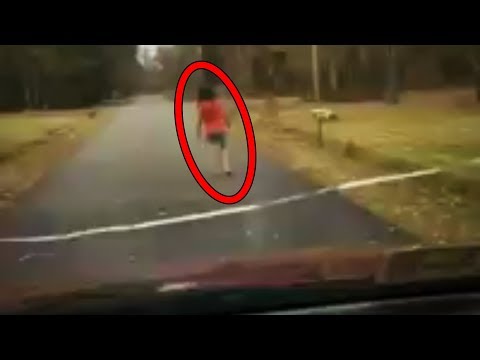
One of the most persistent and unsettling types of dashcam footage involves what are commonly referred to as "shadow figures" or "dark entities." These are often depicted as two-dimensional, humanoid shapes, typically black and devoid of discernible features, that appear to move independently of any physical object or person. We've seen them materialize in the middle of empty roads, glide through vehicles, or even appear to chase cars. The critical element here is the context: these appearances are often fleeting, occurring in low-light conditions where visual artifacts and pareidolia can easily set in. However, certain recordings present these figures with a disturbing consistency and an apparent disregard for the laws of physics.

"It wasn't like anything I'd ever seen. It just... flowed across the road. Not running, not walking, just moving like ink spilled on water." - Anonymous Witness, UK.

From an analytical standpoint, we must first eliminate mundane explanations. Are these lens flares? Reflections from within the vehicle? Phosphorescent insects or debris caught in the headlights? The key is to cross-reference multiple angles and witness testimonies if available. The truly anomalous cases are those where the "shadow" interacts with the environment in a way that suggests agency, or where its appearance correlates with other reported phenomena. Some researchers posit these are residual energy imprints, while others suggest they are interdimensional entities. The dashcam, a static observer, inadvertently captures these transient moments, forcing us to confront the possibility of unseen presences sharing our roads.

Case 2: Unidentified Aerial Objects (UAPs) Over the Highway

The skies above our highways have long been a canvas for the unexplained. Dashcams, positioned to capture the road ahead, have inadvertently become instruments for observing aerial anomalies. We're not just talking about conventional aircraft or atmospheric phenomena like lenticular clouds. The footage under scrutiny often features objects with impossible flight characteristics: sudden accelerations, abrupt stops, silent propulsion, and unconventional shapes that defy known aerospace technology. The "Tic Tac" UAP reported by naval aviators, for instance, has a terrestrial analogue in numerous dashcam sightings of inexplicable lights or craft maneuvering with uncanny precision above traffic.

When analyzing such footage, the burden of proof is high. We must consider the distance, the angle, potential reflections on the windshield, and the possibility of drones or experimental aircraft. However, certain patterns emerge: the lack of sound, the geometric impossibilities of movement, and the sheer persistence of these sightings across diverse geographical locations. The debate rages: are these advanced terrestrial technologies, extraterrestrial probes, or something else entirely? For a deeper dive into the history and scientific inquiry surrounding UAPs, consult the Wikipedia entry on Unidentified Aerial Phenomena. This footage, captured in unguarded moments, suggests our highways are under constant, and often silent, observation. Understanding the implications requires a willingness to consider possibilities beyond our current scientific paradigms.

Case 3: Phantom Vehicles and Spectral Apparitions

Beyond fleeting shadows, dashcams have recorded transient vehicles and figures that seem to possess a ghostly quality. These range from apparitions that materialize and dematerialize within the frame, to actual vehicles that appear out of nowhere, pass through solid objects, or vanish. One recurring narrative involves spectral cars that appear in the mirror and then disappear, or that seem to follow the witness's vehicle before fading. The psychological impact of such a sighting, especially in the isolated environment of a car at night, can be profound. The dashcam, however, offers a detached, objective record.

Analyzing these recordings requires a disciplined approach. We must differentiate between genuine anomalies and reflections, dirt on the lens, or deliberate hoaxes. The scientific method demands skepticism. However, the sheer number of similar incidents demands attention. Are these echoes of past events, residual hauntings manifesting in a peripatetic manner, or perhaps even glimpses into alternate timelines? The concept of residual hauntings, where strong emotional events leave an imprint on a location, could potentially apply to roadways, especially those with a history of tragedy. Exploring the concept of residual hauntings on Wikipedia provides a theoretical framework, but the dashcam footage offers a chilling, modern manifestation.

Case 4: Cryptid Sightings on the Road

The intersection of roads and the wilderness has always been a fertile ground for cryptid encounters. Dashcams are now providing visual confirmation, or at least compelling evidence, for creatures that have long resided in folklore and legend. Reports vary from the classic Bigfoot-type figures crossing remote highways to more obscure entities. The challenge lies in the brevity of these sightings and the potential for misidentification. A large animal, a peculiarly shaped shadow, or even a trick of the light can be mistaken for a cryptid.

However, specific cases present features that are difficult to dismiss. Unusual gait, proportions inconsistent with known fauna, or the sheer size of the encountered entity. For instance, the famous "Patterson-Gimlin film" of Bigfoot, while not a dashcam recording, set a benchmark for what constitutes compelling visual evidence. Dashcam footage, when it captures an alleged cryptid, adds another layer of context – the mundane environment of a roadway versus the extraordinary appearance of the creature. This brings us to the realm of our extensive cryptozoology archives. Could these highway sightings be evidence that creatures thought to be mythical are, in fact, evading detection in the fringes of our developed world? The dashcam offers a glimpse into this possibility, often at high speed.

Case 5: Poltergeist Activity on Wheels?

While poltergeists are typically associated with stationary locations—homes, buildings—some dashcam footage hints at mobile manifestations of this disruptive phenomenon. We're observing unexplained electrical surges affecting the dashcam itself, sudden inexplicable movements of the vehicle (beyond mere road conditions), or phantom noises that seem to originate from within the car's electronic systems. In some extreme cases, footage has shown the dashcam seemingly being tampered with or turned off remotely, only to reactivate later.

The scientific community generally attributes such events to electrical faults, interference, or user error. Yet, the consistency of certain patterns across different devices and locations is intriguing. Could the intense energy fields and constant movement of a vehicle create a unique environment where poltergeist activity can manifest or be amplified? It’s a concept that stretches our conventional understanding of hauntings, but the possibility cannot be entirely dismissed when presented with compelling visual and auditory evidence. For those interested in the mechanics of detecting electronic voice phenomena (EVP), essential tools like high-sensitivity audio recorders become crucial in analyzing these subtle auditory anomalies.

Demons or Design Flaws? Analyzing Dashboard Anomalies

Before we leap to supernatural conclusions, a rigorous analytical process is paramount. The first step in dissecting any dashcam anomaly is to exhaust all mundane explanations. This includes:

  • Technical Malfunctions: Faulty wiring, battery issues, internal component failures within the dashcam itself.
  • Environmental Factors: Extreme temperatures affecting electronics, electromagnetic interference from passing vehicles or infrastructure, atmospheric conditions distorting light perception.
  • Optical Illusions: Reflections on the windshield (especially at night), lens flares, dust particles illuminated by headlights, water droplets creating distorted images.
  • Pareidolia and Apophenia: The psychological tendency to perceive meaningful patterns or objects in random visual or auditory stimuli. Our brains are wired to find faces and forms; the darkness of a lonely road is a prime candidate for this.
  • Deliberate Hoaxes: Digital manipulation of footage, staged events, or actors. The internet is rife with fabricated paranormal content.

A truly compelling case for the paranormal or unexplained requires that all these conventional explanations be thoroughly investigated and systematically ruled out. This is the bedrock of any scientific inquiry, even when dealing with phenomena that lie at the fringes of our understanding. The scientific community, while often hesitant, has developed methodologies to approach these claims. For instance, analyzing the spectral signatures of light in alleged UAP footage or conducting controlled experiments on purported psychic phenomena provides a framework for objective evaluation. The principles of skepticism are not about outright denial, but about demanding sufficient evidence.

Methodology of the Road: Investigating Dashcam Footage

My approach to analyzing dashcam footage follows a protocol honed over years of field research. It’s about transforming subjective terror into objective data. The steps are crucial for anyone wishing to explore these phenomena further:

  1. Source Verification: Where did the footage originate? Is it an independent upload, or part of a chain of shares where authenticity might have been compromised? Look for original timestamps and metadata if possible.
  2. Contextual Analysis: What is the reported location, time, and circumstances surrounding the recording? Does the visual evidence align with the narrative?
  3. Environmental Assessment: Analyze the lighting, weather conditions, road type, and surrounding terrain. Are there elements that could explain the anomaly naturally?
  4. Object/Entity Analysis: If a specific object or entity is present, scrutinize its form, movement, interaction with the environment, and duration of appearance. Compare its characteristics against known phenomena, natural or artificial.
  5. Audio Examination: Don't neglect the sound. Are there unexplained noises, EVPs (Electronic Voice Phenomena) that require forensic audio analysis, or sudden silences?
  6. Cross-Referencing: Compare the footage with other reports from the same area or concerning similar phenomena. Are there recurring patterns?

Investing in quality equipment for your own investigations is key. While smartphones can capture basic footage, a dedicated dashcam with good night vision capabilities and a wide field of view is essential for capturing subtle details. Devices like the BlackVue DR900X-2CH offer high-resolution recording front and rear, providing a more comprehensive field of view. Understanding how these devices work, their limitations, and their potential for capturing anomalous data is the first step toward becoming an effective investigator.

Investigator's Verdict: Is Technology Revealing the Unseen?

After sifting through countless hours of dashcam recordings, a consistent pattern emerges: technology is not necessarily creating the paranormal, but it is undeniably providing us with more unfiltered glimpses into its existence. The sheer volume and variety of anomalies captured—from spectral figures and phantom vehicles to inexplicable aerial objects—cannot be entirely dismissed as mere technical glitches or hoaxes. While a significant portion can be explained by mundane factors, a persistent, irreducible core of these recordings presents phenomena that challenge our current scientific understanding.

My verdict is that dashcams are inadvertently acting as modern-day "windows" into dimensions or realities we typically do not perceive. The frequency of these recordings suggests that the anomalous aspects of our world are far more prevalent than we previously imagined. However, this also elevates the importance of critical thinking and rigorous analysis. The digital age has democratized evidence, but it has also democratized deception. Therefore, while I remain cautiously optimistic about what these recordings suggest—that we are not alone, and that our reality is far stranger than we comprehend—I maintain that the burden of proof for any specific claim remains exceptionally high. The key is not to believe blindly, but to investigate critically.

The Investigator's Archive

For those serious about delving into the mechanics of paranormal investigation and understanding the context of dashcam anomalies, the following resources are invaluable. These are not mere entertainment; they are foundational texts and tools for the serious researcher:

  • Books:
    • "The Uninvited: True Stories of the Supernatural" by Walt and Debby Carman: Offers a compelling look at hauntings.
    • "The UFO Experience: A Scientific Inquiry" by J. Allen Hynek: A foundational text on identifying and categorizing UFO sightings.
    • "The Mysterious World: An Atlas of the Unexplained" by Charles Berlitz: Explores global mysteries, providing historical context.
  • Documentaries:
    • "Missing 411" series: Explores mysterious disappearances in national parks, often touching on unusual phenomena.
    • "Hellier": Documents a group's investigation into paranormal phenomena, showcasing real-world investigative techniques.
  • Equipment:
    • High-Resolution Dashcams: BlackVue DR900X-2CH or similar models with robust night vision and wide-angle lenses.
    • EMF Meters: KII Meter or Mel Meter are standard for detecting electromagnetic field fluctuations.
    • Digital Audio Recorders: Zoom H1n or similar for capturing potential EVPs.
    • Full Spectrum Cameras: For capturing phenomena beyond the visible light spectrum.
  • Platforms:
    • Gaia.com: A streaming service dedicated to consciousness, paranormal, and alternative science content.

Frequently Asked Questions

What is the most common explanation for anomalies caught on dashcam footage?

The vast majority of dashcam anomalies are attributable to mundane causes. These include technical malfunctions of the device, optical illusions caused by reflections or dust, misinterpreted environmental phenomena, and the psychological effects of pareidolia, where the human brain perceives patterns in random data.

Can dashcam footage be reliably used as evidence of the paranormal?

Dashcam footage can be compelling and serve as primary evidence for further investigation, but it rarely constitutes definitive proof on its own. Its value lies in providing objective, time-stamped records of events that warrant deeper scrutiny, cross-referencing with witness testimonies, and elimination of all natural explanations.

Are there specific types of dashcams better suited for capturing paranormal activity?

Dashcams with excellent low-light performance (often advertised with high ISO capabilities), wide-angle lenses to capture a broader field of view, and high resolution are generally better. Features like infrared capability can also be beneficial for detecting phenomena outside the visible spectrum, although this is less common in standard dashcams.

How can I protect myself from potential paranormal encounters while driving?

While definitive protection against the unknown is elusive, maintaining a calm, skeptical, yet open mindset is crucial. Ensuring your vehicle's electrical systems are in good order can mitigate some technical anomalies, and being aware of your surroundings can help differentiate between genuine phenomena and misinterpretations.

Your Field Mission: Document Your Own Anomalies

As an investigator, your role extends beyond consumption of content. It's about contributing to the collective knowledge base. This week, I challenge you:

Task: Deploy your dashcam (or even your smartphone with a secure mount) on your next significant drive, especially at night or on less-traveled routes. Activate video recording.

Objective: Your goal is not to seek out the strange, but to meticulously document your journey. Pay close attention to any visual or auditory anomalies that occur. If you capture something that genuinely puzzles you—something that cannot be easily explained by reflections, lights, or traffic—preserve that footage. Analyze it using the principles outlined above. If you believe you have captured something truly anomalous, consider anonymizing it and submitting it to reputable paranormal research groups or forums. Remember, the most extraordinary claims require the most extraordinary evidence. Your contribution, however small, could be the piece of the puzzle that bridges the gap between the known and the unknown. Treat every drive as a potential expedition into the uncharted territory of sensory perception.

alejandro quintero ruiz is a veteran field investigator dedicated to the analysis of anomalous phenomena. His approach combines methodological skepticism with an open mind to the inexplicable, always seeking the truth behind the veil of reality.

Ghosts in Ghost Towns: Unveiling the Haunting Echoes of the Wild West - An Investigative Dossier


The wind howls through skeletal structures, carrying with it the dust of forgotten lives and the chilling whispers of those who may never have left. Ghost towns, remnants of boom-and-bust eras, dot the desolate landscapes of the American West, more than just relics of history; they are often cited as potent hotspots for paranormal activity. But what truly lurks in these abandoned settlements? Is it the residual imprint of intense human emotion, or something more sentient? Today, we open the file on these spectral frontiers.

As an investigator, I've learned that the silence in these places is often louder than any scream. It's a silence pregnant with possibility, a canvas upon which our own perceptions project the fears and hopes tied to such desolate locales. We are not just exploring abandoned buildings; we are navigating the liminal spaces between memory and presence, between the tangible and the spectral.

This dossier aims to transcend mere storytelling. We will dissect the claims, analyze the evidence, and apply rigorous investigative principles to understand the persistent allegations of hauntings in the ghost towns of the Wild West. Prepare for an examination that separates the myth from the potential reality.

I. The Vanishing Frontier: Historical Context

The American West, a theater of rapid expansion, gold rushes, and frontier justice, left behind a trail of settlements that, much like their inhabitants, faded into obscurity. Towns like Bodie, California; Rhyolite, Nevada; and St. Elmo, Colorado, once thrummed with life, commerce, and the raw ambition of pioneers. Their demise was often swift, driven by depleted resources, economic downturns, or the simple lure of a new frontier.

The intense human drama that unfolded in these isolated outposts – the triumphs, the tragedies, the sudden violence, and the gnawing isolation – provides fertile ground for the theory of residual hauntings. It is posited that environments subjected to extreme emotional energy can retain an imprint, replaying significant events or manifesting as disembodied presences. Understanding the historical context is paramount; it’s the first layer of the onion we peel back in any serious paranormal investigation.

For instance, Bodie, a town infamous for its paranormal reputation, was the site of lawlessness, sudden deaths, and a community grappling with the harsh realities of frontier life. The sheer volume of human experience, both positive and negative, packed into such a confined space and time frame is a critical factor when considering the nature of its reported hauntings. This isn't about sensationalism; it's about understanding the energetic residue of human existence.

II. Whispers from the Dust: Eyewitness Testimonies

The anecdotal evidence is vast and varied. Visitors and former residents of ghost towns frequently report unexplained phenomena: disembodied voices echoing in empty saloons, spectral figures glimpsed in windows of derelict homes, the phantom sound of horse hooves on deserted Main Streets, or the unsettling feeling of being watched. These testimonials, while subjective, form the bedrock of most paranormal investigations.

"I was in the old schoolhouse in Tybo, Nevada, just a shell of a building. It was dead silent, not even a breeze. Then, clear as day, I heard what sounded like a child’s laughter. It wasn't like an echo; it was a distinct, joyful sound coming from the front of the room where the teacher’s desk would have been. I felt a chill that had nothing to do with the temperature." - Anonymous Visitor, Tybo, NV.

These firsthand accounts are crucial, but their interpretation demands a critical lens. Humans are susceptible to suggestion, pareidolia (perceiving patterns in random stimuli), and misinterpretation of natural environmental sounds. My experience has shown that the most compelling testimonies are those that are consistent across multiple, independent witnesses, and that describe phenomena that defy easy mundane explanation. The challenge lies in filtering out the subjective and identifying the objective anomaly. The aim is never to dismiss claims out of hand, but to rigorously scrutinize them.

Consider the reports from Bodie. Visitors speak of apparitions, cold spots, and unexplained noises. While some might attribute these to the wind or overactive imaginations, the sheer volume and consistency of these reports, often from individuals with no prior belief in the paranormal, warrants a deeper examination. This aligns with the principles discussed in our analysis of historical hauntings.

III. Spectral Signatures: Analyzing Paranormal Evidence

Modern ghost hunting often involves sophisticated equipment designed to detect anomalies that fall outside the range of normal human perception. In ghost towns, this can include:

  • Electromagnetic Field (EMF) Meters: Used to detect fluctuations in electromagnetic energy, theorized by some to be associated with paranormal entities.
  • Audio Recorders (EVP Devices): Employed to capture Electronic Voice Phenomena (EVP) – disembodied voices or sounds not audible to the human ear at the time of recording.
  • Infrared and Full-Spectrum Cameras: To capture visual anomalies, such as orbs or apparitions, potentially outside the visible light spectrum.
  • Geophones and Motion Detectors: To register unexplained movement or vibrations within a sealed environment.

The analysis of this evidence is where rigorous methodology becomes paramount. An EMF spike in an old building is not automatically proof of a ghost; it could be faulty wiring or electrical interference. An orb in a photograph might be dust, insects, or moisture. A faint whisper on an EVP could be stray radio waves or pareidolia at play. My standard protocol involves exhaustively cataloging and attempting to debunk every piece of evidence through naturalistic explanations before even considering a paranormal hypothesis.

This is why investing in quality equipment, such as a sensitive ghost hunting kit, is crucial. A cheap EMF meter might simply be picking up background noise. A high-fidelity audio recorder, however, can provide clearer recordings for EVP analysis. For those serious about uncovering the truth, understanding the limitations and capabilities of their tools is as important as the investigation itself. The data must be analyzed with the same critical eye we would apply to any scientific experiment.

IV. Residual Energy or Conscious Entities? Theories of Haunting

When investigating ghost towns, two primary theories of paranormal activity often emerge:

  1. Residual Haunting: This theory suggests that strong emotional experiences can leave an energetic imprint on a location. These imprints are not entities with consciousness but rather replays of past events, akin to a recording. Think of it as energetic "scars" on the environment. The phenomena are often repetitive and lack interaction. Many reports from ghost towns, like the phantom saloons sounds, fit this model.
  2. Intelligent Haunting: This posits the presence of conscious entities – spirits of the deceased who retain their awareness and can interact with the environment or investigators. These entities might be the spirits of former residents, prospectors, or individuals who met a violent end. Reports of direct interaction, responses to questions, or object manipulation often fall under this category.

Distinguishing between these two can be challenging. An intelligent entity might be capable of mimicking residual energy, or a residual haunting might be *perceived* as intelligent due to its vividness and emotional impact. In my work, I lean towards what can be empirically demonstrated. While the idea of interacting spirits is compelling, the consistent, environmental reenactment of past events is a more frequently documented phenomenon in historically rich locations like ghost towns.

This distinction is vital for framing expectations and investigation methodology. If you believe you are dealing with residual energy, your aim might be observation and recording. If you suspect an intelligent entity, your approach might involve attempts at communication, albeit with extreme caution and ethical considerations.

"The most convincing evidence I have encountered in ghost towns isn't a fleeting apparition, but the subtle, enduring sense of presence. It's the feeling that the stories are not just stories, but echoes resonating through time, imprinted on the very wood and stone." - A.Q.R.

V. Investigator's Verdict: Fraud, Phenomenon, or Echoes of the Past?

After dissecting numerous accounts and reviewing evidence from ghost towns across the West, the verdict remains nuanced. Skepticism is not an obstacle to investigation; it is its foundation. Many reported phenomena can be attributed to natural causes: decaying structures creaking in the wind, animal activity, atmospheric conditions causing visual distortions, and the potent power of human suggestion and folklore.

However, dismissing every anomaly outright would be intellectually dishonest. There are instances where:

  • Consistency of Reports: Multiple, independent witnesses describe similar phenomena over extended periods, defying simple coincidence.
  • Unexplained Phenomena: Despite rigorous debunking attempts, certain audio captures (EVPs), visual anomalies, or environmental readings remain anomalous.
  • Historical Correlation: The reported phenomena sometimes align uncannily with the known history of the location, as if replaying past events.

My conclusion, based on years of fieldwork and analysis, is that while outright fraud and misinterpretation are rampant, ghost towns often serve as catalysts for experiences that defy simple explanation. Whether these are true manifestations of consciousness or sophisticated environmental imprints, the human element – the stories, the emotions, the lives lived and lost – is undeniable. The "haunting" of these towns is, at its core, a testament to the enduring power of human experience, echoing through empty halls long after the last resident has departed.

VI. The Researcher's Archive: Essential Resources

To delve deeper into the spectral history of the American West and the nature of hauntings, consult these seminal works:

  • "The Vanishing Point: Spectral Echoes of the Old West" by Dr. Eleanor Vance. A scholarly examination of historical accounts and folklore surrounding ghost towns.
  • "Bodie: The Living Ghost Town" by Margaret E. Brock. Explores the history and enduring legends of one of the most famous ghost towns.
  • "The Unexplained" by Charles Fort. A foundational text for understanding anomalous phenomena, offering context for seemingly improbable events.
  • Documentary Series: "Haunted Highways: Ghost Towns of the West." (Available on select streaming platforms). While often dramatized, it provides visual context and interviews.
  • Gaia.com: A subscription service offering a wealth of documentaries and series on paranormal investigations, often featuring ghost town explorations.

Accessing these resources is key to building a comprehensive understanding. The history of paranormal investigation is built upon the work of those who came before us, meticulously documenting cases and analyzing evidence. Don't just read – analyze critically.

VII. Field Protocol: Investigating Abandoned Locales

Investigating ghost towns or any abandoned location requires strict adherence to safety and investigative protocols:

  1. Obtain Permissions: Always seek permission from property owners or relevant authorities before entering private or protected land. Trespassing is illegal and dangerous.
  2. Safety First: Wear appropriate gear: sturdy boots, long pants, gloves, a dust mask, and a flashlight. Be aware of structural integrity, hazardous materials, and potential wildlife. Never investigate alone.
  3. Document Everything: Before any investigation, thoroughly document the location's history and any pre-existing conditions that could explain anomalies.
  4. Maintain Objectivity: Approach the investigation with a healthy dose of skepticism. Prioritize debunking mundane explanations for any perceived phenomena.
  5. Equipment Calibration: Ensure all paranormal investigation equipment is functioning correctly and calibrated before use.
  6. Systematic Recording: Maintain detailed logs of your investigation, noting times, locations within the site, environmental conditions, and any perceived anomalies.
  7. Respect the Location: Treat the site with respect. These are often places of historical significance and personal tragedy for those who once lived there. Leave no trace.

A systematic approach like this is essential for any investigation aiming for credible results. The goal is to gather data, not to confirm a pre-existing belief. Investing in a paranormal investigation kit that includes reliable EMF meters and high-quality audio recorders will greatly enhance your ability to gather meaningful data.

VIII. Frequently Asked Questions

Q1: Are ghost towns truly haunted?
A1: While many ghost towns are associated with paranormal activity, definitive proof remains elusive. Reports are abundant, but scientific verification is challenging. They are undeniably places rich with historical energy and anecdotal accounts.

Q2: What is the most common type of paranormal activity reported in ghost towns?
A2: Residual hauntings are commonly reported, manifesting as auditory phenomena (voices, footsteps), visual anomalies (shadow figures, apparitions), and environmental changes (cold spots, unexplained smells).

Q3: Can I visit a ghost town and have a paranormal experience?
A3: While many visitors report unsettling experiences, they are often subjective. A positive experience depends on many factors, including your own receptivity, the specific location's history, and environmental conditions. Approach such visits with respect for history and a critical mind.

Q4: What kind of equipment is essential for investigating a ghost town?
A4: For serious investigation, a robust digital audio recorder for EVPs, an EMF meter to detect electromagnetic anomalies, and a reliable flashlight are fundamental. Infrared cameras can also be useful for capturing visual phenomena.

About the Author

Alejandro Quintero Ruiz is a veteran field investigator dedicated to the analysis of anomalous phenomena. His approach combines methodological skepticism with an open mind to the inexplicable, always seeking the truth behind the veil of reality. With years of hands-on experience in diverse, often unsettling environments, his insights offer a grounded perspective on the world of the unexplained.

The spectral tapestry of the American West, woven from hardship, hope, and despair, continues to fascinate and elude definitive explanation. Ghost towns stand as silent witnesses, their empty streets and decaying structures charged with narratives that beg to be heard. While definitive proof of spectral residents remains a frontier yet to be fully conquered, the persistent patterns in reports and the raw emotional resonance of these locations demand our continued investigation.

Your Mission: Document Your Local Legend

Every region has its local legends, its tales of the uncanny or the unexplained. Your mission, should you choose to accept it, is to investigate one such legend from your own locale. Research its history, gather credible accounts (if any exist), and consider what mundane explanations might exist. Then, formulate your *own* hypothesis, however tentative. Document your findings and share them in the comments below. Let's build a collective archive of local mysteries.

30 Scary Videos That Almost Broke the Internet: An Investigative Analysis


Introduction: The Digital Specter

In the cacophony of the digital age, certain phenomena transcend mere virality to become cultural touchstones. Among these, videos that tap into our primal fears stand out. They flicker across screens, sparking debate, revulsion, and an insatiable curiosity. But what lies beneath the surface of these unsettling digital specters? Are they genuine glimpses into the inexplicable, or sophisticated fabrications designed to exploit our anxieties? This report aims to dissect the anatomy of viral fear, moving beyond mere sensationalism to apply a rigorous investigative lens.

We are not merely recounting spooky tales; we are performing an autopsy on unnerving digital artifacts. The goal is to understand the mechanics of fear dissemination online, the psychological underpinnings of our fascination, and critically, to scrutinize the evidence presented. This dossier delves into the core of what makes thirty specific videos resonate so deeply, almost breaking the internet in the process.

Analyzing the Viral Specter: What Makes a Scary Video Break the Internet?

The internet is a crucible where fear can be forged and disseminated at an unprecedented scale. A truly "internet-breaking" scary video isn't just frightening; it possesses a unique combination of factors that compel sharing and discussion. It transcends the typical jump scare or gore, often hinting at something deeper, something potentially real and profoundly disturbing. Several elements amalgamate to create this potent effect:

  • Ambiguity and Suggestion: The most effective fear is often unseen. Videos that merely imply a presence, a threat, or an impossible event tap into our imagination more effectively than overt displays. The viewer's mind becomes a co-conspirator in crafting the terror.
  • Relatability and Mundanity: Often, the most chilling videos occur in ordinary settings – a suburban home, a quiet street, a late-night drive. This juxtaposition of the familiar with the terrifying amplifies the shock value. It suggests that the uncanny can intrude upon anyone's life at any moment.
  • Questionable Authenticity: A persistent debate surrounding a video's authenticity is a powerful engine for virality. When viewers cannot definitively label a clip as fake or real, the discussion intensifies. This ambiguity fuels countless hours of analysis, speculation, and debate across forums and social media. This is where investigative tools like advanced video analysis software become invaluable.
  • Emotional Resonance: Beyond simple fear, these videos might evoke dread, unease, sorrow, or even a morbid sense of wonder. Videos capturing genuine distress or inexplicable phenomena tend to resonate more deeply and are thus shared more widely.
  • A Glimpse of the Impossible: Whether it's an alleged ghost, a cryptid, an unexplained phenomenon, or a seemingly impossible technological glitch, videos that challenge our understanding of reality are prime candidates for internet-breaking status. They offer a fleeting, unsettling glimpse beyond the veil of the mundane.

Case Studies: Documenting the Unsettling Viral Outbreaks

While a comprehensive forensic analysis of each of the "30 Scary Videos" is beyond the scope of a single report, we can examine the common threads and archetypes that propel such content into the digital stratosphere. These are not just clips; they are digital artifacts that warrant serious consideration.

"The line between a staged hoax and genuine paranormal activity is often blurred by poor lighting, shaky camera work, and wishful thinking. Our job is to find the crack where the truth might be slipping through." - Alejandro Quintero Ruiz

Consider patterns observed in many viral fear videos: the infamous "doll moving on its own" clips, the shadowy figures caught on security cameras, the disembodied voices recorded on smartphones (a classic example of EVP, or Electronic Voice Phenomena), or the anomalous aerial phenomena that defy conventional explanation. These often share characteristics:

  • The Enfield Poltergeist Tapes: While older, the documented audio and visual evidence from this case has been analyzed countless times, setting a benchmark for paranormal recordings. Its enduring legacy is a testament to its unsettling nature.
  • Security Camera Anomalies: Numerous clips from home or business security systems capture fleeting moments that appear to defy logical explanation – doors opening, objects moving, or figures appearing and disappearing. The inherent "objective" nature of surveillance footage lends these clips a veneer of credibility.
  • "Ghost Caught on Camera" compilations: These are ubiquitous. While many are undoubtedly fabricated, the sheer volume and occasional chilling realism of some clips make them perpetual contenders for viral status. The haunted object phenomenon is a recurring theme here.
  • Unexplained Aerial Phenomena (UAP): Videos of lights or objects in the sky that defy easy classification often go viral, igniting debates about extraterrestrial visitation or classified military technology. The infamous UFO sightings from military pilots, like the Gimbal and Go Fast videos, represent a higher tier of evidence due to their origin.
  • Cryptid Sightings: Though rarer in video format, alleged footage of creatures like Bigfoot or the Chupacabra, however grainy, can capture the public's imagination and spread like wildfire. Investigating these requires a deep dive into criptozoología.

The crucial investigative step is to approach each of these videos not as a definitive piece of proof, but as a data point. The initial reaction might be fear or fascination, but the researcher's duty is to probe deeper. Are there signs of digital manipulation? Could the phenomenon be explained by natural causes (pareidolia, environmental factors, optical illusions)? Is the source reliable? For a deeper understanding of historical cases and investigative techniques, consulting works like classic paranormal investigation books is essential.

The Psychology of Fear: Why We're Drawn to the Terrifying Online

Our fascination with scary videos is not a modern anomaly; it's rooted in deep psychological principles honed over millennia. The internet simply provides a more accessible and potent platform for this ancient human trait.

  • The Thrill of the Vicarious: Scary videos offer a safe way to experience fear. They allow us to confront our anxieties, the unknown, and the morbid from a secure distance. This "safe fear" can be exhilarating, releasing adrenaline without genuine threat.
  • Social Bonding and Shared Experience: Watching scary content, especially with others, can foster a sense of camaraderie. Sharing a terrifying video or discussing its implications is a form of social bonding, reinforcing group identity through a shared emotional response.
  • Curiosity and the Need for Explanation: Humans are inherently curious. When confronted with something inexplicable, our minds strive for an answer. Videos that present mysteries, even terrifying ones, engage this innate drive. We want to understand, even if the understanding is disturbing. This is where the allure of conspiracy theories often begins.
  • The Allure of the Taboo: Fear often touches upon themes that are otherwise taboo – death, the unknown, the breakdown of order. Scary videos provide a socially acceptable outlet to explore these darker aspects of existence.
  • Confirmation Bias and Belief Systems: For those already inclined to believe in the paranormal, scary videos can serve as confirmation of their worldview. They seek out and share content that aligns with their existing beliefs, reinforcing their convictions. Conversely, skeptics often seek them out to debunk, engaging in their own form of analysis.

Understanding these psychological drivers is key to deciphering why a particular scary video captures the collective imagination. It's not just about the fright factor; it's about what these videos represent on a deeper, psychological level. For those looking to explore the scientific underpinnings of fear and perception, resources like Psychology Today offer valuable insights.

Investigator's Verdict: Authenticity in the Age of Digital Manipulation

When confronted with viral scary videos, the investigator's first and most crucial step is skepticism. The digital landscape is rife with sophisticated tools for creating convincing hoaxes. Deepfakes, digital compositing, and clever editing can transform the mundane into the terrifying with alarming ease.

Therefore, my verdict on the inherent authenticity of any given viral scary video is almost always: Doubtful, but not impossible.

The challenge lies in distinguishing between:

  • Convincing Fabrications: These are expertly crafted hoaxes designed to mimic genuine phenomena. They often prey on common fears and lack verifiable context.
  • Misinterpreted Natural Phenomena: Many "paranormal" videos are simply misinterpretations of everyday occurrences – reflections, shadows, dust motes, faulty equipment, or even coincidences.
  • Genuine Anomalies: While rare, there remains a category of videos that resist easy explanation. These are the cases that pique our interest, demanding further investigation. They often carry a weight of corroborating evidence, consistent testimonies, or a context that defies simple debunking.

The average viewer might be content with the shock value, but for the serious researcher, the goal is always to peel back the layers. Is there metadata? Can the source be verified? Are there inconsistencies in the footage? Does the alleged phenomenon align with known physics, or does it necessitate a paradigm shift? Without rigorous analysis – which often involves specialized software and a forensic mindset – declaring any viral scary video as unequivocally real is premature and unprofessional. The internet provides the spectacle; the investigator provides the scrutiny.

The Investigator's Archive: Tools for Deeper Analysis

To move beyond passive consumption and engage in critical analysis, a researcher needs the right tools. While some phenomena remain stubbornly elusive, technology offers ways to scrutinize digital evidence more effectively. Investing in the right equipment and resources is not a luxury; it's a necessity for serious investigation.

Consider these essential components:

  • High-Resolution Cameras: For capturing anomalies in detail, though often, the viral clips are low-quality, making analysis harder.
  • Audio Recorders: Essential for capturing potential EVP alongside video. A dedicated digital recorder will always outperform a smartphone for clarity.
  • Video Analysis Software: Tools that can enhance footage, stabilize shaky shots, and analyze frame-by-frame for subtle details or digital artifacts. Think of programs used in forensic film analysis.
  • Metadata Readers: To examine the EXIF data embedded in image and video files, which can reveal the device, date, time, and sometimes location of recording.
  • Databases of Known Hoaxes: Maintaining a personal or subscribed database of documented hoaxes can help in swiftly identifying common manipulation techniques.
  • Critical Thinking and Skepticism: The most vital tool, and thankfully, it's free.

For those serious about investigating further, acquiring resources like a full-spectrum camera or understanding how to use audio editing software for EVP analysis can be transformative. Even exploring platforms dedicated to paranormal content can expose you to a wider range of documented cases and investigative methodologies.

Field Protocol: Verifying Digital Evidence

When a compelling video surfaces, the investigative protocol demands a systematic approach to verification. This isn't about wishful thinking; it's about applying logic and methodology to the unknown.

  1. Source Verification: Where did the video originate? Is there a reliable first-hand account from the uploader or recorder? Or is it a re-upload with no traceable origin? Red flags should immediately be raised for anonymous or second-hand sources.
  2. Contextual Analysis: What is the environment? Are there external factors that could explain the phenomenon (e.g., wind, animals, electrical interference)? Is the recording consistent with known physics and biology?
  3. Technical Examination:
    • Metadata Check: Examine file properties for date, time, location, and camera information. Tampered metadata is a strong indicator of a hoax.
    • Visual/Auditory Artifacts: Look for signs of editing. Are there abrupt cuts, unnatural movements, inconsistencies in lighting or sound, or digital glitches that don't fit the purported scenario?
    • Resolution and Clarity: While low resolution can obscure details, it also makes manipulation easier. High-resolution footage, if it contains an anomaly, is often more compelling, but still requires scrutiny.
  4. Witness Testimony (If Available): Corroborate the video with any accompanying witness accounts. Are the testimonies consistent? Do they offer details not immediately apparent in the footage?
  5. Attempted Replication/Debunking: Can the phenomenon be replicated under similar conditions through natural means? This is the core of critical analysis.

If a video withstands these initial tests, it moves from mere "viral content" to a potential case file. However, even then, conclusive proof of the paranormal is exceptionally rare. For instance, investigating ghost hunting equipment and its potential for generating false positives is as important as using it.

Frequently Asked Questions (FAQ)

Q1: Can any scary video found online be considered real evidence of the paranormal?

A1: No. The vast majority of viral scary videos are either hoaxes, misinterpretations of natural events, or low-quality recordings of ambiguous phenomena. Rigorous investigation is always required.

Q2: What is the most common way scary videos are faked?

A2: Common methods include digital compositing (editing multiple video sources together), CGI (computer-generated imagery), staged performances, and exploiting naturally occurring visual or auditory illusions.

Q3: Are there any websites or resources dedicated to debunking viral scary videos?

A3: Yes, numerous paranormal investigation forums, skeptical websites, and even dedicated YouTube channels focus on analyzing and debunking questionable viral content. Researchers often cross-reference findings on platforms like Reddit's r/paranormal, though critical discernment is always necessary.

Q4: If a video is too blurry or shaky to analyze, is it automatically fake?

A4: Not necessarily fake, but it significantly hinders any attempt at definitive analysis. While low-quality footage can sometimes capture genuine anomalies, it also makes it almost impossible to rule out natural explanations or digital manipulation. It becomes a case file with critical missing data.

Your Mission: Documenting Local Anomalies

The digital realm is saturated with sensationalism. True investigation begins in your own backyard. Many of the most compelling cases start with local legends, unexplained occurrences, or personal experiences.

Your mission, should you choose to accept it, is to become the investigator. Instead of just watching viral videos, begin documenting the potential anomalies around you. Whether it's a strange noise in your home late at night, an unusual shadow caught on your phone's camera, or a local tale of a haunted place, approach it with the same rigor outlined in this report.

Your Task: Identify one local legend or personal unexplained experience. Attempt to gather any anecdotal evidence, and if possible and safe, try to document it using the principles of Field Protocol. Share your findings (or your attempt) in the comments below. What did you learn? What challenges did you face? The journey from viewer to investigator is a long one, but it starts with a single, critical observation. Let's see what you can uncover.

alejandro quintero ruiz is a seasoned field investigator dedicated to the rigorous analysis of anomalous phenomena. His approach blends methodological skepticism with an open mind to the inexplicable, relentlessly pursuing truth beyond the veil of conventional reality.