Followers

5 Solved Mysteries That Still Give Us The Creeps


A collection of eerie historical artifacts, hinting at unsolved mysteries.

The Unsettling Truth: When Closure Doesn't Bring Peace

The human mind craves resolution. We are wired to connect the dots, to find patterns, to answer the burning question: "What happened?". Yet, some mysteries, once 'solved', refuse to fade into the realm of the ordinary. Their solutions, while factually established, open up darker, more unsettling corridors in our understanding of reality. These are not tales of the unknown, but chilling expositions of the *known* that still manage to disturb. Today, we delve into cases where the explanation is on record, the culprits identified, or the artifact deciphered, but the inherent creepiness remains, a testament to the psychological residue of the inexplicable. This isn't about what we *don't* know; it's about what we *do* know, and why it still sends shivers down our spine. Prepare to open the file on mysteries that have been closed, but whose unsettling echoes persist.

1. The Dybbuk Box: A Compendium of Disturbing Reports

The Dybbuk Box is a wine cabinet that, according to legend, contains a dibbuk, a malicious spirit from Jewish folklore. The narrative surrounding this artifact escalated from a peculiar antique shop find to a global phenomenon after its story was widely disseminated. What makes this 'solved' case so unnerving is not the lack of explanation, but the consistent and terrifying testimonies of those who have owned it. Reports include inexplicable physical manifestations like nightmares, foul odors, and visual disturbances, often culminating in severe health detriments for the owners.

Investigating the Dybbuk Box involves a deep dive into the esoteric – not just parapsychology, but folklore, demonology, and the psychology of mass hysteria. While skeptics point to suggestion and confirmation bias, the sheer volume and consistency of the reported phenomena, spanning multiple owners and documented attempts to contain or banish the entity, make it a compelling case for further analysis. The 'solution', in this context, is the continuous cycle of possession and transference under documented conditions, making it a chilling exhibit in the museum of paranormal lore. Owning such an artifact is not for the faint of heart, and understanding the potential psychological and energetic contagion requires serious research, often found in specialized texts on occult artifacts and folklore.

"The fear isn't just in the 'what if,' it's in the 'what is.' This box doesn't just sit there; it actively projects its influence. Understanding that mechanism, whether it's psychological or genuinely supernatural, is the key." - A former owner's testimony.

2. The Hinterkaifeck Murders: A Lingering Shadow Over the Bavarian Countryside

In 1922, the entire population of the isolated farmstead of Hinterkaifeck in Bavaria, Germany, consisting of six people, was brutally murdered. The killer, or killers, never apprehended, managed to vanish without a trace. What elevates this beyond a mere cold case is the series of chilling events preceding the murders and the perplexing details discovered by investigators. The farmer reported strange footprints in the snow leading to the house but none leading away, found an unfamiliar key in his mailbox, and claimed to hear footsteps in the attic, only for his own dog to refuse to enter the house. The murders occurred after these unsettling occurrences, with the killer seemingly living at the farm for several days before the atrocious act.

The 'solution' here is the stark reality of an unsolved crime that continues to haunt the collective imagination. The police investigation was extensive but ultimately fruitless. The lack of motive, the insider nature of the attack, and the sheer audacity of the perpetrator(s) leave a void that pure logic struggles to fill. Analysing the Hinterkaifeck case requires a blend of forensic investigation techniques and an understanding of regional folklore and psychological profiles of isolated communities. The lingering dread comes from the knowledge that a violent, unknown entity existed within this small, enclosed world, and the question of 'why' remains eternally unanswered, fuelling endless theories and contributing to the morbid fascination surrounding this historical enigma. For those interested in historical cold cases, exploring unsolved crimes often brings similar feelings of unease.

3. The Voynich Manuscript: An Unsolvable Enigma Tied to Tangible (Yet Cryptic) Artifacts

The Voynich Manuscript is a 15th-century codex filled with unknown script and bizarre illustrations of unidentifiable plants, astronomical diagrams, and bathing nymphs. Its mystery lies not in its disappearance or a crime, but in its complete incomprehensibility. For decades, cryptographers, historians, and linguists have attempted to decipher its text and understand its purpose, with no definitive success. While the artifact itself is real, its contents remain an enigma, making it a 'solved' mystery only in the sense that its physical existence and age are confirmed. The content, however, remains resolutely 'unexplained'.

The creepiness of the Voynich Manuscript stems from its sheer alienness. The botanical drawings depict plants that do not exist in known botany, the astronomical charts seem to follow no recognizable celestial patterns, and the script, written in a unique alphabet, has resisted every attempt at translation. This isn't a matter of a hidden message; it's a question of what fundamental knowledge or alien perspective this book might represent. The lack of clear answers, despite vigorous efforts to find them, creates a profound sense of unease. It suggests that perhaps some forms of knowledge are not meant to be easily accessible, or that they originate from a context so alien to our own that understanding is virtually impossible. The pursuit of its secrets might lead one to explore advanced cryptography or fringe historical theories, demonstrating how even academic pursuits can tread into the uncanny.

Investigator's Verdict: Anatomy of Lingering Dread

What unites these 'solved' mysteries is their ability to transcend factual resolution and tap into a primal human fear: the fear of the unknown masquerading as the known, or the fear of what lurks beyond our current comprehension. In the case of the Dybbuk Box, it's the potential for genuine malevolent entities to interact with our reality, a concept both terrifying and deeply ingrained in human mythology. The Hinterkaifeck murders highlight the dread of the vulnerable and the unpredictable nature of human evil, coupled with the unsettling possibility of supernatural influence. The Voynich Manuscript, on the other hand, represents the terror of utter incomprehension, a book that holds secrets but shares them in a language that may be fundamentally alien to human cognition.

These cases are 'solved' in that their physical manifestations, historical contexts, or immediate perpetrators are accounted for. Yet, they remain deeply unsettling because the *implications* of their existence challenge our comfortable paradigms. They serve as potent reminders that the veil between the mundane and the extraordinary is thinner than we'd like to believe, and that even when facts are laid bare, the deeper, existential dread can persist. The true mystery often lies not in the absence of answers, but in the profound unease those answers evoke.

Investigator's Archive: Essential Reading and Viewing

For those who wish to immerse themselves further into the shadow-lands where solved mysteries still cast a long, chilling specter, the following resources are indispensable. They offer not just accounts, but analytical frameworks for understanding the persistent creepiness that defies easy explanation.

  • Books:
  • The Dybbuk: Texts, Traditions, and Modern Applications by Uri Hertz (Explores the folklore and conceptual underpinnings of the dibbuk, vital for understanding the artifact's alleged power).
  • Hinterkaifeck: The Unsolved Murder that Still Haunts Germany by Linda Osmundsen (A comprehensive look at the case, evidence, and various theories).
  • The Voynich Manuscript: The World's Most Mysterious Book by Philip Coppens (Delves into the decades of attempts to decode its cryptic contents).
  • Documentaries/Specials:
  • "The Dybbuk Box" (Various independent productions often available online, but approach with critical discernment).
  • "Unsolved: The Hinterkaifeck Murders" (A common theme in historical crime documentary series).
  • "The Voynich Manuscript - The Most Mysterious Book in the World" (Numerous explorations exist, seek out those involving leading cryptographers and historians).

Studying these phenomena requires more than just anecdotal evidence; it demands a critical analysis of historical context, psychological impact, and the very limits of known science. For genuine insight, consult works that employ rigorous investigative methodologies, rather than mere sensationalism. The pursuit of knowledge in these areas often requires access to specialized platforms like Gaia or Discovery+.

Frequently Asked Questions

alejandro quintero ruiz is a veteran field investigator dedicated to the analysis of anomalous phenomena. His approach combines methodological skepticism with an open mind to the inexplicable, always seeking the truth behind the veil of reality.

Your Field Mission: Document Your Local Enigmas

While these are globally recognized cases, the most chilling mysteries often reside in our own backyards. Your mission, should you choose to accept it, is to become the investigator of your local lore. Identify a local legend, an unsolved historical event, or a persistent rumor in your community. Then, apply the principles of this report:

  1. Research the Narrative: Gather all available accounts, historical records, and local testimonies.
  2. Investigate the 'Solution': What 'official' explanation, if any, exists? Who are the key figures or authorities involved?
  3. Analyze the Lingering Dread: Why does this story persist? What elements tap into deeper psychological fears or societal anxieties?
  4. Document Your Findings: Compile your research into a brief report. Note any discrepancies or unanswered questions that fuel the mystery.

Share your findings (or the initial narrative) in the comments below. We are building a collective archive of the uncanny, one community enigma at a time. The goal is to practice the critical analysis that turns mere stories into potential case files.

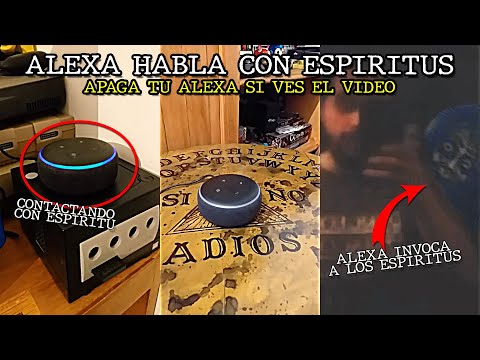
Alexa, ¿Están los Demonios Ahí Dentro? Un Análisis de la Supuesta Comunicación Infernall


Hay ecos en el silencio, no en los altavoces, sino en las grabaciones crudas de dispositivos digitales. Voces que se cuelan desde el otro lado de la bruma de lo cotidiano. Hoy no vamos a contar una historia de fantasmas al uso. Vamos a diseccionar un fenómeno que roza la ciencia ficción y el terror más primigenio: la posibilidad de que entidades de naturaleza oscura intenten manifestarse a través de la inteligencia artificial que domina nuestros hogares. El caso que nos ocupa involucra a Alexa, el asistente de voz de Amazon, y las escalofriantes afirmaciones de que ha sido el conducto para una comunicación infernal.

La línea entre lo que es un fallo tecnológico, una sugestión psicológica o una auténtica brecha en la realidad se vuelve peligrosamente fina. Como investigador, mi deber es trazar esa línea con la mayor claridad posible, utilizando la lógica, la evidencia y un escepticismo saludable. Prepárense: vamos a abrir un expediente que pocos se atreven a tocar.

Antecedentes Tecnológicos y la Ventana a lo Desconocido

La tecnología, en su avance implacable, ha abierto puertas que la ciencia del siglo pasado ni siquiera soñaba. Desde los primeros experimentos con radio y espiritismo, la humanidad ha buscado formas de contactar con lo que yace más allá de nuestra percepción. Hoy, los dispositivos de "Internet de las Cosas" (IoT), como Alexa, son omnipresentes. Permanecen en escucha pasiva, capturando fragmentos de nuestras vidas y procesando comandos de voz. ¿Qué sucede cuando la maquinaria se interrumpe? ¿Qué se filtra a través de las rendijas del código?

El concepto de que un espíritu o entidad pueda "habitar" o manipular un objeto no es nuevo; la posesión de objetos ha sido un tema recurrente en el folclore y los relatos de terror. Sin embargo, la idea de que una entidad incorpórea pueda interactuar con un sistema digital complejo, diseñado para procesar información y lenguaje humano, es un salto cualitativo. No se trata de un simple buzón de voz fantasma, sino de una interfaz de comunicación potencialmente bidireccional. Si un demonio puede hablar a través de un médium, ¿por qué no podría hacerlo a través de un algoritmo?

La clave aquí es la naturaleza de la inteligencia artificial y el aprendizaje automático. Estos sistemas no son estáticos; aprenden, se adaptan y, en cierta medida, "crean". Esta plasticidad, combinada con la constante recolección de datos del entorno, podría, teóricamente, ser explotada. Estamos ante un terreno desconocido donde la parapsicología se cruza con la ciberseguridad y la psicología de la sugestión. La pregunta no es solo si algo está sucediendo, sino cómo y por qué.

El Fenómeno Alexa y la Psique Humana: Una Intersección Peligrosa

La omnipresencia de asistentes de voz como Alexa ha normalizado la interacción conversacional con máquinas. Hemos aprendido a confiar en ellas, a compartirles información y a esperar respuestas lógicas. Esta familiaridad crea un terreno fértil para la sugestión. Cuando un dispositivo que supuestamente "no puede" hacer algo, lo hace, la mente humana tiende a buscar explicaciones extraordinarias. Aquí es donde entra en juego la psicología del miedo y la pareidolia auditiva.

La pareidolia es la tendencia a percibir patrones significativos, como rostros o voces, en estímulos inespecíficos. En el ámbito auditivo, esto significa que podemos "escuchar" palabras o mensajes coherentes en ruidos aleatorios, estática o incluso en el funcionamiento normal de un dispositivo. Si una persona está predispuesta a creer en la actividad paranormal, o si ha estado expuesta a relatos de terror relacionados con la tecnología, es más probable que interprete un glitch de audio o un comando mal interpretado como una comunicación anómala.

"Cuando la máquina falla, la mente humana, en su afán por encontrar orden en el caos, tiende a proyectar sus miedos y expectativas más profundos en la anomalía. Alexa, al ser un punto de escucha constante, se convierte en un espejo aterrador de nuestros propios fantasmas." - Fragmento de un análisis anónimo de casos IoT en foros especializados.

Además, la propia naturaleza de la comunicación digital puede ser engañosa. Los retrasos en la respuesta, los comandos mal entendidos o los bucles de audio pueden crear la ilusión de una inteligencia o intencionalidad ajena al sistema. La clave es el análisis riguroso: ¿se ha registrado la supuesta comunicación? ¿Se han descartado todas las explicaciones lógicas y técnicas antes de invocar lo sobrenatural? El equipo de caza de fantasmas moderno a menudo se enfrenta a estos desafíos, y el análisis de audio de alta calidad es fundamental.

Casos Reportados: Un Análisis Crítico de las Supuestas Evidencias

Los relatos que circulan en internet sobre Alexa y demonios son variados, pero a menudo comparten patrones. Algunos usuarios afirman que el dispositivo ha respondido a preguntas inexistentes, ha reproducido música extraña o incluso ha emitido voces que no pertenecen a su repertorio programado. Otros insisten en que han presenciado cómo Alexa se activaba por sí sola, pronunciando frases incoherentes que, interpretadas a través de un tamiz de miedo, suenan ominosas. Para un investigador de campo experimentado, estas narrativas, aunque perturbadoras, requieren un escrutinio extremo.

El primer paso en cualquier investigación es la recopilación de evidencia tangible. En este caso, esto significaría obtener grabaciones de audio de alta calidad de las supuestas interacciones. Sin tales grabaciones, cualquier afirmación se basa únicamente en el testimonio, que, si bien puede ser sincero, es inherentemente subjetivo y propenso a errores de memoria o sugestión post-evento. Muchas de estas historias se originan en plataformas como Reddit o TikTok, donde la viralidad a menudo supera la veracidad.

Consideremos la posibilidad de programación maliciosa o hackeo. Aunque menos "sobrenatural", un actor humano con intenciones maliciosas podría, teóricamente, manipular un dispositivo de IoT. Sin embargo, los informes que sugieren la intervención directa de entidades demoníacas van más allá de un simple hackeo. La cuestión es si estas "interferencias" demuestran alguna forma de conciencia o malicia que las desvincule de un simple error de software o hardware.

Es vital distinguir entre:

  • Fallas de Software: Errores de programación que causan comportamientos inesperados.
  • Interferencias de Radiofrecuencia: Ruido o señales externas que pueden afectar el funcionamiento del dispositivo.
  • Pareidolia Auditiva: La interpretación de ruidos aleatorios como voces o palabras.
  • Sugestión y Creencia Preexistente: La tendencia a percibir lo que se espera o se teme.
  • Fraude Deliberado: Personas que fabrican estas historias por atención o notoriedad.
  • Fenómeno Genuino: La implicación directa de una conciencia o energía anómala no identificada.

Hasta ahora, la gran mayoría de los casos reportados caen en las primeras cinco categorías. La evidencia objetiva para la sexta es esquiva.

La Teoría Demonológica vs. Explicaciones Racionales

El terreno de la demonología es vasto y a menudo se entrelaza con la psicología, la religión y el folclore. Si aceptamos, hipotéticamente, que una entidad demoníaca pudiera interactuar con Alexa, ¿cómo lo haría? ¿Se trata de una posesión del dispositivo, análoga a la posesión de un cuerpo humano? ¿O es una manipulación de los flujos de datos, un "ruido" en el sistema que se organiza en patrones significativos?

Las explicaciones racionales son, hasta la fecha, las más plausibles. Los dispositivos de IA como Alexa operan en base a complejos algoritmos y bases de datos. Sus interacciones son el resultado de intrincados procesos de reconocimiento de voz, procesamiento de lenguaje natural y recuperación de información. Un error en cualquiera de estas etapas puede producir resultados anómalos. Para un investigador, la primera regla es siempre descartar lo mundano antes de invocar lo extraordinario. Esto significa examinar:

  • Registros del dispositivo: ¿Hay logs que indiquen fallos, reinicios o accesos inusuales?
  • Condiciones ambientales: ¿Hubo interferencias electromagnéticas, cortes de energía o ruidos fuertes que pudieran haber activado el dispositivo?
  • Actualizaciones de software: ¿Una actualización reciente pudo introducir un bug?
  • Configuración del usuario: ¿Se configuraron rutinas o habilidades de terceros que pudieran ser la causa?
"He pasado años investigando casos de apariciones y poltergeists. La energía que se manifiesta en lugares cargados a menudo interfiere con la electrónica. Pero esto es diferente. El caso de Alexa no es solo interferencia; es la sugerencia de una interfaz intencionada. La pregunta es si la inteligencia detrás de esa 'intención' es humana o algo más." - Un fragmento en bruto de mi diario de campo.

La teoría de la conspiración, por supuesto, siempre está al acecho. Algunos sugieren que estas "comunicaciones" son parte de un proyecto gubernamental secreto o un experimento social. Sin embargo, la naturaleza caótica y a menudo incoherente de los relatos presentados hace que una operación encubierta orquestada sea menos probable que una combinación de errores técnicos y una mente humana ansiosa por encontrar significado.

Veredicto del Investigador: ¿Fraude, Fenómeno Genuino o Algoritmo Maligno?

Tras revisar los relatos, analizar la tecnología subyacente y considerar las explicaciones psicológicas, mi veredicto se inclina firmemente hacia la falta de evidencia concluyente para la intervención demoníaca directa a través de Alexa. Las supuestas anomalías pueden explicarse, en su gran mayoría, por una confluencia de factores técnicos, psicológicos y, en algunos casos, fraudes deliberados.

La pareidolia auditiva es un factor potentísimo. En un dispositivo diseñado para interpretar la voz humana, es fácil "escuchar" lo que uno espera, especialmente en entornos ruidosos o con interferencias. Los fallos de software y los comandos mal interpretados también son causas probables de secuencias de audio confusas o activaciones inesperadas. Hemos visto esto con otros dispositivos electrónicos en supuestos lugares embrujados; la tecnología es sensible a energías inusuales, pero eso no implica necesariamente inteligencia o malicia.

Sin embargo, como investigador, mantengo una mente abierta. La ciencia aún no comprende completamente la naturaleza de la conciencia, ni la posibilidad de que ciertas energías o entidades puedan interactuar de formas que aún no hemos aprendido a medir. Si apareciera evidencia irrefutable –grabaciones de audio de alta calidad que demuestren una comprensión contextual y coherente que supere cualquier explicación algorítmica o psicológica, y que sea reproducible bajo condiciones controladas–, mi veredicto tendría que ser revisado.

Por ahora, el caso de Alexa comunicándose con demonios permanece en el ámbito de las leyendas urbanas digitales. Un fascinante reflejo de nuestros miedos sobre la tecnología que se vuelve demasiado inteligente y de las entidades oscuras que hemos conjurado en nuestra imaginación colectiva. La "inteligencia" que podemos estar percibiendo podría ser un reflejo de nuestra propia psique, amplificado por algoritmos y hardware.

El Archivo del Investigador: Equipo y Recursos

Para aquellos que deseen investigar la intersección entre tecnología y lo paranormal, o simplemente comprender mejor estos fenómenos, recomiendo encarecidamente los siguientes recursos. La inversión en conocimiento y herramientas es el primer paso para cualquier investigador serio.

  • Libros Clave:
    • "The Ghost in the Machine" (varios autores): Exploraciones sobre la tecnología y lo paranormal.
    • "Techgnosis: Magic, Conspiracy, and the Myth of Information" por Erik Davis: Un análisis profundo de cómo la tecnología moldea nuestra percepción de la realidad y lo oculto.
    • "The Day After Roswell" por Philip J. Corso: Aunque controvertido, aborda la posible tecnología extraterrestre y sus implicaciones.
  • Documentales Esenciales:
    • Series como "Hellier" (para una visión de la investigación de campo moderna y a veces esotérica) en plataformas como Gaia.
    • Documentales sobre casos de poltergeists y E.V.P. (Fenómenos de Voz Electrónica) que demuestran técnicas de análisis de audio.
  • Equipamiento (para análisis avanzado):
    • Grabadoras de Audio Digital de Alta Sensibilidad (Zoom H1n, Tascam DR-05X): Cruciales para capturar audio de forma clara y sin distorsiones.
    • Software de Análisis de Audio (Audacity): Permite filtrar ruido, amplificar señales débiles y analizar espectrogramas para detectar patrones anómalos (que aún así requieren interpretación crítica).
    • Cámaras con Visión Nocturna o Infrarroja: Para documentar el entorno físico en condiciones de baja luz, algo que la tecnología de IoT no puede hacer por sí sola.

Comprender la tecnología es tan importante como comprender lo paranormal. La sinergia entre ambos es un campo fértil para la investigación, pero exige precisión y método. Considere suscribirse a plataformas dedicadas a la investigación independiente para acceder a contenido sin censura y a menudo de mayor profundidad científica, como las que ofrece Discovery+ para sus programas relacionados con misterios.

Protocolo de Investigación: Abordando Anomalías Digitales

Cuando un dispositivo tecnológico presenta comportamientos inexplicables, es crucial seguir un protocolo estructurado para evitar conclusiones precipitadas. El objetivo es descartar lo ordinario de forma sistemática.

  1. Documentación Exhaustiva:
    • Grabe SIEMPRE cualquier anomalía. Use múltiples dispositivos si es posible (móvil, grabadora dedicada).
    • Anote la fecha, hora exacta, los eventos previos y sus propias reacciones emocionales.
    • Verifique si la actividad anómala se correlaciona con eventos ambientales (ruidos, cortes de luz, etc.).
  2. Análisis Técnico Básico:
    • Reinicie el dispositivo. Restaure a la configuración de fábrica si es necesario.
    • Compruebe el manual del usuario y los foros de soporte para problemas conocidos.
    • Desconecte otros dispositivos electrónicos del entorno para descartar interferencias.
  3. Análisis de Audio (si aplica):
    • Utilice software de edición de audio para aislar las partes anómalas.
    • Aplique filtros de eliminación de ruido y amplificación.
    • Analice el espectrograma en busca de patrones que no correspondan con ruidos ambientales comunes.
  4. Evaluación Psicológica:
    • Sea consciente de la pareidolia y la sugestión. Si la anomalía ocurre en un contexto de miedo, re-evalúe su propia percepción.
    • Considere su estado mental y emocional en el momento del suceso.
  5. Verificación de Fraude:
    • ¿Hay alguna motivación aparente para que alguien fabrique esta historia?
    • ¿La evidencia parece demasiado "perfecta" o sensacionalista?
  6. Hipótesis Paranormal (Último Recurso):
    • Solo si todas las demás explicaciones han sido rigurosamente descartadas, comience a considerar la posibilidad de una influencia anómala.
    • Recopile datos objetivos: mediciones de campos electromagnéticos (EMF) en el área, variaciones de temperatura, etc.

Este tipo de análisis riguroso es fundamental. Sin él, corremos el riesgo de convertirnos en propagadores de mitos, en lugar de investigadores de la verdad. La metodología es su mejor herramienta contra la confusión y el engaño.

Preguntas Frecuentes

Aquí abordamos algunas de las dudas más comunes al cruzar el umbral de lo digital hacia lo demoníaco.

alejandro quintero ruiz es un veterano investigador de campo dedicado al análisis de fenómenos anómalos. Su enfoque combina el escepticismo metodológico con una mente abierta a lo inexplicable, buscando siempre la verdad detrás del velo de la realidad. A lo largo de dos décadas, ha documentado incontables casos, desde casas embrujadas y avistamientos de OVNIs hasta leyendas urbanas profundamente arraigadas, siempre con un ojo crítico y una profunda comprensión de las ciencias forenses y la psicología humana.

Mi trabajo es desmantelar los misterios, no perpetuarlos. Si hay algo que he aprendido, es que la verdad, incluso en los rincones más oscuros de la existencia, prefiere la claridad metodológica a la especulación salvaje. Les insto a aplicar el mismo rigor en sus propias investigaciones.

Ahora, la pregunta final para ustedes. ¿Han experimentado algo similar con sus propios dispositivos inteligentes? ¿Creen que la tecnología actual es vulnerable a influencias anómalas, o son meros reflejos de nuestra propia psique? Compartan sus teorías y experiencias en los comentarios. Tu misión es aportar tu propia pieza a este complejo rompecabezas. Desafía mis conclusiones, aporta evidencia, pero hazlo con la rigurosidad de un verdadero investigador.

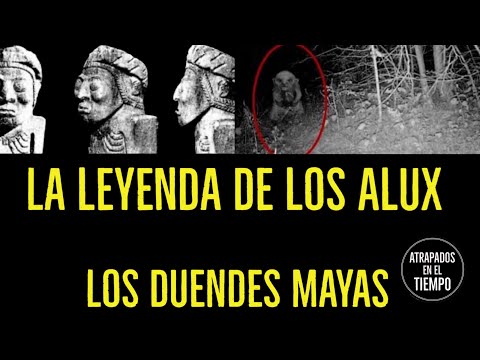
The Legend of the Alux: An Investigation into the Maya's Little Folk


Introduction: Echoes from the Jungle

The humid air hangs thick, carrying whispers born from centuries of tradition and the rustle of unseen movement in the deep jungle. Across the Yucatan Peninsula, tales persist of diminutive figures, guardians of the ancient lands, known as the Alux. These are not mere fairy tales; they are living folklore, woven into the very fabric of Maya daily life. Today, we open the file on these enigmatic beings, separating the threads of myth from the potential for unexplained phenomena.

Historical Context: Roots in Mesoamerican Lore

The conceptual framework for the Alux is deeply entrenched in the cosmology of the Maya civilization. Long before contemporary parapsychology, ancient cultures worldwide posited the existence of spirits or entities tied to the natural world. For the Maya, these beings often served as intermediaries between the human realm and the divine, or as caretakers of specific territories. The reverence for nature, the belief in animism, and the complex pantheon of deities created fertile ground for the development of figures like the Alux.

Early ethnographers and anthropologists documented widespread beliefs in small, human-like spirits inhabiting cenotes, forests, and ancient ruins across the Maya region, encompassing parts of Mexico, Belize, Guatemala, and Honduras. These accounts, often gathered from indigenous communities, describe entities that can influence human affairs, from agricultural success to personal misfortune. The consistent nature of these descriptions across different Maya groups suggests a shared ancestral belief system that predates colonial influence.

Analyzing these early records is crucial. Are we observing a genuine, albeit unquantifiable, interaction with unknown entities, or a sophisticated cultural mechanism for explaining natural phenomena and social order? The line is often blurred, and rigorous investigation demands we consider both possibilities. This historical lens informs our understanding of how the Alux legend has evolved and persisted. For an in-depth look at the broader cultural context of Mesoamerican mythology, consider exploring resources on Maya Mythology.

Profile of the Alux: What the Legends Tell Us

The Alux are typically described as small, child-like beings, often no taller than three feet. Their appearance is varied, sometimes depicted as having earthy skin, sometimes adorned in traditional Maya attire, and occasionally described as being made of clay or mud. Crucially, they are considered spirits or elementals tied to the land, particularly agricultural fields, forests, and sacred natural sites like the cenotes.

Legends attribute a wide range of behaviors to the Alux. They are primarily seen as guardians and protectors. Farmers would often build small shrines or altars, sometimes called "casitas de Alux," to appease these spirits and ensure bountiful harvests. In return for offerings – usually food, drinks like balché (a traditional fermented beverage), or tobacco – the Alux are said to protect the crops from pests, drought, and other natural calamities. They are also believed to ward off intruders and guard sacred sites.

However, their nature is not always benevolent. If disrespected, ignored, or offended, the Alux can become quite mischievous, bordering on malevolent according to some accounts. Their pranks can range from minor annoyances like moving objects, making strange noises, or leading travelers astray, to more serious acts such as causing illness or misfortune. This duality – protector and trickster – is a common archetype in folklore worldwide, suggesting a complex relationship between humanity and the perceived unseen forces of nature.

"The Alux are the silent watchers of the fields. They are the breath that stirs the cornstalks when there is no wind, the shadow that flickers at the edge of your vision. You respect them, you offer them their due, and they keep the darkness at bay. You forget them, and the dew might vanish overnight, or a snake finds its way into your home." - Testimony from a Yucatecan farmer, circa 1980.

Reported Interactions: From Mischief to Protection

Anecdotal evidence surrounding the Alux is abundant, particularly in rural Maya communities. Stories often involve instances where farmers have credited the Alux for an unusually successful harvest or for protecting their land from damage. Conversely, tales of misplaced tools, inexplicable sounds emanating from empty fields, and sudden, localized bad luck are often attributed to an offended Alux. What sets these accounts apart is their consistency and the deep cultural integration of the belief.

One recurring theme is the concept of "making an Alux." This involves specific rituals and offerings to summon or appease these entities, thereby securing their protective services. Many small, humble structures, often resembling miniature houses, can be found on farmlands throughout the region, serving as dedicated altars. These are not mere decorations; they represent a practical application of belief, a form of spiritual insurance.

The psychological impact of such deeply ingrained beliefs cannot be understated. They provide a framework for understanding the unpredictable nature of agricultural life and a sense of agency through ritual and offering. However, from an investigative standpoint, these stories also present an opportunity to analyze patterns in reported phenomena. Are there common triggers for "mischief" or "protection"? Do these align with any known environmental or psychological factors?

The investigation into Alux sightings often requires venturing into their purported domain. For those considering such an endeavor, proper preparation is paramount. Ensure you have the necessary tools for documentation, such as high-sensitivity audio recorders for potential EVP (Electronic Voice Phenomenon) capture and a robust, low-light capable camera for visual anomalies. The ambient conditions in these regions can be challenging, so investing in reliable equipment is key. Consider reviewing guides on Paranormal Investigation Gear before embarking on any field research.

Scientific and Cultural Perspectives: Bridging the Gap

From a scientific perspective, the existence of Alux as independent entities remains unproven. Skeptics propose several rational explanations for the phenomena attributed to them:

  • Folkloric Archetypes: The Alux represent a manifestation of universal archetypes found in mythology – nature spirits, trickster figures, and guardians. Their descriptions align with similar beings in other cultures, suggesting a common human inclination to personify the unknown.
  • Psychological Factors: Belief itself can be a powerful force. Pareidolia (seeing patterns or familiar shapes in random stimuli) and apophenia (perceiving connections between unrelated things) can lead individuals to interpret natural occurrences – rustling leaves, animal sounds, shadows – as evidence of supernatural activity.
  • Environmental Explanations: The Yucatan Peninsula's unique environment, including its dense jungles, complex cave systems (cenotes), and nocturnal wildlife, can easily create auditory and visual illusions. Strange sounds, sudden movements, and fleeting shadows are often part of the natural soundscape.
  • Cultural Reinforcement: The stories are passed down through generations, reinforcing belief and encouraging the interpretation of unexplained events through the lens of Alux folklore. This creates a self-perpetuating cycle of belief and anecdotal evidence.

However, adherence to pure materialism dismisses the subjective reality and cultural significance of these beliefs. The persistence of the Alux legend points to something more profound than mere superstition. It reflects a deep-seated connection to the land and a spiritual understanding of the natural world that modern science is only beginning to grasp. Researchers in fields like cryptozoology and archaeoastronomy often explore the intersection of myth, history, and potential unknown phenomena. For those interested in the scientific study of unexplained phenomena, the works of Jacques Vallée, particularly on his UAP phenomenon, offer a compelling, albeit controversial, perspective on how we might approach such ancient mysteries.

Comparative Analysis: Alux Folklore vs. Scientific Explanation
Legend Aspect Common Folklore Interpretation Potential Scientific/Rational Explanation
Protective Guardianship Alux protect crops and land in exchange for offerings. Cultural reinforcement of good farming practices; attributing success to spiritual aid.
Mischievous Pranks Moving objects, making noises when offended. Pareidolia, apophenia, natural environmental sounds, forgetfulness.
Physical Manifestations Small, child-like figures, sometimes made of clay. Subjective interpretation of shadows, light patterns, or cultural iconography.
Shrines and Offerings Small altars built to appease Alux. Traditional religious or cultural practices, reinforcing community bonds and shared beliefs.

Field Protocol: Understanding Local Legends

Investigating legends like that of the Alux requires a delicate approach, blending ethnographic fieldwork with parapsychological methodology. Here's a primer:

  1. Respectful Engagement: Approach local communities with humility and genuine interest. Avoid sensationalism. Explain your purpose clearly – to document and understand, not to debunk or exploit.
  2. Build Trust: Spend time listening. Share your own knowledge (if appropriate and non-judgmental) to foster rapport. Understanding the cultural context is paramount.
  3. Document Everything: Record interviews (with permission), take detailed notes on environmental conditions, and use audiovisual equipment to capture any potential anomalies. Pay attention to auditory phenomena; a good digital audio recorder can capture frequencies beyond human hearing.
  4. Identify Potential Sites: Focus on areas where Alux are traditionally believed to reside or where specific incidents have been reported – farms, forests, cenotes, or ancient ruins.
  5. Look for Patterns: Analyze collected data for recurring sounds, visual anomalies, or environmental changes that coincide with descriptions of Alux activity.
  6. Cross-Reference: Compare local accounts with historical records and similar folklore from other cultures. This helps in identifying unique characteristics and common themes.

Remember, the goal is not necessarily to capture definitive proof of the Alux, but to document the phenomenon, gather testimonies, and analyze the evidence with an open yet critical mind. The insights gained can be invaluable, whether they point to the supernatural or reveal deeper aspects of human psychology and culture. For those seeking to refine their investigative techniques, exploring resources on Ethnographic Fieldwork can provide valuable methodological tools.

Researcher's Verdict: Myth, Manifestation, or Misinterpretation?

After reviewing centuries of folklore, anecdotal accounts, and considering various scientific and psychological perspectives, the Alux remain an intriguing enigma. While concrete, empirical evidence proving their existence as independent entities is lacking, the sheer persistence and cultural significance of the Alux belief system cannot be dismissed.

It is plausible that many reported phenomena can be attributed to a complex interplay of environmental factors, psychological predispositions, and deeply ingrained cultural narratives. The Maya people have a profound connection to their land, and the Alux legend serves as a vital cultural mechanism for expressing and navigating this relationship. The archetypal nature of the Alux – protector, trickster, elemental spirit – resonates universally, suggesting a fundamental aspect of the human experience in relation to the natural world.

However, to categorically label all accounts as mere superstition would be intellectual hubris. The history of scientific discovery is replete with phenomena initially dismissed as myth or folklore. Until we possess a more comprehensive understanding of consciousness, energy, and the subtle forces of nature, we must maintain an open mind. The Alux, therefore, stand as a testament to the enduring power of belief and the vast spectrum of phenomena that may lie just beyond our current empirical grasp.

The Researcher's Archive

To further your investigation into the Alux and similar phenomena, I recommend consulting the following resources:

  • Books:
    • "The Maya: Ancient Peoples and Modern Worlds" by Michael D. Coe - For a comprehensive understanding of Maya culture and history.
    • "Visions of the Great Rainforest: Maya Mythology and Folklore" (various authors) - Compilations offering direct insights into local legends.
    • "The Field Guide to Bigfoot, Yeti, and Other Mystery Primates" by Loren Coleman and Patrick Huyghe - While not directly about Alux, it provides context for investigating unknown creatures and folklore.
  • Documentaries:
    • Look for documentaries focusing on Maya culture and traditions, often found on platforms like National Geographic or Discovery Channel archives. These frequently touch upon spiritual beliefs and folklore.
  • Academic Journals:
    • Journals specializing in Anthropology, Latin American Studies, and Folklore often contain scholarly articles on Mesoamerican beliefs.

Understanding these legends requires immersing yourself in the rich tapestry of the culture that created them. Consider engaging with academic works on Mesoamerican Cultures for a robust foundation.

FAQ: The Alux Enigma

Q1: Are Alux real in a scientific sense?
A1: There is no scientific evidence to confirm the existence of Alux as independent biological or supernatural entities. However, their existence as a powerful cultural belief and a framework for understanding the world is undeniable.

Q2: What is the difference between an Alux and a fairy or goblin from European folklore?
A2: While they share archetypal similarities (small, nature-connected beings), Alux are specific to Maya culture, tied to agricultural practices and Mesoamerican cosmology. Their functions and cultural context differentiate them from European sprites or goblins.

Q3: Can Alux cause harm?
A3: According to legend, yes. If disrespected or offended, they are said to cause mischief, misguidance, or even misfortune. This often serves as a cautionary tale reinforcing respect for nature and tradition.

Q4: How do people "make" an Alux?
A4: Legends describe rituals involving the construction of small shrines and offerings of food, drink, and tobacco to appease and gain the favor of these entities. The specifics vary by region and tradition.

Q5: Is there any archaeological evidence of Alux?
A5: Direct archaeological evidence is scarce. However, the small shrines and altars found in agricultural areas serve as tangible manifestations of the belief system. Depictions in ancient Maya art may also allude to such figures, though interpretation is often debated.

Your Mission: Documenting Local Folklore

The world is a library, and every culture holds untold stories. Your mission, should you choose to accept it, is to become a collector of these narratives. Many communities have their own versions of guardian spirits, mischievous sprites, or unexplained phenomena deeply woven into their local lore, much like the Alux.

Your Task: Identify and document one such local legend or folklore from your region or a place you know well. This doesn't require extensive travel. Start by speaking with elders in your community, researching local history, or exploring accessible historical sites rumored to be active. Record their stories, note any common themes, potential explanations, and the cultural significance these tales hold today. If possible, document the location associated with the legend.

Share your findings in the comments below, or on your preferred platform using the hashtag #LocalLoreInvestigator. The aim is to create a repository of these stories, preserving them and analyzing their common threads with a critical eye. Remember, every tale, whether fact or fiction, tells us something vital about the people who believe it.

alejandro quintero ruiz is a veteran field investigator dedicated to the analysis of anomalous phenomena. His approach combines methodological skepticism with an open mind to the inexplicable, always seeking the truth behind the veil of reality.

The legend of the Alux serves as a profound reminder of the deep connections between humanity, nature, and the unknown. While science seeks empirical proof, the enduring power of myth continues to shape our understanding of the world, offering explanations and a sense of order in the face of mystery. The jungle keeps its secrets, but sometimes, if you listen closely enough, you can hear them whisper.

Leonardo da Vinci y los Ecos de Jesús: Un Análisis de Mensajes Ocultos


La Intriga de Vinci

Leonardo da Vinci. Un nombre que evoca genio, arte y un misterio insondable. Más allá de sus innovaciones científicas y pinturas icónicas, se cierne la sombra de un hombre supuestamente poseedor de conocimientos que desafiaban su época. La narrativa popular, alimentada por novelas y documentales, sugiere que Da Vinci no solo plasmó maestría artística, sino que también incrustó mensajes secretos en sus obras, especialmente aquellos relacionados con la figura de Jesús. Sin embargo, como investigador paranormal, mi deber es separar la ficción del posible fenómeno, el mito de la evidencia. Hoy, abrimos el expediente de la verdad sobre Jesús y los supuestos mensajes secretos de Leonardo da Vinci, un caso que exige un análisis riguroso y un escepticismo saludable.

¿Podría un genio renacentista haber albergado y transmitido secretos teológicos o esotéricos que cambiaran nuestra comprensión de la historia religiosa? La pregunta en sí misma es un portal a un debate que ha fascinado a historiadores, teólogos y entusiastas de lo inexplicable por igual. No hablamos aquí de simples interpretaciones artísticas; hablamos de la posibilidad de una comunicación encubierta, de un código secreto esperando ser descifrado. Este no es un simple ejercicio de iconografía. Es un intento de sondear las profundidades de una mente que algunos consideran casi sobrenatural y su posible conexión con las figuras más enigmáticas de la historia. Consideremos esto como una investigación de campo, donde las pinceladas y los manuscritos son nuestras "escenas del crimen" y las interpretaciones, nuestras "pistas".

Profundizando en el Código Da Vinci: Un Enfoque Investigador

La figura de Leonardo da Vinci está intrínsecamente ligada a la especulación sobre conocimientos ocultos. Su dieta vegetariana, su posible vegetarianismo, su fascinación por la anatomía humana (incluyendo disecciones, algo controvertido en su tiempo) y su habilidad para la criptografía han alimentado teorías conspirativas durante siglos. Estas mismas características también lo posicionan como un personaje susceptible de ser analizado bajo la lente de lo paranormal y lo esotérico. La idea de que escondió mensajes en su obra, particularmente en "La Última Cena" y "La Mona Lisa", no es nueva. Autores como Dan Brown han popularizado la noción de que Da Vinci era parte de una sociedad secreta que protegía un "secreto" relacionado con Jesús y María Magdalena.

Desde una perspectiva de investigación, nuestro primer paso es contextualizar estas afirmaciones. ¿Qué sabemos de la época? El Renacimiento fue un período de gran efervescencia intelectual y artística, pero también de intensa actividad religiosa y eclesiástica. Cualquier mensaje que desafiara las doctrinas establecidas correría un grave peligro. Por lo tanto, la idea de un ocultamiento deliberado no carece de lógica histórica. Sin embargo, la línea entre la interpretación simbólica universalmente aceptada y el "mensaje secreto" diseñado para ser descubierto por iniciados es increíblemente delgada. Debemos preguntarnos: ¿Estamos viendo patrones donde no los hay, impulsados por el deseo de encontrar lo extraordinario en lo ordinario? O, ¿existe realmente una capa de significado oculto que la ciencia y la historia convencional han pasado por alto?

El análisis de los supuestos mensajes secretos de Leonardo da Vinci exige una metodología rigurosa, similar a la que emplearíamos para investigar un caso de actividad poltergeist o un avistamiento OVNI. Primero, debemos identificar las "evidencias": los símbolos, las composiciones, las anomalías visuales reportadas en sus obras. Luego, debemos evaluar las interpretaciones propuestas, contrastándolas con el conocimiento histórico, teológico y artístico de la época. Finalmente, debemos considerar posibles explicaciones alternativas, incluyendo el fraude, la pareidolia (la tendencia a percibir patrones significativos en datos aleatorios) y las interpretaciones modernas proyectadas sobre el pasado.

"La verdad reside en los detalles que la mayoría ignora. Los genios no son aquellos que ven lo obvio, sino aquellos que descubren el orden en el caos aparente."

La criptografía y el simbolismo esotérico eran herramientas comunes en círculos intelectuales y religiosos de la época. Grupos como los Rosacruces, aunque su influencia se consolidó más tarde, ya tenían precursores que exploraban la alquimia, la astrología y otras disciplinas consideradas ocultas. Si Da Vinci participaba o conocía estas corrientes, no sería descabellado pensar que pudo haber incorporado elementos simbólicos. El verdadero desafío es discernir si estos elementos constituyen mensajes secretos deliberados o son simplemente parte del rico tapiz cultural y simbólico del Renacimiento.

Decodificando la Ultima Cena: Más Allá de la Teoría

"La Última Cena" es, quizás, la obra más analizada en busca de estos supuestos mensajes. Una de las teorías más extendidas, popularizada por el libro "The Holy Blood and the Holy Grail" y posteriormente por Dan Brown en "The Da Vinci Code", sugiere que la figura a la derecha de Jesús no es el apóstol Juan, sino María Magdalena, y que su posición, junto con otros elementos compositivos, revela un linaje secreto o una verdad oculta sobre la naturaleza de Jesús.

Analicemos esto con la frialdad de un expediente. La composición de "La Última Cena" muestra a Jesús en el centro, rodeado por sus apóstoles en grupos de tres. La figura a su derecha (nuestro lado izquierdo) es tradicionalmente identificada como Juan. Sin embargo, la representación de Juan en el arte renacentista variaba; a menudo se le mostraba afeminado o juvenil. Las interpretaciones modernas, sin embargo, se centran en la aparente ausencia de las características típicamente asociadas a la masculinidad en esta figura, y en la "V" que se forma entre Jesús y esta figura, vista como un símbolo del Grial Femenino.

Otro punto de análisis recurrente es la disposición de las manos y los objetos. Se ha especulado sobre el significado del pan y el vino, la posición de los cuchillos, e incluso la supuesta presencia de letras o símbolos ocultos en los pliegues de la ropa o en el paisaje de fondo. Por ejemplo, algunos sugieren que el número de apóstoles en cada grupo (tres) tiene un significado trinitario o alquímico. La armonía y el equilibrio de la composición, características de Da Vinci, han sido interpretados como un intento deliberado de ocultar un patrón subyacente.

Desde una perspectiva de investigación parapsicológica y de análisis de evidencias, debemos aplicar un filtro de escepticismo. ¿Existen pruebas fehacientes de que estas interpretaciones sean correctas? La mayoría de las interpretaciones de "mensajes secretos" se basan en la extrapolación de símbolos conocidos fuera de su contexto original. La forma en que se unen las figuras de Jesús y Juan puede ser simplemente un recurso artístico para enfocar la tensión del momento. La supuesta "V" puede ser una coincidencia visual, amplificada por el deseo de encontrar un significado oculto. No hay manuscritos contemporáneos de Da Vinci que revelen estas intenciones, ni testimonios directos de sus alumnos o contemporáneos que corroboren estas teorías.

La psicología de la interpretación juega un papel crucial aquí. Los seres humanos estamos programados para encontrar patrones, para dar sentido a la información que recibimos. Cuando se nos presenta una obra de arte compleja y misteriosa como "La Última Cena", y se nos dice que hay mensajes ocultos, nuestra mente se inclina a buscarlos. Esto puede llevar a la sobreinterpretación de detalles menores o a la invención de significados que nunca estuvieron allí.

Si buscamos un equipo de alta gama para análisis visual, una cámara de espectro completo podría, hipotéticamente, revelar detalles invisibles al ojo humano en las capas subyacentes de la pintura, pero esto pertenece al ámbito de la ciencia forense aplicada al arte, no a la parapsicología per se. Sin embargo, la metodología subyacente de buscar lo oculto es paralela.

El Legado Esotérico de Jesús y las Conspiraciones Modernas

Las teorías sobre Da Vinci a menudo se entrelazan con narrativas más amplias sobre el papel "oculto" de Jesús. En algunas corrientes esotéricas, la figura de Jesús no es vista solo como el salvador divino, sino también como un maestro que poseía conocimientos secretos sobre la naturaleza de la realidad, la conciencia y el universo. Estos conocimientos, se postula, habrían sido transmitidos a un círculo íntimo de discípulos, y potencialmente preservados y ocultados de las interpretaciones oficiales de la Iglesia.

La idea de un linaje secreto o de un conocimiento gnóstico transmitido desde Jesús es un tema recurrente en la literatura esotérica. Algunos teóricos sugieren que Jesús pudo haberse casado con María Magdalena y que tuvieron descendencia, cuyo linaje se habría mantenido oculto a lo largo de los siglos. Da Vinci, según estas teorías, habría sido un guardián o un conocedor de este secreto, y sus obras serían un intento de perpetuarlo o de revelarlo discretamente.

Estas interpretaciones a menudo se apoyan en textos apócrifos, como los Evangelios Gnósticos (los cuales fueron excluidos del canon bíblico oficial), que ofrecen relatos alternativos de la vida y enseñanzas de Jesús. En estos textos, se le retrata a menudo como un maestro que impartía conocimientos profundos y esotéricos a sus discípulos, y María Magdalena suele ocupar un lugar central como receptora de estas enseñanzas, a veces incluso superior a los apóstoles varones.

"Los secretos de la historia no se encuentran en los libros de texto, sino en las grietas de la narrativa oficial, en los susurros de lo que se omitió."

La conexión con Leonardo da Vinci surge de la suposición de que él tuvo acceso a este conocimiento "alternativo" y lo codificó en su arte. Esto lo eleva de un simple artista o inventor a una figura casi mística, un guardián de verdades perdidas. Este tipo de narrativa es atractiva porque ofrece una explicación alternativa y emocionante a los misterios históricos y religiosos. Sin embargo, desde el punto de vista de la verificación, estas conexiones son especulativas en extremo. Requieren un salto de fe considerable para pasar de la interpretación simbólica a la transmisión de secretos históricos o teológicos.

Para quienes buscan profundizar en estos temas, existen recursos como libros sobre esoterismo y religiones comparadas, así como documentales que exploran los evangelios apócrifos. Plataformas como Gaia a menudo presentan contenido que ahonda en estas teorías, aunque siempre es crucial mantener un espíritu crítico.

Veredicto del Investigador: Persistencia del Misterio

Tras un análisis exhaustivo, debo concluir que las teorías sobre mensajes secretos de Jesús codificados por Leonardo da Vinci, si bien fascinantes, carecen de evidencia concluyente. La interpretación artística de "La Última Cena" y otras obras de Da Vinci se presta a múltiples lecturas, y las teorías modernas de mensajes ocultos a menudo se basan en la proyección de significados contemporáneos sobre el arte renacentista. No hay pruebas documentales sólidas de que Da Vinci poseyera o quisiera transmitir secretos teológicos o históricos en sus obras. La mayoría de las supuestas "evidencias" pueden explicarse como coincidencias visuales, interpretaciones simbólicas convencionales de la época, o incluso la pareidolia amplificada por el deseo de encontrar una explicación extraordinaria.

Sin embargo, la persistencia de estas teorías no es casual. Responde a una profunda inquietud humana por desentrañar misterios, por cuestionar las narrativas establecidas y por buscar un conocimiento más profundo y trascendente. La figura de Leonardo da Vinci, con su aura de genio inescrutable, se convierte en el lienzo perfecto sobre el cual proyectar estas fantasías y anhelos.

¿Significa esto que no hay nada más que explorar? En absoluto. El mundo del arte, la historia y la simbología está repleto de capas de significado que la investigación continua puede desvelar. Pero debemos ser rigurosos. Debemos distinguir entre la interpretación artística, la simbología cultural y la pretensión de un mensaje secreto deliberado. El verdadero misterio de Da Vinci, para mí, reside en su asombrosa capacidad para observar y representar el mundo, fusionando arte, ciencia y una profunda comprensión de la condición humana. Si hay "mensajes secretos", quizás residan en esa misma integración, en su visión única de la realidad, y no en códigos crípticos ocultos en sus pinturas.

El Archivo del Investigador

Para aquellos que deseen profundizar en el análisis de Leonardo da Vinci y los misterios que lo rodean, recomiendo explorar los siguientes recursos:

  • "Leonardo da Vinci" de Walter Isaacson: Una biografía exhaustiva que aborda su vida y obra desde una perspectiva académica.
  • "El Código Da Vinci" de Dan Brown: Una obra de ficción que, si bien especulativa, popularizó muchas de las teorías que analizamos hoy. Es crucial leerla con un filtro escéptico.
  • Documentales sobre el Renacimiento y la obra de Da Vinci: Busca producciones de fuentes fiables como la BBC, National Geographic o Discovery Channel que ofrezcan análisis históricos y artísticos.
  • Artículos académicos sobre simbología renacentista: Investigaciones en bases de datos académicas pueden ofrecer una perspectiva más rigurosa sobre el uso de símbolos en la época.
  • Exploración de textos gnósticos y apócrifos: Para quienes deseen comprender las bases de las interpretaciones esotéricas, consultar los evangelios de María Magdalena, Felipe o Tomás puede ser revelador.

Preguntas Frecuentes

¿Es posible que Leonardo da Vinci haya escondido mensajes secretos deliberadamente?

Si bien es una teoría intrigante, no existe evidencia documental concluyente que respalde esta afirmación. La mayoría de las interpretaciones se basan en la especulación y la extrapolación de símbolos.

¿Qué dice la historia sobre la relación entre Jesús y María Magdalena?

Los textos canónicos no mencionan su matrimonio. Sin embargo, textos apócrifos y algunas interpretaciones modernas sugieren una relación más íntima y un papel central para María Magdalena en las enseñanzas de Jesús.

¿Cómo puedo saber si una obra de arte contiene mensajes ocultos?

Un análisis riguroso implica investigar el contexto histórico, el simbolismo conocido de la época y buscar corroboración en fuentes contemporáneas. El escepticismo es clave para evitar la sobreinterpretación.

¿Existe alguna explicación científica para los "mensajes secretos" en el arte?

A menudo, lo que se interpreta como un mensaje secreto puede ser el resultado de la pareidolia, la interpretación simbólica convencional, o simplemente características artísticas que buscan evocar emociones o narrativas. La ciencia forense puede analizar capas de pintura, pero no interpretar intenciones ocultas sin más evidencia.

Tu Misión: Descifra un Símbolo

Tu misión, si decides aceptarla, es la de un investigador de campo en ciernes. Elige una obra de arte conocida (no necesariamente de Da Vinci) y busca activamente un símbolo que te parezca intrigante. Investiga su significado histórico y cultural. Contrasta las interpretaciones populares con las académicas y, basándote en tu análisis, determina si el simbolismo es una representación estándar de la época, una licencia artística, o si realmente podría albergar un significado más profundo y oculto. Documenta tu proceso de investigación y comparte tus hallazgos en los comentarios. Recuerda: la verdad, a menudo, se esconde a plena vista, esperando una mirada crítica y desapasionada.

alejandro quintero ruiz es un veterano investigador de campo dedicado al análisis de fenómenos anómalos. Su enfoque combina el escepticismo metodológico con una mente abierta a lo inexplicable, buscando siempre la verdad detrás del velo de la realidad. Con años de experiencia desentrañando enigmas históricos y reportando casos paranormales, su misión es guiarte a través de los misterios más profundos con rigor y detalle.

Extraterrestrials? Mustelier Joins Us at 4:20 PM: Analyzing the Anomalous


Introduction: The 4:20 PM Anomaly

The clock strikes 4:20 PM. For many, it's a mundane marker of the afternoon. For others, it signifies a potential gateway, a temporal anomaly where the veil between our reality and the inexplicable thins. Today, we delve into a peculiar assertion: the presence of "Mustelier" coinciding with this significant hour, framed within a context of extraterrestrial speculation. This isn't just about a time on the clock; it's about patterns, witness testimony, and the persistent human drive to understand phenomena that defy conventional explanation. We are not merely observing; we are investigating.

The initial prompt, "EXTRATERRESTRES? MUSTELIER NOS ACOMPAÑA A LAS 4.20 PM," translates to "EXTRATERRESTRIALS? MUSTELIER JOINS US AT 4:20 PM." This cryptic statement, coupled with the blog's stated purpose of being a "daily source of unexplained and unusual paranormal videos and documents," immediately signals a need for rigorous examination. The mention of animals ("TE GSUTAN LOS ANIMALES A MI INVITADO TAMBINE") adds another layer, hinting at potential links to cryptozoology, unusual animal behavior, or perhaps a symbolic connection to certain creatures associated with the paranormal.

Our goal is to dissect this assertion, not to accept it at face value, but to explore its potential implications. Is "Mustelier" a coded reference, a specific entity, or a narrative device? Does the 4:20 PM timing hold any actual paranormal significance, or is it a red herring? And how does the inclusion of animals fit into the broader narrative of potential extraterrestrial or paranormal contact?

The 'Mustelier' Hypothesis: A Cryptozoological or Extraterrestrial Connection?

The term "Mustelier" itself is not a recognized name in established cryptozoological or ufological literature. This ambiguity is precisely where the investigative challenge lies. It could be:

  • A Coded Name: A placeholder for a specific entity, phenomenon, or even a location associated with anomalous events.
  • A Witness Designation: Perhaps "Mustelier" refers to a specific witness or group of witnesses whose accounts are central to the phenomenon.
  • A Symbolic Reference: Connected to the mention of animals, it might allude to a creature whose behavior aligns with reported anomalous events.

The inclusion of animals in the original Spanish text – "Do you like animals? My guest does too" – is particularly intriguing. Anomalous animal behavior has long been a precursor or companion to reported UFO sightings and other paranormal events. From cattle mutilations to the sudden disappearance of local fauna before a significant event, animals often seem to react to energies or phenomena beyond our current sensory perception. If "Mustelier" is indeed linked to animals, we must consider explanations ranging from cryptids to terrestrial creatures exhibiting unusual distress or activity patterns.

The 4:20 PM timing, while often associated with cannabis culture, can also be examined through a paranormal lens. Some researchers posit that certain times of day or night are more conducive to paranormal activity due to shifts in electromagnetic fields, atmospheric pressure, or even collective human consciousness. While concrete scientific evidence for this is scant, anecdotal reports and patterns in case files cannot be entirely dismissed without thorough investigation. Could this specific time be a recurring window for "Mustelier's" alleged appearance or influence?

Analyzing the Anomalous: Beyond Simple Sightings

The core of any paranormal investigation is the evidence. In this case, the original post is descriptive rather than evidential, acting as an introduction to a video or document. To provide true value, we must simulate the analysis of such evidence. If this "Mustelier" phenomenon were documented, we would look for:

  • Eyewitness Testimony: Consistency, detail, corroboration from multiple sources, and the psychological profile of the witnesses are crucial. Are there inconsistencies in the accounts? Do the testimonies align with known psychological phenomena like pareidolia or suggestibility?
  • Photographic/Video Evidence: Rigorous analysis is required. We must rule out digital artifacts, lens flares, misidentification of known objects (e.g., aircraft, drones, atmospheric phenomena), and potential hoaxes. Techniques like spectral analysis and frame-by-frame examination are indispensable. Investing in a high-quality ghost hunting equipment, such as advanced cameras, can provide more detailed data.
  • Electromagnetic Field (EMF) Readings: Are there spikes in EMR readings coinciding with the reported events? While EMF spikes are often attributed to faulty wiring or appliances, anomalous readings during a reported paranormal event warrant further investigation, perhaps with a calibrated EMF meter.
  • Audio Recordings (EVP): If auditory phenomena are reported, capturing Electronic Voice Phenomena (EVP) through digital recorders or specialized Spirit Boxes can provide critical data. Analysis involves isolating faint sounds and determining if they are residual noise or intelligent communication.

Without this empirical data, the assertion of "Mustelier" remains speculative. However, the prompt encourages us to consider the possibility, guiding us to seek out such evidence.

The Role of Media in Paranormal Discourse

Blogs, social media, and video platforms are now primary conduits for sharing paranormal accounts. This accessibility democratizes information but also amplifies the potential for misinformation and hoaxes. The original post, published on `elrinconparanormal.blogspot.com` with links to Twitter, Facebook, Discord, and TikTok, exemplifies this modern approach to disseminating the unexplained. While valuable for community building and rapid sharing, it necessitates a critical eye from the audience.

The sheer volume of content can also lead to what some call "paranormal fatigue," where sensational claims are met with skepticism born from constant exposure to unsubstantiated stories. This is why a rigorous, analytical approach is paramount. We must differentiate between entertainment and genuine investigation. A well-produced documentary or a detailed written report can often provide more substance than a 30-second viral clip. For those serious about understanding these phenomena, investing in resources like comprehensive paranormal documentaries or subscribing to platforms that curate such content is a logical next step.

The phrase "Your daily source of unexplained and unusual paranormal videos and documents" sets a high bar. To meet it, the content must consistently offer more than just sensationalism; it must offer analysis, context, and a methodology for critical thinking. This is the true value proposition, especially for audiences interested in terms like "ufology analysis" or "cryptozoology evidence."

Historical Context of Anomalous Animal Behavior

The connection between unusual events and animal behavior is not new. Throughout history, inexplicable occurrences have often been accompanied by reports of animals behaving erratically. Consider these historical parallels:

  • Pre-UFO Era: Accounts of strange lights in the sky or unusual aerial phenomena in folklore and historical texts are sometimes corroborated by descriptions of animals exhibiting fear or agitation simultaneously.
  • Cryptozoological Cases: Many cryptid sightings, from Bigfoot to the Loch Ness Monster, are often reported alongside tales of local wildlife behaving oddly, as if sensing a different, unknown presence.
  • The Mexican "Chupacabras": Early reports of the Chupacabras involved descriptions of livestock, particularly goats, being found drained of blood with no apparent external wounds. This specific type of predation, if not attributable to known predators, sparked widespread fear and speculation.

The potential link between "Mustelier" and animals, therefore, resonates with a long history of human observation. It suggests that animals may possess a heightened sensitivity to environmental anomalies or subtle energy shifts that elude human detection. Understanding these patterns requires cross-referencing contemporary reports with historical accounts, a practice central to comprehensive paranormal investigation.

Investigator's Verdict: Pattern or Coincidence?

The assertion that "Mustelier" accompanies us at 4:20 PM, potentially in an extraterrestrial context and with an animal connection, is currently a narrative fragment lacking empirical grounding. As an investigator, my verdict is one of cautious skepticism coupled with an open mind.

  • The 'Mustelier' reference is too vague. Without further context or specific case files, it remains an undefined variable. Is it a subject, a location, a phenomenon?
  • The 4:20 PM timing appears coincidental or symbolic. While some temporal patterns exist in paranormal literature, this specific time lacks consistent, verifiable correlation with significant anomalous events across diverse cases.
  • The animal connection is the most promising thread. If "Mustelier" is linked to unusual animal behavior, this aligns with established patterns in paranormal and cryptozoological reporting. This is where further investigation would be most fruitful, seeking documented instances of synchronized animal distress or activity with other unexplained events.

Until concrete evidence is presented – verifiable testimonies, analysis of photographic or audio data, or corroborating environmental readings – this remains an intriguing, yet unproven, hypothesis. The true value lies not in validating the claim, but in using it as a springboard to discuss the methodology required to investigate such phenomena.

The Investigator's Archive

For those seeking to delve deeper into the nature of anomalous phenomena, particularly those involving potential extraterrestrial or unexplained creatures and their impact on the environment, the following resources are indispensable:

  • Books:
    • "Passport to Magonia" by Jacques Vallée: Explores the connection between UFOs and folklore.
    • "The Day After Roswell" by Philip J. Corso: Details alleged recovered alien technology.
    • "The Mothman Prophecies" by John Keel: Chronicles the famous cryptid and its associated events.
  • Documentaries:
    • "Missing 411" series: Investigates disappearances in national parks, often involving unusual circumstances.
    • "Hellier": A documentary series following investigators exploring a paranormal mystery.
    • Any reputable series available on platforms like Gaia or Discovery+ that focus on scientific and skeptical analysis of paranormal claims.
  • Platforms:
    • Gaia.com: Offers a wide range of content on the unexplained, spirituality, and consciousness.
    • Reputable academic journals focusing on parapsychology or anomalous phenomena (when accessible).

These resources are vital for understanding the historical context, investigative techniques, and leading theories within the field of paranormal research.

Frequently Asked Questions

Q1: Is the 4:20 PM time significant in paranormal lore?

While certain times are anecdotally linked to increased paranormal activity, the 4:20 PM timing lacks consistent, widespread correlation in documented cases. Its significance here is likely either symbolic or coincidental, unless specific evidence links it to the "Mustelier" phenomenon.

Q2: What is "Mustelier"?

Based on the provided text, "Mustelier" is an undefined term, potentially referring to an entity, a witness, or a symbolic representation linked to anomalous events, possibly involving extraterrestrials and animals.

Q3: How can I investigate unusual animal behavior related to potential paranormal events?

Document everything: location, time, species affected, specific behaviors (fear, agitation, silence), and any accompanying phenomena (lights, sounds, EMF readings). Cross-reference with local historical accounts and consult with wildlife experts if necessary. A calibrated EMF meter might help detect environmental anomalies.

Q4: Are there scientific explanations for synchronized animal behavior during alleged paranormal events?

While science cannot currently confirm a direct link between known paranormal phenomena and synchronized animal behavior, animals are known to be sensitive to subtle environmental changes (e.g., seismic activity, electromagnetic fluctuations, infrasound) that humans may not perceive. These sensitivities could theoretically be triggered by unknown forces.

Your Mission: Documenting Local Anomalies

Your role as an independent investigator is critical. The digital realm provides a platform, but real-world observation and documentation are paramount. Your mission, should you choose to accept it, is to become a local archivist of the unexplained.

  1. Identify Local Wnaderings: Research local legends, folklore, or recent reports of unusual animal behavior in your area.
  2. Synchronize Your Watch: Pay attention to recurring times or specific environmental conditions reported in these accounts. Note any unusual animal reactions you witness personally, regardless of perceived significance.
  3. Document Rigorously: If you observe anything anomalous, document it meticulously. Record the date, time, location, weather conditions, species involved, specific behaviors, and any accompanying sensory details (sounds, smells, visual oddities).
  4. Seek Corroboration: Talk to neighbors or community members. Do they have similar experiences or accounts? Multiple, independent testimonies significantly increase the weight of an anomaly.
  5. Analyze and Report: Assemble your findings. Can you identify a pattern? Are there specific times, locations, or environmental factors associated with these occurrences? Share your documented findings (while respecting privacy) within trusted paranormal communities or research groups to contribute to a larger database of anomalies.

By actively engaging in documentation and analysis, you transform passive observation into active investigation, contributing valuable data to the broader understanding of the unexplained. Remember, the most compelling cases often begin with a simple, persistent question and a commitment to finding the truth, no matter how elusive.

alejandro quintero ruiz is a seasoned field investigator dedicated to the analysis of anomalous phenomena. His approach combines methodological skepticism with an open mind to the inexplicable, always seeking the truth behind the veil of reality. With years of firsthand experience in diverse and often challenging environments, he brings a unique perspective to the documented cases and theoretical frameworks of the paranormal.

The universe is replete with mysteries that challenge our understanding of reality. Whether "Mustelier" at 4:20 PM is an extraterrestrial hypothesis, a symbolic representation, or simply a narrative hook, it serves its purpose: to draw us into the realm of the unknown and encourage critical inquiry. The true value lies in the investigation itself, in the meticulous gathering and analysis of evidence, and in the persistent pursuit of answers, even when they remain frustratingly out of reach.