Followers

Mostrando las entradas con la etiqueta theology. Mostrar todas las entradas

The Evolving Figure of Satan: From Adversary to Archfiend

Image

The concept of Satan, a figure synonymous with ultimate evil in popular culture, has a theological and historical trajectory far more complex than often portrayed. Its evolution from a divine prosecutor to a cosmic antagonist is a fascinating study in the development of religious thought and narrative. This investigation delves into the origins and transformations of this powerful entity, dissecting its various roles across ancient texts and theological interpretations.

The Adversary in Ancient Texts: Ha-Satán

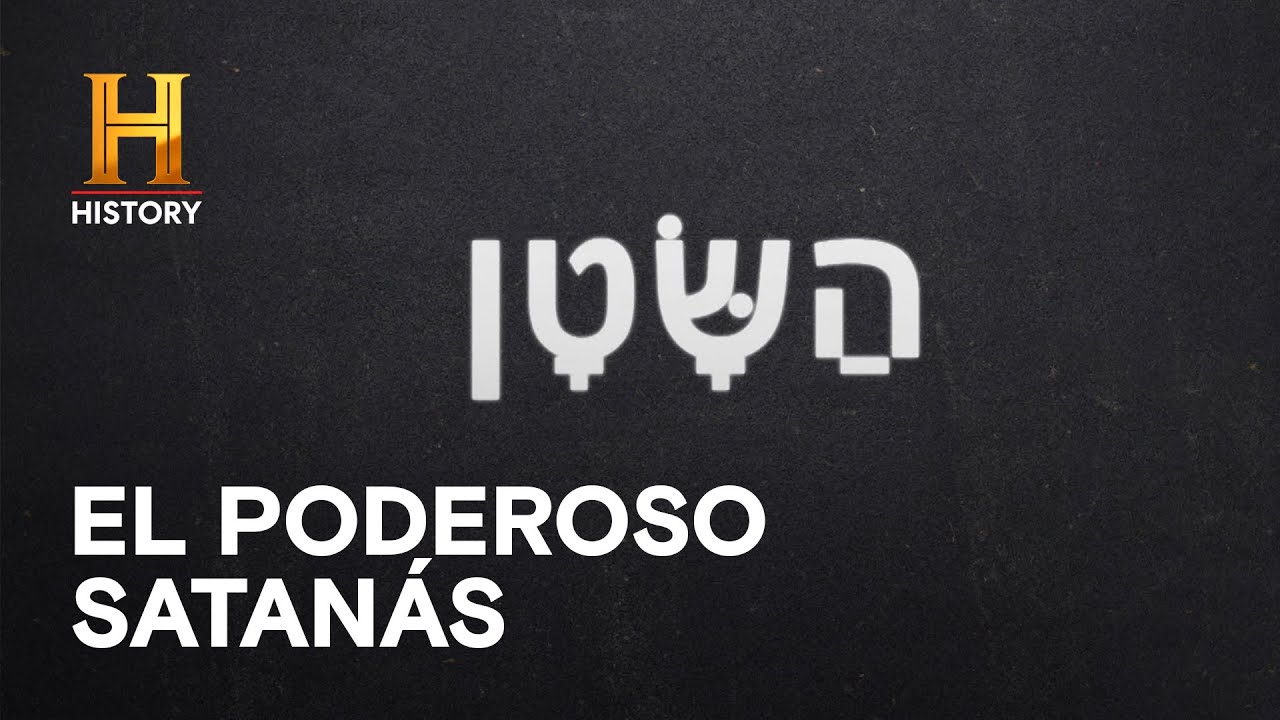
The Hebrew term Ha-Satán, often translated as "the accuser" or "adversary," forms the etymological bedrock of the figure we commonly know as Satan. In its earliest linguistic context, this was not necessarily a proper name denoting a singular, malevolent entity, but rather a title or a function. This role was often performed within a divine council, serving as a prosecutor or an obstacle whose purpose was to test the righteousness and faith of individuals. Understanding this foundational meaning is crucial to tracing the subsequent theological and cultural interpretations of this figure.

Satan in the Old Testament: A Divine Instrument?

Within the narratives of the Old Testament, the figure of Ha-Satán appears not as an independent force of evil, but rather as an agent operating under divine authority. In books such as Numbers and Job, Ha-Satán functions as an "employee" of God, tasked with performing specific, albeit harsh, duties. In Job, he is permitted by God to test the patriarch's faithfulness through immense suffering, but his actions are strictly circumscribed by divine permission. This portrayal suggests a complex understanding of divine justice and the role of a celestial prosecutor, akin to an inquisitor or an auditor within God's own system, rather than a rebel leading a cosmic opposition.

Recommended Gear for Investigation

ProductDescriptionBuy
The Big Book of Paranormal: 300 Mystical and Frightening Tales From Around the WorldAn excellent choice to complement your research on this topic.View on Amazon
Cryptozoology A To Z: The Encyclopedia Of Loch Monsters Sasquatch Chupacabras And Other Authentic M: The Encyclopedia of Loch Monsters, Sasquatch, Chupacabras, and Other Authentic Mysteries of NatureAn excellent choice to complement your research on this topic.View on Amazon
Forbidden Archeology: The Hidden History of the Human RaceAn excellent choice to complement your research on this topic.View on Amazon
The H. P. Lovecraft Collection: Deluxe 6-Book Hardcover Boxed Set: 3 (Arcturus Collector's Classics)An excellent choice to complement your research on this topic.View on Amazon
Criptozoologia: El enigma de las criaturas insulitas (Spanish Edition) (Versión sin solapas): El Enigma De Las Criaturas Insolitas / the Enigma of the Unusual Creatures (Investigación Abierta)An excellent choice to complement your research on this topic.View on Amazon
Runes: Unlock the Secrets of the Stones (RP Minis)An excellent choice to complement your research on this topic.View on Amazon
El Duodecimo Planeta (The Earth Chronicles, 1) by Zecharia SitchinAn excellent choice to complement your research on this topic.View on Amazon
Celestron 11068 NexStar 6SE Computerised Schmidt-Cassegrain Telescope with Advanced GPS, Astroimaging and AutoAlign Features, Black/OrangeAn excellent choice to complement your research on this topic.View on Amazon
Ghost-Hunting For Dummies [Idioma Inglés] An excellent choice to complement your research on this topic.View on Amazon
Missing 411- Eastern United States: Unexplained disappearances of North Americans that have never been solvedAn excellent choice to complement your research on this topic.View on Amazon
The Old Testament depicts Ha-Satán less as a rogue agent and more as a celestial functionary, fulfilling a role assigned by a higher power. This challenges the modern conception of Satan as an autonomous entity solely dedicated to evil.

The Gospels: A Tempter and Afflictor

The New Testament, particularly the Gospels, marks a significant shift in the characterization of Satan. Here, the adversary is presented as an active tempter and a source of affliction. He is depicted as actively seeking to lead humanity astray, notably in the temptation of Jesus in the wilderness. Furthermore, Satan is frequently associated with causing physical ailments and diseases, with Jesus casting out demons and confronting his influence. This period sees a more personalized and antagonistic portrayal, positioning Satan as a direct enemy of humanity's spiritual well-being and a force opposing the divine mission of Jesus.

The traditional interpretation of these accounts often emphasizes Satan's independent malevolence. However, a more nuanced analysis, considering the historical and theological context, might view these narratives as symbolic representations of internal human struggles against temptation and the collective opposition to spiritual enlightenment, rather than literal accounts of a supernatural entity's daily machinations.

The influence of popular culture, significantly amplified by media like the History channel, often reinforces the more dramatic and adversarial interpretations. As viewers engage with series that explore historical and religious narratives, such as those featuring Dennis Quaid, they are often presented with vivid portrayals that solidify the image of Satan as a distinct, powerful, and malevolent being. This continuous exposure shapes public perception, often overshadowing the more subtle theological developments found in earlier texts.

Satan's Final Transformation in Revelation

The Book of Revelation provides the most dramatic and apocalyptic depiction of Satan's ultimate transformation. Here, the adversary is no longer merely an accuser or tempter but is mythologized into a formidable cosmic enemy. He is described as a "great red dragon" with seven heads, engaged in an ongoing war against God and his heavenly forces. This final portrayal solidifies Satan's role as the ultimate antagonist, destined for a final defeat and eternal punishment in the lake of fire. This imagery has profoundly influenced Western art, literature, and theology, solidifying the archetypal image of the devil as the ultimate embodiment of evil and opposition to the divine.

The symbolic language of Revelation casts Satan as the ultimate cosmic adversary, a dragon of immense power destined for a final, cataclysmic defeat. This imagery has left an indelible mark on Western consciousness.

Audience Perspectives on Satan's Role

The transformation of Satan's figure has clearly resonated with audiences, sparking diverse interpretations and discussions, particularly within online communities. Several testimonials highlight a critical perspective on religious narratives, questioning the traditional portrayal of evil. One commenter notes, "Jajajaja ese si es mucha fabula de ka iglesia en la biblia judía el demonio o el mal solo es responsble de tres muertes mientras que su dios es responsble de miles de muertos asesinatos y plagas." This viewpoint suggests a re-evaluation of divine responsibility for suffering, contrasting the limited actions attributed to the biblical Devil with the widespread destruction attributed to God within the same scriptures. This critical engagement with religious texts indicates a growing desire for a more complex and less anthropomorphized understanding of evil and divine justice.

Another perspective found in audience commentary points towards a more symbolic or even mythological understanding of these figures. The idea that prayers might "feed the demiurge" or "transfer energy" to a deity, as suggested by "Alimentaban al demiurgo, aun lo hace todo el mundo, cuando rezan, al dios que sea, les transfieren su energia," reflects an esoteric or Gnostic viewpoint. This interpretation transcends the traditional Abrahamic framework, viewing religious devotion as a source of power for a creator entity, irrespective of its moral alignment. Such commentary underscores the diverse ways in which individuals grapple with concepts of divinity, evil, and spiritual energy in the modern era.

The engagement with these complex themes is often fueled by content that explores the fringes of history and belief, such as the series that inspired this analysis. Platforms like History channel, with their focus on "sacred wonders" and historical enigmas, provide a fertile ground for these discussions. Their ability to connect with viewers' curiosity and emotional engagement fosters a space where ancient texts and modern interpretations can coexist and be critically examined.

Researcher's Verdict: Myth or Divine Construct?

From an investigative standpoint, the figure of Satan represents a fascinating case study in the evolution of narrative and theology. It is evident that the concept of "Satan" has been molded and remolded across millennia, reflecting the societal anxieties, moral frameworks, and spiritual inquiries of different cultures and epochs. What began as a functional term for an "adversary" or "accuser" within a monotheistic system transformed into a personified embodiment of absolute evil. This transformation was not a singular event but a gradual process, influenced by inter-testamental literature, early Christian theology, and later cultural interpretations.

The Researcher's Archive

For those wishing to delve deeper into the history and theology surrounding Satan and related figures, I recommend the following resources:

  • "The Devil: A Biography" by Peter T. Jones: A comprehensive historical and cultural analysis of the Devil's evolution.
  • "Paradise Lost" by John Milton: A seminal epic poem that significantly shaped the literary portrayal of Satan.
  • "On Fairy Stories" by J.R.R. Tolkien: While not directly about Satan, Tolkien's essays offer profound insights into the creation and function of myth and the "sub-creation" of evil figures.
  • Documentaries on Ancient Religions and Mythology: Many productions by History Channel and similar networks provide accessible overviews of these complex topics.

Equipment Recommended for Investigation

To conduct thorough research into historical and theological topics, access to reliable sources and tools is paramount. While this investigation focuses on textual and historical analysis, other paranormal research often requires specialized equipment.

Frequently Asked Questions

  1. What is the original meaning of "Satan" in Hebrew?

    In Hebrew, "Ha-Satán" (הַשָּׂטָן) translates to "the accuser" or "adversary." It was initially a title or a role rather than a proper name.

  2. How did the portrayal of Satan change from the Old Testament to the New Testament?

    In the Old Testament, Satan often functions as an agent of God. In the New Testament, particularly the Gospels, Satan is depicted as a more independent tempter and a direct adversary of humanity and Christ.

  3. What is the significance of Satan's portrayal in the Book of Revelation?

    Revelation presents Satan as the ultimate cosmic antagonist, the "great red dragon," destined for a final defeat. This solidified his image as the personification of ultimate evil.

  4. Do audience comments suggest skepticism towards traditional religious narratives?

    Yes, some audience comments express skepticism, questioning the divine responsibility for suffering and contrasting it with the attributed role of evil entities. Others offer more esoteric interpretations of spiritual energy transfer.

Your Mission: Historical Contextualization

The next time you encounter a narrative about a figure of evil or divine judgment, take a moment to consider its historical and cultural context. Ask yourself: what anxieties or beliefs does this figure represent for its original audience? How has its portrayal evolved over time? Understanding the development of such concepts is key to unraveling their true significance.

Share your thoughts below! Have you encountered similar transformations in other mythical figures? What are your experiences or interpretations of these ancient narratives? Don't forget to share this investigation with fellow truth-seekers on your social networks!

Investigator's Note: True paranormal research doesn't fund itself. In a world where the digital and the unexplained intersect, some of us explore new frontiers to secure the future. Do you dare to be part of the vanguard? Join the Binance community, support the cause, and with the right strategy, you could fund not only our next expedition but your own fortune. The next great discovery could be just a click away.

Every Banned Book of the Bible Explained in 12 Minutes

Image

The official biblical canon, a cornerstone of religious doctrine for billions, is not the complete story. For centuries, texts that were deemed too controversial, too revealing, or simply outside the established narrative have been systematically removed, hidden, or branded as heretical. These "banned" books offer a glimpse into the fragmented and often fiercely debated origins of religious belief, challenging the very foundations of what many consider sacred. My investigation into these exclusionary practices reveals patterns of control and a deliberate shaping of theological discourse.

The decision to include or exclude texts from the biblical canon was rarely a simple matter of divine revelation. It was a complex process, often driven by political, social, and theological agendas of the time. As an investigator, I've seen this pattern repeat throughout history: those in power curate narratives to maintain control. The exclusion of certain books wasn't always an overt "ban," but rather a meticulous process of filtering, a subtle weaponization of religious doctrine to shape minds and enforce a particular worldview.

Introduction: The Unseen Gospels

The official Bible, a collection of texts revered for millennia, is but a fraction of the early Christian writings that circulated. Texts like the Book of Enoch and the Gospel of Thomas, while potentially offering profound insights, were ultimately excluded from the accepted canon. This exclusion raises critical questions: What did these texts reveal that was considered so dangerous? What ancient secrets and controversial teachings did religious leaders seek to suppress? My role as an investigator is to peel back these layers of dogma and expose the hidden narratives that shaped early Christianity and continue to influence our understanding today.

Recommended Gear for Investigation

ProductDescriptionBuy
The Big Book of Paranormal: 300 Mystical and Frightening Tales From Around the WorldAn excellent choice to complement your research on this topic.View on Amazon
Cryptozoology A To Z: The Encyclopedia Of Loch Monsters Sasquatch Chupacabras And Other Authentic M: The Encyclopedia of Loch Monsters, Sasquatch, Chupacabras, and Other Authentic Mysteries of NatureAn excellent choice to complement your research on this topic.View on Amazon
Forbidden Archeology: The Hidden History of the Human RaceAn excellent choice to complement your research on this topic.View on Amazon
The H. P. Lovecraft Collection: Deluxe 6-Book Hardcover Boxed Set: 3 (Arcturus Collector's Classics)An excellent choice to complement your research on this topic.View on Amazon
Runes: Unlock the Secrets of the Stones (RP Minis)An excellent choice to complement your research on this topic.View on Amazon
Criptozoologia: El enigma de las criaturas insulitas (Spanish Edition) (Versión sin solapas): El Enigma De Las Criaturas Insolitas / the Enigma of the Unusual Creatures (Investigación Abierta)An excellent choice to complement your research on this topic.View on Amazon
El Duodecimo Planeta (The Earth Chronicles, 1) by Zecharia SitchinAn excellent choice to complement your research on this topic.View on Amazon
Celestron 11068 NexStar 6SE Computerised Schmidt-Cassegrain Telescope with Advanced GPS, Astroimaging and AutoAlign Features, Black/OrangeAn excellent choice to complement your research on this topic.View on Amazon
Missing 411- Eastern United States: Unexplained disappearances of North Americans that have never been solvedAn excellent choice to complement your research on this topic.View on Amazon
Ghost-Hunting For Dummies [Idioma Inglés] An excellent choice to complement your research on this topic.View on Amazon

The decision to exclude these books was not arbitrary; it was a deliberate act of curation. As one observer noted, "The more I'm learning about the beginning of the Christian church, the more I am seeing the weaponization of religion and hijacking of our minds." This sentiment resonates with my own findings. My journey has led me to question the narratives presented by established institutions, prompting me to seek truth independently.

Historical Exclusion: Why Were These Texts Removed?

The process of canonization was complex and protracted, spanning several centuries. Early Christian communities encountered a vast array of theological viewpoints and written materials. The eventual selection of texts for the New Testament canon was influenced by several factors:

  • Apostolic Authority: Texts believed to be written by or directly connected to the apostles were generally favored.
  • Theological Consistency: Writings that aligned with the emerging orthodox doctrines were prioritized, while those deemed heretical or divergent were often rejected.
  • Widespread Acceptance: Texts that had gained significant traction and were being read in various Christian communities held more weight.

However, the line between orthodoxy and heresy was often blurred and politically charged. As one commenter observed, "They are not banned.... They were excluded." This distinction is crucial. Exclusion suggests a process of selection rather than outright prohibition, though the effect for seekers of knowledge was similar.

Some theories suggest that certain gospels, like those of Thomas, Mary, and the Shepherd of Hermas, were excluded because their teachings on inward salvation and detachment from the material world aligned closely with concepts found in other Eastern religions, such as Hinduism. This alignment, according to some, could have been perceived as a threat to the established religious hierarchy, which sought to create division rather than promote unity. The drive for unity, or at least a unified doctrine, appears to be a recurring theme in the history of religious texts.

The Book of Enoch: Prophecies and Fallen Angels

The Book of Enoch is an ancient Jewish apocalyptic religious text, traditionally ascribed to Enoch, the great-grandfather of Noah. It contains unique material about fallen angels (Watchers), the origins of demons, the coming messianic kingdom, and a cosmic judgment. Its influence on early Jewish and Christian thought is undeniable, with direct references appearing in the New Testament, notably in the Epistle of Jude.

"The Book of Enoch also recounts how the apostles were at a loss at what they should do after Christ left them. She chastised Peter for not knowing what to do. She reminded them that the Savior had said, “Feed My Sheep,” and that they were to go out and bring people unto the truth."

Despite its apparent significance, the Book of Enoch was excluded from the Hebrew Bible and most Christian canons. Its inclusion in the Ethiopian Orthodox Tewahedo Church and Eritrean Orthodox Tewahedo Church canons makes it a fascinating case study. The exclusion raises questions about its teachings on angelology and eschatology, which may have diverged from the developing orthodox views. My research indicates that texts like these were often suppressed not because they were entirely false, but because they offered a competing cosmology and narrative that challenged the power structures of the nascent church.

Some historical accounts suggest that acquiring such texts was not as difficult as commonly believed. One individual shared, "I bought my copy of the book of Enoch in the mid 70’s. From a catholic bookshop in Manchester. Hardly ‘banned’." This suggests a nuanced reality where "banned" might be an oversimplification of a more complex historical dynamic of exclusion and availability.

The Gospel of Thomas: Gnostic Teachings and Inner Salvation

The Gospel of Thomas is perhaps one of the most famous of the Gnostic gospels. Discovered in Nag Hammadi, Egypt, in 1945, it consists of a collection of sayings attributed to Jesus. Unlike the canonical gospels, it does not contain a narrative of Jesus's life, death, and resurrection, but rather focuses on his teachings, often presented in a cryptic, esoteric style.

The themes central to the Gospel of Thomas often emphasize:

  • Inner Knowledge (Gnosis): Salvation is achieved through direct, intuitive knowledge of oneself and the divine, rather than through external rituals or intermediaries.
  • The Kingdom of Heaven Within: The divine realm is not a future place but an present reality accessible through spiritual awakening.
  • Detachment from Materialism: A strong emphasis on renouncing worldly attachments and embracing a simple, spiritual existence.

These teachings, while resonating with many today seeking spiritual depth, were fundamentally at odds with the developing doctrines of the early Church, which was increasingly emphasizing institutional authority and a more structured path to salvation. As one reader commented, "I am not a religious Christian however I do like what the book of Thomas has about a gnostic interpretation for better life."

However, skepticism regarding its authenticity is also present. An opposing view states, "i’m opting out early because there were repeated inaccuracies in the first four minutes, but the gospel of Thomas is the most well-known forgery out of these excluded books, it was easily dated to the 15th century, as it’s earliest possible origin." This highlights the critical need for rigorous textual analysis and historical verification when examining such ancient documents.

The Gospel of Mary Magdalene: A Woman's Perspective

The Gospel of Mary Magdalene is another significant text from the Gnostic tradition, notable for centering on Mary Magdalene as a key disciple and recipient of Jesus's special teachings. It portrays her as a spiritual leader who received profound revelations from Jesus after his resurrection, which she then shared with the other apostles.

"The Book of Mary Magdalene also recounts how the apostles were at a loss at what they should do after Christ left them. She chastised Peter for not knowing what to do. She reminded them that the Savior had said, “Feed My Sheep,” and that they were to go out and bring people unto the truth."

The text depicts a tense interaction between Mary and Peter, who seems threatened by her spiritual authority. Peter questions whether Jesus would have entrusted such important teachings to a woman over the other male disciples. This dynamic reflects the patriarchal struggles within early Christianity regarding the roles of women in leadership and spiritual authority. My investigation suggests that the suppression of Mary Magdalene's gospel was a strategic move to reinforce male dominance within the emerging Church hierarchy. The trust and companionship exhibited between Jesus and Mary in these texts challenge the traditional portrayal and underscore the potential for a more inclusive early Christian community.

The idea that "we've been misguided by churches and lied to about all this" is a sentiment echoed by many who encounter these excluded texts. The information presented in these historical documents often clashes with established religious narratives, prompting critical reevaluation.

Other Excluded Texts and Their Significance

The Book of Enoch and the Gospel of Thomas are merely two prominent examples. Scholars estimate that dozens, perhaps even hundreds, of texts were considered by early Christian communities. Some of these include:

  • The Shepherd of Hermas: An allegorical work offering moral instruction and apocalyptic visions.
  • The Acts of Paul and Thecla: Narratives detailing the missionary journeys and persecutions of the apostles Paul and Thecla.
  • The Gospel of Peter: A partial gospel that presents a unique account of the Passion of Christ.

The common thread among many of these excluded books is their Gnostic or mystical orientation. As one commentator noted, "A frequent common factor in the unincluded books is that they were Gnostic. I did a bit of research into common Gnostic beliefs and agree that they are alien to the teachings of Christ." This perception of being "alien" or "foreign" to the dominant theological current was a significant factor in their exclusion. It suggests a deliberate effort to create a homogenous religious doctrine, potentially overlooking valuable spiritual and historical insights.

The existence of such a large number of excluded texts leads to the critical question: "With 72 known books now missing from the original, how can people base their life and beliefs on only half a story??" This highlights the incomplete picture presented by the canonical Bible and the importance of exploring alternative historical and theological perspectives.

Investigator's Analysis: The Power of Narrative Control

From my vantage point as an independent investigator, the exclusion of these texts is not merely an academic curiosity; it's a case study in the power of narrative control. The early Church, in its formative stages, was engaged in a fierce battle for theological dominance. The texts that survived and formed the canon were those that best served the emerging institutional structure and its doctrines. Those that offered alternative paths, challenged authority, or contained elements deemed Gnostic—focused on direct, personal spiritual experience over hierarchical mediation—were often sidelined.

The notion that these books were "excluded" rather than "banned" is technically accurate but functionally misleading. The effect was the same: suppressing viewpoints that didn't align with the burgeoning orthodoxy. This historical precedent serves as a stark reminder that established truths are often the result of specific choices, not inevitable destiny. Some testimonies suggest a more deliberate suppression, while others point to historical facts conflicting with video information, emphasizing the need for critical discernment.

The humanity of the authors, with their personal struggles, ambitions, and pride, is evident throughout many biblical passages, canonical or not. This inherent human element underscores the importance of prayer and vigilant study to discern divine truth from human interpretation. As one user wisely stated, "Read and pray to understand God's Word and reside in His Truth, not 'ours'." This pursuit of truth requires a willingness to look beyond accepted narratives, a principle that guides my own investigations.

Frequently Asked Questions

What are the 'banned' books of the Bible and why were they excluded?
The 'banned' or excluded books are texts like the Book of Enoch and the Gospel of Thomas, omitted from the official canon. Reasons include theological conflicts, perceived Gnostic influences, and authorship questions.
What do these texts reveal about early Christianity?
They offer alternative views on salvation, inner knowledge, and the roles of figures like Mary Magdalene, highlighting a more diverse early Christian landscape than often depicted.
How can one discern truth when studying these diverse texts?
Discernment involves prayer, comparing texts, and critical analysis. It's about seeking understanding without necessarily accepting every idea as personal doctrine.
Were these books truly 'banned' or simply 'excluded'?
Scholars generally use 'excluded,' referring to a process of selection over centuries based on various criteria, rather than an overt, singular ban.

Research Tools for the Determined Investigator

Investigating the historical and theological underpinnings of religious texts requires access to reliable resources. My own practice involves cross-referencing canonical accounts with apocryphal and pseudepigraphal texts, historical scholarship, and archaeological findings. For those seeking to delve deeper, I recommend the following:

  • Academic Databases: Platforms like JSTOR, Academia.edu, and Google Scholar provide access to peer-reviewed articles on biblical studies and early Christianity.
  • Primary Text Collections: Compilations of ancient religious texts, such as the Nag Hammadi library, offer direct engagement with the source material.
  • Reputable Encyclopedias: Resources like the Encyclopedia Britannica and academic biblical encyclopedias provide concise overviews of key figures, texts, and concepts.

Understanding the historical context and the motivations behind canonization is crucial. The Dead Sea Scrolls, discovered long after the canon was established, provide further evidence of the diversity of Jewish religious literature during that period. As Deuteronomy 29:29 states, "The secret things belong to the Lord our God, but those revealed belong to us and to our children forever, that we may do all the words of this law." This verse suggests a divine plan where certain knowledge is preserved for specific times, reinforcing the need for humility and diligent study.

Securing Your Research Foundation

The pursuit of knowledge, especially in fields as complex and often underfunded as historical and religious studies, requires diligence and resourcefulness. It's not just about the time invested, but also the tools and access needed for thorough investigation. Ensuring a stable foundation extends beyond academic resources; it involves pragmatic preparation for the future. In today's interconnected world, this includes understanding and leveraging the broader financial ecosystem. Exploring the frontiers of the digital economy can provide the necessary stability to dedicate oneself to uncovering hidden truths, ensuring that the light of knowledge is not extinguished by practical limitations. This level of dedication requires not only time but also a solid base of resources.

Investigator's Verdict: Truth Beyond the Canon

The narrative of "banned" books is a powerful one, suggesting a conspiracy to hide inconvenient truths. While outright banning might be an overstatement, the systematic exclusion of texts that challenged nascent orthodoxy is an undeniable historical reality. These excluded writings offer invaluable perspectives on the diversity of belief in early Christianity, the roles of women, and alternative paths to spiritual understanding. They weren't necessarily "forgeries" or "lies," but rather different interpretations and traditions that ultimately did not align with the dominant theological trajectory. My verdict is clear: the full picture of early religious history lies not only within the accepted canon but also in the rich tapestry of texts that were deliberately or incidentally left out. To ignore them is to accept an incomplete and potentially manipulated version of history.

Your Mission: Uncover the Hidden Truths

The exploration of these excluded texts is not merely an academic exercise; it's a personal quest for truth. The established narratives, while comforting to many, may obscure deeper layers of spiritual and historical reality. Your mission, should you choose to accept it, is to approach these texts with an open mind and a critical intellect. Seek out the excluded gospels, study the writings of figures like Mary Magdalene and Enoch, and compare them with the canonical texts. Engage in thoughtful debate, question assumptions, and strive to understand the historical and theological forces that shaped our religious traditions. The truth is often found not in the loudest pronouncements, but in the quiet whispers of history waiting to be rediscovered.

Share your experiences with these texts or similar historical mysteries in the comments below. Follow us for more investigations into the unexplained and the historically obscured. Share this post on your social media to spark conversation!

Investigator's Note: True paranormal research doesn't fund itself. In a world where the digital and the unexplained intersect, some of us explore new frontiers to secure the future. Do you dare to be part of the vanguard? Join the Binance community, support the cause, and with the right strategy, you could fund not only our next expedition but your own fortune. The next great discovery could be just a click away.

The UnXplained: Deconstructing the Devil's Existence


The nature of evil, and specifically the existence of a malevolent entity known as the Devil, has been a cornerstone of theological and philosophical debate for millennia. Is there concrete proof that this figure, often depicted as a fallen angel or a primal force of darkness, is more than just a symbolic representation? This investigation delves into the claims and evidence presented, seeking to analyze the phenomenon from a grounded, albeit open-minded, perspective.

Introduction: The Enduring Question

The concept of the Devil, a literal embodiment of evil, pervades countless cultures, religions, and folklore. From ancient myths of adversary gods to the Christian depiction of Satan, the idea of a conscious, powerful antagonist to humanity's well-being is deeply ingrained. But beyond faith and narrative, what tangible evidence, if any, supports the existence of such an entity? "The UnXplained," a series known for exploring the fringes of reality, tackles this profound question. Our task, as investigators, is to dissect the claims, examine the methodologies, and determine the veracity of such extraordinary assertions.

Historical and Theological Context

The figure of the Devil as understood today is largely a product of Abrahamic religions, particularly Christianity. In early Jewish tradition, figures like Satan (meaning "adversary" in Hebrew) were often depicted as a prosecutor within a divine court, an angel testing humanity, rather than an independent force of evil. It was through the development of Christian theology that Satan evolved into the fallen angel, the ruler of Hell, and the antithesis of God. This evolution is extensively documented in biblical texts, theological treatises, and the vast body of religious art and literature that has shaped Western consciousness.

Recommended Gear for Investigation

ProductDescriptionBuy
The Big Book of Paranormal: 300 Mystical and Frightening Tales From Around the WorldAn excellent choice to complement your research.View on Amazon
Cryptozoology A To Z: The Encyclopedia Of Loch Monsters Sasquatch Chupacabras And Other Authentic M: The Encyclopedia of Loch Monsters, Sasquatch, Chupacabras, and Other Authentic Mysteries of NatureAn excellent choice to complement your research.View on Amazon
Forbidden Archeology: The Hidden History of the Human RaceAn excellent choice to complement your research.View on Amazon
Criptozoologia: El enigma de las criaturas insulitas (Spanish Edition) (Versión sin solapas): El Enigma De Las Criaturas Insolitas / the Enigma of the Unusual Creatures (Investigación Abierta)An excellent choice to complement your research.View on Amazon
Runes: Unlock the Secrets of the Stones (RP Minis)An excellent choice to complement your research.View on Amazon
The H. P. Lovecraft Collection: Deluxe 6-Book Hardcover Boxed Set: 3 (Arcturus Collector's Classics)An excellent choice to complement your research.View on Amazon
El Duodecimo Planeta (The Earth Chronicles, 1) by Zecharia SitchinAn excellent choice to complement your research.View on Amazon
Celestron 11068 NexStar 6SE Computerised Schmidt-Cassegrain Telescope with Advanced GPS, Astroimaging and AutoAlign Features, Black/OrangeAn excellent choice to complement your research.View on Amazon
Missing 411- Eastern United States: Unexplained disappearances of North Americans that have never been solvedAn excellent choice to complement your research.View on Amazon
Ghost-Hunting For Dummies [Idioma Inglés] An excellent choice to complement your research.View on Amazon
The interpretation of ancient texts and the subsequent theological developments have laid the groundwork for the popular image of the Devil. However, distinguishing between theological doctrine, symbolic representation, and empirical evidence remains a critical investigative challenge.

Understanding this historical trajectory is crucial. When presented with claims of the Devil's existence, we must consider whether the "proof" aligns with a literal entity or a deeply embedded archetypal symbol representing the darker aspects of human nature and the perceived opposition to divine order. This historical lens is the first layer of our investigation into the claims made by programs like "The UnXplained."

Analyzing the "Proof": Ambiguous Evidence and Personal Accounts

"The UnXplained" typically compiles accounts, historical anecdotes, and purported paranormal phenomena to bolster its explorations. When examining the Devil's existence, this often translates to:

  • Historical Accounts of Possession and Exorcism: Detailed narratives of individuals allegedly possessed by demonic entities, and the subsequent ritualistic exorcisms performed. These accounts, while dramatic, are notoriously difficult to verify. Many cases can be attributed to psychological disorders, hysteria, or misinterpretations of behavior.
  • Supposed Demonic Manifestations: Reports of physical disturbances, unexplained noises, apparitions, or malevolent presences linked to specific locations or individuals. These often fall into the realm of paranormal phenomena, which, while intriguing, lack reproducible scientific evidence.
  • Religious Texts and Interpretations: While not empirical proof, specific passages from religious scriptures are often cited as direct evidence of demonic influence or existence. The interpretation of these texts, however, is subject to faith and scholarly debate, not scientific validation.
  • Alleged Encounters and Pacts: Anecdotal evidence from individuals claiming to have encountered the Devil or made pacts with him. Such testimonies are highly subjective and often lack corroborating evidence.

Our approach demands a critical evaluation of these sources. We must ask: Is this evidence a direct result of a literal Devil, or can it be explained through more conventional means such as psychological distress, sociological factors, misidentification, or even deliberate fabrication? The burden of proof lies in demonstrating phenomena that defy all natural explanations.

Psychological and Sociological Perspectives

From a pragmatic standpoint, the concept of the Devil can be understood through multiple scientific lenses:

  • Psychology of Evil: Psychologists explore the cognitive and emotional processes that lead individuals to commit harmful acts. This doesn't require a supernatural agent; rather, it examines the human capacity for cruelty, manipulation, and self-deception. Concepts like the Lucifer Effect, as described by Dr. Philip Zimbardo, illustrate how situational factors can lead ordinary people to engage in evil behaviors.
  • Symbolic Representation: The Devil often serves as a powerful archetype representing humanity's darkest impulses—greed, envy, pride, hatred. Attributing these negative traits to an external entity can, paradoxically, allow individuals and societies to externalize and distance themselves from their own potential for wrongdoing.
  • Sociological Constructs: The idea of a Devil can also function as a social control mechanism, reinforcing moral codes and community norms through the threat of supernatural retribution. Fear of damnation or demonic influence can deter individuals from actions deemed unacceptable by a group.
  • Cognitive Biases: Our brains are wired to find patterns and agency, even where none exist. This can lead to interpretations of ambiguous events (like unexplained noises or strange feelings) as evidence of supernatural forces, particularly when primed by cultural beliefs.

These perspectives do not necessarily debunk claims of supernatural existence but offer plausible alternative explanations that align with observable human behavior and cognitive processes. The scientific method requires us to favor the simplest explanation that accounts for all the evidence—a principle known as Occam's Razor.

The UnXplained's Approach: Exploring the Inexplicable

Shows like "The UnXplained" operate on the premise that some phenomena resist conventional explanation. Their methodology often involves:

  • Compiling Anecdotal Evidence: Gathering a wide range of personal stories and historical accounts, often presented without rigorous vetting.
  • Expert Interviews: Featuring individuals with specialized knowledge—theologians, historians, paranormal investigators, and sometimes psychologists—who offer interpretations that lean towards the mysterious.
  • Visual and Auditory "Evidence": Incorporating dramatic reenactments, alleged photographic or video anomalies, and audio recordings (like Electronic Voice Phenomena or EVPs) that are presented as suggestive of supernatural presence.

While these programs are compelling entertainment and can spark genuine curiosity about the unknown, their role is typically to present the mystery, not to provide definitive, scientifically validated answers. As investigators, we must view this content as a starting point for our own analysis, not as conclusive proof.

The challenge with phenomena like demonic possession or direct evidence of a Devil is the subjective nature of the "proof." Unlike a verifiable physical artifact or a repeatable experiment, these claims often rely on personal experience and interpretation, which are vulnerable to bias and misinterpretation.

Investigator's Verdict: Symbolism vs. Entity

After reviewing the landscape of claims, historical context, and potential explanations, my assessment leans towards understanding the "Devil" as a potent symbol rather than a verifiable, literal entity. The evidence presented, while often dramatic and persuasive within a narrative framework, consistently fails to meet the stringent requirements for empirical proof needed to establish the existence of a supernatural being.

The consistent patterns of behavior described in possession cases can often be explained by known psychological conditions, cultural suggestibility, and the power of extreme belief. Historical accounts are subject to the vagaries of transmission, embellishment, and interpretation. Direct, unambiguous, and repeatable evidence—the bedrock of scientific inquiry—remains elusive.

However, as an investigator of the inexplicable, I cannot definitively close the door. The universe, and human consciousness, still hold vast unknowns. While conventional explanations are the most probable, the persistent belief and the deeply ingrained nature of this archetype suggest a powerful psychological or sociological reality, even if a literal entity remains unproven. Our duty is to continue seeking evidence, however improbable the source.

Recommended Research Tools

For those intrigued by the study of esoteric phenomena, mythology, and the boundaries of belief, certain resources are invaluable. Understanding the historical and cultural context is as vital as examining the purported evidence.

When investigating claims of supernatural entities or phenomena, having reliable tools can make a critical difference. While definitive proof remains elusive in many cases, proper equipment aids in documentation and analysis.

Frequently Asked Questions

  • Q: Is there any scientific evidence for the Devil's existence?
    A: Currently, there is no scientific evidence that directly proves the existence of the Devil as a literal, supernatural entity. Scientific methodologies are not equipped to test supernatural claims directly.
  • Q: How can historical accounts of demonic possession be explained?
    A: These are often explained through psychological conditions (such as dissociative identity disorder, psychosis), mass hysteria, cultural suggestibility, or misinterpretation of physical or neurological events.
  • Q: If the Devil isn't real, why is the concept so prevalent?
    A: The concept of the Devil serves as a powerful archetype representing evil, temptation, and opposition to divine order. Its prevalence stems from deep-seated theological beliefs, cultural narratives, and its function as a symbolic explanation for suffering and wrongdoing in the world.
  • Q: Does "The UnXplained" provide factual proof?
    A: "The UnXplained" presents intriguing cases and explores potential explanations for mysteries. It aims to spark curiosity and discussion rather than offer definitive, scientifically validated proof.

Your Mission: Analyze a Local Legend

Your task, should you choose to accept it, is to investigate a local legend or ghost story in your area. Document any accounts you find, paying attention to the details. Then, apply the principles discussed here: look for historical context, consider psychological and sociological explanations, and evaluate the strength of the available "evidence." Report your findings (privately, or if you're brave, in the comments below). Remember, the goal is clear-eyed analysis, not sensationalism.

What are your personal experiences or beliefs regarding the existence of such entities? Share your thoughts and any compelling evidence you've encountered in the comments below. Your experiences are crucial data points in our ongoing investigation into the unexplained. Don't keep your insights to yourself – share this analysis with fellow truth-seekers on social media and let's broaden the scope of this inquiry.

Investigative Resources: Books on Esotericism and Folklore

Investigator's Note: True paranormal research doesn't fund itself. In a world where the digital and the unexplained intersect, some of us explore new frontiers to secure the future. Do you dare to be part of the vanguard? Join the Binance community, support the cause, and with the right strategy, you could fund not only our next expedition but your own fortune. The next great discovery could be just a click away.

The Fallen Angel: Unmasking the True History of Satan


Introduction: Beyond the Serpent

The figure of Satan, the archetypal adversary, is deeply etched into the collective consciousness. Yet, the narrative commonly peddled – that of a simple, horned demon with a pitchfork – is a gross oversimplification, a caricature that belies a far more complex and historically layered entity. This investigation seeks to peel back the theological veneer and explore the true genesis of this enigmatic figure, tracing its evolution from ancient adversarial deities to its modern psychological and occult interpretations. We will dissect the evidence, not just from scripture, but from comparative mythology, historical records, and the shadowy corners of occult lore, to understand who, or what, Satan truly represents.

The Genesis of Rebellion: Echoes in Ancient Myths

To understand Satan, we must first look beyond the Abrahamic traditions. The concept of a 'fallen one' or a cosmic rebel predates Christian theology. Ancient Mesopotamian myths speak of primordial struggles between order and chaos, often personified by deities who challenged the established pantheon. Consider the story of Tiamat, the saltwater goddess in the Babylonian creation epic Enûma Eliš, who waged war against her consort Apsu and the younger gods. While not a direct parallel, the theme of a powerful, primal entity driven to conflict resonates. In Zoroastrianism, Angra Mainyu (Ahriman) stands as the destructive spirit, the embodiment of evil, locked in an eternal struggle with Ahura Mazda, the benevolent creator. This dualistic framework, a cosmic battle between good and evil, significantly influenced later theological developments.

These ancient narratives provide a crucial foundation. They establish the archetype of opposition, of a force that exists in inherent tension with creation and order. This adversarial role, later attributed to Satan, was a familiar trope in the ancient world, a way to explain the presence of suffering, destruction, and malevolence within existence. The question then becomes: how did these disparate threads coalesce into the singular figure of Satan?

Theological Evolution: From Adversary to Archetype

The transformation of Satan within Abrahamic religions is a fascinating subject of theological and textual analysis. In the Hebrew Bible (Old Testament), the figure of "satan" (a Hebrew word meaning "adversary" or "accuser") appears not as a singular fallen angel, but more as a role within the divine court, an agent of God tasked with testing humanity's faith. Job's story is a prime example, where "the Satan" acts as a prosecutor, permitted by God to inflict suffering to gauge Job's devotion. There is no mention of a rebellion or a descent from heaven in these early texts.

The concept of a distinct, powerful evil entity warring against God truly takes shape in later Jewish literature, particularly during the intertestamental period and within apocryphal texts. Influenced perhaps by Persian dualism, a more developed figure emerged. It is within Christianity, however, and particularly in the New Testament, that Satan solidifies as the chief fallen angel, the leader of rebel angels, and the embodiment of opposition to God and Christ. The Book of Revelation provides vivid imagery of a cosmic battle, with the dragon being cast out of heaven and into the earth. This narrative shift is critical: Satan becomes not just an accuser, but a distinct cosmic antagonist, a usurper figure whose rebellion has profound implications for the spiritual realm and human salvation. Understanding this evolution requires a critical examination of theological exegesis and the historical context of biblical canonization.

"And the great dragon was cast out, that old serpent, called the Devil, and Satan, which deceiveth the whole world: he was cast out into the earth, and his angels were cast out with him." – Revelation 12:9 (KJV)

The Luciferian Complex: A Psychological Lens

Beyond theology, the figure of Satan has been interpreted through the lens of psychology, most notably by figures like Carl Jung. In this context, Satan can be viewed not as an external entity, but as a potent symbol of the shadow self – the repressed, darker aspects of the human psyche. The "Luciferian complex" or the "Satanic archetype" represents the aspects of ourselves that are rebellious, prideful, and resentful of authority. It embodies the urge towards individuation, even if that path involves defiance and transgression.

From a Jungian perspective, the expulsion of Satan from heaven can be seen as a metaphor for the integration of the shadow. Forgetting or denying these darker aspects leads to their projection onto external figures, be they individuals, groups, or abstract entities like "the Devil." A thorough investigation into the psychological interpretations reveals Satan as a mirror reflecting humanity's own internal conflicts: the struggle between conformity and rebellion, order and chaos, the conscious and the unconscious. This perspective demands an equipement that can measure psychological biases, such as an EMF meter calibrated not just for electrical fields, but for the energetic imprint of repressed thoughts.

The allure of the forbidden, the curiosity about what lies beyond established norms, finds its ultimate expression in the Satanic archetype. It represents the primal drive to question, to challenge, and perhaps to transgress. This psychological interpretation is not about literal belief, but about understanding the deep-seated human impulses that the figure of Satan embodies.

The Occult Interpretation: Ritual and Symbolism

The occult traditions have long engaged with the figure of Satan, often reinterpreting his role within their own esoteric frameworks. For some ceremonial magicians and modern Satanic movements (distinct from theological Satanism), Satan is not necessarily a malevolent force, but a symbol of liberation from religious dogma, a champion of individualism, and a facilitator of forbidden knowledge. Aleister Crowley's concept of the "True Will" and the rebellion against established moral codes finds echoes in certain Satanic philosophies.

In these contexts, rituals invoking Satan (or Lucifer, often seen as distinct but related) are not necessarily about devil worship in the traditional sense, but about harnessing primal energies, confronting the shadow self, and asserting personal autonomy. The symbolism associated with Satan – the pentagram, the Baphomet, the goat – are imbued with layers of esoteric meaning, often relating to the balance of opposing forces, the material world, and untamed instincts. Studying occult texts, such as those by Eliphas Lévi or Anton LaVey, reveals a complex symbolic language where Satan represents a potent force for personal transformation. For those seeking to delve deeper into this aspect, specialized literature on demonology and comparative occultism is essential, often found in niche online bookstores specializing in rare occult texts.

Historical Manifestations: Fear and Fascination

Throughout history, the concept of Satan has been invoked to explain societal ills, personal misfortunes, and perceived threats. The medieval period, particularly the era of witch trials, saw an explosion of belief in demonic influence, with Satan as the putative leader of witches and a direct instigator of heresy and evil. Sermons, inquisitorial records, and pamphlets of the time paint a vivid picture of a society deeply preoccupied with the Devil's presence and machinations.

Later, during periods of social upheaval or political instability, accusations of Satanic influence were often weaponized. The "Satanic Panic" of the 1980s in the United States, for instance, involved widespread fears of ritualistic abuse and cult activity, often fueled by dubious testimonies and sensationalized media reports. This historical pattern highlights how the figure of Satan can become a convenient scapegoat, a personification of societal anxieties and fears. Documentaries delving into these periods, like those found on Gaia or other documentary platforms, often provide harrowing accounts of mass hysteria and the tragic consequences of unchecked belief. Understanding these historical manifestations is crucial for discerning patterns of fear, projection, and social control.

Investigator's Verdict: Deconstructing the Devil

The historical and theological journey of Satan is a testament to humanity's enduring need to grapple with the concepts of evil, rebellion, and the unknown. While scripture and theological discourse provide the framework for Satan as a divine adversary, the richer tapestry of his meaning emerges when we consider comparative mythology, psychological archetypes, and esoteric interpretations. Is Satan a literal fallen angel? A symbolic representation of our own shadow? A projection of societal fears? The evidence suggests a multifaceted entity, whose "truth" lies not in a single definition, but in the complex interplay of these various interpretations.

From an investigative standpoint, the persistent presence and evolution of this figure across cultures and epochs point to a fundamental aspect of the human psyche and our attempts to rationalize the inexplicable. The power of the Satanic narrative lies in its ability to encapsulate primal fears, rebellious desires, and the age-old question of why suffering exists in the world. Therefore, disengaging from a literal interpretation and embracing an anthropological and psychological analysis offers a more profound understanding of this enduring enigma. The true history of Satan is, in essence, a history of humanity's own internal landscape.

Investigator's Archive

For those seeking to delve deeper into the complex history and interpretations of Satan and adversarial figures, the following resources are essential:

  • Books:
    • "The Devil: A Biography" by David P. Brown - A comprehensive exploration of the historical and psychological aspects of the Devil.
    • "The Satanic Bible" by Anton LaVey - A foundational text for modern LaVeyan Satanism, focusing on individualism and carnality.
    • "Paradise Lost" by John Milton - A seminal epic poem offering a dramatic retelling of the biblical fall of man and Satan's rebellion.
    • "The Golden Bough" by Sir James Frazer - A monumental work on comparative mythology, offering context for adversarial deities. (Comparative Mythology)
  • Documentaries/Series:
    • "The Devil You Know" (National Geographic) - Explores the historical and cultural evolution of the Devil figure.
    • "Hellier" (Epix/Hulu) - While not solely focused on Satan, it heavily delves into occult lore, demonic entities, and unexplained phenomena.
  • Platforms:
    • Gaia.com: Offers a vast library of documentaries and series on spirituality, consciousness, and esoteric topics, often touching upon demonic figures and occult practices.
    • Academic Journals: Accessing scholarly articles on religious studies, mythology, and psychology can provide in-depth, peer-reviewed analysis. Use search engines like Google Scholar. (Academic Research)

Frequently Asked Questions

Q1: Is Satan a literal being or a symbolic representation?
A1: Scholarly and theological interpretations vary widely. While some adhere to a literal interpretation of Satan as a fallen angel, many view him as a powerful archetype embodying evil, rebellion, or the shadow self.

Q2: How did the appearance of Satan change over time?
A2: Early texts describe "satan" as an accuser. The horned, demonic imagery became prominent during the Middle Ages, influenced by folklore and artistic representations, solidifying his popular image.

Q3: What is the difference between Satanism and theistic Devil worship?
A3: Modern Satanism, particularly LaVeyan Satanism, is largely atheistic, viewing Satan as a symbol of individualism and liberation. Theistic Devil worship, while rare and often misrepresented, involves the veneration of Satan as a divine entity.

Q4: How can understanding Satan help us understand ourselves?
A4: By examining what Satan represents – defiance, pride, rebellion, the unknown – we can gain insight into the darker aspects and potentials within human nature, prompting self-reflection and integration of the shadow self. (Shadow Self)

Your Field Mission

This investigation into Satan's true history invites you to critically examine the narratives that shape our understanding of good and evil. Your mission, should you choose to accept it, involves a two-pronged approach:

  1. Comparative Mythology Analysis: Choose one ancient adversarial deity or figure of opposition (e.g., Loki in Norse mythology, Set in Egyptian mythology, or Angra Mainyu in Zoroastrianism). Research their role within their respective pantheons. Identify parallels and divergences with the Satanic archetype. Document your findings and consider what these comparisons reveal about universal human concerns regarding chaos and order.
  2. Personal Shadow Exploration: Reflect on aspects of yourself that you might typically repress or consider "dark." This could be defiance against perceived injustice, pride in your accomplishments, or a yearning for forbidden knowledge. How do these aspects manifest in your life? Consider journaling these observations and exploring how they align with the psychological interpretations of the Satanic archetype discussed in this post. Remember, self-awareness is the first step to integration.

Share your insights or any compelling findings from your comparative analysis in the comments below. Let's deconstruct these ancient figures together.

About the Author

Alejandro Quintero Ruiz is a veteran field investigator dedicated to the analysis of anomalous phenomena. His approach combines methodological skepticism with an open mind to the inexplicable, always seeking the truth behind the veil of reality. With years of experience across a spectrum of unexplained events, his work aims to illuminate the darkest corners of mystery.

The figure of Satan is more than a simple character in religious doctrine; it is a complex symbol woven through human history, mythology, and psychology. By dissecting its varied interpretations, we gain a profound understanding not only of the forces we perceive as external evil, but of the internal battles that define the human condition. The investigation into the fallen angel is, ultimately, an investigation into ourselves.

The Forbidden Book of the Bible: Unveiling the Suppressed Texts the Church Did Not Want You to Read


The Unveiling of the Unseen

The whispers began centuries ago, tales of texts so profound, so potent, that they were deemed too dangerous for public consumption. Books allegedly penned within the broad strokes of biblical tradition, yet deemed heretical, apocryphal, or simply inconvenient. It is a narrative that resonates deeply with the human fascination for forbidden knowledge, a dark counterpoint to the accepted canon. Today, we don't just recount legends; we dissect the very act of suppression, examining the historical currents, theological implications, and the perpetual human drive to uncover what has been deliberately hidden. This is not about sensationalism; it's about understanding the intricate dance between accepted truth and suppressed narratives.

Echoes from the Dust: Historical Context of Suppression

The prohibition of texts is as old as written language itself. Throughout history, religious and political powers have wielded censorship as a formidable tool to maintain control over doctrine, societal norms, and the very understanding of the divine. Within the Judeo-Christian tradition, this practice is particularly well-documented. The consolidation of the biblical canon was not a passive revelation but an active, often contentious, process. Scholars and church councils meticulously debated, accepted, and rejected numerous writings that claimed scriptural authority. The criteria were rarely purely theological; political expediency, cultural context, and the desire to present a unified, unwavering dogma played significant roles. Understanding this historical backdrop is crucial to comprehending why certain books might have been deemed too volatile for the established order. We must ask: what defines an 'inconvenient truth' in the eyes of those who hold power, and what does the erasure of that truth reveal about their motivations?

What Constitutes a 'Forbidden Book'?

The term "forbidden book" in the context of religious texts is multifaceted. It doesn't always imply a physical book that was burned or systematically destroyed, though that has certainly occurred. More often, it refers to texts that were:
  • Excluded from the Canon: These are the Apocrypha and Pseudepigrapha – writings attributed to biblical figures or contemporaries but ultimately rejected by major denominations. Their exclusion meant they were not officially sanctioned as divinely inspired scripture.
  • Suppressed or Redacted: Some texts may have existed in fragmented forms or been subject to deliberate alteration to align with evolving theological viewpoints. The concept of "redaction" suggests active manipulation rather than outright rejection.
  • Declared Heretical: Certain writings, like those associated with Gnostic traditions, were explicitly condemned as heretical, leading to their active suppression and persecution of those who espoused their teachings.
  • Lost to Time: Many texts likely existed in antiquity that have simply been lost due to natural decay, destruction of libraries, or deliberate persecution, leaving no trace but their mention in other historical documents.

The common thread is an intentional act of exclusion or suppression by authoritative bodies, usually for reasons tied to theological purity, political stability, or the preservation of an established hierarchy. The very act of prohibition often imbues these texts with an allure, a sense that they contain truths too potent for the masses.

Analysis: Potentially Suppressed Texts and Their Themes

While definitive proof of a single, universally "forbidden" book is elusive, several categories of texts have historically generated significant debate and suspicion:
"...for in the day that ye eat thereof, then your eyes shall be opened, and ye shall be as gods, knowing good and evil." - Genesis 3:5 (often cited in discussions of hidden knowledge)
  • The Book of Enoch: Though accepted in the Ethiopian Orthodox Tewahedo Church canon, it was largely omitted from the Western biblical canon. Enoch details the fall of the Watchers (angels), giants, and messianic prophecies. Its inclusion would dramatically alter our understanding of angelic hierarchies and early human history.
  • The Book of Jubilees: Often called "The Little Genesis," Jubilees provides a retelling of Genesis and Exodus with significant additions and variations, including a detailed account of the heavenly calendar. Its differing chronology and legalistic focus posed challenges to established interpretations.
  • Gnostic Texts (e.g., Gospel of Thomas, Gospel of Mary Magdalene): These texts offer a fundamentally different perspective on Christ's teachings, emphasizing spiritual enlightenment through secret knowledge (gnosis) rather than salvation through faith alone. Their esoteric nature and challenge to traditional authority made them prime targets for suppression.
  • Lost Books of the Bible: References within canonical texts (e.g., "the Book of the Wars of the Lord," "the Book of Jasher") suggest other scriptures that have not survived. The speculation surrounding these lost texts is fertile ground for theories of suppressed divine revelation.
The common thematic elements in these suppressed or excluded texts often revolve around hidden divine knowledge, alternative cosmologies, the nature of angels and demons, and interpretations of salvation that diverge from orthodox doctrine. This divergence is precisely what made them threatening to a unified theological narrative.

The Art of Erasure: Mechanisms of Suppression

The powers that sought to suppress these writings employed a range of sophisticated methods:
Method Description Impact
Canonization Debates Formal councils and scholarly consensus determining which texts were divinely inspired. Official exclusion of texts deemed unsuitable.
Condemnation as Heresy Labeling specific writings and their adherents as dangerous deviations from the true faith. Discouraged study and encouraged destruction of texts.
Selective Preservation Prioritizing the copying and dissemination of favored texts while allowing others to decay or be lost. Creates a skewed historical record, favoring accepted narratives.
Allegorical Interpretation Reinterpreting potentially problematic passages in a way that neutralizes their subversive potential. Dilutes or obscures the original meaning of suppressed ideas.

This strategic curation of scripture wasn't merely an academic exercise; it was a means of ensuring theological and political uniformity. The exclusion of certain narratives served to bolster the authority of those who compiled and controlled the accepted canon.

Theological Ripples: How Suppression Shapes Doctrine

The absence of certain texts from the biblical canon has had profound, often unrecognized, consequences on theological development. Consider the implications:
  • The Nature of Angels and Demons: Texts like Enoch provide detailed accounts of angelic lineages, their interactions with humanity, and the origins of evil that are far more intricate than what is present in the canonical books. Their exclusion leaves a void filled by later interpretations and folklore.
  • Messianic Expectations: While the Gospels present a specific understanding of the Messiah, apocryphal texts sometimes offer alternative visions of this figure, influencing popular expectation and potentially creating cognitive dissonance when confronted with the canonical narrative.
  • The Role of Women in Early Christianity: Texts like the Gospel of Mary Magdalene offer insights into female leadership and spiritual authority within early Christian communities, perspectives that were largely marginalized or eradicated from the dominant historical record.
  • Cosmology and Creation: Differing accounts of creation and the structure of the cosmos can be found in apocryphal writings, challenging the more straightforward, anthropocentric views often derived from Genesis alone.
By excluding these narratives, the church, intentionally or not, shaped a theological landscape that emphasized certain aspects of divinity and human destiny while downplaying others. This curated view becomes the foundation for centuries of belief and practice. Exploring these suppressed narratives is not an act of rebellion, but an act of intellectual honesty, seeking a more complete picture of ancient belief systems. To truly understand the roots of major religions, one must acknowledge the existence and impact of these erased or marginalized voices. Our deep dives into religious studies often uncover these fascinating divergences.

The Enduring Quest for Lost Knowledge

The allure of forbidden knowledge is a powerful psychological driver. It taps into our innate curiosity and our suspicion that there might be more to reality than what is presented to us. Sites like Ancient History Encyclopedia often reveal hints of forgotten lore, but the truly suppressed texts remain elusive. The quest for these lost books is mirrored in the broader human endeavor to uncover hidden truths, whether in ancient ruins, suppressed scientific theories, or unexplained historical conspiracies.

The persistence of these suppressed texts in collective memory, even in their absence, is remarkable. They serve as archetypes for that which is hidden, dangerous, and potentially illuminating. This has fueled not only theological debate but also a significant amount of speculation and, frankly, outright fiction. It is crucial to differentiate between historical "forbidden" texts and modern apocrypha created for speculative or entertainment purposes. However, the desire to find these texts, to unlock their secrets, remains a potent force. The proliferation of forums and documentaries discussing lost biblical texts, while often sensationalized, points to a genuine public interest in these obscured histories.

Investigator's Verdict: Truth, Heresy, or Myth?

My assessment of the "Forbidden Book of the Bible" narrative is layered. As an investigator, I look for concrete evidence, not just conjecture.
  • The Myth of a Single Book: The idea of one singular "forbidden book" that was universally banned is likely an oversimplification, a myth that captures the imagination. History points to a complex process of canonization involving numerous texts, some excluded, some condemned, and many simply lost.
  • The Reality of Suppression: However, the reality of suppression is undeniable. The historical evidence for the rejection and marginalization of numerous early Christian writings is substantial. These were not always "forbidden" in the sense of being actively sought and destroyed, but rather systematically excluded from the authoritative narrative.
  • Theological Control: The primary driver for suppressing these texts was not necessarily a fear of supernatural power, but a fear of theological dissent and the disruption of established authority. Texts that offered alternative cosmologies, radically different views of salvation, or challenged the emerging hierarchy were inherently destabilizing.
  • Enduring Allure: The legend persists because it speaks to a fundamental human desire for hidden truths and a suspicion that official narratives are never the whole story. The "forbidden" always holds a potent fascination.
Therefore, while there might not be a single, lost "forbidden book" waiting to be discovered and unleash unspeakable horrors, the historical reality of excluded and suppressed texts offers a rich ground for investigation into early religious thought and the mechanisms of historical control. The true "forbidden knowledge" lies not in a single volume, but in understanding the gaps and omissions within our accepted historical and religious records.

The Archivist's Recommendations

To delve deeper into this complex subject, I recommend the following resources. While some directly discuss "forbidden" texts, others provide the crucial context needed to understand the historical forces at play in canon formation and suppression.

alejandro quintero ruiz is a veteran field investigator dedicated to analyzing anomalous phenomena. His approach combines methodological skepticism with an open mind to the inexplicable, always seeking the truth behind the veil of reality.

Your Mission: Decipher the Whispers

The study of suppressed texts is not merely academic; it is an active investigation into the nature of truth, history, and belief. Your mission, should you choose to accept it, is twofold:
  1. Investigate a Local Legend of Suppression: Does your community have stories of banned books, censored historical accounts, or suppressed local histories? Research these narratives. Interview local historians, librarians, or elders. Document any tangible evidence or persistent oral traditions. The seeds of suppressed knowledge often lie in local folklore.
  2. Analyze a Canonical Omission: Choose one of the texts mentioned (Enoch, Jubilees, a Gnostic Gospel) or another recognized apocryphal work. Compare a key narrative or theological concept from that text with its counterpart in the accepted biblical canon. Identify at least three significant differences. Speculate reasonably on *why* these differences might have led to the text's exclusion. Document your findings as if you were building a case file on an anomalous historical account.
Share your findings, your research methods, and your conclusions in the comments below. Remember, every investigation begins with a question, every truth with a willingness to look beyond the accepted narrative. What hidden chapters are waiting for you to uncover?