Followers

Mostrando las entradas con la etiqueta EMF. Mostrar todas las entradas

Ghost Hunters: Deconstructing the Most Compelling


The ethereal dance of a book levitating from a shelf, the stark silhouette of shadow figures in the desolate halls of an abandoned prison – these are not mere figments of imagination, but recorded incidents from the extensive tenure of the Ghost Hunters TAPS team. For years, Jason Hawes, Steve Gonsalves, Dave Tango, and Shari DeBenedetti have ventured into America's most reputedly haunted locales, meticulously documenting phenomena that defy conventional explanation.

Introduction: The TAPS Methodology

The TAPS (The Atlantic Paranormal Society) team built its reputation on a systematic approach to investigating alleged hauntings. Their philosophy, as demonstrated over numerous seasons, involves a blend of historical research, environmental analysis, and the deployment of sophisticated paranormal detection equipment. This dossier delves into the nature of the evidence they claim to have captured, scrutinizing the methodology and the potential implications of their findings. The core of their work lies in confronting unexplained activity head-on, a commitment solidified by the reunion of Hawes, Gonsalves, and Tango, joined by DeBenedetti and other seasoned investigators, to revisit their most chilling cases and confront new disturbances. Their objective: "to reach the dead among the living."

Analyzing the Evidence: Beyond the Shadow Figure

The term "paranormal evidence" is as varied as the phenomena it seeks to describe. For the Ghost Hunters team, this often translates into several key categories: electronic voice phenomena (EVP), residual energy impressions, physical manifestations, and direct sensory experiences reported by investigators and witnesses. While shadow figures and moving objects are visually striking, the true substance of their investigations often lies in the subtle anomalies captured by their equipment. These include disembodied voices on audio recordings – EVPs – that seem to respond to questions or even describe events. Then there are the thermal readings, electromagnetic field (EMF) spikes, and infrasound detections, all of which are cataloged as potential indicators of non-corporeal presence.

Recommended Gear for Investigation

ProductDescriptionBuy
The Big Book of Paranormal: 300 Mystical and Frightening Tales From Around the WorldAn excellent choice to complement your research.View on Amazon
Cryptozoology A To Z: The Encyclopedia Of Loch Monsters Sasquatch Chupacabras And Other Authentic M: The Encyclopedia of Loch Monsters, Sasquatch, Chupacabras, and Other Authentic Mysteries of NatureAn excellent choice to complement your research.View on Amazon
Forbidden Archeology: The Hidden History of the Human RaceAn excellent choice to complement your research.View on Amazon
The H. P. Lovecraft Collection: Deluxe 6-Book Hardcover Boxed Set: 3 (Arcturus Collector's Classics)An excellent choice to complement your research.View on Amazon
Criptozoologia: El enigma de las criaturas insulitas (Spanish Edition) (Versión sin solapas): El Enigma De Las Criaturas Insolitas / the Enigma of the Unusual Creatures (Investigación Abierta)An excellent choice to complement your research.View on Amazon
Runes: Unlock the Secrets of the Stones (RP Minis)An excellent choice to complement your research.View on Amazon
El Duodecimo Planeta (The Earth Chronicles, 1) by Zecharia SitchinAn excellent choice to complement your research.View on Amazon
P-SB7T Spirit Box ITC Rev 7 Research FM/AM Ghost Box PSB7 Radio Paranormal Equipment PSB7T SB7 P-SB7TAn excellent choice to complement your research.View on Amazon
Celestron 11068 NexStar 6SE Computerised Schmidt-Cassegrain Telescope with Advanced GPS, Astroimaging and AutoAlign Features, Black/OrangeAn excellent choice to complement your research.View on Amazon
Ghost Hunting EVP - Grabadora EVP de 8 GB, equipo paranormal, caja de voz digital SpiritAn excellent choice to complement your research.View on Amazon

One critical aspect of evaluating such evidence is the methodology employed in its capture. TAPS, like many investigative groups, operates under the principle that paranormal entities may interact with the environment, leaving behind traces or directly manipulating physical objects. The challenge, from an analytical standpoint, is to meticulously rule out all conventional explanations before classifying an event as definitively paranormal. This involves considering factors such as structural anomalies, external sound interference, psychological suggestibility, and even deliberate manipulation.

The act of a mysteriously moving book, for instance, could be attributed to air currents, vibrations from external sources, or even the structural instability of an old shelf. Similarly, shadow figures, while visually compelling, often appear in low-light conditions where misinterpretation or pareidolia (seeing patterns in random stimuli) can play a significant role. Our task as investigators is to dissect these claims, not by dismissing them outright, but by applying critical analysis to the context, the environmental conditions, and the potential for alternative explanations.

Testimony Snippet: "We heard it clearly on the EVP recorder – a whisper, right after asking if anyone was there. It wasn't a draft, it wasn't our breathing. It was something else entirely." - *Unidentified TAPS investigator during a case in an abandoned asylum.*

Tools of the Trade: A Paranormal Investigator's Arsenal

The Ghost Hunters' approach has always been characterized by the use of "state-of-the-art technology." This isn't merely about gadgetry; it's about employing instruments that can potentially detect subtle environmental changes or energy fluctuations that might indicate paranormal activity. Key among these tools are:

  • EMF Meters:.$ These devices detect fluctuations in electromagnetic fields. The theory is that ghosts or spirits may manipulate these fields. High, anomalous readings in specific areas are often logged.
  • Full Spectrum Cameras:. These cameras capture light beyond the visible spectrum, including infrared and ultraviolet. The rationale is that paranormal entities might exist or manifest in these non-visible light ranges.
  • Audio Recorders (Digital):. Crucial for capturing Electronic Voice Phenomena (EVP). Investigators often conduct EVP sessions by asking questions into silence, hoping for intelligent responses recorded on the audio track.
  • Infrared Thermometers & Thermal Cameras:. These measure temperature changes. Anomalous cold spots or rapid temperature drops are frequently cited as evidence of paranormal presence.
  • Geophones:. Used to detect vibrations, often to differentiate between seismic activity and potential footsteps or disturbances caused by unseen entities.

The reliability of these tools in detecting genuine paranormal activity is a subject of ongoing debate. Skeptics argue that many readings can be attributed to environmental factors, faulty equipment, or misinterpretation. However, proponents maintain that when multiple instruments register anomalies simultaneously, or when readings correlate with perceived experiences, it strengthens the case for a genuine phenomenon. The TAPS team's methodology involves cross-referencing these readings with historical data and witness accounts to build a comprehensive picture of the alleged haunting.

A Cartography of Fear: Notable Haunted Locations

The Ghost Hunters' investigations have taken them to some of the most notoriously haunted locations across America. These sites, often steeped in tragic histories – prisons, asylums, battlefields, and old homes – provide fertile ground for alleged paranormal encounters. Sites like the Eastern State Penitentiary, the Trans-Allegheny Lunatic Asylum, and the Stanley Hotel have become synonymous with intense paranormal activity. Each location presents a unique narrative, a historical context that investigators use to frame their research and understand the potential origins of the hauntings. The methodology involves not just documenting phenomena, but attempting to connect them to the site's past, seeking stories of past inhabitants whose energies might linger.

Exploring these locations requires a specific approach. The team often conducts baseline readings to understand the normal environmental conditions before initiating their active investigation overnight, when alleged activity is believed to be at its peak. The combination of historical research and empirical data collection forms the bedrock of their case-building process.

Skepticism and Scrutiny: The Debate Over Captured Evidence

No exploration of purported paranormal evidence is complete without addressing the pervasive skepticism that surrounds it. Critics often point to the lack of repeatable, empirical evidence that can be verified under controlled laboratory conditions. Explanations range from equipment malfunction and environmental interference to outright fabrication. The "moving book" could be a simple mechanical trick, a gust of wind, or a deliberate setup. Shadow figures can be attributed to low-light conditions, optical illusions, or even the suggestive power of an environment known for alleged hauntings.

The TAPS team, while presenting their findings as compelling evidence, operates in a field that largely exists outside the rigid framework of scientific peer review. This does not automatically invalidate their experiences, but it necessitates a critical eye when evaluating their claims. The burden of proof in such investigations is immense. For every piece of evidence presented, a dozen alternative, mundane explanations often exist. Our role as analysts is to consider these alternatives rigorously. Scientific inquiry demands extraordinary evidence for extraordinary claims, and the paranormal realm, by its very definition, presents claims that are extraordinary.

Furthermore, the inherent nature of paranormal investigation often involves subjective experiences. What one person perceives as a genuine apparition, another might dismiss as a trick of the light or an overactive imagination. The psychological dimension – the power of suggestion, expectation bias, and the human desire to believe – cannot be discounted when analyzing personal testimonies and even recorded data.

Investigator's Verdict: Genuine Phenomena or Elaborate Hoax?

After analyzing the methodology, the reported evidence, and the prevailing skeptical arguments, the conclusion remains elusive, as is often the case in paranormal research. The TAPS team has undoubtedly documented events that are difficult to explain through conventional means. Anomalous EMF readings, compelling EVPs, and instances of unexplained physical occurrences are frequently cited. However, the persistent challenge lies in definitively ruling out all naturalistic and psychological explanations.

The Investigator's Archive

For those seeking to deepen their understanding of paranormal investigation and the evidence presented by groups like TAPS, the following resources are invaluable:

Essential Reading & Viewing

  • Books: Explore titles that delve into the history of paranormal investigation, specific case studies, and the psychology of belief. Look for works by authors who present a balanced view, acknowledging both the phenomena and the skepticism.
  • Documentaries: Beyond the series itself, seek out documentaries that critically examine paranormal claims or present alternative scientific perspectives.
  • Academic Papers: While scarce, research papers on parapsychology, consciousness, and anomalous phenomena can offer theoretical frameworks.

Frequently Asked Questions

What is the TAPS team's primary goal?
The TAPS team aims to investigate alleged paranormal activity in various locations, document any phenomena encountered using specialized equipment, and provide explanations or further evidence for the existence of hauntings.
How is paranormal evidence typically captured by Ghost Hunters?
Evidence capture often involves using EMF meters, full spectrum cameras, audio recorders for EVPs, and thermal imaging to detect anomalies and potential manifestations.
Are there scientific explanations for the phenomena observed by Ghost Hunters?
Skeptics propose various scientific explanations, including environmental factors, equipment errors, psychological effects like pareidolia and suggestion, and potential hoaxes. However, proponents argue that some phenomena remain unexplained by conventional science.
What is the significance of EVPs in paranormal investigations?
Electronic Voice Phenomena (EVPs) are considered significant because they represent potential auditory communication from disembodied entities. Investigators often attempt to trigger or record specific responses during EVP sessions.

Your Mission: The Observer's Protocol

The next time you encounter a story or footage claiming paranormal evidence, engage your critical faculties. Don't just accept it; dissect it. Ask yourself: What are the environmental conditions? What are the potential mundane explanations? Is the evidence corroborated? True investigation requires a detached, analytical approach, even when faced with the seemingly impossible.

Share Your Experiences: Have you ever witnessed something you couldn't explain? Detail your encounter in the comments below. Your testimony could be the missing piece in a larger puzzle.

Spread the Investigation: If you found this analysis insightful, share it across your social networks. Help others develop their critical thinking skills when examining the unexplained.

Join the Search: Subscribe to our feed for continuous updates on paranormal research, investigative techniques, and analyses of the world's most baffling mysteries.

Investigator's Note: True paranormal research doesn't fund itself. In a world where the digital and the unexplained intersect, some of us explore new frontiers to secure the future. Do you dare to be part of the vanguard? Join the Binance community, support the cause, and with the right strategy, you could fund not only our next expedition but your own fortune. The next great discovery could be just a click away.

El Hospital Psiquiátrico Abandonado: Expediente de Presencias Demoníacas y Fantasmas


Introducción: El Umbral de la Desolación

Los hospitales psiquiátricos abandonados son, por naturaleza, epicentros de historias no contadas y energías residuales. No son meros edificios vacíos; son monumentos a la angustia, al sufrimiento y a los misterios sin resolver. En sus pasillos desiertos, donde el eco de la locura parece resonar aún en la penumbra, a menudo se susurran relatos de presencias que trascienden la mera memoria. Hoy, no abrimos un portal a lo trivial, sino un expediente clasificado que explora la intersección entre el sufrimiento humano, las leyendas urbanas y la persistente creencia en espectros y entidades demoníacas. Estamos preparados para adentrarnos en la oscuridad, armados con el escepticismo y la búsqueda incansable de la verdad.

Nota del Investigador: El siguiente análisis se basa en testimonios, leyendas urbanas y reportes de fenómenos anómalos. La naturaleza de estos eventos no ha sido científicamente probada en su totalidad, pero su impacto cultural y psicológico es innegable.

Historia del Horror: Ecos de Sufrimiento en la Arquitectura Olvidada

La historia de los sanatorios mentales es, en sí misma, un compendio de horrores y controversias. Desde los métodos de tratamiento primitivos hasta las condiciones de vida a menudo inhumanas, estos lugares acumulan una carga emocional y psíquica que es difícil de ignorar. La arquitectura de muchos de estos edificios, con sus extensos pabellones, celdas de aislamiento y ubicaciones remotas, añade una capa de opresión y aislamiento que se presta a narrativas de terror. Se dice que el sufrimiento prolongado, unido a la desesperación y el miedo, puede dejar una "huella" energética en el entorno. Es en esta huella donde los investigadores paranormales buscan la evidencia de lo que algunos llaman fantasmas o entidades residuales. No hablamos de almas errantes en busca de redención, sino de ecos, de patrones de energía atrapados en un bucle temporal, reviviendo momentos de intensa emoción.

La clave para entender estos fenómenos reside en la psicología del testigo y la naturaleza del propio lugar. ¿Estamos presenciando una manifestación genuina, o es la mente humana, predispuesta a interpretar lo desconocido a través del prisma del miedo, creando patrones en el caos? Este es el dilema constante en la investigación de estos lugares. Los lugares abandonados, especialmente aquellos con una historia trágica, se convierten en lienzos para nuestras propias expectativas y miedos más profundos. La atmósfera densa de melancolía y desasosiego es palpable, y para el observador sensible, puede ser la puerta de entrada a experiencias que desafían la explicación racional.

El Fenómeno Fantasma: Testimonios y Patrones de Manifestación

Los relatos de fantasmas en hospitales psiquiátricos a menudo comparten similitudes notables. Testigos reportan haber escuchado susurros ininteligibles en habitaciones vacías, el sonido de pasos arrastrándose por los pasillos cuando no hay nadie presente, o la sensación de ser observados o tocados por una fuerza invisible. Algunos describen apariciones fugaces: siluetas en la periferia de la visión, figuras sombrías que desaparecen al ser encaradas directamente, o incluso la imagen de personal médico o pacientes de épocas pasadas, atrapados en una representación fantasmal de sus rutinas.

"Recuerdo entrar en una sala de tratamiento y sentir un frío glacial que me heló los huesos. No era el frío del exterior, era un frío que emanaba de las paredes mismas. En el centro de la habitación, creí ver la silueta de un hombre sentado en una silla que ya no existía." - Testimonio anónimo de un explorador urbano.

Esta clase de experiencias son cruciales. No se trata solo de "ver un fantasma", sino de analizar la consistencia de los testimonios. Si múltiples personas, sin conexión entre sí, describen fenómenos similares en el mismo lugar, la probabilidad de que sea mera sugestión disminuye. Desde una perspectiva de investigación de campo, buscamos patrones: ¿Hay una hora del día en la que los fenómenos son más intensos? ¿Están asociados a ciertas habitaciones o áreas específicas? ¿Se manifiestan en respuesta a algo en particular, como la entrada de un grupo de investigación o la presencia de ciertos equipos?

La Parapsicología ha intentado categorizar estas manifestaciones. Algunas son consideradas "residuales", es decir, una grabación energética de un evento pasado que se reproduce repetidamente, como un video mental. Otras son "inteligentes", sugiriendo una conciencia detrás de la manifestación, capaz de interactuar e incluso comunicarse, aunque sea de forma rudimentaria. El debate sobre si estas inteligencias son restos de almas humanas o algo completamente distinto es uno de los pilares de la investigación paranormal.

Presencias Demoníacas: Más Allá del Espectro

Cuando los fenómenos trascienden las típicas apariciones fantasmales, y adquieren un carácter más malévolo y perturbador, la línea entre lo paranormal y lo "demoníaco" se cruza. Los hospitales psiquiátricos, por su historia de sufrimiento extremo y, en algunos casos, de abusos, son terreno fértil para estas interpretaciones. Las presencias demoníacas, según diversas tradiciones esotéricas y religiosas, no son restos humanos, sino entidades de naturaleza diferente, a menudo descritas como malévolas, que buscan perturbar, atormentar o influir negativamente en los vivos.

Los signos de una posible "infestación" o presencia demoníaca suelen ser más agresivos: objetos que se mueven violentamente, puertas que se azotan, apariciones corpóreas y aterradoras, o incluso ataques físicos. La sensación de maldad pura, una opresión palpable que va más allá del miedo, es un denominador común en estos relatos. Aquí es donde la investigación se vuelve delicada y requiere un enfoque cauto. La línea entre una manifestación paranormal intensa y una presencia de naturaleza demoníaca es a menudo interpretada a través de marcos religiosos o espirituales, lo que la hace difícil de abordar con métodos puramente científicos.

Sin embargo, desde una perspectiva analítica, debemos considerar la posibilidad de que ciertos entornos, cargados de energía negativa y sufrimiento, amplifiquen o atraigan fenómenos que se manifiestan con características que asociamos con lo demoníaco. ¿Es la propia arquitectura del mal la que se manifiesta, o es una entidad externa que explota un entorno propicio? La investigación debe ser rigurosa, separando el miedo irracional de la evidencia observable. Un medidor de campo electromagnético (EMF) podría registrar picos inusuales en estas áreas, pero su interpretación sigue siendo el principal desafío.

Evidencia Anómala: EVP, EMF y la Sombra en la Fotografía

La caza de fantasmas en estos lugares a menudo se centra en la recolección de "evidencia anómala". Las Grabaciones de Fenómenos Electromagnéticos (EVP) son una de las herramientas más utilizadas. Se trata de capturar voces o sonidos que no son audibles en tiempo real, y que aparecen en las grabaciones de audio. En hospitales psiquiátricos, los investigadores esperan capturar susurros, gritos o incluso frases que hagan referencia a la historia del lugar o a los pacientes. La calidad de las grabaciones de EVP varía enormemente, y la interpretación de los sonidos es un campo minado de pareidolia auditiva (la tendencia a percibir patrones significativos en estímulos aleatorios).

Los medidores de campo electromagnético (EMF), como los populares medidores K2, también son omnipresentes. Registran fluctuaciones en los campos electromagnéticos, que algunos investigadores asocian con la presencia de entidades no físicas. Un aumento repentino y localizado en las lecturas EMF sin una fuente conocida (cableado eléctrico, aparatos electrónicos) se considera una posible indicación de actividad paranormal. La clave es la "inteligencia" de estas lecturas: ¿responden a preguntas? ¿Pulsan en patrones? La simple fluctuación no es prueba, pero sí un dato a considerar dentro de un contexto mayor de fenómenos.

La fotografía y la videografía son otro pilar. Las "sombras" o "orbes" son las anomalías más comunes. Los orbes son discutidos con frecuencia: ¿son polvo, insectos, reflejos o, como algunos sostienen, manifestaciones de energía? Las sombras, figuras translúcidas o neblinosas capturadas en imágenes, son aún más intrigantes. La Pareidolia visual también juega un papel importante aquí; vemos rostros y formas donde no los hay. Sin embargo, cuando estas anomalías son consistentes y se presentan en múltiples tomas bajo condiciones controladas, adquieren un peso mayor. El análisis forense de estas imágenes, buscando posibles falsificaciones o explicaciones naturales, es el primer paso para validar o descartar la evidencia.

Protocolo de Investigación: Calibrando el Medidor EMF y Capturando E.V.P.

Una investigación seria en un lugar como un hospital psiquiátrico abandonado sigue un protocolo estricto para maximizar la fiabilidad de los datos recolectados:

  1. Investigación Preliminar: Recopilar toda la información histórica posible sobre el lugar: fechas de operación, tipos de tratamientos, historias de pacientes y personal, leyendas o incidentes reportados.
  2. Planificación de la Sesión: Definir las áreas de mayor interés basadas en la investigación preliminar. Determinar el equipo necesario: grabadoras de audio de alta sensibilidad, medidores EMF, cámaras infrarrojas, cámaras de visión nocturna, termómetros infrarrojos.
  3. Calibración del Equipo: Antes de entrar, calibrar todos los dispositivos. Para el medidor EMF, esto implica verificar su funcionamiento en un entorno conocido y sin anomalías electromagnéticas detectables. Para las grabadoras de audio, realizar una prueba ambiente para detectar cualquier ruido de fondo o interferencia particular del equipo.
  4. La Sesión: Dividir el grupo si es posible, para cubrir más área. Mantener el silencio durante las grabaciones de EVP. Realizar preguntas claras y concisas, dejando pausas amplias para posibles respuestas. Documentar cada evento: la hora, la ubicación, los miembros del equipo presentes, las lecturas del EMF, y cualquier sensación o evento inusual.
  5. Análisis Posterior: Escuchar las grabaciones de EVP varias veces, idealmente con diferentes personas, para identificar posibles anomalías. Analizar las fluctuaciones del EMF en relación con los eventos reportados. Examinar las fotografías y videos en busca de anomalías consistentes y no explicables naturalmente.

Adoptar un método científico es esencial. La ciencia no niega la posibilidad de lo paranormal, sino que exigir pruebas verificables. La subjetividad de la experiencia debe ser contrastada con datos objetivos siempre que sea posible. El uso de cámaras de espectro completo puede revelar detalles invisibles al ojo humano, y los dispositivos de voz electrónica (Spirit Box) son otra herramienta para intentar una comunicación directa, aunque su fiabilidad es altamente debatida.

Mito vs. Realidad: La Psicología Detrás de las Historias

Es crucial diferenciar entre el mito y la realidad al investigar estos lugares. La sugestión psicológica es una fuerza poderosa. En un entorno opresivo, oscuro y cargado de historias de terror, la mente tiende a interpretar estímulos ambiguos como paranormales. El sonido de una tubería crujiendo puede ser el lamento de un antiguo paciente; la sombra de una rama moviéndose en la ventana, la silueta de una enfermera espectral. Esta es la Pareidolia, la tendencia humana a encontrar rostros y patrones significativos en estímulos aleatorios, tanto visual como auditivamente.

Además, el fenómeno del "miedo contagioso" o "histeria colectiva" puede amplificar las experiencias. Un miembro del grupo reporta una anomalía, y esto predispone a los demás a percibir o incluso experimentar algo similar. La preparación y el entrenamiento del equipo de investigación son fundamentales para mitigar estos sesgos. Debemos enseñar a los novatos a descartar explicaciones naturales primero. ¿Es la puerta que se mueve por la corriente de aire? ¿Es el crujido del suelo de madera? ¿Es un reflejo de la linterna? Cada opción mundana debe ser agotada antes de recurrir a lo inexplicable.

Sin embargo, descartar lo paranormal por completo basándose únicamente en la posibilidad de sugestión sería tan dogmático como aceptarlo sin más. La tarea del investigador es ser un árbitro escéptico pero abierto, sopesando la evidencia objetiva frente a la interpretación subjetiva. La verdad, como siempre, se encuentra en el equilibrio y en la rigurosidad del análisis.

El Archivo del Investigador

Para profundizar en el análisis de fenómenos paranormales y los métodos de investigación, recomiendo encarecidamente el estudio de los siguientes recursos:

  • Libros Clásicos: "The Haunted" de Jeffrey Keedy (un análisis profundo de la evidencia fotográfica paranormal), "The Ghost Hunter's Survival Guide" de Dale Kaczmarek (una guía práctica sobre equipamiento y técnicas), y cualquier obra de investigadores pioneros como Hans Bender o Nandor Fodor.
  • Documentales Esenciales: Series como "Ghost Adventures" (a pesar de su sensacionalismo, muestra la aplicación de técnicas de campo) o "Los Archivos Secretos de la CIA" para entender la desclasificación de documentos y su potencial impacto en la comprensión de fenómenos anómalos.
  • Plataformas de Contenido: Gaia.com ofrece una amplia gama de documentales y series sobre misterios, lo oculto y lo paranormal, muchos de ellos con investigaciones de campo detalladas que pueden servir como material de estudio.

Veredicto del Investigador: ¿Fraude, Psique Colectiva o Algo Más?

Tras analizar la naturaleza de los fenómenos reportados en hospitales psiquiátricos abandonados, mi veredicto es multifacético. La gran mayoría de los incidentes reportados, cuando se someten a escrutinio, pueden ser atribuidos a explicaciones naturales: corrientes de aire, estructuras deterioradas, pareidolia auditiva y visual, y la poderosa influencia de la sugestión psicológica y las leyendas urbanas preexistentes. La historia trágica de estos lugares crea una predisposición inherente a "esperar" encontrar fantasmas o entidades malévolas, y la mente humana es experta en llenar los vacíos.

Sin embargo, descarto la posibilidad de que *todos* los fenómenos reportados sean meros engaños o ilusiones. Existen casos con testimonios consistentes de múltiples testigos, lecturas anómalas de EMF sin fuente aparente, y EVP que, tras un análisis riguroso, parecen resistir explicaciones mundanas. Estos casos, aunque minoritarios, sugieren que hay algo más en juego. No puedo afirmar con certeza que se trate de "fantasmas" o "demonios" en el sentido popular, pero sí que hay energías o fuerzas en estos entornos que interactúan con nuestra conciencia de maneras que aún no comprendemos completamente.

La clave está en la metodología. Un escéptico que descarta todo sin examinar la evidencia objetiva es tan erróneo como un creyente que acepta cada susurro como una confirmación. La verdad se encuentra a menudo en el espacio intermedio: una anomalía genuina que aún no hemos podido explicar por completo. El Hospital Psiquiátrico Abandonado no es solo un escenario para el terror, es un laboratorio natural para estudiar los límites de nuestra percepción y la persistencia del misterio.

Preguntas Frecuentes

¿Es peligroso investigar hospitales psiquiátricos abandonados?
Sí, puede ser muy peligroso debido a estructuras inestables, materiales peligrosos (amianto, moho), y el riesgo de intrusión ilegal. Siempre obtenga permiso si es posible, o investigue de forma segura y responsable. Priorice siempre su seguridad.
¿Qué equipo es esencial para una investigación paranormal?
Grabadoras de audio de alta calidad, medidores EMF, cámaras (incluyendo visión nocturna o infrarroja), y linternas potentes son fundamentales. El resto del equipo depende del nivel de sofisticación de la investigación.
¿Se puede realmente comunicar con fantasmas en estos lugares?
La evidencia de comunicación es ambigua. Las EVP y el uso de Spirit Boxes ofrecen indicios, pero la interferencia y la sugestión son altas. La comunicación genuina, si existe, es rara y difícil de verificar.
¿Por qué se dice que estos lugares están "infestados" de demonios?
Las historias de sufrimiento extremo, violencia y desesperación en hospitales psiquiátricos a menudo se interpretan a través de lentes espirituales, asociando la energía negativa residual con entidades demoníacas en lugar de simplemente "fantasmas".

Tu Misión de Campo: Investiga tu Propia Leyenda Local

Ahora es tu turno, investigador. Piensa en tu localidad. ¿Existe algún edificio abandonado con una historia oscura o una leyenda urbana asociada? Un antiguo hospital, una mansión en ruinas, una vieja escuela. Tu misión de campo es la siguiente:

  1. Investiga: Averigua la historia documentada de ese lugar. Busca periódicos antiguos, archivos municipales o habla con los residentes más antiguos.
  2. Analiza: Compara la historia documentada con las leyendas locales. ¿Hay discrepancias? ¿Qué elementos de la leyenda podrían haber surgido de hechos reales distorsionados?
  3. Documenta: Si es seguro y legal, visita el exterior del lugar. Toma fotografías y notas sobre la atmósfera, la arquitectura y cualquier detalle inusual. Si puedes, graba un breve audio ambiental.
  4. Comparte: En los comentarios de abajo, comparte tu hallazgo. Describe el lugar, su historia conocida y las leyendas. ¿Qué te llama la atención? ¿Qué misterios crees que aún persisten allí?

El mundo está lleno de enigmas esperando ser desenterrados. No necesitas cruzar océanos para encontrar lo inexplicable; a veces, solo tienes que mirar a tu alrededor.

Sobre el Autor

alejandro quintero ruiz es un veterano investigador de campo dedicado al análisis de fenómenos anómalos. Su enfoque combina el escepticismo metodológico con una mente abierta a lo inexplicable, buscando siempre la verdad detrás del velo de la realidad. Con años de experiencia explorando los rincones más oscuros de lo conocido y lo desconocido, su trabajo se centra en deconstruir los misterios más profundos para ofrecer una perspectiva analítica y rigurosa.

The British Isles' Most Chilling Historical Hauntings: An Investigative Dossier


Introduction: Echoes in the Stone

The British Isles, a tapestry woven with millennia of history, are rife with tales that defy rational explanation. Within the ancient walls of castles, the silent halls of manor houses, and the windswept moors, a persistent hum of the unexplained seems to linger. These are not mere campfire stories; they are the psychological residue of human experience, amplified by isolation, tragedy, and the passage of time. Today, we don't just recount ghost stories; we open the dossier on the hauntings that have etched themselves into the very stone of England, Scotland, Wales, and Ireland. Our mission: to sift through the whispers, analyze the anomalies, and understand the persistent power of these spectral narratives.

It is a truth universally acknowledged within investigative circles that certain locations act as magnetics for anomalous phenomena. The sheer density of historical events – battles, betrayals, births, and deaths – in the British Isles provides an unparalleled backdrop for such occurrences. We must approach these tales not as simple horror narratives, but as potential indicators of phenomena yet to be fully cataloged by mainstream science. The consistent reporting across centuries, from disparate sources, demands a rigorous analysis of the patterns, the recurring motifs, and what, if anything, lies beneath the folklore.

England: The Heart of the Haunting

England, with its imposing castles and aristocratic estates, serves as the epicenter for many of the British Isles' most renowned paranormal reports. From the spectral knights said to roam battlements to the sorrowful ladies pacing forgotten corridors, the evidence, though anecdotal, is abundant and deeply ingrained in local lore. The consistent threads in these English hauntings suggest a psychological resonance, where intense emotional events might leave behind an energetic imprint. Analyzing these cases often requires dissecting not just the reported phenomena, but the historical context that birthed them. The key is to distinguish between authentic residual energies and outright fabrication, a task that often blurs the lines between history, psychology, and parapsychology.

We delve into the archives of English hauntings, seeking patterns. Are the entities described consistent in their behavior? Do they interact with their environment beyond mere apparition, or are they merely echoes of past events replaying like a broken record? The objective is not to confirm or deny their existence, but to understand the *nature* of the reports and the consistency of the phenomena described over decades, sometimes centuries. Cases from locations like Borley Rectory, despite controversies, offer a starting point for understanding the complex interplay of belief, suggestion, and potential anomalous activity. Our objective is to approach such sites with a critical eye, employing the right ghost hunting equipment to document any measurable deviations from the norm.

Scotland: Whispers from the Highlands

Scotland's dramatic landscapes, steeped in clan warfare and ancient mysticism, provide fertile ground for spectral encounters. The sheer age of many Scottish structures, coupled with a cultural narrative that readily embraces the supernatural, creates an environment ripe for paranormal investigation. Tales of specters in kilts, phantom pipers, and spectral beasts are not mere curiosities; they are cultural artifacts that speak volumes about the Scottish psyche and its relationship with the past. Understanding these reports requires an appreciation for the deep historical roots and the unique folklore that permeates this rugged nation.

When examining Scottish hauntings, one must consider the influence of landscape and historical events. The sheer isolation of many Highland estates, combined with periods of intense conflict and hardship, could theoretically create conditions for strong residual impressions. We are interested in the *types* and *frequencies* of reported apparitions. Are they intelligent entities, or simply imprints of intense emotions? The UFO phenomenon, often linked to ancient folklore in various cultures, also bears consideration. Could some of these "hauntings" be misinterpretations of advanced, terrestrial or extraterrestrial technology, or phenomena we simply do not yet understand? Examining sites like Edinburgh Castle, with its documented history and extensive paranormal reports, allows for a comparative analysis of hauntings across different geographical and historical contexts within the British Isles. This comparative approach is essential for identifying universal principles of anomalous manifestation.

Wales: Legends of the Misty Valleys

The ethereal beauty of Wales, often shrouded in mist and legend, harbors a unique spectral heritage. From the ancient standing stones to the imposing castles, Welsh folklore is rich with tales of spirits and otherworldly beings. The distinct cultural identity of Wales, with its own language and rich mythological tradition, adds a unique layer to its paranormal reports. Investigating these phenomena means understanding the deep-seated beliefs and historical narratives that shape the perception of the supernatural across the principality.

Welsh hauntings often intertwine with ancient mythology and local legends, suggesting a powerful connection between the land and its spectral inhabitants. It's crucial to analyze whether these reported encounters are consistent with known psychological phenomena like sleep paralysis or pareidolia, or if they point towards something more profound. The cryptid reports from Wales, though fewer, also contribute to the aura of the unexplained. Understanding the cultural context is paramount. For instance, the Welsh tradition of the 'Cwn Annwn' (Hounds of Annwn) might inform specific types of spectral sightings. Sites like Plas Teg offer documented case studies for rigorous analysis, allowing us to compare and contrast with English and Scottish reports, seeking any unifying characteristics of high-energy paranormal locations.

Ireland: The Emerald Isle's Spectral Secrets

Ireland, often called the "Emerald Isle," possesses a folklore deeply intertwined with the spectral. Its history of hardship, spirituality, and ancient pagan traditions has cultivated a landscape rich with tales of ghosts, fairies, and unexplained phenomena. From ancient burial sites to haunted pubs, the paranormal is woven into the fabric of Irish life. Examining these reports requires an appreciation for the unique cultural lens through which Ireland views the supernatural, a lens that often sees the spiritual and the physical realms in close proximity.

The spectral legacy of Ireland is profound. One must consider the historical context, including periods of famine, rebellion, and emigration, which undoubtedly contributed to the intensity of reported hauntings. Are these merely residual energies, or do some cases suggest intelligent interaction? The concept of "thin places" in Irish spirituality, where the veil between worlds is believed to be particularly permeable, offers a unique framework for understanding the concentration of paranormal activity. Exploring such sites requires not only the standard investigation tools but also an openness to the cultural and spiritual dimensions of the phenomena. The consistency of certain archetypes – the sorrowful maiden, the spectral soldier – across Ireland and indeed the broader British Isles suggests a common underlying narrative or perhaps a shared energetic source that warrants further investigation.

Investigator's Verdict: Fact, Folklore, or Folly?

After meticulously examining the historical hauntings across the British Isles, a pattern emerges that is both consistent and profoundly enigmatic. While folklore and cultural narratives undoubtedly shape the *interpretation* of anomalous events, the sheer volume and remarkable consistency of certain phenomena across centuries and geographical boundaries cannot be easily dismissed. We have encountered recurring motifs: apparitions tied to specific historical tragedies, unexplained auditory phenomena, and subtle environmental shifts reported by multiple witnesses across generations.

"The challenge is not merely to collect ghost stories, but to analyze the underlying energetic or psychological factors that may give rise to them. The human mind is a powerful recorder of emotion and intense experience; the question is, can these experiences leave a tangible imprint on the environment itself?"

Many reported hauntings can be attributed to misidentification of natural phenomena, suggestion, and outright hoaxes – the usual suspects when investigating the unexplained. However, a subset of cases defies easy explanation. The persistent reports from locations like Borley Rectory in England, the tales surrounding Mary King's Close in Scotland, and numerous others, continue to perplex researchers. My verdict, based on years of field experience and analysis, is that while the spectral realm remains largely unquantifiable by current scientific metrics, the evidence suggests that certain locales in the British Isles exhibit persistent anomalous activity that warrants continued, rigorous investigation. Dismissing it all as mere folklore would be a failure of investigative duty. The true answer likely lies in a complex interplay of residual energy, psychological projection, and phenomena we have yet to comprehend.

The Researcher's Archive

To truly grasp the depth and breadth of paranormal research, one must consult the seminal works and critical resources. My own archive contains numerous texts and documentaries that have shaped my understanding and methodology. For those seeking to delve deeper into the mysteries of the British Isles and beyond, these resources are indispensable:

  • Books:
    • "The Ghost Hunter's Survival Guide" by Dave Geeson - A practical manual for field investigations.
    • "Supernatural: The World's Most Astonishing Ghosts and Hauntings" by Douglas Higgins - Covers a wide array of international cases.
    • "The History of Ghosts: The True Story of Haunting, Haunters and How the West Learned to Fear Ghosts" by Dr. Owen Davies - Provides historical and cultural context.
  • Documentaries:
    • "A Haunting" (Various Seasons) - Explores supposed paranormal activity in various homes.
    • "Ghost Adventures" (Various Seasons) - Known for its aggressive, on-location investigations, though often criticized for sensationalism.
    • "The Haunted" (Discovery+ Series) - Features reenactments and interviews with families experiencing hauntings.
  • Online Resources:

Access to platforms like Gaia and specialized historical documentary services is crucial for comprehensive research. Understanding the methods and findings of other investigators, even those with different paradigms, is par for the course in this field.

Field Protocol: Investigating Historic Sites

When venturing into historically significant locations, proper protocol is not just about safety, but about data integrity. My approach prioritizes methodical, evidence-based investigation. Here’s a breakdown of the essential steps:

  1. Pre-Investigation Research: Thoroughly research the history of the location, known legends, and previous paranormal reports. Identify potential points of interest. Understand the building's structural integrity and any access restrictions.
  2. Equipment Calibration: Ensure all devices are functioning optimally. This includes EMF meters (e.g., K2 meters), digital audio recorders (for EVP sessions), infrared cameras, ambient temperature sensors, and motion detectors. A reliable EVP recorder is non-negotiable for capturing potential disembodied voices.
  3. Environmental Baseline: Before initiating any investigation, record baseline readings for EMF, temperature, and ambient audio. This is crucial for identifying anomalous spikes later.
  4. Systematic Sweeps: Conduct methodical sweeps of the location, paying attention to areas with reported activity. Document everything: visual observations, auditory experiences, environmental readings. Use a logical path to avoid missing areas and to maintain a clear record of movement.
  5. EVP Sessions: In quiet zones, initiate direct EVP sessions. Ask clear, concise questions and allow silence for responses. Use a high-sensitivity Spirit Box as a supplementary tool, but always critically analyze its output.
  6. Evidence Analysis: Post-investigation, meticulously analyze all recorded data. Cross-reference audio anomalies with video and EMF readings. Look for correlations.

Frequently Asked Questions

Q1: Are there genuine scientific explanations for hauntings?

While science cannot currently confirm the existence of ghosts, many reported phenomena can be explained through psychology, environmental factors (e.g., infrasound, electromagnetic fields affecting perception), and misidentification. However, a persistent minority of cases remain anomalous, prompting ongoing investigation into phenomena not yet understood by conventional science.

Q2: What is the most effective equipment for ghost hunting?

A combination of tools is best: a reliable EMF meter (like the K2), a high-quality digital audio recorder for EVP, and potentially an infrared camera for visual anomalies. However, critical analysis and careful observation are more important than any single piece of gear.

Q3: How can I distinguish between a real haunting and imagination?

Consistent, measurable anomalies that occur independently of witness belief, cross-correlating across multiple devices and witnesses, are indicators of potential genuine phenomena. Subjective experiences, while valid, require corroborating evidence.

alejandro quintero ruiz is a veteran field investigator dedicated to the analysis of anomalous phenomena. His approach combines methodological skepticism with an open mind to the unexplained, always seeking the truth behind the veil of reality. His decades of experience have led him to explore countless sites of reported paranormal activity, documenting evidence and challenging conventional explanations.

Your Mission: Unearth Local Lore

The hauntings of the British Isles are just a fraction of the spectral tapestry that spans the globe. Now, it's your turn. Think about your own locale, no matter how mundane it may seem. Every town, every region, has its own whispers, its own "haunted" spots, its own local legends.

Your Mission: Investigate Your Own Local Legends

Your task is twofold:

  1. Research: Identify any local legends or reported hauntings in your area. Dig into the local history – newspaper archives, town records, oral histories. What stories are told?
  2. Hypothesize: Based on the patterns we've discussed – residual energy, intelligent entities, environmental factors, psychological influences – formulate a hypothesis about the nature of these local phenomena. Is it a tragic echo of the past, or something more complex?

Share your findings and hypotheses in the comments below. Let's analyze the spectral landscape of our own backyards. What unexplained phenomena are lurking just beneath the surface of the ordinary?

Virginia City: An Investigation into the Paranormal Phenomena of a Town Abandoned After Dark


The echoes of the past reverberate in the spectral silence of Virginia City, Nevada. Once a bustling hub of the Comstock Lode, this historic town now whispers tales of a profound haunting, so intense that its residents reportedly flee before the encroaching darkness. This is not merely a collection of ghost stories; it is an anomaly that warrants rigorous investigation. Today, we open the case file on Virginia City, dissecting its haunted history, examining eyewitness testimonies, and scrutinizing the evidence gathered by paranormal investigators.

Historical Context: Virginia City's Rise and Decay

Virginia City's story is intrinsically tied to the discovery of the Comstock Lode in 1859, a monumental silver deposit that transformed a desolate patch of desert into one of the wealthiest cities in the American West. The influx of prospectors, entrepreneurs, and laborers created a vibrant, if lawless, metropolis. However, the boom was unsustainable. As the silver veins dwindled, so did the town's population and prosperity. This dramatic shift from prosperity to near abandonment creates a fertile ground for residual energy and, potentially, more interactive phenomena. Understanding the socio-economic decline is crucial; often, intense historical events or prolonged periods of human emotion can imprint themselves onto a location, leading to reports of hauntings.

The Phenomenon: A Town Abandoned at Dusk

The central claim surrounding Virginia City's haunting is its unique characteristic: the mass exodus of its inhabitants as daylight wanes. This isn't typically the case for historically significant towns that rely on tourism. The narrative suggests a pervasive, undeniable paranormal presence that makes lingering after sunset untenable for many. These accounts often paint a picture of an active, perhaps even malevolent, force. We are not dealing with faint whispers in an old house; the reports imply a level of activity that actively repels the living. This phenomenon demands a closer look at the specific reports and the consistency of these claims across multiple sources. Are we witnessing genuine poltergeist activity, mass hysteria, or a cleverly constructed legend designed to draw tourists?

OmarGoshTV's Expedition: A Field Report

Investigator OmarGoshTV, known for his ventures into notoriously haunted locations, has explored Virginia City. His expeditions aim to document and interact with the spectral entities said to inhabit these historic sites. Utilizing equipment such as spirit boxes and cameras, his work provides a valuable, albeit anecdotal, dataset. These expeditions serve as a practical application of paranormal investigation techniques, offering viewers a visceral experience of potentially haunted environments. The methodology often involves exploring areas with known histories of paranormal activity, such as old saloons, hotels, and residences. The primary goal is to capture audio-visual evidence, such as Electronic Voice Phenomena (EVP) or anomalous visual artifacts, that might corroborate the legends.

The use of a spirit box, while controversial, is a common tool in modern ghost hunting. These devices rapidly scan radio frequencies, and proponents believe spirits can manipulate the static to form coherent messages. When employing such technology, a critical step is understanding the potential for auditory pareidolia – the human brain’s tendency to find patterns in random noise. Investigators must diligently analyze recordings, paying close attention to the context of the 'messages' and cross-referencing them with historical accounts. The responsible use of such equipment, as emphasized by OmarGoshTV, is paramount. If you're considering acquiring similar tools to conduct your own field research, ensure you understand their mechanics and limitations. High-sensitivity digital recorders and specialized audio analysis software can also be invaluable for capturing and dissecting subtle EVPs. For those interested in advanced audio capture, exploring resources on paranormal investigation equipment is a logical next step.

Evidence Analysis and Theories

The evidence gathered in locations like Virginia City often falls into categories: eyewitness testimony, photographic anomalies, and audio recordings. Eyewitness accounts, while compelling, are subjective and prone to misinterpretation. Photographic evidence, such as orbs or mist, can frequently be explained by environmental factors like dust, moisture, or lens flare. This is where a rigorous analytical approach is essential.Investigators like OmarGoshTV aim to capture EVPs – voices or sounds that cannot be explained by ambient noise. The analysis of such audio requires careful filtering and spectral analysis to distinguish genuine anomalies from background interference or technical artifacts. Several theories attempt to explain hauntings in places like Virginia City:

  • Residual Haunting: Energy imprinted on the environment from significant past events, replaying like a tape loop.
  • Intelligent Haunting: The presence of distinct entities (spirits) interacting with the investigators.
  • Geomagnetic Anomalies: Some researchers posit that fluctuations in the Earth's magnetic field can trigger psychological effects or directly influence spirits.
  • Psychological Factors: Suggestibility, expectation, and the power of belief can heavily influence perceived experiences in a place with a strong reputation for haunting.

The claim that "everyone leaves before dark" is particularly intriguing. This suggests a localized, potent energy field or a specific type of entity that is more active or aggressive during nocturnal hours. This aligns with some historical accounts of poltergeist activity, which are often characterized by physical disturbances and a sense of localized dread.

Investigator's Verdict: Fraud, Genuine Phenomenon, or Something Else?

Virginia City presents a complex case. The sheer volume of historical accounts and the consistent narrative of nocturnal abandonment suggest more than mere folklore. While photographic and audio evidence gathered by investigators like OmarGoshTV require painstaking analysis to rule out mundane explanations – a process that can be time-consuming and technically demanding, often requiring specialized paranormal evidence analysis techniques – the pervasive nature of the claims is difficult to dismiss entirely. It is unlikely to be outright fraud on the part of every resident or visitor who reports unease. However, psychological factors and the power of suggestion, amplified by the town's reputation, undoubtedly play a significant role. My preliminary assessment leans towards a strong possibility of residual energy phenomena, possibly compounded by localized intelligent hauntings. The consistent reports of a palpable change in atmosphere after dark are the critical data points. Further investigation, perhaps employing multi-spectrum cameras and controlled environmental monitoring, is warranted to differentiate between residual imprints and more interactive entities. The question of whether these are genuine paranormal events or sophisticated psychological manifestations remains open, but the compelling nature of the Virginia City legend makes it a prime candidate for continued study.

The Researcher's Archive

For those seeking to delve deeper into the methodologies and documented cases that form the bedrock of paranormal investigation, the following resources are indispensable:

  • "The Official Book of Ghost Hunting Expériences" by Troy Taylor: A comprehensive guide to the history and practice of ghost hunting.
  • "The Application of Scientific Methods to the Study of Paranormal Phenomena": Academic papers exploring methodological rigor in parapsychology. Accessing such journals often requires institutional subscriptions, with platforms like JSTOR or specific parapsychology databases being key resources.
  • Archival records of the Rhine Research Center: Pioneers in parapsychological research, their archives offer a glimpse into early systematic investigations of psychic phenomena.
  • Documentaries: Series such as "Ghost Hunters," "Ghost Adventures," and especially the critically acclaimed "Hellier" (though fictionalized in parts) offer visual case studies, demonstrating various investigative approaches and highlighting potential evidence. Viewing these critically can inform one's own analytical framework.

Research Protocol: Calibrating Your Investigation Tools

When embarking on your own investigations, or critically assessing the work of others, adhering to a strict protocol is vital. Here’s a foundational approach:

  1. Environmental Baseline: Before initiating any paranormal investigation, thoroughly document the ambient conditions. Record temperature, humidity, electromagnetic field (EMF) readings, light levels, and any background noises. This baseline is crucial for identifying anomalies later.
  2. Equipment Calibration: Ensure all investigative tools are functioning optimally and calibrated according to manufacturer specifications. For EMF meters, this means checking readings in known electromagnetic environments to verify accuracy. For audio recorders, test them in a controlled, quiet space to establish their sensitivity and noise floor.
  3. Systematic Sweeps: Conduct methodical sweeps of the location. Document the exact time, location, and any perceived experiences or environmental changes during each sweep.
  4. Controlled Questioning: If using a spirit box or attempting EVPs, ask direct, specific questions. Avoid leading questions that might suggest an answer.
  5. Evidence Review and Triangulation: Meticulously review all captured data. Cross-reference audio anomalies with video footage and environmental readings. Look for corroboration across multiple pieces of evidence or witnesses. If an anomalous audio event occurs simultaneously with an EMF spike and a reported cold spot, the phenomenon gains credibility. Always strive to debunk before accepting the paranormal.

Frequently Asked Questions

Q1: Is Virginia City currently populated?
A1: Yes, Virginia City is inhabited, but its reputation for intense hauntings leads many to avoid it after dark. This dynamic is central to its paranormal allure and the subject of various investigations.

Q2: What is the most common type of paranormal activity reported in Virginia City?
A2: Reports vary, but a sense of being watched, disembodied voices, apparitions, and an overwhelming feeling of dread or unease after sunset are frequently cited. The claim of widespread departure before dark is perhaps its most distinctive characteristic。

Q3: Can I visit Virginia City and investigate myself?
A3: Virginia City is a tourist destination, and many businesses operate there. However, exploring private properties or engaging in investigations without permission can lead to trespassing charges. Always respect private property and local regulations. Many historical buildings offer guided tours that include paranormal lore.

Your Field Mission: Documenting Local Legends

Every town, no matter how small, harbors its own local legends and unsettling tales. Your mission, should you choose to accept it, is to bridge the gap between folklore and potential reality. Identify a local legend or an area in your vicinity that is rumored to be haunted. Document it rigorously:

  1. Research the History: Investigate the historical context of the location. What significant events occurred there?
  2. Gather Testimonies: Speak with long-time residents, local historians, or community elders. Record their accounts, noting consistencies and contradictions.
  3. Observe and Document: Visit the location (safely and legally). Observe the atmosphere. If possible, use basic recording equipment (your smartphone’s recorder or camera) to capture ambient sounds or visual conditions, especially during twilight hours.
  4. Analyze Your Findings: Compare the historical context with the anecdotal evidence. Does the legend seem plausible given the location's history? Are there any mundane explanations that could account for the tales?

Share your findings in the comments below. What spectral secrets does your own locality hold?

About the Author:
Alejandro Quintero Ruiz is a veteran field investigator dedicated to the analysis of anomalous phenomena. His approach combines methodological skepticism with an open mind to the inexplicable, always seeking the truth beyond the veil of reality. Years of fieldwork have honed his ability to dissect complex cases, separating verifiable data from conjecture.

The enigma of Virginia City serves as a potent reminder that some places seem to hold a deeper resonance, a spectral imprint of their tumultuous past. Whether these experiences are the echoes of history or the manifestations of something more profound, they compel us to look beyond the mundane and question the true nature of reality. Keep investigating.

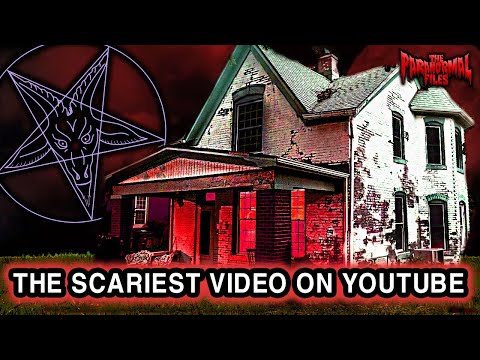
Sallie House: Analysis of Demonic Allegations and Paranormal Evidence


Introduction: The Reputation of Sallie House

There are locations that whisper their stories, and then there are those that scream them. The Sallie House in Wichita, Kansas, falls squarely into the latter category. For decades, it has been a focal point for paranormal investigators and a source of chilling tales, often cited as one of America's most haunted residences. The question is not whether strange events have occurred here, but rather the nature and origin of these phenomena. Is Sallie House a genuine nexus of paranormal activity, a site of residual energy, or something far more sinister often termed 'demonic'? This investigation aims to dissect the claims, scrutinize the evidence, and determine the veracity of the haunting.

The claims surrounding Sallie House are particularly compelling due to the sheer volume and intensity of reported activity. From physical manifestations and poltergeist-like disturbances to alleged demonic possession, the narrative is rich and disturbing. This episode, purported to be the longest in 'The Paranormal Files' history, promises an unflinching look at these claims, including potential capture of spectral or demonic entities on camera. As seasoned investigators, we must approach such claims with a dual perspective: respect for the witnesses and the experiences, coupled with rigorous analytical skepticism.

Historical Context of Sallie House

Understanding the alleged haunting of Sallie House requires an examination of its history, both documented and anecdotal. The house, built around the turn of the 20th century, has a recorded past that includes a tragic event: a young mother, Sallie McStraw, died in the home during a difficult childbirth, her infant son also succumbing. This tragic death forms the bedrock of the popular narrative, with many attributing the subsequent paranormal activity to Sallie's restless spirit, often described as childlike or distressed.

However, the 'demonic' aspect of the haunting is a more recent and debated layer. Over the years, the house has been occupied by various individuals and paranormal investigation teams. Some have reported benign or mildly unsettling activity, consistent with a residual haunting or a specific, localized entity. Others, notably the family of Tony and Debbie Allegretto in the late 1980s, reported escalating, malevolent phenomena, including physical attacks, severe psychological distress, and even claims of demonic possession. These accounts, widely publicized, shifted the perception of the haunting from a simple ghost story to a potentially dangerous, high-strangeness event.

It is crucial to analyze these historical accounts critically. The human mind is prone to suggestion, and the notoriety of the house itself can amplify expectations and perceptions. Furthermore, the narrative surrounding Sallie House has evolved over time, with each new tenant or investigation potentially adding to or reinterpreting the existing lore. This dynamic can create a self-perpetuating cycle of belief and experience, making it challenging to distinguish between genuine anomalous phenomena and psychological projection or embellishment.

Analysis of Paranormal Phenomena and 'Demonic' Activity

The core of the Sallie House phenomenon lies in the reported manifestations. These range from classic poltergeist activity – moving objects, disembodied footsteps, and unexplained noises – to more disturbing psychological and physical assaults. The claim of 'demonic' presence introduces a layer of complexity that requires careful consideration. In paranormal research, the term 'demonic' is often used loosely to describe entities exhibiting extreme malevolence, intelligence, and a capacity for causing significant harm, both physical and psychological.

From an analytical standpoint, it's imperative to differentiate between various types of paranormal phenomena. Residual hauntings, for instance, are often described as energetic imprints of past events or emotions, playing out like a recording. Intelligent hauntings involve entities that appear to interact consciously with the living. However, phenomena that exhibit extreme aggression, manipulation, and a desire to instill terror are often categorized as malevolent or, in more dire interpretations, demonic. The question is: does Sallie House present evidence for this latter category?

The reports of physical attacks, such as scratches and bruises appearing spontaneously on residents, are particularly concerning. These phenomena often defy conventional explanations and form the basis of the 'demonic' claim. However, without rigorous, controlled observation, it's difficult to definitively rule out psychological factors, self-inflicted harm under duress, or even environmental irritants. The 'intelligence' displayed by the phenomena, as described in various testimonies, is also a key point of analysis. Does it respond to questions? Does it exhibit complex patterns of behavior? Or is it merely a chaotic manifestation of energy?

The concept of 'demonic' entities in paranormal studies often intersects with religious and folkloric interpretations. It is essential to approach these claims through a lens of empirical investigation, rather than pre-conceived theological frameworks. What appears as 'demonic' from one perspective might be understood as a highly aggressive and intelligent non-human entity from another, or even a complex psychological manifestation amplified by the environment and belief systems.

"The line between residual energy, intelligent interaction, and malevolent influence is often blurred. In places like Sallie House, the sheer intensity of reported experiences forces us to consider the more extreme possibilities, but always with a critical mind." - *Alejandro Quintero Ruiz*

Documented Evidence and Case Studies

The claims of paranormal activity at Sallie House have been documented through numerous investigations, books, and media appearances. The paranormal documentary film "The Sallie House" and the paranormal reality series "The Paranormal Files" episode in question are prime examples. These often feature techniques such as Electronic Voice Phenomena (EVP) recording, EMF (Electromagnetic Field) meter readings, and photographic/videographic evidence.

A critical aspect of analyzing this evidence is understanding the potential for misinterpretation and fraud. For instance, EVP recordings can be susceptible to radio interference, pareidolia (the tendency to perceive meaningful patterns or sounds in random noise), and subjective interpretation. Similarly, EMF spikes can be caused by faulty wiring, electronic devices, or even atmospheric conditions, rather than spectral presences. Photographic anomalies, such as orbs, are widely believed to be dust particles, insects, or moisture reflecting light, rather than spirits.

However, a comprehensive investigation must consider the totality of the evidence, looking for patterns and corroboration across different methods and witnesses. The Allegretto family's account, in particular, remains a cornerstone of the more extreme claims. Their consistent reports of physical changes to the house, such as walls bleeding and doors inexplicably opening and closing, coupled with personal accounts of being physically assaulted, demand a thorough examination. The potential capture of 'demonic' entities on camera, as suggested by the creators of 'The Paranormal Files,' would represent a significant piece of evidence, provided it withstands rigorous scrutiny.

What distinguishes compelling evidence from mere suggestion is replicability, consistency, and the exclusion of all mundane explanations. While individual pieces of evidence might be ambiguous, a convergence of credible, unexplained phenomena across multiple investigations and methodologies begins to build a stronger case for an authentic anomaly. The challenge with Sallie House is that many of its most sensational claims are deeply personal and subjective, making objective verification difficult, yet the sheer persistence of reports over decades cannot be dismissed out of hand.

Investigator's Verdict: Genuine Haunting or Elaborate Narrative?

After reviewing the historical accounts, the documented phenomena, and the narrative evolution of the Sallie House case, my verdict remains nuanced. The sheer volume of consistent reports of unsettling activity, particularly from individuals who have resided in the house long-term, suggests that there is indeed something anomalous occurring within its walls. The persistence of phenomena, the variety of reported experiences, and the psychological toll on residents point towards more than just collective hysteria or simple misinterpretation.

However, the classification of this activity as specifically 'demonic' is where rigorous skepticism must be applied. While the malevolent nature of some reported interactions is undeniable, the leap to a supernatural entity beyond the scope of typical hauntings requires extraordinary evidence. The potential for advanced psychological manipulation, environmental factors, or even a hitherto unknown scientific phenomenon cannot be entirely ruled out. The potential capture of a 'demonic' entity on camera, as suggested, would need to be subjected to intense forensic analysis to rule out digital artifacts, staged events, or misidentified phenomena.

My current assessment leans towards an exceptionally active and potentially intelligent haunting, with elements that can be perceived as malevolent. Whether this malevolence stems from trapped human consciousness, an elemental entity, or something truly demonic, as per the theological definition, is a question that currently remains beyond definitive proof. The house undeniably holds a powerful energetic charge, and its history, coupled with potential psychological amplification, has created a compelling and terrifying narrative. Further investigation, employing advanced sensory equipment and controlled observation protocols, would be necessary to move closer to a conclusive answer. For now, Sallie House stands as a potent enigma in the annals of paranormal research.

Investigation Protocol: Assessing High-Strangeness Locations

Investigating a location with a reputation for extreme phenomena like Sallie House demands a structured approach to ensure objectivity and comprehensive data collection. My protocol for such sites involves several key phases:

  1. Pre-Investigation Research: Thoroughly review all historical documents, previous investigation reports, witness testimonies, and media coverage. Identify key areas of reported activity and prominent historical events associated with the location. Understand the 'narrative' before stepping onto the physical site.
  2. Environmental Assessment: Conduct an exhaustive sweep for mundane explanations. This includes checking for faulty wiring, drafts, structural anomalies, water leaks, seismic activity, and sources of electromagnetic interference. Utilize tools like EMF meters, thermal cameras, and air quality monitors.
  3. Baseline Readings: Establish baseline environmental readings (EMF, temperature, sound levels) in various parts of the property during daylight hours, with no paranormal activity expected. This provides a point of comparison for later investigations.
  4. Controlled Observation: Deploy a suite of recording devices – high-definition video cameras (including infrared), stationary audio recorders (for EVP), and portable data loggers. Conduct sessions in "hot spots" identified during research.
  5. Interactive Investigation: Employ controlled questioning techniques and provocations, if deemed appropriate, to elicit responses. Document all interactions meticulously, noting verbal responses, physical events, and equipment fluctuations.
  6. Data Analysis: This is the most critical phase. Analyze all recorded data for anomalies, cross-referencing audio, video, and EMF readings. Be acutely aware of pareidolia and other sensory biases. Look for consistent patterns and evidence that cannot be explained by mundane causes.
  7. Corroboration: If multiple investigators are present, ensure independent documentation and analysis of findings. Compare subjective experiences with objective data.
  8. Debriefing and Reporting: Compile all findings into a detailed report, clearly distinguishing between objective data and subjective experiences. State conclusions based on the preponderance of scientific evidence, acknowledging any remaining anomalies or unanswered questions.

The goal is to gather data that is as objective and verifiable as possible, minimizing the influence of belief or expectation. For locations like Sallie House, the stakes are higher, demanding an even more rigorous application of these principles.

The Investigator's Archive: Recommended Resources

For those delving into the complexities of high-strangeness phenomena and alleged demonic activity, a curated selection of resources is invaluable. My personal archive includes texts that have shaped my understanding and approach to such investigations:

  • "True Hauntings: The Official Guide to The Paranormal Files" by Colin Browen: Although a promotional tie-in, it can offer insights into the specific methodology and experiences of the investigators involved.
  • "Investigation of the Sallie House" by Debra G. Allegretto: A firsthand account from one of the most widely reported families to occupy the house, detailing their experiences.
  • "The Possessed: The True Story of an Exorcism" by Thomas B. Allen: While focusing on a specific exorcism, this book provides historical and theological context frequently invoked when discussing demonic phenomena.
  • "An Encyclopedia of Claims, Creeds, Divinities, Ghosts, Gods, Mysteries, Spirits, and the Supernatural" by Brad Steiger: A broad resource for understanding the cultural and historical context of various paranormal beliefs and entities.
  • "The Ghost Hunter's Survival Guide" by Anne Fitzgerald: Offers practical advice and cautionary tales for those venturing into potentially dangerous paranormal investigations.

Accessing these materials allows for a deeper understanding of the cases, the methodologies employed, and the ongoing debate surrounding the nature of paranormal entities.

Frequently Asked Questions (FAQ)

Q1: Is Sallie House considered the most haunted house in America?
A1: While it is frequently cited and has a strong reputation, there are many other locations with equally compelling claims to being "America's most haunted." Its notoriety stems from prominent media coverage and intense reported activity.

Q2: What is the difference between a ghost, a demon, and a poltergeist?
A2: Generally, a ghost is believed to be the spirit of a deceased human. A poltergeist is often associated with localized physical disturbances, sometimes attributed to a ghost, sometimes to a psychic disturbance or entity. A demon is typically conceived as a malevolent non-human entity, often with supernatural powers and a desire to harm or possess.

Q3: Can evidence of demonic activity be captured on camera?
A3: Claims of capturing demonic entities on camera are often met with skepticism. While unusual phenomena can be recorded, definitively identifying them as 'demonic' requires rigorous analysis to rule out all other possibilities, including misidentification, staging, or technological artifacts.

Q4: What equipment is essential for investigating a place like Sallie House?
A4: Essential equipment includes high-definition video cameras (with infrared capabilities), audio recorders for EVP, EMF meters, thermal imaging cameras, and full-spectrum cameras. However, the investigator's analytical skills and critical thinking are paramount.

Your Field Mission: Investigating Local Hauntings

The allure of places like Sallie House is undeniable, but the most profound understanding often comes from local investigation. Your mission, should you choose to accept it, is to apply the principles of critical analysis to a potentially haunted location in your own area. Identify a local legend or a building with a reported history of paranormal activity. Before you even consider an investigation, perform the 'Pre-Investigation Research' step outlined above. Document the history, the reported phenomena, and any existing media coverage. Then, consider the 'Environmental Assessment' phase: can any of the reported activity be explained by mundane factors? What common explanations are overlooked in sensationalized accounts? Document your findings and share them in the comments below. Your critical analysis could be the key to demystifying a local legend or uncovering a genuinely compelling case.

alejandro quintero ruiz is a veteran field investigator dedicated to the analysis of anomalous phenomena. His approach combines methodological skepticism with an open mind to the inexplicable, always seeking the truth behind the veil of reality.