Followers

Mostrando las entradas con la etiqueta Spirit Communication. Mostrar todas las entradas

Ouija Board Nightmares: Unraveling the Terrifying Phenomenon

Image

The allure of contacting the unknown has captivated humanity for centuries. Among the most infamous tools for such endeavors is the Ouija board, a seemingly simple plank of wood promising a gateway to spirits. However, as countless tales attest, what begins as curiosity can quickly descend into terror. Recently, a TikTok video surfaced, showcasing a paranormal investigator's encounter with a Ouija board that defied all rational explanation, leaving viewers questioning the very fabric of reality.

1. The Unsettling TikTok Incident

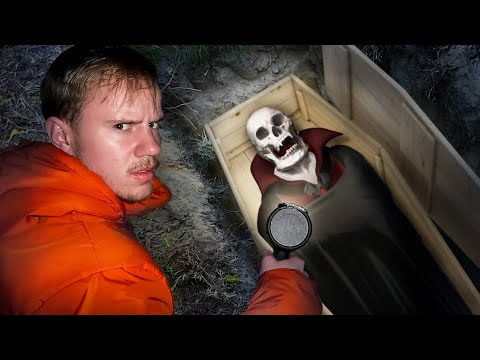
The footage, shared across social media platforms, depicts a paranormal investigator engaging with a Ouija board. What starts as a seemingly standard session takes a terrifying turn as the planchette begins to move erratically on its own. Before long, inexplicable handprints materialize on the ceiling above, objects are violently dislodged, and, most alarmingly, the investigator's nose begins to bleed profusely. The sheer intensity of the phenomena captured in the short video has ignited widespread debate and concern.

This incident is not an isolated anomaly. Many individuals who have engaged with Ouija boards report similar unsettling experiences, fueling the ongoing discussion about their true nature. The raw, unfiltered fear in the investigator's eyes, coupled with the undeniable physical manifestations, presents a compelling case for further examination.

Recommended Gear for Investigation

ProductDescriptionBuy
Cryptozoology A To Z: The Encyclopedia Of Loch Monsters Sasquatch Chupacabras And Other Authentic M: The Encyclopedia of Loch Monsters, Sasquatch, Chupacabras, and Other Authentic Mysteries of NatureAn excellent choice to complement your research on this topic.View on Amazon
The Big Book of Paranormal: 300 Mystical and Frightening Tales From Around the WorldAn excellent choice to complement your research on this topic.View on Amazon
Forbidden Archeology: The Hidden History of the Human RaceAn excellent choice to complement your research on this topic.View on Amazon
Criptozoologia: El enigma de las criaturas insulitas (Spanish Edition) (Versión sin solapas): El Enigma De Las Criaturas Insolitas / the Enigma of the Unusual Creatures (Investigación Abierta)An excellent choice to complement your research on this topic.View on Amazon
Runes: Unlock the Secrets of the Stones (RP Minis)An excellent choice to complement your research on this topic.View on Amazon
The H. P. Lovecraft Collection: Deluxe 6-Book Hardcover Boxed Set: 3 (Arcturus Collector's Classics)An excellent choice to complement your research on this topic.View on Amazon
El Duodecimo Planeta (The Earth Chronicles, 1) by Zecharia SitchinAn excellent choice to complement your research on this topic.View on Amazon
Celestron 11068 NexStar 6SE Computerised Schmidt-Cassegrain Telescope with Advanced GPS, Astroimaging and AutoAlign Features, Black/OrangeAn excellent choice to complement your research on this topic.View on Amazon
Tabla Ouija Board con planchas e Instrucciones detalladasAn excellent choice to complement your research on this topic.View on Amazon

Community feedback on platforms like TikTok and Reddit highlights a stark division: some dismiss the event as a staged hoax, while others are deeply disturbed, reinforcing long-held warnings about the dangers of such practices.

2. The Ouija Board: A History of Apparitions

The Ouija board, as we know it today, emerged in the late 19th century, marketed as a harmless parlor game. However, its roots delve deeper into historical practices of spirit communication. Séances and automatic writing were popular spiritualist activities during that era, and the Ouija board offered a more accessible, albeit potentially perilous, method for the masses to explore the spirit world. Its commercial success was rapid, but so too were the tales of hauntings, possessions, and psychological distress associated with its use.

From its inception, the Ouija board has been shrouded in controversy. While manufacturers often downplayed its“spiritual” aspects, users and critics alike have attributed profound and often terrifying experiences to its use. The very idea of communicating with the deceased or unknown entities taps into primal fears and a deep-seated human curiosity about life after death, making the Ouija board a potent symbol in occult lore.

The board's design—a flat surface marked with letters, numbers, and words like "yes," "no," and "goodbye"—combined with a planchette that ostensibly moves to spell out messages, creates a compelling illusion of intelligence. But is it truly a conduit to another realm, or is there a more grounded, albeit still unexplained, psychological phenomenon at play? This is the central question that drives our investigation.

3. Examining the Evidence: Handprints, Objects, and Bleeding Noses

The viral TikTok video presents several key pieces of evidence that warrant close scrutiny:

  • Automated Planchette Movement: The core of the Ouija board experience. In the video, the planchette appears to move with intent, spelling out messages or reacting to the investigator. Skeptics often attribute this to the ideomotor effect—subtle, unconscious muscle movements by the users influencing the planchette's direction. However, the speed and seemingly directed nature of the movement in some cases can be unnerving.
  • Objects Falling: The sudden dislodging of objects suggests a poltergeist-like activity. Poltergeist phenomena are often associated with periods of intense emotional stress or upheaval, and their manifestation around individuals, particularly adolescents, has been a subject of parapsychological study for decades. Whether the Ouija board session triggered latent psychic energy or attracted an external force is a subject of intense debate.
  • Handprints on the Ceiling: This is perhaps one of the most visually striking elements. The appearance of distinct handprints on a surface typically out of reach suggests a form of physical manifestation. Explanations range from residual hauntings to direct interaction by unseen entities.
  • Nosebleed: A spontaneous nosebleed during a paranormal investigation is a phenomenon that has been reported in numerous anecdotal accounts. Psychosomatic responses to fear, stress, or even sudden changes in atmospheric pressure within a localized area for séances have been proposed. Some theories suggest it could be a direct energetic drain or even a form of communication from an entity.

Online commentary frequently dissects these elements. Some users point to the nosebleed as a clear sign of authenticity: "I wondered what it would take to scare her off... Not the first time that I've seen a bleeding nose or eyes from someone using a OuiJa board." Conversely, others are quick to label it as fake: "That nostril was darker and bigger than the other from the start. Fake." This divergence of opinion underscores the difficulty in definitively proving or disproving such events.

4. Expert Opinions and Skeptical Analysis

The scientific community generally approaches Ouija board phenomena with a healthy dose of skepticism. The ideomotor effect remains the most widely accepted explanation for the planchette's movement. This subconscious muscular micro-action, amplified by the users' anticipation and belief, can guide the planchette without conscious intent. Researchers like Joseph Dunninger famously demonstrated how Ouija boards could be manipulated under controlled conditions.

Regarding other phenomena like falling objects or spontaneous bleeding, psychologists often point to the power of suggestion and psychological distress. Extreme fear and anxiety can manifest in physical symptoms. Furthermore, the desire to believe in the supernatural can lead individuals to interpret ambiguous events as paranormal. This psychological framing is crucial when analyzing claims that lack objective, verifiable evidence.

However, proponents of paranormal research argue that the ideomotor effect alone cannot account for the complexity and intensity of some reported experiences. They suggest that Ouija boards might indeed act as a focal point for psychic energy, whether it's the users' own latent abilities or the influence of external entities. The debate between psychological explanations and paranormal interpretations continues to be a central theme in paranormal research.

5. The Perils of the Portal: Warnings from the Field

One of the most consistent themes surrounding Ouija board use is the dire warnings issued by those who have had negative experiences or are knowledgeable about spiritual practices. The sentiment "DO NOT PLAY WITH OUIJA BOARDS!!! THEY ARE NOT A TOY!!!" echoes across many forums and discussions. The core concern is that these boards are not mere games but actual portals that, if not used with extreme caution and proper spiritual protection, can invite unwanted entities into one's life.

The concept of "closing a session properly" is frequently mentioned. Failure to do so, according to these beliefs, can leave a spiritual gateway open, allowing "entities" to remain and cause "endless destruction." This perspective posits that the Ouija board is a tool that can attract "darkness" and entities from other dimensions, which may not always be benign. Some users report positive and loving messages, emphasizing the importance of intention: "We got beautiful loving messages. We were alway greeted with a welcoming message & always our sessions ended with benediction." This suggests that the outcome might be influenced by the users' mindset and the energy they bring to the session.

The historical context also plays a role. During the spiritualist movement, when Ouija boards gained popularity, there was a widespread belief in the spirit world and the potential for communication. However, even then, figures within the movement cautioned against reckless use, recognizing the potential for psychological harm and spiritual entanglement. The idea that one can "bring something in you do not want in your home" is a persistent warning that resonates with many who have witnessed or experienced unsettling events.

6. Investigator's Verdict: Fraud, Genuine Phenomenon, or Something Else?

From my perspective as an investigator, the Ouija board remains one of the most polarizing and potentially hazardous tools in the paranormal toolkit. While the ideomotor effect offers a plausible explanation for the planchette's movement for many sessions, the sheer volume of anecdotal evidence suggesting more profound and terrifying encounters cannot be entirely dismissed.

The TikTok incident, with its combination of moving objects, apparitions (handprints), and a physical manifestation (nosebleed), presents a compelling, albeit unverified, case. The claims of entities, darkness, and destruction are serious. It's plausible that a combination of factors is at play: the psychological susceptibility of the user, amplification of subconscious energies, and, in some cases, genuine external influence. The key is the lack of definitive, repeatable proof. Until rigorous, controlled studies can isolate and measure these phenomena, they remain in the realm of the unexplained.

My recommendation, based on years of observing and analyzing such cases, is to approach the Ouija board, and indeed all forms of spirit communication, with extreme caution. If you choose to engage, ensure you are in a sound mental state, understand the potential risks, and, crucially, know how to properly close the session. The advice to "leave these boards alone! They are evil" or to "not open what you can't close" is pragmatic advice born from genuine fear and experience, not mere superstition. It's a fool's game for the unprepared.

7. Frequently Asked Questions

Q1: Can Ouija boards actually summon demons?
A1: While many believe Ouija boards can open portals to various entities, including what are commonly referred to as demons, direct scientific evidence is lacking. Skeptics attribute phenomena to the ideomotor effect and psychological factors. Those with spiritual beliefs often warn of severe spiritual consequences and the potential to invite malevolent entities.

Q2: Is the ideomotor effect the only explanation for Ouija board movements?
A2: The ideomotor effect is the most accepted scientific explanation for how the planchette moves. However, proponents of the paranormal argue that it doesn't fully account for the complexity, speed, and seemingly intelligent responses observed in some sessions, especially when coupled with other unexplained phenomena like object manipulation or physical manifestations.

Q3: Can Ouija boards cause physical harm, like the nosebleed in the video?
A3: Spontaneous nosebleeds and other physical symptoms have been reported during Ouija board sessions. While psychosomatic responses to extreme stress or fear are a likely explanation, some theories suggest a direct energy drain or a form of interaction with unseen forces. Without controlled studies, it's difficult to determine the exact cause.

Q4: How can I protect myself if I decide to use a Ouija board?
A4: Many traditions suggest spiritual protection before using a Ouija board. This can include smudging with sage, reciting protective prayers or affirmations, visualizing a shield of light, and ensuring all participants are in a positive mental state. Crucially, it is vital to properly close the session by thanking any spirits and firmly stating the session is over.

Q5: Are Ouija boards still sold in toy stores?
A5: While historically they were sometimes found in toy stores, their reputation has shifted. Today, they are more commonly found in novelty shops, online retailers specializing in occult items, or sometimes in general department stores, often marketed with warnings about their use.

8. Your Field Mission

Your Mission: Analyze the Unseen.

What are your thoughts on the Ouija board? Have you ever had an experience you couldn't explain? Share your insights and personal encounters in the comments below. Your testimony adds a crucial piece to the puzzle of the unexplained. Don't forget to share this investigation with your fellow seekers of truth on social media!

Investigator's Note: True paranormal research doesn't fund itself. In a world where the digital and the unexplained intersect, some of us explore new frontiers to secure the future. Do you dare to be part of the vanguard? Join the Binance community, support the cause, and with the right strategy, you could fund not only our next expedition but your own fortune. The next great discovery could be just a click away.

A Haunting in Georgia: The Case of Heidi Wyrick and the Whispers from Beyond


Introduction: The Unsettling Innocence

The line between childhood imagination and genuine paranormal phenomena is one of the most challenging territories for any investigator. There are moments when the veil seems to thin, allowing echoes of the departed to manifest in ways that defy rational explanation, especially through the innocent lens of a child. The case in Georgia, involving young Heidi Wyrick, presents a disturbing confluence of seemingly innocent play and chilling corroboration from the other side. This isn't just a ghost story; it's a case that demands rigorous examination of testimonial evidence, potential corroboration, and the psychological intricacies of a child's interaction with the unknown.

"Imaginary friends are common, but what happens when they are recognized by the living as the deceased?"

Case Overview: Disturbing Playmates

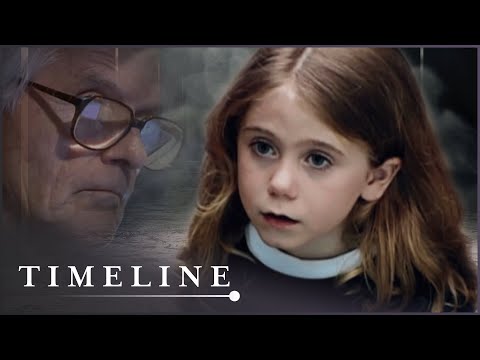
The Wyrick family, residing in Georgia, found themselves ensnared in a perplexing series of events centered around their four-year-old daughter, Heidi. Heidi began speaking of two distinct companions in her life: "Mr. Gordy," an elderly gentleman she described as frequently pushing her on the swing, and "Con," a younger man depicted as severely injured, with an arm missing and "covered with blood." At first glance, these narratives might be dismissed as the fanciful inventions of a young child's mind. Many children develop imaginary friends, constructs of their subconscious providing companionship and an outlet for creative expression. However, the Wyrick's situation took a disquieting turn when these descriptions began to resonate with a chilling familiarity.

The initial concern for Andy and Lisa Wyrick stemmed from the unusual specificity of Heidi's descriptions. While imaginary friends often engage in imaginative play, the details provided by Heidi – the elderly demeanor of "Mr. Gordy," the graphic injuries of "Con" – hinted at something more concrete. The parents were initially trying to rationalize these companions as typical childhood fantasies, a normal developmental phase. Yet, the persistence and peculiar details of Heidi's accounts gnawed at them, prompting them to confide in those around them, seeking understanding or perhaps a mundane explanation for their daughter's unusual playmates.

The Reveal: Echoes of the Past

The situation escalated from a parental concern to a full-blown paranormal investigation when Lisa Wyrick shared Heidi's descriptions with a neighbor. The neighbor's reaction was far from dismissive; it was one of profound shock and dawning realization. To Lisa's astonishment, the neighbor revealed that the men Heidi described, "Mr. Gordy" and "Con," were not figments of her imagination. They were, in fact, two deceased individuals who had once lived in the very vicinity where the Wyrick family now resided. This revelation transformed the narrative from a psychological curiosity into a potential case of spirit communication, with a child acting as the unwitting medium.

The immediate implication was staggering: Heidi was not merely inventing friends; she was potentially interacting with the spirits of deceased individuals. The elderly gentleman pushing her on the swing, the bloodied, injured young man – these were not random characters from a child's dream. They were materialized presences, identifiable by their historical connection to the area. This stark corroboration from an external source, a neighbor who had no prior connection to the Wyrick's peculiar situation, lent significant weight to the possibility of genuine paranormal contact. The question shifted from "what is Heidi imagining?" to "who are these spirits, and why are they communicating through Heidi?"

Investigator's Analysis: Voices from the Void

From an investigative standpoint, the Georgia haunting case presents a compelling dichotomy. On one hand, the potential for misinterpretation or subconscious fabrication by a young child is significant. Children possess a boundless capacity for imagination, and their perception of reality can be fluid. However, the neighbor's corroboration is the linchpin. If this neighbor accurately identified "Mr. Gordy" and "Con" as deceased former residents, it moves the case beyond mere childhood fancy into the realm of verifiable psychic phenomena. My experience in countless cases suggests that genuine spirit communication often anchors itself to individuals susceptible to subtle energies, and children, with their undeveloped psychic filters, are prime candidates.

The details provided by Heidi – the specific actions ("pushing her on the swing") and the graphic depiction of injuries ("missing an arm and covered with blood") – are crucial. These are not generic descriptors. They suggest specific individuals with distinct histories and perhaps unresolved traumas. The entity "Con," with his injuries, might be re-enacting a traumatic end or seeking acknowledgment for his suffering. "Mr. Gordy," the elderly figure, might represent a more benevolent, perhaps paternal, connection. The key here is not to dismiss these accounts but to meticulously investigate the histories of deceased individuals who fit these profiles in the Wyrick's locale. This requires deep dives into local archives, obituaries, and possibly even interviews with older residents who might recall these individuals.

"The objective is not to believe, but to verify. In cases like Heidi's, verification comes from cross-referencing the child's testimony with historical records and ongoing phenomena."

Historical Context: Whispers of Unseen Residents

The geographical location of the Wyrick's residence is paramount. Many areas, particularly older settlements with a long history, carry residual energies or are known haunts. The neighbor's immediate recognition of Heidi's descriptions suggests that these individuals, "Mr. Gordy" and "Con," were known figures in the community's past. Understanding their lives, their deaths, and their connections to the property or the surrounding area is critical. Were they involved in any significant events? Did they die tragically or under mysterious circumstances? These historical details can provide context for why their spirits might be manifesting and communicating through Heidi.

Furthermore, the phenomenon of children acting as mediums or gateways for spirit communication is a recurring theme in paranormal literature. Think of the Edgar Cayce readings, or numerous other cases where children report interactions with entities that later prove to be deceased individuals. This historical precedent suggests that while rare, it is not unprecedented for a child to be a focal point for paranormal activity. The key is to approach these cases with a balanced perspective, acknowledging the possibility of genuine spiritual interaction while rigorously excluding mundane explanations.

Phenomenological Angle: Communication Beyond Death

The core phenomenon at play here is interdimensional or inter-entity communication. The question is whether Heidi is truly communicating with the spirits of "Mr. Gordy" and "Con," or if there is another explanation for her seemingly accurate descriptions. From a parapsychological perspective, several theories emerge:

  • Spirit Communication: The most direct interpretation. Heidi is psychically sensitive and is perceiving and interacting with the spirits of these deceased individuals. Her descriptions are accurate because she is receiving impressions directly from them.
  • Residual Haunting: The spirits are not intelligent entities but rather an energetic imprint or a replaying of past events. Heidi might be perceiving this residual energy and interpreting it through her own childlike understanding. However, the interactive nature of her play suggests more than just a replaying of events.
  • Psychological Projection/Misinterpretation: While the neighbor's account complicates this, it's possible that Heidi's descriptions, filtered through her own subconscious, coincidentally aligned with deceased individuals known to the neighbor. This requires a significant degree of coincidence but cannot be entirely ruled out without further investigation.
  • External Influence (Non-Spirit): In more speculative theories, one might consider non-terrestrial entities or interdimensional beings using these personas to interact with Heidi, though evidence for this is usually lacking in such grounded cases.

My focus, as always, remains on the most parsimonious explanation supported by evidence. The corroboration of the spirits' identities by the neighbor strongly favors the spirit communication or a sophisticated form of residual activity that appears intelligent. This necessitates exploring methods to document and potentially interact with these presences indirectly, perhaps by observing Heidi's interactions or by investigating the property for environmental anomalies that might indicate a heightened paranormal presence.

Investigator's Verdict: Genuine Distress or Elaborate Deception?

The case of Heidi Wyrick sits on a knife's edge between profound paranormal activity and an extremely elaborate, albeit unconscious, deception or misinterpretation. The neighbor's testimony is the critical factor that pushes this beyond the realm of typical childhood imagination. If her account is accurate and the individuals Heidi described were indeed deceased former residents, then we are faced with a compelling instance of a child acting as a sensory conduit for spiritual entities. The graphic nature of "Con's" injuries might suggest a spirit in distress, potentially seeking resolution or acknowledgment. The consistent interactions described by Heidi, especially the mundane act of being pushed on a swing by "Mr. Gordy," indicate a level of sustained interaction that is hard to dismiss as mere fantasy, particularly when juxtaposed with the neighbor's startling recognition.

However, the investigator's creed is to exhaust all logical explanations before embracing the paranormal. Could the neighbor have misinterpreted Heidi's words? Was there a prior conversation or exposure to information that unconsciously influenced the neighbor's perception? While less likely given the context, these possibilities demand consideration. Without further direct evidence – such as recorded EVP (Electronic Voice Phenomena) or observable environmental anomalies that correlate with Heidi's accounts – the case remains heavily reliant on testimonial evidence. My verdict leans towards a high probability of genuine anomalous activity, driven by the corroborative element, but absolute certainty remains elusive without more tangible proof.

Research Protocol: Documenting Anomalous Communication

Investigating a case like this requires a multi-pronged approach focused on corroboration and documentation:

  1. Historical Archival Research: Thoroughly research the history of the Wyrick's property and the surrounding area. Identify all deceased individuals who previously resided there, paying close attention to those who passed away under unusual circumstances or at a young age. Cross-reference names and any known biographical details with Heidi's descriptions. Contact local historical societies, county clerks, and review old newspaper archives.
  2. Familial and Neighbor Interviews: Conduct in-depth, structured interviews with Andy and Lisa Wyrick, seeking detailed accounts of Heidi's interactions, the timeline of events, and their own experiences. Interview the neighbor who recognized the descriptions, clarifying the exact circumstances of their conversation and their prior knowledge of "Mr. Gordy" and "Con."
  3. Environmental Monitoring: If possible and with the family's permission, conduct environmental monitoring at the Wyrick residence. This involves using equipment such as EMF meters (to detect electromagnetic field fluctuations), geophones (to detect vibrations), and audio recorders (to capture potential EVPs). A high-sensitivity audio recorder would be essential for capturing even the faintest whisper or anomalous sound.
  4. Child Psychology Consultation: Involve a child psychologist or therapist specializing in early childhood development and potential trauma. This is not to "diagnose" Heidi but to ensure her well-being and to understand the nuances of her communication, differentiating between imagination and perceived reality from a professional standpoint.
  5. Observation of Heidi's Interactions: If feasible and ethically permissible, discreetly observe Heidi's interactions with her "playmates." Document her behavior, dialogue, and any reactions to stimuli that might indicate the presence of unseen entities.

The Investigator's Archive

For those looking to delve deeper into the nuances of child mediums and spirit communication, consider these resources:

  • "The Spirit of the Child" by Dr. Robert Franco: Explores the phenomenon of children interacting with spiritual realms.
  • "Children of the Paranormal" by Mary Ann Johnson: A compilation of true accounts and expert analysis on children exhibiting psychic abilities.
  • "Communicating with the Other Side: A Practical Guide" by Alejandro Quintero Ruiz: My own treatise on methodologies for verifying spirit communication, including techniques for corroborating testimonial evidence and utilizing investigative tools.

Access to platforms like Gaia can also provide a wealth of documentaries on similar cases and investigations into paranormal communication.

Frequently Asked Questions

Q1: Is it possible that Heidi was simply mimicking something she heard?
A1: While possible, the specificity of the descriptions and the neighbor's corroboration make this less likely. Direct observation and further interviews would be needed to fully assess this. My experience suggests that children often pick up on more than we realize, but the neighbor's input is a significant indicator of something more.

Q2: Could the neighbor have been mistaken or exaggerating?
A2: It's a possibility in any testimonial account. However, if the neighbor was genuinely surprised and clearly identified the individuals based on Heidi's descriptions, it lends credibility to the story. The key is consistency and the lack of any apparent motive for deception.

Q3: What equipment is essential for investigating such a case?
A3: A high-sensitivity audio recorder for EVP capture, an EMF meter for detecting electromagnetic anomalies, a full-spectrum camera for potential visual phenomena, and notebooks for meticulous documentation are crucial. The Spirit Box is also a tool often employed to test for direct communication, though its results must be analyzed with extreme caution.

Your Field Mission

Your mission, should you choose to accept it, is to investigate a local legend or ghost story in your own community. Identify if there are any similar accounts of children or individuals communicating with deceased figures. Document these stories, noting any details that seem unusually specific. Compare them to historical records of the area. Are there any known tragedies or past residents whose stories might align? Share your findings in the comments below, using the hashtag #LocalLegendInvestigation. Let's see what echoes reside in your own backyard.

Sobre el Autor

Alejandro Quintero Ruiz es un veterano investigador de campo dedicado al análisis de fenómenos anómalos. Su enfoque combina el escepticismo metodológico con una mente abierta a lo inexplicable, buscando siempre la verdad detrás del velo de la realidad. Con décadas de experiencia en el terreno, ha desentrañado innumerables misterios, desde poltergeists persistentes hasta los enigmas de la criptozoología, siempre aplicando un rigor analítico implacable.

The boundary between the known and the unknown is often defined by what we are willing to investigate. The case in Georgia, with young Heidi Wyrick, serves as a potent reminder that sometimes, the clearest voices from beyond come through the most innocent of channels. Whether these are echoes of the past or something more complex, they demand our attention and our rigorous analysis. The investigation, as always, continues.

Spirit Communication: An Analytical Dossier on the 'Out There' Investigation


Introduction: The Threshold of the Unseen

The veil between our perceived reality and the unseen realms has always been a subject of intense speculation and, for some, direct experience. In the realm of the paranormal, few concepts capture the imagination quite like direct communication with entities beyond our physical plane. This dossier delves into an investigation presented under the banner of 'Out There,' a segment that attempts to navigate this complex territory by engaging with a self-proclaimed medium, Austyn Wells.

The premise is straightforward: two individuals, Matt and Aria, are guided in methods of spirit communication. This isn't merely folklore; it's a practical exploration, albeit one fraught with interpretive challenges and a high degree of potential for subjective bias. Our objective is not to validate anecdotal claims but to dissect the methodology, analyze the purported evidence, and contextualize such practices within the broader landscape of parapsychological inquiry. We approach this with a critical lens, understanding that the most profound mysteries often conceal the most mundane explanations, yet occasionally reveal genuine anomalies that defy easy categorization.

Investigative Methodology: Lessons from Austyn Wells

At the core of any serious paranormal investigation lies a structured methodology. In this instance, the guiding force is Austyn Wells, described as a Medium and Soul Gardener. This title itself suggests a multifaceted approach, blending spiritualistic channeling with a form of energetic or perhaps psychological cultivation. The core of the investigation, as presented, revolves around learning these techniques.

Wells' approach likely encompasses several key parapsychological principles, whether consciously applied or intuitively channeled. These might include:

  • Intentionality: The conscious focusing of mental energy towards establishing contact. This aligns with theories in psychokinesis and consciousness studies that posit the mind as an active agent in shaping perceived reality. For serious practitioners, tools like a sensitive ghost hunting kit, including EMF meters and parabolic microphones, are not mere props but extensions of this focused intent.
  • Sensory Acuity: Training individuals to heighten their awareness of subtler environmental cues – auditory anomalies (EVP - Electronic Voice Phenomena), visual distortions, or tactile sensations. This mirrors training protocols for remote viewing or dowsing, where non-standard sensory input is key.
  • Psychological Conditioning: Creating a receptive mental state, often involving meditation, visualization, or the controlled induction of altered states of consciousness. This is a critical factor, as it directly influences the observer's perception and interpretation of events.

The acquisition of such skills often necessitates dedicated resources. Books like "Soul Conversations," authored by Wells, or comprehensive guides on capturing EVP, become essential components of a researcher's toolkit. Understanding these foundational elements is crucial before examining any purported results.

Evidence Analysis: Interpreting the Spiritual Dialogue

The most contentious aspect of any spirit communication attempt is the nature and interpretation of the evidence. The 'Out There' segment presents Matt and Aria learning to communicate, implying a phase where dialogue, or its spectral equivalent, is established. When analyzing such phenomena, we must apply rigorous standards, moving beyond simple narrative acceptance.

Key areas for scrutiny include:

  1. Auditory Phenomena (EVP): Are the voices captured spontaneous and anomalous, or are they the result of misinterpretation, environmental bleed-through (radio waves, mechanical noises), or auditory pareidolia (hearing patterns in random noise)? Advanced audio analysis software, often employed by seasoned investigators, can help differentiate substructures within these recordings.
  2. Visual Anomalies: This could range from perceived apparitions to unexplained lights or object manipulation. Each instance requires careful examination for naturalistic explanations such as dust particles (orbs), lens flares, insects, or simple tricks of light and shadow. The use of full-spectrum cameras and infrared imaging can sometimes differentiate between mundane reflections and genuine energetic signatures, though interpretation remains subjective.
  3. Subjective Experiences: Feelings of presence, temperature fluctuations, or direct impressions are common in alleged hauntings. While powerful for the experiencer, these are inherently difficult to quantify and verify externally. A consistent pattern across multiple witnesses, however, lends more weight than a solitary account.

The critical juncture is where subjective experience and objective measurement might intersect. When a participant claims to receive a specific piece of information through spiritual means—a name, a date, a prediction—that information must then be independently verifiable. This elevates the claim from personal experience to testable hypothesis.

"The line between imagination and perception blurs when the mind is open to the extraordinary. Our job is to map that blur, not dismiss it."

Deconstructing Potential Deceptions: Skepticism in Practice

In the study of the paranormal, a healthy dose of skepticism is not an impediment but a prerequisite. The 'Out There' investigation, like any purported encounter with the supernatural, must be scrutinized for elements that could be attributed to psychological, environmental, or even deliberate misdirection. This is not an accusation, but a fundamental investigative principle.

  • Auditory Pareidolia: The human brain is wired to find patterns, especially familiar ones like speech, in random stimuli. This is a primary culprit behind many EVP claims. A systematic analysis might involve playing the audio in reverse or at different speeds to discern if the perceived message holds up under spectral analysis.
  • Confirmation Bias: Once individuals are primed to expect spirit communication, they are more likely to interpret ambiguous stimuli as confirming evidence. This is a well-documented cognitive bias that affects all observers, including researchers.
  • Suggestibility: The environment, the demeanor of the medium, and the expectations of the participants can all lead to heightened suggestibility. This is especially relevant in group investigations where social dynamics can influence individual reports.
  • Hoaxes and Misunderstandings: Deliberate fabrication or simple errors can never be entirely discounted. The history of paranormal investigation is littered with cases that were later revealed to be staged or misinterpreted.

To counter these, controlled environments and double-blind testing are invaluable. Without such measures, distinguishing genuine anomalous phenomena from psychological artifacts remains a significant challenge. This is why investing in reliable EMF meters and understanding their limitations is crucial; they provide objective data points that must be correlated with subjective experience, not replace it.

Investigator's Verdict: Bridging Academia and Anomalies

The 'Out There' investigation, focusing on spirit communication with Austyn Wells guiding Matt and Aria, presents an intriguing case study in practical parapsychology. While the presentation offers a glimpse into techniques for engaging with perceived unseen entities, a definitive verdict on the genuineness of the phenomena remains elusive without more robust, independently verifiable data.

The strength of the approach lies in its direct engagement and the implied structured learning process. However, the inherent subjectivity of spirit communication, coupled with the potential for psychological influences like pareidolia and suggestion, means that the 'evidence' gathered requires significant critical analysis. Without rigorous controls, independent verification of communicated information, and a more detailed breakdown of the specific techniques and their outcomes, any conclusion remains provisional.

From an investigative standpoint, the effort is commendable for its attempt to bridge the gap between academic skepticism and the lived experience of the anomalous. The core challenge, as always, is translating subjective encounters into objective, repeatable data. The pursuit of such validation often requires specialized paranormal investigation equipment and meticulous documentation protocols.

The Researcher's Archive: Essential Tools and Texts

For those seeking to engage with the study of spirit communication and the broader paranormal field, a curated archive is indispensable. Genuine investigation demands more than just curiosity; it requires knowledge and the right tools. Here are some cornerstones for any aspiring or seasoned investigator:

  • Foundational Texts:
    • "The Mediumship of Esther Hicks" by Esther Hicks: Explores channeled information from entities like 'Abraham.'
    • "The Ghost Hunter's Survival Guide" by Konformist: A practical guide to investigation techniques.
    • "Visions of Heaven" by Jonathan Kirsch: Delves into historical accounts of spiritual encounters.
    • "The Unquiet Grave" by Peter J. Brannan: Case studies in paranormal manifestations.
  • Essential Equipment:
    • EVP Recorders: High-sensitivity digital recorders are crucial for capturing Electronic Voice Phenomena. Devices like the Sanyo VR5500 or specialized Spirit Boxes are often discussed.
    • EMF Meters: K-II meters and Mel-SEs are standard for detecting fluctuations in electromagnetic fields, often correlated with paranormal activity.
    • Full-Spectrum Cameras: These cameras capture a broader range of light, including infrared and ultraviolet, potentially revealing phenomena invisible to the naked eye.
  • Online Resources:
    • Platforms like Gaia often host documentaries and series exploring these topics in depth.
    • Academic databases for parapsychology research papers.

Acquiring and understanding these resources is not about blind faith, but about equipping oneself with the means to investigate thoroughly when anomalies arise.

Mission Protocol: Initiating Controlled Contact

Engaging in spirit communication requires a structured protocol to maximize the chances of obtaining meaningful data while minimizing subjective interference. This protocol, inspired by the principles often employed in parapsychological research, can be adapted for controlled investigations:

  1. Site Selection and Baseline Readings:
    • Choose a location with a history of reported paranormal activity or a controlled environment.
    • Before initiating any communication session, conduct thorough baseline readings of EMF, ambient temperature, and audio recordings during a period of silence. This establishes a control against which anomalies can be measured.
    • Document all environmental conditions meticulously.
  2. Establishing Intent and Focus:
    • Begin with a clear statement of intent, directing the communication towards specific entities or types of phenomena.
    • Ensure all participants are mentally receptive and grounded. Techniques like visualization or guided meditation can be employed.
    • Consider using a meditation app to aid in achieving a focused state.
  3. The Communication Phase:
    • Utilize established methods such as EVP sessions (asking direct questions with clear pauses for response) or tools like a Spirit Box.
    • Record all sessions continuously, both audio and video if possible.
    • Document any perceived phenomena in real-time in a dedicated logbook. Note the time, event description, and any associated environmental readings.
  4. Post-Session Analysis:
    • Review all recordings critically. Analyze audio for potential EVPs and video for visual anomalies.
    • Compare readings taken during the session with baseline data.
    • Cross-reference any communicated information against known historical data or facts about the location/entities involved.

This structured approach, while not foolproof, is essential for moving beyond anecdotal encounters towards a more scientific understanding of purported spiritual interactions. The investment in tools like a high-quality EVP recorder is a testament to the seriousness of this protocol.

FAQ: Paranormal Communication Insights

Q1: Can anyone learn to communicate with spirits?
A: While some individuals may possess a natural inclination or sensitivity, the consensus among those who practice spirit communication is that it is a skill that can be developed through dedicated practice, specific techniques, and a receptive mindset, much like learning any complex discipline.

Q2: What is the most reliable method for spirit communication?
A: There is no single "most reliable" method universally agreed upon. Techniques such as EVP sessions, Ouija boards, automatic writing, and mediumistic trance are all employed, each with its own set of proponents, critics, and potential pitfalls. Rigorous documentation and analysis are key regardless of the method.

Q3: How can I distinguish between a genuine spirit and a psychological phenomenon?
A: This is the crux of paranormal investigation. Genuine evidence often includes verifiable information that the investigator could not have known through conventional means. Consistency across multiple witnesses and instruments, coupled with the elimination of all naturalistic explanations, are critical factors. Tools like an EMF detector can provide objective data, but its interpretation within the context of subjective experience is paramount.

Q4: What are the risks involved in attempting spirit communication?
A: Beyond the potential for psychological distress (fear, anxiety, delusion), some traditions warn of attracting unwanted or negative entities. Maintaining a strong mental and emotional foundation, working in a group, and setting clear boundaries are universally recommended precautions.

Conclusion: The Ongoing Investigation

The exploration presented in 'Out There,' where Matt and Aria attempt spirit communication under Austyn Wells' guidance, serves as a starting point rather than a definitive conclusion. It highlights the enduring human fascination with the possibility of communicating with those who have passed. The techniques introduced, while requiring careful scrutiny, underscore the need for methodological rigor in this field.

As investigators, our commitment to empirical evidence and critical analysis must remain unwavering. The pursuit of understanding phenomena that lie beyond our current scientific grasp necessitates a delicate balance: an openness to the unexplained, coupled with a profound skepticism that prevents us from accepting subjective experience as objective fact without corroboration. The journey into the paranormal is not for the faint of heart or the uncritical mind. It demands patience, persistence, and a dedication to the cold, hard facts, however elusive they may be.

For those seeking to deepen their understanding, exploring the documented cases of mediums like Ed and Lorraine Warren or delving into the comprehensive research of figures such as John Keel can provide essential context and methodologies. The tools and texts mentioned in "The Researcher's Archive" are not mere suggestions but crucial components for anyone wishing to engage in this field responsibly.

Your Field Mission

Having explored the foundational principles and analytical challenges of spirit communication, your mission is to apply this framework to your own environment. Identify a location in your vicinity that has local legends or reported anecdotal paranormal activity—it could be an old building, a park, or even your own home if it possesses a history. Before attempting any direct communication, conduct a thorough baseline assessment: record ambient audio for 15 minutes, note EMF readings throughout the space, and document any unusual environmental factors. Then, engage in a single, focused EVP session: ask 3-5 clear, direct questions, leaving ample silence for potential responses. After the session, critically analyze the audio for any anomalous sounds. Write down your observations and any potential EVPs. Do not immediately label them as spirits; try to find the most mundane explanation first. Share your findings (and the challenges you faced) in the comments below. This practical exercise is the first step in developing your own critical investigative skills.


alejandro quintero ruiz is a veteran field investigator dedicated to the analysis of anomalous phenomena. His approach combines methodological skepticism with an open mind to the inexplicable, always seeking the truth behind the veil of reality. With years of experience investigating cases ranging from cryptids to spectral encounters, his work focuses on deconstructing evidence and applying logical frameworks to the unknown.

Where Do the Departed Go? An Investigator's Analysis of Post-Mortem Consciousness


Historical Context: The Eternal Question

Since the dawn of human consciousness, the transition known as death has been the ultimate enigma. It's the one certainty in life, yet its destination remains shrouded in mystery, igniting debates that span millennia and cultures. From ancient burial rites designed to appease or guide the deceased, to the theological frameworks promising eternal reward or damnation, humanity has consistently sought to comprehend this ultimate frontier. This isn't merely a matter of morbid curiosity; it's a fundamental human drive to understand our place in the cosmos and the potential for continued existence beyond our physical vessel. The question, "Where do the departed go?", is not just a single query, but a complex tapestry woven from faith, fear, and the persistent whisper of the unknown.

Our current understanding of consciousness is inextricably linked to the biological machinery of the brain. Yet, the persistent reports of near-death experiences (NDEs), out-of-body experiences (OBEs), and alleged communications with spirits suggest that consciousness might possess properties that transcend purely material explanations. These phenomena, often dismissed by mainstream science, form the bedrock of paranormal investigation. They are the anomalies we must examine, not to prove an afterlife, but to understand the very nature of consciousness and its potential boundaries.

Scientific Perspectives: The Brain and Consciousness

From a strictly materialistic viewpoint, consciousness is an emergent property of complex neural activity. When the brain ceases to function, this emergent property is presumed to dissipate. Neuroscientists often point to specific brain regions and chemical processes involved in subjective experience. Damage to these areas can profoundly alter personality and awareness, seemingly reinforcing the idea that consciousness is entirely brain-dependent. The challenge, however, lies in fully explaining the subjective *quality* of experience – the "what it's like" to be conscious – through electrochemical signals alone.

The concept of an afterlife, in scientific terms, faces a significant hurdle: empirical verifiability. To scientifically prove an afterlife, we would need a method to detect, measure, and analyze consciousness independently of a living brain. This is where the lines between science and the paranormal begin to blur. While many scientists remain skeptical, a minority are exploring theoretical frameworks, such as quantum consciousness theories, that allow for the possibility of information persisting beyond physical decay. These are still speculative, but they highlight that the scientific community isn't entirely closed off to the profound implications of consciousness.

For any serious paranormal investigator, understanding these scientific limitations is crucial. It provides the baseline against which anomalous phenomena can be measured. When alleged spirit activity occurs, the first step is always to rule out mundane explanations: faulty wiring causing unexplained lights, infrasound inducing feelings of dread, or simple psychological phenomena like pareidolia. Only when these conventional causes have been thoroughly exhausted can we begin to consider more extraordinary hypotheses. This rigorous approach is what separates genuine inquiry from mere speculation. For those interested in the tools used in such discernment, exploring paranormal investigation equipment can offer insight into the methods employed.

Paranormal Accounts: Whispers from the Veil

Despite the scientific skepticism, the anecdotal evidence for an afterlife is vast and persistent. Reports of apparitions, poltergeist activity attributed to the spirits of the deceased, and even purported mediumistic communications paint a vivid, albeit fragmented, picture of what might lie beyond. These accounts, while difficult to verify objectively, often share common themes: descriptions of spiritual realms, encounters with deceased loved ones, and messages of peace or warning.

Near-death experiences (NDEs) are particularly compelling. Survivors often describe a sense of leaving their physical body, moving through a tunnel of light, encountering benevolent beings, and experiencing an unconditional sense of love and peace. While some researchers attempt to explain NDEs through physiological stress responses (e.g., oxygen deprivation, endorphin release), the consistency and profound life-altering impact of these experiences on individuals worldwide suggest a phenomenon that warrants deeper investigation. Are these mere chemical hallucinations, or are they glimpses into a reality that our current scientific paradigms struggle to accommodate?

The field of parapsychology, though often controversial, attempts to study these phenomena systematically. Researchers like J.B. Rhine pioneered methods for investigating telepathy and psychokinesis, and subsequent work has delved into mediums, apparitions, and the very nature of consciousness. Engaging with the literature from canonical figures in parapsychology, such as those who cataloged classic hauntings or explored the boundaries of psychic phenomena, is essential for any investigator seeking to understand this complex domain.

"The veil between worlds is thin for those who know where to look, and thinner still for those who have lost someone. The echoes they hear are not just memory; they are invitations."

Investigating such claims requires a delicate balance. We must approach each testimony with skepticism, seeking corroborating evidence and ruling out fraud or misinterpretation. The goal is not to blindly accept every story, but to analyze patterns, identify consistencies, and, when possible, find objective data that supports or refutes the claims. This is the essence of field investigation.

Philosophical Inquiries: The Nature of Existence

The question of life after death has profound philosophical implications. Does consciousness require a physical substrate, or can it exist independently? Concepts like dualism, which posits a separation between mind and body, offer a framework for understanding how consciousness might persist. If the mind is non-physical, then its dissolution would not necessarily follow the cessation of biological functions.

Furthermore, the concept of "self" undergoes scrutiny. What constitutes our identity? Is it our memories, our personality, our soul, or something else entirely? If consciousness is a mere byproduct of the brain, then the "self" perishes with the body. If it is something more fundamental, then its fate after death becomes a far more open question. This delves into realms explored by thinkers who have grappled with the very definition of existence, influencing fields from theology to existential philosophy.

Philosophical exploration often leads us to consider not just *if* there is an afterlife, but *what kind* it might be. Are there different states of being? Is it a place, a state of awareness, or a return to a universal consciousness? While philosophy provides the language and conceptual tools to ponder these questions, it rarely offers definitive answers, pushing us back towards empirical and experiential investigation.

Investigator's Verdict: The Unresolved Equation

After years spent delving into unexplained phenomena, from the chilling accounts of supposed hauntings to the philosophical quandaries of post-mortem consciousness, my verdict remains: the question of where the departed go is, as yet, an unresolved equation. The evidence is a mosaic of tantalizing fragments: the consistency of NDEs, the persistent anecdotal reports of spirit activity, and the philosophical arguments for a non-material consciousness.

However, the scientific method demands rigorous, repeatable evidence, and this is precisely what remains elusive in the realm of the afterlife. We can document subjective experiences, analyze anecdotal reports, and explore theoretical physics, but we cannot yet definitively measure or verify the existence of consciousness beyond the physical body. The absence of conclusive proof, however, is not the same as proof of absence. The phenomenon of death, and what lies beyond it, represents one of the most significant frontiers of human understanding. It is a testament to the limitations of our current knowledge and a powerful call for continued, open-minded, yet critical, investigation. The journey into the unknown continues, driven by the fundamental human need to comprehend our destiny.

The Investigator's Archive

For those who wish to deepen their understanding and equip themselves for their own investigations, consulting canonical works is paramount. These resources provide the foundational knowledge and case studies essential for rigorous inquiry:

  • Books:
    • "The Unquiet Grave: A Death Forged in Life" by Aleister Crowley - For an esoteric perspective on death and transformation.
    • "Life After Death: The Burden of Proof" by Gary E. Schwartz, Ph.D. - Explores scientific and anecdotal evidence for survival.
    • "The History of Ghosts: The Ultimate Guide to the World's Most Fascinating Hauntings" by Peter Haining - A comprehensive look at historical hauntings.
    • "Adventures in the Afterlife: True Stories of Haunting and Possession" by Brad Steiger - A collection of compelling paranormal cases.
  • Documentaries:
    • "The Dying Process" (Various episodes on documentaries exploring NDEs) - Essential viewing for understanding subjective reports.
    • "Searching for the Truth" (Series focusing on paranormal investigations) - Offers practical insights into field research.
    • "Hellier" (Documentary series) - A modern, in-depth exploration of a complex paranormal case.
  • Platforms:
    • Gaia.com: Offers a vast library of documentaries and series delving into consciousness, the paranormal, and alternative theories of reality. A valuable resource for expanding your investigational horizons.
    • YouTube Channels dedicated to Paranormal Research: Many channels host interviews, case studies, and discussions that contribute to the ongoing dialogue.

Frequently Asked Questions

1. Can science ever definitively prove an afterlife?

It's a monumental challenge. Science relies on empirical, measurable data. If consciousness exists independently of the brain, we would need new scientific instruments and paradigms to detect and analyze it. While current science leans towards materialism, theoretical physics and consciousness studies are opening new avenues for exploration.

2. What is the scientific explanation for Near-Death Experiences (NDEs)?

Common explanations include physiological responses like oxygen deprivation (hypoxia), the release of endorphins or other neurochemicals, and temporal lobe activity. However, many researchers argue these don't fully account for the complex, coherent, and often transcendent nature of NDEs reported by individuals across different cultures and medical conditions.

3. Are ghost sightings and hauntings proof of an afterlife?

Ghost sightings and hauntings are considered anecdotal evidence. While compelling for those who experience them and for paranormal investigators, they are difficult to verify objectively. They require rigorous investigation to rule out psychological factors, environmental stimuli (like infrasound), and potential hoaxes before they can be considered as potential indicators of post-mortem consciousness.

4. If consciousness survives death, can we communicate with the departed?

This is the domain of mediumship and spiritualism. While many individuals claim to communicate with spirits, the evidence for verifiable, repeatable communication of this nature remains controversial and has not met the standards of scientific proof required by mainstream science. Skepticism and critical analysis are paramount when evaluating such claims.

Your Field Mission

Investigate Local Lore: Uncover the Departed of Your Community

Every town, every city, has its own share of ghost stories, local legends, and tales of lingering spirits. Your mission, should you choose to accept it, is to become an urban archeologist of the spectral.:

  1. Research: Identify local legends or reported hauntings in your area. Check historical records, local libraries, or even online forums dedicated to local history and folklore.
  2. Document: Gather as many details as possible about the alleged entities or events. Who are they said to be? What are their stories? What specific phenomena are reported?
  3. Analyze: Apply the principles discussed in this post. What are the potential mundane explanations? What aspects of the accounts remain unexplained? Are there consistencies with broader paranormal theories or case studies?
  4. Report: Share your findings (or your attempts to uncover them) in the comments below. What spectral secrets does your local landscape hold? This collective effort can reveal patterns and enrich our understanding of how these narratives manifest across different communities.

The journey to understand what lies beyond death is one of humanity's oldest and most persistent quests. While definitive answers remain elusive, the investigation itself hones our critical thinking skills and deepens our appreciation for the mysteries that surround us. Keep questioning. Keep investigating.

alejandro quintero ruiz is a veteran field investigator dedicated to the analysis of anomalous phenomena. His approach combines methodological skepticism with an open mind to the inexplicable, always seeking truth behind the veil of reality.

Suresh Soni's Case: Automatic Writing and the Question of Life Beyond Death


Introduction: The Soni Anomaly

The tapestry of human experience is woven with threads of the mundane and the inexplicable. Within this complex weave, certain events stand out, not for their sensationalism, but for the profound questions they raise about the nature of consciousness, memory, and what lies beyond the veil of our perceived reality. The testimony of Suresh Soni falls squarely into this category—a personal encounter that blurs the lines between psychology, spirituality, and the persistent human quest for understanding life after death. This is not merely a story; it's an anomaly that demands rigorous analysis.

Soni's account centers on a peculiar episode of automatic writing, purportedly dictated by the spirit of his deceased father. This experience, occurring on a significant cultural and astronomical date, is intertwined with the peaceful passing of his mother. He seeks an objective evaluation, a dissection of the incident's potential implications. Our role here is to step beyond mere narration and delve into the mechanics of such phenomena, applying analytical rigor to a deeply personal, yet universally resonant, mystery.

Case Background: A Night of Ethereal Influence

On August 10th, 2003, following the Hindu festival of Raksha Bandhan, Suresh Soni found himself alone in his bedroom, captivated by the celestial grandeur of a full moon. What began as a tranquil observation transformed into an extraordinary event. Soni describes an enveloping, invisible presence, a sensation of his father's proximity without visual confirmation. This immersion, he states, was not terrifying but a "soothing and comforting out-of-this-world experience," leading him into a trance-like state where he felt entirely controlled by an unseen force.

The core of this anomaly manifested as automatic writing. Soni reports being compelled to write in Urdu, his father's native language and poetic medium, despite his own limited proficiency in it. He managed to pen verses on a piece of paper in Hindi, a language he is fluent in. This act, performed under what he describes as a "superimposed awareness," was key to the subsequent chain of inferences. The entire episode, from the perceived visitation to the act of writing, lasted for a duration that left him disoriented but profoundly impacted. This initial occurrence sets the stage for a deeper exploration of familial connections and the potential persistence of consciousness.

The father, a recognized Urdu poet, had a distinct mannerism when writing: holding a pencil stub between his thumb and forefinger, scribbling on any available surface. This specific trait, Soni notes, was "overwhelmingly, overlaid upon me so swiftly that I could do nothing to prevent it." This detail is crucial, as it points to a highly specific level of mimicry, or perhaps, transmission, beyond generalized sentiment.

The Mirrored Event: Raksha Bandhan and Familial Echoes

The temporal alignment of Suresh Soni's experience with the festival of Raksha Bandhan is not a mere coincidence in the narrative; it's presented as a critical piece of evidence. His mother immediately recalled that his father had passed away on August 19th, 1986, also on the eve of Raksha Bandhan, during a full moon. This mirroring of significant dates—the festival and celestial alignment—prompted his mother to interpret the visitation as a profound omen. In her view, it signaled that her own time to depart the mortal world was approaching.

This interpretation, deeply rooted in cultural and spiritual belief systems, highlights the interconnectedness of life, death, and cyclical events within families. The festival itself, symbolizing protection and the bond between siblings, imbues the event with added layers of meaning. The mention of a "freak spell of rain" during the father's funeral procession further adds a touch of the uncanny, often interpreted as a divine or auspicious sign in many traditions. This confluence of personal history, familial memory, and astrological timing forms the bedrock of Soni's contemplation on the afterlife.

Analysis of Automatic Writing: Subconscious Manifestation or Extradimensional Communication?

The phenomenon of automatic writing, or psychography, has long been a subject of parapsychological investigation. From a psychological perspective, the most parsimonious explanation often points to the power of the subconscious mind. Soni himself questions if the event was an "outcome of my subconscious mind, faking a freak incident." This aligns with theories suggesting that repressed memories, deep-seated desires, or even a heightened state of suggestibility can manifest as external phenomena. The specific mannerisms of the father—the pencil grip, the poetic inclination—could have been deeply imprinted on Soni's subconscious, resurfacing under the stress or unique atmospheric conditions of the full moon night.

However, the specifics of Soni's account challenge a purely psychological reduction. His inability to read or write Urdu fluently, yet producing a poem in that language, presents a significant hurdle for the subconscious hypothesis alone. This suggests an influx of information or skill that transcends his known capabilities. In the realm of the paranormal, this is often posited as evidence of spirit communication. Investigators like S.G. Soal and Fred P. Davenport, in their work on psychical research, explored similar cases where mediums or sensitives produced communications with content demonstrably beyond their conscious knowledge. Could the "invisible layer of space" Soni describes be a conduit for discarnate intelligence? This remains a pivotal question. The lack of fear and the presence of a "soothing" sensation also deviate from typical accounts of psychological distress or hallucination, adding another layer to the conundrum.

The persistent feeling and vivid recollection, even years later, indicate a profound subjective reality for Soni. The failure to convince himself of its nature underscores its anomalous quality. This internal struggle between empirical doubt and felt experience is a common thread in many paranormal case studies, making it a fertile ground for further investigation into the boundaries of consciousness.

"The feeling of this incident is so real that it nags me, time and again, to find an answer and the impact so profound that I still remember it vividly, even now. I cannot read or write Urdu language, yet I was able to write an Urdu (Ghazal) poem, straight away, in a baffling situation." - Suresh Soni

Mother's Departure: A Peaceful Transition

The narrative takes another turn with the passing of Suresh Soni's mother on September 30th, 2003, during the 'Sharad Navaratri' festival. A devout follower of Goddess Durga, she passed away peacefully in her sleep while fasting. Her departure, described as serene and unnoticed even by her attendant, reinforced Soni's mother's belief that the earlier visitation from his father was indeed an auspicious omen for her own transition. This event adds a layer of poignant closure to the family narrative, framed within a context of spiritual devotion and acceptance.

The implicit connection drawn between the father's visitation and the mother's prepared departure suggests a potential communicative aspect to the phenomenon. Was the father's "message" a form of spiritual preparation or a final loving gesture? Or is this interpretation merely a consequence of the mother's strong faith and the coincidental timing? From a clinical psychological standpoint, grief and powerful emotional states can manifest in varied ways, potentially influencing perceptions and interpretations of events. However, the precision of the timing and the specific nature of the "writing" lean towards an interpretation that requires more than just psychological reduction.

Investigator's Verdict: Deconstructing the Soni Phenomenon

Suresh Soni's case presents a compelling nexus of psychological suggestion, cultural significance, and anomalous phenomena. The central question revolves around the origin of the Urdu poem:

  • The Subconscious Hypothesis: This posits that Soni's subconscious mind, deeply influenced by his father's legacy and the charged atmosphere of Raksha Bandhan, fabricated the experience. The specific Urdu poetic form may have been accessed through a lifetime of passive exposure, manifesting under duress or a heightened state. The perceived "superimposed awareness" could be a subjective interpretation of an intense dissociative state.
  • The Spirit Communication Hypothesis: This suggests that the spirit of Suresh Soni's father actively communicated, either directly or indirectly, influencing Soni's motor functions to produce the poem. The accuracy of the language and the purported content, if decipherable, would be key to substantiating this. The mother's interpretation further bolsters this perspective for believers, viewing the event as a spiritual herald.
  • The Cryptomnesia Factor: Another possibility is cryptomnesia, where forgotten memories are unconsciously recalled. Soni might have absorbed Urdu phrases or poetic structures in his youth without conscious retention, which then surfaced during the anomalous experience.

Without a direct analysis of the written Urdu poem itself—its content, style, and linguistic accuracy—a definitive conclusion is elusive. However, the *subjective reality* of the experience for Soni is undeniable. The combination of the specific poetic act, the familial context, and the peaceful passing of his mother creates a narrative that transcends simple hallucinatory episodes. It remains a case where psychological mechanisms and potential paranormal interactions are deeply intertwined, leaving the question of "life beyond death" open for continued exploration.

The Researcher's Archive

For those seeking to delve deeper into the intricacies of automatic writing and the evidence for life after death, several seminal works and resources are invaluable:

  • "The Survival Hypothesis: Essays on Physical Mediumship" by Clive Hingley: Explores various claims of mediumship and evidence for a surviving consciousness.
  • "Surviving Death: A Scientific Investigation into the Phenomena of Mediumship" by Swami Rama: A yogi's perspective on consciousness and transcendence, offering an alternative framework.
  • "ESP and Psychokinesis: A Modern Introduction" by Rex G. Stanford, Joseph G. longer, and Harold E. Puthoff: While broader, it covers research into anomalous mental phenomena relevant to altered states of consciousness.
  • The Society for Psychical Research (SPR) Archives: A repository of historical and contemporary research into parapsychological phenomena, including numerous case studies on automatic writing and apparitions.
  • The Rhine Research Center (RRC): Continues the legacy of J.B. Rhine in exploring consciousness and establishing the field of parapsychology.

Research Protocol: Evaluating Anomalous Experiences

Investigating personal accounts like Suresh Soni's requires a structured approach to differentiate between psychological artifacts and potential anomalies. A standard protocol would include:

  1. Witness Interview & Corroboration: Conduct a detailed interview, not just focusing on the event itself, but also on the subject's background, beliefs, and any potential triggers. Seek corroborating evidence or witnesses if possible, though direct corroboration for subjective states is rare.
  2. Documentation Analysis: If physical evidence exists (like the poem in Soni's case), it must be analyzed by independent experts. For the Soni case, this would involve linguistic analysis by Urdu scholars and psychologists specializing in psycholinguistics.
  3. Psychological Assessment: Rule out psychological disorders, substance influence, or extreme suggestibility. This involves standard psychological screening tools and a thorough personal history.
  4. Contextual Analysis: Examine the cultural, personal, and temporal factors surrounding the event. Soni's case highlights the importance of cultural festivals and familial ties.
  5. Comparative Analysis: Compare the reported experience with known phenomena of automatic writing, dissociation, cryptomnesia, and documented cases of alleged spirit communication.
  6. Hypothesis Testing: Formulate competing hypotheses (e.g., subconscious manifestation vs. spirit influence) and assess the evidence supporting or refuting each. The goal is not to 'prove' the paranormal but to determine if a phenomenon remains anomalous after exhaustive mundane explanations are considered.

Frequently Asked Questions

(1) Are such incidents hallucinations or a testimony that the spirit of the dead exist?

Incidents like Suresh Soni's can be interpreted in multiple ways. While psychological factors like hallucinations, subconscious manifestation, or cryptomnesia offer mundane explanations, the specific nature of the phenomenon (e.g., writing in an unknown language fluently) compels some researchers to consider the possibility of spirit communication. Currently, empirical evidence remains inconclusive for definitive proof of spirits.

(2) Do memories or imagination trigger such weird incidents?

Yes, memory and imagination play significant roles. The subconscious mind can retrieve and recombine deeply buried memories or create elaborate scenarios. In Soni's case, the promptness of his father's mannerisms and the pressure to write could have triggered a powerful imaginative or mnemonic episode.

(3) Does the mind play tricks to strengthen the belief that life exists after death?

The human mind is complex and often seeks to reconcile existential anxieties with its lived experiences. It's plausible that the mind might interpret ambiguous events in a way that reinforces pre-existing beliefs, including the hope for life after death. This is a known psychological phenomenon related to confirmation bias and wishful thinking.

(4) Or, Is it a psychological shield of immortality created by the mind to confront the reality of death, which is a constant threat to mortal life?

This is a philosophical and psychological interpretation. The concept of a "psychological shield of immortality" suggests that the mind may construct beliefs and narratives, including supernatural ones, as defense mechanisms against the existential dread of mortality. The allure of an afterlife can provide comfort and meaning in the face of inevitable death.

Conclusion and Final Challenge

Suresh Soni's account stands as a poignant example of how personal experience can intersect with profound existential questions. The automatic writing episode, steeped in familial significance and cultural context, forces us to confront the limits of our current understanding of consciousness. While psychological explanations offer a plausible framework, the specific details—particularly the fluency in an unfamiliar language—prevent easy dismissal. It mirrors the ongoing debate in parapsychology: are these manifestations of the human mind's latent potential, or are they genuine interactions with a reality beyond our physical grasp?

The true value of such cases lies not in finding definitive answers, but in the questions they compel us to ask. They push the boundaries of our scientific and philosophical inquiry, reminding us that the universe may hold complexities far beyond our current comprehension. The persistent feeling of reality and the vivid recollection reported by Soni are testaments to the enduring mystery of consciousness and the human search for meaning in the face of death.

Your Mission: Deconstruct Your Own Shadow Memories

Consider a moment in your life when you experienced something profoundly strange or inexplicable, something that defied easy explanation. Perhaps a vivid dream that felt too real, a sudden intuition that proved uncannily accurate, or a moment of déjà vu so strong it left you questioning reality. Reflect on it now:

  • What were the circumstances surrounding this event?
  • What emotions did you experience?
  • What mundane explanations (psychological, environmental) could account for it?
  • What remains anomalous or unexplainable about it?

Document your thoughts, even if only for yourself. The practice of critically examining our own subjective experiences is the first step in becoming a discerning investigator. Share your reflections in the comments below, anonymously if you prefer, and let's collectively ponder the nature of inexplicable phenomena.

About the Author

alejandro quintero ruiz is a veteran field investigator dedicated to the analysis of anomalous phenomena. His approach combines methodological skepticism with an open mind to the inexplicable, always seeking the truth behind the veil of reality.