Followers

Mostrando las entradas con la etiqueta dinosaurios. Mostrar todas las entradas

Dinosaurios en el Desierto de Atacama: ¿Realidad o Engaño?

Miniatura del video: DINOSAURIOS  en el desierto de ATACAMA - Chile - Criptozoología

Los desiertos, vastos lienzos de arena y silencio, guardan secretos que desafían la lógica. En el corazón de Atacama, Chile, un mito moderno ha cobrado vida: el de los dinosaurios modernos. No hablamos de fósiles, sino de criaturas que, según testimonios, cruzan carreteras y habitan en la soledad de este árido paisaje. La NASA no te lo va a contar, pero los archivos desclasificados de la región sí susurran historias de encuentros imposibles. Mi propia investigación me ha llevado a desentrañar este enigma, y lo que he encontrado va más allá de simples avistamientos. Es un tapiz de misterio que conecta la criptozoología con fenómenos que muchos prefieren ignorar.

📖 16 min de lectura
⬡ Expediente de Investigación Confidencial
Nº DE EXPEDIENTE EXP-GEN-2026-019
INVESTIGADOR Alejandro Quintero Ruiz
CONTACTO rinconparanormal@gmail.com
AFILIACIÓN Cha0smagick Labs División de Investigación Paranormal
CLASIFICACIÓN dinosaurios
ESTADO En Investigación
FECHA DE APERTURA 2026-08-04
HERRAMIENTA 🔧 Eerie Roads: Caminos Misteriosos ⭐ PRIORIDAD | Google Play — navegador GPS privado sin rastreadores para exploración urbana con mapas oscuros y offline
RELACIONADOS 📂 Archivo de dinosaurios | 🔬 Laboratorio Central

El Rugido Silenciado: Primeros Relatos en Atacama

El desierto de Atacama, conocido por ser uno de los lugares más secos del planeta, también es un epicentro de leyendas y misterios. Desde hace décadas, circulan relatos sobre avistamientos de criaturas que desafían la clasificación zoológica convencional. Estos cuentos, a menudo relegados al ámbito de la criptozoología y las leyendas urbanas, describen seres de gran tamaño, con características reptilianas, que se mueven con una agilidad sorprendente por las vastas extensiones desérticas. Uno de los casos más emblemáticos y persistentes es el de los supuestos "dinosaurios" o neo-dinosaurios avistados en la región. Estos testimonios, aunque a menudo desestimados por la comunidad científica, provienen de fuentes diversas: lugareños, camioneros, turistas e incluso, según algunos informes, personal militar. La recurrencia de estos avistamientos, especialmente en zonas remotas y de difícil acceso como el Salar de Atacama o los alrededores de Calama, sugiere que hay algo más que simple imaginación colectiva en juego. La persistencia de estos relatos a lo largo del tiempo, desde principios de la década del 2000 hasta la actualidad, es un factor que no podemos obviar en una investigación seria.

Más Allá del Guanaco: El Testimonio de la Ruta 5

Uno de los testimonios más impactantes y detallados sobre el fenómeno de los "dinosaurios" en Atacama proviene de un conductor que transitaba por la Ruta 5, la principal arteria vial del norte de Chile. El incidente, ocurrido en noviembre de 2018, alrededor de las 3:00 AM, describe un encuentro aterrador y fugaz. El testigo relata haber visto una criatura de aproximadamente 2.30 metros de altura, con piel rugosa de un color verde petróleo oscuro, una cola no muy larga y patas traseras grandes con muslos muy gruesos. El ser se movía erguido sobre sus extremidades posteriores, cruzando la carretera a una velocidad vertiginosa. La cabeza del animal no fue claramente visible, ya que solo fue iluminada por las luces del vehículo en el instante en que terminaba de cruzar, perdiéndose rápidamente en la oscuridad del desierto en dirección a la costa. Este relato es particularmente significativo porque el testigo, visiblemente afectado por la experiencia, afirma que la imagen de la criatura "no se le va a olvidar jamás". La descripción física, especialmente la postura bípeda y la musculatura de las patas traseras, evoca imágenes de dinosaurios terópodos. Es fácil desestimarlo como una alucinación o un animal conocido en condiciones de poca luz, pero la insistencia del testigo y la viveza de los detalles presentados invitan a una reflexión más profunda. Este encuentro en la Ruta 5 no es un caso aislado; es una pieza más en el intrincado rompecabezas de la criptozoología chilena.

La Hipótesis de los Portales: ¿Fisuras en la Realidad?

Ante la aparente imposibilidad de que dinosaurios sobrevivan en el entorno actual, algunas teorías exploran explicaciones que trascienden la biología convencional. La hipótesis de los portales interdimensionales o fluctuaciones espacio-temporales emerge como una explicación intrigante para los avistamientos en Atacama y otros lugares del mundo. Esta teoría postula que ciertas áreas geográficas, a menudo con características geológicas o energéticas particulares, podrían actuar como puntos de conexión entre diferentes realidades, dimensiones o épocas. El desierto de Atacama, con su geología única, su aislamiento y su historia de fenómenos anómalos, se convierte en un candidato ideal para albergar tales "fisuras" en el tejido de la realidad. Los testigos que describen a estas criaturas apareciendo y desapareciendo súbitamente, o cruzando carreteras con una velocidad inusitada, podrían estar presenciando la manifestación temporal de seres provenientes de otro plano de existencia. La idea de portales no es nueva en el folklore ni en la ufología; se ha asociado con avistamientos de OVNIs, desapariciones inexplicables y encuentros con entidades no humanas. Si aceptamos, aunque sea hipotéticamente, la existencia de tales portales, la presencia de criaturas que se asemejan a dinosaurios prehistóricos en pleno siglo XXI deja de ser una contradicción biológica y se convierte en un fenómeno de tránsito dimensional. ¿Podrían ser estos desiertos remotos las puertas de entrada a mundos que solo hemos imaginado en la ciencia ficción? Esta pregunta, aunque especulativa, abre un abanico de posibilidades fascinantes para entender la naturaleza de estos misteriosos encuentros.

Conexiones Oscuras: Criptozoología y Fenómenos Anómalos

Mi investigación me ha llevado a una conclusión que muchos en el ámbito puramente criptozoológico podrían considerar radical: los supuestos neo-dinosaurios de Atacama, y criaturas similares como el Bigfoot, el Chupacabras o el Dogman, no son meros animales prehistóricos o desconocidos que deambulan por nuestro mundo. Comparten similitudes inquietantes con otros fenómenos que tradicionalmente se clasifican en el espectro de lo paranormal. Hablo de actividad poltergeist, manifestaciones demoníacas y otras presencias anómalas. La naturaleza de estas entidades, su comportamiento errático, su aparente capacidad para aparecer y desaparecer, y la sensación de miedo o malestar que a menudo provocan en los testigos, sugieren una conexión subyacente. No creo que sea una casualidad. La energía que parece rodear a estas manifestaciones, ya sea que provenga de una fuente biológica desconocida o de una naturaleza más etérea, parece ser la misma. Un amigo investigador de Calama, con quien compartí largas conversaciones sobre este tema hasta su fallecimiento en 2023, siempre insistió en que las descripciones de estas criaturas tenían un "sabor" diferente al de un simple animal salvaje. Él hablaba de una inteligencia esquiva, casi malévola, que no encajaba con la zoología convencional. La naturaleza, en su manifestación más profunda, es una y la misma, independientemente de si la vemos como un reptil gigante o un espíritu errante. Considero que la criptozoología y la investigación paranormal no son disciplinas separadas, sino facetas de un mismo misterio mayor sobre la realidad que habitamos.

El Desierto de Atacama: Un Laboratorio Natural de lo Inexplicable

El Desierto de Atacama no es solo un paisaje árido y desolado; es un ecosistema único que, debido a sus condiciones extremas, se asemeja a entornos de otros planetas. Esta similitud ha llevado a la NASA y a otras agencias espaciales a utilizarlo como campo de pruebas para misiones a Marte. Pero más allá de su relevancia astronómica, Atacama posee características que lo convierten en un escenario propicio para lo inexplicable. Su aislamiento geográfico, la escasa densidad de población y la falta de contaminación lumínica crean un entorno donde los fenómenos anómalos pueden manifestarse con mayor claridad, y donde los testimonios de los testigos tienen menos probabilidades de ser "contaminados" por explicaciones convencionales o la presencia humana masiva. Además, la geología del desierto, con sus formaciones rocosas únicas y sus vastas extensiones de salares, puede inducir a la pareidolia, el fenómeno psicológico por el cual el cerebro humano tiende a encontrar patrones familiares, como rostros o figuras, en estímulos visuales ambiguos. Sin embargo, los relatos detallados, como el de la Ruta 5, van más allá de simples juegos de luces o sombras. Algunos investigadores sugieren que la alta concentración de minerales en el suelo, o la presencia de anomalías magnéticas, podrían jugar un papel en la alteración de la percepción o incluso en la manifestación de fenómenos energéticos inusuales. Atacama es, en esencia, un laboratorio natural donde los límites de nuestra comprensión de la realidad son puestos a prueba constantemente. La pregunta no es si ocurren cosas extrañas en Atacama, sino qué son exactamente.

La Versión Oficial: ¿Encubrimiento o Sentido Común?

Ante la avalancha de testimonios sobre criaturas extrañas en el norte de Chile, la respuesta oficial tiende a ser pragmática y, para muchos, insatisfactoria. El Servicio Agrícola Ganadero (SAG) de Chile, encargado de velar por la fauna y flora del país, a menudo clasifica estos avistamientos como animales conocidos de la región. Avestruces, guanacos, o incluso la posibilidad de animales exóticos escapados de criaderos, son las explicaciones más comunes. Si bien es cierto que la pareidolia y la confusión de especies son factores importantes a considerar, especialmente en un entorno con condiciones de visibilidad variables como el desierto, la contundencia de algunos relatos lleva a cuestionar si estas explicaciones son suficientes. ¿Por qué las autoridades se empeñan en encontrar explicaciones tan "ridículas" para evitar reconocer que no se sabe todo? Esta actitud, lejos de disipar el misterio, alimenta las teorías de encubrimiento. Los entusiastas de la criptozoología y los investigadores paranormales a menudo ven en estas desestimaciones una estrategia deliberada para mantener a la población tranquila y evitar el pánico, o quizás para ocultar la existencia de fenómenos que la ciencia oficial no está preparada para aceptar. La negativa a investigar a fondo y la rápida atribución a causas mundanas generan desconfianza y alimentan la creencia de que hay algo más que simples animales en juego. La pregunta es si estas explicaciones convencionales son el resultado de un análisis riguroso o de una política de minimización de lo inexplicable.

Análisis Forense: ¿Avestruces o Algo Más?

Para evaluar la credibilidad de los avistamientos de "dinosaurios" en Atacama, es crucial realizar un análisis comparativo con las explicaciones convencionales, como la confusión con avestruces. Las avestruces, aunque no son nativas de Chile, podrían haber llegado a la región a través de escapes de criaderos o colecciones privadas. Un avestruz adulto puede medir hasta 2.8 metros de altura y correr a velocidades de hasta 70 km/h. Su apariencia, con un cuello largo y patas fuertes, podría, bajo ciertas condiciones de iluminación y distancia, ser confundida con una criatura más reptiliana. Sin embargo, las descripciones detalladas, como la del testigo de la Ruta 5, mencionan una piel rugosa y una cola, características que no encajan bien con la anatomía de un avestruz. Además, la musculatura de las patas traseras descrita es notablemente robusta, sugiriendo una criatura adaptada para una fuerza y velocidad superiores a las de un ave corredora. Otro punto a considerar es la geología de la zona. Se sabe que cerca de Atacama existen áreas donde, según documentales de History Channel, las condiciones geológicas y climáticas podrían haber permitido la supervivencia de especies de dinosaurios hasta épocas relativamente recientes. Si bien esto es especulativo, añade una capa de complejidad al debate. La falta de evidencia física tangible, como huellas consistentes o restos biológicos, sigue siendo el principal obstáculo para la confirmación científica. No obstante, la persistencia de los relatos, muchos de ellos presentados por personas con experiencia en la conducción nocturna en la región, sugiere que no todos los casos pueden ser descartados tan fácilmente. El debate entre avestruces y "neo-dinosaurios" se reduce a la credibilidad del testigo frente a la ausencia de pruebas irrefutables.

El Factor Personal: Mi Vínculo con el Misterio de Atacama

Mi conexión con el misterio de los dinosaurios en Atacama va más allá de la mera recopilación de datos. Como investigador de lo paranormal con más de dos décadas de experiencia, he aprendido a escuchar no solo las palabras de los testigos, sino también las historias que se esconden entre líneas, las emociones que trascienden el miedo y la confusión. En el caso de Atacama, este vínculo se profundizó a través de conversaciones con un gran amigo y colega investigador de Calama. Él conocía el caso de cerca, había recopilado numerosos testimonios que iban mucho más allá de lo que se publicaba en los medios o se veía en canales de criptozoología. Su convicción era firme: las entidades avistadas no eran simples animales de la zoología convencional. Me transmitió la sensación de que había algo más, algo antiguo y quizás no del todo terrenal, operando en la región. Su fallecimiento en mayo de 2023 fue un golpe duro, pero su legado de investigación y su perspectiva única sobre estos fenómenos siguen guiando mi trabajo. Él me enseñó que la verdadera investigación paranormal no se detiene en la clasificación de una criatura, sino que explora las implicaciones más profundas de su existencia. Este caso, para mí, no es solo sobre dinosaurios; es sobre la naturaleza esquiva de la realidad y los velos que aún debemos levantar. La pasión que él infundió en mí me impulsa a seguir buscando respuestas, incluso cuando estas nos llevan por caminos inesperados y desafiantes.

Preguntas Frecuentes

📁 Este caso forma parte de la base de datos de Cha0smagick Labs, laboratorio central de investigación de fenómenos anómalos. Para consultar investigaciones relacionadas, visite nuestro archivo de dinosaurios. Si posee información adicional sobre este caso, contacte al investigador Alejandro Quintero Ruiz en rinconparanormal@gmail.com.

P: ¿Qué es el caso de los dinosaurios en el Desierto de Atacama?

R: Se refiere a una serie de supuestos avistamientos de criaturas similares a dinosaurios en el vasto y árido Desierto de Atacama, Chile, reportados por testigos a lo largo de los años, generando debate entre la criptozoología y explicaciones convencionales.

P: ¿Existen pruebas científicas de dinosaurios vivos en Atacama?

R: Hasta la fecha, no existen pruebas científicas concluyentes ni fósiles recientes que demuestren la existencia de dinosaurios vivos en el Desierto de Atacama. Los reportes se basan en testimonios visuales y relatos no verificados.

P: ¿Qué explican las autoridades chilenas sobre estos avistamientos?

R: Las autoridades, como el Servicio Agrícola Ganadero (SAG), a menudo atribuyen estos avistamientos a animales conocidos de la fauna local, como avestruces o guanacos, o a fenómenos de pareidolia en un entorno desértico con formaciones rocosas inusuales.

P: ¿Por qué la gente sigue reportando ver 'dinosaurios' en Atacama?

R: La persistencia de los relatos podría deberse a una combinación de factores: la influencia cultural de la criptozoología, la sugestión en un entorno aislado, la posibilidad de animales exóticos o no catalogados, y la naturaleza intrigante de los desiertos que a menudo inspiran leyendas.

P: ¿Hay alguna conexión entre estos avistamientos y otros fenómenos paranormales?

R: Algunos investigadores, como el propio Alejandro Quintero Ruiz, sugieren una posible conexión entre estos supuestos críptidos y otros fenómenos paranormales como actividad poltergeist o demoníaca, apuntando a una naturaleza subyacente común a estas manifestaciones.

P: ¿Podrían ser portales interdimensionales la causa de estos avistamientos?

R: La hipótesis de portales interdimensionales o fluctuaciones espacio-temporales es una teoría recurrente en el ámbito de lo paranormal. Se postula que estas criaturas podrían provenir de otras dimensiones o épocas, apareciendo brevemente en nuestro plano.

P: ¿Qué dice la comunidad de criptozoología sobre los 'dinosaurios de Atacama'?

R: La comunidad criptozoológica tiende a dar crédito a los testimonios, especialmente a aquellos detallados y consistentes, buscando patrones y posibles explicaciones no convencionales, a menudo criticando las desestimaciones oficiales como encubrimientos.

P: ¿Qué animales de la zona podrían ser confundidos con 'dinosaurios'?

R: Animales como el guanaco, el cóndor andino, o incluso grandes aves como avestruces o emúes (si se hubieran escapado de algún criadero) podrían ser confundidos en condiciones de baja visibilidad o a distancia, especialmente con la sugestión del entorno.

Tabla Comparativa: Relatos vs. Explicaciones Oficiales

Característica del Relato Explicación Convencional (SAG, etc.) Hipótesis Alternativa (Investigador)
Criatura bípeda, 2.30m de altura, piel rugosa verde oscuro. Avestruz o emú escapado, confundido por la oscuridad. Neo-dinosaurio, entidad interdimensional o críptido desconocido.
Movimiento rápido y erguido sobre patas traseras musculosas. Velocidad del avestruz, percepción distorsionada por el estrés. Adaptación evolutiva o biológica para la caza o evasión.
Aparición y desaparición súbita en la carretera. Pérdida de rastro visual en la oscuridad o terreno irregular. Manifestación a través de portales dimensionales o tecnología desconocida.
Persistencia de relatos similares en la región a lo largo de años. Leyenda urbana alimentada por la cultura popular y la sugestión. Evidencia de una presencia anómala o críptida recurrente en la zona.

🔬 El equipo de Cha0smagick Labs recomienda explorar Eerie Roads: Caminos Misteriosos📲 Google Play, un navegador GPS privado sin rastreadores para exploración urbana con mapas oscuros y offline desarrollado por Cha0smagick Labs. Una herramienta práctica para complementar tu propia exploración del fenómeno tratado en este artículo.

Bibliografía

Alejandro Quintero Ruiz. (2023). Conversaciones personales y archivos de investigación sobre criptozoología en el norte de Chile. (Datos no publicados).

Revista UFO Sighthings. (1999). Artículo sobre incidentes en las Badlands, Dakota del Norte. (Referencia genérica basada en contenido mencionado).

Conclusión

History Channel. (Fecha desconocida).Documentalsobre la habitabilidad de Atacama para especies prehistóricas. (Referencia genérica basada en contenido mencionado).

Servicio Agrícola Ganadero (SAG) de Chile. (Informes varios sobrefaunalocal). (Información pública general).

Reddit. (Múltiples hilos de discusión sobre avistamientos decamionerosen desiertos deEE.UU.). (Fuentes de información comunitaria).

Reflexión Final y Pregunta Abierta

Hemos recorrido el árido camino de los avistamientos de "dinosaurios" en el Desierto de Atacama, un lugar donde la ciencia se encuentra con el mito y la realidad se difumina en el horizonte. Hemos sopesado los testimonios de testigos valientes contra las explicaciones oficiales, a menudo simplistas. Hemos explorado la fascinante, aunque especulativa, hipótesis de los portales interdimensionales y las profundas conexiones entre la criptozoología y otros fenómenos paranormales. Mi propia experiencia, enriquecida por la sabiduría de investigadores locales, me ha convencido de que hay mucho más en juego que simples confusiones o leyendas. La posibilidad de que estas criaturas no sean solo reliquias de un pasado prehistórico, sino manifestaciones de una realidad más compleja y entrelazada con lo inexplicable, es lo que realmente impulsa mi investigación. El desierto guarda sus secretos celosamente, pero cada relato, cada pista, nos acerca un poco más a desvelar la verdad oculta bajo sus arenas. La NASA no te lo va a contar, pero los archivos desclasificados sí. Pero, ¿qué nos dicen realmente esos archivos? ¿Qué verdad incómoda se esconde tras la fachada de lo inexplicable? Ahora le pregunto a usted, lector: ¿Cree que las autoridades ocultan la verdad por seguridad nacional, o porque la realidad de estos encuentros es algo que aún no estamos preparados para asimilar?

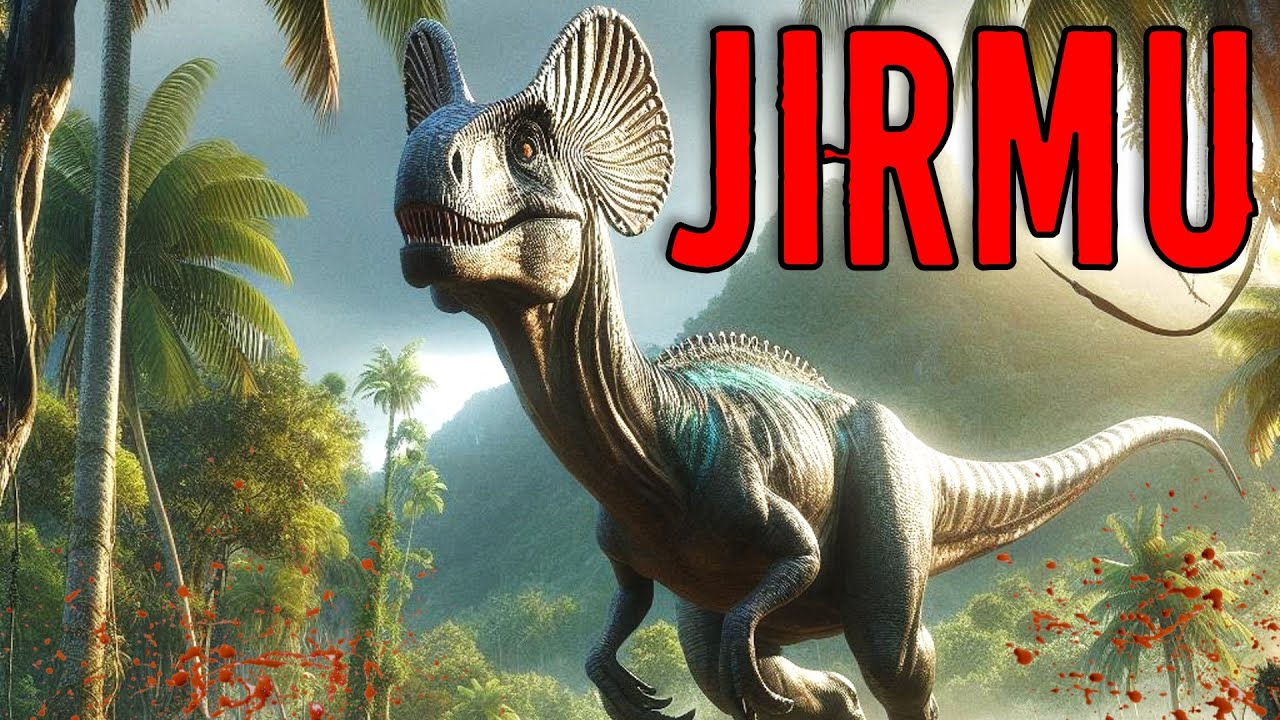
Jirmu: The Andaman Islands' Enigmatic Theropod Mystery

Image

The dense, unexplored jungles of the Andaman Islands have long been whispered to harbor secrets far older than human civilization. Among the most chilling is the legend of the Jirmu, a colossal carnivorous beast spoken of in hushed tones by indigenous tribes. Could this be a relic of a bygone era, a surviving dinosaur from the Cretaceous period, or merely a figment of tribal folklore? Join me as we dissect the evidence and delve into the heart of this primal mystery.

Introduction

The discovery of new species, even in our hyper-connected age, is a rare and exhilarating event. But what about species that defy discovery, lurking in the shadows of ancient legends? The Andaman Islands, a remote archipelago off the coast of India, present a compelling case. Local folklore speaks of a fearsome predator, the Jirmu, a creature that sounds eerily like a dinosaur. This isn't just a campfire story; it's a persistent legend that has captured the imagination and fueled speculation. My mission: to cut through the myths and examine the facts, however elusive they may be.

The Legend of the Jirmu

For generations, the indigenous tribes of the Andaman Islands have passed down tales of the Jirmu. Descriptions vary, but a common thread emerges: a large, bipedal carnivore, possessing formidable predatory capabilities. Some accounts suggest it resembles an ancient dinosaur, specifically a theropod, an evolutionary branch that includes iconic predators like the Tyrannosaurus Rex and the Dilophosaurus. These islands, with their dense rainforests and limited human encroachment, represent a potential ecological sanctuary where such a creature could, theoretically, persist undetected.

Recommended Gear for Investigation

ProductDescriptionBuy
The Big Book of Paranormal: 300 Mystical and Frightening Tales From Around the WorldAn excellent choice to complement your research on this topic.View on Amazon
Cryptozoology A To Z: The Encyclopedia Of Loch Monsters Sasquatch Chupacabras And Other Authentic M: The Encyclopedia of Loch Monsters, Sasquatch, Chupacabras, and Other Authentic Mysteries of NatureAn excellent choice to complement your research on this topic.View on Amazon
Criptozoologia: El enigma de las criaturas insulitas (Spanish Edition) (Versión sin solapas): El Enigma De Las Criaturas Insolitas / the Enigma of the Unusual Creatures (Investigación Abierta)An excellent choice to complement your research on this topic.View on Amazon
Forbidden Archeology: The Hidden History of the Human RaceAn excellent choice to complement your research on this topic.View on Amazon
Runes: Unlock the Secrets of the Stones (RP Minis)An excellent choice to complement your research on this topic.View on Amazon
The H. P. Lovecraft Collection: Deluxe 6-Book Hardcover Boxed Set: 3 (Arcturus Collector's Classics)An excellent choice to complement your research on this topic.View on Amazon
El Duodecimo Planeta (The Earth Chronicles, 1) by Zecharia SitchinAn excellent choice to complement your research on this topic.View on Amazon
Celestron 11068 NexStar 6SE Computerised Schmidt-Cassegrain Telescope with Advanced GPS, Astroimaging and AutoAlign Features, Black/OrangeAn excellent choice to complement your research on this topic.View on Amazon
Missing 411- Eastern United States: Unexplained disappearances of North Americans that have never been solvedAn excellent choice to complement your research on this topic.View on Amazon
Ghost-Hunting For Dummies [Idioma Inglés] An excellent choice to complement your research on this topic.View on Amazon

The narrative of the Jirmu is deeply woven into the cultural fabric of the islands. It is often depicted as a creature of immense power and danger, a symbol of the untamed wilderness that surrounds the island communities. The persistent nature of these legends, passed down through oral tradition, suggests a powerful underlying experience or observation, even if embellished by time and retelling.

Anatomical and Behavioral Profiles

While concrete evidence remains elusive, the tribal accounts offer tantalizing clues about the Jirmu's physical characteristics and behavior. It is consistently described as a theropod-like creature, implying a bipedal stance, sharp claws, and a powerful bite. Some interpretations suggest a large, imposing frame, possibly reaching lengths of several meters. The mention of a "gola" or frill, as noted by one viewer in the comments, could be an evolutionary adaptation or a misinterpretation of anatomical features common in certain theropod species, like the Dilophosaurus.

Behaviorally, the Jirmu is portrayed as a solitary hunter, adapted to the dense jungle environment. Its predatory nature is emphasized, indicating a role at the apex of the local food chain. The remoteness of the Andaman Islands, particularly the less-accessible northern islands, provides a plausible habitat where a large, reclusive animal could evade scientific detection. As one astute observer pointed out, "Muy interesante pero no hay suficiente alimento en esas pequeñas islas para mantener una población de animales tan grandes." This ecological consideration is critical; any viable cryptozoological population requires a sustainable food source.

The Dilophosaurus Connection

The most striking parallel drawn is with the Dilophosaurus, a dinosaur known for its distinctive cranial crests and, in popular culture, its venom-spitting capabilities. The resemblance is too strong to ignore. Could the Jirmu be a surviving population of Dilophosaurus or a closely related species? Paleontological evidence places Dilophosaurus in North America during the Early Jurassic period. However, the concept of widespread dinosaur survival, particularly in isolated pockets, is a cornerstone of cryptozoological research. As one commenter noted, "El Dilophosaurus habitó lo que hoy es América del Norte, pero tuvo un pariente en el continente asiático llamado 'Sinosaurus triassicus' y que habitó en China. Muy posiblemente, un animal similar al Sinosaurus pudo haber originado a este críptido." This suggests a broader distribution of similar theropods across ancient landmasses, making a surviving lineage in a remote region like the Andamans theoretically plausible.

The popular depiction of Dilophosaurus, amplified by media like Jurassic Park, often includes a frill and venom – traits not definitively supported by fossil evidence but pervasive in public consciousness. This pop-culture influence could be shaping the modern interpretation of the Jirmu legend, blurring the lines between folklore and potential historical accounts. "Si el Jirmu se le representa como un Dilophosaurus, es probable que sea un pariente del Dilophosaurus de tamaño grande o pudiera ser algún carnosaurio que se le haya desarrollado una especie de gola en su cabeza," suggests another viewer, highlighting this potential connection.

Ecological Implications

The Andaman Islands, while biodiverse, present significant ecological challenges for a large, predatory dinosaur. Sustaining a viable population requires a substantial prey base. The islands are home to various mammals, birds, and reptiles, but it's uncertain if the collective biomass could support a population of creatures estimated to be several meters long and highly active. "Muy interesante pero no hay suficiente alimento en esas pequeñas islas para mantener una población de animales tan grandes," a critical observation from the audience, underscores this point. This is a common hurdle in cryptid investigations; the ecosystem must be robust enough to support the alleged creature.

However, the islands' remoteness and dense vegetation could allow a creature to occupy an ecological niche with minimal competition and human interference. Furthermore, the possibility of different species of theropods existing across continents, as mentioned regarding Sinosaurus, implies that creatures with similar predatory adaptations could have evolved independently or shared a common ancestor. The potential for such creatures to exist in isolated, unexplored regions is precisely what fuels the field of cryptozoology.

Witness Testimony and Analysis

Direct, verifiable sightings of the Jirmu are scarce, relying primarily on the oral traditions of the indigenous tribes. These accounts, while valuable, are subject to the inherent challenges of folklore: potential exaggeration, misidentification, and the passage of time. However, the consistency across different tribal narratives lends a degree of credibility to the legend.

"Que gran sorpresa inesperado y misterioso jirmu es increíble🤯🤔🌠🌌🐉"

Modern interpretations often incorporate artistic renderings and AI-generated animations, as noted by an impressed viewer: "Muy interessante Las imagenes de IA animados." While these visualizations enhance engagement, they are not direct evidence. They serve to illustrate potential appearances based on limited descriptions and scientific speculation. Similarly, the mention of the Jirmu appearing in a film like "Nightmare Jurassic" further complicates distinguishing legend from potential, albeit unconfirmed, sightings.

Audience members frequently engage with the subject matter, sharing their insights and theories. "Otro críptido dinosaurio más en la lista," one user remarks, adding to the growing catalogue of unexplained creatures. Another commenter, citing a different potential candidate, asks, "Investiga la famosa foto del lado Champ Plain por favor es un caso aislado y hasta ahora que no pudo ser desmentido." This engagement highlights the audience's deep interest in uncovering such mysteries.

Cryptozoological Context

The Jirmu fits neatly into a well-established category within cryptozoology: the "living dinosaur" hypothesis. Numerous alleged sightings worldwide, from the Loch Ness Monster (a plesiosaur, according to legend) to Mokele-mbembe in the Congo Basin (often described as a sauropod), revolve around the idea that certain prehistoric creatures may have survived extinction. The Andaman Islands, with their isolation and rich biodiversity, present a plausible, albeit remote, candidate for such a survival.

The presence of other alleged cryptids in similar island or remote jungle environments—such as the purported theropod in Lake Murray, Papua New Guinea, or the various sea monsters documented across global waters—suggests a pattern. These environments offer refuge and potentially unique evolutionary pathways. The Jirmu's legend is a compelling addition to this gallery of the unexplained, urging further investigation into these often-overlooked corners of the globe.

Investigator's Verdict: Fraud, Genuine Phenomenon, or Something Else?

In the absence of definitive physical evidence—bones, tracks, or high-quality photographic/video proof—the Jirmu remains firmly in the realm of legend and speculation. The accounts are compelling, rooted in the cultural history of the Andaman tribes, and the Dilophosaurus comparison is tantalizing. However, as a pragmatic investigator, I must acknowledge the strong possibility of misidentification or folkloric embellishment. The ecological challenges, as raised by audience feedback, cannot be dismissed lightly.

Could the Jirmu be a surviving dinosaur? It's an alluring thought, but highly improbable based on current scientific understanding. More likely explanations include:

  1. Misidentification: Local fauna, perhaps unusually large monitor lizards or other known animals, could be misinterpreted.
  2. Folklore Evolution: The legend may have originated from fossil discoveries or exaggerated accounts of known animals, eventually morphing into a dinosaur-like creature.
  3. Modern Influence: Popular culture depictions of dinosaurs could be influencing contemporary interpretations of the legend.
While the dream of discovering a living dinosaur persists, rigorous scientific methodology demands concrete proof. Until such evidence surfaces, the Jirmu remains an intriguing enigma, a testament to the enduring power of myth and the mysteries that still inhabit our planet.

The Researcher's Archive

For those seeking to delve deeper into the world of cryptozoology and the potential survival of prehistoric species, I recommend the following resources:

  • Books: "On the Track of Unknown Animals" by Bernard Heuvelmans, "The Cryptozoology Code" by Ken Gerhard.
  • Documentaries: "MonsterQuest" (History Channel series), "Destination Truth" (Syfy series).
  • Online Resources: Cryptozoology.com, reputable scientific journals discussing paleontology and isolated ecosystems.

Understanding the scientific basis for dinosaur extinction versus the theoretical possibilities of isolated survival is key to approaching these subjects critically.

Protocol: How to Document Cryptid Sightings

Should you ever find yourself in a situation where you believe you have encountered an unknown creature, meticulous documentation is paramount. Follow this protocol:

  1. Observe and Record: Note the creature's appearance, size, behavior, and the environment.
  2. Document Evidence: If possible and safe, collect physical evidence such as tracks, scat, or hair samples. Take clear photographs and videos from multiple angles.
  3. Record Environmental Data: Note the time, date, weather conditions, and location (GPS coordinates if available).
  4. Witnesses: Identify and interview any other witnesses separately to avoid corroboration bias.
  5. Report: Submit your findings to reputable cryptozoological organizations or researchers for analysis. Avoid sensationalism; focus on factual reporting.

This structured approach maximizes the scientific value of any potential evidence.

Frequently Asked Questions

¿Is the Jirmu considered a real dinosaur?

While the Jirmu is described in terms that resemble a dinosaur, particularly the Dilophosaurus, there is no scientific evidence to confirm it as a surviving prehistoric species. It remains a legend supported by tribal folklore.

What is the most common theory about the Jirmu's origin?

The most prevalent theory connects the Jirmu to surviving populations of theropod dinosaurs, such as a species related to Dilophosaurus, potentially originating from Asia and establishing itself on the isolated Andaman Islands.

Why are remote islands often associated with mysterious creatures?

Remote islands offer unique ecological conditions: isolation that can lead to endemic species, limited human interference allowing large animals to thrive undetected, and a rich biodiversity that could support a complex food web.

Could the Jirmu be a case of misidentification?

Yes, misidentification of known animals, especially large reptiles or mammals native to the region, is a common explanation for cryptid legends. The descriptions might be embellished over time.

What is the difference between a cryptid and a mythical creature?

While the line can blur, cryptids are generally defined as animals whose existence is unsubstantiated but is suggested by anecdotal evidence (e.g., Bigfoot, Yeti). Mythical creatures (e.g., unicorns, griffins) are typically part of established mythology and folklore, often with supernatural or divine associations, and are not usually expected to be found in the natural world.

Your Field Mission

The world still holds mysteries, and the Andaman Islands are a prime example. Your mission, should you choose to accept it, is to become a critical observer in your own environment. When presented with extraordinary claims, whether in folklore, media, or personal experience, apply a balanced approach: maintain an open mind but demand evidence. Share your findings, engage in thoughtful debate, and support rigorous investigation. The pursuit of truth requires constant vigilance and a commitment to the facts.

What are your thoughts on the Jirmu legend? Do you believe it's possible for dinosaurs to have survived in such isolated locations? Share your theories and any personal experiences with unexplained creatures in the comments below. And if you found this investigation compelling, share it across your social networks to help spread the quest for knowledge!

Investigator's Note: True paranormal research doesn't fund itself. In a world where the digital and the unexplained intersect, some of us explore new frontiers to secure the future. Do you dare to be part of the vanguard? Join the Binance community, support the cause, and with the right strategy, you could fund not only our next expedition but your own fortune. The next great discovery could be just a click away.

Dragons of Rabka: Poland's Cryptid Enigma and Prehistoric Survivors

Image

Deep within the shadowy forests of Poland, an age-old legend whispers of cryptic beings that stalk the night, preying on livestock and instilling fear in the hearts of villagers. These creatures, known as the Dragons of Rabka, have long been the subject of local folklore, sparking debate: are they mere figments of imagination, fantastic beasts of myth, or perhaps, astonishingly, survivors from a bygone prehistoric era? This investigation delves into the heart of this chilling enigma.

The narrative surrounding the Dragons of Rabka paints a picture of elusive, formidable creatures. While the specifics vary, the core elements remain consistent: a predatory nature, a connection to the rugged Polish wilderness, and a profound mystery surrounding their origins and disappearance. Such tales often serve as cultural touchstones, reflecting local anxieties and a deep-seated fascination with the unknown that lies just beyond the veil of our perceived reality.

Introduction: The Rabka Enigma

The legend of the Dragons of Rabka emerges from the dense, ancient forests of Poland, a region steeped in folklore and mystery. For generations, the local populace has spoken of strange, often terrifying creatures that inhabit these woods, leaving behind a trail of inexplicable livestock disappearances. These tales have coalesced into the enduring myth of the "Dragons of Rabka."

Recommended Gear for Investigation

ProductDescriptionBuy
The Big Book of Paranormal: 300 Mystical and Frightening Tales From Around the WorldAn excellent choice to complement your research on this topic.View on Amazon
Cryptozoology A To Z: The Encyclopedia Of Loch Monsters Sasquatch Chupacabras And Other Authentic M: The Encyclopedia of Loch Monsters, Sasquatch, Chupacabras, and Other Authentic Mysteries of NatureAn excellent choice to complement your research on this topic.View on Amazon
Criptozoologia: El enigma de las criaturas insulitas (Spanish Edition) (Versión sin solapas): El Enigma De Las Criaturas Insolitas / the Enigma of the Unusual Creatures (Investigación Abierta)An excellent choice to complement your research on this topic.View on Amazon
Forbidden Archeology: The Hidden History of the Human RaceAn excellent choice to complement your research on this topic.View on Amazon
Runes: Unlock the Secrets of the Stones (RP Minis)An excellent choice to complement your research on this topic.View on Amazon
The H. P. Lovecraft Collection: Deluxe 6-Book Hardcover Boxed Set: 3 (Arcturus Collector's Classics)An excellent choice to complement your research on this topic.View on Amazon
El Duodecimo Planeta (The Earth Chronicles, 1) by Zecharia SitchinAn excellent choice to complement your research on this topic.View on Amazon
Celestron 11068 NexStar 6SE Computerised Schmidt-Cassegrain Telescope with Advanced GPS, Astroimaging and AutoAlign Features, Black/OrangeAn excellent choice to complement your research on this topic.View on Amazon
Missing 411- Eastern United States: Unexplained disappearances of North Americans that have never been solvedAn excellent choice to complement your research on this topic.View on Amazon
Ghost-Hunting For Dummies [Idioma Inglés] An excellent choice to complement your research on this topic.View on Amazon

"I never expected a story like this to exist in a place like Poland," one observer noted online, "it sounds like a legend, but the way they describe the creatures is striking." This sentiment echoes the common reaction to such deeply embedded local narratives: a blend of skepticism and intrigue. The question that inevitably arises is whether these accounts are mere fanciful stories passed down through the ages, or if they harbor a kernel of truth—perhaps pointing towards undiscovered species or even surviving prehistoric animals.

This investigation aims to peel back the layers of this captivating legend, examining the available evidence, considering various hypotheses, and placing the Dragons of Rabka within the broader context of cryptid research and folklore studies.

The Whispers of Rabka: Historical Accounts

The origins of the Dragons of Rabka legend are somewhat obscured by time, likely rooted in the oral traditions of the rural communities living near the Rabka region. Early accounts, often passed down through storytelling, depict these beings as fearsome predators. The earliest records suggest a continuous presence of these tales, spanning several centuries, potentially from the medieval period onwards.

Some accounts detail encounters and the impact these creatures had on the local economy and way of life, primarily through the loss of livestock. This consistent pattern of reported predation lends a certain gravitas to the legend, suggesting it wasn't a fleeting rumor but a persistent concern for the inhabitants of the area. The consistent reporting of these events, spread over a significant period, is a hallmark of many enduring cryptozoological mysteries, prompting us to consider whether there might be an underlying reality, however strange.

"This story of 'dragons' is quite distinct from the typical European dragon lore of large, winged beasts that kidnap princesses and the like. As strange as they are, their sudden disappearance is equally perplexing."

— Online Viewer Comment

The notion that these stories are "clearly plausible" while "really improbable" captures the delicate balance these legends strike. They resonate with our understanding of the natural world, yet push the boundaries of what we consider possible.

Decoding the "Dragons": Physical Descriptions and Behavior

While the term "Dragon" might evoke images of fire-breathing, winged reptiles, the descriptions of the Rabka creatures often diverge significantly from traditional European dragon mythology. Instead, many accounts lean towards descriptions reminiscent of large, bipedal, predatory animals, sparking comparisons to prehistoric theropods.

Reports, though scarce and anecdotal, often mention creatures of considerable size, capable of taking down large animals like cattle. Their behavior is primarily characterized by their nocturnal activity and their elusive nature, making direct observation and scientific study exceedingly difficult. This stealth and nocturnal preference are common traits among many cryptids, contributing to their enduring mystery and the challenge of verifying their existence.

"I like how these 'dragon' stories deviate significantly from the typical European dragon narrative..." another commenter observed, highlighting the unique aspects of the Rabka legend. This distinction is crucial; it suggests the legend may be rooted in something other than pure fantasy, perhaps a misinterpretation of natural phenomena or, more intriguingly, encounters with unknown biological entities.

The possibility of these creatures being "prehistoric survivors" or something akin to "bipedal lizards" is a recurring theme. This aligns with the broader field of cryptid research, which often explores the hypothesis of extant relict populations of animals long thought extinct. Such theories, while speculative, are compelling precisely because they offer a potential, albeit extraordinary, explanation for anomalous reports.

Hypotheses: Prehistoric Survivors or Misidentified Fauna?

When confronting legends like the Dragons of Rabka, the analytical approach demands we consider all plausible explanations, from the mundane to the extraordinary. Several hypotheses attempt to explain these cryptic reports:

  • Misidentified Known Animals: It's possible that the descriptions are exaggerated accounts of known, albeit large or unusual, predators in the region. This could include large canids, bears, or even wolves, whose presence and actions might be amplified by fear and folklore. However, the consistent descriptions leaning towards reptilian or dinosaurian features make this explanation less convincing for some.
  • Fossil Fuelled Folklore: A compelling theory, echoed by many viewers, suggests that the legend might have originated from the discovery of fossilized remains. "I have the theory that this legend might have arisen after the inhabitants unearthed fossilized theropod remains," one user proposed. This aligns with anthropological studies suggesting that many ancient myths, such as those of Chinese dragons, Cyclops, and griffins, may have roots in the discovery of prehistoric bones. The sheer size and strangeness of fossilized dinosaur skeletons could easily have inspired tales of monstrous beasts.
  • Extinct or Undiscovered Species: The most captivating hypothesis is that the "Dragons of Rabka" are indeed remnants of prehistoric life, perhaps a species of dinosaur (like dromeosaurs or other theropods) that somehow survived the extinction event and persisted in isolated pockets of wilderness. As one commentator noted, "I like how you bring back the section of what could possibly be the cryptid in question... If they were indeed theropods, at least it has a justification for how they survived the ages." This line of reasoning considers the possibility of isolated populations surviving in areas with suitable, perhaps until recently, stable environments.
  • Geological Phenomena: While less common for creature legends, unusual geological activity or the discovery of unique natural formations could also contribute to localized folklore. For instance, strange sounds emanating from caves or unusual atmospheric conditions might be incorporated into existing narratives.

The comments also raise pertinent points about the survival of bipedal prehistoric birds. "Prehistoric bipedal birds tend to live separated in specific populations and often given to extinction as soon as something abnormal happens," a user pointed out, linking this to the potential fragility of such isolated groups, which could explain their eventual disappearance from the historical record.

The idea of these creatures as "closely related to prehistoric theropods" or "evolutions of them" is a recurring and intriguing suggestion among the audience. This interpretation acknowledges the visual similarities reported while remaining within the realm of biological possibility, however remote.

Folklore and Local Beliefs

The legend of the Dragons of Rabka is deeply embedded in the cultural fabric of the Rabka region. These stories, passed down through generations, serve multiple purposes: they explain the unexplainable (like livestock disappearances), provide cautionary tales for children, and perhaps reflect a collective memory or an interaction with the unknown wildness of their environment.

The persistence of such legends highlights humanity's enduring fascination with the mysteries of the natural world and our tendency to attribute supernatural or extraordinary origins to phenomena we do not fully understand. "The best channel for cryptozoology," as one viewer enthusiastically proclaimed, indicates a strong audience interest in these tales and the possibility of undiscovered creatures.

The belief that "all stories have a grain of truth" resonates strongly here. While the literal existence of fire-breathing dragons is improbable, the underlying narrative might stem from genuine observations, however misinterpreted. The deep-seated belief in cryptids, as evidenced by the enthusiastic engagement with channels dedicated to the subject, shows that the allure of the unknown remains potent.

"I do think they are just stories invented to scare children, but their good resemblance to theropod dinosaurs reminds me of the phrase 'every story has some truth'."

— Online Viewer Comment

This perspective underscores the psychological aspect of folklore – even if not literally true, the stories tap into primal fears and wonders, making them culturally significant and enduring.

Investigator's Verdict: Fraud, Genuine Phenomenon, or Something Else?

After reviewing the available information and considering the various hypotheses, the case of the Dragons of Rabka presents a classic cryptozoological conundrum. The persistent nature of the legend, coupled with descriptions that deviate from typical folklore and hint at prehistoric connections, prevents a simple dismissal as mere fabrication.

While outright fraud is always a possibility in anecdotal evidence, the lack of specific, verifiable claims makes it difficult to target. The more plausible explanations lie in the realm of either misidentification of known fauna amplified by fear and storytelling, or, more tantalizingly, the hypothesis of surviving prehistoric creatures or creatures that inspired such myths through fossil discoveries.

The recurring mention of theropod-like features is particularly compelling. If we entertain the idea of relict populations, the challenges are immense: survival in a changing climate, maintaining a breeding population, and evading human detection for centuries. The abrupt "disappearance" from the legend, as noted by viewers, could suggest a genuine extinction event for these supposed creatures, or perhaps a shift in local beliefs and reporting patterns.

My professional assessment leans towards the interpretation that the legend is likely a blend of factors: a possible basis in fossil discoveries, embellished tales of rare encounters with unknown or misidentified animals, and the natural human inclination to create narratives of powerful, mysterious beings from the wild. The specific comparisons to theropods are intriguing enough to warrant continued research into any paleontological findings in the Rabka region. Without concrete physical evidence—such as fossils, clear photographic or video evidence, or biological samples—the Dragons of Rabka remain firmly in the realm of compelling legend rather than established fact. However, the possibility, however remote, that they represent a genuine biological mystery cannot be entirely discounted.

The Investigator's Archive

For those delving deeper into the fascinating world of cryptids and unexplained phenomena, the following resources offer valuable insights:

  • Books: Works by cryptozoologists like Bernard Heuvelmans and Karl Shuker provide foundational knowledge and detailed case studies. Explore titles focusing on European cryptids and dinosaurian mysteries.
  • Documentaries: Numerous documentaries investigate famous cryptids like Bigfoot, Nessie, and the Yeti. Look for series that examine the scientific and folkloric aspects of these legends.
  • Online Databases: Websites dedicated to cryptozoology and paranormal research often archive reports, witness accounts, and expert analyses. Cross-referencing information is key.

Understanding these phenomena requires a multidisciplinary approach, blending biology, paleontology, anthropology, and critical thinking. The journey into the unknown is often paved with extensive research and careful consideration of all evidence.

Equipment Recommended for Investigation

Frequently Asked Questions

What is the primary legend surrounding the Dragons of Rabka?
The legend describes mysterious, predatory creatures in the Polish forests that feed on livestock, with descriptions often resembling prehistoric theropods rather than traditional dragons.
What are the main hypotheses for their existence?
Hypotheses include misidentified known animals, folklore inspired by fossil discoveries, and the tantalizing possibility of surviving prehistoric species.
Is there any physical evidence of the Dragons of Rabka?
Currently, there is no concrete physical evidence, such as fossils or verifiable photographic proof, to confirm the existence of the Dragons of Rabka.
Why are they sometimes compared to dinosaurs?
Many anecdotal descriptions of the creatures bear similarities to theropod dinosaurs, leading to speculation that the legends might stem from encounters with or interpretations of prehistoric life.

Your Mission: Become a Crypto-Detective

The mystery of the Dragons of Rabka is a stark reminder that our world may still hold secrets waiting to be uncovered. Your mission, should you choose to accept it:

  1. Research Local Folklore: Investigate local legends and folklore from regions known for unusual animal sightings or unexplained events. Does a similar narrative exist elsewhere?
  2. Examine Paleontological Data: Look into paleontological findings from Poland and surrounding areas. Are there significant theropod fossil sites that could have influenced local myths?
  3. Engage the Community: Share this investigation on social media and ask your network: What are the most compelling cryptid legends from your region? Encourage discussion and the sharing of personal experiences.

The pursuit of truth requires constant vigilance and an open mind. The world is a vast repository of the unexplained, and it is our duty to explore its hidden corners.

What are your thoughts on the Dragons of Rabka? Do you believe they are purely mythical, a misinterpretation, or could they represent something far more ancient and extraordinary? Share your theories and any personal experiences you might have with similar legends in the comments below. Your insights are crucial to our ongoing investigation into the unexplained.

If you found this deep dive into cryptozoology intriguing, consider sharing it with fellow enthusiasts of the strange and unexplained. Your shares help us bring these hidden stories to light. Don't forget to subscribe for more expeditions into the world's greatest mysteries!

Investigator's Note: True paranormal research doesn't fund itself. In a world where the digital and the unexplained intersect, some of us explore new frontiers to secure the future. Do you dare to be part of the vanguard? Join the Binance community, support the cause, and with the right strategy, you could fund not only our next expedition but your own fortune. The next great discovery could be just a click away.