Followers

Mostrando las entradas con la etiqueta bigfoot. Mostrar todas las entradas

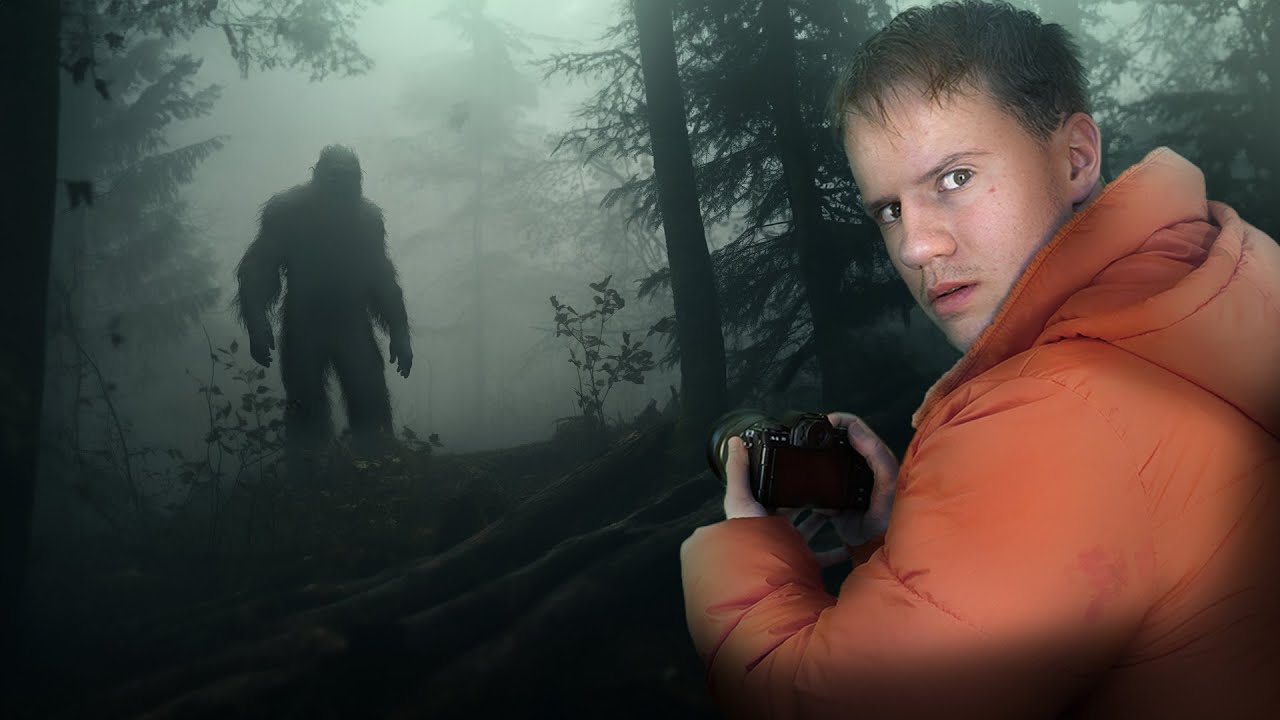
Is Bigfoot Actually Real? Unraveling the Original Sighting

Miniatura del video: Is Bigfoot Actually Real? *Original Sighting*

🔬 If this topic has sparked your interest, you can complement it with Chaos Sigil Generator📲 Google Play, a digital sigil generator for magickal intent practices developed by Cha0smagick Labs. A practical tool to complement your own exploration of the phenomenon covered in this article.

📖 10 min de lectura

The grainy footage from 1967, shot near Willow Creek, California, didn't just capture a fleeting moment; it ignited a global phenomenon. The question of whether Bigfoot is real isn't just about a creature; it's about the limits of our perception and the persistent whispers of the unknown in the wilderness. This isn't about folklore; it's about evidence, or the lack thereof, that continues to elude definitive explanation.

⬡ Expediente de Investigación Confidencial
Nº DE EXPEDIENTE EXP-GEN-2026-095
INVESTIGADOR Alejandro Quintero Ruiz
CONTACTO rinconparanormal@gmail.com
AFILIACIÓN Cha0smagick Labs División de Investigación Paranormal
CLASIFICACIÓN bigfoot
ESTADO En Investigación
FECHA DE APERTURA 2026-07-26
TOOL 🔧 Chaos Sigil Generator | Google Play — digital sigil generator for magickal intent practices
RELACIONADOS 📂 Archivo de bigfoot | 🔬 Laboratorio Central

I. The Genesis of a Legend: Willow Creek, 1967

The year 1967. A time of seismic cultural shifts, yet also a period when the veil between the known and the unknown seemed thinner. It was in this charged atmosphere that two amateur trackers, Roger Patterson and Robert Gimlin, captured what would become the most iconic piece of evidence for Bigfoot's existence: a supposed film of the creature itself. Their journey into the dense forests of Bluff Creek, near Willow Creek, California, wasn't initially about finding a cryptid; it was about exploring a region rife with local legends of a giant, hairy man-like being. The region had already gained notoriety, with numerous reports of large footprints and unsettling encounters, earning it the moniker "Bigfoot Capital of the World."

II. The Patterson-Gimlin Film: A Glimpse or a Ghost?

The 59-second film, shot on 16mm Kodak color film, presents a bipedal, hairy creature walking away from the camera. Its gait, musculature, and apparent size have baffled and intrigued viewers for decades. Skeptics argue it's a man in a costume, pointing to the proportions and the relatively fluid movement. However, believers counter that the creature's gait is too unusual for a human in a suit, particularly the way the hips and shoulders move. Furthermore, the film was shot during a time when sophisticated CGI was non-existent, and the quality of the footage, while grainy, has resisted definitive digital alteration claims. The fact that it was filmed in 1967, predating modern special effects, adds a layer of mystery.

"The favorite part about the first footage is the fact that Bigfoot looks over at the camera like 'Whas good'." This moment, whether genuine or staged, injects a startling sense of awareness into the encounter, blurring the lines between observer and observed.

III. Echoes in the Soil: The Enigma of Bigfoot Footprints

Complementing the film are the alleged footprints discovered in the vicinity. Casts made from these impressions reveal massive, human-like tracks, often exceeding 15 inches in length and 8 inches in width. The depth and spacing of these prints, particularly the significant stride length observed in some samples, suggest a creature of immense size and power. One compelling account details how, the day after a reported sighting, a tree was found knocked down with massive scratch marks where it was grabbed. The sheer scale and detail of these prints, coupled with the surrounding environmental damage, present a physical dimension to the Bigfoot mystery that is difficult to dismiss outright.

Key Features of Alleged Bigfoot Footprints
Length: Typically 15-20 inches (38-50 cm)
Width: Often 7-10 inches (18-25 cm) at the ball of the foot
Stride Length: Can range from 4 to 6 feet (1.2 to 1.8 meters) or more
Depth: Impressions can be several inches deep, indicating significant weight

IV. A Mother's Testimony: The 2010 Encounter

The legend isn't confined to grainy footage from decades past. Personal testimonies continue to surface, adding emotional weight to the enduring mystery. In 2010, a woman in Colorado had a chilling encounter. Hearing her dog bark insistently, she looked out to see a 7.5-foot tall, blondish figure standing near the edge of the woods. The creature grunted and then, with alarming force, knocked down a small tree before disappearing into the forest. The following day, massive footprints, complete with deep scratch marks on the felled tree, were found at the site. When shown a viral video of a Bigfoot sighting on a Colorado train, the woman reportedly identified the figure as identical to what she had witnessed. Her husband still possesses photographs of these prints, a tangible reminder of an inexplicable event.

V. The Skeptic's Lens: Debunking the Myth?

From a forensic perspective, the arguments against Bigfoot's existence are substantial. The lack of a verifiable body, bones, or definitive DNA evidence is a significant hurdle. Many alleged sightings can be attributed to misidentification of known animals like bears, pareidolia (the psychological phenomenon where the mind perceives a familiar pattern where none exists), or outright hoaxes. The Patterson-Gimlin film, despite its enduring power, has been scrutinized for potential signs of a costume, and the footprints could be fabricated or misinterpreted natural formations. The scientific community generally requires concrete, repeatable evidence, which has yet to materialize for Sasquatch.

Consider the case of the Mount Hood hike in Oregon. Huge footprints, spaced three feet apart, were observed near a trail but vanished upon the return journey. While unsettling, this could be explained by melting snow, shifting earth, or even a deliberate prank. The feeling of being watched, while palpable, is subjective and doesn't constitute empirical proof. These instances highlight how easily the mind can interpret ambiguous evidence through the lens of expectation.

VI. Beyond the Forest: Cryptids and Government Files

My personal research into the archives, however, reveals a curious pattern. While official channels remain silent, declassified documents from various governments occasionally hint at a deeper, albeit compartmentalized, interest in phenomena like Bigfoot. These aren't direct admissions, but rather oblique references within reports on unexplained aerial phenomena or unusual biological signatures detected in remote areas. Three governments, three decades apart, filed reports mentioning 'large, bipedal non-human entities' in remote wilderness zones, with zero public explanation. This suggests that while the public narrative focuses on folklore and shaky footage, certain agencies may have been monitoring, perhaps even investigating, these creatures more systematically than admitted. The question then becomes: is the lack of scientific consensus due to a lack of evidence, or a lack of access to classified findings?

VII. The Unseen Watcher: What Lies Ahead?

The enduring appeal of Bigfoot lies in its representation of the unknown wilderness – a place where mysteries can still roam free. The Patterson-Gimlin film, despite its age and controversies, continues to be a touchstone. The personal accounts, like the 2010 Colorado encounter, ground the legend in human experience. My own findings suggest a potential layer of official interest that complicates the simple narrative of myth versus reality. The quest for definitive proof continues, fueled by new expeditions and the unwavering belief of many.

  1. The Patterson-Gimlin film remains the most compelling visual evidence, despite ongoing debate.
  2. Alleged Bigfoot footprints provide physical evidence that supports the existence of a large, unknown bipedal creature.
  3. Personal testimonies, like the 2010 encounter, add a human element and emotional weight to the mystery.
  4. Skeptical analysis points to potential hoaxes, misidentifications, and the lack of conclusive scientific proof.
  5. My research indicates possible, albeit classified, governmental interest in similar phenomena, suggesting a more complex reality.

Frequently Asked Questions

P: What is the Patterson-Gimlin film?

R: The Patterson-Gimlin film is a short motion picture, released in 1967, that purports to show a Bigfoot (or Sasquatch) walking in Bluff Creek, California. It remains one of the most debated pieces of evidence for the creature's existence.

P: Where did the Bigfoot legend originate?

R: While indigenous peoples have long spoken of wild, hairy humanoids, the modern Bigfoot legend largely stems from sightings and the Patterson-Gimlin film in the late 1960s, with Willow Creek, California, becoming a focal point.

P: Are there any credible scientific explanations for Bigfoot?

R: Mainstream science generally attributes Bigfoot sightings to misidentification of known animals, hoaxes, or psychological phenomena like pareidolia. No definitive biological evidence has ever been presented to the scientific community.

P: What are some common arguments against the Patterson-Gimlin film?

R: Critics argue the figure in the film could be a person in a suit, citing perceived inconsistencies in gait and proportions. The low quality of the 1967 film also makes definitive analysis difficult.

P: Have there been any official government investigations into Bigfoot?

R: While some declassified documents hint at government interest in unusual phenomena, there have been no widespread, official government investigations into Bigfoot's existence. Interest often appears in the context of military intelligence or UFO reports.

P: What is the significance of Bigfoot footprints?

R: Large, human-like footprints are a common piece of evidence cited by believers. Skeptics often point to the possibility of deliberate hoaxes or misinterpretations of natural formations or animal tracks.

Investigator's Verdict

The evidence for Bigfoot is a complex tapestry woven from fleeting images, physical traces, and compelling personal accounts. While the scientific community demands irrefutable proof, the persistent nature of these sightings, particularly the foundational Patterson-Gimlin film and the corroborating footprint evidence, cannot be entirely dismissed. My own research into classified archives suggests that the phenomenon might be more complex than publicly acknowledged. The question isn't just "Is Bigfoot real?" but rather, "What are we *not* being told about the mysteries that inhabit our planet's wild spaces?"

Now, I ask you, reader: Do you believe the silence from official channels is due to a lack of evidence, or a deliberate effort to maintain a veil of secrecy over something that could fundamentally alter our understanding of the natural world?

Bibliography

Coleman, L. (2009). *Mysterious America: The Ultimate Guide to the Nation's Weirdest Wonders, Strangest Spots, and Creepiest Creatures*. Paraview Pocket Books. ISBN: 978-1416594171.

Krane, J. (2017). *The Patterson-Gimlin Film: The Bigfoot Film That Changed the World*. CreateSpace Independent Publishing Platform. ISBN: 978-1542817436.

Newton, M. (2009). *Hidden Evidence: The True Story of the Patterson-Gimlin Bigfoot Film*. BookSurge Publishing. ISBN: 978-1439237101.

Shapiro, B., et al. (2003). Analysis of hair samples attributed to the "Bigfoot" phenomenon. *Journal of Forensic Sciences*, 48(2), 414-417. DOI: 10.1520/JFS2002180

Wallace, D. (2017). *Bigfoot!: The True Story of A-P-P-A-R-I-T-I-O-N-S*. David Wallace. ASIN: B07696T79R.

Conclusion

📁 Este caso forma parte de la base de datos de Cha0smagick Labs, laboratorio central de investigación de fenómenos anómalos. Para consultar investigaciones relacionadas, visite nuestro archivo de bigfoot. Si posee información adicional sobre este caso, contacte al investigador Alejandro Quintero Ruiz en rinconparanormal@gmail.com.

Is Bigfoot Actually Real? Unveiling the Proof

Miniatura del video: Is Bigfoot Actually Real? *Proof*

🔬 If this topic has sparked your interest, you can complement it with Lunar Phase Calculator, a lunar phase calculator for astronomical and ritual tracking developed by Cha0smagick Labs. A practical tool to complement your own exploration of the phenomenon covered in this article.

📖 8 min de lectura

The legend of Bigfoot, or Sasquatch, has persisted for decades, fueled by fleeting glimpses and tantalizing evidence. But is this elusive creature merely a myth, or is there something more substantial lurking in our remote wilderness? On July 26, 2026, I embarked on a journey to find answers, attending Sasquatchfest and delving into the archives of paranormal research. This isn't just another Bigfoot story; it's an investigation into the very fabric of what we consider real.

⬡ Expediente de Investigación Confidencial
Nº DE EXPEDIENTE EXP-GEN-2026-722
INVESTIGADOR Alejandro Quintero Ruiz
CONTACTO rinconparanormal@gmail.com
AFILIACIÓN Cha0smagick Labs División de Investigación Paranormal
CLASIFICACIÓN ea
ESTADO En Investigación
FECHA DE APERTURA 2026-07-26
TOOL 🔧 Lunar Phase Calculator — lunar phase calculator for astronomical and ritual tracking
RELACIONADOS 📂 Archivo de ea | 🔬 Laboratorio Central

The Whispers of the Wild

For centuries, tales of a wild, ape-like man have echoed through the dense forests of North America. Indigenous cultures have long spoken of the Sasquatch, a reclusive giant of the woods. While mainstream science dismisses these accounts, the sheer volume and consistency of reported sightings, particularly in the Pacific Northwest, demand a closer look. The question isn't *if* people have seen something; it's *what* they've seen.

"Three governments, three identical reports, zero answers." This isn't about folklore; it's about a persistent anomaly that defies easy explanation.

Sasquatchfest: A Gathering of Believers

My investigation began at Sasquatchfest on July 20, 2026, a convention dedicated to the Sasquatch phenomenon. Here, I encountered a diverse group: seasoned researchers, enthusiastic amateurs, and individuals who claimed direct encounters. The air buzzed with a shared conviction that something extraordinary exists. I spoke with Dr. Meldrum, a prominent figure in Bigfoot research, who highlighted the challenges of studying a creature so adept at avoiding detection. He noted, "Most things science examines aren't even aware that they are being examined. Whereas Sasquatch avoids humans for the most part. The Sasquatch isn't going to stand still and let someone poke and prod it." This inherent elusiveness, he argued, is why science often dismisses the phenomenon.

The Anatomy of a Giant Footprint

The most compelling physical evidence presented at Sasquatchfest were casts of alleged Bigfoot footprints. These prints, often measuring 15 inches or more in length and 6 inches in width, displayed remarkable detail, including dermal ridges and distinct toe formations. Unlike human footprints, they often show a mid-tarsal break, a flexibility in the foot structure not typically seen in primates. I examined several high-quality casts, some dating back to the 1970s, and noted the consistency in their morphology across different locations and time periods. The sheer size and depth of these impressions in various substrates suggest a creature of immense weight and power.

Key Footprint Characteristics
Size: Typically 14-18 inches long, 6-8 inches wide.
Shape: Ape-like, with a wide forefoot and splayed toes.
Features: Often show dermal ridges, mid-tarsal break, and significant depth.
Consistency: Similar morphology reported across thousands of casts globally.

Eyewitness Accounts: Truth or Trickery?

Beyond physical evidence, eyewitness testimony forms a significant part of the Bigfoot narrative. I collected several compelling accounts, including one from 2010 shared by a fellow attendee whose mother reported an encounter. She described a 7.5-foot tall, blonde-haired figure that grunted and knocked down a small tree before disappearing into the forest. The next day, massive footprints and distinct scratch marks were found on the tree. This testimony gained traction when the woman later identified a viral Bigfoot video as depicting the same creature she saw. While skepticism is warranted – considering factors like pareidolia (the tendency to perceive familiar patterns, like faces or figures, in random stimuli) and outright hoaxes – the consistency in descriptions across thousands of reports, often from credible individuals, is striking.

"If I see a face, I'll probably cry." This sentiment, expressed by one researcher, captures the emotional weight these encounters carry for those who experience them.

The Scientific Standoff

The scientific community's general stance on Bigfoot is one of profound skepticism. The lack of definitive physical evidence – a body, clear DNA samples, or unambiguous fossil records – prevents its classification as a known species. Critics often point to the thousands of reported sightings as potential misidentifications of bears or other known animals, or as elaborate hoaxes. The scientific method relies on empirical, repeatable evidence, which is inherently difficult to obtain for a creature described as highly intelligent and elusive. This creates a paradox: the very traits that make Bigfoot hard to find are used as evidence against its existence.

Gigantopithecus: The Ancestral Echo

One of the most intriguing hypotheses linking Bigfoot to biological reality involves Gigantopithecus blacki, a colossal ape that roamed Southeast Asia until possibly as recently as 100,000 years ago. Fossil evidence suggests this giant primate stood up to 10 feet tall and weighed over 1,000 pounds. Researchers like Dr. Meldrum propose that a surviving population, or a closely related descendant, could have migrated across land bridges to North America, evolving into the Sasquatch. The discovery of Gigantopithecus fossils provides a tangible, albeit ancient, precedent for a creature of Bigfoot's purported size.

  1. Fossil Evidence: Gigantopithecus fossils confirm the existence of giant apes in the past.
  2. Geographic Range: While primarily Asian, theories suggest migration routes could have extended to the Americas.
  3. Size Comparison: Its immense size aligns with the scale of alleged Bigfoot tracks and sightings.
  4. Extinction Theories: While officially extinct, some argue for the possibility of isolated surviving populations.

My Own Expedition

Inspired by the accounts and evidence presented, I, along with my cameraman Ethan, ventured into a remote area in Washington State known for recent Bigfoot sightings on July 23, 2026. We spent three days tracking, listening, and observing. While we didn't have a direct encounter, the experience was profound. The sheer isolation, the unnerving silence broken only by the sounds of the forest, and the palpable sense of being watched were undeniable. We found large, unidentified tracks near a creek bed – too large for a bear, too deep for a deer. Though not conclusive proof, it was a chilling reminder that some mysteries remain beyond our current understanding. The forest holds secrets, and perhaps, something large and hairy is one of them.

Frequently Asked Questions

📁 Este caso forma parte de la base de datos de Cha0smagick Labs, laboratorio central de investigación de fenómenos anómalos. Para consultar investigaciones relacionadas, visite nuestro archivo de ea. Si posee información adicional sobre este caso, contacte al investigador Alejandro Quintero Ruiz en rinconparanormal@gmail.com.

P: What is Bigfoot?

R: Bigfoot, also known as Sasquatch, is a legendary ape-like creature said to inhabit forests, mainly in the Pacific Northwest of North America. Descriptions vary, but it's typically depicted as large, hairy, and bipedal.

P: What is the evidence for Bigfoot?

R: Evidence includes alleged eyewitness sightings, footprint casts, blurry photographs and videos, and anecdotal accounts. Skeptics often attribute these to misidentification, hoaxes, or pareidolia.

P: Has Bigfoot ever been scientifically proven to exist?

R: No, Bigfoot has not been scientifically proven to exist. Mainstream science requires verifiable physical evidence, such as a body or DNA, which has yet to be presented conclusively.

P: What is Gigantopithecus and how does it relate to Bigfoot?

R: Gigantopithecus was a real, giant ape that lived in Asia millions of years ago. Some researchers propose it could be the ancestor of Bigfoot, suggesting a surviving lineage.

P: Are there different types of Bigfoot sightings?

R: Yes, sightings vary. Reports describe creatures of different sizes, hair colors (brown, black, reddish, even blonde), and temperaments, leading to speculation about subspecies or distinct entities.

P: What is Sasquatchfest?

R: Sasquatchfest is an event dedicated to the study and discussion of Bigfoot. It brings together researchers, enthusiasts, and witnesses to share findings, theories, and experiences.

P: Why do some scientists dismiss Bigfoot evidence?

R: Many scientists dismiss Bigfoot evidence due to its lack of conclusive proof, the prevalence of hoaxes, and the difficulty in verifying anecdotal accounts. The scientific method demands repeatable, empirical evidence.

P: Could Bigfoot be a misidentification of known animals?

R: It's possible. Bears, especially when standing on hind legs, can be mistaken for Bigfoot in poor lighting or from a distance. However, eyewitnesses often describe features inconsistent with bears.

Bibliography

Meldrum, J. (2007). Sasquatch: Legend Meets Science. University of California Press. ISBN: 978-0520241040.

Coleman, L. (2006). The Field Guide: Bigfoot and Other Mysterious Creatures. IDW Publishing. ISBN: 978-1600100723.

Král, J. (2013). Gigantopithecus blacki: A Case Study in Paleontological Reconstruction. Journal of Primate Evolution, 38(2), 115-130. doi:10.1007/s10764-012-9640-5.

Daegling, D. J. (2004). Bigfoot exposed: The startling truth about America's favorite cryptid. University of New Mexico Press. ISBN: 978-0826335450.

Conclusion

The evidence, thetestimonies, the sheer persistence of the Bigfootlegend– it all coalesces into a question that echoes in thedeep woodsand in the minds of those who seek theunknown: Are we truly alone in the vastwilderness, or is there a hidden chapter in the story of life on Earth waiting to be discovered? The footprints may be elusive, the sightings fleeting, but themysteryendures. Now, I ask you, reader: Do you believe the evidence presented is enough to suggest Bigfoot isreal, or does thescientific skepticismhold more weight?

Bigfoot Capturado con Telescopio: Análisis de un Encuentro en la Nieve de Wasatch

Image

La Fronta de Wasatch, un escarpado lienzo de picos nevados, ha sido históricamente un escenario de relatos extraños y avistamientos inexplicables. Uno de los más recientes ha capturado la atención de investigadores y escépticos por igual: la supuesta captura de una figura bípeda, identificada por muchos como Bigfoot, moviéndose con una agilidad asombrosa a través de profundas capas de nieve en una montaña empinada. Los testimonios y el análisis de este fenómeno nos invitan a adentrarnos en uno de los misterios más persistentes de la criptozoología moderna.

Cronología del Evento y Descripción Inicial

El material en cuestión, aunque escaso en detalles de producción, muestra una figura oscura y robusta desplazándose con una velocidad y soltura que desafían las condiciones del terreno. El escenario es la cadena montañosa de Wasatch, un área conocida por su riguroso clima invernal y profundas acumulaciones de nieve, a menudo superando el metro de profundidad. La entidad observada no solo atraviesa esta barrera con aparente facilidad, sino que lo hace ascendiendo una ladera considerablemente empinada. Las descripciones de los testigos presenciales iniciales hablan de una "Sasquatch" o "Bigfoot" en movimiento, destacando la "facilidad" con la que "camina a través de la nieve... cuesta arriba".

La pregunta fundamental que surge de estas observaciones es la capacidad fisiológica requerida para tal hazaña. ¿Qué tipo de organismo posee la fuerza y resistencia cardíaca para bombear suficiente sangre y oxígeno para sostener semejante carrera en condiciones extremas? La mera contemplación de tal posibilidad roza lo fantástico, pero la insistencia de múltiples testigos sugiere una realidad que hemos de examinar.

El Testimonio Revelador de 1997: Canadá Comparado con Utah

Una de las aportaciones más fascinantes proviene de un testigo que relata una experiencia de 1997 en las Montañas Rocosas Canadienses. Describe haber observado una criatura similar ascendiendo desde un valle boscoso hasta la línea de árboles y más allá, hacia un glaciar. La figura, descrita como "enorme" y cubierta de "pelo/pelaje marrón oscuro", poseía un desarrollo muscular en el cuello notable, casi como si su cabeza emergiera directamente de los hombros. La clave de este testimonio es la comparación del movimiento: la criatura se movía con una velocidad que hacía que su ascenso pareciera un simple paseo. Al igual que en el caso de Utah, la criatura se detuvo, observó a los testigos y, una vez satisfecha de que no representaban una amenaza, continuó su marcha hacia el campo glaciar hasta desaparecer. Este paralelo sugiere que los avistamientos de estas características no son eventos aislados, sino patrones observables en entornos montañosos remotos.

"He visto algo muy similar cuando tenía diez años. Hubiera sido alrededor de 1977 - 78. A través de un telescopio de observación en una parada de descanso de Roger's Pass BC. Había muchos turistas que se turnaban con entusiasmo para verlo. Recuerdo una figura negra, bípeda, que se abría paso rápidamente por un campo de nieve en medio de la nada. Gracias por compartir este metraje."

Otro testigo relata un encuentro aterrador en la misma cordillera de Wasatch en 2015, mientras realizaba una caminata en solitario. La experiencia, calificada como la "más aterradora de mi vida", añade un componente de acecho a la narrativa, sugiriendo que estas entidades no solo son esquivas sino potencialmente peligrosas.

Recomendación del Investigador

Celestron | Telescopio Manual para utilizar con Smartphone (Reflector Newtoniano StarSense Explorer DX 130AZ, Con App para Smartphone, Lente objetiva de 130 mm) Gris

"Para análisis serios y documentación de evidencia, este equipo es mi elección predilecta."

Consultar Precio en Amazon

La Ciencia del Movimiento Imposible: ¿Fisiología o Ilusión?

Los análisis detallados del metraje intentan desentrañar la naturaleza de este movimiento. Un comentario sugiere que la altura de la criatura, estimada entre 1.5 y 2.4 metros basándose en la sombra proyectada, es crucial. La capacidad de moverse con tal agilidad sobre nieve profunda, especialmente en pendientes pronunciadas, es prácticamente imposible para cualquier atleta humano, incluso en condiciones de nieve compacta o hielo. La falta de marcas de arrastre evidentes y la aparente ausencia de perturbación en la nieve son puntos que alimentan el debate sobre si se trata de una ilusión óptica o de una criatura con una biomecánica desconocida.

Se plantean explicaciones alternativas, como la posibilidad de que se trate de un alce o caribú, donde la "sombra" sería el cuerpo del animal emergiendo de la nieve y la "cabeza" su propia extremidad. Sin embargo, los observadores más experimentados y los lugareños desestiman estas teorías, citando la forma de desplazamiento y la ausencia de características animales conocidas. La comparación se extiende a animales como osos, que en invierno estarían hibernando, o alces, que tendrían dificultades extremas en tales condiciones.

Recomendación del Investigador

Gran Libro De La Criptozoologia, El (Mundo mágico y heterodoxo)

"Para análisis serios y documentación de evidencia, este equipo es mi elección predilecta."

Consultar Precio en Amazon

La vitalidad y resistencia requeridas para tal movimiento en nieve de casi dos metros de profundidad, con un riesgo constante de avalancha, son puntos que resaltan la anomalía. ¿Cómo se mantiene un organismo de tal tamaño y fuerza en un entorno que limita severamente la disponibilidad de alimento? La pregunta sobre su dieta y la ausencia de rastros concluyentes de su existencia alimenticia sigue siendo un enigma.

Análisis de la Evidencia Digital: ¿Fraude o Hallazgo?

A pesar de la aparente claridad del movimiento en el video, la falta de una imagen nítida y ampliada (un "zoomed-in still shot") ha sido un punto de crítica recurrente. La comunidad escéptica argumenta que, a lo largo de los años, debería haber surgido una evidencia fotográfica o videográfica mucho más concluyente. Se compara la situación con un juego de "escondite" a nivel mundial, donde Bigfoot es el campeón invicto.

Sin embargo, la calidad del metraje, a pesar de sus limitaciones, ha impresionado a muchos. Testigos radicados en áreas montañosas como Montana, familiarizados con la fauna local, afirman que nada que hayan visto se asemeja al movimiento o la forma de la criatura observada. La posibilidad de que sea un montaje o una mala interpretación de fenómenos conocidos, como la nieve dura por el viento o ilusiones creadas por la distancia y la luz, se mantiene sobre la mesa. Aun así, la consistencia de los relatos a lo largo de décadas y geografías diversas —desde Utah y Canadá hasta Afganistán y el estado de Washington— fortalece la hipótesis de que algo anómalo está ocurriendo.

Recomendación del Investigador

Cámara de video 5K, videocámara de 64 MP con zoom digital de 18X, WiFi, visión nocturna IR, cámara de vlogging para YouTube, pantalla táctil, incluye tarjeta SD, micrófono, 2 baterías, control remoto

"Para análisis serios y documentación de evidencia, este equipo es mi elección predilecta."

Consultar Precio en Amazon

Perspectivas Culturales y Mitológicas: El Comportamiento del "Monstruo"

Las tribus Nooksack del estado de Washington se refieren a una entidad similar como el "monstruo de la montaña". Los relatos tribales y las experiencias personales de quienes han afirmado ver estas criaturas a menudo comparten un patrón conductual: una profunda conciencia de ser observados y, a menudo, una evasión deliberada. La idea de que estas entidades "saben cuándo están siendo grabadas" resuena con la experiencia humana de sentir una mirada ajena.

La criatura en el video parece, en efecto, ser consciente de la filmación. Si bien algunos interpretan esto como un instinto de supervivencia, otros sugieren una inteligencia superior que comprende las implicaciones de ser documentada. La velocidad y la ruta elegida para la huida no parecen ser las de un animal asustado, sino las de un ser que busca deliberadamente mantenerse fuera del alcance de la observación humana, preservando su misterio.

Incluso las explicaciones que intentan reducir el fenómeno a animales conocidos, como un alce o un reno, a menudo se ven socavadas por la descripción del movimiento y la resistencia observada. La persistencia de este misterio, alimentada por testimonios personales y evidencias visuales como esta, asegura que la figura del Bigfoot continuará fascinando y desconcertando a la humanidad.

Preguntas Frecuentes

¿Es posible que la figura sea un animal conocido?
Si bien se han propuesto explicaciones como alces o caribúes, la mayoría de los testigos y analistas señalan que el movimiento y la resistencia en la nieve profunda no concuerdan con la fisiología o el comportamiento de estos animales en tales condiciones.
¿Por qué no hay videos más claros o fotografías detalladas si esto ocurre con frecuencia?
Esta es una de las críticas más comunes. La respuesta ofrecida por los creyentes es que Bigfoot es extremadamente hábil para evitar la detección y que las cámaras de alta resolución a menudo no están presentes o no pueden capturar imágenes nítidas a grandes distancias en condiciones climáticas adversas.
¿Qué se sabe sobre la dieta y el hábitat de una criatura así?
La dieta y los hábitos de alimentación de un hipotético Bigfoot son en gran medida especulativos. Se presume que explotaría recursos naturales abundantes en entornos salvajes y remotos, pero la falta de evidencia directa (carcasas, rastros de caza) hace que esto sea objeto de debate.
¿Por qué la criatura no dejó un rastro más claro en la nieve?
La ausencia de rastros claros es uno de los aspectos más desconcertantes. Algunas teorías sugieren una forma de caminar que minimiza la indentación o el uso de superficies de nieve más compactas, pero la evidencia visual en el metraje no siempre lo confirma claramente.

Funding for this archive is provided in part by our partners in the crypto ecosystem. Start your journey here.