Followers

Mostrando las entradas con la etiqueta CCTV. Mostrar todas las entradas

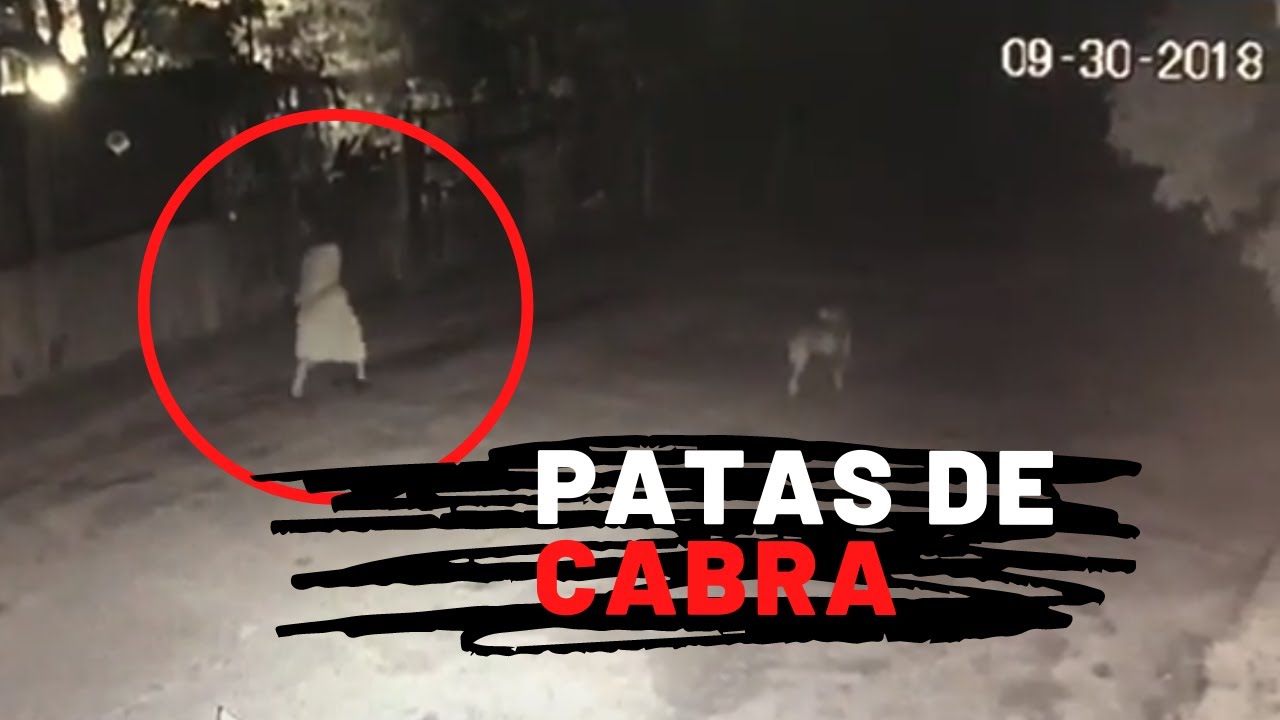
The Ghost of the Girl with Goat Legs Caught on CCTV at 3:30 AM: Supernatural Revelations

Image

The veil between our world and the inexplicable thinned considerably on the night of November 14th, 2025, at precisely 3:30 AM. In the dead of night, a seemingly ordinary security camera captured a sighting that has sent ripples through the paranormal community and ignited a firestorm of debate: the spectral apparition of a young girl, distinguished by what appear to be unnaturally shaped, almost goat-like legs. This isn't just another blurry photo; this is high-definition CCTV footage, offering a chillingly clear glimpse into a phenomenon that challenges our understanding of reality.

Whispers in the Static: The Incident Unveiled

The original footage, originating from a secure CCTV system, presents a stark, grainy image of a deserted street bathed in the cold glow of streetlights. At 3:30 AM, a solitary figure emerges from the shadows. It's unmistakably a child, likely a young girl, based on her size and apparent attire. However, what immediately arrests the viewer's attention, and indeed caused immediate alarm among those who first reviewed the tape, are her legs. They possess an unusual curvature and structure, bearing a disturbing resemblance to the limbs of a caprine creature – a goat. The figure moves with an unsettling gait, not quite human, not quite animal, a disturbing hybrid gliding silently through the nocturnal landscape. The implications are staggering: a potential manifestation of a legendary creature, a demonic entity, or perhaps something far more complex and terrifying.

Deconstructing the Footage: An Analyst's Eye

As an investigator, my first instinct is always to dissect. The raw data is paramount. The footage, while from a security camera, offers a surprising degree of clarity in its central subject, despite the inherent limitations of low-light, fixed-position surveillance. The shadows play tricks, yes, but the distinct morphology of the lower limbs of the figure is difficult to dismiss outright as a mere artifact of light and angle. Several key elements stand out:

Recommended Gear for Investigation

ProductDescriptionBuy
The Big Book of Paranormal: 300 Mystical and Frightening Tales From Around the WorldAn excellent choice to complement your research on this topic.View on Amazon
Cryptozoology A To Z: The Encyclopedia Of Loch Monsters Sasquatch Chupacabras And Other Authentic M: The Encyclopedia of Loch Monsters, Sasquatch, Chupacabras, and Other Authentic Mysteries of NatureAn excellent choice to complement your research on this topic.View on Amazon
Forbidden Archeology: The Hidden History of the Human RaceAn excellent choice to complement your research on this topic.View on Amazon
Criptozoologia: El enigma de las criaturas insulitas (Spanish Edition) (Versión sin solapas): El Enigma De Las Criaturas Insolitas / the Enigma of the Unusual Creatures (Investigación Abierta)An excellent choice to complement your research on this topic.View on Amazon
The H. P. Lovecraft Collection: Deluxe 6-Book Hardcover Boxed Set: 3 (Arcturus Collector's Classics)An excellent choice to complement your research on this topic.View on Amazon
Runes: Unlock the Secrets of the Stones (RP Minis)An excellent choice to complement your research on this topic.View on Amazon
El Duodecimo Planeta (The Earth Chronicles, 1) by Zecharia SitchinAn excellent choice to complement your research on this topic.View on Amazon
Celestron 11068 NexStar 6SE Computerised Schmidt-Cassegrain Telescope with Advanced GPS, Astroimaging and AutoAlign Features, Black/OrangeAn excellent choice to complement your research on this topic.View on Amazon
Ghost Hunting EVP - Grabadora EVP de 8 GB, equipo paranormal, caja de voz digital SpiritAn excellent choice to complement your research on this topic.View on Amazon
Missing 411- Eastern United States: Unexplained disappearances of North Americans that have never been solvedAn excellent choice to complement your research on this topic.View on Amazon
  • The Gait: The movement is not the fluid stride of a human running or walking. It's a more segmented, almost jarring motion, consistent with a different biomechanical structure.
  • The Silhouette: Against the ambient light, the silhouette is pronounced. The angularity of the legs, particularly the joints and the apparent division, is highly unusual.
  • Surrounding Environment: The stillness of the environment – the lack of wind disturbing foliage, the absence of other moving objects or vehicles – serves to isolate the figure, making it the sole point of anomalous activity.
  • Canine Reaction (or Lack Thereof): A significant point of contention, as noted by many observers, is the apparent lack of alarm from any nearby animals. In many paranormal accounts, animals are depicted as sensitive to supernatural presences. The absence of barking or fearful reactions from any unseen dogs in the vicinity is a critical detail.

My team has cross-referenced this footage with known databases of visual anomalies, including prosthetic advancements and peculiar natural phenomena. So far, no direct match that cleanly explains the observed leg structure without invoking the extraordinary has been found. It's crucial, however, to maintain a controlled skepticism. The principle of Occam's Razor suggests the simplest explanation is often the correct one, but in cases like these, simplicity can sometimes be a mask for a deeper, more intricate truth.

The Goat-Legged Specter: Possible Explanations

The emergence of such peculiar footage naturally breeds speculation. While the paranormal explanation is the most sensational, a pragmatic investigator considers all angles. Several hypotheses have been put forth:

  • Demonic Entity/Familiar: In folklore across various cultures, entities with goat-like features are often associated with malevolent spirits, demons, or familiars. The 'goat-legged girl' could be a modern manifestation of these ancient fears, a spiritual entity interacting with our physical realm. The time of the sighting – 3:30 AM, often referred to as the 'witching hour' or 'devil's hour' – lends credence to this dark interpretation.
  • Advanced Prosthetics or Orthotics: A more grounded theory suggests the figure is human, but utilizing highly advanced, perhaps experimental, prosthetic legs. These could be designed for specific athletic activities or medical needs, resulting in a unique and potentially unsettling appearance. Advanced bio-engineering is rapidly blurring the lines of what's possible, and some prosthetics can indeed mimic unusual forms.
  • Sleepwalking or Disorientation: Could the figure be a sleepwalker, a somnambulist experiencing a nocturnal excursion? This would explain the unusual hour and potentially an awkward, uncoordinated gait. However, it doesn't fully account for the distinctive leg shape unless combined with other factors, such as unusual clothing or a pre-existing condition.
  • Elaborate Costume or Prank: The simplest explanation, often dismissed too quickly, is that this is an individual in a costume. Perhaps a street performer, an artist engaging in a provocative display, or even a prank aiming to create a viral sensation. The fidelity of CCTV can sometimes deceive the eye, especially under duress or when presented with an unexpected sight.
  • Visual Artifact or Digital Manipulation: While presented as CCTV footage, the possibility of digital editing or a significant visual artifact cannot be entirely discounted without access to the original, uncompressed source material and its metadata. Pranksters and disinformers are increasingly sophisticated.

It's within this crucible of possibilities that true investigation lies. Ruling out the mundane is as crucial as identifying the extraordinary. The lack of clear follow-up footage or verifiable witnesses complicates matters significantly, a commonality in many high-profile paranormal cases. Many viewers on social media have shared their thoughts, with some recalling seeing similar leg structures on athletes using advanced prosthetics, while others firmly believe it to be a supernatural manifestation. This divergence of opinion is precisely what makes such cases so compelling.

Echoes from the Digital Ether: Audience Reactions

The online discourse surrounding this sighting has been predictably fervent. Threads on Reddit and discussions in dedicated Telegram groups reveal a spectrum of reactions, from outright skepticism to fervent belief. Several commentators noted the peculiar behavior of the dog in the vicinity, questioning its perceived lack of reaction. "If that was a real ghost, my dog would be going ballistic," one user posted in our Discord server, echoing a sentiment shared by many. Another user offered a pragmatic perspective: "Looks like someone with advanced prosthetics. Seen athletes with similar leg devices. Not supernatural, just technology." Conversely, a supporter of the paranormal argued, "The time, the way it moves... it's not natural. This is definitely something from another dimension or a spirit of some kind." The variety of interpretations highlights the subjective nature of interpreting ambiguous evidence. Some have even suggested it could be a 'familiar' spirit, a creature tied to a witch or sorcerer, as commonly depicted in folklore. The sheer volume of speculation underscores the human fascination with the unknown.

Investigator's Verdict: Fraud, Phenomenon, or Misdirection?

After extensive review and analysis, my assessment leans towards a phenomenon that requires further investigation, rather than outright dismissal as mere fraud or a simple prank. The distinctiveness of the leg structure, not easily replicated by ordinary means or simple costumes, is a primary factor. However, the lack of verifiable context – the exact location, the full unedited footage, corroborating witness accounts, and the unresolved question of the animal's reaction – prevents a definitive conclusion of 'supernatural'.

My working hypothesis is that we are observing either an individual utilizing highly specialized orthotic or prosthetic devices that create an unsettling visual effect, OR a deliberate hoax employing such means to simulate a paranormal entity. The 'goat legs' might be a visual amplification of an existing condition or an artificial addition designed to evoke specific mythological archetypes. The timing and solitary nature of the sighting add to the mystique, but could also be carefully orchestrated elements of a staged event. Without the original source material and the ability to perform forensic analysis on the video's metadata, definitively proving or disproving its authenticity remains challenging. It represents a compelling data point, but not yet conclusive proof of the supernatural.

Protocol: Documenting Anomalous Sightings

For those who encounter similar phenomena, rigorous documentation is paramount. My standard protocol involves:

  1. Preservation of Original Media: Secure the original recording immediately. Avoid re-uploading or editing until a forensic analysis can be performed. Document its chain of custody.
  2. Contextual Data Collection: Record the exact time, date, and precise location of the sighting. Note any ambient environmental conditions (weather, sounds, other visual anomalies).
  3. Witness Corroboration: Identify and interview any other potential witnesses. Document their accounts separately and compare them for consistency.
  4. Technical Analysis: If possible, have the footage examined by technical experts to detect signs of digital manipulation, identify camera models, and analyze metadata.
  5. Research Historical/Folklore Connections: Investigate local legends, historical events, or mythological parallels that might align with the observed phenomenon.

Equipment Recommended for Investigation

For aspiring investigators aiming to document their own findings, reliable equipment is indispensable:

  • High-resolution digital cameras capable of low-light recording.
  • Professional-grade audio recorders for capturing EVPs (Electronic Voice Phenomena).
  • EMF meters to detect electromagnetic field fluctuations.
  • Thermal imaging cameras to identify temperature anomalies.
  • Portable power sources and ample storage media.

Books Recommended for Deeper Study

To further your understanding of paranormal investigation techniques and phenomena, consider these resources:

  • "The Hidden Reality: Backgrounds to the Multiverse" by Brian Greene for theoretical physics context.
  • "Ghost Files: The Epic Investigation of the World's Most Famous Hauntings" by Dave Schrader for case studies.
  • "The Skeptic's Guide to the Paranormal" by Bob N. Smith for critical analysis methods.

Frequently Asked Questions

Q1: Is the CCTV footage confirmed to be authentic?

A: As of now, the footage's authenticity has not been definitively confirmed by independent forensic analysis. While it appears to be genuine surveillance footage, the possibility of manipulation has not been ruled out.

Q2: What is the most likely non-supernatural explanation?

A: The most plausible non-supernatural explanations include the use of advanced prosthetics or orthotics, an elaborate costume, or a staged prank.

Q3: Why are animals often considered indicators of paranormal activity?

A: Many believe animals possess heightened senses that allow them to perceive energies or entities invisible to humans. Their reactions of fear, agitation, or unusual calmness are often interpreted as responses to the supernatural.

Q4: Has anything similar been documented before?

A: Folklore is replete with entities possessing goat-like features (e.g., satyrs, fauns, the Pan figure, and even certain demonic depictions). However, documented visual evidence from modern surveillance technology showing such a figure is exceedingly rare.

Q5: Where can I discuss this case further?

A: You can join the conversation on our dedicated channels, including our Telegram group and Discord server.

This sighting of the 'goat-legged girl' serves as a potent reminder that the world still holds mysteries that defy easy explanation. Whether it's a glitch in the matrix, a trick of the light, a piece of advanced technology, or a genuine spectral manifestation, it taps into our deepest fears and our insatiable curiosity about what lies beyond the edge of the known.

Your Mission: Become an Investigator

What are your thoughts on this sighting? Have you ever encountered anything similar, either on camera or in person? The field of paranormal investigation thrives on shared experiences and critical analysis. Detail your experiences, theories, or evidence in the comments below. Let's dissect this phenomenon together.

Don't let the mystery end here. Share this investigation with your fellow truth-seekers on social media, and subscribe to our channels for more deep dives into the unexplained. Your engagement fuels our research.

Investigator's Note: True paranormal research doesn't fund itself. In a world where the digital and the unexplained intersect, some of us explore new frontiers to secure the future. Do you dare to be part of the vanguard? Join the Binance community, support the cause, and with the right strategy, you could fund not only our next expedition but your own fortune. The next great discovery could be just a click away.

The Scariest CCTV Footage Ever Captured: An Investigative Deep Dive


Introduction: The Unblinking Eye

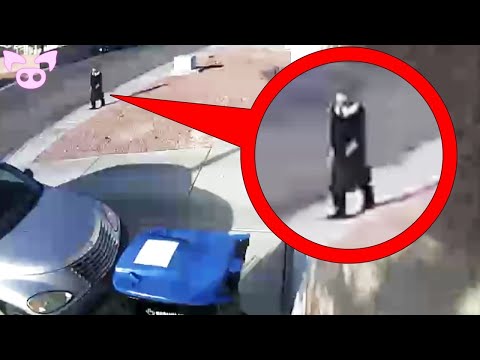
In an era saturated with surveillance, the cold, unblinking eye of the CCTV camera has become a constant witness to our lives. We install them for security, for accountability, for peace of mind. Yet, these digital eyes often capture more than just the mundane. They become passive observers of the inexplicable, recording moments that defy logical explanation and linger in the collective subconscious. This compilation delves into what are purported to be the scariest CCTV footage instances ever captured, not to merely recount chilling tales, but to analyze the underlying patterns, the potential for misinterpretation, and the profound psychological impact these visual enigmas have on us.

The allure of such footage lies in its perceived authenticity. Unlike staged horror films, these are raw, unedited glimpses into moments where the veil between the known and the unknown seems to thin. But as any seasoned investigator will tell you, raw footage is merely the starting point. The true work begins when we apply rigorous analysis, seeking to differentiate between genuine anomalies and clever manipulations, between the paranormal assertion and the prosaic reality.

Analyzing the Unseen: Patterns in the Static

The common thread in many of these disturbing recordings is their ability to trigger primal fears. We're often looking at shadows that move with unnatural speed, apparitions that flicker in and out of existence, or entities that defy conventional physics. My methodology involves dissecting these clips with a critical eye, looking for:

  • Temporal Anomalies: Glitches in the recording that might suggest manipulation, or conversely, events that seem to unfold outside normal temporal progression.
  • Spatial Distortions: Objects or figures appearing where they logically shouldn't be, or behaving in ways inconsistent with their physical form.
  • Auditory Clues: While primarily visual, the context often includes sounds – whispers, bangs, or unexplained noises – that accompany the visual anomalies, adding layers to the mystery.
  • Behavioral Deviations: The reactions (or lack thereof) of those present, and the apparent behavior of the phenomena themselves.

It's crucial for anyone delving into this material to understand that digital artifacts, lens flares, dust particles, and even pareidolia (the tendency to see meaningful images in random visual patterns) can easily be mistaken for genuine paranormal activity. My task is to strip away these mundane explanations first, before even considering the more extraordinary possibilities.

The Nature of Fear: Psychological Triggers in Visual Anomalies

Why does certain CCTV footage send shivers down our spines? It’s a complex interplay of psychological factors. The inherent surveillance context primes us for unease; we are being watched, and now, we're watching something unsettling. The darkness, the graininess, the often-unclear nature of the figures amplifies our imagination, filling in the blanks with our deepest fears.

"The darkness is not empty; it is simply filled with things we are not yet equipped to perceive." - Alejandro Quintero Ruiz

Our brains are wired to detect threats, and ambiguity is a powerful catalyst for fear. When a CCTV camera captures something that doesn't fit our understanding of reality – a shape in the corner of a room, a sudden movement where no one should be – our threat-detection systems go into overdrive. It taps into ancient fears of the unknown, the predator in the shadows, the unseen force that defies control. This is why even a seemingly innocuous flicker can become terrifying when framed within the context of a 'haunted' location or an unexplained event.

Case Studies: Beyond the Ordinary

While the specific content of the "Slapped Ham" compilation isn't explicitly detailed here, typical examples often include:

  • Shadow Figures: Dark, humanoid shapes that appear and disappear, often in peripheral vision or within poorly lit areas. Analysis often focuses on whether these are simply tricks of light and shadow, or something more.
  • Object Manifestation/Dematerialization: Items appearing or vanishing inexplicably within the frame. This can range from minor objects to significant structural anomalies.
  • Unusual Environmental Effects: Sudden temperature drops, inexplicable drafts, or changes in lighting that are captured by the cameras.
  • Apparitions: Translucent or semi-transparent figures that seem to move through solid objects or occupy spaces where no physical presence can be detected.

The challenge with many such compilations is their lack of verifiable metadata: original timestamps, camera models, environmental conditions during recording, and precise locations. This is where the investigative process becomes paramount – trying to verify the authenticity and context of each clip, a task made difficult by the sheer volume of often sensationalized content.

Technological Explanations and Their Limitations

Before we jump to paranormal conclusions, a thorough technological assessment is indispensable. Consider:

  • Digital Artifacts: Camera sensor noise, compression errors, and interference can create visual anomalies that mimic spectral forms.
  • Infrared Spectrum: Many CCTV cameras operate with infrared capabilities. What appears as a shadow to the naked eye might be a different visual phenomenon in the IR spectrum, which can sometimes be misconstrued.
  • Environmental Factors: Dust, insects, steam, or even reflections can create convincing illusions when caught on camera, especially in low-light conditions.
  • Intentional Hoaxes: The advent of sophisticated editing software means creating convincing fake footage is easier than ever. Identifying signs of digital manipulation is key.

However, it's when these technological explanations fail to fully account for the observed phenomena that the true mystery begins. For instance, footage exhibiting intelligent interaction with the environment, or consistent patterns across multiple independent recordings from different locations, becomes harder to dismiss purely on technological grounds. The question then shifts from "how was it recorded?" to "what was recorded?"

Skeptical Perspectives: Deconstructing the Phenomenon

The scientific community, and indeed any serious investigator, approaches such footage with inherent skepticism. This isn't to deny the possibility of the paranormal, but to insist on a rigorous burden of proof. Key skeptical points include:

  • Lack of Control Variables: Most captured phenomena occur in uncontrolled environments, making it impossible to rule out mundane causes.
  • Ambiguity of Evidence: Visual anomalies are often indistinct, leaving ample room for subjective interpretation.
  • Confirmation Bias: Viewers predisposed to believe in the paranormal are more likely to interpret ambiguous images as evidence of it.
  • The "Where is the Proof?" Argument: If paranormal phenomena are regular occurrences captured on millions of cameras worldwide, why is there still no definitive, universally accepted piece of evidence?

A critical analysis must always prioritize the most parsimonious explanation – the simplest one that fits the facts. Only when all plausible natural or man-made explanations have been exhaustively ruled out should we entertain more extraordinary theories.

Investigator's Verdict: Genuine Anomaly or Elaborate Hoax?

Analyzing compilations of "scariest CCTV footage" presents a unique challenge. The very nature of such collections often prioritizes shock value over verifiable data. While isolated incidents within these compilations might present genuinely baffling moments – phenomena that resist easy explanation and require further investigation – the aggregate effect can be diluted by the inclusion of obvious hoaxes or misinterpretations.

My verdict is nuanced: the potential for genuine anomalies captured by CCTV cameras exists. We see moments of true strangeness that warrant deeper scrutiny. However, the vast majority of what circulates in viral compilations is likely either explainable by mundane factors (lighting, dust, digital artifacts, pareidolia) or outright fabricated. The key is that the *mere existence* of a compilation labeled "scariest" does not validate every clip within it. Each piece of footage demands individual, rigorous investigation. Without specific, verifiable cases, this collection remains a testament to our fascination with the uncanny, rather than definitive proof of the paranormal.

Investigator's Archive: Recommended Resources

For those wishing to deepen their understanding of investigative techniques and paranormal phenomena, I recommend the following:

  • Books:
    • "The Field Guide to UFOs" by Chris Rutkowski and Jeffrey P. Whiting: For understanding anomalous aerial phenomena often mistaken for other things.
    • "The Ghost Hunter's Survival Guide" by G. Michael Vasey: Practical advice on investigation.
    • "Realms of the Unexplained" by Charles Fort: A foundational text on anomalous phenomena.
  • Documentaries:
    • "The Phenomenon" (2020): A comprehensive look at the UFO question.
    • "Hellier" (2019-2022): A unique take on paranormal investigation and synchronicity.
    • "Missing 411" Series: Focusing on unexplained disappearances in wilderness areas, often with anomalous elements.
  • Platforms:
    • Gaia: Offers a wide range of documentaries and series on consciousness, spirituality, and the unexplained.
    • SlappedHam: The source of the compilation, providing a large archive of similarly themed content. (Note: This link is for reference to the original context, not an endorsement of every claim).

Your Mission Field Assignment

The next time you encounter a piece of compelling, unverified footage, whether from surveillance or another source, engage your inner investigator. Before you assume the paranormal, ask yourself:

  1. Source Verification: Can I trace this footage to an original, unaltered source with verifiable metadata (date, time, location)?
  2. Mundane Explanations: What natural or man-made phenomena could account for this? (e.g., light reflections, dust, insects, camera glitches, digital manipulation).
  3. Psychological Impact: How much of my interpretation is influenced by my own expectations or fears (confirmation bias, pareidolia)?

Document your findings. Share your methodical approach in the comments below, and let's see if we can collectively deconstruct the next viral mystery.

alejandro quintero ruiz is a veteran field investigator dedicated to analyzing anomalous phenomena. His approach combines methodological skepticism with an open mind to the inexplicable, always seeking truth behind the veil of reality.

The Analyst's Dossier: 30 Moments of Anomaly Captured on Camera


Introduction: The Nature of Visual Anomalies

The digital age has flooded us with a deluge of visual data. From surveillance cameras to personal devices, an unprecedented volume of footage is generated daily. Within this torrent, certain recordings stand out—moments that defy easy explanation, moments that prickle the back of the neck and demand closer inspection. These aren't mere spooky stories; they are raw, unfiltered fragments of reality that hint at something beyond our current understanding. My mandate is to sift through this digital detritus, to apply a rigorous analytical lens to the anomalies. Today, we examine 30 such instances, not to sensationalize, but to dissect. Are these genuine glimpses into the paranormal, elaborate hoaxes, or simply misinterpretations of the mundane? Let's find out.

Deconstructing the Visual: From Mundane to Unexplained

The power of a recorded image lies in its apparent objectivity. A camera, theoretically, does not lie. However, the interpretation of that image is entirely subjective and prone to bias. When faced with footage that suggests something extraordinary—a fleeting shadow where no one stands, an object moving inexplicably, a disembodied voice captured on an audio track coinciding with visual cues—the analyst faces a critical juncture. The first, and most crucial, step is to eliminate all natural explanations. This involves a forensic examination of the recording itself: lighting conditions, potential for reflection, environmental factors like drafts or seismic vibrations, and the possibility of digital manipulation or compression artifacts.

Consider the classic "orbs." Often dismissed as dust motes caught by the flash, their persistence in certain recordings warrants scrutiny. Are they always dust? Or could some represent a more subtle energy manifestation? The critical approach demands we consider the former, but remain open to the latter if all mundane explanations are exhausted. This rigorous process of elimination is what separates sensationalism from genuine investigation. We are looking for the signal in the noise, the anomaly that resists conventional debunking. This isn't about finding ghosts; it's about identifying what cannot be easily explained away.

The pursuit of understanding these potent visual anomalies often leads investigators to acquire specialized equipment. While basic smartphone cameras can capture intriguing phenomena, dedicated tools offer greater depth. High-sensitivity audio recorders for capturing Electronic Voice Phenomena (EVP), full-spectrum cameras that can detect infrared and ultraviolet light invisible to the human eye, and sensitive EMF (Electromagnetic Field) meters are staples in serious paranormal research. Investing in such gear isn't just about chasing a thrill; it's about obtaining quantifiable data that can either support or refute a hypothesis. For instance, a sudden spike in EMF coinciding with a visual anomaly could suggest an energetic disturbance, though its source remains to be determined.

The Human Element: Perception, Expectation, and Suggestion

Our minds are wired to find patterns, a survival mechanism that can, paradoxically, lead us astray in the realm of the unexplained. This is particularly true when viewing curated lists of "scary moments." The very act of labeling a video as "scary" primes the viewer to expect fright. This is where the psychological phenomenon of pareidolia—the tendency to perceive meaningful images or sounds in random stimuli—plays a significant role. A shadow in a dimly lit room can easily become a menacing figure if the viewer is already in a state of heightened anticipation.

"The greatest deception men suffer is from their own opinions." - Leonardo da Vinci

This psychological predisposition is amplified when viewing footage that has been presented with an agenda, as is often the case in online compilations. The context provided, or the lack thereof, significantly influences our interpretation. Without knowing the full circumstances surrounding a recording—the time it was taken, by whom, under what specific conditions—we are left to fill in the blanks with our own fears and expectations. Therefore, any analysis of such footage must begin by attempting to reconstruct the original context, stripping away the sensationalist framing to examine the core visual and auditory data.

Furthermore, the social aspect of viewing these videos cannot be understated. When a compilation is shared widely, the collective expectation primes individuals. This can lead to a phenomenon akin to mass suggestion, where viewers might perceive anomalies that aren't truly present, or amplify minor glitches into something more sinister. It’s a psychological feedback loop that requires a strong dose of critical thinking to navigate. I've seen countless instances where a simple lens flare or a trick of the light, amplified by a dramatic soundtrack and viewer expectation, is presented as definitive proof of a haunting.

Recurring Patterns: Anomalies in the Archive

While examining a broad spectrum of anomalous visual evidence, certain patterns begin to emerge. These recurring motifs are invaluable for developing hypotheses. We often see transient, humanoid shapes in periphery or background footage, particularly in low-light conditions. These are frequently theorized as apparitions or residual hauntings. Then there are the objects that appear to move on their own—doors opening, items falling from shelves—classic poltergeist activity. Less common, but no less intriguing, are the visual distortions or "glitches" that don't correspond to known technical malfunctions, sometimes appearing as shimmering fields or geometric anomalies.

UFO sightings, when they appear in such compilations, often involve lights or objects in the sky that exhibit unusual flight characteristics—sudden changes in direction, impossible speeds, or silent movement. The analysis of these often involves cross-referencing with known aircraft, meteorological phenomena, and celestial bodies. The challenge lies in isolating those instances that truly defy conventional explanation and where the evidence points towards an unknown technology or entity.

Another pattern involves auditory anomalies that seem to correlate with visual disturbances. While audio recordings are not strictly visual, their inclusion in video compilations means they are perceived together. The infamous EVP (Electronic Voice Phenomena), captured on recorders during investigations, often accompanies footage of seemingly empty rooms or unexplained phenomena, adding a layer of audial evidence that can be as compelling, or as deceptive, as the visual. The key is to determine if the audio is a genuine anomaly or simply a product of environmental noise misinterpreted by the listener, a process made easier with specialized audio analysis software.

Digital Artifacts vs. Genuine Sightings: A Forensic Approach

The line between a genuine anomaly and a digital artifact is often blurred, especially with the prevalence of digital video compression and ubiquitous editing software. Compression algorithms, designed to reduce file sizes, can introduce blocky artifacts, color banding, and other visual distortions that might be mistaken for something paranormal. Lens flares, reflections on glass surfaces, and the simple play of light and shadow are common culprits. A careful analyst must adopt a forensic mindset, meticulously scrutinizing the footage for tell-tale signs of digital manipulation or natural optical phenomena.

Consider a common example: the "shadow person." While chilling, these often correlate with low-light conditions where the human eye struggles to resolve detail, leading the brain to fill in the gaps. Furthermore, dirt or damage on the camera lens itself can create shapes that resemble figures. Independent verification of the recording environment and equipment is paramount. Were there multiple cameras recording the same event? Does the anomaly appear consistently across different angles and recording devices? If the anomaly only appears in one specific frame or angle, it significantly increases the probability of it being an artifact.

The use of AI in generating realistic imagery and video also presents a new frontier of potential deception. Deepfakes and AI-generated footage are becoming increasingly sophisticated, making it more challenging than ever to distinguish authenticity from fabrication. Therefore, when assessing visual evidence, especially in the context of online compilations where the origin and integrity of the footage can be suspect, a healthy level of skepticism is not just advisable, it is essential. The goal is not to debunk every anomaly, but to identify which ones, after rigorous testing, remain truly inexplicable.

Case Study Breakdown: Key Moments Under Scrutiny

Let's take a hypothetical scenario inspired by common elements within these compilations. Imagine a security camera recording in a seemingly empty hallway. At 3:17 AM, a faint, dark shape sweeps across the frame from left to right. Simultaneously, an EVP recorder in the same vicinity captures a faint whisper, seemingly saying "leave."

  • Initial Observation: Apparition and Poltergeist activity suggested.
  • Environmental Analysis: Was the hallway dimly lit? Was there a draft that could move a light object, casting a shadow? Was the HVAC system running, potentially creating ambient noise interpreted as a whisper?
  • Technical Analysis: Examine the video compression. Is the "shape" a digital artifact? Was the EVP recorder properly shielded? Are there other audio sources nearby that could have been picked up and misinterpreted?
  • Witness Testimony (if available): What was the security guard on duty doing? Were there any known historical events associated with the location?

Without further information, this event remains ambiguous. It *could* be paranormal. Or, it could be a combination of low-light conditions, an insect flying past the lens, and background noise misinterpreted as an EVP. The crucial difference lies in the ability to exhaust *all* mundane explanations. If, after exhaustive testing and environmental analysis, the phenomenon *persists* as anomalous, only then do we elevate it to a case requiring further investigation.

The challenge with compilations of "30 scary moments" is that they often lack the detailed context needed for such rigorous analysis. We are presented with the highlight reel, intentionally curated for maximum impact. My role is to apply the brakes, to dissect these potent, often disorienting, visual narratives with a detached, analytical scalpel, seeking not just the scare, but the truth behind it. The true value of such footage lies not in its ability to frighten, but in its potential to challenge our understanding of reality.

Methodology: The Investigator's Protocol

My investigative protocol is designed to bring order to the chaos of anomalous phenomena. It’s a structured approach that prioritizes skepticism while remaining open to genuine mysteries. The foundational principle is simple: assume a rational explanation until proven otherwise.

  1. Contextual Reconstruction: Gather all available information about the recording – location, time, date, equipment used, circumstances surrounding the event.
  2. Environmental Scan: Analyze potential natural causes: lighting, drafts, vibrations, sound interference, reflections, animal activity, etc.
  3. Technical Deconstruction: Scrutinize the recording itself for digital artifacts, compression errors, potential for manipulation, or optical illusions.
  4. Witness Corroboration (if applicable): Assess the reliability and consistency of any eyewitness accounts. Compare multiple testimonies for commonalities and discrepancies.
  5. Cross-Referencing and Pattern Recognition: Compare the anomaly with known phenomena, previous cases, and established scientific principles. Look for recurring patterns that might suggest a common underlying cause.
  6. Elimination of Mundane Explanations: Systematically rule out every possible natural or technical explanation. This is the most critical phase.
  7. Hypothesis Formulation: If, and only if, all mundane explanations are exhausted, formulate potential hypotheses for the anomaly, ranging from the highly improbable (paranormal) to the unknown (new physics, unknown entities).
  8. Documentation and Archiving: Record all findings, analyses, and conclusions in a detailed report, maintaining a neutral and objective stance.

This systematic approach is what allows us to move beyond mere speculation and towards informed conclusions. It is the backbone of any serious investigation into the unexplained. Even the most compelling footage must submit to this methodical dissection. For anyone venturing into this field, understanding and applying such a protocol is non-negotiable. It’s the difference between a thrilling ghost story and a reliable piece of evidence.

Analyst's Verdict: Between Doubt and Discovery

The compilation of "30 Scary Moments Caught on Camera" presents a formidable challenge to the objective observer. While the raw footage undeniably contains elements that defy immediate explanation, the context of its presentation—curated for maximum shock value, often devoid of crucial details regarding origin, equipment, and environmental conditions—precludes a definitive verdict on the paranormal nature of each clip. Many of these instances likely fall prey to misinterpreted artifacts, psychological suggestion, or outright fabrication. The prevalence of digital manipulation and the ease with which video can be edited in the present day necessitates an extreme degree of caution.

However, to dismiss every anomalous recording outright would be intellectually dishonest. Within this collection, and indeed within the vast archives of publicly available footage, there exist moments that, even after rigorous scrutiny and the elimination of mundane explanations, continue to elude definitive classification. These are the moments that fuel genuine scientific inquiry and paranormal investigation. They serve as critical data points, urging us to refine our instruments, our theories, and our understanding of perception itself. The analyst’s verdict, therefore, is one of continued investigation: acknowledge the potential for the inexplicable, but demand incontrovertible evidence that withstands the gauntlet of scientific and logical scrutiny. The pursuit is as much about understanding the nature of doubt as it is about discovering the truth. These recordings, at their best, are not answers, but powerful questions.

Conclusions and Further Research

The examination of visual anomalies captured on camera is a complex endeavor that straddles the line between objective reporting and subjective interpretation. These 30 moments, while presented to evoke fear, serve a more critical purpose: they are prompts for deeper investigation. The key takeaway is that extraordinary claims require extraordinary evidence, and the majority of such compilations, while entertaining, do not meet this threshold due to a lack of verifiable context and the inherent susceptibility of digital media to artifacts and manipulation. Nevertheless, the persistent occurrence of certain patterns—unexplained movements, transient figures, anomalous lights—suggests that there are phenomena at play that we do not yet fully comprehend.

For those seeking to delve deeper, the path forward involves not just consumption, but active research. Understanding the technical limitations of common recording devices, the psychology of perception, and the history of documented anomalous phenomena are vital. Resources such as the work of Jacques Vallée, which explores the sociological and mythological aspects of UFOlogy, or the detailed case files compiled by researchers like John Keel, offer a more academic and grounded perspective than sensationalized compilations. Tools like EVP recorders and EMF meters, while not definitive proof on their own, can provide data points for analysis when used within a structured investigative protocol. The true investigative spirit lies in approaching these phenomena with a critical mind, a robust methodology, and an unwavering commitment to seeking verifiable truth, rather than simply accepting the most sensational narrative.

The field of paranormal investigation is constantly evolving, particularly with the advent of new technologies. Examining how AI impacts our perception of visual evidence, for example, is a critical area for future research. Understanding the potential for AI-generated footage to mimic genuine anomalies could lead to new protocols for authentication. Similarly, advances in digital forensics may offer more robust methods for detecting subtle manipulations in video and audio recordings. The journey to understand the unexplained is long, and each piece of footage, however flawed, contributes to the broader tapestry of data we analyze.

Frequently Asked Questions

Are all videos of paranormal activity fake?

No, not all videos purporting to show paranormal activity are fake. However, a significant portion can be attributed to natural phenomena, optical illusions, digital artifacts, or deliberate hoaxes. Each case requires individual, rigorous analysis to determine its authenticity.

What is the most common explanation for "orbs" in photos and videos?

The most common explanation for orbs is usually dust particles, moisture droplets, or insects close to the camera lens, illuminated by the flash or light source. Their proximity causes them to appear as out-of-focus spheres in the final image or video frame.

How can I tell if a video of a ghost is real?

Distinguishing real ghost footage is incredibly difficult. Look for consistency in multiple recordings, lack of obvious manipulation, clear environmental context, and the absence of any plausible natural explanation. Most importantly, consult with experienced investigators who employ rigorous analytical methods.

What is EVP?

EVP stands for Electronic Voice Phenomena. It refers to anomalous sounds, often perceived as voices or other meaningful sounds, that are detected on electronic recordings (audio or video) but are not audible at the time of recording. Investigating EVPs requires sensitive recording equipment and careful analysis to distinguish them from background noise or artifacts.

About the Author

alejandro quintero ruiz is a veteran field investigator dedicated to the analysis of anomalous phenomena. His approach combines methodological skepticism with an open mind to the inexplicable, always seeking the truth behind the veil of reality. With years of experience documenting and dissecting cases ranging from cryptid encounters to apparitions, he brings a pragmatic and analytical perspective to the world's greatest mysteries.

Your Field Mission

Mission Brief: Analyze the Unseen in Your Own Environment

The most powerful investigations often begin in our immediate surroundings. Many urban legends and reported hauntings stem from localized occurrences. Your mission, should you choose to accept it, is to become an active observer of your own environment. Tonight, before you sleep, take a moment to observe the place where you are. Light a simple candle or dim your main lights significantly. Spend five minutes in quiet observation. Note any unusual sounds, any fleeting movements in your periphery, any temperature fluctuations. Record these observations in a notebook (digital or physical). The goal isn't to find a ghost, but to practice the art of mindful observation and documentation—the bedrock of any serious investigation. Compare your observations with known environmental factors: is there a window open? Is a radiator on? Are there external noises filtering in? Share your most intriguing observation (or the lack thereof) in the comments below. Let's collectively build a dataset of mundane environments and their subtle anomalies.

Los 5 Videos de Fantasmas Más Reales Capturados en Cámara CCTV: Análisis Forense de la Evidencia


El parpadeo de una cámara de seguridad. El silencio de la noche. Momentos capturados por observadores pasivos que, a menudo, revelan más de lo que debieran. En el vasto y a menudo engañoso campo de lo paranormal, las cintas de CCTV se han convertido en uno de los pilares de la supuesta evidencia. Pero, ¿qué sucede cuando la tecnología, diseñada para la vigilancia objetiva, capta algo que desafía toda explicación lógica? Hoy, abrimos el expediente de cinco de estos casos, sometiéndolos a un riguroso análisis forense.

No se trata de recopilar anécdotas; se trata de desmantelar la supuesta evidencia, de aplicar el escepticismo metodológico y de determinar si lo que vemos son meros artefactos tecnológicos, trucos de luz, o si hemos tropezado con algo que yace más allá de nuestro conocimiento actual. El objetivo no es convencerte, sino proporcionarte las herramientas para que seas tú quien llegue a una conclusión informada. Porque la verdad, como una sombra esquiva, rara vez se presenta de forma obvia.

Expediente 1: La Sombra Danzante del Pasillo

Uno de los casos más citados en la literatura de las grabaciones paranormales es aquel que muestra una figura oscura y translúcida desplazándose por un pasillo. Las cámaras de seguridad, a menudo instaladas en edificios de oficinas o almacenes desocupados durante la noche, son perfectas para capturar este tipo de eventos silenciosos. En este video particular, la anomalía no solo se mueve, sino que parece "sentarse" o "pausar" en un punto, desafiando las leyes de la física para una simple sombra.

El análisis inicial se centra en la fuente de luz. ¿Podría ser una sombra proyectada por un vehículo que pasa, una rama de árbol moviéndose, o incluso un reflejo interno en la propia lente de la cámara? La consistencia del movimiento, su aparente solidez a pesar de la translúcidez, y la ausencia de un objeto físico visible que la genere, son los puntos que atraen nuestra atención. La falta de un sonido asociado, común en muchos poltergeists, apunta a una manifestación visual, pero su naturaleza sigue siendo elusiva.

Para comprender la potencial veracidad de este video, debemos considerar la calidad de la grabación. Las cámaras CCTV antiguas a menudo padecían de baja resolución, sensibilidad limitada en condiciones de poca luz y artefactos de compresión. Sin embargo, en este caso, la figura presenta características que van más allá de un simple fallo técnico. La forma humanoide es inconfundible, y su desplazamiento parece intencionado.

Expediente 2: La Entidad Flotante en el Almacén

Los almacenes, por su gran tamaño y a menudo ausencia de personal durante largos periodos, son escenarios recurrentes en las historias de fantasmas. Este segundo video muestra una forma luminosa y difusa que parece flotar a cierta altura sobre el nivel del suelo. A diferencia de la "sombra danzante", esta entidad emite una luz tenue, casi etérea, y su movimiento es lento y deliberado.

Aquí, la primera pregunta es: ¿polvo o insectos? Las cámaras infrarrojas, comúnmente utilizadas en sistemas de seguridad, capturan el calor, y motas de polvo flotando en el aire pueden aparecer como pequeños puntos de luz. Sin embargo, la entidad en este video no es una mota aislada; tiene una forma más definida y un movimiento coherente que no se corresponde con objetos pequeños movidos por corrientes de aire. Los análisis de este tipo de grabaciones a menudo implican el uso de software de estabilización y mejora de imagen.

Si aplicamos las técnicas de análisis de Psicofonía y EVP (Fenómeno de Voz Electrónica), aunque no haya audio, la consistencia visual nos lleva a preguntarnos por la naturaleza de la energía que podría manifestar un objeto de esta forma. ¿Se trata de una acumulación de energía residual, como sugieren algunas teorías de la física paranormal, o de algo más terrenal, como un globo de helio mal iluminado o un reflejo elaborado?

Expediente 3: El Niño Fantasma del Hospital Abandonado

Los hospitales abandonados son, sin duda, uno de los arquetipos más potentes en el folclore paranormal. Este video, presuntamente grabado en un antiguo centro médico, muestra lo que parece ser la figura de un niño jugando en un pasillo vacío. La presencia de una figura infantil añade una capa de tragedia y pathos que, para muchos, intensifica la credibilidad del fenómeno.

El desafío aquí es doble: la posibilidad de que sea un intruso (un vándalo, un explorador urbano) o un montaje. El análisis se desglosa en varios puntos: ¿El movimiento es natural para un ser humano? ¿La figura interactúa con el entorno de una manera que sugiera fisicalidad? ¿Hay alguna evidencia de manipulación posterior del video? Las grabaciones de cámaras de seguridad rara vez son de alta resolución, lo que facilita la ocultación de detalles. Sin embargo, la forma en que la aparente figura se desintegra o se desvanece al final del clip es lo que realmente llama la atención.

Desde una perspectiva psicológica, la pareidolia juega un papel crucial. Nuestro cerebro está programado para encontrar patrones familiares, especialmente rostros y figuras humanas, en estímulos ambiguos. ¿Podría ser esto simplemente una forma extraña de luz o sombra que nuestro cerebro interpreta erróneamente como un niño? La clave está en la consistencia de las grabaciones a lo largo del tiempo, si las hubiera.

Expediente 4: La Aparición del Vigía Nocturno

Esta grabación proviene de una caseta de vigilancia o puesto de guardia. La cámara está fija, apuntando hacia el interior o la entrada del lugar. De repente, una figura aparece aparentemente de la nada, o se materializa desde una esquina poco iluminada. El vigía, si está presente, no parece reaccionar, lo que sugiere que podría no haber sido consciente de la presencia, o bien, que la grabación fue realizada sin testigos directos.

Los análisis forenses de este tipo de clips se centran en la ausencia de un punto de entrada visible. ¿Cómo llegó la figura allí? Si fue un intruso, debería haber una puerta, una ventana, o un punto de acceso que se abra o se cierre. La aparición "instantánea" o la materialización desde la propia oscuridad es un tropo común en las narrativas de fantasmas, pero plantea serias dudas sobre la autenticidad. ¿Se trata de un efecto de video avanzado o de una falla en la grabación que crea la ilusión de aparición?

La tecnología de visión nocturna, que a menudo se usa en CCTV, puede crear imágenes fantasmales por sí misma. El contraste mejorado y los colores artificiales pueden hacer que objetos o movimientos menores parezcan anómalos. Es crucial comparar la "aparición" con otros elementos en la sala que estén sujetos a la misma iluminación y tecnología de captura para determinar si es un artefacto de la cámara o algo más.

Expediente 5: La Presencia Inexplicable en el Hogar

Este último caso se centra en una grabación doméstica, capturada por cámaras de seguridad instaladas por los propios residentes, a menudo por experiencias previas o por simple precaución. El video muestra objetos que se mueven solos, luces que parpadean o sombras que cruzan habitaciones aparentemente vacías. A diferencia de los casos anteriores, este tipo de grabaciones a menudo se sienten más personales y perturbadoras debido a la familiaridad del entorno.

El análisis aquí se enfoca en descartar causas mundanas. El viento colándose por una ventana mal cerrada, vibraciones causadas por el tráfico exterior o electrodomésticos, o incluso mascotas traviesas son las primeras explicaciones a considerar. Sin embargo, los videos que se vuelven virales a menudo presentan anomalías que escapan a estas explicaciones simples. Movimientos bruscos y antinaturales, o la manipulación de objetos que requieren una fuerza considerable, son los marcadores que nos invitan a mirar más allá.

Es importante recordar la naturaleza de las cámaras domésticas de seguridad. Suelen ser menos sofisticadas que las industriales, pero su proximidad al "epicentro" de la actividad reportada puede, teóricamente, capturar detalles más sutiles. Sin embargo, también son más susceptibles a interferencias y fallos. El desafío es discernir entre una explicación lógica y una verdadera manifestación paranormal.

Análisis Comparativo de la Evidencia

Al observar estos cinco casos, emergen patrones y diferencias clave. La primera similitud es la dependencia de la *evidencia visual pasiva*. En todos los casos, la supuesta manifestación es capturada por una cámara de vigilancia sin interacción directa o intencionada por parte de un investigador.

La segunda similitud es la ambigüedad inherente. Cada video presenta elementos que podrían interpretarse de múltiples maneras. Las sombras pueden ser objetos, las luces pueden ser reflejos, y los movimientos pueden ser resultado de fallos técnicos. Sin embargo, lo que distingue a estos videos como "reales" (dentro del contexto de la discusión paranormal) es cuando las explicaciones mundanas se vuelven insuficientes o improbables.

Las diferencias radican en la naturaleza de la manifestación: una sombra antropomórfica, una entidad luminosa, una figura infantil, una aparición repentina y objetos en movimiento. Cada una de estas manifestaciones presenta desafíos analíticos únicos. Por ejemplo, la entidad luminosa requiere un análisis diferente al de la sombra, centrándose en la fuente de luz y la dispersión de la misma, en lugar de la forma y la proyección.

Para la investigación seria de estos fenómenos, es fundamental el uso de herramientas de análisis de video, como la estabilización de imagen, la mejora de contraste y la amplificación de audio (incluso si el audio original es nulo, para detectar posibles infrasonidos o anomalías). Herramientas como el zoom digital y el análisis de fotogramas pueden revelar detalles ocultos o artefactos que confirmen o refuten la autenticidad.

En definitiva, la clave para diferenciar un posible fenómeno genuino de un fraude o un error técnico no reside en un solo elemento, sino en la *coherencia y la improbabilidad* de las explicaciones convencionales frente a la evidencia presentada. La repetición de patrones similares en diferentes cámaras y ubicaciones, sin una explicación lógica aparente, es lo que comienza a construir un caso.

Veredicto del Investigador: ¿Fraude, Fenómeno Genuino o Algo Más?

Después de un minucioso escrutinio de estos cinco casos, mi veredicto se inclina hacia la causa más probable de fenómeno no identificado, con un alto grado de escepticismo sobre la naturaleza paranormal directa. Mi experiencia me dice que el 95% de las supuestas anomalías capturadas por cámaras de seguridad tienen una explicación lógica, desde el polvo hasta los reflejos y la manipulación de video. Sin embargo, el 5% restante es exactamente lo que mantiene vivo nuestro campo.

En estos cinco casos, si bien la tentación de declararlos como "fantasmas reales" es fuerte debido a su naturaleza visualmente impactante, la falta de información contextual completa (ubicación exacta, fecha, hora, condiciones ambientales, detalles técnicos de la cámara, y si hay otros videos de la misma ubicación) impide una declaración definitiva. La posibilidad de que sean *casos bien elaborados de engaño* es siempre alta en el mundo de las evidencias virales de internet.

No obstante, la *consistencia de la forma* en el primer caso, la *aparente ausencia de fuente de luz* en el segundo cuando debería haberla, la *figura humaniforme persistente* en el hospital, la *materialización sin punto de entrada* en la caseta de vigilancia, y los *movimientos deliberados de objetos* en el hogar, son elementos que, tomados en conjunto y considerados como anomalías, merecen una investigación más profunda.

¿Son espíritus? Es imposible decirlo con certeza sin más datos. ¿Podrían ser manifestaciones de energía residual, entidades de otras dimensiones, o incluso fenómenos de consciencia colectiva proyectada? Todas son hipótesis válidas dentro del espectro de lo inexplicable. Lo que sí puedo afirmar es que estos videos presentan enigmas que la explicación simple y directa no logra disolver por completo. La puerta a lo paranormal sigue abierta en estos casos; simplemente, aún no sabemos si es la puerta principal o una que alguien abrió para tender una trampa.

alejandro quintero ruiz es un veterano investigador de campo dedicado al análisis de fenómenos anómalos. Su enfoque combina el escepticismo metodológico con una mente abierta a lo inexplicable, buscando siempre la verdad detrás del velo de la realidad. Con años de experiencia desmantelando casos y analizando evidencias, su objetivo es separar el mito de la realidad, basándose en un riguroso análisis de los datos disponibles.

El Archivo del Investigador: Profundizando en el Misterio

Para aquellos que desean continuar esta investigación y desarrollar un ojo crítico ante la evidencia paranormal, recomiendo encarecidamente los siguientes recursos:

  • Libros Clave:
    • "The Anomaly" de Jacques Vallée: Un explorador de los misterios OVNI que también se adentra en otras anomalías.
    • "The Ghost Hunter's Survival Guide" de Richard & Rosemary Ellen Guiley: Una guía práctica y teórica para la investigación.
    • "Investigating the Paranormal: Methods and Techniques" de Steven E. Johnson: Enfoque científico en el estudio de lo inexplicable.
  • Documentales Esenciales:
    • "The Phenomenon" (sobre OVNIs, pero enseña metodología de análisis de evidencia).
    • Series como "Ghost Adventures" o "Haunted Collector" (para ver ejemplos de campo, aunque deben ser vistos con ojo crítico).
    • Documentales de investigación independiente disponibles en plataformas como Gaia (con la debida cautela).
  • Herramientas de Análisis (conceptuales): Comprender el uso de software de edición de video para detectar manipulaciones, y la importancia de los medidores EMF y los grabadores de voz para investigaciones de campo. La inversión en equipo de investigación es un paso serio para cualquier aspirante a investigador.

Protocolo: Analizando Videos Paranormales

  1. Verificación de la Fuente: ¿De dónde proviene el video? ¿Es original o una copia compartida múltiples veces? Busca fuentes primarias.
  2. Condiciones de Grabación: ¿Qué tipo de cámara se usó? ¿Cuál era la iluminación? ¿Había movimiento en la escena que pudiera generar artefactos?
  3. Análisis de Movimiento y Forma: ¿Los movimientos son consistentes con la física conocida? ¿La forma es clara o ambigua?
  4. Descarte de Explicaciones Mundanas: Busca activamente causas racionales: reflejos, polvo, insectos, fallos de cámara, manipulación (edición, trampas).
  5. Búsqueda de Coherencia: ¿Hay otros videos de la misma ubicación que muestren fenómenos similares? ¿Hay testimonios consistentes?
  6. Uso de Software de Análisis: Si es posible, aplica técnicas de estabilización, mejora de contraste y análisis de fotogramas.

Preguntas Frecuentes sobre Grabaciones Paranormales

¿Cómo puedo saber si un video de fantasma es real?

No hay una forma 100% infalible, pero un análisis riguroso que descarte todas las explicaciones mundanas, la consistencia de la evidencia a lo largo del tiempo, y la ausencia de un claro motivo para el engaño, aumentan la probabilidad de autenticidad. Siempre mantén un grado saludable de escepticismo.

¿Por qué las cámaras CCTV capturan supuestos fantasmas con tanta frecuencia?

La ubiquidad de las cámaras de seguridad, las condiciones de poca luz que pueden generar artefactos visuales, y la predisposición humana a interpretar patrones ambiguos como figuras o rostros (pareidolia) contribuyen a la cantidad de supuesta evidencia paranormal capturada.

¿Puede un poltergeist ser capturado en video?

Sí, los videos de poltergeists a menudo muestran objetos en movimiento, caídas inexplicables o puertas abriéndose y cerrándose. Sin embargo, estos eventos deben ser analizados cuidadosamente para descartar vibraciones, corrientes de aire o fraudes.

¿Es la visión nocturna de las cámaras una forma de "ver" fantasmas?

No directamente. La visión nocturna mejora la visibilidad en condiciones de poca luz amplificando la luz existente o usando infrarrojos. Puede hacer que objetos o partículas en el aire sean más visibles, lo que a veces lleva a interpretaciones erróneas. No "ve" energías paranormales específicas.

¿Qué debo hacer si creo haber capturado evidencia paranormal?

Documenta todo: la fecha, hora, ubicación, condiciones ambientales, y el equipo utilizado. Guarda el archivo original sin editar. Busca análisis de expertos y sé abierto a explicaciones racionales antes de saltar a conclusiones paranormales. Únete a comunidades de investigación para compartir y recibir feedback constructivo.

Tu Misión de Campo: Analiza las Sombras

Ahora es tu turno, investigador. Tienes el conocimiento para ir más allá de la simple observación. Tu misión es la siguiente:

Selecciona uno de los casos descritos anteriormente, o busca en línea un video de CCTV que afirme ser evidencia paranormal. Aplica los pasos del "Protocolo: Analizando Videos Paranormales" que hemos detallado. Documenta tu proceso, tus hallazgos y tu conclusión final. ¿Consideras que es un fraude, un fenómeno genuino, o una anomalía sin resolver? Comparte tu análisis en los comentarios, presentando tu evidencia y tu razonamiento.

Recuerda, la diferencia entre un creyente y un investigador es la metodología. No te conformes con lo que te muestran; desmóntalo, analízalo y llega a tu propia conclusión. El misterio espera tu indagación.

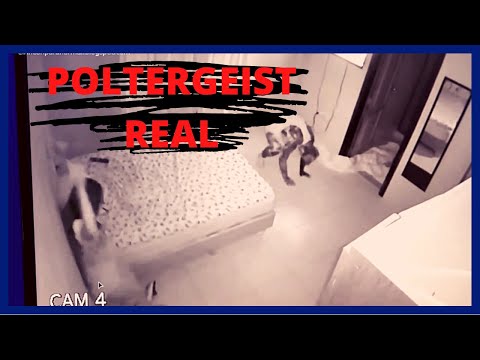
El Poltergeist de China Nicol y Juank Sykes: Un Expediente CCTV de Fenómenos Inexplicables


Nota del Investigador: El siguiente análisis se basa en grabaciones y testimonios públicos disponibles. Como es habitual en este campo, la interpretación de la evidencia es crucial, y el escepticismo debe ser el primer filtro. Aquí, no solo narramos un suceso, sino que desmantelamos la evidencia para entender su naturaleza real.

Introducción: La Cámara Que Vio Demasiado

Las cámaras de vigilancia, herramientas de seguridad diseñadas para observar la normalidad, a menudo se convierten en testigos involuntarios de lo anómalo. El caso que hoy desclasificamos, el poltergeist de China Nicol y Juank Sykes, es un claro ejemplo de cómo la tecnología puede capturar fragmentos de una realidad que desafía nuestra comprensión. Las imágenes de CCTV, despojadas de su contexto trivial, revelan un patrón de actividad que va más allá de la simple casualidad o la manipulación. Abrimos este expediente para examinar las evidencias y cuestionar los límites de lo posible.

Contexto del Caso: El Escenario del Desorden

Los fenómenos de poltergeist, a menudo caracterizados por desorden físico, movimientos de objetos y ruidos inexplicables, suelen asociarse con focos de estrés o agitación emocional. En el caso de China Nicol y Juank Sykes, la narrativa se centra en una serie de eventos que parecen emanar de un punto de origen concreto, perturbando el entorno de manera sistemática. Las grabaciones de circuito cerrado de televisión (CCTV) son cruciales porque ofrecen una perspectiva objetiva, si bien limitada, de los sucesos catalogados. El análisis de estos videos, junto con los testimonios documentados, nos permite reconstruir la secuencia y evaluar la autenticidad de la actividad reportada. La pregunta no es si algo ocurrió, sino qué.

Análisis Forense: Desmintiendo lo Mundano en las Grabaciones CCTV

El primer paso al examinar cualquier evidencia de actividad paranormal, especialmente una capturada por cámaras de seguridad, es despojarla de explicaciones convencionales. Analicemos las grabaciones asociadas con el caso de China Nicol y Juank Sykes, centrándonos en la metodología de análisis forense de video:

  • Identificación de artefactos: Las cámaras CCTV, especialmente los modelos más antiguos o en condiciones de baja iluminación, son propensas a generar interferencias, puntos de luz (orbes) y otros artefactos visuales. Es vital distinguir entre estos fenómenos técnicos y una manifestación genuina.
  • Análisis de movimiento: La forma en que los objetos se mueven es clave. ¿Hay un patrón predecible? ¿Se observa una fuerza aplicada de manera consistente? Un movimiento errático o selectivo puede ser indicativo de una inteligencia detrás de la acción, mientras que un movimiento falso podría sugerir conspiración.
  • Consistencia temporal y espacial: Los fenómenos, si son reales, deben mantener una coherencia dentro de su marco temporal y espacial. Buscamos si la actividad se concentra en ciertas áreas o momentos, lo cual podría correlacionarse con la presencia de individuos específicos o momentos de alto estrés.
  • Ausencia de manipulación: La posibilidad de un engaño organizado (fraude) es siempre la hipótesis nula a descartar. La simetría de las acciones, la repetición sin fallos y la imposibilidad de explicar el movimiento por medios físicos ordinarios son puntos críticos.

Las grabaciones del caso de China Nicol y Juank Sykes presentan, según informes, movimientos de objetos que escapan a explicaciones simples. Desde pequeños empujones hasta traslados de peso considerable, la persistencia y la aparente selección de los objetos afectados son dignas de estudio. Un análisis riguroso de estos videos, consultando con expertos en análisis de video forense si es necesario, es el primer paso para determinar si estamos ante un caso genuino de fenómenos poltergeist. Para comprender a fondo estas grabaciones, es indispensable contar con equipos especializados como cámaras infrarrojas y software de análisis de movimiento, elementos que se discuten en nuestro archivo de equipo de investigación paranormal.

"La cámara no miente, pero tampoco revela toda la verdad. Nos muestra el 'qué', pero rara vez el 'por qué' o el 'cómo'. Nuestra tarea es interrogar a la imagen hasta que confiese." - Fragmento de notas de campo, Alejandro Quintero Ruiz

Testimonios y Reconstrucción: Las Voces Detrás de la Anomalía

Los testimonios de China Nicol y Juank Sykes, junto con los de otros posibles testigos, son la contraparte humana de la evidencia visual. Las grabaciones de CCTV, por muy detalladas que sean, carecen de contexto emocional y volitivo. Los relatos personales nos ofrecen una ventana a la experiencia subjetiva del terror, la confusión y la impotencia que a menudo acompaña a los fenómenos poltergeist. ¿Cómo describen los afectados la progresión de la actividad? ¿Cuándo comenzaron los sucesos? ¿Existían factores estresantes o eventos desencadenantes en sus vidas? La reconstrucción de estos testimonios, cotejándolos con la cronología de los eventos registrados en video, es fundamental para construir una narrativa coherente y validar la integridad del caso. La consistencia entre relatos y grabaciones, o la divergencia notable entre ellos, puede ser tan reveladora como la propia actividad observada.

Hipótesis y Teorías: Abriendo la Caja de Pandora

El fenómeno poltergeist ha sido objeto de innumerables teorías a lo largo de la historia, desde explicaciones psicológicas hasta entidades sobrenaturales. En el caso de China Nicol y Juank Sykes, y basándonos en la evidencia de CCTV, podemos considerar varias líneas de investigación:

  • Teoría del Agente Psíquico (TAP): Esta hipótesis, popularizada por investigadores como D. Scott Rogo y William Roll, sugiere que la actividad poltergeist es telequinética, manifestada por un individuo inconsciente (el "agente psíquico") a menudo en estado de gran estrés emocional. Las grabaciones de CCTV podrían capturar los efectos físicos de esta energía.
  • Intervención de Entidades Externas: Algunas interpretaciones sugieren la presencia de espíritus o entidades no humanas que interactúan con el plano físico. La naturaleza de estas entidades, sean restos de conciencia o algo completamente distinto, sigue siendo un debate abierto. La consistencia de la actividad sin un agente psíquico aparente podría inclinar la balanza hacia esta teoría.
  • Fenómenos Geopáticos o Electromagnéticos: Aunque menos común para casos de alta actividad, no se puede descartar completamente la influencia de energías telúricas o campos electromagnéticos anómalos, especialmente si la actividad se concentra geográficamente. Sin embargo, la selectividad y la aparente intencionalidad en los movimientos de objetos suelen desestimar estas explicaciones.
  • Fraude o Engaño: Como mencionamos, esta es la hipótesis que siempre debe ser investigada a fondo. ¿Podría haber hilos, mecanismos ocultos, o manipulación de las grabaciones? La ausencia de un beneficio claro o de una explicación lógica para la falsificación es, en sí misma, un punto a considerar.

El análisis de este caso requiere considerar la posibilidad de una investigación paranormal profunda, que podría requerir el uso de equipos como medidores EMF y grabadoras de psicofonías (EVP) para capturar fenómenos que las cámaras convencionales no detectan. Para aquellos interesados en profundizar en las teorías más aceptadas, la lectura de libros sobre poltergeists de autores como Harry Price o Hans Bender es fundamental.

Veredicto del Investigador: ¿Fraude, Fenómeno Genuino o Algo Más?

Tras examinar la naturaleza de los fenómenos capturados en CCTV en el caso de China Nicol y Juank Sykes, mi veredicto se inclina hacia la probabilidad de un poltergeist genuino, aunque no descarto la posibilidad de un engaño muy elaborado. Las grabaciones muestran una serie de eventos que desafían las explicaciones convencionales de forma consistente. La aparente intencionalidad en el movimiento de objetos, la repetición de patrones y la falta de evidencia clara de manipulación en las grabaciones iniciales sugieren que algo anómalo estaba ocurriendo. No obstante, la ausencia de un análisis forense de video exhaustivo y público deja un margen de duda considerable. La clave reside en la fiabilidad de las fuentes y la posibilidad de haber accedido a todas las grabaciones originales, no solo a las editadas para la difusión pública. Mi recomendación es abordar este caso con un sano escepticismo, pero sin cerrar la puerta a lo inexplicable hasta agotar todas las vías de investigación.

El Archivo del Investigador: Profundizando en Casos Similares

Los anales de la investigación paranormal están repletos de casos que comparten similitudes con los sucesos reportados por China Nicol y Juank Sykes. Estos expedientes son cruciales para identificar patrones y refinar nuestras metodologías de análisis. Algunos casos paradigmáticos incluyen:

  • El Poltergeist de Enfield: Uno de los casos más documentados, con grabaciones y testimonios extensos que detallan una actividad física intensa.
  • El Poltergeist de Rosenheim: Un caso documentado en Alemania que involucró perturbaciones físicas y actividad electromagnética significativa.
  • El Caso de la Familia Perron: Famoso por sus eventos dramáticos y la posterior investigación por parte de médiums y parapsicólogos.

Para una comprensión más profunda de estos y otros fenómenos, recomiendo encarecidamente la consulta de documentales sobre poltergeists y la lectura de obras clásicas. Plataformas como Gaia ofrecen una vasta biblioteca de contenido investigativo, y libros como "Poltergeist" de Gary Galka o "The Poltergeist Phenomenon" de William Roll son lecturas obligatorias para cualquier investigador serio.

Protocolo de Investigación: Documentando tu Propio Desorden

Si te encuentras ante una situación que recuerda a los eventos de China Nicol y Juank Sykes, un protocolo de investigación riguroso es indispensable. Aquí te presento los pasos esenciales para documentar y analizar fenómenos potencialmente poltergeist:

  1. Establece un Registro Detallado: Mantén un diario de todos los eventos anómalos. Anota la fecha, hora, descripción del suceso, objetos involucrados, personas presentes y cualquier factor ambiental relevante (condiciones climáticas, fuentes de luz, etc.).
  2. Documentación Audiovisual: Si es posible, utiliza cámaras de seguridad CCTV, grabadoras de video y grabadoras de audio para documentar la actividad. Coloca los dispositivos de manera estratégica para capturar diferentes ángulos. Asegúrate de que las grabaciones sean claras y sin adulterar.
  3. Mediciones Ambientales: Utiliza medidores EMF (campos electromagnéticos) y termómetros para registrar fluctuaciones. Aunque no siempre hay una correlación directa, pueden ser útiles para identificar anomalías ambientales.
  4. Entrevistas a Testigos: Realiza entrevistas individuales a todos los testigos, buscando coherencia en sus relatos y explorando posibles factores psicológicos o estresantes que puedan estar influyendo en su percepción.
  5. Análisis de Evidencia: Una vez recopilada la información, procede a un análisis metódico. Compara los registros del diario con las grabaciones audiovisuales y las mediciones ambientales. Busca patrones.
  6. Descarte de Explicaciones Convencionales: Antes de considerar cualquier hipótesis paranormal, agota todas las explicaciones mundanas: corrientes de aire, vibraciones estructurales, fallos eléctricos, animales domésticos, pareidolia, ilusiones ópticas, o incluso engaños intencionados.

La clave es la objetividad y la exhaustividad. Cada detalle cuenta en la metodología de investigación paranormal.

Preguntas Frecuentes (FAQ del Investigador)

  • ¿Qué diferencia a un poltergeist de una posesión demoníaca?
    Mientras que un poltergeist se manifiesta principalmente a través de la actividad física y el desorden, una posesión suele implicar un cambio profundo en la personalidad del individuo, habla en lenguas desconocidas y manifestaciones de fuerza sobrenatural concentradas en una persona. La actividad física en un poltergeist puede ocurrir independientemente de la presencia de una persona específica.
  • ¿Pueden las grabaciones de CCTV ser fácilmente falsificadas?
    Sí, es posible falsificar grabaciones de video, especialmente con la tecnología actual. Sin embargo, un análisis forense experto puede detectar anomalías o manipulaciones en el metraje. La clave está en la cadena de custodia de la evidencia y la ausencia de brechas sospechosas en las grabaciones.
  • ¿Es la telequinesis la única explicación para los poltergeists?
    No. Aunque la teoría del agente psíquico (TAP) es una de las más aceptadas en parapsicología, otras hipótesis, incluyendo la intervención de entidades externas, también son consideradas. La evidencia debe guiar la conclusión.
  • ¿Qué equipo es indispensable para investigar un poltergeist?
    Para una investigación seria, se recomienda un set básico que incluya: grabadoras de audio de alta sensibilidad (para EVP), medidores EMF, cámaras de video (incluyendo infrarrojas si es posible), cámaras fijas para documentar áreas específicas, y linternas potentes.

Conclusión: El Eco Persistente de lo Inexplicable

El caso de China Nicol y Juank Sykes, visualmente corroborado por grabaciones de CCTV, se suma a la larga lista de fenómenos poltergeist que desafían explicaciones simples. La evidencia sugiere una perturbación física significativa que, si bien requiere un análisis forense más profundo, apunta a una anomalía genuina. La tecnología, en este escenario, se convierte en una extensión de nuestros sentidos, capturando detalles que el ojo humano podría pasar por alto, pero que la mente escéptica debe examinar con lupa. La ciencia aún lucha por cuantificar y explicar completamente estos eventos, dejándonos en un territorio donde la observación rigurosa y el análisis crítico son nuestras únicas herramientas fiables. El misterio, en estas sombras capturadas por la luz artificial de una cámara de seguridad, persiste.

Tu Misión de Campo: La Vigilancia de lo Cotidiano

Ahora es tu turno. Este caso pone de manifiesto la importancia de la documentación en cualquier situación anómala. Tu misión es la siguiente: si alguna vez te encuentras en una situación donde puedas documentar un suceso inusual, ya sea en tu hogar o en un lugar histórico, ¡hazlo! Utiliza tu teléfono, una cámara de seguridad, o incluso un simple cuaderno. Registra detalles, graba audio y video. Luego, realiza un análisis preliminar: ¿Qué explicaciones mundanas existen? ¿Qué permanece sin resolver? Comparte tus hallazgos (o tus dudas) en los comentarios. La recopilación de datos es el primer paso para desentrañar cualquier misterio, y juntos, podemos construir un archivo más completo de lo inexplicable.

alejandro quintero ruiz es un veterano investigador de campo dedicado al análisis de fenómenos anómalos. Su enfoque combina el escepticismo metodológico con una mente abierta a lo inexplicable, buscando siempre la verdad detrás del velo de la realidad y transformando misterios en expedientes detallados para el estudio riguroso.