Followers

Mostrando las entradas con la etiqueta surveillance. Mostrar todas las entradas

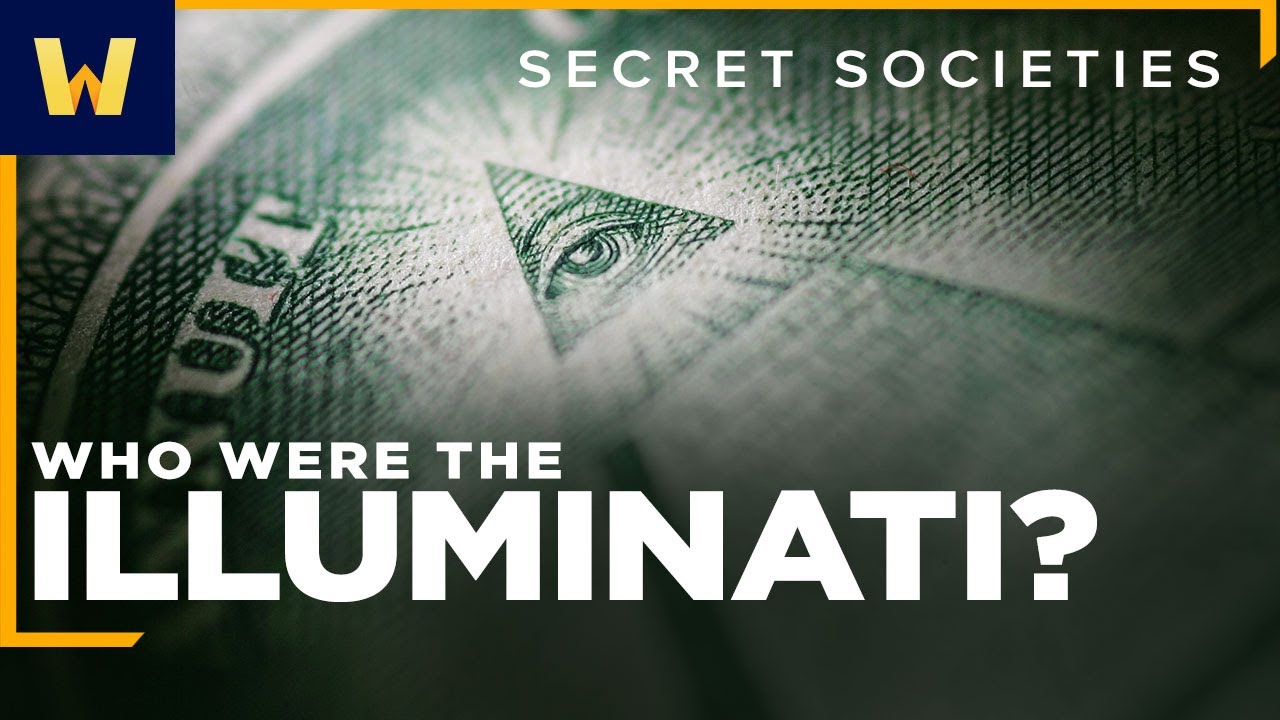
They're Watching You! | The History of the Illuminati

Image

The mere mention of the Illuminati conjures images of shadowy figures, hidden agendas, and global control. For centuries, whispers of this enigmatic organization have fueled countless conspiracy theories, weaving a complex tapestry of mystery and intrigue. But what is the verifiable history behind this name, and how did it become synonymous with ultimate power and surveillance? As an investigator, my duty is to sift through the noise, analyze the evidence, and present the facts – or the lack thereof.

Introducción: Desentrañando el Misterio del Culto Illuminati

The Illuminati. A name that strikes a chord of both fear and fascination. This historical, and some say mythical, organization has been the subject of intense speculation for generations. Are they the puppet masters pulling the strings of global events, or merely a historical footnote twisted by modern paranoia? My approach to such cases is simple: apply rigorous analysis to the available documentation, scrutinize anecdotal evidence, and remain open to the possibility of phenomena beyond our current comprehension.

The provided materials, particularly the documentary episode "They're Watching You! | The History of the Illuminati," offer a structured entry point into this labyrinth. It's crucial to distinguish between historical fact, speculative theory, and outright fabrication. As an investigator, I deal in verifiable data, but I also acknowledge that some truths operate outside the conventional framework of evidence.

Recommended Gear for Investigation

ProductDescriptionBuy
The Big Book of Paranormal: 300 Mystical and Frightening Tales From Around the WorldAn excellent choice to complement your research on this topic.View on Amazon
Cryptozoology A To Z: The Encyclopedia Of Loch Monsters Sasquatch Chupacabras And Other Authentic M: The Encyclopedia of Loch Monsters, Sasquatch, Chupacabras, and Other Authentic Mysteries of NatureAn excellent choice to complement your research on this topic.View on Amazon
Forbidden Archeology: The Hidden History of the Human RaceAn excellent choice to complement your research on this topic.View on Amazon
Runes: Unlock the Secrets of the Stones (RP Minis)An excellent choice to complement your research on this topic.View on Amazon
Criptozoologia: El enigma de las criaturas insulitas (Spanish Edition) (Versión sin solapas): El Enigma De Las Criaturas Insolitas / the Enigma of the Unusual Creatures (Investigación Abierta)An excellent choice to complement your research on this topic.View on Amazon
The H. P. Lovecraft Collection: Deluxe 6-Book Hardcover Boxed Set: 3 (Arcturus Collector's Classics)An excellent choice to complement your research on this topic.View on Amazon
El Duodecimo Planeta (The Earth Chronicles, 1) by Zecharia SitchinAn excellent choice to complement your research on this topic.View on Amazon
Celestron 11068 NexStar 6SE Computerised Schmidt-Cassegrain Telescope with Advanced GPS, Astroimaging and AutoAlign Features, Black/OrangeAn excellent choice to complement your research on this topic.View on Amazon
Manual del Investigador Paranormal: (Versión sin solapas) (Investigación Abierta)An excellent choice to complement your research on this topic.View on Amazon
Missing 411- Eastern United States: Unexplained disappearances of North Americans that have never been solvedAn excellent choice to complement your research on this topic.View on Amazon

The documentary itself, presented by Richard Spence and part of "The Real History of Secret Societies," promises a deep dive. Spence, a respected historian, lends a degree of credibility to the subject matter. However, the very nature of secret societies means that definitive proof is often elusive, buried under layers of secrecy and misdirection. This exploration will follow the thread of historical accounts and examine how they've been amplified and transformed into the pervasive conspiracy theories we encounter today.

Los Orígenes de la Ilustración: Adam Weishaupt y la Fundación de una Sociedad Secreta

Our investigation begins in Bavaria, Germany, in 1776, with Adam Weishaupt. Weishaupt, a professor of canon law, founded the Order of the Illuminati. His stated goal was to oppose superstition, prejudice, and religious influence over public life, and to promote reason, secularism, and enlightenment. This historical context is vital – it places the Illuminati within the broader intellectual currents of the Age of Enlightenment. The Order aimed to recruit influential individuals, seeking to imbue them with its philosophical ideals.

The documentary timeline highlights key moments: "00:00 Adam Weishaupt Leads Secret Society Meeting in 1776" and "07:22 Who Was Adam Weishaupt?". Understanding Weishaupt's motivations and the initial structure of his order is paramount. He envisioned a society that would subtly influence political and social institutions to foster a more rational and just world. This hierarchical structure, where members were initiated into progressively higher degrees of knowledge, is a common characteristic of many historical secret societies.

However, as the narrative often goes with clandestine groups, internal strife and external pressures began to fracture the Order. "14:28 Illuminati Members Were Not Equal or Free" and "17:35 How Did Weishaupt's Plan Work in Practice?" suggest internal dynamics of control and potential disillusionment among members. The suppression of the Illuminati by the Bavarian government in the 1780s marked the official end of the original order. Yet, as history demonstrates, ideas, especially those cloaked in mystery, rarely die easily.

Figuras Clave en la Sombra: ¿Quiénes Conformaron Realmente el Círculo Interno?

The question of membership is central to the Illuminati mythos. The initial premise mentions figures like Henry Kissinger, Queen Elizabeth, David Rockefeller, and Basil Zaharoff being "accused of being members." These are individuals whose influence, power, or longevity alone would make them targets for such speculation. The historical Illuminati, under Weishaupt, were more focused on academics, intellectuals, and progressive thinkers of their time. The later, pervasive conspiracy theories, however, expand this circle exponentially to include virtually anyone perceived to hold significant power.

The documentary touches on this broader scope with "02:17 Illuminati Imagery Embedded in Popular Culture" and "25:00 The Illuminati in Literature and Pop Culture." This suggests a transition from a specific historical society to a symbolic representation of covert control. By the late 18th and 19th centuries, particularly with the rise of French revolutionary fervor, the Illuminati became a convenient scapegoat for revolutionary excesses. Writers and pamphleteers attributed immense power to a supposedly resurgent Illuminati, laying the groundwork for modern conspiracy narratives.

The testimonials provided offer a glimpse into how deeply this idea of a hidden, controlling force has permeated modern consciousness. One user states, "Bottom line, shadow government do exist. In politics, there is no accidents, everything goes as planned." Another comments, "Governments report to secret societies, secret societies report to evil rich leaders, evil rich leaders report to evil clowns!" This reflects a widespread sentiment that powerful, unseen entities orchestrate world events. Investigative work requires separating these perceptions from factual reporting, although the persistence of such beliefs is itself a phenomenon worth studying.

El Legado Cultural: De la Realidad a la Ficción y las Teorías Conspirativas

The jump from a short-lived Bavarian society to a global cabal is a significant one, largely driven by cultural dissemination. "02:17 Illuminati Imagery Embedded in Popular Culture" and "25:00 The Illuminati in Literature and Pop Culture" are critical markers. The Illuminati narrative has been a fertile ground for authors, filmmakers, and musicians. Symbols purportedly associated with the Illuminati – the all-seeing eye, the unfinished pyramid – have become ubiquitous, appearing in everything from corporate logos to album art.

This constant cultural reinforcement makes it difficult for many to distinguish the historical Order from the mythical entity it has become. The testimonials echo this confusion: "The symbols are everywhere when you start looking... I just don't get why people aren't standing up to this." This sentiment highlights how pervasive the belief in an omnipresent Illuminati has become, leading individuals to interpret any symbol or event through the lens of this conspiracy.

The book "Secrets of The First Order" is mentioned multiple times by users, described as a "rebellion disguised as knowledge" and a "dangerous weapon." This indicates the potent impact certain texts can have in shaping perceptions of secret societies. As an investigator, I recognize that while these books may not present hard evidence, they articulate a deep-seated distrust of established power structures, a sentiment that resonates with many readers.

Conspiraciones Modernas y Vigilancia: ¿Siguen "Ellos" Observándonos?

"They're Watching You!" The title itself encapsulates the core of modern Illuminati conspiracy theories: pervasive surveillance and control. In an age of digital data, sophisticated surveillance technologies, and global interconnectedness, the idea of a shadowy group monitoring our every move feels more potent than ever. The documentary's title and the user comments underscore this contemporary anxiety.

One user succinctly states, "Of course they are watching all of us but, the globe is waking up now, and the globe is now watching them." This sentiment reflects a growing awareness, or at least a widespread suspicion, of clandestine operations and surveillance by powerful entities, whether state or non-state. The documentary's exploration of how exposure aided the Illuminati ("06:52 How Exposure Helped the Illuminati") is ironic in this context, as the modern Illuminati myth thrives on exposure and discussion, albeit often through clandestine channels and alternative media.

The economic disparities highlighted in another testimonial – "The fact you have billionaires in this world blows my mind. The difference of people living in poverty and the rich is disgusting... Everyone is willing to sell their soul for money" – often feed into these conspiracy theories. The vast wealth and influence held by a select few are easily attributed to a hidden, coordinated effort rather than complex socio-economic factors.

This is where my role as an investigator becomes crucial. While sensational claims of global domination are compelling, the reality of power dynamics is often more mundane, albeit still concerning. Issues of wealth inequality, corporate influence, and government surveillance are real and warrant meticulous investigation. Attributing them solely to a single, ancient secret society, however, simplifies a complex reality and can distract from addressing these issues directly.

Veredicto del Investigador: ¿Fraude, Fenómeno Genuino o Mito Moderno?

After analyzing the historical context, the cultural evolution, and the modern interpretations, my verdict on the "Illuminati" as a singular, all-powerful entity is as follows: the original Order of the Illuminati, founded by Adam Weishaupt, was a historical society with specific aims that was suppressed in the late 18th century.

The "Illuminati" that permeates modern consciousness, however, is largely a construct of conspiracy theories, literature, and popular culture. It functions as a powerful archetype representing hidden forces, ultimate control, and the anxieties of an increasingly complex world. The consistent appearance of similar themes in testimonials – "shadow government," "evil rich leaders," "secrets will be uncovered" – confirms the enduring power of this archetype.

Did the ideas and symbols of the original Illuminati survive and coalesce into something more sinister? It’s a possibility that cannot be entirely dismissed, given the nature of secret societies and their tendency to evolve or inspire offshoots. However, the evidence for a continuous, unified, globally dominant Illuminati entity remains largely speculative. The true "show" is perhaps less about a single secret society and more about how human psychology, distrust of authority, and the desire for simple explanations for complex problems combine to create enduring myths.

From an investigative standpoint, looking for direct evidence of "the Illuminati" controlling world events is often a fruitless endeavor. The real investigation lies in understanding the *phenomenon* of the Illuminati myth itself: how it originated, how it mutated, and why it continues to resonate so powerfully. The shared sentiment across testimonials, especially those referencing "Secrets of The First Order" and the idea of seeing beyond the veil, points to a collective yearning for a deeper understanding of the world's mechanisms.

La Verdad sobre los Recursos

For those seeking to delve deeper into the world of secret societies, historical conspiracies, and the psychology behind them, I recommend the following resources:

  • "The Real History of Secret Societies" series (presented by Richard Spence): The source material for much of this investigation, offering historical context from a respected academic.
  • "Secrets of The First Order" by Dominic Richard Thompson: While testimonials describe it as a "rebellion disguised as knowledge" and a "dangerous weapon," it clearly resonates with those seeking alternative perspectives on hidden structures.
  • "Manifest the Unseen" by Luna Rivers: Mentioned for its approach to manifestation and mindset shifts, indicating a trend towards exploring personal empowerment amidst perceived external control.

Understanding these narratives, even those rooted in conjecture, provides vital insights into how societies perceive power and control.

Preguntas Frecuentes

¿Fue Adam Weishaupt el único líder de los Illuminati?

Adam Weishaupt fue el fundador y el primer líder de la Orden de los Illuminati en Baviera. Sin embargo, la estructura jerárquica de la orden implicaba otros miembros influyentes en diferentes grados de conocimiento y autoridad.

¿Se han encontrado pruebas irrefutables de la existencia continua de los Illuminati?

No existe evidencia concluyente y universalmente aceptada que demuestre la existencia continua de los Illuminati como una organización operante con poder global. La mayoría de las afirmaciones se basan en interpretaciones de símbolos, documentos históricos fragmentados y teorías conspirativas.

¿Por qué el símbolo del Ojo que Todo lo Ve está asociado con los Illuminati?

El Ojo que Todo lo Ve, o el Ojo de la Providencia, es un símbolo antiguo con diversas interpretaciones religiosas y filosóficas. Se asoció con los Illuminati en el siglo XX, a menudo superpuesto con la pirámide inacabada, atribuyéndole un significado de vigilancia y control que trascendió su origen histórico.

¿Son las teorías sobre los Illuminati perjudiciales?

Si bien la investigación de estos temas puede ser fascinante, algunas teorías conspirativas sobre los Illuminati pueden ser perjudiciales. Pueden fomentar la desconfianza extrema hacia instituciones legítimas, promover el antisemitismo (a menudo conectando a los Illuminati con figuras judías o la masonería) y desviar la atención de problemas sociales y políticos reales que requieren análisis y acción concretos.

¿Qué diferencia hay entre los Illuminati históricos y el concepto moderno de los Illuminati?

Los Illuminati históricos se refieren a la sociedad secreta bávara fundada por Adam Weishaupt en 1776, con fines ilustrados y de reforma social. El concepto moderno de los Illuminati es mucho más amplio y vago, abarcando una supuesta cábala secreta que controla el mundo, a menudo sin conexión directa con los objetivos o miembros de la orden original.

Conclusión: La Sombra Persistente de la Sospecha

The history of the Illuminati is not simply a tale of one secret society; it's a narrative that has evolved, adapted, and become a potent symbol for contemporary anxieties about power, control, and surveillance. While the historical Order was a product of the Enlightenment, its modern incarnation reflects the uncertainties and distrust of the digital age. The persistent belief, as evidenced by online commentary, suggests a deep-seated human desire to find order, even if it's a malevolent one, in a chaotic world.

Tu Misión de Campo: Observar y Analizar

Your mission, should you choose to accept it, is to apply this analytical lens to your own information consumption. When you encounter claims about secret societies or global conspiracies, ask yourself: What is the verifiable evidence? What is the historical context? What cultural forces might be shaping this narrative? Your skepticism is your most valuable tool.

¡Comparte tus propias experiencias o conocimientos en los comentarios! Hemos visto una variedad de perspectivas, desde análisis históricos hasta experiencias personales con libros que cambian la percepción. ¿Has notado símbolos o patrones que te parecen sospechosos? ¿Has profundizado en el estudio de sociedades secretas? Tus aportes son vitales para expandir nuestro archivo.

Si encontraste este análisis esclarecedor, ¡ayúdanos a difundir la verdad! Comparte este expediente en tus redes sociales. Cuantas más mentes críticas analicen estos temas, más cerca estaremos de comprender las verdaderas fuerzas que moldean nuestro mundo.

Investigator's Note: True paranormal research doesn't fund itself. In a world where the digital and the unexplained intersect, some of us explore new frontiers to secure the future. Do you dare to be part of the vanguard? Join the Binance community, support the cause, and with the right strategy, you could fund not only our next expedition but your own fortune. The next great discovery could be just a click away.

The Agenda: Their Vision - Your Future (2025)

Image

The convergence of advanced technology and global institutions presents a chilling prospect: a future where individual liberties are subsumed by a centralized "agenda." This documentary, "The Agenda: Their Vision | Your Future," produced by Mark Sharman, a former UK broadcasting executive, dives deep into the mechanisms by which such a future could become a digital prison. Examining the decades-long plan, the film dissects the infiltration of key societal structures and the tools now at the disposal of unseen forces—omnipresent surveillance, artificial intelligence, digital currency, and digital identities—that threaten the very fabric of democracy and personal autonomy.

Introduction: The Shadowy Blueprint

The narrative of control is as old as civilization itself. Throughout history, clandestine groups and ambitious individuals have sought to shape the world according to their visions. However, the current era presents unprecedented tools for achieving global objectives. "The Agenda: Their Vision | Your Future" posits that the architects of global finance and power are nearing fruition, leveraging a sophisticated array of technologies to establish an era of unparalleled social control. This dossier delves into the documentary's core assertions, critically examining the evidence presented and the potential ramifications for our collective future.

The film meticulously outlines a plan that has been meticulously constructed over decades, subtly infiltrating governmental bodies, local administrations, multinational corporations, civil societies, media outlets, and, critically, educational institutions. This relentless push towards a "new reality" draws chilling parallels to dystopian visions such as Aldous Huxley's Brave New World and George Orwell's 1984, raising urgent questions about the trajectory of modern society.

Recommended Gear for Investigation

ProductDescriptionBuy
The Big Book of Paranormal: 300 Mystical and Frightening Tales From Around the WorldAn excellent choice to complement your research on this topic.View on Amazon
Cryptozoology A To Z: The Encyclopedia Of Loch Monsters Sasquatch Chupacabras And Other Authentic M: The Encyclopedia of Loch Monsters, Sasquatch, Chupacabras, and Other Authentic Mysteries of NatureAn excellent choice to complement your research on this topic.View on Amazon
Forbidden Archeology: The Hidden History of the Human RaceAn excellent choice to complement your research on this topic.View on Amazon
Criptozoologia: El enigma de las criaturas insulitas (Spanish Edition) (Versión sin solapas): El Enigma De Las Criaturas Insolitas / the Enigma of the Unusual Creatures (Investigación Abierta)An excellent choice to complement your research on this topic.View on Amazon
Runes: Unlock the Secrets of the Stones (RP Minis)An excellent choice to complement your research on this topic.View on Amazon
The H. P. Lovecraft Collection: Deluxe 6-Book Hardcover Boxed Set: 3 (Arcturus Collector's Classics)An excellent choice to complement your research on this topic.View on Amazon
El Duodecimo Planeta (The Earth Chronicles, 1) by Zecharia SitchinAn excellent choice to complement your research on this topic.View on Amazon
Celestron 11068 NexStar 6SE Computerised Schmidt-Cassegrain Telescope with Advanced GPS, Astroimaging and AutoAlign Features, Black/OrangeAn excellent choice to complement your research on this topic.View on Amazon
Cámara de video 5K, videocámara de 64 MP con zoom digital de 18X, WiFi, visión nocturna IR, cámara de vlogging para YouTube, pantalla táctil, incluye tarjeta SD, micrófono, 2 baterías, control remotoAn excellent choice to complement your research on this topic.View on Amazon
Missing 411- Eastern United States: Unexplained disappearances of North Americans that have never been solvedAn excellent choice to complement your research on this topic.View on Amazon

The Digital Prison: Control Mechanisms

At the heart of the documentary's thesis lies the concept of a "digital prison." This isn't a literal confinement but a state of pervasive control exerted through technology. The film dissects how seemingly innocuous advancements—digital currencies, artificial intelligence, and sophisticated surveillance systems—can coalesce into instruments that limit and dictate fundamental aspects of human life. The potential for controlling food distribution, energy access, financial transactions, travel, and even internet connectivity is presented not as science fiction, but as an alarmingly tangible near-future reality.

"The potential for social control of our lives and minds is alarmingly real."

This erosion of freedom is intricately linked to the perceived strangulation of democracy by financial power. Global institutions, such as the World Health Organization (WHO), are scrutinized for their role in championing ideological and fiscal objectives that may not align with the public interest. The documentary highlights how these powerful entities can be commandeered, shifting their mandates from public service to the agenda of a select few.

Decades in the Making: The Master Plan

The documentary's investigative depth is evident in its exploration of the long-term strategy behind the purported agenda. It suggests a multi-generational effort to reshape societal norms and structures. This systematic approach has facilitated the deep penetration of various sectors, creating a fertile ground for the implementation of control mechanisms.

Testimonies within the film and echoed in audience reactions suggest a growing awareness, albeit late for some. Many viewers express regret for not recognizing these trends earlier:

"Sadly most people will not acknowledge what is happening until it is too late. I really miss the 80’s and 90’s."
"I'm glad I grew up in the 80s/90s, just on the basis of perspective alone, future generations won't even know they are being controlled because they will grow up in a digital world that seems 100 percent normal."

This sentiment underscores a key concern: the normalization of control for future generations who may not possess the historical context to recognize the erosion of freedoms.

The Davos Dynasty: Power Brokers

A significant focus of "The Agenda" is the role of global forums like the World Economic Forum (WEF) in Davos. The film implies that these gatherings serve as a nexus for the powerful elites—the "oligarchs" and the "Davos Dynasty"—to coordinate their global strategies. The concept of "stakeholder capitalism," often promoted by the WEF, is examined critically, with the documentary questioning whether it truly serves the public or merely facilitates a consolidation of power in the hands of a few.

The documentary's structure, as indicated by its internal timestamps, dedicates substantial segments to these powerful entities and their proposed solutions, suggesting a deliberate effort to expose the alleged architects behind the global shift.

Crisis? What Crisis? The Net Zero Gambit

The documentary identifies "man-made climate change" and the subsequent race to "Net Zero" as central pillars of the agenda. The United Nations' Agenda 2030 is presented as a critical mechanism through which these objectives are pursued. The film poses a provocative question: Is this a genuine effort towards sustainability, or a "blank cheque for totalitarian global control"?

The Net Zero initiative, while ostensibly aimed at environmental protection, is framed within the film as another tool for increasing control over industries, economies, and individual lifestyles. The documentary explores how crises, whether real or manufactured, are often leveraged to justify the implementation of sweeping policies that expand governmental and institutional power.

The section titled "The Net Effect" and "From Farmer to Pharma" further explore how these policies could impact essential industries and supply chains, potentially leading to increased dependency on centralized authorities.

Expert Analysis from Global Voices

"The Agenda: Their Vision | Your Future" draws upon a range of expert perspectives from the UK, the USA, and Europe. This cross-border approach aims to provide a comprehensive view of the alleged global strategy. The inclusion of these experts lends weight to the documentary's claims, offering insights that challenge mainstream narratives.

Audience reactions frequently commend the film's depth and the coherence of its arguments, especially when compared to conventional media sources:

"A well made documentary film which I think has more truth than any British newspaper or any television new channels, everyone should spend 1hrs 52 minutes of their time watching for the warnings contained in it."
"I am yet to see a documentary that so brilliantly puts the entire picture together as this one. Amazing. I've watched and listened to many interviews with many of the people featured here, but to have them all in one place, and have it all spliced together so coherently is an absolute godsend. Thank you."

The film's ability to synthesize complex information and present a compelling, unified narrative is a recurring theme in viewer feedback, suggesting a significant impact on those who engage with its content.

Investigator's Verdict: A Looming Reality?

After analyzing the presentation and the underlying arguments of "The Agenda: Their Vision | Your Future," the evidence suggests a compelling narrative concerning the potential for technological and institutional overreach. While the film operates within the realm of investigative documentary and presents a specific, critical viewpoint, the concerns it raises about surveillance, digital currency, AI, and global governance are grounded in observable trends. The parallels drawn to classic dystopian literature are not mere literary devices; they serve as potent warnings about societal trajectories.

The documentary's strength lies in its ability to connect disparate events and policies into a cohesive, albeit alarming, vision. The critique of initiatives like Net Zero and the role of global institutions warrants serious consideration, particularly regarding their potential impact on individual freedoms and democratic processes. The audience's fervent calls for sharing the film underscore a widespread feeling that these issues are critical and urgent. The conviction in the film's message, as expressed by many viewers, suggests that it resonates deeply with a segment of the population concerned about the future direction of society. It is a potent call to awareness, urging citizens to question, to educate themselves, and to resist the passive acceptance of potentially restrictive futures.

Frequently Asked Questions

What is "The Agenda: Their Vision | Your Future"?

It is an independent, feature-length documentary produced by Mark Sharman that examines the potential for global control through technology, global institutions, and long-term strategic planning.

What are the main concerns raised by the documentary?

The film focuses on issues such as mass surveillance, artificial intelligence, digital currencies, digital identities, the erosion of democracy due to financial power, and the agenda behind climate change initiatives like Net Zero and UN's Agenda 2030.

Who is Mark Sharman?

Mark Sharman is a former UK broadcasting executive with experience at major networks like ITV and Sky.

How can I watch the documentary?

The documentary is available for free download at theagendafilm.com. Viewers are advised to use ad-blockers or download the film to avoid potential interruptions if watching via YouTube.

What is the documentary's stance on climate change?

The documentary critically examines the narrative of man-made climate change and the Net Zero agenda, suggesting they may be used as tools for increased global control, encapsulated within initiatives like the UN's Agenda 2030.

Investigator's Mission: The Call to Action

The creators of "The Agenda" urge viewers to share the documentary widely, emphasizing its critical importance in raising awareness before it is "too late." The overwhelming sentiment from audience feedback is that this film contains vital warnings that must be disseminated.

Your Mission: Be the Catalyst

Your task, should you choose to accept it, is to dissect the information presented in this dossier and the documentary it represents. Engage with the evidence, question the narratives, and, crucially, share this knowledge. Awareness is the first line of defense against any agenda that seeks to diminish individual liberty.

What are your thoughts on the documentary's claims? Have you experienced anything that aligns with the "digital prison" concept? Share your experiences and insights in the comments below. Your perspective is vital to our collective understanding.

The truth is often buried beneath layers of complexity. Help us unearth it. Share this analysis on your social media platforms to ensure these critical messages reach a wider audience. Every share is a step towards greater awareness.

For those seeking to delve deeper into the investigative process and the tools used to uncover hidden truths, consider exploring our archive on investigative techniques and the historical context of conspiracy theories.

Investigator's Note: True paranormal research doesn't fund itself. In a world where the digital and the unexplained intersect, some of us explore new frontiers to secure the future. Do you dare to be part of the vanguard? Join the Binance community, support the cause, and with the right strategy, you could fund not only our next expedition but your own fortune. The next great discovery could be just a click away.
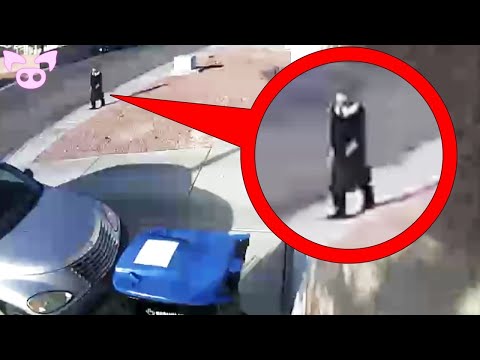
The Scariest CCTV Footage Ever Captured: An Investigative Deep Dive


Introduction: The Unblinking Eye

In an era saturated with surveillance, the cold, unblinking eye of the CCTV camera has become a constant witness to our lives. We install them for security, for accountability, for peace of mind. Yet, these digital eyes often capture more than just the mundane. They become passive observers of the inexplicable, recording moments that defy logical explanation and linger in the collective subconscious. This compilation delves into what are purported to be the scariest CCTV footage instances ever captured, not to merely recount chilling tales, but to analyze the underlying patterns, the potential for misinterpretation, and the profound psychological impact these visual enigmas have on us.

The allure of such footage lies in its perceived authenticity. Unlike staged horror films, these are raw, unedited glimpses into moments where the veil between the known and the unknown seems to thin. But as any seasoned investigator will tell you, raw footage is merely the starting point. The true work begins when we apply rigorous analysis, seeking to differentiate between genuine anomalies and clever manipulations, between the paranormal assertion and the prosaic reality.

Analyzing the Unseen: Patterns in the Static

The common thread in many of these disturbing recordings is their ability to trigger primal fears. We're often looking at shadows that move with unnatural speed, apparitions that flicker in and out of existence, or entities that defy conventional physics. My methodology involves dissecting these clips with a critical eye, looking for:

  • Temporal Anomalies: Glitches in the recording that might suggest manipulation, or conversely, events that seem to unfold outside normal temporal progression.
  • Spatial Distortions: Objects or figures appearing where they logically shouldn't be, or behaving in ways inconsistent with their physical form.
  • Auditory Clues: While primarily visual, the context often includes sounds – whispers, bangs, or unexplained noises – that accompany the visual anomalies, adding layers to the mystery.
  • Behavioral Deviations: The reactions (or lack thereof) of those present, and the apparent behavior of the phenomena themselves.

It's crucial for anyone delving into this material to understand that digital artifacts, lens flares, dust particles, and even pareidolia (the tendency to see meaningful images in random visual patterns) can easily be mistaken for genuine paranormal activity. My task is to strip away these mundane explanations first, before even considering the more extraordinary possibilities.

The Nature of Fear: Psychological Triggers in Visual Anomalies

Why does certain CCTV footage send shivers down our spines? It’s a complex interplay of psychological factors. The inherent surveillance context primes us for unease; we are being watched, and now, we're watching something unsettling. The darkness, the graininess, the often-unclear nature of the figures amplifies our imagination, filling in the blanks with our deepest fears.

"The darkness is not empty; it is simply filled with things we are not yet equipped to perceive." - Alejandro Quintero Ruiz

Our brains are wired to detect threats, and ambiguity is a powerful catalyst for fear. When a CCTV camera captures something that doesn't fit our understanding of reality – a shape in the corner of a room, a sudden movement where no one should be – our threat-detection systems go into overdrive. It taps into ancient fears of the unknown, the predator in the shadows, the unseen force that defies control. This is why even a seemingly innocuous flicker can become terrifying when framed within the context of a 'haunted' location or an unexplained event.

Case Studies: Beyond the Ordinary

While the specific content of the "Slapped Ham" compilation isn't explicitly detailed here, typical examples often include:

  • Shadow Figures: Dark, humanoid shapes that appear and disappear, often in peripheral vision or within poorly lit areas. Analysis often focuses on whether these are simply tricks of light and shadow, or something more.
  • Object Manifestation/Dematerialization: Items appearing or vanishing inexplicably within the frame. This can range from minor objects to significant structural anomalies.
  • Unusual Environmental Effects: Sudden temperature drops, inexplicable drafts, or changes in lighting that are captured by the cameras.
  • Apparitions: Translucent or semi-transparent figures that seem to move through solid objects or occupy spaces where no physical presence can be detected.

The challenge with many such compilations is their lack of verifiable metadata: original timestamps, camera models, environmental conditions during recording, and precise locations. This is where the investigative process becomes paramount – trying to verify the authenticity and context of each clip, a task made difficult by the sheer volume of often sensationalized content.

Technological Explanations and Their Limitations

Before we jump to paranormal conclusions, a thorough technological assessment is indispensable. Consider:

  • Digital Artifacts: Camera sensor noise, compression errors, and interference can create visual anomalies that mimic spectral forms.
  • Infrared Spectrum: Many CCTV cameras operate with infrared capabilities. What appears as a shadow to the naked eye might be a different visual phenomenon in the IR spectrum, which can sometimes be misconstrued.
  • Environmental Factors: Dust, insects, steam, or even reflections can create convincing illusions when caught on camera, especially in low-light conditions.
  • Intentional Hoaxes: The advent of sophisticated editing software means creating convincing fake footage is easier than ever. Identifying signs of digital manipulation is key.

However, it's when these technological explanations fail to fully account for the observed phenomena that the true mystery begins. For instance, footage exhibiting intelligent interaction with the environment, or consistent patterns across multiple independent recordings from different locations, becomes harder to dismiss purely on technological grounds. The question then shifts from "how was it recorded?" to "what was recorded?"

Skeptical Perspectives: Deconstructing the Phenomenon

The scientific community, and indeed any serious investigator, approaches such footage with inherent skepticism. This isn't to deny the possibility of the paranormal, but to insist on a rigorous burden of proof. Key skeptical points include:

  • Lack of Control Variables: Most captured phenomena occur in uncontrolled environments, making it impossible to rule out mundane causes.
  • Ambiguity of Evidence: Visual anomalies are often indistinct, leaving ample room for subjective interpretation.
  • Confirmation Bias: Viewers predisposed to believe in the paranormal are more likely to interpret ambiguous images as evidence of it.
  • The "Where is the Proof?" Argument: If paranormal phenomena are regular occurrences captured on millions of cameras worldwide, why is there still no definitive, universally accepted piece of evidence?

A critical analysis must always prioritize the most parsimonious explanation – the simplest one that fits the facts. Only when all plausible natural or man-made explanations have been exhaustively ruled out should we entertain more extraordinary theories.

Investigator's Verdict: Genuine Anomaly or Elaborate Hoax?

Analyzing compilations of "scariest CCTV footage" presents a unique challenge. The very nature of such collections often prioritizes shock value over verifiable data. While isolated incidents within these compilations might present genuinely baffling moments – phenomena that resist easy explanation and require further investigation – the aggregate effect can be diluted by the inclusion of obvious hoaxes or misinterpretations.

My verdict is nuanced: the potential for genuine anomalies captured by CCTV cameras exists. We see moments of true strangeness that warrant deeper scrutiny. However, the vast majority of what circulates in viral compilations is likely either explainable by mundane factors (lighting, dust, digital artifacts, pareidolia) or outright fabricated. The key is that the *mere existence* of a compilation labeled "scariest" does not validate every clip within it. Each piece of footage demands individual, rigorous investigation. Without specific, verifiable cases, this collection remains a testament to our fascination with the uncanny, rather than definitive proof of the paranormal.

Investigator's Archive: Recommended Resources

For those wishing to deepen their understanding of investigative techniques and paranormal phenomena, I recommend the following:

  • Books:
    • "The Field Guide to UFOs" by Chris Rutkowski and Jeffrey P. Whiting: For understanding anomalous aerial phenomena often mistaken for other things.
    • "The Ghost Hunter's Survival Guide" by G. Michael Vasey: Practical advice on investigation.
    • "Realms of the Unexplained" by Charles Fort: A foundational text on anomalous phenomena.
  • Documentaries:
    • "The Phenomenon" (2020): A comprehensive look at the UFO question.
    • "Hellier" (2019-2022): A unique take on paranormal investigation and synchronicity.
    • "Missing 411" Series: Focusing on unexplained disappearances in wilderness areas, often with anomalous elements.
  • Platforms:
    • Gaia: Offers a wide range of documentaries and series on consciousness, spirituality, and the unexplained.
    • SlappedHam: The source of the compilation, providing a large archive of similarly themed content. (Note: This link is for reference to the original context, not an endorsement of every claim).

Your Mission Field Assignment

The next time you encounter a piece of compelling, unverified footage, whether from surveillance or another source, engage your inner investigator. Before you assume the paranormal, ask yourself:

  1. Source Verification: Can I trace this footage to an original, unaltered source with verifiable metadata (date, time, location)?
  2. Mundane Explanations: What natural or man-made phenomena could account for this? (e.g., light reflections, dust, insects, camera glitches, digital manipulation).
  3. Psychological Impact: How much of my interpretation is influenced by my own expectations or fears (confirmation bias, pareidolia)?

Document your findings. Share your methodical approach in the comments below, and let's see if we can collectively deconstruct the next viral mystery.

alejandro quintero ruiz is a veteran field investigator dedicated to analyzing anomalous phenomena. His approach combines methodological skepticism with an open mind to the inexplicable, always seeking truth behind the veil of reality.

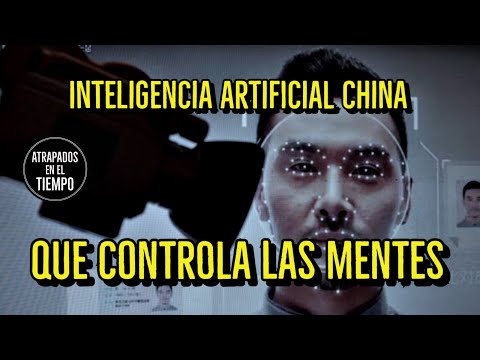
China's AI Mind Control: Deconstructing a Modern Conspiracy


Introduction: The Whispers of Algorithmic Control

The digital age is a double-edged sword. While it connects us, it also opens up new frontiers for influence and control. In recent times, whispers have begun to circulate, growing into a chorus of concern: could advanced Artificial Intelligence, particularly from China, be capable of controlling human minds? This isn't the stuff of science fiction B-movies; it touches upon deep-seated anxieties about technological overreach and geopolitical power dynamics. Today, we open the file on this pervasive, unnerving notion. We will dissect the claims, analyze the evidence, and apply a rigorous, skeptical lens to understand the reality behind the headlines.

The Genesis of Fear: AI and Surveillance in the East

China's rapid advancements in Artificial Intelligence and its extensive domestic surveillance apparatus have, understandably, become a focal point for global concern. The integration of facial recognition, social credit systems, and predictive algorithms paints a picture of a society under constant technological observation. This environment, rife with data collection, is fertile ground for theories of more invasive applications, such as direct mind control. The sheer scale of China's AI initiatives, coupled with its opaque governance, fuels speculation about capabilities that may or may not exist beyond the realm of public knowledge. It's crucial to differentiate between existing technological capabilities, potential future developments, and outright conspiratorial claims.

"When a government deploys AI for surveillance, the line between observation and manipulation becomes perilously thin. The question isn't if they *can*, but if they *are*, and to what extent." - A.Q.R.

Analyzing the Claim: Fact vs. Speculation

The core of the "China AI Mind Control" narrative often revolves around the idea that Beijing is developing AI capable of influencing thoughts, decisions, or even implanting false memories. This can manifest in several theoretical ways: subtle manipulation through tailored online content, direct neural interface technology, or even the weaponization of AI to induce psychological states. However, concrete, irrefutable evidence supporting these extreme claims remains elusive. Most of what constitutes this narrative stems from extrapolation of current surveillance practices, fear of the unknown, and the inherent distrust many nations harbor towards China's technological trajectory. We must ask: what specific evidence underpins these assertions, and has it been subjected to rigorous, independent verification?

Many reports link advanced AI to efforts in propaganda dissemination and the shaping of public opinion within China. While sophisticated algorithms can indeed personalize content to influence user behavior (a practice common across all major tech platforms globally), this is a far cry from direct mind control. The technologies involved are primarily data analysis, pattern recognition, and targeted content delivery. This is powerful, but it operates on the level of influencing perception and choice, not hijacking cognitive processes directly.

Technological Feasibility: The Limits of Current AI

From a scientific standpoint, the idea of AI directly controlling human minds, in the sense of dictating thoughts or emotions, remains largely in the realm of theoretical possibility rather than current reality. While neuroscience and AI are converging, creating technology that can interface with and manipulate neural pathways at such a sophisticated level would require breakthroughs far beyond our current understanding.

Existing AI excels at pattern recognition, data processing, and generating outputs based on learned algorithms. It can be trained to identify emotional cues in text or speech, or to predict user preferences. However, the human brain is an extraordinarily complex system. Direct neural interfaces exist, primarily for medical applications (like prosthetics or controlling devices for paralyzed individuals), but these are invasive, require precise calibration for individuals, and are a long way from being deployed for mass mind control.

The current discourse often conflates advanced algorithmic targeting and behavioral prediction with direct cognitive manipulation. For instance, personalized propaganda or disinformation campaigns, while insidious and effective at shaping opinions, do not equate to AI directly altering an individual's core thoughts or free will. For a deeper dive into the nuances of AI capabilities, consulting technical papers on machine learning and neural networks from reputable institutions is advised.

Psychological and Societal Fears: Ancient Tropes, Modern Dress

The fear of external forces controlling our minds is not new. It echoes through myths, religious narratives, and earlier technological anxieties—from radio waves influencing thoughts to subliminal advertising. The concept of a powerful, external entity dictating our will taps into fundamental human vulnerabilities: our desire for autonomy and our fear of losing control.

When these ancient fears are projected onto a modern, technologically advanced nation like China, they gain a new potency. The narrative of "us versus them," amplified by geopolitical tensions and cultural differences, makes it easier to accept sensational claims. The very idea of AI, an entity devoid of human empathy and driven by logic, capable of such manipulation, amplifies these primal fears. It's a perfect storm of ancient anxieties meeting cutting-edge, albeit often misunderstood, technology. To truly combat such fears, it's essential to educate ourselves on both AI capabilities and the psychology of fear itself. Understanding the historical recurrence of these anxieties can help us approach current claims with a more critical perspective.

The Role of Information Warfare

In the arena of geopolitical competition, information itself is a weapon. Narratives designed to sow discord, instill fear, or undermine a rival's credibility are common tactics. The "AI mind control" claim, particularly when attributed to a specific nation, can serve various purposes:

  • Discrediting a Rival: Painting a competitor as technologically nefarious can erode international trust and influence public perception negatively.
  • Justifying Defense Spending: Such claims can fuel the narrative of an existential technological threat, thereby justifying increased investment in counter-AI technologies and cybersecurity.
  • Diverting Attention: Complex geopolitical issues or domestic problems can sometimes be masked by sensational, external threats.
  • Exploiting Public Ignorance: The general public's limited understanding of AI makes them more susceptible to exaggerated claims.

This is where rigorous investigative journalism and technological literacy become paramount. We must apply the same scrutinizing eye to claims circulating online as we would to any piece of potential evidence in a paranormal investigation. The best defense against sophisticated disinformation is a well-informed, critical populace. For those interested in the mechanics of information operations, exploring resources on information warfare and psychological operations is highly recommended.

Investigator's Verdict: Deception, Dissent, or Digital Dominion?

After meticulously sifting through the available data, the verdict on China's AI directly controlling minds leans heavily towards speculation fueled by fear and disinformation, rather than demonstrable fact. While China's AI capabilities, particularly in surveillance and data analysis, are undeniably advanced and raise legitimate ethical concerns regarding privacy and social control, the leap to direct, covert mind control is not supported by credible, independently verified evidence.

The narrative often conflates sophisticated algorithmic manipulation and targeted propaganda with genuine cognitive hijacking. It preys on our inherent fears of technology and the unknown, amplified by geopolitical tensions. While we must remain vigilant about the ethical implications of AI and surveillance globally, attributing direct mind control capabilities to any nation without concrete proof is irresponsible and serves primarily to sensationalize or distract. The true danger lies not necessarily in machines directly controlling our thoughts, but in how sophisticated algorithms, wielded by human agendas, can subtly shape our perceptions and decisions, often without our conscious awareness. This is a form of influence we all must learn to recognize and resist, regardless of its origin.

The Researcher's Archive

To further your understanding of AI, surveillance, and the nature of technological conspiracies, I highly recommend delving into the following resources:

  • Books: "The Age of Surveillance Capitalism" by Shoshana Zuboff provides a critical look at how data is exploited. "Ghost in the Wires" by Kevin Mitnick, while focused on hacking, offers insight into technological vulnerabilities and human ingenuity. For foundational AI concepts, "Artificial Intelligence: A Modern Approach" by Stuart Russell and Peter Norvig is a standard text, though academic in nature. Consider also works that explore historical technological anxieties or geopolitical information operations, such as those by scholars of propaganda studies.
  • Documentaries: Look for documentaries that critically examine A.I. ethics, China's technological advancements, and the impact of social media algorithms. Titles like "The Social Dilemma" offer a starting point for understanding algorithmic influence.
  • Academic Papers: For the cutting edge, search academic databases (like IEEE Xplore, ACM Digital Library, or arXiv) for research on AI ethics, neural interfaces, and computational social science.

Accessing these materials is the first step towards forming your own informed conclusions. Understanding the technology is key to debunking sensational claims.

Frequently Asked Questions

Q: If AI can't control minds, what's the real danger?
The primary danger lies in AI's capacity for sophisticated manipulation of information, influencing opinions, behaviors, and even elections through personalized content, deepfakes, and targeted disinformation campaigns. This is not direct mind control but a potent form of persuasion that can undermine critical thinking and democratic processes.
Q: Are China's surveillance systems truly about mind control?
China's sophisticated surveillance systems are primarily focused on social monitoring, control, and predictive policing, rather than direct mind control. While these systems can be used to enforce conformity and suppress dissent, they operate through observation, data analysis, and behavioral nudging, not by directly altering individuals' thoughts.
Q: How can I protect myself from AI-driven manipulation?
Cultivate critical thinking skills. Question the information you encounter online, diversify your news sources, understand how algorithms personalize your feeds, and be aware of your own emotional responses to content. Digital literacy and a healthy dose of skepticism are your best defenses.
Q: Is the idea of AI mind control completely impossible?
While direct, sophisticated mind control is not currently feasible with AI, the future is uncertain. As neuroscience and AI advance, the boundaries of what's possible may shift. However, the current conspiracy theories vastly outpace technological reality.

Your Field Mission: Unmasking Algorithmic Influence

Your mission, should you choose to accept it, is to become a discerning consumer of digital information. This week, I challenge you to a specific task:

  1. Track Your Feed: For 48 hours, pay close attention to the advertisements and suggested content you see on social media and news aggregators. Note recurring themes, the emotional tone of the content, and whether it seems to be targeting specific interests or anxieties you hold.
  2. Question the Source: For any piece of sensational news you encounter, especially regarding technology or foreign powers, perform a quick verification. Who published it? Do they have a known agenda? Can the claims be corroborated by multiple reputable sources?
  3. Share Your Findings: In the comments below, share one observation about algorithmic influence you noticed, or one piece of sensational "AI mind control" content you encountered and successfully debunked. Let's build a collective understanding of how these narratives spread.

Remember, the most sophisticated form of control is often persuasion so subtle that it feels like your own free thought. Your critical faculties are your ultimate defense.

alejandro quintero ruiz profile picture

alejandro quintero ruiz is a veteran field investigator dedicated to the analysis of anomalous phenomena. His approach combines methodological skepticism with an open mind to the inexplicable, always seeking the truth behind the veil of reality. With years of experience in the field, he dissects complex cases, historical enigmas, and modern mysteries with a pragmatic, investigative eye, aiming to foster critical thinking and informed debate among researchers and enthusiasts alike.

The lines between influence and control, between advanced technology and outright manipulation, are becoming increasingly blurred. As we navigate this complex digital landscape, armed with knowledge and a healthy dose of skepticism, we can better discern the truth from the shadows.

Security Guards' Unexplained Fear: Analyzing Haunted Footage


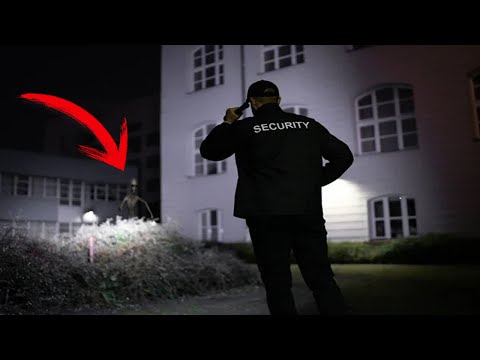
The night shift. A time when the veil between worlds seems thinnest, and the mundane yields to the mysterious. For those tasked with silently patrolling empty corridors, vast warehouses, or desolate construction sites, the endless hours can be a crucible of the uncanny. Security cameras, intended to capture any breach of security, have inadvertently become reluctant chroniclers of the inexplicable. Today, we don't just look at 'scary videos'; we dissect them. We open the file on footage that has sent shivers down the spines of those paid to remain unfazed: the inexplicable phenomena captured by security guards.

The Vigilant and the Void

Welcome back to the paranormal corner. You're viewing this analysis, originally published on June 7, 2022, at 02:00 PM. Our daily source for unexplained and unusual paranormal videos and documents delves into a specific, often overlooked category: footage recorded by individuals whose primary job is to observe the ordinary. These are not staged jump scares for a YouTube channel; these are moments of genuine alarm, captured by eyes trained to spot anything out of place. What happens when the "out of place" defies rational explanation?

Case Analysis Framework: Beyond Simple Sightings

The raw footage presented online, often sensationalized and stripped of context, is merely the tip of the iceberg. To truly understand these incidents, we must move beyond simple "boo!" moments. My approach is rooted in established investigative methodologies, adapted for the paranormal. Every piece of evidence must be scrutinized under specific lenses:

  • Contextual Integrity: What was the guard's routine? What environmental factors were present (lighting, sounds, temperature)? Were there any known historical or anecdotal accounts associated with the location?
  • Evidential Analysis: Is the anomaly clear and distinct? Can it be attributed to known physical phenomena (e.g., dust, insects, lens flares, shadows)? What is the quality of the recording?
  • Witness Credibility: While we often lack direct interviews, the guard's actions (or lack thereof) in the footage, and the alarm in their voice (if audible), provide crucial data. Their professional background as observers is a key factor.
  • Pattern Recognition: Does this incident align with known paranormal archetypes (e.g., residual hauntings, intelligent hauntings, cryptid activity, interdimensional incursions)?

This methodical dissection is vital. The goal is not to simply consume frightening imagery, but to see if these anomalies hold up under rigorous examination, or if they can be confidently relegated to the realm of misinterpretation and simple technology glitches. We are looking for the signal within the noise.

Debunking the Mundane: Common Explanations for 'Haunted' Footage

Before we can even consider the paranormal, we must exhaust every possible mundane explanation. The digital age, while a boon for collectors of strange footage, also provides ample opportunity for misidentification. Common culprits include:

  • Environmental Artifacts: Dust particles, moisture, insects, and lens flares can easily be mistaken for apparitions or unexplained lights, especially in low-light conditions common in night surveillance. The way light reflects and refracts can create startling visual illusions.
  • Technological Glitches: Faulty sensors, digital compression artifacts, corrupted files, and even low battery warnings can manifest as strange visual or auditory phenomena. Security camera systems, often running continuously, are susceptible to wear and tear.
  • Pareidolia and Apophenia: Our brains are hardwired to find patterns, particularly human faces, in random visual or auditory stimuli (pareidolia). Apophenia is the tendency to perceive meaningful connections between unrelated things. A shadow might look like a figure, a random noise like a whispered name.
  • Hoaxes and Pranks: Unfortunately, the desire for viral content fuels countless fabricated incidents. Editing software, props, and staged events are readily available.

A skilled investigator always starts by ruling out these possibilities with the same intensity as they would search for evidence of the supernatural. The burden of proof lies with the anomaly.

The Security Guard Perspective: Unique Insights into Anomalies

Security guards operate in environments often devoid of human presence for extended periods. This solitude can amplify their senses and make them acutely aware of subtle changes. Unlike a casual observer, a guard's professional training emphasizes vigilance and the detection of deviations from the norm. When they report an anomaly, it often stems from a deep-seated instinct that something is fundamentally wrong, something beyond a simple security breach.

This perspective is invaluable. They are often the first, and sometimes only, witnesses to events that unfold in the liminal spaces of our built environments. Their footage, therefore, is not just a curiosity but a potential data point from a trained observer. It’s about analyzing the context of their vigilance – what specifically caused them alarm? Was it a visual anomaly, a sound, a feeling of presence, or a combination?

"You train yourself to ignore shadows. You learn to account for the building settling, the wind whistling through a broken pane. But there are moments… moments when the air gets heavy, and a shadow moves against the direction of the light. That’s when you know it’s not just the building playing tricks." - Anonymous Security Officer.

Examining the Evidence: What the Cameras Don't Lie About (Or Do They?)

The footage itself is the primary artifact. Analyzing it requires a critical eye, unclouded by sensationalism. We look for:

  • Apparent Movement: Does the anomaly move in a way consistent with a physical object, or is it an artifact of the recording medium?
  • Interaction with Environment: Does the anomaly interact with its surroundings in a way that suggests a physical presence? For example, does it cast a shadow, displace dust, or affect electronic equipment?
  • Auditory Anomalies: Beyond visual phenomena, what sounds are captured? Are there disembodied voices (Electronic Voice Phenomena - EVP), unexplained noises, or strange whispers that correlate with visual events? Capturing clear EVPs requires specialized equipment like a high-sensitivity digital recorder, often used in conjunction with EMF meters to detect electromagnetic field fluctuations.
  • Consistency Across Multiple Sources: If multiple cameras captured the same event, do they corroborate each other, or do inconsistencies arise that suggest tampering or misinterpretation?

It's crucial to remember that digital media is not infallible. Manipulating video and audio is easier than ever. Therefore, the principle of "extraordinary claims require extraordinary evidence" is paramount. The quality of the capture and the lack of any discernible mundane explanation are the first hurdles.

The Psychological Impact: Fear, Suggestion, and the Unseen

The feeling of being watched, especially in isolation, is a potent psychological trigger. Security footage often captures not just the anomaly, but the reaction of the observer. The sheer terror or profound unease displayed by trained professionals suggests that they perceive something genuinely disturbing, beyond the usual monotony of their shift.

This is where the element of suggestion comes into play. If a guard is predisposed to believing in the paranormal, or if the location has a reputation, they might be more inclined to interpret ambiguous stimuli as supernatural. However, it's equally possible that the anomaly itself is the catalyst for fear, and the guard's professional demeanor is simply overwhelmed by a genuinely inexplicable event. The fear response is a primal indicator, and understanding its source is key.

Investigator's Verdict: Fraud, Phenomenon, or Purely Psychological?

After meticulously reviewing the available visual and auditory data, considering the environmental context, and ruling out all known mundane explanations, the verdict on these security guard videos often lands in a liminal space. While many can be attributed to technical glitches, environmental factors, or outright hoaxes – especially those circulating without original source verification – a persistent minority defies easy dismissal. These cases are characterized by clear, anomalous phenomena occurring in controlled environments, often accompanied by plausible, unscripted reactions from the observer.

My current assessment is that while the vast majority of "haunted" security footage is explainable through conventional means, a small but significant percentage presents compelling anomalies. These anomalies, when stripped of sensationalism, point towards possibilities that science has yet to fully codify. Whether this is due to undiscovered physical laws, residual psychic energy, or more complex phenomena remains the subject of ongoing investigation. I lean towards the idea that these are not necessarily supernatural in the traditional sense, but rather manifestations of unknown energies or entities operating outside our current understanding of physics. The "fear" captured is real; the source, however, is still cloaked in shadow.

The Researcher's Archive: Essential Tools for Unveiling Truth

To conduct thorough investigations, equip yourself with the right resources. My personal archive, built over years of fieldwork, includes:

  • Classified Documents: Access to government archives and declassified reports that might shed light on unexplained aerial phenomena or unusual events.
  • Investigative Guides: Essential reading for any aspiring paranormal investigator. Recommended titles include Jacques Vallée's "Passport to Magonia" for its groundbreaking approach to UFOs and folklore, and John Keel's "The UFO Complexd" for its insights into the psychological and mythological aspects of unexplained phenomena.
  • Documentary Series: Deep dives into specific cases and methodologies. Series like "Missing 411" for unexplained disappearances or "Hellier" for its raw portrayal of investigative journeys are invaluable.
  • Specialized Equipment: While this post focuses on existing footage, actual field research often requires tools like EMF meters (e.g., K2 meter), full-spectrum cameras, and high-sensitivity audio recorders for capturing EVPs.
  • Streaming Platforms: Services like Gaia offer a vast library of documentaries on the paranormal and unexplained, providing context and case studies.

Understanding these cases often requires looking beyond the immediate visual and audio data. The historical, cultural, and even technological context is crucial for forming a complete picture.

Field Protocol: Documenting Anomalous Events

If you find yourself in a situation similar to the security guards in these videos, a systematic approach is critical. Your documentation is your evidence:

  1. Maintain Calm and Observe: Your primary duty is security, but note any anomaly immediately. Is it visual, auditory, or both?
  2. Activate Recording Systems: Ensure all available cameras, audio recorders, and even personal devices are capturing the event. If possible, try to get multiple angles.
  3. Record Your Observations: Immediately after the event, document everything you experienced in detail. Note the time, location, specific sensory details, your emotional state, and any actions you took. Accuracy is key.
  4. Preserve Raw Footage: Do not edit or alter the original recordings. Secure them and make backups.
  5. Cross-Reference with Environmental Data: Check for any unusual weather, seismic activity, or power fluctuations that might offer a mundane explanation.
  6. Seek Corroboration: If other individuals were present, interview them separately to avoid shared suggestion influencing their accounts.

This disciplined approach transforms a frightening experience into a potential piece of verifiable evidence.

Frequently Asked Questions

Q1: Are most security camera videos of ghosts fake?
A: The vast majority are, yes. Common explanations include dust, insects, technical glitches, and deliberate hoaxes. However, a small percentage remains unexplained and warrants further investigation.

Q2: Can security cameras capture spirits?
A: While cameras capture physical light and sound waves, the question of whether they can capture phenomena we classify as "spirits" is debated. If spirits are energetic manifestations, it's plausible that advanced equipment could detect residual energy or anomalies.

Q3: What's the best way to analyze a security camera anomaly?
A: Start by exhausting all mundane explanations. Examine lighting, dust, bugs, camera angles, and potential digital artifacts. If these are ruled out, then begin to consider more unusual possibilities, always referencing established paranormal investigation protocols and scientific principles where applicable.

Your Mission Assignment: The Local Watcher

Your task is simple, yet profound. Think about your local area: a disused factory, an old hospital, even a quiet park after dark. Are there any local legends or unexplained stories associated with these places? Your mission is to:

  • Research Local Lore: Dig into local history and folklore. Has anyone reported strange sightings or occurrences?
  • Analyze Existing Footage (if any): If there's any publicly available footage from these locations, however mundane it may seem, analyze it critically. Look for subtle anomalies you might have missed.
  • Document Your Findings: Share your research and any interesting historical tidbits in the comments below. Did you uncover a local legend that might explain unusual events?

This active participation turns you from a passive consumer of mystery into an active investigator. The truth is often closer than we think, waiting in our own backyards.

About the Author

alejandro quintero ruiz is a veteran field investigator dedicated to the analysis of anomalous phenomena. His approach blends methodological skepticism with an open mind to the inexplicable, always seeking truth behind the veil of reality. His extensive experience encompasses decades of fieldwork, research into historical archives, and the critical analysis of countless anomalous cases.

The night holds its secrets close, and those tasked with watching often become unintended witnesses to the impossible. The footage captured by security guards serves as a stark reminder that the world we perceive is but a fraction of what might truly exist in the shadows. Keep your eyes open, your mind critical, and your recorders ready.