Followers

Mostrando las entradas con la etiqueta Crystal Skulls. Mostrar todas las entradas

TOP 7: Unveiling the Greatest Archaeological Mysteries

Image

The human drive to understand our past is primal. Yet, history is littered with enigmas, artifacts, and sites that defy conventional explanation. As an investigator, I've sifted through countless reports, but few subjects capture the imagination quite like archaeological mysteries. These aren't tales of ghosts or extraterrestrials, but of genuine puzzles left behind by civilizations whose ingenuity and knowledge sometimes seem to surpass our own.

Introduction: The Allure of the Unknown

The quest for knowledge about our origins often leads us down rabbit holes of the inexplicable. While many extraordinary claims are eventually debunked, a persistent core of genuine anomalies remains, challenging our understanding of history and human capability. This analysis focuses on phenomena that, despite scrutiny, continue to spark debate among scholars and enthusiasts alike. Some of these "artifacts out of place" (OOPArts) suggest technological or cultural knowledge far exceeding what was believed possible for their respective eras. As viewers like those who engage with content creators such as Dross have noted, "Dios necesito un iceberg de este tema quien diría que luego de tantos años Dross seguiría haciendo tan buen contenido." This sentiment underscores the enduring fascination with these historical puzzles.

This investigation aims to dissect some of the most compelling cases, separating established facts from speculation, and highlighting the critical questions that still linger. We must approach these subjects with a blend of skepticism and open-mindedness, acknowledging that our current understanding of the past may be incomplete. The sheer volume of discussion online, with comments like "Este video me pareció tan espectacular que siento que cada puesto del top podría tener tranquilamente su propio video dedicado y yendo más a fondo en el tema," showcases a deep desire for more comprehensive exploration.

Recommended Gear for Investigation

ProductDescriptionBuy
Cryptozoology A To Z: The Encyclopedia Of Loch Monsters Sasquatch Chupacabras And Other Authentic M: The Encyclopedia of Loch Monsters, Sasquatch, Chupacabras, and Other Authentic Mysteries of NatureAn excellent choice to complement your research on this topic.View on Amazon
The Big Book of Paranormal: 300 Mystical and Frightening Tales From Around the WorldAn excellent choice to complement your research on this topic.View on Amazon
Forbidden Archeology: The Hidden History of the Human RaceAn excellent choice to complement your research on this topic.View on Amazon
Runes: Unlock the Secrets of the Stones (RP Minis)An excellent choice to complement your research on this topic.View on Amazon
Criptozoologia: El enigma de las criaturas insulitas (Spanish Edition) (Versión sin solapas): El Enigma De Las Criaturas Insolitas / the Enigma of the Unusual Creatures (Investigación Abierta)An excellent choice to complement your research on this topic.View on Amazon
The H. P. Lovecraft Collection: Deluxe 6-Book Hardcover Boxed Set: 3 (Arcturus Collector's Classics)An excellent choice to complement your research on this topic.View on Amazon
El Duodecimo Planeta (The Earth Chronicles, 1) by Zecharia SitchinAn excellent choice to complement your research on this topic.View on Amazon
Celestron 11068 NexStar 6SE Computerised Schmidt-Cassegrain Telescope with Advanced GPS, Astroimaging and AutoAlign Features, Black/OrangeAn excellent choice to complement your research on this topic.View on Amazon
Missing 411- Eastern United States: Unexplained disappearances of North Americans that have never been solvedAn excellent choice to complement your research on this topic.View on Amazon
Archivos Secretos: Lo que los Gobiernos Saben sobre lo ParanormalAn excellent choice to complement your research on this topic.View on Amazon

Artifacts Out of Place (OOPArts): Echoes of Lost Eras

The term "OOPArt," or "Out-of-Place Artifact," encompasses objects found in geological strata or contexts that suggest an age far greater than their manufacturing techniques or cultural origins would allow. These finds are often controversial, with mainstream archaeology frequently attributing them to misidentification, hoaxes, or natural formations. However, as one commentator astutely observed, "Dentro del mundo de la arqueología existe el término oopart ('artefacto fuera de lugar' por su traducción en español)..." This highlights the academic acknowledgment of such phenomena, even if explanations remain elusive.

Throughout this analysis, we will examine specific examples that have ignited fierce debate, scrutinizing the evidence presented and the counterarguments offered. The goal is not to definitively prove extraordinary claims but to understand why these anomalies persist and what they might imply about our historical narrative. The discussions around these items, such as the "Pila de Bagdag" being an OOPART, reveal a community eager to investigate further: "La 'Pila de Bagdad' es lo que se considera un OOPART, acronimo en ingles de 'Objeto Fuera De Su Tiempo' y hay varios miles repartidos por todo el mundo. Seria interesantisimo que hicieras un video (o varios) sobre el tema OOPART."

The Voynich Manuscript: A Cipher Beyond Comprehension

One of the most perplexing documents in history, the Voynich Manuscript, remains undeciphered despite decades of intense study by cryptographers and linguists. Its strange botanical illustrations, astronomical diagrams, and unknown script have fueled speculation about its origins and purpose. Early theories often linked it to alchemy or lost civilizations. However, recent analyses, as pointed out by critical viewers, suggest a more complex picture: "Sobre Voynich: las imágenes que acompañan el vídeo son una mezcla entre Voynich y el Codex Seraphinianus, el cual es un libro 'artístico' hecho a propósito indescifrable. Todas las imágenes de 'animales' que pones como ejemplos son de este libro. Voynich mostraba solo tres cosas en general; plantas medicinales, sistemas de acueductos para baños y astrología, pero no animales." This crucial distinction highlights the importance of precise identification in historical research.

The question remains: Is it a coded text, a lost language, an elaborate hoax, or something else entirely? The gameplay implications, such as "Dato curioso: El manuscrito de Voynich tiene una implicación fuerte en la serie de videojuegos Assassin's Creed," often seep into popular culture, further cementing its mysterious status. Regardless of its true nature, the Voynich Manuscript stands as a testament to the enduring power of the unknown. Many feel that "Abrió el top impecablemente con el Manuscrito de Voynich, tremenda joya, Dross 🖤."

The Baghdad Battery: Ancient Power or Misunderstood Vessel?

Discovered near Baghdad, Iraq, these terracotta jars, dating back to the Parthian or Sasanian periods (roughly 250 BCE to 650 CE), consist of a jar, a rod of iron, and a copper cylinder. When filled with an acidic liquid like vinegar or wine, they could potentially generate a small electrical current. This has led to theories that they were ancient batteries, used perhaps for electroplating or even rudimentary medical treatments. A commenter noted the practical implications: "Lo que más me sorprendió en su momento, fue lo de la batería. Imagina que tan avanzados seríamos actualmente si el creador de esa batería diera a conocer su invento y promoviera la creación y uso de ellas."

However, mainstream archaeological consensus suggests a more mundane purpose, such as storing scrolls or religious objects. The lack of clear evidence for wires or electrical usage complicates the "battery" hypothesis. Furthermore, the items were reportedly looted from the National Museum of Iraq in 2003, adding another layer of uncertainty. "La batería de Bagdad es parcial, ya que hay arqueólogos que sostienen que eran jarrones para guardar documentos enrollados. Actualmente se desconocen el paradero de esta batería ya que fueron robadas del Museo Nacional de Irak en 2003," states one viewer.

Crystal Skulls: Alien Technology or Elaborate Hoax?

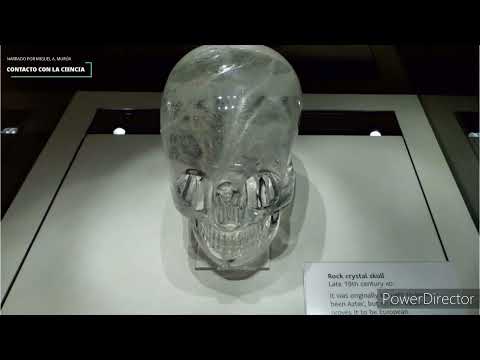
The legend of the crystal skulls, often attributed to pre-Columbian Mesoamerican cultures and supposedly possessing mystical or extraterrestrial origins, has captivated the public imagination for decades. Notable examples include the Mitchell-Hedges skull and the British Museum skull. However, scientific analysis, including recent studies from Italy, has cast significant doubt on their ancient provenance. "El estudio reciente hecho en Italia demostró que estas calaveras se tallaron alrededor de 1930 por lo que quedarían descartadas por la arqueología," explains a viewer, echoing the scientific consensus. Most experts now believe they were largely, if not entirely, manufactured in Europe during the 19th century for the burgeoning antiquities market. Films like Indiana Jones have further popularized the idea, but archaeological evidence points towards modern craftsmanship, not ancient mysteries. "Sin duda las calaveras de cristal han Sido un gran misterio, han causado tanto asombro y fascinación que en una de las aventuras de Indiana Jones resalta este enigmático misterio."

Roman Machinery and Advanced Civilizations

The Antikythera mechanism, an ancient Greek analog computer discovered in a shipwreck off the coast of Antikythera, Greece, is perhaps the most famous example of advanced ancient technology. Dating back to the 2nd century BCE, its intricate gears and dials suggest a level of astronomical and mechanical understanding far beyond what was previously thought possible for the period. This find, alongside other potential OOPArts, fuels questions about lost knowledge or forgotten technological golden ages. The sheer complexity has led to speculation about creators with advanced insights: "el mecanismo de anticitera...".

These discoveries challenge our linear view of technological progress. While not directly proving alien intervention, they do suggest that ancient civilizations may have possessed scientific and engineering capabilities that have been lost to time or deliberately obscured. The implications are profound, prompting a re-evaluation of what our ancestors were truly capable of achieving.

The Ica Stones: Peruvian Puzzles

The Ica stones are thousands of carved Andesite stones discovered in the Ica Province of Peru, depicting scenes that some interpret as representing a history of human interaction with dinosaurs, advanced medical procedures, and early astronomical knowledge. Promoted by figures like Dr. Javier Cabrera, these stones became a focal point for theories of ancient, advanced civilizations. However, as Dross himself clarified in an errata, "Querida audiencia, en la marca de tiempo 13:10 se muestran las 'Piedras de Ica', que son de Perú. Unas disculpas y espero que disfruten el video." Critical examination reveals that many, if not all, of these stones were likely created in the 20th century, often produced for the tourist market. Despite their likely fraudulent nature, they represent a compelling example of how pseudoscientific narratives can take hold.

Indigenous Enigmas: The Elephant in the Room

One particularly intriguing account shared by a viewer from Colombia highlights a profound historical puzzle: "Personalmente tengo una anécdota relacionada al tema... encontraron un anillo y una escultura de elefante hechas de oro por los indígenas que habitaron la zona años atrás... El misterio es entonces... ¿cómo pudieron los indígenas de la zona, cientos de años atrás, saber cómo lucía o tan siquiera que era un elefante? Recordemos que los elefantes habitan África y Asia." This anecdote raises questions about pre-Columbian transoceanic contact or forgotten indigenous knowledge of fauna from distant continents.

While the existence of elephants in South America is not supported by paleontological evidence, such stories fuel speculation. Could ancient trade routes have been far more extensive than currently understood? Or is there a more earthly explanation, perhaps involving misidentification or embellishment over time? The sheer specificity of the description, down to the artifact types, makes it a fascinating point of discussion.

Jules Verne: A Prophet of the Future?

Jules Verne's visionary novels, filled with fantastical inventions and prescient predictions, often blur the line between fiction and prophecy. His detailed descriptions of submarines, space travel, and advanced technology eerily foreshadowed many 20th and 21st-century innovations. A viewer suggested, "Me encantaría que Dross hiciera un video de todos los simbolismos e ideas futuristas de Julio Verne que se mostró en sus grandiosos libros, ese hombre estaba adelantado a muchas épocas." This fascination stems from the uncanny accuracy of his speculative works.

While Verne was undoubtedly a brilliant writer and innovator in his own right, the question remains: Was his imagination simply that powerful, or did he tap into some form of advanced knowledge or intuition? His works serve as a powerful reminder that the boundaries of human ingenuity are often more fluid than we assume.

Investigator's Verdict: Delving Deeper

The archaeological record is a mosaic, and while some pieces fit neatly into our established historical framework, others remain stubbornly out of place. The cases discussed—the Voynich Manuscript, the Baghdad Battery, the Crystal Skulls, the Antikythera mechanism, the Ica Stones, and ancient depictions of elephants—represent facets of this ongoing mystery. Skepticism is essential; many anomalies are resolved through careful scientific analysis, revealing hoaxes or natural phenomena. As one commenter rightly points out regarding the crystal skulls: "La lo de las calaveras de cristal ya se desmintió poco después de que saliera la peli de Indiana Jones en 2008. Que fueron hechas en el siglo XX. No tienen antiguedad de cientos o miles de años ni son alienigenas."

However, we must also remain open to the possibility that our historical narrative is incomplete. These OOPArts, whether ultimately explained or not, serve as powerful catalysts for critical thinking and further research. They challenge us to question assumptions and to continually seek a more comprehensive understanding of the human story. The sheer depth of these mysteries is evident in sentiments like: "Este tema Dross da hasta para 10 partes: hay MUCHOS misterios de la arqueología: mecanismo de anticitera, los gráficos con personas del espacio, relojes y huellas humanas de millones de años, etc."

The Investigator's Archive

For those seeking to delve deeper into the world of archaeological mysteries and unexplained phenomena, the following resources offer a starting point for continued investigation:

  • Books: Explore works by authors like Erich von Däniken, Graham Hancock, and others who specialize in alternative historical theories and ancient mysteries.
  • Documentaries: Series such as "Ancient Aliens" (while often speculative, it explores many of these topics) or more historically grounded documentaries on archaeological discoveries can provide visual context.
  • Online Forums and Communities: Engage with researchers and enthusiasts on platforms dedicated to archaeology, history, and the paranormal. Remember to always cross-reference information from multiple credible sources.
  • Museums and Archaeological Sites: Visiting institutions that house ancient artifacts or actual historical sites can offer a tangible connection to the past.

Frequently Asked Questions

What exactly is an OOPArt?
OOPArt stands for "Out-of-Place Artifact." It refers to an object found in an archaeological context that appears to be too old or too advanced for its supposed historical period, challenging conventional timelines and theories of technological development.
Are the Crystal Skulls actually ancient artifacts?
Most scientific analyses, including recent studies on their crystalline structure and tool marks, indicate that the most famous crystal skulls were manufactured in the 19th or 20th centuries, rather than being ancient relics.
Is the Voynich Manuscript a hoax?
While some theories suggest it might be an elaborate hoax invented to deceive, its complexity and the apparent internal consistency of its script and illustrations have led many cryptographers and historians to believe it represents a genuine, albeit undeciphered, text.
Could the Baghdad Battery have been used practically?
Potentially, yes. If functional, it could have generated a low voltage, possibly used for simple electroplating or therapeutic purposes. However, mainstream archaeology favors interpretations of the jars as mundane storage vessels.
Why are archaeological mysteries so captivating?
These mysteries tap into our innate curiosity about the past, our desire to understand our origins, and the thrill of the unknown. They challenge our perception of history and human capability, suggesting that forgotten chapters of our story may yet be uncovered.

Your Mission: Become an Investigator

The field of archaeology and historical mysteries is ripe for exploration. Your mission, should you choose to accept it, is to become a more critical and informed observer. When encountering sensational claims:

  • Seek Primary Sources: Look for the original research, archaeological reports, or scholarly articles, not just secondary interpretations.
  • Consider Alternative Explanations: Evaluate the simplest explanations first (Occam's Razor) before jumping to extraordinary conclusions.
  • Check for Scientific Consensus: Understand what the majority of experts in the relevant field believe and why.
  • Be Wary of Hoaxes: Educate yourself on common methods of historical forgery and pseudoscientific manipulation.

Share your own findings, theories, or experiences in the comments below. What archaeological mystery fascinates you the most? What evidence have you encountered that challenges conventional history? Let's continue this investigation together.

Your input is invaluable to this ongoing research. Please share your thoughts and experiences in the comments section. If you found this investigation enlightening, consider sharing it across your social networks to help spread awareness and spark further discussion. Don't forget to subscribe for more deep dives into the unexplained.

```

Investigator's Note: True paranormal research doesn't fund itself. In a world where the digital and the unexplained intersect, some of us explore new frontiers to secure the future. Do you dare to be part of the vanguard? Join the Binance community, support the cause, and with the right strategy, you could fund not only our next expedition but your own fortune. The next great discovery could be just a click away.


The Crystal Skull Enigma: Extraterrestrial Archives or Ancient Hoaxes?


Introduction: Echoes from the Quartz

The hum of a forgotten frequency, the crackle of static hinting at more than just atmospheric interference. This is not the prelude to a ghost story; it's the sound of inquiry. Today, we open an expediente: the enigma of the crystal skulls. These artifacts, carved from pure quartz, whisper tales of ancient civilizations and, more provocuously, of extraterrestrial contact. Could these seemingly inert relics be more than mere curiosities? Are they sophisticated data storage devices, remnants of a technology far beyond our current comprehension, left behind by visitors from the stars to document their presence and knowledge? The video that sparked this deep dive, "¿Son los Cráneos de Cristal Tecnología Alienígena?", serves as our initial point of reference, but merely scratching the surface is insufficient. We must dissect the evidence, analyze the claims, and apply rigorous scrutiny to the very fabric of this enduring mystery.

Decoding the Mystique: Quartz as Data

The crystal skulls, masterpieces of meticulous carving from a single block of quartz, bear an uncanny resemblance to the sophisticated data storage devices of our modern digital age. This parallel inevitably ignites profound questions regarding their origin and the true intent behind their creation. Their unique geometric precision and inherent material properties fuel persistent speculation about a profound connection with advanced, potentially extraterrestrial technology. As we venture deeper into this captivating enigma, the imperative question arises: could these ancient objects genuinely hold the key to unlocking profound, concealed secrets from humanity's distant past, or perhaps even from beyond our terrestrial confines?

Extraterrestrial Archives: A Glimpse Beyond

One of the most compelling hypotheses, resonating deeply within circles dedicated to Extraterrestrial Archives, posits that these crystal skulls are not merely artifacts but repositories of historical records and advanced scientific knowledge of undeniable extraterrestrial origin. This theory suggests that ancient terrestrial civilizations may have possessed access to technologies radically exceeding their contemporary understanding, technologies generously gifted by beings from other worlds. The notion that these skulls function as extraterrestrial archives shatters conventional historical paradigms, effectively blurring the perceived lines between the speculative realms of science fiction and the established narratives of historical reality. The implications are staggering, prompting a re-evaluation of our own technological trajectory and the possibility of ancient cosmic encounters.

"When we look at these crystal skulls, we're not just seeing carved quartz. We're looking at a potential Rosetta Stone for ancient cosmic interactions, a tangible link to intelligences that may have shaped our early history." - Alejandro Quintero Ruiz

Unveiling Lost Secrets of Antiquity

The discourse surrounding the authenticity of crystal skulls is fraught with controversy, with a significant contingent of skeptical researchers meticulously dissecting claims and raising pointed questions about their legitimacy. Notwithstanding these critical examinations, for those individuals convinced of their extraordinary, often mystical, potential, the allure of uncovering Lost Secrets of Antiquity is an undeniable driving force. Could these artifacts, beyond their material composition, provide unparalleled insights into forgotten civilizations, revealing hidden wisdom that possesses the power to fundamentally reshape our current understanding of human history and development? The potential here is not merely academic; it could represent a paradigm shift.

The debate intensifies when considering the methods of their creation. While often attributed to pre-Columbian cultures, the sophisticated nature of their carving, particularly those made from hard stones like quartz, has led many to question whether indigenous technologies alone could have accomplished such feats. This discrepancy forms a crucial cornerstone for theories involving advanced or ancients technologies, including those potentially of extraterrestrial origin. Examining the tools and techniques purportedly used, alongside comparative analyses with known ancient carving methods, is paramount to understanding this aspect of the mystery.

The Legend of the Thirteen: A Unified Field of Knowledge?

Central to the mystique surrounding these quartz artifacts is the enduring legend of the thirteen crystal skulls. Folklore suggests that when these thirteen specific skulls are reunited, they will collectively unlock a profound reservoir of sacred knowledge, wisdom that has remained deliberately concealed for millennia. This tantalizing prospect has not only ignited the imaginations of countless individuals worldwide but has also fueled determined quests to locate the purportedly missing pieces of this grand puzzle. The allure of such a quest is profoundly compelling, promising the revelation of ancient truths persistently obscured by the relentless passage of time, potentially offering answers to humanity's most persistent existential questions.

The pursuit of these thirteen skulls transcends a simple archaeological hunt; it has become a symbolic journey towards a collective consciousness. Many proponents believe that reuniting them is not just about collecting objects, but about activating a dormant network of information, a kind of spiritual internet for ancient wisdom. This aligns with theories of collective consciousness, suggesting that certain artifacts can act as conduits for universal knowledge when brought together under specific conditions.

Modern Technology's Quest for Crystal Clarity

In a fascinating turn of events, our contemporary scientific landscape is actively exploring the remarkable potential of quartz crystals for advanced data storage. This modern scientific endeavor casts an intriguing illumination on the ancient crystal skulls, prompting us to reconsider what knowledge these enigmatic artifacts might truly contain. As scientific research delves ever deeper into the intricate properties and capabilities of quartz, we find ourselves compelled to ask: are we on the verge of deciphering the ancient secrets meticulously held within these enigmatic geological wonders? The parallel between ancient legends and modern scientific exploration creates a potent synergy, suggesting that the answers may lie in understanding the fundamental nature of the material itself.

The principles behind using quartz for data storage involve manipulating its crystalline structure to encode information. This has led researchers to investigate whether the ancients possessed a similar, albeit perhaps more intuitive or energetically amplified, method to imbue these skulls with data. The concept of using crystals for communication or record-keeping is a recurring theme in many esoteric traditions, making the crystal skull a focal point for such investigations.

Investigator's Verdict: Authenticity Under the Microscope

The evidence surrounding the crystal skulls is, to put it mildly, a tangled web. On one hand, detailed scientific examinations of skulls like the famous Mitchell-Hedges skull have revealed microscopic tool marks consistent with modern lapidary techniques, strongly suggesting a relatively recent origin, possibly 19th-century European craftsmanship, rather than ancient Mesoamerican origins. Carbon dating of organic materials found near some skulls is also often inconclusive or points to post-Columbian timelines. The lack of verifiable archaeological context for the most famous skulls is a glaring red flag for any serious investigator.

However, dismissing the entire phenomenon wholesale would be intellectually lazy. There are indeed ancient quartz artifacts found in archaeological contexts, though their function and origin are often debated. Furthermore, the sheer volume of consistent anecdotal evidence, personal experiences, and claims of mystical properties across disparate cultures and eras cannot be entirely ignored. While scientific evidence for their ancient, extraterrestrial origin remains elusive and, frankly, highly improbable based on current findings, the cultural impact and the enduring mystique of the crystal skulls warrant continued study through a lens of historical anthropology and comparative mythology. My verdict leans towards elaborate hoaxes for the most sensationalized examples, but the broader cultural phenomenon and lesser-known genuinely ancient quartz artifacts warrant inclusion in our study of Misterios Antiguos.

Protocol: Examining Crystal Skull Authenticity

Investigating the authenticity of any purported ancient artifact, especially one as steeped in legend as the crystal skull, requires a structured, multidisciplinary approach. Here's a protocol we employ:

  1. Documentary Analysis: Scrutinize all historical records, acquisition logs, and previous scientific reports associated with the artifact. Look for inconsistencies, provenance gaps, or evidence of recent creation.
  2. Material Composition: Employ techniques such as spectroscopy (e.g., Raman, FTIR) to verify the mineral composition (quartz) and detect any foreign substances or polishing compounds indicative of modern tools.
  3. Microscopic Examination: Utilize high-powered microscopes (optical and electron) to analyze surface markings. Compare these striations to those produced by known ancient tools versus modern lapidary equipment.
  4. Radiocarbon Dating (If Applicable): If organic material is directly associated with the artifact (e.g., residues, mounting), attempt radiocarbon dating to establish a timeline. Be aware of potential contamination issues.
  5. Contextual Archaeology: Assess the archaeological context in which the artifact was found. Was it recovered from a legitimate excavation with clear stratigraphy, or was it acquired through private sales or dubious sources? Lack of context is a major disqualifier.
  6. Comparative Analysis: Compare the artifact's style, carving technique, and material quality with known authenticated artifacts from the claimed period and region.

Applying this rigorous protocol to any crystal skull is essential before accepting claims of extreme antiquity or extraterrestrial technology.

The Investigator's Archive

For those seeking to delve deeper into the labyrinthine world of crystal skulls and related mysteries, a curated selection of resources is invaluable. These texts and media offer a spectrum of perspectives, from skeptical analyses to those embracing the more speculative possibilities:

  • Books:
    • "The Crystal Skull: The True Story of the Mitchell-Hedges Skull" by Pierre S. Palmer - A critical look at one of the most famous skulls.
    • "The Lost Secrets of Ancient Technology" by various authors - Explore broader themes of advanced ancient capabilities.
    • "Chariots of the Gods?" by Erich von Däniken - A foundational text in ancient astronaut theory.
  • Documentaries:
    • "The Mystery of the Crystal Skulls" (National Geographic/History Channel productions) - Often present balanced views, exploring both archaeological findings and folklore.
    • "Ancient Aliens" series (History Channel) - Frequently features crystal skulls within the context of ancient alien theories.
    • "Missing 411" series by David Paulides - While not directly about skulls, delves into unexplained disappearances often linked to strange phenomena and locations, touching upon anomalous artifacts.
  • Online Resources:
    • Skeptical scientific journals and archaeological society publications - For rigorous debunking and evidence-based analysis.
    • Reputable forums dedicated to Paranormal Enthusiasts and ufology - For community discussions and sharing of information, always with a critical eye.

Consulting these resources is crucial for developing a comprehensive understanding of the crystal skull phenomenon and its place within the larger tapestry of the unexplained.

Frequently Asked Questions

Are all crystal skulls ancient?

No. While some quartz artifacts with skull-like features may be ancient, the most famous and elaborately carved crystal skulls, such as the Mitchell-Hedges skull, have been widely determined by scientific analysis to be of modern origin, likely 19th-century European craftsmanship.

What is the significance of the "Thirteen Crystal Skulls" legend?

The legend suggests that thirteen specific crystal skulls, when reunited, will unlock a vast amount of hidden knowledge or spiritual power, potentially ushering in an era of enlightenment or profound change for humanity. It's a key element in the mythology surrounding these artifacts.

Could quartz actually store data?

Yes, modern science is actively researching the use of quartz crystals for data storage due to their unique piezoelectric and electro-optical properties. This has fueled speculation about whether ancient cultures might have harnessed similar principles, perhaps through unknown means, to encode information within crystal skulls.

Where were crystal skulls originally found?

The most famous crystal skulls were largely popularized in the late 19th and early 20th centuries, often acquired through dubious channels or antiquities dealers. Their archaeological provenance is generally missing or deeply questionable, making claims of ancient Mesoamerican origin highly contested among mainstream archaeologists and scientists.

Conclusion: Your Mission in the Unseen

The enigma of the crystal skulls serves as a potent reminder that our understanding of history, technology, and the potential for extraterrestrial interaction remains incomplete. Whether dismissed as elaborate hoaxes or embraced as conduits to lost cosmic knowledge, their enduring mystique compels us to question the boundaries of the possible. The intersection of ancient folklore, emergent quartz technology, and tantalizing theories of alien archives presents a rich field for continued investigation.

Your Mission: Unravel the Quartz Cipher

The next step in our collective investigation is yours. If you have encountered information, personal experiences, or even artifacts that you believe relate to the true nature of crystal skulls, or any anomalous quartz objects, I urge you to document them meticulously. Apply the rigorous protocol outlined above to your own observations. Share your findings (and your reasoned analyses) in the comments below. Let us pool our intellectual resources and continue the quest to decipher the secrets held within quartz and potentially, within the stars themselves. This is not just about legends; it's about applying critical thinking to the edges of human knowledge.

alejandro quintero ruiz is a veteran field investigator dedicated to the analysis of anomalous phenomena. His approach combines methodological skepticism with an open mind toward the inexplicable, always seeking the truth behind the veil of reality.

The Crystal Skulls: Analyzing the Impossible Archaeology of a Forgotten Legend


The Whispers of Myth

The telephone rings at 3:33 AM. A static-laced voice whispers a name no one should know. It's not a call; it's an invitation. Today, we open the file on the Crystal Skulls – artifacts that defy conventional archaeological understanding, objects seemingly pulled from the ether, their existence a persistent anomaly.

For centuries, tales of impossibly formed crystal skulls have circulated, whispered in hushed tones by collectors, mystics, and researchers alike. These are not mere curiosities; they are enigmas carved from pure quartz, their purported origins shrouded in mystery, often attributed to ancient civilizations with knowledge far exceeding their supposed technological capabilities.

The very idea of these skulls challenges our established timelines of craftsmanship and material science. How could pre-Columbian cultures, or even earlier, meticulously sculpt intricate human skulls from solid quartz with such precision and polish that even modern lapidaries struggle to replicate them? It’s a question that forces us to re-examine our understanding of ancient technology and potentially, ancient capabilities.

Beyond the Veil of Time

The narrative surrounding the crystal skulls is as complex and multifaceted as the artifacts themselves. While many prominent examples surfaced and gained notoriety in the late 19th and early 20th centuries, their alleged history stretches back to Mesoamerican civilizations like the Maya and Aztecs. However, the historical and archaeological evidence for this pre-Columbian origin is, to put it mildly, contentious.

Most of the well-known crystal skulls – the most famous being the Mitchell-Hedges skull and the skull from the British Museum – were acquired through dubious channels, often from dealers rather than direct archaeological excavation. This lack of provenance is precisely where the scientific investigation begins to falter, and the speculative theories take flight.

"The skull is said to have come from the tomb of a Maya king, but no such tomb has ever been found. Its true origins remain obscured by layers of misinformation and opportunistic sales."

Researchers like Dr. Jane Maclaren Walsh of the Smithsonian Institution have conducted extensive analyses, employing advanced microscopy and spectrography. Her findings, published in peer-reviewed journals, strongly suggest that the most famous skulls are, in fact, 19th-century European creations, likely carved in Germany, a renowned center for quartz carving at the time. The tools and techniques used, she argues, were consistent with that era, not ancient Mesoamerica.

This scientific consensus, however, doesn’t quell the persistent belief in their ancient, perhaps even extraterrestrial, origins. The legend persists, fueled by anecdotal accounts of healing properties, psychic phenomena, and connections to lost civilizations or advanced alien races. Such narratives often rely on a deliberate misinterpretation or outright dismissal of scientific findings, prioritizing anecdotal evidence and esoteric claims over empirical data.

The Scientific Scrutiny

When confronted with the extraordinary claim of ancient, impossibly crafted artifacts, the first step in any rigorous investigation is to apply scientific scrutiny. This is where the crystal skulls present a fascinating dichotomy: their physical properties often defy simple explanation, yet their documented history points towards more mundane, albeit complex, origins.

Modern scientific methods have been employed to analyze the composition, sculpting techniques, and provenance of several key crystal skulls. Techniques such as:

  • Scanning Electron Microscopy (SEM): Used to examine tool marks. SEM analysis of many famous skulls reveals striations consistent with rotary tools, like those found in 19th-century gem workshops, rather than the carving methods available to ancient Mesoamericans.
  • Spectrographic Analysis: To determine the origin of the quartz and identify any treatments or dyes.
  • Radiocarbon Dating (if organic material is present) and Thermoluminescence Dating (for ceramics): Though not directly applicable to quartz, dating of associated materials can provide context.
  • X-ray Fluorescence (XRF): To analyze elemental composition and detect potential alterations.

The results from these analyses, particularly on skulls held by major institutions like the British Museum and the Smithsonian, consistently point to 19th-century European craftsmanship. The quartz itself often originates from Brazil or Madagascar, and the tooling marks are indicative of modern cutting and polishing techniques. This evidence directly contradicts the popular narratives of Aztec or Mayan origin.

However, the debate isn't entirely settled for every single artifact. Some smaller, less publicized skulls, or those with more obscure histories, continue to evade definitive categorization, leaving a sliver of doubt for proponents of ancient origins. The sheer audacity of their alleged creation fuels a desire for a more mysterious explanation.

This is where the concept of "impossible archaeology" truly takes hold. If these objects *were* ancient, their creation would necessitate a level of technological advancement and material understanding that fundamentally rewrites human history. The scientific method, by its very nature, tends towards the simplest explanation that fits the evidence (Occam's Razor). In this case, the simplest explanation is often seen as 19th-century forgery or misattribution. But what if the evidence, however circumstantial, hints at something more?

Unraveling the Origins

When empirical evidence provides an unsatisfying answer, speculation often fills the void. The crystal skulls have become a focal point for numerous theories, ranging from the plausible to the outright fantastical. Understanding these theories is crucial to grasping why these objects continue to fascinate and perplex.

1. The 19th-Century Forgery Theory: This is the most scientifically supported explanation. As detailed earlier, the tool marks and quartz sourcing often point to European workshops active in the late 1800s. These pieces may have been created to capitalize on the growing public fascination with ancient civilizations and the exotic.

2. Undiscovered Ancient Civilizations: Proponents suggest that the skulls belong to a lost, highly advanced civilization predating known cultures. This theory often intersects with concepts from writers like Ignatius Donnelly or, more prominently, the esoteric interpretations of Helena Blavatsky and the Theosophical Society, which posited ancient root races with advanced psychic and technological abilities.

3. Extraterrestrial Technology: A common thread in UFOlogy and ancient astronaut theories is the idea that advanced alien races visited Earth in antiquity, leaving behind artifacts or seeding knowledge. The perfect symmetry and material purity of the skulls are often cited as evidence of non-human engineering. Legends sometimes claim the skulls are tools, power sources, or repositories of information from these visitors.

4. Psychic Archetypes and Collective Unconscious: Drawing from Carl Jung’s theories, some suggest the crystal skull is a powerful archetype that resonates deeply within the human psyche. Its form and perceived mystery tap into a collective unconscious, making it a potent symbol regardless of its literal origin. This doesn't explain its physical creation but rather its psychological impact.

5. Ley Lines and Earth Energies: Certain esoteric beliefs link the crystal skulls to ley lines, nodes of terrestrial energy, or even to the planet's own consciousness. Some claim they were used for energy focusing, healing, or communication across vast distances or dimensions. This often involves attributing supernatural properties to quartz itself.

"The energy within these skulls is palpable. It’s not just quartz; it’s a conduit to something ancient, something powerful. Science can measure the vibrations, but it cannot measure the intent or the history etched into its very structure."

The enduring appeal of these speculative origins lies in their ability to offer a sense of wonder and mystery in a world often perceived as overly rationalized. They promise that history is not as we know it, that humanity might be older, more advanced, or less alone than we believe. To truly understand the crystal skulls, one must consider the psychological and cultural factors that drive these beliefs as much as the physical evidence.

Paradigmatic Instances

To truly grasp the phenomenon of the crystal skulls, it's essential to examine specific examples that have captured public imagination and undergone scientific scrutiny. These case studies highlight the recurring patterns of mystery, attribution, and controversy.

1. The Mitchell-Hedges Skull: Arguably the most famous, this skull was discovered, according to Anna Mitchell-Hedges (adopted daughter of explorer F.A. Mitchell-Hedges), in the 1920s in Lubaantun, Belize. The story claims it was recovered from a Mayan temple. However, archaeological records of the expedition are sparse, and its acquisition is poorly documented. Detailed analysis during its exhibition at the Mexican National Museum of Anthropology, and later by the British Museum, revealed tool marks consistent with 19th-century German lapidary techniques. The quartz itself is also of South American origin, not typically found in Mayan sites. Despite this, its captivating form and the dramatic rescue narrative continue to fuel its legend.

2. The British Museum Skull: This large, solid quartz skull was acquired by the museum in 1897, reportedly from a Mexican dealer. Unlike the Mitchell-Hedges skull, its provenance is acknowledged as less ancient, but it was still believed by many to be of Mesoamerican origin. Scientific analysis has largely confirmed it as a 19th-century European artifact, similar to the Mitchell-Hedges skull in its manufacturing evidence.

3. The Paris Skull (Ann Perrier Skull): Another significant skull, this one was purchased in Mexico City in 1919 by a French collector. It's often cited in discussions of particularly potent skulls. While its exact age is debated, analyses have also pointed towards 19th-century European craftsmanship.

4. The Mediæval Skull: A more recent and controversial claim involves a skull allegedly found in a Spanish monastery, dating back centuries. This claims to bypass the 19th-century forgery theory by proposing an even earlier European origin. However, verifiable documentation and detailed scientific analysis of this specific item are scarce, making it difficult to assess its authenticity within the broader context of crystal skull lore.

These examples illustrate a consistent pattern: claims of extreme antiquity and impossible craftsmanship are frequently followed by scientific analyses that suggest more recent, earthly origins. Yet, the allure of the impossible is powerful. The very act of carving such objects from pure quartz with apparent ease, whether in the 19th century or millennia ago, remains a testament to human skill and dedication. Perhaps the true mystery isn't *if* they were ancient, but *why* the legend of their ancient power persists so strongly.

Investigator's Verdict: Fraud, Phenomenon, or Fabrication?

After dissecting the available evidence, including the scientific analyses and historical context, my verdict on the crystal skulls leans heavily towards a sophisticated, albeit fascinating, historical fabrication rather than genuine ancient artifacts of impossible origin. The convergence of evidence from multiple institutional analyses—tool marks, quartz sourcing, and documented acquisition trails—consistently points to 19th-century European workshops as the origin of the most prominent skulls.

The argument for fraud or forgery is robust. The demand for exotic antiquities was high during the Victorian era, and the skill of European lapidaries was considerable. Creating objects that mimicked, yet surpassed, perceived ancient capabilities would have been a lucrative endeavor. The lack of verifiable, in-situ archaeological discovery for the most famous skulls further weakens the case for genuine antiquity.

However, dismissing the phenomenon entirely would be intellectually lazy. The enduring power of the crystal skull myth speaks volumes about human psychology, our fascination with the unknown, and our desire for hidden histories. The *belief* in their power, their purported healing properties, and their connection to lost civilizations is a tangible phenomenon in itself, worthy of study. Whether these beliefs are projections onto meticulously crafted objects or whether the skulls possess some subtle energetic properties that science has yet to fully measure remains a fringe question, but one that cannot be entirely dismissed without further, more advanced investigation into the quantum or energetic properties of quartz when sculpted in specific forms.

Therefore, while the claim of "impossible ancient archaeology" likely falls into the category of fabrication, the cultural and psychological impact of the crystal skulls as enduring symbols of mystery and lost knowledge is undeniably real and significant.

The Researcher's Archive

For those who wish to delve deeper into the enigma of the crystal skulls and the broader field of anomalous artifacts, several resources are indispensable. Arming yourself with knowledge is the first step in any serious investigation.

  • "The Crystal Skulls: The Complete Story" by Dr. Jane Maclaren Walsh: A seminal work by the Smithsonian researcher who has dedicated years to debunking the myths surrounding these artifacts. This book provides detailed scientific analysis and historical context.
  • "The Story of the Crystal Skulls" by Chris Morton and David Cypress: Offers a more balanced perspective, exploring both the scientific findings and the historical and esoteric traditions associated with the skulls.
  • "Chariots of the Gods?" by Erich von Däniken: While not solely focused on crystal skulls, this foundational work in ancient astronaut theory often touches upon artifacts that challenge conventional historical narratives, setting the stage for speculative interpretations.
  • Documentaries from Gaia or The History Channel: Many programs explore the lore, interviewing proponents and skeptics. It is crucial to approach these with a critical eye, distinguishing between speculation and documented evidence. Look for titles that specifically analyze the scientific examinations rather than solely recounting legends.
  • Archive of the British Museum and the Smithsonian Institution: For primary source information and access to research papers concerning their respective crystal skull collections.

Understanding these artifacts requires engaging with both the rigorous scientific debunking and the persistent folklore that surrounds them. True knowledge lies at the intersection of both.

Field Protocol: Authenticating Anomalies

Investigating claims of "impossible artifacts" like the crystal skulls requires a disciplined approach. Here's a protocol to guide your own critical analysis:

  1. Source Verification: Always question the provenance. Was the artifact discovered through meticulous archaeological excavation, or acquired through private dealers with questionable histories? Documented, peer-reviewed archaeological findings trump anecdotal accounts.
  2. Material Analysis: If possible, seek information on scientific tests performed. What type of material is it? What are the microscopic tool marks? Do they align with known ancient technologies or later industrial methods? In the case of quartz, its geological origin is also a key indicator.
  3. Historical Contextualization: When did the artifact surface? Does its discovery coincide with periods of intense interest in antiquities, exploration, or the rise of certain esoteric movements? This can provide clues about potential motivations for creation or misattribution.
  4. Comparative Study: Compare the artifact with known examples from authentic ancient sites. Are there stylistic similarities? Do the manufacturing techniques align? Are there parallels in iconography or symbology?
  5. Skepticism as a Tool: Adopt a healthy skepticism. Extraordinary claims require extraordinary evidence. Don't dismiss the mundane explanation until all other possibilities have been rigorously explored and ruled out. The default assumption should be that natural processes or known human activities are responsible until proven otherwise.

Applying this protocol to any anomalous artifact, whether found in a museum or whispered about in local lore, will help you separate factual anomalies from compelling narratives.

Frequently Asked Questions

What is the most famous crystal skull?

The most famous crystal skull is arguably the Mitchell-Hedges skull, known for its intricate details and purported ancient Mayan origins. However, scientific analysis suggests it's a 19th-century creation.

Where did the crystal skulls originate according to legend?

According to legend, crystal skulls are often attributed to ancient Mesoamerican civilizations like the Aztecs and Maya, or even earlier, lost civilizations. Some theories also suggest extraterrestrial origins.

What does science say about the age and origin of the crystal skulls?

Scientific analysis, particularly of prominent skulls, indicates they are most likely 19th-century European artifacts. The quartz often originates from Brazil or Madagascar, and tool marks are consistent with modern lapidary techniques.

Do crystal skulls have any special powers?

While many proponents claim crystal skulls possess healing properties, psychic energy, or the ability to store information, these claims are not supported by scientific evidence. They are largely considered to be part of the folklore and esoteric beliefs surrounding the objects.

Can I buy a crystal skull?

Yes, crystal skulls are widely available for purchase from various retailers, spiritual supply shops, and online marketplaces. However, items marketed as "ancient" or possessing supernatural powers should be approached with extreme skepticism.

Conclusion: The Enduring Enigma

The crystal skulls, from the Mitchell-Hedges artifact to those resting in museum archives, remain potent symbols of mystery. While the scientific consensus strongly points towards 19th-century origins, effectively debunking claims of impossible ancient craftsmanship, the legend persists. This enduring fascination highlights our innate human desire to believe in the extraordinary, in lost histories, and in the potential for technology or knowledge beyond our current understanding.

Whether viewed as elaborate hoaxes, products of skilled artisans, or conduits for speculative energies, the crystal skulls compel us to question the boundaries of our knowledge. They serve as a powerful reminder that sometimes, the most compelling mysteries are not what lies beyond the stars, but the human capacity for belief, fabrication, and the persistent echo of ancient myths in the modern world.

They are more than just objects; they are artifacts of human imagination and the enduring quest for the inexplicable.

Your Mission: Unearth Local Legends

Your Mission: Investigate Your Own Local Legends of Impossible Artifacts

Every region has its stories, its whispers of objects or ruins that defy simple explanation. Your mission, should you choose to accept it, is to become an investigator in your own backyard. Research the local folklore of your town or region. Are there any tales of artifacts discovered under strange circumstances? Any structures that appear too old or too advanced for their supposed builders? Document these legends. Try to find primary sources, local historical society records, or even old newspaper clippings. Then, apply the critical thinking principles discussed in this report: verify sources, consider alternative explanations, and distinguish between verifiable fact and compelling narrative.

Share your findings, or the most intriguing local legend you uncover, in the comments below. Let's see what forgotten histories we can bring to light.

About the Author

alejandro quintero ruiz is a seasoned field investigator dedicated to the analysis of anomalous phenomena. His approach combines methodological skepticism with an open mind to the inexplicable, always seeking the truth behind reality's veil.

10 Mysterious Artifacts That Defy Explanation: An Investigative Dossier


EXPEDIENT INDEX

Introduction: The Whispers of the Unexplained

Hello and welcome, seekers of the truth. Today, we peel back the layers of recorded history to examine artifacts that refuse to conform to our neat timelines and established technological progressions. These are not mere curiosities; they are anomalies, objects that whisper tales of forgotten civilizations, advanced knowledge, or perhaps even visitors from beyond our terrestrial sphere. My role, as your investigator, is not to present dogma, but to dissect the evidence, to weigh the possibilities, and to understand why these objects continue to confound experts and ignite imaginations. We are about to delve into the heart of historical paradoxes, where the past speaks in a language we are only beginning to decipher. Prepare yourself; this is not a journey for the faint of heart, but for those who crave understanding in the face of the profoundly strange.

Artifact 1: The Antikythera Mechanism – A Prehistoric Computer?

Discovered in a shipwreck off the coast of Greece in 1901, the Antikythera Mechanism is a complex assembly of bronze gears dating back to the 2nd century BCE. Its intricate design, which allows it to predict astronomical positions and eclipses, predates similar technological achievements by over a millennium. This isn't simple clockwork; it's a sophisticated analog computer. Its existence forces us to question the technological capabilities attributed to ancient Hellenistic civilizations. Could they have possessed knowledge far exceeding what current historical models allow? The sheer precision and complexity suggest a lineage of technological development we have yet to uncover. Its discovery did not just answer questions; it opened a Pandora's Box of new ones regarding the true scope of ancient science.

The level of miniaturization and the understanding of celestial mechanics required for its construction are astonishing. We see elements that hint at a sophisticated understanding of differential gears, a concept not thought to be rediscovered until the 14th century CE. This disconnect is profound.

Artifact 2: The Baghdad Battery – Ancient Power Source or Ritual Object?

Unearthed near Baghdad, Iraq, terracotta jars dating to the Parthian Empire (circa 250 BCE – 224 CE) contain a copper cylinder surrounding an iron rod, with remnants of an acidic substance like vinegar or grape juice still present. When assembled, these components are capable of producing a small electrical current. The question is stark: was this battery used for electroplating small items, a forgotten application of electricity? Or was it part of a ritualistic practice, perhaps involving symbolic 'live' amulets?

"The mystery isn't just *if* they could create it, but *why*. The practical applications are debated, but the potential for a functional, ancient electrical device is undeniable."

The implications are staggering. If these were indeed batteries, they represent an electrical technology far earlier than conventional archaeology acknowledges. This forces a recalibration of our understanding of ancient Mesopotamian capabilities. To dismiss them as purely ritualistic without exploring their potential functionality would be a disservice to rigorous inquiry.

Artifact 3: The Voynich Manuscript – A Cipher of Unknown Origin

This enigmatic codex, carbon-dated to the early 15th century, is filled with strange illustrations of unidentifiable plants, astronomical diagrams, and what appear to be bathing nymphs. Its script, known as Voynichese, remains completely undeciphered. Despite the efforts of cryptographers, linguists, and historians, its language and meaning are a profound enigma. Was it a coded medical text, an alchemical treatise, a work of elaborate fiction, or something else entirely?

The manuscript's unique combination of botanical illustrations of unknown species and its indecipherable text presents a unique challenge. Attempts to find patterns or linguistic structures have yielded no definitive breakthroughs. The sheer dedication required to create such a document, coupled with its ultimate inscrutability, speaks to a hidden purpose, a message locked away from us. The possibility of it being an elaborate hoax cannot be entirely dismissed, yet the age and complexity of the script suggest otherwise.

Artifact 4: The Piri Reis Map – A Map of Lost Worlds

Compiled in 1513 by the Ottoman admiral Piri Reis, this map famously depicts the coastlines of Europe, North Africa, and South America with startling accuracy. What truly sets it apart, however, is the detail it shows of the Antarctic coastline – with no ice cap. Scientific consensus suggests that the southern polar ice cap formed around 6,000 years ago, meaning the coastline depicted on the Piri Reis map could only have been visible if it was drawn from sources predating this glaciation. The implication is that its original source materials were created by a civilization with the means to survey and map the world with incredible precision, possibly thousands of years ago.

This map challenges our established narratives about cartographic capabilities in the 16th century and, more significantly, implies the existence of an ancient, advanced civilization with global reach. Its accuracy, particularly concerning the Antarctic region, remains a subject of intense debate among scholars, many of whom propose alternative explanations. However, the sheer audacity of its detail invites speculation about lost histories and forgotten technologies.

Artifact 5: The Dropa Stones – Extraterrestrial Records from the Himalayan Peaks?

In 1938, archaeologist Dr. Chi Pu Tei discovered hundreds of stone discs in the Baiankara Mountains of China, near the border with Tibet. These discs, approximately 30 cm in diameter, are said to be made of an unknown alloy and are etched with a spiral groove. According to the controversial accounts, some of these discs tell the story of the Dropa, an extraterrestrial race that crash-landed in the region 12,000 years ago and attempted to integrate with the local population. While the existence of these stones and their narrative is heavily disputed and lacks robust scientific validation, the story highlights a persistent theme: the possibility of ancient contact with non-human intelligences.

Skeptics point to a lack of independently verifiable evidence and the highly sensationalized nature of the claims. However, the consistent recurrence of extraterrestrial themes in ancient myths and legends, coupled with such purported artifacts, requires a more nuanced investigation than outright dismissal. The question isn't solely about the Dropa stones, but about the broader cultural echoes that suggest humanity's past may have been far more complex than we assume.

Artifact 6: The Saqqara Bird – A Glider from Ancient Egypt?

Carved from sycamore wood and discovered in a tomb in Saqqara, Egypt, this artifact, dating to around 200 BCE, bears a striking resemblance to a glider or aerofoil. Its proportions and design are remarkably similar to modern aircraft wings. Some researchers propose that it represents evidence of ancient Egyptian aviation technology, a theory that radically challenges our understanding of physics and engineering in that era. Mainstream archaeology, of course, classifies it as a ceremonial object, possibly a bird effigy or a child's toy.

The aerodynamics of the Saqqara Bird have been tested by various groups, with some experiments demonstrating its potential to glide. While this does not confirm it as a functional aircraft, it adds a layer of intrigue to the artifact. The principle of Occam's Razor suggests the simplest explanation is a ceremonial item. However, in the realm of anomalous artifacts, we must consider all possibilities, especially when the object itself hints at capabilities that defy contemporary explanation for its era. This is where the line between myth and historical possibility becomes blurred.

Artifact 7: The Sky Disc of Nebra – Astronomical Tool or Religious Icon?

Recovered illegally and later painstakingly authenticated, the Sky Disc of Nebra, dating to approximately 1600 BCE, is a bronze disc inlaid with gold symbols representing celestial bodies. It is widely considered the oldest known concrete depiction of the cosmos. While its astronomical significance is acknowledged, the exact purpose and meaning of its intricate symbols remain a subject of academic debate. Was it a precise astronomical instrument for navigation and timekeeping, or a sacred object used in religious ceremonies?

The precision with which the Nebra Sky Disc represents celestial phenomena, particularly the Pleiades star cluster, suggests a level of observational astronomy far advanced for its perceived age. The inclusion of what may represent a solar or lunar eclipse further deepens its mystique. Its discovery has significantly impacted our understanding of Bronze Age cosmology and technology, suggesting a society deeply attuned to the celestial sphere. The ongoing interpretations and re-interpretations highlight its status as an object that continues to reveal its secrets slowly.

Artifact 8: The Lolladoff Plate – Geometric Precision Beyond Its Time

This artifact, found in 1983 in Lollada, India, is a stone plate approximately 12 inches in diameter, engraved with intricate geometric patterns. Some interpretations suggest these patterns represent complex mathematical principles and possibly even atomic structures, far beyond the understanding of the civilization that created it. The precision of the engravings and the sophistication of the depicted patterns have led some to hypothesize an unknown high-technology culture or even extraterrestrial influence.

The Lolladoff Plate's geometric complexity is indeed remarkable, leading to speculative theories about its origin. While mainstream archeology often attributes such complexity to evolved artistic or religious symbolism, the sheer precision invites a deeper analysis. The potential connection to advanced physics or mathematics, even if speculative, aligns with the recurring theme of anomalous artifacts suggesting knowledge that predates established historical timelines. Exploring these connections is part of our mandate.

Artifact 9: The Crystal Skulls – Legends and Genuine Anomalies

Legendary throughout Mesoamerica, crystal skulls have captured the public imagination for decades, often associated with ancient Maya or Aztec rituals and prophecies. While many, like the famous Mitchell-Hedges skull, have been definitively proven to be modern creations, a few have undergone testing that has yielded ambiguous results, showing tool marks that defy easy explanation for their age. The persistent mythos surrounding these objects, coupled with the existence of a handful of genuinely perplexing specimens, keeps them on the fringe of archaeological discourse.

The debate around the crystal skulls is a classic case study in distinguishing genuine anomalies from elaborate hoaxes. While the majority are clearly modern, the persistent rumors and a few ambiguously analyzed pieces create an enduring enigma. The idea that such delicate objects of extreme precision could be carved by ancient cultures, even without modern tools, challenges our assumptions. This is a prime example of how legend can intertwine with the possibility of forgotten techniques, blurring the lines between myth and historical reality.

Artifact 10: The Shroud of Turin – A Witness to History or a Masterful Forgery?

Perhaps one of the most debated artifacts in history, the Shroud of Turin is a linen cloth bearing the faint image of a crucified man, believed by many to be Jesus of Nazareth. Radiocarbon dating has placed its origin in the medieval period, leading many to dismiss it as a forgery. However, proponents point to anomalies in the image's formation, its unique properties, and the presence of pollen and dust consistent with regions in ancient Judea, suggesting a much older origin.

The Shroud of Turin represents a pinnacle of investigative challenge. The conflict between scientific dating and the purported historical and spiritual significance creates a profound schism. The unique nature of the image itself—its superficiality, its negative properties, and the complex biological markers—continues to elude definitive explanation, whether by natural processes or human artistry. This enduring mystery is why the Shroud remains a focal point for those who seek evidence beyond conventional understanding.

Investigator's Verdict: The Pattern of the Impossible

After examining these ten artifacts, a pattern emerges that transcends mere historical curiosity. These objects are not isolated incidents of incongruity; they are recurring signals from a past that is far more complex and knowledgeable than our current historical frameworks accommodate. Whether we consider the astronomical prowess hinted at by the Antikythera Mechanism and the Nebra Sky Disc, the potential electrical knowledge suggested by the Baghdad Battery, or the cartographic mysteries of the Piri Reis Map, we are confronted with evidence of sophisticated understanding and technology that appear anachronistic.

The common thread is the persistent challenge these artifacts pose to established timelines. They suggest either:

  • A vastly underestimated technological or scientific capability of known ancient civilizations.
  • The existence of unknown, advanced ancient cultures whose records have largely been lost.
  • Evidence of contact with extraterrestrial intelligences that influenced or directly contributed to human development.
  • The possibility that some of these artifacts are indeed modern hoaxes, but the sheer number and depth of their mysteries invite significant scrutiny regarding the motivations and capabilities of those who create such elaborate deceptions.

My verdict is that while individual claims must be rigorously scrutinized for fraud and misinterpretation, the aggregate weight of these anomalous artifacts demands serious consideration. Dismissing them outright based on current paradigms is a failure of intellectual courage. We must remain open to the idea that our understanding of history is incomplete, fragmented, and often biased by what we are willing to accept.

The Archivist's Recommendations

To truly grasp the depth of these anomalies, one must consult the primary sources and the keenest minds that have tackled these enigmas. My recommendations for expanding your research archive are as follows:

  • Books:
    • "The Orion Mystery" by Robert Bauval and Adrian Gilbert: Essential for understanding potential ancient astronomical alignments.
    • "Fingerprints of the Gods" by Graham Hancock: A seminal work exploring pre-diluvian civilizations.
    • "Lost Technologies of Ancient India: Vedas, Advanced Weapons, and Ancient Astronauts" by James P. Hogan: Offers a different perspective on advanced capabilities.
    • "The Mystery of the Voynich Manuscript" by Raymond K. Kent: A deep dive into one of history's most persistent textual enigmas.
  • Documentaries:
    • "Ancient Aliens" (Series): While often speculative, it covers many of these artifact theories with diverse viewpoints.
    • "The Revelation of the Pyramids": Explores astronomical and geological anomalies associated with ancient structures.
    • "Voynich Manuscript: The World's Most Mysterious Book" (Various productions): Focuses specifically on the undeciphered codex.
  • Platforms:
    • Gaia.com: A platform often featuring deep dives into these kinds of anomalous historical topics, with expert interviews and investigative series.
    • Academic Databases (JSTOR, etc.): For more grounded, skeptical analyses and counter-arguments. Understanding the mainstream archaeological perspective is crucial for a balanced view.

Field Protocol: Initiating Your Own Investigation

The pursuit of knowledge regarding these artifacts requires a critical, analytical mindset. Here’s your protocol:

  1. Source Verification: Always question the origin and provenance of information. Is the source reputable? Are there multiple, independent confirmations of the artifact's existence and properties?
  2. Skepticism, Not Cynicism: Approach claims with healthy skepticism. Don't accept sensationalism at face value, but don't dismiss anomalies out of hand. Look for the underlying evidence.
  3. Multidisciplinary Approach: Understand that these artifacts touch on history, archaeology, physics, linguistics, and even anthropology. Consult experts and research from various fields.
  4. Pattern Recognition: Look for recurring themes and connections between different anomalous artifacts. Are there shared characteristics, suggested technologies, or common narratives?
  5. Documentation is Key: When researching, meticulously document your sources, dates, and author of claims. This is crucial for building a reliable case.

Frequently Asked Questions

What is the most widely accepted explanation for the Antikythera Mechanism?

The most widely accepted explanation is that it was a highly sophisticated astronomical calculator and predictive device created by ancient Greek scientists, demonstrating a level of technological sophistication previously thought impossible for that era.

Are the Crystal Skulls considered genuine artifacts by mainstream archaeologists?

No. While a few are ancient, the majority of famous crystal skulls, including the Mitchell-Hedges skull, have been proven to be modern creations. Mainstream archaeology does not generally consider them to be genuine artifacts of advanced ancient civilizations.

Could the Baghdad Battery have had a practical use?

The exact practical use is debated. Theories range from electroplating small metal objects to potential uses in medicine or ritual. However, the efficiency and power output would have been very low.

Why hasn't the Voynich Manuscript been deciphered?

Despite numerous attempts by cryptographers and linguists, the Voynich Manuscript remains undeciphered due to the unique nature of its script, its unknown language (or constructed language), and the lack of any known cognates or bilingual texts to aid in translation.

What makes the Piri Reis map so controversial?

Its controversy stems from the highly accurate depiction of the Antarctic coastline, which, at the time the map was supposedly drawn from older sources, would have been covered in ice. This suggests either incredibly ancient source maps or an unknown method of surveying and cartography.

Conclusion: The Enduring Allure of the Unexplained Artifact

The artifacts we've examined are more than just relics of the past; they are provocations. They serve as tangible reminders that our dominion over knowledge is limited, that history is a narrative still being written, and that the universe may hold secrets far grander and more ancient than we currently comprehend. These objects whisper of possibilities, of forgotten sciences, lost histories, and perhaps even cosmic encounters. While science and rigorous investigation are our primary tools, we must wield them with an open mind, lest we, like the scholars of ages past, dismiss the extraordinary in favor of the comfortably mundane.

Your Field Mission

Your Mission: Deconstruct a Local Anomaly

Now, it's time for you to put on your investigator's hat. Think about your local area, your town, or region. Does it have any local legends, unusual historical sites, or peculiar artifacts associated with it, even if they are not globally recognized? Perhaps an oddly shaped stone, a strange historical account, or a local myth about a "lost technology." Your mission is to:

  1. Identify one such local anomaly or legend.
  2. Research its origins: Where did the story come from? What is the artifact (if any) associated with it?
  3. Apply the principles of analysis discussed in this dossier:
    • Source Verification: Where does the information come from? Is it reliable?
    • Skepticism vs. Cynicism: Can you find any evidence that supports the claim, or is it purely folklore? What would be the most mundane explanation?
    • Pattern Recognition: Does this local anomaly echo any of the themes we've seen in globally recognized artifacts (e.g., advanced knowledge, unusual origins)?
  4. Share your findings in the comments below. Even if it's a simple legend, dissecting it critically is an exercise in invaluable investigative skill. What hidden histories might lie dormant in your own backyard?

alejandro quintero ruiz is a veteran field investigator dedicated to dissecting anomalous phenomena. His approach combines methodological skepticism with an open mind to the inexplicable, always seeking the truth behind the veil of reality.

```json