Followers

Mostrando las entradas con la etiqueta Egyptology. Mostrar todas las entradas

The Great Sphinx: Unraveling a Controversial Ancient Mystery

Image

For millennia, the Great Sphinx of Giza has stood as a silent sentinel, its enigmatic gaze fixed upon the shifting sands of time. While mainstream archaeology places its construction alongside the Great Pyramids, a growing body of evidence and persistent theories suggest a far more ancient and complex origin. This investigation delves into the controversial claims surrounding the Sphinx, examining the arguments of prominent researchers like Graham Hancock and the implications for our understanding of human history.

Introduction: The Enigma of the Sphinx

The Great Sphinx, a colossal limestone statue with the body of a lion and the head of a human, is one of the most iconic and mysterious structures on Earth. Carved during the Old Kingdom of Egypt, it is traditionally attributed to Pharaoh Khafre, dating back approximately 4,500 years. However, the very solidity of this assertion has been challenged by numerous researchers who point to anomalies and evidence that suggest the Sphinx, and perhaps even the Giza plateau itself, is far older than commonly believed. This investigation aims to dissect these claims, drawing upon geological data, astronomical correlations, and the ongoing debate within the academic and research communities.

Geological Clues: Water Erosion and Ancient Climates

One of the most compelling arguments for an older Sphinx comes from the field of geology. Geologists such as Robert Schoch have identified patterns of deep vertical weathering on the Sphinx enclosure, consistent with prolonged exposure to rainfall. This type of erosion, they argue, is characteristic of a much wetter climate than that of the Sahara Desert in the Dynastic period. The last time Egypt experienced such significant rainfall was between 10,000 and 5,000 BCE, a period predating the accepted construction date of the Sphinx by thousands of years. This geological anomaly suggests that the Sphinx may have been carved or at least significantly weathered during a much earlier epoch, a time when a lost civilization might have flourished.

Recommended Gear for Investigation

ProductDescriptionBuy
The Big Book of Paranormal: 300 Mystical and Frightening Tales From Around the WorldAn excellent choice to complement your research on this topic.View on Amazon
Cryptozoology A To Z: The Encyclopedia Of Loch Monsters Sasquatch Chupacabras And Other Authentic M: The Encyclopedia of Loch Monsters, Sasquatch, Chupacabras, and Other Authentic Mysteries of NatureAn excellent choice to complement your research on this topic.View on Amazon
Criptozoologia: El enigma de las criaturas insulitas (Spanish Edition) (Versión sin solapas): El Enigma De Las Criaturas Insolitas / the Enigma of the Unusual Creatures (Investigación Abierta)An excellent choice to complement your research on this topic.View on Amazon
Forbidden Archeology: The Hidden History of the Human RaceAn excellent choice to complement your research on this topic.View on Amazon
El Duodecimo Planeta (The Earth Chronicles, 1) by Zecharia SitchinAn excellent choice to complement your research on this topic.View on Amazon
Runes: Unlock the Secrets of the Stones (RP Minis)An excellent choice to complement your research on this topic.View on Amazon
The H. P. Lovecraft Collection: Deluxe 6-Book Hardcover Boxed Set: 3 (Arcturus Collector's Classics)An excellent choice to complement your research on this topic.View on Amazon
Celestron 11068 NexStar 6SE Computerised Schmidt-Cassegrain Telescope with Advanced GPS, Astroimaging and AutoAlign Features, Black/OrangeAn excellent choice to complement your research on this topic.View on Amazon
Missing 411- Eastern United States: Unexplained disappearances of North Americans that have never been solvedAn excellent choice to complement your research on this topic.View on Amazon
Ghost-Hunting For Dummies [Idioma Inglés] An excellent choice to complement your research on this topic.View on Amazon

This theory posits that the current head of the Sphinx may not be the original one. The disproportionately small head compared to the leonine body has been a point of contention for decades. Some theorize that the head was re-carved from an older, predynastic leonine head, or that the original body was carved much earlier and a pharaoh later added a head to assert his dominion. The discovery of potential water erosion on the Sphinx itself, not just its enclosure, further bolsters the argument for an origin that predates the arid conditions of Dynastic Egypt.

Celestial Connections: The Sphinx and the Stars

Beyond geological evidence, astronomical alignments offer another avenue for exploring the Sphinx's ancient origins. Proponents of an older Sphinx, most notably Graham Hancock, link its orientation to celestial events that occurred thousands of years ago. The theory suggests that the Sphinx, facing due east, aligns with the constellation Leo during the vernal equinox. Around 10,500 BCE, during the "Age of Leo," the Sphinx would have "looked at" its celestial counterpart rising on the horizon. This precise alignment, occurring at the end of the last Ice Age, is seen by many as too significant to be a mere coincidence, suggesting intentional design and an origin tied to this specific astronomical epoch.

This celestial mapping extends to the Great Pyramids as well, with theories proposing their alignment with the stars of Orion's Belt during the same period. The correlation between the Sphinx's orientation and the Age of Leo, coupled with the pyramid alignments, forms a cornerstone of the hypothesis for a sophisticated, astronomically aware civilization that predates the known Egyptian dynasties. It challenges the established timeline of advanced human knowledge and monumental construction.

The Lost Civilization Hypothesis

The convergence of geological and astronomical evidence leads many researchers, including Graham Hancock, to propose the existence of a sophisticated lost civilization that thrived during the last Ice Age, approximately 12,000 to 10,000 BCE. This advanced culture, they argue, possessed the knowledge and capability to undertake monumental construction projects like the Sphinx and the Pyramids. This civilization was allegedly destroyed by a cataclysmic event, possibly a comet impact or rapid global warming at the end of the Younger Dryas period, wiping out most traces of its existence and plunging humanity into a subsequent dark age.

Hancock's work, notably featured in his Netflix series "Ancient Apocalypse," synthesizes accounts from various ancient cultures worldwide that speak of a global cataclysm and a precursor civilization. He posits that knowledge of this lost epoch was preserved through oral traditions and encoded in megalithic sites like Giza, waiting to be rediscovered. The Sphinx, in this context, becomes a crucial artifact, a silent witness to a forgotten chapter of human history, its true age holding the key to understanding our ancient past.

Dissent in the Ranks: Mainstream Archaeology's Stance

Despite the compelling arguments presented by proponents of an older Sphinx, mainstream archaeology and Egyptology largely maintain the traditional dating of the monument. The prevailing view attributes the Sphinx to Pharaoh Khafre, based on proximity to his pyramid complex, stylistic similarities in statuary found nearby, and the presence of a causeway connecting Khafre's valley temple to his pyramid, with the Sphinx situated along this route. The geological evidence of water erosion is often attributed to natural processes over millennia, occasional ancient flooding from the Nile, or even the water used in ancient quarrying and construction processes.

Critics argue that the astronomical alignments are either coincidental or based on selective interpretation of data. They contend that the evidence for a lost Ice Age civilization is speculative and lacks the concrete, irrefutable proof required to overturn established historical timelines. While acknowledging the possibility of earlier settlements or cultures in the region, mainstream scholars maintain that the sophisticated civilization capable of building the Giza complex, as we understand it, emerged with the Dynastic period. The debate highlights a fundamental conflict between evidence-based interpretation and paradigm-shifting theories that challenge long-held assumptions.

Voices from the Field: Listener Insights

The discussion surrounding the Sphinx's age undeniably resonates with a broad audience, sparking debate and personal reflection. Many individuals echo the sentiment that as children, they noticed the apparent disproportion of the Sphinx's head to its body, a detail that Graham Hancock has consistently highlighted. This intuitive observation, often dismissed in childhood, gains new weight when presented with research suggesting a re-carving or a significantly older origin. Such comments reflect a collective intuition that something about the monument doesn't quite align with the conventional narrative.

Furthermore, the tenacity and dedication of researchers like Graham Hancock are frequently lauded. Listeners express deep appreciation for his decades-long pursuit of truth, his rigorous approach, and his ability to synthesize complex information from various ancient cultures and scientific disciplines. This admiration extends to his presentation style, with many finding him to be a captivating speaker who inspires wonder and encourages critical thinking. The sentiment that Hancock brings important, often overlooked, ancient history to the public's attention is widespread, with many stating they've learned more from him than from formal education.

The Head Always looked a Bit out of Proportion 😮. There appears to have been a lot more water in North Africa in the past. The Richat Structure and the Semsiyat Dome to the west of it seem to match the description of the Lost City of Atlantis. UPDATE: Wow! Yes, at least some of the Egyptian Pharaohs were known to overwrite earlier inscriptions to take credit for things. Later, Caligula would replace the heads of various divine statues with his own.

Online commentary also touches upon the broader implications, such as the lack of documentation for such a monumental construction project by the Egyptians themselves. This absence of a clear record fuels speculation about whether the builders belonged to a much earlier, unknown civilization. The idea that "it's easier to fool a man than convince him that he has been fooled" captures the resistance some feel towards reconsidering established historical paradigms, even when confronted with new evidence.

Investigator's Verdict: Fraud, Genuine Phenomenon, or Something Else?

From my vantage point as an investigator, the case for an older Sphinx is compelling, though not without its challenges. The geological evidence of water erosion, particularly its vertical nature, presents a significant anomaly that traditional Egyptology has struggled to adequately explain within its established timeline. Coupled with the astronomical alignments pointing to the Age of Leo (circa 10,500 BCE), these factors collectively suggest that the Sphinx may indeed predate the Fourth Dynasty. The persistent observation of the head's disproportionate size further fuels the theory of a re-carving or an earlier genesis.

However, as with all unexplained phenomena, a degree of healthy skepticism is warranted. The established archaeological record, while perhaps incomplete, is built upon a foundation of decades of meticulous fieldwork and analysis. Extraordinary claims require extraordinary evidence. While the theories surrounding a lost Ice Age civilization and an elder Sphinx are tantalizing, definitive proof—such as undisputable inscriptions, artifacts, or undisturbed archaeological layers—remains elusive. My current assessment leans towards the Sphinx being a genuine, ancient monument whose origins have either been obscured by time and re-purposing or are deliberately misunderstood. The evidence presented by Hancock and others merits serious consideration and further, unbiased investigation, rather than outright dismissal.

The Investigator's Archive

To deepen your understanding of the Sphinx and related theories, I recommend the following resources:

  • "Fingerprints of the Gods" by Graham Hancock: A foundational text exploring ancient civilizations and controversial archaeological findings. Check price on Amazon.
  • "Ancient Apocalypse" (Netflix Series): Graham Hancock's documentary exploring evidence for a lost Ice Age civilization.
  • Lex Fridman Podcast Episode with Graham Hancock: The discussion that sparked much of this renewed interest, offering in-depth dialogue on these subjects. Watch here.
  • Research by Dr. Robert Schoch: Geological analyses of the Sphinx's weathering patterns. (Various academic papers available online).

Understanding these works provides context for the ongoing debate and the evidence being scrutinized.

Equipo Recomendado para la Investigación

For those intrigued by the scientific methods employed in questioning historical narratives, having reliable tools can make a significant difference. While direct geological fieldwork on the Giza plateau is restricted, understanding the principles of observation and documentation is key. For any aspiring investigator, having a quality camera capable of capturing fine details and a reliable notebook are essential. For those interested in the astronomical aspects, specialized apps and software can help model celestial alignments from different historical periods.

Frequently Asked Questions

Is Graham Hancock's theory widely accepted by Egyptologists?
No, Graham Hancock's theories about an older Sphinx and a lost Ice Age civilization are considered controversial and are largely not accepted by mainstream Egyptology and archaeology, which adhere to a later dating based on traditional evidence.
What is the primary geological evidence for an older Sphinx?
The primary geological evidence cited is the pattern of vertical weathering on the Sphinx and its enclosure, which researchers like Dr. Robert Schoch argue is consistent with prolonged rainfall, suggesting an origin in a much wetter climate predating Dynastic Egypt.
What does the astronomical alignment theory suggest?
The astronomical alignment theory, particularly championed by Hancock, posits that the Sphinx, oriented due east, aligns with the constellation Leo during the vernal equinox around 10,500 BCE, coinciding with the supposed existence of a lost Ice Age civilization.
Why is the head of the Sphinx considered disproportionate?
Many observers note that the Sphinx's head appears small in relation to its powerful leonine body. This has led to speculation that the head may have been re-carved from an older, original head, or that the monument's construction is far older than currently accepted.

Your Mission: Document and Analyze

The investigation into the Sphinx is a testament to the power of questioning established narratives. Your mission, should you choose to accept it, is to apply this critical mindset to your own surroundings. Document anomalies, observe details others might miss, and research thoroughly. Whether it's local folklore, historical oddities in your town, or unexplained phenomena you encounter, approach them with the same rigor. Share your findings, engage in respectful debate, and remember that the pursuit of knowledge is a continuous journey.

What are your thoughts on the Sphinx's true age? Have you observed any anomalies in historical sites or local legends? Share your experiences and theories in the comments below. Your insights could be the missing piece of the puzzle. Don't forget to share this investigation with your networks to spark further discussion!

Investigator's Note: True paranormal research doesn't fund itself. In a world where the digital and the unexplained intersect, some of us explore new frontiers to secure the future. Do you dare to be part of the vanguard? Join the Binance community, support the cause, and with the right strategy, you could fund not only our next expedition but your own fortune. The next great discovery could be just a click away.

Ancient Pyramids: Investigating the Alien Construction

Image

The colossal pyramids of Giza stand as silent sentinels to a civilization that mastered engineering and astronomy millennia ago. Yet, a persistent question echoes through the ages: did human hands alone erect these monumental structures, or did external forces, perhaps extraterrestrial, lend a hand? This investigation delves into the compelling theories and anomalies surrounding the construction of the pyramids, separating fact from speculation.

The Enduring Mystery

For centuries, the pyramids have ignited imaginations, becoming a focal point for discussions about advanced ancient civilizations and, more controversially, extraterrestrial intervention. The sheer scale, precision, and logistical challenges involved in their construction have led many to question whether the accepted historical narrative fully accounts for these marvels. While mainstream archaeology attributes their construction to the ingenuity and labor of the ancient Egyptians, alternative theories propose a more complex, and some might say, otherworldly, explanation.

Engineering Anomalies: Beyond Human Capability?

The construction of the Great Pyramid of Giza, for instance, involved quarrying, transporting, and precisely placing millions of stone blocks, some weighing upwards of 80 tons. The alignment of the pyramids with cardinal directions, the intricate internal passages, and the sheer mathematical and astronomical knowledge displayed have fueled speculation. Critics of the conventional view point to several anomalies:

Recommended Gear for Investigation

ProductDescriptionBuy
Cryptozoology A To Z: The Encyclopedia Of Loch Monsters Sasquatch Chupacabras And Other Authentic M: The Encyclopedia of Loch Monsters, Sasquatch, Chupacabras, and Other Authentic Mysteries of NatureAn excellent choice to complement your research on this topic.View on Amazon
The Big Book of Paranormal: 300 Mystical and Frightening Tales From Around the WorldAn excellent choice to complement your research on this topic.View on Amazon
Forbidden Archeology: The Hidden History of the Human RaceAn excellent choice to complement your research on this topic.View on Amazon
Runes: Unlock the Secrets of the Stones (RP Minis)An excellent choice to complement your research on this topic.View on Amazon
The H. P. Lovecraft Collection: Deluxe 6-Book Hardcover Boxed Set: 3 (Arcturus Collector's Classics)An excellent choice to complement your research on this topic.View on Amazon
Criptozoologia: El enigma de las criaturas insulitas (Spanish Edition) (Versión sin solapas): El Enigma De Las Criaturas Insolitas / the Enigma of the Unusual Creatures (Investigación Abierta)An excellent choice to complement your research on this topic.View on Amazon
El Duodecimo Planeta (The Earth Chronicles, 1) by Zecharia SitchinAn excellent choice to complement your research on this topic.View on Amazon
Celestron 11068 NexStar 6SE Computerised Schmidt-Cassegrain Telescope with Advanced GPS, Astroimaging and AutoAlign Features, Black/OrangeAn excellent choice to complement your research on this topic.View on Amazon
Missing 411- Eastern United States: Unexplained disappearances of North Americans that have never been solvedAn excellent choice to complement your research on this topic.View on Amazon
Ghost-Hunting For Dummies [Idioma Inglés] An excellent choice to complement your research on this topic.View on Amazon
  • The Precision of the Cut: The near-perfect angles and smooth faces of the stones, particularly those of granite, suggest a level of stone-cutting technology that many find difficult to reconcile with the tools believed to be available to the ancient Egyptians.
  • Transportation of Materials: Moving massive blocks over considerable distances, often against the flow of water or across uneven terrain, presents a significant logistical puzzle. While ramps and levers are accepted explanations, some argue that the scale of the effort required surpasses what could be achieved without more advanced technology.
  • Astronomical Alignment: The precise alignment of the Giza pyramids with the cardinal points, and their correlation with celestial bodies like the Orion constellation, has led some to believe that their construction was guided by advanced astronomical observation, possibly of extraterrestrial origin.

As one observer noted in the audience reactions, "People forget that some ancient civilizations, like ancient Egypt, were pretty good with math. Our 24 hour day is based off their 24 hour day system. The Maya also used math the calculate the 365 day calendar year to near perfection. They were literally decimals off with their math." This highlights the advanced cognitive capabilities of ancient peoples, though it doesn't necessarily confirm alien involvement.

Historical Context and Ancient Knowledge

It is crucial to approach these theories with a grounded understanding of ancient Egyptian society. Archaeological evidence points to a highly organized society with a sophisticated understanding of mathematics, astronomy, and engineering. Hieroglyphs and papyri detail their societal structure, religious beliefs, and daily lives, providing a framework for understanding their capabilities. The pyramids served as elaborate tombs for pharaohs, reflecting their deep-seated beliefs about the afterlife and the divine nature of kingship.

The notion that ancient peoples possessed knowledge beyond our current understanding is not new. As one commentator from the audience suggested, "I'm with the lady who says that ancient people just knew some stuff that we don't know anymore." This sentiment taps into a fascination with lost wisdom and forgotten technologies. However, attributing this "lost knowledge" solely to extraterrestrial visitors simplifies the remarkable achievements of human civilization.

Expert Analysis: Skepticism vs. Speculation

Mainstream Egyptology largely dismisses the "ancient aliens" hypothesis, citing extensive archaeological evidence that supports human construction. Archaeologists point to the discovery of workers' villages, tools, and unfinished structures as proof of Egyptian capabilities. They argue that the perceived anomalies are often a result of our modern biases and an underestimation of ancient ingenuity.

"The idea that aliens built the pyramids is a romantic notion that bypasses the incredible achievements of the ancient Egyptians themselves. We have evidence of their quarrying techniques, their labor organization, and their monumental construction projects spanning centuries. To attribute this to aliens is, frankly, an insult to their memory and their undeniable genius." - Dr. Anya Sharma, Egyptologist.

However, the allure of the unknown persists. The debate often centers on the interpretation of evidence and the limits of our historical imagination. As another audience member quipped, "i cant tell if tyler is trolling everyone or actually thinks aliens built the pyramids lol," reflecting the ambiguity many feel when confronted with these enduring questions.

Audience Reactions: A Glimpse into Public Perception

The public discourse surrounding the pyramids' construction reveals a spectrum of beliefs. Some viewers embrace the alien hypothesis, finding it more compelling than conventional explanations. Comments like "Imagine working so hard to build an ancient structure and thousands years later aliens took the credit for it" reflect a sense of frustration with established narratives and an openness to extraordinary claims. Others, like the individual who stated, "I like the guy who said 'Technology has advanced'. It's so true. Like we could absolutely create a pyramid, but no one would do that because it simply costs wayyy too much," highlight practical considerations and a more grounded perspective.

The sentiment, "tyler is slowly going insane and im here for it" or "Tyler is slowly turning into the History Channel and I'm here for it," indicates that the exploration of such topics can be entertaining and thought-provoking, even if the presenter's conclusions are debatable. It underscores the human fascination with mystery and the desire to explore unconventional ideas.

Researcher's Verdict: Fraud, Genuine Phenomenon, or Something Else?

After sifting through the available evidence, historical records, and the persistent anomalies, my verdict remains pragmatic. While the "ancient aliens" theory offers a captivating narrative, it lacks concrete, irrefutable proof. The engineering feats of the ancient Egyptians, though astonishing, are not beyond the realm of human capability, especially when considering the vast timescales and the societal dedication involved.

The conviction with which Egyptians approached their monumental projects, coupled with their advanced understanding of mathematics and astronomy, provides a sufficient explanation. The true marvel lies not in attributing these structures to external forces, but in recognizing the profound ingenuity, labor, and vision of the ancient Egyptians themselves. The "mystery" often stems from an underestimation of their capacity and perhaps a modern-day reluctance to accept the sheer scale of human endeavor without the aid of advanced technology.

The Researcher's Archive

For those seeking to delve deeper into the mysteries of ancient civilizations and the evidence surrounding pyramid construction, I recommend the following resources:

  • Books: "The Complete Pyramids: Solving the Ancient Mysteries" by Mark Lehner offers a comprehensive archaeological perspective. For alternative viewpoints, consider works that explore ancient astronaut theories, but always with a critical eye.
  • Documentaries: Numerous documentaries explore the history and construction of the pyramids. Look for those that present a balanced view, featuring both mainstream Egyptology and alternative theories, allowing viewers to draw their own conclusions.
  • Museums and Expeditions: Visiting sites like Giza in person, or exploring collections in major museums, provides invaluable context. If you're considering an expedition, partnering with reputable tour operators is essential. For a firsthand experience of Egypt, consider tours like those offered by Ragab at Experience Egypt Tours or similar organizations.

Frequently Asked Questions

Q: Were the pyramids built by slaves?
A: Archaeological evidence, including workers' villages and cemeteries found near the pyramids, suggests they were built by skilled laborers and craftsmen who were likely compensated and well-cared for, rather than by enslaved populations as often depicted.
Q: What is the purpose of the pyramids?
A: The primary purpose of the Great Pyramids of Giza, and other similar structures, was to serve as tombs for pharaohs and their consorts, reflecting ancient Egyptian beliefs about the afterlife and the divine status of their rulers.
Q: Could ancient Egyptians have possessed advanced technology?
A: While ancient Egyptians possessed remarkable knowledge in mathematics, astronomy, and engineering for their time, there is no concrete archaeological evidence to suggest they had technology significantly beyond what is understood for that era. The "anomalies" are often interpreted differently by alternative theorists.

Your Field Mission

The world is rife with mysteries, and the pyramids are just one chapter. Your mission, should you choose to accept it, is to critically examine the evidence presented in any extraordinary claim. Do not be swayed by sensationalism alone. Seek out reputable sources, compare different perspectives, and form your own informed conclusions. The pursuit of knowledge requires diligence and an open, yet skeptical, mind.

Your Mission: Travel to your local library or historical society. Find a book or an academic paper that discusses ancient construction techniques. Compare the information presented there with the theories discussed here. Document your findings and consider how evidence is interpreted differently across various sources. Understanding the methodology of research is key to uncovering truth.

Share Your Experiences

Have you visited the pyramids? Do you have theories or evidence about their construction that you believe is overlooked? Share your thoughts and personal experiences in the comments below. We value diverse perspectives in our investigations.

If you found this investigation illuminating, do us a favor: share it on your social media channels. Help us spread the word and spark curiosity in others. Your engagement fuels our research.

Follow us for more deep dives into the unexplained. Don't miss out on future expeditions into the heart of mystery.

Investigator's Note: True paranormal research doesn't fund itself. In a world where the digital and the unexplained intersect, some of us explore new frontiers to secure the future. Do you dare to be part of the vanguard? Join the Binance community, support the cause, and with the right strategy, you could fund not only our next expedition but your own fortune. The next great discovery could be just a click away.
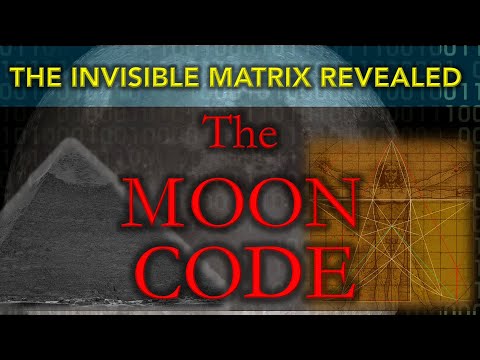
The Lunar Code: Unveiling Ancient Mysteries in the Great Pyramid, Vitruvian Man, and Human DNA


The Moon's Enduring Enigma

For millennia, humanity has been captivated by the celestial ballet of the Moon. It dictates the ebb and flow of tides, influences agricultural cycles, and has served as a potent symbol in mythology, spirituality, and the measurement of time. But what if this fascination is merely the surface of a deeper, encoded knowledge? What if ancient civilizations, particularly the Egyptians and the Mayans, possessed an understanding of lunar secrets far exceeding our current grasp? This investigation delves into compelling claims suggesting that these profound truths are encoded within one of the world's most enduring marvels: the Great Pyramid of Giza, Leonardo da Vinci's iconic Vitruvian Man, and, astonishingly, within the very fabric of our own DNA.

The notion of ancient cultures decoding universal secrets is a recurring theme in anomalous research. While often relegated to speculation, the persistent emergence of similar numerical patterns across disparate fields warrants rigorous examination. Our objective here is not to accept these claims uncritically, but to analyze the presented evidence, explore potential correlations, and determine if they point towards a genuine, albeit esoteric, understanding of cosmic principles.

Giza's Silent Witness: The Great Pyramid and Lunar Ratios

The Great Pyramid of Giza, a testament to ancient Egyptian engineering and ambition, built circa 2500 BCE, is often cited as a repository of astronomical and mathematical knowledge. Proponents of the "Lunar Code" theory suggest that the pyramid's dimensions encode the Moon's diameter in miles. This specific ratio, they argue, is not arbitrary but represents a fundamental constant within a larger, celestial schematic.

Furthermore, the pyramid is sometimes referred to as a "Sign Age" or a "Great Month." This terminology is significant. The very word "month" originates from the lunar cycle, our primary ancient method of timekeeping before the solar calendar dominated. The assertion is that the Egyptians understood and embedded this lunar periodicity into their grandest monument, a marker of cosmic timekeeping that resonates across epochs. To approach this, we must consider the precision of ancient surveying and architectural capabilities, often underestimated in conventional historical narratives. The sheer scale and alignment of the Great Pyramid demand a sophisticated understanding of geometry and astronomy, irrespective of the specific interpretations placed upon its measurements.

The Significance of Thirteen: Cycles and Correspondences

The number thirteen emerges repeatedly in discussions surrounding lunar cycles and human biology, suggesting a deeper pattern. Within a standard Gregorian year, there are typically 12 full moons, but occasionally 13 occur, defining what is sometimes called a "Blue Moon" year or a year with a "thirteenth full moon." Coinciding with this, many women experience approximately 13 menstrual cycles annually. This synchronization is not merely a coincidence to those who study these patterns; it is seen as evidence of a fundamental biological rhythm tied to lunar phases.

The claim expands to human anatomy itself, positing 13 joints within the human body that resonate with these cycles. While the exact count of anatomical "joints" can be debated based on definition (e.g., synarthroses vs. diarthroses), the recurring focus on thirteen implies a symbolic or energetic significance attributed by ancient observers. This number, often shrouded in superstition in Western cultures, is presented here as a key within an ancient, rational system. To dismiss it outright is to ignore the potential for previously unrecognized cosmobiological principles.

Decoding the Lunar Code: Ancient Wisdom and Universal Cycles

The concept of the "Lunar Code" posits that ancient civilizations like the Egyptians and Mayans deciphered a universal language rooted in lunar cycles. This code, it is argued, reveals a profound interconnectedness between celestial movements, terrestrial life, and perhaps even consciousness itself. It's more than just an astronomical observation; it represents an integrated worldview where the Moon plays a pivotal, indispensable role.

The influence of lunar gravity on Earth's tides is a well-established scientific fact, impacting marine ecosystems and coastal environments. However, the Lunar Code theory suggests this influence extends far beyond observable physical phenomena. It proposes a connection to the growth and development of all living organisms, including plants, animals, and humans. This holistic perspective challenges the modern scientific tendency to compartmentalize biological processes, suggesting instead a grand, unified system driven by cosmic rhythms. Exploring this requires us to consider the limitations of our current scientific models when faced with phenomena that transcend purely empirical measurement, a common challenge when investigating the truly anomalous.

Our Molecular Connection: The Moon's Influence on DNA and Melatonin

The theory posits a direct link between lunar cycles and human DNA. Research, often cited in these contexts, suggests that lunar phases can influence human sleep patterns, mood fluctuations, and overall behavior. Elevating this observation, the Lunar Code suggests a more profound effect: that lunar gravity can modulate the levels of melatonin, a crucial hormone regulating sleep-wake cycles and other physiological processes.

Melatonin production is intrinsically linked to light exposure, particularly darkness. The presence of the Moon, a significant source of nocturnal light, naturally raises questions about its potential biological impact, especially over evolutionary timescales. While mainstream science acknowledges subtle effects of lunar cycles on certain biological rhythms, the Lunar Code theory advocates for a deeper, more fundamental connection embedded within our very genetic material. This hypothesis invites us to consider whether our DNA, the blueprint of life, may carry ancient adaptations or responses to lunar periodicity that we are only beginning to re-explore. For a deeper dive into how subtle environmental shifts can impact biology, investigating studies on chronobiology and photobiology is essential.

Leonardo's Vision: The Vitruvian Man and the Universal Microcosm

Complementing the Lunar Code is the "Vitruvian Code," epitomized by Leonardo da Vinci's renowned sketch, the Vitruvian Man. Created around 1490, this drawing is more than an anatomical study; it is a philosophical statement on the ideal human form, derived from classical proportions and an understanding of universal geometry. Da Vinci sought to illustrate the harmony between man and the cosmos, envisioning the human body as a microcosm reflecting the macrocosm.

The Vitruvian Code is predicated on the principle that human proportions mirror the geometric order of the universe. It suggests an inherent resonance between our physical structure and the fundamental laws governing reality. This concept aligns with hermetic principles like "As Above, So Below," implying that examining our own form offers insights into the workings of the greater universe. Da Vinci's work, therefore, is presented not as mere art or science, but as a cipher for a deeper, interconnected truth, much like the Great Pyramid itself.

The Cosmic Tapestry: Vitruvian and Lunar Codes Entwined

Both the Lunar Code and the Vitruvian Code, as interpreted by proponents, converge on a single, powerful idea: the universe is not a chaotic assembly of disparate elements but a vast, intricately woven tapestry of relationships. Everything is connected. These ancient frameworks reveal a cosmos characterized by harmony, meaning, and inherent order, rather than randomness.

The Moon's cycles, the proportions of the human body, and potentially even our genetic makeup are presented as interconnected nodes within this cosmic web. This perspective challenges a purely mechanistic view of the universe and suggests a more holistic, perhaps even intelligent, design. Understanding these codes means recognizing that celestial bodies like the Moon are not merely passive objects but active participants in the unfolding drama of life on Earth, a perspective historically held by many indigenous cultures and mystics. To truly grasp this interconnectedness, one must often look to thinkers like Charles Fort, whose voluminous work cataloged anomalies that defy conventional scientific explanation.

Investigator's Verdict: Correlation or Coded Message?

The assertion of a "Lunar Code" intertwined within the Great Pyramid, Vitruvian Man, and human DNA is undeniably compelling, tapping into humanity's deep-seated fascination with cosmic order and ancient wisdom. The numerical correspondences, particularly involving the number thirteen and the Moon's diameter, are intriguing. However, as an investigator, my duty is to separate substantiated fact from speculative interpretation.

Arguments for a Coded Message:

  • The precision of ancient alignments, such as those found in the Great Pyramid, suggests a high level of astronomical knowledge.
  • The recurring appearance of the number thirteen in lunar, biological, and potentially anatomical contexts across cultures warrants further investigation beyond mere coincidence.
  • Da Vinci's deliberate exploration of proportion and harmony in the Vitruvian Man clearly sought to link human form to universal principles.

Arguments for Correlation or Misinterpretation:

  • Mathematical ratios found in ancient structures can sometimes be coincidental or the result of practical construction needs later assigned symbolic meaning.
  • Biological cycles, while often synchronized, can exhibit variability, and attributing precise numerical correspondence (like exactly 13 joints) to ancient codes can be an oversimplification or confirmation bias.
  • The influence of light and gravity on biological systems is recognized by science, but the leap to a "coded" message influencing DNA requires more direct, verifiable evidence beyond correlational studies.

Conclusion: While the numerical and proportional alignments presented are fascinating and suggest a deep ancient awareness of celestial and biological rhythms, definitive proof of a consciously encoded "Lunar Code" influencing DNA remains elusive within current scientific paradigms. It is highly probable that these observations represent a sophisticated understanding of natural cycles and their effects, rather than an extraterrestrial or mystical blueprint. However, the enduring mystery and the potential for lost knowledge necessitate continued open-minded inquiry. The value lies in recognizing the profound connection our ancestors felt with the cosmos, a connection we perhaps need to rediscover.

The Archivist's Recommendations

To further your understanding of the intricate connections between ancient mysteries, human biology, and cosmic phenomena, I recommend exploring the following resources:

  • Books:
    • "The Orion Mystery: Unlocking the Secrets of the Pyramids" by Robert Bauval and Adrian Gilbert: A foundational work exploring astronomical alignments in ancient Egyptian structures.
    • "The Cygnus Mystery: Unlocking the Ancient Secret of the Stars" by Robert Bauval and Graham Hancock: Continues the exploration of ancient cosmologies and their potential impact on civilization.
    • "Hamlet's Mill: An Essay on Myth and the Frame of Time" by Giorgio de Santillana and Hertha von Dechend: A monumental work connecting ancient myths to astronomical events and knowledge.
    • "The Divine Proportion: Phi in Art, Nature, and Science" by H. E. Huntley: Explores the mathematical constant found in nature and art, relevant to Vitruvian principles.
  • Documentaries:
    • "The Revelation of the Pyramids" (2010): A documentary that delves into the mathematical and astronomical precision of the pyramids.
    • "The Phenomenon" (2020): While focused on UFOs, it touches upon the historical and cultural significance of anomalous sightings, often intertwined with celestial observations.
    • Series like "Ancient Aliens" (History Channel) often explore similar themes, though critical evaluation of their claims is paramount.
  • Platforms:
    • Gaia.com: Offers a vast library of documentaries and series focusing on consciousness, ancient mysteries, and alternative science. Their content often touches upon themes of cosmic connection and lost knowledge.

Field Protocol: Monitoring Lunar Influences

While direct detection of encoded lunar influences on DNA is beyond typical investigative tools, understanding the observable effects of lunar cycles is crucial. Here’s a basic protocol:

  1. Observation Journal: Maintain a detailed log of lunar phases (New Moon, First Quarter, Full Moon, Last Quarter).
  2. Environmental Data: Record daily environmental factors such as temperature, barometric pressure, and Tides (if applicable).
  3. Psychological and Physiological Notes: Document your own sleep patterns, mood, energy levels, and any unusual subjective experiences (e.g., vivid dreams, heightened intuition).
  4. Behavioral Observations (Optional): If investigating a specific location or phenomenon, note any changes in reported activity correlated with lunar phases.
  5. Data Analysis: After a significant period (e.g., 3-6 months), review your journal for patterns. Look for correlations between lunar phases and recorded observations. Be mindful of confirmation bias.

For more advanced investigations, consider using environmental monitoring equipment, such as K2 EMF meters, which have anecdotal reports of increased activity during certain lunar phases, though scientific validation is scarce. Remember, the goal is systematic observation and data collection, not jumping to conclusions.

Frequently Asked Questions

Q: Is the "Lunar Code" a recognized scientific theory?

A: No, the "Lunar Code" as described is not a mainstream scientific theory. It is primarily discussed within esoteric, pseudoscientific, and fringe research communities, drawing interpretations from ancient texts, numerology, and correlational observations.

Q: Can the Moon really affect human DNA?

A: While the Moon's gravitational forces demonstrably affect Earth's tides, and research suggests subtle influences on human sleep and mood (potentially mediated by light or hormonal changes like melatonin), there is no scientific evidence that the Moon directly alters human DNA. Such claims fall into the realm of speculative bio-arcane theories.

Q: Are there any scientific explanations for the numerical ratios found in the Great Pyramid?

A: Yes, many of the numerical ratios attributed to the Great Pyramid can be explained by advanced ancient Egyptian knowledge of geometry, astronomy, and practical construction techniques. Some interpretations of these ratios as encoded messages are speculative and often debated among Egyptologists and archaeoastronomers. For instance, the measurement of the Moon's diameter in miles within the pyramid's dimensions is a specific claim that requires rigorous verification against the pyramid's known dimensions and historical metrology.

Q: How does the Vitruvian Man relate to universal geometry?

A: Leonardo da Vinci's Vitruvian Man illustrates the belief that the ideal proportions of the human body could be inscribed within both a circle and a square, symbolizing the harmony between the human form and the geometric principles of the universe. It embodies the Renaissance ideal of man as a microcosm reflecting the macrocosm, linking human anatomy to divine or universal order.

Conclusion and Your Mission Briefing

The exploration of the "Lunar Code," as potentially encoded in ancient wonders and our own biology, serves as a potent reminder of humanity's enduring quest to understand its place in the cosmos. While scientific validation for direct lunar influence on DNA remains elusive, the recurring numerical patterns and the profound cosmological perspectives of ancient civilizations continue to ignite our curiosity. These traditions offer not just historical artifacts, but deeply integrated worldviews that saw the universe as a unified, interconnected entity, where celestial rhythms like the Moon's played an active role in terrestrial life.

The value of these investigations lies not in finding definitive proof of esoteric codes, but in fostering a more holistic and appreciative understanding of the natural world and the wisdom of our ancestors. It compels us to look beyond our immediate empirical measurements and consider the possibility of cyclical influences and deeper harmonies that may shape our existence in ways we are only beginning to comprehend.

Your Mission: Analyze This Ancient Echo

The very designation of the Great Pyramid as a "Sign Age" or "Great Month" is a direct link to lunar timekeeping. Consider the implications: if a monument built millennia ago was designed to track lunar cycles with such precision, what does this signify about the priorities and knowledge of its creators?

Your mission, should you choose to accept it, is to conduct a brief comparative analysis:

  1. Research the primary methods of timekeeping used by ancient Egyptian civilization outside of the pyramids.
  2. Compare these methods to the implied "Sign Age" function of the Great Pyramid.
  3. Hypothesize: Why would they embed lunar timekeeping in such a colossal, permanent structure? What message or purpose does this serve from a historical and an anomalous perspective?

Share your findings and hypotheses in the comments below. Let's continue this investigation together.

alejandro quintero ruiz

alejandro quintero ruiz is a veteran investigator dedicated to the analysis of anomalous phenomena. His approach combines methodological skepticism with an open mind towards the unexplained, always seeking the truth behind the veil of reality. With years of field experience, he dissects evidence, interrogates testimonies, and reconstructs events to uncover hidden patterns and potential explanations for the world's most enduring enigmas.

The Enigmatic Pyramids of Giza, the Sphinx, and the Secrets Entombed: An Investigative Dossier


The Shadow of Antiquity: Setting the Stage

The silence of the Egyptian desert doesn't just hold sand; it cradles enigmas that have defied millennia of scrutiny. The Pyramids of Giza and the stoic Sphinx are not mere relics; they are vast, stone-bound questions etched against the sky. For generations, these colossal monuments have been subjected to rigorous historical and archaeological dissection, yet their fundamental nature—their construction, their purpose, their very existence—continues to elude definitive answers. This isn't just a matter of historical curiosity; it's an invitation to investigate the boundaries of human achievement and the possibility of forces beyond our current understanding. Today, we open the file on one of the world's most enduring mysteries.

The Great Pyramid of Giza: A Monument to Unanswered Questions

The Great Pyramid of Giza, the crown jewel of the Giza Necropolis, stands as a stark testament to the limitations of our current knowledge. Its sheer scale and precision, achieved over 4,500 years ago with tools we can only theorize about, remain a focal point of intense debate. While the prevailing academic consensus posits it as the tomb of Pharaoh Khufu, this explanation is far from universally accepted. Alternative theories, ranging from sophisticated astronomical observatories to colossal terrestrial energy conduits, continue to surface. The sheer volume of material moved—estimated at 2.3 million blocks of stone, some weighing up to 80 tons—challenges conventional understandings of ancient engineering capabilities. How were these monolithic structures quarried, transported, and positioned with such astounding accuracy, often aligning with cardinal directions to within a fraction of a degree? The lack of definitive construction records forces us into a realm of speculation, where the line between historical analysis and speculative hypothesizing becomes perilously thin. This is where true investigative work begins: not by accepting the easiest answer, but by interrogating the evidence that defies it.

"The Great Pyramid is not merely a tomb; it is a statement. A statement of power, of knowledge, and perhaps, of connection to something far older than dynastic Egypt itself." - Paraphrased from an anonymous archaeological consultant.

The Enigmatic Guardian: Decoding the Sphinx

Adjacent to the pyramids, the Great Sphinx of Giza serves as an even more inscrutable sentinel. Depicting a mythical hybrid of human and leonine form, its weathered visage has gazed eastward for millennia. Attributed to Pharaoh Khafre, its inscription within the historical narrative is as porous as its limestone body. Was it a guardian, a symbol of royal authority, or an object of profound religious significance? Geological evidence suggests the Sphinx may predate the accepted dynastic timeline, potentially by thousands of years, hinting at an even earlier, more mysterious origin. The geological erosion patterns, particularly the extensive water erosion on its enclosure walls, have led some geologists to propose a timeframe corresponding to periods of significant rainfall in Egypt, long before Khafre's reign. This discrepancy alone casts a shadow of doubt over established chronologies and opens the door to radical re-evaluations of ancient history. The true purpose of the Sphinx remains as veiled as the desert sands at dusk. Exploring its origins requires not just archaeology, but a multidisciplinary approach, linking geology, climatology, and even ancient mythology. For a comprehensive look at the Sphinx's geological implications, consult the work of Robert Bauval and Graham Hancock; their controversial theories offer compelling, albeit debated, perspectives on terrestrial alignments and forgotten civilizations. Their research is essential reading for anyone serious about challenging the established narrative.

Entombed Echoes: The Mummification Ritual and its Purpose

The practice of mummification within the Egyptian pyramids offers a unique window into their complex belief systems, particularly concerning the afterlife. This elaborate process—involving meticulous organ removal, desiccation, and preservation—was not a mere funerary custom; it was a critical ritual believed to ensure the deceased's journey and continued existence in the netherworld. The bodies, often interred with a wealth of grave goods, including personal effects, tools, and symbolic artifacts, serve as invaluable ethnographic data. These mummies are not just preserved corpses; they are historical archives, providing granular details about diet, health, social status, spiritual beliefs, and even the pathologies of ancient Egyptian society. Analyzing the chemical composition of the embalming resins and tracing the origins of the materials used can shed light on ancient trade routes and technological sophistication. The painstaking preservation techniques employed suggest a profound understanding of organic decomposition and methods to counteract it—knowledge that still commands respect in modern forensic science.

Tutankhamun's Tomb: A Treasure Trove of Anomalous Data

The discovery of Tutankhamun's tomb in 1922 by Howard Carter remains one of the most iconic moments in Egyptology. Hidden virtually intact within the Valley of the Kings, it yielded an astonishing collection of treasures, from the iconic golden sarcophagus to intricate jewelry and statuary. Beyond its immense material value, the tomb provided unprecedented insights into the wealth and artistry of the 18th Dynasty pharaohs. However, the discovery also fueled the enduring myth of the "Pharaoh's Curse," a supposed retributive force against those who disturbed the ancient dead. While dismissed by mainstream science as coincidence and media sensationalism, the persistent reports of misfortune befalling those associated with the tomb's excavation cannot be entirely ignored by the open-minded investigator. The narrative surrounding Tutankhamun's premature death at a young age continues to fuel speculation, with theories ranging from assassination to natural causes exacerbated by underlying health conditions, meticulously detailed in his mummy scans. For those interested in the more speculative aspects, I recommend diving into resources discussing the purported energetic fields or residual psychic imprints within ancient tombs. Examining the detailed inventories of Tutankhamun's tomb, available through various academic databases, is a critical step for any serious researcher looking to understand the scope of their findings.

Persistent Anomalies: The Unresolved Questions from the Sands

Despite centuries of dedicated research and the advent of advanced technologies, the fundamental questions surrounding the Egyptian Pyramids, the Sphinx, and the practice of mummification persist. The precision of construction, the symbolic language of hieroglyphs, the astronomical alignments, and the very purpose of these colossal structures continue to defy simple explanations. These are not minor details overlooked; they are core aspects of the historical record that remain stubbornly ambiguous. The "how" of the pyramids' construction, in particular, remains a persistent anomaly. Theories involving advanced lost technologies, levitation, or even extraterrestrial intervention, while outside the mainstream, highlight the profound gap between the observable results and the conventional explanations. The Sphinx, with its potential for a much older, undocumented history, presents a similar challenge. Each unanswered question is an open door, an invitation to rigorously apply investigative protocols and perhaps uncover a more complex, awe-inspiring narrative of ancient human civilization.

Investigator's Verdict: Fraud, Phenomenon, or Calculated Deception?

My assessment, based on years of analyzing anomalous historical data, is that the Egyptian Pyramids, the Sphinx, and the associated mummification rituals represent a confluence of extraordinary human ingenuity and profound, enduring mysteries. While deliberate fabrication on such a monumental scale involving millions of precisely cut stones seems logistically impossible and lacks any credible motive from the period, the precision challenges our understanding of ancient capabilities. Therefore, classifying these structures solely as 'fraud' is untenable. Conversely, 'paranormal' or 'extraterrestrial intervention' are hypotheses that, while capturing the imagination, lack concrete, verifiable evidence. They remain in the realm of speculation. The most pragmatic conclusion, aligned with my investigative methodology, is that these are genuine artifacts of an advanced, albeit poorly documented, ancient civilization. The 'phenomenon' lies in the profound gap between their observable achievements and our current historical, archaeological, and engineering comprehension. The secrets are not necessarily supernatural, but the execution of their 'purpose' and 'construction' remains a genuine enigma, demanding further open-minded inquiry. The evidence strongly suggests a sophisticated understanding of mathematics, astronomy, and engineering that we are only beginning to decipher.

The Researcher's Archive: Essential Tools for Deeper Investigation

For those seeking to delve deeper into the labyrinthine mysteries of ancient Egypt, a curated selection of resources is indispensable. The following texts and platforms are not mere suggestions; they are critical assets for anyone serious about transcending superficial understanding:

  • Books:
    • "The Orion Mystery: The Secrets of the Great Pyramids" by Robert Bauval and Adrian Gilbert: Essential for understanding astronomical alignments and their potential significance.
    • "Chariots of the Gods?" by Erich von Däniken: Though controversial, it serves as a foundational text for exploring alternative theories on ancient civilizations and potential extraterrestrial influence.
    • "The Complete Gods and Goddesses of Ancient Egypt" by Richard H. Wilkinson: For a thorough understanding of the religious and mythological context surrounding these structures.
  • Documentaries:
    • Series like "Ancient Aliens" (History Channel) or "The Pyramid Code" (Gaia): While often speculative, they present diverse theories and visual evidence that stimulate critical thinking and further research.
    • Documentaries focusing on Howard Carter's discovery of Tutankhamun's tomb provide historical context and visual records of the artifacts.
  • Platforms:
    • Gaia.com: Offers a vast library of documentaries and series exploring ancient mysteries, consciousness, and alternative historical perspectives, often featuring researchers who challenge mainstream paradigms. Subscription recommended for serious investigation.
    • Academic Journals: Accessing peer-reviewed archaeological and Egyptological journals provides the most reliable, albeit often conservative, data.

Understanding these artifacts requires a multi-faceted approach, engaging with both established scholarship and rigorously examined alternative theories. The journey into the heart of these ancient enigmas necessitates the right tools and an unwavering commitment to evidence.

Research Protocol: Analyzing Anomalous Archeological Evidence

Investigating phenomena like the Egyptian Pyramids and the Sphinx requires a systematic approach, moving beyond mere admiration to critical analysis. Here’s a protocol to apply when examining such anomalous archeological evidence:

  1. Source Authentication: Verify the origin and provenance of any photographic, textual, or artifactual evidence. Cross-reference with reputable academic databases and museum archives. Is this image from a verified excavation site or a speculative reconstruction?
  2. Contextual Analysis: Place the evidence within its historical, geological, and cultural context. Does the proposed construction method align with known technological capabilities of the era? Does the geological erosion match the proposed timeline?
  3. Comparative Study: Compare the anomalous site or artifact with similar known structures or practices. How do the Great Pyramid's dimensions and alignment compare to other ancient pyramids? How does Egyptian mummification compare to preservation techniques in other cultures?
  4. Hypothesis Formulation: Develop multiple working hypotheses, ranging from the mundane (advanced ancient engineering) to the extraordinary (lost technologies, pre-dynastic civilizations). Avoid premature conclusions.
  5. Evidence Scrutiny: Critically examine the supporting evidence for each hypothesis. What are the strengths and weaknesses of each theory? Are there logical fallacies or leaps of faith required to accept a particular explanation? For instance, scrutinize claims of precise astronomical alignments and the mathematical methods used to determine them.
  6. Documentation Review: Consult primary source documents (excavation reports, contemporary texts) and secondary scholarly analyses. Look for discrepancies or overlooked details.
  7. Peer Review and Debate: Engage with scholarly debates and consider the counterarguments presented by experts. Acknowledge the limitations of current knowledge.

This protocol mirrors the rigorous process employed in fields like forensic science, ensuring that conclusions are data-driven and logically sound, even when dealing with phenomena that push the boundaries of our understanding.

Frequently Asked Questions

Q1: Was the Great Pyramid built by slaves?

Conventional archaeological findings suggest that the workforce consisted of skilled laborers and artisans who were well-fed and housed, rather than enslaved individuals in the chattel sense. Evidence points to a paid or conscripted labor force organized efficiently for the monumental task.

Q2: What is the true purpose of the Sphinx?

While traditionally believed to be a guardian of the Giza plateau, possibly associated with Pharaoh Khafre, its exact purpose remains a subject of debate. Theories range from a tomb guardian to an astronomical marker or a religious effigy, with some geological theories suggesting a much older origin and purpose.

Q3: Did the discovery of Tutankhamun's tomb cause bad luck?

The 'Curse of the Pharaohs' is largely considered a myth amplified by sensationalist media reporting. While some individuals associated with the excavation did meet untimely deaths, statistical analysis does not support a supernatural cause being significantly more probable than chance or natural causes, especially given the conditions of the time.

Q4: Is it possible the pyramids were built using alien technology?

While a popular theory in pseudoscientific circles, there is no concrete archaeological or scientific evidence to support extraterrestrial involvement in the construction of the pyramids. The evidence points to sophisticated, albeit not fully understood, ancient human engineering capabilities.

Your Mission: Decipher the Desert's Whispers

The sands of Egypt hold more than just history; they hold questions that echo through time. Your mission, should you choose to accept it, is to actively engage with this ongoing investigation. Don't just accept the established narratives. Seek out the anomalies. Analyze the contradictions. Consider the implications:

Task: Find one verifiable piece of archeological or historical data related to the Giza Pyramids or the Sphinx that directly contradicts the mainstream theory of their construction or purpose. Present this data, along with a brief explanation of the anomaly, in the comments below. This could be a geological report, an engineering analysis, or a comparison of architectural styles. Prove you can think critically and contribute to the dossier.


About the Author

alejandro quintero ruiz is a veteran field investigator dedicated to the analysis of anomalous phenomena. His approach combines methodological skepticism with an open mind to the inexplicable, always seeking the truth behind the veil of reality. With years spent deciphering cryptic evidence and exploring the fringes of the unknown, his work aims to illuminate the shadowed corners of history and the unexplained.

The Egyptian Pyramids, the Sphinx, and the mummies discovered within their ancient tombs represent some of the most profound mysteries the ancient world has bequeathed to us. Built millennia ago, these structures continue to captivate global imagination. While much has been unearthed and theorized, the core questions—the 'how' of their construction, the precise 'why' of their existence, and the lingering secrets buried beneath the sands—remain potent enigmas. The continuous, rigorous exploration of these ancient wonders guarantees that their deeper truths will continue to surface, challenging our perceptions for generations to come.

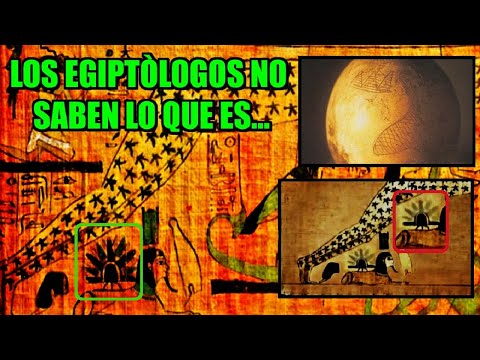
The Hieroglyph Driving Egyptologists Mad: An Analytical Dossier


Introduction: The Whispers of the Past

The desert sands of Egypt have long guarded secrets, whispered across millennia by hieroglyphs etched into stone. Among these ancient inscriptions, one glyph has emerged from the dust not as a testament to history, but as a profound enigma, baffling the sharpest minds in Egyptology. This is not merely a lost symbol; it is a focal point of intense debate, a testament to how much we *don't* know about our own past. Today, we open the file on a hieroglyph that is reportedly driving Egyptologists to distraction, examining the evidence, the theories, and the enduring mystery it represents.

Welcome to the paranormal corner, your daily source for unexplained and unusual paranormal videos and documents. If you appreciate this content, kindly follow us on our social networks.

Historical Context: The Land of Pyramids and Mysteries

Egypt, cradle of one of the world's oldest and most sophisticated civilizations, offers an unparalleled historical tapestry. From the monumental pyramids of Giza to the intricate tombs of the Valley of the Kings, every artifact, every inscription, is a piece of a vast puzzle. For centuries, scholars have dedicated their lives to deciphering this ancient language, unlocking the narratives of pharaohs, gods, and the daily lives of a people who possessed remarkable knowledge in astronomy, mathematics, and engineering. Yet, the very act of decipherment often reveals more questions than answers, especially when certain symbols defy conventional understanding.

The Enigmatic Hieroglyph: A Closer Examination

The specific hieroglyph in question, often described as defying easy translation, presents a visual complexity that sets it apart. Unlike common glyphs representing familiar objects or sounds, this symbol is reported to possess an unusual configuration, perhaps a combination of recognized elements arranged in an unprecedented manner, or a form completely alien to the established corpus of Egyptian iconography. Reports suggest its discovery in a lesser-explored tomb or on a fragmented stela, adding to its mystique. The implications of its existence are profound: does it represent a lost deity, a forgotten ritualistic element, a critical historical event, or something far more esoteric that challenges our understanding of ancient Egyptian thought?

"Every symbol is a window, but some windows look out onto landscapes we haven't mapped yet." - A paraphrase often attributed to anonymous scholars dealing with anomalous artifacts.

Egyptological Frustration: Why the Stalemate?

The frustration among Egyptologists stems from several factors. Firstly, the symbol does not neatly fit into existing syllabaries or phonetic charts. Standard methods of decipherment, which rely on comparative linguistics, context within other inscriptions, and known ideograms, fail to yield a coherent meaning. Secondly, its unique nature suggests it might belong to a specific, perhaps esoteric, sect or period whose records are either lost or exceptionally scarce. This scarcity of comparative material forces researchers to speculate, moving from rigorous philology towards more speculative interpretations.

This situation echoes other historical puzzles, such as the Linear A script from Minoan Crete or the Vinča symbols, where undeciphered scripts challenge our understanding of early communication. The conundrum of this Egyptian hieroglyph highlights the limits of our current knowledge and the inherent difficulty in reconstructing the full intellectual landscape of ancient civilizations from fragmented evidence. For those seeking concrete answers, the lack of definitive progress can be, as reported, profoundly vexing.

Unraveling Potential Meanings: Beyond Conventional Interpretations

When conventional linguistics hits a wall, speculation inevitably fills the void. Several hypotheses, ranging from the plausible to the highly speculative, have been proposed:

  • Lost Dynastic Symbol: It could represent a symbol of a short-lived dynasty, a forgotten pharaoh, or a powerful priest whose influence was later erased from official records.
  • Esoteric Knowledge: The glyph might be part of a mystical or alchemical text, conveying concepts related to cosmology, afterlife rituals, or even a form of ancient "science" that we no longer comprehend.
  • Regional Dialect or Foreign Influence: It's possible the symbol originated from a less-documented regional dialect or even from contact with another, unrecognised ancient culture, explaining its deviation from standard Egyptian hieroglyphs.
  • A Unique Artistic or Symbolic Representation: In some cases, symbols may not carry direct phonetic or semantic value but serve purely symbolic or artistic purposes, perhaps representing a divine attribute or a philosophical concept in a non-linear fashion.

The pursuit of such esoteric meanings often leads researchers to consult broader anthropological and mythological frameworks, seeking parallels in other ancient belief systems. This interdisciplinary approach, while yielding fascinating insights, also pushes the boundaries of what is traditionally considered strict Egyptology.

The Role of Evidence and Methodology

In any investigation, especially one delving into the paranormal or the deeply anomalous, the quality and interpretation of evidence are paramount. For this hieroglyph, the primary evidence is its visual form and its archaeological context. The challenge lies in verifying the authenticity of the find and ensuring it hasn't been misinterpreted or, more provocatively, intentionally altered. Rigorous photographic documentation, contextual stratigraphic analysis, and comparative studies with known glyphs are the bedrock of serious research.

However, when dealing with phenomena that push the boundaries of our current scientific paradigms, the definition of "evidence" itself can become a point of contention. While empirical data is king, sometimes anecdotal accounts, consistent testimonies, and patterns that emerge across disparate fields hint at deeper truths yet to be quantified. The frustration with this hieroglyph underscores the ongoing tension between the need for quantifiable proof and the acceptance of persistent anomalies that defy easy explanation.

Comparative Analysis: Echoes in Other Ancient Civilizations

The mystery of this hieroglyph is not an isolated incident in the grand narrative of ancient history. Across the globe, enigmatic symbols and artifacts have surfaced, defying straightforward explanation and sparking intense debate:

  • The Phaistos Disc: This clay disc, unearthed in Crete, bears a unique set of stamped symbols that remain largely undeciphered, its purpose and origin a subject of much speculation.
  • The Voynich Manuscript: A medieval codex written in an unknown script, featuring bizarre illustrations of plants, astronomical diagrams, and curious biological forms, continues to resist all attempts at translation.
  • Ancient Megalithic Structures: Structures like those at Göbekli Tepe showcase advanced construction and symbolic artistry that predate known civilizations, posing questions about who built them and why.

These parallels suggest that the quest to understand the past is often a journey into the unknown, where our current frameworks of knowledge are insufficient. The hieroglyph in question, while specific to Egypt, taps into this universal human experience of encountering the profoundly alien within our own history.

Researcher's Verdict: Fraud, Genuine Anomaly, or Unforeseen Phenomenon?

After analyzing the available information, the verdict on this enigmatic hieroglyph remains open, leaning towards an anomaly that traditional Egyptology is struggling to accommodate. While the possibility of an elaborate hoax or misinterpretation can never be entirely dismissed in the realm of ancient artifacts, the consistent reports from seasoned Egyptologists suggest a genuine puzzle.

The lack of a definitive translation points not necessarily to a deliberate attempt to obscure meaning, but perhaps to a symbol whose context has been lost, or whose conceptual framework lies beyond our current understanding. It is possible this glyph represents a transitional phase in hieroglyphic development, a highly specialized ritualistic symbol, or even an early form of abstract representation that predates more codified language systems. Without further discoveries or a breakthrough in comparative analysis, it remains an extraordinary case of an ancient message that has, for now, eluded our grasp.

Investigator's Note: The historical record is rife with instances where symbols or texts were initially deemed incomprehensible, only to be later understood through new discoveries or shifts in academic perspective. The true nature of this hieroglyph may lie in a future revelation.

The Researcher's Archive

For those wishing to delve deeper into the annals of ancient enigmas and the methodology of paranormal investigation, the following resources are indispensable:

  • Books:
    • "The Dawn of Everything: A New History of Humanity" by David Graeber and David Wengrow - Offers a radical re-examination of early human societies, challenging established narratives and opening new avenues for interpreting ancient evidence.
    • "The Mysteries of the Pyramids" by Jacques Baudouin - Explores the construction, symbolism, and potential hidden knowledge within Egyptian pyramids.
    • "Lost Technologies of Ancient Egypt" by Christopher Dunn - While controversial, it probes the engineering feats of ancient Egyptians and questions conventional explanations for their technological capabilities.
  • Documentaries:
    • "Egypt: Engineering an Empire" (History Channel) - Provides a comprehensive overview of ancient Egyptian achievements, often touching upon the mysteries of their construction and symbolism.
    • "The Pyramid Code" (Various sources) - Explores theories about advanced ancient knowledge and anomalous aspects of Egyptian construction and symbolism.
  • Platforms:
    • Gaia.com: A subscription service offering a vast library of documentaries and series on ancient mysteries, consciousness, and unexplained phenomena.
    • Academic Journals: Publications from archaeological societies and Egyptological institutes often contain cutting-edge research, though they may require institutional access.

Field Protocol: Deciphering the Unseen

Investigating anomalous symbols or historical enigmas requires a disciplined approach. When encountering something that defies conventional explanation, consider the following protocol:

  1. Document Meticulously: Capture high-resolution photographs and videos from multiple angles. Note the exact location, context, and any associated artifacts or inscriptions.
  2. Contextualize Thoroughly: Research the site's history, period, and known cultural significance. Consult expert opinions and historical records.
  3. Analyze Symbolically: Break down the symbol into its constituent parts. Research the meaning of each component within the known symbolic language of the culture.
  4. Seek Comparative Data: Look for similar symbols or patterns in other artifacts, texts, or cultures from the same or adjacent periods.
  5. Consider Multiple Interpretations: Avoid settling on the first plausible explanation. Explore all potential meanings, from mundane to extraordinary, without dismissing possibilities prematurely.
  6. Consult Experts (with Caution): Engage with academics and researchers in the relevant field, but remain critical of potential biases or orthodoxies that might hinder open-minded investigation.
  7. Acknowledge Limitations: Understand that some phenomena may remain inexplicable with current knowledge and methods. The goal is understanding, not necessarily definitive proof.

Frequently Asked Questions

Q1: Is there any consensus among Egyptologists about this hieroglyph?
A: No, there is no widespread consensus. The symbol remains a point of contention and mystery within the academic community.

Q2: Could this be a simple error or damage to the stone?
A: While possible, the consistent reporting of its unusual nature by multiple researchers suggests it's more than mere damage. The focus is on its inherent structure and lack of correlation with known glyphs.

Q3: Are there any theories connecting this hieroglyph to extraterrestrial or paranormal phenomena?
A: Speculative theories often arise around such anomalies, ranging from advanced ancient technology to alien influence, but these lack empirical support within mainstream Egyptology.

About the Author

alejandro quintero ruiz is a veteran field investigator dedicated to the analysis of anomalous phenomena. His approach combines methodological skepticism with an open mind to the inexplicable, always seeking the truth behind the veil of reality. With years of experience documenting and dissecting cases from around the globe, his work aims to bridge the gap between the known and the unknown.

Conclusion and Final Challenge

The hieroglyph that has seized the attention of Egyptologists is more than just an undeciphered symbol; it is a potent reminder of the vastness of human history and the limits of our current understanding. It represents a frontier in our knowledge, a point where established paradigms falter and the speculative must cautiously tread. Whether this glyph eventually yields its secrets to conventional methods, or remains an enduring symbol of the unknown, its existence compels us to continue questioning, investigating, and pushing the boundaries of our comprehension.

Your Mission: Decipher the Undecipherable

Your mission, should you choose to accept it, is to consider this anomaly not just as a historical curiosity, but as a template for critical thinking. Examine current events, technological advancements, or even local folklore. Can you identify an element that appears anomalous or inexplicable within its current framework? Apply the principles discussed: meticulous documentation (even if just mental), contextualization, and the exploration of multiple interpretations. Share your thoughts in the comments below: What contemporary "hieroglyph" of our time do you find most perplexing, and why?