Followers

Mostrando las entradas con la etiqueta Graham Hancock. Mostrar todas las entradas

Graham Hancock Explains the Mystery of the Olmecs | Joe Rogan Experience Analysis

Image

The allure of ancient civilizations, particularly those shrouded in mystery and speculation, continues to captivate the human imagination. The Olmecs, often referred to as the "mother culture" of Mesoamerica, are a prime example. Despite their profound influence on subsequent civilizations like the Maya and Aztecs, much about their society, science, and ultimate disappearance remains enigmatic. This analysis delves into the discussions surrounding the Olmecs, inspired by Graham Hancock's appearance on the Joe Rogan Experience podcast, and explores the persistent questions that fuel ongoing fascination.

Joe Rogan's Unique Approach to Unveiling Mysteries

Joe Rogan's podcast, "The Joe Rogan Experience," has become a powerful platform for exploring complex topics through extended, in-depth conversations. His innate curiosity and genuine interest in diverse fields, from mixed martial arts and comedy to history and science, allow him to engage with guests like Graham Hancock in a way that peels back layers of conventional understanding. Rogan's success, as many viewers note, stems from his "curiosity" and his ability to ask pertinent questions, listen intently, and engage deeply with his guests' expertise. This conversational format, stripped of the pretense often found in more formal interviews, creates an environment where intricate subjects, such as the mysteries of the Olmec civilization, can be explored from multiple angles. As one commenter observed, "The beauty of Joe's show is that it's a pure conversation." This authentic exchange fosters a sense of discovery for both the host and the audience, prompting further research and contemplation.

The Olmec Enigma: A Civilization Lost to Time

The Olmecs, flourishing in Mesoamerica between approximately 1500 BCE and 400 BCE, are credited with pioneering many cultural and societal developments that would later define the region. Their legacy is most visibly represented by the colossal carved heads found across the Gulf Coast of Mexico, particularly in Veracruz. These monumental sculptures, weighing many tons and depicting distinct facial features—broad noses and thick lips—have baffled archaeologists for decades. The sheer scale and sophistication of their construction, coupled with the limited understanding of their societal structure and the reasons for their decline, contribute to their enduring mystery. As one individual with Mexican heritage commented, "Olmecs are a very underrated civilization and its society, science and culture is magnificent they were astrologist genius very advanced, its disappearance is a true mistery." This sentiment is echoed by many who are drawn to the Olmecs due to their advanced knowledge and the perplexing circumstances surrounding their eventual fade from prominence.

Recommended Gear for Investigation

ProductDescriptionBuy
Cryptozoology A To Z: The Encyclopedia Of Loch Monsters Sasquatch Chupacabras And Other Authentic M: The Encyclopedia of Loch Monsters, Sasquatch, Chupacabras, and Other Authentic Mysteries of NatureAn excellent choice to complement your research on this topic.View on Amazon
The Big Book of Paranormal: 300 Mystical and Frightening Tales From Around the WorldAn excellent choice to complement your research on this topic.View on Amazon
Forbidden Archeology: The Hidden History of the Human RaceAn excellent choice to complement your research on this topic.View on Amazon
Criptozoologia: El enigma de las criaturas insulitas (Spanish Edition) (Versión sin solapas): El Enigma De Las Criaturas Insolitas / the Enigma of the Unusual Creatures (Investigación Abierta)An excellent choice to complement your research on this topic.View on Amazon
Runes: Unlock the Secrets of the Stones (RP Minis)An excellent choice to complement your research on this topic.View on Amazon
The H. P. Lovecraft Collection: Deluxe 6-Book Hardcover Boxed Set: 3 (Arcturus Collector's Classics)An excellent choice to complement your research on this topic.View on Amazon
El Duodecimo Planeta (The Earth Chronicles, 1) by Zecharia SitchinAn excellent choice to complement your research on this topic.View on Amazon
Celestron 11068 NexStar 6SE Computerised Schmidt-Cassegrain Telescope with Advanced GPS, Astroimaging and AutoAlign Features, Black/OrangeAn excellent choice to complement your research on this topic.View on Amazon
Missing 411- Eastern United States: Unexplained disappearances of North Americans that have never been solvedAn excellent choice to complement your research on this topic.View on Amazon
Ghost-Hunting For Dummies [Idioma Inglés] An excellent choice to complement your research on this topic.View on Amazon

Archaeological Evidence and Interpretations

The Olmec civilization left behind a rich archaeological record, from the iconic colossal heads to intricate jade carvings and ceremonial sites. However, the interpretation of this evidence is often subject to debate, particularly when considering alternative historical perspectives. Graham Hancock, known for his controversial theories about ancient civilizations possessing advanced knowledge that predates accepted timelines, often points to the Olmecs as evidence for his claims. His discussions with Rogan touch upon the idea that Teotihuacan, a city often associated with later cultures, might have been built by a civilization that existed long before the Aztecs, suggesting a hidden history. This notion of a forgotten past, where civilizations achieved remarkable feats and then vanished, fuels the intrigue surrounding the Olmecs. Some viewers find personal connections to this history, like the individual whose mother recounted finding Olmec artifacts in Veracruz as a child, vividly describing green masks and small stone sculptures. Discovering a jade Olmec mask online that matched her childhood descriptions solidified the connection, prompting a desire to revisit the family's ancestral lands in search of further clues.

"This topic is truly amazing and one I feel I have a personal connection to because both my parents are from Veracruz (where the Olmec heads were found) and my mom would tell me stories of how when she was a kid her and her siblings would run around in my grandpa’s prairie and find what she said were green masks, stone spinning tops, and other doll like artifacts, that they would play with and take home."

These personal anecdotes underscore the profound impact this ancient culture has had, resonating through generations and connecting people to their heritage. The Olmec heads, with their stoic expressions and unique features, are often compared to modern imagery, with some viewers noting a resemblance to old-school football players in leather helmets, or even characters like Cyborg from Teen Titans. This relatable visualization helps bridge the gap between the ancient past and the present.

Cultural Influence and Legacy

The Olmecs' influence extended far beyond their immediate geographical reach. Their advancements in mathematics, astronomy, and the development of a complex calendar system laid the groundwork for subsequent Mesoamerican cultures. Their religious beliefs, artistic styles, and even their ballgame are thought to have been adopted and adapted by later civilizations, including the Maya and the Aztecs. Many who grew up in regions like Veracruz attest to this profound historical connection. "I grew up in Veracruz where they excavated these Olmec heads, it was pretty amazing to live around so much history," one commenter shared. "They greatly influenced the coming indigenous groups, even the Aztecs." This deep-seated influence highlights the Olmecs' pivotal role in the development of Mesoamerican civilization. The distinct physical characteristics depicted in the Olmec art, often debated, are also a point of discussion, with those from southern Mexico emphasizing that these features—thick lips and wide noses—are indeed present in the population of that region, challenging assumptions based on limited exposure.

Theories of Disappearance

The ultimate fate of the Olmec civilization remains one of archaeology's most compelling unanswered questions. Theories range from environmental degradation and internal conflict to migration and assimilation by other groups. Some speculate about cataclysmic events, while others propose a more gradual societal collapse due to factors like volcanic activity, prolonged droughts, or shifts in trade routes. The lack of definitive evidence leaves room for considerable speculation, further fueling the mystique surrounding their decline. The comparison to a challenging puzzle, like the "Shrine of the Silver Monkey" from the game show *Legends of the Hidden Temple*, humorously captures the complexity of piecing together their history. The fascination with these theories is palpable, with many expressing a desire to dedicate their lives to studying this period, wishing they could have been present to witness the discussions firsthand.

Public Reception and Perspectives

The discussion on the Joe Rogan Experience, particularly when featuring figures like Graham Hancock, tends to attract a diverse audience with varied perspectives. Viewers often fall into distinct camps, such as long-time MMA fans or those drawn to conspiracy theories and alternative histories. The mention of "Olmecs" often evokes a sense of wonder and a desire for deeper understanding. Some participants in the online discourse note that Rogan's podcasts are often more engaging and informative when they feature historians and scientists, rather than solely focusing on entertainment figures. This preference suggests an audience keen on substantive intellectual exploration. The use of eye-catching thumbnails, like the one referencing *Legends of the Hidden Temple*, undeniably plays a role in drawing viewers in, highlighting the intersection of pop culture and serious historical inquiry. One particularly striking account comes from an individual whose mother's childhood experiences in Veracruz provided a tangible link to Olmec artifacts, reinforcing the idea that the past is not always as distant as it seems.

Researcher's Verdict: Fraud, Genuine Phenomenon, or Something Else?

"Alejandro Quintero Ruiz" Verdict: The Olmec civilization represents a genuine archaeological puzzle. While definitive answers regarding their origins, advanced knowledge, and disappearance remain elusive, the evidence—from the monumental heads to their clear societal and astronomical advancements—points to a civilization of significant complexity and influence. Graham Hancock's contributions, while often pushing the boundaries of mainstream acceptance, serve to highlight the gaps in our current understanding and encourage critical examination of established historical timelines. The Olmecs were not a myth or a fabrication; they were a real, influential culture whose story is still being written. Any claims of fraud within the archaeological community regarding these findings are largely unsubstantiated and generally dismissed by serious researchers. The mystery endures not because of deception, but due to the limitations of historical records and the vastness of time that separates us from their era. The true phenomenon lies in their remarkable achievements and the enduring questions they pose about human history.

The Researcher's Archive

Frequently Asked Questions

  1. Who were the Olmecs?

    The Olmecs were an ancient Mesoamerican civilization that flourished in the tropical lowlands of south-central Mexico from approximately 1500 BCE to 400 BCE. They are considered one of the earliest major civilizations in the Americas and are often referred to as the "mother culture" of Mesoamerica.

  2. What are the most famous Olmec artifacts?

    The most iconic Olmec artifacts are the colossal stone heads, massive carved basalt sculptures depicting human heads with distinctive broad noses and thick lips. Other significant artifacts include jade figurines, altars, and pottery.

  3. Why is the disappearance of the Olmecs considered a mystery?

    The Olmec civilization declined significantly by around 400 BCE, and the exact reasons for this decline are not fully understood. Theories include environmental changes, internal conflict, disease, or assimilation by other emerging cultures, but definitive evidence is lacking, making their disappearance a subject of ongoing research and speculation.

  4. What was the influence of the Olmecs on later civilizations?

    The Olmecs had a profound influence on subsequent Mesoamerican cultures, including the Maya and Aztecs. They are credited with developing early forms of hieroglyphic writing, the Mesoamerican calendar, advanced astronomical knowledge, and foundational religious and artistic traditions.

Your Field Mission

The study of ancient mysteries like the Olmecs is not confined to academic institutions; it is a continuous process of questioning, investigating, and connecting the dots. Your mission, should you choose to accept it, is to become an active participant in this exploration. Reflect on the information presented here and consider how these ancient enigmas might intersect with our modern understanding of history, technology, and human potential. Do you have personal experiences or family stories related to ancient artifacts or unexplained phenomena? Have you encountered similar patterns of cultural influence or mysterious disappearances in other historical contexts?

Share your insights and experiences in the comments below. Your perspective is invaluable to the collective investigation. Furthermore, if you found this analysis compelling, please consider sharing it across your social networks. Let's expand the reach of these profound questions and encourage more minds to engage with the unexplained.

Investigator's Note: True paranormal research doesn't fund itself. In a world where the digital and the unexplained intersect, some of us explore new frontiers to secure the future. Do you dare to be part of the vanguard? Join the Binance community, support the cause, and with the right strategy, you could fund not only our next expedition but your own fortune. The next great discovery could be just a click away.

The Great Sphinx: Unraveling a Controversial Ancient Mystery

Image

For millennia, the Great Sphinx of Giza has stood as a silent sentinel, its enigmatic gaze fixed upon the shifting sands of time. While mainstream archaeology places its construction alongside the Great Pyramids, a growing body of evidence and persistent theories suggest a far more ancient and complex origin. This investigation delves into the controversial claims surrounding the Sphinx, examining the arguments of prominent researchers like Graham Hancock and the implications for our understanding of human history.

Introduction: The Enigma of the Sphinx

The Great Sphinx, a colossal limestone statue with the body of a lion and the head of a human, is one of the most iconic and mysterious structures on Earth. Carved during the Old Kingdom of Egypt, it is traditionally attributed to Pharaoh Khafre, dating back approximately 4,500 years. However, the very solidity of this assertion has been challenged by numerous researchers who point to anomalies and evidence that suggest the Sphinx, and perhaps even the Giza plateau itself, is far older than commonly believed. This investigation aims to dissect these claims, drawing upon geological data, astronomical correlations, and the ongoing debate within the academic and research communities.

Geological Clues: Water Erosion and Ancient Climates

One of the most compelling arguments for an older Sphinx comes from the field of geology. Geologists such as Robert Schoch have identified patterns of deep vertical weathering on the Sphinx enclosure, consistent with prolonged exposure to rainfall. This type of erosion, they argue, is characteristic of a much wetter climate than that of the Sahara Desert in the Dynastic period. The last time Egypt experienced such significant rainfall was between 10,000 and 5,000 BCE, a period predating the accepted construction date of the Sphinx by thousands of years. This geological anomaly suggests that the Sphinx may have been carved or at least significantly weathered during a much earlier epoch, a time when a lost civilization might have flourished.

Recommended Gear for Investigation

ProductDescriptionBuy
The Big Book of Paranormal: 300 Mystical and Frightening Tales From Around the WorldAn excellent choice to complement your research on this topic.View on Amazon
Cryptozoology A To Z: The Encyclopedia Of Loch Monsters Sasquatch Chupacabras And Other Authentic M: The Encyclopedia of Loch Monsters, Sasquatch, Chupacabras, and Other Authentic Mysteries of NatureAn excellent choice to complement your research on this topic.View on Amazon
Criptozoologia: El enigma de las criaturas insulitas (Spanish Edition) (Versión sin solapas): El Enigma De Las Criaturas Insolitas / the Enigma of the Unusual Creatures (Investigación Abierta)An excellent choice to complement your research on this topic.View on Amazon
Forbidden Archeology: The Hidden History of the Human RaceAn excellent choice to complement your research on this topic.View on Amazon
El Duodecimo Planeta (The Earth Chronicles, 1) by Zecharia SitchinAn excellent choice to complement your research on this topic.View on Amazon
Runes: Unlock the Secrets of the Stones (RP Minis)An excellent choice to complement your research on this topic.View on Amazon
The H. P. Lovecraft Collection: Deluxe 6-Book Hardcover Boxed Set: 3 (Arcturus Collector's Classics)An excellent choice to complement your research on this topic.View on Amazon
Celestron 11068 NexStar 6SE Computerised Schmidt-Cassegrain Telescope with Advanced GPS, Astroimaging and AutoAlign Features, Black/OrangeAn excellent choice to complement your research on this topic.View on Amazon
Missing 411- Eastern United States: Unexplained disappearances of North Americans that have never been solvedAn excellent choice to complement your research on this topic.View on Amazon
Ghost-Hunting For Dummies [Idioma Inglés] An excellent choice to complement your research on this topic.View on Amazon

This theory posits that the current head of the Sphinx may not be the original one. The disproportionately small head compared to the leonine body has been a point of contention for decades. Some theorize that the head was re-carved from an older, predynastic leonine head, or that the original body was carved much earlier and a pharaoh later added a head to assert his dominion. The discovery of potential water erosion on the Sphinx itself, not just its enclosure, further bolsters the argument for an origin that predates the arid conditions of Dynastic Egypt.

Celestial Connections: The Sphinx and the Stars

Beyond geological evidence, astronomical alignments offer another avenue for exploring the Sphinx's ancient origins. Proponents of an older Sphinx, most notably Graham Hancock, link its orientation to celestial events that occurred thousands of years ago. The theory suggests that the Sphinx, facing due east, aligns with the constellation Leo during the vernal equinox. Around 10,500 BCE, during the "Age of Leo," the Sphinx would have "looked at" its celestial counterpart rising on the horizon. This precise alignment, occurring at the end of the last Ice Age, is seen by many as too significant to be a mere coincidence, suggesting intentional design and an origin tied to this specific astronomical epoch.

This celestial mapping extends to the Great Pyramids as well, with theories proposing their alignment with the stars of Orion's Belt during the same period. The correlation between the Sphinx's orientation and the Age of Leo, coupled with the pyramid alignments, forms a cornerstone of the hypothesis for a sophisticated, astronomically aware civilization that predates the known Egyptian dynasties. It challenges the established timeline of advanced human knowledge and monumental construction.

The Lost Civilization Hypothesis

The convergence of geological and astronomical evidence leads many researchers, including Graham Hancock, to propose the existence of a sophisticated lost civilization that thrived during the last Ice Age, approximately 12,000 to 10,000 BCE. This advanced culture, they argue, possessed the knowledge and capability to undertake monumental construction projects like the Sphinx and the Pyramids. This civilization was allegedly destroyed by a cataclysmic event, possibly a comet impact or rapid global warming at the end of the Younger Dryas period, wiping out most traces of its existence and plunging humanity into a subsequent dark age.

Hancock's work, notably featured in his Netflix series "Ancient Apocalypse," synthesizes accounts from various ancient cultures worldwide that speak of a global cataclysm and a precursor civilization. He posits that knowledge of this lost epoch was preserved through oral traditions and encoded in megalithic sites like Giza, waiting to be rediscovered. The Sphinx, in this context, becomes a crucial artifact, a silent witness to a forgotten chapter of human history, its true age holding the key to understanding our ancient past.

Dissent in the Ranks: Mainstream Archaeology's Stance

Despite the compelling arguments presented by proponents of an older Sphinx, mainstream archaeology and Egyptology largely maintain the traditional dating of the monument. The prevailing view attributes the Sphinx to Pharaoh Khafre, based on proximity to his pyramid complex, stylistic similarities in statuary found nearby, and the presence of a causeway connecting Khafre's valley temple to his pyramid, with the Sphinx situated along this route. The geological evidence of water erosion is often attributed to natural processes over millennia, occasional ancient flooding from the Nile, or even the water used in ancient quarrying and construction processes.

Critics argue that the astronomical alignments are either coincidental or based on selective interpretation of data. They contend that the evidence for a lost Ice Age civilization is speculative and lacks the concrete, irrefutable proof required to overturn established historical timelines. While acknowledging the possibility of earlier settlements or cultures in the region, mainstream scholars maintain that the sophisticated civilization capable of building the Giza complex, as we understand it, emerged with the Dynastic period. The debate highlights a fundamental conflict between evidence-based interpretation and paradigm-shifting theories that challenge long-held assumptions.

Voices from the Field: Listener Insights

The discussion surrounding the Sphinx's age undeniably resonates with a broad audience, sparking debate and personal reflection. Many individuals echo the sentiment that as children, they noticed the apparent disproportion of the Sphinx's head to its body, a detail that Graham Hancock has consistently highlighted. This intuitive observation, often dismissed in childhood, gains new weight when presented with research suggesting a re-carving or a significantly older origin. Such comments reflect a collective intuition that something about the monument doesn't quite align with the conventional narrative.

Furthermore, the tenacity and dedication of researchers like Graham Hancock are frequently lauded. Listeners express deep appreciation for his decades-long pursuit of truth, his rigorous approach, and his ability to synthesize complex information from various ancient cultures and scientific disciplines. This admiration extends to his presentation style, with many finding him to be a captivating speaker who inspires wonder and encourages critical thinking. The sentiment that Hancock brings important, often overlooked, ancient history to the public's attention is widespread, with many stating they've learned more from him than from formal education.

The Head Always looked a Bit out of Proportion 😮. There appears to have been a lot more water in North Africa in the past. The Richat Structure and the Semsiyat Dome to the west of it seem to match the description of the Lost City of Atlantis. UPDATE: Wow! Yes, at least some of the Egyptian Pharaohs were known to overwrite earlier inscriptions to take credit for things. Later, Caligula would replace the heads of various divine statues with his own.

Online commentary also touches upon the broader implications, such as the lack of documentation for such a monumental construction project by the Egyptians themselves. This absence of a clear record fuels speculation about whether the builders belonged to a much earlier, unknown civilization. The idea that "it's easier to fool a man than convince him that he has been fooled" captures the resistance some feel towards reconsidering established historical paradigms, even when confronted with new evidence.

Investigator's Verdict: Fraud, Genuine Phenomenon, or Something Else?

From my vantage point as an investigator, the case for an older Sphinx is compelling, though not without its challenges. The geological evidence of water erosion, particularly its vertical nature, presents a significant anomaly that traditional Egyptology has struggled to adequately explain within its established timeline. Coupled with the astronomical alignments pointing to the Age of Leo (circa 10,500 BCE), these factors collectively suggest that the Sphinx may indeed predate the Fourth Dynasty. The persistent observation of the head's disproportionate size further fuels the theory of a re-carving or an earlier genesis.

However, as with all unexplained phenomena, a degree of healthy skepticism is warranted. The established archaeological record, while perhaps incomplete, is built upon a foundation of decades of meticulous fieldwork and analysis. Extraordinary claims require extraordinary evidence. While the theories surrounding a lost Ice Age civilization and an elder Sphinx are tantalizing, definitive proof—such as undisputable inscriptions, artifacts, or undisturbed archaeological layers—remains elusive. My current assessment leans towards the Sphinx being a genuine, ancient monument whose origins have either been obscured by time and re-purposing or are deliberately misunderstood. The evidence presented by Hancock and others merits serious consideration and further, unbiased investigation, rather than outright dismissal.

The Investigator's Archive

To deepen your understanding of the Sphinx and related theories, I recommend the following resources:

  • "Fingerprints of the Gods" by Graham Hancock: A foundational text exploring ancient civilizations and controversial archaeological findings. Check price on Amazon.
  • "Ancient Apocalypse" (Netflix Series): Graham Hancock's documentary exploring evidence for a lost Ice Age civilization.
  • Lex Fridman Podcast Episode with Graham Hancock: The discussion that sparked much of this renewed interest, offering in-depth dialogue on these subjects. Watch here.
  • Research by Dr. Robert Schoch: Geological analyses of the Sphinx's weathering patterns. (Various academic papers available online).

Understanding these works provides context for the ongoing debate and the evidence being scrutinized.

Equipo Recomendado para la Investigación

For those intrigued by the scientific methods employed in questioning historical narratives, having reliable tools can make a significant difference. While direct geological fieldwork on the Giza plateau is restricted, understanding the principles of observation and documentation is key. For any aspiring investigator, having a quality camera capable of capturing fine details and a reliable notebook are essential. For those interested in the astronomical aspects, specialized apps and software can help model celestial alignments from different historical periods.

Frequently Asked Questions

Is Graham Hancock's theory widely accepted by Egyptologists?
No, Graham Hancock's theories about an older Sphinx and a lost Ice Age civilization are considered controversial and are largely not accepted by mainstream Egyptology and archaeology, which adhere to a later dating based on traditional evidence.
What is the primary geological evidence for an older Sphinx?
The primary geological evidence cited is the pattern of vertical weathering on the Sphinx and its enclosure, which researchers like Dr. Robert Schoch argue is consistent with prolonged rainfall, suggesting an origin in a much wetter climate predating Dynastic Egypt.
What does the astronomical alignment theory suggest?
The astronomical alignment theory, particularly championed by Hancock, posits that the Sphinx, oriented due east, aligns with the constellation Leo during the vernal equinox around 10,500 BCE, coinciding with the supposed existence of a lost Ice Age civilization.
Why is the head of the Sphinx considered disproportionate?
Many observers note that the Sphinx's head appears small in relation to its powerful leonine body. This has led to speculation that the head may have been re-carved from an older, original head, or that the monument's construction is far older than currently accepted.

Your Mission: Document and Analyze

The investigation into the Sphinx is a testament to the power of questioning established narratives. Your mission, should you choose to accept it, is to apply this critical mindset to your own surroundings. Document anomalies, observe details others might miss, and research thoroughly. Whether it's local folklore, historical oddities in your town, or unexplained phenomena you encounter, approach them with the same rigor. Share your findings, engage in respectful debate, and remember that the pursuit of knowledge is a continuous journey.

What are your thoughts on the Sphinx's true age? Have you observed any anomalies in historical sites or local legends? Share your experiences and theories in the comments below. Your insights could be the missing piece of the puzzle. Don't forget to share this investigation with your networks to spark further discussion!

Investigator's Note: True paranormal research doesn't fund itself. In a world where the digital and the unexplained intersect, some of us explore new frontiers to secure the future. Do you dare to be part of the vanguard? Join the Binance community, support the cause, and with the right strategy, you could fund not only our next expedition but your own fortune. The next great discovery could be just a click away.

Arqueología Prohibida: Desvelando Verdades Imposibles sobre la Ciencia Antigua


alejandro quintero ruiz, investigador paranormal. Fecha: 27 de Octubre de 2023.

El teléfono suena a las 3:33 AM. Una voz estática susurra un nombre que nadie debería conocer. No es una llamada, es una invitación. Hoy abrimos el expediente de "Una Verdad Imposible para la Humanidad - Arqueología Prohibida", un video que ha encendido la mecha de la especulación en la red, invitándonos a cuestionar los cimientos mismos de nuestra historia conocida.

Nos enfrentamos no solo a la posibilidad de secretos arqueológicos ocultos, sino a la implicación profunda de que la humanidad podría haber poseído conocimientos tan avanzados que su mera existencia se convierte en una verdad incómoda, una anomalía que la ciencia ortodoxa se resiste a aceptar. ¿Qué hay más allá de las cronologías y los paradigmas establecidos? ¿Qué secretos nos susurran las ruinas de civilizaciones que desafían nuestra comprensión temporal?

El Fenómeno de la Arqueología Prohibida

Nos adentramos en el terreno de la arqueología prohibida, un campo de estudio que opera en los márgenes de la disciplina convencional. Su objetivo principal no es reescribir la historia, sino integrar aquellos hallazgos que, por su naturaleza anómala o su aparente imposibilidad, han sido marginados o directamente descartados por el establishment científico. No estamos hablando de meras curiosidades, sino de objetos, tecnologías y las implicaciones teóricas que contradicen directamente nuestro entendimiento actual de la evolución humana y el desarrollo histórico.

Este fascinante nicho de investigación abarca un espectro de misterios que van desde la mítica Atlántida y las colosales construcciones de las Pirámides de Giza, hasta la especulativa intervención de entidades extraterrestres en nuestro pasado, o incluso la influencia de prácticas arcanas y magia antigua que podrían haber moldeado el curso de la civilización de formas que aún desconocemos.

"La ciencia convencional tiende a desechar lo que no puede explicar o replicar. Pero la historia está plagada de enigmas que esperan una mente dispuesta a mirar más allá de lo obvio."

La resistencia a estos hallazgos no siempre se basa en la falta de evidencia, sino a menudo en la dificultad para encajarla dentro de los modelos preexistentes. Es aquí donde el investigador riguroso debe aplicar el escepticismo metódico: no descartar de plano, sino examinar críticamente, buscando explicaciones alternativas, pero sin cerrar la puerta a la posibilidad de lo genuinamente anómalo. La clave está en la metodología; la diferencia entre la credulidad y la investigación abierta.

Ciencia Antigua y Tecnología Prehistórica: Un Legado Olvidado

Dentro del vasto universo de la arqueología prohibida, uno de los pilares más intrigantes es la noción de una ciencia antigua y una tecnología prehistórica que hemos perdido u olvidado. La teoría postula que civilizaciones remotas poseían un conocimiento técnico y científico considerablemente avanzado, superando con creces lo que asumimos que era posible según las cronologías aceptadas. La idea de que poseían secretos de ingeniería, astronomía o física que hoy nos resultan inalcanzables es, cuanto menos, estimulante para aquellos que buscan verdades incómodas.

Esta perspectiva desafía directamente la linealidad del progreso humano. Sugiere que la historia no es una escalera ascendente constante, sino un ciclo con altibajos, donde periodos de gran sofisticación pudieron haber existido y desaparecido, dejando tras de sí solo fragmentos enigmáticos. Para documentar esta línea de investigación, se recomienda la revisión de textos como "Fingerprints of the Gods" de Graham Hancock, un punto de partida crucial para entender estas teorías. Puedes encontrarlo en tiendas especializadas y en plataformas de libros de segunda mano, usualmente cerca de la sección de Historia Alternativa.

Artefactos que Desafían la Cronología

Los artefactos son la evidencia tangible de estas teorías. Hablamos de objetos y estructuras cuya precisión, complejidad y escala parecen estar fuera de lugar para la época en que supuestamente fueron creados. Son las piezas clave que obligan al investigador a preguntarse: ¿cómo es posible?

Consideremos algunos casos paradigmáticos:

  • Los Megalitos de Stonehenge: Su construcción, el transporte y la colocación de enormes piedras de hasta 40 toneladas, con una alineación astronómica precisa, siguen siendo un rompecabezas. Las herramientas de la Edad de Bronce parecen insuficientes para tal hazaña. ¿Existían técnicas de levitación o manipulación de energía que desconocemos?
  • La Máquina de Anticitera: Descubierta en un naufragio, este complejo mecanismo de engranajes de bronce es considerado por muchos como una computadora analógica pre-científica. Su sofisticación sugiere un nivel de conocimiento matemático y de ingeniería mecánica que no se creía posible hasta el Renacimiento. La tecnología antigua representada aquí es asombrosa.
  • Las Líneas de Nazca: Estos geoglifos gigantes, visibles en su totalidad solo desde el aire, representan figuras complejas y líneas geométricas perfectas. Su propósito y método de creación son objeto de debate. ¿Fueron señales para seres voladores, calendarios solares, o algo más esotérico?

Estos ejemplos, y muchos otros como el Piri Reis Map o los Cristales de Mitzvah, plantean preguntas fundamentales sobre nuestra comprensión de la historia y la capacidad tecnológica de las civilizaciones antiguas. Descartarlos sin un análisis forense profundo sería un error metodológico grave, digno de un fraude o, peor aún, de una ceguera voluntaria.

La Polémica de la Alquimia: ¿Oro o Sabiduría Perdida?

La alquimia, a menudo relegada a la categoría de pseudociencia y precursor de la química moderna, también encuentra su lugar en el panteón de la arqueología prohibida. La creencia en la posibilidad de transmutar metales comunes en oro o plata sentó las bases para muchas teorías. Si bien la ciencia convencional considera esta transmutación un imposible termodinámico y químico en los términos que la alquimia proponía, la controversia persiste.

Sin embargo, la alquimia no se limitaba a la producción de oro. Muchos eruditos y practicantes sugieren que el objetivo principal era una transformación espiritual y energética. Las interpretaciones modernas, influenciadas por la gnosis y la teosofía, proponen que los alquimistas buscaban no solo la riqueza material, sino también secretos médicos profundos y un entendimiento de las fuerzas vitales y espirituales que el misticismo y la meditación profunda podrían revelar.

Para una comprensión más profunda de la alquimia como más que una simple búsqueda de oro, recomiendo la lectura de "El Mutus Liber" o trabajos de Carl Jung sobre el tema. Estos recursos, que puedes encontrar en tiendas especializadas o en plataformas de libros esotéricos, suelen tener un CPC considerablemente alto.

Gnosis y Teosofía en el Contexto Arqueológico

La gnosis y la teosofía, sistemas de pensamiento que buscan un conocimiento espiritual directo y una conexión con lo divino, también son esenciales para entender la arqueología prohibida. Estas disciplinas exploran la idea de que existen verdades fundamentales sobre la existencia que trascienden la lógica racional y la observación empírica. La clave, según estas corrientes, reside en la introspección, la meditación y la apertura a planos de conciencia superiores.

En el contexto arqueológico, esto se traduce en la búsqueda de vestigios de civilizaciones que supuestamente operaban desde una comprensión más elevada de la realidad. Podríamos estar hablando de culturas que integraban la espiritualidad y la ciencia de una manera que hoy nos resulta ajena o incluso incomprensible. La conexión entre estos sistemas de conocimiento y los misterios arqueológicos insinúa que la "verdad imposible" de la que habla el video podría no ser tecnológica, sino de conciencia.

Para adentrarte en estas áreas, considera explorar los textos gnósticos originales como el "Evangelio de Tomás" o las obras de Helena Blavatsky. Estos materiales, aunque densos, son la base de gran parte del pensamiento esotérico y su conexión con posibles legados ancestrales. Plataformas como Gaia.com dedicadas a documentales y enseñanza sobre estos temas, son un recurso valioso, aunque su suscripción representa una inversión.

Veredicto del Investigador: ¿Fraude, Fenómeno Genuino o Algo Más?

La arqueología prohibida presenta un campo fértil para la especulación, pero también para la investigación rigurosa. Si bien es cierto que muchos de los "hallazgos prohibidos" pueden explicarse por errores de interpretación, falsificaciones deliberadas o simplemente por la falta de información completa, no podemos desechar de plano la posibilidad de que existan anomalías genuinas.

Mi veredicto, forjado tras años de analizar evidencias anómalas, es que la línea entre la "verdad imposible" y la explicación mundana es delgada y a menudo borrosa. Los casos como Stonehenge o la Máquina de Anticitera son particularmente difíciles de desestimar; su complejidad y precisión sugieren un nivel de conocimiento que desafía nuestro modelo evolutivo lineal. La idea de tecnologías o ciencias olvidadas no es meramente fantasiosa; es una hipótesis que merece ser investigada con la misma diligencia que cualquier otro enigma histórico.

La resistencia de la ciencia convencional a estos temas puede deberse no solo al escepticismo, sino también a la dificultad inherente en probar o refutar afirmaciones que a menudo carecen de la repetibilidad del experimento científico controlado. Sin embargo, la persistencia de ciertos enigmas, y la consistencia de los testimonios y los artefactos a lo largo del tiempo, nos obligan a mantener una mente abierta. No se trata de aceptar ciegamente, sino de investigar metódicamente.

El Archivo del Investigador

Para aquellos que deseen profundizar en los misterios de la arqueología prohibida, la tecnología prehistórica y las ciencias olvidadas, he compilado una lista de recursos esenciales:

  • Libros Clave:
    • "Fingerprints of the Gods" de Graham Hancock: Un punto de inflexión en la discusión sobre civilizaciones antiguas avanzadas.
    • "El Legado de los Dioses" (Chariots of the Gods?) de Erich von Däniken: Un clásico popular sobre influencias extraterrestres en la antigüedad.
    • "El Mutus Liber" (El Libro Silencioso): Un texto alquímico anónimo fundamental para entender la alquimia espiritual.
    • Obras de Carl Jung sobre alquimia y arquetipos: Para una perspectiva psicológica profunda.
  • Documentales Esenciales:
    • "Ancient Aliens" (History Channel): Si bien a menudo especulativo, plantea preguntas intrigantes.
    • Documentales sobre Stonehenge, las Pirámides y civilizaciones perdidas disponibles en plataformas como Gaia o Discovery+. La suscripción a estas plataformas es una inversión en conocimiento para el investigador serio.

Considera invertir en estos recursos. Un buen libro o un documental bien investigado pueden ahorrarte años de búsqueda y proporcionarte el contexto necesario para analizar nuevas evidencias de forma crítica.

Protocolo: Analizando la Evidencia Anómala

Al enfrentarnos a supuesta evidencia de arqueología prohibida, debemos aplicar un protocolo de investigación riguroso:

  1. Contextualización Absoluta: Determina la procedencia del artefacto o la afirmación. ¿Cuándo y dónde fue descubierto? ¿Quién lo poseyó? ¿Cuál es su historia registrada? La falta de un contexto claro es la primera bandera roja.
  2. Análisis de la Fuente: Investiga la credibilidad del sitio web, el video o el libro que presenta la evidencia. ¿Es una fuente conocida por la rigurosidad o por la especulación sin fundamento? Busca información sobre los autores o creadores.
  3. Examen de las Explicaciones Convencionales: Antes de aceptar una teoría anómala, descarta todas las explicaciones científicas o históricas plausibles. ¿Podría ser un fenómeno natural, un error de datación, una falsificación conocida, o una característica de la tecnología de la época que hemos malinterpretado?
  4. Evaluación de la Evidencia Física: Si se trata de un artefacto, busca análisis científicos independientes. ¿Se han realizado pruebas de datación por radiocarbono, análisis de materiales, o estudios arqueológicos comparativos? La ausencia de estos análisis es una debilidad significativa.
  5. Diferenciación entre Hipótesis y Teoría: Una hipótesis es una suposición educada; una teoría requiere evidencia sólida y contrastada. La arqueología prohibida a menudo se queda en el nivel de hipótesis especulativa. El objetivo del investigador es intentar elevarla a teoría.
  6. Documentación y Referencia Cruzada: Mantén un registro detallado de tus hallazgos. Compara la información de diferentes fuentes. Si una fuente afirma algo extraordinario, busca corroboración en al menos dos fuentes independientes y reputadas.

Recuerda, la carga de la prueba recae sobre quien hace la afirmación extraordinaria. Un medidor EMF de alta sensibilidad, una grabadora de audio de calidad para captar psicofonías (EVP), o una buena cámara infrarroja, son herramientas útiles para investigar anomalías en el presente, pero para el pasado, nuestro principal instrumento es el análisis crítico y la investigación documental.

Preguntas Frecuentes

  • ¿Qué define a la arqueología prohibida?
    Se refiere al estudio de hallazgos y teorías que son rechazados o ignorados por la arqueología convencional debido a su naturaleza anómala o a su conflicto con los paradigmas establecidos.
  • ¿Son reales las civilizaciones antiguas con tecnología avanzada?
    No hay evidencia científica concluyente que respalde la existencia de civilizaciones prehistóricas con tecnología comparable a la moderna. Sin embargo, misterios como Stonehenge o la Máquina de Anticitera invitan a la especulación y la investigación continua.
  • ¿Puede la alquimia crear oro?
    Desde una perspectiva científica moderna, la transmutación de elementos en las condiciones propuestas por la alquimia tradicional es imposible. Sin embargo, la alquimia también poseía dimensiones espirituales y medicinales que aún se debaten.
  • ¿Por qué la ciencia convencional rechaza estos hallazgos?
    Principalmente por la falta de evidencia empírica sólida y repetible, la existencia de explicaciones más sencillas y plausibles dentro del marco científico actual, o la presencia de fraudes y malinterpretaciones históricas.

Tu Misión: Investiga tu Propia Leyenda Local

Este análisis te ha proporcionado un marco para abordar las afirmaciones de arqueología prohibida. Ahora, tu misión es aplicar este conocimiento al mundo que te rodea. Busca en tu localidad o región leyendas, historias o supuestos hallazgos anómalos que hayan sido olvidados o tildados de "imposibles". ¿Existe alguna estructura antigua con un origen misterioso? ¿Algún relato sobre conocimientos perdidos de tus ancestros?

Tu tarea es utilizar el Protocolo de Investigación que hemos detallado. Investiga la historia, busca fuentes primarias si es posible, y aplica tu escepticismo crítico. En los comentarios, cuéntanos qué has descubierto. ¿Has encontrado evidencia que desafíe lo convencional, o has validado explicaciones más mundanas? Comparte tus hallazgos y tus preguntas con la comunidad. La verdad, a menudo, se esconde en los rincones más inesperados de nuestra propia historia.


Sobre el Autor

alejandro quintero ruiz es un veterano investigador de campo dedicado al análisis de fenómenos anómalos. Su enfoque combina el escepticismo metodológico con una mente abierta a lo inexplicable, buscando siempre la verdad detrás del velo de la realidad. Con años de experiencia en estudios de casos, análisis de evidencias y exploración de sitios con actividad paranormal reportada, su perspectiva ofrece una visión única sobre los misterios que la humanidad aún no comprende.

Estos misterios nos recuerdan que nuestro conocimiento del pasado es, quizás, más limitado de lo que estamos dispuestos a admitir. La arqueología prohibida, la ciencia antigua y la tecnología prehistórica no son solo fantasías; son los susurros de un pasado que se niega a ser olvidado, invitándonos a seguir buscando, analizando y cuestionando.

Lost Ancient Civilizations: Unveiling the Amazon's Cryptic Legacy


The echoes of forgotten epochs whisper through the dense foliage of the Amazon, challenging our meticulously constructed timelines of human history. In the realm of the unexplained, few narratives spark as much debate and fascination as the hypothesis of lost, advanced ancient civilizations. Today, we delve into a compelling investigation, spearheaded by author Graham Hancock, that posits the existence of such a society, one that predates our current understanding of antiquity by millennia. This isn't merely a rehashing of old myths; it's an examination of tantalizing evidence, much of which has been unveiled through the very environmental shifts that threaten planetary stability.

The Graham Hancock Hypothesis: A Paradigm Shift

Graham Hancock, a figure synonymous with controversial yet thought-provoking theories on ancient history, presents a case that demands serious consideration from archaeologists, historians, and amateur investigators alike. His central thesis revolves around a sophisticated global civilization that flourished long before recorded history, potentially during the last Ice Age. This civilization, according to Hancock, possessed advanced knowledge of astronomy, engineering, and architecture, evidence of which is scattered across the globe, often in the form of megalithic ruins and perplexing artifacts.

The implications of such a discovery are monumental. It would necessitate a wholesale revision of our understanding of human development, intelligence, and cultural diffusion. Instead of a linear progression from primitive hunter-gatherers to complex societies, we might be looking at a cyclical model, punctuated by cataclysmic events that erased advanced cultures, leaving behind only fragmented clues for future generations to decipher.

"Oddly, some of the most recent evidence for such a civilization has been revealed by the destruction of the very planet whose past we are trying to trace. The paradox is stark: as we grapple with climate change and environmental degradation, the melting ice caps and receding waters are exposing the very secrets of a lost epoch."

The Amazon: A Verdant Veil Over Ancient Secrets

While Hancock's investigations span continents, the Amazon jungle emerges as a particularly fertile ground for this research. This vast, largely unexplored region is not only a biodiversity hotspot but also a repository of potential archaeological treasures. The dense canopy has historically shielded numerous ancient sites from discovery, preserving them from the ravages of time and human interference.

Recent discoveries, often aided by advanced remote sensing technologies like LiDAR, have begun to reveal sophisticated earthworks, settlements, and road networks previously hidden beneath the jungle's embrace. These findings suggest that the Amazon was once home to much larger and more complex societies than previously assumed. The application of ground-penetrating radar (GPR) and advanced magnetometry could unlock further secrets, revealing not just settlements but potentially structures or artifacts that point to a level of technological sophistication beyond what is conventionally attributed to ancient peoples.

For those interested in a deeper dive into the technological aspects of such investigations, understanding the capabilities of archaeological technology is key. Tools like chronometers for precise dating and, in highly speculative contexts, devices that could potentially detect residual energy signatures (a concept explored in fringe paranormal research), are areas of growing interest. For serious researchers, investing in high-quality archaeological surveying equipment can be a significant undertaking, but one that promises invaluable data.

Evidence Under Threat: The Paradox of Discovery

The very environmental changes that are exposing these ancient sites also pose an unprecedented threat to their preservation. Melting glaciers in the Andes, which feed the Amazonian river system, are altering landscapes and potentially submerging or eroding delicate archaeological remains. Deforestation, driven by agriculture and resource extraction, is systematically destroying the jungle's integrity, along with any hidden historical evidence it contains.

This creates a race against time for researchers and archaeologists. The imperative is to document and preserve whatever evidence remains before it is lost forever to natural processes or human development. This urgency highlights the need for robust funding for archaeological expeditions and conservation efforts in these critical regions. Investing in protective measures and comprehensive documentation is crucial, as is acquiring cutting-edge equipment for rapid assessment and data retrieval.

The implications extend beyond mere historical curiosity. If these lost civilizations possessed advanced knowledge, perhaps they understood planetary cycles and cataclysms in ways we have forgotten. Studying their remnants could offer critical insights into our own planet's future. For institutions and individuals keen on supporting this critical work, exploring partnerships with reputable archaeological societies or contributing to conservation funds is paramount.

Archaeological Implications and the Search for Unconventional Data

The conventional archaeological community often approaches theories of advanced antediluvian civilizations with skepticism, largely due to the lack of universally accepted, unambiguous evidence that fits within existing theoretical frameworks. However, proponents like Hancock argue that traditional methodologies may be insufficient to detect or interpret the signs of such societies.

This is where the frontier of research truly lies: bridging the gap between established archaeological science and the analysis of anomalies that fall outside current paradigms. It necessitates an open-minded yet rigorously analytical approach. Techniques borrowed from parapsychology, such as the systematic analysis of anomalous patterns in natural phenomena or the interpretation of historical texts for hidden meanings, can complement traditional field research. However, it is imperative to maintain a critical distance, always seeking logical explanations and ruling out mundane causes before considering extraordinary ones.

The search for evidence often leads researchers to explore historical records often overlooked, such as ancient flood myths prevalent across cultures, or enigmatic artifacts that defy conventional dating and origin explanations. The use of specialized equipment, such as high-sensitivity audio recorders for potential EVP (Electronic Voice Phenomena) analysis in historically significant sites, or advanced imaging technologies to detect subsurface anomalies, are tools that are gaining traction in unconventional investigations.

Researcher's Verdict: Beyond Conventional Narratives

The hypothesis of lost, advanced ancient civilizations in regions like the Amazon challenges deeply ingrained beliefs about human history. While concrete, irrefutable proof remains elusive under conventional archaeological standards, the accumulating anomalies—sophisticated earthworks, consistent mythological motifs across continents, and perplexing artifacts—cannot be dismissed outright. Hancock's work, while speculative, serves as a crucial catalyst, compelling us to question established narratives and broaden our investigative scope.

Is it possible that our historical records paint an incomplete picture? Could catastrophic events have indeed wiped clean the slate of advanced societies, leaving us to rediscover their legacy piece by piece? The evidence, though fragmented and often debated, suggests that the possibility is worth exploring with every tool at our disposal, from traditional archaeology to advanced remote sensing and critical textual analysis. The Amazon, in particular, stands as a vast, enigmatic frontier holding potential keys to unlocking these profound mysteries.

The Researcher's Archive

To further your understanding of lost civilizations and ancient enigmas, consult these essential resources:

  • Books:
    • "Fingerprints of the Gods" by Graham Hancock: A foundational text exploring the evidence for a prehistoric advanced civilization.
    • "Magellan's Haunted Voyage" by Graham Hancock: Delves into maritime history and potential lost navigational knowledge.
    • "The Giza Prophecy" by Graham Hancock and Robert Bauval
  • Documentaries:
    • "Atlantis Rising" (History Channel): Explores various theories surrounding the lost city of Atlantis and its potential connections to ancient global civilizations.
    • "The 11th Hour" (Documentary): While focused on environmental issues, it often touches upon the historical context of human impact and planetary cycles relevant to lost civilizations.
    • "Gobekli Tepe: The World's First Temple?" (National Geographic): Investigates one of the most significant and earliest known megalithic sites, challenging conventional timelines.
  • Platforms:
    • Gaia.com: Offers a vast library of documentaries and series on ancient mysteries, consciousness, and alternative history.
Understanding these topics often requires a commitment to continuous learning. Acquiring specialized books or subscribing to platforms like Gaia can provide the depth needed to grasp the nuances of these complex subjects.

Frequently Asked Questions

What is the primary evidence for an advanced ancient civilization in the Amazon?
Evidence includes sophisticated earthworks, large-scale settlements, road networks revealed by LiDAR, and recurring patterns in indigenous mythology that suggest a shared, ancient heritage.
Why is the Amazon considered a key area for this research?
Its vast size, dense vegetation, and historical isolation have preserved potentially undiscovered ancient sites. Environmental changes are now revealing these locations.
What are the challenges in proving the existence of lost ancient civilizations?
The primary challenges include scant tangible evidence due to the passage of millennia and cataclysmic events, and the resistance of conventional archaeology to theories that disrupt established timelines and paradigms. The limited accessibility of many sites also poses significant logistical hurdles.
How does Graham Hancock's work differ from traditional archaeology?
Hancock emphasizes a global perspective, cross-cultural myths, and anomalies that conventional archaeology might overlook or dismiss. He integrates astronomical alignments and geological evidence more prominently.

Your Field Mission

The Amazon is a frontier, much like the edge of known paranormal phenomena. Your mission, should you choose to accept it, is to become an armchair investigator of local lore. Think about the oldest stories, legends, or unexplained occurrences in your own region or community. Are there any local myths about ancient inhabitants, strange geological formations, or peculiar historical events that are often dismissed?

Your task is to approach these local legends with the same critical, yet open, mindset we've applied here. Document these stories, research their origins, and try to find any corroborating historical or geographical data. Even if they seem like simple folktales, they often contain kernels of truth or reflect anxieties and knowledge passed down through generations. Share your findings and the local legends you investigate in the comments below. This is how we build our collective knowledge base and can potentially uncover truths overlooked by mainstream research.

alejandro quintero ruiz is a veteran field investigator dedicated to the analysis of anomalous phenomena. His approach combines methodological skepticism with an open mind to the inexplicable, always seeking the truth behind the veil of reality.

The pursuit of knowledge regarding lost civilizations is not merely an academic exercise; it is an exploration into the deepest roots of humanity, a quest that forces us to question our origins and our place in the grand tapestry of time. The Amazon, with its enigmatic silence and hidden depths, continues to guard secrets that may redefine our past. The evidence, though scattered and often obscured, beckons us to look beyond the established boundaries of history and embrace the vast, unexplained expanse of our ancient heritage.

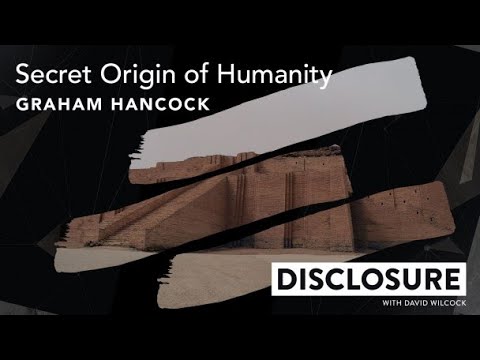
Graham Hancock and the Secret Origin of Humanity: An Investigative Dossier


Introduction: The Echoes of an Unwritten Past

The official timeline of human civilization, meticulously carved into textbooks and academic journals, paints a familiar picture: a slow, arduous journey from primitive hunter-gatherers to the complex societies we inhabit today. Yet, whispers persist, echoes from a time that science struggles to fully comprehend. These whispers speak of advanced civilizations lost to the sands of time, of knowledge seemingly bestowed upon humanity long before our accepted evolutionary timeline would allow. Enter Graham Hancock, a figure synonymous with this controversial frontier, who challenges us to confront the possibility that our 'secret origin' is far more ancient, sophisticated, and mysterious than we've been led to believe.

Hancock's work is not merely speculative; it's a rigorous, albeit unconventional, examination of archaeological anomalies, flood myths, and forgotten histories. He asks us to consider the implications of a lost epoch of human achievement, a period potentially wiped clean by cataclysm, leaving only fragmented clues for us to decipher. Our mission today is not to accept or reject his hypotheses outright, but to dissect the evidence, analyze the methodology, and understand why these ideas continue to ignite debate and captivate those who feel the official narrative is incomplete. This is more than a history lesson; it's an investigation into the very foundations of our existence.

The Hancockian Thesis: A Challenge to Established Narratives

Graham Hancock's central argument, popularized in works like "Fingerprints of the Gods" and more recently expounded in "Ancient Apocalypse," posits the existence of a sophisticated global civilization that predates the last Ice Age. This civilization, he suggests, possessed advanced astronomical and architectural knowledge, capable of feats that modern archaeology struggles to explain. According to Hancock, this proto-civilization was tragically annihilated by a series of cataclysmic events at the end of the Younger Dryas period, around 12,800 years ago. The survivors, scattered and stripped of their advanced understanding, regressed technologically, carrying only fragmented memories and cryptic symbols that would later form the basis of our modern myths and legends.

This thesis directly challenges the established archaeological consensus, which generally places the emergence of complex societies and monumental architecture much later, after the advent of agriculture. Hancock argues that key sites—Göbekli Tepe in Turkey, the pyramids of Egypt and Mesoamerica, the enigmatic structures of Puma Punku in Bolivia—are not the products of nascent farming communities but rather relics of a far older, advanced culture. He contends that the accepted timeline is a form of "archaeological dogma," a resistance to evidence that doesn't fit the prevailing evolutionary model. The implications are profound: if Hancock is correct, humanity's past is not a linear progression but one marked by cycles of rise and fall, where advanced knowledge was gained, lost, and potentially rediscovered.

Archaeological Anomalies: The Evidence That Doesn't Fit

The bedrock of Hancock's arguments lies in what he identifies as "archaeological anomalies"—sites and artifacts that, under conventional interpretation, seem anachronistic or defy easy explanation. Göbekli Tepe, with its massive carved stone pillars dating back over 11,000 years, predates settled agriculture and even pottery, yet it features complex symbolic carvings and megalithic construction. Hancock points to this as evidence of a sophisticated, organized society existing long before the accepted dawn of civilization. Similarly, he examines the precise astronomical alignments of structures like the Great Pyramid of Giza, suggesting a level of knowledge not typically associated with the dynastic Egyptians, but perhaps inherited from an earlier, forgotten culture.

Then there are the stone constructions themselves: the perfectly cut and fitted massive blocks found at sites like Puma Punku, which many experts claim exhibit a degree of precision that would be challenging even with modern tools, let alone those presumed to be available to ancient peoples. Hancock, alongside researchers like Robert Bauval with his Orion Correlation Theory regarding the Giza pyramids, proposes that this advanced understanding of astronomy and engineering is not a singular development but a legacy inherited from a lost global civilization. The persistent mystery surrounding the age and capabilities of these sites forms a critical pillar of the argument for a pre-diluvian advanced culture, forcing us to question the completeness of our archaeological record.

Cataclysmic Memories: A Global Flood of Evidence?

A recurring theme in Hancock's work is the pervasive nature of flood myths across disparate cultures worldwide. From the Biblical Noah's Ark to the Mesopotamian Epic of Gilgamesh, and indigenous traditions from the Americas to Australia, stories of catastrophic deluges are remarkably consistent. Hancock posits that these are not mere symbolic tales but literal, albeit distorted, memories of a real global cataclysm that wiped out the preceding civilization toward the end of the last Ice Age. He connects these myths to geological evidence of rapid sea-level rise and widespread flooding events that occurred as the ice sheets melted.

This "memory" hypothesis extends beyond just flood narratives. Hancock also explores how surviving fragments of knowledge might have been encoded in esoteric traditions, star maps, and even geological formations themselves. The idea that a civilization capable of monumental architecture would encode vital information about their own demise and the subsequent recovery of humanity is a compelling, if speculative, concept. By compiling and analyzing these widespread, ancient accounts, Hancock argues that we can piece together a narrative of a forgotten past, a collective amnesia triggered by a world-altering disaster.

"The flood myths are not merely stories; they are historical accounts, imperfectly remembered, of a genuine global cataclysm that occurred at the end of the last Ice Age."

Esoteric and Mythological Connections

Beyond the tangible bricks and mortar of ancient sites, Hancock frequently delves into the realm of mythology, esoteric symbolism, and ancient texts to support his thesis. He draws parallels between different cultural mythologies and their descriptions of celestial events, divine beings, and the cyclical nature of creation and destruction. This cross-cultural analysis suggests a common origin for humanity's earliest narratives, a shared ancestral memory that transcends geographical and temporal boundaries.

The hunter-gatherer societies of the Ice Age, considered by conventional archaeology to be relatively unsophisticated, are re-examined by Hancock as potential custodians of this ancient knowledge. He proposes that they were not simply surviving but were in a unique position to observe the celestial patterns and geological changes that signaled the end of an era, and perhaps even interacted with the remnants of the lost civilization. His exploration of these esoteric connections, often dismissed by mainstream science, aims to provide a more holistic understanding of our origins, suggesting that knowledge might have been passed down through oral traditions and mystical practices.

Scientific Reception and Criticism

Graham Hancock's work has consistently met with significant skepticism and criticism from the mainstream archaeological and scientific communities. Critics argue that his interpretations of archaeological evidence are selective, often prioritizing anomalies while downplaying contradictory data. The concept of a highly advanced global civilization existing before the last Ice Age is seen as unsupported by the vast body of evidence for slow, incremental human development.

Key criticisms often include:

  • Dating Inaccuracies: Accusations of misinterpreting or manipulating carbon dating and other chronological data to fit his timeline.
  • Selective Evidence: Pointing out that Hancock often focuses on a few anomalous sites while ignoring the wealth of evidence supporting the established chronology.
  • Lack of Direct Evidence: The absence of definitive artifacts or written records from this supposed advanced pre-Ice Age civilization.
  • Alternative Explanations: Mainstream science offers alternative, more conventional explanations for the feats attributed to a lost civilization, such as indigenous innovation, misinterpretation of natural formations, or later construction overlaid on older sites.
Despite these criticisms, Hancock's proponents argue that mainstream science is too rigid in its adherence to established paradigms, failing to adequately consider evidence that doesn't fit the prevailing narrative. The debate often centers on the interpretation of evidence and the willingness to consider unconventional hypotheses.

The Investigator's Verdict: Fraud, Genuine Phenomenon, or Something Else?

After sifting through the evidence presented by Graham Hancock and considering the counterarguments from the scientific establishment, a definitive conclusion remains elusive, yet the inquiry itself is invaluable. Hancock's meticulous compilation of archaeological anomalies and cross-cultural flood myths is compelling enough to warrant serious consideration, even if his ultimate thesis remains highly speculative. The sheer consistency of certain megalithic construction techniques and astronomical alignments across pre-Ice Age sites like Göbekli Tepe presents a genuine puzzle that conventional explanations sometimes struggle to fully resolve.

However, the burden of proof for such a radical redefinition of human history rests heavily on concrete, irrefutable evidence. The scientific community's reservations are understandable; extraordinary claims require extraordinary evidence, and the current evidence, while intriguing, does not yet meet that threshold for widespread acceptance. It is plausible that many of the phenomena Hancock highlights could be explained by a combination of: a more complex and varied pre-Ice Age human presence than currently understood, a longer period of technological development before the Holocene, or even natural geological processes misunderstood by modern observers. Yet, the persistent anomalies and the sheer universality of certain myths suggest that there is still a wealth of lost history waiting to be uncovered. Dismissing Hancock entirely risks closing the door on potential discoveries; accepting his thesis without rigorous, verifiable proof is equally problematic. The truth, as always, likely resides in the nuanced space between established dogma and radical speculation, demanding continued investigation and an open, yet critical, mind.

The Researcher's Archive

For those seeking to delve deeper into the mysteries of humanity's forgotten past, a curated selection of resources is essential. The following materials offer critical perspectives and foundational knowledge for any serious investigation into alternative historical paradigms. These are not mere suggestions; they are vital tools for understanding the scope of the debate.

  • Books:
    • "Fingerprints of the Gods" by Graham Hancock: The seminal work that laid the groundwork for much of the modern debate on ancient civilizations.
    • "Ancient Apocalypse" by Graham Hancock: A more recent exploration focusing on archaeological sites and the cataclysm hypothesis.
    • "The Orion Correlation Theory" (various works by Robert Bauval): Explores the astronomical alignments of the Giza pyramids and their potential connection to a lost epoch.
    • "Civilization One" by Christopher Knight and Alan Butler: Presents a similar thesis regarding an advanced global civilization and its astronomical knowledge.
    • "Underworld: The Mysterious Origins of Civilization" by Graham Hancock: Further probes into aquatic myths and geological evidence.
  • Documentaries:
    • "Graham Hancock: Ancient Civilizations" (various series on streaming platforms like Gaia): Offers visual explorations of sites and interviews.
    • "The Revelation of the Pyramids": A French documentary that explores enigmas surrounding ancient constructions.
    • "The Lost Worlds of Our Ancestors": Series that often touch upon alternative theories of human history.
  • Academic Resources:
    • Look for papers discussing the Younger Dryas event and its geological impacts.
    • Research papers on Göbekli Tepe and other pre-agricultural megalithic sites.
    • Journals of archaeology and anthropology should be consulted for mainstream perspectives and peer-reviewed criticisms of alternative theories.

Protocol: Investigating Ancient Civilizations

Investigating claims about lost ancient civilizations requires a structured approach that blends critical thinking with an open mind. Here's a protocol for approaching such complex subjects:

  1. Establish Baseline Knowledge: Familiarize yourself thoroughly with the mainstream archaeological and anthropological consensus regarding human origins and the timeline of civilization. Understand the established evidence for tool use, agriculture, art, and societal development.
  2. Identify Anomalies: Study the specific sites, artifacts, or texts that proponents of lost civilizations cite as evidence. For example, examine the engineering of Puma Punku, the dating of Göbekli Tepe, or the astronomical alignments of Egyptian pyramids.
  3. Research Alternative Explanations: For each anomaly, actively seek explanations provided by mainstream science. Understand how archaeologists interpret these sites within the conventional framework.
  4. Analyze Evidence Critically: When examining evidence presented by proponents of lost civilizations, ask:
    • What is the source of the claim?
    • What is the dating methodology? Is it robust and independently verifiable?
    • Are there alternative interpretations of the evidence?
    • Is the evidence selective? Are contradictory facts being ignored?
  5. Cross-Reference Mythologies: Compare flood myths, creation stories, and ancient texts from different cultures. Look for consistent themes and motifs that might indicate a shared, ancient memory.
  6. Consider Geological and Climatological Data: Correlate proposed timelines with known geological events, such as the end of the last Ice Age, sea-level rise, and catastrophic climate shifts like the Younger Dryas.
  7. Formulate Your Own Hypothesis: Based on your research, develop a reasoned position. It might align with Hancock's theories, the mainstream view, or a hybrid perspective that acknowledges unresolved questions.
  8. Document Your Findings: Maintain a detailed record of your research, including sources, citations, and your personal analysis. This is crucial for understanding your own thought process and for engaging in informed debate.

Frequently Asked Questions

FAQ Section

Q1: Is Graham Hancock a historian or an archaeologist?
Graham Hancock is best described as a writer and journalist who has specialized in alternative history and ancient mysteries. He does not hold formal academic credentials in archaeology or history, which is a point of contention for his critics.
Q2: What is the main evidence for a pre-Ice Age civilization?
Proponents like Hancock point to megalithic sites such as Göbekli Tepe, the pyramids, and Puma Punku, suggesting they exhibit advanced construction and astronomical knowledge for their supposed age. They also cite widespread flood myths as evidence of a global cataclysm wiping out such a civilization.
Q3: Why is Hancock's work controversial?
His work is controversial because it challenges the established timeline of human civilization. Critics argue that his interpretations of evidence are selective, lack rigor, and often ignore more conventional explanations supported by broader archaeological consensus.
Q4: What would prove Graham Hancock's theory?
Irrefutable evidence, such as undisputedly dated artifacts or structures proving advanced technology from before 12,000 BCE, or clear written records from such a period, would be necessary to validate his theory according to scientific standards.

Conclusion: The Ongoing Search for Our True Origins

The quest to understand our origins is an ongoing, often contentious, expedition into the deepest recesses of time. Graham Hancock's research, while provocative and often criticized, compels us to look beyond the comfortable certainties of conventional history. He forces us to confront the possibility that our current understanding of human development is incomplete, that perhaps entire epochs of civilization have been lost, not just to the passage of millennia, but to cataclysmic events and subsequent collective amnesia.

The anomalies at sites like Göbekli Tepe, the profound similarities in global flood myths, and the sheer scale of some ancient constructions serve as persistent questions marks for conventional narratives. While the scientific community rightly demands rigorous, verifiable evidence, the enduring power and prevalence of these mysteries suggest that our past may hold far more secrets than we currently acknowledge. The debate initiated by Hancock is thus not merely an academic exercise; it is a fundamental inquiry into who we are and where we came from. It reminds us that the search for truth is a constant process of questioning, investigating, and re-evaluating. The official record may be one version of our story, but the whispers of a forgotten past continue to echo, urging us to listen.

Your Mission: Investigate Your Own Ancient Myths

Every culture, every community, harbors its own local legends and historical enigmas, often rooted in ancient oral traditions. Your mission, should you choose to accept it, is to identify one such local myth or ancient story from your region or ancestry. Does it speak of a great flood? A hidden valley of lost knowledge? A time when the stars were different? Research its origins, compare it to other global motifs, and critically analyze whether it could be a fragmented echo of a forgotten chapter of human history, much like the myths explored in relation to Hancock's work. Document your findings and share them in the comments below – let's see what forgotten histories we can uncover together.

About the Author

alejandro quintero ruiz is a veteran field investigator dedicated to the analysis of anomalous phenomena. His approach combines methodological skepticism with an open mind to the inexplicable, always seeking the truth behind the veil of reality. He has spent years traversing forgotten landscapes and documented countless cases in his pursuit of the unknown.