Followers

Mostrando las entradas con la etiqueta H.P. Lovecraft. Mostrar todas las entradas

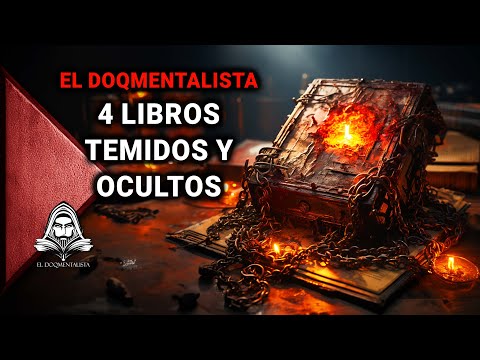
Analyzing the Unknowable: Forbidden Books and Occult Lore

Image

The allure of forbidden knowledge is as old as civilization itself. Throughout history, certain texts have been shrouded in mystery, deemed too dangerous, too potent, or too heretical for public consumption. These so-called 'forbidden books' often sit at the intersection of myth, history, and the deeply human fascination with the unknown. But how much of their terrifying reputation is earned, and how much is pure fabrication? In this dossier, we dissect the lore surrounding some of the most infamous grimoires, separating fact from fiction, and exploring why these ancient (and sometimes not-so-ancient) tomes continue to captivate our collective imagination.

The Veil of Mystery

Our journey into the realm of forbidden books begins with acknowledging the powerful mystique surrounding them. These are not mere relics; they are often presented as conduits to hidden powers, dangerous rituals, and unspeakable truths. The very act of seeking them out is often framed as a transgression, a step into territory best left unexplored. From the chilling pronouncements of ancient sorcerers to the pop-culture echo of fictional grimoires, the concept of a book too terrifying to know is a persistent one in our cultural landscape. The initial approach to discussing these texts, often starting with the fictional Ficciòn like the Necronomicon, immediately sets a tone of mystery, as noted by several observers online: "Starting the video with a fictional occult book is wild bro." This sets the stage for a deep dive where we must critically examine the claims made about these texts.

Deconstructing the Lore: Context and Controversy

Understanding these books requires more than just reading their purported contents; it demands an appreciation for their historical and cultural contexts. As one sharp observer pointed out, "On the Historical Context... It might benefit from a more nuanced discussion regarding the historical contexts of these works." Indeed, many of these texts emerged from periods where magic, religion, and science were not so clearly delineated. The lines between divine inspiration, folk magic, and what we might now label as pseudo-science were blurred. Authorship is often debated, with texts attributed to figures long dead or entirely mythical. The language barrier, predominantly Latin in Western traditions, adds another layer of perceived exclusivity and power. "Why is magic always in Latin?" is a question that echoes the sentiment of many who encounter these ancient writings, hinting at a historical barrier that amplified their mystique.

Recommended Gear for Investigation

ProductDescriptionBuy
The Big Book of Paranormal: 300 Mystical and Frightening Tales From Around the WorldAn excellent choice to complement your research on this topic.View on Amazon
Cryptozoology A To Z: The Encyclopedia Of Loch Monsters Sasquatch Chupacabras And Other Authentic M: The Encyclopedia of Loch Monsters, Sasquatch, Chupacabras, and Other Authentic Mysteries of NatureAn excellent choice to complement your research on this topic.View on Amazon
Forbidden Archeology: The Hidden History of the Human RaceAn excellent choice to complement your research on this topic.View on Amazon
The H. P. Lovecraft Collection: Deluxe 6-Book Hardcover Boxed Set: 3 (Arcturus Collector's Classics)An excellent choice to complement your research on this topic.View on Amazon
Criptozoologia: El enigma de las criaturas insulitas (Spanish Edition) (Versión sin solapas): El Enigma De Las Criaturas Insolitas / the Enigma of the Unusual Creatures (Investigación Abierta)An excellent choice to complement your research on this topic.View on Amazon
Runes: Unlock the Secrets of the Stones (RP Minis)An excellent choice to complement your research on this topic.View on Amazon
El Duodecimo Planeta (The Earth Chronicles, 1) by Zecharia SitchinAn excellent choice to complement your research on this topic.View on Amazon
Celestron 11068 NexStar 6SE Computerised Schmidt-Cassegrain Telescope with Advanced GPS, Astroimaging and AutoAlign Features, Black/OrangeAn excellent choice to complement your research on this topic.View on Amazon
Ghost-Hunting For Dummies [Idioma Inglés] An excellent choice to complement your research on this topic.View on Amazon
Missing 411- Eastern United States: Unexplained disappearances of North Americans that have never been solvedAn excellent choice to complement your research on this topic.View on Amazon

The Necronomicon: Lovecraft's Cosmic Horror

Perhaps no fictional book has achieved such a robust real-world following as the Necronomicon. Often cited as the ultimate forbidden tome, its origins are unequivocally tied to the imagination of H.P. Lovecraft. The assertion that it "never existed" and is "just a concept written by H.P. Lovecraft" is accurate, yet its influence extends far beyond literature. Lovecraft himself stated, "the Necronomicon first came to prominence through the work of H.P. Lovecraft..." essentially confirming he invented it "from whole cloth." This distinction is crucial. Many enthusiasts mistakenly believe it to be an ancient text. As online commentary highlights, "The Necronomicon is a completely fictitious thing, and you can judge someone's interest in the occult by whether or not they believe it's anything more than a plot device in a fictional story. If they think it's real, they're just pop-culture obsessed reddit witches." My own collection, like that of some viewers, includes "most of these in my personal collection, I rid myself all versions of the Necronomicon early on," recognizing its fictional nature. Others echo, "There is no such book called the necronomicon" or noting, "Every terrifying book you shouldn't know and he starts with the necronomicon which is a fictional book by a novelist in the 20th century." It serves as a potent symbol of cosmic dread and forbidden, sanity-shattering knowledge within Lovecraft's universe, but its existence remains firmly within the literary realm.

The Picatrix: Alchemy, Astrology, and Ancient Wisdom

Shifting gears, we encounter The Picatrix, a 10th-century Arabic work on talismanic magic, astrology, and alchemy. Unlike the Necronomicon, this is a genuine historical text, albeit one often misunderstood or sensationalized. Its true value lies in its intricate discussions on celestial influences and their connection to earthly events and magical operations. The visual representations associated with it, however, can be a source of confusion. "I love how the first picture of the picatrix is just a picture of one of the books of Hermaeus Mora from skyrim," one commenter observed, with another adding, "Used Miraak’s book from Skyrim for the Picatrix lol" and "3:51 is that a black book from Skyrim." This highlights a common issue in popular media: the use of fictional imagery to represent real historical artifacts, blurring lines for the uninitiated. A deeper analysis requires examining primary and secondary sources to differentiate original interpretations from later embellishments.

The Key of Solomon

The Key of Solomon (Clavicula Salomonis) is one of the most well-known and influential grimoires in Western esotericism. Attributed to King Solomon, this text details methods for invoking spirits and performing various magical rituals. Its historical attributions are complex, with scholars dating its compilation to the medieval period, likely much later than the time of Solomon. The text's enduring appeal lies in its systematic approach to magic, including detailed instructions for creating magical tools, performing purifications, and consecrating circles. The pronunciation of its title, "Abramelin," has also proven to be a point of contention, with one viewer noting, "Three different pronunciations of 'Abramelin' in seven seconds, all of them wrong." My own annotated copy of the Goetia, the first book within The Lesser Key of Solomon, the Illustrated Goetia by Aleister Crowley, is a testament to its continued study.

The Grand Grimoire: The Devil's Bible?

Often dubbed the "Red Dragon" or the "Devil's Bible," The Grand Grimoire is purported to contain instructions for summoning Lucifer himself and making pacts. Like many books of its kind, its historical authenticity is heavily debated, with some scholars suggesting it's a later compilation designed to sensationalize occult practices. The legend surrounding it is potent, claiming that it was written on parchment made from human skin and that owning a copy grants immense power, but at a terrible cost. Its notoriety makes it a prime candidate for inclusion in discussions of terrifying books, despite the lack of concrete evidence for its ancient origins.

The Book of Shadows: Personal Journeys

In contrast to the grand, often malevolent grimoires, the Book of Shadows represents a more personal form of occult record-keeping. Typically, it is a witch's personal journal, detailing spells, rituals, and observations. "The Book of Shadows is a Witches personally diary of there spells they experiment with & keep notes on the progress of there progress. No one but the owner is supposed to view it because it is worthless to others in all honesty," a commenter accurately describes. Its value is intensely individual, making it less a source of universal forbidden knowledge and more a chronicle of a practitioner's unique path and discoveries. While not inherently 'terrifying' in the same vein as others, its private nature and association with witchcraft lend it a certain mystique.

Investigating the Sources: Methodology Matters

The effectiveness of any investigation into these complex texts hinges on rigorous methodology. A key point raised was the need to "shed light on the primary and secondary sources in the discussion of the 'Picatrix' or the 'Grand Grimoire' as it would help viewers understand the difference between original texts and later interpretations or translations." This is fundamental. Relying solely on hearsay or popular interpretations can lead to significant misunderstandings. For the Picatrix, distinguishing between the original Arabic text and its various translations and commentaries is essential. Similarly, understanding the lineage of texts like The Key of Solomon, acknowledging its medieval origins rather than a literal Solomonic authorship, provides crucial historical grounding.

The Skeptic's Corner: Separating Myth from Reality

The prevalence of fictional elements, like the Necronomicon and even visual elements from video games like Skyrim being used to depict historical texts, underscores the importance of a skeptical approach. "If any of these books worked why aren't the authors literally the most powerful people in history?" is a logical question that cuts to the core of the matter. The answer often lies in the fact that many of these books are either fictional constructs, historical curiosities, or their 'power' is symbolic, psychological, or based on belief rather than demonstrable physical effect. Furthermore, misinterpretations abound; classifying texts like those from Zoroastrianism as "witchcraft" is a common error born from a lack of historical understanding. The existence of these books in public domain PDFs also demystifies them, bringing them from the realm of the forbidden into accessible archives.

The commentary dissecting the Necronomicon's fictional nature is particularly insightful: "Yo, Abdul Alhazred is a fictional character in Lovecrafts work. He isn't ACTUALLY believed to have written the necronomicon." This careful differentiation prevents the conflation of literary devices with historical realities. The voice analysis, suggesting AI, also adds a modern layer of potential deception in how information is presented, reminding us to question the medium as much as the message.

Investigator's Toolkit: Recommended Resources

For those seeking to delve deeper into the study of occult literature and history, a curated selection of resources is invaluable. Beyond the primary texts themselves, academic analyses and historical commentaries provide crucial context. Exploring reliable scholarly works on the history of magic, alchemy, and comparative religion can illuminate the origins and evolution of these traditions. Documentaries that focus on historical accuracy and consult with experts, rather than sensationalism, are also highly recommended. For the digital age, curated archives of historical texts and academic databases serve as indispensable tools for cross-referencing and verification.

Investigator's Recommended Team

Equipping yourself for serious research into esoteric subjects often involves specialized tools and texts. Having reliable editions of key grimoires is paramount, alongside academic analyses that provide historical and cultural context. Accessibility to rare texts, whether through personal collections or digital archives, significantly aids the investigative process.

Frequently Asked Questions

  • Q: Is the Necronomicon a real book?

    A: No, the Necronomicon is a fictional creation of author H.P. Lovecraft, central to his Cthulhu Mythos. It holds no historical basis as an ancient grimoire, though its literary impact has led to its adoption in occult circles.
  • Q: Why are so many occult books written in Latin?

    A: Latin was historically the language of scholarship and religion in the West for centuries. Its association with ancient traditions, religious texts, and perceived arcane power made it a common choice for grimoires, lending an air of authority and mystery.
  • Q: If these forbidden books worked, why aren't their authors the most powerful people in history?

    A: This is a critical skeptical query. The efficacy of such texts is highly debatable. Many argue that their 'power' is symbolic, psychological, or based on belief. Furthermore, many 'forbidden' books are fictional or historical curiosities rather than practical spellbooks, and their authors sought different kinds of influence or knowledge, not necessarily global dominance.
  • Q: Can I find copies of these occult books online?

    A: Yes, many older texts that are in the public domain, such as parts of The Key of Solomon or The Grand Grimoire, can be found in PDF format online. However, the accuracy and completeness of these digital versions can vary.
  • Q: What is the difference between a grimoire and a Book of Shadows?

    A: Grimoires are typically compendiums of magical spells and rituals, often attributed to historical or mythical figures, intended for external use. A Book of Shadows is a personal witch's journal, recording individual experimentation, spells, and personal magical observations, intended primarily for the owner's use.

Investigator's Verdict: Myth, Magic, and Manipulation

After dissecting these texts, the verdict is clear: the line between forbidden knowledge and imaginative fiction is often remarkably thin. While historical grimoires like The Picatrix and The Key of Solomon offer genuine insights into past beliefs and practices, many of the 'terrifying' books we discuss are either literary inventions or heavily mythologized historical documents. Lovecraft’s Necronomicon stands as a monument to the power of fiction to seep into reality, illustrating how compelling narratives can birth entire subcultures of belief. The true danger often lies not in the books themselves, but in the potential for misinterpretation, manipulation, and the exploitation of belief. Our investigation reveals that while the allure of the forbidden is potent, critical analysis and historical context are the most powerful tools we possess.

Your Mission: The Archive of the Unknown

Your mission, should you choose to accept it, is to critically examine one piece of 'forbidden' lore that has captured your attention. Whether it's a text mentioned here or another that sparks your curiosity, approach it with analytical rigor. Seek out its historical context, question its origins, and differentiate between verifiable history and enduring myth. Document your findings, and share them—perhaps a personal grimoire of your deductions? The pursuit of knowledge, even the unsettling kind, is a vital endeavor.

Investigator's Note: True paranormal research doesn't fund itself. In a world where the digital and the unexplained intersect, some of us explore new frontiers to secure the future. Do you dare to be part of the vanguard? Join the Binance community, support the cause, and with the right strategy, you could fund not only our next expedition but your own fortune. The next great discovery could be just a click away.

The Necronomicon: Unraveling the Enigma of Eldritch Knowledge and Cosmic Horror


Introduction: The Phantom Tome

In the dimly lit corners of the literary world, there exists a tome of eldritch horror and arcane knowledge that has captured the imaginations of countless seekers of the strange and paranormal. The Necronomicon, a purportedly ancient grimoire, has woven itself into the fabric of occult lore and speculative fiction since its inception in the mind of H.P. Lovecraft. While universally regarded as a work of pure fiction, its origins are shrouded in deliberate ambiguity, and the lore surrounding it is rife with intrigue and fascination.

Authored, in myth, by the mad Arab Abdullah al Hasread, this book ostensibly contains dark rituals, esoteric knowledge, and harrowing tales of cosmic horror that have, according to legend, exacted a terrible toll on those who have dared to consult its pages. Despite Lovecraft's masterful reluctance for explicit detail, the Necronomicon's enigmatic aura endures, compelling many to question its perceived authenticity and to plunge hesitantly into the abyss of belief. Today, we dissect this phantom tome, separating the threads of Lovecraftian invention from the persistent whispers of the truly uncanny.

Delving into the Abyss: The Mythos of the Necronomicon's Genesis

The genesis of the Necronomicon is as obscure as the forbidden lore it is said to contain. Its attribution to Abdullah al Hasread, a shadowy figure purportedly devoted to the worship of the enigmatic Ancient Gods, forms the bedrock of its legendary origin. The critical question for any serious investigator remains: Was Abdullah al Hasread a historical figure alluded to by Lovecraft, or an entirely fictional construct designed to lend an air of authentic antiquity to his creations? This ambiguity is not an oversight; it is a deliberate tool employed by Lovecraft to amplify the sense of dread and mystery.

It is within the supposed pages of this fictional grimoire that the profound mysteries of the cosmos and the supernatural are theorized to converge. The very act of naming this book, and its supposed author, imbues it with a psychological weight that transcends mere narrative. We will examine the subtle mechanisms Lovecraft utilized to make his invented artifact feel chillingly plausible.

Unveiling the Shadows: The Forbidden Contents

Within the Necronomicon's spectral pages lie a tapestry of terror and strangeness that has sent shivers down the spines of readers for generations. Dark rituals, arcane incantations, and incisive glimpses into the macabre fabric of reality are said to fill its ancient folios. Lovecraft's intentionally vague descriptions serve as potent catalysts for the reader's imagination, leaving them to envision the horrors that await those who dare to unlock its secrets. Cosmic entities of unfathomable power, eldritch abominations that defy natural law, and forbidden sciences that challenge the very foundations of our understanding are all purportedly concealed within its cryptic passages.

The true power of the Necronomicon as a fictional device lies in its ability to suggest rather than explicitly state. This leaves ample room for interpretation, allowing the reader's own fears and subconscious anxieties to populate the terrifying voids left by Lovecraft's deliberate reticence. This is the hallmark of effective cosmic horror: not the monster itself, but the crushing realization of humanity's insignificance in the face of such vast, indifferent forces.

The Enigma of Authenticity: Hoaxes, Speculation, and Erroneous Beliefs

Throughout history, the question of the Necronomicon's authenticity has ignited fervent debates among scholars, occultists, and enthusiasts alike. Lovecraft's masterful ambiguity has, paradoxically, played a significant role in fueling the belief in the book's tangible existence. This persistent mystique has inevitably led to numerous hoaxes and false claims of possession or discovery, further blurring the already indistinct line between fact and fiction. The inherent allure of the unknown, coupled with a desire for validation concerning the existence of the supernatural, has driven some individuals to seek physical proof, thereby perpetuating a sense of mystery that continues to captivate audiences even today.

The market for anomalous artifacts and forbidden knowledge is, as my own investigations have shown, ripe for exploitation. Numerous individuals have attempted to capitalize on the Necronomicon mythos, presenting fabricated texts as genuine. Analyzing these claims requires a rigorous application of critical thinking and a deep understanding of Lovecraft's literary innovations. We must always consider the simplest explanation first: pareidolia of narrative, where the human mind seeks patterns and meaning in deliberate creative ambiguity.

"It is not in the stars to hold our destiny but in ourselves." - William Shakespeare, though Lovecraft might argue differently when the stars are right. The Necronomicon, as a concept, forces us to confront the possibility that our destiny might indeed be written in realms beyond our comprehension.

The Enduring Mystery: Lovecraft's Masterpiece and its Legacy

The enduring allure of the Necronomicon can undoubtedly be attributed to Lovecraft's unparalleled genius as a master of the weird tale. He intentionally left the book's physical appearance and specific contents open to the boundless imagination of his readers – a sophisticated storytelling device that has added immeasurable layers of psychological depth and terrifying intrigue to its associated lore. Consequently, the Necronomicon transcends its origins as a mere fictional artifact; it has evolved into a potent symbol for the unknown, standing as a testament to Lovecraft's profound and lasting legacy in the annals of the occult and strange phenomena.

Its influence is undeniable, permeating not only literature but also film, music, and gaming. The Necronomicon serves as a cultural touchstone, a shorthand for forbidden knowledge and the terrifying potential that lies just beyond the veil of our perceived reality. Understanding its impact requires an appreciation for Lovecraft's unique brand of horror, which preys on existential dread and cosmic insignificance.

Investigator's Verdict: Fact, Fiction, and the Unsettling Blur

From a purely investigative standpoint, the Necronomicon is unequivocally a work of fiction, a brilliant literary device conceived by H.P. Lovecraft. There is no verifiable historical evidence to support the existence of either Abdullah al Hasread as a historical figure or the physical tome itself. The various purported "copies" or "versions" that have surfaced over the decades are invariably modern fabrications, elaborate hoaxes, or misinterpretations of Lovecraft's text.

However, to dismiss the Necronomicon entirely is to misunderstand its profound impact. As a concept, it functions as a powerful archetype for forbidden knowledge and the dangers inherent in seeking truths that humanity may not be equipped to handle. Its "authenticity" lies not in its physical existence, but in its psychological resonance and its ability to tap into our primal fears of the unknown and the vast, indifferent cosmos. The true mystery isn't whether the book is real, but why we are so compelled to believe in it.

The Investigator's Archive: Essential Reading and Viewing

To truly grasp the scope and significance of the Necronomicon within the context of occult literature and cosmic horror, an investigator must engage with primary and secondary sources. My own research heavily relies on a curated selection of texts and media that illuminate the origins and impact of Lovecraft's most notorious creation.

For those seeking to delve deeper, I recommend the following resources, which form the cornerstone of any serious study into this subject:

  • Primary Literary Source: H.P. Lovecraft's collected works, particularly stories like "The Hound," "The Shadow Over Innsmouth," and "The Dunwich Horror," which reference the Necronomicon and its associated mythos.
  • Scholarly Analysis: Books such as "Lovecraft: Weaver of Horrors" by E.F. Bleiler or "The Necronomicon: A Prolegomenon" by other scholars (if such a definitive text existed, it would be a landmark). Look for analyses that dissect Lovecraft's influences and the literary construction of his mythos.
  • Occult Histories: Works by authors like Aleister Crowley or contemporary occultists often engage with fictional grimoires, providing context for how such concepts are perceived within esoteric circles.
  • Documentary Exploration: Visual media exploring Lovecraft's life and work, or documentaries on the occult and paranormal, often touch upon the Necronomicon's cultural footprint.

Engaging with these materials will provide a robust foundation for understanding why a fictional book has managed to exert such a tangible influence on our collective imagination regarding paranormal enigmas and the lurking presence of cosmic entities.

Frequently Asked Questions

What exactly is the Necronomicon?
The Necronomicon is a fictional grimoire created by the horror author H.P. Lovecraft. It is central to his Cthulhu Mythos, purported to contain forbidden knowledge and dark rituals related to ancient cosmic entities.
Did Abdullah al Hasread really exist?
There is no evidence to suggest that Abdullah al Hasread was a real historical figure. He is believed to be another creation of H.P. Lovecraft's imagination, designed to lend an air of antiquity and mystery to his fictional tome.
Can I buy a real copy of the Necronomicon?
Genuine copies of the Necronomicon do not exist, as it is a fictional book. Many books sold as "real Necronomicons" are modern creations intended to capitalize on its mystique. Always approach such claims with extreme skepticism.
What kind of influence has the Necronomicon had?
The Necronomicon has profoundly influenced horror literature, speculative fiction, and occult subcultures. It serves as an archetype for forbidden knowledge and has inspired countless works of art, literature, and film, fostering a fascination with eldritch knowledge and cosmic horror.

Your Field Mission: Deconstructing the Myth

The Necronomicon, as a construct, is a testament to the power of suggestion and the human mind's predisposition to seek meaning in the unknown. Your mission, should you choose to accept it, is to apply this critical lens to other phenomena that blur the lines between reality and fiction.

Consider the following:

  1. Identify a popular "urban legend" or paranormal artifact. This could be anything from the Jersey Devil to a supposed haunted object.
  2. Research its origins. Who first told the story? What are the earliest recorded accounts? What are the potential real-world explanations or misinterpretations that could have led to the myth?
  3. Analyze its cultural impact. How has the legend evolved? What does its persistence say about our collective fears or desires?
  4. Formulate your own "Investigator's Verdict. Conclude whether the phenomenon is likely explicable by mundane means, a deliberate hoax, or if a genuine anomaly remains after all analysis.

Share your findings and your verdict in the comments below. Let's continue to deconstruct the mysteries that captivate us, armed with skepticism and an insatiable curiosity for the truth, no matter how unsettling.

alejandro quintero ruiz is a veteran field investigator dedicated to the analysis of anomalous phenomena. His approach combines methodological skepticism with an open mind to the inexplicable, always seeking the truth behind the veil of reality. His years of experience in the field lend a unique perspective to the study of occult lore and the boundaries of human perception.

The 4 Most Terrifying Books in History: Encounters with Dangerous Enigmas


Introduction

The allure of terror is a paradox deeply embedded in the human psyche. We are drawn to the precipice, to narratives that whisper of the forbidden and the unknown. Throughout history, certain texts have transcended mere storytelling, becoming conduits for dread, catalysts for madness, and objects of profound, often dangerous, fascination. These are not just books; they are gateways, and today, we open the files on four of the most terrifying literary entities ever conceived, texts that promise not enlightenment, but a descent into chilling enigma.

My own years trawling through dusty archives and haunted libraries have taught me that the most potent fear isn't always found in jump scares, but in the slow, insidious erosion of certainty. These books represent that erosion. They are artifacts that challenge our perception of reality, presenting concepts so alien, so *wrong*, that they linger long after the last page is turned. We're not dealing with ghost stories here; we're examining potential keys to unlocking forces that logic cannot contain. The question isn't if they are scary, but *why* and *how* they wield such power.

The Necronomicon

Few fictional works have achieved the cult status and notoriety of H.P. Lovecraft's Necronomicon. While Lovecraft himself was a masterful weaver of cosmic horror, he presented this tome as a genuine, ancient manuscript penned by the mad Arab Abdul Alhazred. Its supposed contents detail forbidden lore, the history of the Old Ones, and incantations to awaken them. The true terror of the Necronomicon lies not in its explicit descriptions, but in the terrifying implication: that entities of immense, indifferent power exist just beyond our veil of perception, and that knowledge of them inevitably leads to madness or destruction. Lovecraft masterfully tapped into a primal fear of the cosmos and humanity's utter insignificance within it.

"The oldest and strongest emotion of mankind is fear, and the oldest and strongest kind of fear is fear of the unknown." - H.P. Lovecraft. This sentiment is the very bedrock upon which the Necronomicon's legend is built.

The Necronomicon serves as a potent example of how a fictional construct can become enshrined in occult circles, spawning countless imitations and analyses. Its power is not in its physical existence, but in the *idea* of it – a compendium of cosmic dread that promises forbidden knowledge at an unacceptable price. For anyone serious about understanding the extremities of theological and existential horror, exploring Lovecraft's mythology is not just recommended; it's essential. Consider it a foundational text in the study of malevolent narratives.

The Scripture of Blasphemy

This title is often associated with texts that deliberately seek to subvert religious dogma and provoke through sacrilege. While no single "Scripture of Blasphemy" exists as a unified tome in the way the Necronomicon is conceived, the concept manifests in historical and contemporary occult literature that aims to shock and deconstruct established faiths. Think of texts that challenge the divine, re-interpret sacred narratives through a lens of primal chaos, or detail rituals designed to invoke entities antithetical to established deities. The terror here is deeply psychological and cultural; it targets the very foundations of belief and morality. Such texts, whether real or imagined, represent the ultimate taboo – the rejection of the sacred and the embrace of the profane.

When analyzing this category, it's crucial to distinguish between artistic subversion and genuine attempts to invoke dark forces. The danger lies less in the words themselves and more in the psychological impact they can have on vulnerable individuals, or in the intent of those who seek to disseminate them. Early occultists and modern fringe groups have often sought out or created such texts, believing they hold power to disrupt the spiritual order. This pursuit itself is a fascinating, albeit disturbing, area of study for parapsychologists and folklorists interested in the power of symbolic language and belief. For those intrigued by the intersection of forbidden knowledge and cultural rebellion, exploring historical grimoires and their reinterpretations offers a chilling perspective.

The Key of Solomon

The Key of Solomon (Clavicula Salomonis) is a genuine historical grimoire, a pseudepigraphal text attributed to King Solomon. It is not merely a collection of spells but a detailed manual for ceremonial magic, outlining rituals, circles of protection, invocations, and the properties of various spirits. Its terror stems from its antiquity, its purported connection to biblical prophecy, and the very real – and dangerous – potential of ceremonial magic if mishandled. The grimoire details ways to contact and bind spirits, angelic and demonic, and to compel them to do the magician's will. The inherent risk, as described within its pages, is profound: summoning entities beyond human comprehension carries the inherent threat of losing control, of damaging one's soul, or of inviting malevolent energies into one's life and surroundings.

Many occult historians and researchers, including myself, have spent years poring over its variants. The text is a testament to the enduring human desire to understand and manipulate the unseen forces of the universe. The precision required for its rituals, the elaborate astrological timings, and the detailed descriptions of entities highlight a sophisticated understanding of esoteric principles. However, the consequences of error are emphasized repeatedly. It’s a textbook for advanced practitioners, not for the casual dabbler. Understanding the Key of Solomon is less about finding scary spells and more about grasping the historical methodology of manipulating spiritual energies, a practice that inherently carries risks.

The Book of Sorcery of Honorius

Another historical grimoire, often referred to as the Liber Honorius Magnus or the Book of Sorcery of Honorius the Great, is considered one of the most dangerous and malevolent texts in Western occult tradition. Unlike the Key of Solomon, which is often presented as a guide to controlling spirits, the Book of Sorcery of Honorius is widely believed to detail methods for summoning and commanding demons with a more direct and brutal approach. It is rumored to involve deeply disturbing rituals, often referencing sacrifices and the manipulation of life force. The terror associated with this book lies in its perceived corrupting influence and its alleged efficacy in invoking entities that are outright hostile to humanity, offering power at a cost that is ruinous beyond measure.

Its true origins are debated, but its reputation for darkness is undeniable. Many consider it too dangerous to even study, preferring to leave its hypothetical contents as subjects of academic speculation rather than practical investigation. The sheer malevolence attributed to it has made it a bogeyman in occult lore, a text to be feared not just for its potential power, but for the dark intent it supposedly embodies. For analysts of extreme occultism, this book represents a critical case study in how fear and corrupted belief can coalesce around a textual object.

Investigator's Verdict: Echoes in the Parchment

The terror these books invoke is multifaceted. The Necronomicon, though fictional, represents the existential dread of cosmic indifference and forbidden knowledge. The concept of the Scripture of Blasphemy taps into cultural anxieties about societal decay and the rejection of foundational beliefs. The Key of Solomon, a genuine grimoire, highlights the potent allure and inherent danger of ceremonial magic. Finally, the Book of Sorcery of Honorius embodies the deepest fears of malevolent demonic invocation, a vortex of pure darkness. Are these books inherently dangerous, or do they merely reflect the darkness already present in the human mind? My analysis suggests a potent feedback loop. The text provides the framework, the intention provides the energy, and the belief – however suppressed – provides the potential conduit. The true menace lies in the intersection of these elements, where the line between imagination and a tangible, terrifying reality begins to blur.

The Researcher's Archive

For those seeking to delve deeper into the nature of these dark artifacts and the phenomena they represent, a curated selection of resources is invaluable. Understanding the historical context and the psychological underpinnings of such texts is paramount for any serious investigator who wishes to avoid falling prey to their allure or their alleged power. My own investigations into the nature of fear, belief, and the documented cases of individuals affected by such lore have been informed by the following:

  • Books:
    • An Introduction to Necronomicon edited by Alan Clark: A critical examination of Lovecraft's creation and its impact on occultism.
    • The Book of Forbidden Knowledge by Owen Davies: Explores the history of magical texts and their influence.
    • The Pictorial Key to the Tarot by A.E. Waite: While not directly about grimoires, Waite's work offers insight into symbolic language and esoteric traditions.
    • The Grimoires of Armadel and Honorius (various translations): For direct study, though extreme caution is advised.
  • Documentaries:
    • "The Curse of the Necronomicon" (various interpretations): Explore films that dissect the mythos.
    • "History of Magic and Witchcraft" series: Provides context for the societal fears surrounding such texts.
  • Platforms:
    • Gaia: Offers extensive documentaries and series on the occult, mythology, and unexplained phenomena, often featuring experts discussing historical texts.
    • Academic Archives: Search for digitized versions of historical grimoires through university libraries and specialized occult databases.

Accessing these resources can provide a more grounded perspective, allowing for critical analysis rather than passive consumption of fear. Remember, the most powerful tool you possess is your own discerning intellect.

Field Mission

Your mission, should you choose to accept it, is twofold. Firstly, consider how the fear of the unknown, as embodied by these texts, impacts your own perception and choices. Secondly, I challenge you to find a local legend or a piece of folk horror from your region. Research its origins, its variations, and the anxieties it reflects within your community. Document your findings, noting any recurring themes of forbidden knowledge, dangerous entities, or subverted beliefs. The tapestry of human fear is vast and intricate, and your own backyard might hold threads as chilling as any ancient manuscript.

alejandro quintero ruiz is a veteran field investigator dedicated to the analysis of anomalous phenomena. His approach combines methodological skepticism with an open mind to the inexplicable, always seeking the truth beyond the veil of reality.

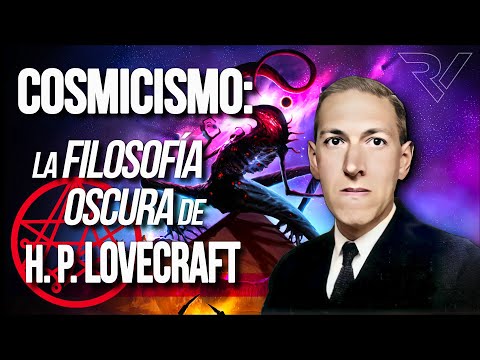
Cosmicismo de H.P. Lovecraft: Análisis de una Filosofía Terminal y su Impacto en la Investigación Paranormal


La Semilla del Terror: Introducción al Cosmicismo

El teléfono suena a las 3:33 AM. Una voz estática susurra un nombre que nadie debería conocer. No es una llamada, es una invitación. Hoy abrimos el expediente del Cosmicismo, la filosofía oscura y desoladora que H.P. Lovecraft supo destilar en sus relatos, y que resuena con la inquietud más primaria del ser humano: el miedo a lo desconocido.

Lovecraft no fue un mero escritor de historias de fantasmas; fue un arquitecto de pesadillas cósmicas. Su legado literario, el Cosmicismo, trasciende el género de terror para convertirse en una profunda reflexión sobre la insignificancia de la humanidad frente a un universo vasto, indiferente y habitado por entidades de poder inimaginable. Este concepto, lejos de ser una simple fantasía, ofrece una lente analítica para comprender ciertos fenómenos paranormales y nuestra propia percepción de lo inexplicable.

El Vacío Cósmico: Una Visión del Universo Lovecraftiano

La premisa fundamental del Cosmicismo es la absoluta irrelevancia de la existencia humana en el gran esquema cósmico. No hay un propósito divino, ni un orden preestablecido que beneficie o considere a nuestra especie. El universo es un ente vasto, antiguo y anárquico, regido por leyes crípticas que escapan a nuestra comprensión y comprensión.

Esta visión nihilista del cosmos no surge de la nada. Es una extrapolación extrema de los descubrimientos científicos y filosóficos de principios del siglo XX. La inmensidad del espacio revelada por la astronomía, la aparente indiferencia de la naturaleza y la ausencia de pruebas concluyentes sobre una deidad benevolente proporcionaron el caldo de cultivo perfecto para que Lovecraft edificara su pavorosa cosmogonía. El ser humano, en este contexto, es un mero accidente temporal, una mota de polvo en la inmensidad estelar, destinada a desaparecer sin dejar rastro significativo.

Para un investigador paranormal, esta perspectiva es crucial. Despoja al fenómeno de interpretaciones antropocéntricas o teleológicas simplistas. Si existen entidades paranormales, su origen y propósito pueden no tener nada que ver con nuestras preocupaciones, miedos o deseos. Podrían ser restos de civilizaciones antiguas incomprensibles, manifestaciones de energías desconocidas o simplemente "seres" que operan bajo una lógica tan ajena a la nuestra como la de una bacteria a la de un humano.

Este vacío existencial es el terreno fértil donde germina el miedo más puro: el miedo a lo que no podemos entender, a lo que no podemos controlar, y a lo que nos recuerda nuestra propia fragilidad. Lovecraft magistralmente explotó esta veta, convirtiendo la vastedad del espacio y la oscuridad de la existencia en el escenario principal de sus horrores.

Para comprender la magnitud de esta amenaza, es fundamental analizar los textos fundacionales. Libros como el Necronomicón, aunque ficticios, representan el conocimiento prohibido que, según Lovecraft, alberga las claves de esta realidad aterradora. La búsqueda de este tipo de conocimiento "perdido" o "oculto" guarda paralelismos con la investigación de textos antiguos y esotéricos en la búsqueda de explicaciones para eventos inexplicables.

Entidades Prohibidas y la Insignificancia Humana

El panteón de Lovecraft es vasto y aterrador, poblado por los Primigenios y los Grandes Antiguos. Seres como Cthulhu, Azathoth, Yog-Sothoth o Nyarlathotep no son villanos en el sentido tradicional, sino fuerzas cósmicas cuya mera contemplación puede llevar a la locura. Su poder es inmenso, su antigüedad inimaginable, y su existencia indiferente a la vida humana.

La locura, de hecho, es un tema recurrente en la obra de Lovecraft. No es un mero efecto secundario del miedo, sino una consecuencia directa de la confrontación con la verdad cósmica. Al vislumbrar la verdadera naturaleza del universo y la insignificancia de la humanidad, la mente humana se fragmenta, incapaz de procesar tal revelación. Este paralelismo es fascinante para el estudio de los fenómenos paranormales, donde los testigos a menudo describen experiencias que desafían la lógica y la cordura, llevando a cuestionamientos sobre la salud mental o, alternativamente, sobre la naturaleza de la realidad que están percibiendo.

Las entidades lovecraftianas, con su poder para alterar la realidad y la percepción, son arquetipos de lo "otro" que acecha en los márgenes de nuestra existencia. No buscan activamente el mal, pero su mera presencia o influencia es devastadora para los seres humanos. Esta indiferencia calculada es, quizás, más aterradora que cualquier malicia deliberada. Piensen en ello: ser destruido no por odio, sino por pura y simple irrelevancia.

En la investigación paranormal, a menudo nos encontramos con fenómenos que parecen operar sin motivo aparente, o cuyas manifestaciones son inconsistentes y caóticas. El marco del Cosmicismo nos invita a considerar que estas entidades o fuerzas no están respondiendo a nuestras preguntas, ni jugando con nosotros. Simplemente son, y su existencia interfiere con nuestra propia realidad de maneras que aún no comprendemos. La clave no está en la comunicación, sino en la observación pasiva y el análisis de patrones, reconociendo la posibilidad de que estemos ante algo que trasciende nuestra noción de intencionalidad.

Consideren la posibilidad de que los avistamientos OVNI no sean naves alienígenas con intenciones específicas, sino "seres" o fenómenos que simplemente existen en o transitan por nuestra dimensión, y su detección es un mero subproducto de su naturaleza. O que los poltergeists no sean espíritus de difuntos resentidos, sino manifestaciones de energías o conciencias que operan bajo principios ajenos a nuestra comprensión de la vida y la muerte.

"La emoción más antigua y más fuerte de la humanidad es el miedo, y el miedo más antiguo y más fuerte es el miedo a lo desconocido." ― H.P. Lovecraft

Teorías de Investigación Inspiradas en los Nocturnos de Lovecraft

La filosofía cosmicista, aunque inherentemente pesimista, ofrece una base teórica para abordar ciertos aspectos de la investigación paranormal. Lejos de buscar consuelo o explicaciones reconfortantes, el enfoque lovecraftiano nos empuja a examinar la evidencia sin prejuicios preestablecidos sobre su origen o finalidad.

Una línea de investigación inspirada en Lovecraft podría centrarse en lo que denomino "anomalías de campo cósmico". Estas no serían necesariamente apariciones de fantasmas o entidades demoníacas, sino eventos o fenómenos que desafían las leyes físicas conocidas y que parecen surgir de una "fuente" inexplicable. La clave aquí es la metodología: documentar, analizar y catalogar, reconociendo que la explicación puede no ser un "porqué", sino un "cómo" y un "qué" completamente ajenos a nuestra comprensión actual.

Estudiar casos como los avistamientos OVNI o los reportes de criptozoología bajo esta luz nos permite despojarnos de la necesidad de humanizar o dar intenciones a los fenómenos. ¿Y si el Hombre Polilla de Point Pleasant no fuera una entidad malévola, sino una manifestación de una brecha dimensional transitoria? ¿Y si las luces extrañas en el cielo no fueran naves con tripulantes, sino fenómenos energéticos que simplemente existen en una capa de la realidad que aún no dominamos? Estos son los tipos de preguntas que un análisis cosmicista nos impulsa a hacer.

La clave está en la adopción de un escepticismo riguroso, no para negar lo anómalo, sino para descartar primero todas las explicaciones mundanas y científicas posibles. Solo una vez que hemos agotado todas las vías racionales, podemos empezar a contemplar las implicaciones de lo verdaderamente desconocido. Este proceso metodológico es vital para evitar caer en la paranoia o la mala interpretación, que son precisamente las trampas que Lovecraft tan hábilmente describía.

Para aquellos interesados en profundizar en esta metodología, recomiendo la lectura de Charles Fort, un pionero en la recopilación de fenómenos inexplicables, cuya obra "El Libro de los Condenados" sentó las bases para un registro sistemático de lo anómalo, sin intentar necesariamente darles una explicación definitiva, sino simplemente presentarlas para el análisis futuro.

En la práctica, esto se traslada a:

  • Documentación Exhaustiva: Registrar cada detalle del evento, por trivial que parezca. Desde la hora exacta, las condiciones ambientales, hasta el estado anímico del testigo.
  • Análisis Forense de la Evidencia: Examinar fotografías, grabaciones de audio (EVP, psicofonías) y testimonios con la misma frialdad con la que un científico forense examinaría una escena del crimen. Buscar patrones, inconsistencias, o anomalías que escapen a la explicación natural.
  • Contextualización Histórica y Cultural: Entender si fenómenos similares han sido reportados en la misma área o alineados con eventos históricos específicos.
  • Aceptación de la Incertidumbre: Reconocer que no todas las preguntas tendrán respuesta, y que la verdad puede ser más extraña y perturbadora de lo que imaginamos.

Adoptar estas pautas no significa abrazar el pesimismo de Lovecraft, sino utilizar su marco conceptual para fomentar una investigación más objetiva y menos cargada de expectativas humanas.

Veredicto del Investigador: Relevancia Actual del Cosmicismo

El Cosmicismo de H.P. Lovecraft, a pesar de su origen literario, sigue siendo una herramienta analítica sorprendentemente relevante para la investigación paranormal del siglo XXI. Su fuerza radica en la desmitificación del ego humano frente a lo desconocido, obligándonos a confrontar la posibilidad de que los fenómenos anómalos no respondan a nuestra lógica, nuestras emociones o nuestras creencias.

Si bien podemos discutir la veracidad de ciertos casos de fantasmas o demonios, la perspectiva cosmicista nos invita a preguntarnos: ¿y si no fueran "fantasmas" en el sentido tradicional, sino manifestaciones de energías o entidades cuya existencia trasciende nuestra comprensión limitada de la vida y la muerte? ¿Y si los "extraterrestres" no fueran visitantes de otros planetas, sino seres interdimensionales cuyas "naves" son manifestaciones de realidades alternas?

La obra de Lovecraft nos enseña que el verdadero horror no reside en el monstruo visible, sino en la inmensidad del vacío que este representa. En el campo paranormal, esto se traduce en la comprensión de que algunos de los misterios más profundos no son enigmas a resolver, sino verdades fundamentales sobre nuestra posición en el universo que debemos aprender a aceptar.

Considero que el Cosmicismo ofrece una antídoto intelectual contra el antropocentrismo que a menudo contamina la investigación paranormal. Nos recuerda que debemos aproximarnos a lo inexplicable con humildad, una mente abierta hasta el límite de la razón, y un arsenal de herramientas analíticas que nos permitan identificar patrones, sin importar cuán extraños o perturbadores sean.

En definitiva, la filosofía de H.P. Lovecraft no busca validar la existencia de fantasmas o dioses antiguos; busca revelar la magnitud de lo que no conocemos, y la profunda insignificancia que ello implica para nuestra especie. Y en esa revelación, radica un tipo de verdad que, aunque aterradora, es esencial para cualquier investigador serio que aspire a comprender la verdadera naturaleza de lo paranormal.

El Archivo del Investigador

Para quienes deseen profundizar en el análisis del Cosmicismo y su intersección con lo inexplicable, he compilado una lista de recursos esenciales:

  • Libros Clave de H.P. Lovecraft: "La Llamada de Cthulhu", "En las Montañas de la Locura", "El Horror de Dunwich". Estos textos son la piedra angular para entender la cosmovisión lovecraftiana.
  • "El Libro de los Condenados" por Charles Fort: Un compendio monumental de fenómenos inexplicables de la historia, cuyo enfoque en la documentación sin interpretación dogmática es fundamental. Puede ser un precursor de muchos fenómenos aéreos y reportes enigmáticos.
  • "Theorie des OVNIs et autres Phénomènes Aériens Non Identifiés" por Jacques Vallée: Un análisis científico profundo de los OVNIs que a menudo se alinea con una perspectiva de "no-humanos" o entidades que operan en dimensiones desconocidas, resonando indirectamente con la filosofía de Lovecraft.
  • Documental "Hellier" (Temporadas 1 y 2): Aunque centrado en una investigación específica, este documental captura de manera visceral la sensación de adentrarse en lo desconocido y la posibilidad de que eventos aparentemente inconexos estén ligados por una fuerza mayor.
  • Plataforma Gaia: Ofrece una vasta colección de documentales y series que exploran teorías conspirativas, fenómenos psíquicos y la naturaleza de la realidad, muchos de los cuales pueden ser analizados bajo un prisma cosmicista.

Preguntas Frecuentes (FAQ)

  • ¿Es el Cosmicismo una religión o una filosofía?

    El Cosmicismo es principalmente una filosofía literaria y existencialista desarrollada por H.P. Lovecraft. No promueve un sistema de creencias organizado ni rituales, sino una forma de entender el lugar de la humanidad en el universo, caracterizada por el miedo y la insignificancia.

  • ¿Cómo se relaciona el Cosmicismo con el miedo a los fantasmas?

    Aunque Lovecraft no se centró en fantasmas tradicionales, su concepto de entidades cósmicas y ajenas a la comprensión humana puede extenderse para reinterpretar fenómenos comúnmente asociados a fantasmas. En lugar de espíritus, podrían ser manifestaciones energéticas o dimensionales que interactúan con nuestro plano de existencia de maneras que percibimos como anómalas.

  • ¿Es necesario creer en el Cosmicismo para ser un buen investigador paranormal?

    No es necesario "creer" en el Cosmicismo como un dogma, pero comprender sus principios puede ser una herramienta valiosa. Fomenta un enfoque escéptico y objetivo, liberando al investigador de la necesidad de encontrar explicaciones humanas o reconfortantes, y permitiendo una mayor apertura a lo verdaderamente incomprensible.

  • ¿Qué papel juega la locura en el Cosmicismo?

    La locura es una consecuencia directa de confrontar la verdad fundamental del Cosmicismo: la insignificancia humana y la vasta hostilidad o indiferencia del universo. La mente humana, al vislumbrar esta realidad, puede desmoronarse ante la imposibilidad de procesarla.

Tu Misión de Campo: Explorando las Fauces de lo Desconocido

Te desafío a aplicar una lente cosmicista a tu próxima investigación, ya sea personal o al analizar un caso de terceros. En lugar de buscar respuestas sobre "quién" o "por qué", enfócate en el "qué" y el "cómo".

Selecciona un fenómeno paranormal reportado (un video anómalo, una psicofonía, un testimonio de avistamiento) y analízalo bajo la siguiente premisa: ¿Qué es esta manifestación en sí misma, independientemente de las interpretaciones humanas? ¿Qué leyes desconocidas de la física o la realidad podría estar operando? ¿Cómo podríamos documentar su comportamiento sin proyectar nuestras propias intenciones o emociones sobre él?

Comparte tus hallazgos o tus preguntas en la sección de comentarios. Tu objetivo no es llegar a una conclusión definitiva, sino expandir tu capacidad para observar y analizar lo inexplicable desde una perspectiva desapegada y cósmica.

alejandro quintero ruiz es un veterano investigador de campo dedicado al análisis de fenómenos anómalos. Su enfoque combina el escepticismo metodológico con una mente abierta a lo inexplicable, buscando siempre la verdad detrás del velo de la realidad, aplicando décadas de experiencia en la deconstrucción de misterios que desafían la lógica convencional.

El universo de H.P. Lovecraft nos confronta con verdades incómodas. Nos enseña que la realidad es mucho más vasta, extraña y aterradora de lo que hemos llegado a creer. El Cosmicismo no es una puerta de entrada al terror, sino una invitación a la humildad intelectual ante la inmensidad de lo desconocido. Es la comprensión de que, en la gran escala cósmica, somos apenas un susurro en el vacío, pero aun así, debemos seguir observando, analizando y registrando los ecos de lo inexplicable.

Mothman and Birdmen: Messengers from an Unknown Dimension? Reality or Fiction?


Introduction: Echoes from the Unknown

The phone line crackles with static at 3:33 AM. A disembodied voice whispers a name no one should know. It's not just a call; it's an invitation into the abyss. Today, we open the expediente on the Mothman, a creature of myth and shadow, and its unsettling kin: the Birdmen. These entities, often described with terrifying accuracy, challenge our understanding of reality, prompting a critical question: are they mere folklore, elaborate hoaxes, or perhaps, as some speculate, do they serve as portents, messengers from an unknown dimension or reality beyond our immediate grasp?

The paranormal corner is your daily source for the unexplained and the unusual. If these deep dives into the fringe of existence resonate with you, consider following us across our social networks. Your engagement fuels our continued investigation into the anomalous.

Mothman: The West Virginia Enigma

The legend of Mothman is deeply rooted in the collective consciousness, primarily emanating from the sightings reported in and around Point Pleasant, West Virginia, during the mid-1960s. Initial reports described a large, winged bipedal creature, often characterized by its glowing red eyes and imposing stature. These sightings coincided with a period of heightened anomalous activity in the region, including numerous UFO reports and unexplained phenomena, creating a complex tapestry of interconnected mysteries.

I've studied cases like this for years, and the pattern is consistent: a cluster of bizarre events often surrounds a central, undeniable anomaly. Mothman wasn't an isolated incident; it was part of a larger wave. Early witnesses, such as Connie Mallow and her friends, described a creature with a wingspan of ten feet, moving with unnatural speed and agility. The sheer consistency in these early testimonials, often made under duress or fear, lends a degree of credibility that cannot be easily dismissed as mass hysteria alone.

The sheer terror of seeing something so utterly alien, so far removed from our known biological classifications, is a testament to the power of the genuinely inexplicable. It's not the jump scare of a horror film; it's the unsettling realization that the world you thought you knew has just cracked open.

The collapse of the Silver Bridge in December 1967, resulting in 46 fatalities, is often tragically linked to Mothman. While authorities cited structural failure, local folklore and some investigators posited that Mothman's appearance was a dire omen, a harbinger of impending disaster rather than its cause. This correlation, while circumstantial, adds a layer of dread and predictive significance to the creature's appearances, suggesting a potential role as a 'watcher' or 'messenger'. For anyone serious about investigating such phenomena, understanding the historical context is paramount. Books like John Keel's "The Mothman Prophecies" are foundational texts, offering a detailed, albeit speculative, chronicle of the events and the broader wave of UFO and paranormal activity.

The Birdmen of Lovecraft and Beyond

The concept of avian-humanoid entities predates the Mothman sightings by decades, most notably appearing in the unsettling works of H.P. Lovecraft. His creation, the "Bird-Things" or "Winged Ones," terrorized characters in tales such as "The Shadow Over Innsmouth" and "The Dunwich Horror." These entities, often depicted as grotesque hybrids, were described as ancient, malevolent beings with a connection to other dimensions or forgotten realms. Lovecraft's vivid imagery tapped into primal fears, and it's plausible that these literary constructs, consciously or unconsciously, influenced later witness accounts or were inspired by earlier, less documented folklore.

When we look at alleged sightings of "Birdmen" from different cultural contexts, the parallels become striking. Reports of similar creatures have surfaced globally, from the enigmatic "Fallen Angels" described in ancient texts to more recent accounts of winged humanoids in remote regions. The common threads: an imposing size, powerful wings, and a sense of profound unease or dread associated with their presence.

This isn't just about dusty books or isolated incidents. The consistent reporting of such beings across disparate timelines and geographies demands investigation. It suggests a recurring archetype, whether it's a deep-seated psychological projection or evidence of recurring phenomena. For those seeking to track the origins of such legends, exploring comparative mythology and cryptozoology resources is essential. Think ethnographic studies and archival research; these are your tools.

Interdimensional Hypothesis: A Plausible Explanation?

The interdimensional hypothesis offers a compelling, albeit speculative, framework for understanding entities like Mothman and the Birdmen. This theory posits that these creatures are not native to our physical reality but are visitors from parallel universes or alternate dimensions. Their sudden appearance, seemingly out of nowhere, and their transient nature align with the concept of interdimensional travel, a theoretical process where beings could potentially phase into our reality through weak points or temporal distortions.

Consider the physics involved, or rather, the theoretical physics. Concepts like wormholes, quantum entanglement across dimensions, and higher spatial dimensions (as proposed by string theory) provide a conceptual basis for how such travel might occur. While direct empirical evidence remains elusive, the lack of fossil records, biological inconsistencies with known life forms, and the often-reported "otherworldly" aura surrounding these encounters make the interdimensional explanation a leading contender among paranormal researchers. Investigating this requires a mind open to possibilities beyond our current scientific paradigms. Tools like advanced EMF meters and specialized audio recorders, while primarily used for spirit investigation, could theoretically detect energy signatures associated with dimensional breaches, though this is highly speculative.

"These aren't simply monsters; they are anomalies that stretch the fabric of what we consider possible. If they are indeed visitors, their motives remain as opaque as the dimensions from which they hail."

Furthermore, some researchers propose that these entities might be "interdimensional tourists" or even observers, their appearances not necessarily malevolent but simply indications of their presence in our reality. The connection to UFO sightings and other paranormal activity suggests a potential network or common origin for these diverse phenomena. Understanding this requires a comprehensive review of UFO logs and anomalous event databases, looking for recurring patterns and geographical correlations. The work of Jacques Vallee, particularly his "Passport to Magonia," is a cornerstone in this line of inquiry, suggesting a sophisticated, non-terrestrial intelligence behind many reported anomalies, including Mothman.

Analyzing the Anecdotal Evidence

When dissecting reports of Mothman and Birdmen, we must employ rigorous analytical methods, sifting through anecdotal evidence to identify patterns, inconsistencies, and potential explanations. My experience dictates that the first rule of any investigation is to exhaust all mundane explanations. Pareidolia, misidentification of known animals, atmospheric phenomena, and even deliberate hoaxes can account for many reports.

However, a critical mass of witness testimonies, particularly those from credible sources who underwent psychological evaluation or demonstrated consistent accounts under scrutiny, cannot be so easily dismissed. The key is to look for details that defy simple explanation: the unnatural flight patterns, the reported telepathic or precognitive elements, the extreme fear induced in witnesses, and the peculiar effects on electronic equipment sometimes reported in similar cases.

Aspect Mothman (West Virginia) Birdmen (General Reports) Potential Mundane Explanations
Physical Description Large winged biped, red glowing eyes, ~10ft wingspan. Humanoid with bird-like features, wings, often large. Misidentified birds (owls, vultures), aircraft lights, atmospheric illusions.
Associated Phenomena UFO sightings, electronic malfunctions, precognitive warnings (Silver Bridge collapse). Sense of dread, territoriality, sometimes linked to UFOs or ancient sites. Psychological stress, environmental factors, folklore contamination.
Witness Impact Intense fear, disorientation, sense of impending doom. Distress, awe, sometimes reported injuries or psychological effects. Fear of the unknown, suggestion, confirmation bias.

The critical failure in analyzing such cases is to stop at the surface. We must ask *why* these specific patterns emerge. Is the correlation with UFOs merely coincidental, or indicative of a shared origin? Does the "red eye" phenomenon point to a specific energy signature, perhaps related to dimensional transit? These are the questions that push the boundaries of conventional research. For a deeper dive into evidence analysis techniques, consult resources on critical thinking and investigative journalism; the principles are remarkably similar.

Investigator's Verdict: Beyond Folklore

The evidence, while largely anecdotal, presents a consistent and compelling narrative that transcends simple folklore or misidentification. The Mothman and Birdman phenomena, as documented across multiple reports and historical periods, exhibit characteristics that defy easy explanation. While skepticism is the bedrock of any investigation, dismissing these accounts outright would be an abdication of duty.

The recurring themes of anomalous flight, intense psychological impact on witnesses, and the occasional association with broader paranormal events (UFOs, electronic disturbances) suggest something more than just misidentified fauna. The interdimensional hypothesis, though speculative, offers a framework that accommodates these disparate elements more coherently than purely physical explanations. It's possible we are dealing with entities that operate under different laws of physics or perhaps exist in a state of being that ebbs and flows between realities. The sheer consistency across different eras and locations with similar descriptions points to a persistent anomaly, an echo from realms we do not yet fully comprehend. My verdict: the Mothman and Birdman reports warrant continued, rigorous investigation, as they may represent a genuine window into phenomena beyond our current scientific understanding.

The Investigator's Archive

To equip yourself for investigating these profound mysteries, consider these essential resources:

  • Books:
    • "The Mothman Prophecies" by John Keel: A seminal work detailing the Point Pleasant events and broader paranormal connections.
    • "Passport to Magonia" by Jacques Vallee: Explores the historical scope of unidentified aerial phenomena and their connection to folklore and folklore.
    • "The Cryptozoology A-Z" by Loren Coleman and Jerome Clark: A comprehensive guide to creatures of myth and legend, including winged humanoids.
  • Documentaries:
    • "The Mothman Prophecies" (Film Adaptation): While fictionalized, it captures the atmospheric dread and mystery.
    • "The Unexplained Files" (Series): Features episodes delving into various cryptid and paranormal sightings, including Mothman.
    • "Hellier" (Series): A deep dive into a modern paranormal investigation that touches upon similar themes of anomalous entities and dimensional aspects.
  • Platforms:
    • Gaia.com: Offers a vast library of documentaries and series on paranormal topics, UFOs, and alternative theories.
    • Discovery+ / History Channel: Periodic specials and series that touch upon cryptids and unexplained mysteries.

Field Protocol: Documenting Anomalous Sightings

Should you ever find yourself in a situation where you suspect an encounter with an entity akin to Mothman or a Birdman, adherence to a strict protocol is crucial for reliable data collection:

  1. Prioritize Safety: Your immediate safety is paramount. Do not approach the entity. Maintain a safe distance and avoid direct confrontation.
  2. Observe and Record (Discreetly): If possible and safe to do so, use your smartphone or a dedicated recording device. Capture video, audio, and any other sensory data. Note the time, date, location (using GPS if available), and environmental conditions (weather, lighting).
  3. Note Physical and Energetic Anomalies: Pay close attention to the descriptions of the entity (size, wingspan, eye color, movement) and any unusual phenomena associated with its presence (electronic malfunctions, unusual sounds, temperature drops, feelings of dread or disorientation).
  4. Document Witness Testimony: If others are present, record their accounts separately. Note their emotional state and any inconsistencies or corroborating details in their stories.
  5. Secure Evidence: If any physical trace is left (unusual footprints, residue), document it thoroughly with photographs and measurements before attempting to collect a sample (only if safe and permissible).
  6. Post-Encounter Analysis: Once you are in a secure location, review your recordings. Compare your observations with known data on cryptids like Mothman and other winged humanoid reports. Search for commonalities that might indicate a pattern or a specific type of phenomenon.

Frequently Asked Questions

What is the most credible theory about Mothman's origin?

While no single theory is definitively proven, the interdimensional hypothesis and the idea of Mothman as a precognitive harbinger are among the most discussed and compelling explanations, suggesting it's not a terrestrial creature but something passing through or warning us of danger.

Are Mothman and Birdmen the same entity?

They share significant similarities, leading many researchers to believe they might be manifestations of the same or a related phenomenon. However, specific reported details can vary, suggesting potential regional or dimensional variations of a singular, overarching anomaly.

Can Mothman sightings be explained by known animals?

For the vast majority of sightings, mundane explanations like misidentified large birds (e.g., owls, vultures) or atmospheric phenomena are considered. However, a persistent minority of cases present details (like size, intelligence, and associated phenomena) that remain difficult to attribute to known wildlife.

Is there scientific proof of Mothman or Birdmen?

Currently, there is no definitive scientific proof that satisfies peer review. The evidence remains primarily anecdotal and testimonial, which, while valuable for investigation, does not meet the threshold for scientific validation. However, the lack of proof does not equate to proof of absence.

About the Author

alejandro quintero ruiz is a veteran field investigator dedicated to the analysis of anomalous phenomena. His approach combines methodological skepticism with an open mind to the inexplicable, always seeking the truth behind the veil of reality. With years of experience documenting unexplained events, Quintero Ruiz offers a critical perspective forged in the field, dissecting claims and evidence with the precision of a forensic analyst.

Your Field Mission

Your Mission: Investigate Your Own Local Legends

Every community has its tales of strange creatures or unexplained phenomena. Your mission, should you choose to accept it, is to research a local legend in your area that resembles the Mothman or Birdman archetype. Is there a story of a winged creature, a harbinger of doom, or a mysterious visitor from beyond? Document the narratives, look for recurring details, and consider what mundane factors might explain the accounts. Then, in the comments below, share your findings and your hypothesis: is your local legend a product of folklore, or could it be another echo from the unknown that we discussed today?